
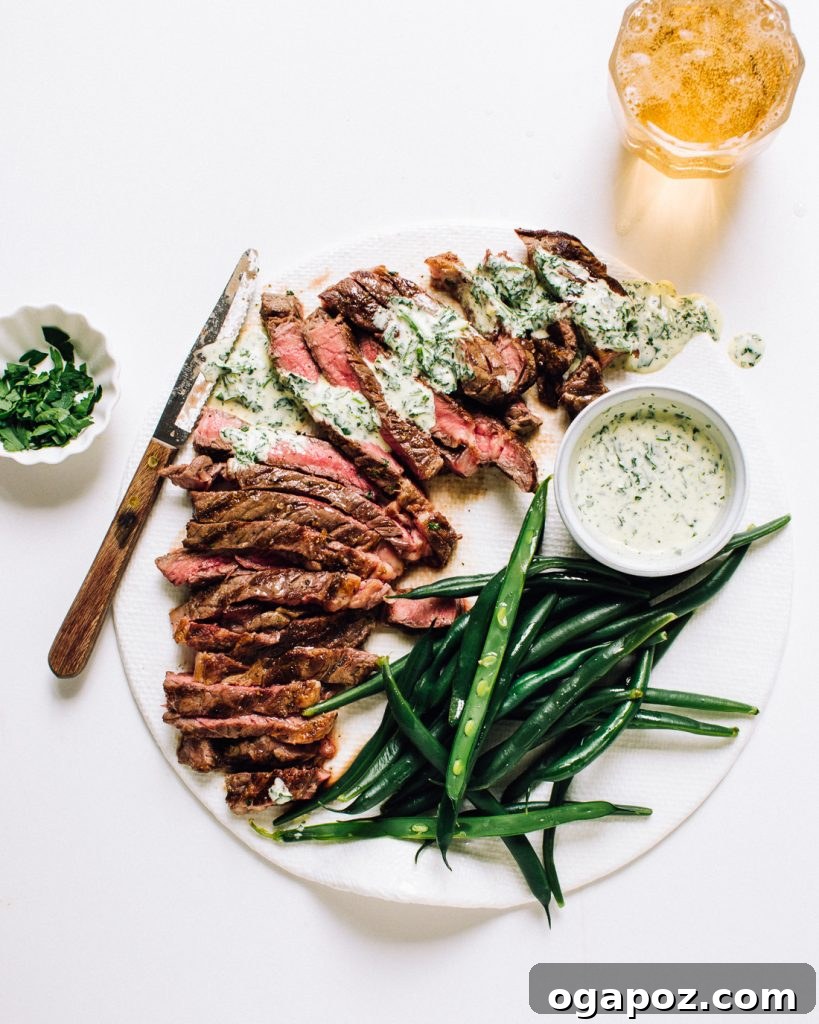
As a seasoned food scientist, I’ve perfected a Flat Iron Steak recipe that consistently delivers steakhouse-quality results right in your kitchen. Imagine a steak that’s incredibly flavorful, melt-in-your-mouth tender, boasting a beautiful caramelized crust and rich, buttery texture. Whether you prefer the char of a grill or the even sear of a cast iron pan, this recipe is designed for flawless execution every single time.
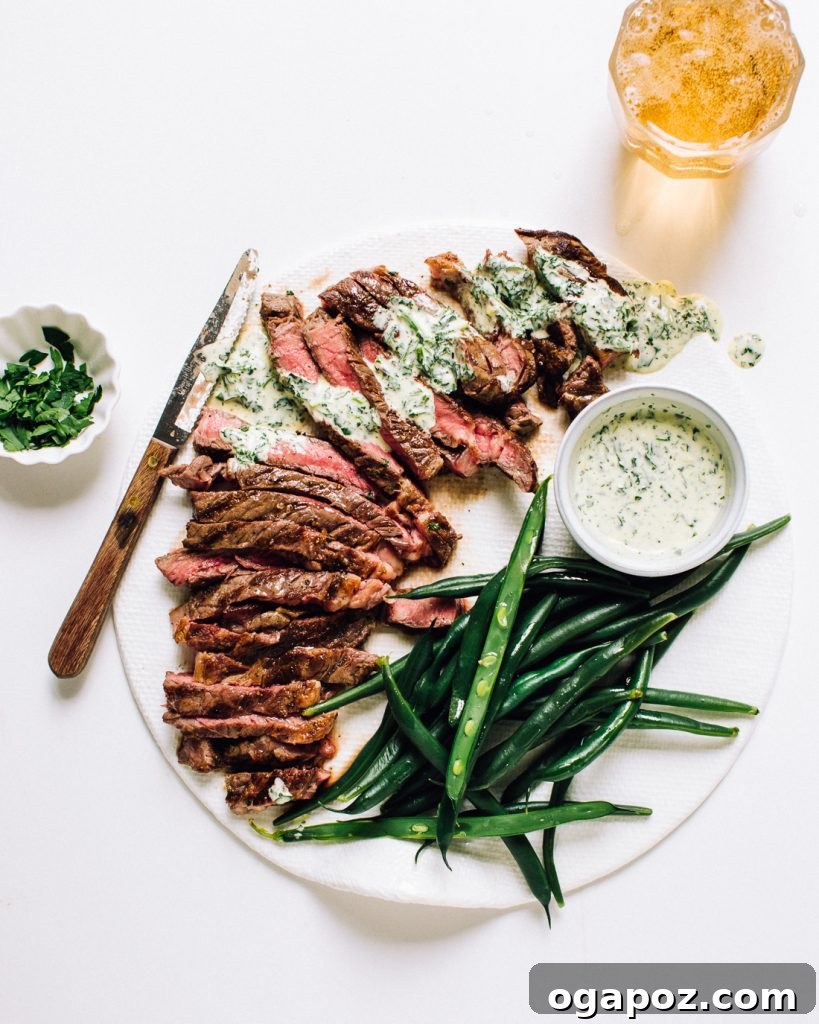
The secret to cooking steak like a true culinary professional lies less in exotic ingredients and more in mastering fundamental techniques. Drawing from my expertise as a food scientist, I’m excited to share my proven methods, ensuring you become the designated steak chef in your family. Get ready to impress with steak that’s always tender, juicy, and packed with flavor.
Why Flat Iron Steak is a Culinary Gem
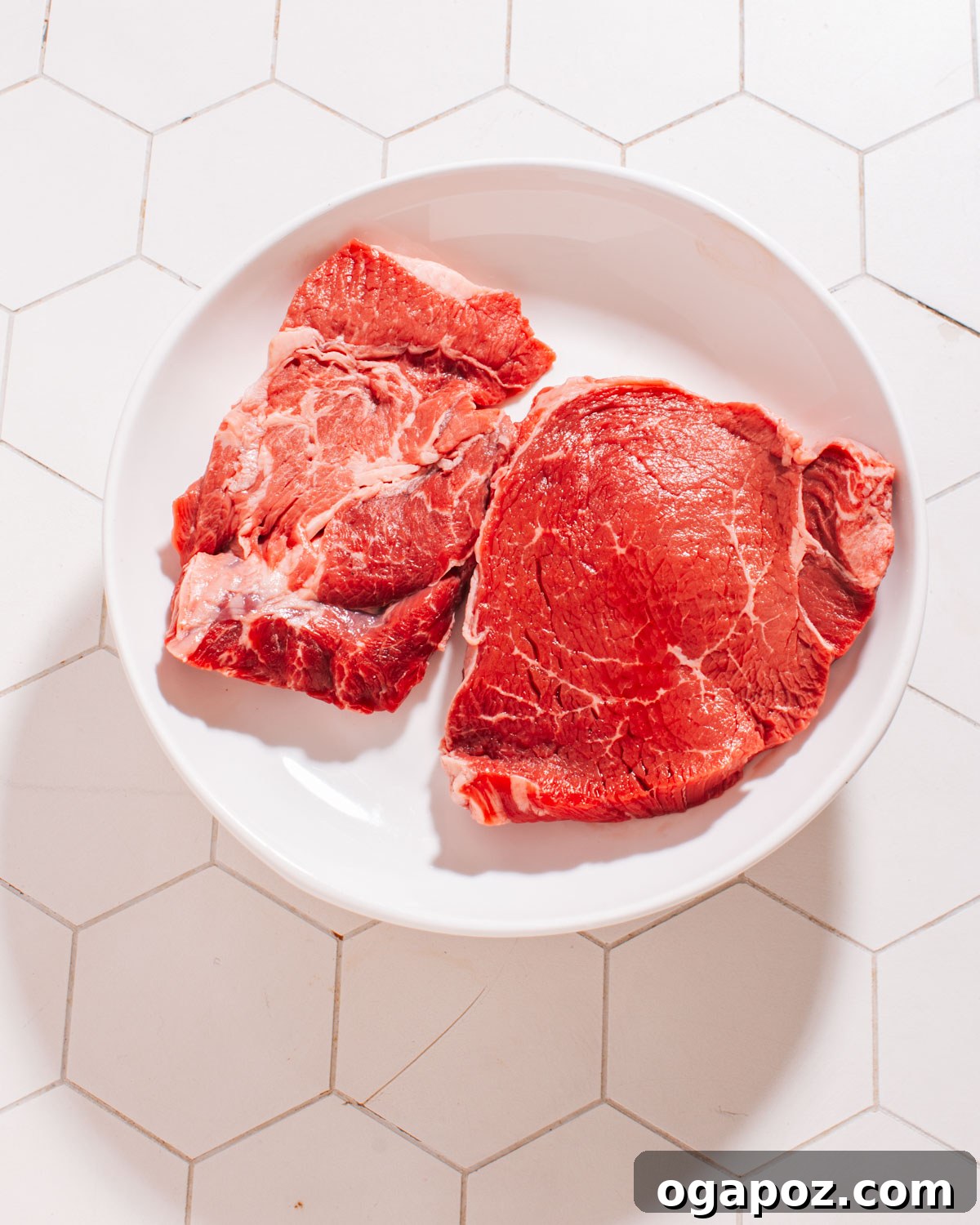
Flat iron steak, also known as the top blade steak, is a remarkably flavorful and tender cut of beef derived from the shoulder (chuck) area of the cow. Often overlooked, it offers exceptional value and rivals more expensive cuts in taste and texture when prepared correctly. Its fine grain and excellent marbling contribute to its inherent juiciness and rich beefy flavor. Unlike many other cuts from the chuck, the flat iron is free of the tough connective tissue typically found in the shoulder, making it ideal for quick cooking methods like grilling and pan-searing. Understanding this cut is the first step towards culinary success.
Essential Ingredients and Tools for Your Flat Iron Steak
Gathering all your ingredients and necessary tools before you begin cooking is a crucial step for a smooth and enjoyable culinary experience. For the best possible results, always prioritize high-quality ingredients.
Flat Iron Steak Recipe Ingredients
Prepare your kitchen with these core components:
- Flat Iron Steak: Opt for a cut that is about 1 inch thick for optimal searing and internal temperature control. If working with frozen steak, consider this guide on how to defrost steak quickly and safely.
- High Smoke Point Oil: Essential for achieving a perfect crust without burning. Vegetable oil, avocado oil, or refined olive oil are excellent choices due to their ability to withstand high temperatures. This ensures an even sear and prevents sticking to your cooking surface.
- Signature Seasonings: A simple yet powerful blend of Kosher salt, onion powder, garlic powder, and freshly cracked black pepper. These seasonings do more than just add flavor; they actively contribute to the development of a beautiful, caramelized crust through the Maillard reaction when seared, enhancing both texture and taste.
Variations and Flavor Enhancements
While this base recipe guarantees a fantastic flat iron steak, it’s also incredibly versatile. Feel free to experiment with these delicious variations:
- Alternative Steak Cuts: If flat iron steak isn’t available, equally delicious results can be achieved with other grilling-friendly cuts. Consider boneless blade steak, flank steak,, or skirt steak. Be mindful that cooking times may slightly vary depending on the thickness and marbling of the alternative cut.
- Sauce It Up: Elevate your steak with a vibrant sauce. I highly recommend my creamy Peruvian green sauce (Aji Verde), which offers a bright, tangy complement to the rich beef. Explore other popular flat iron steak recipes for more sauce inspiration, such as chimichurri, a classic béarnaise, or a simple garlic herb butter.
- Marinade Magic: For an extra layer of flavor and tenderness, consider marinating your flat iron steak for at least 30 minutes or up to 24 hours. A simple marinade of soy sauce, Worcestershire sauce, garlic, ginger, and a touch of acid (like lime juice) can work wonders.
Essential Tools for Steak Perfection
You don’t need a gourmet kitchen full of specialized gadgets to achieve an outstanding steak. These key tools will set you up for success:
- Grill or Cast Iron Pan: Both deliver exceptional results. A hot grill imparts a smoky flavor and appealing grill marks, while a cast iron pan creates an incredibly uniform and deep sear. For tips on achieving the best temperature to grill steak, check out our dedicated guide.
- Pastry Brush or Basting Brush: For evenly coating the steak with oil and potentially basting with butter or herbs during cooking. A small bowl to hold the oil will make this process cleaner and more efficient.
- Meat Thermometer: Absolutely indispensable for achieving precise doneness. An instant-read thermometer is your best friend in preventing overcooked or undercooked steak. This is a game-changer for consistently perfect results.
- Cutting Board and Sharp Knives: A sturdy cutting board is essential for both preparation and resting the steak. Sharp knives ensure clean, effortless slicing against the grain, which is vital for maximum tenderness.
- Tongs: For safely handling and flipping the steak without piercing it, preserving its precious juices.
How to Make Flat Iron Steak: A Step-by-Step Guide to Perfection
Follow these precise steps to cook a flat iron steak that’s tender, juicy, and bursting with flavor. This method is foolproof for achieving restaurant-quality results at home.
Step 1: Prepare the Steak and Heat Your Cooking Surface
- Preheat with Purpose: Begin by preheating your grill or cast iron pan over high heat for a full 5-7 minutes. This extended preheating is paramount. It ensures the cooking surface reaches a smoking hot temperature, which is essential for creating a deep, flavorful sear and preventing the steak from sticking. Without adequate preheating, you won’t achieve that coveted crust.
- Season Generously: While your cooking surface heats, lightly brush both sides of your flat iron steak with a high smoke point oil. Don’t be shy with the seasoning. Liberally sprinkle the kosher salt, onion powder, garlic powder, and freshly cracked black pepper across the entire surface of the meat. This seasoning blend not only enhances the natural beef flavor but also aids in forming that delicious crust during searing.
- Oil the Grates (if grilling): Once your grill is smoking hot, lightly oil the grates. A simple trick is to use tongs to rub a paper towel dipped in oil across the hot grates. If using a cast iron pan, ensure there’s a thin layer of oil shimmering but not smoking excessively before adding the steak.
Step 2: Grill or Sear for the Perfect Crust
- The First Sear (The Maillard Reaction): Carefully place the seasoned flat iron steak onto the preheated grill or cast iron pan. Allow it to sear undisturbed for 3-4 minutes on the first side. This is where the magic of the Maillard reaction happens, developing rich flavors and a beautiful brown crust. Resist the urge to move or flip the steak prematurely.
- The “Release” Test: You’ll know it’s ready to flip when it easily releases from the cooking surface. Gently try to lift a corner with your tongs; if there’s resistance or it feels like it’s tearing, it needs more time. A well-seared steak will lift away effortlessly, indicating a proper crust has formed.
- Flip and Finish: Once the first side boasts nice grill marks and a well-developed sear, flip the steak. Continue cooking on the second side for another 3-4 minutes, or until it reaches your desired internal temperature. For a perfect medium-rare, aim for an internal temperature of 125ºF (52ºC) when checked with an instant-read meat thermometer inserted into the thickest part of the steak.
Step 3: Rest and Serve for Optimal Juiciness
- The Crucial Rest: Immediately transfer the cooked steak to a clean cutting board. Cover it loosely with aluminum foil to keep it warm and allow it to rest for a full 5 minutes. This resting period is non-negotiable for a truly juicy steak. It allows the muscle fibers to relax and re-absorb all the delicious juices that have migrated to the center during cooking. Skipping this step will result in juices running out onto your plate rather than remaining within the meat.
- Slice Against the Grain: Once rested, slice the steak thinly against the grain. This technique is paramount for maximizing tenderness, as it shortens the muscle fibers, making each bite incredibly easy and pleasant to chew.
- Serve with Flair: Drizzle your favorite sauce, such as the creamy Peruvian green sauce (Aji Verde), or simply serve as is. Enjoy your perfectly cooked, melt-in-your-mouth flat iron steak!
Avoiding Pitfalls: 5 Common Mistakes When Making a Flat Iron Steak Recipe
As a food scientist, I understand the nuances that elevate a good meal to an extraordinary one. Here’s where many home cooks sometimes falter with flat iron steak, and how you can avoid these common errors:
- Flipping Too Soon: Patience is a virtue when searing steak. Resist the overwhelming urge to flip the steak early. A well-seared side will naturally release from the cooking surface without resistance when it’s ready. Premature flipping disrupts the formation of that crucial, flavorful crust (the Maillard reaction) that significantly boosts both the texture and the deep, savory taste of your steak. Trust the process: if it sticks, it’s not ready.
- Guessing Doneness (Skipping the Thermometer): One of the most common mistakes leading to overcooked or undercooked steak is relying solely on visual cues or the “touch test.” To achieve perfect doneness every single time, an instant-read meat thermometer is your essential tool. Insert it into the thickest part of the steak, ensuring it doesn’t touch bone. This guarantees you hit the ideal internal temperature, preventing the disappointment of a tough, dry steak or one that’s too rare for your preference.
- Skipping the Rest Period: This step is critical and often overlooked, yet it makes a monumental difference in the juiciness of your final product. After cooking, always transfer the steak to a cutting board and allow it to rest, loosely tented with foil, for at least 5 minutes. This resting time allows the muscle fibers, which contract during cooking, to relax and re-absorb the juices that have been pushed to the center. If you slice your steak immediately, those precious juices will simply run out onto your plate, leaving you with a drier, less flavorful piece of meat.
- Incorrect Cutting Technique (Not Slicing Against the Grain): The way you slice your steak profoundly impacts its tenderness. Always slice steak against the grain. The “grain” refers to the direction of the muscle fibers. By cutting perpendicularly across these fibers, you effectively shorten them, making each bite significantly easier to chew and creating a perception of greater tenderness and juiciness.
- Conversely, when you cut with the grain, you leave long, intact muscle fibers. These long fibers require much more effort to break down as you chew, making even a perfectly cooked steak feel tough, chewy, and less enjoyable. Always take a moment to identify the grain before slicing.
- Not Preheating the Pan/Grill Enough: A common oversight is not allowing your cooking surface to get hot enough. A smoking hot pan or grill is essential for a good, immediate sear. Without it, the steak will cook slowly, steam rather than sear, and struggle to develop that appetizing crust, often resulting in a grey, less flavorful exterior. High heat quickly forms a crust, trapping juices inside.
Make Ahead and Storage Tips
Planning ahead can often enhance the flavor and convenience of your flat iron steak. Here are some useful tips:
- Marinate in Advance: For enhanced flavor penetration and even greater tenderness, consider marinating your flat iron steak overnight (8-12 hours) in the refrigerator. A good marinade will work to break down muscle fibers and infuse the meat with deep, aromatic flavors.
- Proper Leftover Storage: To maintain the freshness and quality of any cooked flat iron steak leftovers, always store them promptly in an airtight container. This prevents air exposure, which can lead to drying out and loss of flavor.
- Refrigeration: Cooked flat iron steak can be safely stored in the refrigerator for up to 3 days. Ensure it cools completely before placing it in the airtight container.
- Reheating for Best Results: Reheating steak can be tricky, but it’s entirely possible to retain its tenderness. For the best way to reheat steak without drying it out, consider gentle methods like warming in a low oven or briefly searing in a hot skillet.
- Freezing Leftovers: You can certainly freeze leftover steak for longer storage. Wrap individual slices tightly in plastic wrap and then aluminum foil, or place them in a freezer-safe bag. Thawed steak is excellent for incorporating into future meals like sandwiches, salads, stir-fries, or tacos.
How to Serve This Exquisite Flat Iron Steak Recipe
A perfectly cooked flat iron steak pairs beautifully with a wide array of side dishes, making it suitable for any occasion, from a casual weeknight dinner to an elegant gathering. Here are some delectable serving suggestions:
- Classic Comforts: Complement the rich flavor of the steak with hearty sides such as creamy mashed potatoes, a savory cornbread casserole, or roasted sweet potatoes.
- Fresh & Vibrant Vegetables: Balance the meal with crisp, green vegetables. Think tender-crisp asparagus, blanched green beans with toasted almonds, or a light garden salad. My quick and crispy air fryer eggplant also makes a fantastic side dish.
- Creative Leftovers: Don’t let any leftover steak go to waste! Thinly sliced flat iron steak is incredibly versatile. Incorporate it into gourmet sandwiches, vibrant salads, hearty wraps, or even savory beef tacos. The developed flavors make it an exceptional addition to almost any subsequent meal.
- Grains & Starches: Serve alongside fluffy quinoa, wild rice pilaf, or even a simple crusty bread to soak up any leftover juices.
FAQs About Flat Iron Steak: Your Top Questions Answered
Curious about flat iron steak? Here are answers to some of the most frequently asked questions to help you become a flat iron pro:
Yes, flat iron steak is renowned for its impressive tenderness, especially considering it comes from the chuck primal. This tenderness is due to its fine grain and the removal of tough connective tissue, making it an excellent choice for grilling and pan-searing when cooked properly.
While technically safe to eat rare, flat iron steak is typically best enjoyed cooked to a medium-rare doneness (125-130ºF or 52-54ºC internal temperature). This range allows the marbling to melt and contributes to optimal flavor, juiciness, and tenderness. Cooking it too rare might not allow the fat to render sufficiently.
Generally, yes, flat iron steak is considered more tender than top sirloin steak. This is attributed to its exceptionally fine grain and rich marbling throughout the cut, which inherently contributes to its juicy texture and robust flavor profile. Sirloin can be tender, but flat iron often has a slight edge in this regard.
Flat iron steak is a highly flavorful and consistently tender cut of beef sourced from the shoulder region (chuck primal) of the cow. It’s distinguished by a layer of tough connective tissue that runs through it, which is removed to create the flat iron cut. This process leaves two very tender and well-marbled pieces of meat, perfect for high-heat cooking methods.
The most accurate way to determine doneness is by using an instant-read meat thermometer. For a medium-rare flat iron steak, aim for an internal temperature of 125ºF (52ºC) before resting. Remember that the temperature will rise a few degrees as the steak rests, reaching a final temperature around 130-135ºF (54-57ºC).
Absolutely! While flat iron steak is ideal, this recipe’s techniques can be adapted for similar cuts. Excellent substitutes include flank steak, skirt steak, or even a boneless ribeye. Keep in mind that cooking times and required internal temperatures may vary slightly based on the specific cut’s thickness and fat content.
Beyond choosing a quality cut, several techniques enhance tenderness: marinating for several hours (or overnight) helps break down muscle fibers; properly resting the steak after cooking allows juices to redistribute; and most critically, always slicing the steak thinly against the grain to shorten muscle fibers for an easier chew.
Yes, absolutely! Patting the steak thoroughly dry with paper towels before oiling and seasoning is a crucial step. Excess moisture on the surface of the steak prevents proper searing and crust formation, as the energy from the pan/grill will first evaporate the water instead of browning the meat. A dry surface is key to achieving that perfect, flavorful crust.
The type of oil is very important. You need an oil with a high smoke point, meaning it can withstand high temperatures without burning and smoking excessively. Oils like vegetable oil, canola oil, avocado oil, or refined olive oil are ideal. Using an oil with a low smoke point (like extra virgin olive oil) at high heat can lead to burnt flavors and an undesirable crust.
Other Steak Recipes You’ll Love
If you’ve enjoyed mastering the flat iron steak, you’re in for a treat with these other fantastic steak and beef recipes, designed to expand your culinary repertoire:
- For a quick and flavorful Asian-inspired meal, try my Beef Steak Broccoli Stir-Fry. It’s perfect for those busy weeknights when you crave something wholesome and delicious.
- Experience unparalleled tenderness with this Steak Made in an Instant Pot. It delivers butter-tender beef that you can almost eat with a spoon, showcasing the versatility of pressure cooking.
- Embrace the flavors of summer with Air Fryer Tuna Steak. This recipe offers an incredibly easy and healthy way to cook fresh tuna, resulting in a perfectly flaky and succulent fish.
- Indulge in classic comfort food with my Old-Fashioned Salisbury Steak Recipe, dripping in rich, savory gravy and guaranteed to evoke nostalgic flavors.
- Elevate your brunch or dinner with Steak with Blue Cheese and Buttermilk Hollandaise. This sophisticated combination offers a delightful interplay of creamy, tangy, and robust flavors.

Pin
Best Flat Iron Steak Recipe (Melt-In-Your-Mouth Tender!)
Ingredients
- 1 lb flat iron steak (about 1 inch thick)
- 1 tbsp vegetable oil (or other high smoke point oil like avocado oil)
- 1 tsp kosher salt
- 1 tsp onion powder
- ½ tsp garlic powder
- ½ tsp freshly-ground black pepper
Instructions
-
1. Prepare the Grill/Pan and Steak: Preheat your grill or a heavy cast iron pan over high heat for 5 full minutes. This is a critical step for achieving a proper sear and preventing the steak from sticking. Meanwhile, pat the flat iron steak completely dry with paper towels. Coat both sides of the steak generously with the vegetable oil, then evenly sprinkle with the kosher salt, onion powder, garlic powder, and black pepper.
Once the grill (or pan) is smoking hot, carefully and lightly oil the cooking surface as well. If using a grill, you can use tongs to rub the grates with a paper towel dipped in oil. If using a pan, ensure there’s a thin, shimmering layer of oil.
-
2. Sear the Steak: Carefully place the seasoned steak onto the preheated grill or cast iron pan. Cook for 3-4 minutes on the first side without moving it. Do not attempt to flip the steak until it easily releases when you gently lift a corner with tongs. If it resists or tears, it’s not ready, and you won’t achieve a good brown crust.
Once the first side has developed beautiful grill marks and a rich sear, flip the steak. Continue to grill or sear for another 3-4 minutes on the second side, or until the internal temperature reaches 125°F (52°C) for a perfect medium-rare, as measured with an instant-read meat thermometer inserted into the thickest part.
-
3. Rest and Serve: Immediately transfer the cooked steak to a clean cutting board. Tent it loosely with aluminum foil and let it rest for a full 5 minutes before slicing. This crucial resting period allows the muscle fibers to relax and re-absorb the delicious juices, preventing them from pouring out when you cut into the meat. This makes a profound difference in the juiciness and tenderness of your steak.
Finally, thinly slice the meat against the grain for maximum tenderness and enjoy!
Notes
Adjusting for Steak Thickness: This timing is optimized for a flat iron steak that is approximately 1 inch thick. For thinner steaks, you will need to check the temperature earlier and reduce cooking time slightly. For thicker cuts, add an extra 1-2 minutes per side, meticulously checking the internal temperature with a thermometer to prevent overcooking.
The Importance of Resting: Never skip the resting period after cooking. Allowing the steak to rest for at least 5 minutes allows the muscle fibers to relax and redistribute the internal juices throughout the meat, guaranteeing a more tender, flavorful, and juicy bite. This simple step is a hallmark of professional steak preparation.
Nutrition
Protein: 22g |
Fat: 15g |
Saturated Fat: 5g |
Polyunsaturated Fat: 2g |
Monounsaturated Fat: 5g |
Trans Fat: 0.4g |
Cholesterol: 75mg |
Sodium: 84mg |
Potassium: 350mg |
Calcium: 7mg |
Iron: 3mg
Nutrition information is automatically calculated, so should only be used as an approximation.
Tried this recipe? Leave a comment!