
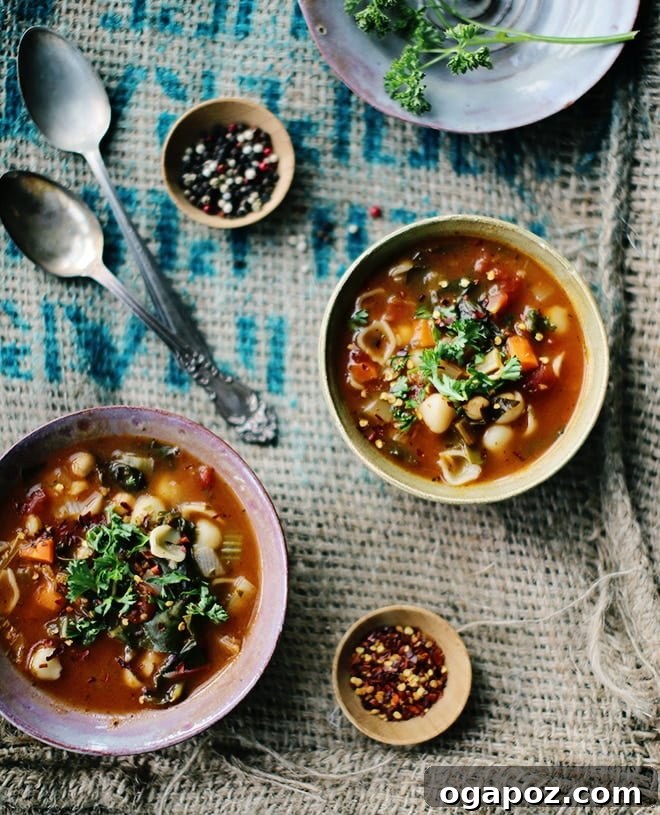
Rustic Vegetable and Chickpea Soup: Your Wholesome Comfort Bowl
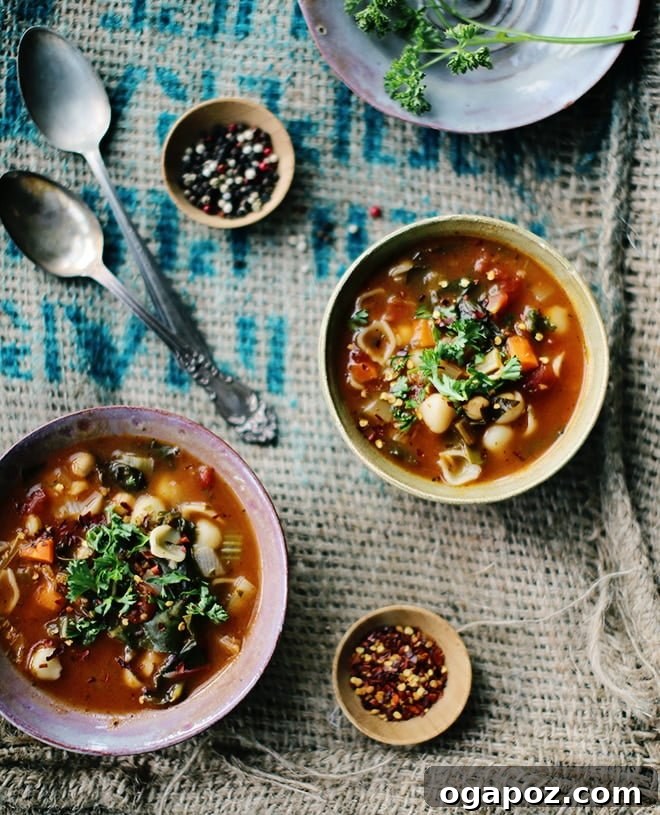
Are you craving a meal that warms your soul, nourishes your body, and leaves you feeling completely satisfied? Look no further than this incredible rustic vegetable and chickpea soup. Packed with vibrant vegetables, hearty chickpeas, and a delightful mix of flavors, this soup is more than just a dish – it’s a bowl of pure comfort. Garnished with fresh parsley and a sprinkle of Parmesan, and served alongside a slice of dense multigrain bread, it transforms a simple lunch into a truly fulfilling experience that cultivates happiness and full bellies.
What makes this soup truly special is its incredible adaptability. It’s truly a “clean-out-the-fridge” project, allowing you to transform forgotten vegetables into a delicious masterpiece. The beauty lies in its flexibility; virtually any vegetable you have on hand can find a happy home in this pot. For instance, I’ve often tossed in shredded cabbage leftover from a slaw or a small stub of zucchini from the crisper. Don’t have chickpeas? White beans or lentils work wonderfully. You can even add shredded leftover chicken if you prefer a non-vegetarian option, making it a fantastic way to minimize food waste while creating something truly delicious.
Sometimes, when I’m out of stock, I even use plain water as the base. In such cases, the key to building deep flavor is to allow the mirepoix (the classic blend of sautéed onions, carrots, and celery) to simmer a bit longer, perhaps for at least 30 minutes, before adding the pasta and other ingredients. This extended simmering time helps extract maximum flavor from the aromatics, ensuring your soup is rich and savory even without a robust stock.
When it comes to vegetable soups, the secret to outstanding flavor often boils down to proper seasoning. I might sound like a broken record on this topic, but having made one too many bland pots of soup in my early cooking days, I can personally attest to the transformative power of a generous pinch of salt. If your soup tastes adequately salty but still lacks a certain spark, a squeeze of fresh lemon juice usually does the trick, brightening all the flavors and adding a delightful zing that elevates the entire dish.
Why You’ll Fall in Love with This Rustic Soup
This isn’t just another soup recipe; it’s a culinary embrace that promises to become a staple in your kitchen. Here’s why this rustic vegetable and chickpea soup is truly a must-try:
- Nutritional Powerhouse: Every spoonful is packed with vitamins, minerals, and fiber. Chickpeas provide plant-based protein and fiber, promoting satiety and digestive health. Swiss chard offers a bounty of vitamins A, C, and K, alongside essential minerals, while the medley of other vegetables contributes a wide spectrum of antioxidants and nutrients for overall well-being.
- Ultimate Comfort Food: There’s something inherently soothing about a warm bowl of homemade soup. This rustic creation delivers that comforting hug, perfect for chilly evenings, busy weekdays, or whenever you need a little warmth and nourishment. Its hearty texture and rich flavors make it incredibly satisfying without feeling heavy.
- Effortless Meal Prep: This soup is a dream for meal preppers. It tastes even better the next day as the flavors meld and deepen, making it an excellent option for healthy, ready-to-eat lunches or dinners throughout the week. Simply make a large batch and store it for convenient, wholesome meals.
- Budget-Friendly & Accessible: Made with humble, inexpensive ingredients like common vegetables, canned chickpeas, and pasta, this soup is kind to your wallet. It proves that incredibly flavorful and nutritious meals don’t have to break the bank.
- Dietary Versatility: Naturally vegetarian and easily made vegan with vegetable stock, this soup caters to various dietary preferences. It can also be made gluten-free by using gluten-free pasta or skipping the pasta entirely and adding more vegetables or a grain like quinoa.
The Art of Adaptable Soup: Cleaning Out Your Fridge
This recipe embodies the spirit of resourcefulness in the kitchen. It’s designed to be flexible, encouraging you to use what you have on hand, preventing food waste, and fostering creativity. Think of the ingredients list as a suggestion rather than strict rules:
- Vegetable Variations: Beyond the core mirepoix, almost any vegetable can be added. Got half a bell pepper? Chop it up. A handful of spinach or kale wilting in the fridge? Stir it in at the end. Broccoli florets, green beans, peas, corn, potatoes, sweet potatoes, or even leftover roasted vegetables can all be fantastic additions.
- Legume & Protein Swaps: While chickpeas offer a wonderful texture and protein boost, feel free to substitute them. Canned cannellini beans, great northern beans, or even red lentils (added earlier to allow for cooking) are excellent alternatives. For a heartier, non-vegetarian version, shredded rotisserie chicken or cooked ground turkey can be stirred in during the final minutes of cooking.
- Grain & Starch Choices: Small pasta shapes like orzo, ditalini, or small shells work perfectly here, absorbing the broth and adding substance. However, you could also use a different grain like rice, quinoa, farro, or even pearl barley (which would require a longer cooking time).
- Herb & Spice Flexibility: Dried oregano provides a classic Italian flavor, but don’t hesitate to experiment with other herbs like thyme, rosemary, or an Italian herb blend. Fresh herbs, as noted in the recipe, always add a burst of freshness when stirred in just before serving. Adjust chili flakes to your preferred spice level.
Mastering Flavor: The Secret to Great Soup
Creating a truly delicious soup goes beyond simply combining ingredients; it’s about building layers of flavor. Here are some key techniques to ensure your rustic vegetable and chickpea soup is always bursting with taste:
- The Foundation of Mirepoix: The initial step of slowly sautéing the onion, celery, and carrot (your mirepoix) is crucial. Don’t rush this stage. Cooking them gently until they are softened and slightly sweet, but not browned, forms the aromatic base that will infuse the entire soup with depth and complexity.
- The Power of Tomato Paste: Stirring in tomato paste and allowing it to cook for a minute before adding liquids intensifies its flavor, adding a rich, umami note that enhances the overall savoriness of the soup.
- Seasoning Throughout, Tasting Often: As mentioned, proper seasoning is paramount. Don’t just add salt at the very end. Season the vegetables as they sauté, and then again after adding the stock. Taste your soup regularly as it simmers and adjust the salt and pepper as needed. Different stocks and ingredients will require varying amounts of seasoning.
- The Brightening Touch of Acidity: If your soup tastes a bit flat or lacks vibrancy even after proper salting, a squeeze of fresh lemon juice is your best friend. The acidity brightens the flavors, making them pop and creating a more balanced and exciting taste profile. A splash of red wine vinegar can also achieve a similar effect.
- Quality of Stock Matters: A good quality vegetable or chicken stock will make a noticeable difference in the final taste of your soup. If using water, ensure you compensate by building extra flavor through the mirepoix and generous seasoning.
Rustic Vegetable Chickpea Soup Recipe
By: Jennifer Pallian BSc, RD
Is your tummy (or heart) in need of a satisfying, wholesome, veggie-dense, comfort-food lunch? Look no further than this rustic chickpea soup.
Prep Time: 15 minutes
Cook Time: 30 minutes
Total Time: 45 minutes
Servings: 6
Ingredients
- 2 tbsp olive oil
- 1 medium onion, finely chopped
- 1 stalk celery, diced
- 1 carrot, peeled and diced
- 2 cloves garlic, minced
- 2 tbsp tomato paste
- 1 ½ cups diced tomatoes (from half of a 28 oz can)
- 1 quart/litre vegetable or chicken stock
- ½ tsp dried oregano (or 1 tbsp fresh, minced)
- 1 cup small pasta (such as orzo, ditalini, or small shells)
- 1 can chickpeas, drained (or about 2 cups cooked chickpeas)
- 1 bunch swiss chard, stems and leaves separated, chopped
- Salt, to taste
- ⅛ tsp cracked black pepper
- Generous pinch red chili flakes (plus more for serving, optional)
- ¼ cup minced fresh parsley (plus more for serving, optional)
- Freshly grated Parmesan for serving (optional)
Instructions
- Heat olive oil in a large pot or Dutch oven over medium heat. Add onion, celery, and carrot and sauté until softened but not browned, about 7 minutes. If vegetables start to brown, reduce the heat. Add minced garlic and sauté for another minute until fragrant.
- Stir in the tomato paste and cook for 1 minute, allowing it to deepen in color. Then, add the diced tomatoes, vegetable or chicken stock, and dried oregano. Bring the mixture to a gentle boil.
- Once boiling, stir in the small pasta, drained chickpeas, and the chopped swiss chard stems. Reduce the heat to a simmer and cook until the pasta is tender, which usually takes about 10 minutes (check package directions for specific pasta cooking times).
- Add the chopped swiss chard leaves to the pot and stir until they are wilted, which typically takes about 1 minute.
- Season the soup generously with salt, cracked black pepper, and red chili flakes to taste. Continue tasting and adjusting until the flavors are perfectly balanced.
- Just before serving, stir in the ¼ cup of minced fresh parsley. Ladle the hot soup into individual bowls and, if desired, top with more fresh parsley, a sprinkle of red chili flakes for extra warmth, and a generous amount of freshly grated Parmesan cheese. Serve immediately with crusty bread.
Tips for Success
- Don’t Rush the Aromatics: The slow sautéing of the onion, carrot, and celery creates the foundational flavor. Patience here pays off!
- Taste as You Go: Seasoning is personal. Always taste and adjust salt, pepper, and lemon juice (if using) throughout the cooking process.
- Storage: Leftover soup can be stored in an airtight container in the refrigerator for up to 3-4 days. The pasta will absorb more liquid over time, so you might need to add a splash of water or stock when reheating.
- Freezing: This soup freezes beautifully! Allow it to cool completely, then transfer to freezer-safe containers or bags for up to 3 months. Thaw overnight in the refrigerator and reheat gently on the stovetop.
Serving Suggestions
This rustic soup is a meal in itself, but it pairs wonderfully with:
- Crusty bread or a warm baguette for dipping.
- A side salad with a light vinaigrette.
- Garlic bread or cheesy croutons for extra indulgence.
- A drizzle of high-quality extra virgin olive oil before serving.
This rustic vegetable and chickpea soup offers a beautiful blend of simplicity and profound satisfaction. It’s a testament to how wholesome ingredients, when thoughtfully combined, can create a meal that nurtures both body and spirit. Whether you’re seeking a quick weeknight dinner, a comforting lunch, or a creative way to use up your garden’s bounty, this recipe is sure to become a cherished favorite. Embrace its versatility, savor its flavors, and enjoy the pure, unadulterated pleasure of a truly homemade bowl of comfort.
We’d love to hear your thoughts! If you’ve tried this recipe, please consider leaving a comment below to share your experience and any creative adaptations you made.