

Easy Beef Bone Broth Recipe: Your Guide to a Nutritious & Flavorful Homemade Broth
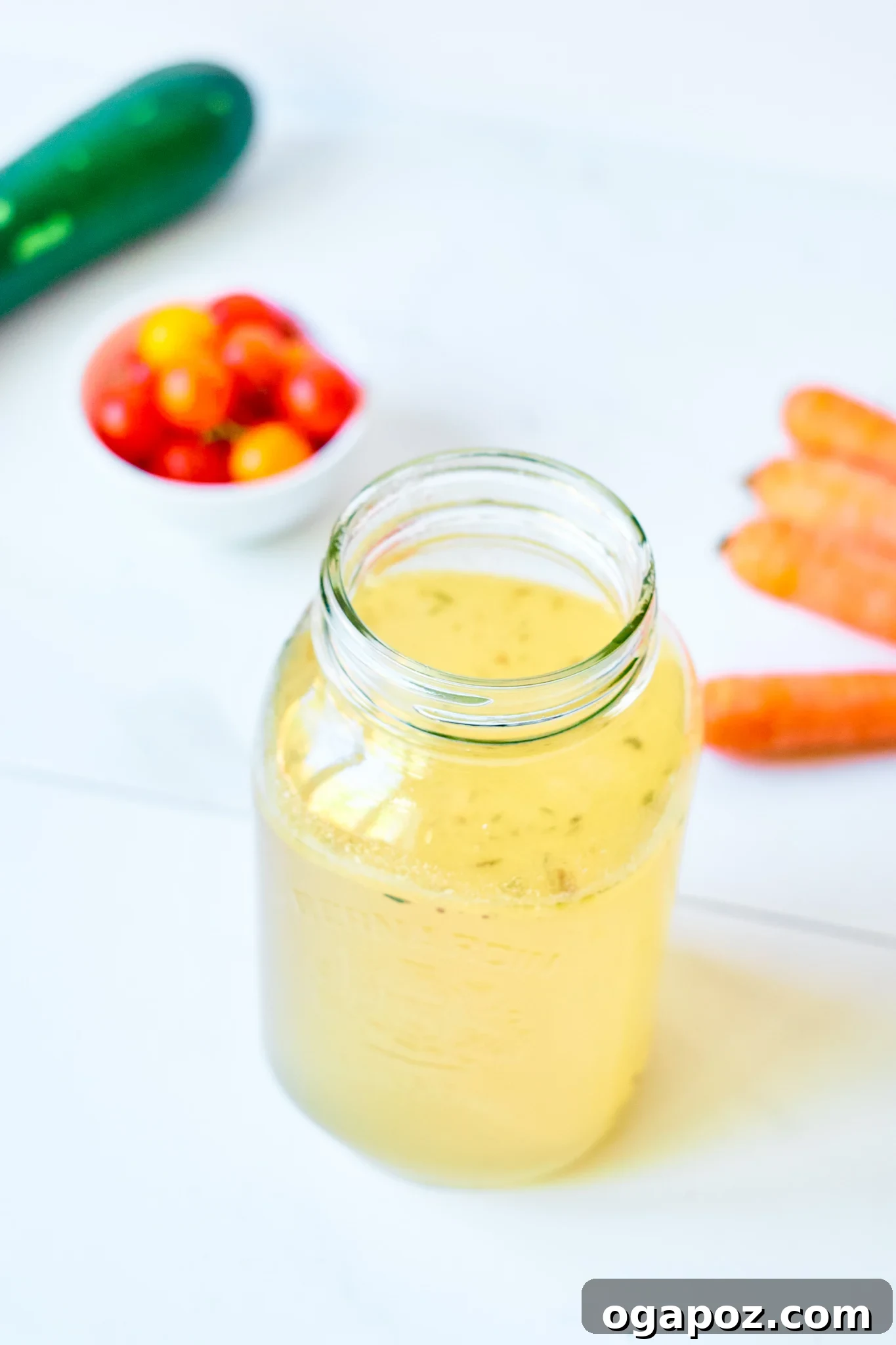
There’s nothing quite like a steaming mug of homemade beef bone broth. It’s a culinary staple that offers incredible depth of flavor and a powerhouse of nutrients. If you’ve ever found yourself with leftover beef bones, don’t let them go to waste! This Easy Beef Bone Broth Recipe transforms simple ingredients like bones, vegetables, ginger, and water into a rich, savory liquid that’s perfect for sipping, using as a base for hearty soups and stews, or freezing for future culinary endeavors. You’ll be amazed at how simple it is to create such a beneficial and delicious broth right in your own kitchen.
Making your own bone broth is a rewarding experience. Not only does it allow you to control every ingredient, ensuring a clean and wholesome product free from additives, but it also fills your home with an inviting aroma. This recipe is designed to be straightforward, accommodating various cooking methods to fit your busy schedule. Whether you prefer a long, gentle simmer on the stovetop, the convenience of a slow cooker, or the speed of an Instant Pot, we’ve got you covered. Get ready to elevate your cooking and nourish your body with this essential homemade beef bone broth.
The Incredible Health Benefits of Homemade Beef Bone Broth
Bone broth is more than just a flavorful liquid; it’s a nutritional treasure trove that has been cherished across cultures for centuries. When beef bones are simmered for an extended period, they release a remarkable array of beneficial compounds into the water. This process extracts vital minerals, amino acids, and collagen, making bone broth a true superfood. Here’s a closer look at what makes this broth so good for you:
- Rich in Essential Minerals: Beef bones are packed with minerals like calcium, magnesium, phosphorus, and potassium. These are crucial for building and strengthening bones, supporting nerve function, and maintaining overall bodily health.
- Collagen and Gelatin Powerhouse: The long simmering process breaks down collagen from the bones and connective tissues into gelatin. Gelatin is renowned for supporting joint health, aiding in gut repair by strengthening the intestinal lining, and promoting healthy skin, hair, and nails. Many people notice a jiggly, gelatinous consistency in their chilled homemade broth, which is a sign of high collagen content!
- Abundant Amino Acids: Bone broth provides beneficial amino acids such as glycine, proline, and glutamine. Glycine plays a role in detoxification and sleep quality, proline is essential for collagen formation, and glutamine supports gut health and immune function.
- Immune System Support: The vitamins, minerals, and amino acids found in bone broth can help fortify your immune system, making it a comforting and supportive drink during cold and flu season.
- Digestive Aid: The gelatin in bone broth can soothe and heal the gut lining, potentially improving digestion and nutrient absorption. It’s often recommended for individuals looking to support their digestive health.
- Anti-Inflammatory Properties: Some compounds in bone broth may possess anti-inflammatory effects, contributing to overall wellness and potentially alleviating discomfort.
Incorporating this nutritious liquid into your diet is a simple yet effective way to support various aspects of your health, from the inside out.
Why Make Your Own Beef Bone Broth?
While store-bought bone broths are available, making your own offers several undeniable advantages that truly set it apart:
- Superior Flavor and Quality: Homemade broth boasts a depth of flavor that commercially produced versions often can’t match. You control the quality and freshness of every ingredient, leading to a richer, more authentic taste.
- Cost-Effective: Using leftover bones from roasts, steaks, or even purchasing inexpensive bone cuts from your butcher makes homemade broth significantly more economical than buying pre-made. It’s a fantastic way to maximize value and minimize food waste.
- No Unwanted Additives: Store-bought broths can sometimes contain added sodium, preservatives, or artificial flavorings. When you make it yourself, you ensure your broth is pure and free from any ingredients you don’t want.
- Higher Nutrient Density: By simmering bones for hours, you extract maximum nutrients. You can also tailor the ingredients to boost specific health benefits, such as adding extra ginger for warmth or apple cider vinegar for mineral extraction.
- Customization: You can adjust the seasonings and vegetables to suit your personal taste preferences, creating a broth that’s uniquely yours.
Versatile Ways to Use Your Homemade Beef Bone Broth
Once you’ve made a batch of this flavorful beef bone broth, you’ll find countless ways to incorporate it into your cooking. Its rich umami flavor enhances a wide variety of dishes:
- Hearty Soups and Stews: This broth forms an ideal base for dishes like Slow Cooker Beef Barley Soup, Crockpot Beef Stew, Greek Beef Stew with Orzo, or even a flavorful Slow Cooker Taco Soup.
- Sipping Broth: Warm a mug of broth and sip it plain as a nourishing, comforting drink, especially on a chilly day or when feeling under the weather.
- Cooking Grains: Use bone broth instead of water when cooking rice, quinoa, or other grains to infuse them with extra flavor and nutrients.
- Sauces and Gravies: Enhance the richness of your gravies and pan sauces by using bone broth as the liquid component.
- Braising Meats: It’s excellent for braising tough cuts of meat, adding moisture and deep flavor during the long, slow cooking process.
- Stir-fries and Risottos: A splash of bone broth can add complexity to stir-fries or be used incrementally in risottos for a creamy texture and robust taste.
Ingredients You’ll Need for the Best Beef Bone Broth
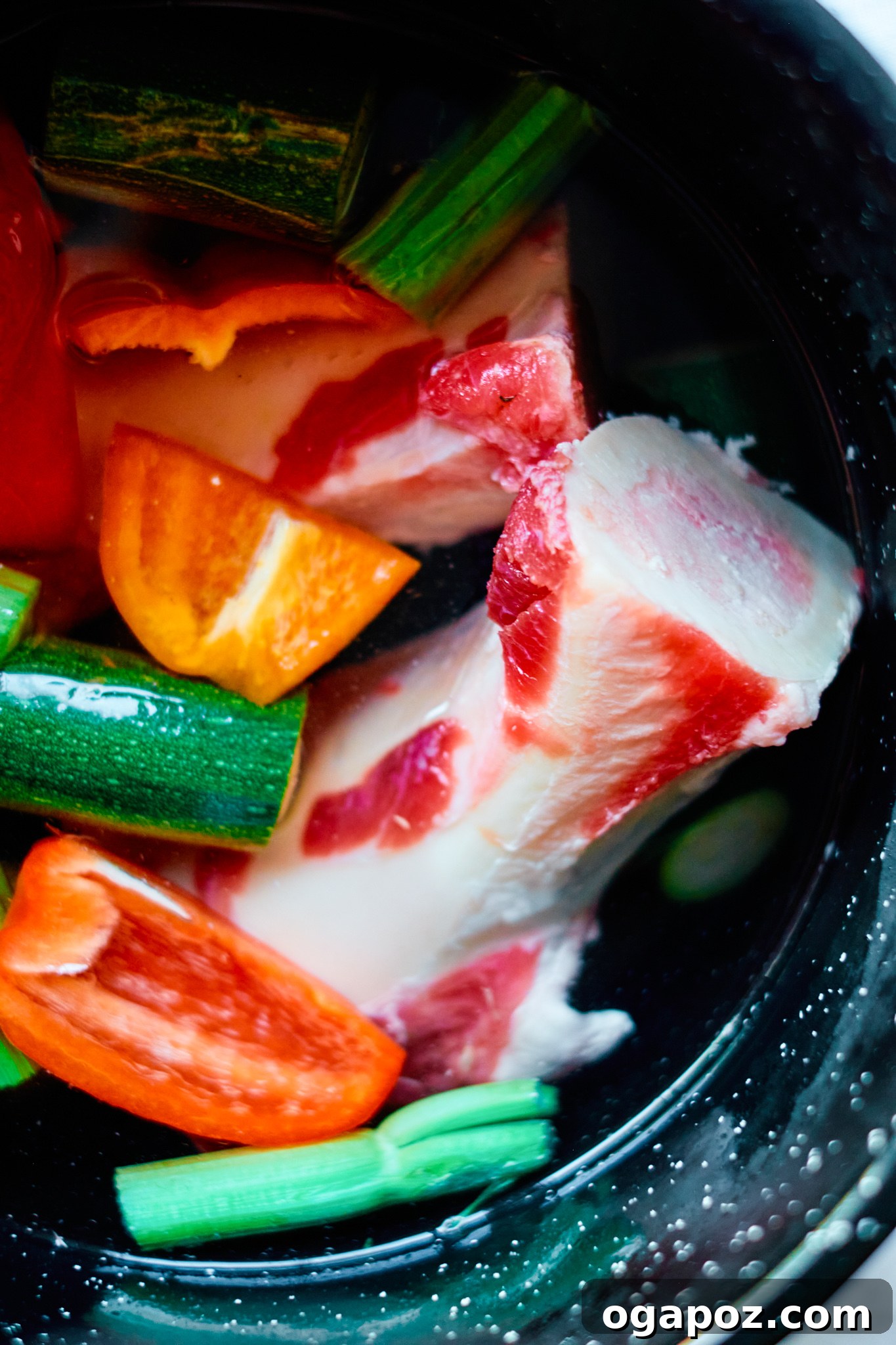
Creating an exceptional beef bone broth starts with quality ingredients. Here’s a breakdown of what you’ll need, along with tips for selection:
- Beef Bones: This is the star of the show! Aim for a variety of bones for the best flavor and gelatin content.
- Marrow Bones: (e.g., shank or femur bones) contribute a rich, buttery flavor and healthy fats.
- Knuckle Bones and Joints: These are high in collagen, which transforms into gelatin, giving your broth that desirable jiggly texture when chilled.
- Neck Bones and Oxtail: Offer a good balance of meat, marrow, and connective tissue, resulting in a very flavorful and gelatinous broth.
- Short Ribs or Shanks: If they have some meat left on them, these add incredible depth and umami flavor.
You can often save bones from a roast, short ribs, or any cut of steak that includes a bone. Your local butcher is also an excellent resource for high-quality bones.
- Vegetables: A classic aromatic base (mirepoix) is essential for flavoring your broth and adding nutritional value.
- Carrots: Provide sweetness and earthy notes.
- Celery: Adds a subtle, savory background.
- Onions: Offer a foundational savory flavor. Don’t worry about peeling them perfectly; even the skins contribute to a beautiful golden color.
- Optional Additions: Leeks, parsnips, or even mushroom stems can add further complexity.
- Ginger: About 2 inches of fresh ginger, sliced, imparts a warm, slightly spicy, and incredibly aromatic quality. It also contributes to the broth’s nutritional profile and is a fantastic addition for its anti-inflammatory properties. You can omit it if preferred, but it truly elevates the flavor.
- Garlic: A whole head of garlic, halved crosswise, adds a pungent and savory depth that is indispensable. There’s no need to peel the individual cloves.
- Bay Leaves: Two bay leaves enhance the herbaceous notes and add another layer of traditional savory flavor.
- Apple Cider Vinegar: While not a primary flavor component, a tablespoon of apple cider vinegar (ACV) added at the beginning helps to draw out more minerals and collagen from the bones during simmering. Don’t worry, you won’t taste it in the final broth!
- Water: Use good quality filtered water, as it forms the bulk of your broth. You’ll need approximately 10-12 cups, ensuring the bones are fully submerged.
- Salt: Start with about 1 teaspoon of salt and adjust to taste after simmering. It’s always easier to add more salt than to remove it.
- Olive Oil: A small drizzle for roasting the bones.
How to Make Simple & Savory Beef Bone Broth
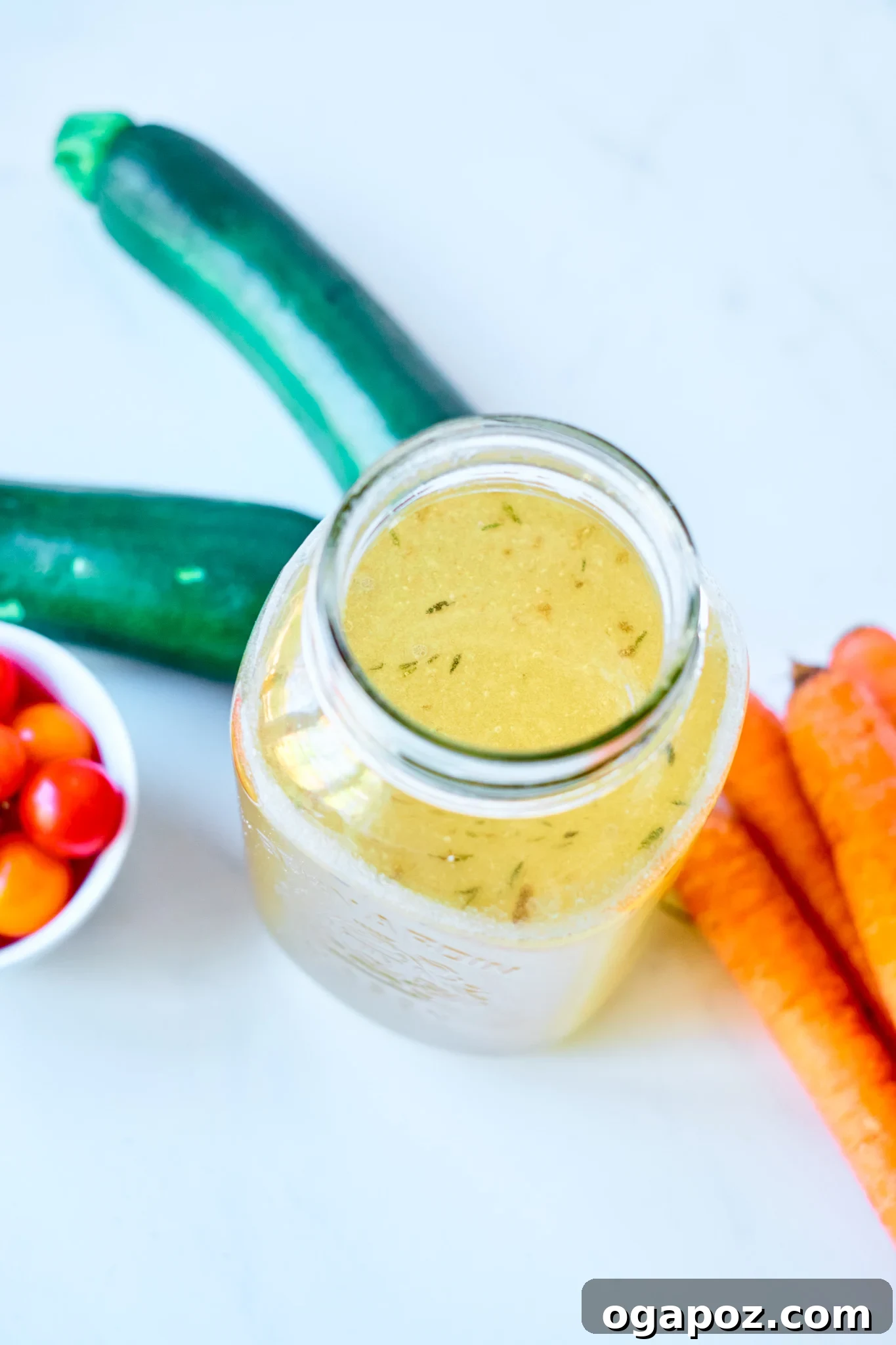
Making beef bone broth is a slow and gentle process, but the active preparation time is minimal. Follow these steps to create your perfect broth:
Step 1: Roast the Beef Bones for Enhanced Flavor
- Preheat your oven to 400°F (200°C). Roasting the bones is a crucial step that significantly enhances the flavor and color of your final broth. It caramelizes the bones and any bits of meat, creating a deeper, richer taste profile through the Maillard reaction.
- Place the beef bones in a single layer on a sturdy baking sheet or in a large roasting pan.
- Drizzle the bones lightly with olive oil. This helps them brown beautifully.
- Roast for 30 minutes. Then, carefully flip each bone over to ensure even browning.
- Roast for an additional 30 minutes, or until the bones are nicely browned and caramelized.
Step 2: Simmer Your Broth to Perfection (Stovetop Method)
- While the bones are roasting, prepare your vegetables. Roughly chop your carrots, celery, and onions. Halve the garlic head crosswise.
- Once the bones are roasted, transfer them to a very large stockpot. Add the prepared vegetables, ginger slices, bay leaves, apple cider vinegar, and salt to the pot.
- Pour 10-12 cups of cold filtered water over all the ingredients, ensuring the bones are fully submerged.
- Bring the mixture slowly to a boil over high heat. As it heats, you may see some foam or scum rise to the surface; use a spoon to skim this off, as it helps create a clearer broth.
- Once it reaches a gentle boil, immediately reduce the heat to the lowest setting possible, so the broth is barely simmering. It should have just a few tiny bubbles breaking the surface, not a rolling boil.
- Cover the pot and let it simmer for a minimum of 12 hours, up to 24 hours. The longer the simmer, the more nutrients and flavor will be extracted. Check the water level periodically and add more hot water if needed to keep the bones submerged. Avoid stirring excessively during this stage, as it can make your broth cloudy.
Alternative Cooking Methods:
- Slow Cooker Method: After roasting the bones and bringing the ingredients to an initial simmer on the stovetop as described above, transfer everything to your large slow cooker. Set it to LOW and cook for 12-24 hours. This hands-off method is excellent for infusing flavor and nutrients over a long period.
- Instant Pot Method: For a faster approach, you can use an Instant Pot.
- Roast the bones as directed. Add the roasted bones, vegetables, ginger, garlic, bay leaves, ACV, and salt to the Instant Pot.
- Add enough water to cover the ingredients, ensuring you do not exceed the max fill line.
- Secure the lid and set the Instant Pot to Manual (or Pressure Cook) on High Pressure for 3-4 hours.
- Allow for a natural pressure release. This is crucial for flavor and safety. Do not force release the pressure.
Step 3: Strain and Cool the Broth
- Once the simmering time is complete, carefully remove the large bones and vegetables from the pot using tongs or a slotted spoon. You can discard the solids; they have given all their goodness to the broth.
- Place a fine-mesh sieve or a colander lined with cheesecloth over a large heat-proof bowl or another clean pot.
- Slowly pour the broth through the sieve/cheesecloth to remove any remaining small particles or impurities. This step ensures a clear, pure broth.
- Let the strained broth cool on your counter for an hour or until it reaches room temperature. Cooling it quickly is important for food safety.
Step 4: Store Your Delicious Bone Broth
- Once completely cooled, pour the broth into clean mason jars or other airtight containers.
- Refrigerate immediately. As it chills, a layer of fat will likely solidify on top. This fat acts as a natural seal, protecting the broth beneath.
- When you’re ready to use the broth, simply skim off the solidified fat layer (you can discard it or save it for cooking) and gently reheat your nutritious broth.
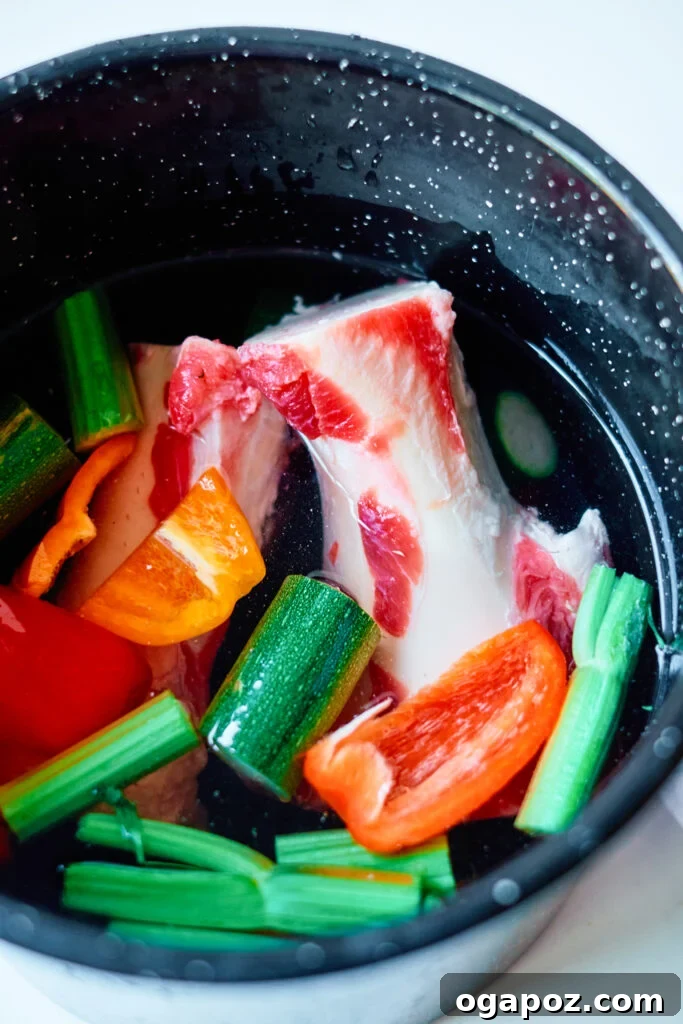
Storage Tips for Your Homemade Bone Broth
Proper storage is key to enjoying your homemade beef bone broth for an extended period:
- Refrigeration: Once cooled, store the broth in airtight containers in the refrigerator for up to 5-7 days. The layer of fat that solidifies on top acts as a natural seal and can help preserve it.
- Freezing for Long-Term Storage: For longer storage, bone broth freezes beautifully for up to 6 months.
- Mason Jars: Fill mason jars, leaving about an inch of headspace at the top to allow for expansion as the broth freezes. Ensure the jars are freezer-safe.
- Freezer Bags: Pour cooled broth into freezer-safe bags, squeezing out excess air, and lay them flat to freeze. Once solid, you can store them upright to save space.
- Ice Cube Trays: For smaller portions perfect for cooking grains or adding to sauces, freeze broth in ice cube trays. Once frozen, transfer the cubes to a freezer bag.
- Rapid Cooling: To prevent bacterial growth, it’s crucial to cool your broth quickly before refrigerating or freezing. You can use an ice bath by placing the pot of broth in a larger bowl filled with ice water and stirring occasionally until it cools.
Troubleshooting & Expert Tips for the Best Broth
Making bone broth is forgiving, but a few tips can ensure you achieve the best results every time:
- Cloudy Broth? If your broth appears cloudy, it’s usually due to boiling too vigorously or stirring too often during simmering. A gentle simmer is key to a clear broth. Skimming impurities early on also helps.
- Not Gelatinous? If your chilled broth isn’t jiggly, it likely means you didn’t have enough collagen-rich bones (like knuckles or joints) or didn’t simmer it long enough. Adding a bit more apple cider vinegar can also aid in extraction next time. Even non-gelatinous broth is still highly nutritious!
- Flavor Lacking? Ensure you roast your bones well for deep flavor. Don’t skimp on aromatics like ginger, garlic, and vegetables. You can also add a sprig of fresh thyme or a few black peppercorns for extra complexity.
- Too Much Fat? While a layer of fat can protect the broth, if you prefer less fat, simply skim it off once it has solidified after chilling.
- Don’t Rush the Simmer: The magic of bone broth happens during the long, slow simmer. Resist the urge to crank up the heat to speed things up. Patience is rewarded with rich flavor and maximum nutrient extraction.
Recipe FAQ: All Your Bone Broth Questions Answered
Here are some common questions about making homemade beef bone broth:
What types of bones work best in bone broth?
A variety of bones yields the most balanced and nutritious broth. Marrow bones (like shank or femur) provide richness and healthy fats. Knuckle bones, oxtail, and other joints are excellent sources of gelatin (collagen), which gives the broth its desired thickness and provides numerous health benefits for joints and gut health. Meaty bones like short ribs or shanks add significant depth of flavor. Combining different types ensures a comprehensive nutrient profile and a delicious, full-bodied broth.
What other ways can I pull nutrients from the bones?
Adding a tablespoon of apple cider vinegar to the water before simmering is a time-tested technique. The acidity helps to break down the bones and connective tissues, facilitating the extraction of minerals and collagen. Don’t worry, the vinegar flavor dissipates during the long cooking process.
Can I reuse bones for another batch of broth?
While you can technically reuse bones, the second batch will typically be much less potent in terms of flavor and nutrients. Most of the beneficial compounds are extracted during the first long simmer. For the best quality broth, it’s recommended to use fresh bones for each batch.
What if I don’t have all the suggested vegetables?
Don’t let a missing vegetable deter you! The core aromatics are carrots, celery, and onions. If you’re missing one, you can still make a delicious broth. You can also get creative with other vegetables like parsnips, leeks, or even leftover parsley stems to add flavor. The key is the bones and the long simmer.
Is beef bone broth suitable for pets?
Many pet owners offer bone broth to their dogs and cats as a supplement for joint health and hydration. Ensure your broth is plain, unsalted, and free of any ingredients that might be harmful to pets, such as onions and garlic if given in large quantities. For a pet-specific broth, you might omit these or use them in very small amounts. Always consult with your vet before introducing new foods to your pet’s diet.
How can I make my broth more savory or rich?
To deepen the savory notes, ensure your bones are well-roasted before simmering. You can also add a few dried shiitake mushrooms (remove before serving) or a teaspoon of black peppercorns to the pot. A longer simmer time also naturally concentrates the flavors, leading to a richer broth.
Easy Beef Bone Broth Recipe
This Easy Beef Bone Broth Recipe is made with simple ingredients, yielding a deeply flavorful and highly nutritious broth perfect for a variety of culinary uses.
Tried this recipe? Share your thoughts and leave a star rating below! Follow us on social media for more delicious recipes.
Ingredients
- 3-4 pounds of mixed beef bones (knuckles, neck bones, marrow bones, short ribs – some meat left on bones is a bonus!)
- 1 tablespoon olive oil
- 2 carrots, roughly chopped
- 2 stalks of celery, roughly chopped
- 1 large onion, quartered (skin on is fine)
- 2 inches fresh ginger, sliced
- 1 garlic head, halved crosswise
- 2 bay leaves
- 1 tablespoon apple cider vinegar (ACV)
- 10-12 Cups of cold filtered water
- 1 teaspoon salt (or to taste)
Instructions
- Preheat Oven & Roast Bones: Preheat the oven to 400°F (200°C). Place the beef bones in a single layer on a baking sheet or roasting pan. Drizzle with olive oil. Roast for 30 minutes, then flip the bones and roast for an additional 30 minutes, until they are deeply browned. This step is essential for flavor and color.
- Prepare & Combine Ingredients: While the bones roast, roughly chop the carrots, celery, and onion. Halve the garlic head. Transfer the roasted bones to a large stockpot (8-quart or larger). Add the chopped vegetables, ginger, garlic, bay leaves, apple cider vinegar, and salt to the pot.
- Add Water & Bring to Simmer: Pour 10-12 cups of cold filtered water over all the ingredients, ensuring the bones are fully submerged. Bring the pot to a boil over high heat, skimming any foam or scum that rises to the surface.
- Simmer Gently: Once boiling, immediately reduce the heat to the lowest setting possible. The broth should maintain a very gentle simmer with just a few tiny bubbles breaking the surface. Cover the pot and simmer for 12 to 24 hours. Check periodically and add more hot water if the liquid level drops below the bones.
- Strain the Broth: Remove the pot from the heat. Carefully remove the large bones and vegetables using tongs or a slotted spoon and discard them. Place a fine-mesh sieve or a colander lined with cheesecloth over a large, clean bowl or pot. Pour the broth through the sieve to strain out any remaining solids.
- Cool & Store: Let the strained broth cool on the counter for about an hour, or until it reaches room temperature. For faster cooling, you can place the pot in an ice bath. Once completely cool, pour the broth into mason jars or other airtight containers. Refrigerate for up to 5-7 days or freeze for up to 6 months. When ready to use, skim off the solidified fat layer and reheat.
Notes
- Freezing: To freeze, ensure the broth is completely cool. Transfer to freezer-safe containers, leaving headspace. Freeze for up to 6 months.
- Slow Cooker Method: After roasting bones and an initial stovetop simmer, transfer all ingredients to your slow cooker. Cook on LOW for 12-24 hours.
- Instant Pot Method: Roast bones. Add all ingredients to Instant Pot with water up to max fill line. Set to Manual/Pressure Cook (High Pressure) for 3-4 hours. Allow for natural pressure release.
- Yield: Approximately 8 cups of broth.
- Prep Time: 10 minutes
- Cook Time: 12-24 hours (Stovetop/Slow Cooker) / 3-4 hours (Instant Pot)
Nutrition Information (Approximation per cup)
- Calories: 16kcal
- Carbohydrates: 3g
- Protein: 1g
- Fat: 0.2g
- Saturated Fat: 0.1g
- Polyunsaturated Fat: 0.1g
- Monounsaturated Fat: 0.01g
- Sodium: 318mg
- Potassium: 194mg
- Fiber: 1g
- Sugar: 2g
- Vitamin A: 610IU
- Vitamin C: 28mg
- Calcium: 23mg
- Iron: 0.3mg
Nutrition information is automatically calculated and should only be used as an approximation.
Conclusion: Embrace the Art of Homemade Bone Broth
Mastering this Easy Beef Bone Broth Recipe is more than just learning a cooking technique; it’s about embracing a tradition of nourishment and flavor that truly elevates your home cooking. With minimal hands-on effort, you can create a liquid gold that’s rich in flavor, packed with vital nutrients, and incredibly versatile. From boosting your immune system and supporting gut health to simply adding a comforting depth to your favorite recipes, homemade beef bone broth is an invaluable addition to any kitchen.
So, gather your ingredients, set aside some simmering time, and embark on this rewarding culinary journey. You’ll not only enjoy the process but also savor the delicious and healthful results. We encourage you to try this recipe, experiment with your favorite aromatics, and discover the transformative power of real, homemade beef bone broth. Happy simmering!