
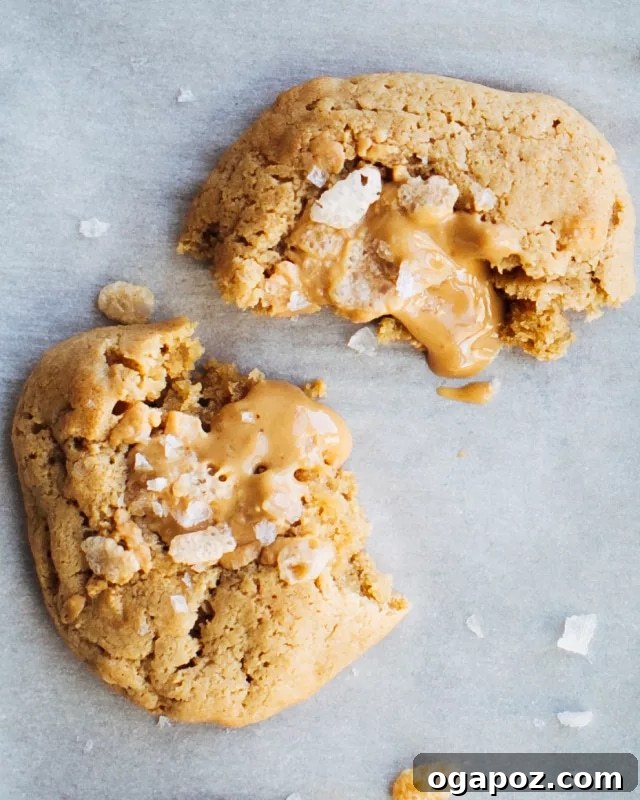
Irresistibly Soft & Chewy Oatmeal Peanut Butter Cookies: Your New Favorite Recipe
Prepare yourself for a delightful baking adventure! This comprehensive guide reveals the secrets to creating the most irresistibly soft and perfectly chewy oatmeal peanut butter cookies you’ve ever tasted. We’re talking about that perfect balance of hearty oats, rich peanut butter, and just the right amount of sweetness, all wrapped up in a cookie that melts in your mouth while still offering a satisfying chew. Forget dry or crumbly results; we’re unlocking the secrets to an unforgettable treat that will become a cherished staple in your kitchen. From understanding each ingredient’s vital role to mastering the art of chilling dough, get ready to bake cookies that are truly remarkable and effortlessly delicious.
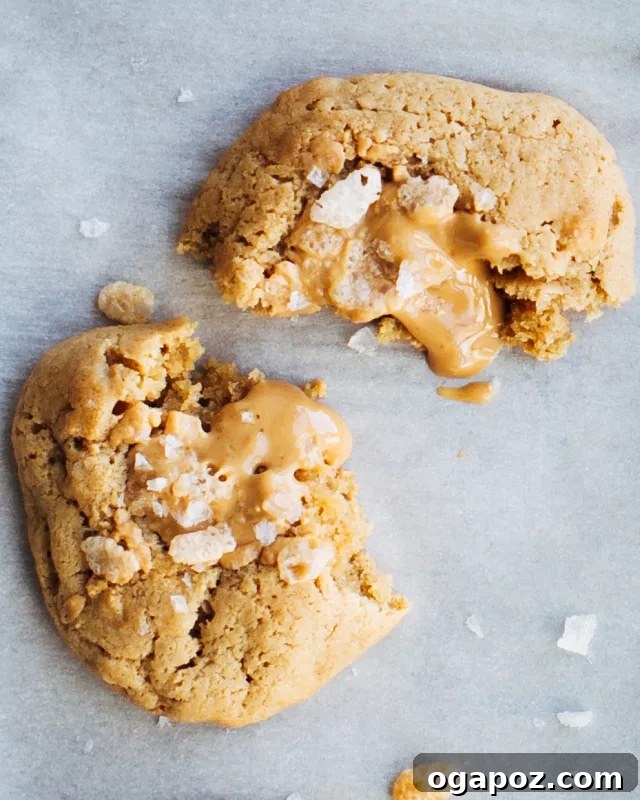
Unlocking the Magic: What Makes These Cookies So Special?
These aren’t just any cookies; they’re a celebration of comfort food perfected. The rich, nutty flavor of creamy peanut butter harmoniously blends with the wholesome, hearty texture of old-fashioned oats, creating a cookie that is both deeply satisfying and wonderfully comforting. They strike the ideal balance between being wonderfully soft in the center and having just the right amount of chew around the edges, making them a universal favorite for cookie enthusiasts of all ages. Whether you’re an experienced baker or just beginning your culinary journey, this recipe is designed for guaranteed success, yielding a batch of cookies that are perfect for sharing with loved ones, thoughtful gifting, or simply savoring with a tall, cold glass of milk. Get ready to impress with every bite!
Oatmeal Peanut Butter Cookie Ingredients: The Foundation of Flavor & Texture
Every great cookie starts with quality ingredients. Here’s a detailed breakdown of what makes these cookies exceptionally chewy and utterly irresistible, along with why each component is essential for achieving perfection.
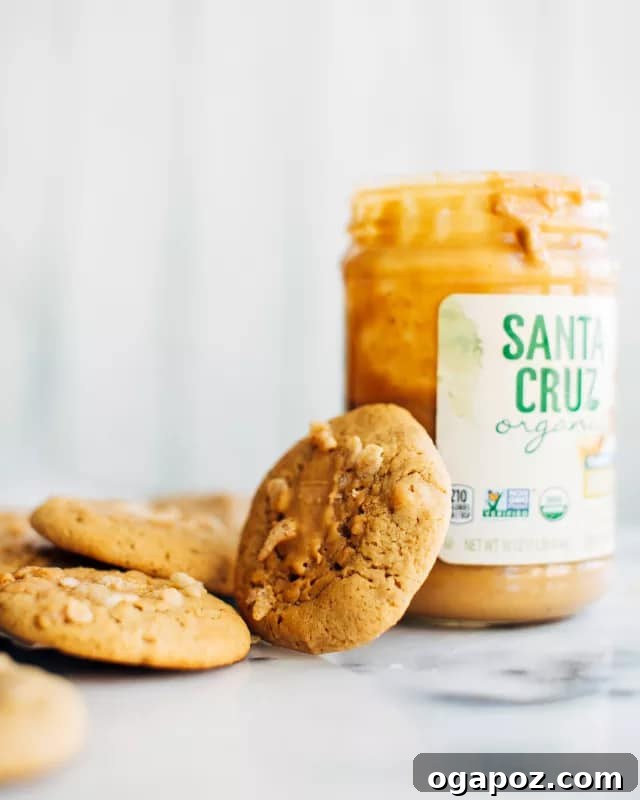
- Natural Peanut Butter: The star of the show! Using natural peanut butter with minimal added sugar and no hydrogenated oils is key. It adds a deep, authentic nutty flavor and its natural oils contribute significantly to the soft, moist, and wonderfully chewy texture of the cookies.
- Unsalted Butter: This provides a rich, creamy base without overpowering the distinct peanut flavor. By using unsalted butter, you gain complete control over the overall saltiness of your cookies, ensuring a perfectly balanced taste.
- Granulated Sugar: Beyond just sweetness, granulated sugar plays a crucial role in the texture, helping to create a slightly crispy edge and a delicate structure within the cookie.
- Brown Sugar: This ingredient is vital for chewiness and depth of flavor. Brown sugar contains molasses, which adds moisture, a subtle caramel note, and that characteristic soft and bendy texture that makes these cookies so addictive.
- Large Eggs: Eggs act as a binder, holding all the ingredients together and providing essential structure to prevent the cookies from crumbling. They also add richness and contribute to the moist crumb.
- Vanilla Extract: A splash of vanilla isn’t just for flavor; it enhances and rounds out all the other ingredients, adding a warm, inviting aroma and a hint of sweet complexity.
- All-Purpose Flour: This provides the fundamental structure for the cookies. It balances the fats and sugars, ensuring the cookies hold their shape without being too dense or too crumbly.
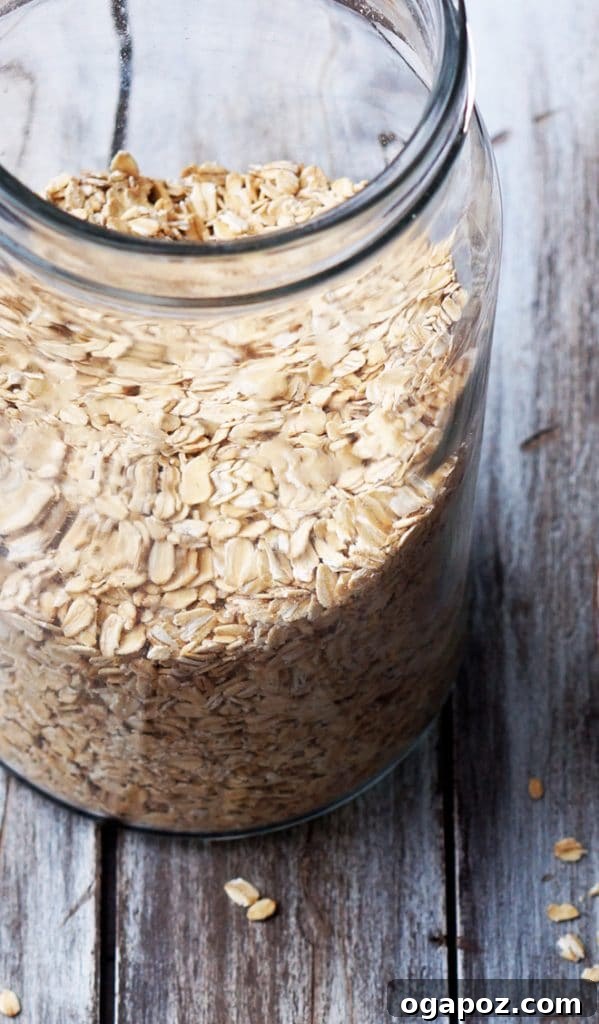
- Large Flake Oats (Old Fashioned Oats): Absolutely critical for the signature texture of oatmeal cookies. These oats add a substantial, hearty chewiness and texture. Avoid instant or quick-cooking oats, as they break down too quickly, resulting in a mushy texture rather than a pleasant chew.
- Baking Soda: As a leavening agent, baking soda helps the cookies spread beautifully and creates a soft, tender crumb. It reacts with the acidic brown sugar to produce the perfect rise.
- Kosher Salt: A pinch of salt is not just for seasoning; it’s a flavor enhancer. It cleverly balances the sweetness of the sugars and peanut butter, making all the other flavors pop and preventing the cookies from tasting one-dimensional.
Variations and Creative Substitutions for Your Cookies
One of the best things about baking is the ability to customize! These oatmeal peanut butter cookies are a fantastic base for various delicious additions and substitutions. Feel free to experiment and make them uniquely yours.
Make it Gluten-Free: It’s surprisingly easy to adapt this recipe for gluten-free diets. Simply swap the regular all-purpose flour for a high-quality gluten-free all-purpose flour blend (preferably one that contains xanthan gum). Additionally, ensure your large flake oats are certified gluten-free, as oats can sometimes be cross-contaminated during processing.
Swap the Peanut Butter: While peanut butter is classic, you can explore other nutty dimensions! Try using almond butter or cashew butter for a different, yet equally delightful, nutty flavor profile. Be aware that the texture might vary slightly depending on the consistency of the nut butter you choose.
Add Nuts for Extra Crunch: For an additional layer of texture and flavor, fold in about ½ to ¾ cup of chopped walnuts, pecans, or even roasted peanuts into the cookie dough. This adds a delightful crunch that contrasts beautifully with the soft interior.
Indulge with Chocolate: Who can resist the combination of peanut butter and chocolate? Stir in a generous cup of chocolate chips (milk chocolate, dark chocolate, or even white chocolate work wonderfully) to create irresistible Peanut Butter Oatmeal Chocolate Chip Cookies. Chocolate chunks also make for a decadent treat!
Dried Fruit Inclusion: For a touch of fruitiness and extra chew, consider adding ½ cup of raisins, dried cranberries, or chopped dried apricots to the dough. This creates a more complex flavor profile reminiscent of classic oatmeal cookies.
Grab These Essential Tools for a Smooth Baking Process
Having the right tools ready before you begin can make all the difference, ensuring your baking experience is smooth, efficient, and enjoyable. Here’s what you’ll need to set yourself up for success:
- Standing Mixer (or Hand Mixer): A stand mixer with a paddle attachment is ideal for creaming butter and sugars, effortlessly achieving that light and fluffy consistency. A good quality hand mixer will also do the trick, requiring a bit more arm work but delivering similar results.
- Mixing Bowls: You’ll need at least two different sized bowls – one for combining your wet ingredients and another for whisking your dry ingredients. Keeping them separate initially ensures proper mixing and prevents overworking the dough.
- Whisk: Essential for thoroughly blending your dry ingredients (flour, oats, baking soda, salt). This ensures they are evenly distributed, which is crucial for uniform leavening and flavor in every cookie.
- Rubber Spatula: Perfect for scraping down the sides of your mixing bowl and gently folding in dry ingredients or any additions without overmixing.
- Baking Sheets: Sturdy baking sheets are a must for baking cookies evenly. Opt for light-colored sheets, as darker ones can cause the bottoms of cookies to brown too quickly.
- Parchment Paper or Silicone Baking Mats: Lining your baking sheets with either parchment paper or reusable silicone mats prevents sticking, promotes even baking, and makes cleanup incredibly easy. This is a non-negotiable for consistent results.
- Wire Racks: Once baked, transferring cookies to wire racks allows them to cool completely, preventing the bottoms from becoming soggy and helping them firm up while retaining their soft, chewy centers.
- Cookie Scoop (Optional but Recommended): For perfectly uniform cookies, a cookie scoop (about 1.5-2 tablespoons) is invaluable. It ensures each cookie is the same size, promoting even baking and a professional appearance.
Related: Craving more comforting treats? Don’t miss our easy peanut butter fudge with condensed milk, delightful peanut butter yogurt bites, and wholesome banana peanut butter bites.
How to Make Oatmeal Peanut Butter Cookies: An Easy Step-by-Step Guide
Making these incredibly delicious cookies is a straightforward and rewarding process, involving just a few basic steps. Follow this detailed guide, and you’ll achieve the best results every single time – soft, chewy, and bursting with flavor!
1. Cream the Butter and Sugars Until Fluffy
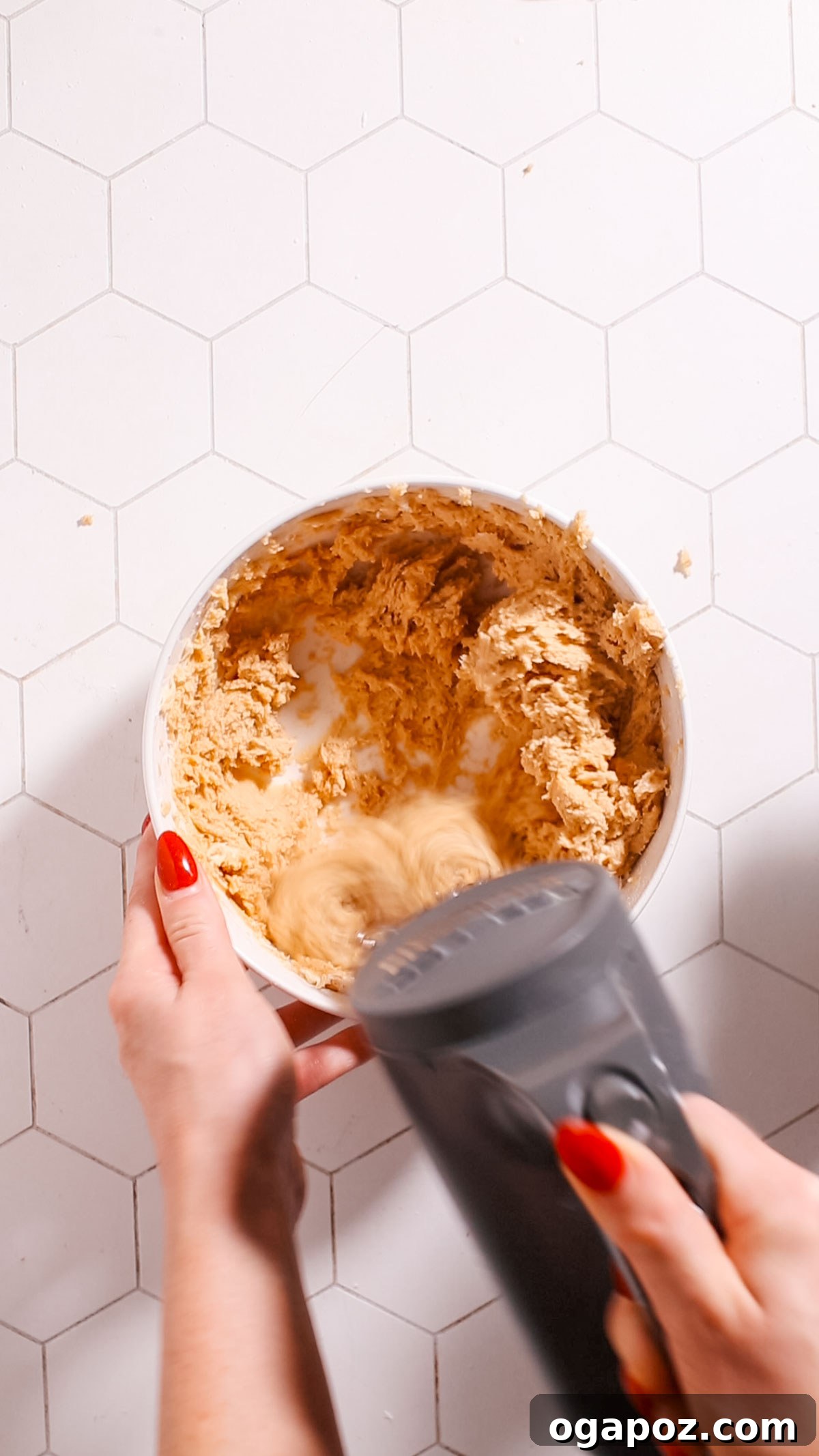
Begin by adding the softened unsalted butter, natural peanut butter, granulated sugar, and brown sugar to the bowl of your standing mixer (or a large bowl if using a hand mixer). Beat these ingredients on medium speed for approximately 2 to 3 minutes. The goal here is to incorporate air into the mixture, resulting in a light, pale, and fluffy consistency. This creaming process is crucial for the cookies’ final texture.
2. Incorporate Eggs and Vanilla Extract
Once your butter mixture is beautifully light and fluffy, it’s time to add the wet binders. Crack in the large eggs, one at a time, mixing well after each addition. Ensure each egg is fully incorporated before adding the next. This helps create a stable emulsion. Finally, stir in the vanilla extract until just combined. Be careful not to overmix at this stage.
3. Prepare the Dry Ingredients
In a separate, medium-sized bowl, combine your dry ingredients. Whisk together the all-purpose flour, large flake oats, baking soda, and kosher salt. Whisking thoroughly ensures that the leavening agent (baking soda) and salt are evenly distributed throughout the flour, which is essential for uniform rising and consistent flavor in every cookie.
4. Gently Combine Wet and Dry Mixtures
With your mixer set to the lowest speed, gradually add the whisked dry ingredients to the wet butter and sugar mixture. Mix only until the ingredients are *just combined* and no streaks of flour remain. As soon as the last of the dry ingredients disappears into the dough, remove the bowl from the mixer. Overmixing at this stage can develop too much gluten, leading to tough cookies, so mix minimally for a tender result.
5. Chill and Shape the Cookie Dough
Scoop the cookie dough by tablespoonfuls (a cookie scoop works perfectly here for consistency). Roll each portion into a smooth ball between your palms for even, perfectly round cookies. Place these dough balls about 3 inches apart on a baking sheet lined with parchment paper. This generous spacing is crucial because these cookies will spread significantly during baking. Now, place the entire baking sheet with the dough balls into the refrigerator. Chill the dough for at least 1 hour, and ideally up to 48 hours. Chilling is a critical step that helps the cookies hold their shape, prevents excessive spreading, and allows the flavors to deepen and meld beautifully, resulting in a richer taste and better texture.
6. Optional: Create a Peanut Butter Puddle
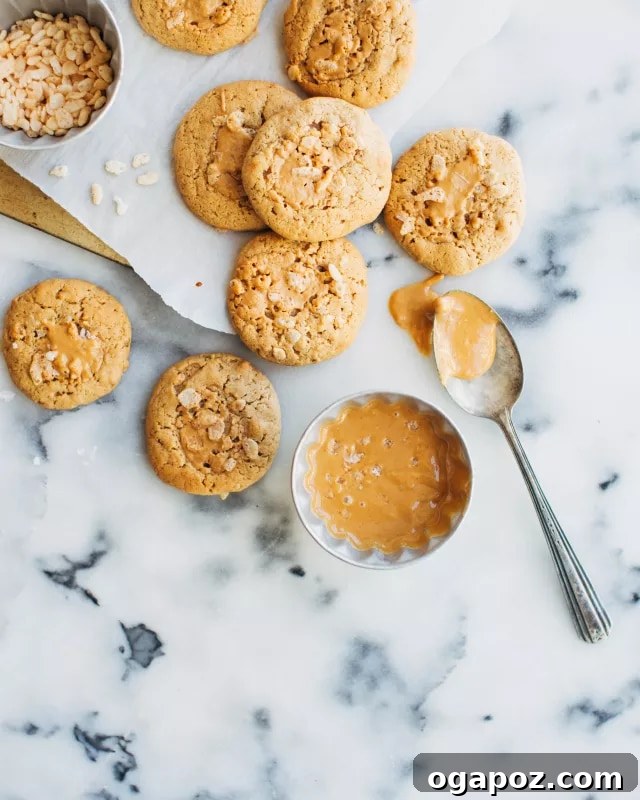
For an extra touch of decadence and a beautiful presentation, you can create a “peanut butter puddle” on top of your cookies before baking. If desired, use a 1/2-teaspoon measuring spoon to make small indents in the center of each chilled cookie dough ball. Then, spoon about 1/4 teaspoon of extra peanut butter into each indent. You can also sprinkle a few flakes of oatmeal on top for an added rustic visual appeal.
7. Bake Your Oatmeal Peanut Butter Cookies to Perfection
Preheat your oven to 375ºF (190ºC). While the oven is preheating, ensure your baking sheets are lined with fresh parchment paper. Carefully place your chilled dough balls on the prepared baking sheet, maintaining that 3-inch separation to allow for spreading. Bake for 8-10 minutes. The cookies are done when the edges are lightly golden brown, but the centers still look slightly pale and appear a little undercooked. This slight underbaking is the secret to achieving that coveted soft and chewy center once the cookies cool.
8. Cool and Savor Every Bite
Once out of the oven, resist the urge to move them immediately! Let the cookies cool on the hot baking sheet for about 2-3 minutes. This crucial resting period allows them to set and firm up enough to be transferred without breaking. After this initial cooling, carefully transfer the cookies to a wire rack to cool completely. Cooling on a rack ensures air circulation around the entire cookie, helping them firm up further while perfectly preserving their soft, chewy centers. Once cooled, grab a cookie (or two!) and enjoy the fruits of your labor!
4 Common Mistakes When Making Oatmeal Peanut Butter Cookies (and How to Avoid Them)
Even seasoned bakers can sometimes fall prey to common pitfalls when making cookies. Knowing what to watch out for can save your batch and ensure consistently delicious results. Here are the most frequent mix-ups to avoid when baking Oatmeal Peanut Butter Cookies:
- Not Spacing the Cookies Properly on the Baking Sheet: These cookies are known for spreading, and they need ample room to do so without merging into one giant cookie. Placing them too close together (less than 3 inches apart) will result in unevenly baked cookies with sticky, soft edges where they touch. Solution: Always leave at least 3 inches between each dough ball on your parchment-lined baking sheet to allow for proper airflow and spread.
- Skipping the Dough Chilling Step: It might seem like an extra step, but chilling the dough is absolutely essential for these cookies. If you skip this, your dough will be too warm and the cookies will spread excessively, becoming thin and crispy instead of thick and chewy. Chilling also allows the flavors to deepen. Solution: Plan ahead and chill your cookie dough for at least 1 hour, or up to 48 hours, in the refrigerator. This firms up the butter, controlling spread, and enhances the overall flavor.
- Using Instant Oats Instead of Large Flake Oats: The type of oats you use dramatically impacts the texture. Instant or quick oats are cut thinner and processed to cook faster, meaning they break down too quickly in the cookie dough. This results in a mushy texture rather than the desirable chewy bite. Solution: Always use large flake oats (also known as old-fashioned oats). Their thicker, heartier texture holds up during baking, providing that signature chewy mouthfeel that defines a great oatmeal cookie.
- Baking the Cookies for Too Long: Overbaking is the quickest way to turn a potentially soft and chewy cookie into a dry, crumbly one. It’s tempting to wait until they look perfectly golden all over, but this recipe calls for a specific visual cue. Solution: Take the cookies out of the oven when their edges are golden brown, but their centers still appear slightly undercooked or pale. They will continue to bake and firm up as they cool on the baking sheet and then on the wire rack, ensuring a perfect soft and chewy interior.
Oatmeal Peanut Butter Cookies: Make-Ahead and Storage Tips
These cookies are fantastic fresh, but they also store incredibly well, making them ideal for meal prepping snacks or having a stash of homemade treats on hand. Here’s how to best store your baked cookies and prepare the dough in advance for ultimate convenience.
- Make the Dough Ahead: One of the best features of this recipe is the ability to prepare the dough in advance. You can form the dough balls and keep them chilled in an airtight container in the refrigerator for up to 48 hours before baking. This makes fresh-baked cookies a breeze on demand!
- Freeze the Dough for Longer Storage: For even longer storage, freeze the dough balls. Simply scoop and roll the dough as instructed, then place the individual dough balls on a baking sheet and freeze until solid (about 1-2 hours). Once frozen, transfer the solid dough balls to a freezer-safe airtight container or heavy-duty freezer bag. They will keep for up to 3 months. When ready to bake, simply place the frozen dough balls on a prepared baking sheet and add 1-2 minutes to the baking time. No need to thaw!
- Store Baked Cookies at Room Temperature: Once fully cooled, store baked oatmeal peanut butter cookies in an airtight container at room temperature. They will remain wonderfully soft and chewy for up to a week. For best results, place a slice of bread in the container with the cookies to help maintain moisture.
- Freeze Baked Cookies: If you want to store baked cookies for an extended period, allow them to cool completely. Then, place them in a single layer on a baking sheet and freeze until solid. Once frozen, transfer the cookies to an airtight freezer-safe container or freezer bag, separating layers with parchment paper to prevent sticking. They will stay fresh for up to 3 months. Thaw at room temperature for a few hours, or warm slightly in the oven (at 275ºF/135ºC for 5-7 minutes) for that irresistible fresh-baked taste.
Other Comforting Recipes to Try:
If you adore classic comforts like chewy peanut butter oatmeal cookies, then you are sure to fall in love with these other beloved recipes:
- Our famous Moist Chocolate Cake, perfectly paired with this fluffy easy 5-minute vanilla frosting recipe
- Wholesome and quick healthy banana pancakes with just 3 ingredients
- Succulent and juicy air fryer boneless chicken thighs for a quick weeknight meal
- The ultimate cozy, creamy cheese sauce for mac and cheese that’s truly irresistible
- My Indian husband’s celebrated butter chicken recipe, packed with authentic flavors
- Ultra-tender and flavorful slow cooker pork loin, perfect for a hearty dinner
- The ultimate meatloaf recipe, elevated with a yummy easy meatloaf glaze

Oatmeal and Peanut Butter Cookies (Chewy for Days!)
By: Jennifer Pallian BSc, RD
These soft and chewy oatmeal and peanut butter cookies are packed with nutty flavor and a hint of sweetness. Perfectly satisfying, with a rustic texture from oats and a rich, creamy peanut butter base.
Prep Time: 10 minutes
Cook Time: 10 minutes
Total Time: 20 minutes (plus chilling)
Servings: 24 cookies
Ingredients
- 1 ¼ cup natural peanut butter
- ¾ cup unsalted butter, softened
- 1 cup granulated sugar
- 1 cup brown sugar, packed
- 2 large eggs
- 1 tsp vanilla extract
- 1 cup all-purpose flour
- 1 cup large flake oats (not instant)
- 1 tsp baking soda
- 1 tsp kosher salt
Instructions
- In a standing mixer on medium speed, beat the natural peanut butter, unsalted butter, granulated sugar, and brown sugar until light and fluffy, about 2 minutes. Add eggs one at a time, mixing well after each addition, then stir in the vanilla extract.
- In a separate bowl, whisk together the all-purpose flour, large flake oats, baking soda, and kosher salt until well combined. With the mixer on low speed, gradually add the dry ingredients to the peanut butter mixture until just combined. Do not overmix.
- Scoop the dough by tablespoonfuls, rolling each portion into a ball between your palms. Place the dough balls about 3 inches apart on a parchment-lined baking sheet. Chill the dough balls in the refrigerator for at least 1 hour (or up to 48 hours) to enhance flavor and prevent excessive spreading during baking.
- Preheat your oven to 375°F (190°C). Line a clean baking sheet with fresh parchment paper. Place the chilled dough balls on the prepared baking sheet, maintaining the 3-inch spacing. (See notes section below about optional finishing touches before baking!)
- Bake for 8-10 minutes, or until the edges are golden brown but the centers are still pale and slightly undercooked. This ensures a soft and chewy texture. Allow cookies to cool on the baking sheet for a couple of minutes before carefully transferring them to wire racks to cool completely.
Notes
To Make the Peanut Butter Puddle: If desired, before baking, use a 1/2-teaspoon measure to make small indents in the center of the chilled cookie dough balls. Spoon in about 1/4 teaspoon more peanut butter per cookie into each indent. Sprinkle with a few flakes of oatmeal for a pretty presentation.
Additional Tips:
- Natural peanut butter works best for these cookies, as it adds a deep, nutty flavor without extra sugar or stabilizers found in processed varieties.
- Always use large flake oats (old-fashioned oats) for a chewy texture; instant or quick oats will make the cookies too soft and mushy.
- Store baked cookies in an airtight container at room temperature for up to a week, or freeze for longer storage (up to 3 months).
Nutrition Information (per cookie)
Calories: 237kcal | Carbohydrates: 27g | Protein: 5g | Fat: 14g | Saturated Fat: 5g | Polyunsaturated Fat: 2g | Monounsaturated Fat: 5g | Trans Fat: 0.2g | Cholesterol: 29mg | Sodium: 154mg | Potassium: 108mg | Fiber: 2g | Sugar: 19g | Vitamin A: 200IU | Calcium: 24mg | Iron: 1mg
Nutrition information is automatically calculated and should only be used as an approximation.
Tried this recipe? We’d love to hear your thoughts! Please leave a comment below and share your experience.