
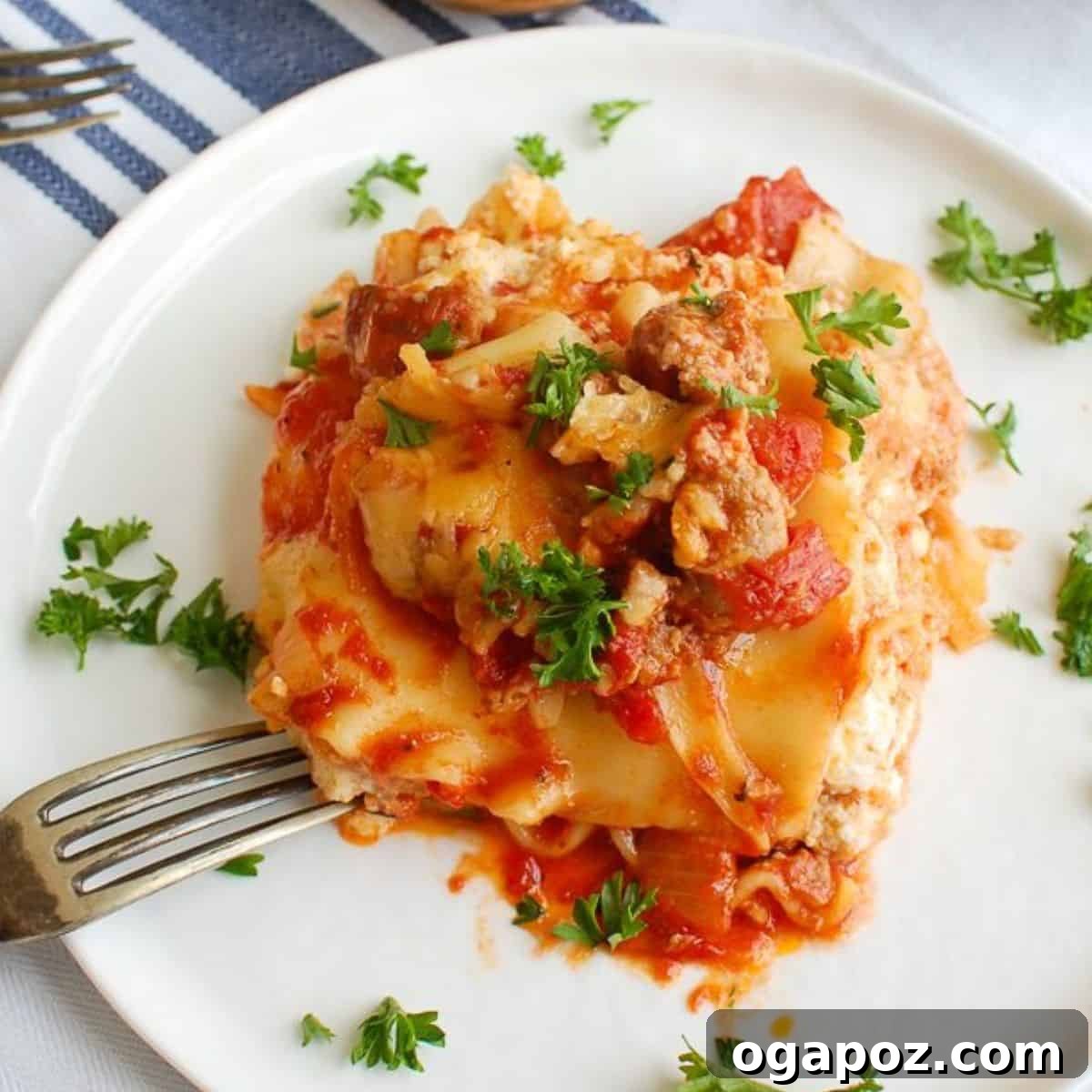
Slow Cooker Lasagna offers a delightfully easy and incredibly satisfying way to enjoy your favorite classic Italian dish. Imagine coming home to the comforting aroma of a perfectly cooked, hearty lasagna, bubbling with rich flavors and creamy cheese – all prepared effortlessly in your crockpot while you go about your day. This recipe transforms traditional lasagna into a convenient, hands-off experience, making it an ideal meal for busy weeknights or relaxed weekends. It’s a truly flavorful masterpiece, combining savory ground sausage and beef, a robust tomato sauce, tender vegetables, and an irresistible creamy cheese mixture. Prepare to indulge in a truly spectacular, fuss-free lasagna that will become a staple in your family’s meal rotation.
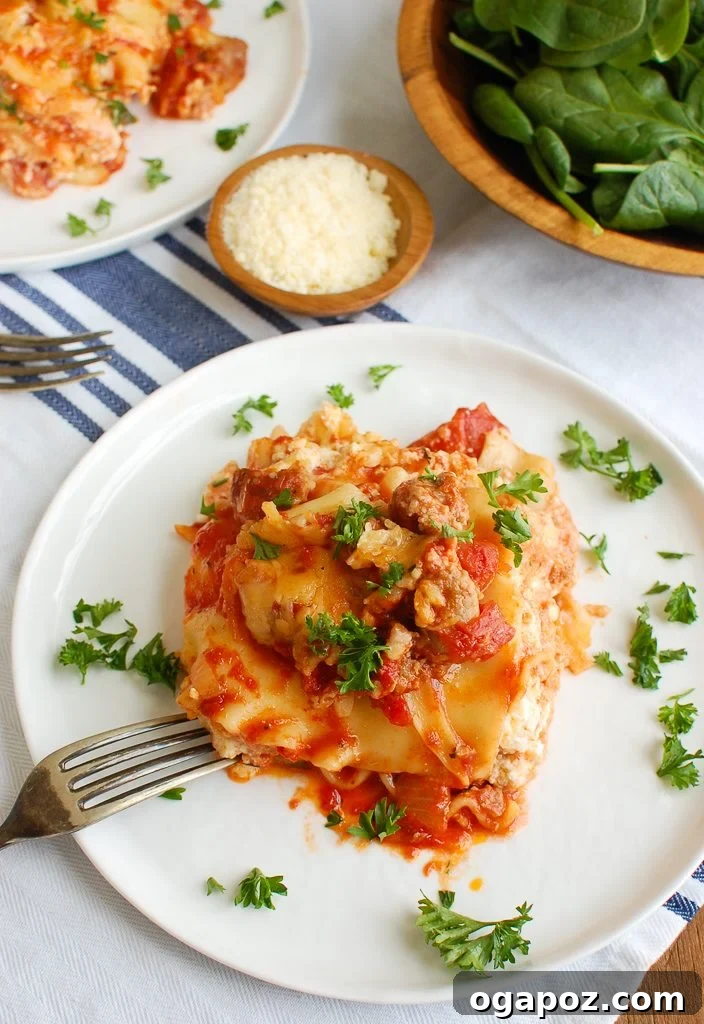
Italian cuisine holds a special place in many hearts, and recently, it’s been a popular choice in our kitchen. From robust bolognese sauces to creamy pasta dishes, the demand for authentic, comforting Italian flavors is always high. Following the success of our hearty Slow Cooker Spaghetti Sauce, we’re thrilled to share another incredible, time-saving Italian favorite: Slow Cooker Lasagna. As the seasons shift, and we look forward to fresh salads and grilling, there’s still a deep desire for those soul-warming comfort foods that bring everyone to the table. This crockpot lasagna truly hits the spot, offering all the richness and layers of a traditional baked lasagna with minimal effort.
Making a traditional lasagna can be quite an undertaking, especially when managing a busy household. The extensive layering, multiple baking steps, and potential for uneven cooking can be daunting. That’s why this Slow Cooker Lasagna recipe has become my absolute favorite method. It’s surprisingly easy, requiring significantly less fuss than its oven-baked counterpart, and offers a more consistent, moist result. If you haven’t yet discovered the magic of making lasagna in your crockpot, now is the perfect time to jump on this bandwagon! You’ll be amazed at how simple it is to achieve a perfectly layered, moist, and flavorful lasagna without constantly monitoring the oven.
If you’re a fan of straightforward and delicious Italian recipes, you might also enjoy exploring some of our other cherished pasta dishes. Consider trying our Easy Baked Rigatoni with Chicken Meatballs for another comforting casserole, or our quick and satisfying Skillet Beef Lasagna when you need dinner on the table even faster. For lighter, brighter flavors, our Lemon Garlic Shrimp Pasta or the refreshing Lemon Shrimp and Orzo are excellent choices that promise a delightful culinary experience.
Why Choose Slow Cooker Lasagna? The Ultimate Convenience
Embracing the slow cooker for your lasagna offers a multitude of benefits, making it an increasingly popular choice for home cooks seeking both convenience and quality. First and foremost, it’s incredibly hands-off. The “set it and forget it” nature of a crockpot allows you to prepare a gourmet-quality meal with minimal active cooking time. You can assemble the lasagna in the morning and let it simmer to perfection throughout the day, freeing you up for work, errands, or simply enjoying your leisure time. This means less stress, especially on busy weekdays, and no need to constantly monitor an oven or worry about burning layers.
Beyond convenience, slow cooker lasagna often results in a more consistently moist and tender dish than traditional oven-baked versions. The low and slow cooking process allows the flavors to meld beautifully, creating a deeper, richer sauce and ensuring the noodles absorb moisture without becoming dry, brittle, or mushy. It also prevents the top from getting overly crispy while the center remains undercooked, a common issue with conventional baking methods. The even, gentle heat distribution within the slow cooker guarantees every layer is cooked through to perfection, delivering a deliciously consistent texture and taste from edge to center. Furthermore, using a slow cooker can be more energy-efficient than running a large oven for several hours, making it an economical and environmentally conscious choice. It’s truly a game-changer for anyone who loves the taste of homemade lasagna but desires an easier, more reliable preparation method.
Essential Ingredients for the Perfect Crockpot Lasagna
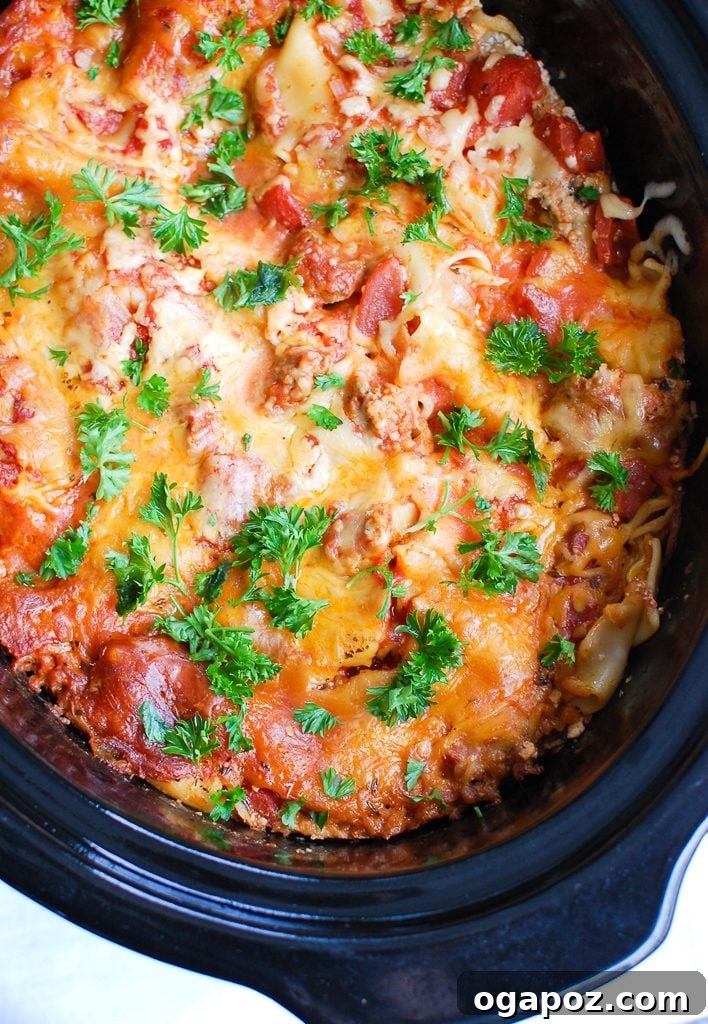
Crafting this easy slow cooker lasagna relies on a combination of simple yet potent ingredients that deliver maximum flavor with minimal fuss. Each component plays a vital role in creating the hearty, comforting dish you crave. Here’s a closer look at what you’ll need and why these ingredients are so important for achieving a truly spectacular lasagna:
- Ground Beef and Italian Pork Sausage: This powerful duo forms the hearty base of our lasagna. The ground beef provides a classic, robust flavor and satisfying texture, while the Italian pork sausage (choose mild or hot, depending on your spice preference) infuses the sauce with aromatic spices like fennel and paprika, adding a complex layer of savory richness. Using both creates a balanced and deeply flavorful meat sauce. You can also experiment with ground turkey or chicken for a leaner alternative, or for a completely meatless version, finely chopped mushrooms or lentils can replicate the texture and add an earthy depth.
- Rich Tomato Sauce Foundation: The combination of diced tomatoes, tomato sauce, and tomato paste creates a deeply flavorful, well-balanced, and perfectly textured sauce that is the backbone of any great lasagna. Diced tomatoes contribute chunks of fresh tomato and acidity, tomato sauce provides a smooth liquid base, and tomato paste concentrates the tomato flavor, giving the sauce an unparalleled depth and umami richness. Opt for high-quality canned tomatoes from your favorite brand for the best possible flavor outcome.
- Aromatic Diced Vegetables: Don’t underestimate the power of finely diced onion, carrots, and celery. These humble vegetables form a traditional Italian soffritto, or French mirepoix, which is slowly cooked to release their natural sweetness and aromatic compounds. They add essential layers of flavor, moisture, and subtle texture to the meat sauce, making it incredibly complex, nutritious, and satisfying. Taking the time to sauté these vegetables properly before adding the tomatoes is a crucial step for building foundational flavor.
- Classic Italian Herbs and Spices: Herbs are indispensable in Italian cooking! We’ll be using dried oregano and thyme, which infuse the sauce with their earthy, warm, and fragrant notes. For a vibrant finish, fresh parsley and basil are sprinkled on top after cooking, adding a burst of fresh flavor, appealing aroma, and beautiful color. Feel free to experiment with other favorites like a pinch of dried marjoram or a good quality pre-mixed Italian seasoning blend. Remember that fresh herbs tend to have a more potent flavor than dried, so adjust quantities accordingly.
- Creamy Cheese Mixture: This is where the magic happens for that classic luscious, gooey lasagna texture. Our recipe calls for a blend of part-skim ricotta cheese and cottage cheese. Ricotta provides a smooth, mild creaminess, while cottage cheese offers a slightly firmer texture and a tangy note, often with less fat than whole-milk ricotta. You can use whole milk ricotta for an even richer experience. This creamy blend is layered with generous amounts of shredded mozzarella cheese, which provides that essential melty, stretchy, and browned quality that defines lasagna. A final sprinkle of sharp Parmesan cheese adds a salty, nutty, and savory umami finish that perfectly complements the other flavors.
Customizing Your Slow Cooker Lasagna: Delicious Modifications & Variations
One of the best aspects of making lasagna is its incredible versatility. This slow cooker recipe is a fantastic canvas for your culinary creativity, allowing you to adapt it to suit your tastes, dietary needs, or whatever ingredients you have on hand. Don’t hesitate to experiment and make it your own! Here are some fantastic ways to modify this lasagna recipe:
- Meat Variations: While our recipe features a delicious blend of ground beef and Italian pork sausage, the possibilities for meat combinations are endless. For a leaner option, substitute with ground turkey or ground chicken. These lighter meats absorb the flavors of the sauce beautifully. If you prefer a bolder, richer flavor, consider using only Italian sausage, or adding a touch of finely diced pancetta or bacon for an extra layer of smoky depth. For a truly hearty dish, a mix of veal, pork, and beef (a classic Bolognese trio) would be exceptional.
- Boost the Vegetables: This lasagna already incorporates aromatic vegetables, but you can always add more to increase nutrients, texture, and flavor. Sautéed spinach, thinly sliced zucchini, bell peppers (red, yellow, or orange), or even roasted eggplant can be layered into the lasagna for added goodness. Consider adding a layer of finely chopped mushrooms, sautéed until their moisture is released, for a meatier texture in a vegetarian version. Artichoke hearts, sun-dried tomatoes, or even a handful of chopped kale can also be delicious additions to the sauce or cheese layers.
- Shortcut Savvy Sauce: If time is truly of the essence and you need an even quicker preparation, you can streamline the sauce process. Instead of combining diced tomatoes, tomato sauce, and tomato paste from scratch, opt for a high-quality store-bought marinara sauce or your favorite pasta sauce. Aim for a brand you love that boasts rich, authentic flavors. Even with a pre-made sauce, you can still enhance it significantly by browning your chosen meat and adding the sautéed mirepoix (onion, carrots, celery) for homemade depth and freshness.
- Herb and Spice Experimentation: The herbs in this recipe provide a classic Italian flavor profile, but don’t be afraid to customize and expand! Fresh herbs always offer a brighter, more vibrant flavor; consider adding fresh oregano or marjoram along with the parsley and basil. For those who enjoy a little kick, a pinch of red pepper flakes stirred into the sauce can introduce a subtle heat. A touch of freshly grated nutmeg in the cheese mixture is a traditional Italian addition that adds warmth and complexity. A good quality Italian seasoning blend can also be a convenient substitute for individual dried herbs.
- Cheese Combinations: The cheese mixture is crucial for that creamy, decadent texture. While ricotta and cottage cheese are popular choices, you can play with other creamy or semi-hard cheeses to alter the flavor and texture profile. Mascarpone cheese can offer an even richer, smoother, and slightly sweeter creaminess. For a sharper, more complex flavor, incorporate some provolone, fontina, smoked mozzarella, or even a blend of Italian hard cheeses into your layers. A small amount of cream cheese mixed into the ricotta can also add incredible richness and bind the layers beautifully.
- Noodle Choices: While many slow cooker lasagna recipes call for “no-boil” noodles for convenience, regular lasagna noodles actually work perfectly fine in the crockpot and often yield a superior texture with better absorption of the flavorful sauce. The key is ensuring they are fully submerged in sauce and liquid to hydrate properly. If using fresh pasta sheets, they will cook even faster, so be sure to adjust your cooking time accordingly, potentially reducing it by 30-60 minutes. Gluten-free lasagna noodles can also be used, but check the package instructions for any specific preparation advice.
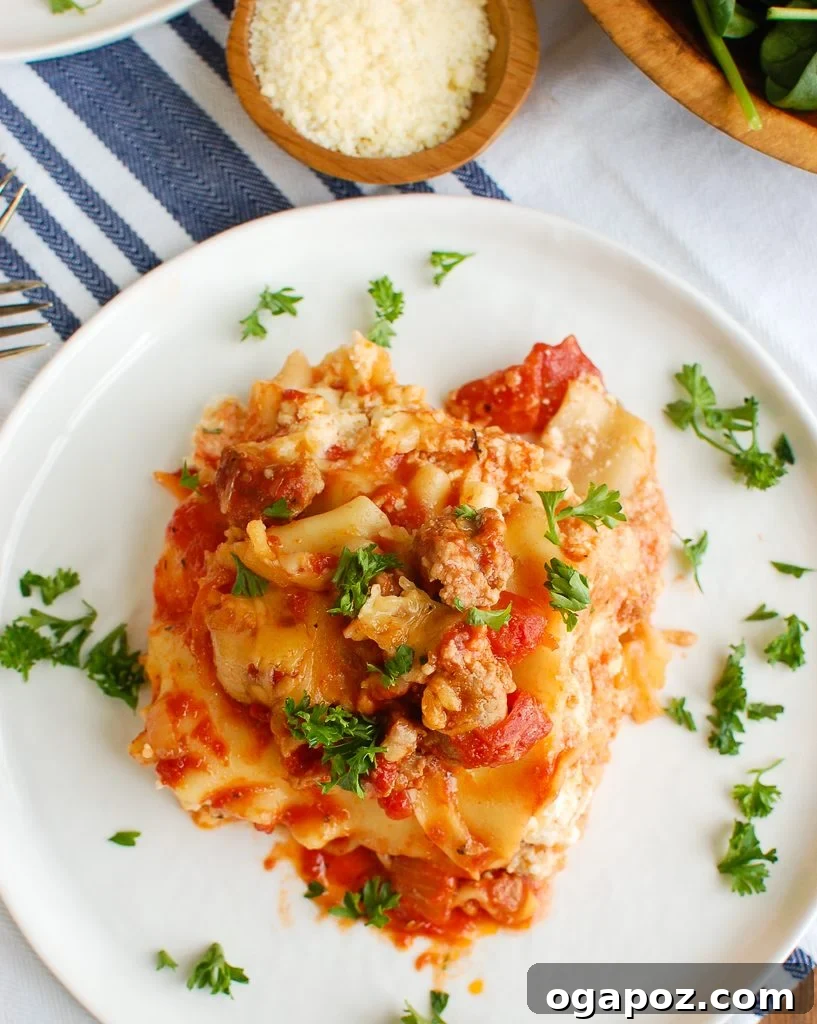
How to Make the Best Crockpot Lasagna: Step-by-Step Guide
Creating this incredible Slow Cooker Lasagna is simpler than you might think, especially with these detailed steps designed for foolproof success. Follow along for a comprehensive guide to a perfectly layered and intensely flavorful dish that will impress everyone at your table:
- Step 1: Brown the Meat to Perfection: Begin by heating 2 tablespoons of olive oil in a large pot or skillet over medium-high heat. Add the ground beef and Italian pork sausage to the hot oil. Using a wooden spoon, break the meat up into small, even pieces as it cooks. Continue to cook, stirring occasionally, until all the meat is thoroughly browned and no pink remains, which usually takes about 5-7 minutes. This browning step is crucial as it develops deep, savory flavors through the Maillard reaction. Once cooked, carefully drain any excess fat from the pot. This is important to prevent your lasagna from becoming greasy or watery. Return the browned meat to the pot.
- Step 2: Simmer the Aromatic Sauce: To the browned meat in the pot, add the minced garlic, chopped sweet onion, diced carrots, and diced celery. Sauté these vegetables for about 5 minutes, stirring occasionally, until they soften slightly and become wonderfully fragrant. Next, stir in the canned diced tomatoes (including their juices), the tomato sauce, and the concentrated tomato paste. Incorporate the dried oregano and dried thyme, mixing well to distribute the spices. Bring the mixture to a gentle simmer and let it cook for at least 10 minutes. This simmering time allows the flavors to meld beautifully and for the sauce to thicken slightly. Once simmered, remove the pot from the heat and set the delicious meat sauce aside to cool slightly.
- Step 3: Prepare the Creamy Cheese Mixture: In a separate medium-sized mixing bowl, combine 1 cup of shredded mozzarella cheese (this portion is for the filling layers, not the top), 1 1/2 cups of cottage cheese, and 1 cup of part-skim ricotta cheese. Mix these ingredients thoroughly with a spoon or spatula until they are well combined and relatively smooth. Some recipes suggest adding an egg to the cheese mixture to help it set, but for slow cooker lasagna, the gentle, long cooking process often sets the cheese perfectly without it.
- Step 4: Layer Your Lasagna in the Slow Cooker: Prepare your slow cooker by spraying the interior liberally with a non-stick cooking spray. This step is vital to prevent sticking and will make serving much easier later on. Now, it’s time for the art of layering:
- Spread an even, thin layer of the prepared meat sauce on the very bottom of the slow cooker insert. This acts as a protective layer, preventing the noodles from sticking and ensuring a moist base for the entire lasagna.
- Carefully place three lasagna noodles over the sauce. You will likely need to break or trim the noodles to fit the circular or oval shape of your slow cooker. Don’t worry if they aren’t perfectly aligned or if there are small gaps; they will soften, expand, and meld together beautifully during the long cooking process.
- Follow with another generous, even layer of the rich meat sauce, spreading it over the noodles.
- Next, dollop spoonfuls of the creamy cheese mixture over the meat sauce, gently spreading it to form an even layer.
- Repeat this layering sequence two more times: first, a layer of noodles, then a layer of meat sauce, followed by a layer of the cheese mixture.
- You should aim to finish with a final, thick layer of meat sauce on top of the last noodle layer.
- Finally, sprinkle the remaining 1 cup of shredded mozzarella cheese evenly over the very top layer of sauce. This will melt into a beautiful, golden-brown, bubbly crust.
- Step 5: Slow Cook to Perfection & Serve: Secure the lid onto your slow cooker. Cook on the LOW setting for 3 to 4 hours. The cooking time can vary slightly depending on your specific slow cooker model, so it’s essential to check for doneness. The lasagna is ready when the cheese is gloriously bubbly around the edges, and the noodles are tender and easily pierced with a fork. To test the noodles, you can gently pry up a corner with a fork. Be careful not to overcook, as this can lead to mushy noodles or a dry, over-reduced sauce. At the 3-hour mark, take a peek and gently test. If it’s not quite done, cover and continue cooking, checking every 30 minutes. Once cooked, remove the lid, and for a burst of freshness and a touch of elegance, sprinkle generously with fresh Parmesan cheese and a vibrant amount of freshly chopped parsley and basil. Allow the lasagna to rest for 10-15 minutes before serving to help the layers set and make for cleaner slices. Serve warm and enjoy your effortless masterpiece!
Pro Tips for the Best Slow Cooker Lasagna Experience
Achieving the perfect slow cooker lasagna is simple, but a few expert tips can elevate your dish from good to absolutely amazing. Keep these pointers in mind for a consistently delicious outcome:
- Don’t Overfill Your Slow Cooker: It’s tempting to pack in as much as possible, but ensure your slow cooker isn’t filled to the very brim. Leave at least an inch or two of space from the top. This allows enough room for the lasagna to expand slightly as it cooks and for steam to circulate effectively, which is crucial for even noodle cooking.
- No-Boil Noodles Are Optional, Not Required: While many slow cooker lasagna recipes suggest no-boil noodles for convenience, regular lasagna noodles often work just as well, if not better, in a crockpot. They absorb the flavorful sauce more effectively, leading to a richer taste and tender texture. The key is simply ensuring that all noodles are adequately covered by the sauce to hydrate properly during cooking.
- Break Noodles to Fit, Don’t Stress About Perfection: Don’t be afraid to break your lasagna noodles to fit the unique circular or oval shape of your slow cooker insert. It’s perfectly fine if they’re not perfect rectangles or if there are small gaps; they’ll soften, expand, and meld together beautifully during the long cooking process, creating a seamless dish.
- Always Drain Excess Fat from Meat: After browning your ground meat, it’s crucial to thoroughly drain any rendered fat. Failing to do so can result in a greasy, overly rich, and potentially watery lasagna, as the fat will separate during the long cooking process.
- Monitor for Doneness (Slow Cookers Vary!): Slow cookers can vary significantly in their heating capabilities, even between models of the same brand. Always check your lasagna at the lower end of the suggested cooking time (around 3 hours on low). The noodles should be tender, and the cheese should be bubbly and melted. Overcooking can lead to mushy noodles, a dry consistency, or a scorched bottom layer.
- Allow for Resting Time Before Serving: Once cooked, allow the lasagna to rest in the slow cooker with the lid slightly ajar for 10-15 minutes before attempting to serve. This crucial resting period allows the layers to set and the cheese to firm up slightly, making it much easier to slice and preventing a watery, collapsed mess when you scoop out the first piece.
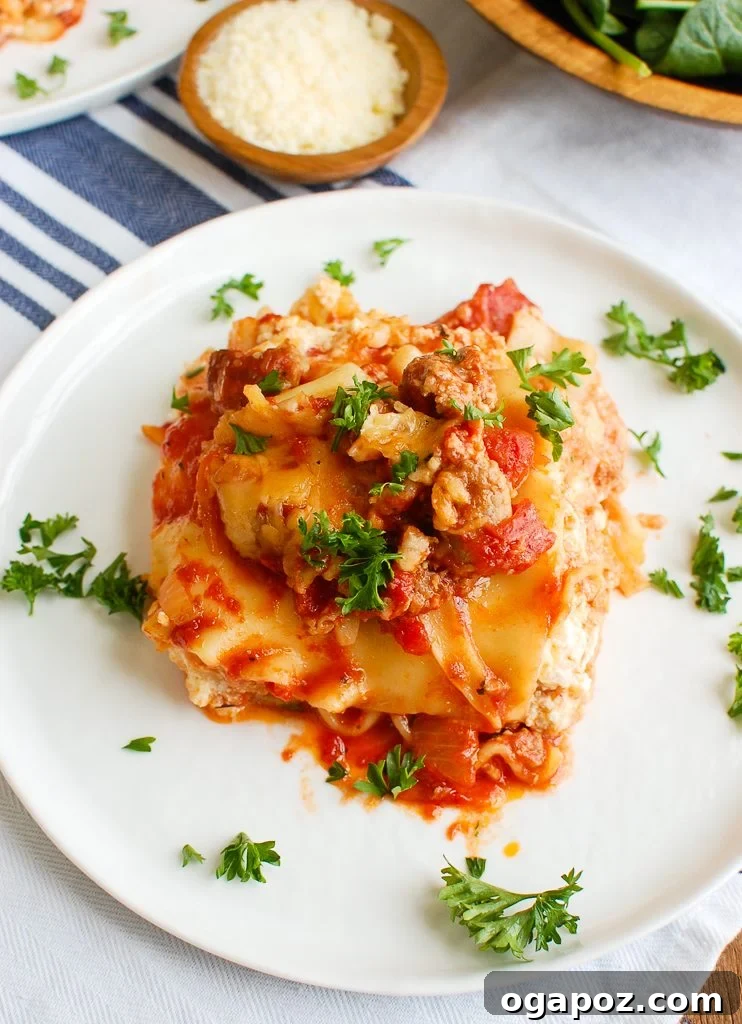
Serving Suggestions for Your Slow Cooker Lasagna
This hearty Slow Cooker Lasagna is a complete and satisfying meal on its own, but pairing it with a few complementary sides can truly elevate your dining experience and create a well-rounded Italian feast. A crisp, fresh green salad with a light vinaigrette is an absolute must; its acidity and freshness perfectly balance the richness of the lasagna. Garlic bread or a loaf of crusty Italian bread is another essential accompaniment, perfect for soaking up any extra delicious sauce. For a more substantial side, consider serving it alongside some steamed green beans, roasted asparagus, or a simple sautéed broccoli rabe. A final sprinkle of extra grated Parmesan cheese and fresh basil or parsley before serving adds a gourmet touch and enhances the fresh flavors.
Storage and Reheating Tips for Lasagna Leftovers
One of the best things about lasagna is that it often tastes even better the next day as the flavors have more time to meld and deepen! Proper storage and reheating techniques are key to ensuring your leftovers remain as delicious and comforting as the fresh-cooked meal.
- Refrigerator Storage: Allow the lasagna to cool completely to room temperature before transferring it to an airtight container. This prevents condensation and keeps it fresh. Store the container in the refrigerator for up to 4 days. For individual servings, slice the lasagna before storing.
- Freezing for Later: Lasagna freezes exceptionally well, making it perfect for meal prepping. Once cooled, you can freeze it in individual portions or freeze the entire remaining dish. Wrap portions tightly in plastic wrap, then an additional layer of aluminum foil, or place in freezer-safe, airtight containers. It can be stored in the freezer for up to 3 months. For best results and even reheating, it’s recommended to thaw frozen lasagna in the refrigerator overnight before reheating.
- Reheating Instructions:
- Microwave: For quick individual portions, place a slice on a microwave-safe plate, cover loosely with a microwave-safe lid or damp paper towel (to retain moisture), and heat for 2-3 minutes, or until thoroughly heated through and bubbly.
- Oven: For reheating larger portions or an entire remaining dish, preheat your oven to 350°F (175°C). Place the lasagna in an oven-safe dish, cover loosely with aluminum foil (this prevents it from drying out and keeps the cheese from over-browning), and bake for 20-30 minutes for individual slices, or 45-60 minutes for a larger portion, until it’s heated through and bubbling around the edges. Remove the foil for the last 10 minutes if you prefer a slightly crispier, golden-brown cheese topping.
Frequently Asked Questions About Slow Cooker Lasagna
Have questions about making the perfect slow cooker lasagna? We’ve got answers to some common queries to ensure your cooking experience is smooth and successful:
- Do I need to boil the lasagna noodles first?
No, one of the wonderful conveniences of slow cooker lasagna is that you typically do not need to pre-boil the noodles. The uncooked noodles will cook perfectly right in the crockpot, absorbing moisture and delicious flavor directly from the sauce as they gently simmer. The critical step is to ensure that your noodles are adequately covered by the sauce on all sides to guarantee even cooking and prevent them from becoming hard or dry.
- Can I use no-boil lasagna noodles?
Yes, absolutely! No-boil lasagna noodles work wonderfully in a slow cooker. They are specifically designed to absorb liquid quickly, making them an excellent and even more convenient option for this method. However, regular lasagna noodles also perform excellently and many cooks find they yield a slightly superior texture and better flavor absorption. The choice is truly yours, based on preference and pantry availability.
- Why is my slow cooker lasagna watery?
A watery lasagna can be a common concern, but it’s usually easily preventable. Ensure you thoroughly drain any excess fat from your browned meat. Also, avoid adding extra liquid beyond what the recipe specifies; the canned diced tomatoes and tomato sauce typically provide ample moisture. Lastly, some vegetables (like zucchini or mushrooms) release a lot of water as they cook; if you choose to add a significant amount of these high-water content veggies, consider sautéing them separately first to release some of their moisture before incorporating them into the meat sauce.
- Can I make this recipe vegetarian?
Absolutely! This recipe is incredibly adaptable for a vegetarian diet. To make a vegetarian slow cooker lasagna, simply omit the ground beef and Italian sausage. Instead, you can use a combination of hearty, finely chopped and sautéed mushrooms, bell peppers, zucchini, or even cooked lentils to provide a satisfying, meaty texture and rich flavor to the sauce. Ensure you still build a flavorful vegetable base similar to the traditional mirepoix (onion, carrots, celery).
- What size slow cooker should I use for this recipe?
A 6-quart oval-shaped slow cooker is generally ideal for this lasagna recipe, as its shape accommodates standard lasagna noodles quite well. If you only have a smaller slow cooker (e.g., 4-quart), you might need to adjust the number of layers and noodles, breaking them into smaller pieces to fit, and potentially making a slightly taller, fewer-layered lasagna. For larger gatherings, an 8-quart slow cooker would also work, potentially allowing for more layers or larger noodles.
- How do I prevent the lasagna noodles from sticking to the bottom?
To prevent sticking, always spray the interior of your slow cooker insert generously with non-stick cooking spray before you begin layering. Additionally, starting with a good, even layer of meat sauce at the very bottom (as instructed in Step 4) helps to create a protective barrier between the noodles and the crockpot surface, further ensuring a clean release.
More Delicious Pasta Recipes to Try
One Skillet Cheesy Hamburger Pasta
A quick and easy beef and pasta dish, loaded with cheese and perfect for busy weeknights.
Italian Sausage Pasta
A flavorful and satisfying pasta dish featuring savory Italian sausage and a rich tomato-based sauce.
Caprese Pasta
A light and fresh pasta dish inspired by the classic Caprese salad, perfect for summer dining.
Lemon Basil White Bean Pasta
A refreshing and hearty vegetarian pasta with bright lemon, fragrant basil, and creamy white beans.
Slow Cooker Lasagna Recipe
By Julia Jolliff
This Slow Cooker Lasagna is an easy recipe for your favorite hearty Italian dish, cooking perfectly in your crockpot while you enjoy your day. It’s packed with flavorful ground meats, a rich tomato sauce, and creamy cheese layers, making it the ideal fuss-free comfort food.
Prep Time: 20 minutes
Cook Time: 3 hours
Total Time: 3 hours 20 minutes
Servings: 8 servings
Cuisine: Italian | Course: Main Course, Dinner
Print Recipe
Pin Recipe
Ingredients
- 2 tablespoons olive oil
- 1 pound Italian pork sausage, casings removed (mild or hot)
- 1 pound ground beef (80/20 lean recommended)
- 2 cloves garlic, minced
- 1/2 cup sweet onion, chopped (about 1 small onion)
- 3 carrots, diced (about 1 cup)
- 2 stalks celery, diced (about 1 cup)
- 1 (14.5 ounce) can diced tomatoes, undrained
- 1 (15 ounce) can tomato sauce
- 1 (6 ounce) can tomato paste
- 1 teaspoon dried oregano
- 1/2 teaspoon dried thyme
- 9-10 lasagna noodles (regular, not no-boil, or use no-boil as preferred)
- 2 cups shredded mozzarella cheese, divided (1 cup for cheese mixture, 1 cup for topping)
- 1 1/2 cups cottage cheese (small or large curd)
- 1 cup part-skim ricotta cheese
- 1/4 cup grated Parmesan cheese, for garnish
- Fresh parsley, chopped, for garnish
- Fresh basil, chopped, for garnish
Instructions
- Cook Meat: In a large pot or skillet, heat 2 tablespoons of olive oil over medium-high heat. Add the ground beef and Italian pork sausage. Break the meat apart with a wooden spoon and cook until thoroughly browned, about 5-7 minutes. Drain any excess fat from the pot and return the browned meat to the pot.
- Simmer Sauce: Add the minced garlic, chopped onion, diced carrots, and diced celery to the pot with the meat. Sauté for about 5 minutes until the vegetables soften slightly and become fragrant. Stir in the diced tomatoes (undrained), tomato sauce, tomato paste, dried oregano, and dried thyme. Bring the mixture to a gentle simmer and cook for 10 minutes, allowing the flavors to meld and the sauce to thicken slightly. Remove from heat and set aside.
- Prepare Cheese Mixture: In a separate mixing bowl, combine 1 cup of shredded mozzarella cheese, 1 1/2 cups of cottage cheese, and 1 cup of part-skim ricotta cheese. Mix well until all ingredients are thoroughly combined.
- Prepare Slow Cooker: Lightly spray the inside of your 6-quart oval-shaped slow cooker with non-stick cooking spray to prevent sticking.
- Layer Lasagna: Spread a thin, even layer of the prepared meat sauce on the bottom of the slow cooker. Arrange three lasagna noodles over the sauce, breaking them as needed to fit the shape of your slow cooker. Follow with another generous, even layer of meat sauce, then spread about a third of the cheese mixture over the sauce. Repeat these layers (noodles, meat sauce, cheese mixture) two more times. You should aim to end with a final layer of meat sauce on top of the noodles.
- Top with Cheese: Evenly spread the remaining 1 cup of shredded mozzarella cheese over the very top layer of meat sauce.
- Slow Cook & Serve: Cover the slow cooker with its lid. Cook on the LOW setting for 3 to 4 hours, or until the cheese is bubbly and the lasagna noodles are tender. Cooking times can vary, so check at the 3-hour mark. Avoid overcooking, as this can lead to tough noodles. Once cooked, remove the lid, sprinkle with Parmesan cheese and fresh parsley and basil. Allow to rest for 10-15 minutes before serving warm.
Notes
- Store leftover lasagna in an airtight container in the refrigerator for up to 4 days.
- This recipe is flexible with ground meats. Feel free to use your preferred combination of ground beef, Italian sausage, ground turkey, or ground chicken.
- Slow cooker cooking times can vary. My lasagna is typically done in about 3 hours on low. I suggest checking it at this point and then continuing to cook longer if needed, checking every 30 minutes.
- For best results, make sure your lasagna noodles are completely submerged in sauce during cooking.
Nutrition Information (Approximate per serving)
Calories: 740kcal, Carbohydrates: 41g, Protein: 40g, Fat: 46g, Saturated Fat: 19g, Polyunsaturated Fat: 4g, Monounsaturated Fat: 19g, Trans Fat: 1g, Cholesterol: 130mg, Sodium: 1430mg, Potassium: 1150mg, Fiber: 5g, Sugar: 11g, Vitamin A: 5036IU, Vitamin C: 19mg, Calcium: 357mg, Iron: 5mg
Nutrition information is automatically calculated and should only be used as an approximation.