
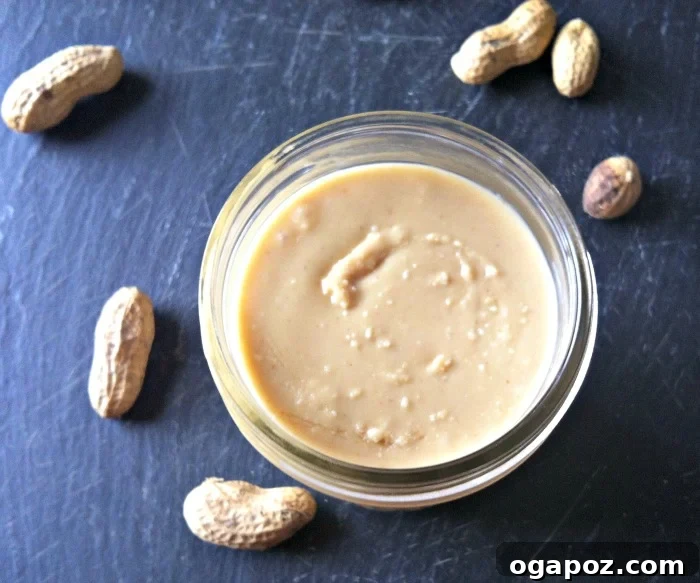
Homemade Peanut Butter: Your Guide to Wholesome & Delicious Spreads
Tired of store-bought peanut butter laden with preservatives, added sugars, and unpronounceable ingredients? Imagine a creamy, rich spread made from just one simple ingredient – peanuts! This comprehensive guide will show you how to craft your own healthy and incredibly delicious homemade peanut butter in under 10 minutes. Not only is it fresher, but you also have complete control over its flavor and texture, making it perfectly suited to your taste.
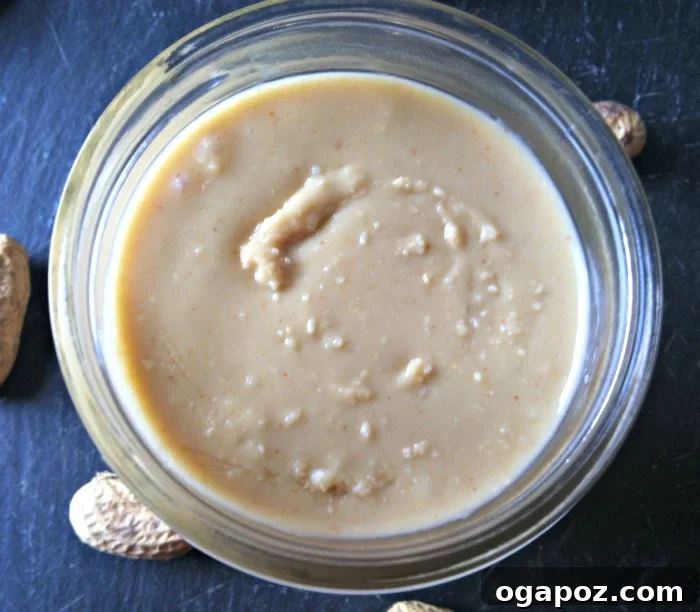
Why Make Your Own Peanut Butter? The Pure & Simple Advantages
Good day! I’m thrilled to share a recipe that will transform a daily staple into a homemade delight. There’s an undeniable charm and significant benefit to preparing your own food, especially something as commonly consumed as peanut butter. When you make it yourself, you eliminate all the unwelcome extras found in many commercial brands – no hydrogenated oils, no excessive sugar, and certainly no mysterious additives. It’s a return to simplicity, providing a pure, unadulterated taste that’s both healthier and more satisfying.
If you’re anything like me, your love for peanut butter knows no bounds. Whether it’s swirled into oatmeal, baked into cookies and brownies, topping ice cream, or simply enjoyed by the spoonful straight from the jar, it’s a versatile and comforting treat. This recipe embraces that love, empowering you to create a version that perfectly suits your palate and dietary preferences.
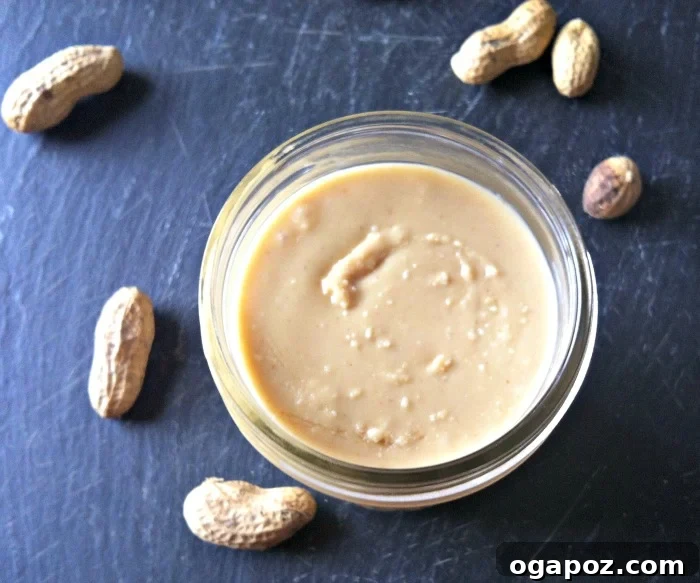
Customization is Key: Tailor Your Peanut Butter Experience
One of the greatest joys of homemade peanut butter is the ability to customize it exactly how you like. This isn’t just about avoiding undesirable ingredients; it’s about crafting your ideal spread. Do you crave that deep, rich roasted flavor? Start with already roasted peanuts, or better yet, roast raw peanuts yourself for an unparalleled aroma and taste. For a lighter, sweeter note, honey-roasted peanuts are an excellent choice.
Texture preference is another area where homemade shines. If you adore chunky peanut butter, simply stop blending when the peanuts have reached your desired consistency – typically before they begin to move freely and smoothly through the food processor blades. For those with a sweet tooth, a touch of sugar, honey, maple syrup, or even a drizzle of caramel can be blended in at the end. The possibilities are truly endless, allowing you to create a unique peanut butter every time.
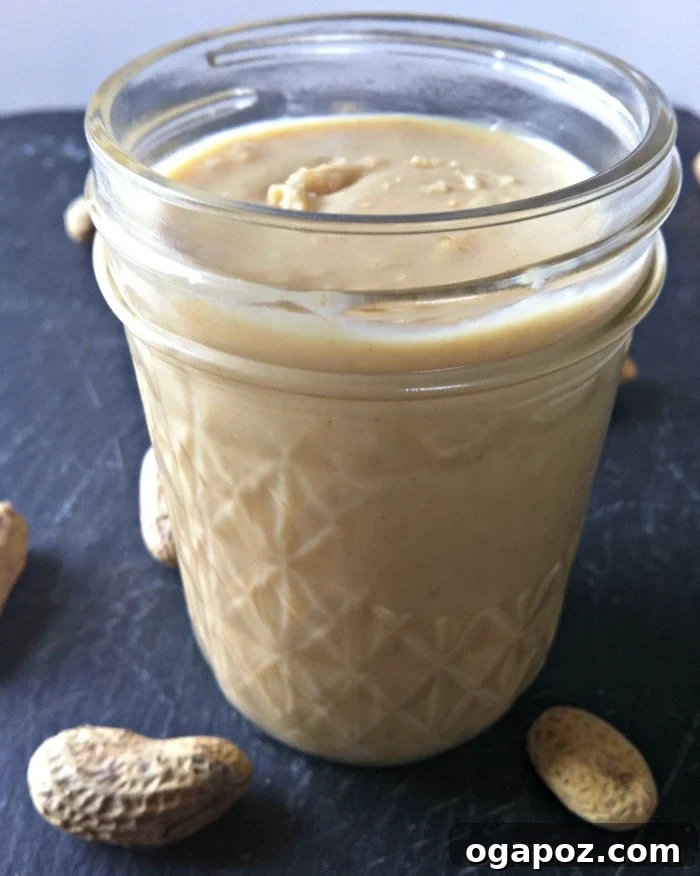
Selecting Your Peanuts: The Foundation of Flavor
The only truly essential ingredient for this recipe is peanuts – just one! However, the type of peanuts you choose significantly impacts the final product. When I first embarked on this peanut butter journey, I was on the hunt for roasted, unsalted, shelled peanuts. Finding them pre-shelled proved more challenging than expected, leading me to purchase whole peanuts and shell them myself. While a meditative task for some, I quickly found my mind wandering to a thousand other to-dos. So, unless you find the rhythmic cracking of shells therapeutic, I highly recommend sourcing already shelled peanuts.
You have the freedom to decide between salted or unsalted varieties. If you opt for unsalted peanuts, you’ll likely want to add a pinch of salt to taste, which helps to bring out the natural sweetness of the peanuts. Always remember, you are the ultimate judge of flavor here, so adjust to your preference.
For optimal results, high-quality, fresh peanuts are key. If you’re using raw peanuts, dry roasting them in the oven (spread on a baking sheet at 350°F or 175°C for 10-15 minutes, stirring occasionally) before blending will enhance their flavor and make them easier to process into a smooth butter. Allow them to cool slightly before proceeding.
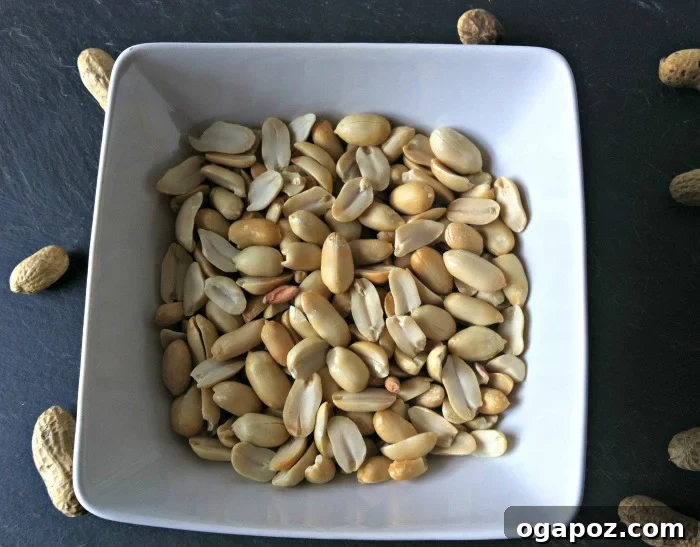
Step-by-Step Guide to Perfect Peanut Butter
Equipment Essentials: Food Processor vs. Blender
A high-powered food processor is generally preferred for making peanut butter due to its wider base and stronger motor, which handles the thick consistency better. However, a robust blender can also work effectively. Ensure your appliance has sharp blades designed for chopping and blending nuts. While food processors tend to yield smoother results with less effort, blenders can achieve a similar texture if you’re patient and vigilant about scraping down the sides.
The Blending Process: A Mesmerizing Transformation
The journey from whole peanuts to creamy peanut butter is quite fascinating to watch. Here’s a detailed breakdown of the stages:
1. Measure Your Peanuts: Begin by measuring 3 cups of shelled peanuts (approximately 24 ounces or 680 grams). Transfer them into the bowl of your food processor or blender. For optimal blending, it’s crucial not to overcrowd your machine, but also to have enough volume for the blades to catch the nuts effectively.
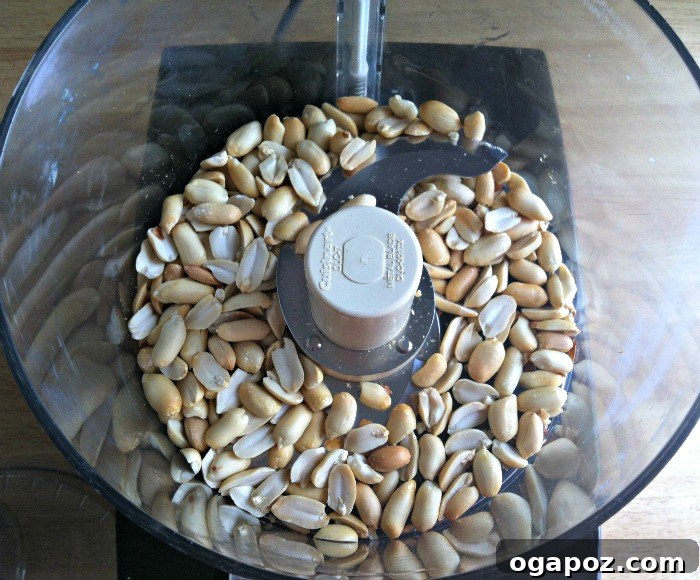
2. Initiate Blending: Secure the lid and start your machine. The initial phase will see the peanuts being coarsely chopped, resembling fine crumbs. Don’t be alarmed if it looks dry and dusty; this is completely normal.
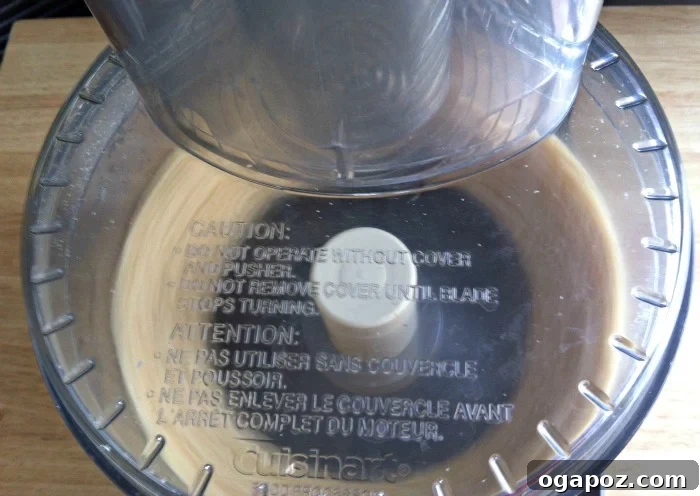
3. The Stages of Transformation: As you continue to blend, the peanuts will progress through several distinct stages:
- Crushed Peanuts: Roughly chopped, resembling coarse meal.
- Dry Paste: The crumbs will start to cling together, forming a dry, lumpy paste.
- Thickening Paste: The natural oils begin to release, making the mixture thicker and slightly more cohesive. At this point, it might form a large, sticky ball that moves around the processor as one mass. This is a critical stage where patience is key.
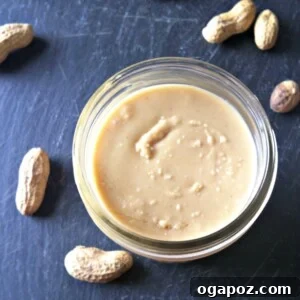
- Smooth and Creamy: Continue blending, and eventually, the ball will break down. The released oils will emulsify with the ground peanuts, transforming the thick paste into a luxuriously smooth, glossy, and free-flowing peanut butter. This process typically takes about 5-10 minutes, depending on your machine’s power and your desired consistency.
During the process, especially in the earlier, thicker stages, you’ll need to periodically stop the machine and scrape down the sides of the bowl with a spatula. This ensures all peanuts are evenly processed and helps prevent the motor from overheating.
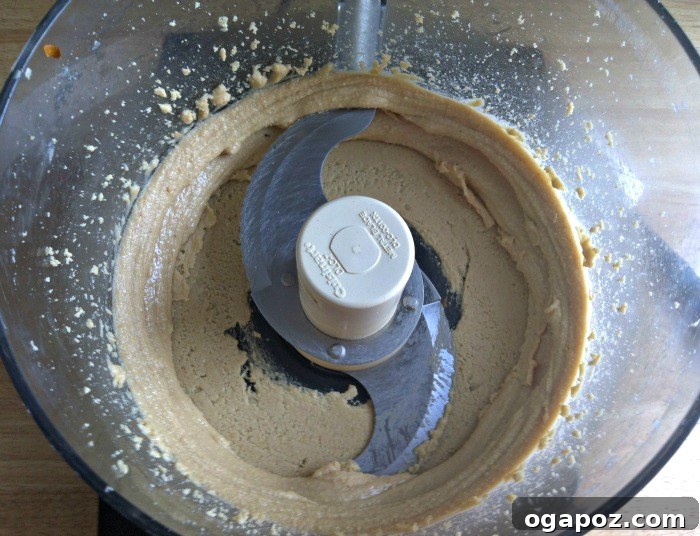
4. Taste and Adjust: Once you’ve achieved your desired texture, take a small taste. This is your opportunity to fine-tune the flavor. Add a pinch of salt if using unsalted peanuts, or incorporate optional additions like a teaspoon of honey, a dash of cinnamon, a sprinkle of cocoa powder, or even a tiny amount of peanut or vegetable oil if you prefer a slightly thinner consistency (though I often find it’s best without added oil). Blend briefly to incorporate any additions.
5. Storage: Transfer your freshly made peanut butter to an airtight container. While it will initially be quite runny, it will thicken significantly once refrigerated overnight. Store it in the refrigerator for up to two months. Homemade peanut butter, without commercial stabilizers, may naturally separate over time; simply stir it well before each use.
Beyond Basic: Creative Additions and Uses
The beauty of homemade peanut butter lies in its versatility. Don’t limit yourself to the classic version! Here are some ideas to spark your creativity:
- Sweet Variations: Blend in honey, maple syrup, agave, or even a spoonful of your favorite jam or fruit preserve for a swirl effect. For a decadent treat, add melted chocolate chips or cocoa powder.
- Savory Enhancements: A pinch of smoked paprika, chili flakes, or garlic powder can transform your peanut butter into a base for savory sauces or marinades.
- Spice it Up: Cinnamon, nutmeg, vanilla extract, or even a touch of ginger can add warmth and complexity.
- Nutty Blends: Experiment by adding a handful of other nuts like cashews, almonds, or even sunflower seeds for a unique flavor profile and added nutrients.
- Uses: Beyond the classic sandwich, homemade peanut butter shines in smoothies, energy bites, salad dressings, curry sauces, and as a dip for fruits and vegetables.
Tried this recipe? Leave a comment below! Subscribe to my newsletter or follow me on
Facebook,
Instagram, or
Pinterest for the latest.
Homemade Peanut Butter
Julia Jolliff
Homemade peanut butter takes about 10 minutes to make and is creamy, healthy and you know exactly what you are putting in it.
10 minutes
10 minutes
2
servings
Ingredients
-
3
cups
shelled peanuts ,
24oz, (your choice: honey roasted, roasted or un-roasted, salted or unsalted)
Instructions
-
Put the 3 cups of peanuts in the bowl of your food processor or blender.
-
Turn the blender on and let the peanuts break down, scraping the sides if necessary. Continue to blend the peanut butter until you begin to see a very smooth texture (you will go through stages as you make the peanut butter: 1. crunchy, 2. paste, 3. thick paste, 4. ball of peanut butter, 5. smooth peanut butter).
-
Taste the peanut butter and add salt to taste.
Notes
- You can add 1 teaspoon of peanut oil or vegetable oil if you think your peanut butter needs it but I found it is best without it.
- You will have a pretty runny peanut butter at first but once you put it in the refrigerator overnight it will thicken up.
- A few optional additions to peanut butter: Honey, Sugar, Caramel, Chocolate, Cinnamon, Vanilla Extract.
Nutrition
Calories:
1248kcal
,
Carbohydrates:
35g
,
Protein:
57g
,
Fat:
109g
,
Saturated Fat:
17g
,
Polyunsaturated Fat:
38g
,
Monounsaturated Fat:
49g
,
Sodium:
48mg
,
Potassium:
1629mg
,
Fiber:
21g
,
Calcium:
232mg
,
Iron:
9mg
Nutrition information is automatically calculated, so should only be used as an approximation.
Tried this recipe?
Mention @acedarspoon or tag #acedarspoon!
Making homemade peanut butter is a rewarding experience that offers a superior product both in taste and health benefits. It’s an easy, economical, and delicious way to ensure you’re consuming only the best ingredients. So, grab your peanuts and get blending – your taste buds (and your body) will thank you!
Happy making!
Julia