
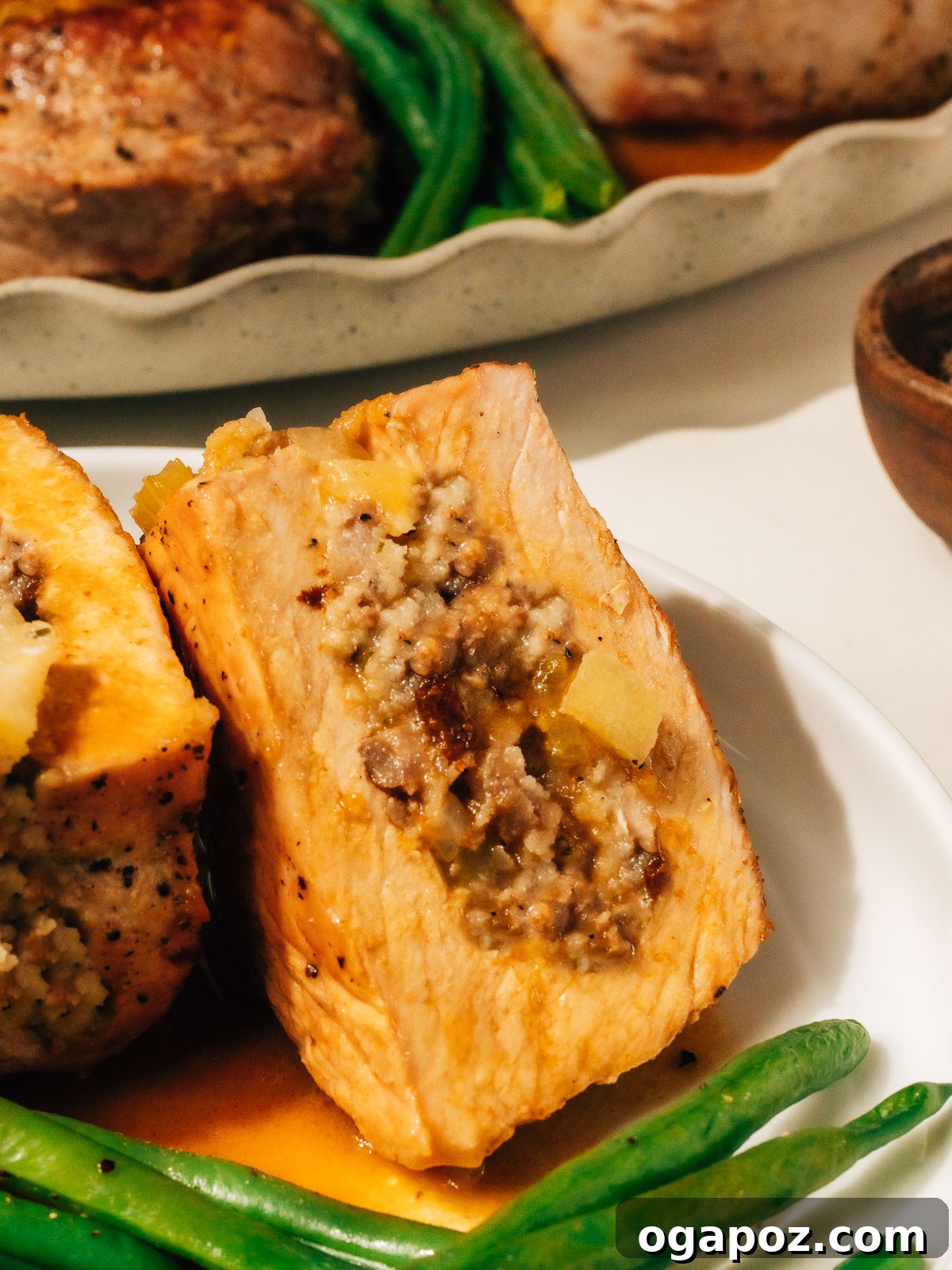
Prepare to impress your family and friends with these incredibly easy Stuffed Pork Chops. This recipe features a mouthwatering sausage-apple stuffing that locks in moisture and infuses the pork with rich, savory-sweet flavors. The dish is beautifully complemented by a luscious, buttery apple cider pan sauce that everyone will rave about. What makes it even better? It’s a one-skillet wonder that tastes like you spent hours in the kitchen, when in reality, it comes together with surprising ease.
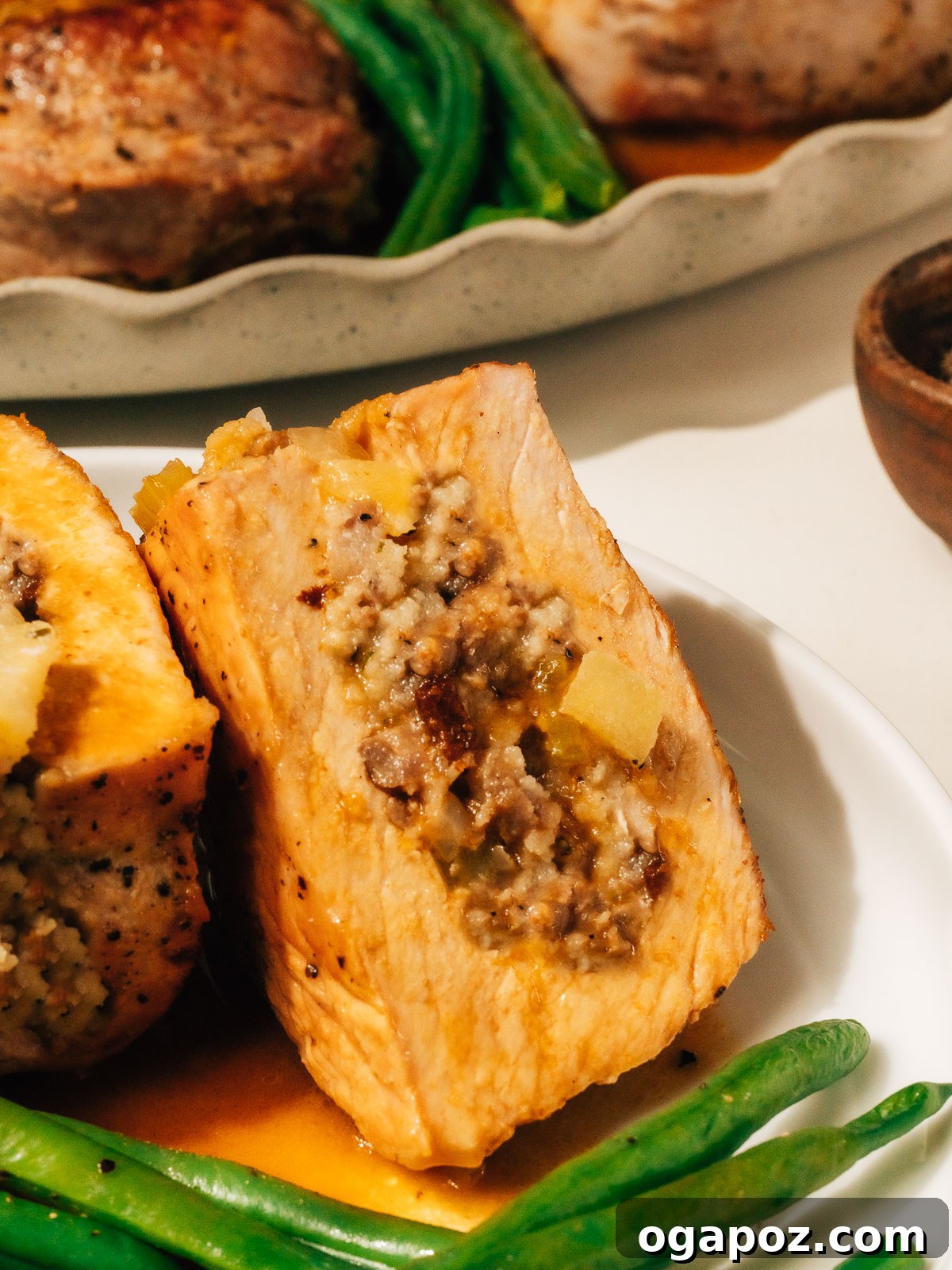
Stuffed Pork Chops: A Culinary Delight Made Easy
Stuffed pork chops are a timeless comfort food, offering a delightful combination of tender pork and a flavorful filling. This particular recipe elevates the classic by incorporating a savory Italian sausage and apple stuffing, creating a harmonious blend of textures and tastes. The beauty of stuffing the pork isn’t just about adding flavor; it also acts as an internal moisture barrier, ensuring your chops remain incredibly juicy during the cooking process. Get ready to master a dish that’s both elegant and approachable, perfect for any occasion.
Essential Ingredients for Perfect Stuffed Pork Chops
One of the reasons this recipe shines is how efficiently the stuffing works. It not only contributes a huge amount of flavor but also plays a crucial role in keeping the pork incredibly moist as it bakes. You’ll be amazed at the depth of flavor achieved with a relatively short list of accessible ingredients. (Be sure to read our Common Mistakes + Pro Tips section for more insights on keeping your chops perfectly moist and tender!)
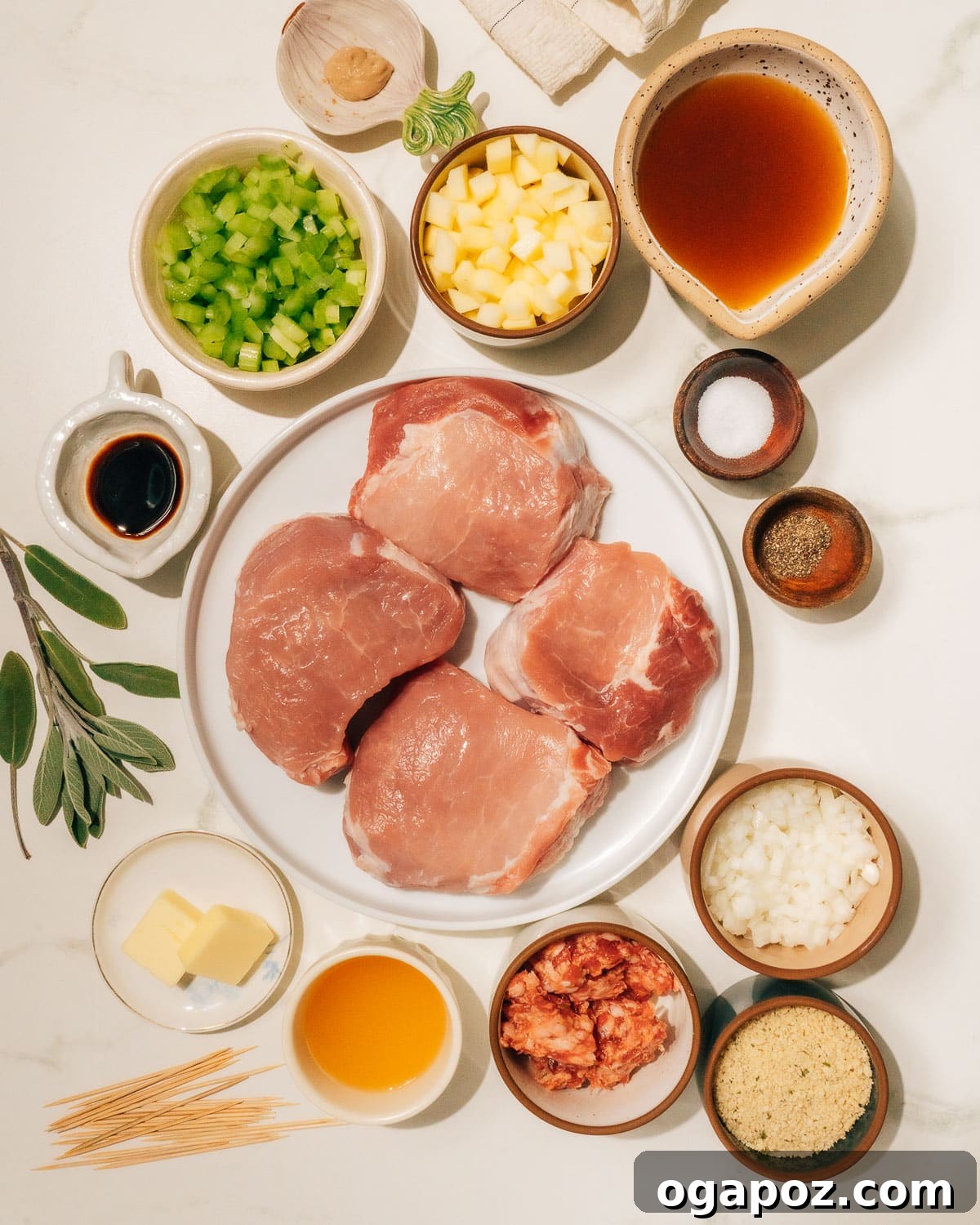
Here’s a detailed look at everything you’ll need to create these fantastic apple-stuffed pork chops and their accompanying pan sauce:
Pork Chop Ingredients
- Thick-cut Pork Chops: Essential for a successful stuffing. Opt for bone-in or boneless chops that are at least 1 1/2 inches thick. This thickness is crucial for cutting a generous, deep pocket that can hold plenty of savory stuffing without tearing the meat. Thicker chops also cook more evenly and are less prone to drying out.
- Kosher Salt: Used generously to season the pork chops both inside and out, enhancing their natural flavor and aiding in moisture retention.
- Black Pepper: Freshly ground black pepper adds a pungent warmth that complements the pork beautifully.
- Olive Oil: A high-quality olive oil is used for searing the chops, creating a beautiful golden-brown crust and contributing to the rich fond at the bottom of the pan, which is vital for the pan sauce.
Savory Sausage and Apple Stuffing Ingredients
- Mild Italian Sausage: The cornerstone of our stuffing, providing a robust, savory, and slightly sweet base. Make sure to remove the casings before cooking. Its inherent seasonings bring a wealth of flavor without requiring many additional spices.
- Olive Oil: Used to sauté the stuffing ingredients, ensuring they soften and release their aromatic compounds.
- Apple: Honeycrisp or Granny Smith are ideal choices. These firm apple varieties hold their shape well during cooking and offer a delightful crisp-tart or sweet-tart contrast to the savory sausage. Avoid softer apples that tend to turn mushy.
- Onion: Finely chopped onion adds a foundational aromatic sweetness and depth to the stuffing.
- Celery: Provides a subtle earthy note and a pleasant textural crunch, balancing the richness of the sausage and apple.
- Fresh Sage: The classic herb pairing for pork and apples. Fresh sage offers an earthy, slightly peppery aroma that truly defines the flavor profile. If fresh is unavailable, dried sage works well, though you’ll use a smaller quantity.
- Panko Breadcrumbs: These light, airy Japanese breadcrumbs bind the stuffing together, ensuring it holds its shape inside the pork chop and absorbs all the delicious juices and liquids.
- Apple Cider: Or chicken broth. This liquid adds essential moisture to the stuffing, keeping it tender and flavorful, while also imparting a subtle sweetness that pairs wonderfully with the pork and apples.
- Kosher Salt: To season the stuffing perfectly.
- Black Pepper: A dash of black pepper adds a gentle kick and enhances the overall seasoning.
Buttery Apple Cider Pan Sauce Ingredients
The pan sauce is the crowning glory of this dish, created directly in the skillet where the chops were seared, capturing all those flavorful browned bits (fond).
- Chicken Broth: Forms the base of the sauce, providing a savory foundation.
- Apple Cider: Or white wine. Both options contribute brightness, acidity, and a touch of fruitiness, cutting through the richness of the pork and lifting the entire dish.
- Dijon Mustard: Adds a piquant tang and acts as an emulsifier, helping the sauce to become smooth and creamy.
- Balsamic Vinegar: (Optional) A small amount of balsamic vinegar can add a wonderful layer of complexity and depth, intensifying the sauce’s flavor profile.
- Unsalted Butter: Whisked in at the very end, butter gives the sauce a luxurious, silky texture and a rich, glossy finish, transforming it into an irresistible gravy.
- Salt and Pepper: To season the sauce to perfection, adjusting to your taste.
For precise quantities, please refer to the detailed recipe instructions provided further down the page.
Flavorful Variations and Smart Substitutions
This stuffed pork chop recipe is wonderfully adaptable, allowing you to easily adjust ingredients based on your preferences or what you have available. Don’t be afraid to experiment and make it your own!
- Bone-in vs. Boneless Pork Chops: While boneless stuffed pork chops are generally easier to prepare and stuff, bone-in chops often yield a juicier result and contribute more flavor to the overall dish due to the bone marrow. Both types work exceptionally well here, so choose what you prefer or what’s readily available.
- Sausage Alternatives: If mild Italian sausage isn’t your preference, feel free to use sweet Italian sausage for a slightly sweeter profile, or spicy Italian sausage if you enjoy a bit of heat. For those who aren’t fond of fennel, a breakfast sausage makes an excellent swap. Alternatively, you can use plain ground pork seasoned with a pinch of fennel seed and garlic powder to achieve a similar flavor.
- Apple Varieties: Any firm-fleshed apple will work in this stuffing. Honeycrisp offers a delightful sweetness, while Granny Smith provides a more tart counterpoint. Avoid soft varieties such as Red Delicious or McIntosh, as they tend to become mushy during cooking and won’t contribute the desired texture.
- Apple Cider Swaps: In both the stuffing and the pan sauce, apple cider can be substituted with an equal amount of dry white wine (like Sauvignon Blanc or Pinot Grigio) for a more sophisticated flavor, or simply chicken broth for a savory alternative.
- Herb Alternatives for Sage: Fresh thyme or rosemary are fantastic substitutes for sage. Their earthy, aromatic notes complement pork and apples beautifully. You could also try a mix of fresh herbs for added complexity.
- Panko vs. Regular Breadcrumbs: While panko breadcrumbs contribute a notably lighter and crisper texture to the stuffing, regular dried breadcrumbs can be used as a direct substitute if panko is not on hand. The stuffing will still bind effectively and taste delicious.
- Adding Cheese: For an extra layer of richness, consider adding a couple of tablespoons of grated Parmesan, Gruyere, or sharp white cheddar to the stuffing mixture. The melting cheese will add a wonderful gooey texture and enhance the savory notes.
- Nutty Crunch: A handful of toasted pecans or walnuts can be added to the stuffing for a delightful crunch and earthy flavor.
Looking for more effortless pork dinner ideas? My guides on baking pork chops in the oven, preparing Instant Pot pork chops, and mastering air fryer pork chops are all reader favorites, perfect for any weeknight.
Essential Kitchen Tools for Stuffed Pork Chops
You won’t need any specialized or fancy kitchen gadgets for this stuffed pork chops recipe. A few basic tools will ensure a smooth and successful cooking experience.
- Oven-Safe Skillet: A 12-inch cast iron skillet or a high-quality stainless steel pan is ideal. This allows you to sear the chops on the stovetop and then transfer the entire pan directly to the oven for roasting, minimizing cleanup and preserving all those delicious pan drippings. If you don’t have an oven-safe skillet, simply sear the chops on the stovetop and then transfer them to a rimmed baking dish for roasting.
- Sharp Boning or Paring Knife: A sharp, thin blade is crucial for cutting a clean, wide pocket into the pork chops without tearing the meat. A boning knife’s flexibility and pointed tip make it particularly well-suited for this task.
- Toothpicks: These small but mighty tools are essential for securing the open edge of the stuffed pork chops during searing and roasting. They prevent the stuffing from spilling out. Flat-sided toothpicks are often easier to insert and remove cleanly.
- Instant-Read Thermometer: This is arguably the most important tool for cooking perfect pork chops. It takes all the guesswork out of knowing when your chops are done, ensuring they reach the ideal internal temperature of 140°F (60°C) without being overcooked and dry.
- Tongs: Useful for flipping the chops during searing, allowing you to maintain a gentle grip and keep the stuffing pressed securely inside.
- Rimmed Baking Sheet: If you need to sear the chops in batches or don’t have an oven-safe skillet, a rimmed baking sheet provides a stable surface for roasting and catches any potential drippings.
How to Make Stuffed Pork Chops: A Simple Step-by-Step Guide
Follow these straightforward steps to create this delicious and impressive stuffed pork chops recipe from start to finish. Each step is designed to maximize flavor and ensure juicy, tender results.
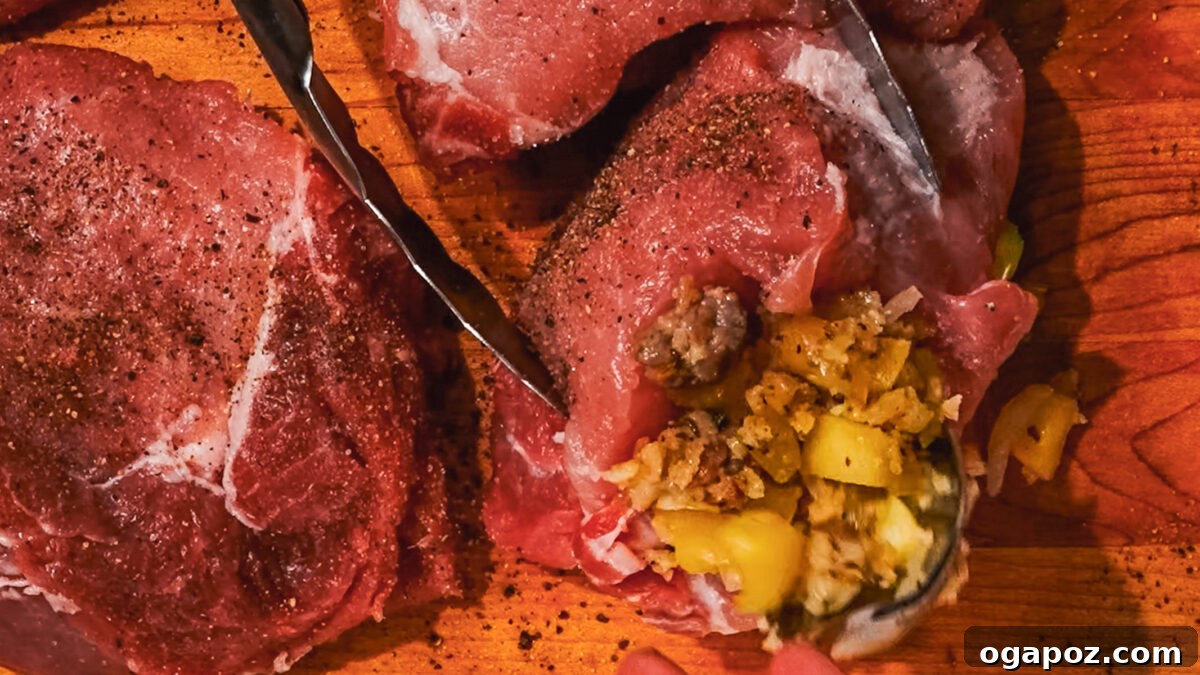
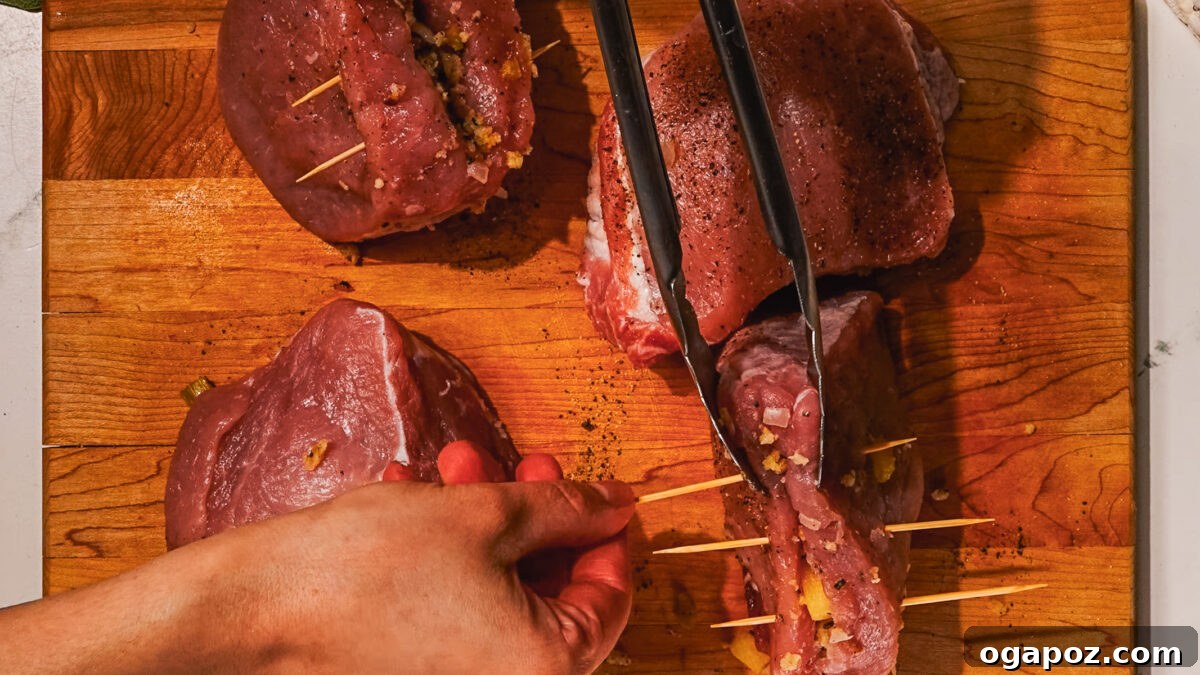
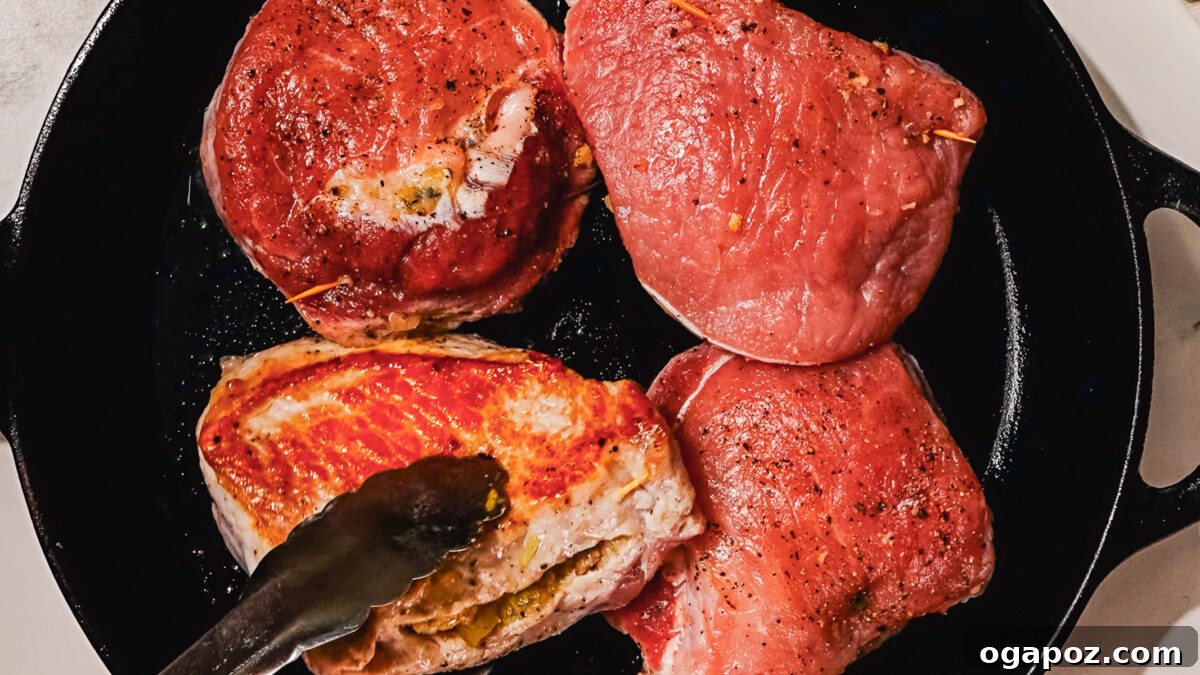
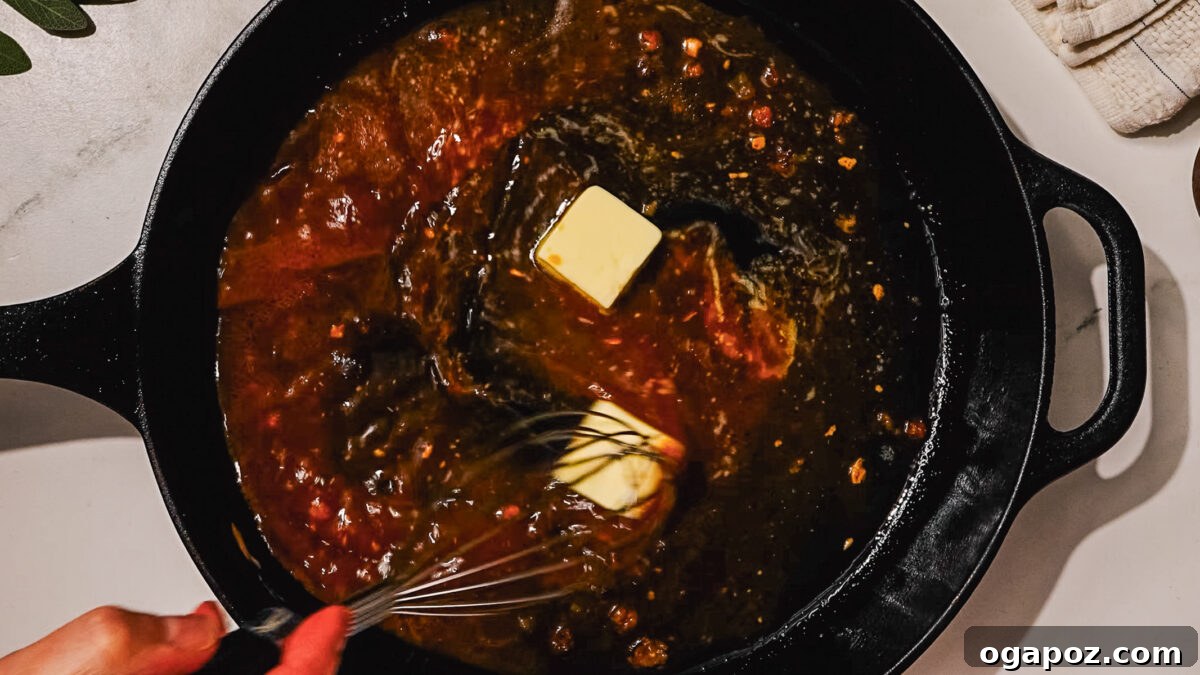
Part 1: Crafting the Flavorful Stuffing
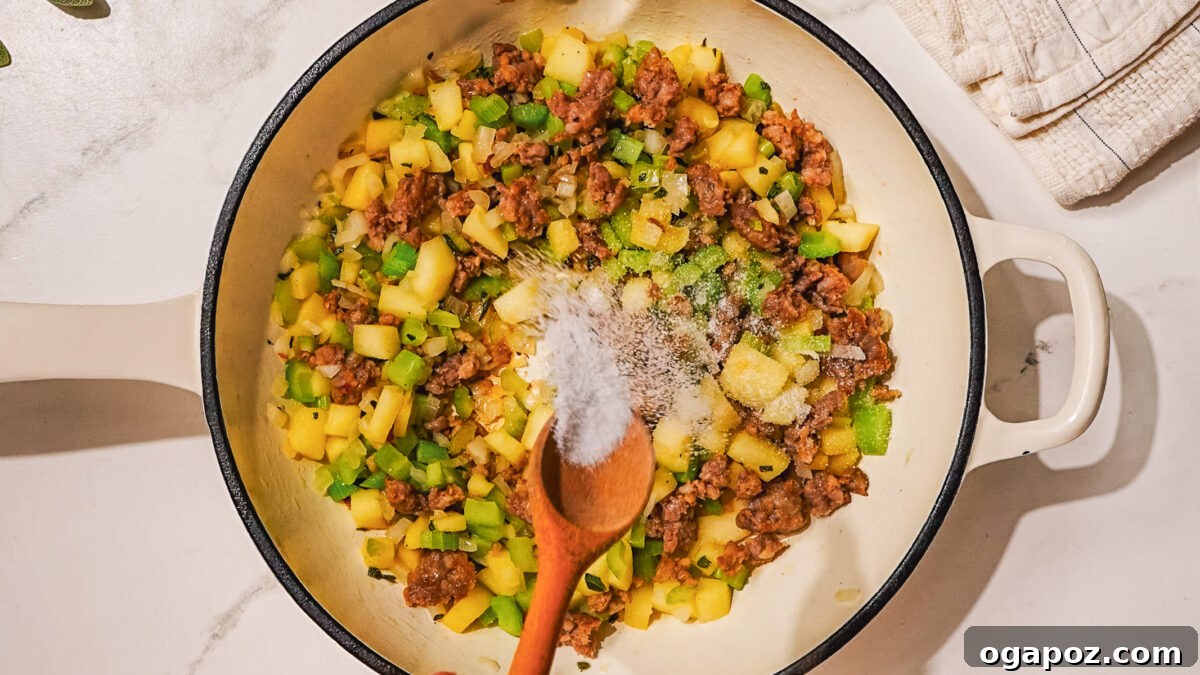
Begin by heating 1 tablespoon of olive oil in a large skillet over medium heat. Once shimmering, add the mild Italian sausage (casings removed) and cook for 4 to 5 minutes, breaking it up with a spoon, until it is thoroughly browned and cooked through. The browning adds significant flavor.
Next, introduce the finely diced apple, chopped onion, sliced celery, fresh sage (or dried), ¼ teaspoon of kosher salt, and ¼ teaspoon of black pepper to the skillet. Sauté this mixture for another 4 to 5 minutes, stirring occasionally, until the apple pieces have softened slightly and the onion becomes translucent. Stir in the panko breadcrumbs and ¼ cup of apple cider. Continue to cook for 1 to 2 more minutes, allowing the breadcrumbs to fully absorb the liquid and the mixture to come together, holding its shape when pressed. Taste the stuffing and adjust seasoning if necessary. Remove from heat and let it cool slightly while you prepare the pork chops.
Part 2: Preparing the Pork Chops for Stuffing
Inspect your pork chops. If any have a particularly thick, tough white fat cap along the edge, it’s best to trim and discard it. A thick fat cap won’t render properly during the quick sear and will remain rubbery. However, if the fat is already thin or mostly trimmed, you can leave it for added flavor and moisture.
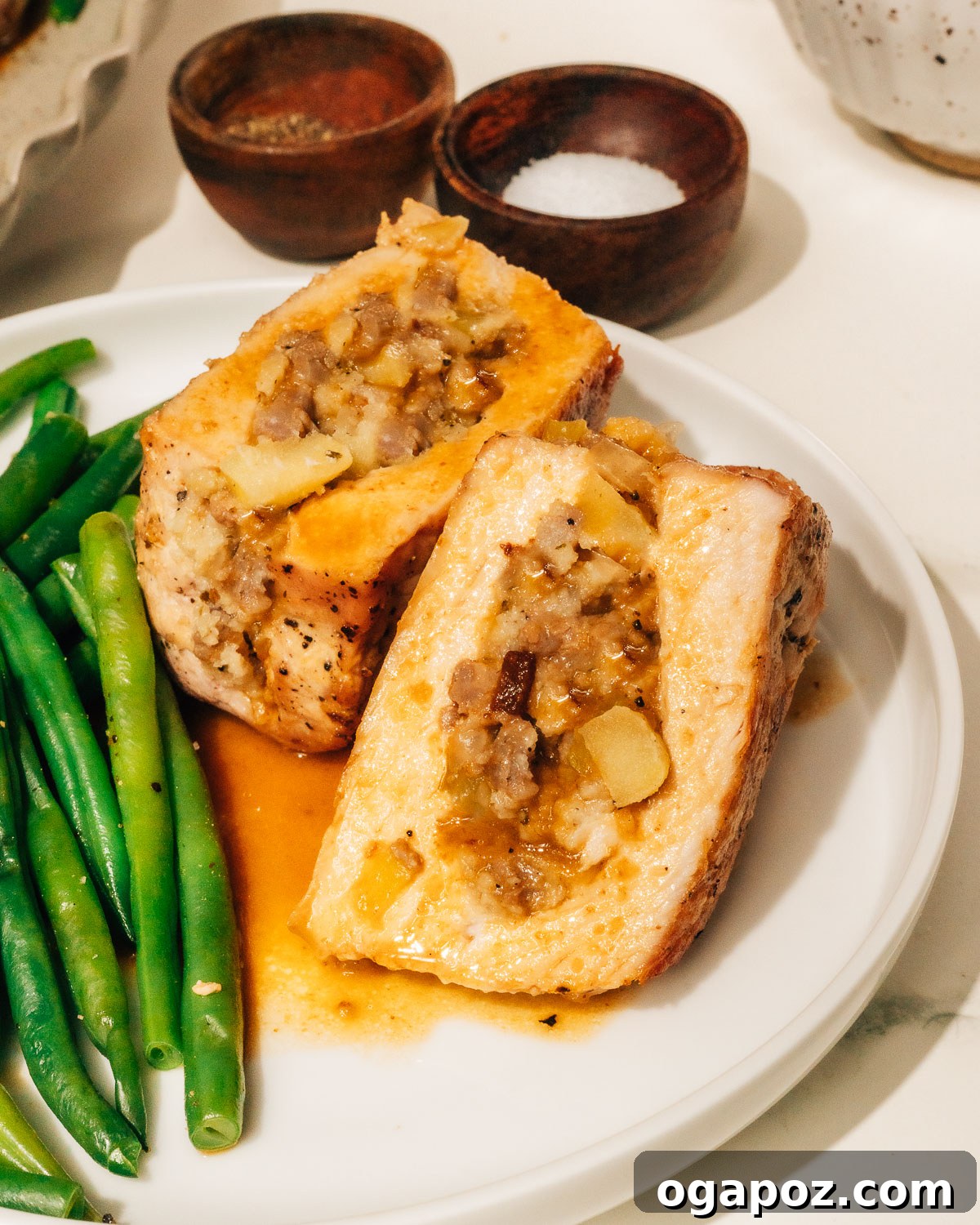
Using a sharp boning or paring knife, carefully cut a deep horizontal pocket into the thickest side of each pork chop. Insert the knife about ¾ of the way through the chop, stopping approximately ½ inch from the opposite side and edges. The goal is to create as wide a pocket as possible without cutting completely through, ensuring it forms a secure pouch for the stuffing.
Generously season both the exterior and the interior of each pocket with the remaining 2 teaspoons of kosher salt and ¾ teaspoon of black pepper. Don’t be shy with the seasoning – it’s crucial for flavor. Spoon the cooled stuffing mixture into each pocket, using your fingers to press it in firmly and compactly. This ensures the stuffing remains contained. Secure the open edge of each chop with one or two toothpicks. A slight overflow of stuffing at the opening is perfectly fine and often adds to the rustic charm.
Part 3: Searing for Golden Perfection
Preheat your oven to 400°F (200°C). Heat 1 tablespoon of olive oil in a large oven-safe skillet over medium-high heat until the oil is shimmering and just beginning to smoke lightly. This indicates it’s hot enough for a good sear.
Carefully place the stuffed pork chops into the hot skillet. Sear them undisturbed for 2 minutes on one side until a beautiful, deep golden-brown crust forms underneath. This caramelization is known as the Maillard reaction and is essential for developing complex flavors.
Using tongs, gently flip each chop. As you turn them, lightly squeeze the open, stuffed side shut to prevent any filling from escaping into the hot oil. Sear the second side for another 2 minutes until similarly golden. If your skillet isn’t large enough to accommodate all four chops without crowding, sear them in two batches. Crowding the pan can lower the temperature and lead to steaming rather than searing. After searing, transfer any chops from the second batch to a rimmed baking sheet for the roasting step.
Part 4: Roasting to Juicy Tenderness
Transfer the skillet (or baking sheet with the seared chops) to the preheated oven. Roast for 10 to 15 minutes. The exact cooking time will vary depending on the thickness of your chops and your oven. The most reliable way to determine doneness is by internal temperature. Insert an instant-read thermometer into the thickest part of the pork (making sure not to touch the stuffing or a bone) and remove the chops from the oven when they reach an internal temperature of 140 to 145°F (60-63°C).
Immediately transfer the roasted chops to a clean plate and allow them to rest undisturbed for at least 5 minutes before serving. This crucial resting period allows the juices to redistribute throughout the meat, resulting in an incredibly tender and moist chop. Cutting into the pork too soon will cause these flavorful juices to run out, leading to a drier result.
Part 5: Crafting the Irresistible Pan Sauce
While the pork chops are resting, place the same skillet (without wiping it clean) back over medium heat on your stovetop. Add the ½ cup chicken broth and ¼ cup apple cider (or white wine). Use a wooden spoon to vigorously scrape up all the delicious browned bits (the “fond”) from the bottom of the pan. These bits are packed with flavor and will enrich your sauce. Let the liquid simmer gently for 2 to 3 minutes, allowing it to reduce slightly and concentrate its flavors.
Stir in the 1 teaspoon of Dijon mustard and the 1 teaspoon of balsamic vinegar (if using). Allow the sauce to reduce for another minute, then remove the skillet from the heat. Whisk in the 2 tablespoons of unsalted butter, one piece at a time, until the butter is fully incorporated and the sauce is glossy and slightly thickened. The butter helps to emulsify the sauce, giving it a smooth, luxurious texture.
Finally, pour any accumulated resting juices from the plate of pork chops into the pan sauce – these are liquid gold and will add even more flavor. Taste the sauce and season with a small pinch of salt and pepper as needed. Remember that the broth and cider have reduced, concentrating their natural saltiness, so taste before adding too much additional salt.
Part 6: Plating and Serving Your Masterpiece
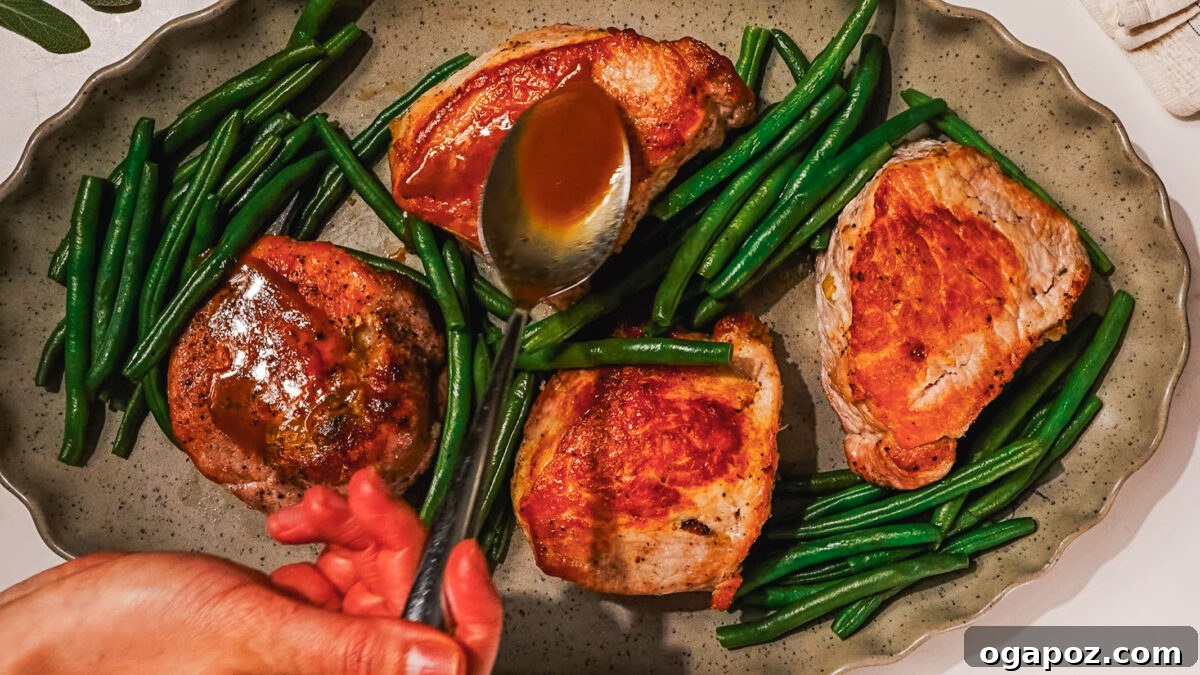
Before serving, carefully remove the toothpicks from each stuffed pork chop. If any stuffing has slightly fallen out, gently press it back into the pocket. Spoon the warm, buttery pan sauce generously over each chop. For a beautiful presentation, I like to plate them with the stuffed side facing upwards so the inviting filling is visible. Serve immediately and enjoy!
5 Common Mistakes to Avoid When Making Stuffed Pork Chops
Achieving perfectly juicy and flavorful stuffed pork chops is straightforward, but a few common missteps can hinder your success. Being aware of these frequent mix-ups will help you create a restaurant-quality dish every time:
- Using Thin Pork Chops: This is perhaps the most critical mistake. You absolutely need pork chops that are at least 1 ½ inches thick to cut a proper, deep stuffing pocket. Thinner chops simply won’t have enough meat to hold a significant amount of filling, and they will cook too quickly, drying out before the stuffing is adequately heated and the chop develops good flavor. Always choose thick-cut chops.
- Under-packing the Stuffing: Don’t be timid when filling the pockets. Press the stuffing in firmly and compactly with your fingers. Loose or lightly packed stuffing is prone to falling out during the searing process or expanding unevenly in the oven. A tightly packed stuffing ensures it stays in place, cooks evenly, and provides that satisfying bite.
- Skipping the Initial Sear: While it might seem like an extra step, searing the pork chops before roasting is non-negotiable for maximum flavor. The high heat creates a beautiful, deep golden-brown crust (the Maillard reaction) and forms flavorful “fond” – the browned bits at the bottom of the pan. This fond is the flavor foundation for your incredible pan sauce. Skipping this step means sacrificing a significant amount of taste and a less appealing texture.
- Cooking Past 145°F (63°C): Pork is notoriously lean and dries out very quickly when overcooked. The ideal internal temperature for pork chops is 145°F (63°C), with a brief resting period. To ensure juicy results, pull your chops from the oven when an instant-read thermometer reads 140°F (60°C). The carryover heat will cause the temperature to rise another 5 degrees during resting, bringing it to the perfect, safe 145°F. This is the same foolproof method I use for roast pork loin, and it consistently delivers tender results.
- Cutting Into the Chops Before Resting: Patience is a virtue when it comes to cooked meats. After removing the chops from the oven, it is crucial to let them rest for at least 5 minutes on a plate before slicing. This allows the muscle fibers to relax and reabsorb all the delicious juices. If you cut into them too soon, those precious juices will simply run out onto your cutting board, leaving you with a drier, less flavorful chop.
Make-Ahead Tips and Storage Instructions
This recipe is perfect for planning ahead, allowing you to minimize prep time on busy days. Proper storage ensures any leftovers remain delicious.
Storing Leftovers
- Refrigerator: Cooked stuffed pork chops can be stored in an airtight container in the refrigerator for up to 3 days. Before storing, remember to remove any toothpicks.
- Pan Sauce Separately: For best results, store the pan sauce in a separate small, airtight jar. It will keep well in the refrigerator for 3 to 4 days and reheats beautifully on the stovetop.
Freezing Instructions
- Uncooked Stuffed Pork Chops: If you want to prepare ahead for future meals, you can freeze raw, stuffed pork chops. Wrap each individual chop tightly in plastic wrap, then place them in a freezer-safe bag or container. They will keep in the freezer for up to 2 months. Thaw them overnight in the refrigerator before proceeding with the searing and roasting steps.
- Cooked Leftovers: Cooked stuffed pork chops also freeze well. Ensure they are completely cooled before wrapping them tightly in plastic wrap and placing them in a freezer-safe bag or container. Freeze for up to 2 months.
Reheating Stuffed Pork Chops
- Oven Reheating Method: To reheat, place the chops in an oven-safe dish, covered tightly with foil, and bake at a low temperature of 300°F (150°C) for 15 to 20 minutes. To prevent the pork from drying out, consider adding a splash of chicken broth or a bit of the reserved pan sauce to the dish before covering.
- Avoid High Heat: It is crucial to reheat pork at a low temperature. High heat will quickly dry out the meat, making it tough. A slow and gentle reheat is key to preserving moisture and tenderness, much like the approach used for slow cooker pork loin.
How to Serve This Stuffed Pork Chops Recipe
These stuffed pork chops are hearty and satisfying enough to be the star of any meal. However, pairing them with a simple yet complementary side dish can elevate the entire dining experience and create a well-rounded meal. Remember to spoon that amazing pan sauce generously over each chop right before serving. For an appetizing presentation, I always plate them with the stuffed side facing up, proudly displaying the flavorful filling.
Perfect Side Dishes for Stuffed Pork Chops
- Creamy Mashed Potatoes: This is my absolute favorite pairing for these pork chops. The fluffy, buttery mashed potatoes provide the perfect canvas for soaking up every drop of that exquisite pan sauce, which doubles wonderfully as a rich gravy.
- Maple Roasted Butternut Squash: The inherent sweetness of roasted butternut squash, especially when enhanced with maple, creates a delightful contrast to the savory, herbaceous sausage stuffing. Its soft texture also complements the tender pork.
- Sautéed Greens: For a lighter and healthier balance, consider serving alongside wilted spinach, kale, or Swiss chard. The slight bitterness and freshness of greens cut through the richness of the butter pan sauce beautifully. A squeeze of lemon juice on top of the greens can add another layer of brightness.
- Simple Green Salad: A fresh, crisp green salad with a bright, vinaigrette dressing offers a refreshing acidic counterpoint to the rich flavors of the pork and stuffing. It’s an excellent way to balance the meal.
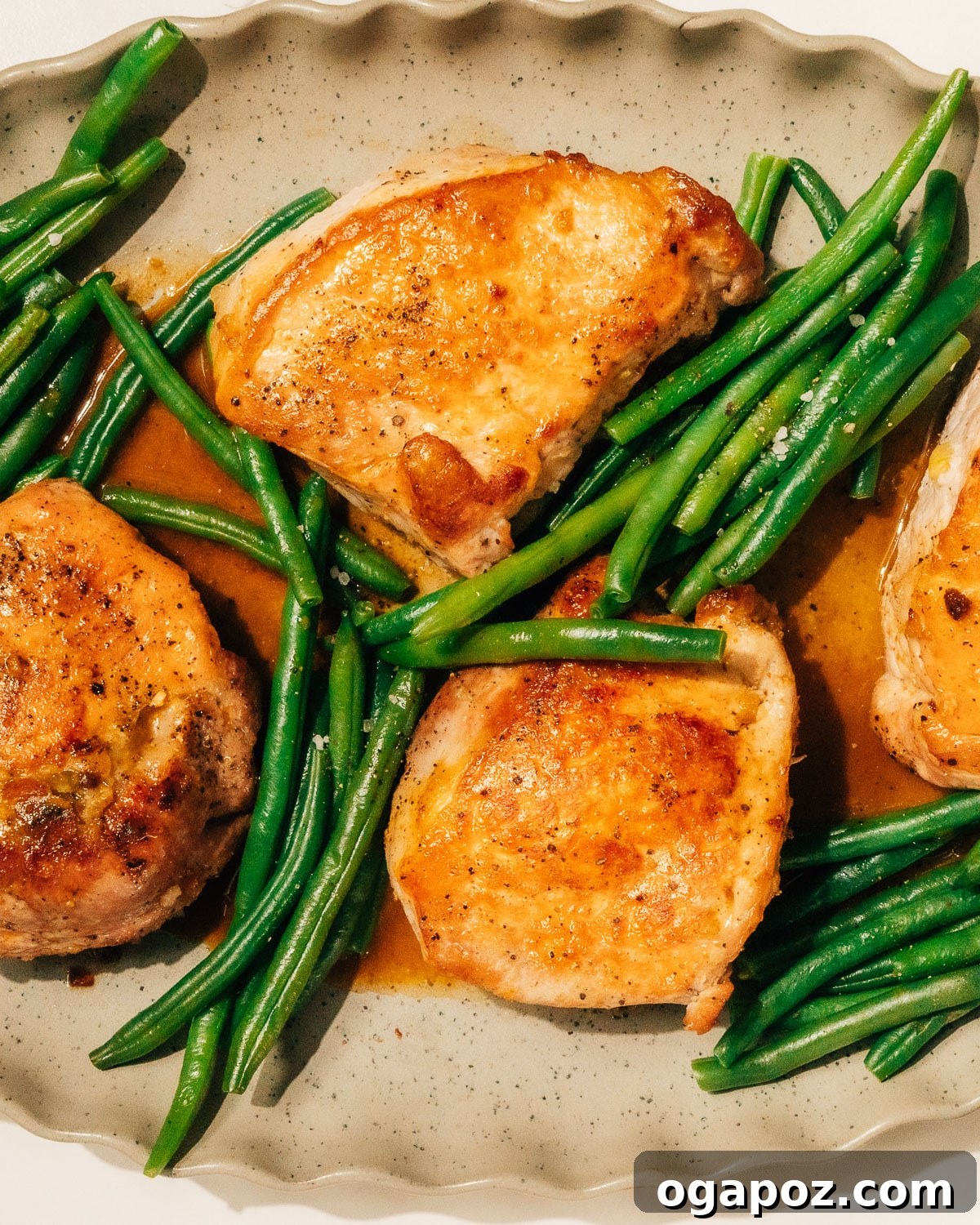
- Roasted Asparagus or Green Beans: Lightly roasted vegetables like asparagus or green beans provide a vibrant color and a tender-crisp texture that complements the main dish without overpowering it.
- Wild Rice Pilaf: A hearty wild rice pilaf, perhaps with some toasted nuts and dried cranberries, can echo the flavors in the stuffing and provide a more substantial grain option.
Final Notes, Pro Tips, and Science-Based Secrets for Success
After perfecting this stuffed pork chops recipe countless times, I’ve gathered several invaluable insights and techniques that consistently yield the best results. These pro tips and science-based secrets will help you achieve tender, flavorful pork chops every single time.
- Always Use Hot Oil for Searing: This tip is paramount for achieving a perfect crust. The olive oil in your skillet needs to be shimmering and almost smoking before you introduce the pork chops. A pan that isn’t hot enough will cause the meat to steam rather than sear, resulting in a pale, flabby exterior instead of a beautiful, flavorful crust. This is the same principle I emphasize for achieving crispy results with baked pork chops.
- Trim the Thick Fat Cap: While some fat is desirable for flavor, a thick, tough fat cap on the edge of the pork chop will not render down during a relatively short oven stint. This can result in a rubbery, unpleasant texture. Take a moment to trim off any excessively thick white fat before cooking for a cleaner bite and better overall experience.
- Pack the Stuffing Tightly: As mentioned previously, the density of your stuffing is key. Use your fingers to really press the filling firmly and compactly into the pocket of the chop. Loose stuffing is more likely to fall into the hot oil during searing, creating a mess and leaving your chops underfilled in the oven. A well-packed stuffing maintains its integrity and contributes to the chop’s juiciness.
- Master the Tongs Technique for Flipping: This might sound like a small detail, but it makes a big difference. When flipping the stuffed chops during searing, use your tongs to gently squeeze the open, stuffed side of each chop shut as you turn it. This quick, two-second action effectively keeps the filling in place, preventing it from spilling out into the pan and ensuring your chops remain perfectly stuffed.
- Reduce the Sauce Before Adding Butter: For a truly luxurious pan sauce, allow the chicken broth and apple cider to simmer and reduce for a full 2 to 3 minutes before whisking in the butter. Reduction concentrates the flavors and thickens the sauce naturally. A slightly reduced sauce will beautifully coat the pork chops, adhering to them rather than running off, delivering maximum flavor with every bite.
- Don’t Forget the Resting Juices: After your chops have rested, any juices that have collected on the plate are packed with flavor. Be sure to pour these precious liquids directly into your simmering pan sauce. They will add another layer of savory depth and richness, making your sauce even more delicious.
Frequently Asked Questions About Stuffed Pork Chops
Just skimming through? Here are some quick answers to the most commonly asked questions about making delicious stuffed pork chops:
What kind of pork chops work best for stuffed pork chops?
The best pork chops for stuffing are thick-cut, measuring at least 1 1/2 inches in thickness. This provides ample space to cut a deep pocket without slicing all the way through the meat. Both bone-in and boneless chops work, but bone-in varieties often retain a bit more moisture and flavor during cooking.
How do I cut a pocket in a pork chop without cutting through?
Cutting a pocket is simpler than it sounds. Use a sharp boning or paring knife. Insert the knife horizontally into the thickest side of the chop. Carefully angle the blade slightly to widen the pocket as you cut, making sure to stop about half an inch from the opposite side and edges. Go slowly and maintain control, and you’ll create a perfect pouch.
What internal temperature should stuffed pork chops be cooked to?
Stuffed pork chops should reach an internal temperature of 140 to 145°F (60-63°C) in the thickest part of the pork itself, avoiding the stuffing. Remove them from the oven at 140°F (60°C) and let them rest for 5 minutes. Carryover heat will gently bring them to the safe and perfectly juicy 145°F (63°C). An instant-read thermometer is your best friend here, ensuring foolproof results.
How long do stuffed pork chops bake at 400°F (200°C)?
After an initial sear, stuffed pork chops typically bake at 400°F (200°C) for 10 to 15 minutes. The total oven time depends largely on the exact thickness of your chops. Always prioritize the internal temperature over strict timing. Pull them at 140°F (60°C) and allow them to rest. Thicker chops may require the full 15 minutes, so start checking earlier to prevent overcooking.
Can I make stuffed pork chops ahead of time?
Yes, you can easily prepare stuffed pork chops in advance. The stuffing mixture can be made up to a day ahead and stored in the refrigerator. You can also stuff the raw pork chops a few hours before cooking and keep them chilled. However, I do not recommend fully cooking them ahead of time, as pork tends to dry out when reheated from a fully cooked state.
Can I use a different stuffing for this pork chop recipe?
Absolutely! This recipe is incredibly versatile. You can certainly use your favorite stuffing recipe, or even a good quality store-bought stovetop stuffing mix. Just ensure the consistency is firm enough to hold its shape within the pork chop pocket.
How do I keep stuffed pork chops from drying out?
Keeping baked stuffed pork chops juicy involves three key factors: using thick-cut chops (at least 1 1/2 inches), cooking them to the correct internal temperature (140-145°F or 60-63°C), and allowing them to rest properly for 5 minutes before cutting. The pan sauce also plays a vital role; spoon it generously over each chop just before serving to add back moisture and flavor.
Other Delicious Pork Recipes You’ll Love
- How to Cook Pork Chops in the Oven
- Crockpot Pork Loin
- Easy Roast Pork Loin
- Slow Cooker Pork Shoulder
Stuffed Pork Chops (with Sausage, Apple + Tasty Pan Sauce!)
By: Jennifer Pallian BSc, RD
Summary: Easy stuffed pork chops recipe with a savory Italian sausage and apple stuffing, seared until golden, then roasted and finished with a tasty apple cider pan sauce.
Servings: 4
Video Tutorial
(Video content would appear here in a live version of the site)
Ingredients
For the Stuffing
- 1 tbsp olive oil
- 6 oz mild Italian sausage (casings removed)
- ½ cup peeled and finely diced apple (like Honeycrisp or Granny Smith)
- ½ cup finely chopped onion (about 1/3 of a medium onion)
- ½ cup finely chopped celery (1 large or 2 small stalks)
- ½ tbsp chopped fresh sage (or 1/2 tsp dried)
- ¼ tsp kosher salt
- ¼ tsp black pepper
- ½ cup panko breadcrumbs
- ¼ cup apple cider (or chicken broth)
For the Pork Chops
- 4 (1 1/2″-thick) pork chops (boneless or bone-in, about 2 to 2 1/4 lbs total)
- 2 tsp kosher salt
- ¾ tsp black pepper
- 1 tbsp olive oil
For the Pan Sauce
- ½ cup chicken broth
- ¼ cup apple cider (or white wine)
- 1 tsp Dijon mustard
- 1 tsp balsamic vinegar (optional, for depth)
- 2 tbsp unsalted butter
- Salt and pepper to taste
Instructions
Make the Stuffing
- Heat 1 tbsp olive oil in a large skillet over medium heat. Add the sausage and cook for 4 to 5 minutes, breaking it up with a spoon, until browned and cooked through.
- Add the apple, onion, celery, sage, salt, and pepper. Sauté for 4 to 5 minutes, stirring occasionally, until the apple has softened and the onion is translucent.
- Stir in the panko and apple cider. Cook for 1 to 2 more minutes, until the breadcrumbs absorb the liquid and the mixture holds together when pressed. Taste and adjust seasoning if needed. Set aside and let cool slightly.
Prep the Chops
- If any chops have a thick white fat cap on the edge, trim and discard it. A fat cap won’t render during a quick sear and stays rubbery. If the fat is thin and already mostly trimmed, you can leave it.
- Cut a deep horizontal pocket in the thickest side of each chop with a sharp boning or paring knife, stopping about 1/2 inch from the opposite side and edges. You want the pocket to be as wide as possible without cutting through.
- Season both the outside and the inside of each pocket generously with the 2 tsp kosher salt and 3/4 tsp black pepper.
- Spoon the stuffing into each pocket and use your fingers to press it in firmly and compactly. Secure the open edge with one or two toothpicks to keep it closed during searing. A little overflow at the opening is fine.
Sear and Roast
- Preheat the oven to 400°F (200°C).
- Heat 1 tbsp olive oil in a large oven-safe skillet over medium-high heat until shimmering. Add the stuffed chops and sear for 2 minutes without moving them, until a deep golden crust forms on the bottom.
- Use tongs to flip each chop, squeezing the open side gently shut as you turn it to prevent stuffing from falling into the oil. Sear for another 2 minutes on the second side.
- If all four chops don’t fit in one skillet without crowding, sear them in two batches, then transfer them to a rimmed baking sheet for the roasting step.
- Transfer the skillet (or baking sheet) to the oven. Roast for 10 to 15 minutes, until an instant-read thermometer inserted into the thickest part of the pork (not the stuffing) reads 140 to 145°F (60-63°C).
- Transfer the chops to a plate and let them rest for 5 minutes before serving. Do not cut in early or the juices will run out.
Make the Pan Sauce
- Place the same skillet over medium heat. Add the chicken broth and apple cider. Use a wooden spoon to scrape up all the browned bits from the bottom of the pan. Let it simmer for 2 to 3 minutes until slightly reduced.
- Stir in the Dijon mustard and balsamic vinegar if using. Let the sauce reduce for another minute, then remove from heat and whisk in the butter one piece at a time until the sauce is glossy and slightly thickened.
- Pour in any juices that have accumulated on the plate from the resting chops. Season with a small pinch of salt and pepper to taste. The broth reduces and concentrates as it simmers, so taste before adding salt.
Serve
- Remove the toothpicks from each chop. Press any stuffing that fell out back into the pocket. Spoon the pan sauce generously over each chop and serve right away.
Notes
- Pork Chops: Always use chops that are at least 1 1/2 inches thick for a good stuffing pocket and juicy results. Bone-in chops generally offer more flavor and juiciness; boneless are easier to stuff.
- Fat Cap: Trim any thick white fat caps from the chop edges. Thin fat can remain, but thick fat won’t render quickly and will be chewy.
- Apple Selection: Honeycrisp adds sweetness, while Granny Smith provides tartness. Both are excellent. Avoid soft varieties like Red Delicious, which can become mushy.
- Sausage Options: Mild Italian sausage is recommended for its balanced flavor. Spicy Italian works for a kick, or breakfast sausage for a fennel-free alternative.
- Stuffing Prep Ahead: The stuffing can be prepared up to 1 day in advance and stored in the fridge. Allow it to come to room temperature for about 15 minutes before stuffing.
- Batch Searing: If your skillet is too small for all chops without crowding, sear in batches. Crowding leads to steaming instead of browning. Transfer all seared chops to a baking sheet for roasting.
- Pan Sauce Flavor: The pan sauce gets its rich flavor from the “fond” (browned bits) left after searing. Do not wipe the pan clean before making the sauce. Balsamic vinegar is optional but adds great depth.
- Achieving Doneness: Cook pork chops to an internal temperature of 140°F (60°C) and then rest them. Carryover heat will bring them to the safe and juicy 145°F (63°C). Overcooking will dry out the pork.
- Storage of Leftovers: Store cooked chops in an airtight container for up to 3 days in the fridge (remove toothpicks). Keep pan sauce separate. Reheat gently in a 300°F (150°C) oven, covered with foil and a splash of broth, to prevent drying.
Nutrition Information (Approximate Per Serving)
Calories: 516 kcal | Carbohydrates: 14g | Protein: 37g | Fat: 34g | Saturated Fat: 12g | Polyunsaturated Fat: 4g | Monounsaturated Fat: 16g | Trans Fat: 0.4g | Cholesterol: 136mg | Sodium: 1837mg | Potassium: 748mg | Fiber: 2g | Sugar: 6g | Vitamin A: 283 IU | Vitamin C: 3mg | Calcium: 47mg | Iron: 2mg
Nutrition information is automatically calculated and should only be used as an approximation.