
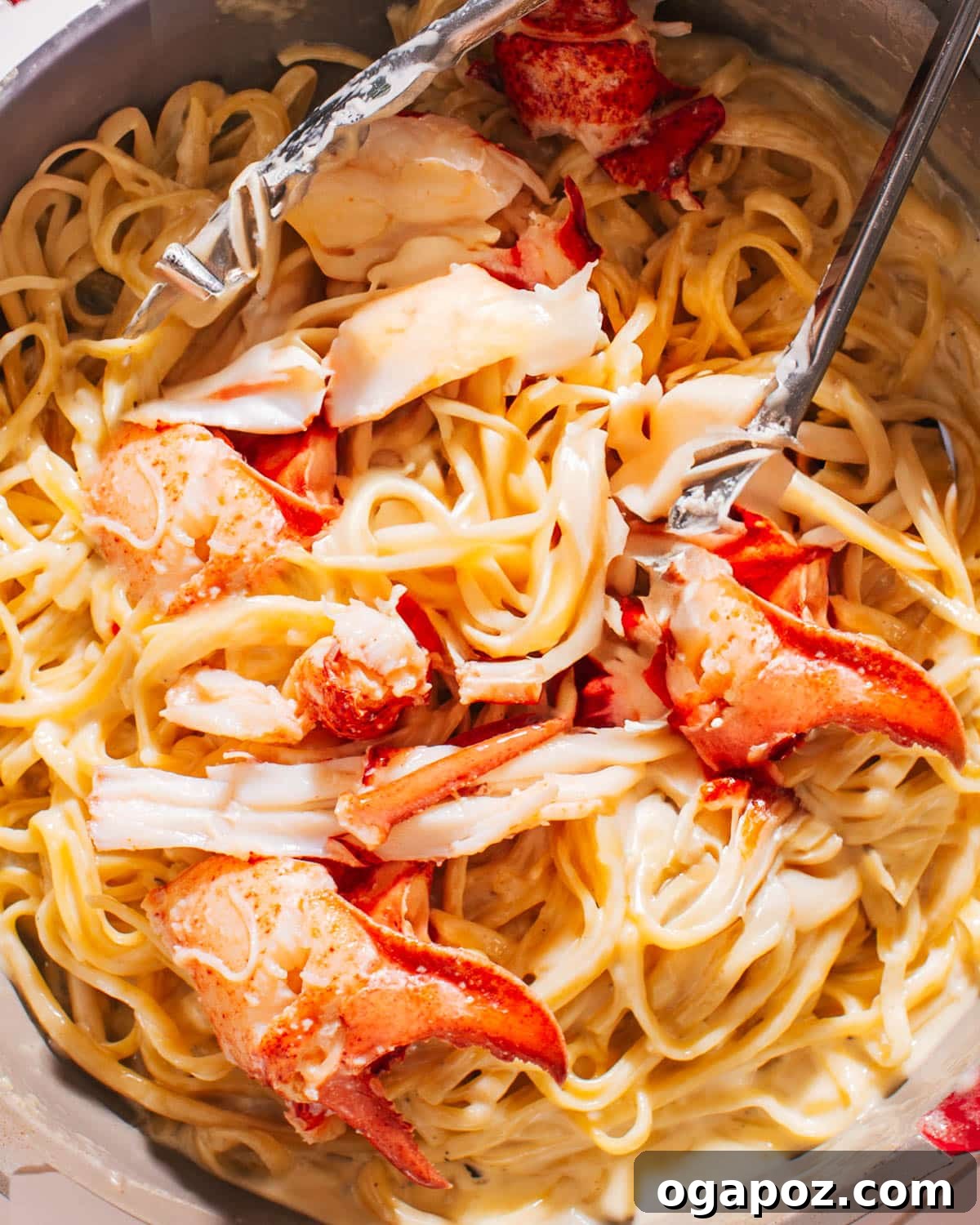
Luxurious Lobster Pasta with Creamy White Wine Sauce
Indulge in an exquisite culinary experience with this unbelievably easy and incredibly delicious Lobster Pasta recipe. Featuring succulent, tender lobster meat perfectly tossed with al dente linguine in a rich, velvety white wine cream sauce, this dish easily rivals any fine-dining restaurant experience. Best of all, it’s achievable in your own kitchen in about 30 minutes, making gourmet luxury more accessible than ever before.
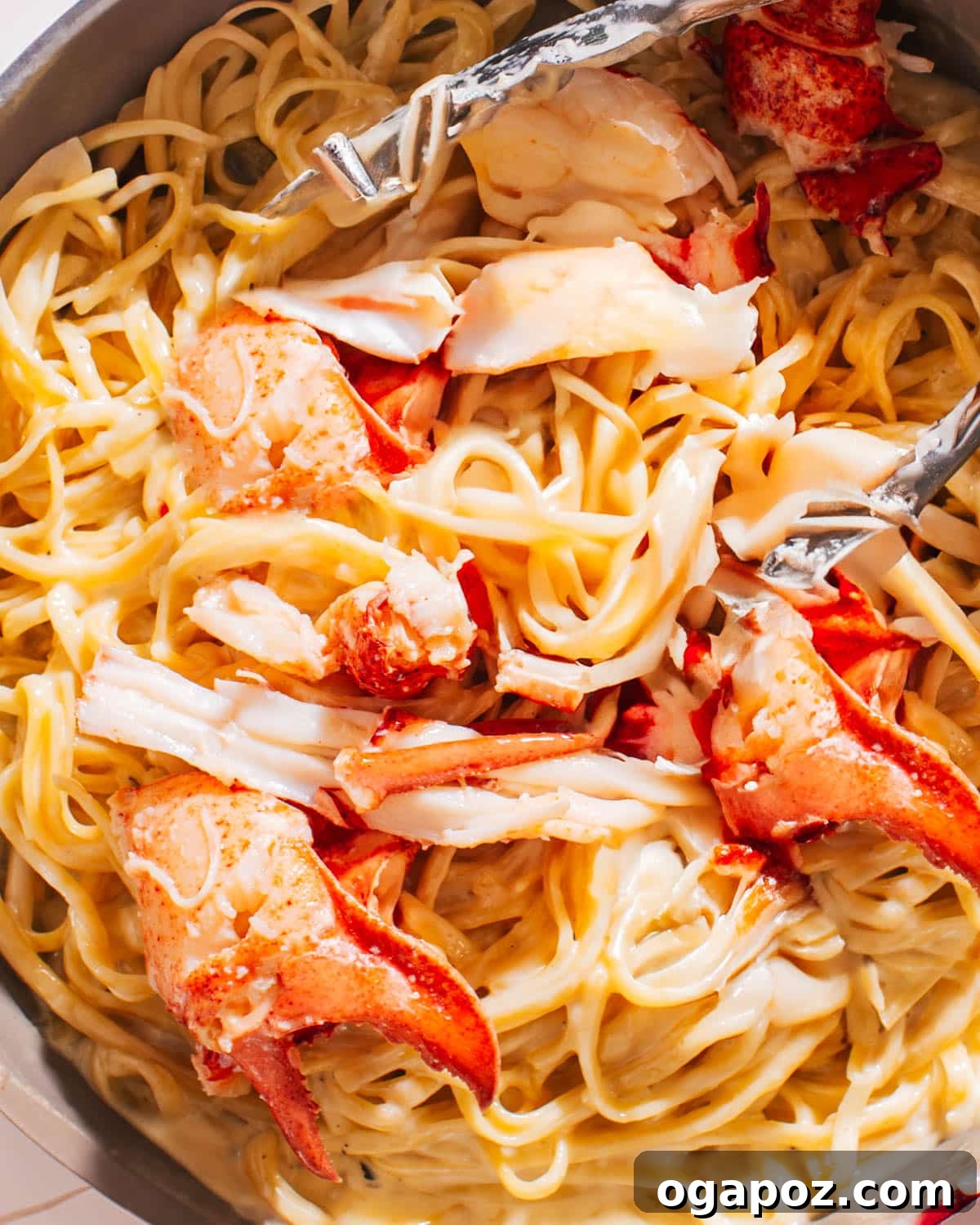
Why This Easy Lobster Pasta Recipe is a Must-Try
Forget the notion that gourmet meals require hours in the kitchen or complicated techniques. This lobster pasta recipe is meticulously designed to bring an air of sophisticated luxury to your table with remarkable ease and speed. In just half an hour, you can create a dish that boasts complex flavors, a beautifully balanced texture, and an elegant presentation, making it perfect for special occasions, romantic dinners, or simply elevating a regular weeknight meal into something extraordinary. The secret lies in a perfectly balanced, Parmesan-infused creamy sauce that beautifully complements the delicate sweetness of the lobster without overpowering it, ensuring every forkful is a pure delight. It’s an effortless indulgence that’s guaranteed to impress both your palate and your guests.
Essential Ingredients for Your Creamy Lobster Pasta
Crafting the perfect lobster pasta starts with selecting high-quality ingredients, each playing a crucial role in developing the rich, harmonious flavors of this dish. While the list is refreshingly minimal, paying attention to the details of each component will ensure your pasta is nothing short of spectacular. Here’s a closer look at what you’ll need:
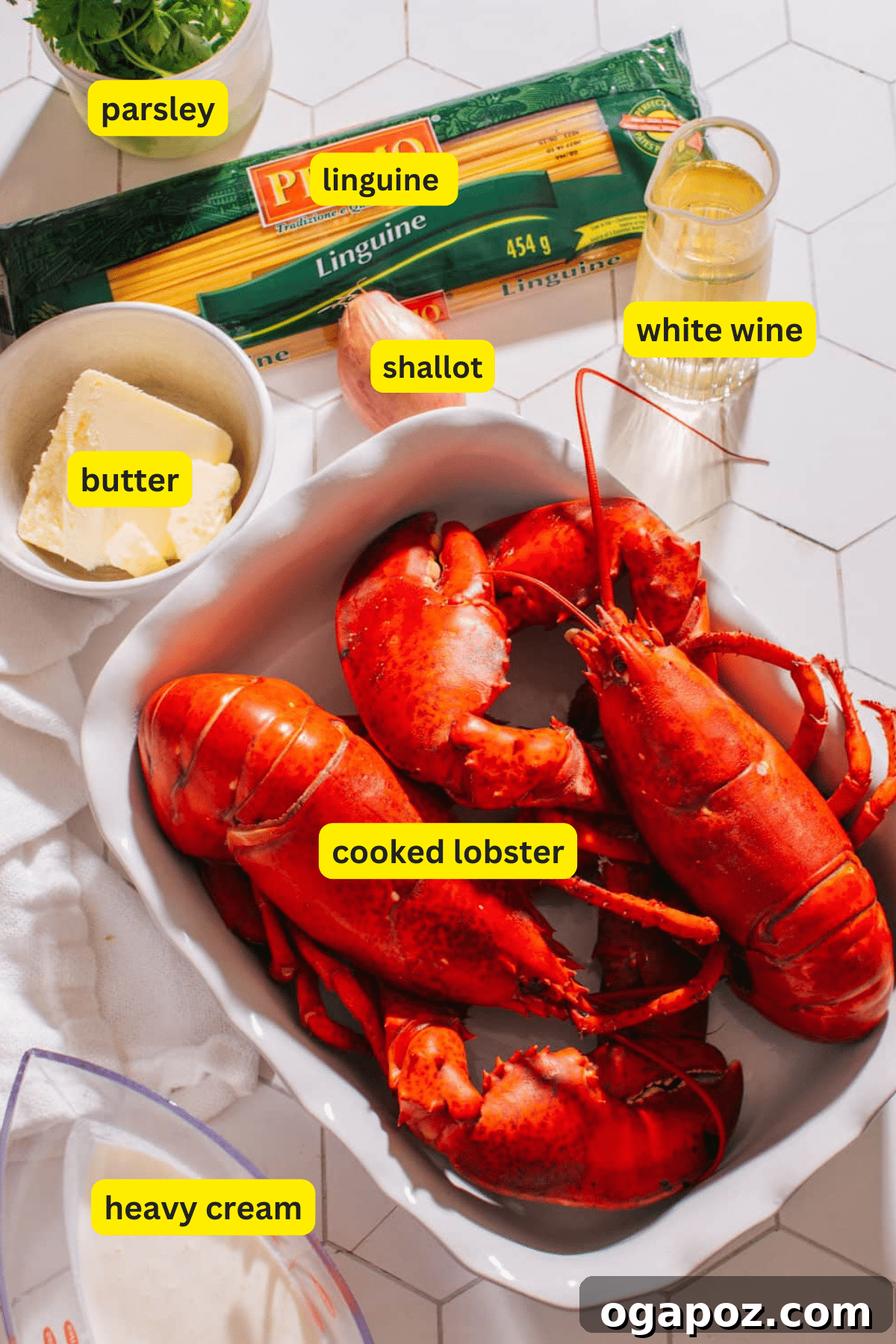
- Dry Linguine or Other Pasta: Linguine, with its flat yet substantial shape, is traditionally considered ideal for this dish because it effectively cradles and holds the rich, creamy sauce, ensuring every bite is coated in flavor. However, fettuccine or spaghetti are also excellent alternatives. For those exploring gluten-free options, high-quality rice, corn, or quinoa-based pasta varieties can work wonderfully, maintaining a satisfying texture.
- Unsalted Butter: This forms the foundational richness of our sauce and is primarily used to gently sauté the shallots and build flavor. Using unsalted butter is preferred as it gives you complete control over the dish’s overall saltiness, allowing for precise seasoning and a perfectly balanced outcome.
- Fresh Shallot (Minced): When finely minced, shallots offer a milder, sweeter, and more delicate onion flavor compared to regular onions. This subtlety is crucial as it enhances the lobster’s natural sweetness and the sauce’s depth without introducing an overly pungent note. If shallots are unavailable, a very finely chopped white onion can be substituted, perhaps with a tiny hint of fresh garlic.
- Heavy Cream (35% M.F. or Whipping Cream): This is the cornerstone of our luscious, creamy sauce. Heavy cream provides the necessary fat content and silky smooth texture that makes this pasta so decadent and luxurious. Opt for full-fat cream for the best results and a truly indulgent mouthfeel that clings perfectly to the pasta.
- Dry White Wine: A splash of dry white wine, such as a crisp Sauvignon Blanc or a light Pinot Grigio, is a game-changer. It introduces a delicate acidity and depth, cutting through the richness of the cream and brightening the overall flavor profile. Choose a wine you genuinely enjoy drinking, as its quality will directly impact the sophistication of your sauce.
- Freshly Grated Parmesan Cheese: The nutty, salty, and umami notes of Parmesan cheese are indispensable for building complex flavor in the sauce. Always opt for freshly grated Parmigiano-Reggiano for superior flavor and texture compared to pre-shredded varieties, which often contain anti-caking agents that can affect the sauce’s smoothness.
- Cooked Lobster Meat (Roughly Chopped): The undisputed star of the dish! Roughly chopped into generous, bite-sized chunks, the tender lobster meat provides the luxurious centerpiece. Use high-quality, fresh, or properly thawed frozen lobster tails or claws. Its naturally sweet, delicate flavor is what elevates this pasta to its gourmet status.
- Fresh Herbs (Minced Chives or Parsley): A vibrant sprinkle of fresh minced chives or parsley, added just before serving, not only provides a beautiful pop of color but also introduces a fresh, aromatic finish that lightens the richness of the dish and enhances its overall appeal.
Customizing Your Lobster Pasta: Creative Substitutions and Flavorful Variations
This silky lobster pasta recipe is wonderfully versatile, allowing for various tweaks to suit your dietary needs, pantry staples, or specific flavor preferences. Don’t hesitate to get creative with these suggestions to make the dish uniquely yours:
- Pasta Preferences & Swaps: Beyond traditional linguine, consider using wider noodles like pappardelle for a heartier feel, or thinner capellini for a lighter touch. For a gluten-free meal, ensure your chosen high-quality gluten-free pasta holds up well to a creamy sauce. For a significantly low-carb option, zucchini noodles (zoodles) or spaghetti squash can be a delightful twist, though they will alter the texture and moisture content of the dish considerably, so adjust sauce thickness as needed.
- Butter Alternatives: If you’re looking for a different flavor profile or have dietary restrictions, extra virgin olive oil can be successfully used for sautéing. Ghee (clarified butter) offers a similar richness to butter with a slightly nutty flavor and a higher smoke point, making it another excellent alternative.
- Shallot Alternatives: If fresh shallots are hard to find, a small white onion, very finely minced, combined with a single clove of fresh garlic, will provide a suitable aromatic base. Leeks, finely sliced and tenderly cooked until softened, also make a fantastic, milder substitute, imparting a subtle oniony sweetness.
- Lighter Cream Options: While heavy cream yields the most luxurious and stable sauce, you can opt for half-and-half for a slightly lighter version. Be aware that this will result in a sauce that is less rich and creamy. For a dairy-free approach, full-fat coconut cream can surprisingly create a decadent base, though it will impart a subtle tropical note to the dish.
- Add Fresh Vegetables & Herbs: Elevate the nutritional value, color, and complexity of your pasta with fresh vegetables. Quickly sautéed asparagus spears, tender sweet peas, vibrant halved cherry tomatoes, thinly sliced red bell peppers, or a handful of baby spinach wilted directly into the sauce are all excellent choices. For different aromatic layers, experiment with finely sliced fresh basil or delicate tarragon instead of chives or parsley.
- Other Seafood Add-ins: While lobster is the undeniable star, don’t hesitate to incorporate other seafood to enhance the dish. Cooked shrimp, delicate lump crab meat, or perfectly seared scallops can either complement the lobster or serve as a delicious main protein in their own right, transforming this into a fantastic creamy mixed seafood pasta.
- A Zesty Twist with Lemon: A bright squeeze of fresh lemon juice or a hint of lemon zest, stirred in at the very end of cooking, can provide a wonderful acidic counterpoint to the rich cream, brightening the entire dish. Exercise caution when adding lemon to cream-based sauces; always add it off the heat and stir gently to prevent the cream from curdling.
- A Touch of Spice: For those who appreciate a little heat, a pinch of red pepper flakes, added with the shallots or stirred into the sauce, can provide a delightful kick that enhances the overall flavor experience without overpowering the lobster.
Crafting Your Gourmet Lobster Pasta: An Easy Step-by-Step Guide
Creating this restaurant-quality lobster pasta is simpler than you might imagine, making a luxurious meal easily accessible. Follow these straightforward steps to bring this magnificent dish to life in your kitchen, ensuring a perfect outcome every time:
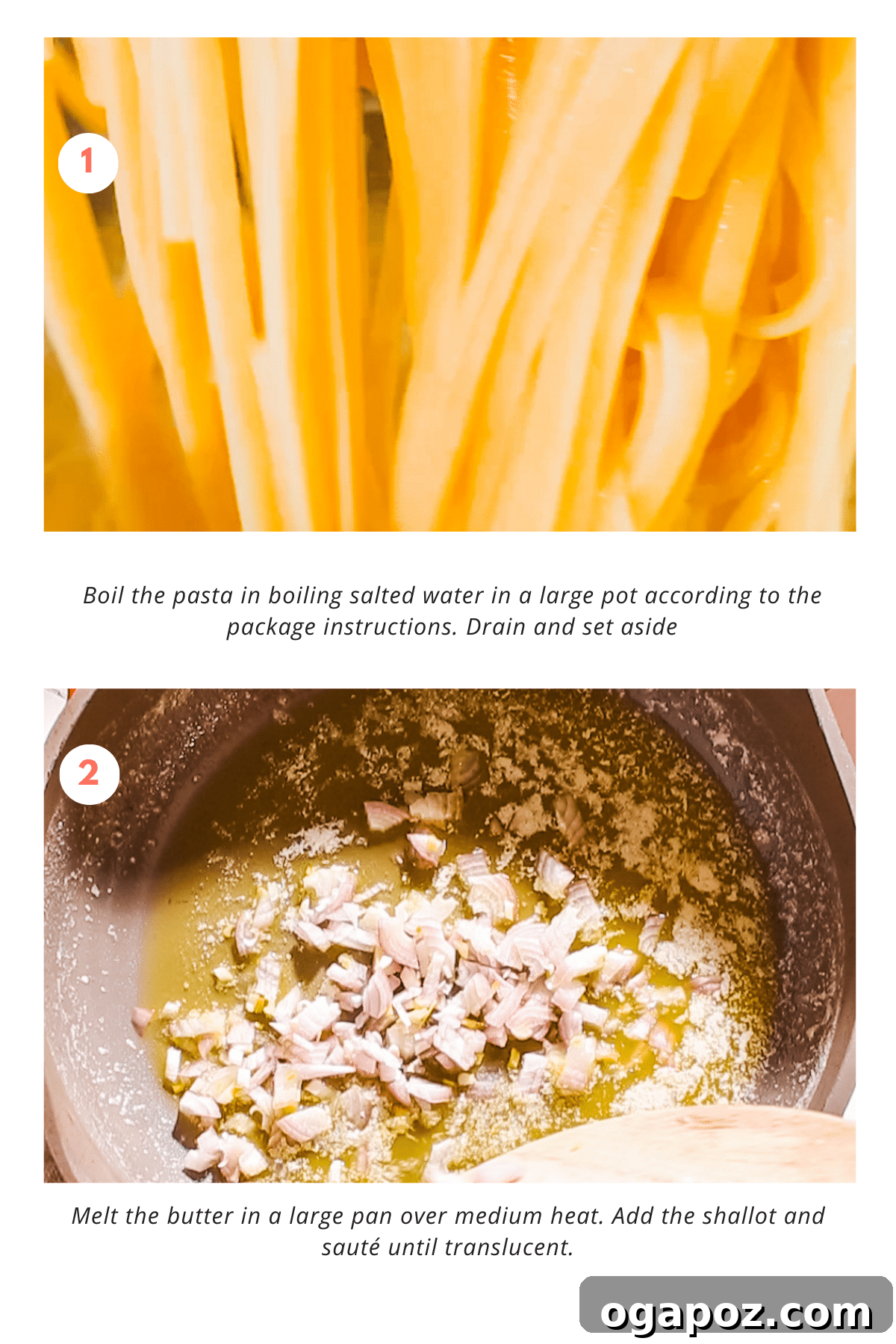
Step 1: Perfectly Cook the Pasta
In a large pot, bring generously salted water to a rolling boil. Add your linguine (or chosen pasta) and cook according to the package instructions until it reaches an al dente texture – tender yet firm to the bite. This is crucial as the pasta will continue to cook slightly when combined with the warm sauce. Before draining, make sure to reserve about one cup of the starchy pasta water. This “liquid gold” is invaluable for adjusting the sauce consistency later and helping it cling beautifully to the pasta. Drain the cooked pasta and set it aside.
Step 2: Develop the Rich White Wine Cream Sauce
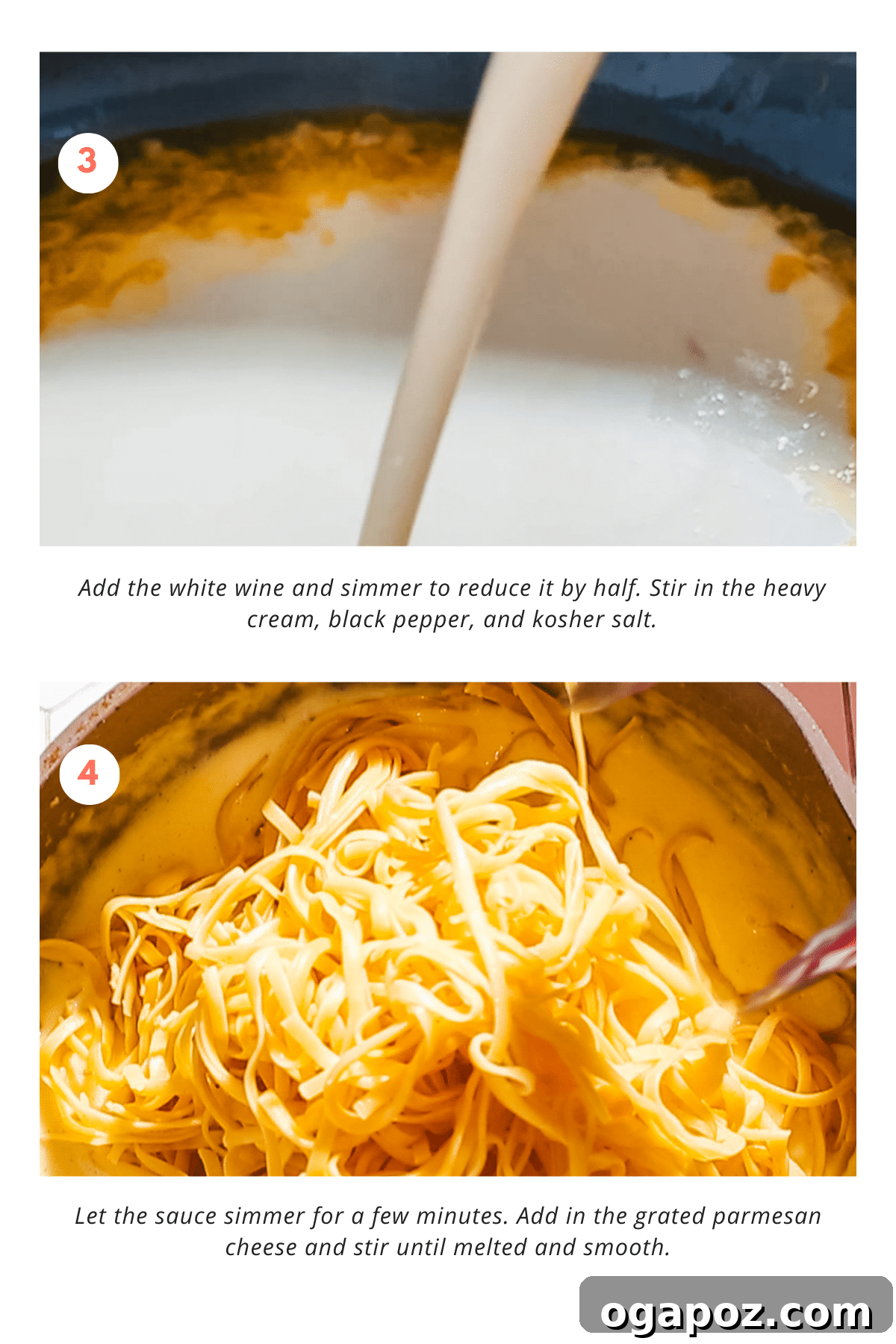
Melt the butter in a large, deep skillet or sauté pan over medium heat. Add the finely minced shallot and sauté gently for 3-5 minutes until it becomes translucent and wonderfully fragrant, but avoid allowing it to brown. This slow sauté coaxes out its sweet, delicate flavors. Next, pour in the dry white wine and bring it to a gentle simmer. Allow the wine to reduce by half, a process that typically takes 2-3 minutes. This crucial step concentrates the wine’s nuanced flavors and burns off the alcohol, leaving behind a delightful depth and brightness. Stir in the heavy cream, a generous pinch of freshly ground black pepper, and kosher salt. Bring the sauce to a gentle simmer.
Step 3: Finish and Combine for Perfection
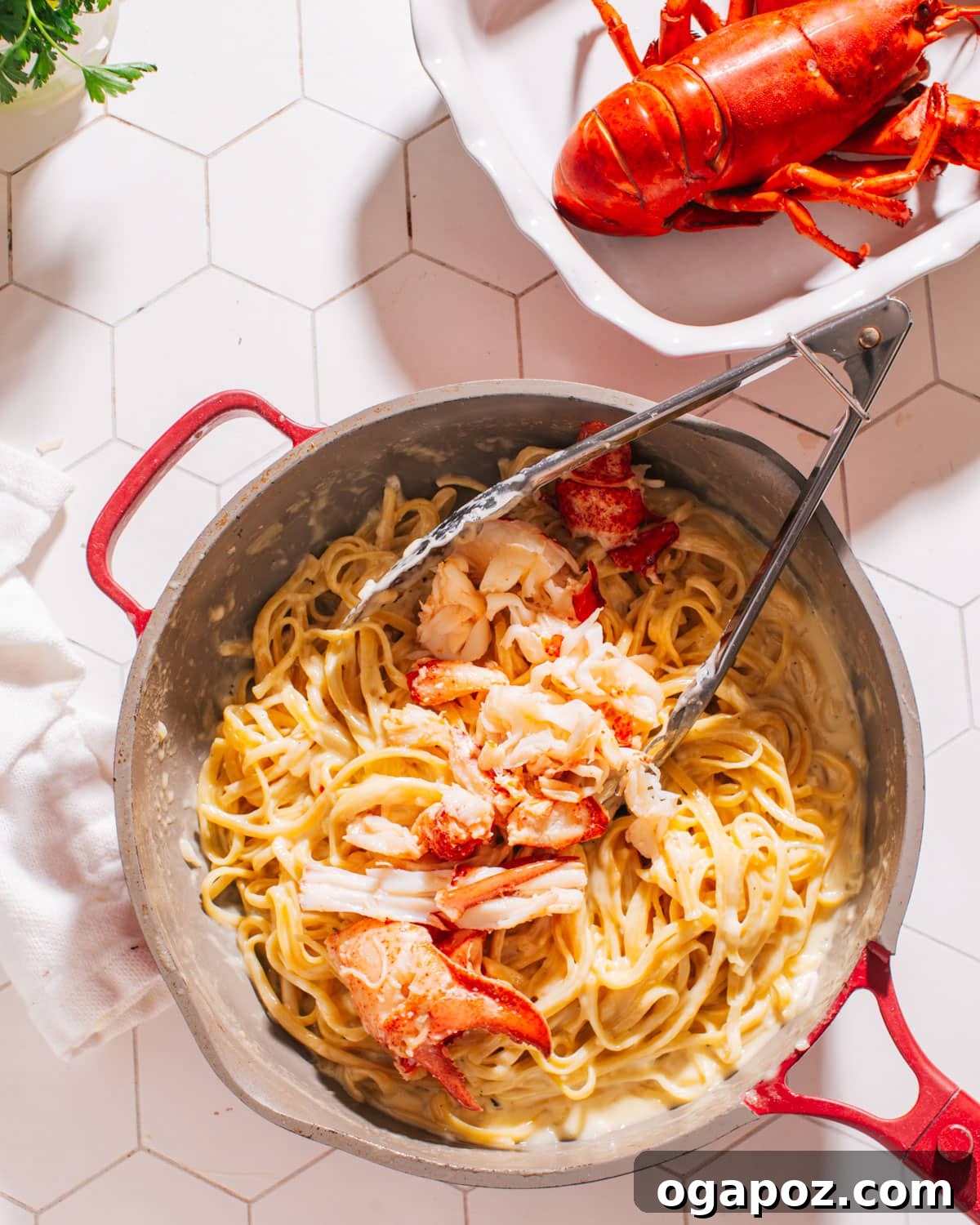
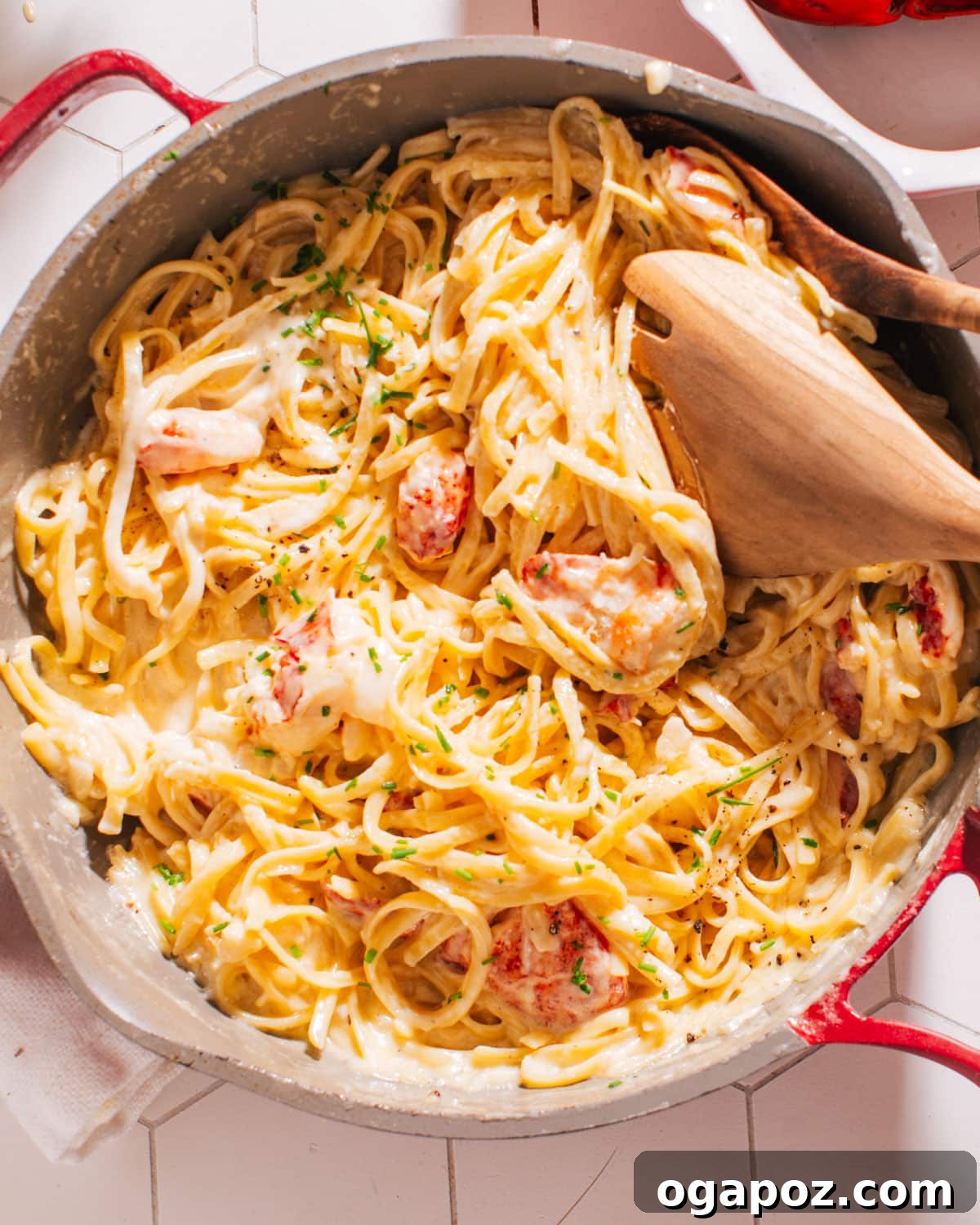
Let the sauce simmer gently for a few minutes, allowing it to thicken slightly to a luxurious consistency. The key here is a gentle simmer, not a vigorous boil, to prevent the delicate cream from splitting. Once it has achieved a light, creamy consistency, remove the pan from the heat. Stir in the freshly grated Parmesan cheese until it is fully melted and the sauce is smooth and homogeneous. The residual heat will melt the cheese beautifully without risking curdling. Gently fold in the cooked lobster meat and the drained linguine. Toss everything together until the pasta is thoroughly coated with the luxurious sauce and the lobster is just warmed through. Be careful not to overcook the lobster at this stage. Serve immediately, garnished with a vibrant sprinkle of fresh minced chives or parsley for a refreshing finish.
Make Ahead & Storage: Maximizing Freshness and Enjoying Leftovers
While this lobster pasta is undeniably at its absolute best when enjoyed freshly made, there are smart ways to streamline your preparation and efficiently manage any delicious leftovers. The delicate nature of lobster and cream sauce means that immediate serving after assembly is highly recommended for optimal flavor and texture, but preparation can be split.
You can certainly prepare some components ahead of time to minimize last-minute cooking stress: cook and cool the pasta, mince the shallots and fresh herbs, and grate the Parmesan cheese. Having these ready will significantly cut down on the active cooking time when you’re ready to assemble the dish.
- Storing Leftovers: Any leftover lobster pasta should be stored promptly in an airtight container and refrigerated for up to 2 days. Due to the cream-based sauce and the delicate nature of the lobster meat, freezing is generally not recommended. Freezing and thawing can significantly compromise the texture of both the lobster and the sauce, potentially leading to a grainy texture or separation of the cream.
- Reheating Leftovers: To reheat leftover lobster pasta, the gentlest method is on the stovetop over low heat. Add a splash of extra heavy cream, milk, or chicken/vegetable broth to help loosen the sauce and restore its creamy consistency, as it tends to thicken considerably in the fridge. Stir frequently and very gently to ensure even heating and, critically, to prevent the lobster meat from becoming tough or rubbery due from overcooking. Alternatively, you can reheat small individual portions in the microwave using short intervals (30-60 seconds), stirring well between each interval, until just warmed through.
Optional: How to Cook Live Lobster for Ultimate Freshness
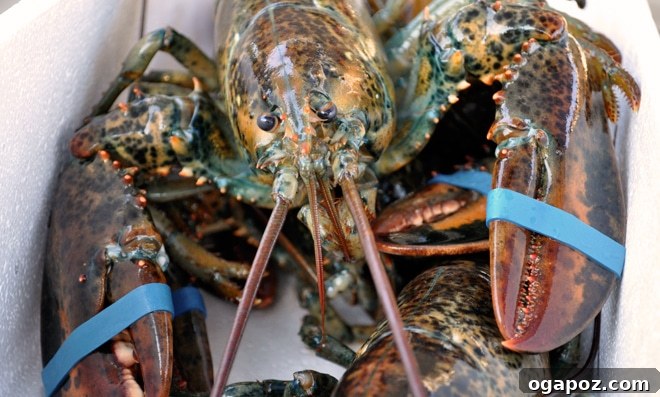
For the freshest possible lobster meat, cooking live lobster at home is an incredibly rewarding experience that ensures unparalleled flavor and texture. While it might seem a little intimidating at first, it’s a relatively straightforward process once you understand the necessary steps and best practices. Here’s a detailed guide to cooking live lobster safely and humanely:
1. Prepare Your Equipment and Water
You will need a very large stockpot with a tight-fitting lid and sturdy kitchen tongs. Fill the pot with enough water to completely submerge the lobsters you plan to cook, ensuring there’s still ample room for a vigorous boil without the water overflowing. A good rule of thumb is approximately 2.5 quarts of water for every 1.5-pound lobster.
2. Season the Water Generously
To infuse flavor into the lobster meat and mimic the ocean’s natural salinity, it’s crucial to season the boiling water generously. Add about 1 tablespoon of salt for every quart of water used. This step is vital for seasoning the lobster from the inside out. For an extra layer of aromatic flavor, consider adding a bay leaf, a few sprigs of fresh parsley, or a couple of smashed garlic cloves to the boiling water.
3. Bring Water to a Rolling Boil
Place the pot on high heat and bring the seasoned water to a vigorous, rolling boil. This high heat is essential for a quick and humane cooking process, ensuring the lobster cooks evenly and thoroughly and minimizes any potential suffering. Do not add the lobster until the water is actively boiling.
4. Prepare the Lobster for Cooking
Handle the lobster carefully by its body, making sure to avoid its claws, which can still snap (they are often secured with rubber bands when purchased, leave these on). If you’re nervous about handling a live lobster, a humane way to reduce its movement is to chill it in the freezer for 15-20 minutes before cooking. This will significantly calm it down and make handling much easier.
5. Cook the Lobster
Using sturdy tongs, carefully place the lobster headfirst into the vigorously boiling water. Immediately cover the pot with the lid to help the water return to a boil quickly. Once the water returns to a full boil, begin timing:
- For a 1-pound lobster: Boil for 8-10 minutes.
- For each additional pound: Add approximately 2-3 minutes to the total cooking time. For example, a 2-pound lobster would cook for 10-13 minutes.
6. Check for Doneness and Rest
A perfectly cooked lobster will have a vibrant, bright red shell. The most reliable internal indicator of doneness is the meat itself: it should be opaque white throughout, not translucent or gelatinous. Another quick test is to pull on one of the smaller antennae – if it comes off easily, the lobster is cooked. Once done, carefully remove the lobster from the pot using tongs and let it rest for a few minutes before cracking and extracting the meat. This short resting period allows the meat to reabsorb its juices, resulting in a more tender and flavorful outcome.
Perfect Pairings: How to Serve Your Luxurious Lobster Pasta
This luxurious lobster pasta is a true showstopper on its own, but pairing it with the right accompaniments can elevate your dining experience even further, creating a well-rounded and memorable meal. Consider these ideal serving suggestions:
- Crisp Green Salad: A light, refreshing green salad with a simple vinaigrette dressing provides a perfect contrast to the richness of the pasta. A classic Caesar salad is another excellent choice, offering a tangy, savory counterpoint that cleanses the palate.
- Steamed or Roasted Vegetables: Complement the meal with a side of vibrant, lightly cooked vegetables. My easy pan-fried asparagus, tender steamed green beans, or perfectly roasted broccoli florets offer a touch of freshness and balance, adding essential nutrients without weighing down the meal.
- Warm Crusty Bread: A warm, crusty loaf of artisanal bread, such as a baguette or sourdough, is absolutely essential! It’s perfect for mopping up every last drop of that incredible creamy sauce, ensuring no delicious flavor goes to waste. Garlic bread would also be a fantastic, flavorful addition, complementing the sauce beautifully.
- Wine Pairing: Continue the theme of fine dining with a thoughtfully chosen wine. A crisp, dry white wine that complements the one used in the sauce, such as Sauvignon Blanc, Pinot Grigio, or even a light-bodied, unoaked Chardonnay, would beautifully enhance the creamy sauce and the delicate sweetness of the lobster. A sparkling wine, like a Prosecco or Cava, could also offer a delightful contrast.
- Light Dessert: For a truly memorable meal, follow up your main course with a light and refreshing dessert. Consider something citrusy, like a lemon panna cotta, fresh berries with a dollop of crème fraîche, or a sorbet, to cleanse the palate and conclude the meal on a bright note.
Avoid These Common Mistakes for Perfect Lobster Pasta Every Time
Even in the simplest and most elegant recipes, a few common pitfalls can stand between you and the perfection of your dish. Heeding these warnings and understanding why they matter will ensure your lobster pasta turns out flawless, tender, and incredibly flavorful every single time:
- Overcooking the Lobster: This is perhaps the most critical mistake one can make when preparing any lobster dish. Lobster meat is incredibly delicate, and overcooking it rapidly transforms its tender, succulent texture into something tough, rubbery, and unappetizing. Since you are typically starting with pre-cooked lobster meat for this recipe, it only needs to be gently folded into the warm sauce at the very end, just long enough to heat through. Avoid letting it simmer vigorously or for an extended period in the hot sauce, which will inevitably lead to an undesirable texture. Gentle warming is key to preserving its delicate nature.
- Skipping the Wine Reduction: The step of reducing the dry white wine by half is not merely for aesthetics; it is fundamental to the sauce’s depth and balance. Simmering the wine concentrates its nuanced flavors, burning off the harsh alcohol notes and leaving behind a delightful, sophisticated essence. By properly reducing it, you create a more sophisticated, balanced, and flavorful base that integrates seamlessly with the cream. Skipping this crucial step can result in a sauce that tastes too alcoholic, lacks depth, or is overly sharp, creating an imbalanced flavor profile.
- Not Salting the Pasta Water Adequately: A common culinary adage states that pasta water should be “as salty as the ocean.” This is your only opportunity to properly season the pasta itself from the inside out. Bland pasta will result in a bland dish overall, even if the sauce is bursting with flavor. The salt is absorbed by the pasta as it cooks, enhancing its natural taste.
- Adding Cold Ingredients to Hot Sauce Rapidly: When incorporating delicate dairy components like cream and cheese into a hot sauce, ensure they are at room temperature or at least not ice-cold. Adding very cold ingredients rapidly to a hot sauce can shock the mixture, leading to a split or curdled sauce, especially with high-fat dairy products. Gentle, gradual incorporation helps maintain a smooth, emulsified texture.
Pro Tips & Science-Based Secrets from a Food Scientist
As a food scientist, I appreciate the subtle chemical and physical interactions that make a dish truly exceptional. Understanding these nuances can elevate your cooking from good to gourmet. Here are some insights and professional tips to ensure your lobster pasta reaches its full, delicious potential:
- The Culinary Magic of Pasta Water: Always reserve at least a cup of the starchy pasta water before draining your linguine. This “liquid gold” is a culinary secret weapon. The starches released from the pasta into the water help to emulsify the fat in the cream sauce, creating a smoother, silkier, and more cohesive texture that clings beautifully to the pasta. If your sauce becomes too thick, a splash of this starchy water will loosen it perfectly while simultaneously binding the sauce to the noodles, enhancing cohesion and flavor without diluting it.
- Serve Immediately for Optimal Enjoyment: Lobster pasta, like many cream-based dishes, is highly perishable in terms of its optimal texture. The sauce thickens considerably as it cools, and the pasta can continue to absorb liquid, potentially becoming less desirable or clumpy. For the absolute best texture, flavor, and creamy consistency, serve the dish immediately after combining all ingredients. The warm, fresh sauce will be at its peak creaminess and the lobster at its most tender.
- Achieving Creamy Sauce Stability (Emulsification): To prevent the delicate cream sauce from separating, curdling, or becoming greasy, especially when adding acidic components like wine or salty ones like cheese, incorporate the heavy cream slowly into the wine reduction. Stir continuously and gently as you add it. This gradual addition, coupled with constant stirring, encourages the fat molecules from the cream to form a stable emulsion with the water-based wine and other liquids. This results in a perfectly smooth, glossy, and unified sauce that won’t split or become oily.
- Preserving Lobster’s Delicate Texture: Lobster meat contains proteins that contract significantly when exposed to high heat for extended periods, inevitably leading to a tough, chewy consistency. Since you’re likely using pre-cooked lobster for this recipe, the primary goal is merely to warm it through gently, not to cook it further. By gently folding the lobster into the warm, finished sauce, rather than boiling or simmering it with the sauce, you ensure the proteins remain tender and succulent, preserving the delicate, melt-in-your-mouth texture that makes lobster so prized.
FAQs: Your Top Questions About Lobster Pasta Answered
For quick answers to common queries and to ensure your culinary success, here’s a summary of frequently asked questions about making the best lobster pasta at home:
Can I use frozen lobster tail meat?
Absolutely, you can use frozen lobster meat, and it’s a convenient and often more accessible option than live lobster. For the best results and to maintain optimal texture and flavor, ensure it’s thawed properly. This usually means thawing it slowly in the refrigerator overnight, or for a quicker method, thawing under cold running water. Before adding it to the sauce, gently pat the thawed lobster meat dry with paper towels to remove any excess moisture, which could otherwise dilute your delicious sauce.
Can I add lobster claws?
Yes, adding lobster claws or just the extracted claw meat is an excellent idea for enhancing your lobster pasta. Lobster claw meat is renowned for being particularly tender and sweet, offering a delightful textural contrast to the tail meat. To extract the cooked meat, you can use kitchen shears or a nutcracker to carefully crack open the shells, taking care to remove any shell fragments.
What type of pasta works best with lobster pasta?
Linguine is traditionally favored and considered ideal for lobster pasta because of its flat, ribbon-like shape, which is perfectly designed to hold rich, creamy sauces exceptionally well. However, fettuccine, spaghetti, or even wide pappardelle are also fantastic choices that offer a similar surface area for the sauce to cling to. The key is to select a pasta that provides a good “canvas” for the rich sauce and delicate lobster.
How can I make the dish dairy-free?
To create a delicious dairy-free version of this lobster pasta, you’ll need to make a few thoughtful substitutions. Replace the butter with extra virgin olive oil or a high-quality plant-based margarine. For the heavy cream, use full-fat coconut cream (be aware that this will impart a subtle coconut flavor) or a good quality dairy-free unsweetened cream alternative. For the Parmesan cheese, opt for a dairy-free Parmesan substitute or nutritional yeast, which provides a cheesy, umami flavor without dairy.
What can I use instead of white wine?
If you prefer not to use alcohol in your cooking, an excellent and common substitute for white wine in this recipe is chicken or vegetable broth. These will provide a savory base without the alcohol. For a touch of acidity that mimics the wine’s role in brightening the sauce, you can also use a small amount of apple cider vinegar diluted with water (typically 1 part vinegar to 3 parts water), added sparingly to taste to avoid overpowering the dish.
How can I make the sauce thicker or thinner?
Achieving the perfect sauce consistency is simple. To thicken the sauce, simply let it simmer uncovered for a bit longer over low heat, allowing more liquid to evaporate. If the sauce becomes too thick for your liking, you can easily thin it out by stirring in a splash of the reserved pasta water, extra cream, milk, or broth until it reaches your desired silky and luxurious consistency. Adjust gradually to prevent making it too thin.
How do I avoid overcooking the lobster?
The golden rule for incorporating lobster into this dish is to add it at the very last moment. Since the lobster meat is already cooked (whether you cooked it yourself or used pre-cooked), it only needs gentle warming. Fold it into the finished sauce just before serving, allowing the residual heat of the sauce to warm it through without cooking it further. This delicate approach prevents the lobster from becoming tough and chewy, preserving its succulent texture.
Explore More Creamy Pasta Delights from Our Kitchen
If you loved this luxurious and easy lobster pasta, you’re in for a treat! We invite you to explore these other decadent and creamy pasta recipes from our collection, each designed to bring comfort and gourmet flavor to your table:
- Lobster Ravioli Sauce: A rich and flavorful sauce perfect for delicate lobster ravioli.
- Easy Seafood Pasta with Cream Sauce: A versatile recipe featuring a medley of seafood in a luscious cream sauce.
- Vibrant Beet Pasta Sauce: A visually stunning and subtly sweet pasta sauce made with earthy beets.
- Creamy Butternut Squash Alfredo: A comforting and wholesome twist on classic Alfredo, perfect for autumn.
- Asiago Tortelloni Alfredo with Grilled Chicken: Cheesy tortelloni paired with grilled chicken in a savory Asiago Alfredo sauce.
Lobster Pasta Recipe (with White Wine Cream Sauce)
This recipe combines tender lobster meat with linguine in a creamy, delicious sauce that is easy to make and even easier to love. Perfect for a gourmet dinner in under 30 minutes!
Prep Time: 15 minutes
Cook Time: 15 minutes
Total Time: 30 minutes
Servings: 4
Ingredients
- ½ lb dry linguine or other pasta (such as fettuccine or spaghetti)
- 6 tbsp unsalted butter
- 1 shallot, finely minced
- 1 cup heavy cream (whipping cream or 35% M.F. cream)
- ½ cup dry white wine (e.g., Sauvignon Blanc, Pinot Grigio)
- ¼ tsp black pepper
- ½ tsp kosher salt (or to taste)
- ¾ cup freshly, finely grated Parmesan cheese
- 1 lb cooked lobster meat, roughly chopped
- Minced fresh chives or parsley, for garnish
Instructions
- Cook the Pasta: Bring a large pot of generously salted water to a rolling boil. Add the linguine and cook according to package instructions until al dente. Before draining, reserve 1 cup of the starchy pasta water. Drain the pasta and set aside.
- Sauté Shallots & Reduce Wine: In a large pan or deep skillet over medium heat, melt the butter. Add the minced shallot and sauté until it becomes translucent and fragrant, about 3-5 minutes. Pour in the white wine and simmer, reducing it by half, for about 2-3 minutes.
- Build the Cream Sauce: Stir in the heavy cream, black pepper, and kosher salt. Bring the sauce to a gentle simmer for a few minutes until it thickens slightly.
- Add Cheese & Combine: Remove the pan from the heat. Add the grated Parmesan cheese and stir until it is completely melted and the sauce is smooth and homogeneous. If the sauce appears too thick, gradually add a splash of the reserved pasta water until it reaches your desired consistency.
- Finish & Serve: Gently fold in the cooked lobster meat and the drained linguine. Toss everything together until the pasta is thoroughly coated and the lobster is just warmed through. Serve immediately, garnished with fresh minced chives or parsley.
Notes
- Wine Choice: For the best flavor, use a good quality dry white wine that you genuinely enjoy drinking, as it significantly impacts the taste of the sauce.
- How to Cook Live Lobster: If you’re starting with live lobster, refer to the detailed “How to Cook Live Lobster” section in the article above for comprehensive instructions on preparation and cooking times.
- Reserved Pasta Water: Don’t forget to reserve some pasta water! It’s an excellent ingredient for adjusting the sauce’s consistency and helping it emulsify and cling perfectly to the pasta.
Nutrition Information (Approximate per Serving)
Based on 4 servings.
- Calories: 739 kcal
- Carbohydrates: 46g
- Protein: 35g
- Fat: 45g
- Saturated Fat: 28g
- Polyunsaturated Fat: 2g
- Monounsaturated Fat: 12g
- Trans Fat: 1g
- Cholesterol: 270mg
- Sodium: 1233mg
- Potassium: 468mg
- Fiber: 2g
- Sugar: 4g
- Vitamin A: 1566 IU
- Vitamin C: 1mg
- Calcium: 382mg
- Iron: 1mg
Nutrition information is automatically calculated and should be used as an approximation only. Actual values may vary based on ingredients and preparation methods.