
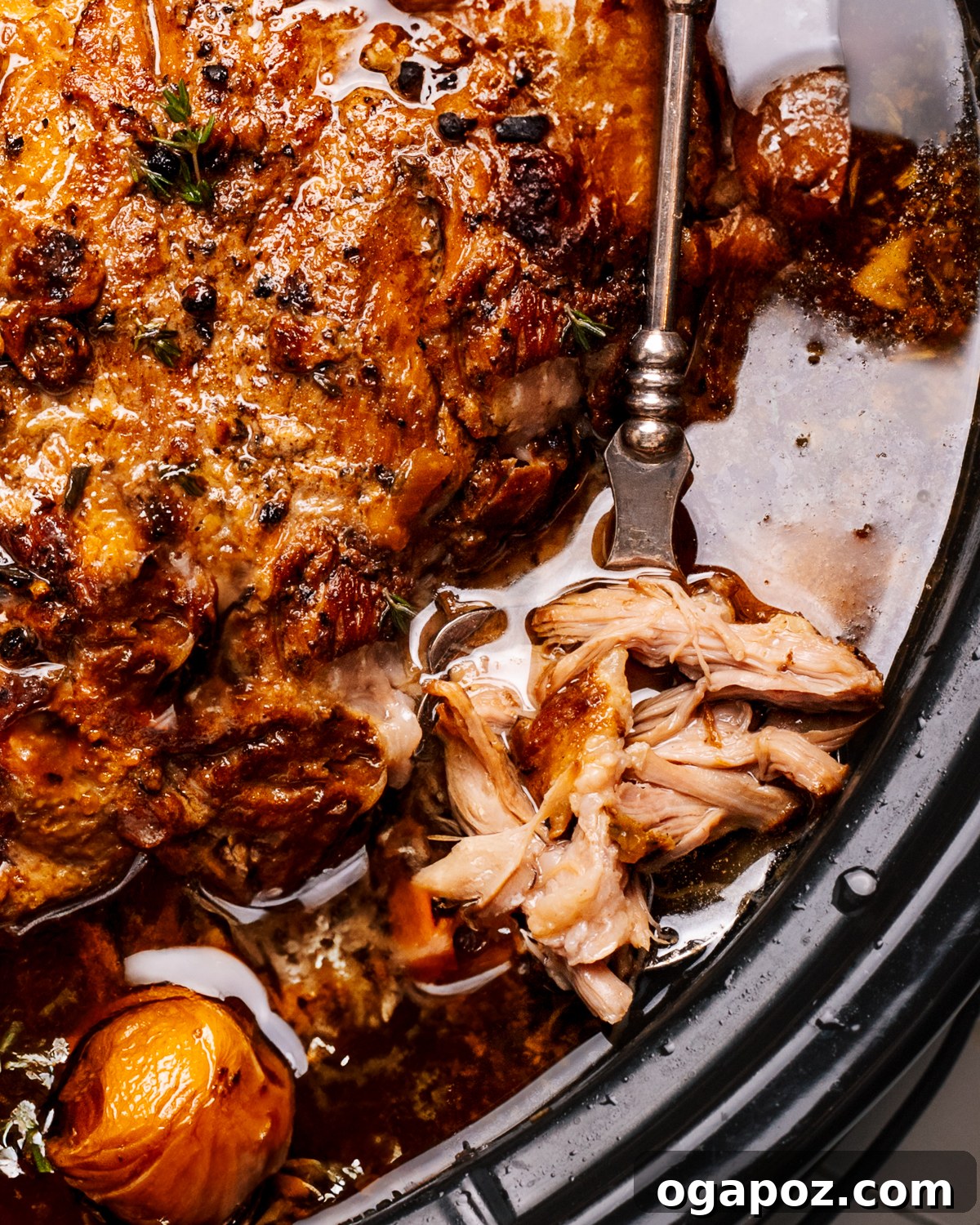
This melt-in-your-mouth Slow Cooker Pork Shoulder Crockpot recipe delivers fall-apart tender, juicy pork with a delicious, caramelized crust every time. It’s the ultimate comfort food, perfect for family dinners or entertaining guests with minimal effort.
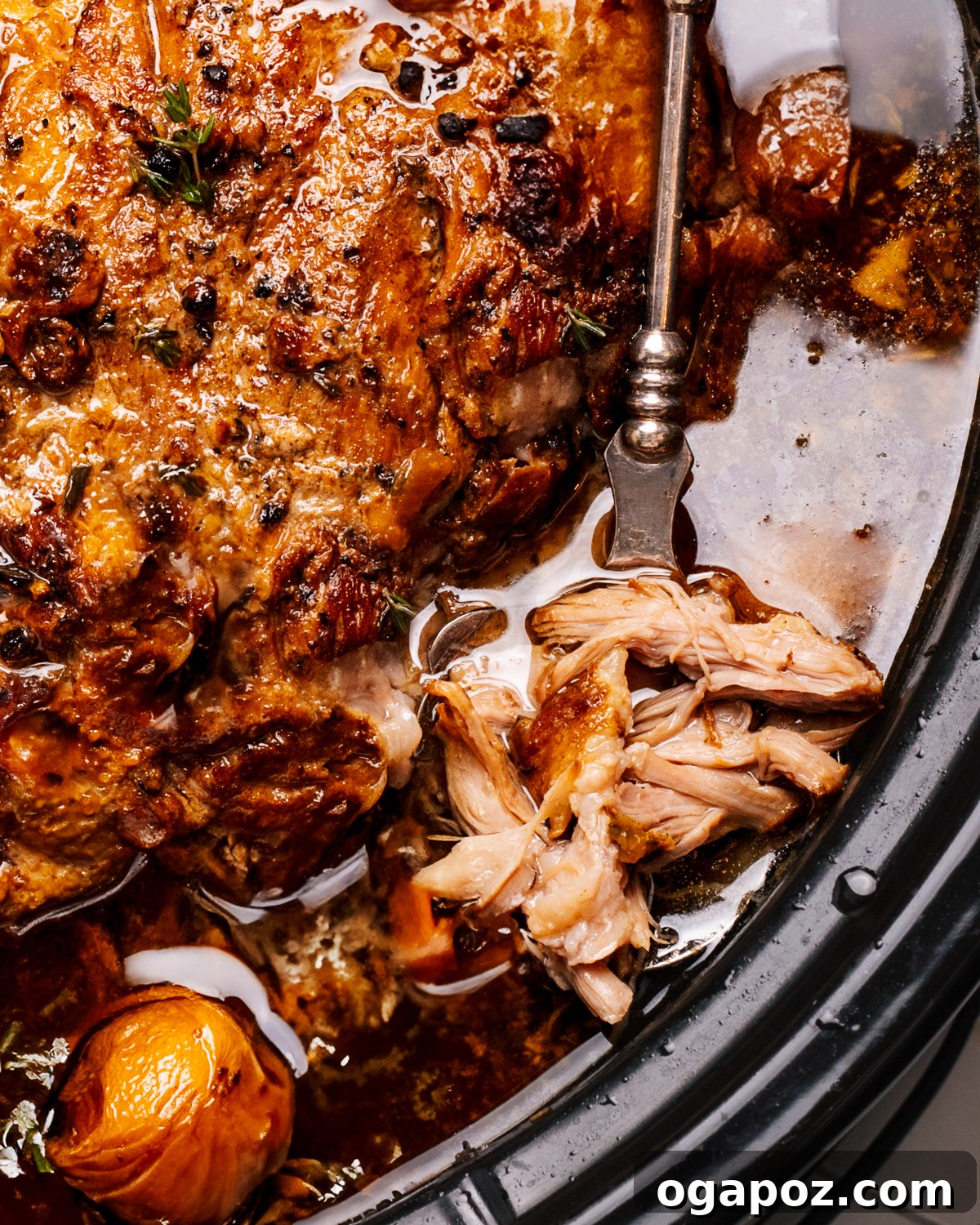
Unlock the secret to effortlessly delicious meals with this incredible Slow Cooker Pork Shoulder recipe. Designed for ease and maximum flavor, this dish utilizes simple, accessible ingredients to create a rich, deeply seasoned braising liquid that transforms a humble pork shoulder into a culinary masterpiece. Whether you’re a seasoned home cook or new to the slow cooker, you’ll achieve mouth-watering results that make weeknight dinners a breeze and weekend entertaining impressively simple. Imagine coming home to the aroma of savory, tender pork, cooked to perfection without constant supervision!
Slow cooking inherently simplifies the process, but even with its forgiving nature, a few common pitfalls can stand between you and that perfect, melt-in-your-mouth pork. But fear not! With expert tips and a clear guide from a food science background, you’re about to master the art of crockpot cooking and create pork shoulder that everyone will rave about. Let’s dive into the details to ensure your next slow cooker meal is a resounding success, delivering succulent, juicy results every single time.
Avoid These 4 Common Mistakes for the BEST Crockpot Pork Shoulder
As a food science expert, I’ve observed that even seemingly simple slow cooker recipes can go awry if certain fundamental principles are overlooked. Understanding these common missteps is key to elevating your slow cooker pork shoulder from merely good to absolutely exceptional. Here are the four primary issues people often encounter when preparing pork shoulder in a slow cooker, along with professional advice on how to expertly bypass them:
- Skipping the Sear: While often listed as “optional,” searing the pork before slow cooking is a crucial step that truly transforms the dish. This high-heat exposure initiates the **Maillard reaction** – a complex chemical process where amino acids and reducing sugars react, creating hundreds of new flavor compounds. This reaction is responsible for that desirable browned, caramelized crust and an incredible depth of savory, umami flavor that permeates the entire dish. Without searing, your pork will still be tender, but it will lack that rich, complex foundation of taste and aroma that makes this recipe truly stand out. It’s worth the extra few minutes, trust me!
- Lifting the Lid While Cooking: The magic of the slow cooker lies in its ability to maintain a consistent, low temperature and trap steam efficiently. This sealed environment gently tenderizes the meat and keeps it incredibly moist. Every time you open the lid, you allow a significant amount of accumulated heat and precious moisture to escape. This not only dramatically slows down the cooking process, requiring additional time for the cooker to return to its optimal temperature, but also contributes directly to drying out the meat. Resist the temptation to peek! Trust in the process, keep the lid firmly closed, and let the slow cooker do its work for a perfectly moist and tender result.
- Overcooking the Pork: It’s a common misconception that you can’t overcook meat in a slow cooker because of its “low and slow” nature. However, even with gentle heat, leaving pork shoulder in for too long can lead to dry, fibrous, and stringy meat that has lost its appealing juiciness. The goal is to cook until the collagen has fully broken down into gelatin, rendering the meat incredibly tender and easy to shred, but not so long that all the internal moisture is expelled. Always stick to the recommended cooking times as a guide and check for doneness by inserting a fork; if it pulls apart easily with minimal effort, it’s done.
- Using a High Heat Setting: For truly fall-apart tender and exceptionally juicy pork, the **LOW heat setting** is unequivocally the superior choice. Pork shoulder is rich in collagen, a tough connective tissue that requires ample time and gentle heat to slowly and fully break down into succulent gelatin. This slow transformation is what gives the meat its signature tender, melt-in-your-mouth texture. Cooking on a high heat setting, while faster, causes muscle fibers to contract more aggressively. This contraction squeezes out valuable moisture too quickly, potentially resulting in a tougher, drier outcome, even if the collagen eventually breaks down. Patience on the low setting is genuinely rewarded with unparalleled succulence and flavor.
Now that we’ve covered what to avoid, let’s explore my top tips and the precise steps for culinary success, ensuring every batch of slow cooker pork shoulder is a masterpiece!
What You Need for the Ultimate Slow Cooker Pork Shoulder
Preparing this magnificent dish is straightforward once you’ve gathered your essentials. Every ingredient plays a vital role in building the layers of flavor that make this pork shoulder truly special. Round up these items and get ready to fire up your slow cooker for an unforgettable meal:
Key Ingredients for Your Crockpot Pork Shoulder
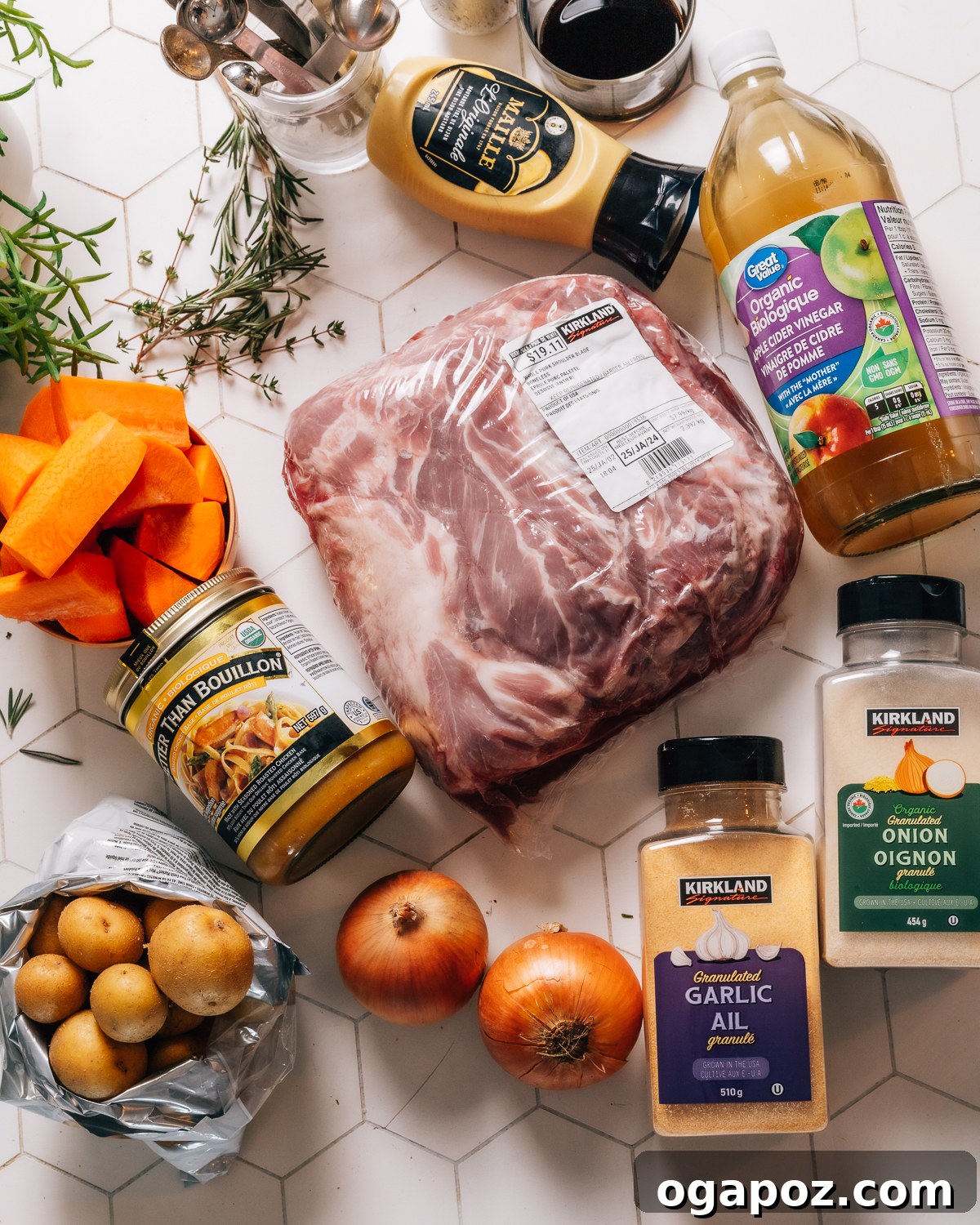
Here’s a detailed look at what you’ll need to create this deeply flavored and tender pork dish:
-
Pork Shoulder (Pork Butt/Boston Butt): This is the star of our recipe. This cut is absolutely ideal for slow cooking due to its generous marbling of fat and abundant connective tissue. Over several hours, these elements break down beautifully, resulting in incredibly tender, juicy meat. You can use either boneless or bone-in pork shoulder; bone-in cuts often impart an even deeper, richer flavor to the braising liquid, though boneless is generally easier to handle and shred. Aim for a 3-4 lb cut for optimal results in a standard slow cooker.
- Important Note: It’s crucial to avoid leaner cuts like pork loin or tenderloin for this recipe. These cuts contain less fat and connective tissue, which means they will dry out significantly and become tough with the extended cooking times required for pork shoulder. If you prefer pork loin, I highly recommend checking out my SUPER-popular Slow Cooker Pork Loin recipe, which is specifically designed to keep that cut moist and tender.
- Simple Yet Potent Spice Rub: A foundational blend of kosher salt, freshly ground black pepper, garlic powder, and onion powder is all you need to create a robust flavor base. This straightforward seasoning mix not only enhances the pork’s natural deliciousness but also plays a key role in forming that fantastic crust during the initial searing step, locking in moisture and intensifying the taste.
- Aromatics for Depth: Thinly sliced fresh onions and plenty of minced garlic are absolutely essential. These humble ingredients, when slow-cooked for hours, soften and meld, forming the aromatic and flavorful base of your scrumptious sauce. Fresh or dried herbs like thyme and rosemary further elevate the flavor profile, adding earthy, fragrant notes.
- Hearty Vegetables: Carrots and baby potatoes are perfect for making this a complete, satisfying meal in one pot. Baby potatoes are particularly excellent as they are small and creamy, allowing them to hold their shape wonderfully during the long cooking process while absorbing all the rich, flavorful juices from the braising liquid. If baby potatoes aren’t available, halved Yukon Gold potatoes are a great substitute. Ensure carrots are cut into larger, uniform chunks to prevent them from becoming overly soft or mushy.
-
Rich, Flavorful Braising Liquid: This is where much of the magic happens, transforming into a delicious gravy. Our blend includes:
- Chicken Broth: Provides a savory, umami-rich base.
- Apple Cider Vinegar: Adds a bright, tangy acidity that beautifully cuts through the richness of the pork and enhances other flavors.
- Soy Sauce: Don’t be surprised! I absolutely adore the deep umami goodness soy sauce adds to this recipe. It doesn’t make the dish taste “Asian” but rather deepens the savory notes in a way that is subtle yet impactful. You won’t specifically taste the soy sauce, but you’ll notice an incredible richness and complexity it brings to the overall flavor.
- Dijon Mustard: Offers a subtle sharp, tangy note and also acts as an emulsifier, helping to bind the sauce ingredients together.
- Cornstarch for a Silky Gravy: Towards the end of the cooking process, a simple cornstarch slurry is used to thicken the flavorful braising liquid into a luscious, silky-smooth gravy. This adds a desirable body and luxurious texture to the sauce, making it perfect for spooning over the tender pork and vegetables.
Exact ingredient quantities can be found in the comprehensive recipe card located at the bottom of this article.
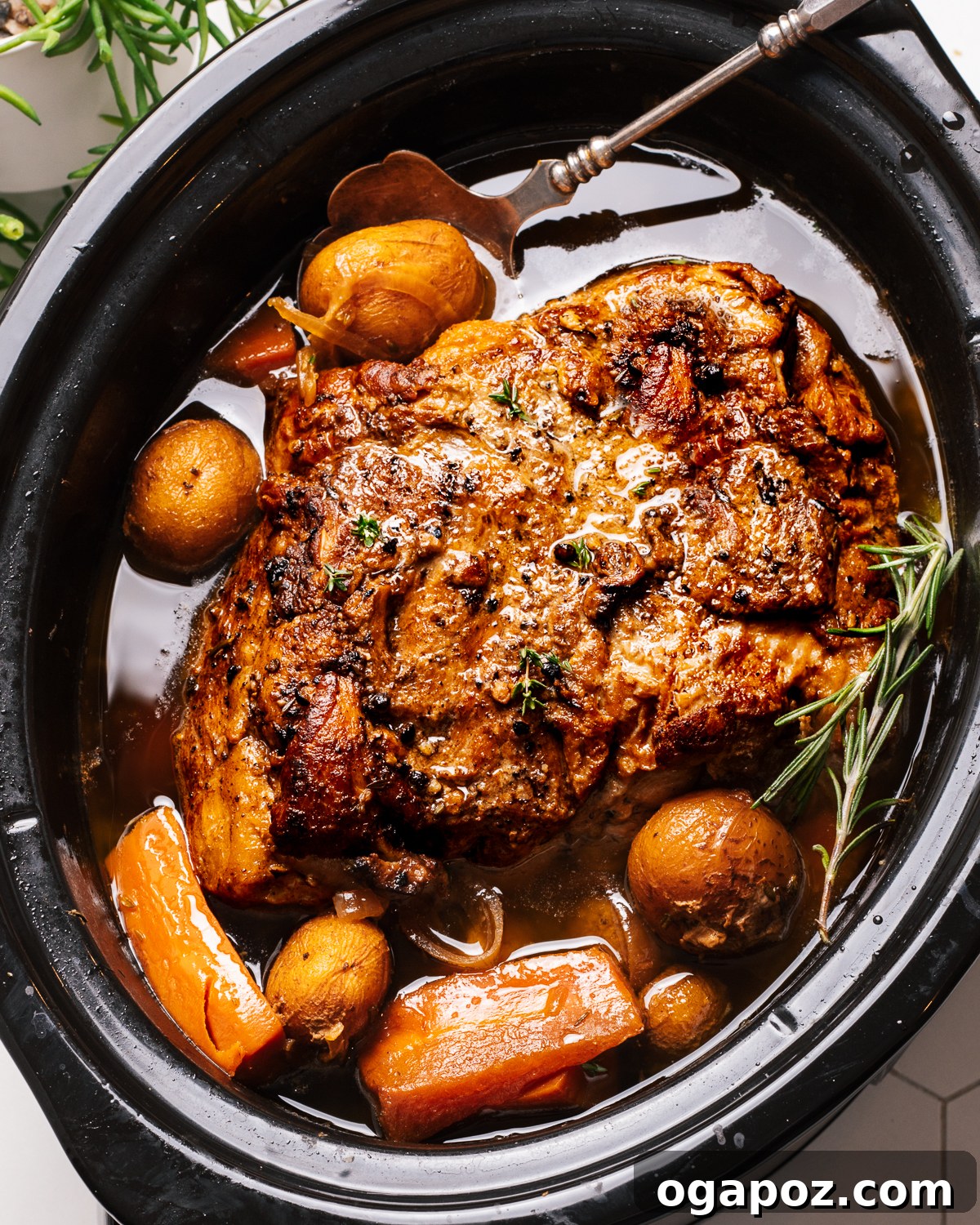
Substitutions and Flavorful Variations to Try
One of the best aspects of this slow cooker pork shoulder recipe is its incredible adaptability. Feel free to experiment with these delicious substitutions and variations to tailor the dish to your specific taste preferences or to utilize ingredients you already have on hand:
- Pork Shoulder Substitute: If pork shoulder isn’t readily available, pork butt (also widely known as Boston butt) is an excellent and almost identical alternative. It boasts similar fat marbling and connective tissue, ensuring it will cook down to a beautifully tender and flavorful result, just like the shoulder.
- Potato Variations: For those who enjoy a touch of natural sweetness, swapping regular potatoes for cubed sweet potatoes can add a delightful flavor dimension. Alternatively, if you prefer a firmer texture that holds its shape even more robustly throughout the long cooking process, consider using red potatoes.
- Carrot Substitutes: Parsnips offer a similar sweetness to carrots but with a slightly more earthy and peppery flavor profile, providing an interesting twist. Cubed butternut squash is another excellent option, adding vibrant color and a creamy texture once cooked.
- Chicken Broth Alternatives: To achieve a deeper, heartier, and more robust flavor in your sauce, beef broth can be used as a substitute for chicken broth, especially if you prefer a richer gravy. For a lighter, slightly sweeter taste profile, vegetable broth works perfectly well.
- Apple Cider Vinegar Swap: White wine vinegar or red wine vinegar can be used to provide a different type of acidity to the braising liquid. Balsamic vinegar is also an option, but be mindful that it will introduce a notable sweetness and a darker hue to the finished gravy.
- Herb Options: If fresh or dried thyme and rosemary aren’t available or if you simply wish to try something new, other robust herbs like oregano or marjoram can provide a different yet equally delicious herbal depth to the dish. Adding a bay leaf or two to the braising liquid during cooking also works wonders for complexity.
- Spice It Up: For those who love a bit of heat, a pinch of red pepper flakes or a dash of your favorite hot sauce added to the braising liquid can provide a delightful kick to the finished meal.
- Smoky Flavor: To introduce a wonderful smoky depth to the pork without needing actual smoking, stir in a teaspoon of smoked paprika with the other spices.
Essential Tools to Grab for This Recipe
Having the right equipment at hand makes the cooking process smooth, efficient, and enjoyable. Here’s a list of the essential tools you’ll need to prepare this slow cooker pork shoulder:
- Slow Cooker (Crockpot): The indispensable centerpiece of this recipe! A 6-quart or larger slow cooker is ideally sized to comfortably accommodate a 3-4 lb pork shoulder along with all the accompanying vegetables and braising liquid.
- Large, Heavy-Bottomed Skillet: This is essential for searing the pork. A good skillet ensures even browning and helps develop that irresistible, flavor-rich caramelized crust on the pork shoulder.
- Mixing Bowls: You’ll need a couple of these for various stages: one for preparing the spice rub for the pork, and another for whisking together the braising liquid components and later, the cornstarch slurry for the gravy.
- Whisk: An invaluable tool for ensuring your braising liquid is thoroughly combined and for creating a smooth, lump-free gravy when thickening the sauce with cornstarch.
- Tongs: Extremely useful for safely and easily handling the pork shoulder as you sear it on all sides and transfer it to and from the slow cooker.
- Meat Thermometer: While not strictly mandatory, a reliable meat thermometer is highly recommended for accurately checking the internal temperature of the pork. This ensures optimal tenderness and guarantees your pork is cooked perfectly, reaching the ideal shreddable stage.
How to Make Slow Cooker Pork Shoulder: An Easy Step-by-Step Guide
Achieving incredibly tender, juicy pork that practically melts in your mouth is far simpler than you might think. By following these clear, easy-to-understand steps, you’ll be serving a fork-tender masterpiece that everyone will adore. Precision and patience are your best friends here!
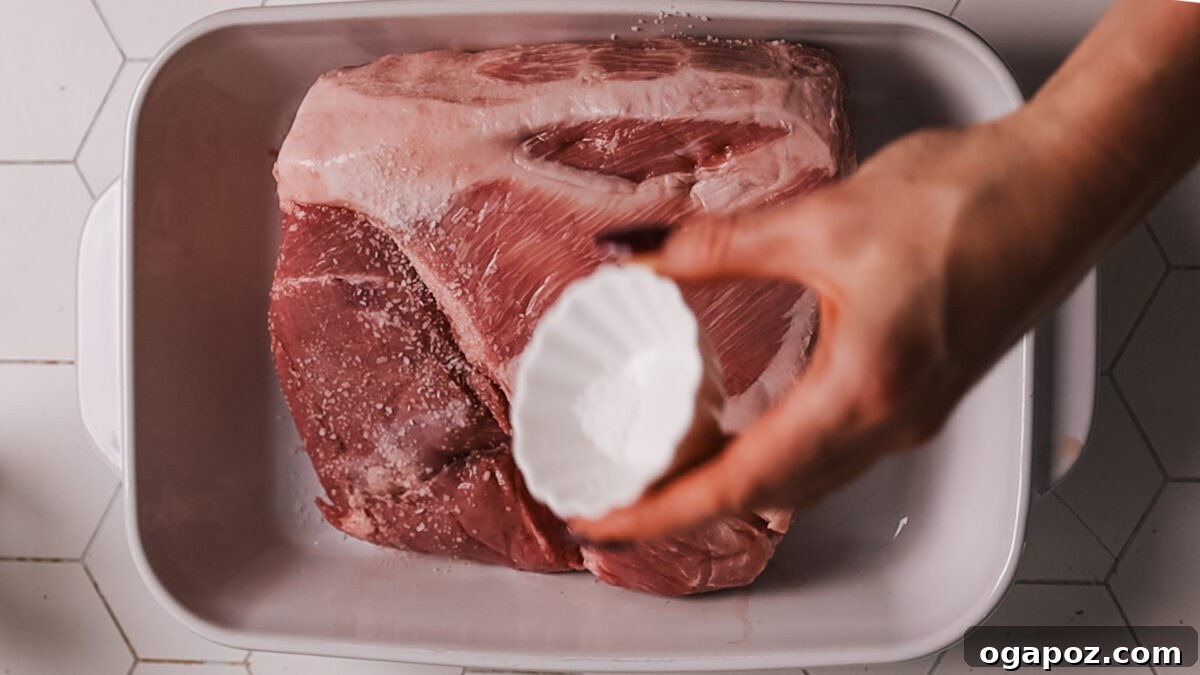
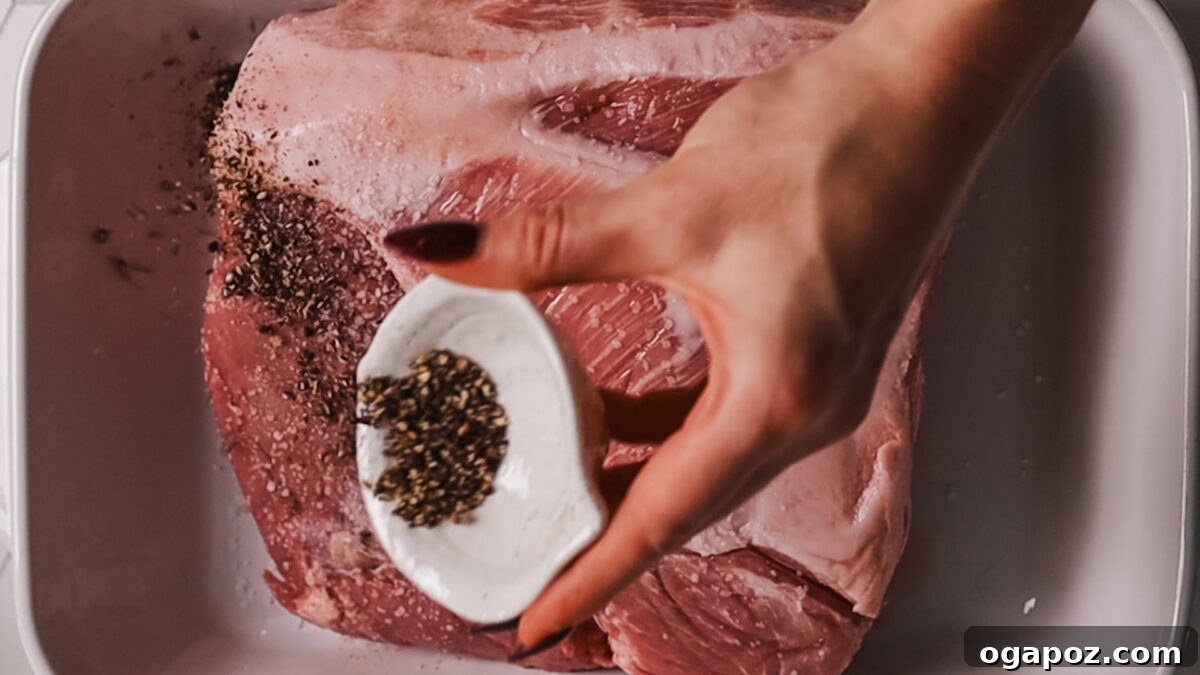
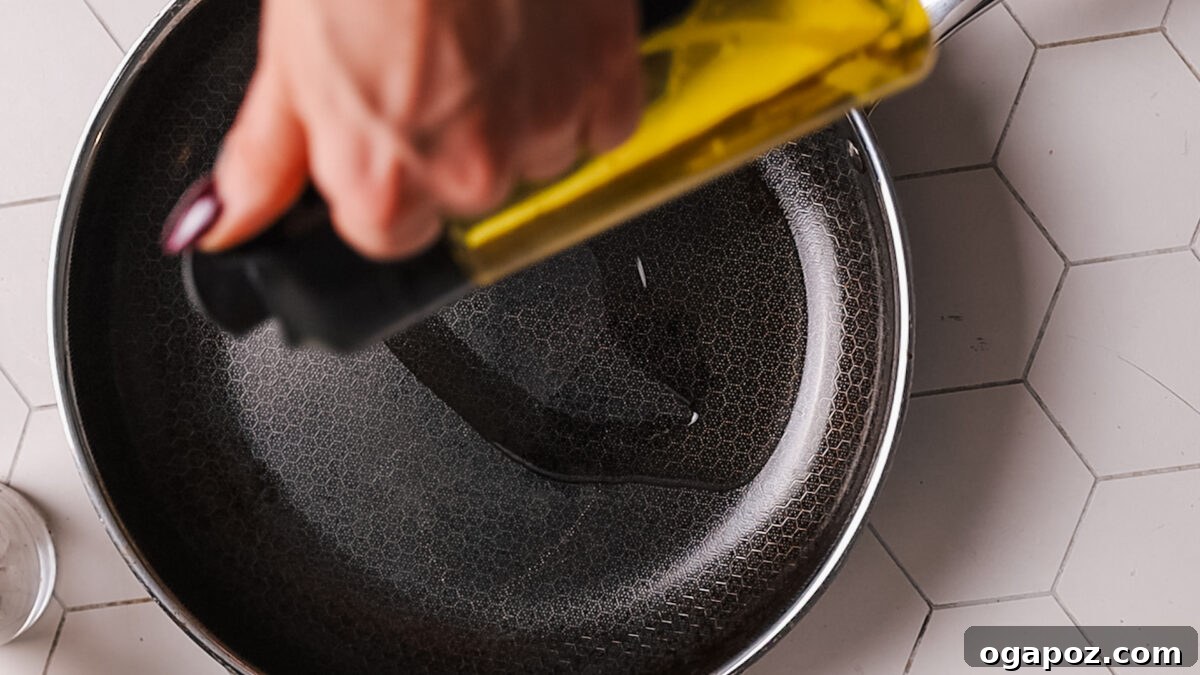
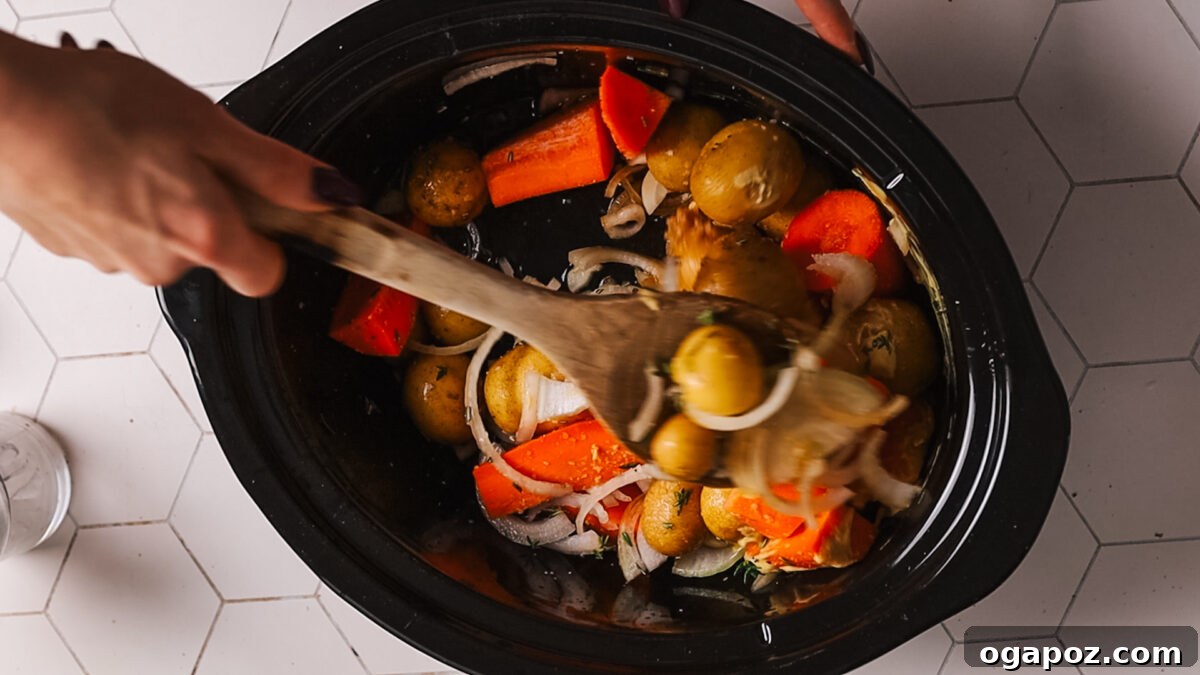
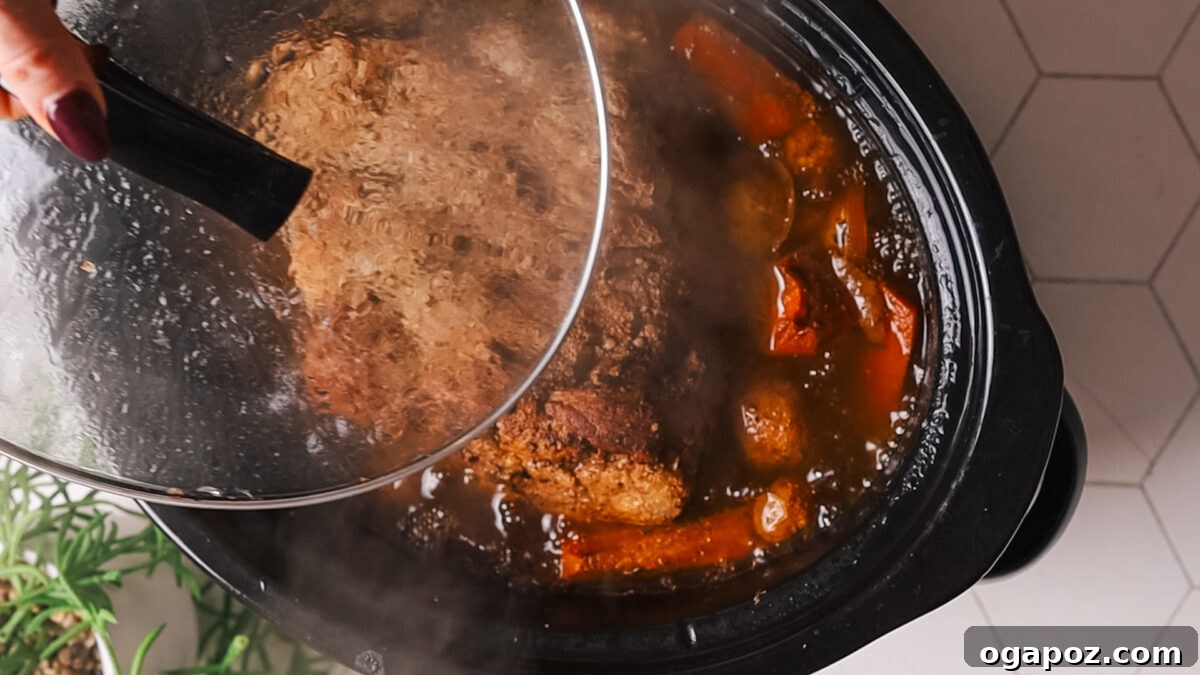
1. Season and Sear for Maximum Flavor (Highly Recommended)
Begin by thoroughly patting your pork shoulder dry with paper towels; this crucial step helps achieve a superior sear. Generously rub the entire surface of the pork with your prepared spice mixture, ensuring all sides are well-coated with salt, black pepper, garlic powder, and onion powder. Heat 2 tablespoons of olive oil in a large, heavy-bottomed skillet over medium-high heat until it shimmers and just begins to smoke lightly. Carefully place the seasoned pork shoulder into the hot skillet and sear it on all sides (including the ends) until a deep, golden-brown, caramelized crust forms, which typically takes about 3-4 minutes per side. This vital step activates the Maillard reaction, developing a rich, complex flavor that will permeate the entire dish.
2. Prepare the Slow Cooker Base
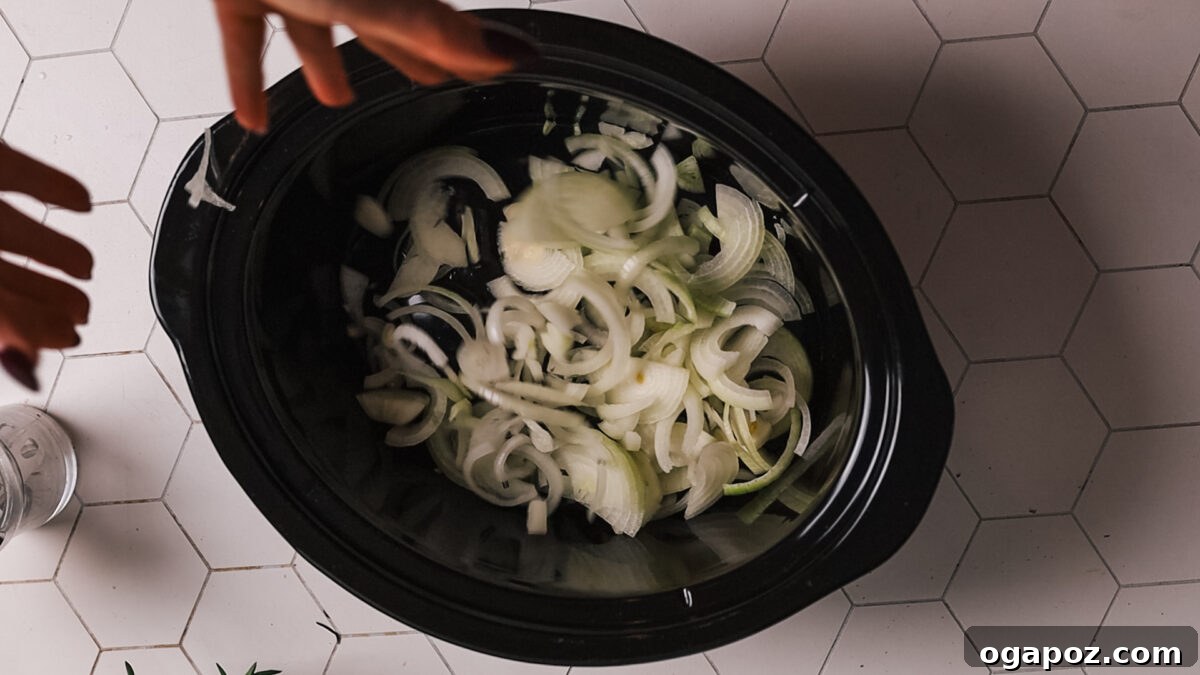
While the pork is searing and filling your kitchen with amazing aromas, arrange the thinly sliced onions, minced garlic, baby potatoes, and your large-chunk carrots evenly at the bottom of your slow cooker insert. This creates a flavorful, aromatic bed that will infuse the pork and other ingredients with delicious flavor as they cook.
3. Create the Braising Liquid and Add Pork
In a separate mixing bowl, whisk together the chicken broth, apple cider vinegar, soy sauce, Dijon mustard, dried thyme, dried rosemary (if using), and the additional 1½ teaspoons of kosher salt until all ingredients are well combined. Pour this flavorful liquid evenly over the vegetables in the slow cooker, stirring gently to ensure they are thoroughly coated. Next, carefully transfer and place the beautifully seared pork shoulder directly on top of the vegetable mixture. To capture all the delicious browned bits (fond) from the searing pan, add ¼ cup of water to the still-warm skillet and scrape the bottom vigorously with a wooden spoon. Pour this rich, deglazed liquid directly into the slow cooker as well, adding another layer of flavor.
4. Slow Cook to Perfection
Securely cover your slow cooker with its lid. For the most tender, melt-in-your-mouth results, cook on the LOW heat setting for 9-10 hours. If you are pressed for time, you can use the HIGH heat setting for 6-7 hours, but be aware that the low and slow method yields superior tenderness. The pork is done when it’s incredibly tender and can be easily shredded with a fork, and an internal temperature check with a meat thermometer reads between 195-205°F (90-96°C).
5. Thicken the Gravy (Optional but Highly Recommended)
a. Remove Pork & Veggies
Once the pork is cooked to perfection, carefully transfer it and the tender vegetables to a serving platter. Tent them loosely with foil to keep them warm while you prepare the luscious gravy. Using a large spoon or a fat separator, skim off any excess fat that has risen to the surface of the braising liquid remaining in the slow cooker.b. Make a Smooth Slurry
In a small, separate bowl, whisk together 3 tablespoons of cornstarch with 3 tablespoons of cold water until a smooth, lump-free slurry forms. It’s crucial to use cold water here, as hot water can cause the cornstarch to clump instantly.
c. Thicken the Sauce
Pour the prepared cornstarch slurry into the slow cooker with the remaining flavorful liquid, stirring continuously and vigorously to ensure it is thoroughly incorporated. Increase the slow cooker setting to HIGH. Cover and cook for another 10-15 minutes, stirring occasionally, until the liquid has visibly thickened into a rich, glossy gravy. Taste and adjust seasoning with additional salt or pepper if necessary.
6. Rest, Shred, and Serve
Allow the pork to rest for at least 10-15 minutes on the platter before you begin slicing, shredding, or pulling it apart. This resting period is incredibly crucial, as it allows the juices to redistribute evenly throughout the meat fibers, ensuring maximum tenderness, succulence, and flavor. Serve the succulent pork alongside the tender vegetables, generously drizzled with the homemade gravy or simply with the delicious, natural pan juices. Enjoy your perfectly cooked, fall-apart tender pork shoulder!
Pro Tips for the Best Slow Cooker Pork Shoulder Every Time
Achieving slow cooker perfection consistently is all about understanding and applying a few key techniques. These expert tips, refined through experience and food science principles, will undoubtedly elevate your pork shoulder from merely good to absolutely phenomenal, guaranteeing outstanding results every single time:
- Prevent Mushy Vegetables: To ensure your carrots and potatoes are tender yet still hold their shape beautifully, maintaining a pleasant texture, it’s essential to cut carrots into larger, uniform chunks (approximately 2 inches in size) and use whole baby potatoes. Larger pieces are significantly less likely to break down into an unappetizing mush during the extended, gentle cooking time, providing a delightful textural contrast to the incredibly tender pork.
- Don’t Skimp on Pepper (Measure Accurately): A very common oversight in home cooking is under-seasoning, especially with ingredients like black pepper. When the recipe calls for 1 teaspoon of black pepper, it signifies a substantial amount—this typically equates to about 40 full turns of a standard pepper grinder, not just a few casual shakes. Proper and generous seasoning is absolutely fundamental to building deep, complex flavor in this dish, so be precise and confident with your measurements for maximum impact.
- Embrace the “Low & Slow” Method for Superior Texture: This is arguably the most critical tip for achieving truly exquisite slow cooker pork shoulder. Cooking exclusively on the LOW heat setting is paramount for producing the most tender, juicy, and effortlessly fall-apart pork. The gentle, consistent heat applied over a longer duration allows the tough collagen and other connective tissues in the pork shoulder to slowly and completely break down into rich, succulent gelatin. This meticulous process occurs without causing the muscle fibers to contract too rapidly and expel precious moisture, which is a common occurrence on higher heat settings. The direct result is unparalleled succulence, flavor retention, and a texture that truly melts in your mouth.
- Utilize a Meat Thermometer for Perfect Doneness: While the “fork-tender” test is a good visual and tactile cue, a reliable meat thermometer provides invaluable precision and assurance. For truly fall-apart tender pork shoulder that is effortlessly shreddable, the internal temperature should consistently reach between 195–205°F (90–96°C). At this specific temperature range, the collagen has fully and perfectly transformed into gelatin, making the meat incredibly tender, juicy, and easy to pull apart. Always insert the thermometer into the thickest part of the pork, ensuring you avoid touching the bone if you are using a bone-in cut for an accurate reading.
- Deglaze Your Searing Pan: Never let those incredibly flavorful browned bits (known as “fond”) in your skillet go to waste after searing the pork. After removing the pork, add a splash of water, chicken broth, or even a bit more apple cider vinegar to the still-warm skillet. Scrape the bottom vigorously with a wooden spoon to release all that concentrated, savory goodness. Pour this rich, deglazed liquid directly into your slow cooker braising liquid; it will significantly enhance the overall depth and complexity of your sauce.
- Adjust Seasoning at the End: It’s important to remember that different brands of broths and soy sauces can vary significantly in their sodium content. Therefore, always taste the gravy after it has thickened and before serving. Adjust the salt and pepper as needed to achieve your perfect flavor balance, ensuring the dish is seasoned precisely to your preference.
Make Ahead and Storage Solutions for Convenience
This slow cooker pork shoulder recipe is an excellent candidate for meal preparation, offering incredible convenience and making your life significantly easier on busy days. Planning ahead means you can enjoy this delicious meal with even less last-minute effort.
- Make Ahead Preparation: You can efficiently prepare parts of this dish in advance. Feel free to season and sear the pork shoulder up to a full day beforehand. After searing, allow the pork to cool completely to room temperature, then store it in an airtight container in the refrigerator. Similarly, you can chop all your vegetables (onions, garlic, carrots, potatoes) and store them separately in airtight containers in the fridge. You can also pre-mix the braising liquid ingredients and keep it refrigerated. The next day, simply assemble everything in the slow cooker and begin the cooking process.
- Leftovers Storage: Any leftover cooked pork and vegetables should be transferred to an airtight container and stored promptly in the refrigerator. It will maintain its delicious quality for up to 4 days. In fact, many find that the flavors deepen and meld even more overnight, making the leftovers arguably even more delicious!
- Freezing Instructions: For longer-term storage, this recipe freezes beautifully. Once the pork and vegetables have cooled completely, portion them into freezer-safe airtight containers or heavy-duty freezer bags. Ensure there’s minimal air in the bags to prevent freezer burn. It can be safely frozen for up to 3 months. When ready to enjoy, thaw overnight in the refrigerator before reheating.
- Reheating Tips: To reheat your glorious leftovers, gently warm them in a skillet over low heat on the stovetop. Adding a splash of extra chicken broth or water during reheating will help maintain moisture and juiciness. Alternatively, you can microwave portions in short intervals, stirring frequently in between, until heated thoroughly. Avoid high heat during reheating to prevent drying out the tender pork.
How to Serve Your Delicious Slow Cooker Pork Shoulder Crockpot Recipe
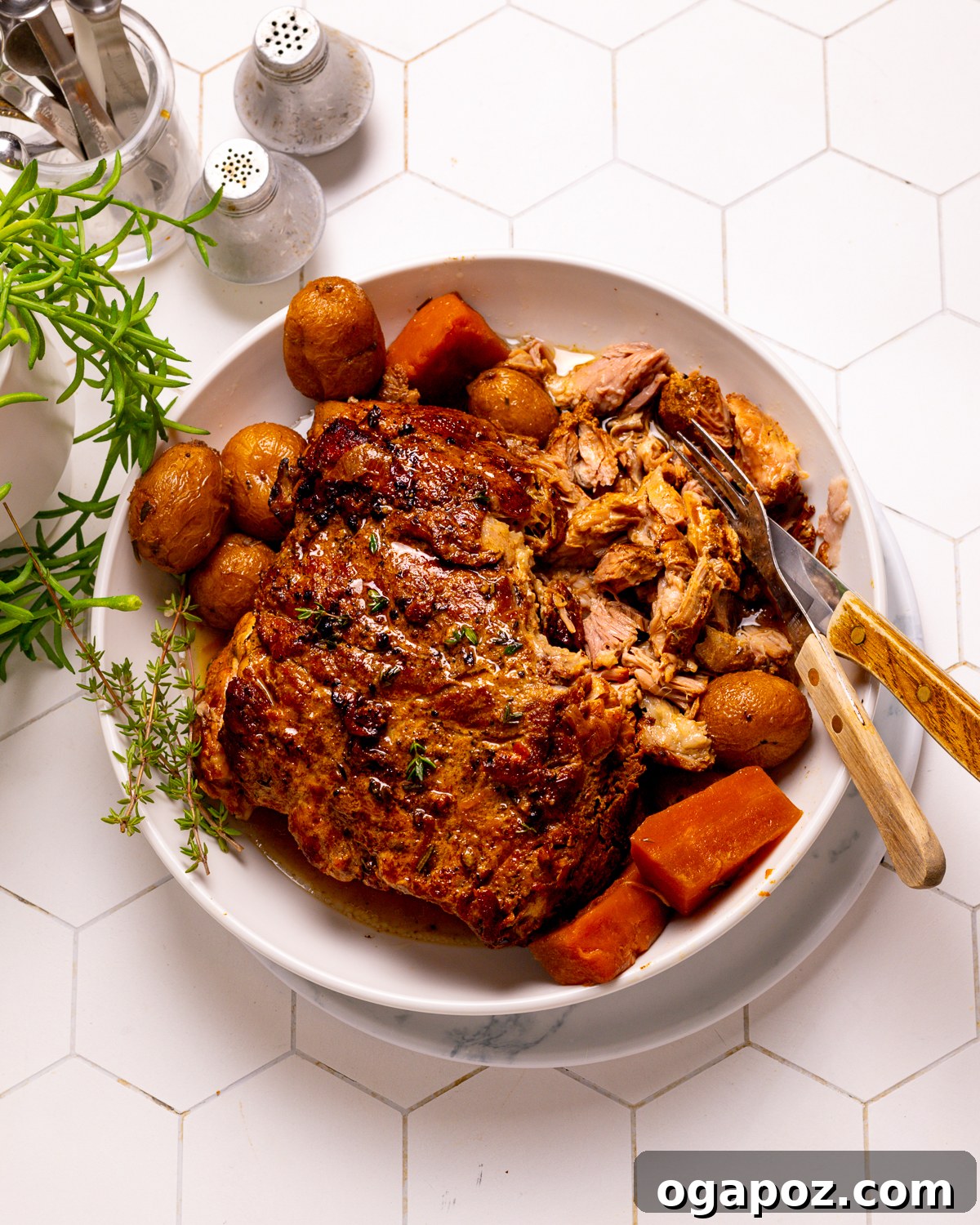
This incredibly versatile slow cooker pork shoulder, with its tender, succulent meat and rich, savory gravy, can be served in a multitude of delightful ways. Its hearty nature makes it perfect as a standalone meal, but its adaptability also shines through when paired with various sides or transformed into exciting new dishes. Here are some ideas to inspire your next meal:
- Classic Comfort Meal: The most straightforward and satisfying way to enjoy this dish is by serving the tender pork alongside the perfectly cooked baby potatoes and carrots, generously drizzled with the rich homemade gravy. This creates a complete, comforting, and wholesome meal that requires minimal additional fuss.
- Add a Fresh Green Side: To complement the rich, savory flavors of the pork and gravy, a bright, crisp green vegetable is a wonderful addition. Consider serving steamed green beans, sautéed asparagus, blanched broccoli, or a simple side of buttered peas to add a vibrant pop of color and a refreshing element to the plate.
- Light and Tangy Salad: For a refreshing contrast that helps cut through the richness of the meat, pair your pork with a fresh green salad. A simple mixed greens salad tossed in a tangy vinaigrette (such as a classic balsamic or lemon vinaigrette) provides a delightful acidic counterpoint.
- Incredible Pulled Pork Sandwiches: Transform any leftovers into absolutely irresistible pulled pork sandwiches. Simply shred the tender pork with two forks, pile it high onto toasted brioche or regular buns, and top with a generous dollop of my easy homemade coleslaw and a drizzle of your favorite BBQ sauce. It’s a guaranteed crowd-pleaser for lunch or a casual dinner!
- Versatile Fillings for Tacos & More: The succulent shredded pork also makes a fantastic and flavorful filling for a variety of international dishes such as tacos, quesadillas, burritos, or enchiladas. Its tender texture and rich taste lend themselves beautifully to these applications. For a specifically optimized pulled pork recipe that’s ideal for shredding and perfect for these kinds of uses, be sure to check out my dedicated Instant Pot Pulled Pork recipe, which is geared towards maximum shreddability.
- Over Creamy Polenta or Mashed Potatoes: For an extra indulgent and luxurious meal, serve the tender pork and its rich gravy over a bed of creamy polenta, cheesy grits, or a mountain of fluffy, buttery mashed potatoes. These starchy sides are perfect for soaking up every last drop of the delicious sauce.
FAQs About Slow Cooker Pork Shoulder
Got questions about making the perfect slow cooker pork shoulder? We’ve got answers! Here are some of the most frequently asked questions about this irresistible pork shoulder crockpot recipe, ensuring you have all the information you need for culinary success:
Can I use a different cut of pork for this recipe?
Yes, absolutely! Pork butt, often labeled as Boston butt, is an excellent alternative to pork shoulder. It comes from the same general area of the hog and shares similar characteristics, including abundant marbling and connective tissue, which are crucial for achieving a similarly tender and flavorful result after long, slow cooking. However, it’s vital to avoid leaner cuts like pork loin or tenderloin, as they are not suited for the extended cooking times required in this recipe and will inevitably dry out and become tough.
Do I truly have to sear the pork before slow cooking?
While technically an “optional” step, searing the pork is highly recommended and truly makes a significant difference in the final flavor profile of your dish. Searing creates a beautiful, rich caramelized crust through the Maillard reaction, which locks in juices and develops deep, complex savory flavors that cannot be achieved by skipping this step. If you’re genuinely short on time, you can omit it, but for the absolute best flavor and a more visually appealing result, don’t skip the sear!
Why is my slow cooker pork shoulder tough or dry?
The most common reason for tough pork shoulder is insufficient cooking time. Pork shoulder needs a long, slow cook to allow its abundant collagen to fully break down into tender gelatin. If your pork is tough, it almost certainly needs more time in the slow cooker. Keep it on the LOW setting and be patient! If it’s dry, it might have been cooked at too high a temperature, causing moisture to be forced out, or paradoxically, cooked for too long past the point where the collagen has broken down, leading to moisture loss.
Can I add more or different vegetables to the slow cooker?
Yes, you certainly can add more or vary the vegetables! However, it’s best to stick to hearty root vegetables that can withstand long cooking times without turning to mush, such as parsnips, celery, rutabaga, or cubed sweet potatoes. Softer vegetables like bell peppers, zucchini, or green beans are best added during the last hour or two of cooking to prevent them from becoming overly soft or disintegrating.
Can I cook this pork shoulder recipe in the oven instead of a slow cooker?
Yes, this delicious recipe can absolutely be adapted for oven cooking if you prefer. To do so, preheat your oven to 325°F (163°C). Prepare the pork and vegetables exactly as instructed, including the searing step. Then, transfer them to a heavy-bottomed Dutch oven or a large oven-safe pot with a tight-fitting lid. Cook in the preheated oven for approximately 3-4 hours, or until the pork is wonderfully fork-tender and easily shreddable. The exact cooking time may vary slightly depending on your specific oven and the size and thickness of your pork shoulder.
How do I know when the pork is truly fall-apart tender and ready?
The best way to determine if your pork is fall-apart tender is by gently inserting a fork into the thickest part of the meat. If the fork can easily twist and pull away a piece of pork without much resistance, it’s perfectly ready. For precise results and assurance, use a meat thermometer to aim for an internal temperature of 195-205°F (90-96°C). This temperature indicates that the collagen has fully rendered, ensuring optimal shreddability and tenderness.
What size slow cooker is best for this recipe?
For a 3-4 lb pork shoulder along with the specified vegetables, a 6-quart or 7-quart slow cooker is ideal. This size provides ample space for all the ingredients to cook evenly and ensures there’s enough room for the braising liquid without overflowing.
Other Delicious Pork Recipes You’ll Love
If you thoroughly enjoyed the ease and incredible flavor of this slow cooker pork shoulder, you might be keen to explore these other fantastic and diverse pork dishes. Each one offers a unique culinary experience, proving the versatility of pork:
- Air Fryer Pork Tenderloin: Discover how to make incredibly tender and juicy pork tenderloin in a fraction of the time, perfect for busy weeknights when you need a quick yet elegant meal.
- Air Fryer Pork Chops: Master the art of achieving perfectly juicy interiors and wonderfully crispy exteriors on your pork chops, all with minimal effort using your air fryer.
- Honey-Mustard Pork Chops: Indulge in a delightful blend of sweet and tangy flavors with these irresistible pork chops. They are absolutely delicious served alongside creamy, dreamy mashed potatoes for a truly comforting dinner.
- Pork Vindaloo Curry: For those who love bold, intense, and spicy flavors, this Pork Vindaloo Curry is an adventurous culinary journey. It’s perfect for mopping up every last bit of the rich gravy with my Indian in-laws’ authentic roti recipe.
- Instant Pot Pulled Pork: When you need perfectly tender, shreddable pork in a fraction of the traditional cooking time, this Instant Pot recipe is your go-to. It’s ideal for quick tacos, sandwiches, nachos, and countless other creative meals.

Slow Cooker Pork Shoulder (Crockpot Recipe – Fall-Apart Tender!)
By: Jennifer Pallian BSc, RD
This melt-in-your-mouth Slow Cooker Pork Shoulder recipe delivers fall-apart tender pork with a delicious, caramelized crust EVERY time, making it an instant family favorite.
Prep Time: 15 minutes
Cook Time: 6 hours (on HIGH) to 10 hours (on LOW)
Total Time: 6 hours 15 minutes – 10 hours 15 minutes
Yields: 8 servings
Ingredients
For Seasoning Pork
- 4 lb pork shoulder (bone-in or boneless, also known as pork butt)
- 3 tsp kosher salt
- 1 tsp black pepper (freshly ground recommended)
- 1 tsp garlic powder
- 1 tsp onion powder
- 2 tbsp olive oil (for searing)
For Slow Cooker Base Layer
- 2 medium onions (thinly sliced)
- 4 tsp minced garlic (from approximately 4 large cloves)
- 1½ lbs baby potatoes (or halved Yukon Gold potatoes)
- 1 lb carrots (peeled and cut into 2-inch chunks, about 3 large carrots)
For Slow Cooker Liquid
- ½ cup chicken broth (low sodium preferred)
- 2 tbsp apple cider vinegar
- 1 tsp dried thyme (optional, or 1 tbsp minced fresh thyme)
- 1 tsp dried rosemary (optional, or 1 tbsp minced fresh rosemary)
- 2 tbsp soy sauce (for umami depth)
- 1 tbsp Dijon mustard
- 1 ½ tsp kosher salt
- ¼ cup water (to deglaze the searing pan)
To Make Gravy (Optional, but highly recommended)
- 3 tbsp cornstarch
- 3 tbsp cold water
Instructions
1. Season Pork and Sear:
- Pat the pork shoulder thoroughly dry with paper towels. Rub the pork generously with the mixture of 3 tsp salt, 1 tsp pepper, 1 tsp garlic powder, and 1 tsp onion powder, ensuring all sides are coated.
- Heat 2 tbsp olive oil in a large, heavy-bottomed skillet over medium-high heat until shimmering. Carefully place the seasoned pork shoulder in the skillet and sear on all sides (including the ends) until a deep, golden-brown crust forms, about 3-4 minutes per side. Transfer the seared pork to a clean plate.
2. Prepare Slow Cooker Base:
- While the pork is searing, add the thinly sliced onion, minced garlic, baby potatoes, and 2-inch carrot chunks evenly to the bottom of your slow cooker insert.
3. Add Liquid and Pork:
- In a small bowl, whisk together the chicken broth, apple cider vinegar, soy sauce, Dijon mustard, dried herbs (if using), and 1½ tsp kosher salt.
- Pour this flavorful liquid over the vegetables in the slow cooker, stirring gently to coat them evenly. Then, carefully place the seared pork shoulder on top of the vegetable mixture.
- Add ¼ cup of water to the hot searing pan (from step 1) and scrape up any browned bits from the bottom of the skillet with a wooden spoon. Pour this rich, deglazed liquid into the slow cooker as well to capture all the extra flavor.
4. Slow Cook:
- Cover the slow cooker securely with its lid. Cook on the LOW heat setting for 9-10 hours or the HIGH heat setting for 6-7 hours, until the pork is absolutely fall-apart tender and easily shreddable with a fork. (Refer to notes below for best texture and temperature guidance.)
5. Thicken Gravy (Optional):
- Once the pork is cooked, carefully transfer the tender pork and vegetables to a serving platter. Tent them loosely with foil to keep them warm. Use a large spoon or a fat separator to skim off as much excess fat as possible from the liquid remaining in the slow cooker.
- Make Slurry: In a small bowl, whisk 3 tbsp cornstarch with 3 tbsp cold water until completely smooth and lump-free.
- Pour the cornstarch slurry into the liquid in the slow cooker, stirring well and continuously to incorporate it thoroughly.
- Increase the slow cooker setting to HIGH. Cover and cook for another 10-15 minutes, stirring occasionally, until the liquid has thickened into a rich, glossy gravy. Taste and adjust seasoning as needed.
- Serve the succulent pork with the tender vegetables and generously drizzle the homemade gravy over the top.
Notes
- Optimal Texture with LOW Heat: For the most incredibly tender, juicy, and fall-apart pork, always opt for the LOW heat setting. This method allows the collagen in the pork shoulder to slowly and fully break down into succulent gelatin, without rapidly expelling moisture, resulting in unparalleled succulence.
- Avoid High Heat for Tenderness: While the HIGH setting speeds up cooking, it can cause muscle fibers to contract more aggressively, squeezing out moisture and potentially resulting in a drier, less tender outcome, even if the collagen eventually breaks down.
- Seasoning Matters: Don’t underestimate the pepper! 1 teaspoon is a significant amount—approximately 40 full turns of a standard pepper grinder. It’s a crucial component of the seasoning here, so ensure you use the full measure for maximum flavor depth.
- Internal Temperature for Fall-Apart Pork: For precise results, use a meat thermometer to ensure the pork reaches an internal temperature of 195–205°F (90–96°C). This temperature range indicates that the collagen has fully rendered, guaranteeing optimal shreddability and tenderness.
Nutrition (Approximate per Serving)
Calories: 300kcal | Carbohydrates: 14g | Protein: 29g | Fat: 14g | Saturated Fat: 4g | Polyunsaturated Fat: 2g | Monounsaturated Fat: 7g | Cholesterol: 93mg | Sodium: 1783mg | Potassium: 773mg | Fiber: 3g | Sugar: 4g | Vitamin A: 9489IU | Vitamin C: 9mg | Calcium: 57mg | Iron: 2mg
Nutrition information is automatically calculated and should be used as an approximation. Actual values may vary based on ingredients and preparation methods.