
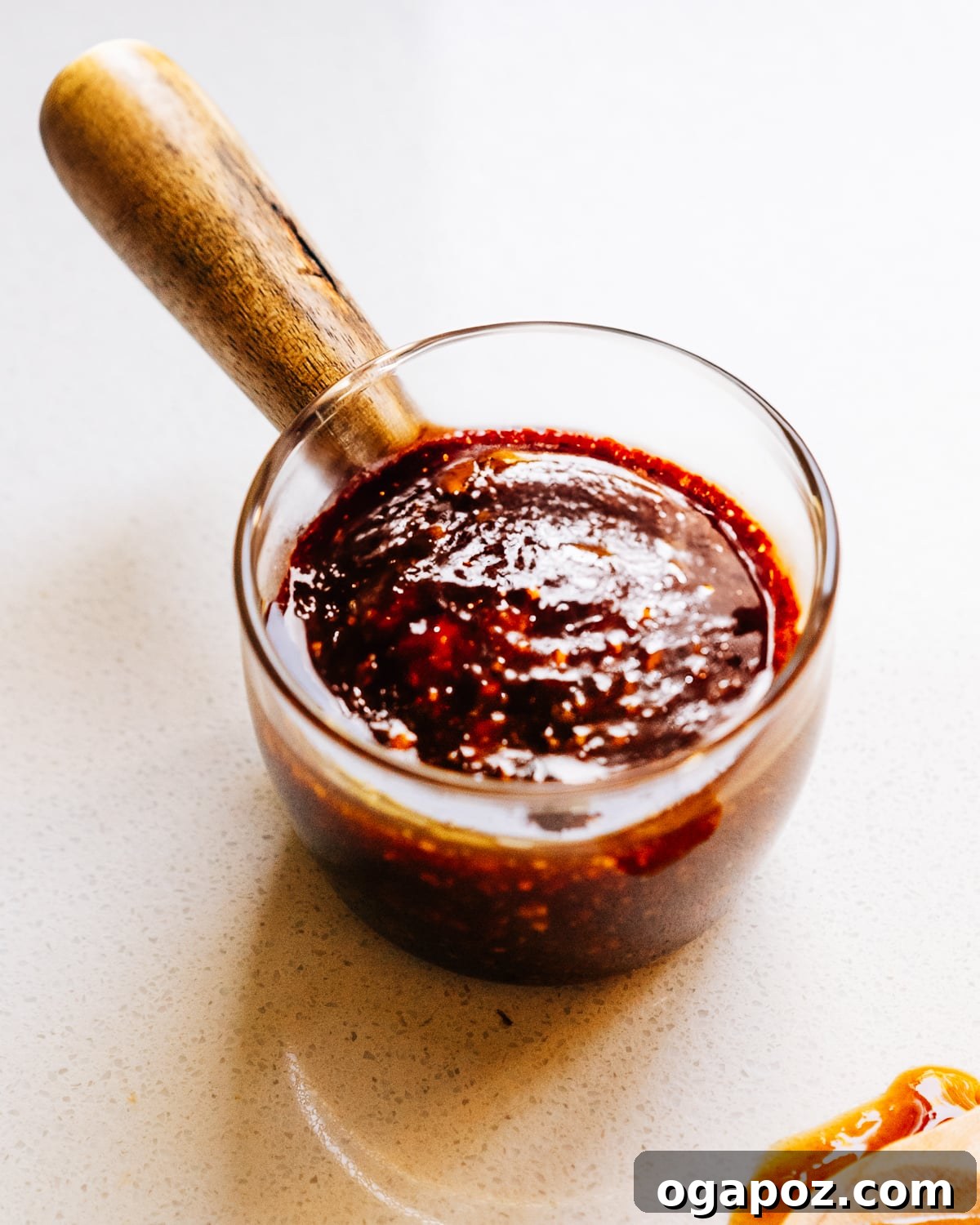
Unlock the secret to an incredibly flavorful and versatile sauce with this ridiculously easy Homemade Teriyaki Sauce Recipe. Forget bland, store-bought options; in mere minutes, you can craft a glossy, rich, and perfectly balanced teriyaki sauce that will elevate any meal. With just a handful of essential ingredients, you’ll achieve that coveted sweet, savory, and umami profile, ready to drizzle on everything from grilled proteins to vibrant veggie bowls. This simple yet sophisticated sauce is about to become your new kitchen MVP.
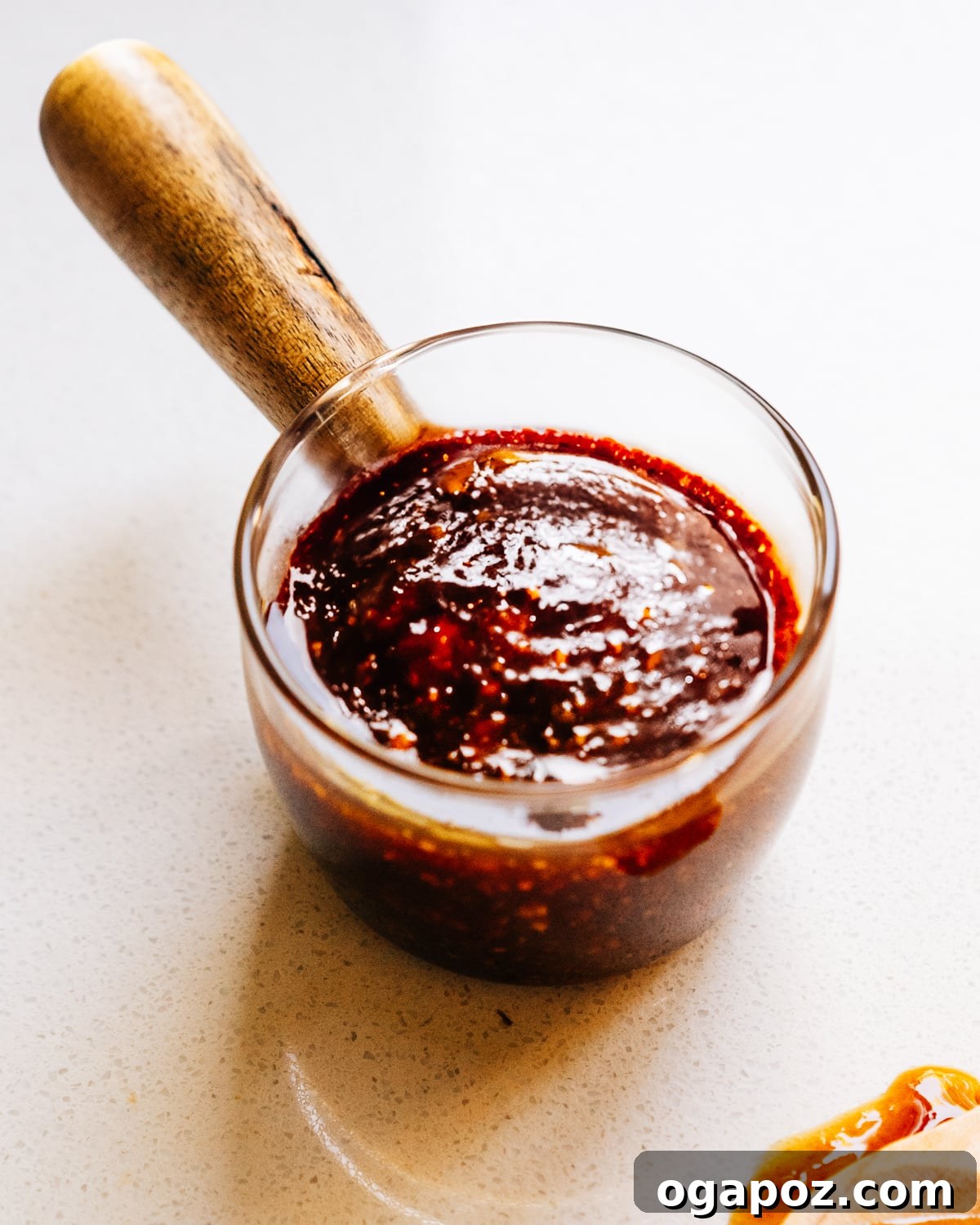
This four-ingredient Teriyaki Sauce recipe is undeniably one of my ultimate secret weapons for boosting flavor. Its unparalleled versatility makes it perfect for a variety of culinary applications. I frequently use it as a dynamic teriyaki chicken marinade, ensuring succulent, flavor-packed results whether I’m grilling or pan-frying. Beyond marinating, it shines as a dipping sauce for appetizers or spring rolls, and it’s the foundational element for building the most irresistibly tasty Teriyaki Bowls, complete with your favorite proteins and fresh vegetables. If you’re a fan of my incredibly easy 3-ingredient stir-fry sauce, prepare to fall in love with this teriyaki masterpiece – it’s just as simple and even more profound in flavor.
Essential Ingredients for the Best Homemade Teriyaki Sauce
Creating this luscious homemade teriyaki sauce requires fewer ingredients than you might imagine. The magic lies in the perfect balance of these staple pantry items, transforming them into a rich, sweet, and savory glaze that far surpasses any store-bought variety. Gather these simple components, and you’ll be on your way to a truly exceptional teriyaki experience:
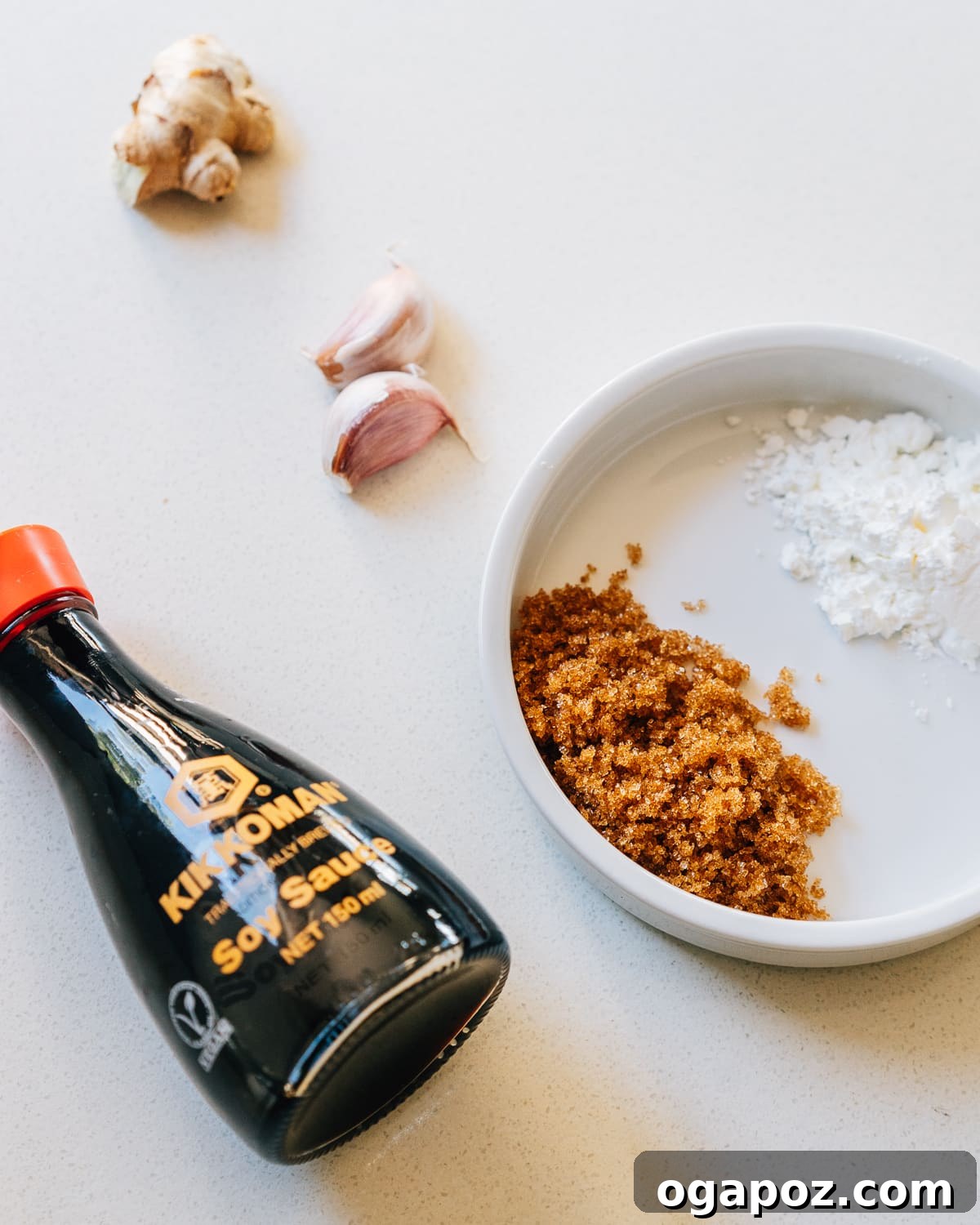
Key Teriyaki Sauce Ingredients:
- Brown Sugar: This isn’t just for sweetness; brown sugar lends a beautiful caramel note and a deeper, richer color to the sauce, distinguishing it from recipes that use only white sugar. While traditional Japanese teriyaki often utilizes mirin (a sweet rice wine), brown sugar provides a convenient and equally delicious alternative that most home cooks already have on hand.
- Soy Sauce: The backbone of any good teriyaki sauce, soy sauce delivers the essential salty, umami flavor. You have the flexibility to use either regular or low-sodium soy sauce based on your dietary preferences. For a gluten-free version, tamari is an excellent substitute, maintaining the flavor profile without the wheat.
- Cornstarch: This incredible ingredient is your secret to a perfectly thick, glossy teriyaki sauce in record time. Cornstarch acts as a natural thickening agent, creating that desired smooth, glaze-like consistency without impacting the sauce’s flavor. It’s crucial for achieving that characteristic sheen.
- Garlic: Fresh garlic is paramount here. Use plump cloves, finely chopped or minced, to infuse the sauce with its pungent, aromatic depth. While garlic powder can work in a pinch for convenience, fresh garlic will always provide a superior, more vibrant flavor that makes a noticeable difference.
- Ginger: Though listed as optional, I wholeheartedly recommend adding fresh ginger. Its warm, spicy, and slightly peppery notes add an unparalleled layer of complexity and zest that truly brightens the sauce. Just like garlic, fresh ginger is far superior to its powdered counterpart for this recipe.
Exact ingredient quantities and detailed instructions are provided in the comprehensive recipe card located at the bottom of this article.
Customizing Your Teriyaki Sauce: Substitutions and Variations
One of the beauties of this homemade teriyaki sauce is its adaptability. Feel free to experiment with these alternative ingredients and exciting additions to tailor the recipe to your taste preferences or dietary needs, creating a sauce that’s truly your own:
- Soy Sauce Alternatives: For those managing gluten sensitivities or celiac disease, easily transform this into a gluten-free teriyaki sauce by opting for tamari. Tamari offers a similar savory depth to soy sauce but without the wheat, ensuring everyone can enjoy this delicious creation.
- Sugar Substitutes: If brown sugar isn’t available or you’re seeking a different sweetness profile, consider using coconut sugar for a similar caramel richness, or honey or maple syrup for a more natural, subtle sweetness. Be aware that these substitutions might slightly alter the final flavor and viscosity.
- Exciting Add-ins: Elevate your teriyaki sauce with these flavor boosters:
- Crushed Red Pepper Flakes: Introduce a gentle heat and a touch of vibrancy for those who enjoy a little spice.
- Sesame Oil: A drizzle of toasted sesame oil at the end adds a distinct nutty aroma and flavor, enhancing its Asian-inspired profile.
- Orange or Lime Zest: A touch of citrus zest can provide a bright, fresh counterpoint to the rich, savory notes, lifting the overall taste experience.
Essential Tools for Making Teriyaki Sauce
You’ll be delighted by how few specialized tools are required for this recipe. The beauty of homemade cooking often lies in its simplicity, and this teriyaki sauce is no exception. Here’s what you’ll need to gather:
- Chopping Board and Knife: Essential for finely mincing your fresh garlic and ginger. Precision in chopping ensures even flavor distribution throughout the sauce.
- Small Saucepan: The perfect vessel for combining and heating your ingredients. A non-stick saucepan is ideal for easy whisking and preventing sticking.
- Whisk: Crucial for ensuring all ingredients, especially the cornstarch, are thoroughly combined into a smooth mixture before heating, preventing any lumps.
That’s truly it! With these basic kitchen essentials, you’re ready to whip up a gourmet-quality teriyaki sauce in minutes.
Crafting Your Perfect Teriyaki Sauce: A Simple Step-by-Step Guide
Creating this glossy, silky teriyaki sauce is incredibly straightforward. Follow these easy steps to achieve a perfectly thickened and flavorful glaze that’s ready to transform your meals:
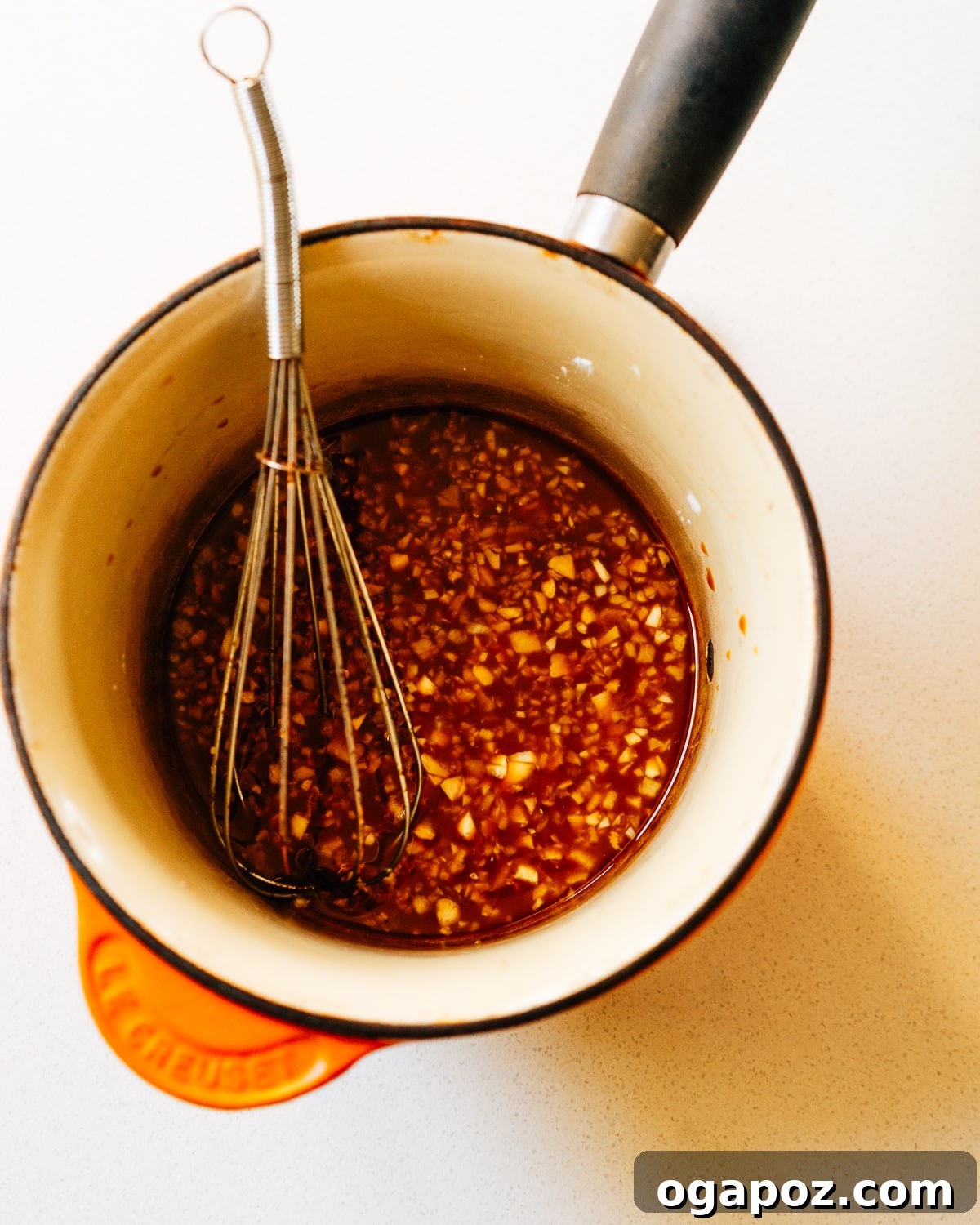
Step 1: Combine All Teriyaki Sauce Ingredients in a Pan
The key to a lump-free sauce begins here. In a small saucepan, *before* applying any heat, combine the soy sauce, brown sugar, cornstarch, minced garlic, and minced ginger (if using). Add 1/4 cup of cold water to this mixture. Vigorously whisk all these ingredients together until they are completely smooth and the cornstarch is fully dissolved. This crucial step prevents clumping and ensures a velvety texture from the start.
Step 2: Cook the Sauce to a Perfect Glaze
Once your ingredients are well combined, place the saucepan over medium-high heat. Bring the mixture to a strong simmer, stirring frequently. As soon as it begins to bubble vigorously, reduce the heat to low. Continue to simmer the sauce for an additional 3 minutes, stirring continuously. During this time, the cornstarch will activate, and the sauce will gradually thicken into a beautiful, glossy glaze. It will continue to thicken slightly as it cools, so don’t overcook it. The result will be a rich, aromatic, and perfectly balanced teriyaki sauce, ready to use!
Optimizing Your Meal Prep: Make Ahead and Storage Tips for Teriyaki Sauce
This homemade teriyaki sauce is a fantastic candidate for meal prepping. Preparing it in advance not only saves time during busy weeknights but also allows the flavors to meld and deepen, resulting in an even more delicious sauce. Once cooked, always allow the sauce to cool completely to room temperature before storing.
Storing Your Teriyaki Sauce
- Refrigerator Storage: Transfer the cooled sauce into an airtight container or a glass jar with a tight-fitting lid. When properly stored in the refrigerator, your homemade teriyaki sauce will remain fresh and flavorful for up to one week. This makes it perfect for having on hand for multiple meals throughout the week.
- Before Using: It’s natural for some settling or slight separation to occur. Simply give the container a good stir or shake before using to redistribute the ingredients and restore its smooth consistency.
Freezing Teriyaki Sauce for Longer Shelf Life
- Freezer-Friendly: Teriyaki sauce freezes remarkably well, making it ideal for bulk preparation. Pour the cooled sauce into a freezer-safe container, leaving a little headspace for expansion. For convenient, single-serving portions, consider pouring the sauce into ice cube trays.
- Freezer Duration: Once frozen solid, transfer the teriyaki sauce cubes to a resealable freezer bag. It can be stored in the freezer for up to three months without compromising flavor or quality.
- Thawing: To use, simply transfer your desired amount of frozen sauce from the freezer to the refrigerator and allow it to thaw overnight.
Reheating Your Homemade Teriyaki Sauce
- Gentle Reheating: When you’re ready to use your stored or thawed teriyaki sauce, place it in a small saucepan over low heat. Stir it occasionally until it’s warmed through.
- Adjusting Consistency: If the sauce has thickened too much during storage or reheating, don’t worry! Add a splash of water, a teaspoon at a time, and stir until it reaches your desired consistency.
- Important Note: Avoid using high heat or bringing the sauce to a rolling boil during reheating, as this can alter its texture and potentially impact its delicate flavor profile. Gentle heat is always best.
Avoid These 4 Common Mistakes for Perfect Teriyaki Sauce Every Time
While making homemade teriyaki sauce is incredibly easy, a few common pitfalls can hinder you from achieving that perfect, glossy, and flavorful glaze. Being aware of these issues will help you steer clear of them and guarantee success:
1. Adding Cornstarch Too Late: This is perhaps the most frequent mistake. If you add cornstarch directly into a hot or simmering liquid, it will instantly clump upon contact, creating an undesirable lumpy texture that’s difficult to smooth out.
Solution: Always, and without exception, whisk the cornstarch into cold or room-temperature liquids (like water or a portion of the soy sauce) *before* introducing any heat. This ensures it dissolves smoothly and disperses evenly, allowing it to thicken the sauce without any lumps.
2. Skipping the Proper Simmer: Rushing the cooking process and not allowing the sauce to simmer sufficiently is another common error. The sauce might appear thin and watery if not cooked long enough, leading to disappointment.
Solution: After bringing the mixture to a strong simmer, reduce the heat and continue to simmer for the recommended 3 minutes. The gentle heat and continuous stirring are essential for activating the cornstarch and allowing the sauce to thicken properly. Remember that it will also continue to thicken slightly as it cools, so trust the process!
3. Relying Solely on Soy Sauce for Flavor: While soy sauce is foundational, making teriyaki sauce with just soy sauce and a sweetener will result in an overwhelmingly salty and one-dimensional flavor profile. A truly exceptional sauce requires depth and balance.
Solution: Balance is key. Always incorporate sweeteners like brown sugar (for caramel notes) or honey, along with essential aromatics such as fresh garlic and ginger. These additional ingredients provide complexity, depth, and a well-rounded flavor that makes the sauce truly shine.
4. Over-Reducing the Sauce: Cooking the sauce for too long, or at too high a heat, can lead to it becoming excessively thick, overly sticky, or even burnt. This can compromise both its texture and flavor.
Solution: Pay close attention to the cooking time and the sauce’s consistency. Once it reaches a glossy, thick glaze, remove it from the heat. Keep in mind that the sauce will continue to thicken slightly as it cools, so it’s better to err on the side of slightly thinner when hot than too thick. If it does become too thick, a splash of water can often rescue it.
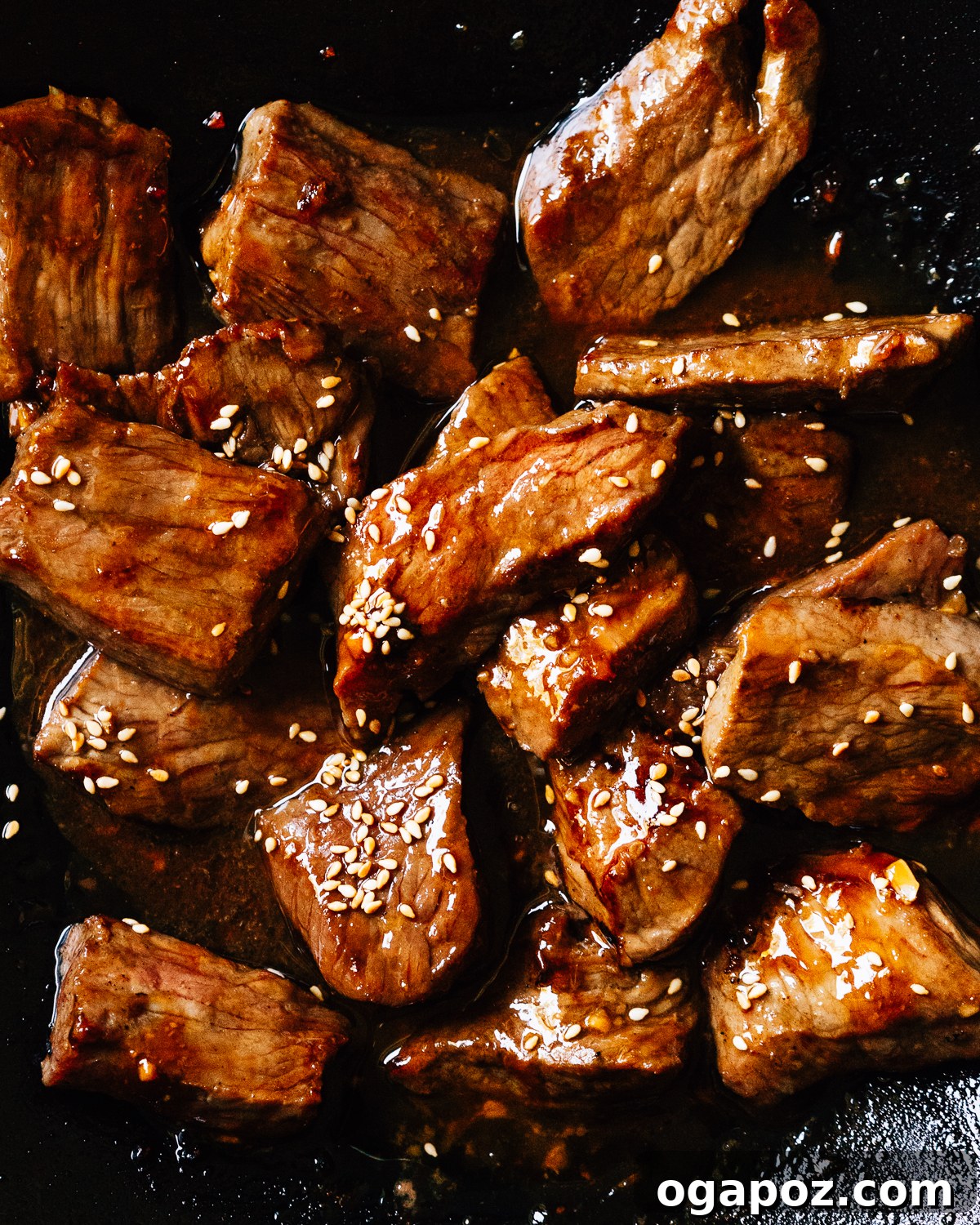
Endless Possibilities: How to Serve This Versatile Teriyaki Sauce
The beauty of this homemade teriyaki sauce lies in its incredible versatility. It serves as the perfect foundation for a countless array of dishes, making it a staple you’ll reach for again and again. I absolutely adore using this base recipe to create vibrant and satisfying meals that never get old. Whether you’re a meat-lover, a seafood enthusiast, or prefer plant-based options, this sauce has you covered.
Here are some of my favorite ways to incorporate this delicious sauce into your cooking:
- Chicken Teriyaki: Transform ordinary chicken into a sensational meal. Whether it’s pan-fried chicken thighs or grilled breasts, a generous coating of this sauce creates succulent and flavorful Chicken Teriyaki Bowls.
- Pork Teriyaki: Glaze pork tenderloin slices or pork chops for a rich, savory dish that’s both comforting and impressive.
- Beef Teriyaki: Quick-cooking beef slices become incredibly tender and flavorful when stir-fried and tossed with this homemade teriyaki. Try my full Beef Teriyaki recipe for a complete meal idea.
- Teriyaki Shrimp: For a speedy and light option, shrimp cooks quickly and absorbs the sauce beautifully, creating a delectable Teriyaki Shrimp dish that’s perfect for a weeknight.
- Tofu Teriyaki: Marinate and bake or pan-fry tofu for a protein-packed vegetarian option. The sauce adheres wonderfully, giving tofu a delightful exterior and savory flavor.
- Veggie Teriyaki: Stir-fry your favorite seasonal vegetables – broccoli, bell peppers, snap peas, carrots – and toss them with the teriyaki sauce for a healthy and vibrant side or main dish.
- Teriyaki Salmon: Experience flaky, tender salmon fillets glazed with this sweet and savory sauce. It’s a healthy and utterly delicious way to enjoy seafood. Explore my Honey Teriyaki Glazed Salmon recipe for inspiration.
To complete your meal, pair any of these amazing proteins with these delightful sides:
- A classic side of perfectly prepared Sushi Rice for an authentic touch.
- Quick and easy Microwave Rice or perfectly cooked Instant Pot Rice for effortless convenience.
- An assortment of delicious noodles, such as refreshing Cold Peanut Noodles, spicy Chili Oil Ramen, or classic Chow Mein Noodles, all providing diverse textures and flavors to complement your teriyaki dish.
Mastering Teriyaki Sauce: Pro Tips and Science-Backed Secrets for Perfection
Over the years of perfecting this Teriyaki Sauce Recipe, I’ve gathered invaluable insights and refined techniques that guarantee an exceptional result every single time. Here are some of my best final notes, professional tips, and a sprinkle of science-based secrets to help you achieve teriyaki perfection:
- Simmer for Signature Shine: The gentle simmering process is far more than just cooking. It’s a critical step that activates the cornstarch, allowing it to fully hydrate and thicken the sauce. Simultaneously, simmering concentrates the flavors, creating a deeper, more robust taste, and, crucially, it develops that characteristic glossy, lacquered finish that is the hallmark of a truly great teriyaki sauce. Don’t rush this step!
- Create a Cornstarch Slurry for Smoothness: If you’re particularly concerned about lumps—especially if you’re new to working with cornstarch—a simple slurry is your best friend. Instead of adding cornstarch directly to your sauce mixture with just water, first, whisk the cornstarch with a small amount of cold soy sauce or water until it forms a smooth, thin paste. Then, add this slurry to the rest of your ingredients. This extra step guarantees a perfectly smooth, lump-free sauce every time.
- Flavor Layering with Aromatics: Garlic and ginger are not merely for aroma; they are fundamental for adding profound depth and complexity to your teriyaki sauce. Fresh ginger introduces a subtle, zesty heat and a bright, peppery undertone that cuts through the sweetness. Fresh garlic contributes a rich, pungent umami, rounding out the sauce’s savory profile. Always opt for fresh over powdered for the most impactful flavor.
- The Art of Balancing Flavors: A truly outstanding teriyaki sauce achieves a harmonious balance of its core components. Sweetness, typically from brown sugar, is vital as it beautifully offsets the intense saltiness of the soy sauce. This interplay prevents the sauce from being one-note and instead enhances the overall flavor experience. For an extra layer of brightness and to ‘lift’ the sauce, consider adding a touch of acid, such as a splash of rice vinegar or a squeeze of fresh citrus juice (orange or lime) at the very end.
- Add Delicate Flavors After Cooking for Maximum Impact: Certain ingredients, like toasted sesame oil or citrus zest, have volatile aromatic compounds that can dissipate or diminish if cooked for too long. To preserve their fresh, vibrant aroma and flavor, always incorporate them *after* the sauce has finished simmering and has been removed from the heat. This ensures their essence remains potent and truly shines through in the final dish.
Frequently Asked Questions About This Teriyaki Sauce Recipe
Absolutely, this recipe works beautifully as a marinade! Its balanced flavors and ability to penetrate proteins make it ideal for chicken, tofu, salmon, or beef. For food safety, if you plan to use some of the sauce for marinating and then also as a serving sauce, make sure to set aside a separate portion for serving *before* any raw meat or poultry comes into contact with the marinade. This prevents cross-contamination.
There are a few common reasons. Firstly, ensure you’ve allowed the sauce to simmer for the full recommended time (around 3 minutes) over low heat; cornstarch needs heat and time to activate and thicken. Secondly, double-check that the cornstarch was fully dissolved in cold liquid *before* adding it to the saucepan and heating. Lumps prevent proper thickening. Lastly, ensure you have the correct cornstarch-to-liquid ratio. If it’s still too thin after simmering, you can make a small slurry with more cornstarch and cold water, then whisk it into the simmering sauce and cook for another minute or two until desired thickness is reached.
By default, traditional soy sauce contains wheat, meaning standard teriyaki sauce is not gluten-free. However, it’s very easy to make this recipe gluten-free! Simply substitute regular soy sauce with tamari, which is a gluten-free alternative that offers a similar rich, savory flavor. Always ensure any other ingredients, like brown sugar or any added spices, are also certified gluten-free if strict adherence is necessary.
You can certainly adjust the sweetness, but completely omitting sugar will significantly alter the flavor profile and texture, as sugar plays a crucial role in balancing the saltiness and contributing to the glaze’s body. If you wish to avoid refined sugar, you can substitute it with natural sweeteners like honey, maple syrup, coconut sugar (which has a similar caramel note to brown sugar), or a low-glycemic sweetener such as monk fruit. Be aware that these alternatives will slightly change the flavor and potentially the final consistency of the sauce.
Other Asian-Inspired Recipes You’ll Love
If you’re a fan of this incredible teriyaki sauce and enjoy vibrant, flavorful Asian-inspired dishes, you’re in for a treat! Here are some other fantastic recipes that will tantalize your taste buds and expand your culinary repertoire:
- Ground Beef Stir Fry: A quick, easy, and satisfying meal perfect for weeknights, packed with savory beef and crisp vegetables.
- Healthier Honey Garlic Chicken: A sweet and savory chicken dish that’s both wholesome and incredibly delicious, a family favorite!
- Beef Broccoli Stir Fry: A classic takeout favorite made easily at home, featuring tender beef and vibrant broccoli in a savory sauce.
- Sticky Gochujang Chicken: For those who love a little heat and bold flavor, this sticky, spicy, and sweet Korean-inspired chicken dish is a must-try.
- Korean Short Ribs Recipe: Indulge in tender, fall-off-the-bone short ribs marinated in a rich, savory-sweet Korean sauce, perfect for special occasions or a hearty meal.
Print Recipe
The Easiest 4-Ingredient Teriyaki Sauce Recipe (Homemade & Delicious!)
Ingredients
- ¼ cup soy sauce
- 2 ½ tbsp brown sugar
- 1½ tsp cornstarch
- 2 tsp minced garlic about 2 cloves
- ½ tsp minced ginger optional
To Serve:
- 1 lb chicken, shrimp, beef, or tofu see notes
Instructions
-
In a small saucepan, completely off the heat, whisk together the soy sauce, brown sugar, cornstarch, minced garlic, and minced ginger. Add 1/4 cup of cold water to the mixture. Whisk until all ingredients are smoothly blended and no lumps of cornstarch remain.
-
Place the saucepan over medium-high heat. Bring the mixture to a strong simmer, stirring constantly. Once it starts to bubble vigorously, reduce the heat to low and continue to simmer for an additional 3 minutes. The sauce will gradually thicken into a beautiful, glossy glaze. Remember, it will thicken further as it cools.
To Cook with Protein
-
Heat 1-2 tablespoons of oil in a large skillet or wok over medium-high heat. Add your desired protein (such as chicken, shrimp, beef, or tofu) to the pan and cook until it is beautifully browned and thoroughly cooked through. Cooking times will vary depending on the type, cut, and thickness of your protein, typically 4–7 minutes per side.
-
Once the protein is cooked, reduce the heat to low. Pour the prepared homemade teriyaki sauce over the protein in the pan. Stir gently to ensure all pieces are evenly coated and glazed, allowing the sauce to become wonderfully glossy, which usually takes about a minute. Serve immediately with your favorite sides.
Notes
- For comprehensive instructions on how to make a full meal, you can find detailed guidance for Chicken Teriyaki Bowls within my dedicated recipe. Additionally, if you have extra time and wish to infuse even deeper flavor, this sauce can also be used as a delicious Teriyaki Chicken Marinade.
- Discover the full, step-by-step instructions for preparing succulent Teriyaki Shrimp.
- And here’s a complete guide on how to make flavorful Beef Teriyaki.
Important Tips for Success:
The sauce will continue to thicken noticeably as it cools. Keep this in mind when judging its consistency straight off the heat.
Upon tasting, the sauce might seem quite salty on its own. This is by design! It is perfectly formulated to fully season the food it cooks with, meaning you typically won’t need to add any additional salt to your protein or vegetables once the sauce is incorporated.
Nutrition
Carbohydrates: 9g |
Protein: 0.1g |
Fat: 0.01g |
Saturated Fat: 0.003g |
Polyunsaturated Fat: 0.003g |
Sodium: 3mg |
Potassium: 17mg |
Fiber: 0.04g |
Sugar: 7g |
Vitamin A: 0.1IU |
Vitamin C: 0.5mg |
Calcium: 9mg |
Iron: 0.1mg
Nutrition information is automatically calculated, so should only be used as an approximation.
Tried this recipe? Share your thoughts!Leave a comment below to let us know how it turned out and what you served it with. We love hearing from you!