
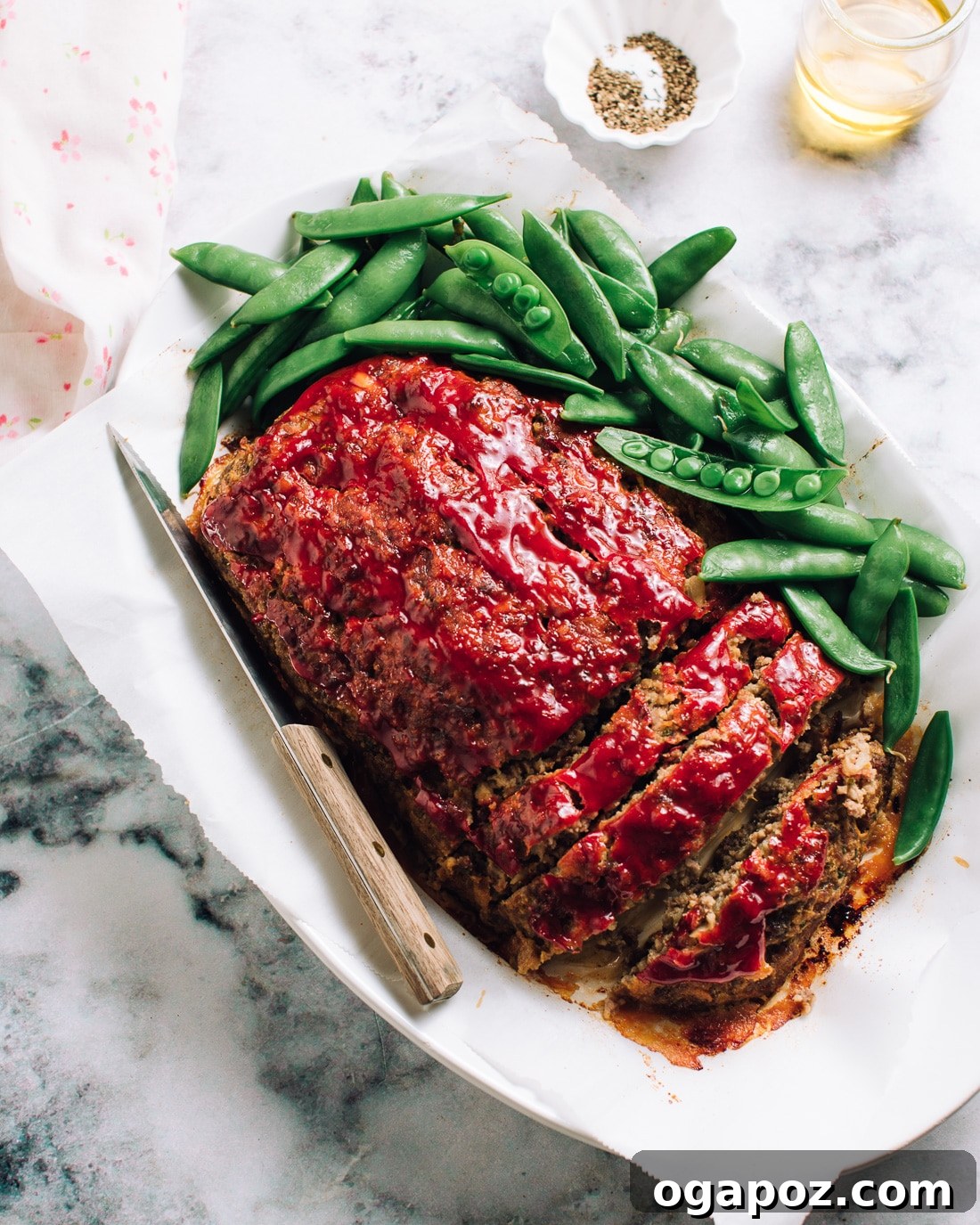
Discover the **ultimate meatloaf recipe** that guarantees a moist, tender, and intensely flavorful experience, crowned with an irresistible sticky, caramelized topping. This isn’t just a meal; it’s a nostalgic journey to the heart of comfort food, designed to become your family’s new favorite. With a secret technique that locks in moisture and prevents crumbling, prepare yourself for perfectly sliced, delicious meatloaf every single time.
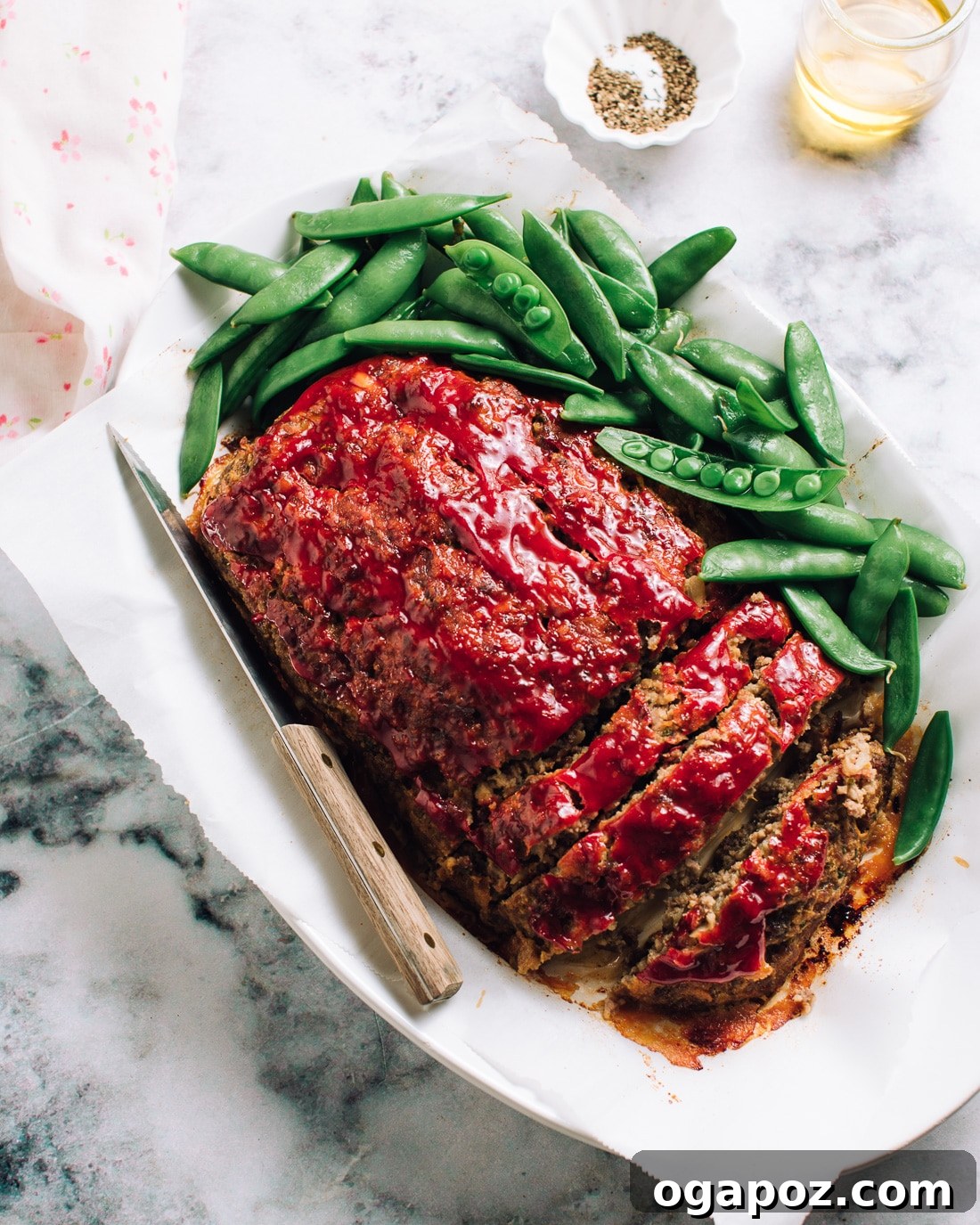
Discover the Best Meatloaf Recipe for Unforgettable Comfort
For many, meatloaf is the quintessential American comfort food, a hearty and satisfying dish that evokes memories of home-cooked meals. Yet, some have been disappointed by dry, bland, or crumbly versions. If you’ve ever doubted the magic of meatloaf, prepare to have your mind changed. This meticulously crafted recipe transforms simple ingredients into a culinary masterpiece – a perfectly seasoned, tender, and juicy meatloaf with a rich, caramelized exterior that stands head and shoulders above the rest.
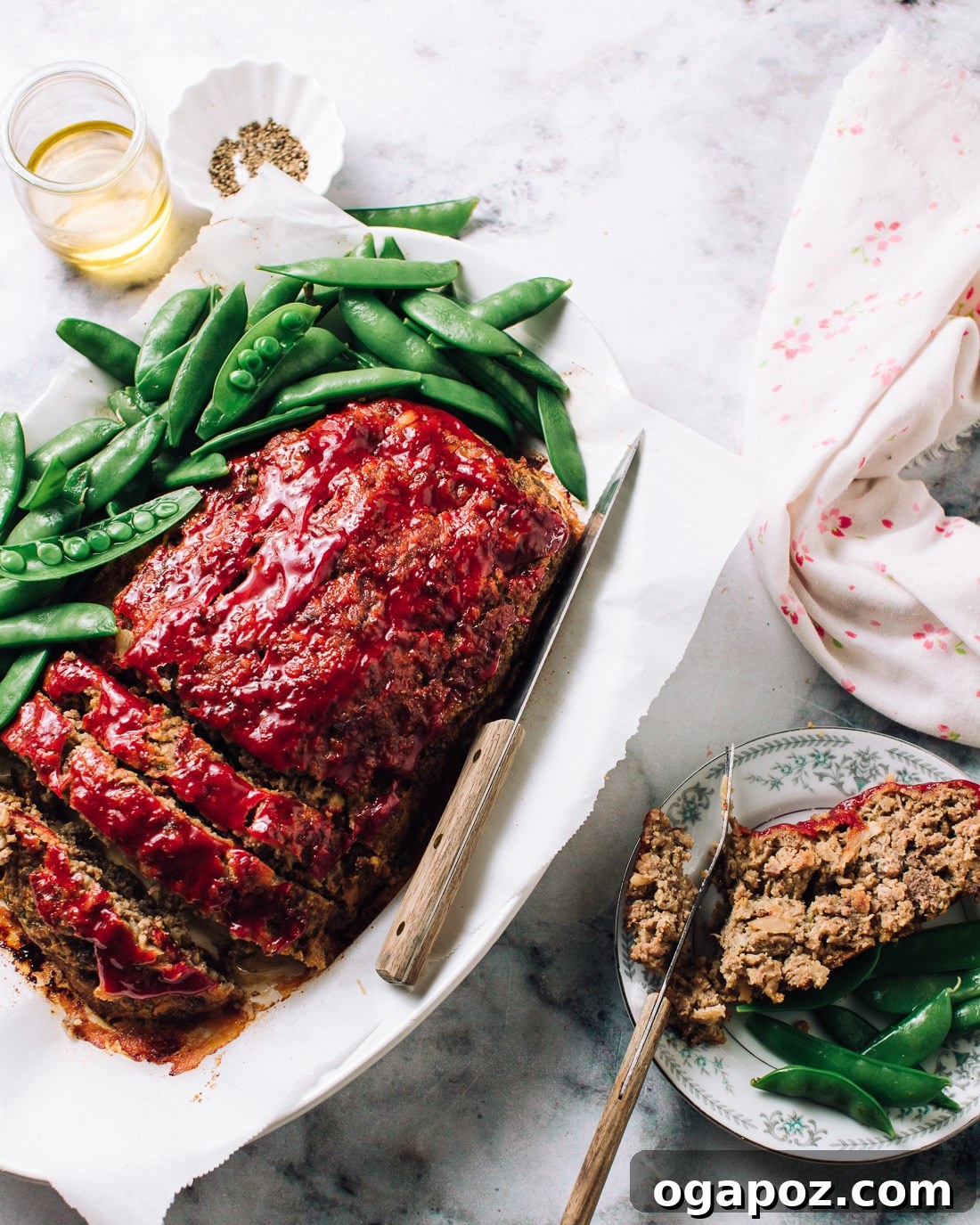
Imagine a generous slice, nestled beside a mountain of creamy buttery mashed potatoes, vibrant steamed green beans, and a tantalizing drizzle of its signature tangy ketchup glaze. It’s more than just dinner; it’s an experience, a celebration of simple, wholesome ingredients elevated to extraordinary heights. Think of it as a giant, shareable gourmet meatball, packed with deep flavors and a texture that will keep everyone coming back for more. This recipe ensures every bite is pure bliss, solidifying its place as the best meatloaf you’ll ever make.
Unlocking the Secrets to Exceptionally Flavorful Meatloaf
Creating a truly delicious meatloaf hinges on two critical elements: achieving perfect browning and mastering the art of seasoning. These steps are often overlooked but are absolutely fundamental to moving your meatloaf from good to extraordinary. We’ll delve into how to maximize flavor and texture with these simple yet impactful techniques.
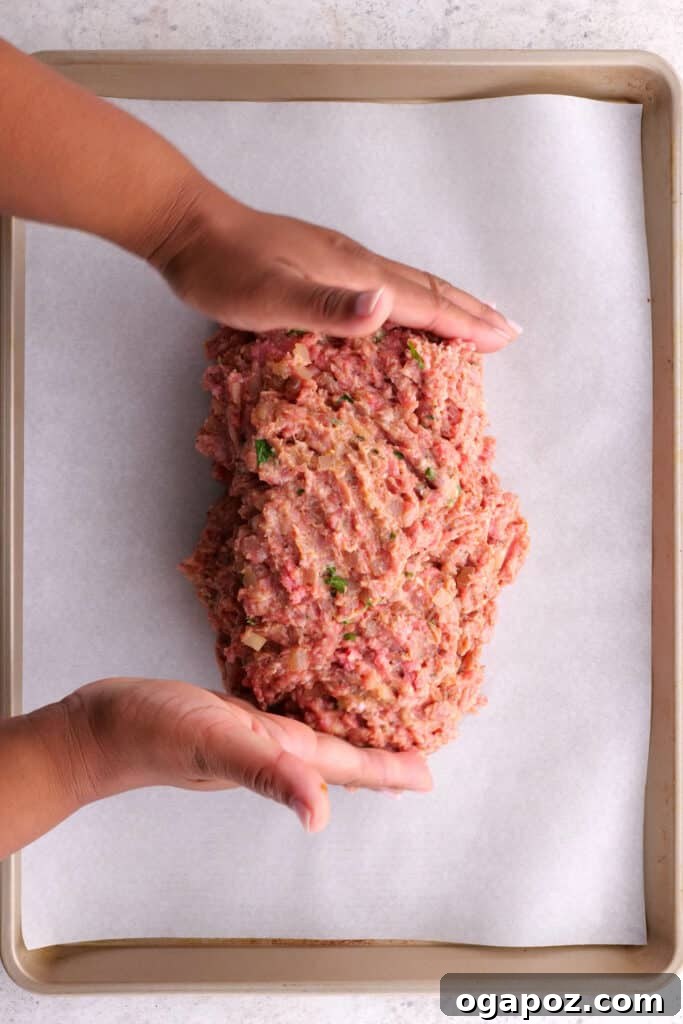
- Achieving Superior Browning: The Baking Sheet Advantage. Forget the traditional loaf pan that often traps moisture and leads to a bland, grey exterior. Our secret to unparalleled flavor and texture lies in forming the meatloaf freehand on a parchment-lined baking sheet. This technique significantly maximizes the surface area exposed to the oven’s heat, promoting extensive browning and caramelization of the outer layer. The result is a beautifully charred, intensely flavorful crust that provides a delightful textural contrast to the tender interior, eliminating the dreaded soggy mass found in less successful recipes.
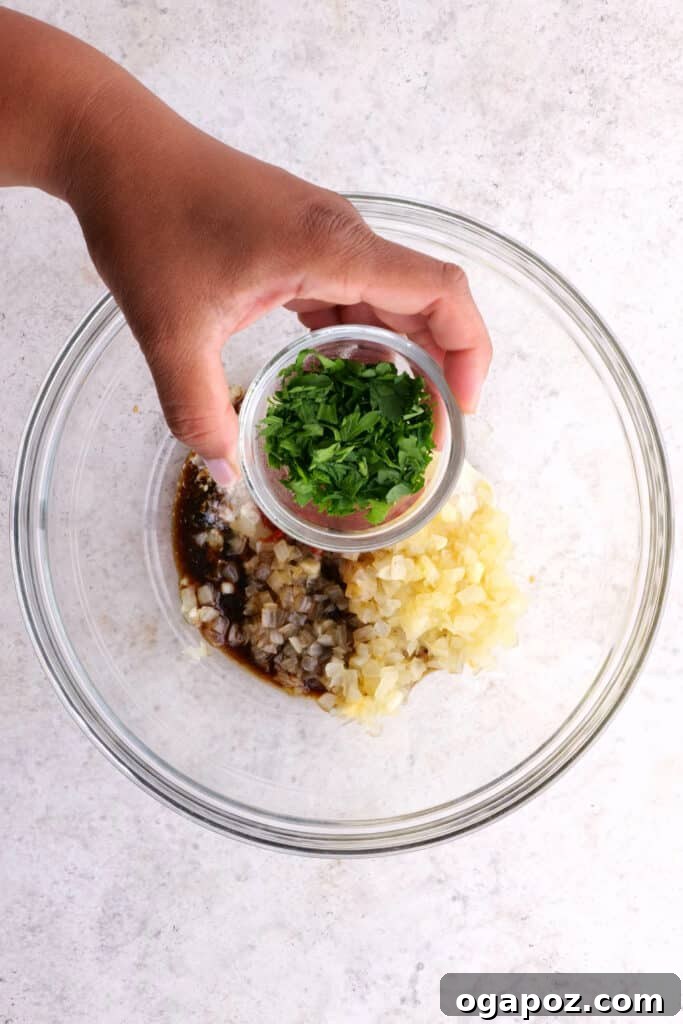
- Mastering the Art of Seasoning for Deep Flavor. The foundation of any great dish is robust seasoning, and meatloaf is no exception. Our recipe relies on a carefully selected blend of aromatics and condiments to build layers of complex flavor. Worcestershire sauce provides a savory, umami depth, while fresh garlic adds a pungent warmth. Minced fresh parsley introduces a vibrant, herbaceous note, and a generous amount of freshly ground black pepper contributes a pleasant kick. Crucially, adequate salt is essential to enhance all these flavors. If you’re uncertain about the salt quantity, a simple chef’s trick is to cook a tiny spoonful of the raw mixture in a frying pan or microwave, taste it, and adjust seasoning as needed. This ensures your meatloaf is perfectly balanced before it even hits the oven. For more insights, refer to our guide on how to “season to taste” in raw meat dishes.
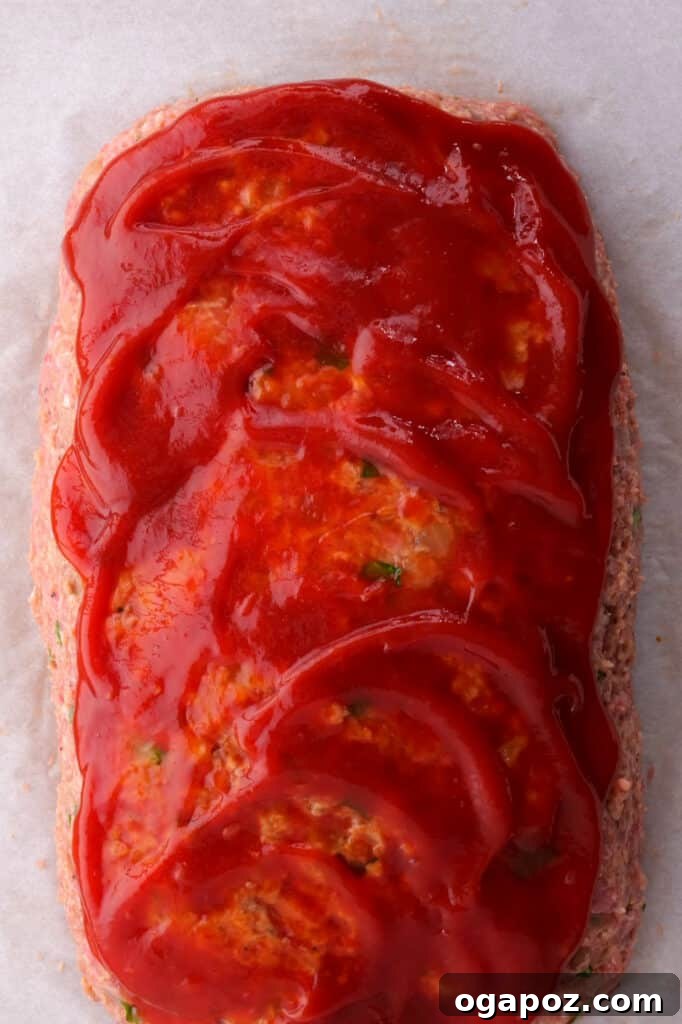
Ketchup plays a dual, indispensable role in this recipe. Incorporated into the meat mixture, it infuses the loaf with essential moisture and a tangy, slightly sweet flavor. Applied generously as a topping, it creates a protective barrier, preventing the meat from drying out during baking. More importantly, under the intense heat of the oven, the ketchup caramelizes into an irresistible, sticky, and slightly charred glaze. This topping isn’t just for show; it’s a vital component of the meatloaf’s exceptional taste and texture. For an alternative, explore our equally delightful 3-Ingredient Meatloaf Glaze.
The Ultimate Guide to Achieving a Perfectly Moist and Tender Meatloaf
A dry, crumbly meatloaf is a common kitchen disappointment, but it’s entirely avoidable with the right techniques. Our recipe incorporates specific steps that guarantee a succulent, tender, and moist meatloaf every time. These are the pillars of meatloaf perfection:
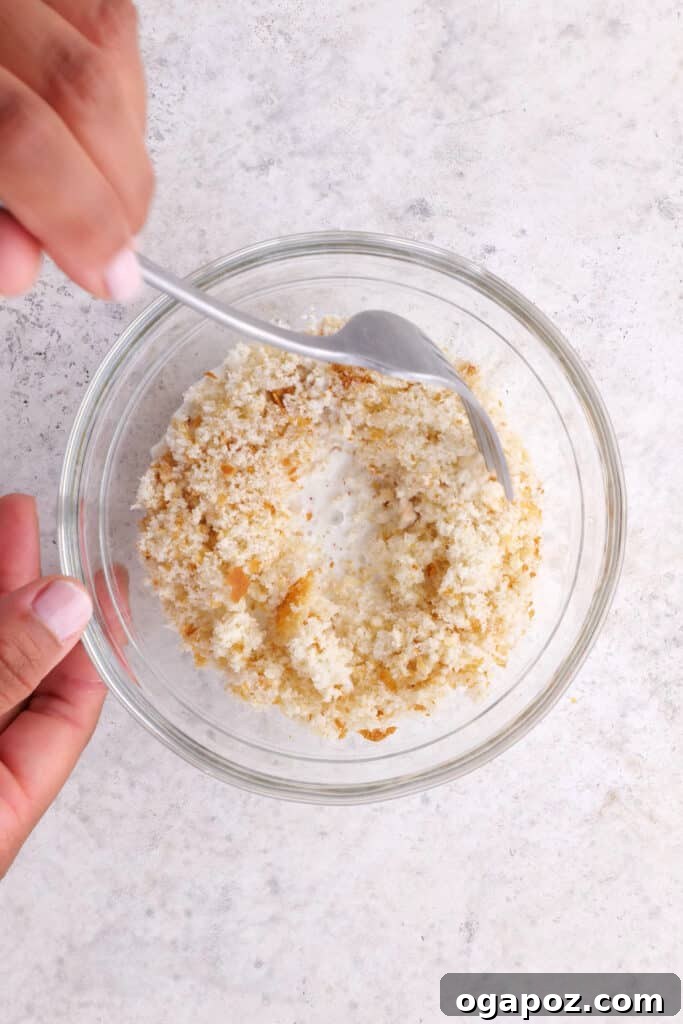
- The Unrivaled Power of Milk-Soaked Breadcrumbs. This is our true secret weapon for achieving an incredibly moist meatloaf that never dries out. While meat can only hold a certain amount of moisture, breadcrumbs, especially when soaked in milk, act like tiny sponges, absorbing and retaining a significant volume of liquid. This ensures that the moisture remains locked within the loaf throughout the cooking process. This technique is inspired by my renowned meatball recipe, a long-standing family favorite known for its unbelievable tenderness. By incorporating fresh breadcrumbs steeped in rich whole milk, we infuse the meatloaf with unparalleled juiciness and a tender, melt-in-your-mouth texture.
- Precise Temperature Control: Cook to 160ºF. Overcooking is the primary culprit behind dry meatloaf. While ground meat must reach 165ºF for food safety, pulling the meatloaf from the oven when its internal temperature hits 160ºF is key. This accounts for “carryover cooking,” where the meatloaf continues to cook and its temperature rises by a few degrees as it rests outside the oven. Using a reliable meat thermometer is crucial for this step. This precise temperature management prevents the meat proteins from tightening excessively, ensuring the loaf remains beautifully tender and juicy. For a deeper understanding of ideal cooking temperatures, consult my food scientist’s guide to key meatloaf temperatures for cooking and doneness.
- The Essential Resting Period. Patience is a virtue, especially when it comes to meatloaf. Allowing the meatloaf to rest for at least 10-15 minutes after baking is absolutely critical. During baking, the meat fibers contract, pushing the flavorful juices towards the center. Cutting into the loaf immediately would cause all those precious juices to run out, leaving you with a drier result. Resting allows the meat fibers to relax and reabsorb those juices, ensuring every slice is incredibly moist and flavorful. This small act of patience yields significant rewards in texture and taste.
Step-by-Step: Crafting the Best Meatloaf of Your Life
Making an incredible meatloaf is simpler than you might think, especially with this guided approach. Follow these steps to prepare a dish that will impress even the most discerning palates. Each action contributes to the remarkable flavor and texture that defines this ultimate recipe.
- Prepare the Breadcrumb-Milk Mixture: In a large mixing bowl, combine the breadcrumbs and milk. Stir gently and allow the mixture to sit for a few minutes. This crucial step lets the breadcrumbs fully absorb the milk, becoming plump and ready to inject moisture into the meatloaf.
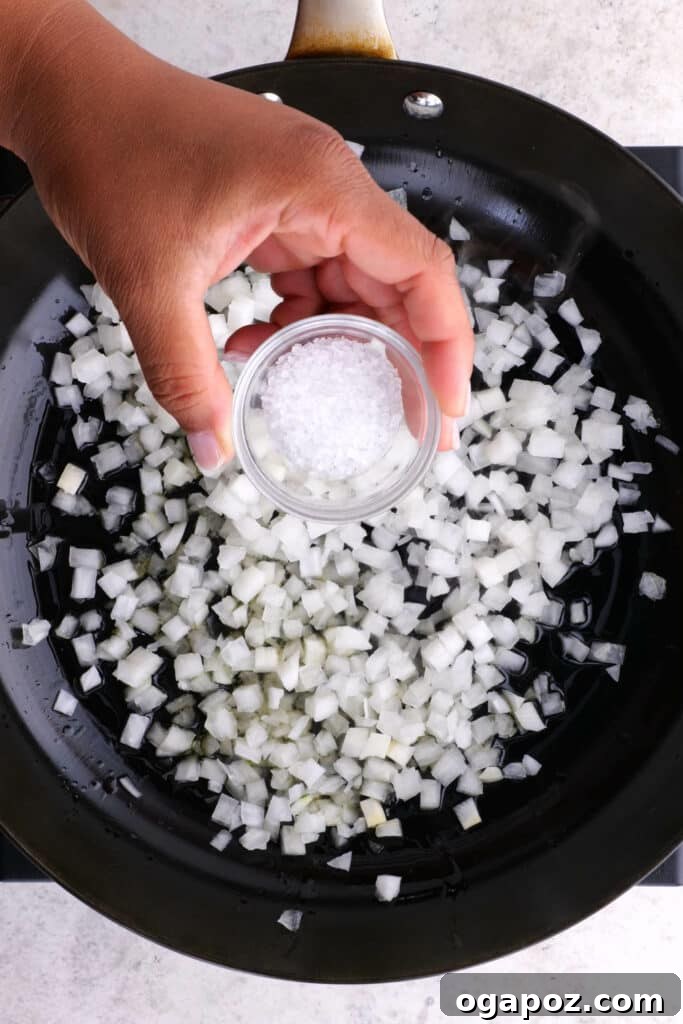
- Sauté Aromatics: In a skillet, heat the olive oil over medium heat. Add the finely chopped onion and a portion of the salt, cooking until the onion softens and becomes translucent, usually about 7 minutes. Stir in the minced garlic and cook for an additional minute until fragrant. Remove from heat and let cool slightly before scraping into the breadcrumb mixture.
- Combine Wet Ingredients and Seasonings: Into the cooled breadcrumb and aromatic mixture, add a portion of the ketchup, Worcestershire sauce, fresh parsley, the remaining salt, and freshly ground black pepper. Stir everything together until well combined. This creates a flavorful base for the meat.
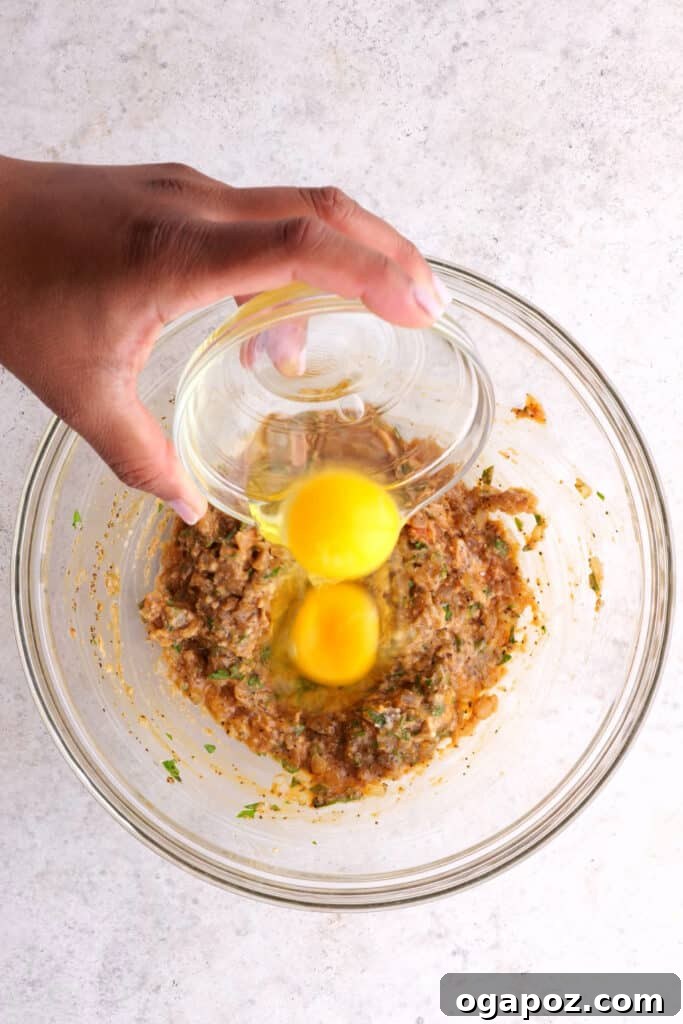
- Integrate Meat and Binder: Once the mixture is cool to the touch, crack in the eggs and mix them thoroughly. Then, add the ground beef and ground pork (or all ground beef, if preferred). Use your hands to gently but thoroughly combine all the ingredients. Overmixing can lead to a tough meatloaf, so aim for just enough mixing to ensure everything is evenly distributed.
- Shape the Loaf and Add Topping: Scrape the meat mixture onto your prepared parchment-lined baking sheet. Using your hands, gently form the mixture into a roughly 9×5-inch loaf shape. Dollop the remaining ketchup generously over the top and use a spoon or spatula to spread it evenly across the entire surface.
- Bake to Perfection: Place the meatloaf in the preheated oven and bake for approximately 1 hour, or until an internal thermometer inserted into the thickest part of the loaf registers 160ºF. This precise temperature ensures juiciness without compromising safety.
- The Essential Rest: Once baked, remove the meatloaf from the oven and allow it to rest on the baking sheet for at least 10 minutes before slicing. This resting period is vital for the juices to redistribute, guaranteeing a moist, tender, and easily sliceable meatloaf.
Troubleshooting: How to Keep Your Meatloaf from Falling Apart
One of the most frustrating meatloaf mishaps is having it crumble when sliced. A perfectly formed, sliceable meatloaf is a testament to a well-balanced recipe and proper technique. Here’s how to ensure your meatloaf holds its shape beautifully:
- Start with the Right Recipe. The foundation of a sturdy meatloaf is a well-formulated recipe that strikes the perfect balance between moisture-contributing ingredients (like milk, ketchup, and sautéed vegetables) and effective binders (such as eggs and breadcrumbs). Too much liquid or too many loose add-ins without sufficient binding agents will inevitably lead to a crumbly loaf. Conversely, too much binder can result in a dense, tough texture. This recipe has been meticulously tested to achieve that delicate balance, delivering a soft, tender interior that remains cohesive.
- Embrace the Power of Resting. We’ve highlighted this before, but its importance cannot be overstated, especially when it comes to structural integrity. After baking, the proteins in the meat need time to set, and the juices need to resettle throughout the loaf. If you slice into the meatloaf immediately, the internal structure is still too loose, and the sudden release of juices can cause it to collapse. A minimum 10-minute rest allows the meatloaf to firm up slightly and bind together, rewarding your patience with neat, beautiful slices.
- Utilize Breadcrumbs Effectively. Breadcrumbs are not just for moisture; they are excellent binders. When soaked in milk as instructed, they not only absorb and retain moisture far better than meat alone can, but they also create a network within the meat mixture that provides structural support. This unique combination makes the meatloaf wonderfully tender yet robust enough to be shaped, baked, and sliced without falling apart. Don’t skip this crucial ingredient or the soaking step!
Choosing the Perfect Meat Blend for Your Meatloaf
The type of ground meat you choose significantly impacts the flavor, texture, and juiciness of your meatloaf. While many recipes opt for a single type of meat, a blend can often offer a more complex and satisfying result.
For this recipe, I recommend a combination of ground beef and ground pork. Ground beef provides that robust, classic savory flavor that is synonymous with meatloaf. Ground pork, on the other hand, contributes a richer, fattier quality that enhances the overall juiciness and tenderness of the loaf. The combination creates a beautifully balanced flavor profile and a superior texture.
However, if you prefer, or if dietary restrictions dictate, you can absolutely use all ground beef. Many classic meatloaf recipes rely solely on beef and are incredibly delicious. I often made it this way myself for years before experimenting with blends. The key is to choose ground beef with a fat content of at least 80/20 (80% lean, 20% fat) to ensure sufficient moisture and flavor. Leaner ground meats can result in a drier meatloaf. Regardless of your choice, this recipe is designed to shine, offering a delightful experience whether you opt for the blend or pure beef.
The Perfect Companions: Best Meatloaf Side Dishes
A glorious meatloaf deserves equally glorious side dishes to complete the ultimate comfort meal. Here are some of the best pairings that complement the rich flavors and hearty texture of this dish:
- **Potatoes, Glorious Potatoes:** No meatloaf meal is complete without potatoes. Classic creamy mashed potatoes are a must, perfect for soaking up any extra glaze. For a different texture, consider fluffy baked potatoes with your favorite toppings, or elevate the meal with these decadent easy au gratin potatoes, offering layers of cheesy, tender goodness.
- **Vibrant Green Vegetables:** To balance the richness of the meatloaf, always include a fresh green vegetable. Steamed green beans or crisp snap peas offer a delightful crunch and clean flavor. For something a little more adventurous, try candied Brussels sprouts with maple and bacon, or keep it simple with classic green peas. A crisp, refreshing green salad with a light vinaigrette is also an excellent choice, providing a welcome counterpoint.
- **Warm, Hearty Breads:** Round out your meal with warm, fresh bread. A crusty baguette is perfect for sopping up juices, or for a truly special treat, bake up my moist and flavorful cornbread casserole. Its slightly sweet and savory notes pair wonderfully with the meatloaf.
For even more inspiration, don’t miss our comprehensive collections: over 31 delicious meatloaf side dishes and 35 best healthy meatloaf sides, ensuring you’ll always find the perfect accompaniment for your homemade masterpiece.
Maximizing Your Meal: Creative Uses for Leftover Meatloaf
One of the true joys of making a large, delicious meatloaf is the promise of fantastic leftovers. This recipe yields enough for at least two full meals for a family of four, making it perfect for meal planning. And honestly, the leftovers might just be the best part!
Transform your cold meatloaf into gourmet fare with irresistible meatloaf sandwiches. Stack thick slices with your favorite condiments, cheese, and fresh greens for a lunch that’s anything but ordinary. Alternatively, reheat slices by pan-frying them until crispy, creating a delightful textural contrast. For a truly inventive twist, crumble leftover meatloaf into mashed potatoes and pan-fry them into savory potato cakes, reminiscent of crispy fish cakes – a fantastic way to repurpose an entire meal!
To ensure your leftovers remain as delicious as the first serving, consult our guides on how to reheat meatloaf (to maintain its moist and juicy texture!), how to freeze meatloaf for future meals, and how long meatloaf lasts in the fridge. Never let a single delicious bite go to waste!
Meatloaf FAQs: Your Questions Answered
It is unequivocally better to use milk in meatloaf, and specifically whole milk if possible. The fat content in milk contributes to a richer, more tender, and moist texture. Furthermore, the milk proteins (like lactose) encourage additional browning reactions during cooking, leading to a deeper, more complex flavor profile and a beautiful caramelized crust. Water simply hydrates the breadcrumbs without offering these added benefits to flavor and texture.
Generally, no, you should not cover meatloaf with foil when baking. Covering it with foil creates a steaming environment, which will prevent the exterior from browning and caramelizing properly, resulting in a grey, soggy, and less flavorful loaf. The exposed surface allows for critical browning and the development of that delicious caramelized ketchup topping, which is crucial for amazing flavor and texture. Only consider covering it loosely with foil towards the very end of baking if your ketchup topping appears to be browning too quickly or getting excessively dark.
A dry meatloaf is a common complaint, but it’s usually due to a few preventable factors. Firstly, the recipe itself might be the issue; some recipes lack sufficient moisture or proper binders. This particular recipe is designed to be a gem, ensuring maximum juiciness. Secondly, over-baking is a primary culprit. Cooking meatloaf past the recommended internal temperature of 160ºF (before resting) will cause the meat proteins to seize up and squeeze out moisture. Lastly, failing to allow the meatloaf to rest for at least 10 minutes before slicing can lead to dryness. Resting allows the juices to reabsorb into the meat fibers. My ultimate secret, however, lies in the initial step of soaking the breadcrumbs in milk, a technique that locks in an incredible amount of moisture and is often missed in other recipes.
If you need an alternative to traditional breadcrumbs, several options work well as binders and moisture retainers. Panko breadcrumbs are a popular choice, offering a slightly lighter texture. Gluten-free breadcrumbs are excellent for those with dietary restrictions. Quick-cooking oats can also be used effectively, providing a different texture and a hint of earthy flavor. Whichever substitute you choose, the key to success is still employing the soaking trick with milk to ensure your meatloaf remains wonderfully moist and tender.
If you need to make this meatloaf recipe egg-free, that’s no problem at all! Eggs primarily act as a binder, helping the meatloaf hold its shape. You can use various effective substitutes to achieve the same result. Some popular and reliable options include a flax egg (ground flaxseed mixed with water), finely crushed crackers, or even a small amount of pureed vegetables like finely grated carrots or zucchini (ensure they are well-drained to avoid excess moisture). For a comprehensive list and detailed instructions, refer to my favorite egg substitutes for meatloaf that truly work!
You’ll Also Love Meatloaf with Brown Gravy: a deliciously tender, savory meatloaf perfectly complemented by the tastiest, easy-to-make brown gravy. It’s truly another level of total comfort food!
The Best Meatloaf Recipe Of Your Life
Video
Watch the video below to see how to make this ultimate meatloaf!
Ingredients
- 1 cup breadcrumbs
- ⅓ cup whole milk
- 2 tbsp olive oil
- 1 large onion finely chopped
- 2 ½ tsp coarse salt divided use
- 3 large cloves garlic minced
- ¼ + ⅓ cup ketchup divided use
- 3 tbsp Worcestershire sauce
- 2 tbsp minced fresh parsley or 2 tsp dried
- 1 ¼ tsp ground black pepper
- 2 large eggs
- 1 lb ground beef
- 1 lb ground pork or just use 2 lbs total ground beef
Instructions
-
In a large bowl, stir together breadcrumbs and milk; let stand to absorb. Line a baking sheet with parchment paper or aluminum foil. Preheat oven to 350ºF.
-
Heat oil in a large saucepan over medium heat, then cook onion with 1 tsp salt until softened, about 7 minutes. Add garlic and cook until fragrant, about a minute more. Cool for a few minutes, then scrape into breadcrumb mixture.
-
Stir 1/4 cup ketchup into the breadcrumb mixture, along with Worcestershire sauce, parsley, remaining salt, and the pepper. When mixture is cool to the touch, stir in the eggs then the ground meat. Use your hands to gently but thoroughly work the mixture together.
-
Scrape the meat mixture onto the prepared pan and use your hands to shape it into roughly 9×5″ loaf shape. Dollop on the remaining 1/3 cup ketchup, using a spoon to spread it out evenly.
-
Bake in center rack of oven for about 1 hour, or until center reads 160ºF. Allow meatloaf to rest on pan for 10 minutes before slicing.
Notes
- Soaking the breadcrumbs in milk is key to locking moisture into this delicious meatloaf.
- Cook to 160ºF. It won’t dry out and will continue to cook by carryover cooking as it rests.
- Resting the meatloaf is very important to let the juices reabsorb into the meat to make sure the meatloaf stays moist. If you cut into it immediately, the juices will all run out.
- A baking sheet is far superior to a loaf pan for making really tasty meatloaf, because there is more surface area exposed to the heat. All of the surface gets browned and caramelized, meaning more delicious flavor.
Nutrition
Nutrition information is automatically calculated, so should only be used as an approximation.
Tried this recipe? Leave a comment!