
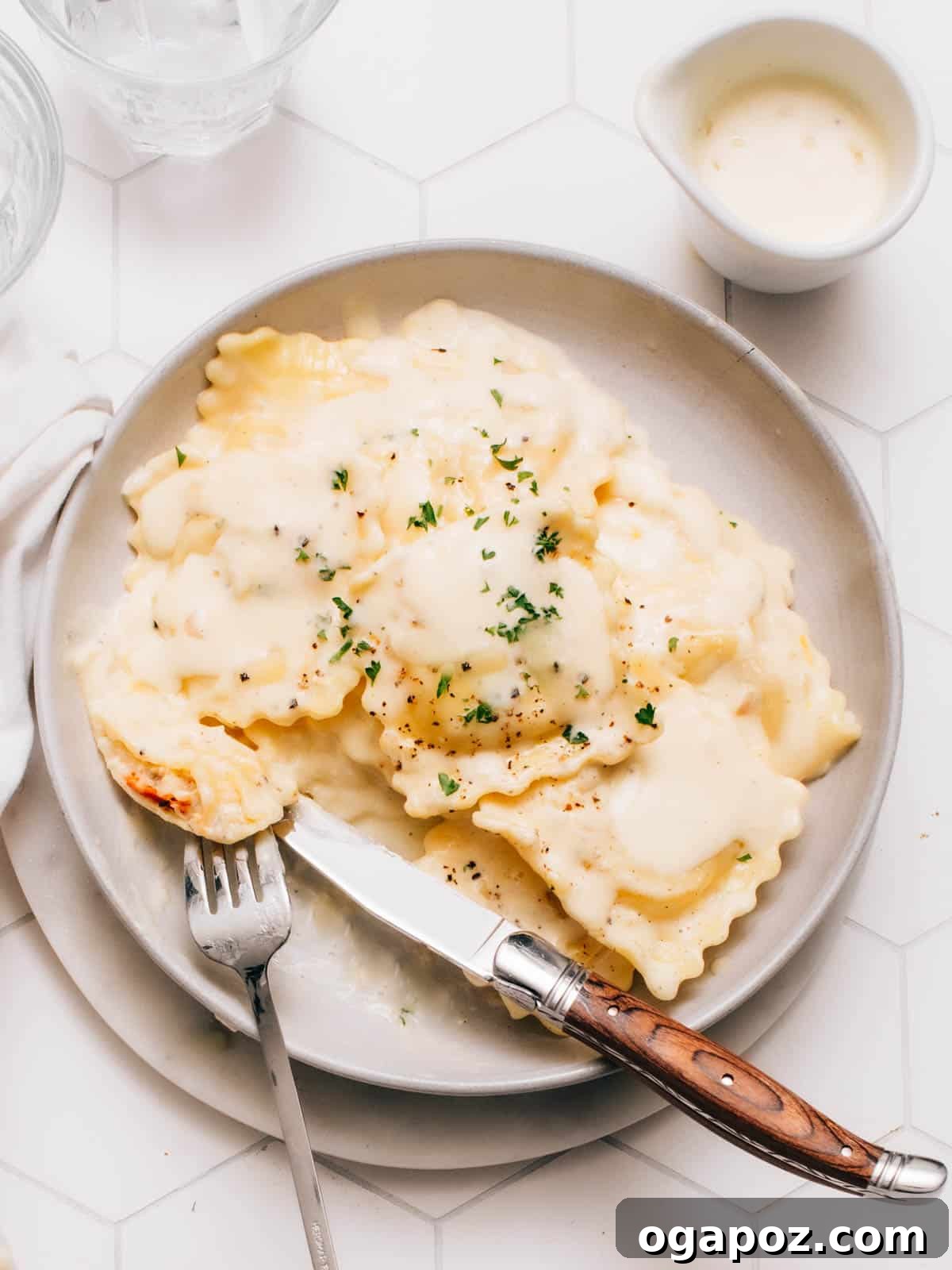
Cooking fresh ravioli to perfection is a simple yet rewarding culinary skill that elevates any meal. These delightful pasta pockets, whether homemade or store-bought, offer a comforting and versatile dish. However, despite their apparent simplicity, achieving that ideal al dente texture without breakage or sticking can present a few challenges. This comprehensive guide will walk you through everything you need to know about how long to cook fresh ravioli and provide tried-and-tested techniques to ensure flawless results every time.
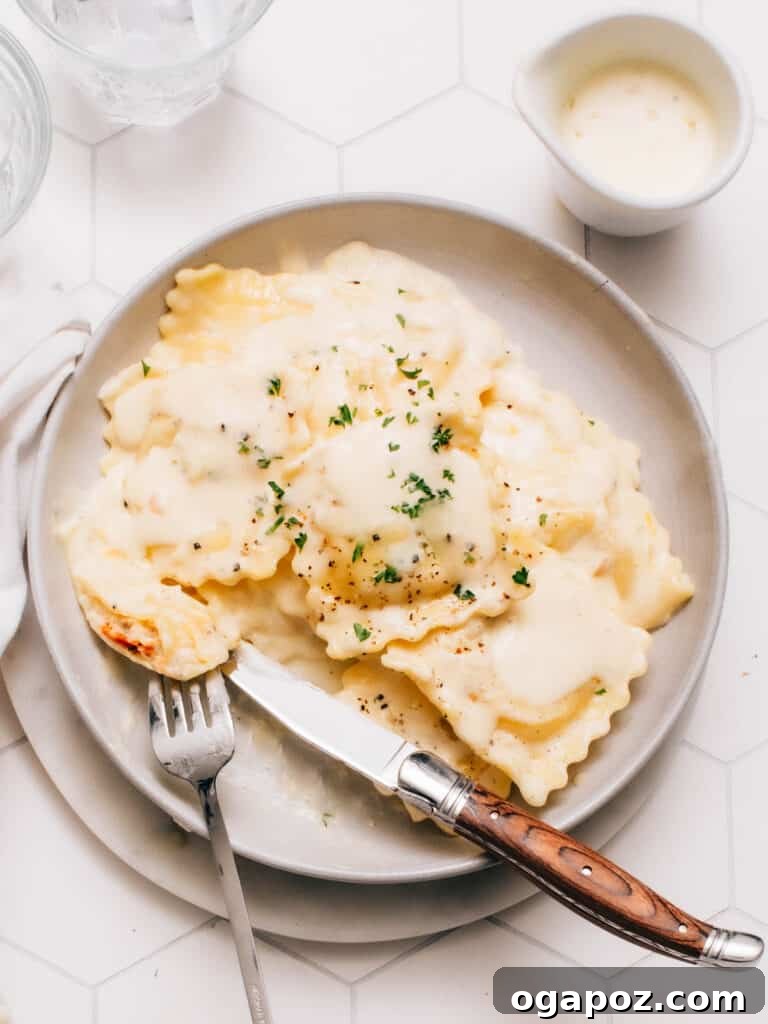
From understanding the optimal boiling times to preventing common pitfalls like sticky or broken pasta, we’ll cover all the essential tips. You’ll learn how to identify when your ravioli is perfectly cooked, how to handle delicate pasta with care, and even how different fillings might subtly influence your cooking approach. Get ready to transform your fresh ravioli experience into a consistently perfect one.
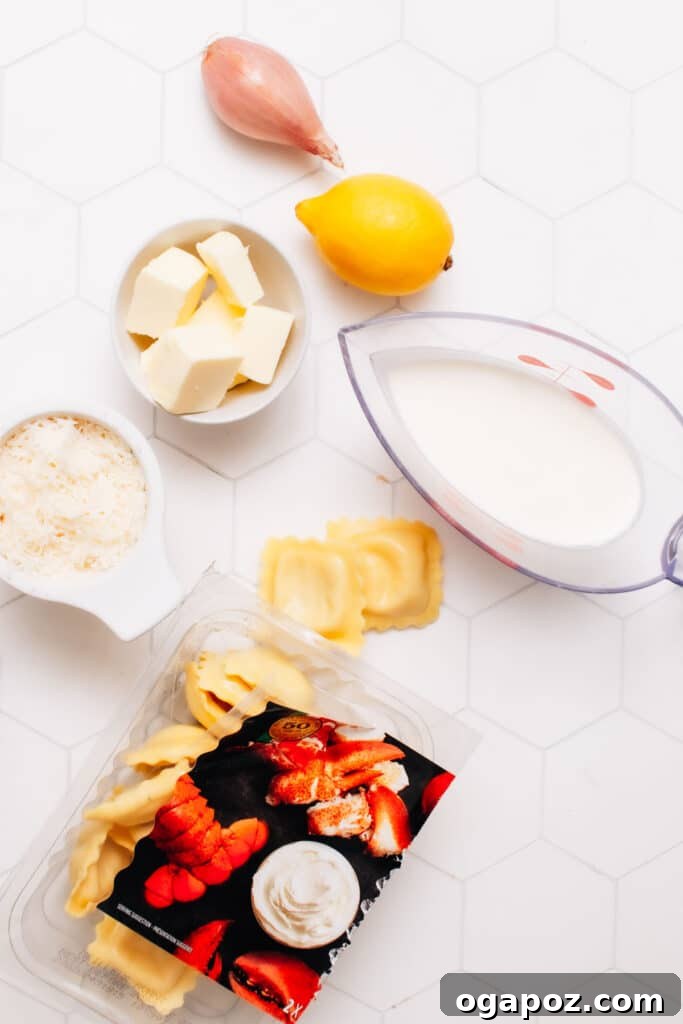
If you’re passionate about making pasta from scratch, consider trying our cozy recipe for Butternut Squash and Mascarpone Ravioli with Hazelnut Brown Butter. For those who prefer the convenience of store-bought fresh ravioli, we also offer a restaurant-quality recipe for Lobster Ravioli with a Creamy, Lemony Pasta Sauce. You will truly love the rich flavors these recipes deliver!
Understanding Fresh Ravioli: A Culinary Delight
Fresh ravioli holds a special place in Italian cuisine, cherished for its tender pasta and flavorful fillings. Unlike its dried counterpart, fresh ravioli is made with soft dough, often containing eggs, which contributes to its delicate texture and quicker cooking time. This softness, while desirable, also means it requires a gentler hand during preparation and cooking.
Whether you’re crafting your own ravioli from scratch, enjoying artisanal fresh pasta from a local shop, or picking up a package from your grocery store’s refrigerated section, the goal remains the same: to cook it so the pasta is tender and the filling is perfectly heated, without compromising its structural integrity.
The Primary Cooking Method: Boiling for Perfection
The most common and arguably the best way to cook fresh ravioli is by boiling it in a generous pot of salted water. This method ensures even cooking of both the pasta shell and its delicious filling. While ravioli can occasionally be steamed, pan-fried, or baked into casseroles, boiling remains the gold standard for achieving that classic soft yet firm bite that pasta lovers adore. This article focuses primarily on perfecting the boiling method.
How Long to Boil Fresh Ravioli for Optimal Results?
The crucial question for many home cooks is, “How long to cook fresh ravioli?” Generally, fresh ravioli cooks remarkably fast, typically requiring only 4 to 5 minutes of boiling. This short cooking window is due to the inherent tenderness and moisture content of fresh pasta dough. However, this is a guideline, and the precise timing can vary based on several factors:
- Size and Thickness: Larger ravioli with thicker pasta shells will naturally take a minute or so longer to cook through compared to smaller, thinner varieties.
- Filling Density: While the pasta itself cooks quickly, a very dense filling (like a meat or hearty vegetable blend) might require slightly more time to heat thoroughly compared to lighter, cheese-based fillings.
- Homemade vs. Store-bought: Homemade ravioli can sometimes be thinner or thicker depending on your rolling technique, which will impact the cooking duration. Store-bought fresh ravioli usually has a more consistent thickness.
Always prioritize the instructions on the package when using store-bought fresh ravioli. Manufacturers often provide precise cooking times tailored to their specific product. Regardless of the source, monitoring your ravioli closely as it cooks is key to preventing it from becoming overcooked and mushy.
Identifying Perfectly Cooked Ravioli: Signs of Doneness
Knowing exactly when your ravioli is ready is essential for a delightful dining experience. There are a few reliable indicators to help you achieve perfect results:
- The Texture Test (Al Dente): This is arguably the most important indicator. A perfectly cooked ravioli should be tender and yielding, but still possess a slight firmness or “bite” to it. It should not be overly soft or mushy. Carefully remove one piece using a slotted spoon, allow it to cool for a moment, and then taste it. This direct method ensures you hit the ideal texture.
- Visual Cues: Floating to the Surface: As ravioli cooks, it absorbs water and expands slightly. The air trapped within the pasta and the rising steam cause the ravioli to become lighter and float to the surface of the boiling water. This is a good general sign that it’s nearly, if not entirely, cooked. However, floating alone isn’t a definitive sign of doneness for all fresh pasta, so always combine this visual cue with a taste test to be certain.
- Checking the Filling (for Stuffed Ravioli): If you’re cooking stuffed ravioli, ensuring the filling is piping hot and cooked through is crucial. You can do this by carefully cutting into one piece of floating ravioli or gently pressing it with a fork. If the filling feels hot throughout, your ravioli is likely done.
Remember, precision and careful observation are your best tools. A minute too long can turn tender pasta into a gummy mess, so stay attentive!
Essential Tips to Prevent Ravioli from Breaking During Cooking
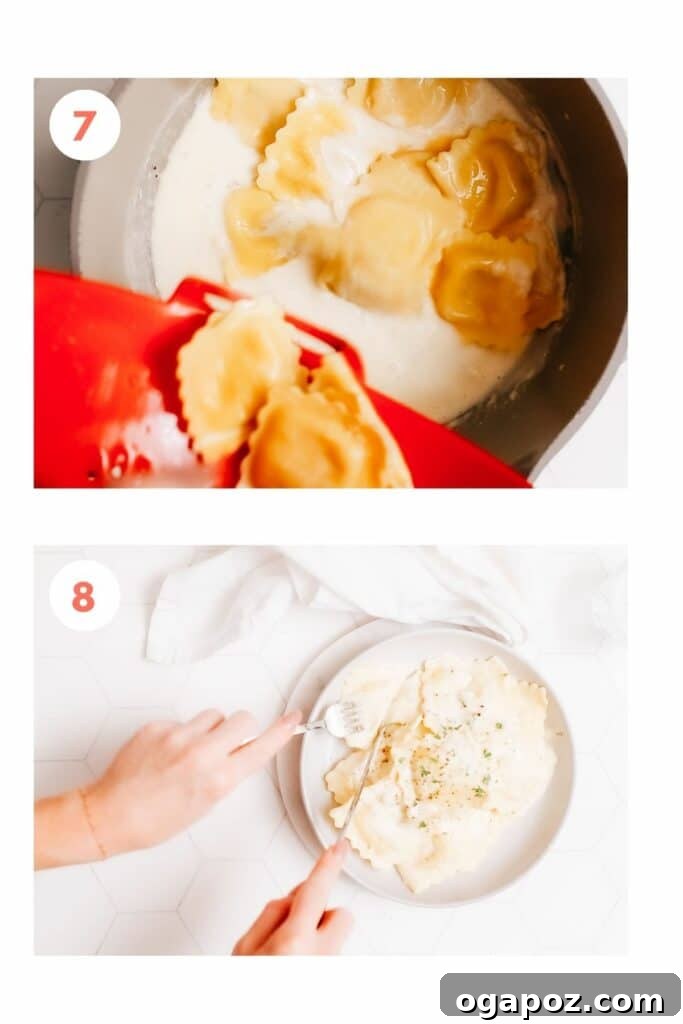
One of the most frustrating experiences when cooking ravioli is having your beautiful pasta pockets fall apart in the pot. Follow these expert tips to ensure your ravioli maintains its integrity and arrives at your plate intact:
- Use a Large Pot with Ample Water: This is non-negotiable. Crowding ravioli in a small pot with insufficient water is a recipe for disaster. A large pot ensures enough space for the ravioli to move freely without bumping into each other or the pot’s sides, which can cause tears. Use at least 4-6 quarts of water for 1 pound of ravioli.
- Salt Your Water Generously: Salt not only flavors the pasta but also helps the water reach a higher boiling temperature, which aids in cooking the pasta quickly and efficiently. It also slightly alters the water’s chemistry, making the pasta surface less sticky. Aim for about 1-2 tablespoons of kosher salt per gallon of water.
- Maintain a Gentle Boil, Not a Rolling Fury: While you need boiling water, a violent, rapid boil can cause delicate ravioli to jostle excessively and break apart. Opt for a gentle but steady boil – enough movement to keep the ravioli circulating without being aggressive.
- Handle Gently, Always: Fresh ravioli, especially homemade, is delicate. When transferring them from your work surface or package into the boiling water, do so with care. Use a slotted spoon or your hands (if safe) to place them into the water. Avoid dropping them from a height.
- Avoid Overstuffing (for Homemade Ravioli): If you’re making your own, ensure you leave enough space around the edges to create a strong seal. Overstuffed ravioli puts stress on the dough, making it more prone to bursting during cooking.
- Proper Sealing is Key (for Homemade Ravioli): For homemade varieties, firmly press the edges of your ravioli together, ensuring no air bubbles are trapped inside. Air pockets can expand during cooking and cause the pasta to split.
- Don’t Overcook: Overcooked ravioli becomes excessively soft and fragile, making it highly susceptible to breaking. Begin checking for doneness a minute or two before the recommended cooking time to catch it at its prime.
By implementing these crucial steps, you significantly lower the risk of ravioli breaking, ensuring beautiful, perfectly cooked pasta every time.
Preventing Ravioli from Sticking: A Smooth Cooking Experience
Another common hurdle in cooking pasta is preventing it from clumping together. Ravioli, like all fresh pasta, is made from flour and eggs, which can lead to stickiness if not handled correctly. Here’s how to ensure your ravioli remains separate and silken:
- Use Abundant Water in a Large Pot: This tip is worth repeating because it’s paramount for both preventing breakage and sticking. Plenty of water allows the ravioli ample space to move, preventing contact that causes clumping. The higher water-to-pasta ratio also helps maintain the water’s temperature when the pasta is added.
- Add Ravioli to Actively Boiling Water: Ensure your water is at a consistent, gentle boil before adding the ravioli. If the water isn’t hot enough, the pasta will sit at the bottom of the pot for too long, leading to sticking.
- Stir Gently Immediately After Adding: As soon as you place the ravioli into the boiling water, give it a gentle stir with a slotted spoon or spatula. This prevents the delicate pasta from settling on the bottom of the pot and adhering to it, or from sticking to each other as they begin to soften.
- Maintain a Gentle, Consistent Boil: As mentioned before, a gentle boil is best. Rapid boiling can cause ravioli to aggressively collide, increasing friction and the likelihood of sticking.
- Avoid Overcrowding: If you’re cooking a large quantity, consider cooking your ravioli in batches. Overcrowding dramatically increases the chances of sticking. Better to cook in two smaller batches than one large, sticky one.
- Remove Promptly and Toss with Sauce/Oil: Once cooked, don’t let the ravioli sit in the hot water for too long. Use a slotted spoon to scoop them out directly into your prepared sauce or into a colander. If you’re not immediately adding them to sauce, a light toss with a splash of olive oil or butter can help prevent them from sticking together as they cool slightly.
By diligently following these steps, you can prevent your ravioli from turning into a sticky, clumpy mass and enjoy perfectly separate, tender pasta.
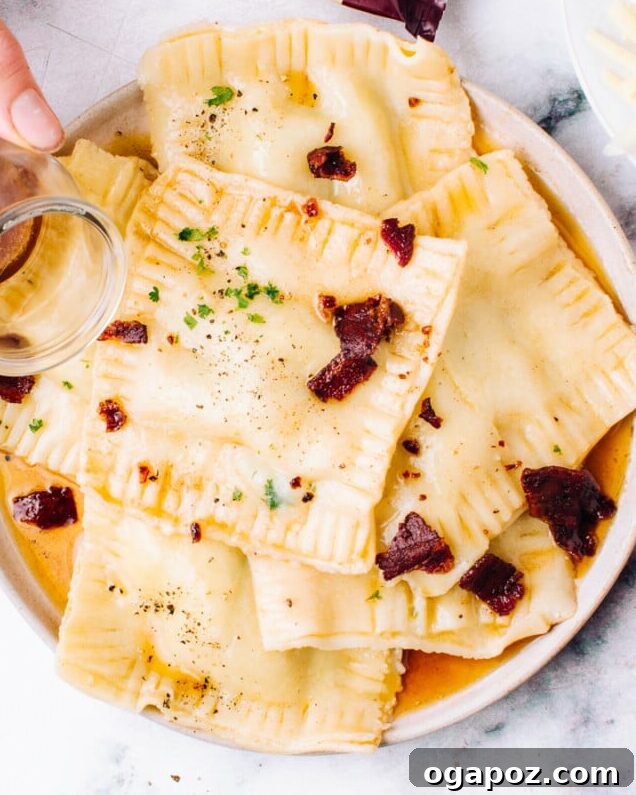
Frequently Asked Questions About Cooking Fresh Ravioli
Here’s a roundup of common questions and key takeaways to ensure your ravioli cooking endeavors are a resounding success:
How long should I boil fresh ravioli?
Fresh ravioli typically cooks quickly. Boil them in generously salted water for approximately 4 to 5 minutes, or until they float to the surface and are tender yet still slightly firm to the bite. Always check package instructions as a primary guide and be cautious not to overcook.
Is ravioli done when it floats?
Floating is a strong indicator that ravioli is largely cooked, but it’s not the sole determinant of doneness. To be absolutely sure, always perform a taste test. The ravioli should be tender but maintain a slight firmness (al dente) rather than being overly soft or mushy.
Does the cooking time vary based on the filling?
The cooking time for fresh ravioli is primarily dictated by the pasta dough’s thickness and size. However, if the ravioli contains a particularly dense filling, such as ground meat or firm vegetables, it might require an extra minute or so to ensure the filling is heated through. Lighter fillings like ricotta or spinach usually don’t significantly alter the cooking time.
Can I cook fresh ravioli in advance?
Yes, you can cook fresh ravioli in advance for a short period. Once cooked, quickly cool them by rinsing with cold water or shocking them in an ice bath to halt the cooking process. Drain them well, toss lightly with a bit of olive oil to prevent sticking, and store in an airtight container in a single layer in the refrigerator for up to 24 hours. Reheat gently by dipping in hot water for a few seconds or by tossing directly into a warm sauce.
How do I prevent fresh ravioli from becoming soggy?
The main culprit for soggy ravioli is overcooking. To prevent this, remove the ravioli from the boiling water immediately once it reaches the desired tender-firm texture. Serving them promptly with a warm sauce also helps. If storing, shocking them in cold water after cooking helps stop the cooking and preserve their texture.
Is there a difference in cooking time between fresh and dried ravioli?
Absolutely. Fresh ravioli cooks significantly faster than dried ravioli. Dried ravioli typically requires 8-12 minutes or more, as it needs time to rehydrate as well as cook. Fresh ravioli’s high moisture content means it’s ready in a fraction of that time, usually 4-5 minutes.
Can I use the same boiling water for multiple batches of ravioli?
Yes, you can reuse the same boiling water for successive batches of ravioli. However, it’s crucial to ensure the water returns to a rolling boil before adding each new batch. You may also need to add more salt and a splash of fresh water to maintain flavor and volume, especially if the water becomes too starchy or evaporates significantly.
How long is al dente for ravioli?
For fresh ravioli, achieving an al dente texture typically takes about 4 to 5 minutes in boiling water. When tasted, it should be tender throughout but still offer a slight resistance and chewiness – not hard, but not mushy.
How do you know if fresh pasta is cooked?
Similar to ravioli, fresh pasta is generally cooked when it floats to the surface of boiling water. The most reliable test is always tasting a piece: it should be tender with a pleasant, firm bite (al dente).
How long should I cook frozen ravioli for?
Frozen ravioli usually requires a slightly longer cooking time than fresh, typically around 4-6 minutes, sometimes up to 7-8 minutes for larger pieces. It can be cooked directly from frozen without thawing. Always check the package instructions for precise timing, as thickness and size can vary.
What are common mistakes to avoid when cooking ravioli?
The most common mistakes include using a pot that’s too small or not enough water, not salting the water, boiling too vigorously, overcooking the pasta, and not stirring gently when first adding the ravioli to the pot. Avoiding these pitfalls will significantly improve your results.
What are the best ways to serve fresh ravioli?
Fresh ravioli shines with simple sauces that highlight its delicate flavor and filling. Classic choices include a brown butter and sage sauce, a light tomato sauce, a creamy pesto, or a simple drizzle of high-quality olive oil with grated Parmesan cheese and fresh herbs.
Delicious Sauce Pairings for Your Perfect Ravioli
Once you’ve mastered the art of cooking perfect ravioli, the next step is to pair it with a sauce that complements its delicate flavors and textures. Here are some fantastic sauce ideas, including links to recipes, to complete your meal:
- Creamy Indulgences: For a rich and comforting experience.
- Lobster Ravioli Sauce: A luxurious creamy, lemony sauce perfect for seafood fillings.
- Seafood Pasta with Cream Sauce: A versatile cream sauce that pairs well with various seafood ravioli.
- Asiago Tortelloni Alfredo with Grilled Chicken: A classic Alfredo that can be adapted for cheese-filled ravioli.
- Tomato-Based Classics: Lighter yet flavorful options.
- Lazy Lasagna: Made with fresh ravioli and jarred tomato sauce – surprisingly delicious and quick!
- The Best Meat Sauce: A hearty, slow-cooked sauce that provides depth and substance.
- Unique & Vibrant: For when you want to try something different.
- Beet Pasta Sauce: A visually stunning and subtly sweet sauce.
- Mushroom Pappardelle: While for pappardelle, the mushroom sauce translates beautifully to earthy ravioli fillings.
Conclusion: Your Journey to Ravioli Perfection
Cooking fresh ravioli doesn’t have to be intimidating. By understanding the key principles – using plenty of salted water, maintaining a gentle boil, handling with care, and knowing how to test for doneness – you can consistently achieve perfect, tender, and intact pasta pockets. Remember the 4-5 minute general cooking time, but always let your senses (and package instructions) be your ultimate guide.
With these tips and techniques, you’re now equipped to turn simple fresh ravioli into a culinary masterpiece, ready to be enjoyed with your favorite sauces. Happy cooking!
Recipe: How to Cook Fresh Ravioli (For Perfect Results Every Time!)

How Long to Cook Fresh Ravioli (For Perfect Results Every Time!)
Ingredients
- 4 quarts water
- 2 tbsp kosher salt
- 1 lb fresh ravioli
Instructions
-
Bring 4 quarts of water to a rolling boil in a large pot. Stir in 2 tbsp of kosher salt into the boiling water.
-
Gently add 1 lb of fresh ravioli to the pot. Boil the ravioli for 4 to 5 mins, watching carefully to prevent overcooking.
-
Ravioli are ready when they float to the top and feel tender yet firm to the touch. Test one ravioli with a slotted spoon for doneness, ensuring the filling is hot if they’re stuffed. Adjust boiling time as needed based on the ravioli’s size and thickness.
Notes
Aim for a texture that’s tender but still has a bit of bite to avoid mushy pasta.
Always refer to package instructions if available for specific guidance.
Use a slotted spoon to safely test and remove the ravioli from the boiling water.
Nutrition
Carbohydrates: 47g |
Protein: 17g |
Fat: 13g |
Saturated Fat: 4g |
Cholesterol: 61mg |
Sodium: 4235mg |
Potassium: 1mg |
Fiber: 3g |
Sugar: 2g |
Calcium: 53mg |
Iron: 12mg
Nutrition information is automatically calculated, so should only be used as an approximation.