
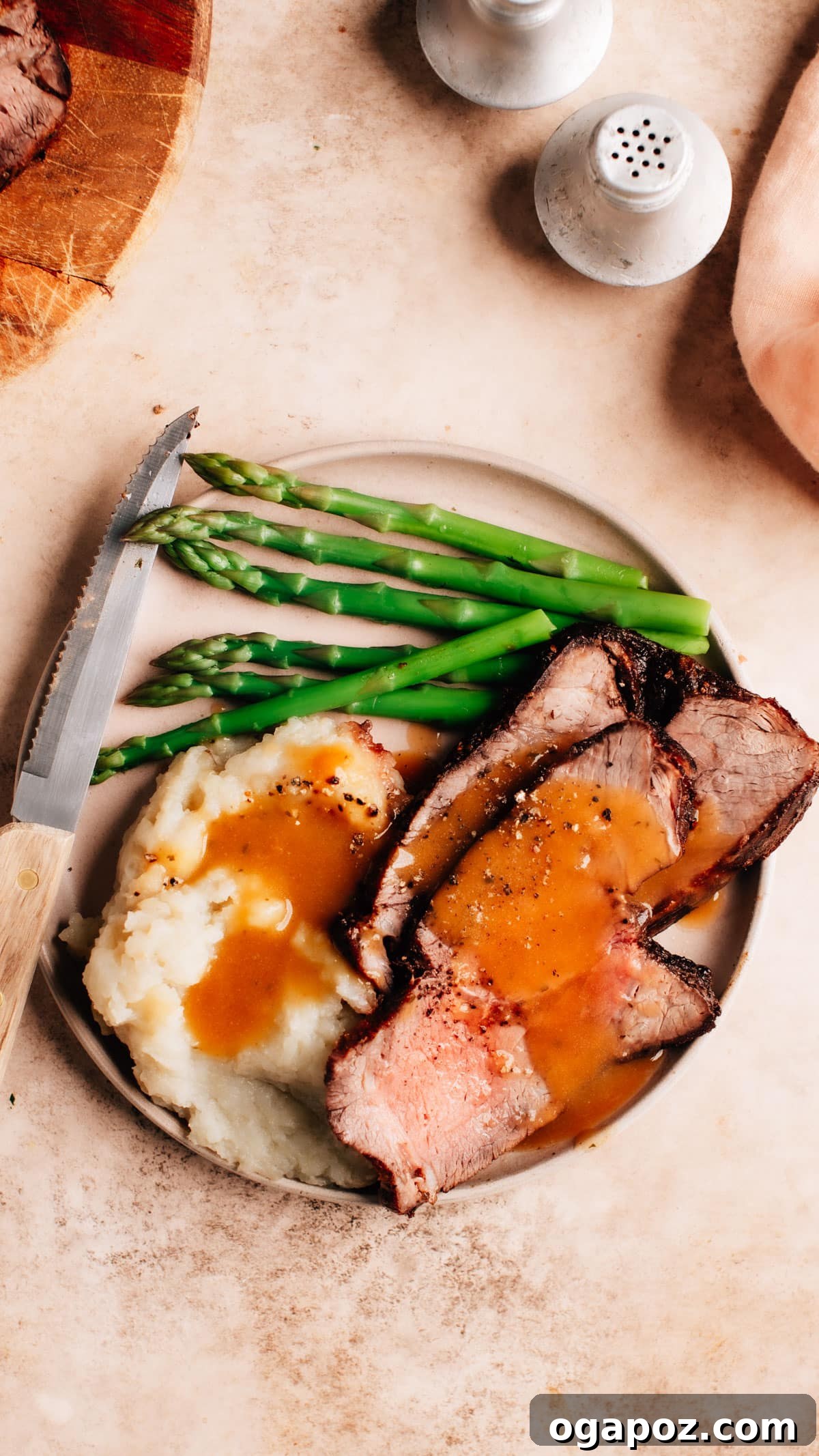
As a Food Scientist, I’ve uncovered the ultimate secrets to preparing the most succulent Air Fryer Roast Beef. Prepare to indulge in a truly tender, juicy roast beef, perfectly seared with an irresistible crispy crust, all complemented by a rich, flavorful gravy. This recipe promises a culinary experience that will delight your taste buds and simplify your cooking routine.
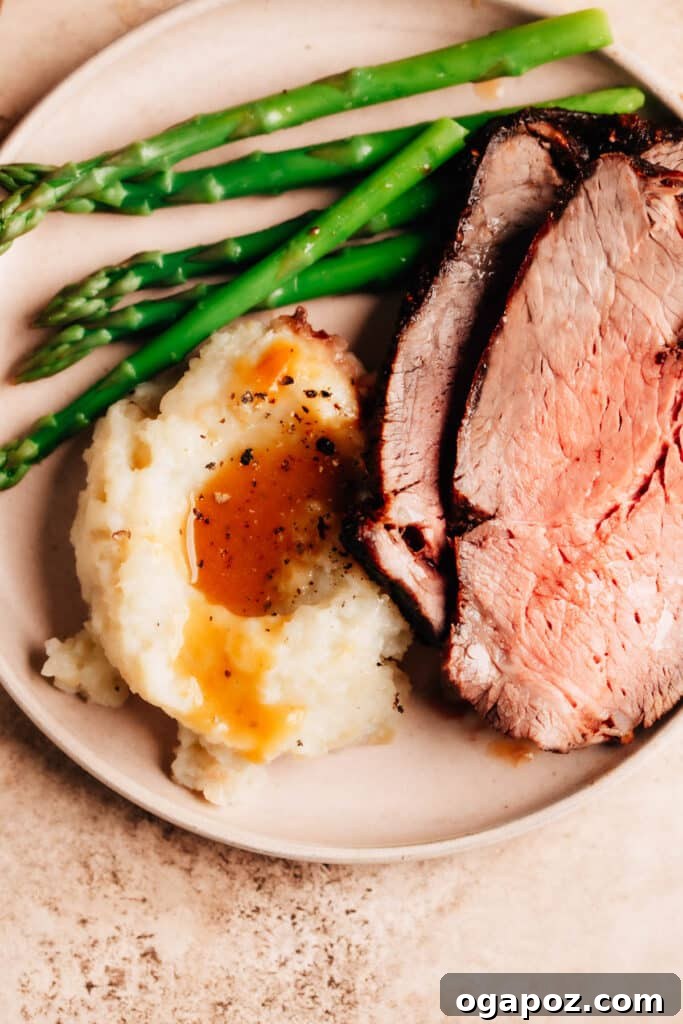
The beauty of this Air Fryer Roast Beef recipe lies in its remarkable ease and consistent results. Forget bulky pans and tedious scrubbing; this method significantly reduces cleanup. It’s also considerably faster than traditional oven roasting, making it an ideal choice for busy weeknights or when you crave a delicious meal without the long wait. Thanks to the air fryer’s consistent heat distribution and efficient circulation, every roast turns out perfectly cooked, incredibly tender, and bursting with flavor. Get ready for quick, flawless results, time after time!
Unlock the Secrets to Perfect Air Fryer Roast Beef: A Food Scientist’s Guide
Achieving a juicy, succulent roast beef in your air fryer isn’t just about following steps; it’s about understanding the science behind the cook. Drawing from my expertise in food science, here are key tips to transform your roast beef from good to extraordinary:
- Bring the Beef to Room Temperature for Even Cooking: This seemingly small step is crucial. Allowing your beef roast to sit out for 30-60 minutes before cooking ensures that the meat cooks more evenly from edge to center. If the roast goes into the air fryer cold, the exterior will cook much faster and potentially overcook or burn before the colder interior reaches the desired temperature, leading to a less desirable “gray band” and an uneven texture. A room-temperature roast absorbs heat more consistently, ensuring tenderness throughout.
- Master Doneness with a Meat Thermometer: Precision is paramount when air frying. Air fryers operate at high temperatures and cook very quickly, which means internal temperatures can rise rapidly. Always use a reliable meat thermometer to monitor the roast’s core temperature. Furthermore, anticipate “carryover cooking” – the internal temperature will continue to increase by 10-15°F (or even more for smaller roasts) after you remove it from the air fryer. Therefore, remove your roast beef when it’s 10-15°F *below* your target final temperature. For example, for a medium-rare finish at 130-135°F, aim to pull it out at 120-125°F.
- Prioritize Resting for Maximum Juiciness: This step is non-negotiable for a truly tender and moist roast. After cooking, it’s vital to rest the beef for at least 10 minutes, ideally tented loosely with foil. During cooking, the muscle fibers contract, forcing juices to the center of the roast. Resting allows these fibers to relax and the juices to redistribute throughout the meat. Slicing too soon will cause all those precious juices to run out onto your cutting board, leaving you with a dry roast. Patience here yields unparalleled tenderness.
- Slice Against the Grain for Tender Bites: To ensure every bite is melt-in-your-mouth tender and easy to chew, always slice the cooked beef against the grain. The “grain” refers to the direction in which the muscle fibers run. Slicing perpendicular to these fibers shortens them, making the meat feel less tough. Take a moment to observe your roast beef before slicing to identify the grain, then cut across it.
- Choose the Right Cut for Optimal Results: Not all beef cuts are created equal for air frying. Opt for naturally tender cuts that thrive with quick, high-heat cooking. Top sirloin or beef tenderloin are excellent choices for their inherent tenderness and flavor, promising juicy, melt-in-your-mouth results. Leaner cuts like eye of round can work but require extra vigilance to prevent overcooking and maintain tenderness. Avoid cuts best suited for slow cooking, as they will turn out tough in an air fryer.
- Understand Enhanced Carryover Cooking in Air Fryers: As briefly touched upon, the intense, circulating heat of an air fryer leads to more significant carryover cooking compared to conventional ovens. A roast cooked at 325°F will experience a smaller temperature rise after cooking than one cooked in an air fryer, where temperatures are typically higher. Given the air fryer’s hot environment, it’s common for the roast’s internal temperature to increase by a substantial 10-15°F during the resting period. Always factor this into your desired final temperature, pulling the roast out earlier than you might in a traditional oven.
Keep on reading to find out the 5 common mistakes to avoid for perfect air fryer roast beef!
Essential Ingredients for Your Air Fryer Roast Beef & Rich Gravy
Crafting this delightful Air Fryer Roast Beef with its accompanying rich gravy requires only a handful of simple, high-quality ingredients. Here’s a detailed look at what you’ll need to gather:
For the Beef
- Beef Roast: Start with a beef roast that has been brought to room temperature. This crucial step, as discussed earlier, ensures the meat cooks uniformly and prevents the exterior from overcooking while the interior remains underdone.
- Cooking Oil: Select a cooking oil with a high smoke point, such as vegetable oil, canola oil, grapeseed oil, or even refined avocado oil. These oils can withstand the high heat of the air fryer without breaking down and producing off-flavors. While olive oil is delicious, its lower smoke point makes it less ideal for searing at high temperatures, which is essential for developing that coveted crispy crust on your roast beef. The hot, circulating air in the air fryer will work wonders with a high-heat oil to create a beautiful, golden-brown sear.
- Kosher Salt: This type of salt is preferred for seasoning beef due to its larger crystal size. It adheres better to the surface of the meat, providing a more even seasoning and helping to draw out moisture initially, which aids in crust formation, before being reabsorbed for enhanced flavor.
- Freshly Ground Black Pepper: For the most vibrant and robust flavor, always use freshly ground black pepper. Its aromatic compounds are much more potent than pre-ground pepper, adding a delightful subtle spice and depth to your roast. Adjust the quantity to suit your personal preference for heat.
Feel free to experiment with your seasonings! For an extra layer of flavor, consider replacing some of the salt with a good quality steak seasoning, or add up to 1 teaspoon each of garlic powder, smoked paprika, and onion powder to create a more complex dry rub. These additions can elevate the savory notes and contribute to a beautiful, flavorful crust.
For the Gravy
- Salted Butter: Butter forms the rich foundation of our gravy, contributing a luxurious texture and deep flavor. Using salted butter is convenient, but be mindful of adjusting any additional salt later.
- Minced Onion: Onions are a powerhouse of savory flavor. When slowly cooked, they caramelize and release a natural sweetness and depth that greatly enhances the gravy’s profile.
- Kosher Salt: Use this sparingly for the gravy. Remember that your butter might be salted, and the beef drippings will also contribute salt. Taste and adjust as you go to avoid over-salting.
- All-Purpose Flour: This is the key thickening agent for our gravy. It combines with the butter to form a roux, which provides a smooth, consistent texture without lumps.
- Beef Broth: The quality of your beef broth directly impacts the richness of your gravy. Use a good quality beef broth as it forms the savory base, infusing the gravy with an unparalleled depth of beefy flavor. This is truly where the magic happens!
- Fresh Rosemary: This woody, fragrant herb adds a distinct, pungent herbal note that pairs beautifully with beef. For a different aromatic profile, you could also experiment with other fresh or dried herbs like thyme, dried parsley, or a pinch of oregano.
- Whole Peppercorns: Adding whole peppercorns allows their flavor to slowly infuse into the gravy, providing a subtle, nuanced peppery warmth without being overtly spicy. You can adjust the quantity based on your desired level of peppery kick.
- Heavy Whipping Cream: A splash of heavy whipping cream at the end adds a delightful creaminess and silky smoothness to the gravy, elevating its richness and mouthfeel.
Tools You’ll Need for a Seamless Cooking Experience
One of the many advantages of this recipe is its minimal requirement for specialized tools, making it accessible for any home cook. Here are the essentials you’ll need:
- Air Fryer: The star of our recipe, essential for achieving that quick, delicious, and perfectly cooked roast beef with a crispy exterior. Ensure your roast fits comfortably within its basket.
- Paper Towels: Crucial for thoroughly patting the beef dry before seasoning. This step is vital for promoting a superior sear and crisp crust, as moisture on the surface can hinder browning.
- Foil: Used to tent the cooked roast beef during its resting period, allowing juices to redistribute for maximum tenderness, and also for wrapping the roast during the final cooking phase if it’s browning too quickly.
- Large Saucepan: The ideal vessel for preparing our rich and flavorful gravy. Its size allows for easy whisking and even heating.
- Fine-Meshed Sieve: Essential for straining the gravy just before serving, ensuring a velvety smooth consistency free from any solids like onion pieces, rosemary leaves, or peppercorns.
- Meat Thermometer: Absolutely indispensable for accurately monitoring the internal temperature of your roast, guaranteeing it reaches your desired level of doneness without overcooking.
With these simple tools and ingredients ready, you are perfectly equipped to create the most exquisite air fryer roast beef dish imaginable.
Selecting the Best Beef Cuts for Air Frying Success
The success of your air fryer roast beef largely depends on choosing the right cut of meat. Air frying excels with naturally tender cuts that can withstand quick cooking at high temperatures without becoming dry or tough. The rapid, circulating heat of an air fryer is fantastic for creating a beautiful crust while cooking the interior efficiently.
When selecting a roast for your air fryer, always choose a size that fits comfortably in your air fryer basket. There should be some space around the roast to allow for proper air circulation, which is key to even cooking and achieving a crispy exterior. Generally, a roast weighing around 2-3 pounds is an ideal size. For optimal and consistent cooking, remember to flip the roast halfway through the cooking time, ensuring all sides are exposed to the direct heat.
Here’s a detailed breakdown of the best beef options for air frying, along with a few cuts that require caution:
- Top Sirloin Roast: This is hands down one of the top recommendations for air frying. Top sirloin is quite lean yet incredibly flavorful, and naturally more tender than many other cuts derived from the round. Its smaller, often compact size typically fits perfectly within an air fryer basket, and it cooks beautifully to a juicy medium-rare or medium, developing a wonderful crust.
- Eye of Round Roast: An economical choice, the eye of round is known for its uniform, cylindrical shape, which promotes exceptionally even cooking in an air fryer. However, because it is a very lean cut, it’s absolutely critical not to overcook it. Cooking it quickly to medium-rare is the best way to maintain its tenderness and prevent it from drying out. If you’re a fan of this cut, you might also enjoy my tender Eye of Round Roast recipe prepared in a conventional oven, offering another great way to enjoy it!
- Outside Round (Bottom Round or Rump Roast): This cut boasts a fantastic, robust beefy flavor but can be inherently tougher due to its lean texture and higher amount of connective tissue. It is generally better suited for slow-cooking methods, such as a Dutch oven pot roast, where extended cooking times at low temperatures can break down those tough tissues, rendering the meat fork-tender. If you do choose to use an outside round roast in the air fryer, it is imperative to cook it rare to medium-rare (maximum) and slice it very thinly against the grain to maximize tenderness. For those who love this cut but prefer a quicker method, my Instant Pot Roast Beef recipe is an excellent alternative!
- Beef Tenderloin: As one of the most prized cuts of beef (from which filet mignon is cut), beef tenderloin is an absolutely fantastic option for air frying due to its unparalleled tenderness. It cooks remarkably quickly, so it demands close monitoring with a meat thermometer to prevent any chance of overcooking. Tenderloin is best enjoyed when served rare to medium, preserving its delicate texture and flavor.
Cuts to Avoid (And Why)
Some beef cuts are simply not suited for the high-heat, quick-cooking environment of an air fryer, and using them will lead to disappointing results. Avoid tough, connective tissue-heavy cuts like beefchuck roast or brisket. These cuts require long, slow cooking times with moist heat to break down their abundant collagen and connective tissues, transforming them into tender, shreddable meat. The air fryer’s rapid, dry-heat method will not achieve this; instead, these cuts will likely turn out incredibly chewy, dry, and unappetizing. Furthermore, always avoid trying to air fry a large beef joint that will not fit comfortably and with adequate air circulation inside your appliance, as this will lead to uneven cooking and a subpar roast.
How to Make Air Fryer Roast Beef and Gravy: An Easy Guide
Get ready to prepare a truly dreamy, melt-in-your-mouth roast beef with a delectable gravy in under 40 minutes of active cooking time. This guide outlines the super simple and surprisingly low-mess steps to culinary perfection:
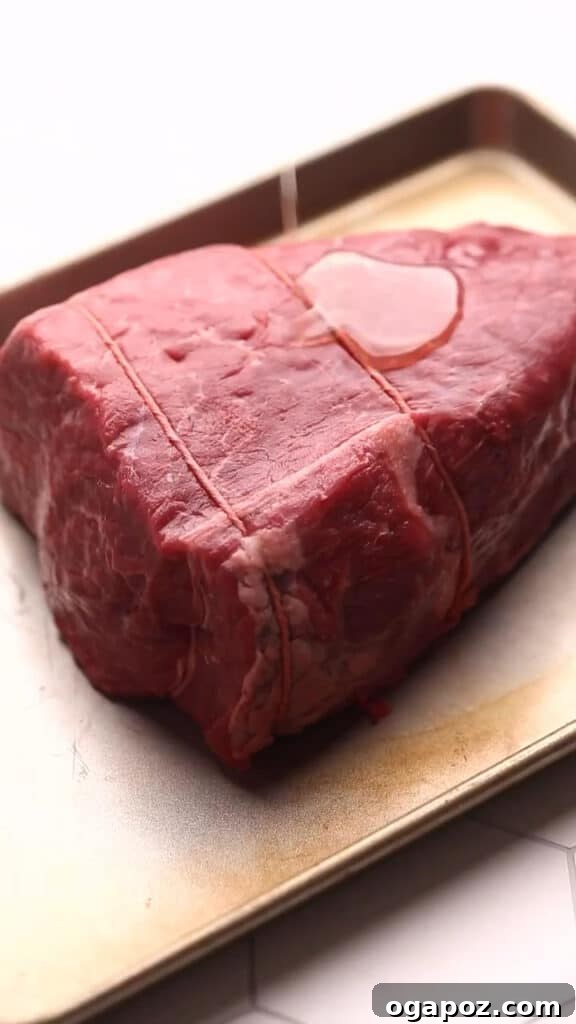
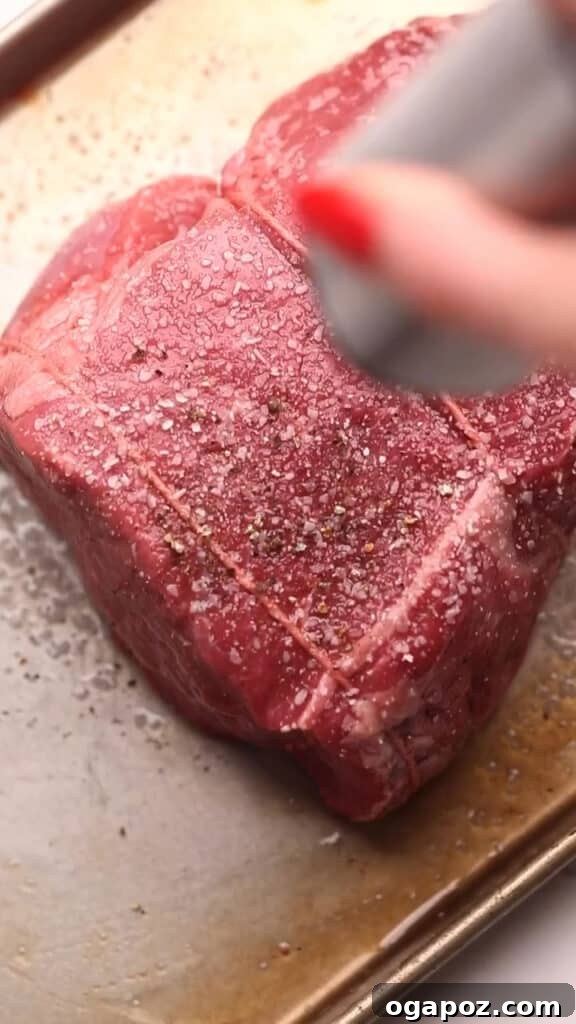
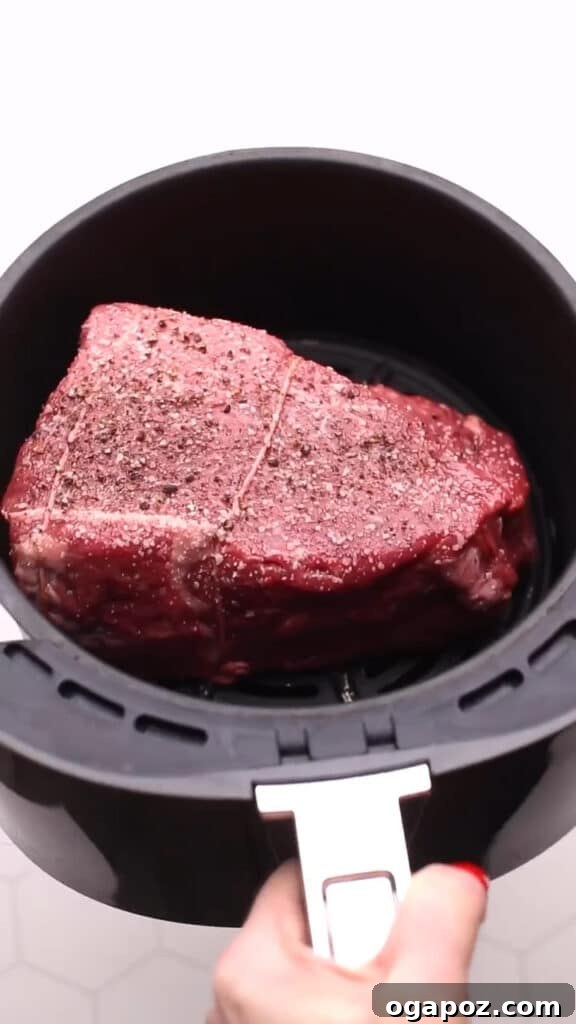
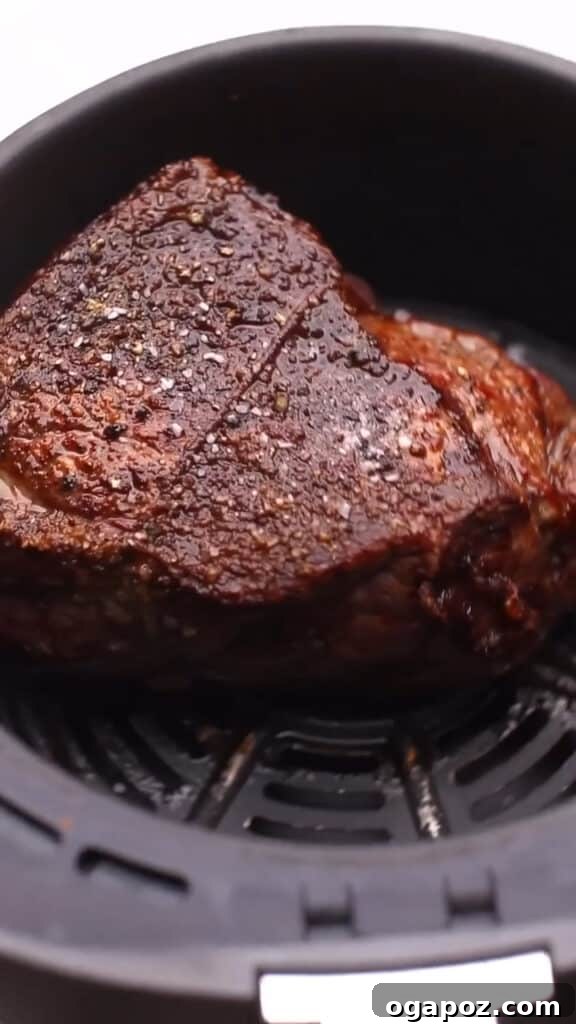
How to Roast the Beef:
- Prepare the Roast: Begin by thoroughly patting your beef roast dry with paper towels. This critical step removes surface moisture, which is essential for achieving a beautiful, crispy sear and crust. Next, rub the entire surface of the roast generously with your chosen high smoke point oil, ensuring it’s evenly coated. Season liberally with kosher salt and freshly ground black pepper on all sides. Don’t be shy with the seasoning; a good crust needs it.
- Air Fry for Perfection: Carefully transfer the seasoned beef to your preheated air fryer basket. Air fry at 360ºF (182°C) for approximately 35-45 minutes. Remember to flip the roast halfway through the cooking time to ensure even browning and consistent cooking on all sides. Cook until the internal temperature reaches 125ºF (52°C) for medium-rare. For rare, aim for 120-125°F (49-52°C); for medium, aim for 130-135°F (54-57°C). Always use a meat thermometer for accuracy.
- Prevent Over-Browning: Keep a close eye on the roast during the last 10-15 minutes of cooking. If you notice the exterior is browning too rapidly or getting too dark before the internal temperature is reached, use oven mitts to carefully wrap the roast loosely in aluminum foil. Return it to the air fryer to finish cooking, allowing the interior to reach the desired temperature without burning the crust.
- Rest the Beef: Once cooked, transfer the roast beef to a cutting board and tent it loosely with foil. Let it rest for at least 10-15 minutes. This allows the internal temperature to stabilize (carryover cooking) and, more importantly, permits the muscle fibers to relax and the delicious juices to redistribute throughout the meat, resulting in an exceptionally tender and moist roast. Do not skip this step!
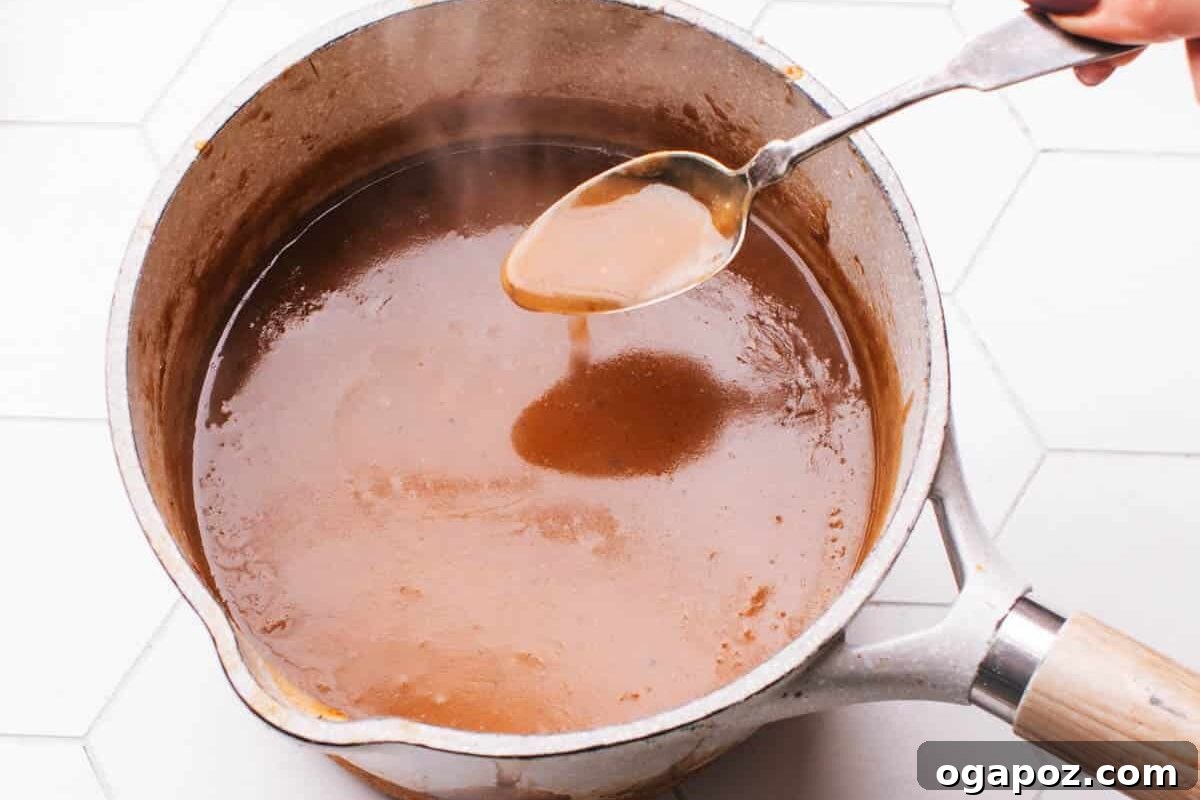
How to Make the Rich and Velvety Gravy:
- Sauté Aromatics: In a large saucepan, melt the salted butter over medium-high heat. Add the minced onion along with ½ teaspoon of kosher salt. Cook, stirring occasionally, until the onion softens and becomes translucent, which usually takes about 5 minutes. The natural sugars in the onion will start to caramelize, building a foundational layer of flavor for your gravy.
- Build the Roux: Stir in the all-purpose flour with the softened onions and butter. Continue to cook, stirring frequently, for 2-3 minutes until the mixture turns a butterscotch color. This step, known as making a roux, is crucial for thickening the gravy and developing a nutty flavor. Be careful not to burn the flour.
- Whisk in Broth: Very carefully and gradually whisk in the beef broth in a slow, steady stream. It will bubble up quickly at first as the hot roux meets the cooler liquid, so be prepared to whisk vigorously to prevent lumps. Continue whisking until the mixture is smooth and fully combined.
- Infuse Flavors: Stir in the fresh rosemary and whole peppercorns. Reduce the heat to low, then whisk in the heavy whipping cream and the remaining ½ teaspoon of kosher salt. Let the mixture gently simmer, stirring occasionally, until it begins to thicken to your desired consistency. Once thickened, remove the pan from the heat, cover it, and let it stand for at least 1 hour. This allows the rosemary and peppercorns to fully infuse their delightful aromas and flavors into the gravy.
- Finish and Serve: Just before serving, return the gravy to a simmer over low heat, stirring gently. To achieve a perfectly smooth and velvety gravy, force it through a fine-mesh sieve into a serving dish, discarding any leftover solids like onion, rosemary sprigs, or peppercorns. This step ensures a restaurant-quality texture.
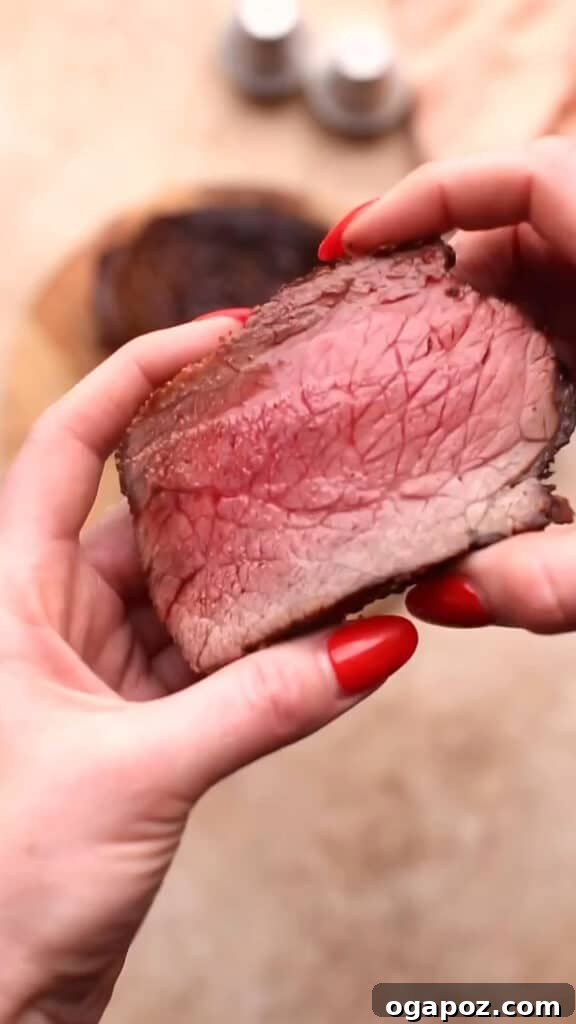
How to Serve this Air Fryer Roast Beef Recipe
The moment you’ve been waiting for – serving up your impeccably cooked air fryer roast beef with its delectable gravy! This richly meaty and incredibly juicy main course deserves equally delightful companions. Here are my favorite side dishes, perfectly chosen to complement and elevate your meal:

- Creamy Mashed Potatoes: There’s arguably no better pairing for roast beef and gravy than a generous serving of fluffy, creamy mashed potatoes. My recipe for light, never-gluey mashed potatoes acts as the perfect canvas for soaking up every drop of that savory gravy. For a lower-carb alternative, consider serving with cauliflower rice or mashed cauliflower.
- Indulgent Scalloped Potatoes: For a truly comforting and luxurious meal, consider pairing your roast beef with a decadent potato gratin. My gluten-free scalloped potatoes recipe offers layers of thinly sliced potatoes baked in a rich, creamy sauce. This gloriously cheesy and creamy side dish is so satisfying, you might just need an afternoon nap afterward – but it’s absolutely worth every single bite!
- Crisp Green Beans: To balance the richness of the beef and potatoes, a vibrant green vegetable is a must. Simply steamed green beans with a touch of butter and seasoning are always a fresh and easy choice. Alternatively, for a more elaborate side, elevate your meal with my rich and dreamy green bean casserole with crispy onions, a classic comfort food that adds texture and flavor.
- Sweet Glazed Carrots: Steamed and buttered baby carrots offer a light, naturally sweet, and easy-going side that beautifully contrasts the savory notes of the roast. You could also roast them with a touch of honey or maple syrup for an extra layer of sweetness and caramelization.
- Roasted Brussels Sprouts: For another excellent vegetable option, roasted Brussels sprouts with a hint of balsamic glaze or crispy bacon offer a delightful bitterness and texture that cuts through the richness of the meal.
- Fresh Dinner Rolls: Don’t forget some warm, crusty dinner rolls to sop up any remaining gravy on your plate.
Plan Ahead & Store Smart: Make-Ahead and Storage Tips
While leftovers of this delicious air fryer roast beef might be a rare occurrence (it’s truly that good!), it’s always helpful to know how to properly store and reheat them to enjoy again the next day or transform them into new meals.
- Storing Roast Beef: Once your roast beef is cooked and has rested, allow it to cool completely to room temperature before refrigerating. You can store it either as a whole piece or sliced, depending on your preference for reheating. Place the roast beef in an airtight container or wrap it tightly in plastic wrap and then in aluminum foil to prevent air exposure, which can cause dryness. Properly stored, it can be refrigerated for up to 3-4 days.
- Reheating Roast Beef: Reheating roast beef without drying it out is an art.
- Oven Method: For best results, preheat your oven to a low temperature, around 250°F (120°C). Place the sliced or whole roast beef in an oven-safe dish with a splash of beef broth or water to add moisture. Cover the dish tightly with foil and heat for 20-30 minutes, or until warmed through.
- Stovetop Skillet: For quick reheating of slices, heat a small amount of broth or water in a skillet over medium-low heat. Add the sliced roast beef and warm for 2-3 minutes per side, ensuring it doesn’t get too hot and dry out.
- Microwave: While not ideal for maintaining texture, the microwave can be used for convenience. Place slices in a microwave-safe dish with a tablespoon of broth or water, cover, and heat on medium power in 30-second intervals until warmed through, stirring in between. Always aim to keep the meat moist.
- Storing Gravy: Allow the gravy to cool completely before transferring it to an airtight container. Gravy can be refrigerated for 2-3 days.
- Reheating Gravy: To reheat, gently warm the gravy on the stovetop over low heat, stirring frequently. If the consistency is too thick, add a bit of water or beef broth, a tablespoon at a time, until it reaches your desired smoothness.
Beyond simply reheating, leftover roast beef is incredibly versatile! Some of my favorite ways to repurpose it include making a hearty old-fashioned beef and vegetable soup, transforming it into a comforting Dutch oven beef stew, or even crafting a savory beef pot pie with a golden, flaky crust. Yum!
5 Most Common Mistakes When Making Air Fryer Roast Beef
Even with a straightforward recipe, common pitfalls can prevent your air fryer roast beef from reaching its full potential. By understanding and avoiding these frequent mix-ups, you’ll consistently achieve succulent, tender, and perfectly crusted roast beef with delicious gravy:
- Not Patting the Meat Dry: This is a mistake many home cooks overlook. Failing to thoroughly pat the beef dry with paper towels before applying seasonings and placing it in the air fryer is a major deterrent to achieving a crispy exterior. Excess moisture on the surface of the meat will steam rather than sear, preventing the Maillard reaction (the chemical reaction responsible for browning and rich flavors) from occurring effectively. Always ensure the surface is as dry as possible for that desirable, flavorful crust.
- Skipping the Air Fryer Preheat: Just like a conventional oven, preheating your air fryer is crucial. Neglecting to preheat means the beef enters a cold environment, delaying the searing process. The initial blast of hot, circulating air from a preheated air fryer is essential for quickly searing the outer layer of the beef, locking in its precious juices, and immediately beginning to build that irresistible crust. Without preheating, your roast may cook unevenly and lack the desired crispness.
- Using the Wrong Cut of Beef: Selecting an inappropriate cut of beef is a common error that directly impacts the final texture and tenderness of your roast. Tough cuts with significant connective tissue, such as chuck roast or brisket, are simply not designed for the quick, high-heat cooking of an air fryer. These cuts require long, slow, moist cooking methods (like braising or stewing, as seen in my shredded beef recipe) to break down their collagen and become tender. Attempting to air fry them will result in a chewy, dry, and disappointing roast. Always opt for naturally tender cuts like sirloin or tenderloin for air frying.
- Not Resting the Beef After Cooking: As emphasized throughout this guide, resting the beef is a fundamental step that cannot be skipped. Immediately slicing into a hot roast causes all the muscle fibers to contract and release their accumulated juices, resulting in a dry, less flavorful piece of meat. Allowing the beef to rest, tented with foil, provides time for the muscle fibers to relax and for the internal juices to redistribute evenly throughout the roast. This process ensures every slice is incredibly tender, juicy, and flavorful.
- Ignoring Your Meat Thermometer & Overcooking: Air fryers cook remarkably fast, and overcooking is perhaps the most common and detrimental mistake. Relying solely on cooking time charts without verifying the internal temperature with a reliable meat thermometer is a recipe for disaster. Even a few minutes too long can turn a perfectly juicy roast into a dry, tough one. Monitor the internal temperature closely, especially during the latter half of cooking. Pull the roast from the air fryer when it reaches 10-15°F *below* your target final temperature to account for carryover cooking. This vigilance is your best defense against a dry roast.
FAQs About Air Fryer Roast Beef
Just skimming through for quick answers? Here are some of the most commonly asked questions about making delicious air fryer roast beef, along with detailed answers to help you achieve perfect results every time.
Can I use a frozen beef roast in the air fryer?
No, I strongly recommend against using a frozen beef roast directly in the air fryer. Thawing the beef roast completely before air frying is crucial. Cooking a frozen roast will lead to extremely uneven cooking; the exterior will likely burn or dry out before the interior has a chance to cook through, and it poses a food safety risk by spending too much time in the “danger zone” where bacteria can multiply. Always ensure your roast is fully thawed for consistent, safe, and delicious results.
How long should I preheat the air fryer for roast beef?
Preheating is a vital step for air frying roast beef. You should preheat your air fryer for at least 5 minutes at the recommended cooking temperature (typically around 360°F or 182°C). This ensures that the air fryer is hot enough to immediately sear the beef upon entry, creating a delicious crust and locking in juices right from the start, contributing to even cooking and a superior texture.
Can I marinate the beef for an extended period before air frying?
Absolutely! Marinating the beef overnight in the refrigerator can significantly enhance its flavor and, depending on the marinade, even tenderize it. Marinades with herbs, spices, garlic, and oil infuse deep flavor into the meat. However, I’d suggest exercising caution with overly acidic marinades (those heavy in citrus juice or vinegar) for extended periods (more than 4-6 hours), as prolonged exposure to strong acids can sometimes break down the meat’s proteins too much, leading to a mushy or mealy texture. A well-balanced marinade will yield excellent results.
What’s the best way to prevent the beef from drying out?
Preventing a dry roast beef comes down to a few key techniques:
- Pat the beef dry before seasoning to encourage a crust.
- Choose a well-marbled cut, as fat adds flavor and moisture.
- Monitor cooking time closely with a reliable meat thermometer, pulling the roast off the heat when it’s 10-15°F below your desired final temperature to account for carryover cooking.
- Let the roast rest for at least 10-15 minutes after cooking to allow juices to redistribute. Following these steps diligently will help you achieve a consistently juicy result.
Can I cook multiple roasts at the same time in the air fryer?
It’s generally best to avoid overcrowding the air fryer basket. For optimal results, cook one roast at a time or ensure there’s ample space around each piece if cooking smaller individual roasts. Overcrowding restricts proper air circulation, which is essential for the air fryer’s function. This can lead to uneven cooking, a lack of crispness, and a longer cooking time. If you need to cook multiple roasts, it’s preferable to do so in batches.
How do I know when the roast beef is done?
The most accurate way to determine if your roast beef is done is by using a reliable instant-read meat thermometer inserted into the thickest part of the roast, avoiding bone or gristle. Here’s a quick guide to internal temperatures (remember to pull 10-15°F early for carryover cooking):
- Rare: 120-125°F (49-52°C)
- Medium-Rare: 130-135°F (54-57°C)
- Medium: 135-140°F (57-60°C)
- Medium-Well: 140-145°F (60-63°C)
Do not rely on visual cues alone, as the exterior can look done while the interior is still undercooked or overcooked.
What can I substitute for heavy whipping cream in the gravy?
If you’re looking for an alternative to heavy whipping cream, you can substitute it with whole milk or half-and-half for a slightly lighter option. These alternatives will still add creaminess but with less fat, resulting in a slightly thinner gravy. You might need to adjust the quantity slightly or simmer a bit longer to achieve your preferred consistency. For a dairy-free option, full-fat coconut milk (though it may impart a subtle flavor) or a plant-based cream alternative can also work, but results may vary.
Can I use an air fryer oven instead of a traditional basket-style air fryer?
Yes, an air fryer oven works very well for roast beef, and often offers more capacity for larger roasts or multiple smaller pieces. The principle of high-heat, circulating air remains the same. When using an air fryer oven, always refer to your manufacturer’s instructions for specific temperature settings and recommended cooking times, as these can vary slightly between models.
Discover More Air Fryer Delights
If you love the convenience and delicious results of air frying, explore these other fantastic air fryer recipes:
- Perfectly Seared Air Fryer Tuna Steak
- Air Fryer Frozen Salmon (Moist & Flaky!)
- The Juiciest Air Fryer Boneless Chicken Thighs
- Quick & Crispy Air Fryer Eggplant
- Flavorful Air Fryer Turkey Burgers
- Perfect Air Fryer Pizza + How to Reheat Pizza in Air Fryer
More Irresistible Beef Recipes You’ll Love
Craving more comforting beef dishes? Here are some other cherished recipes to add to your culinary repertoire:
- Hearty Beef Pot Pie with a golden, flaky crust
- A classic Chili Con Carne recipe with ground beef
- The Ultimate Traditional Beef Taco recipe for taco night
- The Best Ever Meatloaf recipe for comforting meals
- You’ll adore this golden Roast Beef Crust on this beautiful roast
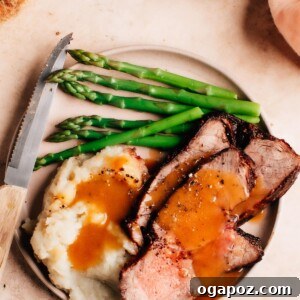
Air Fryer Roast Beef (So Juicy!)
Jennifer Pallian BSc, RD
10 minutes
40 minutes
50 minutes
4
Ingredients
- For the beef:
- 1 ½ lbs beef roast room temperature
- 1 tbsp cooking oil
- 2 ¼ tsp kosher salt
- ½ tsp black pepper
- For the gravy:
- 4 tbsp salted butter
- ¾ cup minced onion
- 1 tsp kosher salt divided use
- 4 tbsp all-purpose flour
- 2 cups beef broth
- 1 tbsp fresh rosemary coarsely chopped
- 1 tbsp whole peppercorns
- ½ cup heavy whipping cream
Instructions
-
Pat roast beef dry with paper towels. Rub all over with oil, salt and pepper.
-
Transfer beef to air fryer and air fry at 360ºF for about 40 mins, flipping halfway through, until it reaches 125ºF for medium-rare.
-
If it’s getting too dark in the last 10 minutes, use oven mitts to wrap up the roast with foil to finish cooking.
-
To make the gravy: Add butter to a large saucepan and melt over medium-high heat. Add onion and ½ tsp salt; cook until soft (about 5 mins).
-
Stir in flour and cook, stirring frequently, until butterscotch-colored. Whisk in broth slowly.
-
Stir in rosemary and peppercorns; reduce heat to low. Whisk in cream and remaining ½ tsp salt. When thick, turn off heat, cover, and let stand 1 hour to infuse flavors.
-
Before serving, return gravy to a simmer over low heat. Strain through a fine-mesh sieve into a serving dish, discarding solids.
Notes
- I use Outside Round Oven Beef Roast, also known as bottom round roast or rump roast.
- See Best Cuts of Beef for Air Fryer Roast Beef for other good choices.
- Ensure beef is at room temperature before cooking.
- Always pat the beef dry before cooking to encourage a crispy crust.
- Monitor the internal temperature closely, especially in the second half of cooking, to avoid overcooking. Check several times and wrap in foil if browning too quickly.
- Rest the beef before slicing for maximum juiciness and tenderness.
Nutrition
Nutrition information is automatically calculated, so should only be used as an approximation.