
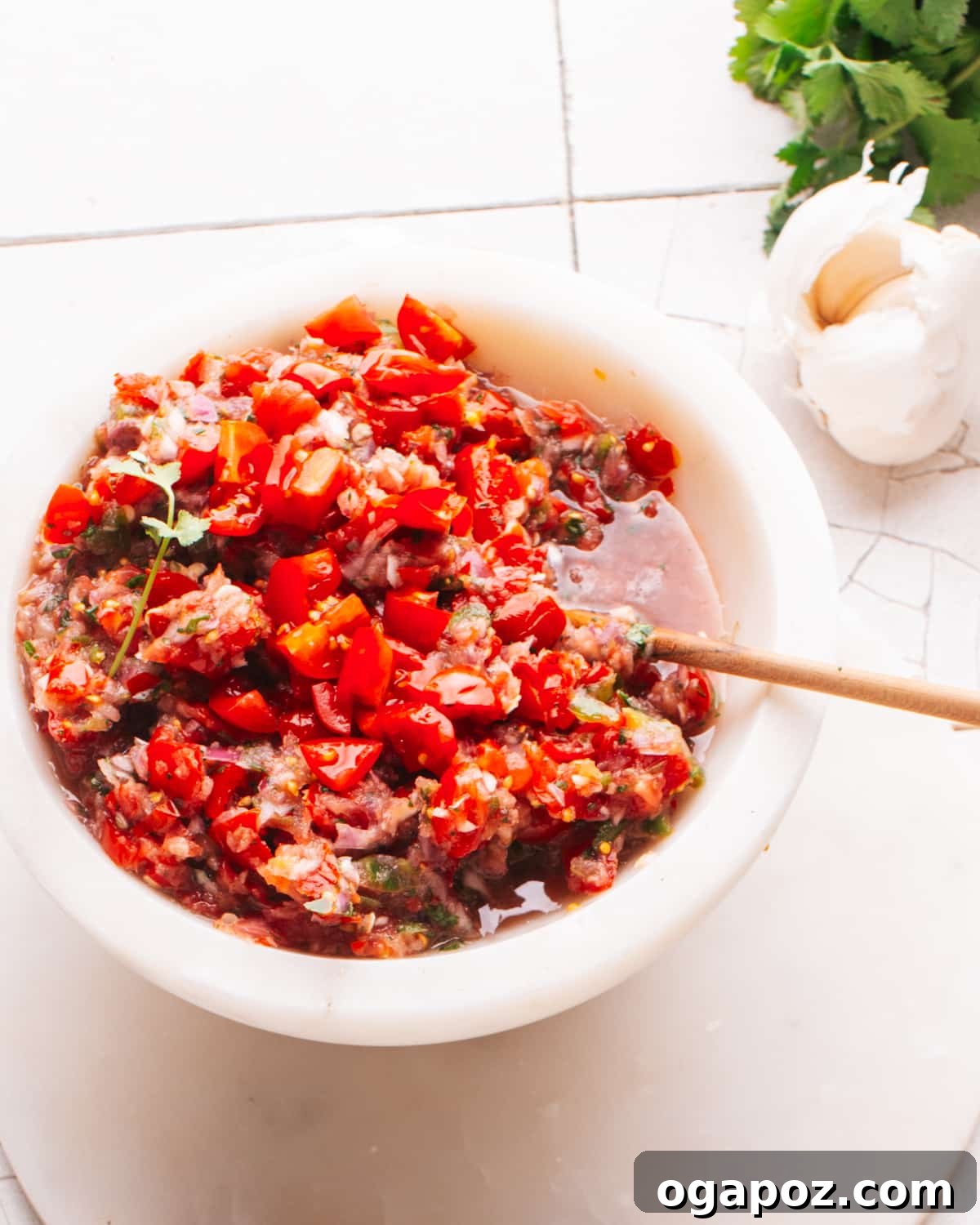
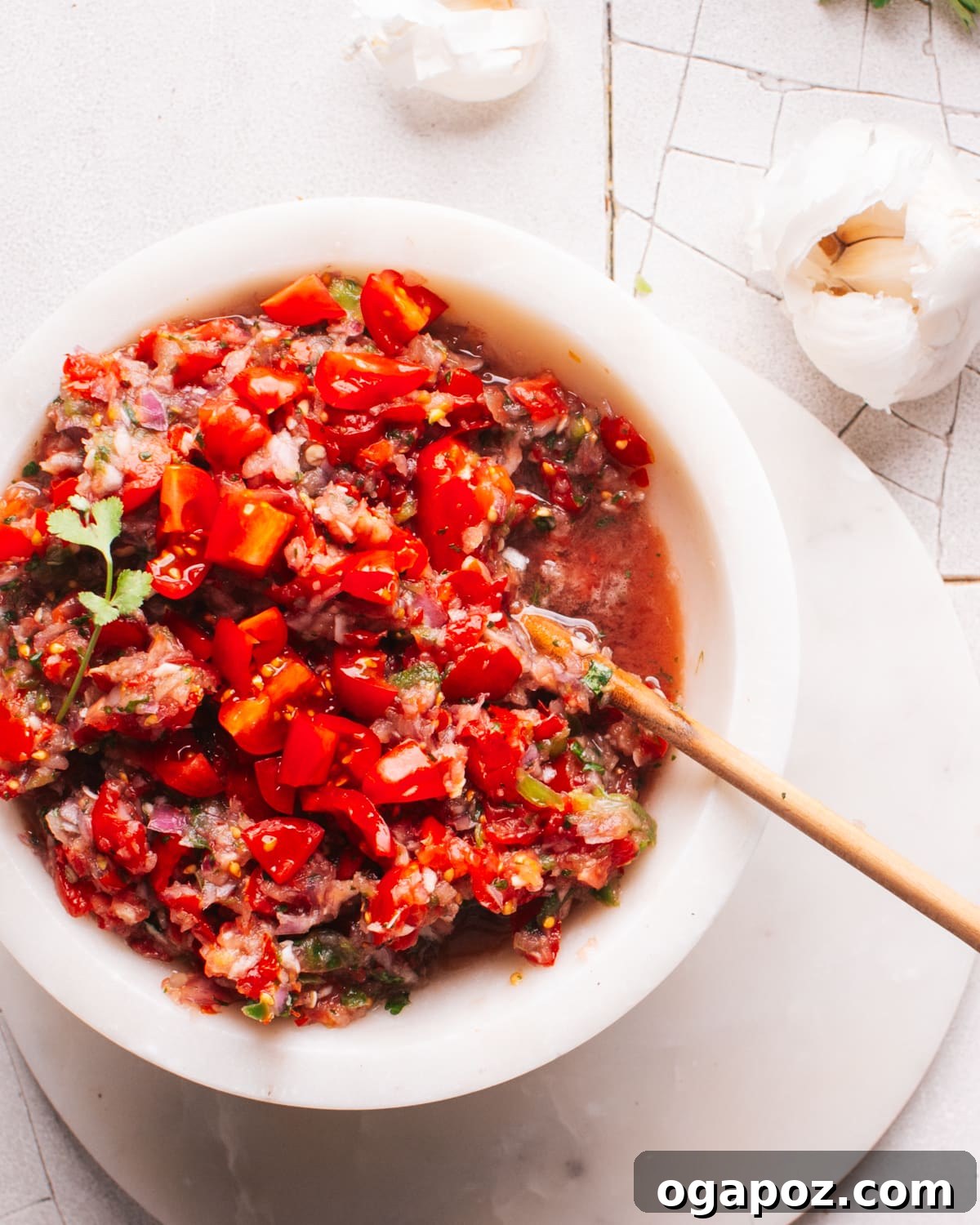
Craving a truly exceptional taco salsa that’s bursting with bright, fresh, and vibrant flavors? Look no further! This ultimate guide reveals my go-to 7-ingredient pico de gallo recipe, perfected to be perfectly balanced, incredibly delicious, and astonishingly easy to prepare in just 10 minutes. Say goodbye to bland store-bought versions and hello to the taste of authentic, homemade goodness.
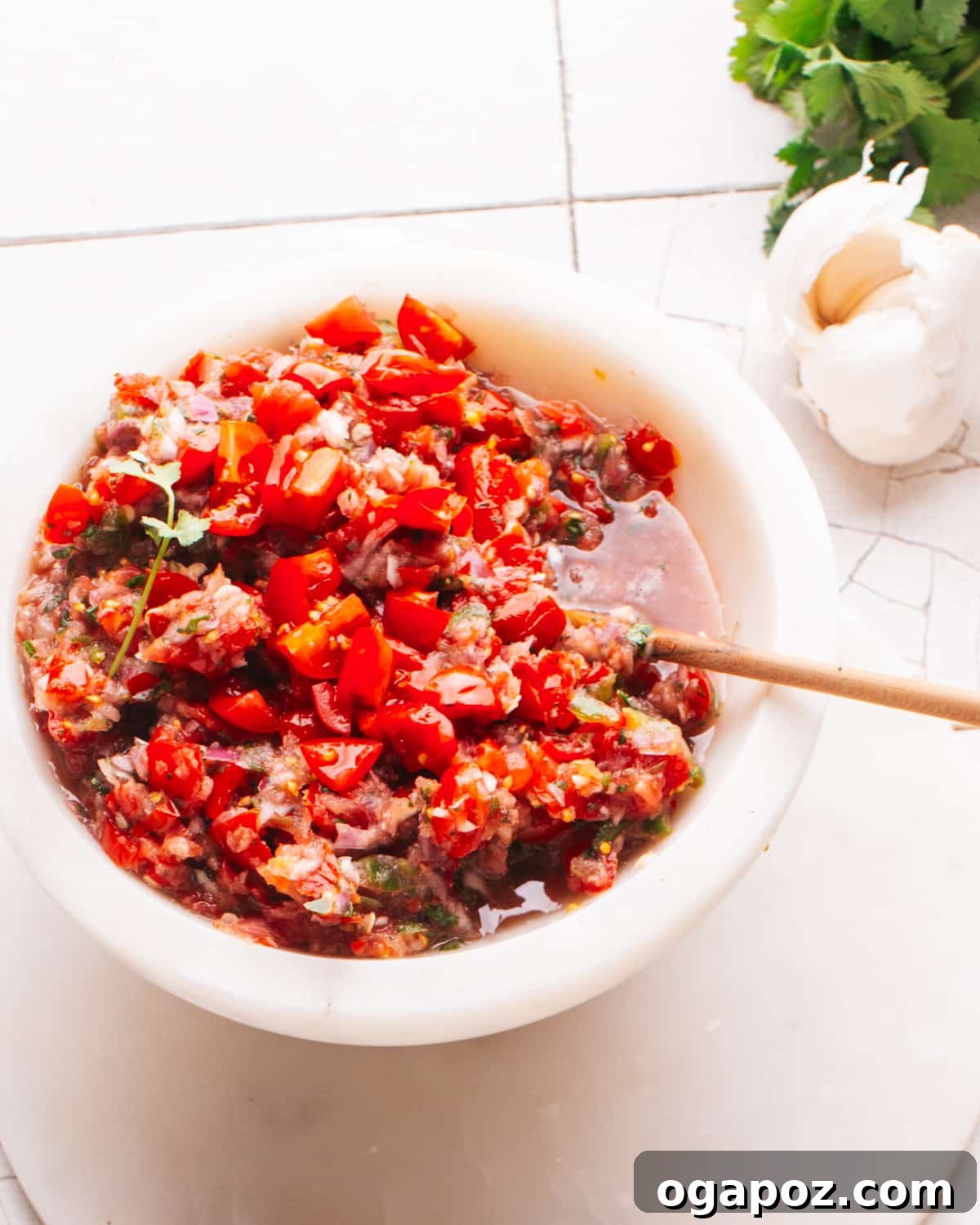
Whether you’re celebrating Cinco de Mayo, hosting a lively Taco Tuesday, or simply seeking to add a burst of freshness to your everyday meals, this pico de gallo is your answer. Get ready to generously spoon this delightful salsa onto crunchy tacos, savory burritos, or use it in countless other creative ways. We’ve compiled a bounty of serving suggestions below to inspire your culinary adventures.
Why You’ll Fall in Love with This Homemade Taco Salsa
There are countless reasons why this particular taco salsa recipe has become a cherished staple in my kitchen and why it will quickly become yours:
- Unparalleled Freshness and Vibrant Flavors: Unlike anything you’ll find in a jar, this salsa explodes with the lively essence of sun-ripened tomatoes, the zesty punch of fresh lime juice, the aromatic brightness of cilantro, and the crisp bite of sweet onions. Every spoonful delivers a symphony of flavors that truly awakens the palate.
- Effortless Customization for Your Perfect Heat Level: Do you prefer a gentle warmth or a fiery kick? This recipe empowers you to tailor the spice exactly to your liking. Easily adjust the quantity of jalapeño or serrano pepper to achieve your ideal balance of robust flavor and exhilarating heat.
- Remarkably Quick and Simple to Prepare: With just a few staple fresh ingredients and minimal prep time, this incredible taco salsa comes together in under 10 minutes. It’s the perfect solution for busy weeknights or impromptu gatherings when you want maximum flavor with minimal effort.
- Wholesome Homemade Goodness You Can Trust: Rest assured knowing exactly what goes into your salsa. Unlike many store-bought varieties that often contain unwanted preservatives, artificial colors, or excessive sodium, your homemade version is crafted with pure, wholesome ingredients, ensuring a healthier and more authentic taste experience.
- Versatile Culinary Companion: While it’s the star of any taco feast, this salsa is incredibly versatile. It doubles as a fantastic dip, a flavorful marinade component, a vibrant salad dressing, and an irresistible topping for grilled meats, fish, or even eggs.
I can confidently say that this fresh taco salsa recipe isn’t just a dish; it’s a game-changer that will earn a permanent spot in your culinary repertoire.
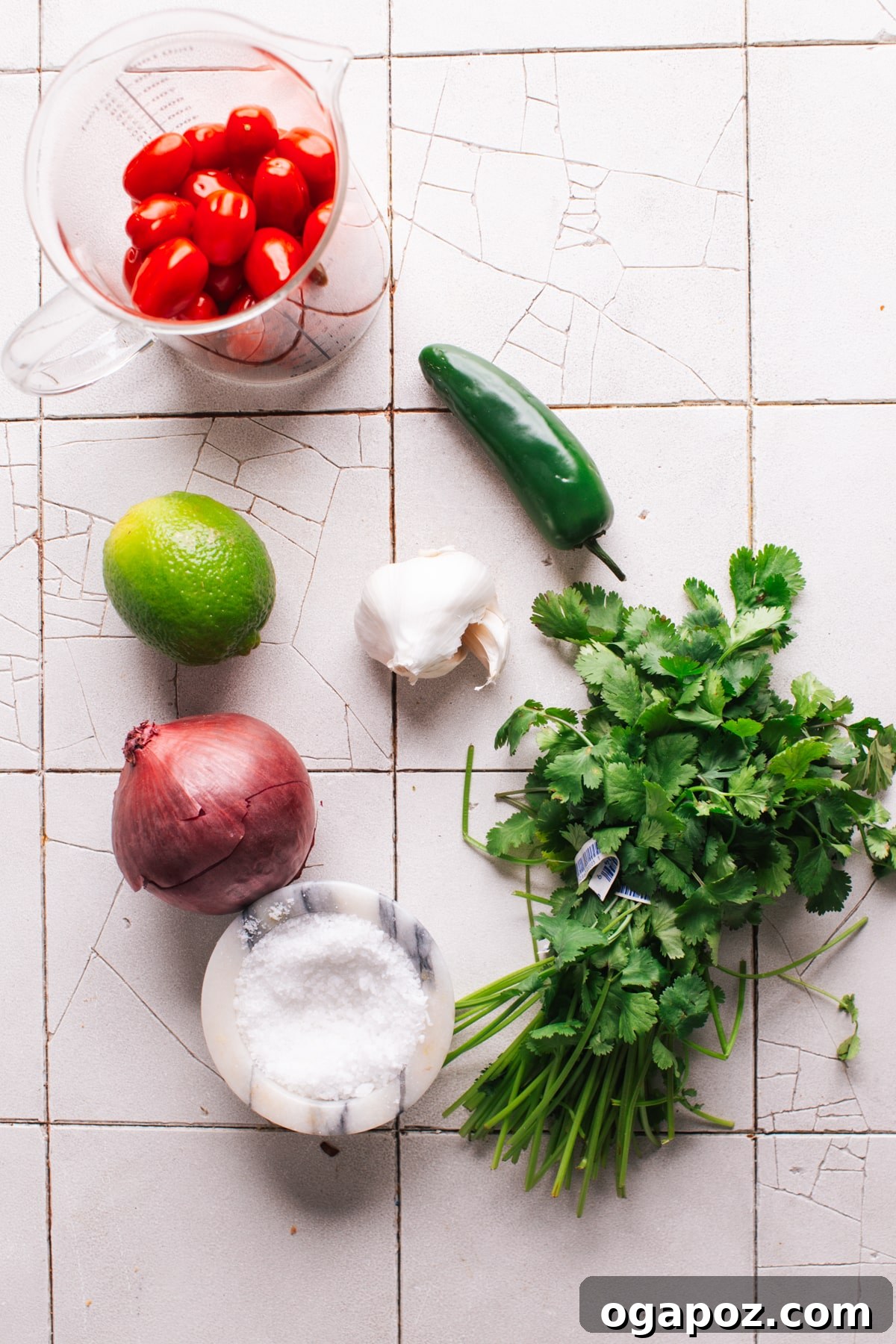
Essential Ingredients for the Perfect Fresh Salsa
The beauty of this recipe lies in its simplicity. You won’t need an extensive grocery list, just a handful of fresh, high-quality ingredients and a basic kitchen tool will do the trick!
Key Components for Vibrant Flavor
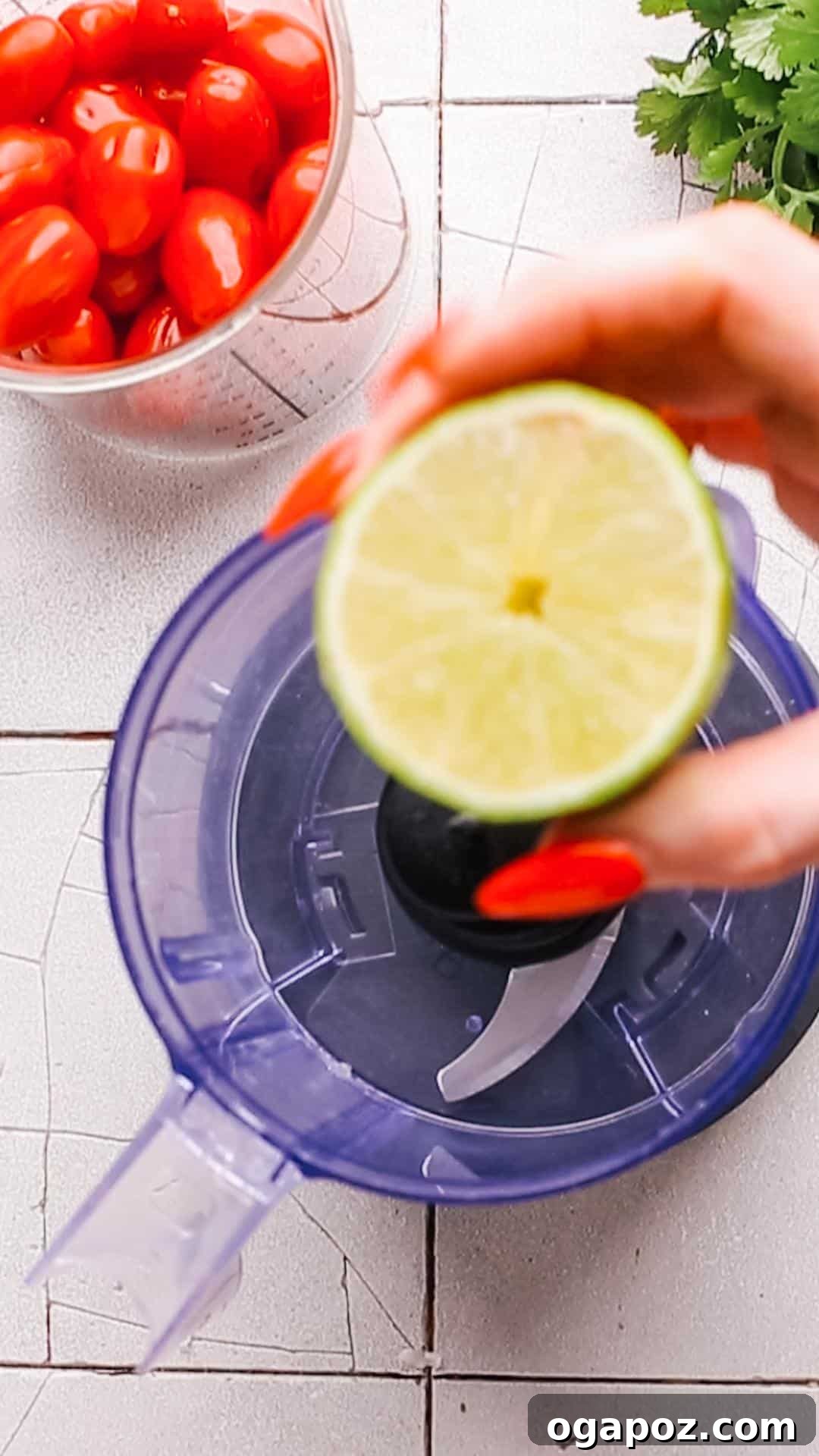
- Fresh Lime Juice: This is non-negotiable for that bright, zesty tang that defines great pico de gallo. Always opt for freshly squeezed lime juice. Bottled varieties simply cannot replicate the vibrant, aromatic essence of a freshly cut lime, which is crucial for balancing the other flavors.
- Fresh Cilantro Leaves: Cilantro adds a distinctive herbaceous and slightly citrusy note that is essential to authentic Mexican salsa. Make sure to remove the tougher stems before finely chopping or mincing the leaves to ensure a smooth texture and concentrated flavor.
- Fresh Garlic: For the most robust and pungent flavor, fresh garlic cloves are a must. Mince them finely to distribute their aromatic kick evenly throughout the salsa. Avoid garlic powder for this recipe, as it lacks the fresh zing.
- Roma or Grape Tomatoes: These tomato varieties are ideal for salsa due to their firm flesh, lower water content, and naturally sweet flavor. Choose ripe, brightly colored, and juicy tomatoes for the best results. They are the backbone of your salsa, providing both body and sweetness.
- White or Red Onion: Your choice here can subtly influence the salsa’s profile. White onions typically offer a sharper, more pungent flavor, while red onions are sweeter and milder, adding a beautiful pop of color. Select based on your personal preference for onion intensity.
- Jalapeño Pepper: This provides the signature heat and a touch of peppery flavor. For a milder salsa, remove the seeds and white membranes (ribs), as these contain most of the capsaicin, the compound responsible for the heat. If you’re a spice enthusiast, use half a jalapeño with seeds or even a serrano pepper for an extra-spicy kick!
- Kosher Salt: Salt is more than just a seasoning; it’s a flavor enhancer. It brightens and rounds out all the other ingredients. Adjust the amount to your taste, remembering that it should complement the flavors without overpowering them.
Ingredient Quality Matters
The secret to an exceptional fresh salsa lies heavily in the quality of your ingredients. Since this is a no-cook recipe, every component shines through. Opt for organic produce when possible, and always choose fruits and vegetables that are firm, fragrant, and free from blemishes. Freshness truly makes all the difference in achieving that vibrant, authentic flavor profile.
Customizing Your Salsa: Endless Variations
While the classic recipe is fantastic, one of the joys of making homemade salsa is the freedom to experiment. Feel free to play around with these suggestions to make this your own signature salsa:
Tomato & Onion Twists
- Tomato Variations: Elevate the complexity by substituting Roma or grape tomatoes with various heirloom tomatoes, each offering unique nuances in flavor and color. For an even sweeter and juicier salsa, tiny cherry tomatoes are a delightful alternative. Don’t hesitate to mix and match different varieties to create a visually stunning and multi-layered flavor experience.
- Onion Substitutions: If you find white or red onions too strong, consider using shallots for a milder, more delicate, and slightly sweeter flavor profile. Alternatively, finely chopped green onions (scallions) can provide a fresher, less pungent onion essence, especially if you prefer a lighter taste.
Spice Level Control
- Green Chiles Galore: Beyond jalapeños, a world of chiles awaits! For a milder salsa with a subtle smoky undertone, swap the jalapeño for a poblano pepper. If you crave intense heat, habanero peppers or additional serrano peppers will deliver. Experiment with other chili varieties like Anaheim for a gentle warmth, Fresno for a fruity spice, or even Thai chili peppers for potent heat. Always start with a small amount and taste as you go – you can always add more, but you can’t take it away!
Flavor Boosters & Creative Additions
- Earthy Cumin: A dash of ground cumin (start with ½ tsp and adjust to taste) introduces a warm, earthy, and slightly smoky depth that complements the fresh ingredients beautifully, often found in traditional Mexican salsas.
- Garlic Enhancements: For a sweeter, less sharp garlic flavor, try roasting the garlic cloves until tender and lightly caramelized before adding them to your salsa. This mellows their pungency and adds a sophisticated layer of flavor.
- Other Delicious Add-ins:
- Fruity Freshness: Incorporate diced mango, pineapple, or peach for a delightful sweet and tangy tropical salsa variation that pairs wonderfully with fish tacos or grilled chicken.
- Creamy Texture: Stir in finely diced avocado just before serving for a rich, creamy texture and a dose of healthy fats.
- Crunchy Vegetables: Add finely diced bell peppers (any color) for extra crunch, sweetness, and a boost of vibrant color. Corn kernels, either fresh off the cob or thawed frozen, also add a delightful sweetness and texture.
- Black Beans: Rinsed and drained black beans can add protein and heartiness, making your salsa more substantial.
Grab These Tools
The only essential piece of kitchen equipment you’ll need for this recipe is either a blender or a food processor. Both work perfectly for achieving your desired salsa consistency, from chunky to smooth.
How to Make Fresh Taco Salsa: A Step-by-Step Guide
Creating this delectable taco salsa is incredibly straightforward. Follow these simple steps for a truly rewarding culinary experience:
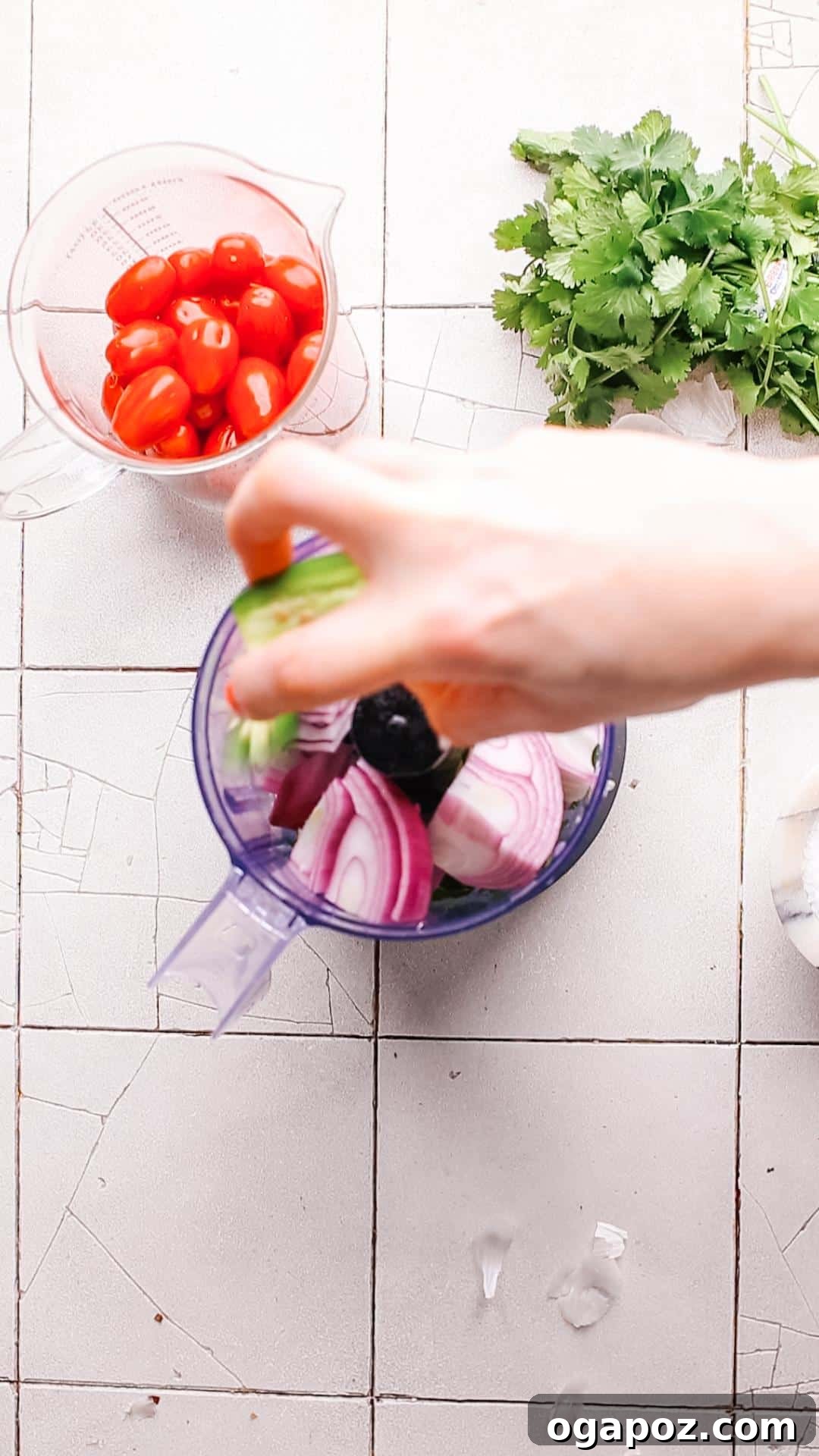
Step 1: Combine All Ingredients
Begin by adding all your prepared ingredients into the bowl of your blender or food processor. This includes the fresh lime juice, fragrant cilantro, minced garlic, quartered tomatoes, roughly chopped onion, seeded jalapeño pepper, and a pinch of kosher salt. If you’re using a smaller food processor, like I often do, you might find it easier to process the ingredients in two batches to ensure even blending.
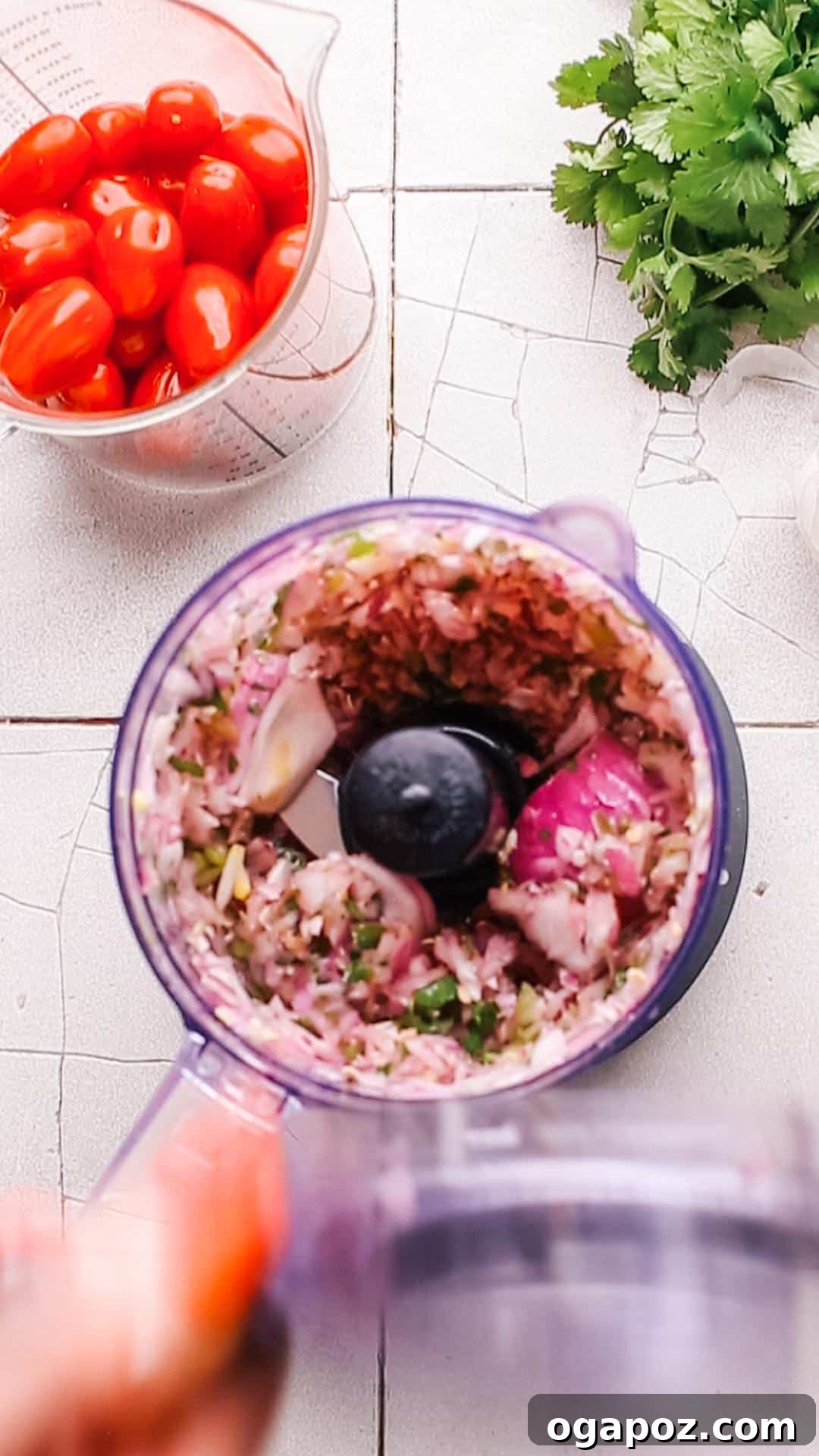
Step 2: Blend to Desired Consistency
Secure the lid on your appliance. Now, pulse the mixture a few times. The number of pulses will determine the final texture of your salsa. For a chunkier, more traditional pico de gallo, pulse just a few times until the ingredients are finely chopped but still retain some texture. For a smoother, more restaurant-style salsa, continue pulsing or blend for a slightly longer duration, ensuring it doesn’t become a complete purée.
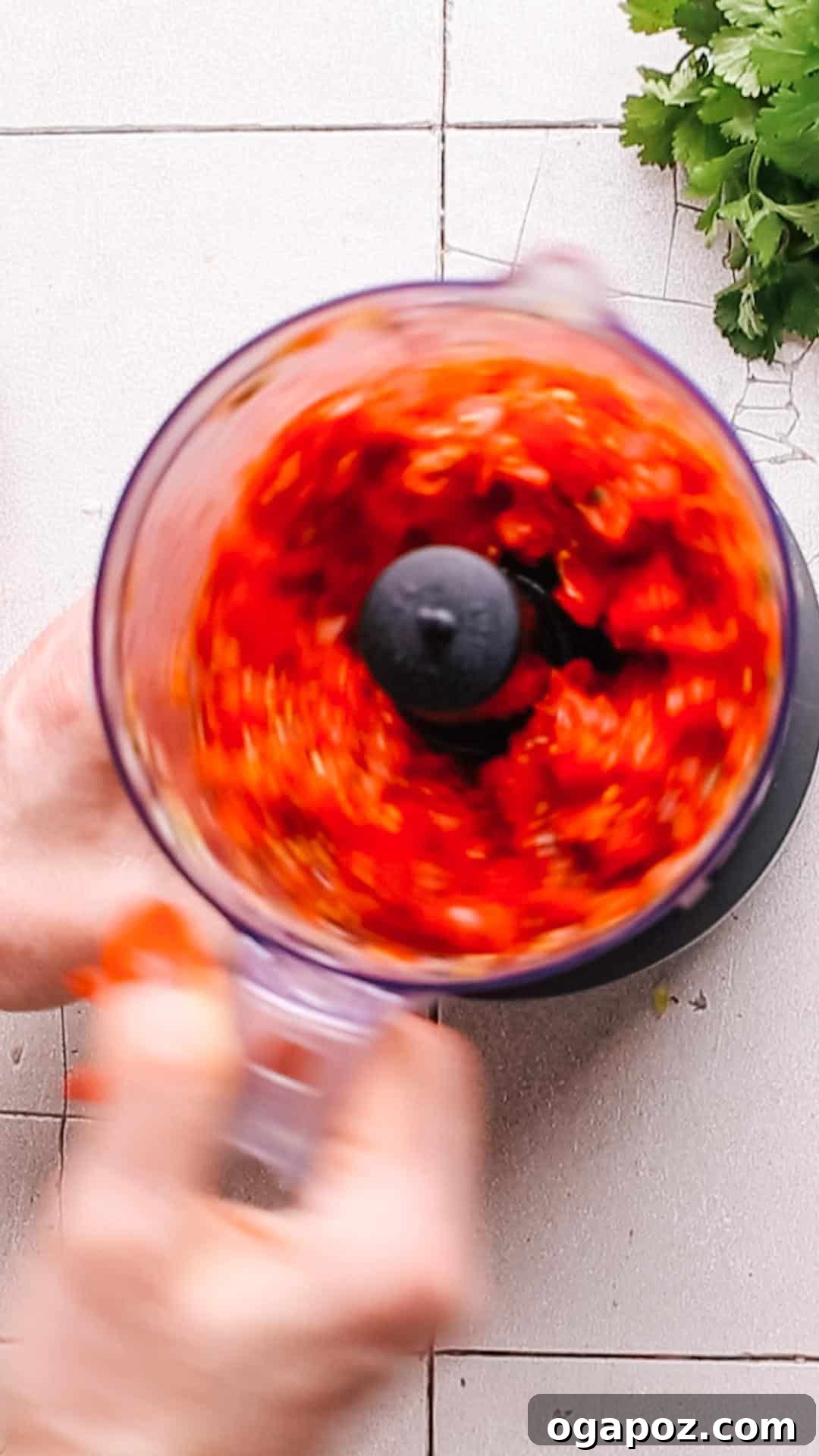
Step 3: Adjust Seasoning
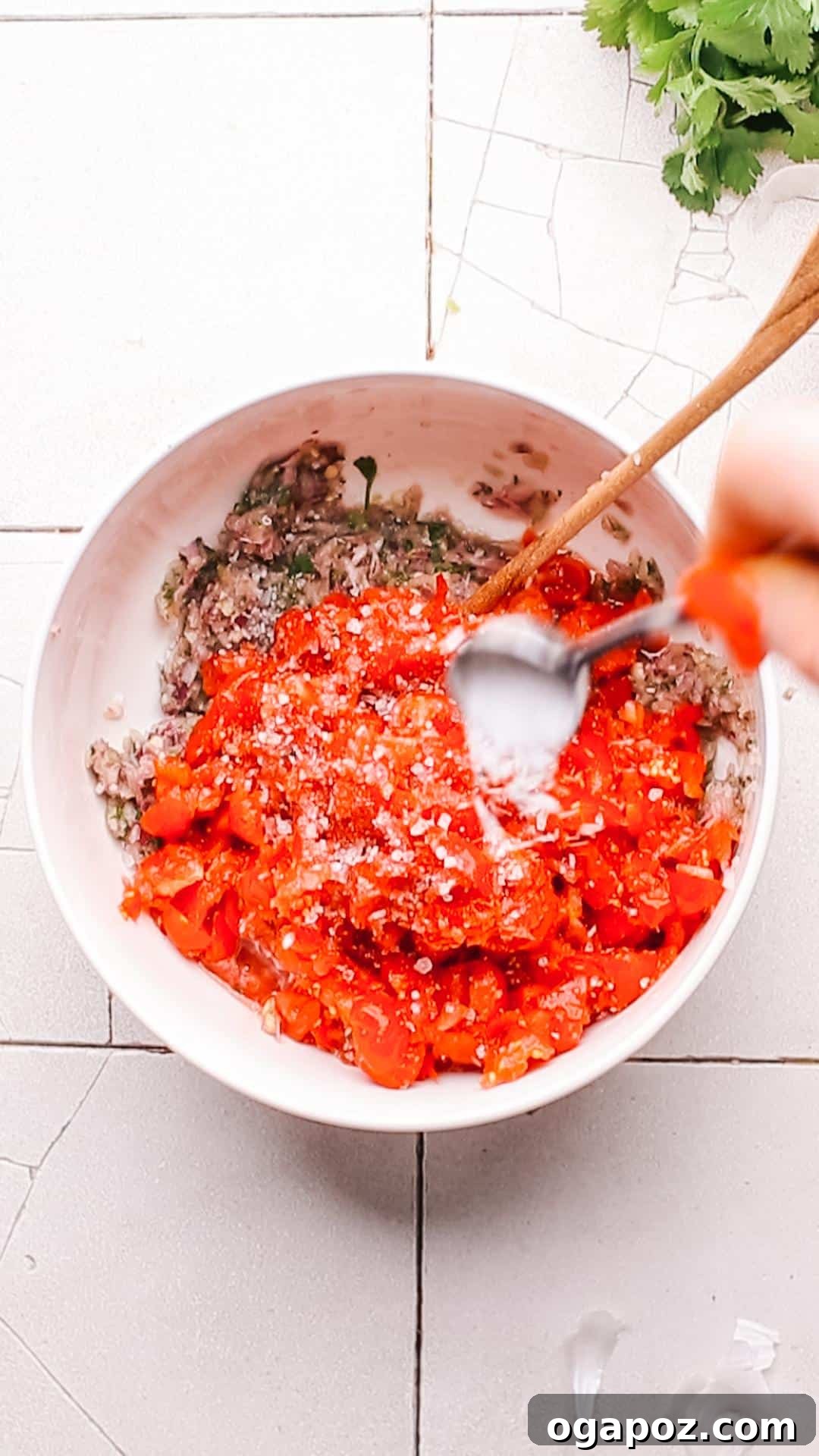
Once you’ve achieved your preferred consistency, remove the lid and taste a small spoonful of the salsa. This is your opportunity to fine-tune the flavors. Does it need more zest? Add a bit more lime juice. Could it use more punch? Stir in a little extra salt. Want more heat? Mince another small piece of jalapeño (or even a spicier pepper) and pulse again briefly. Adjust until it perfectly suits your taste buds.
Step 4: Rest and Serve
For the best flavor experience, transfer the salsa to a serving bowl and allow it to rest for at least 15 to 30 minutes in the refrigerator. This crucial resting period allows the individual flavors to meld and deepen, creating a more harmonious and complex taste profile. Once rested, give it a quick stir and serve generously with your favorite tacos, crispy tortilla chips, or as a vibrant topping for grilled meats or fish.
Make Ahead & Storage Tips for Your Homemade Salsa
Preparing this vibrant salsa ahead of time is a fantastic way to save valuable time and allow the flavors to deepen beautifully. Here’s how to best prepare and store your fresh creation:
Preparing in Advance
This taco salsa is an excellent make-ahead option. Preparing it a few hours before serving allows all the ingredients to truly get acquainted, resulting in a richer and more cohesive flavor. Follow these simple steps:
- Gather and Prepare Ingredients: Dice all your vegetables – tomatoes, onions, and jalapeño peppers. Mince the fresh garlic and squeeze the lime juice. Ensure all ingredients are prepped as per the recipe.
- Combine and Mix: In a spacious mixing bowl, combine all the chopped vegetables, minced garlic, fresh cilantro, freshly squeezed lime juice, and kosher salt. Stir everything thoroughly to ensure that the flavors are evenly distributed throughout the mixture.
- Refrigerate for Flavor Development: Transfer your freshly mixed salsa into an airtight container. Alternatively, cover the bowl tightly with plastic wrap to prevent air exposure. Refrigerate the salsa for a minimum of 1-2 hours. While 30 minutes is enough to start, longer resting times (up to a few hours) truly enhance the flavor development, allowing the ingredients to meld into a more harmonious and delicious blend.
Optimal Storage Solutions
To keep your leftover taco salsa as fresh as possible, store it in an airtight container in the refrigerator. When properly sealed, it will maintain its vibrant flavors and quality for up to 3-4 days. It’s crucial that the container is tightly sealed to prevent the salsa from absorbing any unwanted odors from other foods in your fridge, which can compromise its fresh taste.
A note on freezing: I generally don’t recommend freezing this fresh salsa if you intend to serve it as a dip or topping, as the delicate texture of the vegetables can deteriorate upon thawing, often becoming mushy and losing their crispness. However, if you find yourself with an abundance of salsa and don’t want to waste it, you could freeze it and repurpose it later. Frozen salsa makes an excellent base for a vibrant gazpacho soup, a flavorful addition to chili, or a component in other cooked dishes where a softer texture won’t be an issue.
Beyond Tacos: Versatile Ways to Enjoy Your Fresh Salsa
While this salsa is, of course, absolutely phenomenal piled high on your favorite tacos, its versatility knows no bounds. Here are a myriad of creative ways to incorporate this fresh, flavorful creation into your meals:
Classic Pairings
- The Ultimate Dip for Tortilla Chips: This homemade salsa recipe shines brightest when served as a refreshing dip alongside a generous basket of warm, crispy tortilla chips. It’s an absolute crowd-pleaser and a popular appetizer at any gathering, party, or casual movie night.
- Elevate Burritos and Quesadillas: Transform your ordinary burritos and cheese quesadillas by spreading a layer of this vibrant salsa inside before rolling or folding. Alternatively, serve it on the side for a perfect dipping companion.
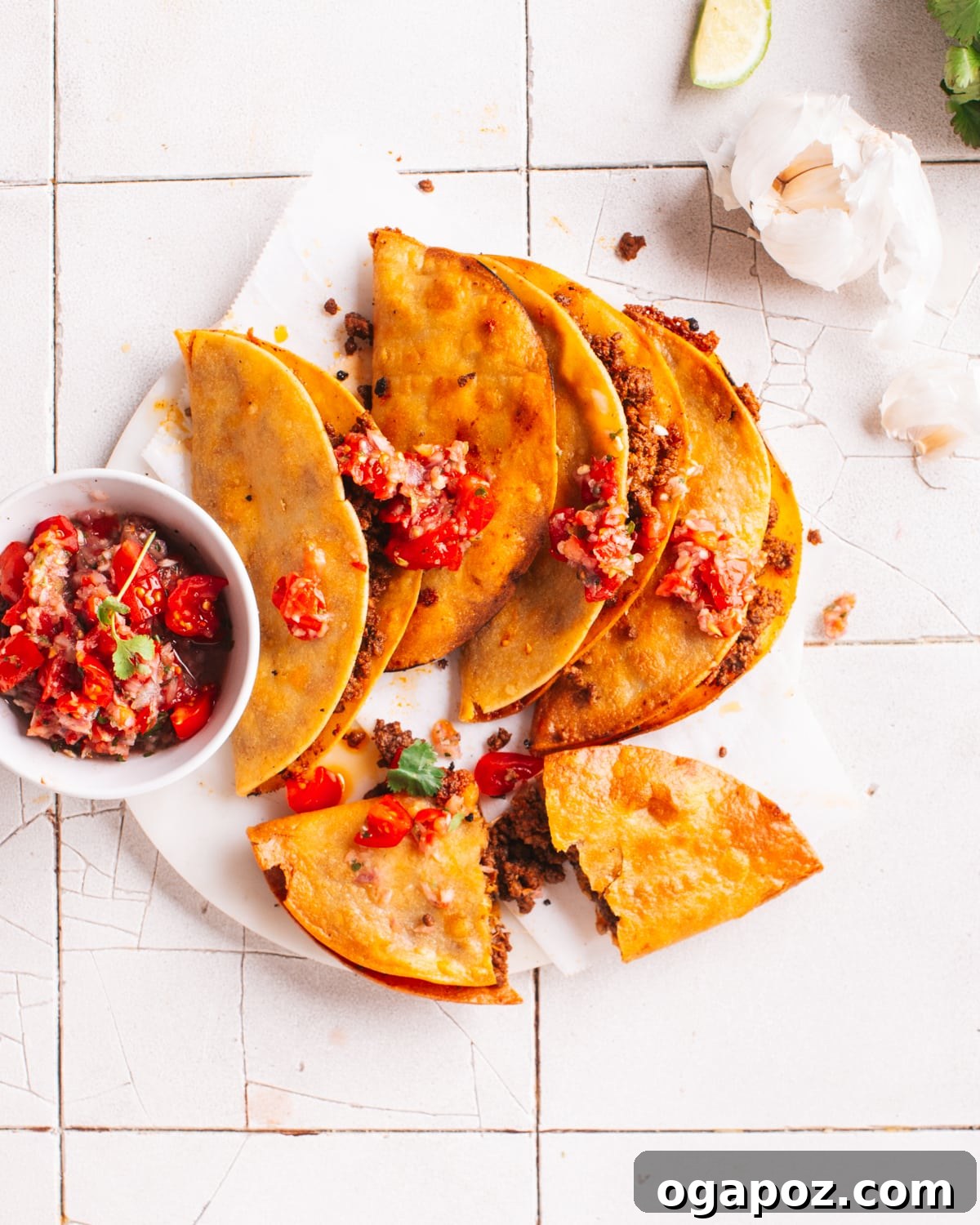
- The Perfect Sauce for Tacos of All Kinds: This taco salsa is the ideal condiment for virtually any taco creation. Drizzle it generously over spicy fish tacos, chicken street tacos, authentic ground beef tacos, fried tacos, crispy baked chicken tacos, and countless other variations. Its fresh tang and subtle heat cut through rich fillings beautifully.
Innovative Culinary Uses
- Game Day Nachos Topping: Create an epic platter of loaded nachos by generously drizzling taco salsa over a bed of tortilla chips. Layer with melted cheese, hearty beans, extra jalapeños, a dollop of Baja cream sauce or cilantro lime crema, shredded lettuce, and creamy guacamole for an unforgettable snack.
- Garnish for Hearty Soups and Stews: Add a colorful and zesty spoonful of taco salsa as a finishing garnish to your favorite soups and stews just before serving. Its fresh, bright profile offers a delightful contrast to rich, hearty dishes like chili con carne, cream cheese chicken chili, and chile verde.
- Mix Into Fresh Salads: Toss this vibrant salsa into your taco salads or any green salad to instantly liven up leafy greens. It pairs exceptionally well with avocado, sweet corn, black beans, and grilled vegetables, adding a burst of flavor and moisture.
- Zesty Condiment for Savory Breakfasts: Wake up your palate by adding this salsa to your morning meals. It’s fantastic with scrambled eggs, over-medium eggs on toast, tater tot breakfast casserole, and breakfast sandwiches, offering a tangy and spicy kick that makes breakfast exciting.
- Flavor Booster for Rice and Grain Bowls: Mix a spoonful of salsa into plain rice, cooked couscous, quinoa, farro, or any other grain bowl. It adds instant moisture, flavor, and a fresh dimension, transforming simple grains into a more exciting side dish or meal base.
- Marinade for Meats and Fish: The acidity from the lime and tomatoes, combined with the savory notes of garlic and onion, makes this salsa an excellent base for marinating chicken, fish, or pork. Let your protein soak up these delicious flavors for an hour or two before grilling or baking.
Pro Tips for Restaurant-Quality Salsa Every Time
Achieving an incredibly good homemade salsa isn’t just about the ingredients; it’s also about understanding how to handle them. As a food scientist, I’ve gathered a few tips and “science-based secrets” to help you create truly outstanding salsa:
- Handle Jalapeños with Care (and Precision): When preparing larger jalapeño peppers, it’s crucial to remove the seeds and, more importantly, the inner white membranes (the “ribs”). These parts not only contain the vast majority of the capsaicin (the compound responsible for heat) but can also impart a tough texture and a slightly bitter taste to your salsa. You can always add a few seeds back in if you want more heat, but you can’t easily remove it once it’s blended in! For a milder salsa, simply discard all seeds and membranes.
- Tame the Potent Raw Onion: Raw onion, especially if it’s been stored for a while, can sometimes have a very strong, pungent, or even bitter flavor that can dominate your salsa. Before adding your chopped onion, take a tiny taste. If it’s overly strong, don’t worry! Simply place the chopped onion in a small bowl, cover it with cold water, and let it soak for about 10-15 minutes. Drain thoroughly before adding it to your salsa. This simple trick effectively mellows out the harshness without compromising its crisp texture.
- The Power of Resting for Flavor Integration: While it might be tempting to dive right into your fresh salsa, allowing it to rest for at least 15-30 minutes (or even longer in the fridge) is a crucial step. This time allows the various flavors to meld and harmonize, deepening the overall taste profile. The lime juice works to macerate the vegetables slightly, releasing more of their natural essences, resulting in a more cohesive and delicious salsa.
- Stir Before Serving for Uniformity: After your salsa has rested in the refrigerator, it’s natural for some of the juices to settle at the bottom. Always give your salsa a good stir just before serving. This redistributes the accumulated juices and flavors, ensuring every spoonful is equally delicious and well-balanced.
- Don’t Over-Process: Whether you’re using a blender or food processor, resist the urge to over-process. Too much blending will turn your vibrant salsa into a watery purée, losing the desirable chunky texture and fresh bite that makes pico de gallo so appealing. Pulse in short bursts until you reach your desired consistency.
Frequently Asked Questions (FAQs) About Homemade Salsa
Here are some of the most common questions about making and enjoying fresh taco salsa:
How long does homemade tomato salsa last?
Homemade tomato salsa, when stored correctly in an airtight container in the refrigerator, can typically last for about 3 to 4 days. Always ensure it’s properly sealed to maintain its freshness and prevent spoilage.
Can I freeze tomato salsa?
While you technically can freeze tomato salsa, it’s important to note that the texture of the fresh vegetables, particularly the tomatoes and onions, will likely change upon thawing, becoming softer and sometimes mushy. If you choose to freeze it, place the salsa in a freezer-safe container, leaving some headspace for expansion. It’s best used after thawing in cooked dishes like soups, stews, or marinades, where the change in texture is less noticeable.
How do I adjust the spiciness of tomato salsa?
Adjusting the spiciness is quite simple. The easiest way is to control the amount of jalapeño or other chili peppers you add. To reduce heat, remove all seeds and white membranes (ribs) from the peppers before chopping. For increased heat, leave some or all of the seeds and membranes, or use a spicier pepper like serrano or habanero. You can also balance intense spice by adding more mild ingredients like extra tomatoes or a squeeze of lime juice.
Can I use canned tomatoes for salsa?
Yes, you can certainly use canned diced tomatoes for salsa, especially when fresh, ripe tomatoes are out of season or unavailable. For the best flavor and texture, opt for high-quality canned diced tomatoes that are plain, without any added seasonings, herbs, or preservatives. Drain them well before adding to avoid a watery salsa.
What can I do if my salsa is too watery?
If your salsa turns out to be too watery, there are a few fixes. You can carefully strain some of the excess liquid by pouring the salsa through a fine-mesh sieve or a cheesecloth-lined colander. Another effective method is to add more diced fresh tomatoes or other firm vegetables (like bell peppers or onions) to help absorb the excess moisture and thicken the salsa naturally.
How do I make salsa less acidic?
To reduce the acidity in your salsa, you can balance it out by incorporating a small amount of a sweetener, such as a pinch of sugar, honey, or agave nectar. Additionally, adding ingredients like diced avocado or mango can help mellow the acidity while also contributing a lovely creamy texture or fruity sweetness to the salsa.
What are some popular variations of tomato salsa?
Tomato salsa is incredibly versatile and can be customized in numerous exciting ways. Popular variations include adding sweet fruits like mango or pineapple for a tropical twist, incorporating corn or black beans for added texture and heartiness, or experimenting with different fresh herbs (like oregano or mint) and spices (such as smoked paprika or chili powder) to create unique flavor profiles.
Is tomato salsa always spicy?
No, the level of spiciness in tomato salsa is entirely adjustable and depends on the specific recipe and the amount and type of chili peppers used. Many salsas are mild and refreshing, focusing more on the fresh, tangy flavors of tomatoes and lime, while others can be quite fiery, catering to those who prefer a strong spicy kick.
Other Fan Favorite Mexican-Inspired Recipes You’ll Love
If you adore flavor-packed Mexican cuisine as much as I do, then these popular dishes are an absolute must-try to complete your culinary journey:
- Baja Fish Tacos: Indulge in crisp battered fish, perfectly complemented by easy, quick-pickled red onion, a generous drizzle of creamy avocado crema, and the freshest cabbage slaw for fish tacos.
- Elotes Salad: Savor this super-yummy Mexican Corn Salad, also famously known as Esquites or street corn in a cup. It’s bursting with flavor!
- Instant Pot Mexican Rice: This Mexican Rice recipe is not only incredibly quick and easy to make but also incredibly tasty, making it a perfect side dish.
- Walking Taco Casserole: Experience everything you love about classic walking tacos, but conveniently baked into a comforting and hearty casserole form.
Taco Salsa (Easy, 5-Minute, No-Cook, Simple Ingredients)
Jennifer Pallian BSc, RD
Bright and juicy taco salsa made with 7 basic ingredients. Load your tacos up with this fresh and tangy salsa.
Ingredients
- 1 tbsp fresh lime juice
- ¼ cup fresh cilantro leaves
- 2 cloves garlic
- ¾ lb roma or grape tomatoes chopped (that’s about 4 roma tomatoes)
- ¼ of a white or red onion coarsely chopped
- 1 jalapeño pepper seeded (use ½ for mild, or use serrano pepper for extra-spicy)
- 1 tsp kosher salt
Instructions
-
Combine Ingredients: In a blender or food processor, add the lime juice, cilantro, garlic, tomatoes, onion, jalapeño and salt.
-
Blend: Pulse the mixture a few times until it reaches your desired consistency – either smooth or slightly chunky.
-
Adjust Seasoning: Taste and adjust the seasoning as needed, adding more salt, lime juice, or jalapeño according to your preference.
-
Rest and Serve: Allow the salsa to rest for 15-30 minutes to let the flavors meld together. Serve with tacos, chips, or as a topping for grilled meats or fish.
Notes
- It’s important to remove the seeds from larger jalapeno peppers or they have a tough texture and bitter taste. The seeds (and ribs) are also where most of the heat comes from. You can always add them in, but you can’t take them away.
- Raw onion can also have a strong, bitter taste if it’s been stored for a while. Taste a tiny bite before adding it to the salsa. If it tastes very strong, soak it in cold water for 10 minutes then drain before using it. This mellows the flavor.
Nutrition
Calories: 15kcal |
Carbohydrates: 3g |
Protein: 1g |
Fat: 0.1g |
Saturated Fat: 0.02g |
Polyunsaturated Fat: 0.1g |
Monounsaturated Fat: 0.02g |
Sodium: 391mg |
Potassium: 157mg |
Fiber: 1g |
Sugar: 2g |
Vitamin A: 545IU |
Vitamin C: 12mg |
Calcium: 10mg |
Iron: 0.2mg
Nutrition information is automatically calculated, so should only be used as an approximation.