
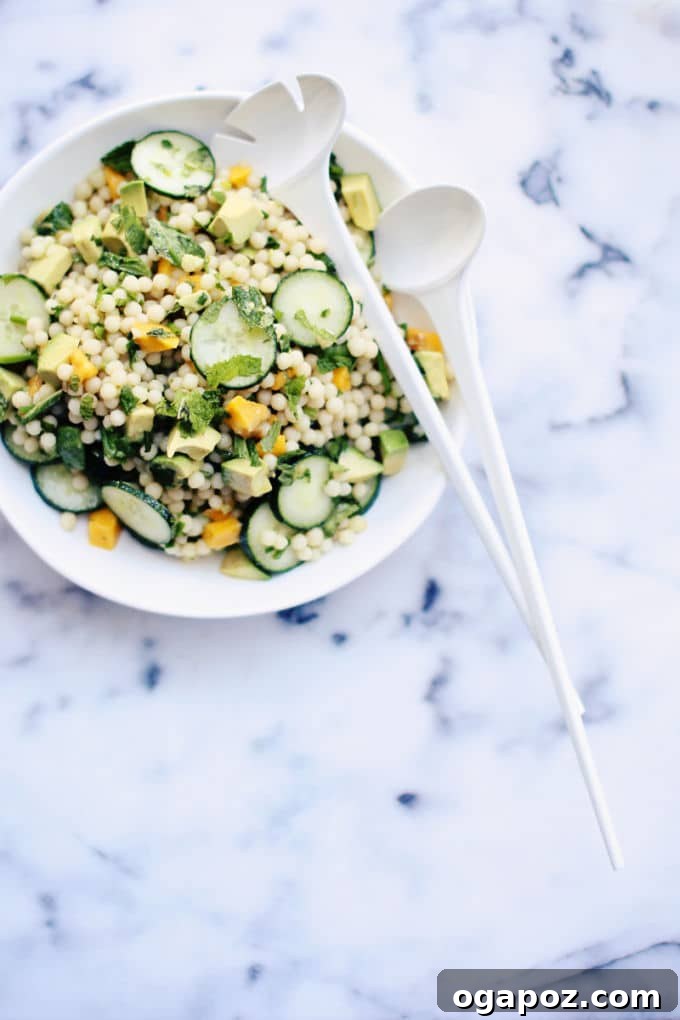
Delicious Israeli Couscous Recipes: Your Guide to Pearl Couscous Perfection
Step into the wonderfully chewy and satisfying world of Israeli couscous, an ingredient that promises to elevate your culinary creations. This unique pasta offers a delightful texture and a subtly nutty flavor, making it an incredibly versatile staple for any kitchen. Whether you’re a seasoned chef or a home cook looking for fresh inspiration, this comprehensive guide will introduce you to everything you need to know about pearl couscous, including how to cook it perfectly and a collection of easy, mouth-watering Israeli couscous recipes that are guaranteed to impress. Get ready to transform your meals with the simple elegance and robust character of pearl couscous!
What Makes Israeli Couscous So Special?
While often grouped with its smaller, grain-like counterpart, Israeli couscous, also widely known as pearl couscous, stands out as a distinct and special ingredient in the culinary landscape. Unlike traditional couscous, which are tiny, irregularly shaped granules of semolina, Israeli couscous comprises small, uniform, spherical pasta shapes. These pearls are meticulously crafted from high-quality semolina flour, and crucially, they are toasted during their manufacturing process. This toasting is the secret behind their distinctive, wonderfully nutty flavor and slightly chewy bite, which sets them apart from other pasta varieties and traditional couscous.
The unique qualities of Israeli couscous extend to its remarkable versatility in the kitchen. Its firm, satisfying texture holds up beautifully, whether served hot or cold. It’s equally delightful chilled and vibrant, tossed with fresh herbs, crisp vegetables, and a zesty vinaigrette, making it a perfect candidate for light lunches, refreshing side dishes, or hearty main course salads. Alternatively, it shines when served warm, perhaps gently folded into a comforting medley with good quality cheese, tender roasted vegetables, or a rich sauce. The robust nature of these pearls prevents them from becoming mushy, ensuring a pleasant eating experience every time. The possibilities are truly endless, inviting you to experiment with countless ways to enjoy Israeli couscous and discover your own favorite preparations that will have everyone asking for seconds.
For a deeper dive into the world of couscous and pasta, and to understand just how unique Israeli couscous is, you might find our comparison article surprising: Couscous vs. Pasta – The Ultimate Comparison.
The Fascinating Origin Story of Israeli Couscous
The intriguing history of Israeli couscous dates back to the challenging times of the 1950s in Israel. During this period, the young state faced severe food shortages, particularly concerning rice, which was a vital staple for many families and a common ingredient for absorbing and extending meals. In response to the growing population’s nutritional needs and the scarcity of traditional grains, then-Prime Minister David Ben-Gurion sought a practical, affordable, and readily available alternative that could resemble rice and provide a comforting, familiar texture.
This necessity sparked innovation, leading to the development of what we now affectionately know as Israeli couscous. Created as a wheat-based rice substitute, these larger-than-average semolina balls were intentionally designed to be versatile and satisfying. The manufacturing process involves forming semolina dough into small, pearl-like spheres and then toasting them. This essential toasting step not only gives them their characteristic nutty flavor but also ensures a firm, satisfying texture that distinguishes them from other grains and pastas. From its humble beginnings as a solution to a national food crisis, Israeli couscous has since grown beyond a mere substitute, becoming a beloved ingredient worldwide. It is now cherished for its culinary versatility, delightful mouthfeel, and its ability to absorb flavors, making it a staple in various cuisines far beyond its country of origin.
When it comes to cooking Israeli couscous, the process is straightforward and quite similar to preparing traditional pasta. You simply boil it in seasoned water – often with a generous pinch of Kosher salt or even a flavorful broth – until it reaches an al dente consistency, meaning it’s tender yet still offers a slight resistance to the bite. Its short preparation time, typically around 10-15 minutes, makes it an ideal choice for quick, easy, and nutritious meals, whether served piping hot as a comforting side or refreshingly cold in a vibrant salad. To complement your perfectly cooked pearls, consider trying this basic yet incredibly versatile couscous salad dressing recipe, which perfectly enhances the mild, nutty flavor of Israeli couscous.
Israeli Couscous vs. Regular Couscous: Understanding the Key Differences
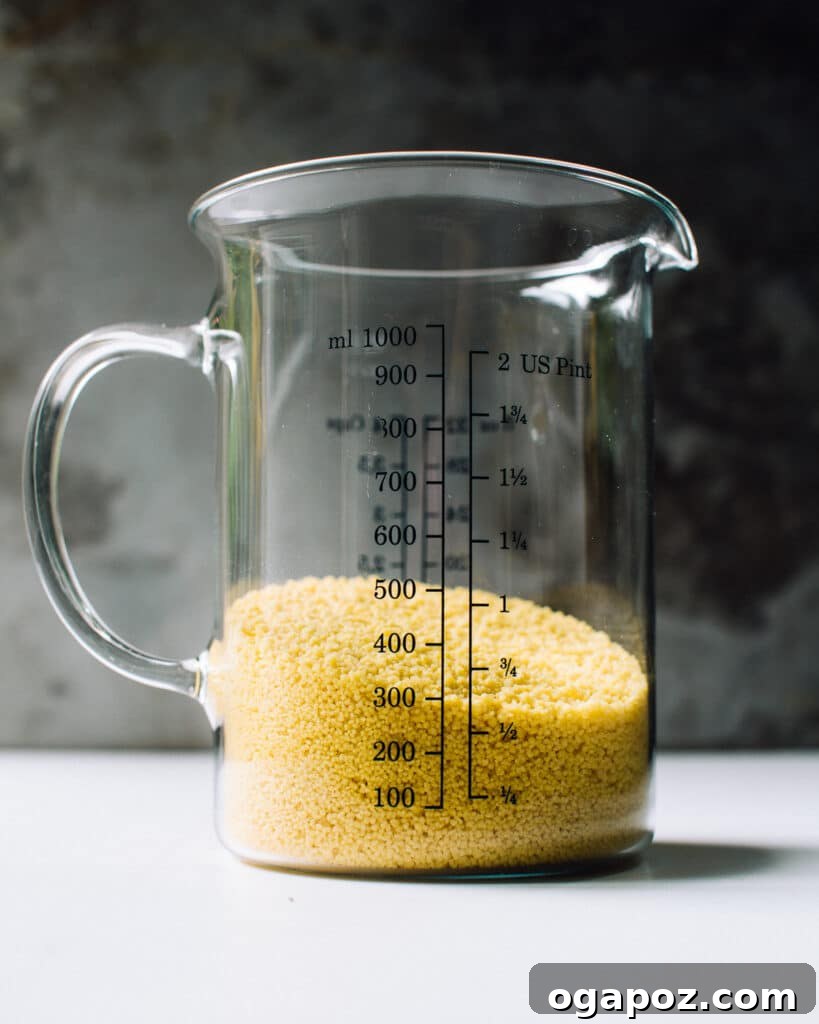
The terms “couscous” can sometimes be confusing, as it encompasses a couple of distinct culinary products. Many home cooks often wonder if they can simply substitute regular couscous for Israeli couscous in recipes. While both share a name and are made from semolina, they are fundamentally different in terms of origin, physical characteristics, texture, and cooking method, making them generally not interchangeable without significantly altering the dish’s final outcome. Understanding these nuances is crucial for successful cooking.
Regular Couscous: A Fine, Fluffy Grain from North Africa
Regular couscous, often referred to as Moroccan couscous or fine couscous, is an ancient staple hailing from North Africa. It is made from crushed durum wheat semolina, but unlike its Israeli counterpart, it is typically not toasted during its production. Instead, these incredibly tiny, irregularly shaped granules are precooked and dried. Their preparation method is remarkably quick and simple: they are usually rehydrated by steaming over broth or hot water, where they absorb the liquid and plump up into a light, airy, and fluffy consistency. The traditional way to prepare regular couscous involves a specialized tiered steamer called a couscoussier, which allows for gradual steaming over a simmering stew. However, modern methods often simplify this to a quick soak in boiling liquid, followed by a brief rest. Once cooked, it’s typically fluffed with a fork to ensure each grain remains separate and airy, preventing any clumping.
The delicate, almost ephemeral texture of regular couscous makes it an excellent accompaniment to saucy dishes like hearty stews, traditional tagines, or rich, flavorful broths. It readily soaks up the flavors it’s cooked in, making vegetable or chicken broth ideal for imparting a deeper taste. Its fine texture allows it to blend seamlessly into dishes, providing a subtle base without overpowering other ingredients. For a comprehensive guide on achieving that perfect, airy consistency every time, explore our detailed article: How to Cook Perfect Fluffy Couscous.
Israeli Couscous: The Chewy, Toasted Pearl
In stark contrast, Israeli couscous (or pearl couscous) is a much larger, spherical pasta, resembling tiny pearls or orbs. Its distinguishing feature is the deliberate toasting process it undergoes during manufacturing. This toasting is what imparts its signature nutty flavor and gives it a significantly chewier, more substantial texture that holds its shape beautifully. It is cooked much like traditional pasta – boiled in water or broth until al dente – maintaining its distinct spherical shape and satisfying bite even after cooking. This heartier texture makes it excellent for cold salads, robust pilafs, or as a stand-alone side dish where you desire a more prominent mouthfeel and textural interest.
Because of these profound differences in size, texture, and cooking behavior, substituting one for the other will drastically change the outcome of your dish. If a recipe calls for Israeli couscous, you should expect a delightful chewiness and a visible, pearl-like component. If it calls for regular couscous, anticipate a light, fluffy base that easily integrates into sauces. Both are incredibly delicious and versatile in their own right but are best utilized for their unique characteristics to achieve the intended culinary experience.
How to Cook Israeli Couscous Perfectly Every Time
Cooking Israeli couscous to perfection is surprisingly simple, resembling the familiar process of preparing traditional pasta. The key is to achieve an al dente texture – tender yet firm to the bite – ensuring each pearl is distinct and satisfying. Follow these steps for consistently delicious results:
- Preparation: Start by rinsing the Israeli couscous under cold running water in a fine-mesh sieve. This helps remove any excess starch and ensures the pearls cook up light and separate. Drain well.
- Toasting (Optional but Recommended): For an enhanced nutty flavor and deeper complexity, consider lightly toasting the dry couscous. Heat 1 tablespoon of olive oil or butter in a medium saucepan over medium heat. Add the rinsed and drained Israeli couscous to the saucepan and stir constantly for about 2-3 minutes, or until the couscous pearls turn a beautiful golden brown. This step is a game-changer for flavor.
- Add Liquid: Pour in 1 ½ cups of water (or vegetable/chicken broth for more flavor) and 1 teaspoon of salt (or to taste, especially if using salted broth). Bring the mixture to a rolling boil over medium-high heat.
- Simmer: Once boiling, reduce the heat to low, cover the pot with a tight-fitting lid, and let it simmer gently for about 12-15 minutes. This cooking process is similar to rice, where the couscous absorbs the liquid.
- Check for Doneness: The couscous is done when the pearls are tender, have absorbed all the liquid, but still retain a slight chewiness. Taste-testing throughout the final minutes of cooking is crucial to prevent overcooking, which can lead to mushy couscous.
- Rest and Fluff: Once cooked, remove the pot from the heat and let it sit, covered, for an additional 5 minutes. This resting period allows the pearls to steam further and fully separate, ensuring a light and fluffy result. Finally, use a fork to gently fluff the couscous before serving.
- Uncooked Israeli Couscous: Store dry, uncooked Israeli couscous in an airtight container in a cool, dark, and dry pantry or cupboard. Protection from moisture and light is key to preventing spoilage and maintaining its quality. When stored correctly, it will last for several months, typically until the expiration date printed on the package, or even longer.
- Cooling Cooked Couscous: Once Israeli couscous is cooked, it’s crucial to cool it completely to room temperature before storing. This step is vital because packing warm couscous into a sealed container can create steam and condensation. This trapped moisture can quickly lead to a mushy texture and accelerate bacterial growth. To speed up the cooling process, you can spread the cooked couscous out on a baking sheet in a thin layer.
- Refrigeration: Transfer the cooled Israeli couscous into an airtight container and refrigerate it promptly. When stored properly in the refrigerator, it will stay fresh and flavorful for approximately 3-4 days. This makes it an excellent ingredient for meal prepping, allowing you to prepare a batch at the beginning of the week and use it in various dishes over several days.
- Freezing for Longer Storage: Israeli couscous freezes remarkably well, making it an ideal candidate for longer-term storage. Ensure it’s completely cooled before freezing to prevent ice crystals from forming excessively. Portion the cooled couscous into freezer-safe bags or containers, removing as much air as possible to prevent freezer burn. It can be stored in the freezer for up to 2 months without significant loss of quality. To thaw, simply transfer it to the refrigerator overnight, or reheat directly from frozen in a saucepan, adding a splash of water or broth to rehydrate and loosen the pearls if they seem dry.
- 1 cup Israeli couscous
- 1 tablespoon olive oil or butter
- 1 ½ cups water
- 1 tsp salt (to taste)
- Rinse the Israeli couscous under cold running water and drain well.
- Heat the olive oil or butter in a medium saucepan over medium heat.
- Add the Israeli couscous to the saucepan and stir constantly for about 2-3 minutes or until the couscous turns golden brown.
- Pour in the water and salt and bring it to a boil.
- Reduce the heat to low, cover the pot and simmer for about 12-15 minutes or until the couscous is tender and has absorbed all the liquid.
- Remove the pot from heat and let it sit covered for 5 minutes. Use a fork to fluff the couscous.
- Easy Couscous Salad with Lemon Dressing & Fresh Herbs: A bright, zesty, and incredibly refreshing salad perfect for any occasion, featuring light and fluffy traditional couscous as its base.
- Grilled Chicken Couscous Salad With Peaches and Mint: A delightful and hearty salad combining tender, smoky grilled chicken, sweet seasonal peaches, and aromatic fresh mint with fluffy couscous for a balanced summer meal.
- Classic Couscous Salad: A timeless and versatile recipe for a flavorful couscous salad that serves as an excellent companion to almost any main dish, or stands alone as a light meal.
By embracing these simple steps, your Israeli couscous will always be a culinary delight, ready to be incorporated into any meal, whether served piping hot as a comforting side dish or refreshingly cold as the base for a vibrant salad or grain bowl. Don’t hesitate to infuse more flavor by adding aromatics like minced garlic, chopped onions, or fresh herbs directly to the pot during the toasting or simmering stages.
Storing Israeli Couscous: Tips for Maximum Freshness
Proper storage is essential to maintain the quality and extend the shelf life of your Israeli couscous, whether it’s still in its dry form or cooked and ready for leftovers. Following these guidelines will help you keep it fresh and delicious, minimizing waste:
By adhering to these simple yet effective storage tips, you can efficiently manage your Israeli couscous, ensuring you always have a convenient and delicious ingredient on hand whenever inspiration strikes.
Is Israeli Couscous a Type of Pasta? Clarifying the Classification
The question of whether Israeli couscous is best classified as a grain or a pasta is a common one, often leading to delightful culinary discussions. Technically and from a culinary production standpoint, the answer is a resounding yes, Israeli couscous is indeed a type of pasta. It is fundamentally crafted from semolina flour and water, which are the very same primary ingredients used to produce nearly all traditional pasta varieties across the globe. Its manufacturing process involves mixing these ingredients to form a firm dough, which is then meticulously shaped into small, uniform pearls. A key step that defines its unique character is the toasting these pearls undergo, contributing to its distinct flavor and texture. This entire process closely aligns with established pasta production methods.
The confusion often arises because its name includes “couscous,” which leads many to associate it with the much finer, grain-like North African staple that is prepared differently. However, Israeli couscous’s larger size, its method of preparation (which involves boiling in water or broth until al dente), and its distinct chewy texture firmly place it within the expansive family of pastas. For this very reason, it’s frequently referred to as “pearl pasta” or “giant couscous” by chefs and food enthusiasts, explicitly clarifying its identity for those new to the ingredient. Recognizing it as a pasta variant rather than a grain unlocks a wider world of culinary applications. It allows cooks to integrate it into diverse dishes, from hearty and vibrant salads and comforting pilafs to elegant side dishes, much in the same way one might use small pasta shapes like orzo or acini di pepe. Its versatility truly shines once its true classification is understood.
10 Must-Try Israeli Couscous Recipes for Every Palate
Now that you’re well-versed in the unique qualities, fascinating history, and perfect cooking methods for Israeli couscous, it’s time to put that knowledge into delicious practice! This collection of recipes showcases the incredible versatility of pearl couscous, featuring everything from vibrant, refreshing salads ideal for summer gatherings to comforting, warm dishes perfect for cooler evenings. Each recipe highlights how easily this fantastic ingredient can be incorporated into your meal rotation, adding both substance and sophisticated flavor. Prepare to be inspired and get ready to add Israeli couscous to your regular grocery list, as these flavorful creations are sure to become new household favorites that will delight friends and family alike.
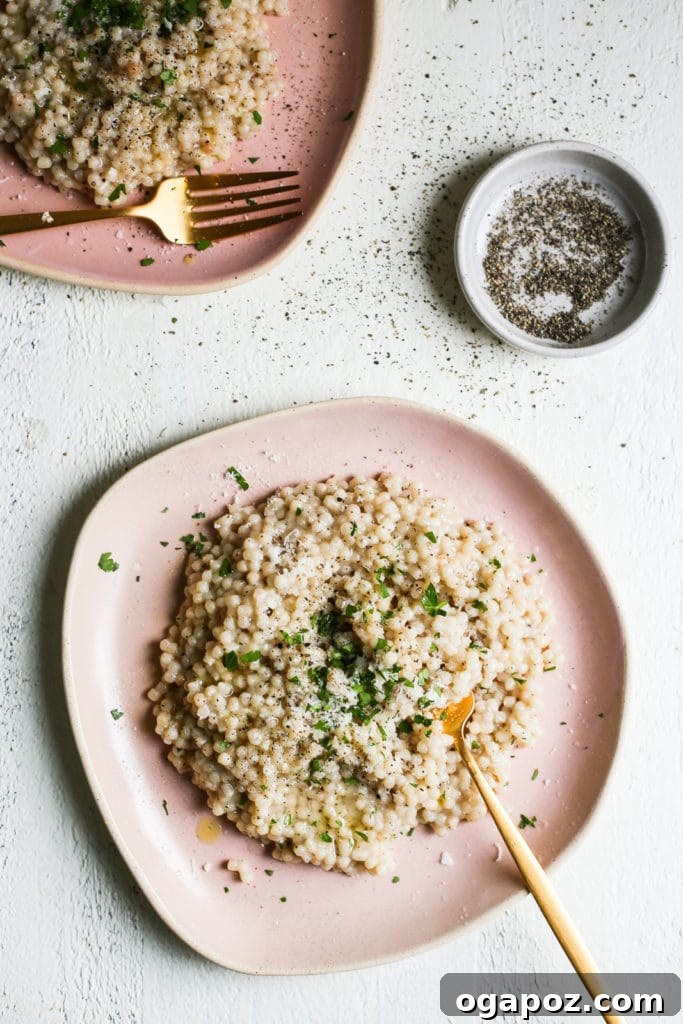
1. One Pot Cacio e Pepe Israeli Couscous
Embrace a comforting classic with a delightful and modern twist! This ingenious recipe reimagines the beloved Italian Cacio e Pepe, which charmingly translates to “cheese and pepper pasta,” by substituting the traditional long, thin noodles with tender, wonderfully chewy pearl couscous. The result is an incredibly creamy, deeply cheesy, and intensely satisfying dish that comes together effortlessly in just one pot, minimizing cleanup and maximizing flavor. It’s a fantastic mid-week meal that offers all the unctuous richness and bold peppery notes of the original, but with an exciting new texture from the couscous. Perfect for a cozy dinner or a quick yet indulgent lunch, this dish truly proves that sometimes, the simplest ingredients, when perfectly combined, create the most profound and memorable flavors.
Get the Recipe: One Pot Cacio e Pepe Israeli Couscous by Defined Dish
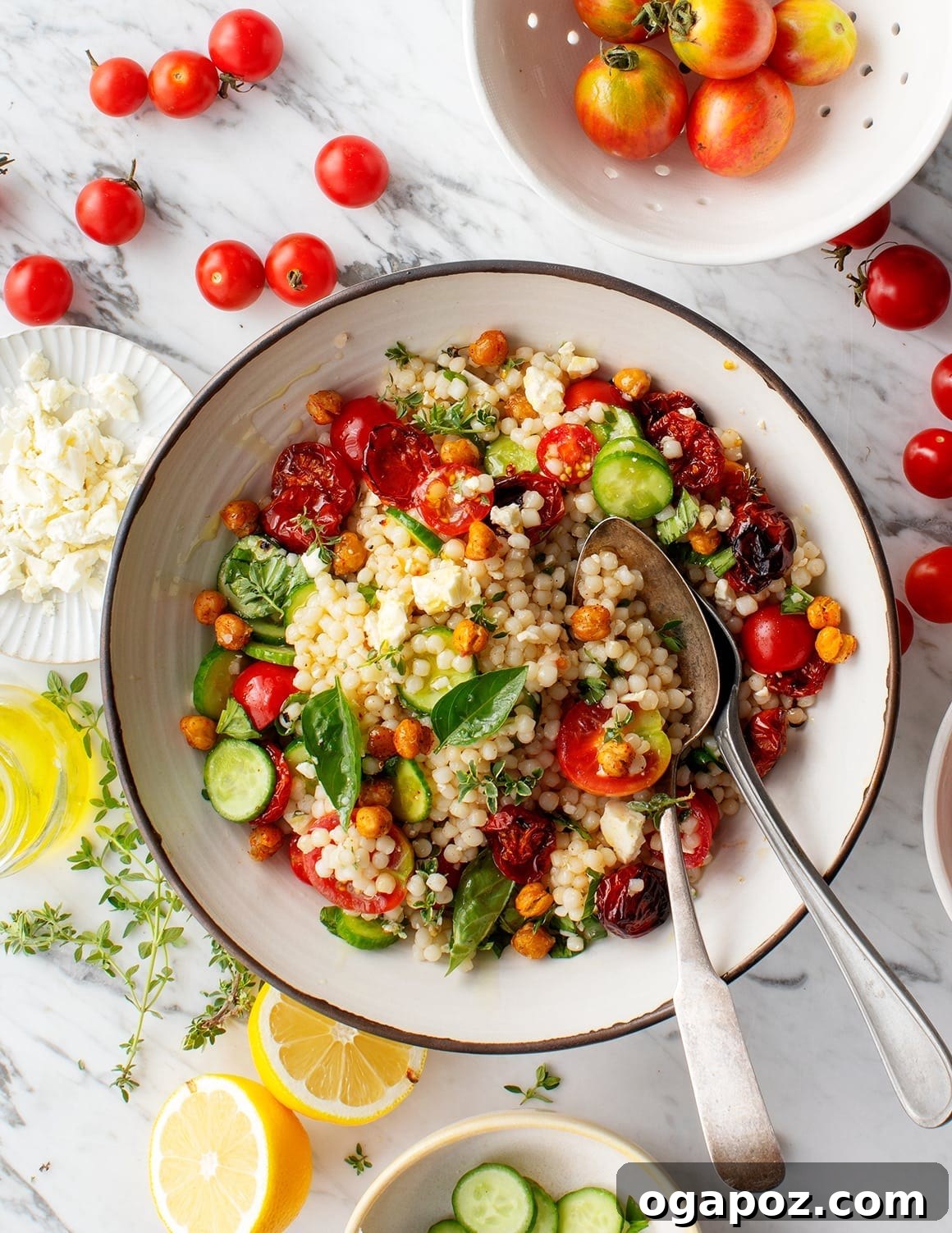
2. Roasted Cherry Tomato and Basil Couscous Salad
Experience the burst of summer sunshine in every bite with this incredibly fresh and flavorful Israeli couscous salad. A simple drizzle of olive oil and a quick roast in the oven transform sweet, juicy cherry tomatoes into intensely rich, deeply flavored gems, concentrating their natural sugars and adding a lovely caramelized depth. These irresistible tomatoes are then gently combined with perfectly cooked, al dente Israeli couscous and an abundance of fragrant fresh basil, creating a light yet satisfying salad that sings with vibrant flavors. It’s an ideal dish for picnics, potlucks, barbecues, or simply a refreshing side to any meal, beautifully highlighting the natural sweetness of the tomatoes and the aromatic lift of fresh basil.
Get the Recipe: Roasted Cherry Tomato and Basil Couscous Salad by Love and Lemons
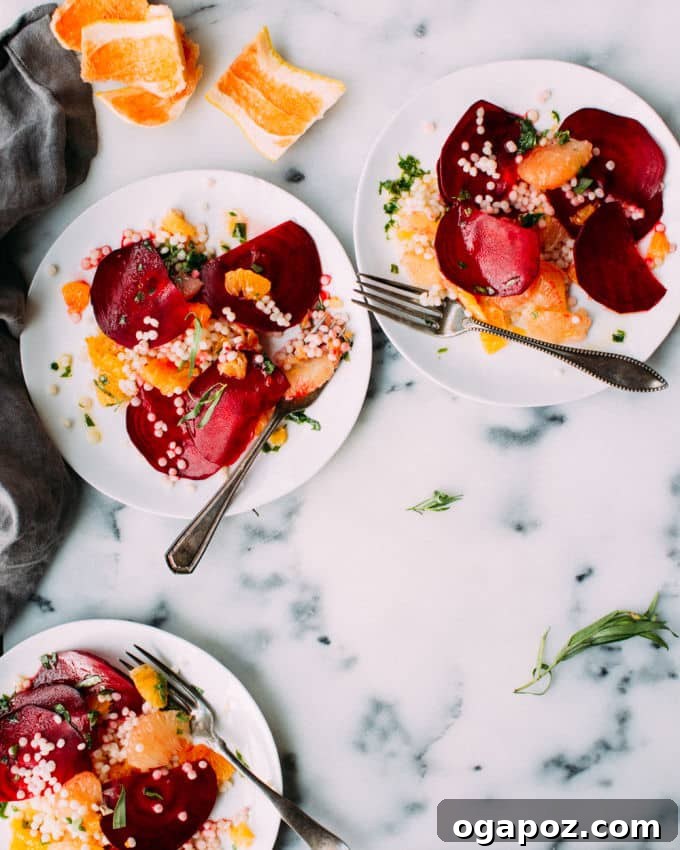
3. Beet and Citrus Salad with Israeli Couscous
This vibrant salad is a true celebration of contrasting flavors and delightful textures, making it a perfect dish to brighten up the cooler months or add a sophisticated touch to any meal. Earthy, naturally sweet beets are beautifully balanced with a bright, zesty punch from fresh citrus segments, such as oranges or grapefruits, which introduce a refreshing tang. The addition of tender yet chewy Israeli couscous rounds out the dish, adding satisfying substance and a delightful mouthfeel that makes it more than just a simple side salad. It’s a sophisticated yet surprisingly easy-to-make salad that works wonderfully as a vibrant side dish for roasted meats or fish, or even as a light and elegant vegetarian main course, showcasing how complementary bold and distinct flavors can be.
Get the Recipe: Beet and Citrus Salad with Israeli Couscous by Foodess
4. Roasted Broccoli and Pesto with Chickpeas and Couscous
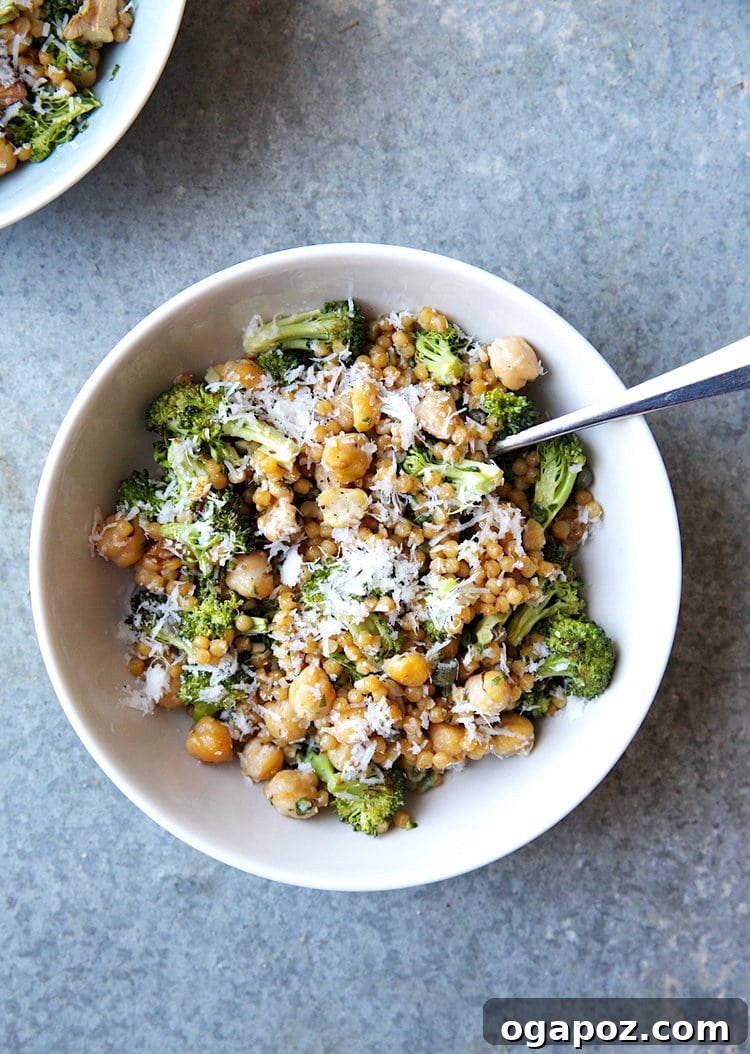
Is there any ingredient that doesn’t benefit from a generous dollop of flavorful pesto? This vibrant and hearty dish masterfully marries the best of textures and tastes for a truly satisfying meal. Perfectly roasted broccoli florets offer a delightful smoky sweetness and a satisfying crunch, providing both flavor and essential nutrients. Protein-packed chickpeas introduce a complementary chewiness and make the dish more filling. All these wonderful elements are tossed with perfectly cooked, al dente Israeli couscous and generously coated in a rich, aromatic pesto, creating a truly delicious and wholesome meal. It’s a cheesy, veggie-packed creation that works brilliantly as a fantastic vegetarian main course, a robust side dish, or a wonderful packed lunch.
Get the Recipe: Roasted Broccoli and Pesto with Chickpeas and Couscous by Double Thyme
5. Herby Eggplant Israeli Couscous
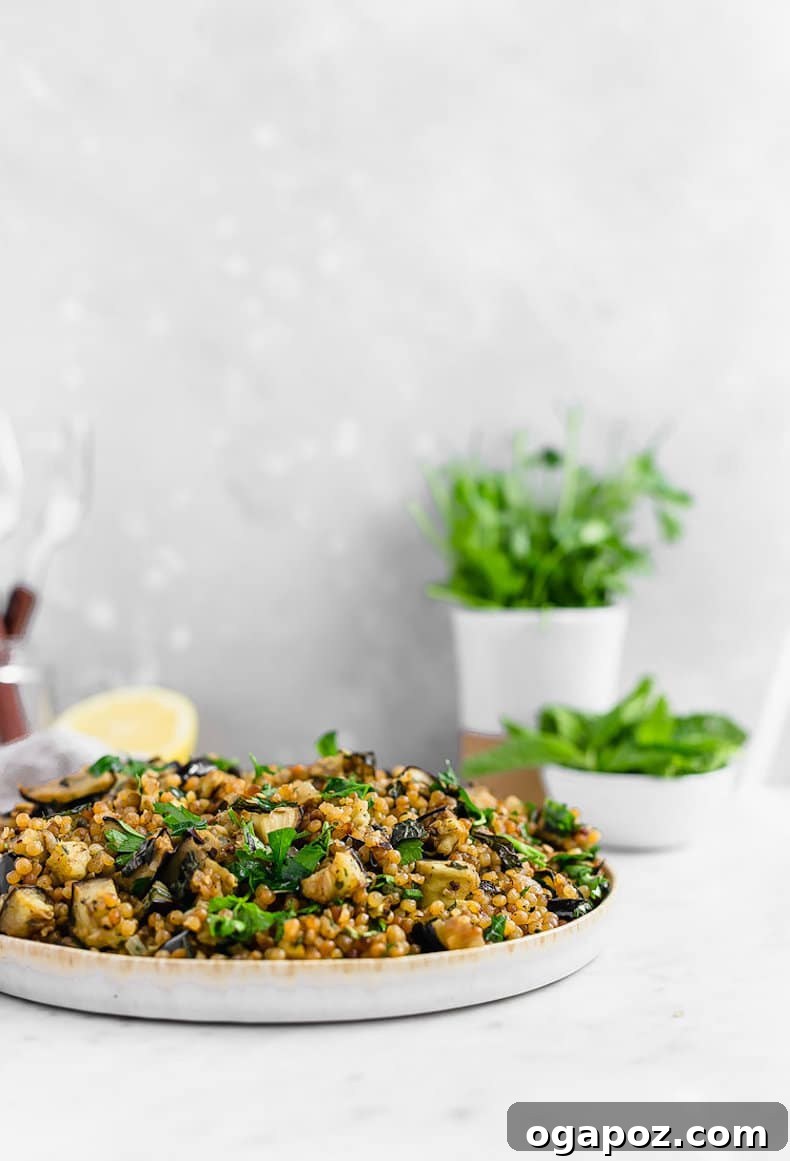
This dish elevates Israeli couscous to a comforting and incredibly flavorful meal, bursting with Mediterranean influences. Tender, beautifully caramelized eggplant, infused with the aromatic depth of sweet onion and pungent garlic, forms the heart of this enticing recipe. What truly makes it sing is the generous addition of fresh, vibrant mint and parsley, which are torn and tossed with a bright squeeze of lemon juice, providing a lively, herbaceous lift that cuts through the richness. This delightful combination transforms simple, wholesome ingredients into a dish that feels both incredibly satisfying and subtly luxurious. It’s a perfect candidate for a flavourful weeknight dinner, a delightful vegetarian offering, or a unique contribution to any potluck, promising a delightful interplay of textures and tastes.
Get the Recipe: Herby Eggplant Israeli Couscous by Truffles and Trends
6. Israeli Couscous with Roasted Cauliflower, Pistachios and Dates
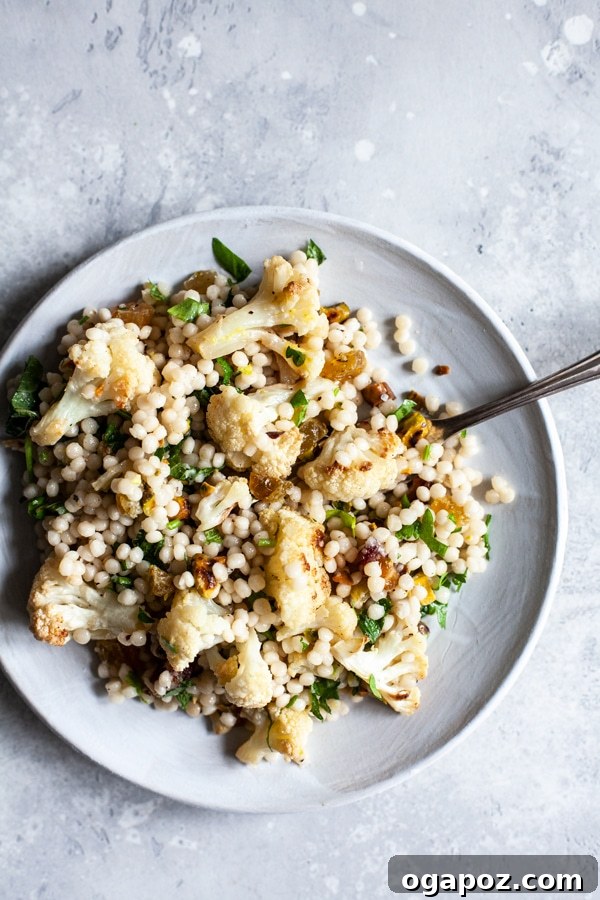
For a truly gourmet and adventurous flavor profile, this Israeli couscous dish combines an unexpected yet harmonious blend of ingredients that will tantalize your taste buds. Tender, perfectly roasted cauliflower adds a slightly smoky sweetness and a wonderful textural contrast. Crunchy pistachios introduce a delightful nuttiness and a satisfying crunch, complementing the couscous beautifully. The surprising addition of sweet, chewy chopped dates (or golden raisins for a similar effect) brings a delightful burst of natural sweetness, perfectly balancing the savory elements and adding a touch of exotic flair. This unique crunchy-sweet-fresh dish is perfect for those looking to expand their culinary horizons and impress guests with an innovative and memorable take on pearl couscous, suitable for any special occasion or a sophisticated weeknight meal.
Get the Recipe: Israeli Couscous with Roasted Cauliflower, Pistachios and Dates by The Full Helping
7. Mediterranean Couscous Salad with Feta, Cranberries and Mint
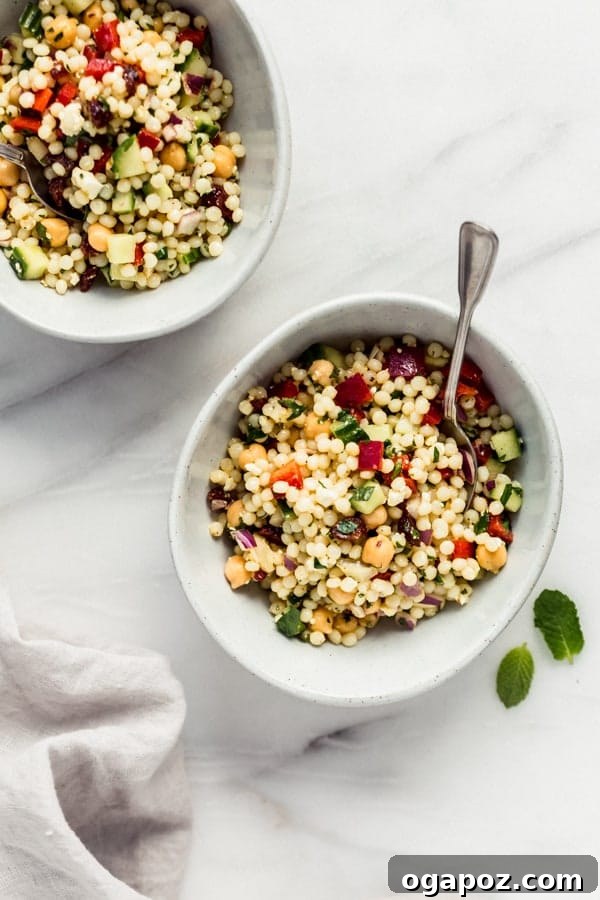
If you’re seeking a vibrant, veggie-packed Israeli couscous salad that bursts with the fresh and invigorating flavors of the Mediterranean, look no further. This recipe is incredibly simple to assemble, often utilizing staple ingredients you likely already have on hand, making it a go-to for quick and healthy meals. It expertly combines hearty chickpeas for protein and fiber, tangy crumbled feta cheese for a salty kick, sweet and chewy dried cranberries for a touch of fruitiness, and an abundance of refreshing mint, all gently tossed with perfectly cooked pearl couscous. The result is a harmonious blend of textures and tastes, creating an excellent choice for a light yet satisfying lunch, a healthy and colorful side dish, or an impressive contribution to any potluck or gathering. Don’t hesitate to give this one a go; its irresistible freshness and ease of preparation are truly captivating!
Get the Recipe: Israeli Couscous Salad with Feta, Cranberries and Mint by Choosing Chia
8. Lemony Arugula Salad with Couscous, Feta and Cucumber
Prepare your taste buds for a symphony of fresh, bold, and invigorating flavors with this delightful salad that expertly balances different elements. What happens when you combine the peppery bite of crisp, fresh arugula (also known as rocket) with the creamy tang of crumbled feta cheese and the cool, crisp refreshment of cucumber, all brightened by a zesty, homemade lemon dressing? You get this utterly irresistible and must-try salad! The chewy Israeli couscous adds a satisfying substance and textural interest that anchors the vibrant ingredients, transforming it from a simple salad into a truly satisfying meal. It’s a perfect light lunch for a warm day or a refreshing side dish that truly awakens the palate, offering a sophisticated yet simple blend of textures and tastes that you’ll want to make again and again for its sheer deliciousness.
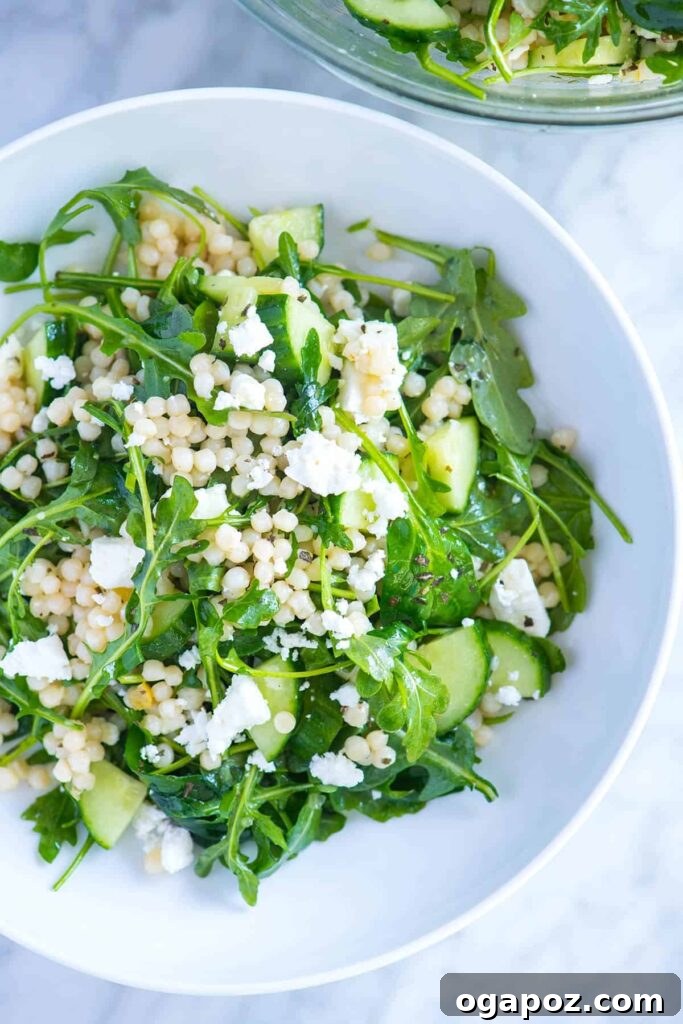
Get the Recipe: Lemony Arugula Salad with Couscous, Feta and Cucumber by Inspired Taste
9. Israeli Couscous Salad with Peas, Mint and Feta
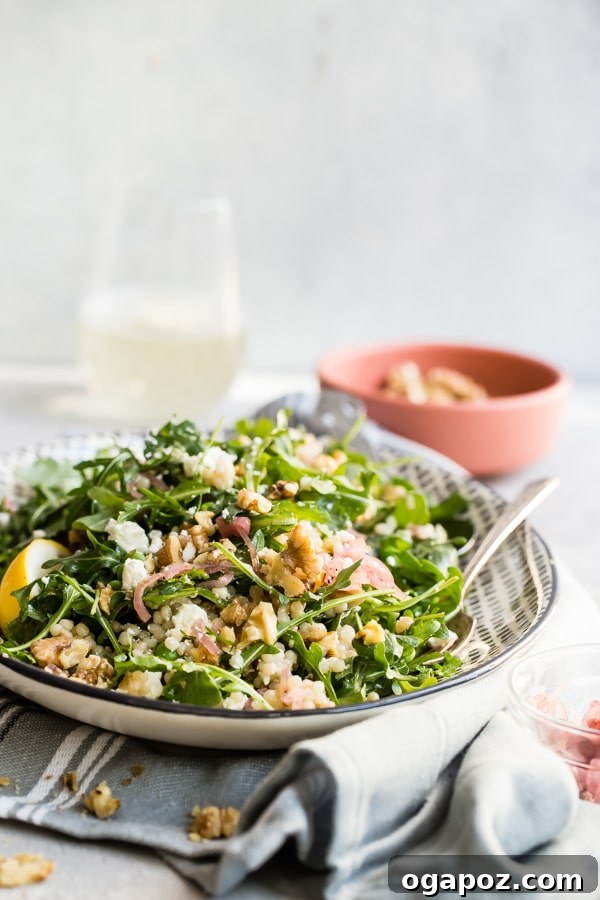
Some flavor combinations are simply timeless and enduring, and the classic pairing of sweet green peas and refreshing mint definitely falls into that cherished category. This delightful Israeli couscous salad takes that beloved duo and elevates it further with the addition of creamy, salty feta cheese, creating a truly lovely and incredibly fresh side dish that is both vibrant and comforting. The visual appeal is undeniable, with the bright green of the peas contrasting beautifully against the white couscous and feta, all speckled with verdant fresh mint. This combination makes for a dish that tastes as good as it looks, offering a light, refreshing, and perfectly balanced accompaniment to grilled chicken, pan-seared fish, or as part of a larger Mediterranean mezze spread. It’s simple, elegant, and packed with flavor.
Get the Recipe: Israeli Couscous Salad with Peas, Mint and Feta by Culinary Hill
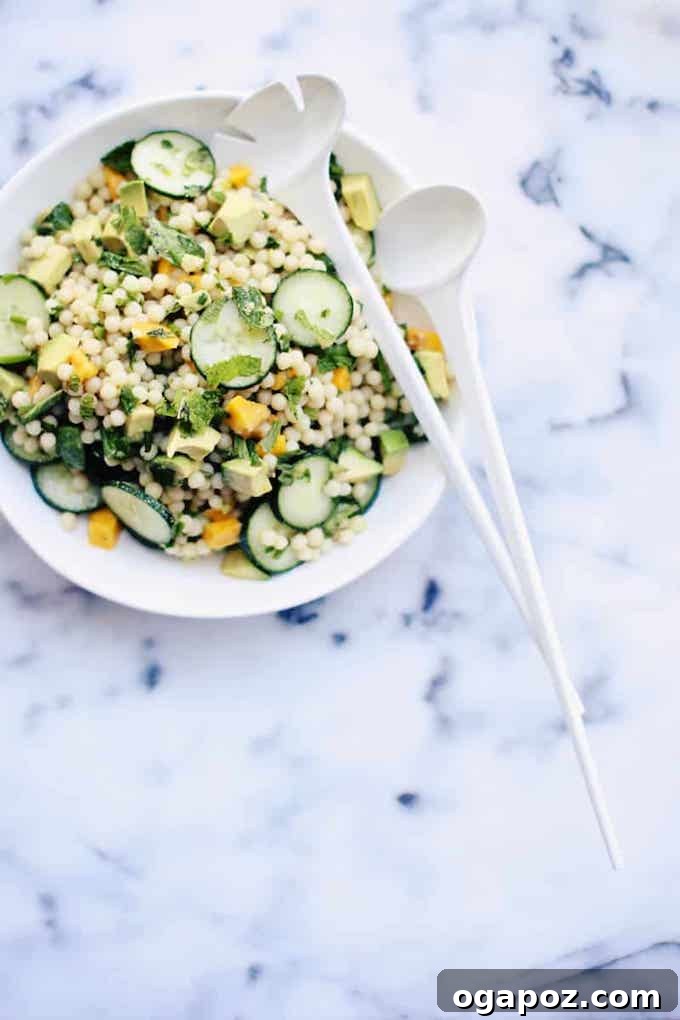
10. Cucumber, Mango & Avocado Israeli Couscous Salad with Mint-Chile Vinaigrette
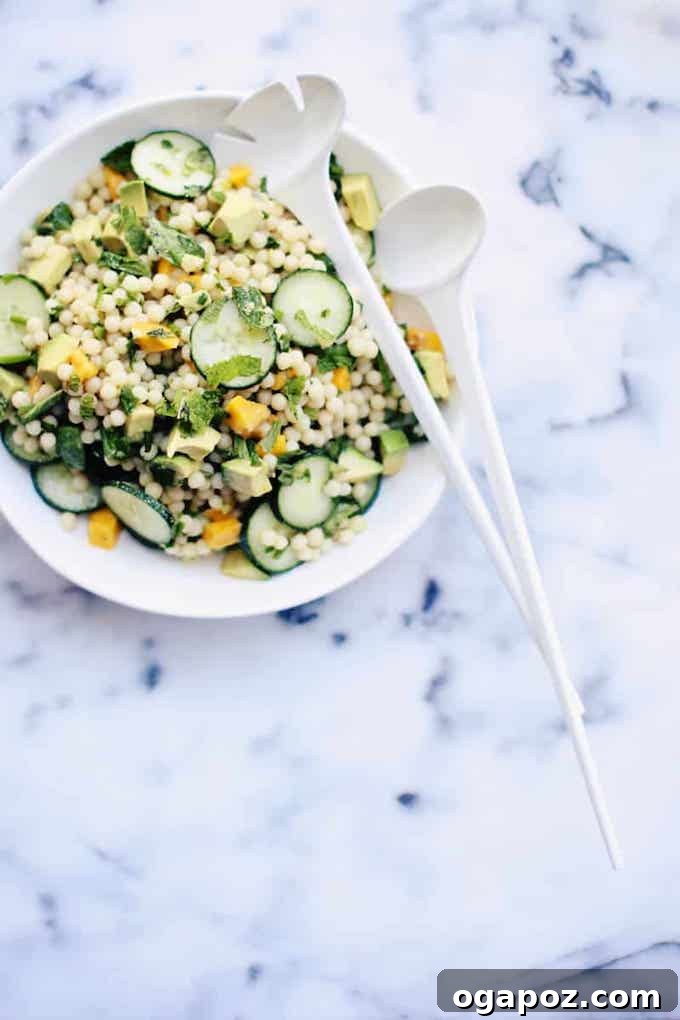
For a truly exotic, vibrant, and incredibly refreshing culinary experience, this salad is an absolute must-try. There’s an undeniable allure to the fresh, sweet, and juicy burst of ripe mango, a tropical fruit that many, myself included, seriously can’t resist. This exceptional recipe expertly pairs succulent mango with cool, crisp cucumber and rich, creamy avocado, all brought together by the delightful chewiness of perfectly cooked Israeli couscous. But the real star that elevates this dish is the homemade mint-chile vinaigrette. This zesty dressing adds an exciting kick of heat and bright herbaceous notes, transforming a simple collection of ingredients into a truly delicious and memorable situation. It’s an impressive salad that’s perfect for summer gatherings, backyard barbecues, or any occasion where you want to serve something fresh, flavorful, unique, and utterly captivating to your guests.
Get the Recipe: Cucumber, Mango & Avocado Israeli Couscous Salad with Mint-Chile Vinaigrette by Foodess
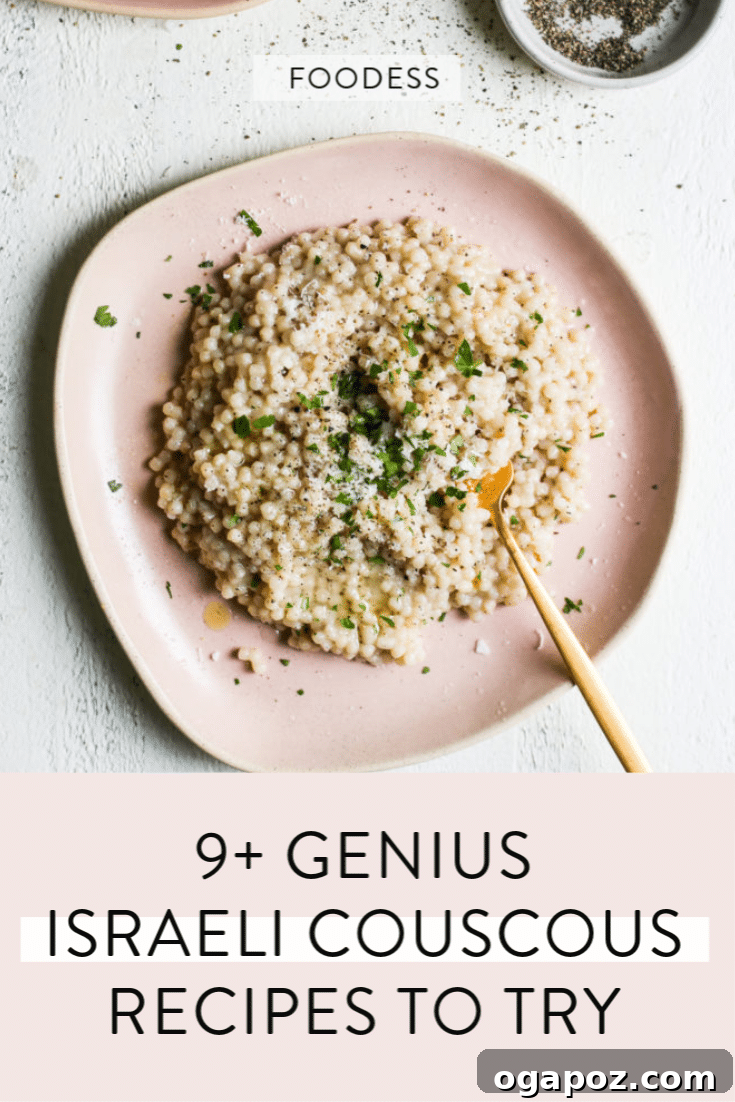
Don’t forget to Pin these amazing Israeli couscous recipes for later inspiration!
Rating: 5 from 2 votes
Basic Israeli Couscous Recipe: A Foundation for Flavor
By: Jennifer Pallian BSc, RD
A simple, foundational recipe to cook Israeli couscous perfectly, ensuring a tender, nutty base ready to be used in any dish or enjoyed as a versatile side.
Prep Time: 2 minutes
Cook Time: 15 minutes
Servings: 4
Ingredients
Instructions
Notes
Serve hot as a side dish or use it as a base for a salad or grain bowl.
You can also add other seasonings, such as garlic, onion, or herbs, to the couscous while cooking to add more flavor.
Nutrition
Calories: 211kcal | Carbohydrates: 38g | Protein: 6g | Fat: 4g | Saturated Fat: 1g | Polyunsaturated Fat: 1g | Monounsaturated Fat: 3g | Sodium: 586mg | Potassium: 137mg | Fiber: 2g | Sugar: 4g | Vitamin A: 329IU | Vitamin C: 5mg | Calcium: 15mg | Iron: 1mg
Nutrition information is automatically calculated and provided for general guidance, so should only be used as an approximation.
Explore More Delicious Couscous Recipes
If you’ve enjoyed venturing into the delightful world of Israeli couscous and want to explore even more delicious ways to incorporate couscous into your cooking, you’ll love these other fantastic recipes. Expand your culinary repertoire with these enticing options that promise both flavor and ease, featuring various types of couscous: