
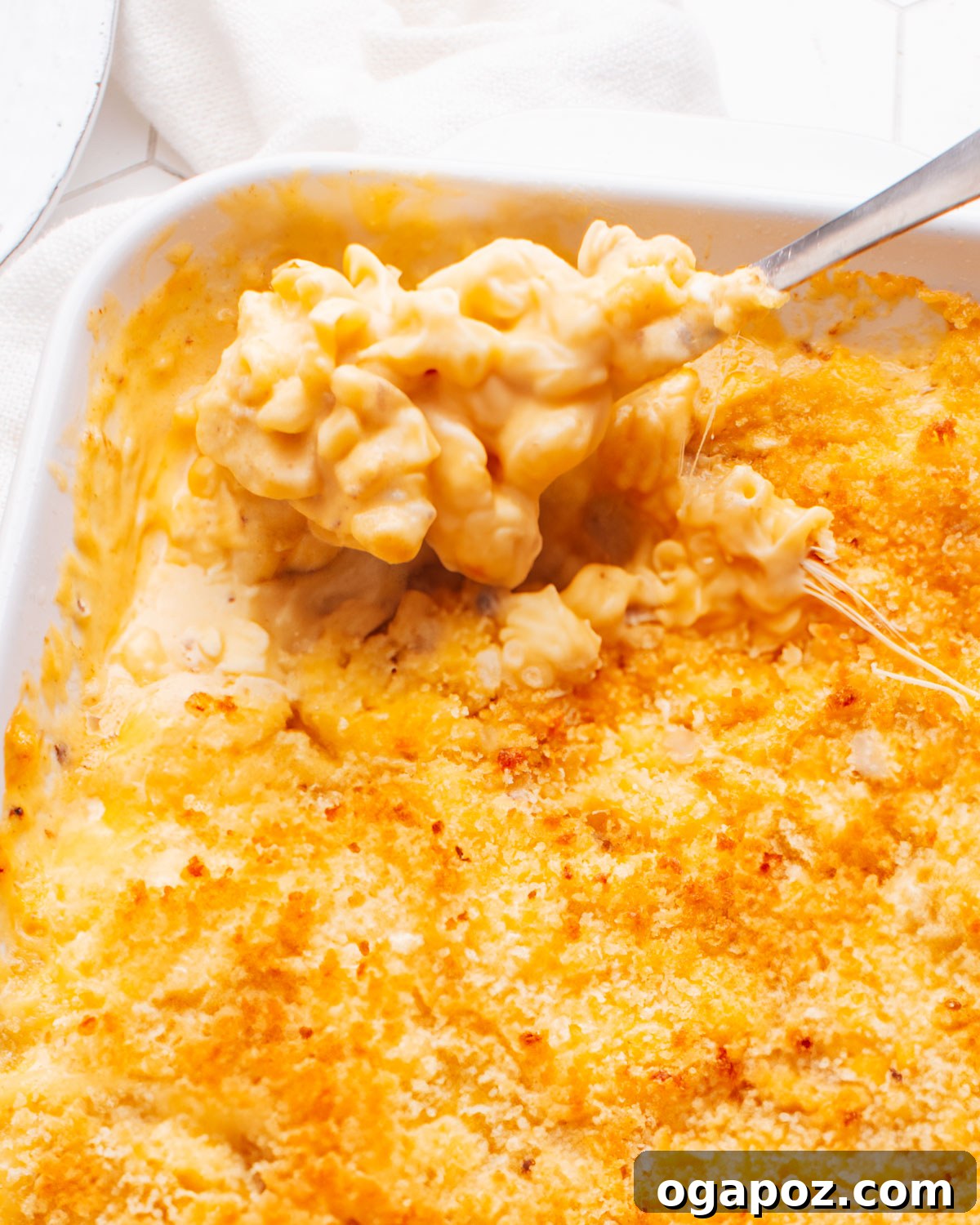
Indulge in the ultimate comfort food with this incredibly creamy, intensely flavorful Old Fashioned Baked Macaroni and Cheese. Forget bland and dry casseroles; this recipe is meticulously crafted to deliver a rich, saucy, and deeply satisfying experience every single time. It’s the classic dish redefined, promising golden-brown perfection and a cheesy, bubbly interior that will transport you straight to culinary bliss.
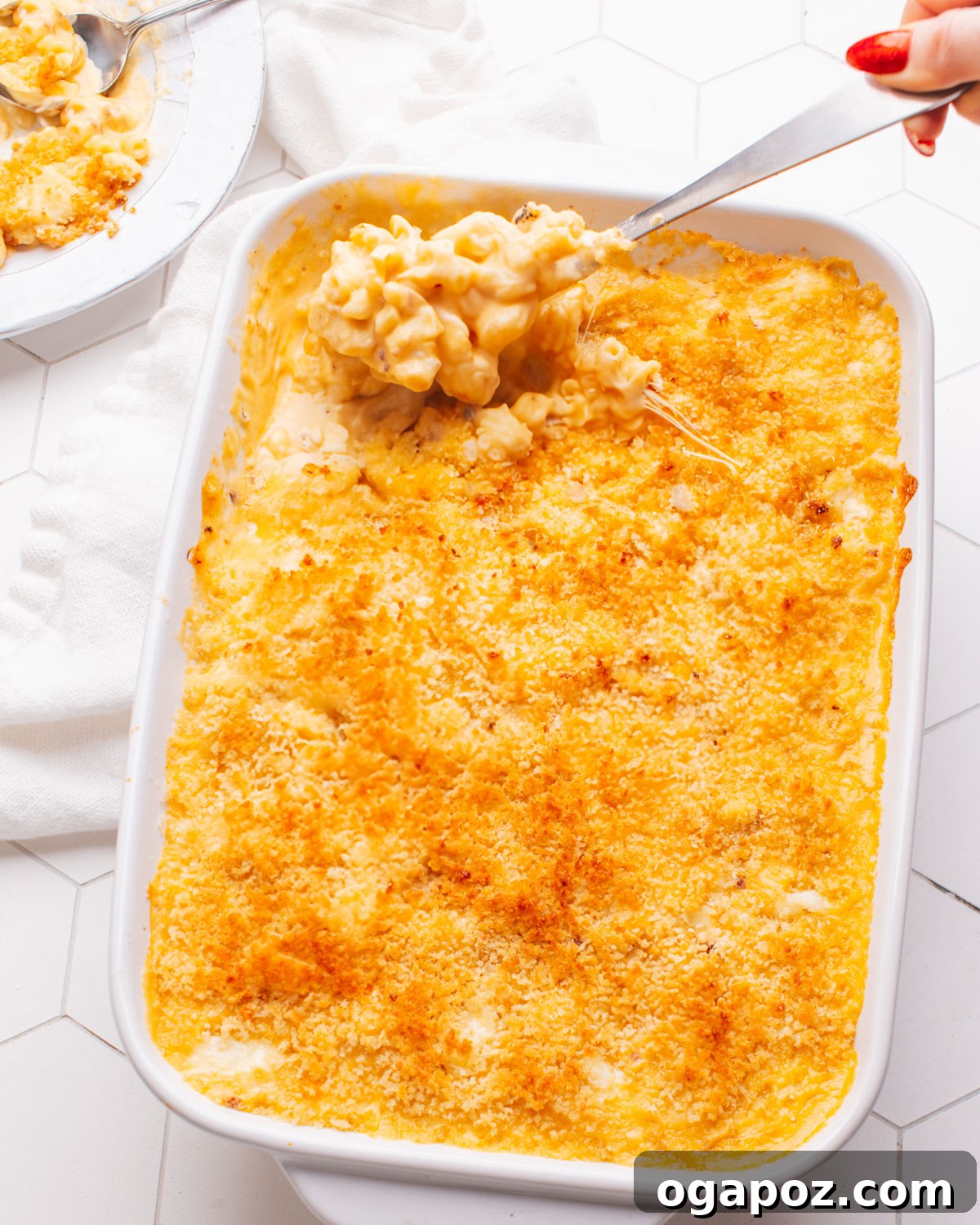
Why This Baked Macaroni and Cheese Will Become Your Go-To Recipe
This isn’t just another mac and cheese recipe; it’s a culinary journey back to comforting flavors and cherished memories, enhanced with modern techniques to ensure perfection. Here’s why you’ll fall head over heels for this old-fashioned baked macaroni and cheese:
- Unrivaled Cheesy Goodness: We don’t settle for one cheese; we embrace a symphony of flavors. A carefully selected blend of sharp cheddar, creamy Gruyere or Monterey Jack, and salty Parmesan creates an exquisite depth that cheese enthusiasts will adore, offering layers of tangy, nutty, and savory notes in every bite.
- Never Bland, Always Bold: Say goodbye to insipid mac and cheese. This recipe incorporates clever tricks and a balanced blend of seasonings to ensure every mouthful is bursting with flavor. From perfectly salted pasta water to a harmonious spice profile, we guarantee a dish that’s anything but boring.
- Silky Smooth Sauce Perfection: Achieve a velvety, grain-free cheese sauce that coats every pasta shape flawlessly. Our professional tips guide you through the roux-making process and cheese incorporation, eliminating any concerns about a gritty or separated sauce, leaving you with pure, unadulterated creaminess.
- Consistently Saucy and Moist: The dread of dry, baked mac and cheese ends here. We reveal our top strategies to maintain a luscious, saucy consistency, even after baking. Learn how to prevent moisture loss and ensure your macaroni and cheese remains wonderfully moist from the first scoop to the last.
- Effortlessly Easy Preparation: Despite its gourmet taste and texture, this recipe is designed to be straightforward and accessible. With clear, step-by-step instructions, even novice cooks can confidently create a show-stopping dish that tastes like it came from a five-star restaurant.
Essential Ingredients and Tools for Your Culinary Creation
Embark on your journey to the perfect creamy, cheesy baked mac and cheese with a selection of readily available ingredients and common kitchen tools. This section details everything you’ll need, along with tips for customization.
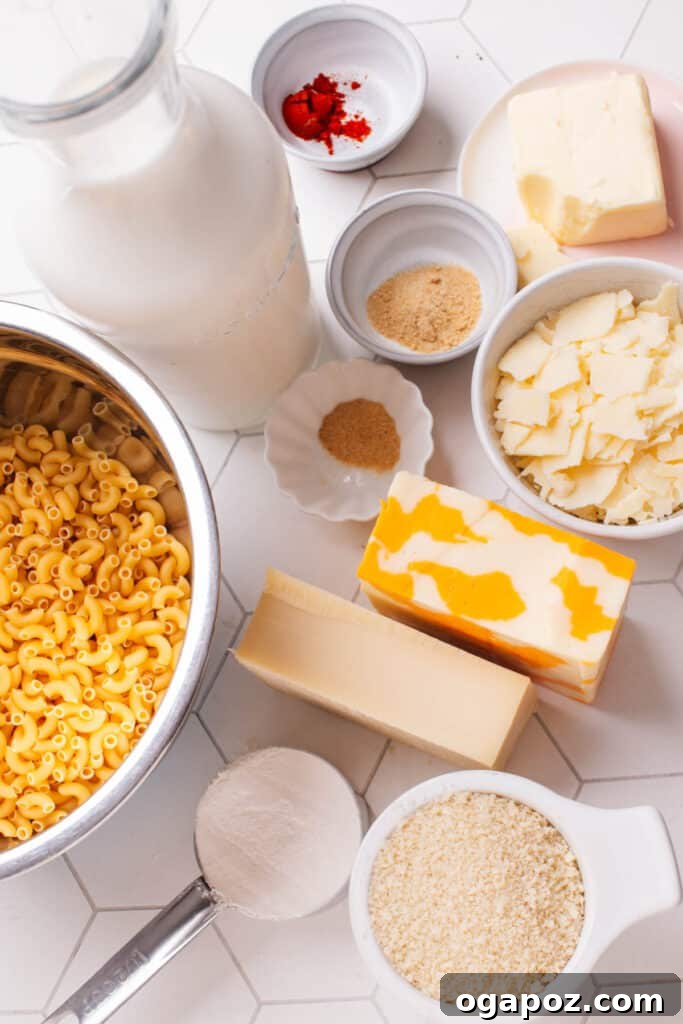
Old Fashioned Baked Macaroni and Cheese Ingredients: The Stars of the Show
Each ingredient plays a vital role in crafting the rich flavor and sublime texture of this dish:
- Elbow Macaroni: The quintessential choice, its small, curved shape is ideal for cradling the rich cheese sauce. Its sturdy texture stands up beautifully to baking without becoming mushy. Feel free to explore other pasta shapes like shells or cavatappi for a fun twist!
- Unsalted Butter: The foundation of our creamy sauce. Butter not only adds a luxurious richness but is crucial for creating the roux, which is the thickening agent for our velvety cheese sauce. Using unsalted butter allows you to control the overall saltiness of the dish.
- All-Purpose Flour: Combined with butter, flour forms the essential roux. This simple mixture is what gives the cheese sauce its structure and smooth, thick consistency, ensuring it adheres perfectly to every piece of pasta.
- Whole Milk: The heart of our creamy cheese sauce. Whole milk provides the richness and body necessary for an incredibly smooth and decadent béchamel base, which then transforms into our irresistible cheese sauce. While lower-fat milk can be used, whole milk truly elevates the texture.
- Sharp Cheddar Cheese: This is where the classic “mac and cheese” flavor truly shines. Sharp cheddar offers a distinct tangy, robust flavor that is absolutely essential. Mild cheddar, while tempting, often gets lost when diluted by the milk, so opt for sharp to achieve that deep, authentic taste.
- Gruyere, Monterey Jack, or Colby Jack Cheese: These cheeses are selected for their superior melting properties, contributing significantly to the sauce’s creaminess and smooth texture. Gruyere adds a nutty, earthy depth, while Monterey Jack or Colby Jack offers a milder, buttery note, ensuring a perfectly cohesive and gooey sauce.
- Parmesan Cheese: A sprinkle of freshly grated Parmesan cheese introduces a nutty, salty, umami-rich flavor that acts as a fantastic enhancer, bringing out the best in the other cheeses and adding a sophisticated layer of taste.
- Kosher Salt: More than just a seasoning, salt balances and amplifies all the other flavors. Properly salting the pasta water and the sauce is critical for a vibrant, well-rounded dish that never tastes flat.
- Onion Powder, Black Pepper, Paprika, Garlic Powder: This aromatic quartet elevates the cheese sauce from merely cheesy to truly sublime. Onion and garlic powders provide a savory backbone, black pepper adds a subtle warmth, and paprika lends a gentle sweetness and a beautiful, inviting color. Together, they create a complex flavor profile that prevents the dish from being one-note.
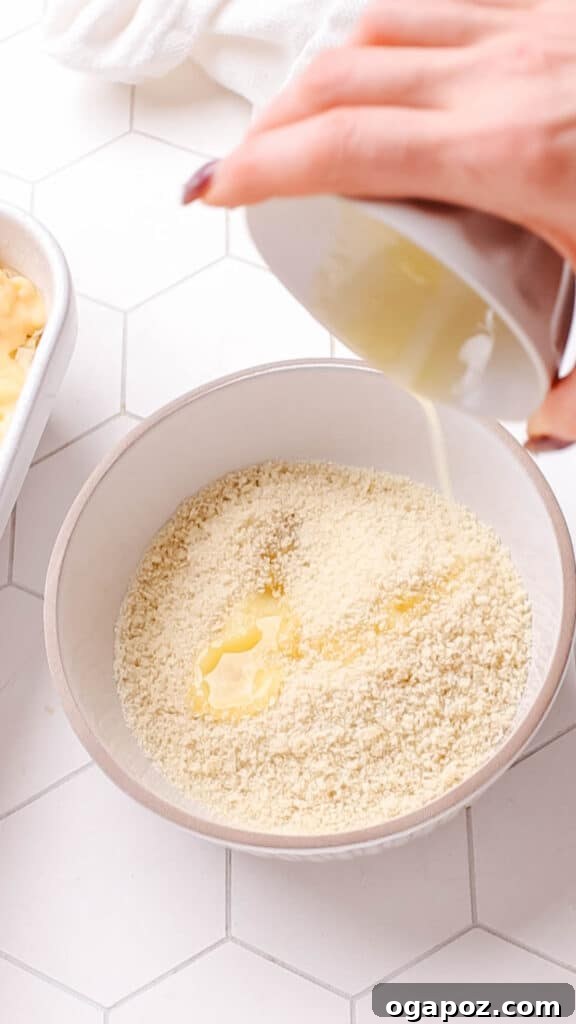
For the Irresistible Crispy Topping:
- Panko Breadcrumbs: These Japanese-style breadcrumbs are lighter and crispier than traditional ones, providing an unparalleled crunch that beautifully contrasts with the creamy interior. They form a golden, textured crust that’s utterly delicious.
- Melted Butter: Essential for toasting the breadcrumbs to a perfect golden hue. Butter infuses the topping with a rich flavor and helps achieve that desirable crunchy texture.
- Dried Parsley: Adds a touch of herbaceous freshness and a visual pop of color, making the topping even more appealing.
- Pinch of Salt: A small amount of salt in the topping mixture enhances its flavor, ensuring it complements the savory macaroni and cheese below.
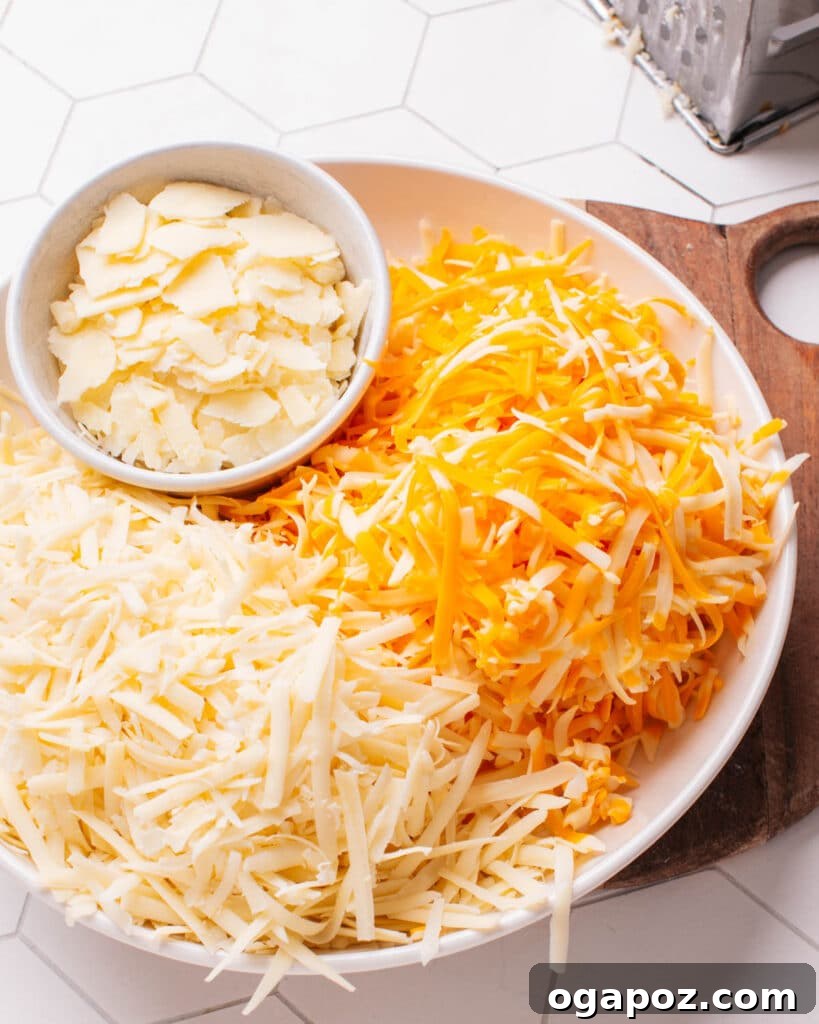
Choosing the Best Cheese for Mac and Cheese: A Flavor Deep Dive
The secret to phenomenal mac and cheese lies in the cheese blend. Here’s a deeper look into why certain cheeses excel and how they contribute to the ultimate dish:
- Sharp Cheddar: This is non-negotiable for a truly old-fashioned flavor. Its robust, tangy profile cuts through the richness of the milk and butter, providing that iconic, comforting taste that defines macaroni and cheese. For an even bolder flavor, consider an extra-sharp aged cheddar.
- Gruyere or Monterey Jack: These are your melting champions. Gruyere introduces a sophisticated nutty and earthy undertone, along with incredible meltability, leading to a wonderfully stretchy, smooth sauce. Monterey Jack offers a milder, buttery flavor and exceptional creaminess, making it a great choice for those who prefer a less assertive cheese profile but still desire a luscious texture. Colby Jack is another excellent, milder alternative.
- Parmesan: Don’t underestimate the power of Parmesan. Its salty, savory, umami-rich character acts as a natural flavor enhancer, boosting the overall cheesiness without dominating. A generous grating of fresh Parmesan adds a complex layer of taste that truly elevates the dish.
- Other Great Options: Experiment with smoked gouda for a smoky depth, fontina for extra creaminess and a mild, nutty flavor, or a touch of cream cheese for an ultra-velvety texture and a slight tang.
For an even more comprehensive guide on cheese selection, including insights into melting properties and ideal flavor combinations, delve into my complete lowdown on the best cheese for baked macaroni and cheese. You’ll learn everything you need to know to achieve perfect melt and maximum flavor.
Recipe Variations and Substitutions: Make It Uniquely Yours
This classic recipe is a fantastic canvas for your culinary creativity. Feel empowered to customize it to suit your preferences and what you have on hand:
- Explore Different Pasta Shapes: While elbow macaroni is traditional, don’t hesitate to try other pasta shapes that hold sauce well, such as medium shells, cavatappi, fusilli, or even penne. Each offers a slightly different texture and aesthetic.
- Creative Topping Alternatives: Instead of breadcrumbs, consider crumbled Ritz crackers (a nostalgic favorite for many, offering a buttery, salty crunch), crushed cornflakes, or even a mix of breadcrumbs and grated Parmesan for an extra cheesy crust.
- Delicious Add-Ins: Elevate your mac and cheese into a more substantial meal by incorporating cooked proteins or vegetables. Think crispy bacon bits, tender steamed broccoli florets, sautéed mushrooms, caramelized onions, shredded cooked chicken, or even spicy jalapeños for a kick.
- Spice It Up: For an extra layer of flavor, a pinch of smoked paprika, a dash of hot sauce, or a tiny amount of mustard powder (which enhances cheese flavor without tasting like mustard) can be added to the cheese sauce.
- Gluten-Free Adaptation: Easily convert this recipe to be gluten-free by using gluten-free elbow macaroni and a gluten-free all-purpose flour blend for the roux. Ensure your other ingredients are also certified gluten-free.
Essential Kitchen Tools for Success
Having the right equipment ensures a smooth and enjoyable cooking process:
- Large Pot (6-8 quart): Crucial for boiling the pasta in ample salted water, allowing it to cook evenly and prevent sticking.
- Colander: An absolute necessity for efficiently draining the cooked pasta.
- Cheese Grater or Food Processor: Freshly grated cheese is key for the best texture and flavor. A box grater works perfectly, but for large quantities, a food processor with a grating attachment will save you significant time and effort.
- Large Saucepan or Dutch Oven (4-5 quart): Ideal for preparing the cheese sauce. A larger pot means less mess when whisking and more room to add the cheese and eventually the pasta.
- Whisk: Your best friend for creating a lump-free, silky smooth roux and cheese sauce. Continuous whisking is key!
- Large Mixing Bowl: Provides plenty of space for combining the cooked pasta with the generous amount of cheese sauce, ensuring every piece is beautifully coated.
- 9×13-inch Baking Dish (Casserole Dish): The perfect size for baking this hearty batch of macaroni and cheese, allowing for even heating and a crispy topping.
- Measuring Cups and Spoons: Accuracy is important in baking, especially for the roux. These ensure precise ingredient measurements.
- Oven Mitts: Safety first! Protect your hands when handling the hot baking dish from the oven.
- Spatula or Wooden Spoon: Useful for stirring ingredients and scraping down the sides of pots.
How to Make Old Fashioned Baked Macaroni and Cheese: A Step-by-Step Guide to Perfection
Get ready to create the ultimate comfort food experience with this foolproof recipe. We’ll guide you through each stage, from preparing the pasta to achieving that irresistible golden-brown crust.
1. Perfect Pasta Preparation: The Foundation
- Boil the Pasta to Al Dente: In a large pot, bring a generous amount of water to a rolling boil. Season the water generously with salt – it should taste like the sea. Add the elbow macaroni and cook according to package directions, but aim for just al dente. This means the pasta should still have a slight bite to it, as it will continue to cook in the oven. Cooking it al dente prevents it from becoming mushy during baking and helps it absorb the sauce without becoming oversaturated. Once cooked, drain the pasta thoroughly and set it aside. Do not rinse the pasta, as the starch helps the sauce adhere.
2. Crafting the Creamy Cheese Sauce: The Heart of the Dish
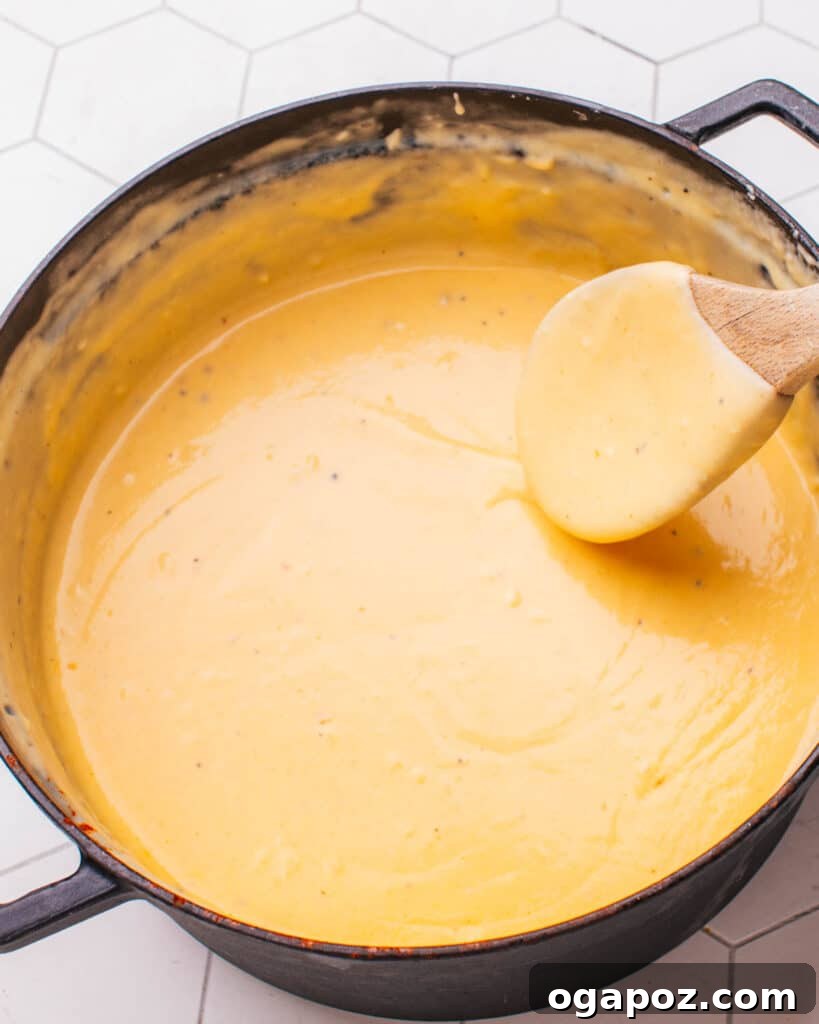
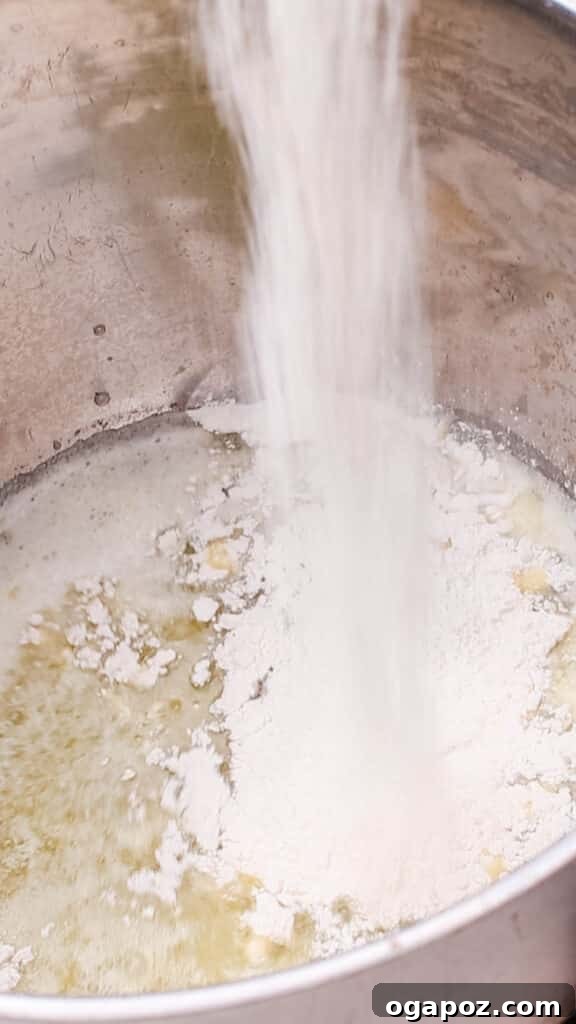
- Create the Roux: In your largest saucepan or Dutch oven, melt the unsalted butter over medium heat. Once melted and slightly bubbling, whisk in the all-purpose flour. Continue whisking constantly for 1-2 minutes until the mixture forms a smooth paste and smells slightly nutty – this is your roux. Cooking the flour prevents a raw flour taste in your final sauce.
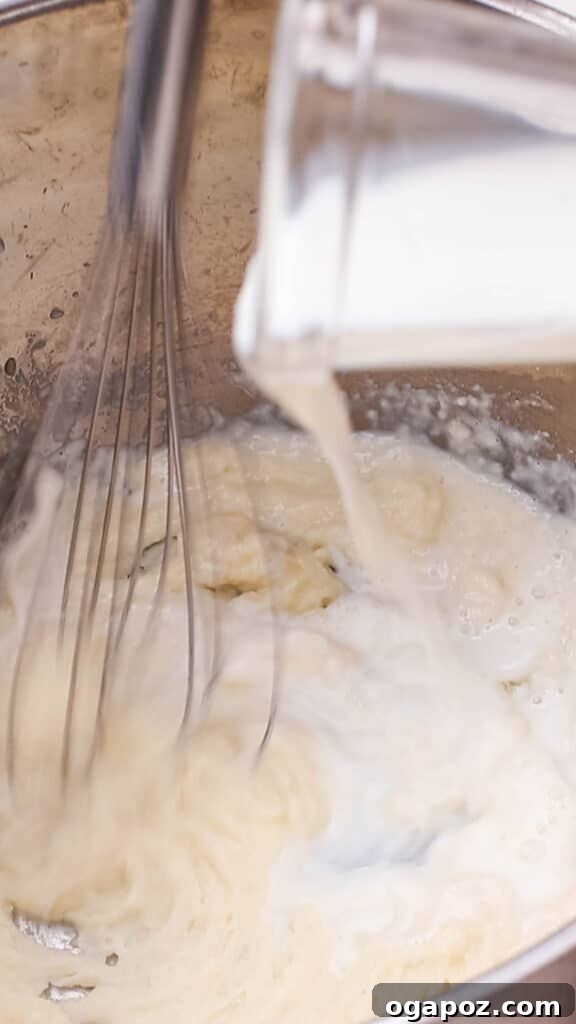
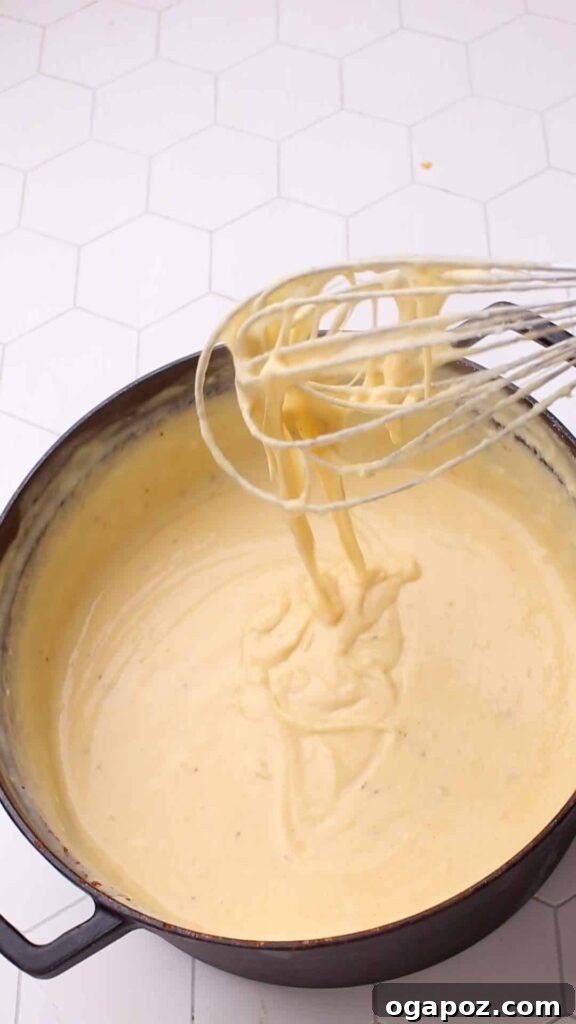
- Gradually Add the Milk: Slowly pour in the whole milk, a little at a time, continuously whisking as you add. This gradual addition and constant whisking are crucial for preventing lumps and ensuring a perfectly smooth béchamel. Continue stirring and cooking over medium heat until the mixture thickens to a consistency that coats the back of a spoon. Be patient; this can take several minutes.
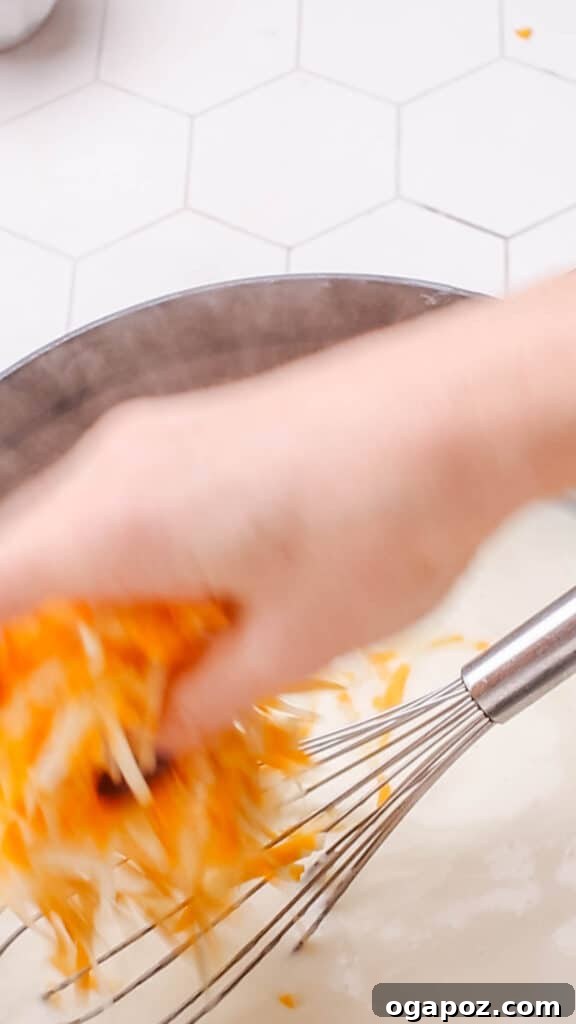
- Incorporate the Cheeses: Remove the saucepan from the heat. This is a crucial step to prevent the cheese from separating or becoming grainy. Add the shredded cheeses (sharp cheddar, Gruyere/Monterey Jack, and Parmesan) a small handful at a time. Stir each addition until it’s fully melted and incorporated into the sauce before adding the next handful. If needed, you can return the saucepan to very low heat for a moment to help melt the last bits of cheese, but *do not* let the sauce simmer or boil once the cheese is added.
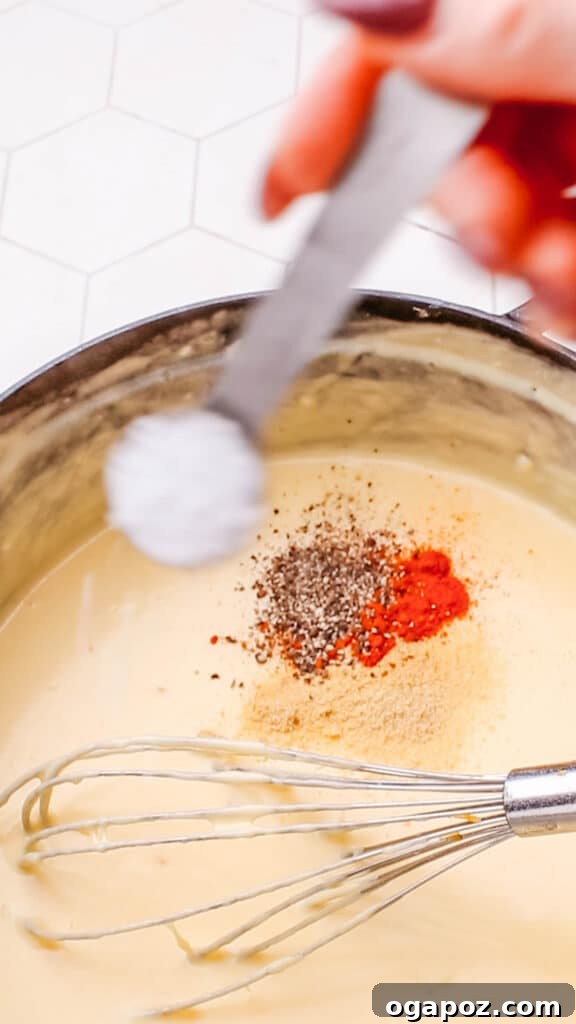
- Season the Sauce to Perfection: Stir in the kosher salt, onion powder, black pepper, paprika, and garlic powder. Taste the sauce and adjust seasonings as needed. Remember, this is where you build the foundational flavor for the entire dish, so don’t be shy about tasting and tweaking.
3. Combining Pasta and Sauce: The Marriage of Flavors
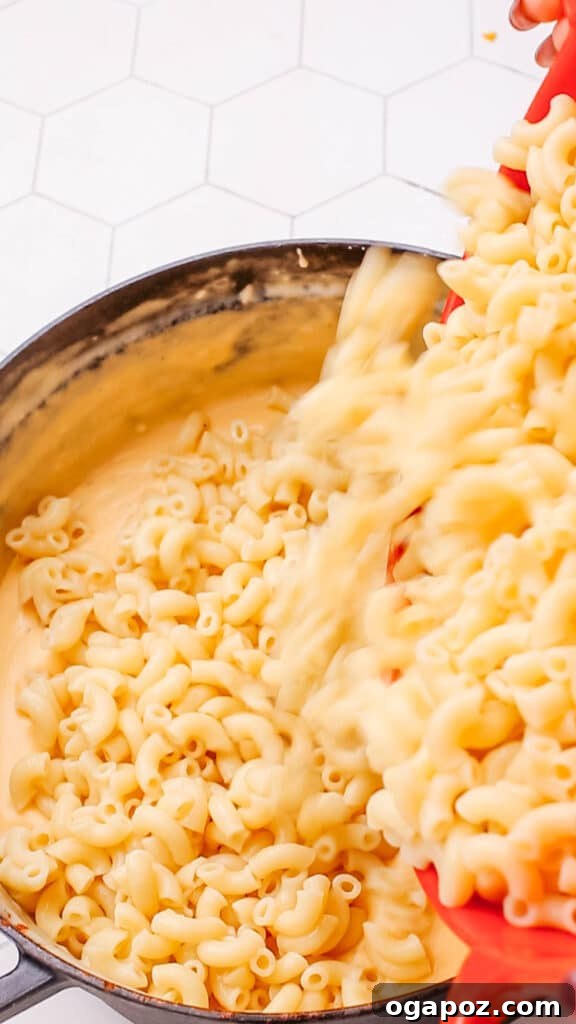
- Gently Mix Everything: Add the cooked, drained elbow macaroni directly into the large saucepan with the cheese sauce. Use a sturdy spoon or spatula to stir everything together gently but thoroughly, ensuring every single piece of pasta is generously coated in the rich, creamy cheese sauce. At this stage, it might seem like there’s an abundance of sauce, but trust the process – the pasta will absorb more of it during baking, resulting in a perfectly saucy final product.
4. Preparing the Crunchy Topping: The Golden Crown
- Craft the Breadcrumb Mixture: In a separate small bowl, combine the panko breadcrumbs, melted butter, dried parsley, and a pinch of salt. Stir until the breadcrumbs are evenly moistened. This mixture will create that delightful crispy, golden crust on top of your baked mac and cheese.
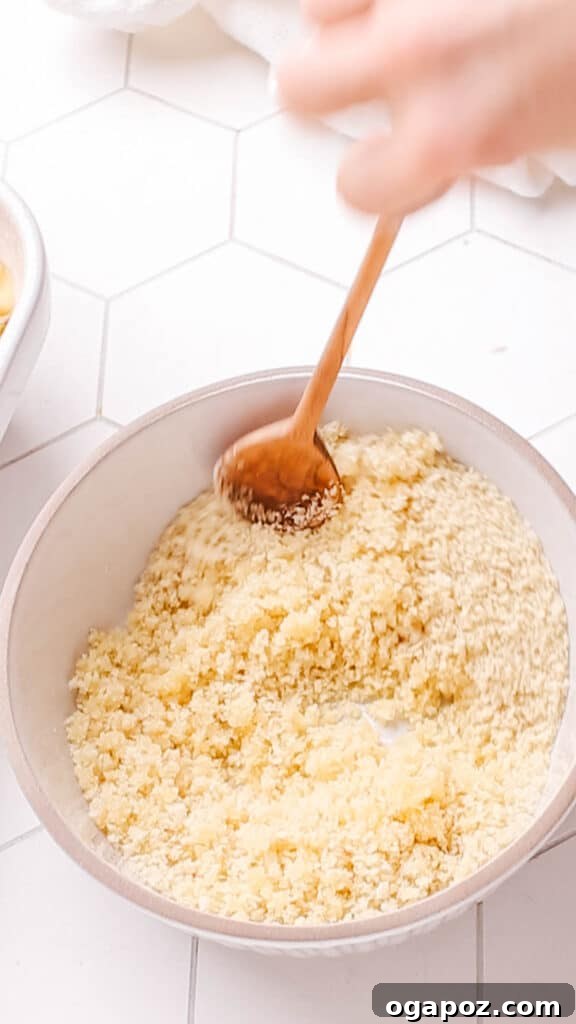
5. Assembling and Baking: The Final Transformation
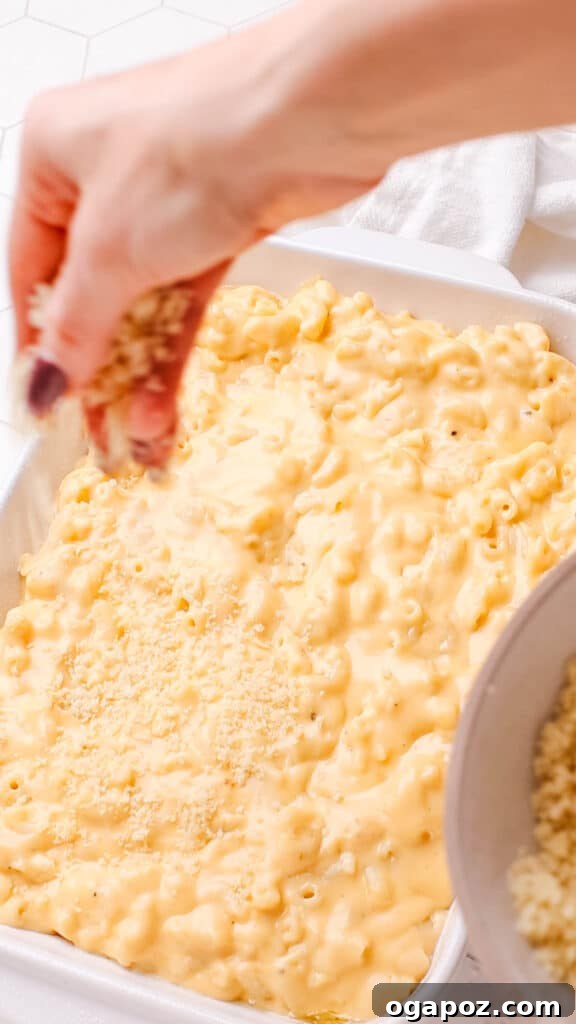
- Transfer to Baking Dish: Lightly grease a 9×13-inch baking dish. Carefully transfer the macaroni and cheese mixture into the prepared dish, spreading it evenly.
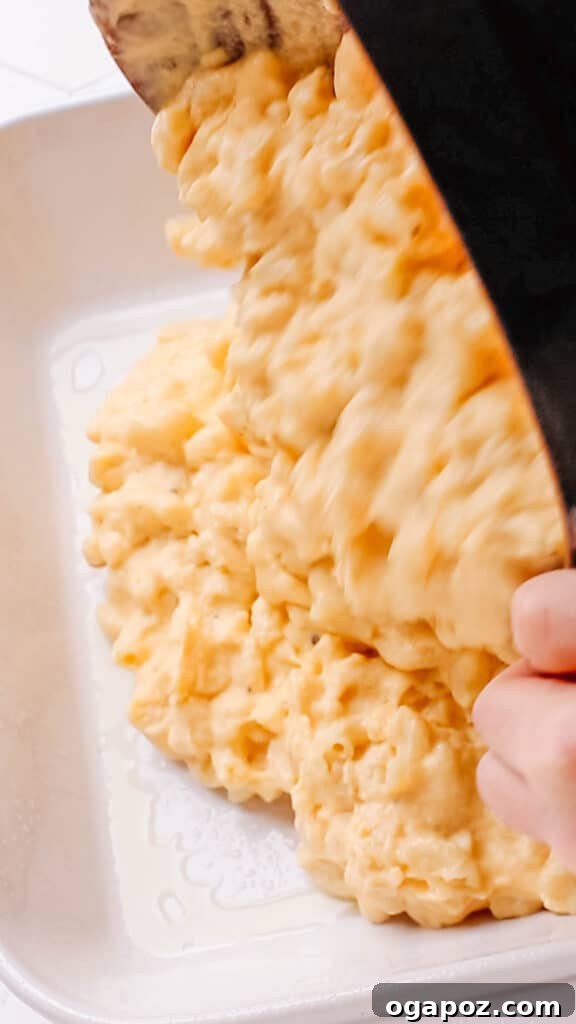
- Add the Crunchy Topping: Evenly sprinkle the prepared breadcrumb mixture over the entire surface of the macaroni and cheese. For an extra indulgent touch and a dramatic cheese pull, you can optionally press a few cubes of extra cheese (like cheddar or Monterey Jack) into the top before adding the breadcrumbs.
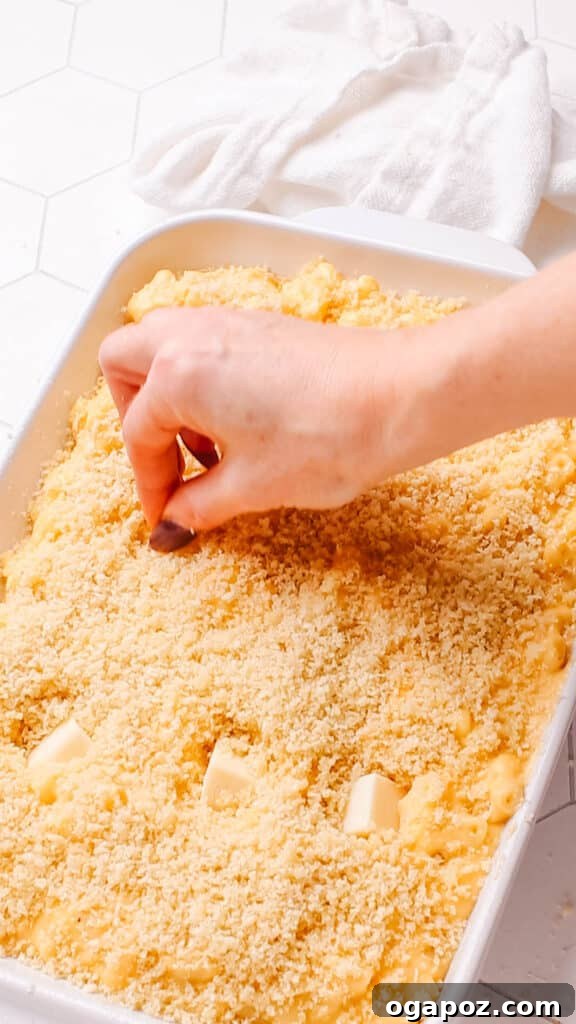
- Bake to Golden Perfection: Place the baking dish in your preheated oven at 400°F (200°C). Bake for approximately 15 minutes, or until the topping is beautifully golden brown, the edges are bubbly, and the cheese sauce is hot throughout. Keep a close eye on it to prevent over-browning.
6. Finishing Touches: The Grand Reveal
- Rest and Garnish: Once out of the oven, allow the baked macaroni and cheese to cool and set for about 10-15 minutes before serving. This crucial resting period allows the sauce to thicken slightly and prevents it from being too runny when scooped. Garnish with a sprinkle of freshly chopped parsley for a pop of color and fresh flavor, if desired.
By meticulously following these steps, you are guaranteed a wonderfully indulgent, comforting, and utterly delicious Old Fashioned Baked Macaroni and Cheese. It’s the perfect dish for a cozy family dinner, a potluck, or any occasion that calls for a little extra warmth and cheesy satisfaction.
For even more in-depth knowledge on creating the perfect cheesy masterpiece, read next: The Ultimate Cheese Sauce for Mac and Cheese to learn how to master a cheese sauce that is never grainy or bland.
Make Ahead and Storage: Tips for Timeless Comfort
To enjoy the creamiest, sauciest mac and cheese that truly avoids any dryness, the golden rule is to bake it immediately after assembly, while both the macaroni and sauce are still warm. The longer the mixture sits unbaked, and the longer it bakes, the more the pasta absorbs moisture, potentially leading to a drier dish. If baked right away, a quick 15 minutes in the oven is usually all you need to achieve a perfectly crisp topping and bubbly, heated-through interior.
- Assembling Ahead (with a twist): If you absolutely need to assemble the mac and cheese ahead of time but still crave that super saucy and creamy texture, here’s a pro tip: reduce the quantity of dry pasta slightly to 9 ounces (from 1 lb). This leaves a higher sauce-to-pasta ratio, accounting for the additional absorption that will occur during storage and reheating, ensuring it remains lusciously creamy.
- Refrigerating Leftovers: Any leftover baked macaroni and cheese should be stored in an airtight container in the refrigerator. It will maintain its deliciousness for up to 3 days. Beyond that, the texture may start to degrade.
- Freezing Unbaked Mac and Cheese: This is a fantastic option for meal prep. Assemble the mac and cheese mixture (without the breadcrumb topping), transfer it to a freezer-safe baking dish, cover it tightly with plastic wrap and then foil, and freeze for up to 2 months. When ready to bake, thaw it overnight in the refrigerator. Before baking, add the fresh breadcrumb topping.
- Freezing Baked Mac and Cheese: You can also freeze the fully baked dish. Once cooled, cut it into individual portions. Wrap each portion tightly in plastic wrap and then foil, or place them in freezer-safe containers. Store in the freezer for up to 3 months. This is perfect for single-serving meals.
- Reheating Leftovers:
- Oven: For best results, reheat in the oven at 300°F (150°C), covered with foil, until heated through (about 20-30 minutes for individual portions, longer for a full dish). Remove the foil for the last 5-10 minutes to re-crisp the topping.
- Microwave: For a quicker option, individual portions can be reheated in the microwave. Add a splash of milk (about 1-2 tablespoons per serving) before microwaving, stirring halfway through, to bring back its creamy consistency and prevent dryness.
- From Frozen: If reheating frozen baked mac and cheese, always thaw it in the refrigerator first. Then, follow the oven reheating instructions, adding a splash of milk if desired.
- Breadcrumb Topping Strategy for Freezing: Always add the breadcrumb topping just before baking (or reheating an unbaked frozen dish) to ensure it stays wonderfully crisp and fresh. Adding it before freezing would result in a soggy topping.
How to Serve This Old Fashioned Baked Macaroni and Cheese: Versatile and Delicious
This classic Old Fashioned Baked Macaroni and Cheese is incredibly versatile, making it suitable as a comforting main course or a delectable side dish. Its rich flavor and creamy texture pair well with a variety of accompaniments.
I’ll share a few ideas below, but for a truly comprehensive list and creative inspiration, you absolutely don’t want to miss my in-depth guide to What Goes Well With Mac and Cheese.
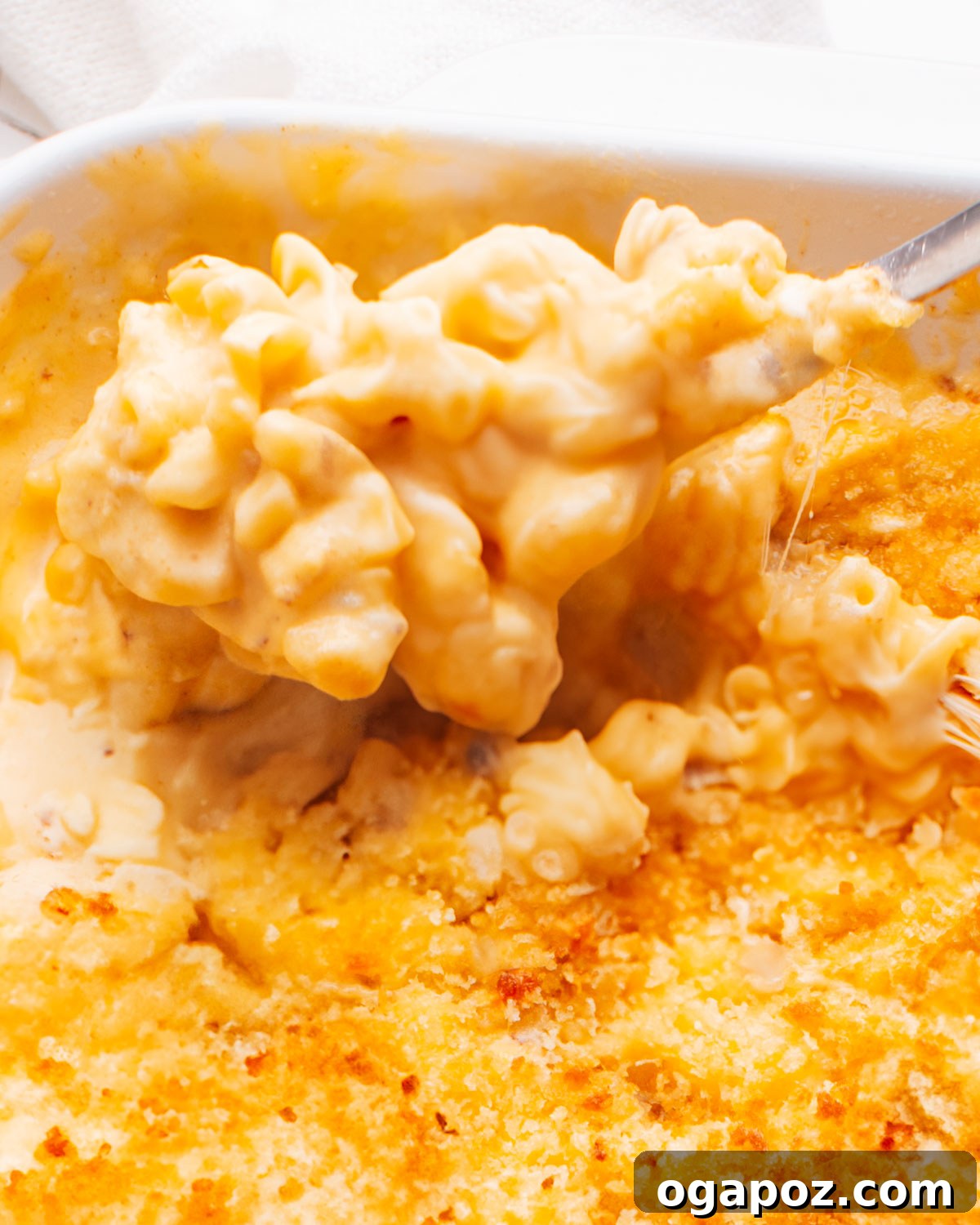
Baked Mac and Cheese as a Hearty Main Dish
When this glorious mac and cheese takes center stage as your main course, consider these pairings to create a balanced and satisfying meal:
- Generous Portion Sizes: Since it’s the star, serve hearty portions to ensure everyone is fully satisfied by its rich goodness.
- Light and Fresh Pairings: To beautifully cut through the richness of the cheese, serve it alongside a crisp, vibrant green salad with a zesty vinaigrette, or a side of lightly steamed or roasted vegetables. Think tender pan-fried asparagus, garlicky green beans, or sweet roasted cherry tomatoes. These fresh elements provide a welcome contrast in both flavor and texture.
- Garnish for Freshness: A sprinkle of fresh herbs like chopped parsley, chives, or even a touch of fresh thyme can add a beautiful burst of color and a subtle aromatic lift that enhances the overall presentation and flavor.
Mac and Cheese as a Complementary Side Dish
If your mac and cheese is playing a supporting role, it’s the perfect indulgent accompaniment to a variety of main entrées:
- Modest Portions: Serve smaller, complementary portions alongside your primary protein.
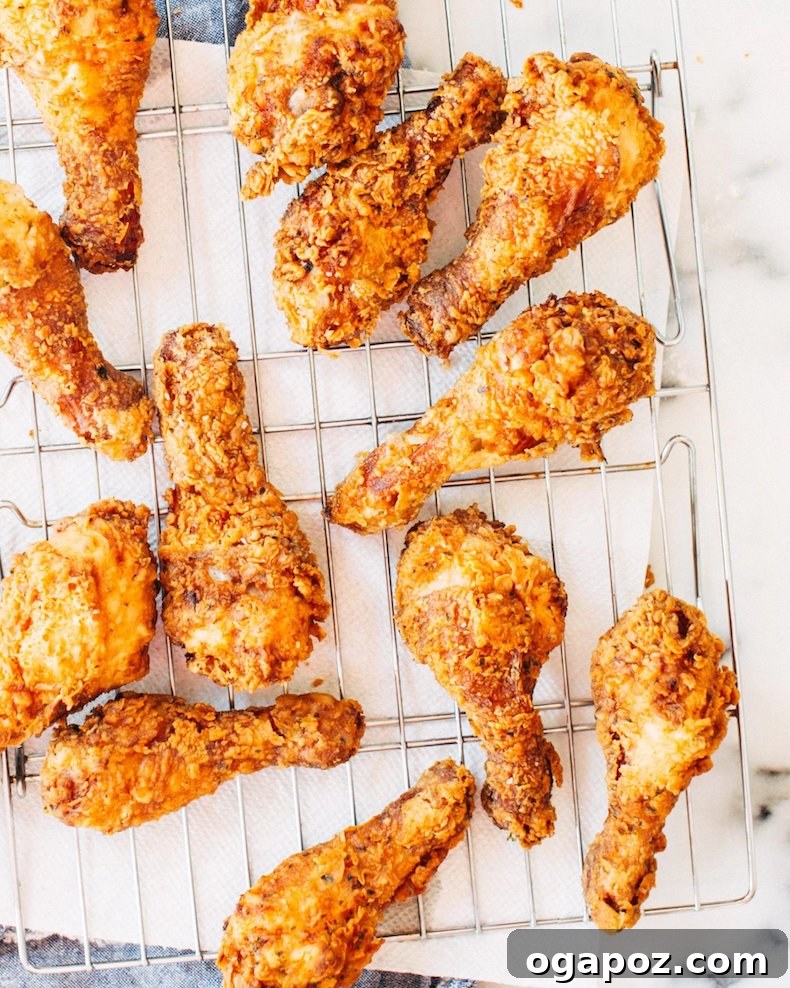
- Protein Powerhouse Pairings: It’s an ideal partner for grilled meats like succulent steaks or juicy pork chops, classic barbecue dishes such as slow-cooked ribs or pulled pork, or perfectly roasted chicken. For a truly memorable meal, pair it with my recipe for light and crispy fried chicken – a match made in comfort food heaven!
- Complementary Sides: Alongside your main dish and mac and cheese, consider adding another side that offers a contrasting texture or flavor profile. A tangy cabbage slaw or sweet and savory candied Brussels sprouts with maple and bacon would provide excellent balance.
Elevate Your Dish with Tasty Toppings and Add-Ins
Beyond the crispy breadcrumb topping, these additions can take your mac and cheese to new heights:
- Crispy Bacon Bits: The smoky, salty crunch of crumbled cooked bacon is a classic and utterly delicious enhancement.
- Fresh Chopped Herbs: Finely chopped fresh parsley, chives, or even a hint of dill can add a vibrant freshness and aromatic complexity.
- Extra Cheese Layer: For the ultimate cheese lover, sprinkle an additional layer of your favorite shredded cheese (cheddar, mozzarella, or a mix) over the breadcrumbs before baking for an extra gooey, stretchy top layer.
- Sautéed Vegetables: Healthify and flavor-boost your mac and cheese by mixing in lightly sautéed spinach, caramelized onions, roasted red peppers, or even a handful of frozen peas (added at the end of cooking).
- Spicy Kick: A drizzle of sriracha, a dash of your favorite hot sauce, or a pinch of red pepper flakes can add a welcome heat.
5 Common Mistakes to Avoid for Perfect Baked Mac and Cheese
Even the most comforting dishes have their pitfalls. Here are the most frequent missteps home cooks make when preparing Old Fashioned Baked Macaroni and Cheese, and how to expertly avoid them:
- Insufficiently Salting the Pasta Water: This is perhaps the most common and easily fixable mistake. Pasta absorbs flavor (or lack thereof) directly from its cooking water. If the water isn’t seasoned adequately, the pasta itself will taste bland, and no amount of delicious cheese sauce can fully compensate. Always ensure your pasta water tastes distinctly salty, “like the sea.” This builds a foundational layer of flavor from the very beginning, making the final dish vibrant and perfectly seasoned.
- Overheating the Cheese Sauce: Patience is a virtue when making cheese sauce. If you continue to vigorously boil or simmer the sauce after adding the cheese, the proteins in the cheese can seize and separate from the fats, resulting in a grainy, oily, or broken sauce. The key is to remove the sauce from the direct heat or reduce it to very low, gentle heat *before* stirring in the cheese. Add the cheese gradually, allowing each batch to melt smoothly into the warm sauce without being subjected to intense heat.
- Overbaking the Macaroni and Cheese: The oven can be a dehydrator! Baking the dish for too long is a surefire way to end up with dry, tough mac and cheese. Pasta continues to absorb moisture as long as it’s exposed to heat, and concurrently, moisture evaporates from the dish. The goal is a golden-brown, crispy topping and a hot, bubbly interior, not a deeply browned, parched casserole. Keep a close eye on it, typically 15-20 minutes is sufficient. Watch for those tell-tale golden edges and a visibly bubbly sauce as your cues that it’s perfectly done.
- Using an Excessive Amount of Pasta: While it might seem counterintuitive, using too much macaroni relative to the sauce can lead to a dry dish. More pasta means more surface area to absorb the liquid from the sauce. If the ratio is off, the pasta will “slurp up” all the delicious creaminess, leaving you with less free-flowing sauce. Stick closely to the specified pasta quantity in the recipe to maintain that ideal, luxurious sauce-to-pasta balance.
- Opting for Pre-Shredded Cheese: Convenience often comes at a cost, and in the case of pre-shredded cheese, it’s often the texture and melt quality. These pre-packaged cheeses typically contain anti-caking agents like cellulose or potato starch, which prevent the shreds from sticking together. While practical, these agents can also hinder smooth melting, leading to a slightly grainy, less creamy sauce. For the absolute best results—a silky, smooth, and stretchy cheese sauce—always take the extra few minutes to shred your own block cheese. The difference is truly noticeable.
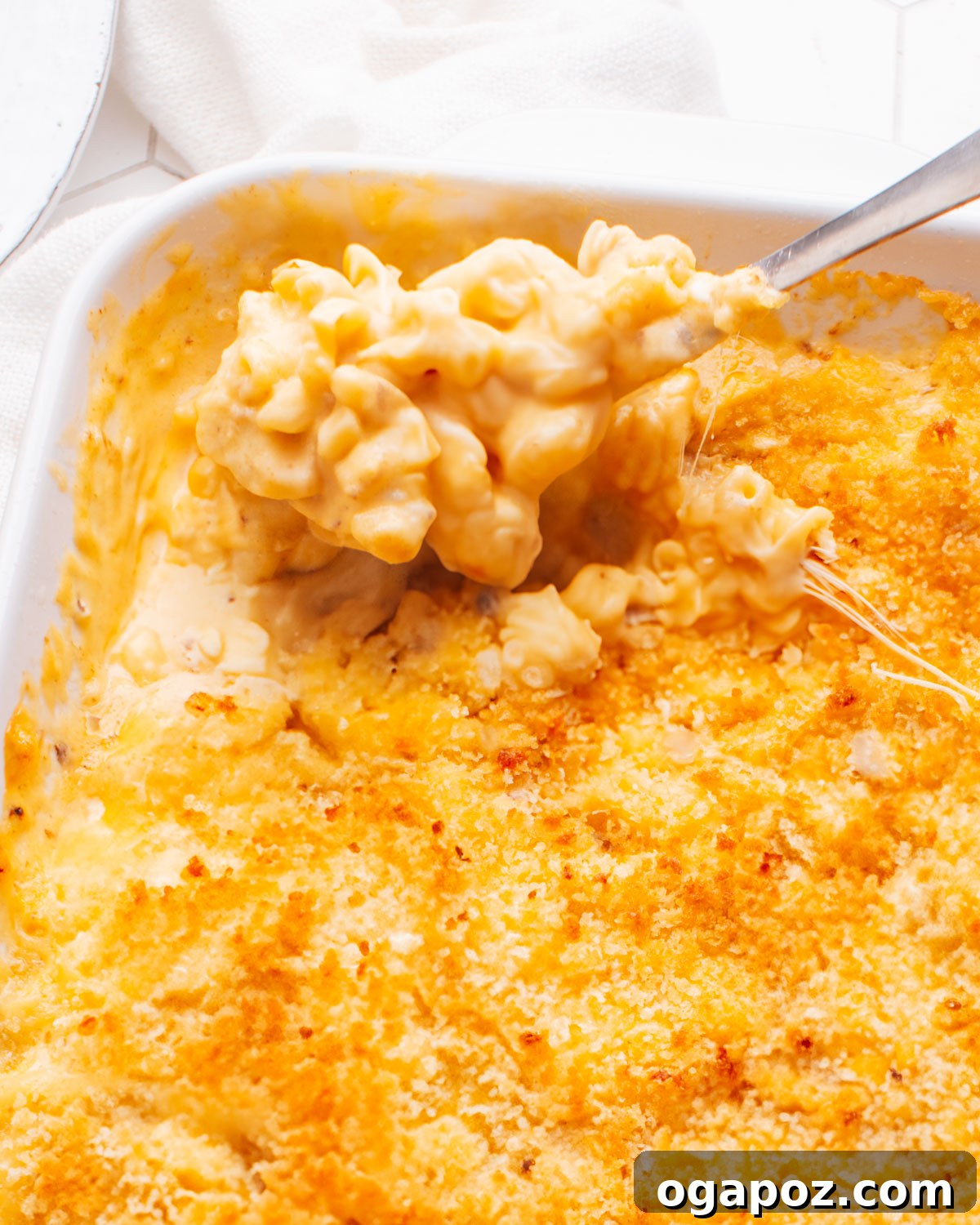
How to Ensure Your Baked Mac and Cheese Stays Perfectly Creamy
Achieving a consistently creamy, saucy baked mac and cheese is the hallmark of a truly great recipe. Here are essential strategies to prevent dryness and maintain that coveted luscious texture:
- Do Not Overbake: This cannot be stressed enough. Baking is primarily for heating the dish through and crisping the topping. The moment the top is golden brown and the edges are gently bubbling, remove it from the oven. Prolonged baking will cause the pasta to absorb too much liquid and the sauce to evaporate, leading to a dry, dense result. Think of it as merely finishing the dish, not cooking it extensively.
- Assemble and Bake While Sauce is Hot: The absolute best way to ensure maximum creaminess is to combine your hot, al dente pasta with a freshly made, hot cheese sauce, assemble the dish, and then immediately transfer it to a preheated oven. This minimizes the time the pasta has to absorb liquid from a cooling sauce and reduces the overall baking time needed to heat the dish through. If you’re prepping components in advance, it’s ideal to prepare the cheese sauce separately. When ready to assemble, gently reheat the sauce over low heat until warm before combining it with the cooked macaroni. The moment pasta and sauce meet, the absorption process begins, so the less time they spend together before hitting the oven, the creamier your final dish will be.
- Accurately Measure Dry Macaroni: This might seem like a minor detail, but the ratio of pasta to sauce is critical for creaminess. If you add more pasta than the recipe calls for, there simply won’t be enough sauce to coat everything adequately, and the excess pasta will quickly soak up any available liquid, leaving you with a dry and less flavorful outcome. Use a kitchen scale or precise measuring cups to ensure you’re using the exact amount of dry macaroni specified. Precision here pays off in a perfectly saucy dish.
- Use Whole Milk or Cream: While lower-fat dairy products can work, whole milk provides the ideal fat content for a rich, stable, and creamy sauce. For an extra luxurious texture, consider replacing a portion of the milk with heavy cream or half-and-half.
- Freshly Grated Cheese: As mentioned previously, pre-shredded cheeses contain anti-caking agents that can interfere with smooth melting. Freshly grating your cheese ensures it melts beautifully into a silky, cohesive sauce, contributing significantly to the overall creaminess.
How to Magnify the Cheese Flavor in Mac and Cheese
To ensure every forkful of your mac and cheese bursts with undeniable cheesy flavor, beyond just adding more cheese, consider these expert tricks and secret ingredients:
- Strategic Cheese Selection: Don’t just pick any cheese. Opt for a blend of cheeses with bold, distinct flavors. Aged sharp cheddar is a must for its tang. Incorporate some Gruyere for a nutty depth, a touch of smoked gouda for an intriguing smoky note, or even a tiny amount of blue cheese for a powerful, pungent kick (use sparingly!).
- The Cream Cheese/Boursin Boost: A small dollop (1-2 tablespoons) of cream cheese or a portion of herbed Boursin cheese stirred into the sauce can significantly enhance both the richness and the depth of flavor. Cream cheese adds a subtle tang and velvety texture, while Boursin introduces a complex blend of garlic and herbs that beautifully complements the cheese.
- Mustard Powder or Cayenne Pepper: This is a classic chef’s secret! A teaspoon of dry mustard powder (like Coleman’s) or a pinch of cayenne pepper in your cheese sauce won’t make your mac and cheese taste like mustard or spice, but it acts as a phenomenal flavor enhancer, intensifying the savory notes of the cheese without overpowering them.
- Always Grate Fresh Cheese: As highlighted before, freshly grated cheese melts superiorly, but it also has a more vibrant and authentic flavor compared to pre-shredded varieties, which can taste a bit muted due to preservatives. The effort is truly worth the reward.
- Liberally Salt Your Pasta Water: This foundational step is critical for building flavor from the ground up. Pasta cooked in unsalted water will result in a bland dish, regardless of how flavorful your cheese sauce is. Ensure your pasta water tastes like the ocean – salty!
- The Unexpected Umami Bomb: Soy Sauce: This might sound unusual, but if you find your mac and cheese is lacking that certain je ne sais quoi, a small amount of soy sauce can be a game-changer. It provides both saltiness and a powerful umami punch, capable of boosting an under-seasoned or flat-tasting dish. Start with about 1-2 tablespoons after combining the cooked macaroni and sauce, then taste and adjust. You won’t taste “soy sauce,” but rather a more profound, savory, and well-rounded cheese flavor.
- A Touch of Acid: A squeeze of lemon juice or a dash of apple cider vinegar can brighten the overall flavor profile of the cheese sauce, preventing it from tasting heavy and allowing the cheesy notes to shine.
Frequently Asked Questions (FAQs) About Old Fashioned Baked Macaroni and Cheese
Curious about specific aspects of making this classic comfort food? Here are answers to some of the most common questions to help you master your Old Fashioned Baked Macaroni and Cheese.
- Can I use low-fat milk instead of whole milk in the cheese sauce?
Yes, you can substitute low-fat milk, but be aware that using whole milk is highly recommended as it provides a significantly richer, creamier texture and a more luxurious mouthfeel to the sauce. Lower-fat milk may result in a slightly thinner or less robust sauce. - Is it possible to make this dish gluten-free?
Absolutely! This recipe can easily be adapted for a gluten-free diet. Simply use your preferred brand of gluten-free elbow macaroni (or other gluten-free pasta shape) and substitute the all-purpose flour in the roux with a high-quality gluten-free all-purpose flour blend. Ensure all other ingredients are certified gluten-free. - What’s the optimal way to reheat leftovers to maintain creaminess?
For best results, reheat individual portions in the microwave or oven. When using the microwave, always add a splash of milk (about 1-2 tablespoons per serving) before heating to help bring back the sauce’s creaminess and prevent it from drying out. For the oven, cover the dish with foil and bake at 300°F (150°C) until heated through, then remove the foil for the last few minutes if you want to re-crisp the topping. - How long can I safely store the leftovers in the refrigerator?
Properly stored in an airtight container, your Old Fashioned Baked Macaroni and Cheese leftovers will remain delicious and safe to eat for up to 3 days in the refrigerator. After this period, the quality and texture may begin to decline. - Can I prepare the cheese sauce in advance?
Yes, you can prepare the cheese sauce a day ahead. Make the sauce as directed, let it cool completely, then store it in an airtight container in the refrigerator. When you’re ready to assemble the dish, gently reheat the sauce over low heat, whisking frequently, until it’s smooth and warm before combining with freshly cooked pasta. - Why is my cheese sauce grainy?
A grainy cheese sauce is usually due to overheating the cheese or adding it too quickly. Always remove the béchamel from direct high heat or lower it to very gentle heat before gradually whisking in the shredded cheese. Avoid boiling the sauce once the cheese has been added. Also, using freshly grated cheese rather than pre-shredded (which contains anti-caking agents) can significantly help achieve a smoother sauce.
More Indulgent Recipes to Explore:
- What to Serve with Macaroni and Cheese (Unlock the best pairings!)
- Best Cheese for Baked Macaroni and Cheese (A deep dive into flavor and melt!)
- Ultimate Cheese Sauce for Mac and Cheese (Master the foundation of flavor!)
- Butternut Mac and Cheese (A comforting autumnal twist!)
- Miso Carrot Mac and Cheese (An unexpected umami-packed delight!)
Other Creamy Pasta Favorites:
- Lobster Ravioli Sauce (Elegance in every bite!)
- Seafood Pasta with Cream Sauce (A delicious weeknight luxury!)
- Beet Pasta Sauce (Surprisingly vibrant and earthy!)
- Asiago Tortelloni Alfredo with Grilled Chicken (Classic comfort with a twist!)
Old Fashioned Baked Macaroni and Cheese Recipe
By: Jennifer Pallian
Here’s a creamy, saucy Old Fashioned Baked Macaroni and Cheese recipe that will never turn out dry or bland. So much flavor and lots of creamy, cheesy sauce.
Prep Time: 15 minutes
Cook Time: 35 minutes
Servings: 8
Ingredients
For the Macaroni and Cheese:
- 1 lb elbow macaroni or your choice of pasta
- ½ cup unsalted butter
- ½ cup all-purpose flour
- 5 cups whole milk
- 3 cups shredded sharp cheddar cheese
- 2 cups shredded Gruyere or Monterey Jack cheese (or more cheddar)
- 1 cup freshly grated Parmesan cheese
- 1 ½ tsp kosher salt plus more to taste
- 1 tsp onion powder
- ½ tsp black pepper
- ½ tsp paprika
- ½ tsp garlic powder
For the Crispy Topping:
- 1 cup panko breadcrumbs
- 2 tbsp melted butter
- Pinch of salt
- ½ tsp dried parsley
Instructions
First Steps:
- Preheat your oven to 400°F (200°C).
- Cook the elbow macaroni in a large pot of generously salted boiling water according to package directions until just al dente. Drain and set aside.
Make Cheese Sauce:
- In a large saucepan or Dutch oven, melt the ½ cup of unsalted butter over medium heat.
- Whisk in the all-purpose flour and cook for 1-2 minutes, stirring constantly, until a smooth roux forms and smells slightly nutty.
- Gradually add the whole milk, a little at a time, whisking continuously to avoid lumps. Continue cooking and stirring until the mixture thickens to a sauce consistency that coats the back of a spoon.
- Turn off the heat. Add the shredded cheeses (cheddar, Gruyere/Monterey Jack, Parmesan) a small handful at a time, stirring each addition until the cheese is fully melted before adding another handful. If needed, you can return the heat to very low to finish melting, but do not let the sauce simmer or boil, as this can cause the cheese to separate and become grainy.
- Season the sauce with 1½ tsp kosher salt, ½ tsp black pepper, ½ tsp paprika, and ½ tsp garlic powder. Mix well and taste, adjusting seasonings as needed.
Combine Pasta and Sauce:
- Add the cooked, drained pasta to the hot cheese sauce in the saucepan. Stir gently but thoroughly until all the pasta is well-coated in the cheesy goodness. At this point, the sauce may seem abundant, but the pasta will absorb more as it bakes.
Prepare the Topping:
- In a separate small bowl, combine the panko breadcrumbs, the 2 tablespoons of melted butter, a pinch of salt, and the ½ tsp dried parsley. Stir until the breadcrumbs are evenly moistened.
Assembling and Baking:
- Transfer the macaroni and cheese mixture into a greased 9×13-inch baking dish, spreading it evenly.
- Evenly sprinkle the prepared breadcrumb mixture on top. (Optional: For an extra dramatic cheese pull, you can press some cubes of extra cheese into the top of the macaroni and cheese before sprinkling the breadcrumbs.)
- Bake in the preheated oven for 15-20 minutes, or until the topping is golden brown and the cheese is bubbly around the edges. Remove from the oven and let it cool for about 10-15 minutes before serving. This resting time allows the sauce to thicken perfectly.
Notes
- For the creamiest, saucy mac and cheese that’s never dry, it’s best to bake it right away after assembling it, while the macaroni and sauce are both still hot. The longer it stands, and the longer it’s baked, the more the pasta absorbs the moisture. If you bake it immediately, all you need is a quick 15-20 minutes in the oven to crisp the topping and heat through.
- Make the cheese sauce in your largest pot. That way, you can add the macaroni to it directly rather than pouring the sauce over the macaroni in a separate bowl, which helps avoid dirtying two pots with cheese sauce.
- If the pasta water didn’t have enough salt, the mac and cheese might taste bland overall. Remember, the cooking water should taste salty like the sea. If you accidentally under-season it, my secret ingredient for a flavor boost is a splash of soy sauce. It adds salt and umami flavor and can really help elevate under-seasoned mac and cheese. Add about 1-2 tablespoons of soy sauce after stirring in the cooked macaroni, if needed, or simply more salt to taste.
- For make-ahead options that remain super saucy: If assembling ahead of time (before baking), consider reducing the pasta quantity to 9 ounces (from 1 lb) to ensure a higher sauce-to-pasta ratio that withstands storage and reheating.
Nutrition Information (Approximate per serving)
Calories: 862kcal | Carbohydrates: 54g | Protein: 40g | Fat: 55g | Saturated Fat: 32g | Polyunsaturated Fat: 3g | Monounsaturated Fat: 13g | Trans Fat: 1g | Cholesterol: 162mg | Sodium: 1650mg | Potassium: 450mg | Fiber: 3g | Sugar: 10g | Vitamin A: 1761IU | Vitamin C: 0.1mg | Calcium: 1080mg | Iron: 1mg
Nutrition information is automatically calculated, so should only be used as an approximation.