
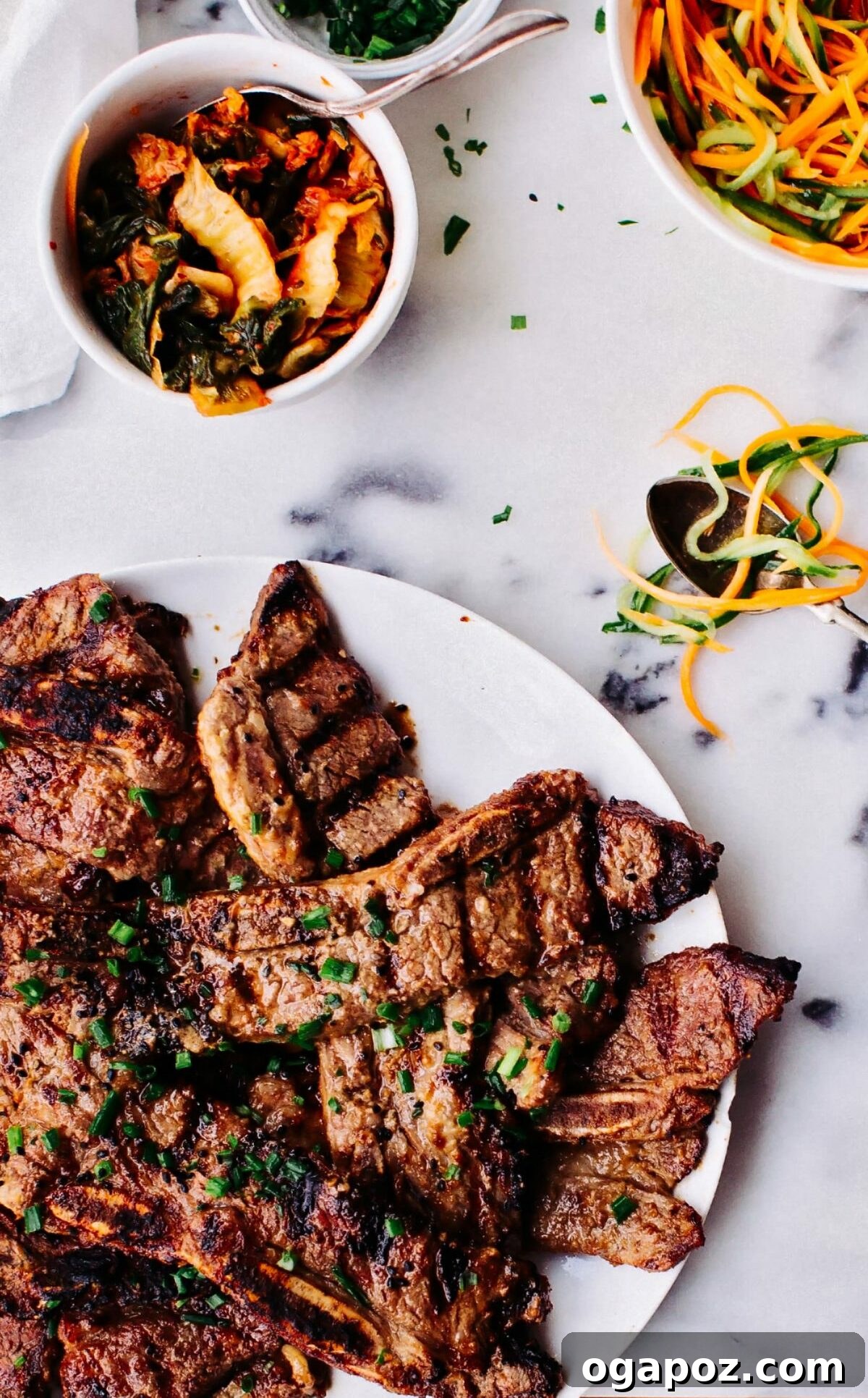
Mastering Korean Short Ribs (LA Galbi): Your Ultimate Guide to Tender, Flavorful BBQ
Korean short ribs, affectionately known as LA Galbi or simply Kalbi, are a revered delicacy in Korean cuisine, celebrated for their exquisite tenderness and deeply savory-sweet flavor. This iconic dish brings the vibrant experience of Korean barbecue right to your home, offering succulent beef that’s marinated to perfection and grilled in mere minutes. Prepare yourself for a culinary journey where every bite of these fall-off-the-bone ribs is an absolute delight.
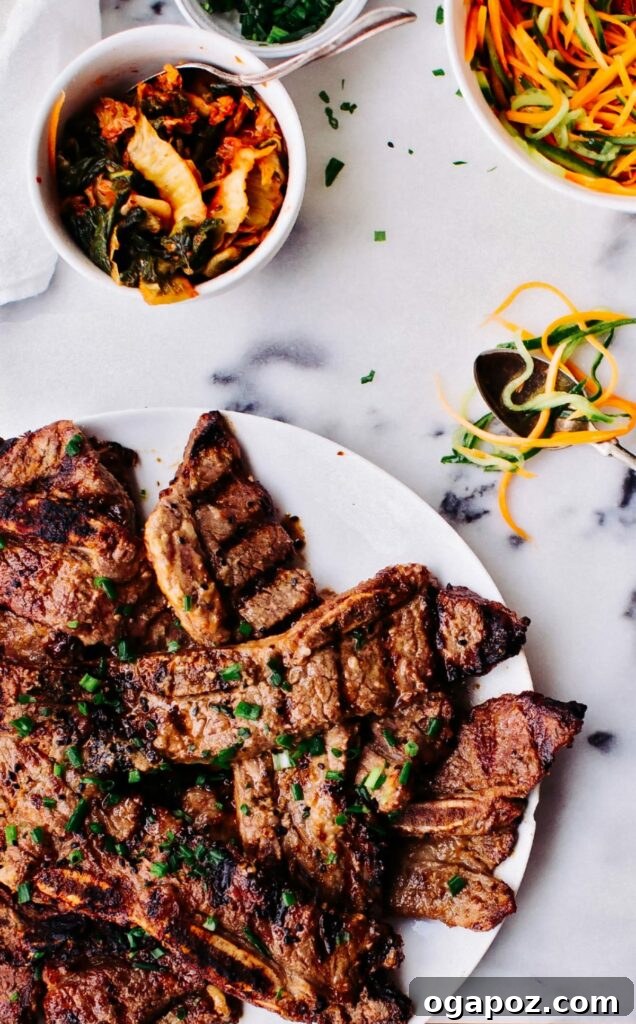
Why Korean Short Ribs (LA Galbi) Are a Must-Try for Any BBQ Enthusiast
If you’re seeking a grilling recipe that guarantees impressive results with surprisingly little effort, look no further than Korean short ribs. These ribs, often dubbed LA Galbi, consistently earn rave reviews for several compelling reasons:
- Remarkably Quick Cooking Time: Unlike many beef rib recipes that demand hours of slow cooking, Korean short ribs are designed for speed. Thanks to their unique thin cut, they cook in an astonishing 5 minutes flat—just 3 minutes on the first side and a quick minute on the second. This makes them ideal for weeknight dinners or when you need to feed a crowd without spending all day at the grill.
- Irresistible Flavor Profile: The magic of LA Galbi lies in its signature marinade. This carefully balanced blend combines rich soy sauce with the sweetness of honey or brown sugar, bright notes of Asian pear, and aromatic ginger and garlic. The result is a complex, utterly addictive flavor that hits all the right notes: savory, sweet, and bursting with umami. It’s a taste sensation that will have everyone asking for more.
- Unparalleled Tenderness: The quest for “fall-off-the-bone” ribs ends here. Through a combination of their specific cut and the powerful tenderizing agents in the marinade, these ribs achieve an incredibly succulent texture that truly melts in your mouth. Say goodbye to tough, chewy meat and hello to pure, tender bliss.
- A Gateway to Korean Cuisine: For those new to Korean food, Kalbi is an excellent starting point. Its familiar beef flavor, enhanced by a sweet and savory glaze, is universally appealing and introduces diners to the distinct, vibrant tastes of Korea.
The Unique Cut: What Defines Korean Short Ribs (LA Galbi)?
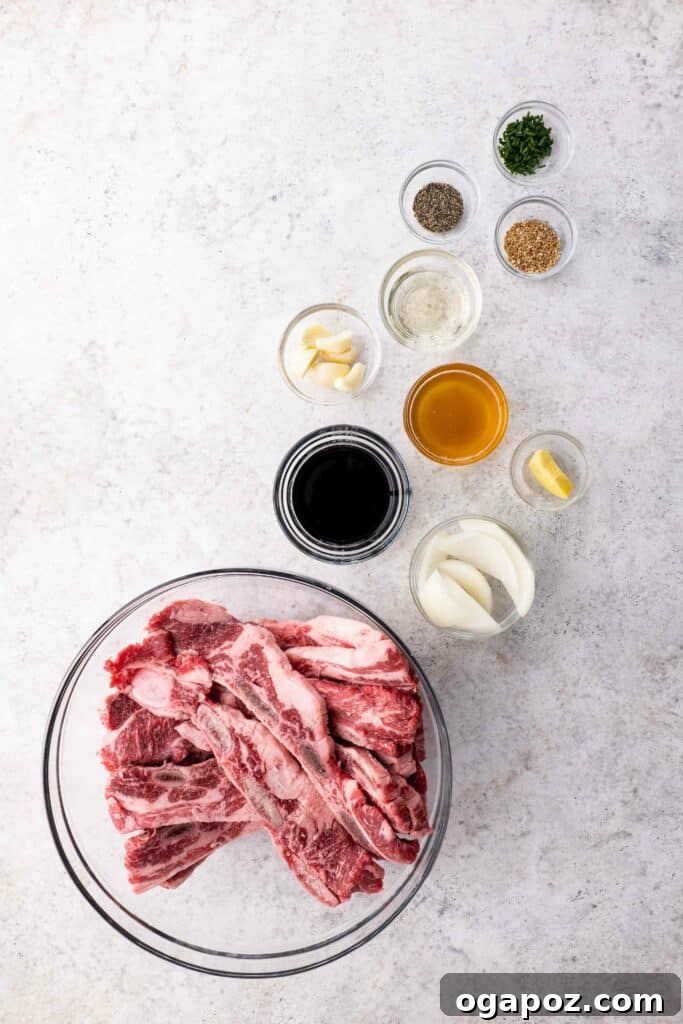
The secret to the rapid cooking and legendary tenderness of Korean short ribs (Kalbi) starts with their distinctive butchering style. Unlike conventional short ribs, which are often thick, meaty chunks with a single bone, Korean short ribs are prepared in a “flanken” cut. This means the beef ribs are sliced thinly—typically between 1/4 to 1/2 inch thick—across the bone, resulting in long, flat pieces of meat that contain several small cross-sections of bone.
Why the Flanken Cut is Essential:
- Maximized Surface Area: The thin, broad slices offer an extensive surface area for the marinade to penetrate, ensuring every part of the meat is deeply flavored.
- Efficient Cooking: This thinness is key to their quick cooking time. High heat can caramelize the exterior and cook the interior evenly in just minutes, preventing the meat from becoming tough.
- Tenderizing Advantage: The exposed bone marrow and connective tissues along the cut allow the tenderizing enzymes in the marinade to work more effectively, contributing to that desired fall-apart texture.
Finding the Right Cut:
You can typically find flanken-style short ribs at Asian grocery stores, specialty butcher shops, or larger supermarkets with a diverse meat selection. When shopping, specifically ask for “Korean-style short ribs,” “LA Galbi,” or “flanken cut short ribs.” If your butcher is unfamiliar, describe them as beef ribs cut thinly (1/4 to 1/2 inch) across the bone.
A Note on Thickness: While both 1/4 inch and 1/2 inch thick cuts are common, the thinner 1/4 inch ribs generally absorb more marinade and cook faster, resulting in maximum tenderness. However, they can be more delicate and prone to falling apart during grilling. The slightly thicker 1/2 inch ribs offer a more robust bite and maintain their shape better for presentation, though they may require a minute or two longer on the grill.
What to Avoid (Substitutions):
It’s important not to confuse Korean short ribs with other types of beef ribs. European-style short ribs, which are thicker and contain a larger chunk of meat on a single bone, require long, slow braising to become tender. Substituting these will not yield the same quick-cooking, tender results. Similarly, pork ribs are not a suitable substitute, as they have different fat content and collagen structures requiring entirely different preparation methods.
If flanken-style ribs are genuinely unavailable, a viable alternative is to use flank steak or skirt steak. Marinate these cuts as you would the ribs, grill them quickly over high heat, and then slice them thinly against the grain before serving over rice. While they won’t replicate the bone-in flavor, they offer a similar flavor profile and cooking method.
The Magic of the Marinade: Essential Ingredients for Irresistible Korean Short Ribs
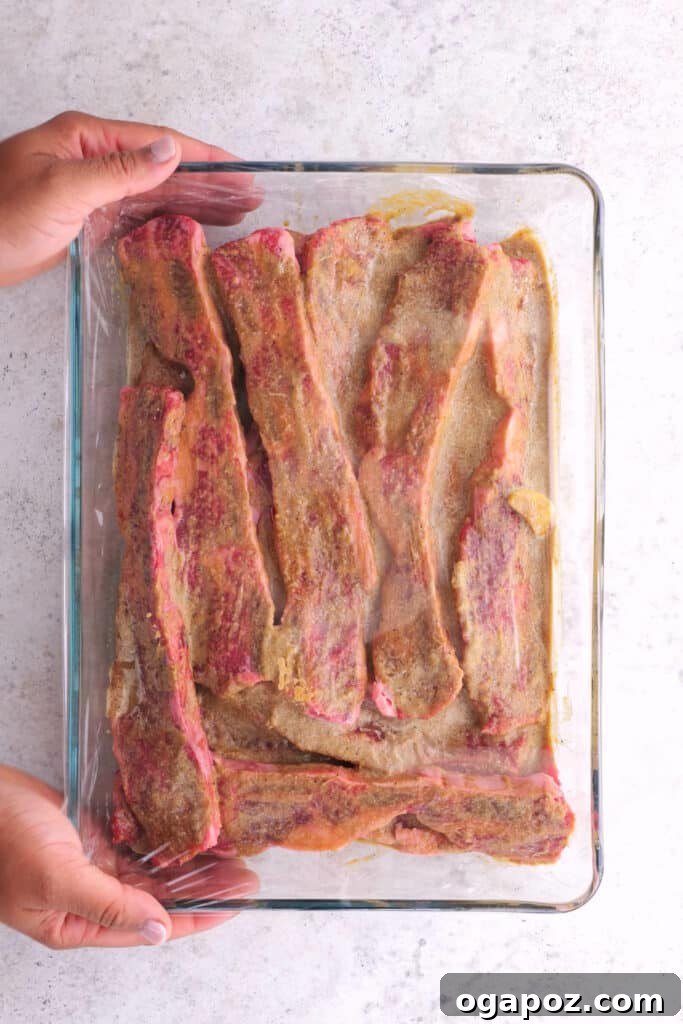
The heart and soul of spectacular Korean short ribs lie in their deeply flavorful and tenderizing marinade. This balanced blend of sweet, savory, and aromatic ingredients not only infuses the beef with an incredible taste but also ensures that coveted fall-apart texture. Here’s a closer look at the essential components and their roles:
- Thinly-Cut Beef Ribs (Flanken-Style): As previously discussed, the right cut is paramount. These bone-in ribs are preferred as the bone adds depth of flavor and helps insulate the meat, keeping it juicy during high-heat cooking.
- Asian Pear: The Secret Tenderizing Agent: This often-overlooked ingredient is a true game-changer. Asian pears contain natural protease enzymes that effectively break down tough meat fibers, leading to remarkably tender results. Beyond tenderizing, they impart a subtle, natural sweetness that beautifully complements the savory elements of the marinade. If an Asian pear is difficult to find, 1/4 cup of pineapple juice can serve as an excellent substitute, as it also contains similar powerful tenderizing enzymes.
- Soy Sauce: The Umami & Savory Foundation: High-quality soy sauce forms the savory cornerstone of the marinade. It acts as the primary seasoning, replacing traditional salt, and provides a rich, naturally occurring glutamate that delivers that deeply satisfying umami richness. Opt for a good quality soy sauce for the best flavor. For a gluten-free version, tamari is an excellent choice.
- Honey (or Alternative Sweetener): Honey contributes the essential sweetness that balances the savory soy sauce and promotes beautiful caramelization on the grill. This sweetness is crucial for achieving the classic sweet-and-savory harmony of LA Galbi. Brown sugar or maple syrup are also fantastic alternatives and can be substituted at a 1:1 ratio.
- Aromatics: Ginger, Garlic, and Onion: These aromatic powerhouses are indispensable. Freshly grated ginger provides a warm, pungent zing, while minced garlic offers its characteristic sharp, savory depth. A quarter of a medium onion, blended into the marinade, contributes another layer of savory aroma and a subtle sweetness, rounding out the flavor profile. These ingredients are what give the marinade its unmistakable Korean essence.
- Black Pepper and a Hint of Cayenne: Freshly ground black pepper adds a foundational layer of mild spice and warmth. A small amount of cayenne pepper is included for a very subtle kick and a touch of heat, ensuring the flavor is dynamic without being overwhelmingly spicy. This allows the other flavors to shine through beautifully.
- Neutral Oil: A tablespoon of neutral oil, such as vegetable or canola oil, serves multiple purposes. It helps to emulsify the marinade, ensuring all ingredients are well combined, and carries the fat-soluble flavors throughout the meat. Additionally, it aids in preventing the ribs from sticking to the grill grates, ensuring an easier cooking experience and perfect grill marks.
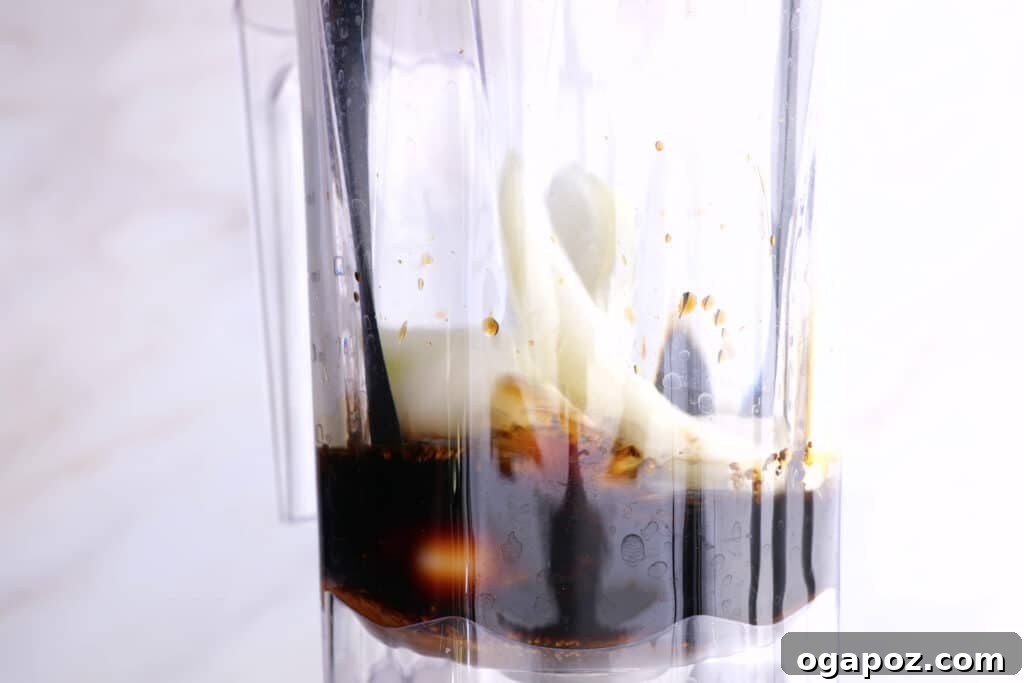
Blending these marinade ingredients until completely smooth ensures that all flavors are thoroughly incorporated and that the tenderizing enzymes from the pear (or pineapple juice) can evenly work their magic across every surface of the ribs, guaranteeing consistent tenderness and flavor.
Achieving Legendary Tenderness: Tips to Prevent Tough Korean Short Ribs
The goal with Korean short ribs (LA Galbi) is always melt-in-your-mouth tenderness. While these ribs are inherently designed for quick cooking and tender results, there are a few crucial factors to keep in mind to ensure you avoid any toughness. If you’ve ever had a less-than-tender short rib experience, these expert tips will guide you to perfection:
- Prioritize the Thinnest Cut Possible: For truly ultra-tender, fall-apart Korean short ribs, the thickness of your meat is paramount. Choose the thinnest flanken cut you can find, ideally 1/4 inch thick. A thinner slice means less time on the grill, less chance of drying out, and most importantly, deeper penetration by the tenderizing marinade. While 1/2 inch cuts are acceptable, 1/4 inch guarantees maximum tenderness.
- Maximize Marinade Time: The Asian pear (or pineapple juice) in your marinade is a powerful natural tenderizer, thanks to its protease enzymes. These enzymes actively break down the muscle fibers and connective tissues. For optimal results, ensure the ribs are fully coated and allow them to marinate for a significant period – at least 12 hours, and ideally up to 48 hours, in the refrigerator. A quick 30-minute marination at room temperature will add flavor but won’t deliver the same level of tenderness.
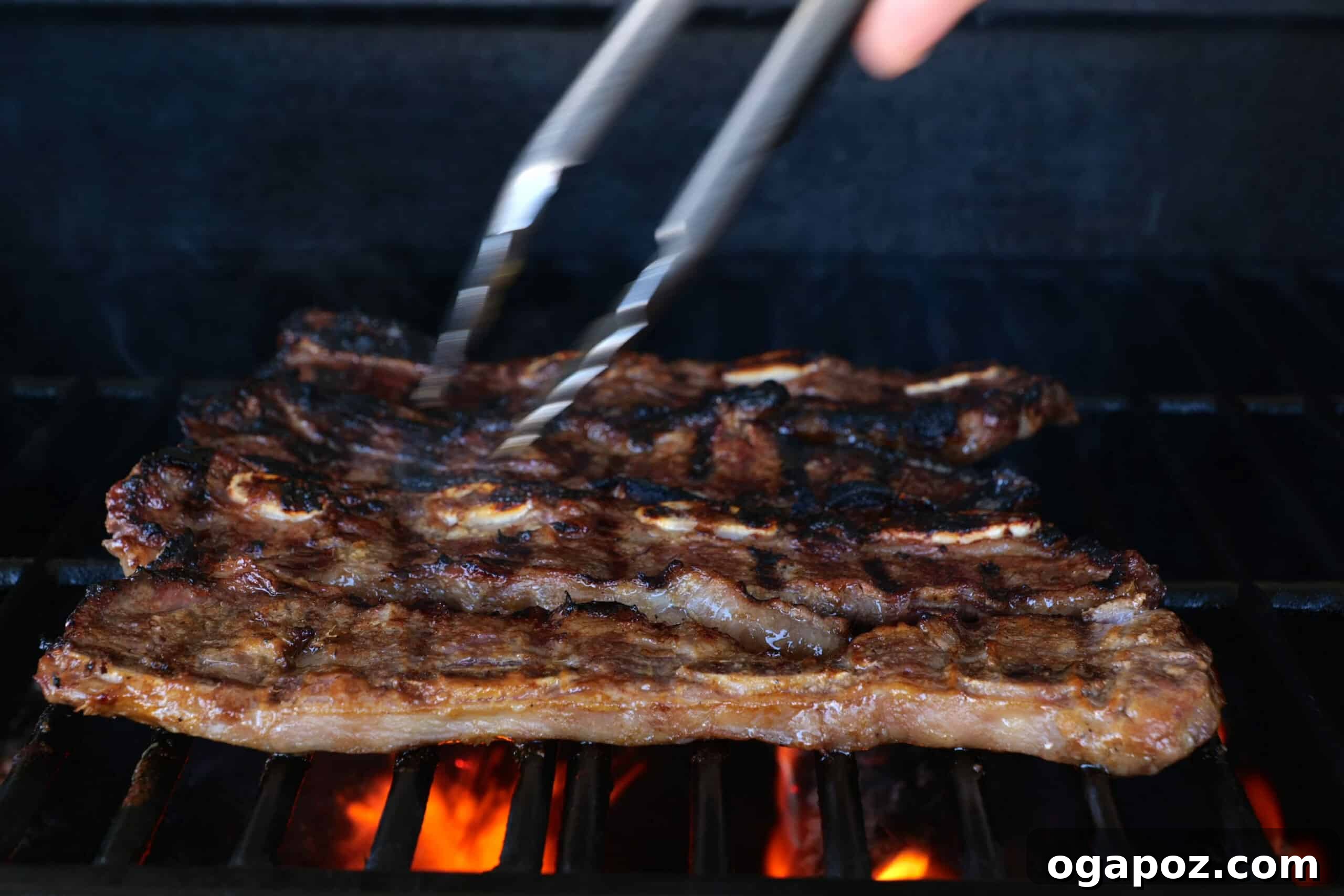
- Master the High-Heat, Quick-Cook Method: This is arguably the most critical technique for preventing toughness. Korean short ribs are not meant for slow cooking on the grill.
- Preheat Your Grill Thoroughly: A screaming hot grill (medium-high heat) is essential to create a quick sear and beautiful caramelization without overcooking the interior. Allow your grill to preheat for at least 5-10 minutes.
- First Side: Place the ribs on the hot grates. Cook for approximately 3 minutes. Resist the urge to move them until they naturally release from the grill, indicating a good crust has formed.
- Second Side: Flip the ribs and cook for only 1 to 2 minutes on the other side. The thinness of the meat means it cooks through very rapidly. The goal here is just to cook the second surface and get some char. Overcooking, even by a minute or two, is the most common reason for tough Korean short ribs.
- Always Choose Bone-In Ribs: The presence of the bone is not just for flavor; it’s also a tenderizing and juiciness secret weapon. The bone helps to insulate the meat from the direct high heat of the grill, preventing it from drying out too quickly. This results in juicier, more succulent ribs compared to boneless versions.
- Allow the Meat to Rest: After grilling, transfer your cooked ribs to a platter and tent them loosely with aluminum foil. Let them rest for at least 5 minutes. This crucial step allows the meat fibers to relax and the internal juices to redistribute, resulting in a significantly more tender and moist bite.
By diligently following these guidelines, you will consistently achieve Korean short ribs that are wonderfully tender, juicy, perfectly caramelized, and packed with that authentic sweet-and-savory Korean BBQ flavor.
Frequently Asked Questions About Korean Short Ribs (LA Galbi)
For thinly-cut Korean short ribs (LA Galbi), the primary cause of toughness is almost always overcooking. Their thin nature means they cook very rapidly. If left on high heat for too long, the muscle fibers contract and dry out, leading to a chewy texture. In contrast, thicker short ribs intended for braising become tough if they haven’t been simmered long enough to break down the collagen and connective tissues.
Korean short ribs are typically cut 1/4 inch to 1/2 inch thin, in a flanken style across the bone. The 1/4 inch thin cuts are generally more tender, absorb the marinade more fully, and grill faster. However, they can be more delicate and may fall off the bone. For a more robust presentation, 1/2 inch thick ribs are often chosen, offering a slightly firmer texture while still achieving excellent tenderness if not overcooked.
Another common name for Korean short ribs is Kalbi (or Galbi), which translates simply to “ribs” in Korean. The term LA Galbi specifically refers to the flanken style cut across the bones, believed to have originated in Los Angeles as Korean immigrants adapted the traditional cut for Western butcher shops.
Yes, you can absolutely use frozen flanken-style short ribs. Ensure they are completely thawed before you begin the marinating process. For the best texture, it’s recommended to thaw them slowly in the refrigerator overnight. While freezing and thawing can sometimes have a minor impact on meat texture, the tenderizing marinade and quick grilling method will still yield delicious results.
For optimal flavor infusion and to maximize the tenderizing effects of the marinade, we recommend marinating the Korean short ribs for at least 12 hours, and preferably up to 48 hours, in the refrigerator. If you’re pressed for time, a minimum of 30 minutes at room temperature will impart some flavor, but the meat won’t be as deeply tender or flavorful.
Serving Korean BBQ Ribs: Creating a Complete Authentic Meal
While the juicy, flavorful Korean BBQ ribs (LA Galbi) are undoubtedly the star, they truly shine when served as part of a traditional Korean meal with a variety of complementary side dishes. The interplay of rich meat with refreshing, tangy, and sometimes spicy accompaniments creates a balanced and deeply satisfying culinary experience. Here’s how to build a complete and authentic spread:
- Essential Accompaniments:
- Short-Grain White Rice: Steamed sticky short-grain rice is a non-negotiable staple. Its mild flavor and slightly chewy texture provide a perfect base, soaking up the delicious juices from the ribs and offering a comforting contrast to the bold flavors.
- Kimchi: This iconic fermented cabbage dish is a must-have. Its characteristic spicy, sour, and umami notes brilliantly cut through the richness of the meat, awakening your palate with every bite. Consider offering a variety of kimchi, such as napa cabbage kimchi (baechu-kimchi) and radish kimchi (kkakdugi).
- Quick Cucumber & Carrot Salad: A simple, refreshing salad provides a crisp and tangy counterpoint. Easily made with julienned carrots and cucumbers, lightly dressed with rice vinegar, a pinch of sugar, and a touch of salt. You can also drizzle a tiny amount of sesame oil for added aroma.
- Fresh Garnishes for Enhanced Flavor:
- Thinly Sliced Scallions (Green Onions): A generous sprinkle of fresh, vibrant scallions adds a beautiful pop of color, a mild oniony bite, and a touch of herbaceous freshness that brightens the entire dish.
- Toasted Sesame Seeds: A light dusting of toasted sesame seeds provides a nutty aroma, a delicate crunch, and an appealing visual finish to your grilled ribs.
- Optional Side Dishes (Banchan) for a Grander Feast:
- Lettuce Wraps (Ssam): Offer fresh lettuce leaves (such as red leaf, green leaf, or perilla leaves) for diners to wrap pieces of rib, rice, and a dab of ssamjang (a savory, spicy dipping sauce). This interactive element is a highlight of Korean BBQ.
- Pickled Radishes (Ssam-mu): These thin, often sweet and sour pickled radishes are excellent for wrapping meat or serving alongside, providing another refreshing and crunchy element.
- Gyeran-jjim (Steamed Egg): A fluffy, savory steamed egg custard makes a comforting and mild addition to balance the stronger flavors.
- Doenjang Jjigae (Fermented Soybean Paste Stew): A simmering bowl of savory, earthy Korean stew is a fantastic complement, especially during cooler weather.
The beauty of Korean BBQ lies in the communal experience, where everyone can customize their bites with a diverse array of banchan, creating a symphony of flavors and textures that make each meal truly memorable.
How to Make Tender & Flavorful Korean Short Ribs: A Step-by-Step Guide
Creating these sensational Korean short ribs at home is a straightforward process that yields incredibly delicious results. Follow these detailed steps to achieve perfectly tender and flavorful LA Galbi:
- Step 1: Prepare Your Signature Marinade
- Gather all the marinade ingredients: ¼ cup soy sauce, ½ Asian pear (peeled and cored), ¼ medium onion (roughly chopped), ¼ cup honey (or brown sugar/maple syrup), 1 ½ tablespoons finely-grated fresh ginger, 1 tablespoon minced garlic, ½ teaspoon cayenne pepper (optional, for subtle heat), ½ teaspoon black pepper, and 1 tablespoon neutral oil.
- Combine all these ingredients, except the beef ribs, in a small blender or food processor. Process until the mixture is completely smooth and well-combined. If you do not have a blender, finely grate the pear and onion, then stir them thoroughly with the remaining liquid and powdered ingredients in a bowl.
- Step 2: Marinate the Beef Ribs for Maximum Flavor & Tenderness
- Place your 2 ¼ lbs of flanken-style beef short ribs (1/4″ to 1/2″ thick) in a shallow baking dish or a large, sturdy resealable plastic bag.
- Pour the freshly prepared marinade over the ribs, ensuring that each piece is thoroughly coated on all sides. Gently massage the marinade into the meat.
- Cover the dish tightly or seal the bag, removing as much air as possible. Refrigerate for a minimum of 12 hours. For the absolute best flavor penetration and melt-in-your-mouth tenderness, allow the ribs to marinate for up to 48 hours. If you are very short on time, a quick 30-minute marination at room temperature can work, but the tenderizing effect and depth of flavor will be less pronounced.
- Step 3: Preheat Your Chosen Cooking Surface
- For Grilling: Preheat your outdoor grill to medium-high heat for about 5-10 minutes. The grates should be sizzling hot. Lightly brush the grates with oil to prevent sticking.
- For Broiling (Oven): Adjust an oven rack to be about 4-6 inches away from the broiler element. Preheat your broiler to its highest setting. Line a baking sheet with aluminum foil for easier cleanup.
- For Stovetop Grill Pan: Heat a lightly-oiled stovetop grill pan over medium-high heat for at least 5 minutes until it is very hot and just beginning to smoke slightly.
- For Air Fryer: Preheat your air fryer to its highest heat setting, typically around 390-400°F (200-205°C).
- Step 4: Cook the Ribs to Perfection with High Heat, Quick Method
- Grilling Method: Place the marinated ribs on the preheated hot grill. Cook for approximately 3 minutes on the first side, allowing beautiful char marks to develop and ensuring the ribs release easily from the grates. Flip the ribs carefully and cook for an additional 1-2 minutes on the second side. Remember, these thin ribs cook very quickly, so watch them closely to avoid overcooking.
- Broiling Method: Arrange the ribs in a single layer on your foil-lined baking sheet. Broil for 3-4 minutes per side, constantly monitoring to prevent burning, until they are nicely browned and cooked through.
- Stovetop Grill Pan Method: Cook the ribs in batches to avoid overcrowding the pan, which can lower the temperature and steam the meat instead of searing it. Cook for 3-4 minutes per side until properly seared and cooked to your liking.
- Air Fryer Method: Place ribs in a single layer in the air fryer basket, cooking in batches if necessary. Air fry for about 5-7 minutes, flipping halfway through, until they are beautifully browned and cooked through.
For a delicious alternative, consider a dedicated Crockpot Korean Short Ribs recipe if you prefer slow-cooked tenderness.
- Step 5: Rest and Serve Immediately
- Once cooked, transfer the tender ribs to a clean serving platter. Tent them loosely with aluminum foil and let them rest for 5 minutes. This vital resting period allows the meat’s juices to redistribute, ensuring a maximally tender and succulent bite.
- Garnish generously with thinly sliced scallions and a sprinkle of toasted sesame seeds. Serve immediately with hot short-grain white rice and your favorite authentic Korean side dishes for a truly memorable meal.
Korean Short Ribs Recipe
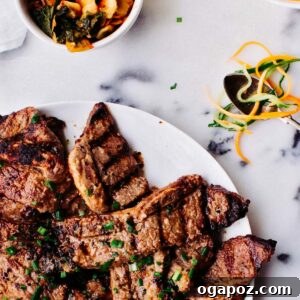
Korean short ribs are grilled in just 5 minutes. You’ll adore this easy, fall-off-the-bone tender recipe, also known as Korean BBQ, LA galbi, or kalbi.
By: Jennifer Pallian BSc, RD
Prep Time: 15 minutes
Cook Time: 5 minutes
Total Time: 45 minutes (includes 30 min initial marination, but best with 12-48 hours)
Servings: 6
Ingredients
- ¼ cup soy sauce
- ½ Asian pear, peeled and cored
- ¼ medium onion, roughly chopped
- ¼ cup honey
- 1 ½ tbsp finely-grated fresh ginger
- 1 tbsp minced garlic
- ½ tsp cayenne pepper (optional)
- ½ tsp black pepper
- 1 tbsp neutral oil (such as vegetable or canola)
- 2 ¼ lbs flanken beef short ribs, 1/4″ to 1/2″ thick
Instructions
- Prepare Marinade: Combine soy sauce, Asian pear, onion, honey, ginger, garlic, cayenne, black pepper, and oil in a small blender or food processor. Process until completely smooth.
- Marinate Ribs: Place beef short ribs in a shallow baking dish or resealable bag. Pour the marinade over the ribs, ensuring they are evenly coated. Cover and refrigerate for a minimum of 12 hours (up to 48 hours for best results). A 30-minute room temperature marination is a quick alternative.
- Preheat Grill: Preheat your outdoor grill to medium-high heat for approximately 5-10 minutes. Lightly oil the grates.
- Grill Ribs: Place marinated ribs on the hot grill over direct heat. Grill for about 3 minutes on the first side until well-marked, then flip and cook for 1-2 minutes on the second side. Monitor closely to prevent overcooking due to their thinness.
- Rest & Serve: Transfer grilled ribs to a serving plate. Tent loosely with foil and let rest for 5 minutes. Garnish with thinly sliced scallions and toasted sesame seeds, then serve immediately with rice and your favorite Korean side dishes.
Notes
- Asian Pear Substitute: If you cannot find Asian pear, use 1/4 cup of pineapple juice. Its enzymes also tenderize meat effectively.
- Sweetener Options: Feel free to substitute brown sugar or maple syrup for the honey.
- Alternative Cooking Methods:
- Broiling: Cook ribs on a foil-lined baking sheet 4-6 inches from a preheated broiler for 3-4 minutes per side.
- Stovetop Grill Pan: Cook on a lightly-oiled, preheated grill pan over medium-high heat for 3-4 minutes per side (cook in batches if needed).
- Air Fryer: Air fry at 390-400°F (200-205°C) for about 5-7 minutes, flipping halfway.
- Rib Thickness Considerations: Thinner 1/4″ ribs will cook faster and be more tender but might fall apart easily. 1/2″ thick ribs offer better presentation and hold their shape well.
- Gluten-Free Version: Use gluten-free tamari instead of traditional soy sauce for a gluten-friendly option.
Nutrition Information (Approximate Per Serving)
Calories: 296kcal | Carbohydrates: 12g | Protein: 29g | Fat: 15g | Saturated Fat: 6g | Polyunsaturated Fat: 1g | Monounsaturated Fat: 6g | Cholesterol: 83mg | Sodium: 840mg | Potassium: 584mg | Fiber: 1g | Sugar: 9g | Vitamin A: 9IU | Vitamin C: 2mg | Calcium: 19mg | Iron: 3mg
Nutrition information is automatically calculated and should only be used as an approximation.