
Authentic Irish Soda Bread: Your Essential Guide to a St. Patrick’s Day Classic
Happy St. Patrick’s Day! As the world dons its emerald green and prepares for vibrant celebrations, there’s no better way to honor Irish heritage than by baking a timeless culinary masterpiece: authentic Irish Soda Bread. This beloved quick bread, deeply rooted in the heart of Irish tradition, offers a delightful simplicity and hearty flavor that makes it a perfect accompaniment to almost any meal, or a wonderful, comforting treat on its own.
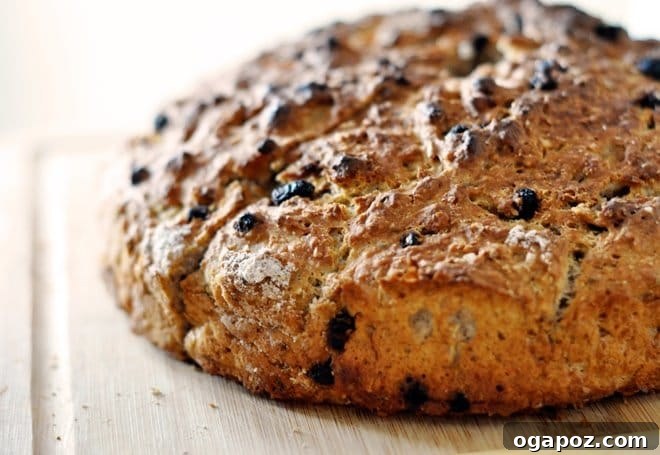
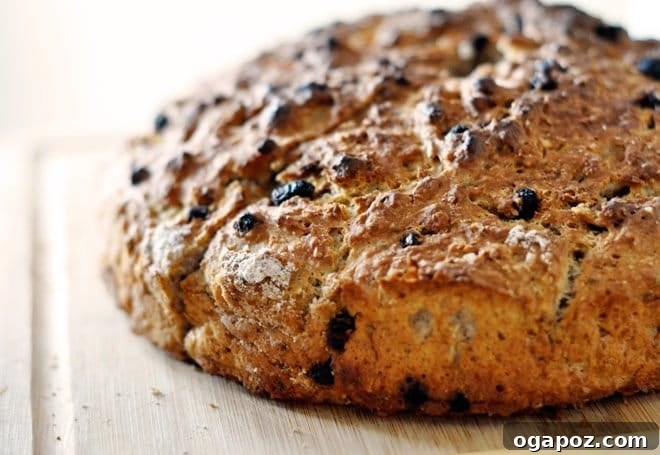
Imagine the scene: a steaming bowl of comforting Turkey Stew with Mashed Potato Dumplings, perhaps accompanied by a frosty mug of your favorite Irish stout. What could possibly complete such a picturesque culinary experience? A warm, generously buttered slice of currant-studded Irish Soda Bread, of course! Its characteristic dense, yet wonderfully tender crumb is ideal for mopping up every last drop of a delicious stew, or for simply savoring with your morning coffee. This comprehensive guide will walk you through everything you need to know about crafting the perfect Irish Soda Bread, from its fascinating historical origins to practical baking tips and versatile serving suggestions.
The Enduring Legacy: What Exactly is Irish Soda Bread?
Irish Soda Bread is a distinctive type of quick bread that fundamentally relies on baking soda (sodium bicarbonate) as its primary leavening agent, rather than traditional yeast. This ingenious method means there are no lengthy proofing times involved, making it an incredibly accessible and efficient bread to prepare for even the most novice bakers. Its humble origins trace back to the challenging mid-19th century in Ireland, a period when access to more sophisticated ingredients and modern ovens was often limited. In this environment, baking soda, when combined with buttermilk, created a natural and efficient chemical reaction that produced carbon dioxide bubbles, causing the bread to rise beautifully. Buttermilk, a readily available byproduct of butter churning in Irish farmhouses, provided both the crucial acidity needed for this reaction and contributed significantly to the wonderfully tender texture of the finished loaf.
Historically, Irish Soda Bread was a daily staple in countless homes across the Emerald Isle. It was often baked simply on a griddle or in a cast-iron Dutch oven nestled over an open fire. While the foundational ingredients—flour, baking soda, salt, and buttermilk—remained consistent, fascinating variations emerged depending on the specific region, local traditions, and individual family preferences. Some traditional recipes might have included caraway seeds for an aromatic, earthy touch, while others opted for the sweet bursts of flavor from dried fruits like currants or raisins. This remarkable adaptability is a key part of its enduring charm, allowing for personalization and regional distinction while always maintaining its core, comforting character. Understanding its history not only enriches the baking experience but also deepens appreciation for this iconic Irish food.
Why Choose Homemade Irish Soda Bread for Your Next Meal?
Beyond its rich historical significance, baking Irish Soda Bread offers a multitude of compelling reasons to make it a regular feature in your kitchen, especially as St. Patrick’s Day approaches:
- Unmatched Speed and Simplicity: In stark contrast to yeast breads that demand hours of patient rising, soda bread comes together from start to finish in approximately 90 minutes, with the majority of that time being passive baking. This makes it an ideal choice for busy households, impromptu gatherings, or whenever you crave fresh, warm bread in a hurry.
- Remarkably Beginner-Friendly: The process of making Irish Soda Bread is incredibly forgiving. There are no complex kneading techniques to master, no precise temperature controls required for yeast activation. If you possess the ability to accurately measure and gently mix ingredients, you are perfectly capable of creating a delicious loaf of Irish Soda Bread.
- Incredibly Versatile Flavor Profile: While traditionally served with hearty savory dishes, a plain version of soda bread (without caraway seeds or currants) can effortlessly pivot to sweet applications. Imagine it warmed and slathered with butter and your favorite jam for a delightful breakfast, or used as a base for sweet toast. When adorned with currants and caraway seeds, it offers a more classic, aromatic, and distinctly Irish experience.
- Hearty, Satisfying, and Nourishing: The dense yet tender texture of Irish Soda Bread makes it incredibly satisfying and wonderfully nourishing. It pairs exceptionally well with robust soups, comforting stews, and a wide variety of cheeses, providing a substantial complement to any meal.
- A Taste of Deep-Rooted Tradition: The act of baking Irish Soda Bread is much more than simply creating a loaf of bread; it’s a tangible way to connect with a rich cultural heritage and share a cherished piece of history with your family and friends. It brings a sense of authenticity and warmth to any table.
Understanding the Essential Ingredients for Perfect Irish Soda Bread
The inherent beauty of Irish Soda Bread lies in its foundation of simple, wholesome, and readily available ingredients. Each component plays a crucial and specific role in achieving that perfect, characteristic texture and delightful flavor profile:
- All-Purpose Flour: While traditional Irish recipes might have utilized softer wheat flours, standard unbleached all-purpose flour works exceptionally well for modern soda bread. It’s important to avoid specialty bread flours with a very high protein content, as these can lead to a tougher, chewier loaf, which is not desired for soda bread’s tender crumb.
- Baking Soda (Sodium Bicarbonate): This is truly the hero ingredient of Irish Soda Bread. It is absolutely vital to ensure your baking soda is fresh, as its leavening power gradually diminishes over time. Baking soda reacts chemically with the natural acidity present in buttermilk, producing carbon dioxide gas bubbles that are responsible for the bread’s rise and its characteristic open crumb structure.
- Baking Powder: While not universally found in the absolute most traditional, minimalist recipes, including a touch of baking powder can provide an extra boost of lift, especially beneficial with modern flours. Baking powder is a double-acting leavener, meaning it reacts both when it comes into contact with liquid and again when exposed to the heat of the oven, ensuring a good rise.
- Fine Sea Salt: An indispensable ingredient for balancing and enhancing the overall flavors of the bread. It prevents the bread from tasting bland and brings out the subtle nuances of the other ingredients. Do not omit the salt!
- Granulated Sugar: A relatively small amount of sugar performs several important functions. It helps to tenderize the crumb, adds a very subtle sweetness that rounds out the overall flavor, and significantly contributes to the beautiful golden-brown color of the crust during baking.
- Caraway Seeds (Optional, but Highly Recommended for Authenticity): These small, distinctly aromatic seeds are a classic and highly traditional addition to many Irish Soda Bread recipes. They lend a unique, slightly peppery, anise-like, and wonderfully herbaceous flavor that defines the traditional character of the bread. If you appreciate herbal and spiced notes in your baked goods, definitely include them. However, if you prefer a milder, more versatile loaf that can be easily adapted for a wider range of sweet toppings, you can certainly leave them out.
- Currants (Optional, but Adds Delicious Sweetness): Currants are a popular inclusion, adding delightful pockets of juicy sweetness and a pleasant chewiness throughout the bread. Dried raisins are a very common and excellent substitute if currants are unavailable in your local store. When adding, make sure to separate them thoroughly and coat them lightly with flour to ensure they are evenly distributed and don’t sink to the bottom of the loaf.
- Buttermilk: This is unequivocally the cornerstone ingredient of authentic Irish Soda Bread. Its inherent acidity is absolutely vital for activating the baking soda and initiating the leavening process. Furthermore, buttermilk is directly responsible for contributing to the bread’s characteristic tender crumb and its subtly tangy, complex flavor. Pro Tip: If you find yourself without buttermilk, you can easily create a quick homemade substitute: simply add 1 tablespoon of fresh lemon juice or white vinegar to a liquid measuring cup, then fill the rest of the cup with regular milk (dairy or non-dairy) until it reaches the 2-cup mark. Let this mixture sit undisturbed for 5-10 minutes until it slightly curdles and thickens.
Classic Irish Soda Bread Recipe: Step-by-Step
Ingredients:
- 4 1/4 cups (approximately 510g) all-purpose flour, divided
- 4 teaspoons baking powder
- 1/2 teaspoon baking soda
- 1 teaspoon fine sea salt
- 3 tablespoons granulated sugar
- 1 tablespoon caraway seeds, optional (highly recommended for traditional flavor)
- 1 cup (about 150g) dried currants or raisins
- 2 cups (480ml) cold buttermilk
Instructions:
- Prepare Dry Ingredients: In an extra-large mixing bowl, combine 4 cups of the measured all-purpose flour with the baking powder, baking soda, fine sea salt, and granulated sugar. If you choose to include caraway seeds for that authentic aroma and flavor, add them at this stage. Use a whisk to thoroughly mix all these dry ingredients together, ensuring that the leavening agents and spices are perfectly and evenly distributed throughout the flour.
- Incorporate Dried Fruit: Add the cup of currants (or raisins) to the dry flour mixture. Using your clean fingertips, lightly work and toss the currants into the flour mixture. This crucial step serves to coat the dried fruit lightly with flour, which effectively helps to prevent them from clumping together or sinking to the bottom of the loaf during the baking process, ensuring beautiful, even distribution.
- Add Buttermilk and Mix Gently: Create a shallow well in the very center of your dry ingredients mixture. Pour the cold buttermilk directly into this well. Using a sturdy fork or a wooden spoon, gently and slowly mix the ingredients together from the center outwards. Continue mixing just until all the flour is moistened and a shaggy, slightly sticky dough begins to form. It is absolutely critical not to overmix at this stage; excessive mixing can overdevelop the gluten in the flour, which will inevitably result in a tough, unappealing bread.
- Light Kneading and Shaping: Lightly sprinkle approximately 1/4 cup of the remaining all-purpose flour onto a clean, dry work surface (such as a large cutting board or a clean countertop). Carefully turn the shaggy dough out onto this floured surface. Knead the dough very gently and briefly for about 3 to 5 minutes. The primary goal here is simply to bring the dough together into a cohesive, smooth, and round loaf, incorporating the flour from the board as needed to prevent sticking. Actively avoid vigorous or prolonged kneading, as this is detrimental to achieving the characteristic tender texture of soda bread. The finished dough should feel soft and slightly tacky, but manageable.
- Prepare for Baking: Lightly grease a 9-inch round cake pan or a sturdy cast-iron skillet. Carefully transfer the perfectly shaped dough into the prepared pan, gently pressing it evenly to fill the pan’s base.
- Score the Loaf (The Traditional Cross): Using a very sharp knife, cut a deep cross (approximately 1/2-inch deep) into the very top of the loaf. This traditional scoring technique is more than just decorative; it performs vital functions. It helps the bread rise evenly in the oven and allows the heat to penetrate more effectively into the center, ensuring the loaf bakes through thoroughly. According to charming Irish folklore, it’s also believed to “let the fairies out” or bless the bread!
- Bake to Perfection: Preheat your oven to a steady 350°F (175°C). Carefully place the pan with the scored dough into the preheated oven. Bake the Irish Soda Bread for approximately 1 hour and 15 minutes (75 minutes), or until the crust achieves a beautiful golden-brown color and the bread emits a hollow sound when tapped on the bottom. If you notice the crust browning too quickly during the later stages of baking, you can loosely tent the loaf with a piece of aluminum foil to prevent over-browning.
- Cooling Process: Once fully baked, immediately remove the golden loaf from the pan. Carefully transfer it to a wire rack to cool completely. Cooling on a wire rack is essential as it allows air to circulate around the entire loaf, preventing the bottom from becoming soggy due to trapped steam. While the aroma will be incredibly tempting, allowing the bread to cool fully improves its overall texture, makes for much cleaner slices, and allows the flavors to properly meld.
Expert Tips for Baking the Perfect Irish Soda Bread Every Time
Achieving a consistently delicious and perfectly textured loaf of Irish Soda Bread is quite straightforward, especially when you keep a few key considerations in mind:
- Avoid Overmixing at All Costs: This is arguably the single most crucial tip for successful soda bread. Overmixing the dough develops gluten excessively, which is desirable in yeasted breads but will inevitably result in a tough, dense, and unappetizing soda bread. Mix only until the ingredients are just combined and no dry streaks of flour remain.
- Employ Gentle Kneading: Similarly to mixing, when it comes to shaping the dough, use the lightest possible hand. The “kneading” for soda bread is minimal; it’s just enough to gently bring the dough together into a cohesive ball, not to develop any significant strength in the gluten structure.
- Fresh Ingredients are Paramount: The freshness of your baking soda and baking powder directly impacts the bread’s rise. If these leavening agents have been lingering in your pantry for an extended period, their potency might be diminished, leading to a flat, heavy loaf. Always check expiration dates.
- Utilize Cold Buttermilk: While some recipes might suggest room temperature ingredients, using cold buttermilk can help to control the initial reaction time with the baking soda, ensuring that the primary leavening activity occurs optimally inside the hot oven.
- Don’t Skip the Scoring: The deep cross cut on the top of the loaf is not merely decorative; it’s functionally essential for proper rising and ensuring the bread bakes evenly throughout its center. Make sure your cut is indeed about 1/2-inch deep.
- Verify Doneness Reliably: The classic “hollow sound when tapped on the bottom” test is an exceptionally reliable indicator of doneness. If the sound is dull or thud-like, your bread likely needs a few more minutes in the oven. A beautiful golden-brown crust is also a strong visual cue.
- Allow it to Cool Completely: As tempting as it is to slice into a warm, fragrant loaf, resist the urge! Cooling the bread completely allows its internal structure to properly set, improving its overall texture, preventing gumminess, and making for much cleaner and more appealing slices.
- Embrace Customization: While caraway seeds and currants are undeniably traditional, feel free to experiment with your own additions! You could try incorporating finely grated orange zest for a citrusy note, a handful of chopped walnuts for crunch, or even a generous sprinkle of grated Irish cheddar cheese for a delicious savory twist. For an even sweeter loaf, consider slightly increasing the sugar content and adding a touch of vanilla extract.
Serving Suggestions: Enjoying Your Homemade Irish Soda Bread to the Fullest
One of the many enduring joys of Irish Soda Bread is its incredible versatility. Its robust yet tender character makes it a perfect complement to a wide array of dishes. Here are some delectable ways to savor your freshly baked loaf:
- The Quintessential Classic: Butter and Jam: A warm, thick slice generously slathered with good quality Irish butter and your favorite fruit jam or tangy marmalade is a simple, utterly unbeatable breakfast, brunch, or afternoon tea-time treat. The delightful combination of the bread’s subtle tang and the sweet fruit spread is absolutely divine.
- Paired with Hearty Savory Meals: Its substantial and satisfying texture makes it an ideal companion for robust savory dishes. It excels particularly well with:
- Traditional Irish Stew: This is arguably the quintessential pairing, providing the perfect vehicle for soaking up every rich, flavorful drop of the hearty broth.
- Corned Beef and Cabbage: A traditional St. Patrick’s Day feast simply wouldn’t be complete without a generous side of authentic Irish Soda Bread.
- Soups and Chili: Virtually any hearty soup, stew, or chili benefits immensely from a thick slice of soda bread for dipping and enjoying.
- Artisan Cheese Platter: Serve thin slices of soda bread alongside strong Irish cheeses (like a sharp cheddar or a creamy blue), flavorful chutneys, and perhaps some quality charcuterie for an impressive and rustic appetizer spread.
- As mentioned earlier, it’s a truly perfect match for our comforting Turkey Stew with Mashed Potato Dumplings!
- Creative Sweet Applications: For a delightful dessert-like experience, lightly toast slices and serve them with a drizzle of golden honey, a dollop of creamy mascarpone or cream cheese, or even a generous spoonful of Irish cream liqueur-infused whipped cream. It’s also surprisingly delicious when cubed and used as the base for a rustic bread pudding!
- St. Patrick’s Day Brunch Extravaganza: Elevate your holiday brunch spread by incorporating homemade Irish Soda Bread alongside classic components like scrambled eggs, crispy rashers (bacon), and perhaps some traditional black and white pudding for a truly authentic and memorable Irish experience.
Storage and Reheating Your Homemade Irish Soda Bread
To ensure your delicious homemade Irish Soda Bread stays fresh and maintains its wonderful flavor and texture for as long as possible, follow these simple storage and reheating guidelines:
- Room Temperature Storage: Once your bread has cooled completely to room temperature, wrap the entire loaf tightly in plastic wrap, or place individual slices in an airtight container. Stored this way, it will remain fresh and delicious for approximately 2-3 days on your countertop.
- Freezing for Longer Preservation: For extended storage, Irish Soda Bread freezes remarkably well. You can freeze either a whole loaf or conveniently freeze individual slices. Wrap the bread tightly first in plastic wrap, then provide an extra layer of protection by wrapping it again in aluminum foil. It will maintain its quality in the freezer for up to 3 months. When ready to enjoy, simply thaw the bread at room temperature.
- Reheating and Refreshing: To refresh a day-old loaf or to warm frozen slices, you can lightly toast individual slices in a toaster or under the broiler until just warmed through and slightly crisp. For a whole loaf, wrap it loosely in aluminum foil and warm it in a preheated 300°F (150°C) oven for about 10-15 minutes, or until the bread is heated through to your liking. This process helps to soften the crumb and rejuvenate the crust.
Final Thoughts: Embrace the Joy of Irish Baking!
Whether you’re gearing up to celebrate St. Patrick’s Day with full enthusiasm or simply craving a comforting taste of traditional Irish baking, this Authentic Irish Soda Bread recipe is an absolutely wonderful choice. Its remarkable ease of preparation, wholesome and simple ingredients, and deeply satisfying flavor make it a true culinary delight that transcends seasons. It’s more than just a bread; it’s a loaf that tells a story, evokes warmth, and possesses a unique ability to bring people together around the kitchen table. So, roll up your sleeves, gather your simple ingredients, and prepare to fill your home with the irresistibly comforting aroma of freshly baked bread.
May your weekend be filled with the joyous spirit of Ireland, perhaps with vibrant emerald face paint, spirited celebrations, and even a festive green-tinted beverage or two! And let’s not forget the truly irresistible charm of those magnificent Irish Setters, who remain undeniably adorable and full of character, even when covered in mud from their latest, most spirited adventure. Enjoy your baking journey, and from our kitchen to yours, a very Happy St. Patrick’s Day!