
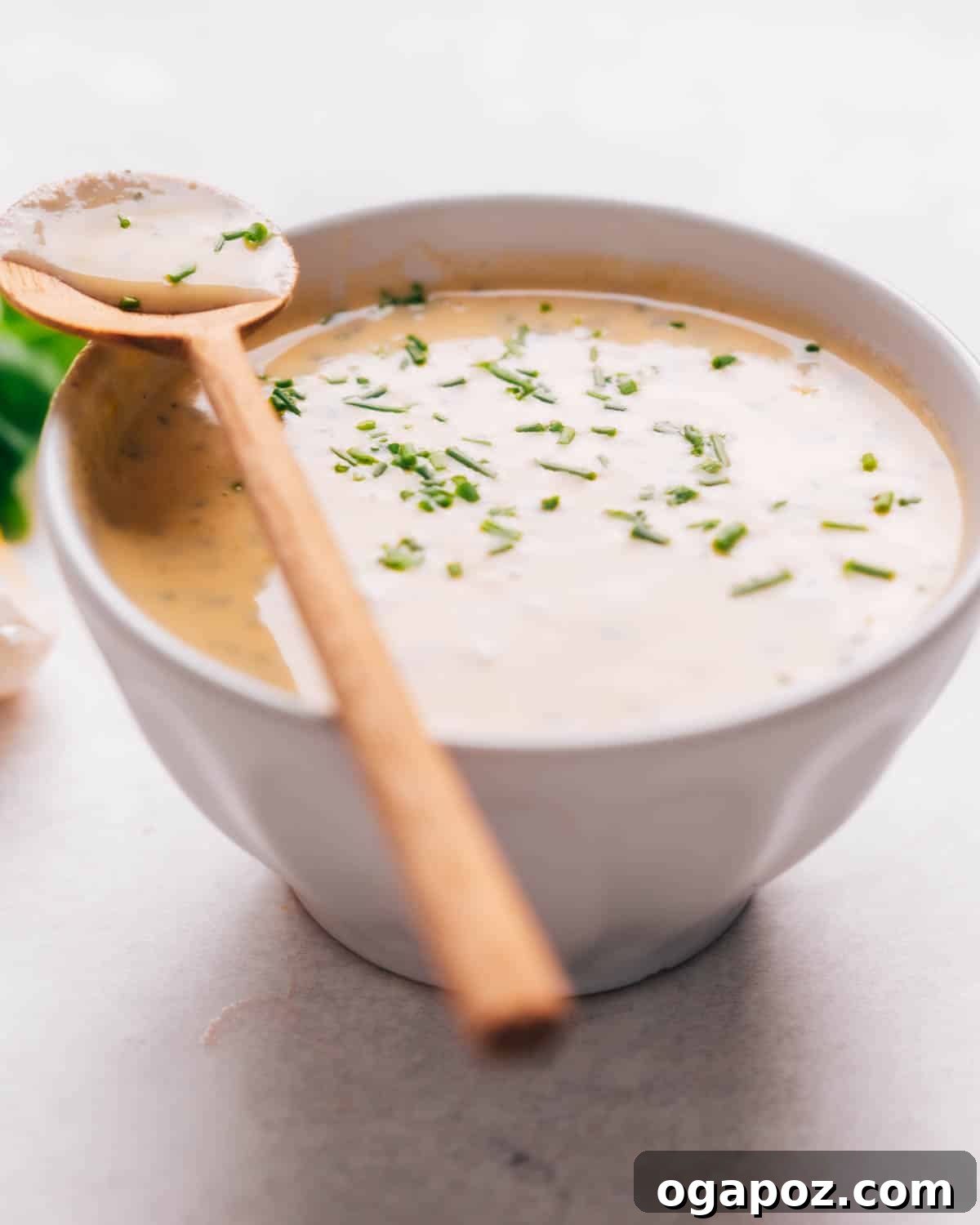
Ultimate Lemon Tahini Dressing: Creamy, Zesty & Versatile Recipe
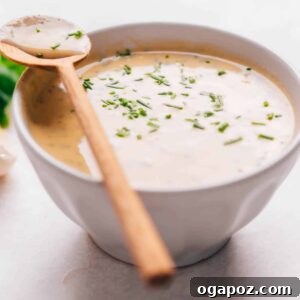
Discover the secret to a perfectly **tangy, creamy, and herby lemon tahini dressing** that’s incredibly simple to make and endlessly versatile. This exquisite dressing isn’t just for salads; it’s a vibrant sauce that instantly brightens up simple veggies, grilled proteins, and grain bowls, transforming everyday meals into culinary delights. Prepare to elevate your cooking with this essential, healthy, and unbelievably delicious recipe!

Tahini, a rich paste made from ground sesame seeds, forms the creamy base of this dressing, offering a delightful nutty depth. When combined with the bright zest and juice of fresh lemons and a medley of aromatic herbs, it creates a balanced flavor profile that is both refreshing and satisfying. Forget store-bought dressings filled with artificial ingredients; this homemade version is not only healthier but also far more flavorful. It’s naturally vegan, gluten-free, and dairy-free, making it a fantastic choice for a wide range of dietary preferences. Get ready to fall in love with your new favorite dressing that comes together in mere minutes!
Gather Your Ingredients for the Perfect Tahini Dressing
Ready to create magic in your kitchen? If you have fresh lemons on hand, you’re halfway there! This recipe calls for a handful of accessible ingredients that, when combined, produce an extraordinary flavor.
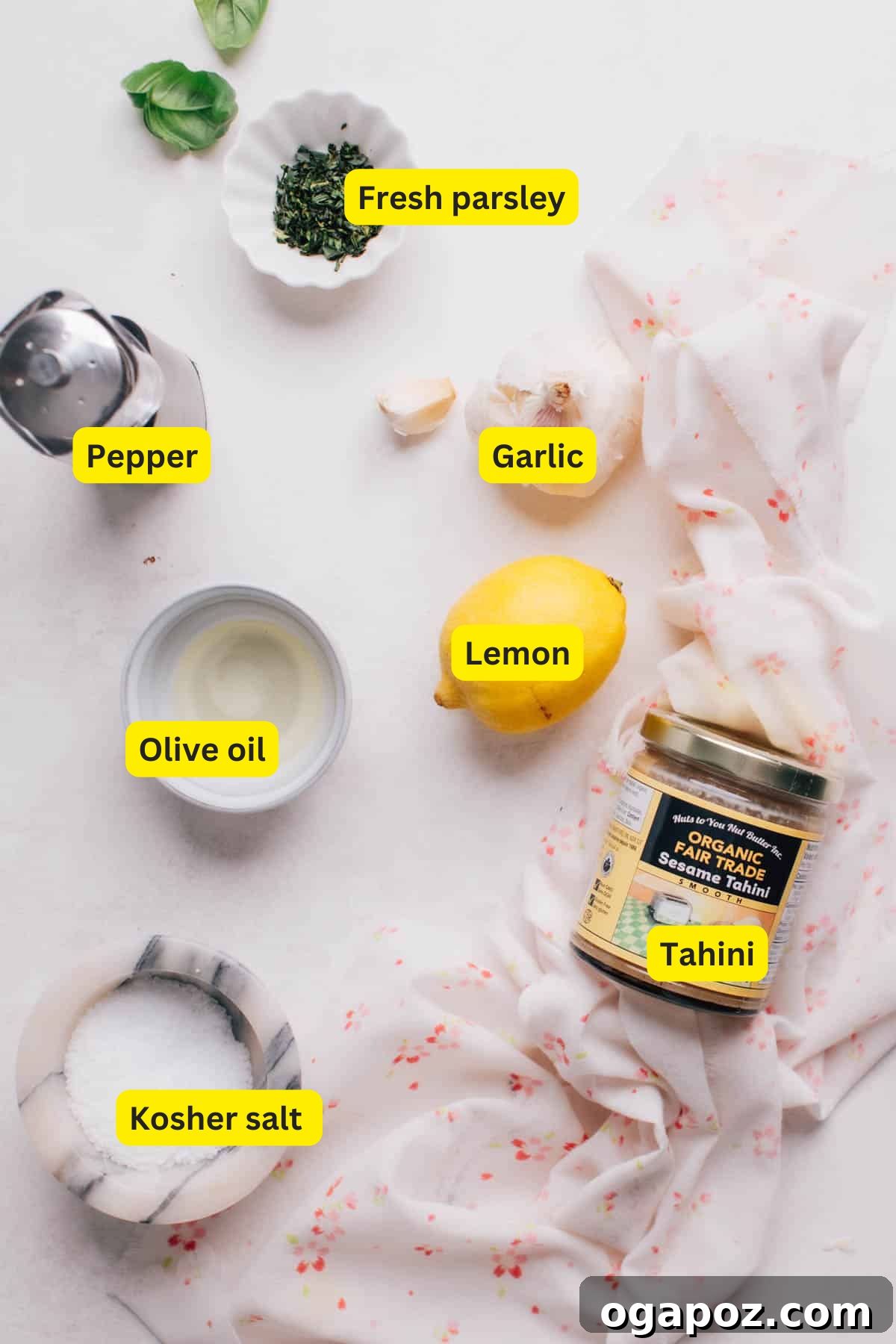
Key Ingredients for Your Lemon Tahini Dressing
Each component plays a vital role in crafting the balanced and delicious flavor of this creamy dressing:
- Tahini: The star of the show! Made from finely ground sesame seeds, tahini provides an unparalleled creaminess and a distinct, rich, nutty flavor that is the hallmark of this dressing. For the best results, choose a high-quality, smooth tahini with a pourable consistency. If you don’t have tahini, you can create a similar base using toasted sesame seeds (blended to a creamy texture) or opt for another mild nut butter like cashew butter for a different, yet delicious, twist. Tahini is also a fantastic source of healthy fats, protein, and essential minerals like calcium and iron.
- Olive Oil: A good quality extra virgin olive oil contributes a smooth, fruity richness that beautifully mellows the tanginess of the lemon and the robust nuttiness of the tahini. It also aids in creating a silky-smooth emulsified dressing.
- Fresh Lemon Juice: The indispensable ingredient for that vibrant, bright acidity! Freshly squeezed lemon juice cuts through the richness of the tahini and olive oil, imparting a wonderfully zesty and refreshing flavor. Always opt for fresh over bottled for superior taste.
- Lemon Zest: Don’t skip this! Lemon zest contains concentrated citrus oils, intensifying the lemon flavor and adding a delightful aromatic complexity without increasing acidity. It gives the dressing an extra layer of brightness.
- Fresh Parsley: Adds a beautiful, mild, and clean herby freshness, along with a pop of green color. Flat-leaf parsley is generally preferred for its more robust flavor. While dried parsley can be used in a pinch, fresh herbs are highly recommended for the best flavor profile.
- Fresh Chives: Lends a delicate, mild oniony flavor that complements the other ingredients without overpowering them. Chives contribute a subtle savory aroma and a touch of elegance to the dressing.
- Garlic: A crucial element for depth and a gentle savory heat. Minced fresh garlic infuses the dressing with a wonderfully aromatic and complex base flavor.
- Kosher Salt and Black Pepper: These fundamental seasonings are essential for enhancing all the other flavors, balancing the acidity and richness, and bringing the entire dressing into perfect harmony. Adjust to taste to achieve your desired seasoning level.
Exact ingredient quantities are provided in the detailed recipe card located at the bottom of this article.
Exciting Substitutions and Flavor Variations
One of the joys of making homemade dressings is the freedom to customize. Feel free to experiment with these ideas to tailor this lemon tahini dressing to your taste and specific meal:
- For a Spicy Kick: Elevate the heat by adding a tiny pinch of cayenne pepper, a dash of hot sauce, or a small amount of finely diced jalapeño or serrano pepper. This works wonderfully with grilled dishes.
- Creamy Avocado Version: For an even richer and velvety texture, blend in a quarter to half of a ripe mashed avocado. This adds a lovely green hue and a dose of healthy fats, making it ideal for grain bowls or as a dip.
- Infused with Smoky Flavor: Introduce a delightful smoky note with a dash of smoked paprika or a few drops of liquid smoke. This variation pairs exceptionally well with roasted vegetables or BBQ-inspired dishes.
- Herbaceous Delight: Unleash your inner herb enthusiast! Beyond parsley and chives, consider adding other fresh herbs like oregano, fresh cilantro (perfect for Mexican or Middle Eastern dishes), tarragon (great with chicken or fish), or thyme for an even more complex herbal profile.
- Sweet & Savory Balance: If your tahini is particularly bitter or you prefer a slightly sweeter note, add a touch of natural sweetener like a teaspoon of honey or maple syrup. This can beautifully balance the tartness of the lemon.
- Ginger Zest: For an Asian-inspired twist, add a small amount of freshly grated ginger. It offers a subtle warmth and aromatic lift.
RELATED RECIPES TO TRY WITH TAHINI SAUCE: Fish and Kale in Tahini Sauce, Kofta with Tahini, Falafel with Tahini, Kale + Quinoa Salad with Tahini Dressing
Essential Tools for Making Lemon Tahini Dressing
You won’t need any fancy equipment to whip up this dressing. A few basic kitchen tools are all it takes to prepare this delicious concoction:
- Medium Bowl: Ideal for comfortably mixing all your ingredients without spills. Choose one large enough to allow for vigorous whisking.
- Whisk or Spoon: A whisk is highly recommended for achieving a smooth, emulsified consistency, especially when combining the tahini with lemon juice and oil. A sturdy spoon can also work, but requires more effort.
- Microplane or Zester: Essential for finely grating lemon zest, which releases the maximum aromatic oils without including the bitter white pith.
- Garlic Press or Knife: For finely mincing garlic, ensuring its flavor is evenly distributed throughout the dressing. A press makes this quick and easy, while a sharp knife and good technique work just as well.
- Chopping Board & Knife: For preparing your fresh herbs and any other additions. A sharp knife makes quick work of finely chopping delicate herbs.
- Citrus Juicer or Reamer: To efficiently extract the maximum amount of fresh lemon juice, ensuring you get all that bright, tangy flavor.
How to Make Lemon Tahini Dressing: An Easy Step-by-Step Guide
Creating this flavorful lemon tahini dressing is surprisingly simple and quick. Follow these straightforward steps to achieve a perfectly creamy and tangy result every time:
Step 1: Mix the Base Ingredients
In your medium mixing bowl, combine the tahini, fresh lemon juice, lemon zest, minced garlic, and olive oil. Begin to stir these ingredients together vigorously. At first, the mixture might seize up and appear very thick, lumpy, or even crumbly. This is a completely normal reaction due to the interaction of the tahini with the acidic lemon juice. Do not be alarmed! Continue to stir and whisk steadily. Within a minute or two, as you incorporate air and combine the fats and liquids, the mixture will gradually transform into a smoother, more uniform paste. This initial emulsification step is crucial for the dressing’s final texture.
Step 2: Achieve Your Desired Consistency with Water
Once your base mixture is smooth, it’s time to thin it out to your preferred consistency. Gradually add water, a tablespoon at a time, while continuously stirring or whisking. Add just enough water to reach a pourable, creamy consistency that suits your intended use. For a thick dip, you’ll need less water; for a pourable salad dressing, you’ll need more. You may not need the full amount of water suggested in the recipe, or you might even need a little extra, depending on the thickness of your tahini and how thin you like your dressing. The key is to add slowly and observe the change in texture.
Step 3: Incorporate the Fresh Herbs
Now, gently fold in your finely chopped fresh herbs – parsley and chives. If you are experimenting with other herbs like basil, dill, or cilantro, add them at this stage as well. Mix thoroughly but gently, ensuring the herbs are evenly distributed throughout the dressing. This step adds a burst of fresh flavor and vibrant color.
Step 4: Season to Perfection
Finally, season your lemon tahini dressing generously with kosher salt and freshly ground black pepper. Start with the recommended amounts and then taste the dressing. Adjust the seasoning as needed, adding more salt, pepper, or lemon juice to achieve your perfect balance of flavors. A touch more lemon can enhance the brightness, while a bit more salt can bring out all the subtle nuances. This final adjustment ensures your dressing is perfectly tailored to your palate.
Your homemade lemon tahini dressing is now ready to enjoy! Drizzle it over your favorite salads, vegetables, or proteins, or store it for later use.
Avoid These 5 Common Mistakes When Making Lemon Tahini Dressing
While making lemon tahini dressing is straightforward, a few common pitfalls can lead to less-than-perfect results. Being aware of these mistakes will help you create a consistently delicious and creamy dressing every time:
- Not Mixing the Tahini Properly Before Use: Tahini, especially if it’s been sitting for a while, tends to separate, with the oil rising to the top and the solid paste settling at the bottom. If you don’t thoroughly stir the tahini in its jar until it’s completely smooth and uniform before measuring it out, you’ll end up with an inconsistent dressing. Using too much oil from the top will make it overly thin, while using too much thick paste from the bottom will result in a clumpy, difficult-to-mix dressing. Always stir tahini well from the bottom up.
- Skipping or Rushing the Emulsification Step: As mentioned, when tahini first combines with acidic lemon juice and olive oil, it often “seizes up,” turning into a thick, pasty, and sometimes grainy mixture. Many people panic at this point and immediately add water. However, the key is to keep stirring or whisking vigorously *before* adding water. This process helps to fully emulsify the fats and liquids, allowing the dressing to smooth out beautifully. Rushing this step or adding water too soon can prevent a truly creamy texture.
- Adding Too Much Water at Once: Patience is key when thinning the dressing. Pouring in all the water simultaneously can quickly make your dressing too thin and watery, diluting the flavor. Instead, add water gradually, a tablespoon at a time, continuously stirring as you go. This allows you to control the consistency precisely, ensuring you reach that perfect creamy, pourable texture without over-thinning it. Remember, you can always add more water, but you can’t easily remove it.
- Forgetting to Taste and Adjust Seasoning: Flavors can deepen and meld as the dressing sits, or they might need a final boost. It’s crucial to taste your dressing before serving and adjust the seasoning as needed. A little more salt can bring out all the flavors, a dash more lemon juice can brighten it up, or a touch of sweetener can balance any bitterness. Don’t be afraid to tweak it until it’s perfect for your palate.
- Not Using Fresh Ingredients (Especially Lemon Juice and Herbs): The vibrant flavor profile of this dressing heavily relies on the freshness of its ingredients. Bottled lemon juice often lacks the bright, zesty aroma and clean taste of fresh lemons, sometimes carrying a slightly metallic or overly acidic note. Similarly, dried herbs, while convenient, offer a more subdued and less vibrant flavor compared to their fresh counterparts. For the absolute best taste and aromatic impact, always opt for freshly squeezed lemon juice and fresh herbs.
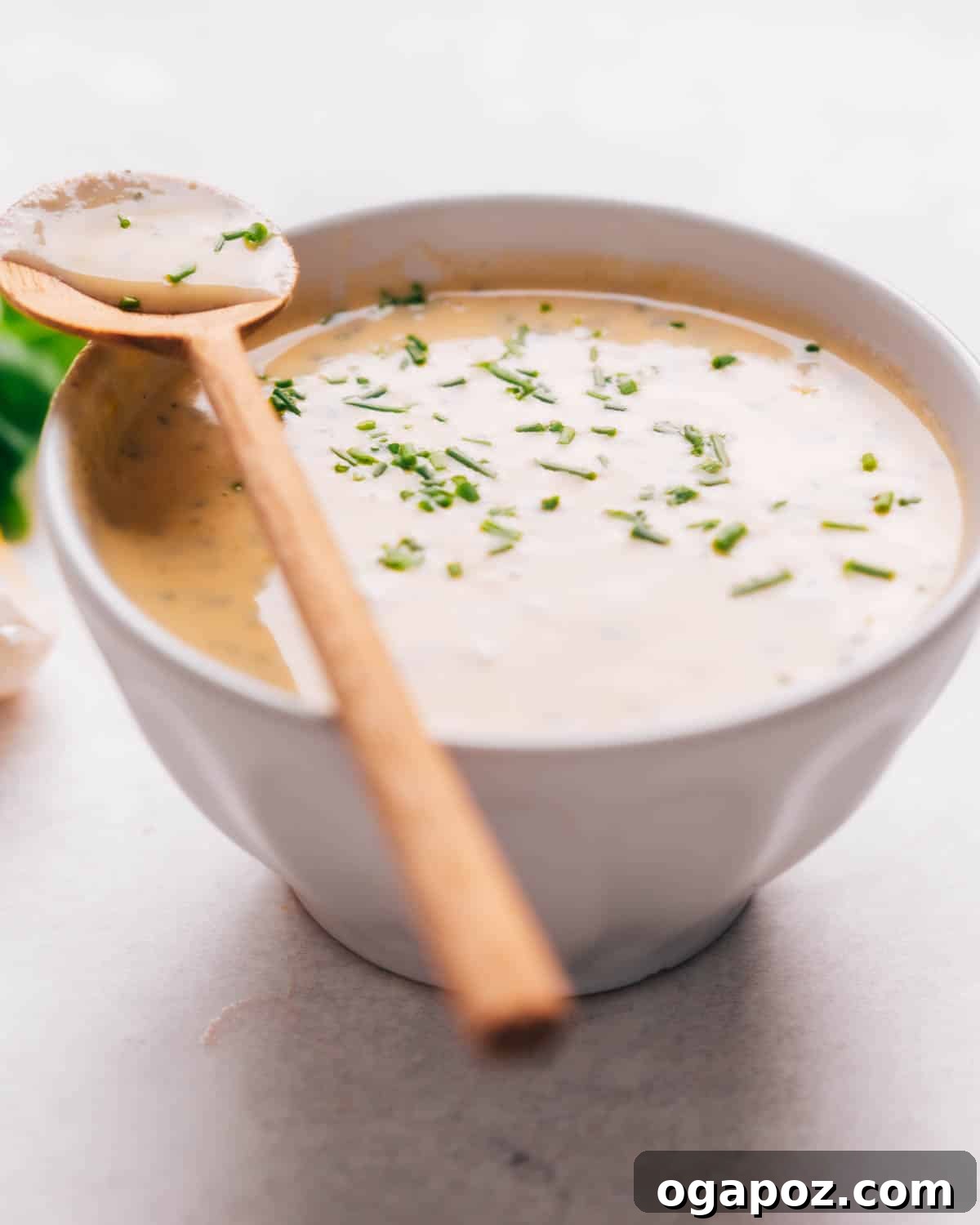
Make Ahead and Storage Tips for Lemon Tahini Dressing
This lemon tahini dressing is an excellent candidate for meal prepping. In fact, its flavors often deepen and improve after a few hours or overnight as the ingredients have more time to meld together.
- For the most robust and harmonious flavor, consider preparing your dressing at least 30 minutes to an hour before you plan to serve it. This short resting period allows all the aromatic compounds from the lemon, garlic, and herbs to fully infuse into the creamy tahini base.
How to Store Your Lemon Tahini Dressing
Proper storage ensures your dressing remains fresh and delicious for days:
- Refrigeration: Store the dressing in an airtight container or a tightly sealed jar in the refrigerator. It will stay fresh for up to 5 to 7 days. The cool temperature helps preserve the fresh ingredients and prevents spoilage.
- Thickening Over Time: It’s completely natural for tahini dressing to thicken significantly when refrigerated. This is due to the natural properties of tahini and olive oil solidifying slightly in the cold. Before serving, simply remove it from the fridge about 15-20 minutes in advance to allow it to come closer to room temperature. Then, whisk in a tablespoon or two of water or a splash of additional lemon juice until it reaches your desired creamy, pourable consistency again.
- Shake Before Serving: As with many homemade dressings, natural separation can occur. Give your dressing a good shake or a quick whisk before each use to re-emulsify the ingredients and restore its smooth texture.
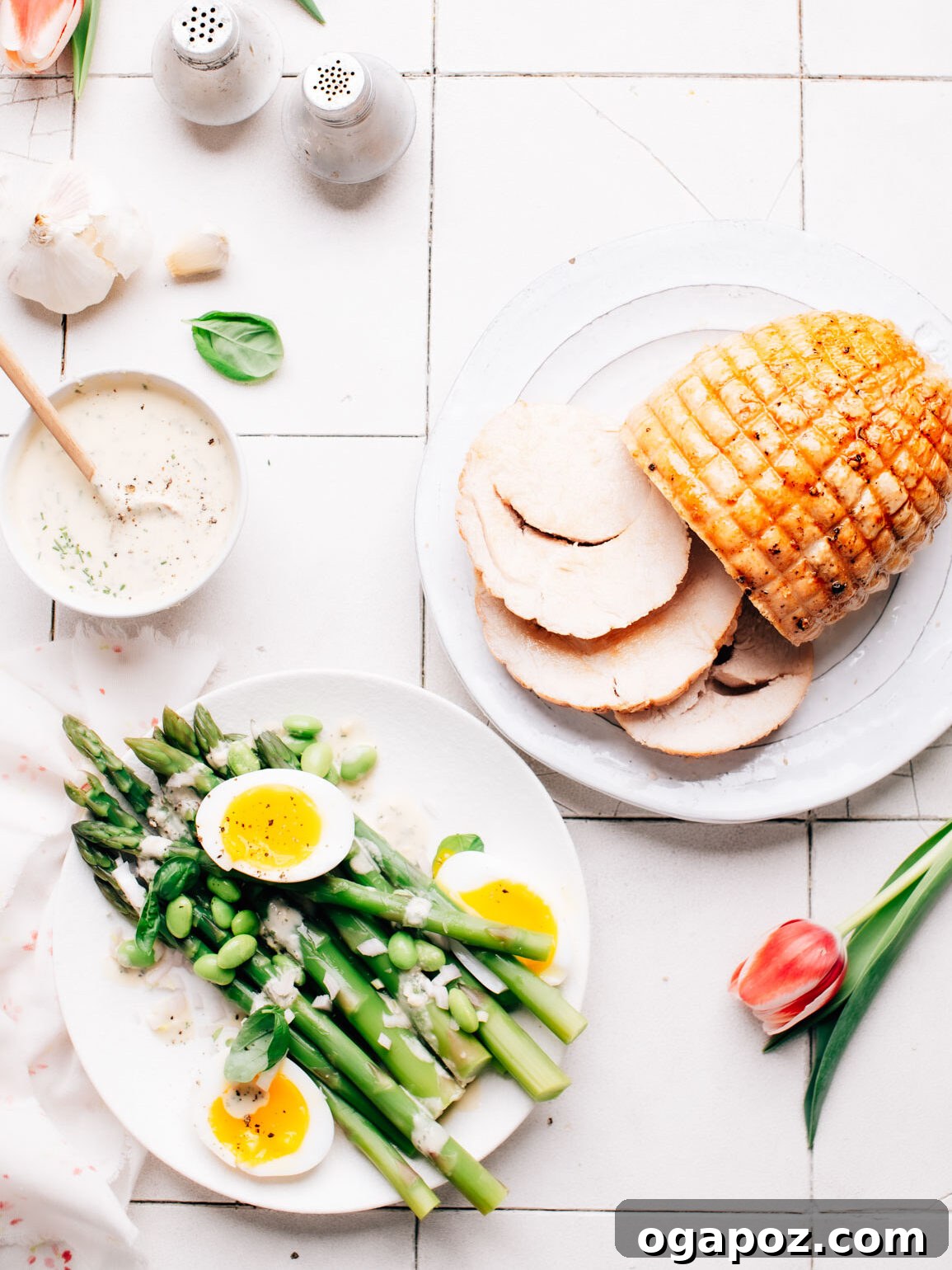
How to Serve This Versatile Lemon Tahini Dressing Recipe
The beauty of this lemon tahini dressing lies in its incredible versatility. It’s truly “great with everything,” adding a bright, creamy, and herbaceous touch to countless dishes. Here are some inspired ideas on how to incorporate it into your meals:
- Salad King: Naturally, it’s a phenomenal salad dressing! Drizzle it over your favorite crisp green salads, hearty grain-based salads, or a refreshing couscous salad. It pairs exceptionally well with Mediterranean-inspired salads like a kale salad (or use classic romaine lettuce), chopped cucumber and tomato salads, or even a simple mixed green salad with avocado.
- Elevate Roasted & Steamed Vegetables: Transform plain vegetables into gourmet sides. It’s exquisite over roasted or steamed carrots, charred broccoli florets, tender pan-fried asparagus, grilled zucchini, or baked sweet potatoes. The creamy texture and bright flavor perfectly cut through the richness of roasted veggies.
- Protein Powerhouse: This dressing is a fantastic sauce for various proteins. Drizzle it generously over grilled fish (salmon, cod, or halibut are wonderful), seared chicken breasts, roasted turkey, or even steak. It adds a layer of moisture and a burst of flavor to lean proteins.
- Mediterranean Masterpiece: Embrace its Middle Eastern roots! Serve it with crispy air fryer eggplant, as a dipping sauce for homemade falafel, or alongside chicken shawarma. It’s perfect for drizzling inside warm pita breads, wraps, or sandwiches, adding a creamy, savory element.
- Grain Bowl Enhancer: Take your grain bowls to the next level. Whether it’s a brown rice, quinoa, or farro bowl, a generous dollop of this lemon tahini dressing ties all the components together, providing richness and flavor. Combine it with roasted chickpeas, fresh greens, and various veggies for a satisfying meal.
- Dip It Good: Serve it as a healthy dip for raw vegetable sticks (cucumber, bell peppers, carrots, celery) or pita chips. It’s a great alternative to heavier dips for appetizers or snack time.
With its vibrant flavor and creamy texture, this lemon tahini salad dressing truly enhances almost any dish you can imagine!
Pro Tips + Science-Based Secrets for the Best Lemon Tahini Dressing
Lemon tahini dressing is a true game-changer, offering creamy richness and vibrant flavor without any dairy. To help you achieve consistently stellar results, here are some pro tips and a peek into the science behind a perfect dressing:
- Whisk First, Then Thin: The Emulsification Principle: This is perhaps the most crucial tip. When you first combine tahini, lemon juice, and olive oil, the mixture often appears very thick and can seize up. This is a natural reaction where the proteins and emulsifiers in the tahini react with the acid. The “science” here is to create a stable emulsion. Instead of immediately adding water, whisk these initial ingredients vigorously for a minute or two. This helps to break down the tahini and start forming a stable emulsion with the oil and acid. Once it’s smooth, then gradually add water to thin it out. This order of operations prevents a lumpy, separated dressing.
- The Magic of Warm Water: If your tahini is particularly thick or stubborn, or if your dressing has thickened after refrigeration, using warm water (not hot, just warm to the touch) can work wonders. Warmth helps to gently melt the fats in the tahini and olive oil, allowing them to blend more easily and create a smoother, silkier consistency. It encourages better emulsification and a more velvety texture.
- Balancing Flavors is Key: Taste is subjective, and balancing the flavors is an art. If your dressing tastes too bitter (which can sometimes happen with certain tahini brands), add a touch of natural sweetness like honey or maple syrup to mellow it out. If it’s too thick, a bit more water is the answer. If the dressing is overly tangy, a little extra olive oil can help smooth and round out the sharp edges. Continual tasting and small adjustments are the secret to perfection.
- Let It Sit for Flavor Development: Good things come to those who wait! The flavors in this dressing truly deepen and harmonize after resting for at least 30 minutes, or even better, a few hours. This gives the garlic, lemon zest, and herbs time to fully release their aromatic compounds and infuse the tahini base. Think of it like a marinade for your dressing – time enhances complexity.
- Always Shake or Whisk Before Serving: Even with a perfect emulsion, natural separation of ingredients can occur, especially after refrigeration. This is completely normal and not a sign of spoilage. A quick shake or whisk will effortlessly bring your dressing back to its creamy, homogenous state, ready to coat your favorite dishes.
Frequently Asked Questions About Lemon Tahini Dressing
Got questions? We’ve got answers! Here are some common inquiries about making and enjoying lemon tahini dressing:
Tahini naturally thickens significantly when it comes into contact with acidic ingredients like lemon juice. This “seizing up” is normal and a sign of good emulsification starting. To fix it, simply continue whisking vigorously until smooth, then gradually add warm water, a tablespoon at a time, until you reach your desired creamy consistency. If the tahini itself was not stirred well in its jar, the dressing might also be lumpy, so always ensure your tahini is uniform before use.
Yes, you can! While olive oil adds a lovely richness and contributes to the smooth texture, you can omit it for a lower-fat version. In its place, you can use additional water or a touch of plain plant-based yogurt (if not strictly dairy-free) to maintain creaminess. Be aware that the flavor profile and texture will be slightly different without the olive oil.
While fresh lemon juice is always recommended for the brightest, most vibrant flavor and aroma, bottled lemon juice can be used in a pinch. However, be aware that bottled versions can sometimes taste slightly more acidic or lack the nuanced zestiness of fresh lemons. You might need to adjust the amount to taste, and a little extra lemon zest can help compensate for the loss of fresh flavor.
Some brands of tahini can have a naturally more pronounced bitter note, especially if they are made from unhulled sesame seeds or are roasted more heavily. To balance out any bitterness, try adding a small amount of natural sweetener like a teaspoon of honey or maple syrup. A touch more lemon juice can also help, as acidity can counteract bitterness, or a bit more salt to enhance other flavors.
Absolutely! Tahini is a nutrient-dense food, rich in healthy monounsaturated and polyunsaturated fats, protein, fiber, and minerals like calcium, magnesium, and iron. Combined with fresh lemon juice and olive oil, this dressing is a fantastic source of vitamins and antioxidants. It’s a much healthier alternative to many store-bought dressings that often contain unhealthy oils, excessive sugar, and artificial additives.
Yes, you absolutely can! A blender or food processor makes quick work of this dressing, often resulting in an even smoother consistency. Simply combine all ingredients (except water) and blend until smooth, then gradually add water through the top opening while blending until your desired consistency is reached. This is particularly helpful if you want to incorporate more fibrous herbs or achieve an ultra-silky texture.
As spring gently ushers in brighter days, there’s no better time to embrace fresh, vibrant flavors in your cooking. This lemon tahini dressing is the perfect recipe to welcome the season, offering a wealth of benefits:
- It instantly **brightens up all your favorite simple salads and vegetables**, transforming mundane dishes into exciting culinary experiences.
- This lemon tahini recipe is a fantastic **meal prep item** to have in your fridge, as it lasts all week long, ensuring you always have a delicious, healthy dressing on hand.
- It’s incredibly **dietary inclusive**, being naturally vegan, gluten-free, and dairy-free, making it a crowd-pleaser for almost everyone at your table.
Don’t wait! Whip up a batch today and taste the difference a truly homemade dressing can make.
Other Delicious Dressing Recipes You’ll Love
If you enjoyed this lemon tahini dressing, be sure to explore these other fantastic homemade dressing recipes:
- Lemon Buttermilk Dressing
- Green Goddess Dressing
- Homemade Ranch Dressing
- Creamy Caesar Dressing
Print Recipe
Lemon Tahini Dressing (Ultimate Recipe You’ll Swear By!)
Jennifer Pallian BSc, RD
5
minutes
5
minutes
8
Ingredients
For Dressing:
- ¼ cup tahini
- 2 tbsp olive oil
- 3 tbsp lemon juice
- 1 tsp lemon zest
- 2 tbsp minced fresh parsley or 1 tsp dried
- 3 tbsp minced fresh chives
- 1 clove garlic minced
- ½ tsp kosher salt
- ⅛ tsp black pepper
- 3 tbsp water
Instructions
-
In a medium bowl, combine tahini, lemon juice, lemon zest, minced garlic, and olive oil. Stir until well blended. The mixture may appear thick and lumpy at first, but keep stirring; it will become smooth as it emulsifies.
-
Gradually add water, a little at a time, while stirring continuously, until you reach your desired consistency. You might not need the full amount, or you may need slightly more, depending on your preference.
-
Stir in the chopped fresh parsley and chives. Mix well to evenly distribute the herbs throughout the dressing.
-
Season with kosher salt and black pepper to your liking.
-
Taste and adjust seasoning if necessary, adding more salt, pepper, or lemon juice as needed to balance the flavors.
-
Your Lemon Herb Tahini Dressing is ready! Serve it immediately or store it in an airtight container in the fridge for up to a week.
Nutrition
Calories:
79kcal
|
Carbohydrates:
2g
|
Protein:
1g
|
Fat:
8g
|
Saturated Fat:
1g
|
Polyunsaturated Fat:
2g
|
Monounsaturated Fat:
4g
|
Sodium:
149mg
|
Potassium:
52mg
|
Fiber:
0.5g
|
Sugar:
0.2g
|
Vitamin A:
139IU
|
Vitamin C:
5mg
|
Calcium:
15mg
|
Iron:
0.5mg
Nutrition information is automatically calculated, so should only be used as an approximation.
Tried this recipe? Leave a comment!