
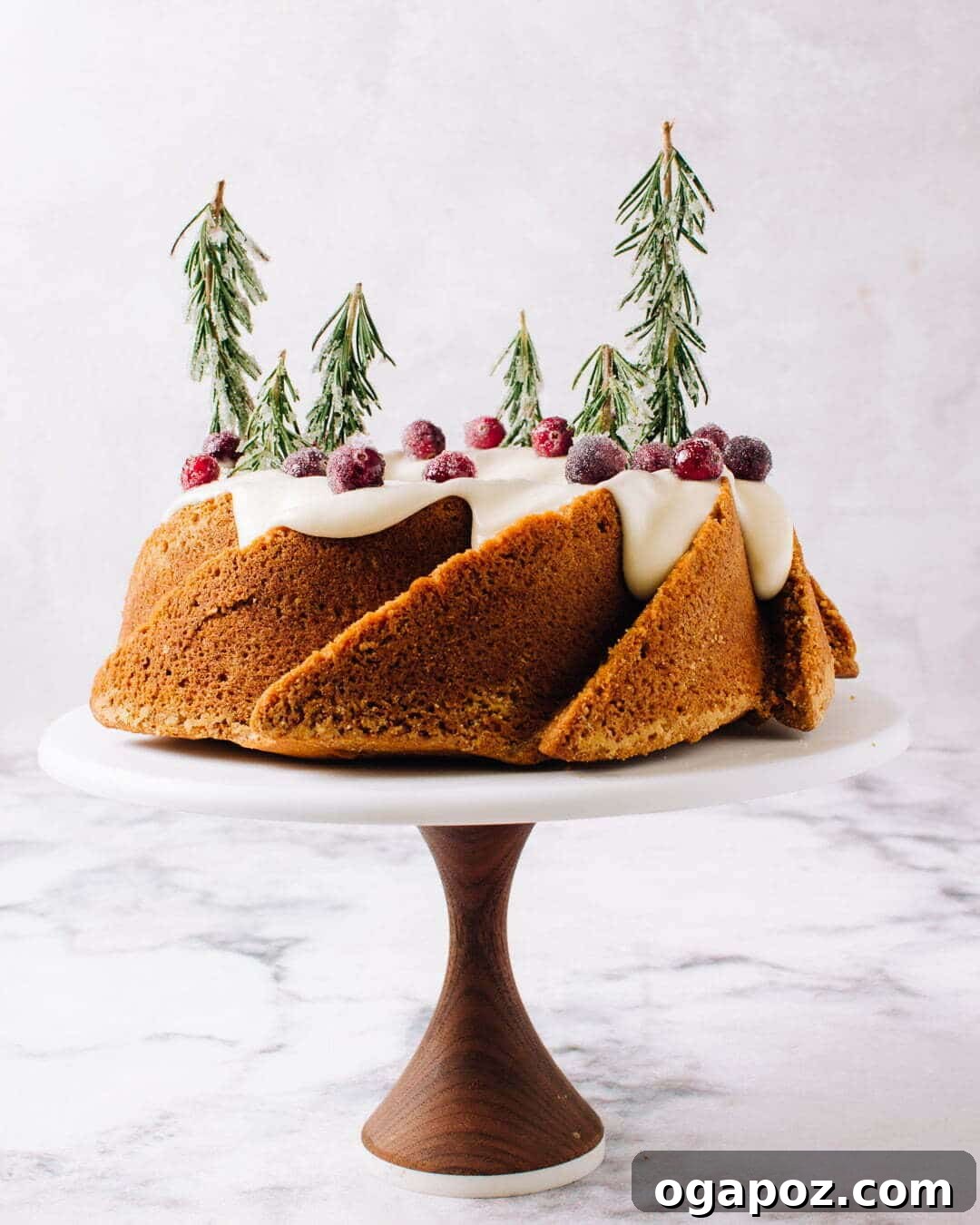
Hello, fellow baking enthusiasts! I am absolutely thrilled to share with you a truly spectacular **Holiday Spice Bundt Cake recipe** that is destined to become a staple in your festive repertoire. Imagine a cake that embodies the very essence of the holiday season – rich with warm, intoxicating spices, yet surprisingly light, soft, and exquisitely fluffy in texture. To crown this masterpiece, a thick, glossy cream cheese frosting cascades down its curves, creating those irresistible drips that tempt every eye. Adorned with sparkling sugared rosemary and vibrant cranberries, this cake isn’t just a dessert; it’s a breathtaking centerpiece, ready to elevate any holiday gathering.
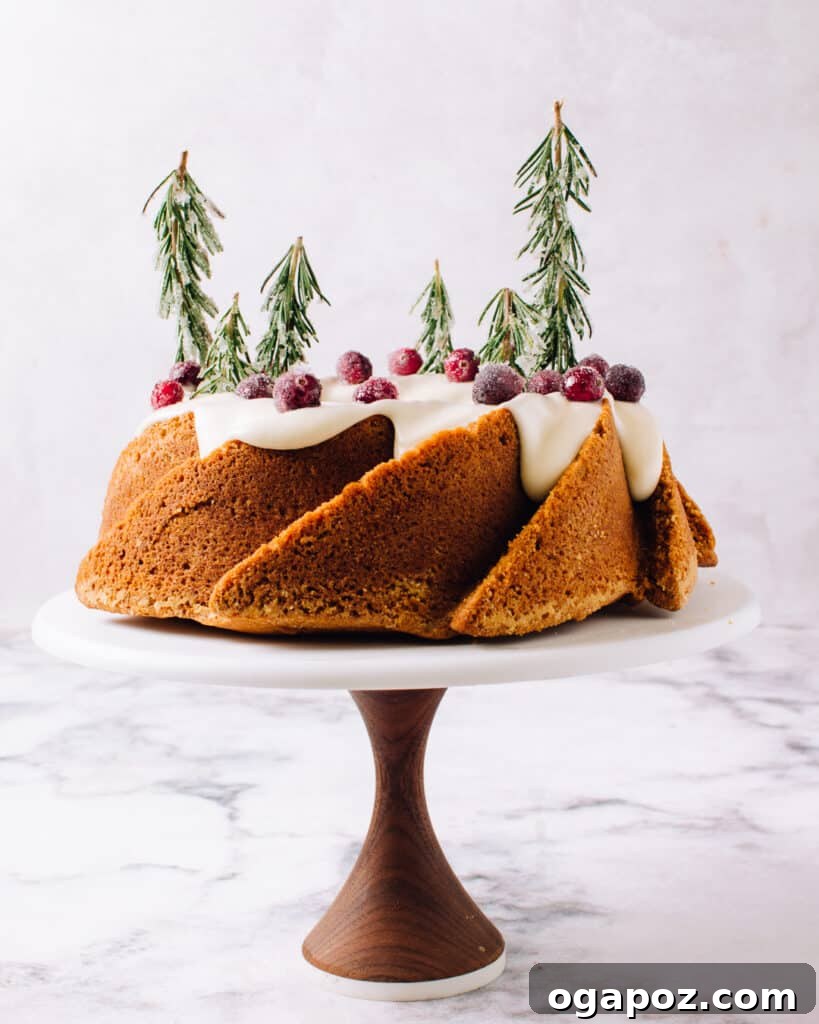
Every bite of this extraordinary cake bursts with the quintessential flavors of Christmas. Infused with bright orange zest and a symphony of ground ginger, cinnamon, nutmeg, and cloves, its moist crumb is a celebration of seasonal warmth. Beyond its incredible taste, this cake offers a delightful visual experience. A scattering of sugared cranberries provides a pop of festive color and a tender chew, while elegant sugared rosemary sprigs (refer to the sugared cranberry link for instructions on how to make them) create a beautiful, snow-dusted winter wonderland cake-scape. This combination of classic holiday spices and stunning presentation makes it an unforgettable treat for family and friends during the most wonderful time of the year.
Unlocking Bundt Cake Perfection: 5 Essential Tips for Every Baker
Bundt cakes, with their elegant fluted designs, often seem intimidating, but achieving a flawless result is entirely within your reach. With a few expert tricks, you can master the art of baking a beautiful bundt that releases perfectly from the pan every single time. Here are my top five tips to ensure your holiday spice bundt cake is nothing short of magnificent.
1. The Art of Greasing Your Bundt Pan: What Works Best (and What Doesn’t)
The first and arguably most critical step to a successful bundt cake is proper pan preparation. For effortless removal and a perfectly intact cake, I’ve found that using a solid fat for greasing yields the best results. A thin, even coating creates a reliable barrier between the batter and the intricate crevices of your pan, preventing sticking.
Traditionally, shortening has been the go-to for many bakers, and it certainly works. However, for those seeking a less processed alternative, coconut oil is an excellent substitute that performs beautifully. It provides a similar non-stick quality and is a fantastic option if you prefer to avoid shortening.
It’s crucial to steer clear of certain fats. Butter, despite its delicious flavor, contains sticky lecithin, milk solids, and about 20% water. These components can actually bond with the cake batter, making removal a sticky nightmare and potentially causing pieces of your beautiful bundt to cling to the pan. Likewise, while convenient, cooking sprays can, over time, build up a gummy residue on the non-stick coating of your bundt pan, diminishing its effectiveness and potentially making future cake releases more challenging. Opt for a solid fat applied with a pastry brush or clean paper towel for the cleanest result.
2. The Secret to a Clean Release: Choosing the Right Flour for Dusting
Beyond effective greasing, the dusting agent you choose plays a significant role in achieving a pristine cake release. While you *could* use regular all-purpose flour, it’s often not the optimal choice for bundt cakes. All-purpose flour tends to absorb moisture from the batter, creating a gummy film that can adhere to the pan. It can also leave an unappealing white residue on the finished cake, detracting from its presentation, especially on darker cakes.
My secret for an invisible, clean finish is **almond flour**. Almond flour works wonderfully because its coarser texture creates more of a physical barrier between the cake batter and the pan walls, much like fine sand acting as a protective layer rather than a sticky paste. It browns beautifully with the cake during baking, seamlessly blending into the crust for an undetectable finish. You won’t find any pale, floury paste clinging to your cake when you use almond flour.
To illustrate the difference: The image above, showing a bundt cake with some gummy residue, was prepared using traditional all-purpose flour for dusting. In contrast, the image below showcases a cake prepared with almond flour, which released much more cleanly and has no visible floury paste. While the distinction might require a closer look, the ease of removal alone makes almond flour a superior choice. If you have almond flour on hand, I highly recommend giving this technique a try for a truly perfect bundt cake.
3. Selecting Your Bundt Pan: Simplicity Leads to Success
The design of your bundt pan can significantly impact the ease of cake removal. While intricate, highly detailed molds are visually stunning, they can often be a nightmare to work with, especially for beginners. The more nooks, crannies, and sharp angles a pan has, the greater the chance that parts of your cake will stick, tear, or break off during release.
For consistent success and less frustration, opt for simpler bundt pan designs. Look for pans with bigger, rounded curves and fewer tight corners or extremely delicate details. These designs allow for easier greasing and flouring, and the cake has fewer points to cling to, ensuring a smooth, intact release. For instance, a classic plain fluted pan is much easier to manage than one with tiny, elaborate patterns that can trap cake fragments. Choosing a pan with fewer delicate elements dramatically increases your chances of achieving a picture-perfect bundt cake without any heartbreak.
4. Effortless Cake Removal: Harnessing the Power of Steam as a Tool
Even with perfect greasing and flouring, the moment of flipping your bundt cake can still be nerve-wracking. However, a clever technique involving steam can significantly improve your chances of a flawless release. The key is patience and a little bit of moisture.
After removing your freshly baked bundt cake from the oven, resist the urge to flip it immediately. Instead, allow the cake to cool in the pan for precisely 10 minutes. During this crucial period, the residual heat from the pan will create a gentle steaming effect around the bottom and sides of the cake. This steam helps the cake contract ever so slightly from the pan walls, making it much easier to release.
Once the 10 minutes are up, gently run a thin, soft spatula or an offset spatula between the cake grooves and the pan’s edges. Be careful not to use a metal knife or anything that could scratch the non-stick coating of your precious bundt pan. After loosening the edges, confidently place a wire cooling rack on top of the pan and, in one swift motion, flip the entire assembly over. Give it a gentle tap or two. If the cake doesn’t immediately release, don’t force it. Instead, wrap the bottom of the bundt pan in a hot, damp kitchen towel for an additional 5-10 minutes. This extra burst of steam will encourage the cake to pull away further. Then, try the gentle wiggle and flip again. This steaming method is incredibly effective and a game-changer for stubborn bundt cakes.
5. Mastering the Perfect Icing Drip: A Simple Practice Guide
The cascading drips of icing are often what make a bundt cake so visually appealing. Achieving that perfect balance – a thick, glossy icing that flows beautifully without pooling excessively – is an art form. My best trick for mastering the perfect icing drip is simple: practice! Before you frost your actual cake, set up a mock bundt pan for a trial run.
Place a small, overturned bowl inside a larger bowl. This creates a similar shape and height to your bundt cake. Pretend this small bowl is your finished bundt and practice pouring your icing. This allows you to experiment with the consistency without risking your carefully baked cake. You want the icing to be pourable, but thick enough to hold distinct drips as it flows down the sides. If your icing is too thick, it won’t drip smoothly; if it’s too thin, it will simply run off and create a puddle at the bottom.
You can easily adjust the icing consistency as needed. If it’s too thick, add water, milk, or more cream, a tiny splash at a time, mixing well after each addition. If it’s too thin, gradually whisk in more powdered sugar until you reach the desired consistency. The beauty of this practice method is that you can simply scrape your practice icing back into the bowl to use on the real cake. There’s absolutely no waste, and you’ll approach frosting your actual holiday bundt cake with confidence and precision, ensuring those picture-perfect drips every time.
Holiday Spice Bundt Cake
By: Jennifer Pallian BSc, RD
This exquisite spiced holiday cake, adorned with a luscious, glossy cream cheese frosting, offers a harmonious blend of soft, fluffy texture and the rich, comforting warmth of ginger, cloves, cinnamon, and nutmeg. It’s the quintessential centerpiece for your festive table.
Total Time: 1 hour 45 minutes
Servings: 10
Ingredients
For the Cake:
- 1 cup softened butter
- 1 ½ cups granulated sugar
- 3 large eggs
- 1 ½ tsp vanilla extract
- Zest of one orange
- 11.25 oz all-purpose flour (approximately 2 ½ cups, fluffed with a fork, then lightly spooned into a cup and leveled off for accuracy)
- 1 ½ tsp baking powder
- ½ tsp baking soda
- ½ tsp kosher salt
- 2 tsp ground cinnamon
- 2 tsp ground ginger
- ½ tsp ground nutmeg
- ⅛ tsp ground cloves
- ¾ cup buttermilk
For the Cream Cheese Frosting:
- 1 cup confectioners’ sugar
- 4 oz softened cream cheese
- 6 tbsp whipping cream (add more, a teaspoon at a time, if a thinner consistency is desired)
- ½ tsp pure vanilla extract
For Festive Decoration:
- Handful of fresh cranberries and rosemary sprigs (for sugaring)
- Granulated sugar (for sugaring cranberries and rosemary)
Instructions
- Preheat your oven to 350ºF (175ºC). Prepare a 10 or 12-cup bundt pan by generously greasing it with a solid fat like coconut oil or shortening, ensuring all crevices are coated. Then, dust the pan evenly with almond flour, tapping out any excess. This dual method guarantees the easiest release.
- In a large mixing bowl, using an electric mixer on medium speed, beat together the softened butter and granulated sugar for approximately 4 minutes until the mixture is very light, pale, and fluffy. Add the eggs one at a time, beating well after each addition and scraping down the sides of the bowl to ensure full incorporation. Stir in the vanilla extract and fresh orange zest until just combined.
- In a separate medium bowl, whisk together the all-purpose flour, baking powder, baking soda, kosher salt, cinnamon, ginger, nutmeg, and cloves. Ensure all dry ingredients are thoroughly combined to prevent pockets of unmixed spices.
- Gradually add half of the dry flour mixture to the butter mixture, beating on low speed until just incorporated. Next, add half of the buttermilk and beat until combined. Repeat this process with the remaining flour mixture and buttermilk, mixing only until no streaks of flour remain. Overmixing can lead to a tough cake.
- Scrape the cake batter evenly into your meticulously prepared bundt pan. Bake for about 45-55 minutes, or until a wooden skewer or cake tester inserted into the center comes out clean, and the internal temperature reaches 190ºF (88ºC). The edges of the cake should also begin to pull away slightly from the sides of the pan. Allow the cake to cool in the pan for 10 minutes on a wire rack. Then, gently run a small, soft spatula around the inner and outer edges of the cake where it meets the pan. Place the cooling rack on top of the bundt pan and carefully invert the cake. If it doesn’t release immediately, let it sit upside down for another 5 minutes, allowing steam to further loosen it, then give it a gentle wiggle.
- While the cake cools completely (this is crucial for proper frosting application), prepare the cream cheese frosting. In a medium bowl, beat together the confectioners’ sugar, softened cream cheese, whipping cream, and pure vanilla extract, starting on low speed and gradually increasing to high until smooth and well combined. Adjust the consistency as needed by adding a tiny splash more cream for a thinner, more pourable frosting, or a tablespoon of powdered sugar for a thicker glaze.
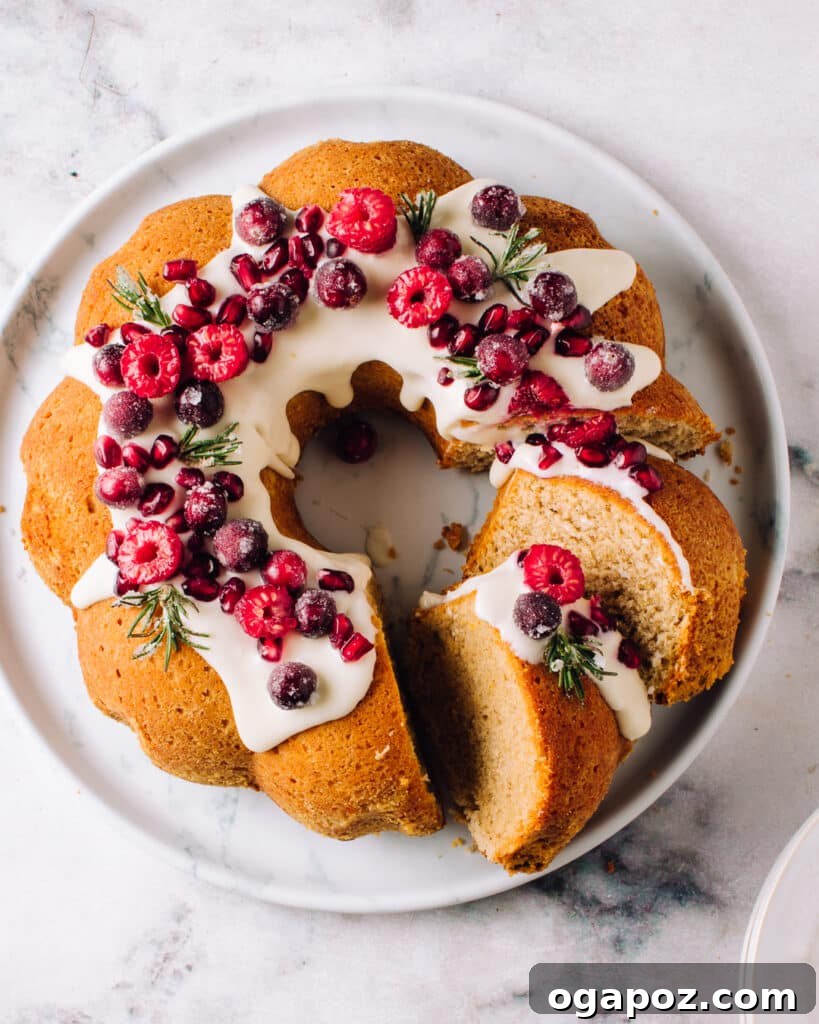
- Once the cake is entirely cool, carefully pour the prepared cream cheese frosting over the top, allowing it to drip naturally down the fluted sides for that perfect visual appeal. For a truly festive finish, garnish with sparkling sugared rosemary and sugared cranberries. Alternatively, fresh halved raspberries and vibrant pomegranate arils make a beautiful addition if serving immediately.
Why This Holiday Spice Bundt Cake Will Be Your New Tradition
There are countless reasons why this Holiday Spice Bundt Cake is poised to become a beloved new tradition in your festive celebrations. Beyond its stunning appearance and easy-to-follow recipe, it delivers a sensory experience that perfectly captures the spirit of the holidays. The deep, aromatic blend of cinnamon, ginger, nutmeg, and cloves, brightened by a hint of orange zest, creates a comforting warmth that permeates your kitchen and fills your home with an inviting aroma. Its incredibly moist and tender crumb, coupled with the velvety tang of cream cheese frosting, offers a delightful contrast in textures and flavors that will please every palate.
Furthermore, the bundt cake format itself lends an inherent elegance and celebratory feel without requiring elaborate decorating skills. The simple act of pouring icing over its fluted curves creates a naturally beautiful design. It’s a dessert that feels special and indulgent, yet its preparation is straightforward, making it achievable for bakers of all skill levels. Whether it’s the centerpiece of your Christmas dinner, a delightful addition to a holiday brunch, or a thoughtful gift for loved ones, this cake embodies the joy, warmth, and generosity of the season. It’s more than just a cake; it’s an edible symbol of holiday cheer, sure to create lasting memories around your table.
Serving and Storage Suggestions for Your Holiday Bundt
To fully enjoy your Holiday Spice Bundt Cake, consider these serving and storage tips. For optimal flavor and texture, allow the cake to come to room temperature before serving. The cream cheese frosting will soften slightly, enhancing its creamy consistency, and the cake’s spices will be more pronounced. Slice the cake with a sharp, non-serrated knife for clean cuts that preserve its beautiful form. It pairs wonderfully with a hot cup of coffee, a warm mug of spiced cider, or a glass of milk, making it perfect for dessert, brunch, or an afternoon treat.
Regarding storage, because of the cream cheese frosting, this cake should be stored in an airtight container in the refrigerator. It will maintain its freshness and deliciousness for up to 3-4 days. Before serving chilled slices, you might want to let them sit at room temperature for about 15-20 minutes to allow the cake and frosting to soften slightly. If you prefer to bake ahead, the unfrosted cake can be wrapped tightly in plastic wrap and then foil, and stored at room temperature for up to 2 days, or frozen for up to 1 month. Thaw the frozen cake overnight in the refrigerator, then bring to room temperature and frost as directed before serving. This flexibility makes it an ideal candidate for busy holiday schedules, allowing you to prepare components in advance.
Frequently Asked Questions (FAQ) About Holiday Spice Bundt Cake
Here are answers to some common questions you might have about baking this delightful holiday bundt cake:
Can I substitute buttermilk?
Buttermilk contributes significantly to the cake’s moistness and tender crumb due to its acidity reacting with the baking soda. If you don’t have buttermilk on hand, you can easily make a homemade substitute: for ¾ cup of buttermilk, add ¾ tablespoon of white vinegar or lemon juice to a measuring cup, then fill the rest with regular milk (dairy or non-dairy) until you reach the ¾ cup line. Let it sit for 5-10 minutes until it slightly curdles before using.
What if my bundt cake sticks to the pan despite all the tips?
If you’ve followed all the greasing and flouring tips and your cake still seems stuck, don’t panic! Place the cooling rack on top of the pan, invert it, and then wrap the bottom of the bundt pan with a hot, damp kitchen towel for 10-15 minutes. The gentle warmth and steam can often loosen even the most stubborn cake. Sometimes, a gentle tap on a sturdy surface can also help. If all else fails, you can carefully use a thin offset spatula to pry around the edges, though this risks damaging the cake’s appearance.
Can I make this cake ahead of time for the holidays?
Absolutely! The unfrosted bundt cake freezes beautifully. Once completely cooled, wrap it tightly in several layers of plastic wrap, followed by a layer of aluminum foil. It can be frozen for up to one month. Thaw the cake overnight in the refrigerator, then bring it to room temperature before preparing and applying the cream cheese frosting. This makes it a fantastic make-ahead option for stress-free holiday entertaining.
Can I adjust the spice levels?
Yes, the spice blend provided is a well-balanced profile, but you can certainly customize it to your preference. If you prefer a milder cake, reduce the amounts of ginger and cloves slightly. For a bolder, more intense spice flavor, you can increase cinnamon and ginger by ¼ to ½ teaspoon each. Feel free to experiment with a tiny pinch of allspice or cardamom for an extra layer of complexity, keeping in mind that strong spices like cloves should be used sparingly.
How do I achieve the best-looking sugared cranberries and rosemary?
For sparkling sugared cranberries and rosemary, start by briefly dipping the fresh cranberries or rosemary sprigs in water or a light sugar syrup (water + sugar, heated until dissolved). Then, immediately roll them in granulated sugar until fully coated. Lay them on parchment paper to dry for an hour or two. The sugared effect not only adds beautiful visual appeal, mimicking frost, but also provides a delightful texture and taste contrast.
Tried this recipe? We’d love to hear from you!
Share your thoughts and creations in the comments below.