
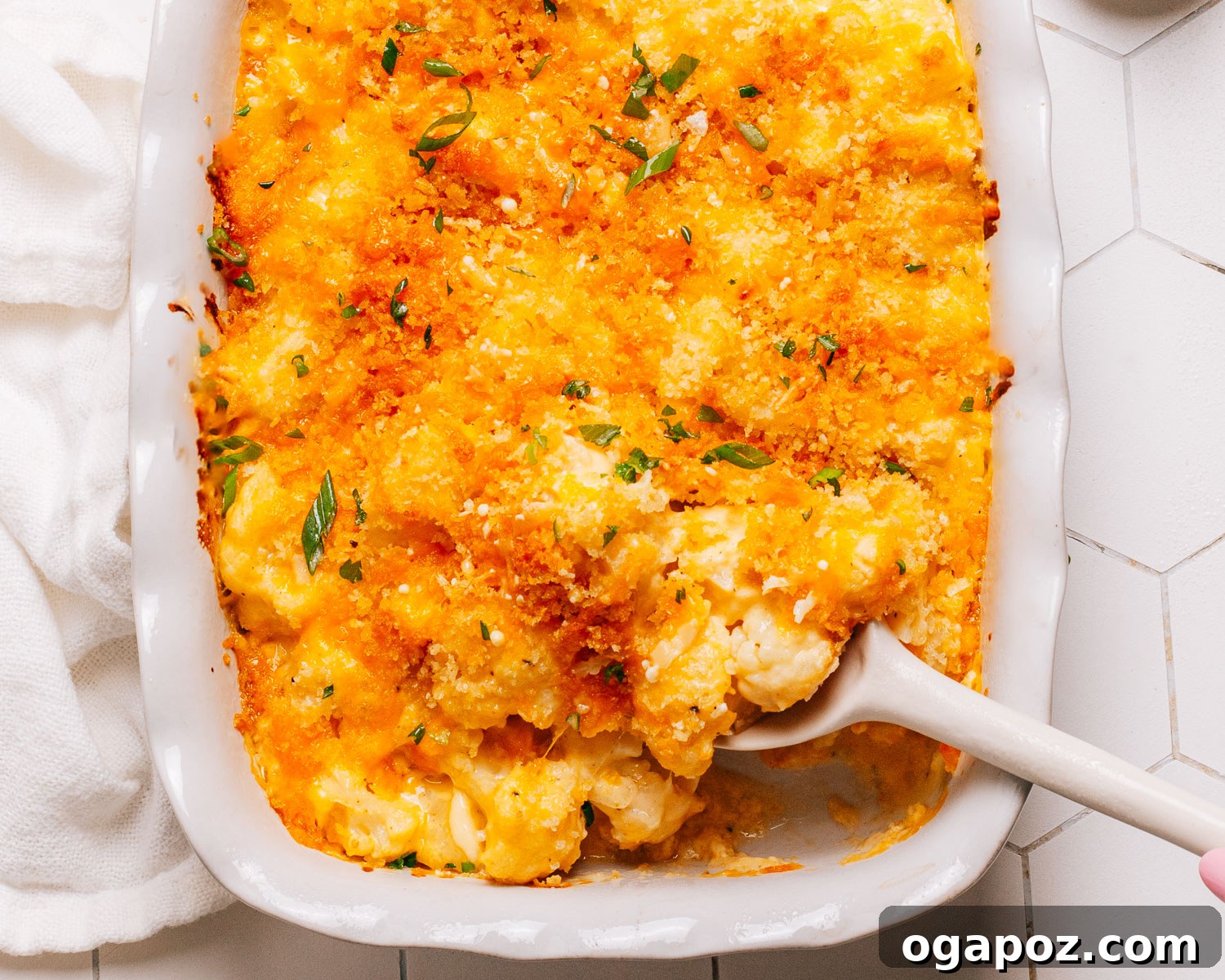
The Ultimate Creamy & Cheesy Cauliflower Casserole: A 30-Minute Comfort Food Masterpiece
Prepare to fall in love with this incredible Cauliflower Casserole recipe! It’s the epitome of comfort food, boasting a velvety, rich cheese sauce, perfectly tender cauliflower florets, and an irresistibly buttery, crispy breadcrumb topping. What’s even better? This crave-worthy dish comes together in just 30 minutes, making it a perfect addition to your weeknight rotation or a standout side for any special occasion.
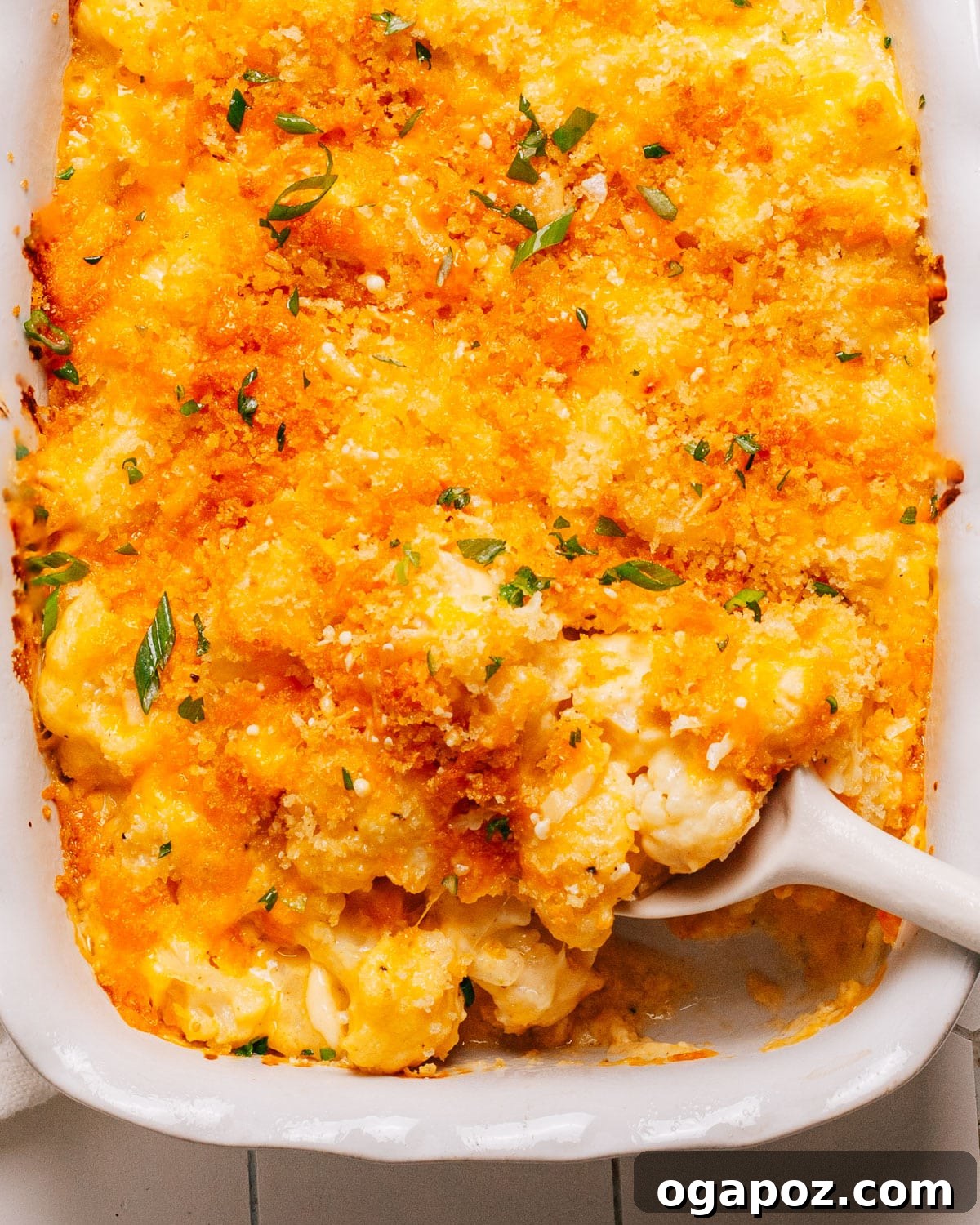
Often hailed as one of the coziest vegetable-based winter casserole recipes, this dish truly transforms humble cauliflower into something extraordinary. It’s an ideal choice for holiday meals like Thanksgiving or Christmas, or simply a comforting side dish any time of the year when you crave a warm, cheesy embrace. I frequently serve it as a hearty main dish, offering a delicious and veggie-powered alternative to classic baked macaroni and cheese. You might be surprised how quickly even the pickiest eaters—yes, even kids!—will devour their serving of this delicious cauliflower bake.
This recipe celebrates the humble cauliflower, elevating it to star status. Its mild flavor and firm texture make it an excellent canvas for creamy sauces and rich cheeses. Not only is cauliflower incredibly versatile, but it’s also packed with essential nutrients like Vitamin C, Vitamin K, and fiber, making this casserole a delightfully wholesome choice for the whole family. It’s a fantastic way to enjoy vegetables in a comforting, indulgent format, perfect for those seeking a satisfying low-carb option that doesn’t compromise on flavor.
Unveiling the Key Ingredients for Your Perfect Creamy Cauliflower Casserole
Crafting the perfect cauliflower casserole starts with a selection of fresh, high-quality ingredients. Each component plays a crucial role in building the layers of flavor and texture that make this dish so irresistible. Here’s a closer look at everything you’ll need to create this culinary delight, ensuring a dish that’s both creamy and flavorful:
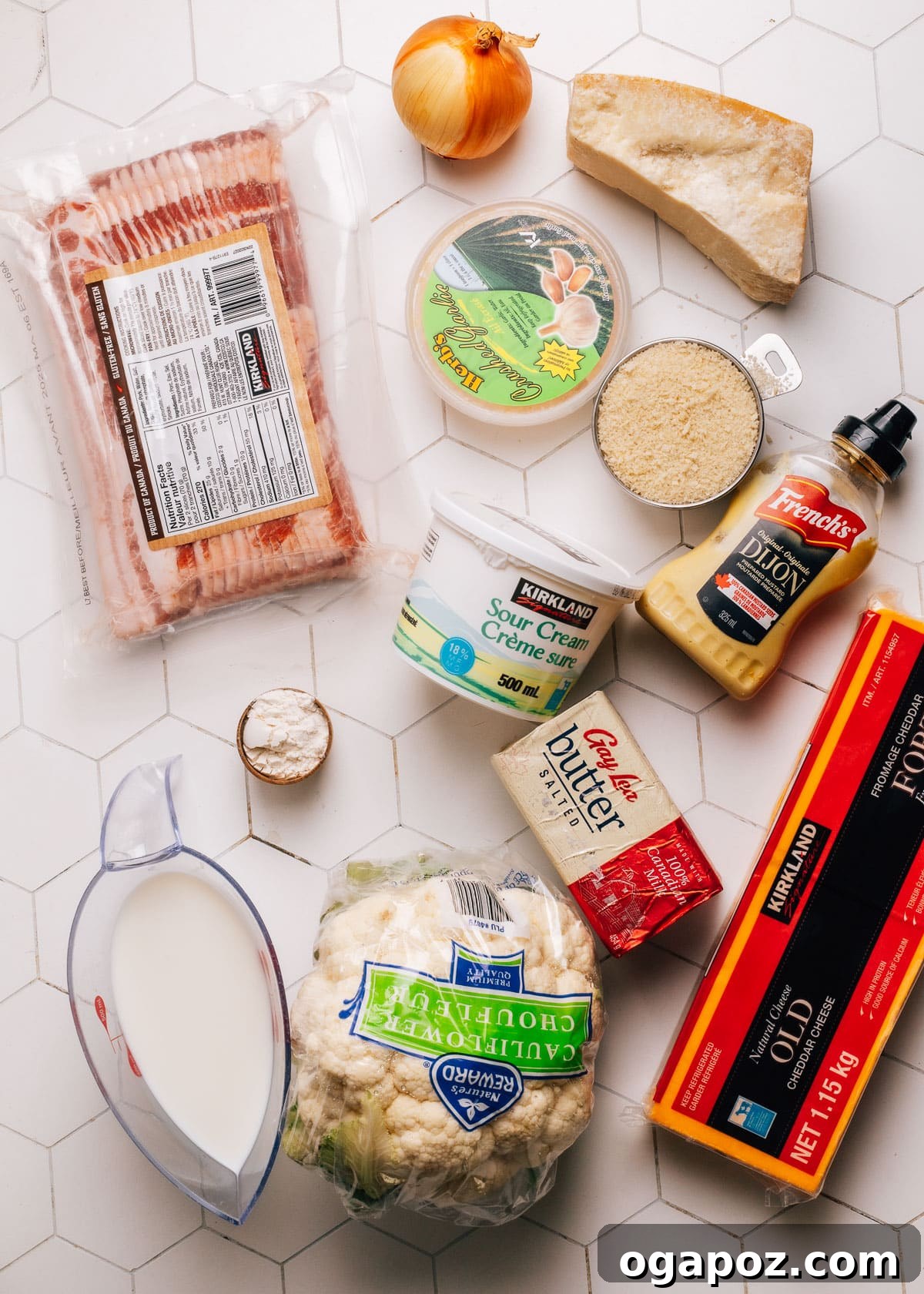
- Cauliflower: You’ll need about 8 cups of florets, which typically comes from one large head of cauliflower, or approximately 2 pounds. Fresh cauliflower is highly recommended for the best results, ensuring a tender yet firm texture after baking. However, if fresh isn’t available, frozen florets or even cauliflower rice can be used in a pinch; just be sure to thaw and drain them thoroughly to prevent a watery casserole. For best flavor, choose firm, white heads with tightly packed florets.
- Butter: Essential for sautéing the aromatics and creating the base of our roux, butter contributes a rich, classic flavor that forms the foundation of the cheese sauce.
- Onion: Finely chopped onion adds a foundational layer of savory sweetness to the cheese sauce. Slowly cooked until translucent and fragrant, it infuses the sauce with depth.
- Garlic: Minced garlic introduces a pungent, aromatic kick that complements the other flavors beautifully. Freshly minced garlic yields the most vibrant taste.
- All-Purpose Flour: This is the thickening agent for our rich and creamy cheese sauce, forming a roux with the butter. For a gluten-free version, a 1-to-1 gluten-free flour blend works perfectly as a substitute.
- Whole Milk: The liquid base for our béchamel-style cheese sauce, whole milk provides the necessary richness and luxurious creaminess. While 2% milk can be used, whole milk truly yields the most indulgent texture.
- Sour Cream: A secret ingredient for an extra tangy and luxurious creaminess in the sauce, sour cream balances the richness of the cheeses, adding a subtle depth of flavor. Full-fat sour cream is recommended for the best texture and flavor.
- Cheese (Sharp Cheddar): I highly recommend sharp cheddar cheese for its bold, robust flavor that truly shines through in the casserole, giving it that classic cheesy casserole taste. However, feel free to experiment with other good melting cheeses like Monterey Jack, Gruyère, Fontina, or even a classic mild cheddar for a more subtle taste. The key is using cheese that melts smoothly and has good flavor.
- Parmesan Cheese: Freshly grated Parmesan adds a salty, umami depth and a delightful sharpness, contributing to the complex cheese profile of the dish and a savory counterpoint to the cheddar.
- Dijon Mustard: Just a teaspoon of Dijon mustard works wonders to enhance the cheesy flavor without making the casserole taste like mustard. It’s a classic trick for elevating cheese sauces, adding a subtle tang that brightens the entire dish.
- Kosher Salt and Black Pepper: These fundamental seasonings are crucial for bringing out all the flavors. Always taste and adjust to your preference, as proper seasoning makes all the difference.
- Cayenne Pepper: For a subtle warmth and a touch of heat, a pinch of cayenne pepper is fantastic, adding a gentle kick. If you prefer no heat but want a similar smoky depth, smoked paprika is an excellent alternative.
- Panko Breadcrumbs: These Japanese-style breadcrumbs are prized for their light, airy, and extra-crispy texture, providing the perfect crunchy topping that contrasts wonderfully with the creamy interior.
- Olive Oil: Mixed with the panko, olive oil helps the breadcrumbs brown beautifully and crisp up to perfection in the oven, ensuring a golden, irresistible crust.
- Optional Garnishes: Elevate your casserole with fresh minced parsley, thinly sliced green onions, or delicate fresh chives for a pop of color and fresh flavor. For an indulgent treat, add some crumbled crispy bacon to make it a truly loaded cauliflower casserole!
Flavorful Substitutions and Creative Variations
One of the joys of cooking is customization! This cheesy cauliflower casserole recipe is wonderfully flexible, allowing you to tailor it to your taste or what you have on hand, ensuring it can be enjoyed by everyone.
- Vegetable Swaps: While cauliflower is king here, you can easily swap half or all of it for steamed broccoli florets or a mix of both for a “broccoli cauliflower casserole.” For added complexity and nutrition, consider adding sautéed mushrooms, wilted spinach, or finely chopped red bell pepper to the mixture. Just ensure any added vegetables are cooked down to release their moisture before adding to the casserole.
- Cheese Exploration: Don’t limit yourself to just cheddar! Incorporate some rich Gruyère or nutty Fontina cheese for a gourmet twist. A blend of cheeses like Colby Jack, Mozzarella, or even a smoked Gouda can dramatically change the flavor profile. If you don’t have sour cream, a dollop of soft cream cheese can provide a similar creamy tang and richness.
- Gluten-Free Adaptation: Making this casserole gluten-free is simple. Replace the all-purpose flour with an equal amount of a high-quality 1-to-1 gluten-free flour blend. For the topping, swap out traditional panko for gluten-free breadcrumbs or crushed gluten-free crackers, such as rice crackers, for that satisfying crunch.
- Spice It Up: For those who love heat, a dash more cayenne or a pinch of red pepper flakes can kick things up a notch, adding a delightful warmth.
- Herbaceous Additions: Fresh thyme, rosemary, or a touch of nutmeg can add an extra layer of sophisticated flavor to the cheese sauce, complementing the richness of the dairy and cheese beautifully.
- Protein Boost: Turn this side dish into a more substantial meal by folding in cooked shredded chicken, ham, or even chickpeas for a vegetarian protein boost.
Essential Tools to Grab for Casserole Success
Before you begin your culinary adventure, gather these kitchen essentials to ensure a smooth and efficient cooking process. Having the right tools at hand makes all the difference in preparing this delightful cauliflower bake:
- Large Pot: Indispensable for boiling the cauliflower florets to their perfect tender-crisp texture.
- Colander: Crucial for draining the cooked cauliflower and allowing it to steam-dry, preventing a watery casserole.
- Large Bowl: Useful for gently mixing the cooked cauliflower with the creamy cheese sauce if your saucepan isn’t spacious enough.
- Medium Saucepan: The primary vessel for creating your rich, velvety cheese sauce from scratch.
- Whisk: Your best friend for making a smooth, lump-free roux and ensuring your cheese sauce is perfectly emulsified.
- Wooden Spoon or Spatula: Ideal for stirring and sautéing the onions and garlic, and for gentle folding.
- 8×11 or 9×9 Inch Baking Dish: The perfect size for baking this creamy cauliflower casserole to golden perfection, ensuring even cooking and a beautiful presentation.
- Sharp Knife and Sturdy Cutting Board: Essential for efficiently preparing the cauliflower, onion, and garlic.
- Cheese Grater: For grating fresh blocks of cheese, which provides a superior melt compared to pre-shredded options.
If you’re a true cauliflower enthusiast like me, you’ll love exploring more recipes that highlight this incredible vegetable. Be sure to try my Potato and Cauliflower Curry recipe(Aloo Gobi), Crispy Baked Cauliflower Wings, and my comforting Curried Cauliflower and Quinoa Soup – each showcasing cauliflower’s versatility and delicious potential.
How to Make Creamy Cauliflower Casserole: Your Simple Step-by-Step Guide
Creating this savory, creamy, and utterly delicious cauliflower casserole is simpler than you might think. Follow these easy steps to achieve a perfectly satisfying dish that serves as a fantastic low-carb alternative to traditional au gratin potatoes. We’ll guide you through each stage, ensuring a successful and mouth-watering result that your family and friends will adore.
1. Prepare Your Oven and Baking Dish
Begin by preheating your oven to a precise 400ºF (200ºC). This ensures the casserole bakes evenly and develops that beautiful golden, bubbling crust from the moment it enters the oven. While the oven preheats, lightly grease an 8×11 or 9×9 inch baking dish with butter or cooking spray. This crucial step creates a non-stick surface, preventing the cheesy goodness from adhering to the dish, making serving and cleanup much easier later on.


2. Perfectly Cook the Cauliflower
First, carefully trim your cauliflower head and cut it into uniform, bite-sized florets. This ensures that each piece cooks evenly and that you get a perfect texture in every bite. Bring a large pot of generously salted water to a rolling boil. Adding salt at this stage is crucial as it seasons the cauliflower from within, enhancing its natural flavor. Carefully add the florets to the boiling water and cook them for precisely 3 to 4 minutes, or until they are just tender when pierced with a fork but still hold their shape and offer a slight bite (al dente). It’s crucial not to overcook them, as they will continue to soften in the oven. Drain the cauliflower thoroughly in a colander and let it sit for a few minutes to steam dry. This step is vital to prevent any excess water from diluting your cheese sauce and making your casserole watery.
3. Build the Flavorful Sauce Base
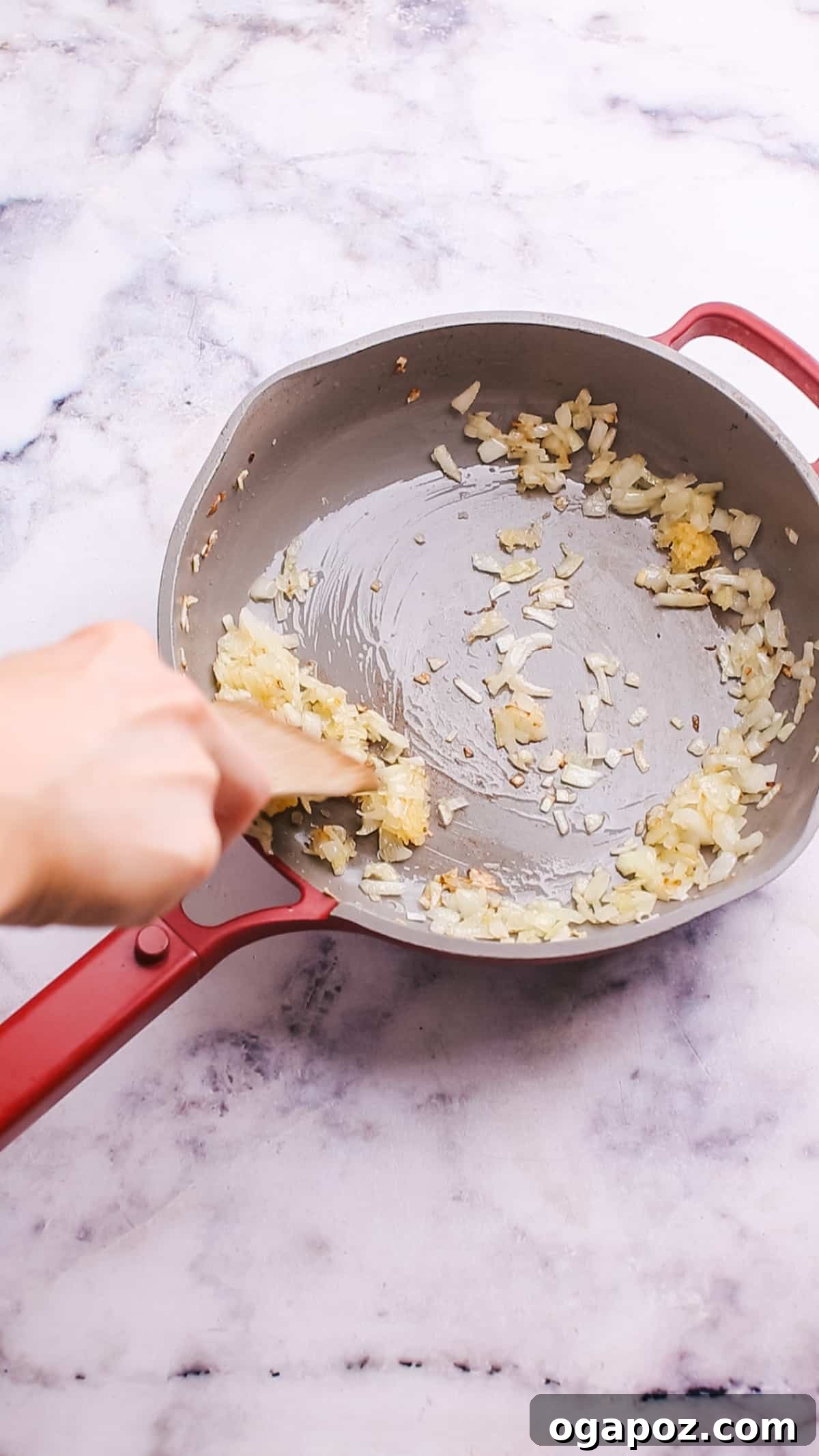
In a medium saucepan, melt 2 tablespoons of butter over medium heat. Once the butter is melted and slightly bubbling, add the finely chopped onion and cook, stirring occasionally, until it becomes soft and translucent, which usually takes about 5 minutes. This gentle sautéing process coaxes out the onion’s natural sweetness and aromatic qualities. Next, stir in the minced garlic and cook for just 1 minute more, until it becomes wonderfully fragrant. Be careful not to burn the garlic, as it can quickly turn bitter and affect the flavor of your entire sauce.
4. Thicken the Creamy Sauce
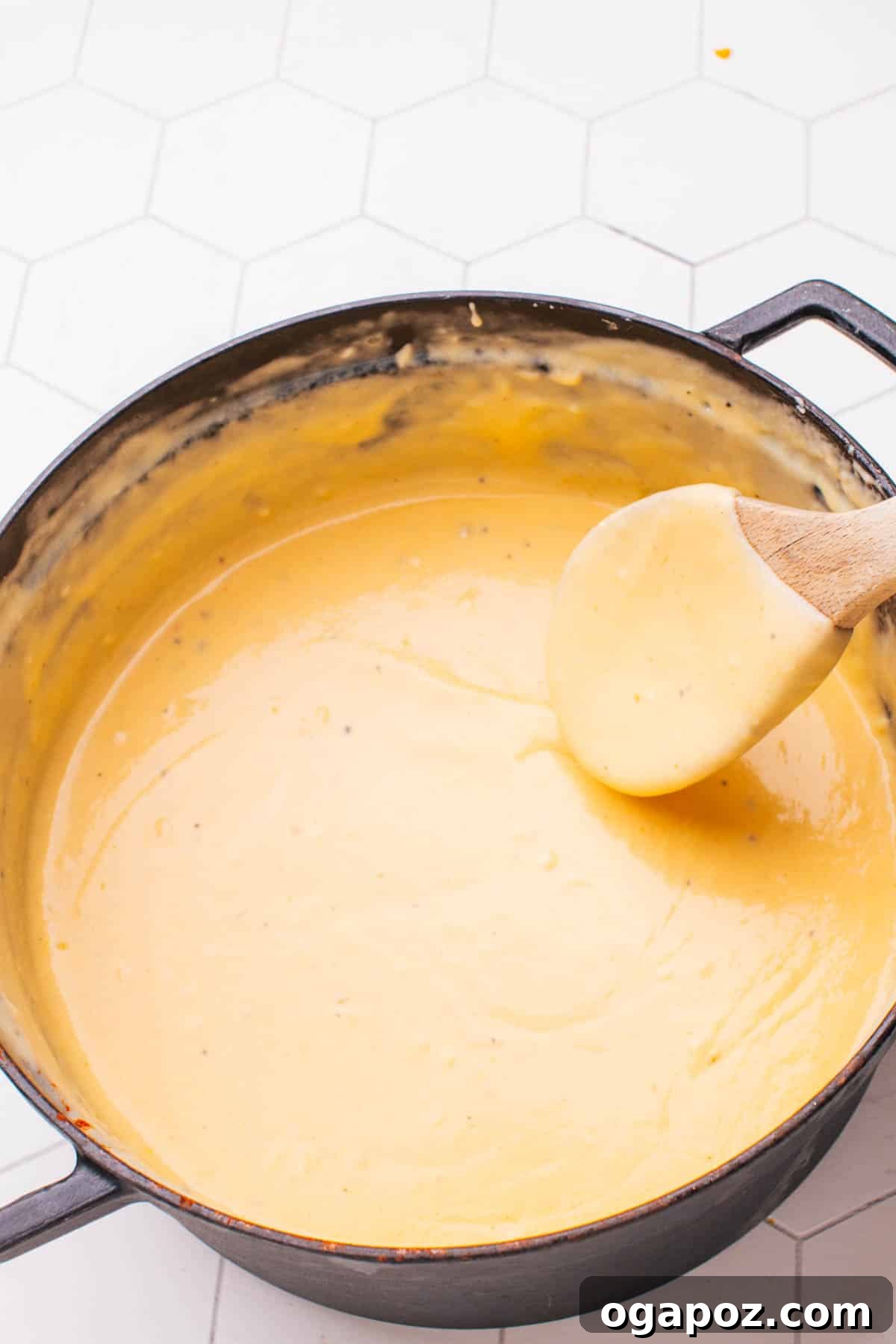
Now, it’s time to build the creamy foundation of your casserole. Sprinkle 2 tablespoons of all-purpose flour evenly over the sautéed onion and garlic. Whisk constantly for 1 minute to cook out the raw flour taste; this creates a roux, the thickening agent for your sauce. Gradually, and while continuously whisking to prevent lumps, pour in 1½ cups of whole milk. Continue to whisk gently as the sauce comes to a simmer. It will begin to thicken beautifully, typically taking about 3 to 5 minutes, until it’s luscious enough to generously coat the back of a spoon. This smooth, thickened sauce is the key to a luxurious and perfectly textured casserole.
5. Combine All the Rich Sauce Ingredients
Once your sauce has reached the desired thickness, remove the saucepan from the heat to prevent overcooking the cheese and keep it from becoming oily. Stir in ½ cup of sour cream, 1 cup of the grated sharp cheddar cheese, ½ cup of freshly grated Parmesan cheese, 1 teaspoon of Dijon mustard, ½ teaspoon of kosher salt, ¼ teaspoon of freshly ground black pepper, and the optional ¼ teaspoon of cayenne pepper for a subtle kick. Stir until all the cheeses are completely melted and the sauce is smooth, homogeneous, and utterly irresistible. The Dijon mustard might seem unusual, but it subtly enhances the savory cheese flavor without overpowering it, adding a touch of complexity.
6. Gently Mix Cauliflower and Sauce
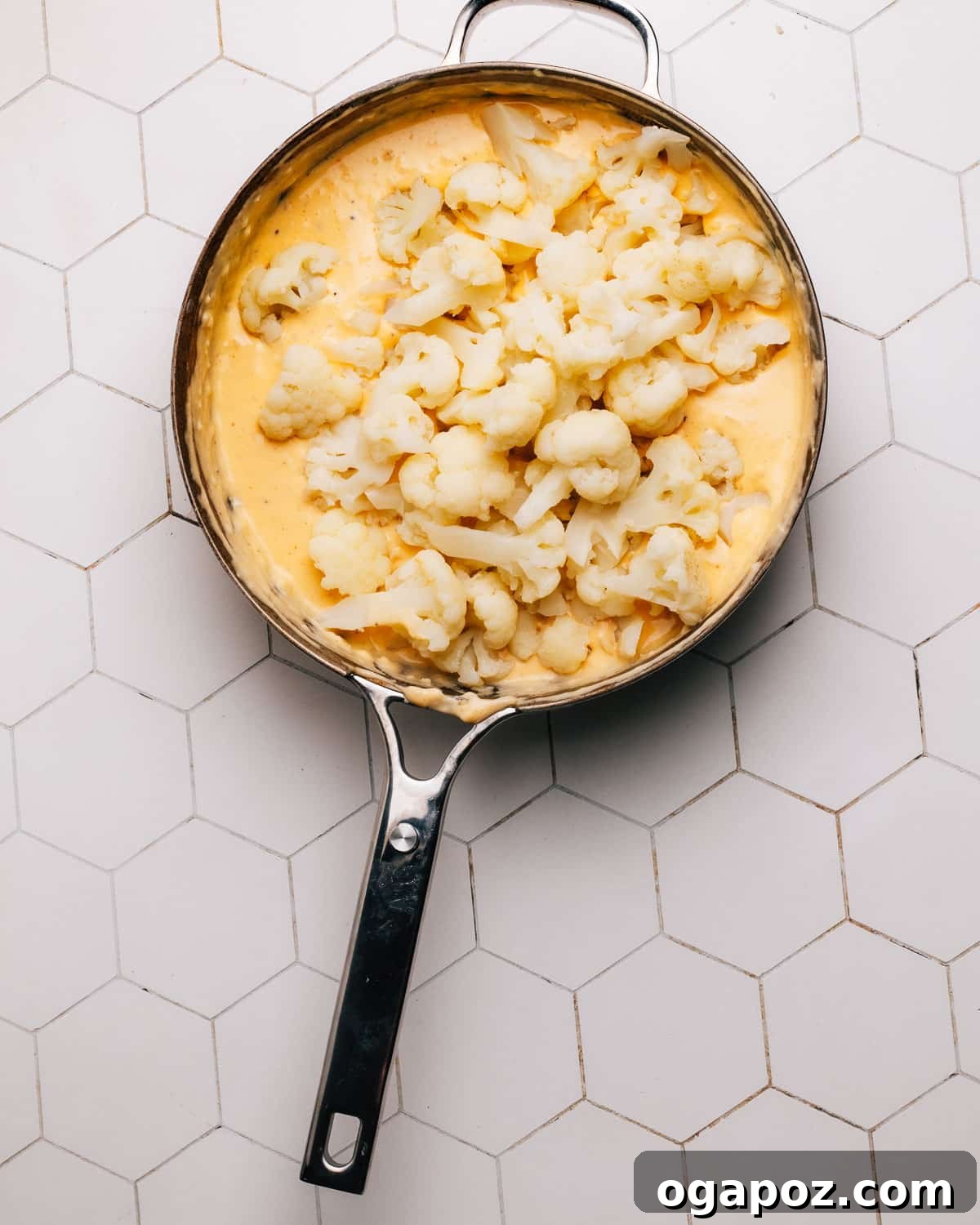
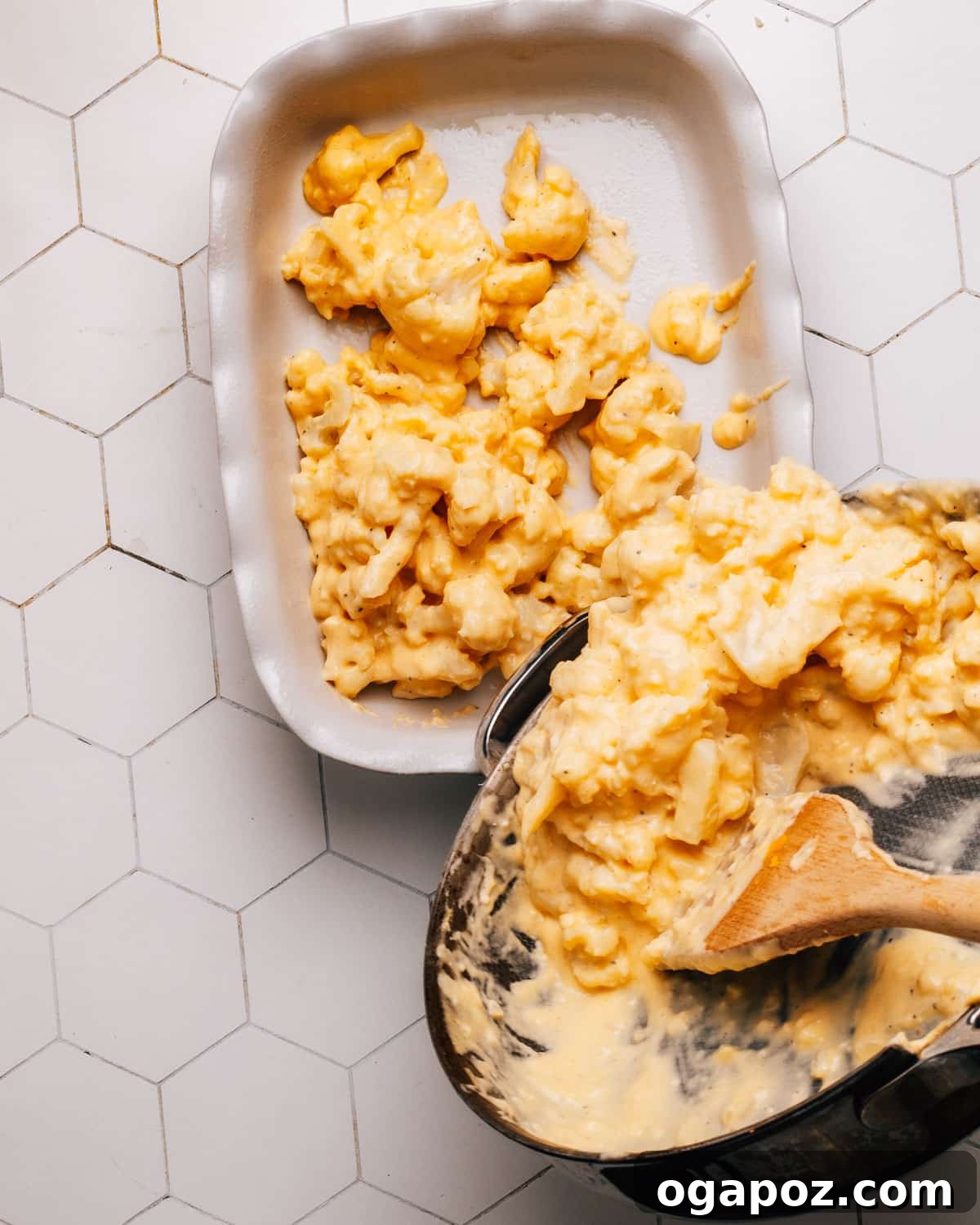
Now for the main event: combining your cooked cauliflower with the delicious cheese sauce. If your saucepan is large enough, carefully add the parboiled, steam-dried cauliflower florets directly into the sauce and gently fold them until every piece is generously coated. Alternatively, you can transfer the cauliflower to your prepared baking dish first, pour the cheese sauce over it, and then gently fold to combine directly in the dish. This ensures even distribution of that delectable, creamy sauce. Now is the perfect moment to taste a small piece and adjust the seasoning if needed, adding a pinch more salt or pepper to your liking.
7. Prepare and Add the Irresistible Topping
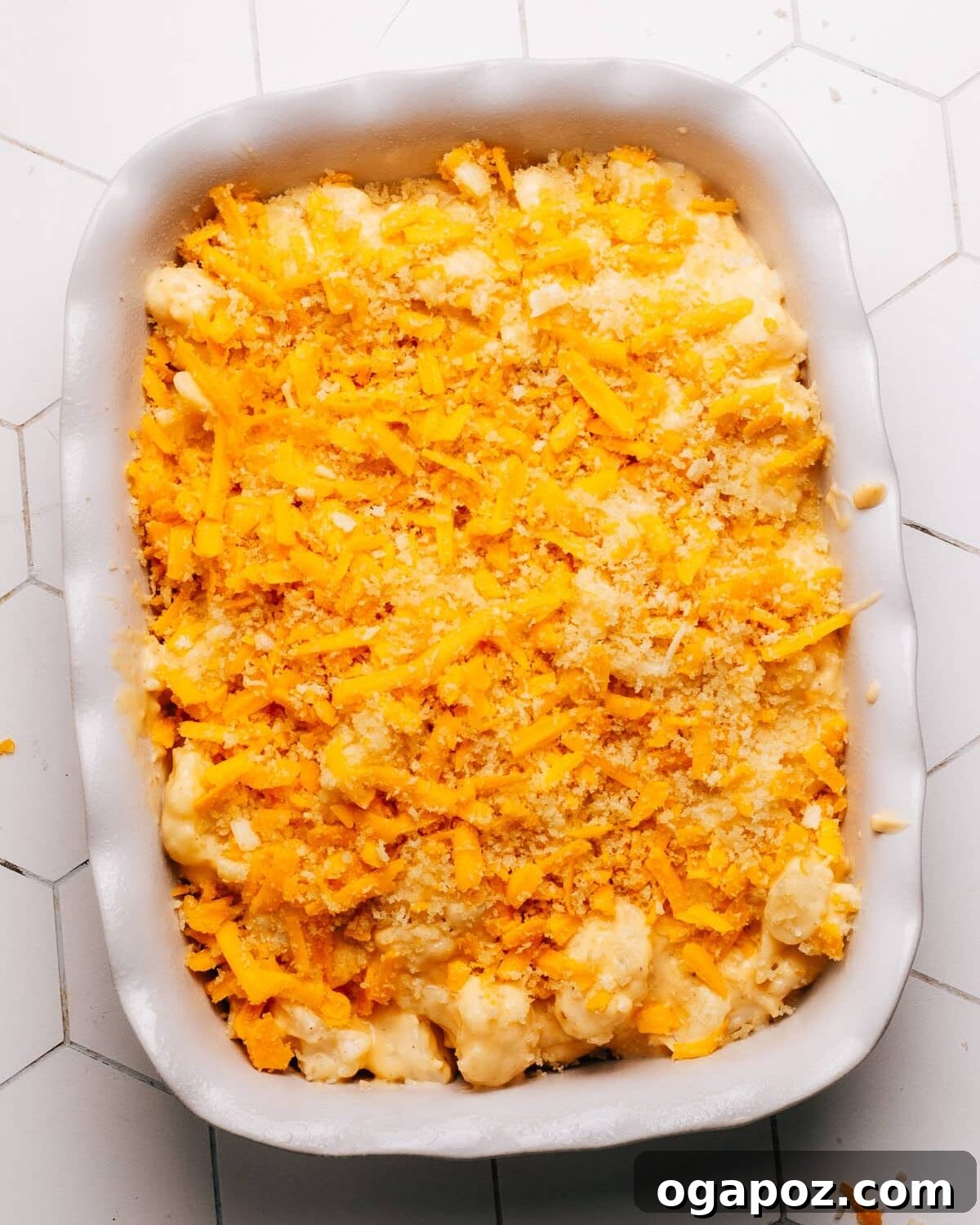
In a small bowl, combine ½ cup of panko breadcrumbs with 1 tablespoon of olive oil and the remaining 1 cup of grated sharp cheddar cheese. Toss these ingredients together until the breadcrumbs are evenly coated with the oil and cheese. This mixture creates the signature golden-brown, crispy topping that contrasts so wonderfully with the creamy interior, adding a crucial textural element. Evenly sprinkle this crunchy topping over the cauliflower and cheese mixture in your baking dish, ensuring a complete and even coverage.
8. Bake to Golden Perfection and Serve
Carefully place the baking dish into your preheated oven and bake for 15 to 20 minutes, or until the casserole is bubbling around the edges and the breadcrumb topping has turned a glorious golden brown and is wonderfully crispy. The bubbling indicates the sauce is hot and integrated. Once baked, remove the casserole from the oven and let it rest for about 5 minutes. This brief resting period allows the sauce to set slightly, making it easier to serve clean, cohesive portions. For an extra touch of flavor and visual appeal, garnish with crumbled cooked bacon and finely sliced green onion, if desired. Serve warm and enjoy every creamy, cheesy, and satisfying bite!
Avoid These Common Pitfalls for a Perfect Cauliflower Casserole Every Time
Even the most straightforward recipes can have tricky spots. By being aware of these common mistakes, you can ensure your cauliflower casserole turns out perfectly creamy, tender, and delicious every time, avoiding watery textures or bland flavors. Mastering these points will elevate your dish from good to extraordinary.
- Overcooking the Cauliflower: This is arguably the most common pitfall and the leading cause of a mushy or watery casserole. If your cauliflower florets are too soft before baking, they’ll turn mushy in the oven and release excess water, leading to a diluted sauce. The solution? Parboil the cauliflower for only 3 to 4 minutes until it’s just fork-tender, with a slight bite remaining. Immediately drain it well and let it steam dry in the colander for a few minutes. This process helps evaporate surface moisture, ensuring a creamy, not diluted, bake.
- Skipping the Sauce Thickening: A thin sauce can separate or become watery during baking, resulting in a less appealing texture and flavor. It’s crucial to whisk and simmer the sauce until it’s thick enough to generously coat the back of a spoon. This typically takes about 3 to 5 minutes after adding the milk and bringing it to a simmer. A properly thickened sauce will cling beautifully to the cauliflower and result in a lusciously creamy casserole that holds together.
- Under Seasoning the Dish: A bland casserole is a missed opportunity! Remember to season generously at multiple stages. Taste the sauce *before* combining it with the cauliflower and adjust the kosher salt, black pepper, and Dijon mustard to your preference. Cauliflower itself has a mild flavor, so the sauce needs to carry the seasoning. Don’t forget that salted boiling water also contributes to the overall flavor profile of the cauliflower itself.
- Using Pre-Shredded Cheese: While convenient, pre-shredded cheeses often contain anti-caking agents (like cellulose or potato starch) that can prevent them from melting smoothly and result in a grainy or clumpy sauce. For the absolute best creamy texture, always grate your own sharp cheddar and Parmesan cheese from a block. It makes a noticeable difference in both the melt and the overall richness of the sauce.
- Soggy Breadcrumb Topping: If your topping isn’t crispy and golden, it might be due to insufficient fat or not enough baking time. Ensure you mix the panko thoroughly with olive oil, which helps it crisp up beautifully. If it’s not golden and crunchy at the end of baking, a quick 1-2 minute blast under a preheated broiler (watch *very* closely to avoid burning!) can achieve that perfect crispness.
- Not Letting the Casserole Rest: Pulling the casserole straight from the oven and serving immediately can result in a slightly runny sauce. Allowing it to rest for 5-10 minutes after baking gives the sauce a chance to set up, making for cleaner slices and a more cohesive dish.
Make Ahead & Storage Tips for Your Cauliflower Casserole
This creamy cauliflower casserole is an excellent candidate for meal prep, making it even more convenient for busy weeknights or holiday gatherings. Knowing how to prepare it in advance and store leftovers properly ensures you can enjoy its deliciousness whenever you desire, reducing stress and saving time.
Making Ahead
You can assemble this casserole up to 1 day in advance. Simply follow all the instructions up to the point of adding the breadcrumb topping. Cover the unbaked casserole tightly with plastic wrap or aluminum foil to prevent air exposure and refrigerate. When you’re ready to bake, remove it from the fridge about 30 minutes before baking to let it come closer to room temperature, then sprinkle with the breadcrumb topping and bake as directed. You might need to add an extra 5-10 minutes to the total baking time if it’s still very cold.
Storing Leftovers
- Once cooled completely to room temperature, transfer any leftover cauliflower casserole to an airtight container.
- Store it in the refrigerator for up to 4 days. Proper storage ensures the casserole remains fresh and delicious for future meals, making it a great option for packed lunches or quick dinners.
Freezing Instructions
For longer storage, this casserole freezes beautifully, especially if prepared without the topping. This is perfect for batch cooking or preparing for future busy days.
- To Freeze Unbaked: Assemble the casserole (without the breadcrumb topping) in a freezer-safe baking dish. Ensure the dish is suitable for freezing and then baking. Cover tightly with a layer of plastic wrap, then a layer of heavy-duty aluminum foil. Label with the date and recipe name. Freeze for up to 2 months.
- To Bake from Frozen: Thaw the casserole overnight in the refrigerator. Once thawed, add the breadcrumb topping and bake as directed, adding an extra 10-15 minutes to the baking time to ensure it’s heated through and bubbling thoroughly.
- To Freeze Baked Leftovers: If you have leftover baked casserole, you can freeze individual portions in airtight, freezer-safe containers or even wrap them tightly in foil. This is great for convenient grab-and-go meals that just need reheating.
Reheating Your Casserole
- Microwave: Individual portions reheat quickly and easily in the microwave. Place a portion in a microwave-safe dish, cover loosely, and heat on medium power until warmed through, stirring halfway to ensure even heating.
- Oven: To reheat the entire casserole, cover it loosely with aluminum foil to protect the crispy topping from burning or drying out. Bake in a preheated oven at 350ºF (175ºC) until heated through and bubbling, typically 20-30 minutes for a full casserole. Uncover for the last 5-10 minutes if you want to crisp up the topping again.
Explore More Favorite Side Dish Recipes
Looking for other delightful sides to complement your meals or round out a holiday feast? Here are some of our tried-and-true favorites that are sure to impress and satisfy:
- Classic Green Bean Casserole (with Homemade Crispy Onions!): A beloved holiday staple, elevated with a savory, homemade crispy onion topping that makes all the difference.
- Candied Brussels Sprouts with Maple Bacon: A sweet and savory delight that makes even the most skeptical eaters fall in love with Brussels sprouts, thanks to the irresistible combination of maple and crispy bacon.
- Soft and Tender Cornbread Casserole: A comforting and moist side that boasts a delicate crumb and pairs wonderfully with almost anything, from chili to roasted meats.
- Quick and Easy Glazed Carrots: Sweet, tender carrots coated in a beautiful, glossy glaze, simple to make yet elegant enough for any table.
- Creamy Mashed Potatoes: A timeless classic, perfect for soaking up any extra cheese sauce from your cauliflower casserole.
- Roasted Asparagus: A simple, fresh green vegetable side that adds a touch of brightness and earthy flavor.
Expert Tips and Science-Based Secrets for Casserole Perfection
Achieving a truly exceptional cauliflower casserole goes beyond just following the steps. These pro tips and culinary insights will help you master the dish and guarantee a consistently delicious result every time, making your casserole the star of any meal.
- The Importance of Steam Drying Florets: After boiling, don’t just drain the cauliflower and immediately combine. Let the florets sit in the colander for several minutes, allowing residual heat to help them steam dry. This step is absolutely crucial! Any excess moisture will leach into your creamy sauce during baking, diluting its flavor and creating a watery, undesirable texture. A dry cauliflower means a perfectly creamy, rich casserole that holds its shape.
- Grate Your Own Cheese for Superior Melt: While pre-shredded cheeses are convenient, they often contain anti-caking agents like cellulose or potato starch. These additives prevent the cheese from clumping in the bag but also inhibit it from melting smoothly and creamily in your sauce, often leading to a grainy or greasy texture. For a truly velvety, lump-free cheese sauce, always take the extra minute to grate your own sharp cheddar and Parmesan from a block. The difference in texture and melt is remarkable and worth the effort.
- The Golden Topping Trick (Broiler Method): If your breadcrumb topping isn’t as golden and crispy as you’d like after the main baking time, employ the broiler for a quick finish. Place the casserole under a preheated broiler for just 1 to 2 minutes. This intense, direct heat will rapidly crisp and brown the topping to perfection, adding a delightful crunch. However, be vigilant! Broilers can char food quickly, so keep a close eye on it to prevent burning.
- Seasoning the Boiling Water: This might seem minor, but it’s a fundamental chef’s trick. Generously salt the water you use to parboil the cauliflower. This seasons the vegetable from the inside out, creating a more flavorful base for your casserole and ensuring the cauliflower itself isn’t bland. If you’ve salted the water well, the overall seasoning of the casserole should be balanced. If not, remember to add an extra pinch of salt to your cheese sauce to compensate.
- Room Temperature Ingredients for a Smoother Sauce: For the creamiest, most lump-free cheese sauce, try to have your milk and sour cream at room temperature before adding them to the roux. Cold dairy products can cause the roux to seize or become lumpy when added, making it harder to achieve a smooth, silky consistency.
- Don’t Rush the Roux: When making the roux (the butter and flour mixture), cook it for at least a minute after adding the flour. This process cooks out the raw flour taste, preventing your sauce from having an unpleasant starchy or floury flavor. A properly cooked roux is the secret to a well-balanced sauce.
- Gentle Folding: When combining the cooked cauliflower with the cheese sauce, fold gently. Over-stirring can break down the tender florets, leading to a mushy texture rather than distinct, perfectly cooked pieces.
- The Dijon Secret: Don’t skip the Dijon mustard! Even a small amount significantly brightens and enhances the overall cheese flavor without making the casserole taste distinctly of mustard. It’s a subtle but powerful flavor enhancer.
Frequently Asked Questions About Cauliflower Casserole
Have more questions about perfecting this delectable cauliflower casserole? We’ve got answers to some of the most common queries, designed to help you succeed in making this creamy, cheesy dish a household favorite.
What herbs pair well with cauliflower casserole?
Fresh herbs like thyme, chives, and parsley are fantastic complements to cauliflower, adding brightness and aromatic depth. You can finely chop these herbs and fold them into the cheese sauce after it has thickened, or sprinkle them liberally over the baked casserole as a fresh, aromatic garnish right before serving. A touch of fresh dill can also add a unique, herbaceous brightness that works surprisingly well.
Can I use frozen cauliflower instead of fresh?
Yes, absolutely! Frozen cauliflower florets work perfectly fine for this recipe, offering convenience. However, it’s crucial to thaw them completely before cooking. After thawing, drain them very well, and pat them thoroughly dry with paper towels if needed to remove excess moisture. Excess water from frozen cauliflower can thin the sauce and make your breadcrumb topping less crispy during baking. Proper draining and drying is key to maintaining the casserole’s creamy texture and crisp topping.
How do I prevent my cauliflower casserole from being watery?
Preventing a watery casserole comes down to two main points for successful execution:
- Don’t overcook the cauliflower: Parboil the florets just until they are tender-crisp, not mushy. Overcooked cauliflower releases too much water.
- Steam dry thoroughly: After draining, let the cauliflower sit in the colander for a few minutes to allow all residual steam and moisture to escape. This step is often overlooked but critical.
- Thicken your sauce properly: Ensure your cheese sauce is thick enough to coat the back of a spoon before combining it with the cauliflower. These steps, combined with using freshly grated cheese, will ensure a luscious, creamy casserole every time.
Can this casserole be prepared ahead of time?
Indeed! This recipe is ideal for making ahead, making it perfect for holiday planning or busy weeknights. You can assemble the entire casserole (up to the point of adding the breadcrumb topping) up to 1 day in advance. Cover it tightly with plastic wrap and refrigerate. When you’re ready to bake, simply remove it from the fridge to let it sit at room temperature for about 30 minutes, then add the panko topping, and bake as directed. You might need to add an additional 5-10 minutes to the baking time if it’s still quite cold from the refrigerator.
What can I serve with cauliflower casserole?
This versatile and hearty casserole pairs wonderfully with a variety of main dishes. It’s a fantastic side for roasted chicken, baked ham, grilled steak, pan-seared pork chops, or a simple weeknight meatloaf. For a vegetarian meal, serve it alongside a fresh green salad with a light vinaigrette or a hearty bean stew. Its rich flavor also makes it substantial enough to be enjoyed as a comforting main course on its own, perhaps with a slice of crusty bread.

Best Cauliflower Casserole
Jennifer Pallian BSc, RD
This Cauliflower Casserole recipe is creamy and cheesy with a buttery, crispy breadcrumb topping. It transforms cauliflower into a crave-worthy side dish or comforting main, ready in just 30 minutes.
15 minutes
15 minutes
8
Ingredients
- 8 cups cauliflower florets (2 lbs, about 1 large head)
- 2 tbsp butter
- 1 cup finely chopped onion
- 2 tsp minced garlic
- 2 tbsp all-purpose flour
- 1 ½ cups whole milk
- ½ cup sour cream
- 2 cups grated sharp cheddar, divided (1 cup for sauce, 1 cup for topping)
- ½ cup freshly grated Parmesan
- 1 tsp Dijon mustard
- ½ tsp kosher salt, or to taste
- ¼ tsp freshly ground black pepper
- ¼ tsp cayenne (optional, or use smoked paprika for no heat)
- ½ cup panko breadcrumbs
- 1 tbsp olive oil
- 2 slices cooked bacon, crumbled (optional, for garnish)
- 1 finely sliced green onion (optional, for garnish)
Instructions
- Prepare Oven & Dish: Preheat oven to 400ºF (200ºC). Lightly grease an 8×11 or 9×9 inch baking dish with butter or cooking spray.
- Cook Cauliflower: Bring a large pot of generously salted water to a boil. Add cauliflower florets and cook for 3 to 4 minutes until just tender-crisp. Drain well and let steam dry in the colander for a few minutes.
- Make Sauce Base: In a medium saucepan over medium heat, melt butter. Add finely chopped onion and cook until soft and translucent, about 5 minutes. Stir in minced garlic and cook for 1 minute until fragrant.
- Thicken Sauce: Sprinkle in all-purpose flour and cook, whisking constantly, for 1 minute to create a roux. Gradually whisk in whole milk. Continue to cook, whisking occasionally, until the sauce has thickened and coats the back of a spoon, about 3 to 5 minutes.
- Combine Sauce Ingredients: Remove the saucepan from the heat. Stir in sour cream, 1 cup of the grated sharp cheddar, Parmesan, Dijon mustard, kosher salt, black pepper, and cayenne (if using). Stir until all cheeses are smooth and well combined.
- Mix Cauliflower & Sauce: Gently fold the cooked cauliflower into the cheese sauce until evenly coated. Transfer the mixture to the prepared baking dish. Taste and add a pinch more salt or pepper if needed.
- Prepare Topping: In a small bowl, combine panko breadcrumbs with olive oil and the remaining 1 cup of grated sharp cheddar. Toss well to combine until breadcrumbs are evenly coated. Sprinkle this mixture evenly over the top of the casserole.
- Bake & Serve: Bake for 15 to 20 minutes, or until the casserole is bubbling around the edges and the topping is golden brown and crispy. Let rest for 5 minutes before serving. Garnish with crumbled bacon and sliced green onion if desired. Serve warm and enjoy!
Notes
- Allow florets to dry in the colander for a few minutes after boiling; this prevents the casserole from becoming watery.
- Freshly grated cheese melts smoother than pre-shredded cheese, which often contains anti-caking agents.
- For an extra crispy, golden top, broil the casserole for 1 to 2 minutes at the very end, watching closely to prevent burning.
- Ensure the boiling water for the cauliflower is well-salted to season the vegetable from within. Adjust sauce seasoning as needed.
Nutrition Information (Approximate Per Serving)
- Calories: 306 kcal
- Carbohydrates: 16g
- Protein: 14g
- Fat: 22g
- Saturated Fat: 11g
- Polyunsaturated Fat: 1g
- Monounsaturated Fat: 6g
- Trans Fat: 0.1g
- Cholesterol: 58mg
- Sodium: 588mg
- Potassium: 479mg
- Fiber: 3g
- Sugar: 6g
- Vitamin A: 623 IU
- Vitamin C: 51mg
- Calcium: 369mg
- Iron: 1mg
Nutrition information is automatically calculated and should be used as an approximation. It may vary based on specific ingredients and preparation methods.
Tried this delicious recipe? Share your experience and leave a comment below! We love hearing from you and seeing your culinary creations!