
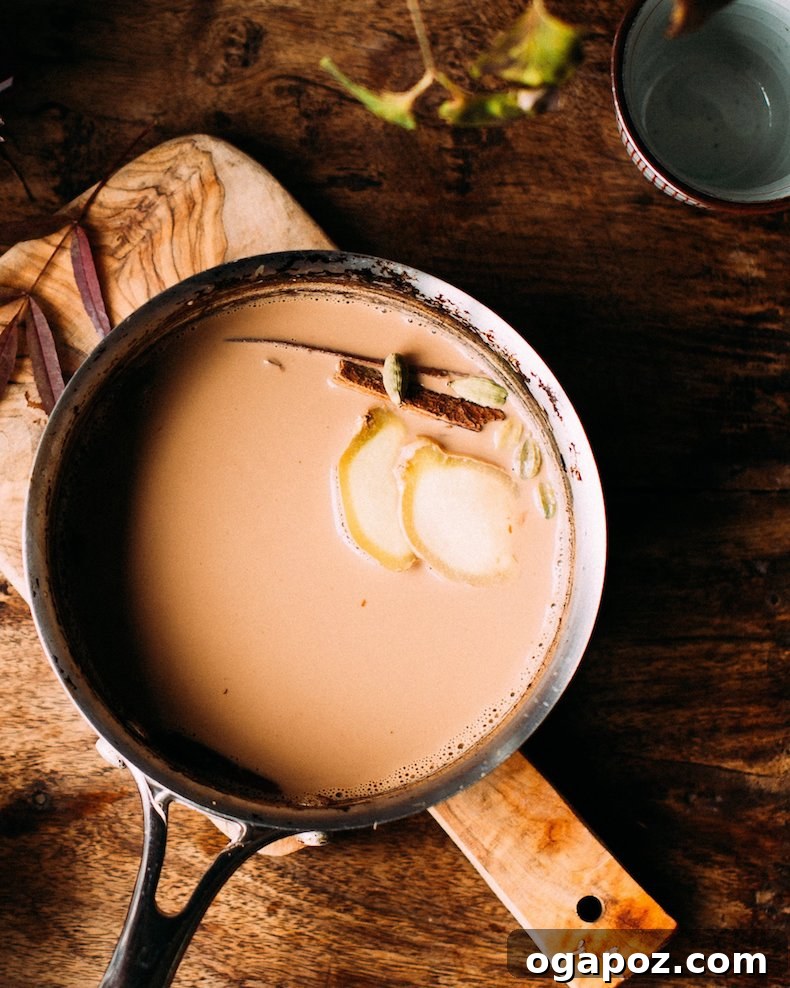
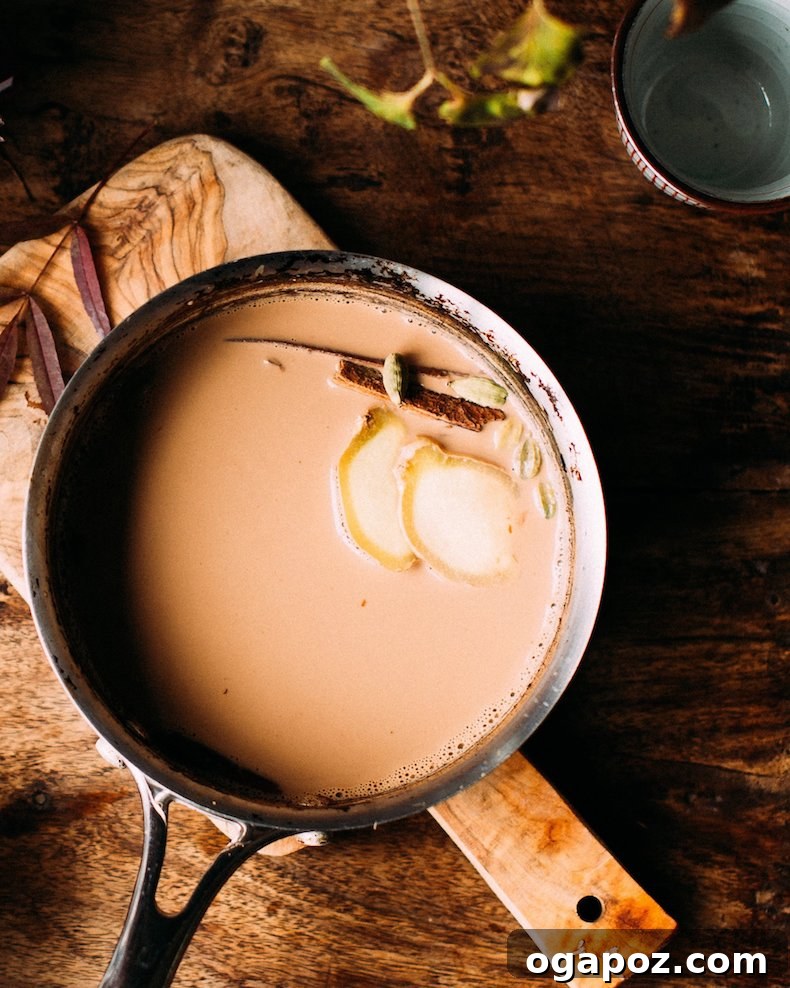
Embark on a culinary journey to discover the profound pleasure of authentic Indian Chai tea. This treasured recipe, lovingly passed down from my wonderful Indian mother-in-law, offers a genuine taste of India. Forget the watered-down versions; true Indian tea is a symphony of flavors – deeply colored, generously milky, steaming hot, and exquisitely sweet, all infused with a captivating array of warming spices like whole cinnamon and fresh ginger. Prepare to fall in love with homemade masala chai, brewed from scratch in the traditional way.
What is Chai Tea? Unveiling the True Indian Brew
For many in North America, “chai tea” conjures images of sweet, often overly spiced lattes from coffee shops. However, the pale, often bland tea commonly consumed in the West bears little resemblance to the robust, invigorating brew enjoyed daily by millions across India. To truly appreciate this beloved beverage, it’s essential to understand its origins and cultural significance.
In Hindi, the word for tea is simply chai. Thus, asking for “chai tea” in India would be like asking for “tea tea,” a slight linguistic redundancy that might elicit a gentle chuckle from a local. The term you’re likely aiming for is masala chai, which translates to “spiced tea.” The addition of “masala” (spices) is what gives this tea its distinctive and aromatic character, a flavor profile that has captivated palates worldwide. When we speak of “chai” in the Western context, we are almost always referring to this spiced variant.
In India, chai is more than just a drink; it’s a way of life, a daily ritual, and a symbol of hospitality. You’ll encounter chai-wallas (tea vendors) on nearly every street corner, their calls of “chai! chai! chai!” echoing through bustling markets and quiet lanes. These skilled vendors often “pull” the chai, pouring it from a height into small metal cups. This traditional technique not only aerates the tea, enhancing its flavor and creating a frothy top, but also allows it to cool to a perfectly drinkable temperature.
A properly brewed Indian chai is rich and deeply colored, boasting a generous milky texture, served steaming hot, and possessing a bold flavor with an essential sweetness that balances the tea’s inherent toasty bitterness. It’s an experience that engages all the senses, offering comfort, warmth, and a gentle energizing boost.
Essential Ingredients for Authentic Chai Tea
One of the beautiful aspects of authentic Indian chai is its straightforward preparation. Unlike many Western tea methods where tea leaves steep separately, chai is traditionally brewed directly in a saucepan with milk and water on the stovetop. This method ensures the tea remains piping hot and thoroughly infused until it’s ready to be savored.
The core ingredients for an authentic chai tea recipe are simple, yet their proportions and quality are key to achieving that perfect balance:
- Water: The foundation of the brew. Start with fresh, filtered water for the best taste.
- Milk: Typically whole cow’s milk, which provides a rich, creamy texture and helps balance the strong tea and spices. A common ratio is one part milk to two parts water, but this can be adjusted to personal preference for creaminess.
- Black Tea Leaves or Tea Bags: The quality and quantity of tea are crucial for a strong, flavorful infusion. Robust black tea varieties like Assam or Darjeeling are preferred. Don’t be shy with the tea; Indian chai is meant to be potent.
- Sugar: An integral component that mellows the bitterness of the tea and highlights the spice notes. Chai is traditionally generously sweetened, similar to hot cocoa, creating a comforting and satisfying drink.
- Spices (Masala): While optional for a basic chai (which is just black tea with milk and sugar), spices are what elevate it to masala chai. Fresh whole spices are highly recommended for their vibrant aroma and flavor.
Each ingredient plays a vital role in crafting the complex and comforting profile of true Indian chai. Understanding their interplay is the first step to mastering this traditional beverage in your own kitchen.
Mastering the Art of Homemade Chai Tea
Forget the notion that authentic chai begins with a pre-made syrup or an overwhelming blast of spices, a common misconception perpetuated by some commercial “chai tea lattes.” The true beauty of a homemade Indian chai recipe lies not in a complex list of ingredients, but in the simplicity and precision of its method. It’s a testament to how humble components, when handled correctly, can yield extraordinary results.
The most crucial element for achieving that perfectly balanced, robust flavor is brewing a truly strong tea without allowing it to become bitter from over-steeping. This delicate balance is achieved through careful timing and temperature control, ensuring that the tea’s rich notes are fully extracted alongside the vibrant flavors of the spices and the creamy sweetness of the milk.
Here’s how to brew a truly exceptional cup of authentic Indian chai:
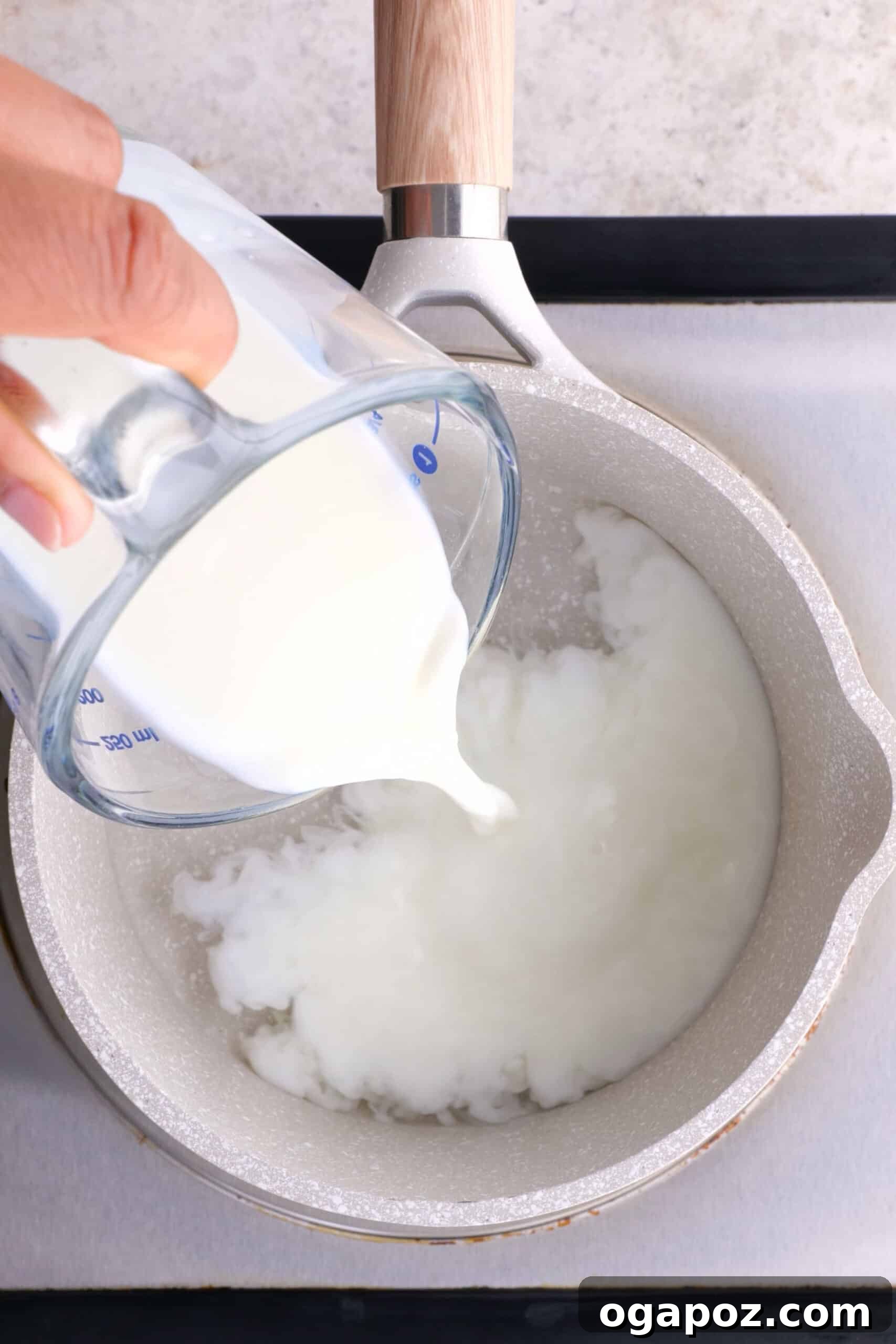
- Simmer the Base and Spices: In a small to medium saucepan on your stove, combine your desired ratio of water and milk. Add any whole spices you wish to use right from the start. This initial simmering period allows the spices ample time to gently infuse their aromatic oils and warming flavors into the liquid, creating a fragrant base. Bring this mixture to a gentle simmer, just below a rolling boil.
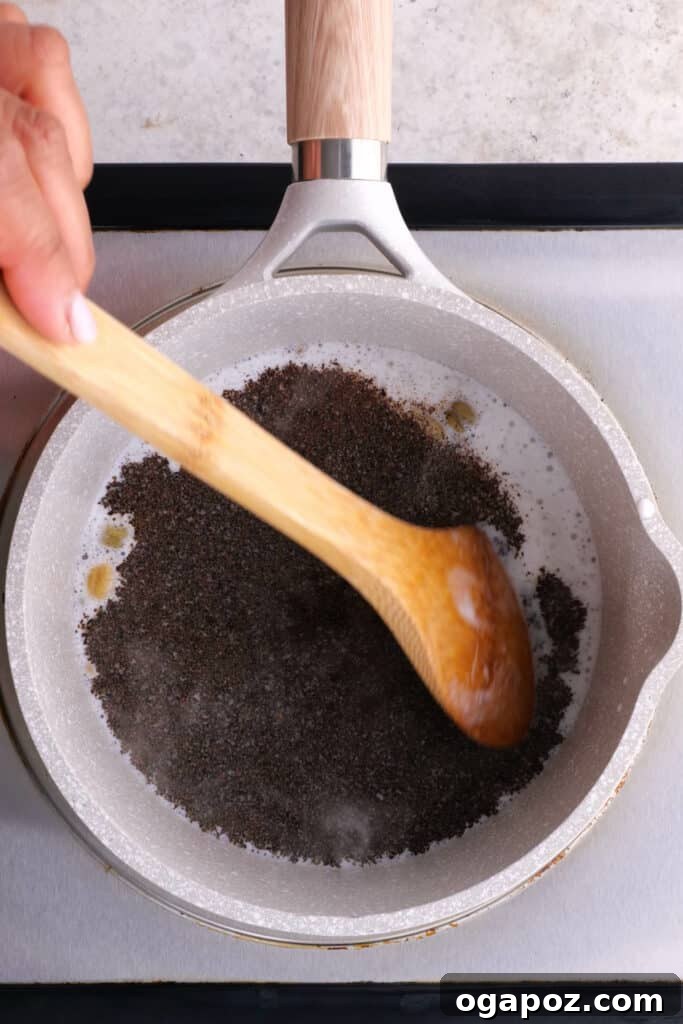
- Introduce the Black Tea: Once the milk and water mixture is simmering and the spices have had a moment to bloom, reduce the heat to its lowest setting. Now, add your black tea leaves or contents of tea bags. It’s important to reduce the heat at this stage.
- Steep with Care: Allow the tea to steep gently. This is a critical step to extract the tea’s robust flavor without releasing excessive tannins, which are the bitter compounds that can leave your mouth feeling dry. Avoid boiling the tea vigorously once it’s added. Watch for the mixture to transform into a beautiful, deep, pinky-tan color, typically within about 2-4 minutes, stirring occasionally to ensure even infusion. The exact steeping time can vary based on your preferred strength.
- Strain and Serve: Once the chai has reached your desired strength and color, carefully remove the saucepan from the heat. Using a fine-mesh sieve, strain the warm, spiced mixture directly into your mug. This will effectively separate out all the whole spices and tea leaves, leaving you with a perfectly smooth brew.
- Sweeten to Perfection: The final touch is sugar. Stir in granulated sugar to taste, aiming for a sweetness level that beautifully complements the strong tea and vibrant spices. Remember, authentic chai embraces sweetness.
This method ensures each component contributes harmoniously to a flavorful and comforting cup of chai. You can easily scale these measurements to prepare as many servings as you need, making it perfect for both solitary enjoyment and sharing with loved ones.
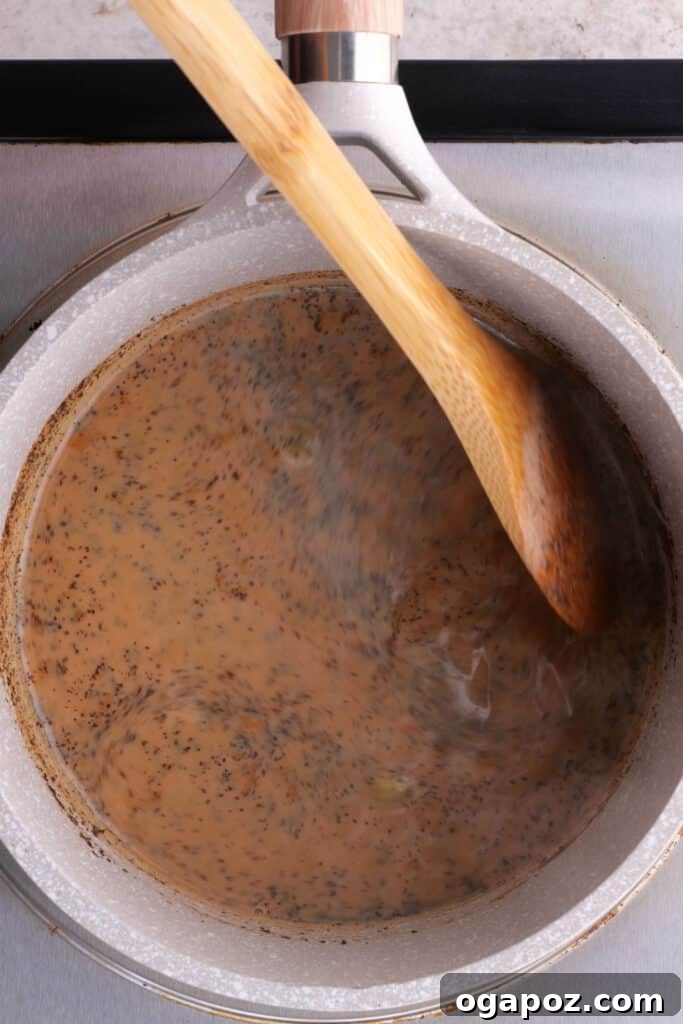
Crafting Your Perfect Chai Tea Spice Blend (Masala)
The “masala” in masala chai is where you can truly personalize your brew. While many North American coffee shops rely on pre-ground spice blends, often labeled “tea masala,” these can sometimes result in a dusty or less vibrant flavor. For a truly aromatic and authentic experience, I wholeheartedly recommend infusing your chai with fresh, whole spices. The difference in aroma and depth of flavor is incomparable.
The beauty of homemade chai is that you can tailor the spice blend to your exact preferences. Some of the most common and beloved spices (masala) used in an authentic Indian chai recipe include:
- Cinnamon Sticks: Provide a warm, sweet, and woody note. Whole sticks are fantastic for slow infusion, or a tiny pinch of ground cinnamon can be used.
- Fresh Ginger: Essential for its pungent, slightly peppery kick and refreshing warmth. A small coin or grated ginger root adds incredible depth.
- Whole Cloves: Offer a strong, sweet, and aromatic warmth that is characteristic of traditional chai.
- Green Cardamom Pods: These are arguably the most iconic chai spice, delivering a highly fragrant, floral, and slightly citrusy flavor. Lightly smashing the pods before adding them helps release their essential oils. A pinch of ground cardamom can substitute.
- Nutmeg: A hint of freshly grated nutmeg can add a cozy, sweet, and slightly woody complexity.
- Allspice: Provides a multifaceted flavor reminiscent of cloves, cinnamon, and nutmeg.
- Star Anise: Adds a distinct licorice-like aroma and flavor, contributing a unique sweetness.
- Fennel Seeds: Offer a subtle anise-like sweetness and a refreshing quality, often aiding digestion.
- Black Peppercorns: A few crushed peppercorns introduce a gentle heat and a pungent undertone, enhancing the overall spiciness.
My personal go-to blend leans towards the classics: a small piece of fresh ginger root, a few whole cardamom pods (always lightly smashed to release their fragrance), a touch of cinnamon stick, and sometimes a scattering of fennel seeds. This combination creates a warming, comforting, and utterly delicious brew that perfectly captures the essence of homemade Indian chai.
If you don’t have access to whole spices, ground spices can be used, but start with a very small quantity and adjust upwards. Ground spices are much more potent and their intensity can vary, so taste as you go to achieve your desired flavor profile.
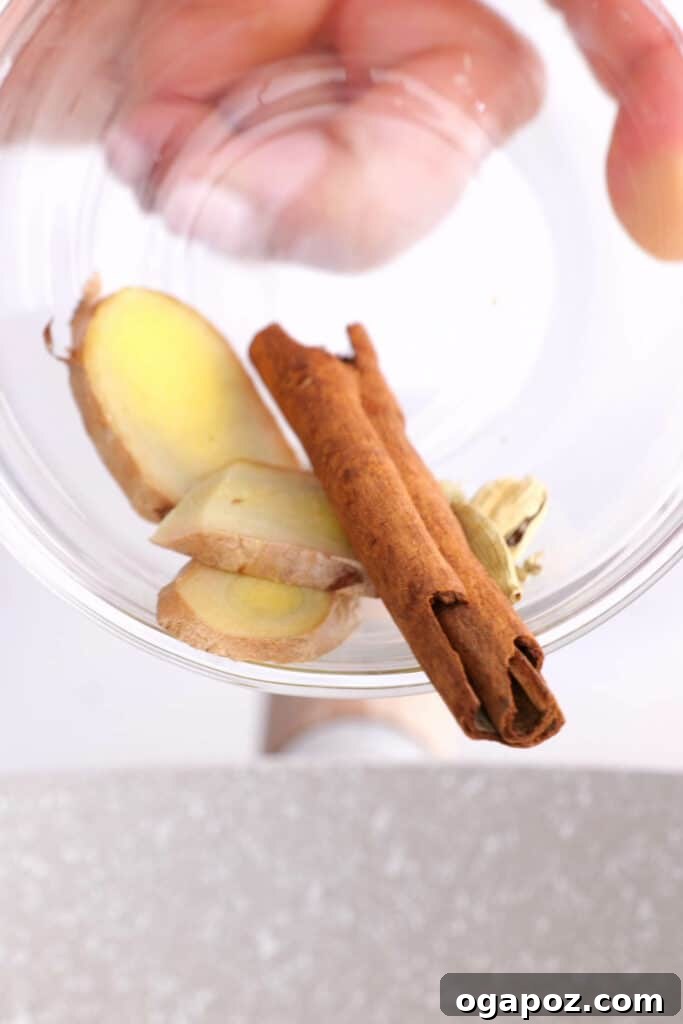
Choosing the Right Tea for Your Authentic Chai
The type of black tea you choose is paramount to the success of your homemade chai. Indian chai is fundamentally a strong, robust brew, and therefore requires a tea that can stand up to milk, sugar, and spices without losing its character.
Loose-leaf black tea is generally preferred for its superior flavor and freshness. Varieties like Assam or Darjeeling are excellent choices, offering a rich and malty flavor that shines through in spiced tea. Assam tea, in particular, is a favorite for chai due to its strong, bold, and brisk characteristics. Darjeeling, often called the “Champagne of Teas,” offers a more delicate, floral, and complex profile, which can also be delightful in a nuanced chai.
- For an authentic touch, my mother-in-law often brings me Tata Black Tea, a premium Assam loose leaf tea that is widely available in Indian grocery stores. Its bold flavor holds up beautifully against the spices and milk.
- However, don’t feel limited to exotic brands. For everyday chai at home, I often use readily available black tea from local grocery stores. Basic Tetley Orange Pekoe, a common and strong black tea blend, works surprisingly well and delivers a satisfying cup.
- If you are sensitive to caffeine or prefer a decaffeinated option, you could experiment with decaf black tea. Be aware, however, that decaffeinated teas often lack the robust flavor and briskness essential for a truly authentic chai. Another alternative is rooibos tea, a naturally caffeine-free herbal infusion from South Africa. While it won’t replicate the exact flavor of black tea, it can provide a warming base for your spices.
Ultimately, the best tea is one that you enjoy and that provides a strong enough base to complement, rather than be overwhelmed by, the milk, sugar, and spices.
Sweetening Your Chai: The Key to Balance and Authenticity
For an authentic Indian chai experience, embracing sweetness is non-negotiable. This isn’t just about adding sugar; it’s about achieving a harmonious balance where the sweetness mellows the bitterness of the strong tea and enhances the vibrant notes of the spices. Traditional chai is generously sweetened, providing a comforting and indulgent quality akin to a rich hot cocoa.
While I don’t always measure precisely, I typically add about 1.5 to 2 heaped teaspoons of sugar to a standard coffee mug of chai. Some traditional recipes even call for as much as 1 tablespoon of sugar per cup. The exact amount is subjective and depends entirely on your personal preference, but remember that a certain level of sweetness is intrinsic to the authentic flavor profile. Don’t shy away from it; the sweetness is what completes the chai experience.
It’s worth noting that even with generous sweetening, homemade chai typically contains less sugar than many commercially prepared chai lattes from popular coffee chains. When you make it yourself, you’re in control, making it a more mindful indulgence.
To sweeten your authentic chai tea recipe, consider these options:
- Plain Granulated White Sugar: This is the most common and traditional choice. It provides clean sweetness without introducing additional flavors, allowing the tea and spices to shine.
- Natural Cane Sugar: My personal favorite. Cane sugar often has a slightly richer, more complex flavor profile than white granulated sugar, adding a subtle depth that complements the chai beautifully.
- Jaggery (Gud): A traditional unrefined sugar commonly used in India. It adds a distinct caramel-like flavor and a deep, earthy sweetness. If you can find it, jaggery is a fantastic authentic sweetener for chai.
- Maple Syrup or Honey: While these are natural sweeteners, they are generally not my preference for chai. Their distinct, bolder flavors can sometimes overpower the delicate balance of the tea and spices, changing the authentic profile. However, if you enjoy their taste, feel free to experiment.
Ultimately, the goal is to find your perfect level of sweetness, transforming your chai into a truly satisfying and soul-warming beverage.
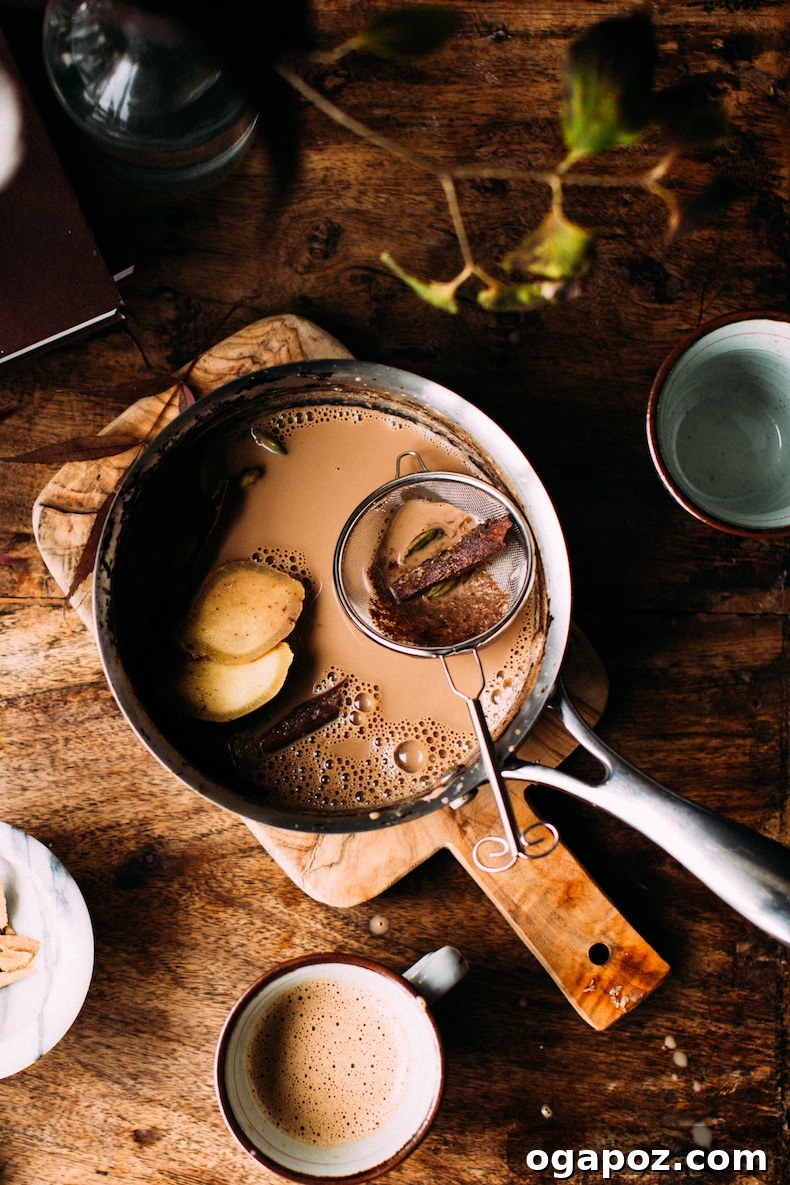
Choosing the Best Milk for Your Chai
The choice of milk profoundly impacts the texture and flavor of your chai. Traditional Indian chai is known for its rich, creamy, and sometimes almost condensed milk-like quality. Understanding the options available can help you craft your ideal cup.
You have several choices when it comes to milk for chai:
- Plain Whole Cow’s Milk: This is the undisputed authentic standard. Whole milk provides the necessary fat content for a rich, velvety texture and a full-bodied flavor that perfectly complements the strong tea and spices. Its natural creaminess is a hallmark of traditional chai.
- Powdered Whole Milk: In some regions of India where fresh milk is not as readily available, powdered whole milk is used, often rehydrated or added directly to the simmering brew. I’ve actually developed a fondness for the flavor and concentrated creaminess this imparts. If you ever have the chance to try it, it offers a unique and surprisingly delicious richness.
- Dairy-Free Milk Alternatives: If you avoid dairy, you’re welcome to use your favorite substitute. However, it’s important to choose wisely, as not all plant-based milks perform equally well in chai. Many almond, soy, or coconut milk alternatives can impart flavors that clash with the delicate spice balance of chai, or they may lack the necessary richness and body.
- Barista-Style Oat Milk: Among dairy-free options, I’ve found that barista-blend oat milk, such as Earth’s Own Barista Oat Milk, offers the best texture and flavor for chai. These specially formulated oat milks are designed to froth and blend smoothly, providing a creamy consistency and a relatively neutral flavor that allows the chai’s spices to shine. They are generally thicker and less watery than standard plant milks, which is key for mimicking the richness of cow’s milk in chai.
Experimenting with different milks is part of the fun of making chai at home. For the truest taste, start with whole cow’s milk, but don’t hesitate to explore alternatives that align with your dietary needs while keeping creaminess and flavor neutrality in mind.
Caffeine Content in Chai Tea: A Gentle Boost
Many wonder about the caffeine levels in chai tea, especially when comparing it to other popular beverages like coffee. Yes, chai tea is typically brewed strongly with a substantial amount of black tea leaves, meaning it does contain a notable amount of caffeine. However, there’s more to the story than just the raw caffeine count.
On average, a cup of black tea (the base for chai) contains significantly less caffeine than a comparable cup of coffee, often nearly half the amount. While coffee can deliver an intense jolt, the caffeine experience from chai tends to be more gradual and sustained.
This smoother energy boost is partly attributed to the presence of L-theanine in black tea. L-theanine is an amino acid known for its unique therapeutic properties, including promoting relaxation without drowsiness and improving focus and attention. As a Registered Dietitian, I even take L-theanine as a supplement for managing stress and enhancing sleep quality, highlighting its beneficial effects.
Because of this remarkable compound, the overall caffeine feeling from chai is a less-aggressive buzz compared to the sharper peak and subsequent crash often associated with a pure coffee or a chai coffee blend. You get the energy and mental clarity without the jitters.
Keep in mind that you can influence the caffeine content of your homemade chai. Using more tea leaves or tea bags, steeping the tea for a longer duration, and stirring it more frequently can all contribute to a higher caffeine extraction. Adjust these factors to suit your sensitivity and desired energy level.

The Health Benefits of Drinking Authentic Chai
Beyond its comforting warmth and delightful flavor, masala chai, particularly when infused with whole spices, may offer an impressive array of health benefits. Many of the spices traditionally used in chai are celebrated in Ayurvedic medicine and have been extensively studied for their medicinal properties. So, if you’re wondering if chai tea is healthier than, say, coffee, the answer lies largely in its potent spice blend.
Spices like black pepper, cardamom, cinnamon, and clove are not merely flavor enhancers; they have demonstrated significant biological activity in preventing various diseases and promoting overall well-being. Here’s a closer look at some of the potential benefits:
- Anti-inflammatory Properties: There is robust evidence indicating that many chai spices can reduce inflammation within the body. Chronic inflammation is a silent culprit behind a multitude of modern illnesses, including heart disease, diabetes, and certain cancers. Spices like ginger and cinnamon are particularly noted for their powerful anti-inflammatory compounds.
- Digestive Aid: Ginger, cardamom, and fennel seeds are traditionally used to support digestion. Ginger can help soothe an upset stomach and alleviate nausea, while fennel seeds are known to reduce bloating and promote healthy gut function.
- Antioxidant Power: Black tea and many of the spices in chai are rich in antioxidants, which help combat oxidative stress and protect your cells from damage caused by free radicals. This can contribute to anti-aging effects and a reduced risk of chronic diseases.
- Heart Health: Cinnamon has been linked to improved blood sugar control and cholesterol levels, while black tea itself contains flavonoids that can support cardiovascular health.
- Immune Support: The warming spices like ginger and cloves are often associated with boosting the immune system, making chai a popular comforting drink during colder months or when feeling under the weather.
- Mood Enhancement: The aromatic qualities of chai, combined with the L-theanine in black tea, can contribute to a sense of calm and well-being, helping to reduce stress and improve focus.
As a Registered Dietitian, I appreciate how traditional beverages like chai can seamlessly integrate beneficial compounds into our daily routines. So, yes, chai lovers, drink up! Not only is it a delicious and cozy-weather sip, but it also comes packed with natural goodness. (And once again, a heartfelt thanks to Amma for the countless cups of tea and boundless love.)
Other Chai Recipes You Will Love
- Karak Chai (Adarsh’s Middle-Eastern obsession, a strong and condensed milk chai)
- Chai Coffee Recipe (For those who love the best of both worlds)
- Iced Chai Latte Recipe (A refreshing twist on a warm classic)
- Chai Concentrate Recipe (Prepare ahead for quick chai anytime)
My Indian Husband’s Favorite Recipes:
- Easy Homemade Butter Paneer (A vegetarian delight)
- Flaky Homemade Potato Samosas or Chicken Samosas (Crispy, savory Indian pastries)
- Best-Ever Creamy Butter Chicken (One of the most popular recipes on the website!)
- The Butter Naan Recipe that went totally viral (Soft, buttery Indian bread)
- Adarsh’s Chicken Korma that he says will change your life. (A rich, flavorful chicken curry)
- Creamy Madras Lentils (The ultimate vegetarian comfort food)
- Amma’s special Masoor Dal recipe (A comforting red lentil stew)
Chai Tea Recipe (Authentic Indian Style!)
An actually-authentic Indian Chai tea recipe, as made for me by my lovely Indian mother-in-law. Make perfect chai at home using this traditional method.
Video
Watch a video demonstration of how to make authentic Indian chai tea:
View Chai Tea Recipe Video
Ingredients
- 8 oz water
- 4 oz whole milk
- Granulated sugar to taste (about 2 heaped teaspoons per serving, traditionally)
- 1 heaping tablespoon of black tea (empty out tea bags to make a tablespoon if you don’t buy loose leaves)
Add any (or all) of the following spices:
- 4 cardamom pods (smashed with side of a knife)
- Small piece of cinnamon stick
- ¼ inch coin of fresh ginger
- Pinch of fennel seeds (about 10 seeds)
Instructions
- Bring water and milk to a simmer with desired spices in a medium saucepan. Reduce heat to lowest setting and add tea. Steep until tea takes on a deep, pinky-tan color, about 3 minutes, stirring occasionally.
- Strain the mixture into a cup and stir in sugar to taste. Serve immediately and enjoy your authentic homemade chai!
Nutrition
Nutrition information is automatically calculated, so should only be used as an approximation.
- Calories: 162 kcal
- Carbohydrates: 28 g
- Protein: 6 g
- Fat: 5 g
- Saturated Fat: 2 g
- Polyunsaturated Fat: 0.3 g
- Monounsaturated Fat: 1 g
- Cholesterol: 14 mg
- Sodium: 47 mg
- Potassium: 521 mg
- Fiber: 3 g
- Sugar: 20 g
- Vitamin A: 1474 IU
- Vitamin C: 20 mg
- Calcium: 186 mg
- Iron: 2 mg
Tried this recipe? Leave a comment!