
The Ultimate Moist Orange Pound Cake with Zesty Orange Icing
There’s an undeniable magic in a perfectly baked citrus cake, a culinary experience that often brings forth a wave of warm, comforting memories. For me, it’s a direct ticket back to the lazy afternoons of my childhood, gathered around my grandmother’s iconic 70s-era Formica table. Perhaps you, too, have a similar nostalgic anchor – a familiar scent or taste that instantly transports you to simpler, cherished times.
Around 3 o’clock each afternoon, she would call me over, offering a cup of very weak tea – what we called “lighthouse tea” in the Maritimes, because it was “blinkin’ near water!” – alongside a slice of store-bought pound cake. It was always lemon-flavored, generously slathered with a thick, tangy lemon frosting, and I remember loving every single bite. Those moments were steeped in simplicity and affection, forming the bedrock of my enduring love for baking.
A Journey Through Citrus Baking: From Lemon Classics to Zesty Orange
That early, delightful exposure to citrus cakes ignited a lifelong passion for baking them myself. Over the years, I’ve created countless iterations of lemon cake, each one a delicious homage to those treasured moments with my grandmother. Whether it’s my vibrant Cranberry Lemon Cake with Lemon Icing or the foundational Simple Lemon Pound Cake, lemon has consistently held a special, albeit prominent, position in my baking repertoire.
Yet, the culinary world is vast and exciting, and I often find myself eager to explore beyond the familiar. From time to time, I love to branch out and experiment with other vibrant citrus fruits. And regardless of the fruit I choose, every cake I bake carries with it a whisper of grandma’s memory, a sweet connection to the past. This particular recipe, an exquisite orange pound cake, is a testament to that adventurous spirit. It features an exceptionally moist and tender crumb, crowned with a deliciously drippy, intensely flavorful orange icing that promises to delight your senses.
Why This Orange Pound Cake Recipe Stands Out
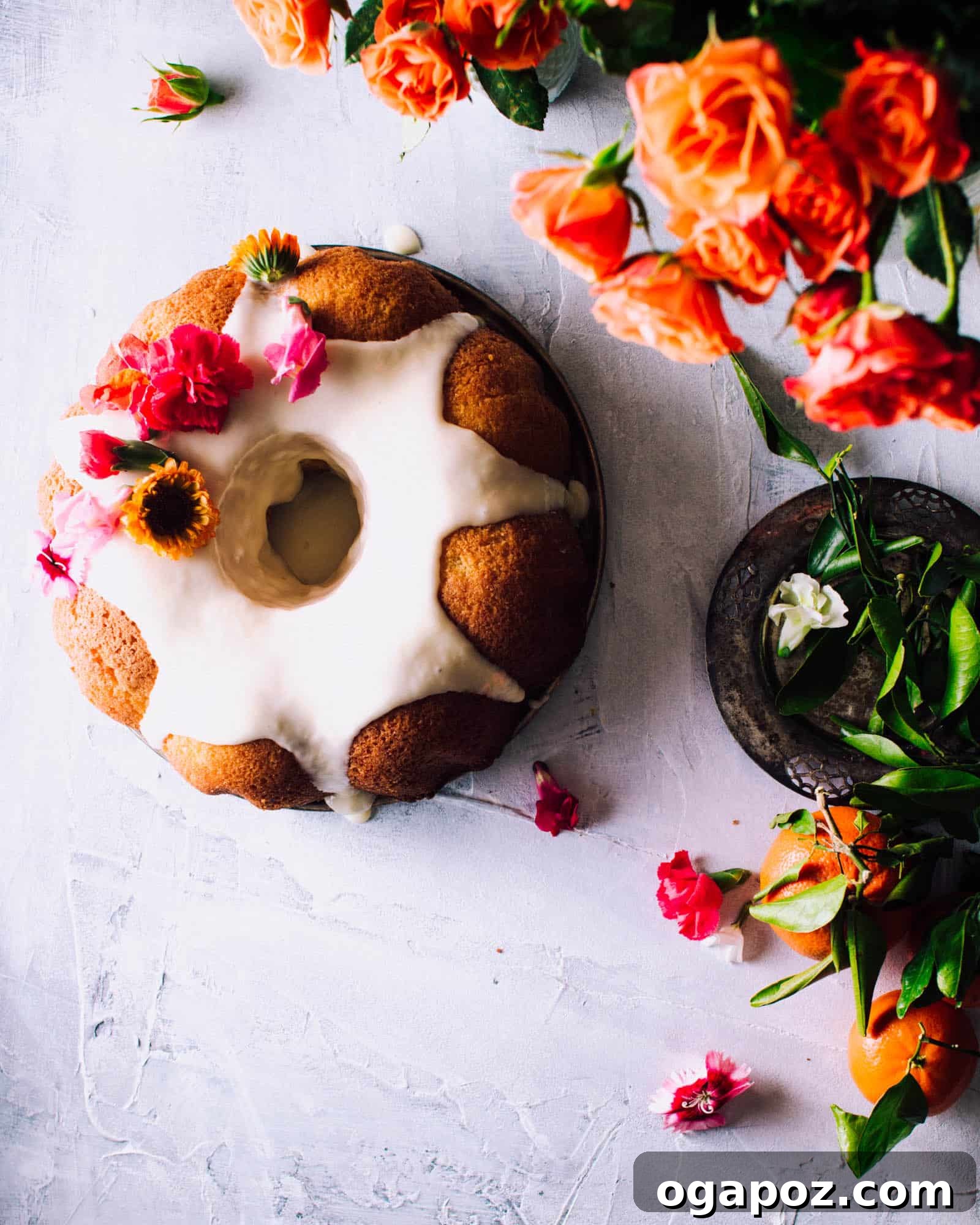
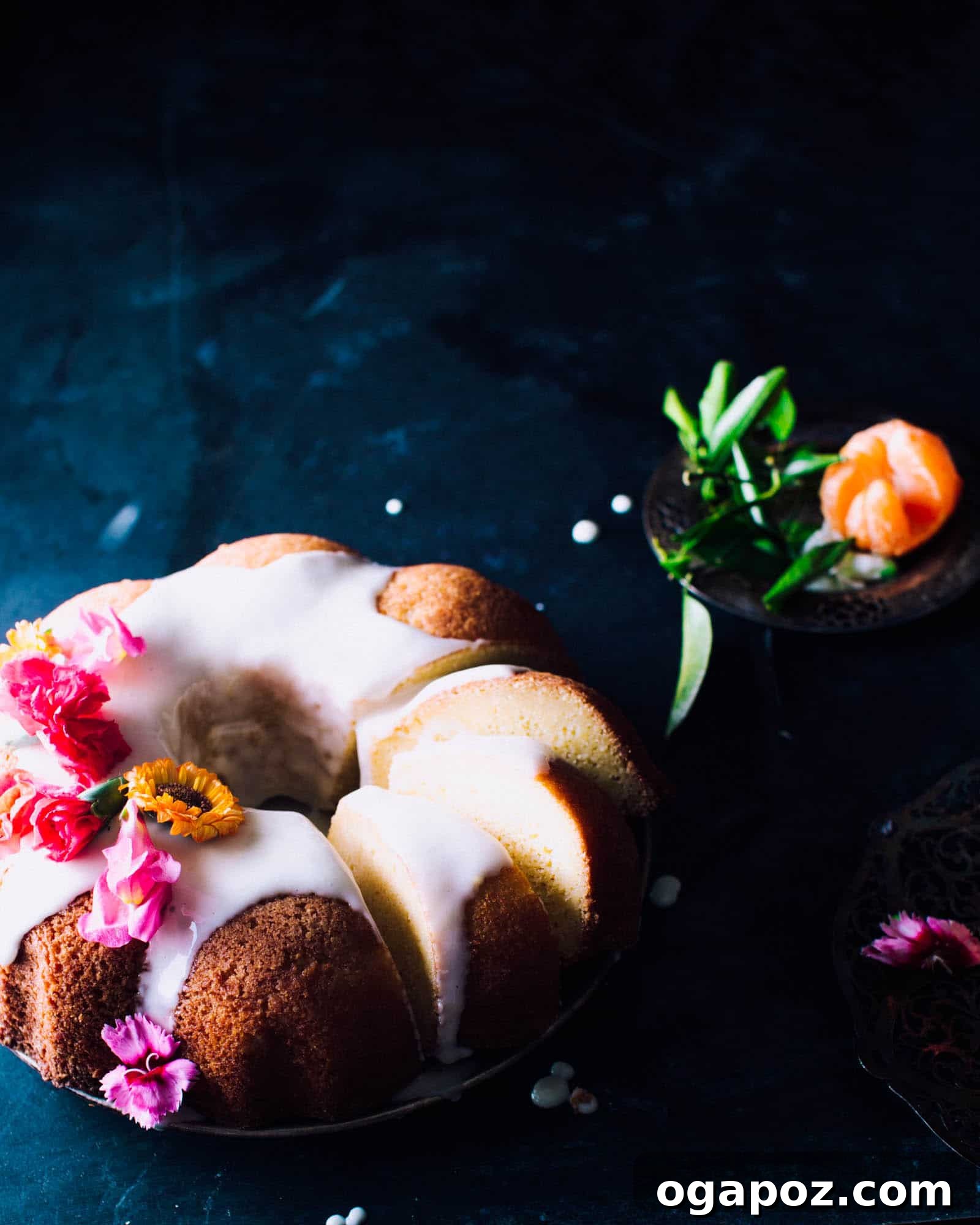
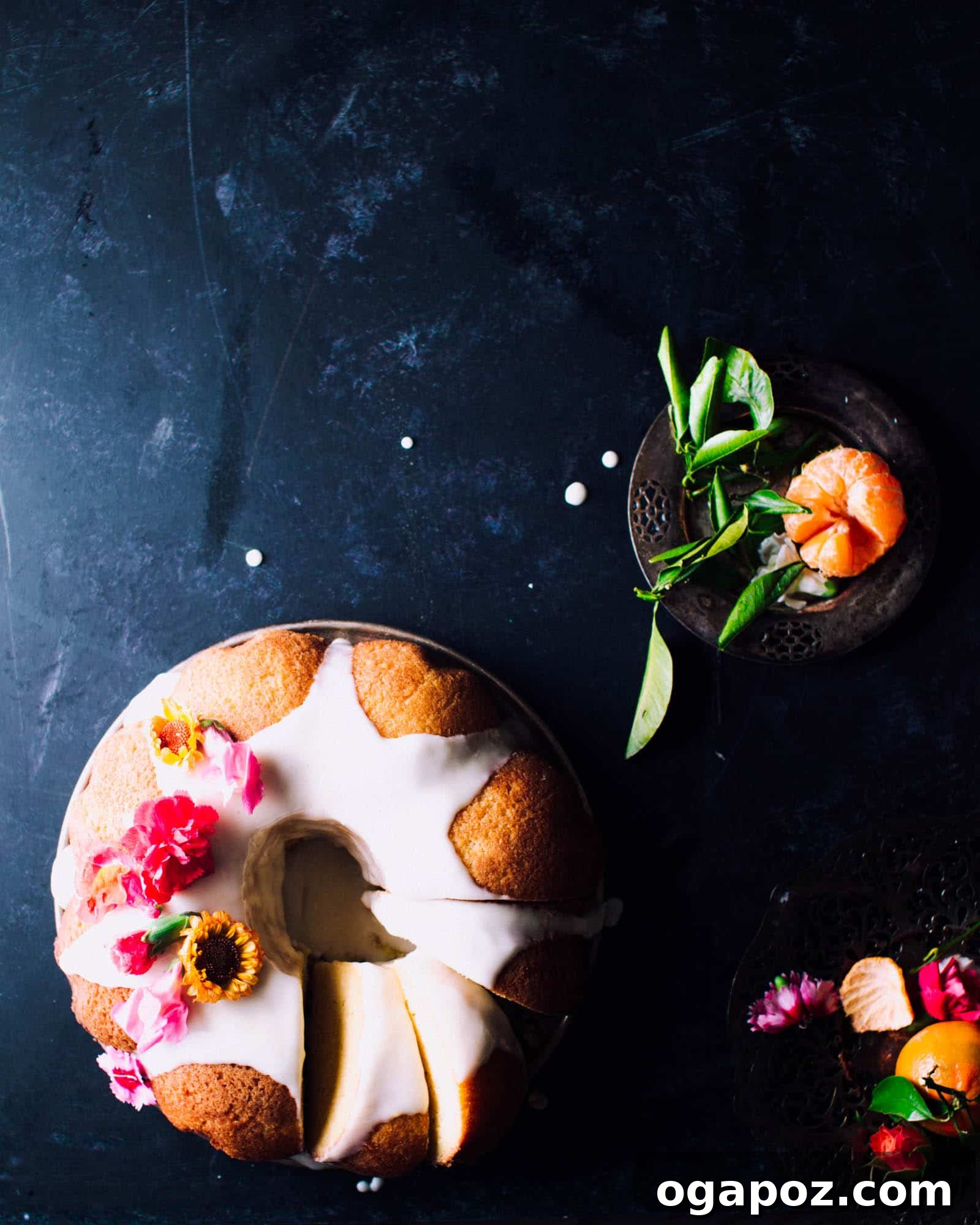
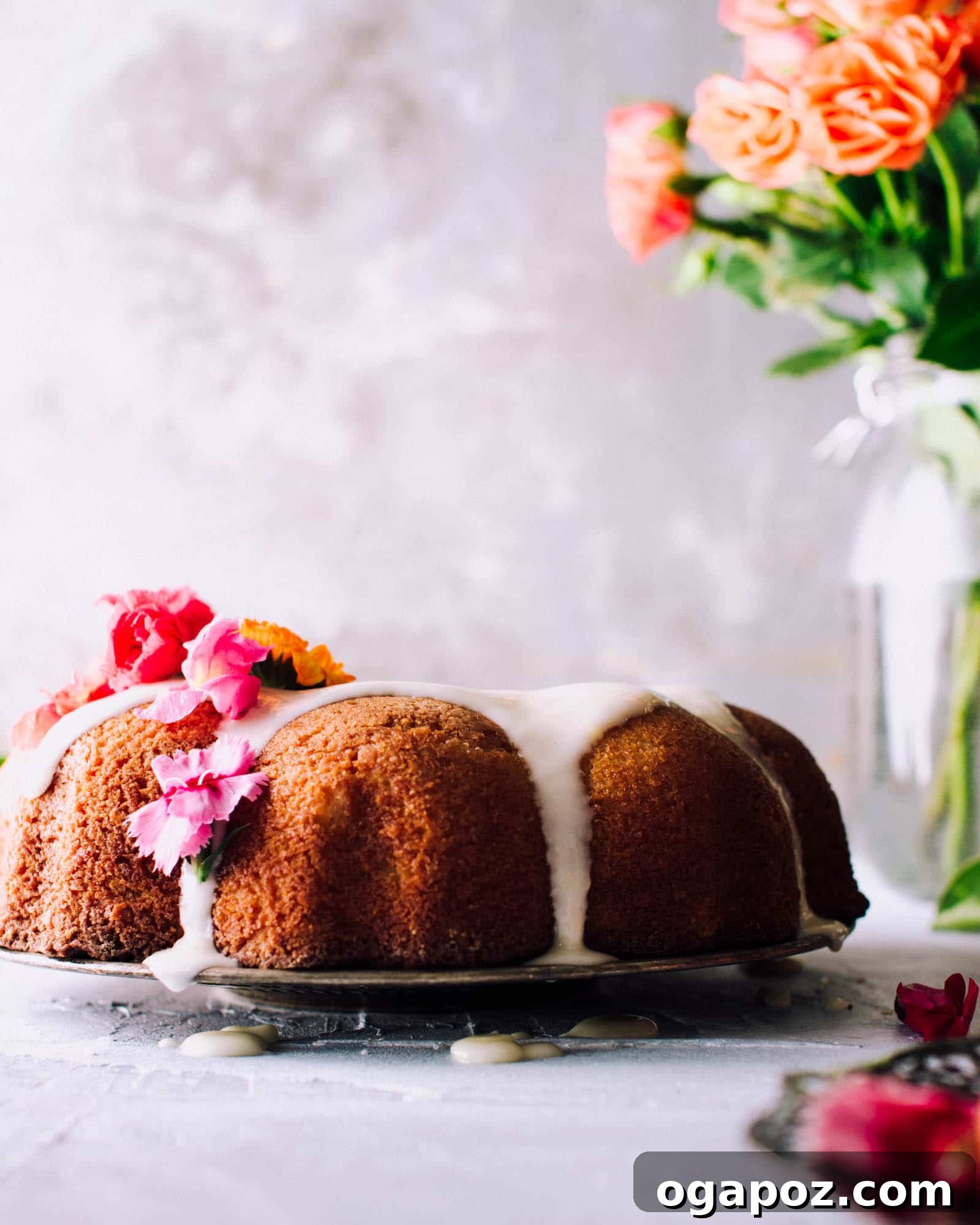
This sunny, delightful orange pound cake is far more than just a dessert; it’s a sensory experience designed to bring joy with every mouthful. Its incredibly moist and tender crumb practically melts in your mouth, delivering an invigorating burst of fresh, sweet orange flavor. The cake’s rich texture is perfectly complemented by its vibrant, tangy, and subtly sweet orange icing, which cascades elegantly down the sides of the Bundt cake, adding both visual appeal and an extra layer of citrusy goodness. It truly is the perfect companion for an afternoon cup of tea, whether you prefer your brew weak and reflective, or strong and energizing.
The Distinct Charm of Orange: Brightness with a Mellow Sweetness
While lemon often takes center stage in the world of citrus baking, orange offers a unique sweetness and aromatic depth that is simply irresistible. The bright, zesty notes derived from fresh orange juice and its fragrant zest infuse this pound cake with a cheerful, sunny disposition, making it an ideal treat for any season. Unlike the pronounced tartness of lemon, orange brings a more mellow, fragrant sweetness that is both comforting and wonderfully refreshing. This characteristic makes it an excellent choice for those who appreciate a vibrant citrus flavor that is lively without being overly sharp.
Mastering the Art of Pound Cake: Essential Baking Tips for Success
A pound cake, in its most authentic form, is a beautiful testament to baking simplicity. Historically, the recipe called for equal parts, or “a pound,” of butter, sugar, eggs, and flour, which gave it its distinctive name. This classic ratio yields a cake with a characteristic dense yet incredibly moist crumb that is both deeply satisfying and elegantly timeless. However, achieving that perfect, consistent texture requires adherence to a few key techniques. Let’s delve into some essential baking tips to ensure your homemade orange pound cake turns out flawlessly every single time.
The Foundation: Properly Creaming Butter and Sugar
One of the most critical initial steps in any pound cake recipe is the proper creaming of butter and sugar. This process is not merely about combining ingredients; it’s fundamentally about incorporating air into the mixture. The air pockets created during creaming are vital for giving the cake its tender texture and a slight lift. Beat the softened unsalted butter and granulated sugar together until the mixture transforms into a light, fluffy, and noticeably pale consistency. This step typically requires a full 3 to 5 minutes of beating in a stand mixer. Resist the urge to rush this process, and remember to pause frequently to scrape down the sides of the bowl. This ensures all ingredients are thoroughly and evenly combined, preventing any sugary pockets or uneven texture.
Incorporating Eggs: The Key to a Smooth Emulsion
Once your butter and sugar mixture is perfectly light and fluffy, it’s time to add the eggs. This should be done gradually, one large egg at a time, beating thoroughly after each addition. This methodical approach allows each egg to fully emulsify into the rich butter mixture. Proper emulsification is crucial for preventing the batter from curdling, which can lead to a greasy or crumbly cake. For best results, ensure your eggs are at room temperature. Room temperature eggs blend more smoothly and evenly into the fat, contributing to a cohesive and tender cake structure.
The Alternating Method: Maintaining Batter Integrity
When it comes to incorporating the dry ingredients (all-purpose flour, baking powder, baking soda, and kosher salt) and the liquid component (orange juice), using the alternating method is key. This technique involves adding the dry mixture and the orange juice in alternating stages, typically starting and ending with the dry ingredients. For example, add 1/3 of the flour mixture, then 1/2 of the orange juice, another 1/3 of the flour, the remaining 1/2 of the orange juice, and finally the last 1/3 of the flour. This method helps to maintain a stable emulsion, preventing the batter from separating and ensuring a consistently tender crumb. When mixing, keep the mixer speed on low and mix just until no streaks of flour are visible. Overmixing at this stage can overdevelop the gluten in the flour, which often results in a tough, chewy cake rather than the desired tender pound cake texture.
Conquering the Bundt Pan: Greasing and Flourishing for a Flawless Release
Bundt cakes are celebrated for their beautiful, intricate designs, but successfully releasing them from the pan in one perfect piece can sometimes pose a challenge. The ultimate secret to a flawless release lies in meticulous pan preparation. Begin by liberally buttering your 10-inch Bundt pan, ensuring that you reach every single nook, cranny, and crevice of its decorative mold. Once thoroughly buttered, lightly flour the entire surface of the pan, tapping out any excess flour. For an even easier and more foolproof method, consider using a baking spray that contains flour. This dual-action preparation creates a non-stick barrier that guarantees your beautifully shaped orange pound cake will release cleanly and effortlessly from the pan, preserving its intricate details.
The Perfect Bake and the Art of Patient Cooling
Bake your orange pound cake in a precisely preheated oven until a wooden skewer or toothpick inserted into the thickest part of the center comes out clean or with only a few moist crumbs clinging to it. Due to their dense nature, pound cakes typically require a longer baking time compared to lighter cakes. Begin checking the cake around the 40-minute mark. If you observe the top browning too rapidly before the center is cooked through, loosely tent the Bundt pan with aluminum foil. This prevents excessive browning while allowing the inside to finish baking.
Once baked, remove the cake from the oven but resist the immediate urge to flip it out of the pan. Allowing the cake to cool in the pan for a crucial 10 to 15 minutes serves a vital purpose: it permits the cake to fully set its structure and steam slightly within the mold. This gentle steaming action significantly aids in its release, preventing any breakage or sticking. After this initial cooling period, carefully cover the Bundt pan with a wire cooling rack and confidently invert the pan, allowing the cake to gently drop onto the rack. If it doesn’t release immediately, a few gentle but assertive taps on the bottom of the pan should do the trick. Crucially, allow the cake to cool completely on the wire rack before attempting to ice it. Patience at this stage is absolutely essential for a beautifully intact and perfectly glazed cake.
The Drip-Worthy Orange Icing: A Zesty, Sweet Crown
While the moist crumb of this orange pound cake is a star in itself, what truly elevates it to an unforgettable dessert is its luscious, drippy orange icing. This remarkably simple yet incredibly flavorful glaze adds another layer of bright citrus notes and a touch of balanced sweetness that perfectly complements the rich, dense cake. Made with just two essential ingredients – confectioners’ sugar and fresh orange juice – it’s effortless to prepare but makes an extraordinary impact on both the taste and presentation of the cake.
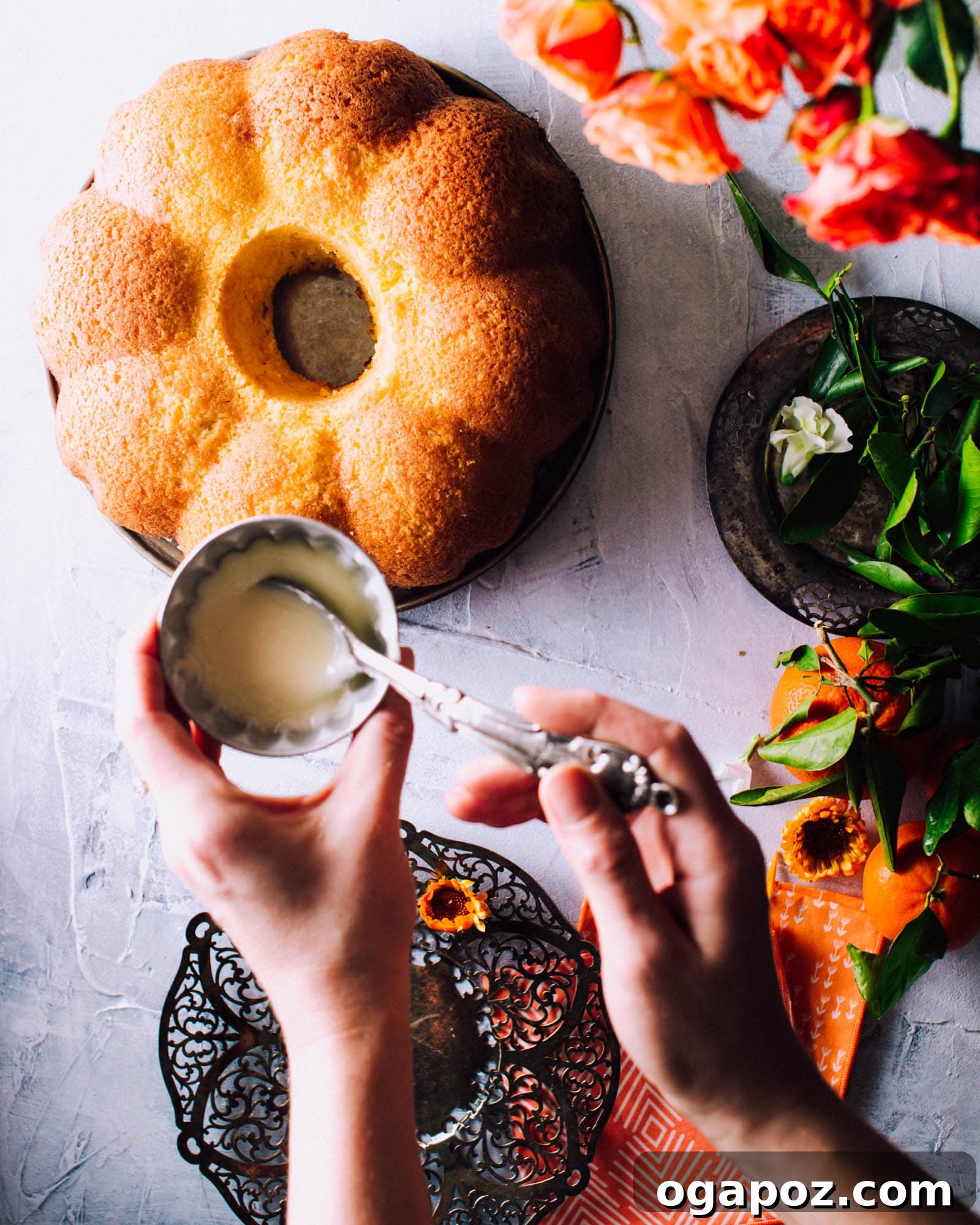
To prepare, simply whisk the confectioners’ sugar with the fresh orange juice in a small bowl until the mixture is completely smooth and achieves a pourable, slightly thick consistency. If the icing appears too thick, add a tiny bit more orange juice, a mere half-teaspoon at a time, until the desired consistency is reached. Conversely, if it seems too thin, whisk in a little more confectioners’ sugar. Once your beautifully baked orange pound cake has cooled completely (this is crucial, as icing a warm cake will result in a messy, melted glaze), carefully transfer it to your chosen serving plate. Then, with a spoon, generously drizzle and pour the prepared orange icing over the top, allowing it to gracefully cascade down the intricate sides and elegantly pool in the center. The visual appeal alone is enough to make mouths water!
Other Irresistible Citrusy Recipes You’ll Love
If you’ve fallen in love with the bright, refreshing, and invigorating flavors of citrus, then you are in for a treat with these other delightful recipes. Whether you’re craving something tangy, sweet, or a perfect combination of both, this curated collection is sure to inspire your next baking adventure and broaden your citrus repertoire. Be sure to explore our comprehensive collection of truly drool-worthy orange dessert recipes for even more inspiration.
- This exquisitely moist Blood Orange Cake, with its striking and naturally vibrant blood orange glaze, offers a beautiful visual appeal and a unique, nuanced flavor profile.
- For those who adore a timeless classic, our beloved Lemon Pound Cake delivers pure, unadulterated lemon perfection in every slice.
- Our indulgent Lemon Curd Cake is an absolute must-try for any true citrus aficionado, boasting layers of rich, creamy lemon curd within a tender cake.
- Perfect for a delightful breakfast, a leisurely brunch, or an anytime snack, these Lemon Blueberry Sour Cream Muffins are incredibly tender, bursting with juicy fruit, and infused with bright lemon zest.
- You simply can’t miss out on these delightful Lemon Curd Cookies – bite-sized bursts of tangy sweetness that are utterly addictive.
- Do you love the irresistible and sophisticated combination of vibrant citrus and decadent chocolate? Our Moist Chocolate Orange Cake is a sublime creation made just for your palate, offering a harmonious blend of flavors.
- This festive and flavorful Cranberry Lemon Cake remains a long-standing favorite among our readers, cherished for its festive flavors, moist texture, and beautiful presentation.
Easy Orange Bundt Cake Recipe
This Easy Orange Bundt Cake recipe is my heartfelt take on a sentimental classic, a nod to the comforting cakes of my childhood. The vibrant orange glaze receives a powerful, fresh citrus punch from simple orange juice, and the cake itself is flawlessly moist and wonderfully tender, guaranteed to bring a smile to your face with every bite. It’s an ideal choice for any occasion that calls for a bright, flavorful dessert.
By: Jennifer Pallian BSc, RD
- Prep Time: 10 minutes
- Cook Time: 1 hour
- Total Time: 1 hour 10 minutes
- Servings: 12 servings
Ingredients
For the Moist Orange Pound Cake:
- 3 cups all-purpose flour
- 1 tbsp baking powder
- 1 tsp baking soda
- 1 tsp kosher salt
- 1 ¾ cup unsalted butter, softened (plus extra for greasing the pan)
- 2 ½ cups granulated sugar
- 4 large eggs, at room temperature
- 2 tsp pure vanilla extract
- 2 cups Tropicana Pure Premium Orange Juice (or your preferred high-quality orange juice)
- Edible flowers to garnish (optional, for a beautiful presentation)
For the Zesty Orange Icing:
- 1 ½ cups confectioners’ sugar
- 3 tbsp Tropicana Pure Premium Orange Juice (or your preferred high-quality orange juice)
Instructions for Baking Your Orange Bundt Cake
- Prepare the Pan: Preheat your oven to 350ºF (175ºC). Generously butter and flour a 10-inch Bundt pan, ensuring you meticulously grease and dust every intricate detail and cranny. This step is absolutely crucial for an effortless and clean release of your finished cake.
- Combine Dry Ingredients: In a large mixing bowl, whisk together the all-purpose flour, baking powder, baking soda, and kosher salt until well combined. Set this dry mixture aside.
- Cream Butter and Sugar: In a stand mixer fitted with the paddle attachment, beat the softened unsalted butter and granulated sugar together on medium-high speed until the mixture is light, fluffy, and noticeably pale in color. This process should take approximately 3 full minutes. Periodically pause the mixer to scrape down the sides and bottom of the bowl, ensuring even creaming.
- Add Eggs and Vanilla: Beat in the large eggs, one at a time, ensuring each egg is fully incorporated into the butter mixture before adding the next. This prevents the batter from curdling. Once all eggs are mixed in, stir in the pure vanilla extract.
- Alternate Dry and Wet: With the mixer speed set to low, gradually beat in 1/3 of the dry flour mixture, followed by 1/2 of the orange juice. Repeat this process once more. Finish by adding the final 1/3 of the flour mixture, mixing just until no streaks of flour remain and the batter is just combined. Be careful not to overmix, as this can lead to a tough cake.
- Fill and Bake: Scrape the prepared cake batter evenly into your thoroughly buttered and floured Bundt pan. Bake for approximately 60 minutes, or until a wooden skewer or toothpick inserted into the center of the cake comes out clean or with minimal moist crumbs attached. Begin checking the cake around the 40-45 minute mark. If the top starts to brown too quickly, loosely tent the pan with aluminum foil to prevent burning.
- Initial Cooling in Pan: Once baked, remove the cake from the oven and allow it to cool in the pan for 10 full minutes. This critical cooling period allows the cake to set its structure and steam slightly, which greatly facilitates a cleaner and easier release from the intricate Bundt mold.
- Final Cooling: After 10 minutes, carefully cover the Bundt pan with a wire cooling rack and confidently flip the pan over, so the cake is inverted onto the rack. If the cake doesn’t immediately release, gently tap the bottom of the pan a few times. Allow the cake to cool completely on the wire rack before proceeding with the icing. Icing a warm cake will cause the glaze to melt and run off.
- Prepare the Orange Icing: While the cake cools, prepare your vibrant orange icing. In a small bowl, whisk together the confectioners’ sugar and 3 tablespoons of orange juice until the mixture is completely smooth and reaches a pourable, yet slightly thick consistency. Adjust the consistency as needed: add a tiny bit more sugar for a thicker icing, or a small splash more juice for a thinner glaze.
- Glaze and Garnish: Once the cake is entirely cool, carefully transfer it to a serving plate. Using a spoon, generously drizzle and pour the prepared orange icing over the top of the cake, allowing it to elegantly drip down the sides and beautifully pool in the center. For an extra touch of beauty and freshness, garnish with edible flowers if desired.
- Serve and Enjoy: Slice and serve this delightful and moist orange pound cake, savoring its tender crumb and invigorating zesty glaze.
Tried this Recipe? We’d Love to Hear From You!
Your baking success and feedback are incredibly important to us! If you’ve tried this Easy Orange Bundt Cake recipe, please consider leaving a comment below. Share your thoughts, tips, or any delightful modifications you made. Your experience helps our community of bakers, and we truly appreciate hearing from you!