
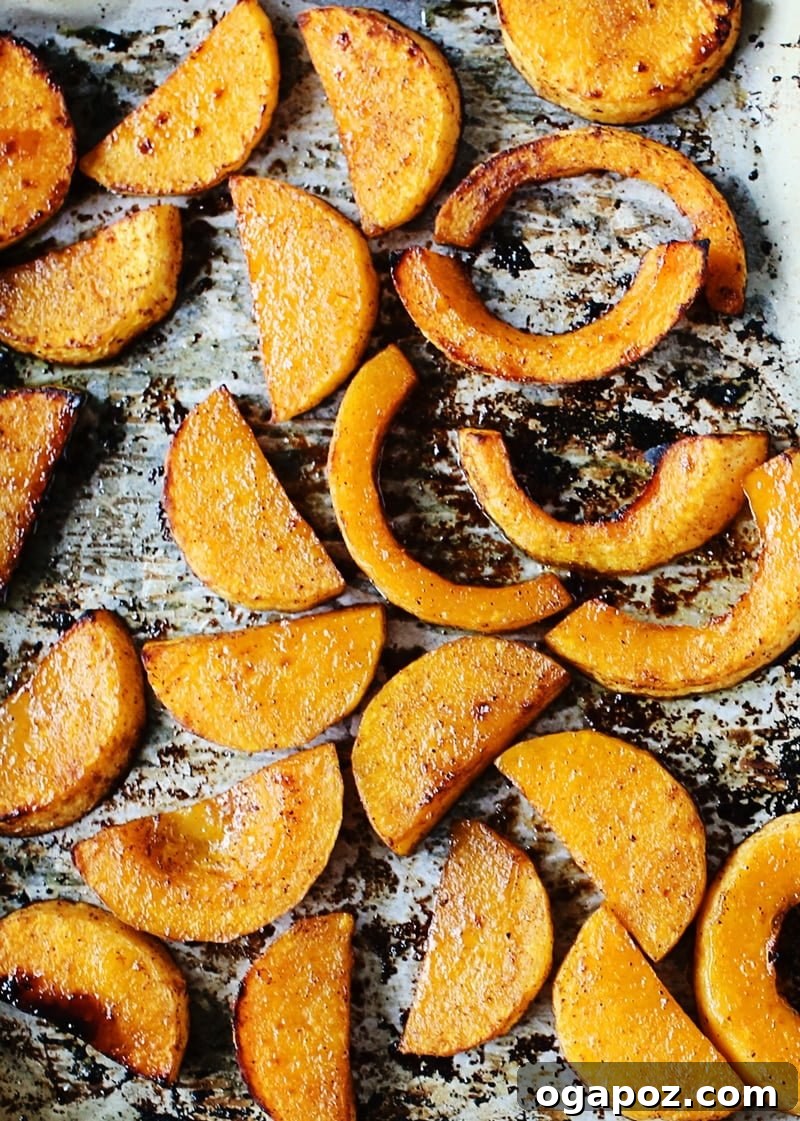
Maple Five-Spice Roasted Butternut Squash: A Symphony of Sweet and Savory Flavors
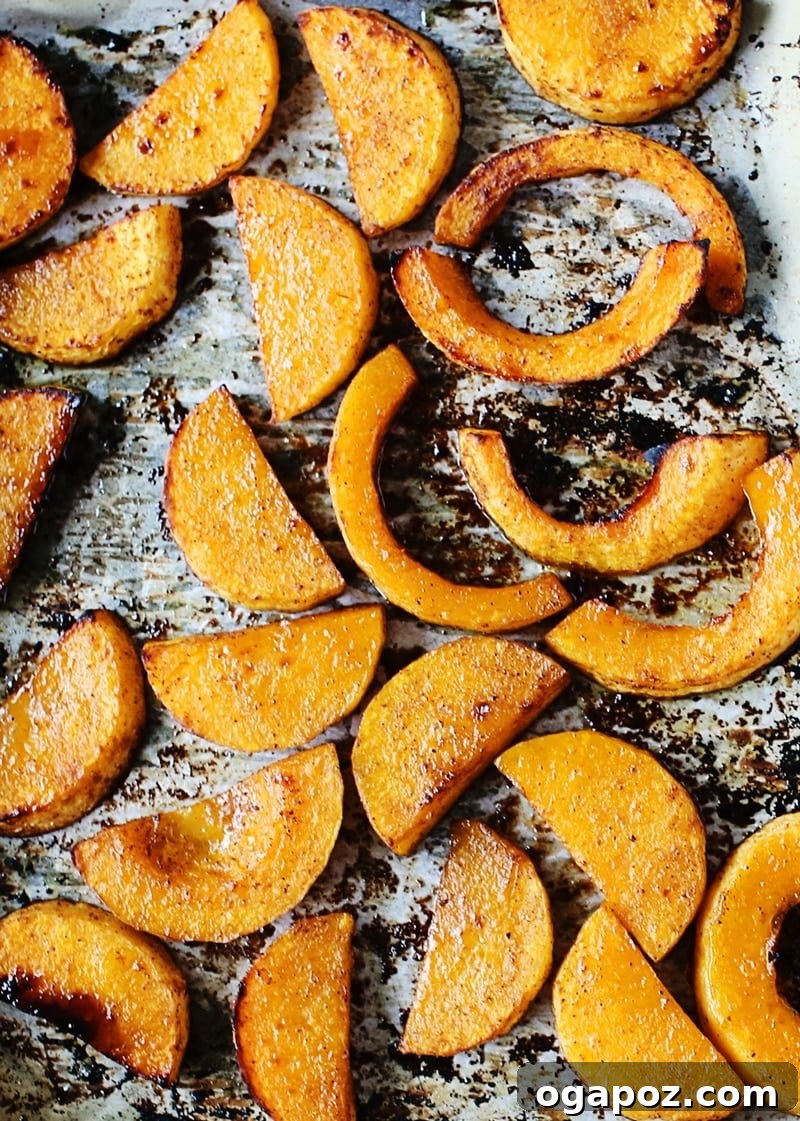
This recipe, featuring the glorious fusion of maple and five-spice with roasted butternut squash, was initially envisioned as a festive holiday side – a perfect companion to traditional turkey and creamy mashed potatoes. However, as often happens during the bustling holiday season, life intervened with its wonderful moments of family and friends, and the recipe’s debut was gracefully postponed. And frankly, that’s perfectly alright!
The truth is, this dish has transcended its potential holiday-specific role to become a beloved, near-weekly staple in my home since early autumn. Its exceptional versatility and undeniable deliciousness mean it’s far too good to be reserved for special occasions. It’s the kind of effortless side dish that elevates any meal, any day of the week, proving that true culinary stars shine bright all year long.
Don’t be fooled by its apparent simplicity. While you might initially skim past the ingredient list, thinking it’s “nothing fancy,” prepare to be enchanted. Somewhere within the golden embrace of melted butter, the rich sweetness of maple syrup, and the tongue-tingling depth of Chinese five-spice powder, a culinary magic unfolds. This combination transforms humble butternut squash into something extraordinary – a caramelized masterpiece that disappears from the serving dish with astonishing speed. It’s a testament to how the right blend of flavors can turn an everyday vegetable into an irresistible treat.
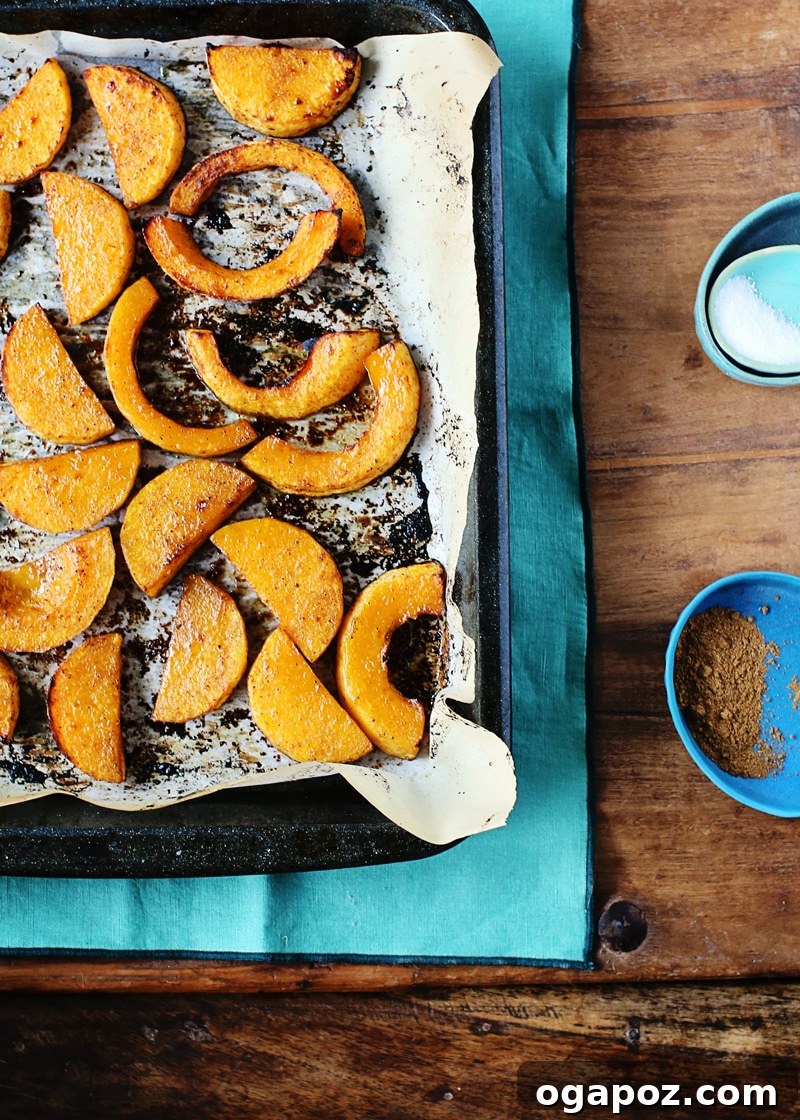
The Nutritional Benefits and Appeal of Butternut Squash
Beyond its incredible taste and adaptability, butternut squash is a nutritional powerhouse. This vibrant orange gourd is a fantastic source of vitamins, minerals, and dietary fiber, making it an incredibly healthy addition to any diet. It’s particularly rich in Vitamin A (in the form of beta-carotene), which is vital for maintaining healthy vision, robust immune function, and skin health. It also provides a good amount of Vitamin C, another essential antioxidant that supports immunity and collagen production.
Furthermore, butternut squash contains potassium, which is important for blood pressure regulation, as well as magnesium, manganese, and a significant amount of dietary fiber. The fiber content aids in digestion, helps regulate blood sugar levels, and contributes to a feeling of fullness, making it an excellent choice for maintaining a balanced diet. Its natural sweetness and creamy texture when cooked make it a delightful and healthy alternative to other starches, capable of being transformed into everything from soups and purées to a spectacular roasted side dish like this one.
Choosing Your Squash: Butternut, Delicata, and Other Alternatives
While the recipe specifically calls for butternut squash, renowned for its creamy texture and robust caramelization capabilities, it’s always good to know your options. I frequently turn to delicata squash as an easier alternative. The primary advantage of delicata is its thin, tender skin, which is perfectly edible. This means you can skip the often-arduous task of peeling the squash entirely, significantly cutting down on preparation time – a major win on busy weeknights!
However, it’s worth noting a subtle difference: delicata squash tends to have a higher water content than butternut, which can sometimes result in a less intense caramelization. While still incredibly delicious and aesthetically pleasing, it might not achieve the same depth of golden-brown crust as its butternut counterpart. Nevertheless, the convenience factor makes it a compelling choice. If you’re feeling adventurous, other winter squashes like acorn or kabocha can also be roasted using a similar method. Acorn squash offers a slightly stringier texture but a lovely sweet flavor, while kabocha provides a dense, almost potato-like texture with a rich, nutty sweetness. Experimentation is key to discovering your favorite!
The Secret Weapon: Unpacking Chinese Five-Spice Powder
The distinctive flavor profile of this roasted butternut squash largely hinges on the aromatic allure of Chinese five-spice powder. This staple blend in Chinese cuisine is a masterclass in balance, designed to incorporate all five fundamental taste elements: sweet, sour, pungent, bitter, and salty (though the ‘salty’ element often comes from other ingredients in a dish, rather than the spice blend itself). The standard components typically include:
- Cinnamon: Provides a sweet, warm, and woody aroma.
- Star Anise: Offers a strong, licorice-like sweetness with a hint of pepper.
- Cloves: Contributes a pungent, warm, and somewhat sweet note.
- Sichuan Peppercorns (or Black Pepper): Delivers a unique citrusy, slightly numbing heat (if Sichuan) or a straightforward piquancy (if black pepper).
- Fennel Seeds: Adds a fresh, anisy sweetness with a hint of earthy bitterness.
This complex blend creates a warming, slightly exotic, and deeply fragrant spice mix that beautifully complements the inherent sweetness of both maple syrup and butternut squash, transforming the dish from simple to sensational.
No Five-Spice? No Problem! Simple Substitutions
Should Chinese five-spice powder not be a resident of your spice rack, fear not! You can still achieve a wonderfully aromatic result with a few common individual spices. A reliable homemade alternative can be crafted by combining a small pinch of ground cinnamon, a pinch of ground fennel seeds or star anise, a tiny dash of ground cloves, and a touch of freshly ground black pepper. While it won’t be an exact replica, this approximation will undoubtedly imbue your squash with a delightful warmth and flavor that will still be incredibly tasty.
Adding a Dash of Zest: The Cayenne Option
For those who appreciate a dynamic interplay of flavors, consider adding a sprinkle of cayenne pepper to the maple-spice mixture. The subtle heat from the cayenne provides a fantastic counterpoint to the sweetness of the maple syrup and squash, adding a gentle warmth and an extra layer of complexity without overpowering the primary flavors. It’s an optional but highly recommended customization for an added zing that truly awakens the palate.
Mastering the Roast: Tips for Perfectly Caramelized Squash
Achieving that coveted tender-on-the-inside, crispy-and-caramelized-on-the-outside texture is the secret to truly outstanding roasted butternut squash. Here are some essential tips to ensure your squash emerges from the oven flawless every time:
- Uniformity in Cutting: The most crucial step for even cooking is to cut your squash into similarly sized pieces, ideally around 1/2-inch thick. This ensures that all pieces cook at roughly the same rate, preventing some from being undercooked while others are overly soft or burnt.
- Don’t Overcrowd the Pan: This cannot be stressed enough! Squash, like most vegetables, needs space on the baking sheet to roast effectively. If the pan is too crowded, the squash will steam in its own moisture rather than caramelize, resulting in a soggy texture. Use two baking sheets if necessary to spread the pieces in a single layer with a little breathing room between them.
- High Heat is Key: Roasting at a high temperature, typically between 400-425°F (200-220°C), is fundamental for developing that beautiful golden-brown crust and tender interior relatively quickly. Lower temperatures will cook the squash but won’t give you the desired caramelization.
- Flip for Even Browning: For consistent caramelization and a wonderfully crisp texture on all sides, make sure to flip the squash pieces halfway through the baking process. This exposes all surfaces to the direct heat of the oven.
- Thorough Mixing of Glaze: Ensure your butter, maple syrup, and five-spice mixture is well combined before brushing it over the squash. A homogeneous mixture ensures that every piece receives an even coating of flavor.
Recipe: Maple Five-Spice Roasted Butternut Squash
Maple Five-Spice Roasted Butternut Squash
By: Jennifer Pallian BSc, RD
This easy-to-make roasted butternut squash is infused with the delightful flavors of maple syrup and Chinese five-spice, caramelized to perfection in the oven for a memorable side dish.
Prep Time: 5 minutes
Cook Time: 25 minutes
Servings: 6
Ingredients
- 1 butternut squash, medium-sized (approximately 2-3 pounds)
- 2 tablespoons unsalted butter, melted
- 1 tablespoon pure maple syrup (ensure it’s real maple syrup for best flavor)
- ¾ teaspoon Chinese 5-spice powder (see notes above for substitution options if unavailable)
- Salt, to taste (kosher salt or sea salt recommended)
- Freshly ground black pepper, to taste
- Optional: A tiny pinch of cayenne pepper for a subtle spicy kick
Instructions
- Preheat your oven to 425 degrees F (220 degrees C). Line a large baking sheet with parchment paper to prevent sticking and for easier cleanup.
- Carefully peel the tough outer skin from the butternut squash using a sturdy vegetable peeler. Once peeled, cut the squash in half lengthwise.
- Using a spoon, thoroughly scoop out all the seeds and fibrous strands from the hollow center of each squash half.
- Lay the squash halves flat-side down on a cutting board. Cut them into approximately 1/2-inch thick pieces. Strive for uniform size to ensure consistent cooking.
- Arrange the cut squash pieces in a single layer on your prepared baking sheet. It is crucial not to overcrowd the pan; if necessary, use a second baking sheet to allow ample space between the pieces, which promotes caramelization rather than steaming.
- In a small, microwave-safe bowl, combine the melted butter, pure maple syrup, and Chinese 5-spice powder. Stir vigorously until all ingredients are well incorporated and the mixture is smooth.
- Brush the maple-spice mixture evenly over all the butternut squash pieces on the baking sheet. Ensure each piece is well coated. Season generously with salt and freshly ground black pepper. If you’re adding cayenne, sprinkle it now.
- Bake the squash for 20-25 minutes, or until it is fork-tender and beautifully caramelized around the edges. For even browning, remember to flip the squash pieces halfway through the baking time (around the 10-12 minute mark).
- Once perfectly cooked, remove from the oven and serve immediately. Enjoy this incredibly flavorful and easy side dish!
Nutrition Information (Approximation per serving)
The following nutritional values are automatically calculated and should be considered approximations. Actual values may vary based on specific ingredients, portion sizes, and preparation methods.
- Calories:
- 91 kcal
- Carbohydrates:
- 15g
- Protein:
- 1g
- Fat:
- 4g
- Saturated Fat:
- 2g
- Polyunsaturated Fat:
- 0.2g
- Monounsaturated Fat:
- 1g
- Trans Fat:
- 0.2g
- Cholesterol:
- 10mg
- Sodium:
- 35mg
- Potassium:
- 448mg
- Fiber:
- 3g
- Sugar:
- 3g
- Vitamin A:
- 13406 IU
- Vitamin C:
- 26mg
- Calcium:
- 64mg
- Iron:
- 1mg
Beyond the Plate: Creative Serving Suggestions
This Maple Five-Spice Roasted Butternut Squash is incredibly versatile and can be much more than just a simple side. While it undeniably shines alongside holiday roasts, turkey, or ham, its unique flavor profile allows it to complement a wide array of dishes:
- Holiday Feast Complement: As originally intended, it’s a show-stopping side for any celebratory meal.
- Weeknight Dinner Elevation: Pair it with simple grilled chicken, pan-seared pork chops, or baked salmon for an effortlessly elegant weeknight meal.
- Salad Topper: Add cooled roasted squash pieces to a mixed greens salad with goat cheese, pecans, and a light vinaigrette for a satisfying and flavorful meal.
- Grain Bowl Star: Combine it with quinoa, farro, or brown rice, along with some roasted chickpeas and a tahini dressing, for a wholesome and hearty vegetarian grain bowl.
- Soup Addition: Stir cooled, chopped roasted squash into a hearty lentil or vegetable soup for added texture and flavor.
- Breakfast or Brunch: Believe it or not, it can be a delightful addition to a savory breakfast hash or alongside scrambled eggs for a unique brunch experience.
Don’t hesitate to explore and integrate this flavorful squash into your favorite dishes; its sweet and savory notes make it surprisingly adaptable.
Storage and Reheating for Culinary Convenience
Leftover roasted butternut squash is a wonderful thing, perfect for meal prep or quick additions to future meals. To ensure it stays delicious, follow these storage and reheating tips:
- Storage: Allow the roasted squash to cool completely to room temperature. Transfer it to an airtight container and store it in the refrigerator for up to 3-4 days. Freezing is also an option; spread cooled squash on a baking sheet to freeze individually, then transfer to a freezer-safe bag for up to 2-3 months.
- Oven Reheating (Recommended): For the best texture, spread the leftover squash in a single layer on a baking sheet. Reheat in a preheated oven at 350°F (175°C) for 10-15 minutes, or until warmed through and the edges begin to crisp up again. This method helps restore some of its original texture.
- Microwave Reheating (Quick Option): If you’re short on time, place the squash in a microwave-safe dish. Heat in 30-second intervals, stirring occasionally, until heated through. Be aware that this method might make the squash a bit softer and less crispy.
- Stovetop Reheating: Gently warm the squash in a non-stick pan over medium heat with a tiny splash of olive oil or butter, stirring occasionally until hot. This can also help to bring back some crispness.
Frequently Asked Questions (FAQs)
- Can I prepare butternut squash ahead of time?
- Absolutely! You can peel and cut the butternut squash up to 24 hours in advance. Store the cut pieces in an airtight container in the refrigerator. This can significantly reduce your prep time just before cooking.
- Is butternut squash difficult to peel and cut?
- It can be, due to its hard skin. For easier peeling, ensure you have a sharp, sturdy vegetable peeler. For cutting, a sharp chef’s knife is essential. You can also microwave the whole squash for 1-2 minutes before peeling; this slightly softens the skin, making it more manageable.
- What if I don’t like Chinese five-spice powder?
- If five-spice isn’t to your taste, there are many other delightful spice combinations for roasted squash. Consider a mix of cinnamon and nutmeg for a sweeter profile, or smoked paprika and cumin for a more savory and earthy flavor. Garlic powder, onion powder, and dried herbs like rosemary and thyme also pair beautifully with butternut squash.
- Can I use a different sweetener instead of maple syrup?
- Yes, you can! Honey or brown sugar are excellent alternatives that will also provide a lovely sweetness and aid in caramelization. Adjust the quantity to your preferred level of sweetness.
- How do I prevent the squash from becoming soggy during roasting?
- The key to preventing soggy squash is to avoid overcrowding your baking sheet. Ensure the squash pieces are spread in a single layer with some space between them. This allows moisture to evaporate and encourages proper caramelization. Also, make sure your oven is fully preheated to the recommended high temperature.
Conclusion: A Recipe You’ll Cherish
This Maple Five-Spice Roasted Butternut Squash is truly more than just a recipe; it’s an invitation to experience a culinary revelation. It masterfully marries the natural sweetness and inherent goodness of butternut squash with the sophisticated warmth of Chinese five-spice and the comforting richness of pure maple syrup. The result is a symphony of flavors that is both deeply satisfying and incredibly versatile.
Easy to prepare, packed with vital nutrients, and universally appealing, this dish is destined to become a cherished staple in your kitchen. Whether it graces your holiday table or brightens a simple weeknight dinner, it promises to impress and delight. So, gather your ingredients, preheat your oven, and prepare to fall in love with roasted squash all over again!
Tried this incredibly flavorful recipe? We’d love to hear about your experience! Please share your thoughts and leave a comment below.