

Warm your soul with this incredibly flavorful and comforting Cauliflower and Potato Curry Recipe. This hearty, plant-based meal stars tender cauliflower and creamy potatoes bathed in a rich, aromatic curry sauce, bursting with a medley of warm spices. It’s a versatile dish that you can easily adapt to your pantry, whether you choose to add chickpeas for extra protein, experiment with other vegetables, or incorporate fresh greens. Perfect for a cozy weeknight dinner or a delightful meal prep option, this curry promises to become a staple in your vegetarian cooking repertoire.

My love affair with the vibrant flavors of yellow curry powder runs deep. It’s a spice blend that effortlessly transforms simple ingredients into something truly extraordinary. This Cauliflower and Potato Curry beautifully showcases its warmth and depth, reminiscent of classic Indian dishes like Aloo Gobi, but with a unique creamy twist.
The magic happens when yellow curry powder, fresh ginger, earthy cumin, golden turmeric, and a hint of chili powder come together. This combination creates an irresistible aroma and a taste profile that is both complex and incredibly satisfying. Beyond this recipe, I frequently turn to curry powder to elevate dishes such as my Slow Cooker Chicken Curry, Slow Cooker Beef Curry, hearty Chickpeas with Curry, the seasonal Pumpkin Curry, savory Curry Meatballs, and even a light Curry Chicken Salad. Each dish benefits from the comforting, multifaceted notes that only a good curry powder can provide.
Finding genuinely flavorful vegetarian options for our weekly dinner rotation is always a priority, and this recipe consistently delivers. If you appreciate the rich, warm embrace of Indian-inspired spices and crave a dish that’s both nourishing and deeply satisfying, then this Cauliflower and Potato Curry is an absolute must-try.
For that extra touch of creaminess, I prefer to stir in a dollop of Greek yogurt towards the end of cooking. Its subtle tang beautifully complements the warm spices. However, for a completely dairy-free and equally luscious alternative, full-fat coconut milk works wonders, yielding a rich coconut curry sauce that is simply divine.
If you’re as big a fan of cauliflower as I am, you’ll definitely want to explore other exciting ways to prepare this versatile vegetable. Don’t miss my vibrant Turmeric Roasted Cauliflower, the intensely flavored Curry Roasted Cauliflower, a unique Cauliflower Potato Salad, or this utterly comforting Creamy Cauliflower Soup. Each offers a distinct way to enjoy cauliflower’s delightful texture and mild flavor.
Why You’ll Adore This Cauliflower & Potato Curry
This isn’t just another curry recipe; it’s a culinary experience designed to delight your senses and simplify your meal planning. Here’s why this cauliflower and potato curry will quickly become a household favorite:
- Unforgettable Flavor Profile: The harmonious blend of curry powder, fresh ginger, cumin, turmeric, and chili powder creates a deeply aromatic and savory sauce that truly sings. Each bite offers a complex dance of warmth and subtle heat, making it incredibly satisfying.
- Nutritious and Wholesome: Packed with nutrient-rich cauliflower and wholesome potatoes, this dish is a powerhouse of vitamins, minerals, and fiber. As a plant-based meal, it’s naturally low in saturated fat and cholesterol, contributing to a healthy diet. It’s also easily adaptable for those following vegan or gluten-free lifestyles.
- Incredibly Versatile: This recipe is a fantastic canvas for customization. You can easily incorporate other vegetables you have on hand, add legumes like chickpeas or lentils for extra protein, or adjust the spice levels to suit your preference. It’s perfect for using up leftover produce and preventing food waste.
- Simple to Prepare: Despite its rich flavors, this curry is surprisingly straightforward to make. With clear, easy-to-follow steps, even novice cooks can achieve impressive results. The initial roasting of vegetables adds depth without much fuss.
- Comfort Food at its Best: There’s something inherently comforting about a warm, spiced curry, especially on a chilly evening. The creamy texture and robust flavors make it the ultimate cozy meal that feels like a warm hug in a bowl.
- Meal Prep Friendly: This curry tastes even better the next day as the flavors continue to meld. It’s an excellent option for meal prepping, providing delicious and nutritious lunches or dinners throughout the week.
Key Ingredients for a Perfect Curry
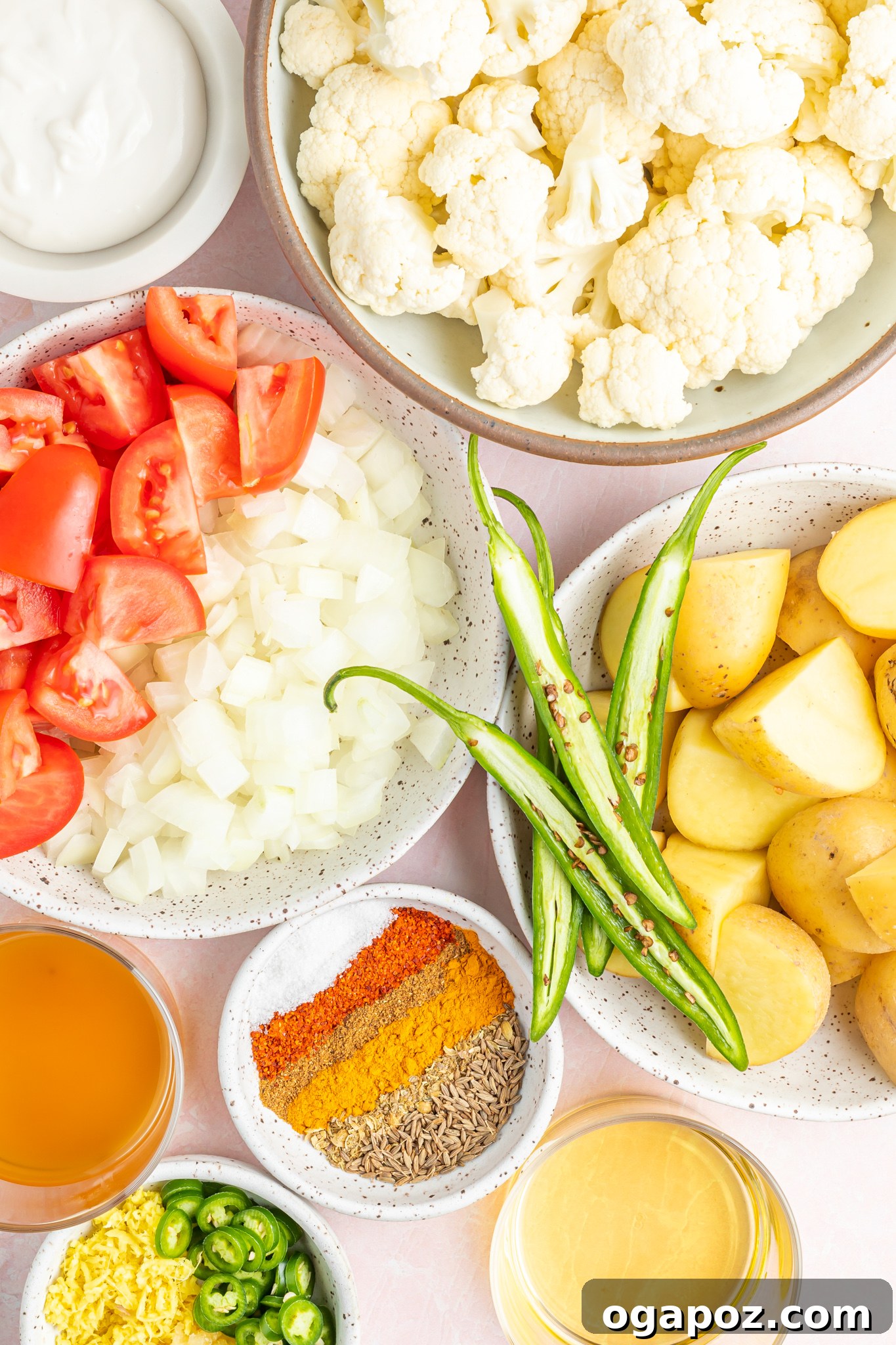
Crafting this delicious cauliflower curry begins with selecting fresh, quality ingredients. Below is an overview of the stars of this recipe, focusing on how each component contributes to the overall flavor and texture:
- Cauliflower: The undeniable hero of this dish. Choose a firm, white head of cauliflower with no brown spots. When cutting into florets, aim for roughly even sizes to ensure they cook uniformly, absorbing the curry sauce beautifully and offering a pleasant bite.
- Potatoes: Adding baby potatoes not only helps to bulk up the curry but also introduces a wonderfully creamy texture that contrasts with the cauliflower. While baby potatoes are ideal for their quick cooking and delicate skin, you can absolutely use other varieties like red potatoes, Yukon Golds, or even sweet potatoes for a different flavor profile. Just ensure all potato pieces are cut to a similar size for even cooking.
- Aromatic Foundation: Onion and Garlic: These humble ingredients are crucial for building the foundational flavor of the curry. Sautéing diced yellow onion until translucent, followed by minced garlic, releases their sweet and pungent notes, creating a fragrant base for the spices to bloom.
- The Heart of the Flavor: The Spice Blend: This is where the curry truly comes alive!
- Curry Powder: A cornerstone of Indian-inspired cuisine, yellow curry powder is typically a blend of turmeric, coriander, cumin, fenugreek, and chili, offering a complex, warm, and slightly earthy flavor.
- Fresh Ginger: Grated fresh ginger adds a vibrant, zesty, and slightly spicy kick that brightens the entire dish. Don’t substitute with dried ginger if possible, as the fresh version offers unparalleled aroma.
- Cumin: Provides a deep, earthy, and slightly smoky aroma that is characteristic of many Indian dishes.
- Turmeric: Beyond its beautiful golden color, turmeric offers a warm, slightly bitter, and peppery flavor, along with powerful anti-inflammatory properties.
- Chili Powder: Adds a gentle warmth and depth of flavor. You can adjust the quantity based on your preferred spice level, or even substitute with a pinch of cayenne pepper for more heat.
- Creaminess Factor: Greek Yogurt or Coconut Milk: To achieve that luscious, creamy sauce, you have two excellent options.
- Greek Yogurt: Stirred in at the end, it adds a lovely tang and richness. Opt for full-fat plain Greek yogurt for the best texture and flavor.
- Full-Fat Coconut Milk: For a dairy-free and richer coconut curry experience, this is the perfect alternative. It imparts a subtle sweetness and a velvety texture, making it ideal for those who prefer a vegan option.
- Tomatoes and Vegetable Broth: Chopped Roma tomatoes provide a fresh, slightly acidic base for the sauce, while vegetable broth ensures the curry has the right consistency and helps all the flavors to meld beautifully during simmering.
- Cooking Oil and Sea Salt: Essential for roasting vegetables, sautéing aromatics, and seasoning the dish to perfection.
- Optional Heat: Serranos: For those who love an extra kick, halving and roasting serrano peppers alongside the vegetables introduces a pleasant, zesty heat to the curry.
Ways to Modify and Customize Your Curry
One of the best aspects of this cauliflower and potato curry is its incredible adaptability. Feel free to get creative and tailor it to your taste preferences or whatever ingredients you have on hand:
- Boost the Protein: To make this dish even more substantial, consider adding plant-based protein sources.
- Chickpeas or White Beans: A can of rinsed and drained chickpeas or cannellini beans can be stirred in with the roasted vegetables, adding fiber and texture.
- Lentils: Red or green lentils would be a fantastic addition. If using red lentils (which cook faster), simmer them directly in the curry sauce until tender before adding the roasted cauliflower and potatoes. Green or brown lentils might require pre-cooking or a longer simmer time with the sauce.
- Tofu or Paneer: Cubed and pan-fried tofu or paneer can be folded into the curry at the end for an extra protein punch and delightful texture.
- Add More Vegetables: This curry is a wonderful way to incorporate extra veggies into your diet.
- Bell Peppers: Sliced bell peppers (red, yellow, or orange) add sweetness and vibrant color. Add them with the onions for a slight char.
- Leafy Greens: Fresh spinach or kale wilts beautifully into the warm curry at the very end, adding nutrients and a pop of green.
- Broccoli or Green Beans: Cut into florets or chopped, these can be roasted alongside the cauliflower and potatoes or added to the sauce to simmer until tender-crisp.
- Carrots or Celery: Diced carrots or celery can be sautéed with the onions to add extra depth and texture.
- Experiment with Different Potatoes: While baby potatoes are suggested, feel free to use your favorite variety.
- Red Potatoes or Yukon Golds: Offer a slightly different texture and flavor profile.
- Sweet Potatoes: For a hint of sweetness and an extra layer of nutritional benefits, sweet potatoes are a delicious alternative. Ensure they are cut into even cubes.
- Adjust the Spice Profile: Customize the heat and aromatic depth to your liking.
- Extra Heat: If you love a fiery kick, add more chili powder, a pinch of cayenne pepper, or a few dashes of your favorite hot sauce.
- Other Warming Spices: A dash of paprika for mild pepperiness, ground coriander for citrusy notes, or a pinch of garam masala (added at the very end) can enhance the authentic Indian flavor.
- Red Curry Paste: For a different kind of curry flavor, consider adding 1 to 2 tablespoons of red curry paste to the sauce along with the other spices.
- Fresh Herbs for Garnish: Beyond cilantro, consider fresh mint for a cooling contrast or a sprinkle of finely chopped green onions.

How to Make This Delicious Cauliflower Curry
Creating this flavorful vegetarian curry is a straightforward process, broken down into a few simple steps. Follow these instructions for a perfect, aromatic meal:
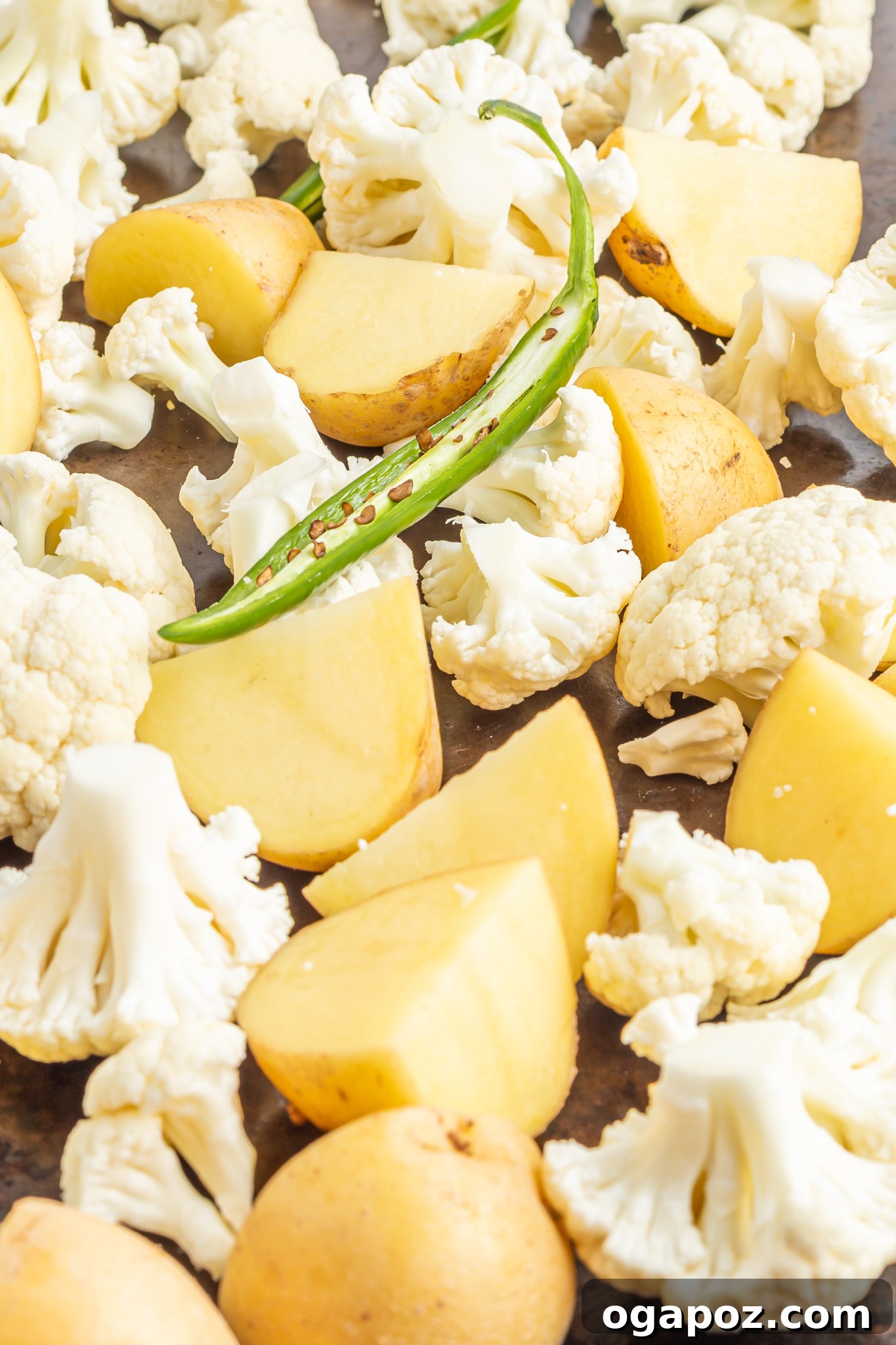
Step 1: Prepare and Roast the Vegetables: Begin by preheating your oven to 425°F (220°C). This high temperature is key for achieving perfectly tender and slightly caramelized vegetables. On a large baking sheet, spread out the cauliflower florets and cubed potatoes in a single layer. If you’re incorporating serrano peppers for an extra kick, halve them and add them to the baking sheet as well. Drizzle everything generously with 1 tablespoon of avocado oil (or olive oil) and sprinkle with ½ teaspoon of sea salt. Toss gently to ensure all vegetables are evenly coated. Transfer the baking sheet to the preheated oven and roast for 20-25 minutes, or until the potatoes are tender and the cauliflower florets show beautiful, lightly charred edges. Roasting adds a depth of flavor that simmering alone cannot achieve. Once done, remove from the oven and set aside.
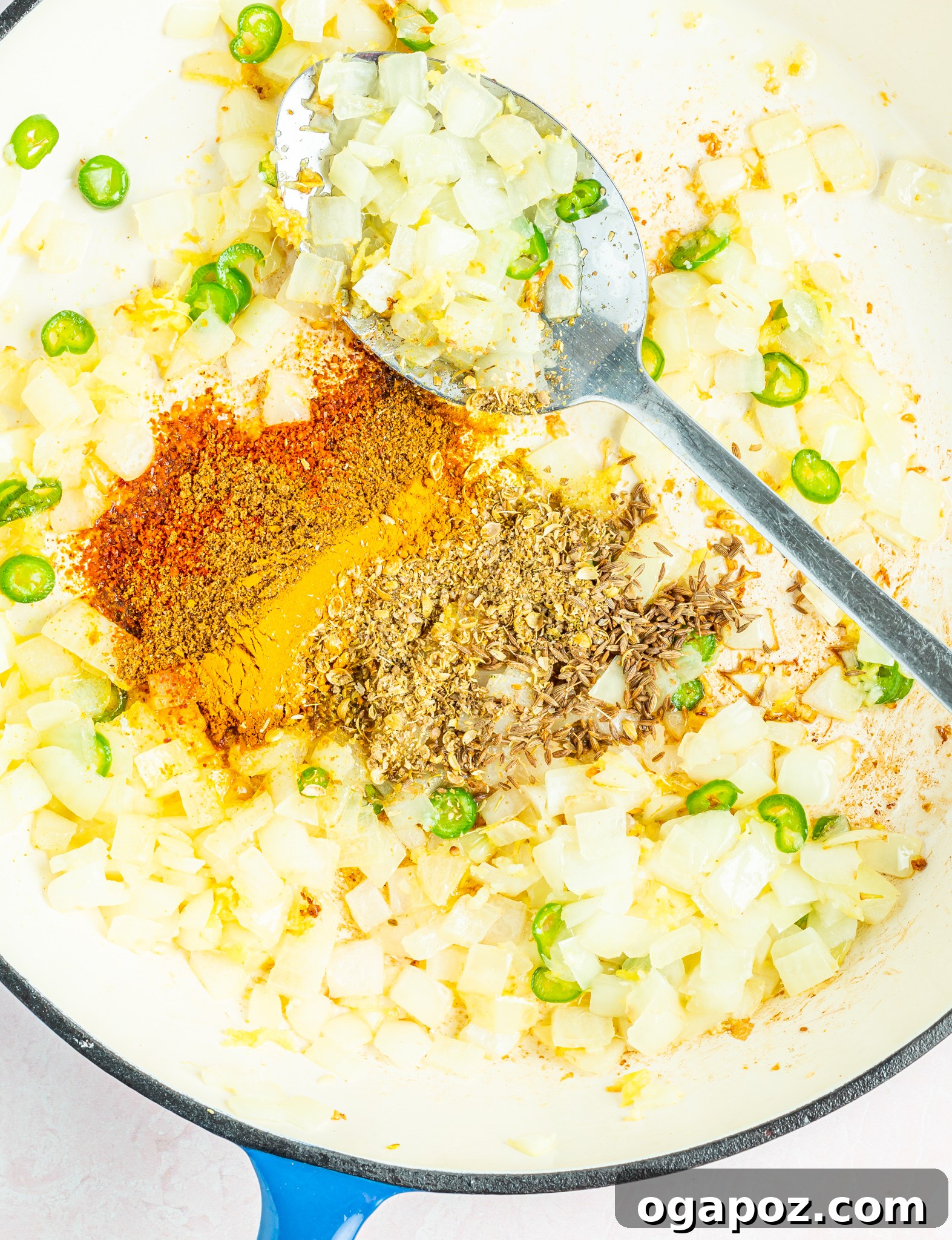
Step 2: Sauté Aromatics and Bloom Spices: While your vegetables are roasting, heat 2 tablespoons of avocado oil (or olive oil/coconut oil) in a large skillet or Dutch oven over medium-high heat. Add the diced yellow onion and sauté for 3-4 minutes, stirring occasionally, until it becomes translucent and slightly softened. Next, add the minced garlic and grated fresh ginger. Cook for another 2 minutes until fragrant, being careful not to burn the garlic. This aromatic base is crucial for the curry’s flavor. Now, it’s time to add the spices: curry powder, cumin, turmeric, and chili powder. Stir them into the onion and garlic mixture and cook for just 1 minute more. This process, known as “blooming” the spices, gently toasts them in the hot oil, intensifying their flavors and aromas significantly.
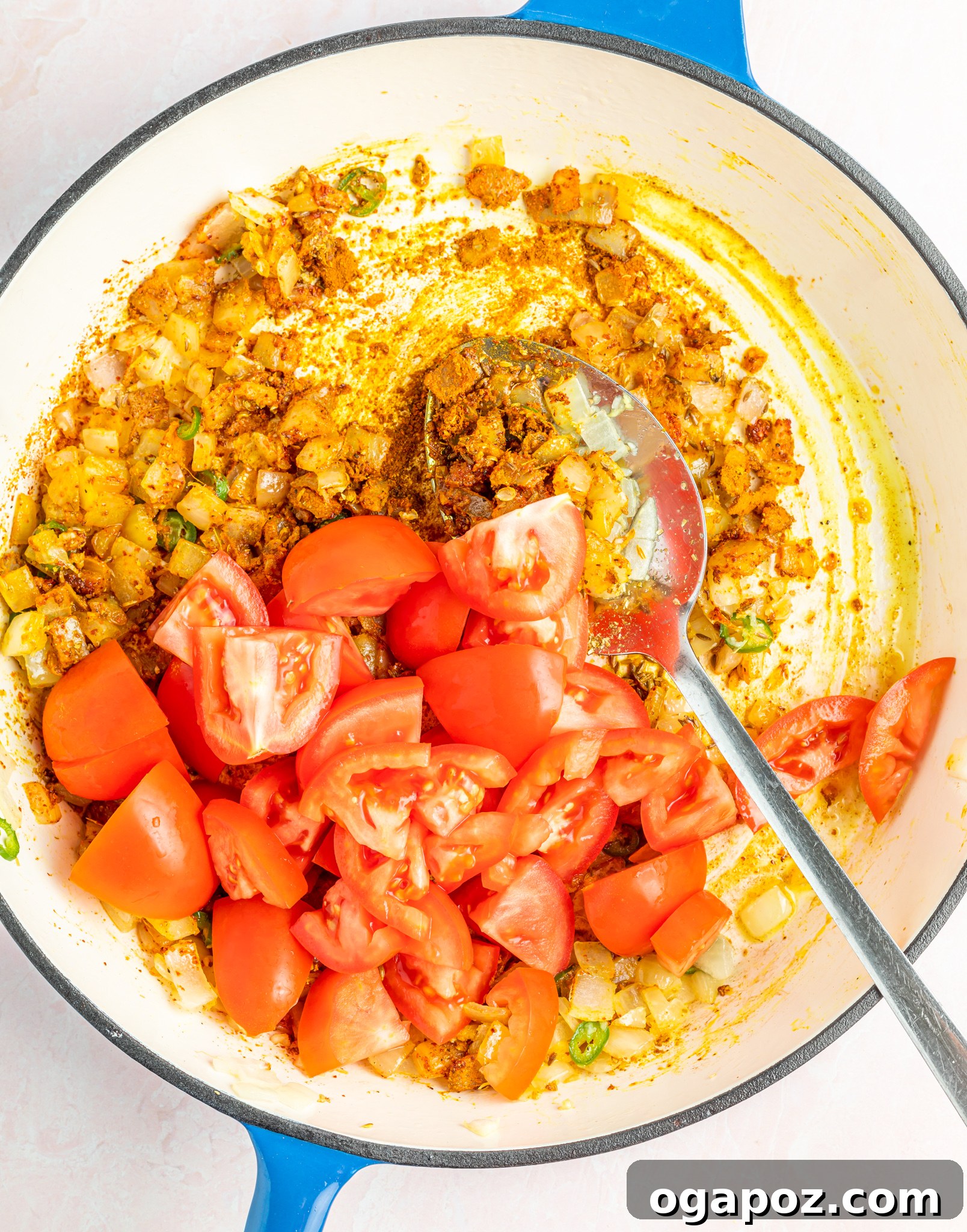
Step 3: Build and Simmer the Sauce: Once the spices are fragrant, add the chopped Roma tomatoes and vegetable broth to the skillet. Stir well to combine all ingredients, scraping up any browned bits from the bottom of the pan. Bring the mixture to a gentle simmer over medium heat. Reduce the heat to low, cover the skillet, and let the sauce cook for 10-15 minutes, or until the tomatoes have broken down and the sauce has thickened slightly, allowing the flavors to meld beautifully. Stir occasionally to prevent sticking.
Step 4: Combine, Cream, and Serve: Finally, gently stir in the roasted cauliflower and potatoes into the simmering curry sauce. Mix thoroughly until the vegetables are well coated. If using, remove the skillet from the heat and stir in the Greek yogurt until fully incorporated, ensuring the curry remains at a low temperature to prevent curdling. Alternatively, if opting for a dairy-free version, stir in the full-fat coconut milk at this stage. Taste the curry and adjust the seasoning with additional sea salt or spices as needed. Garnish generously with fresh cilantro and a dollop of Raita sauce if desired. Serve your homemade cauliflower and potato curry immediately, preferably with a side of fluffy basmati rice or warm naan bread.

Expert Tips for the Best Cauliflower Curry
Achieving a restaurant-quality cauliflower and potato curry at home is easier than you think with these helpful tips:
- Don’t Overcrowd the Pan: When roasting the cauliflower and potatoes, ensure they are spread in a single layer on the baking sheet. If your pan is too crowded, the vegetables will steam instead of roast, leading to a softer texture and less caramelization. Use two baking sheets if necessary.
- Cut Evenly: For both cauliflower florets and potato cubes, strive for uniform size. This ensures even cooking, so you don’t end up with some pieces perfectly tender while others are still hard or overcooked.
- Bloom Your Spices: The step of sautéing the dry spices for a minute in oil before adding liquids is crucial. This process, called “blooming,” awakens their flavors and aromas, leading to a much richer and more complex curry.
- Prevent Curdling of Dairy: If you’re using Greek yogurt, always remove the skillet from direct heat before stirring it in. Gently incorporate it, and if you return it to the stove, keep the heat very low and avoid bringing it to a rolling boil. This prevents the yogurt from separating or curdling. For a coconut milk base, this step is less critical, but a gentle simmer is always best.
- Taste and Adjust: Seasoning is key to any great dish. Always taste your curry before serving and adjust salt, pepper, or other spices as needed. A pinch more chili powder for heat, or a squeeze of lime juice for brightness, can make a big difference.
- Fresh Herbs are a Must: Don’t skip the fresh cilantro garnish! It adds a burst of freshness and a vibrant aroma that perfectly complements the rich, warm flavors of the curry.
- Don’t Rush the Simmer: Allow the sauce to simmer for the recommended time. This gives the tomatoes a chance to break down fully and allows all the spices and aromatics to meld together, creating a harmonious and deeply flavored sauce.
Frequently Asked Questions (FAQ)
The trick to evenly roasted vegetables is to avoid overcrowding your baking sheet. Spread the cauliflower and potatoes in a single layer, ensuring enough space around each piece for proper air circulation. If you have too many vegetables, use two separate baking sheets.
How do I avoid curdling when adding Greek yogurt?
To prevent Greek yogurt from curdling, ensure the curry sauce is no longer at a rolling boil. Remove the skillet from the heat, or reduce the heat to very low, before stirring in the yogurt. Tempering the yogurt by mixing a spoonful of hot curry sauce into the yogurt first, then adding the warmed yogurt back to the pan, can also help.
Can I make this cauliflower curry ahead of time?
Absolutely! This curry tastes even better the next day as the flavors have more time to deepen and meld. Prepare it a day in advance and reheat gently on the stovetop or in the microwave.
How should I store leftovers?
Store any leftover cauliflower curry in an airtight container in the refrigerator for up to 3-4 days. For best results, allow the curry to cool completely before refrigerating.
Can I freeze this curry?
Yes, this curry freezes well. If you plan to freeze it, it’s best to omit the Greek yogurt when initially making the dish. Freeze the curry (without yogurt) in an airtight container for up to 2-3 months. Thaw in the refrigerator overnight, then reheat on the stovetop and stir in fresh Greek yogurt or coconut milk just before serving.
What are the best serving suggestions for this curry?
This cauliflower and potato curry pairs wonderfully with a variety of sides. Classic choices include fluffy basmati rice, brown rice, or even quinoa for a healthier grain option. Warm naan bread or roti is perfect for scooping up the rich sauce. For a cooling contrast, serve it with a side of Raita (cucumber yogurt dip) or a fresh green salad.
Is this recipe vegan?
This recipe can easily be made vegan by substituting the Greek yogurt with an equal amount (or 1 cup) of full-fat coconut milk and ensuring you use vegetable broth. All other ingredients are plant-based.
More Delightful Cauliflower Creations
If you’re looking for more ways to incorporate the versatile and delicious cauliflower into your meals, explore these other fantastic recipes:
Vegetarian
Za’atar Roasted Cauliflower with Yogurt Tahini Sauce
Mediterranean
Air Fryer Cauliflower
Vegetarian
Air Fryer Buffalo Cauliflower
Mediterranean
Mediterranean Chickpea Cauliflower Salad
Tried this recipe? Share your experience by leaving a comment below! For weekly recipe inspiration, subscribe to our newsletter or follow us on Facebook, Instagram, or Pinterest.
Cauliflower Curry Recipe
Julia Jolliff

20 mins
30 mins
50 mins
4 servings
Ingredients
- 1 small cauliflower, cut into florets
- 1 pound baby potatoes, cubed
- 2 serranos, halved (optional, for heat)
- 1 tablespoon avocado oil (or olive oil), for roasting
- 1/2 teaspoon sea salt, for roasting
- 2 tablespoons avocado oil (or olive oil/coconut oil), for sautéing
- 1 yellow onion, diced
- 4 cloves garlic, minced
- 1 tablespoon fresh ginger, grated
- 2 tablespoons curry powder
- 1 teaspoon cumin
- 1 teaspoon turmeric
- 1 teaspoon chili powder
- 3 roma tomatoes, chopped
- 1/4 cup vegetable broth
- 1/4 cup Greek yogurt (or 1 cup full-fat coconut milk for dairy-free)
- 1/2 teaspoon sea salt (or to taste), for the sauce
- Fresh cilantro, for garnish
- Raita sauce (optional, for serving)
Instructions
- Preheat oven to 425°F (220°C).
- Place the cauliflower florets, cubed potatoes, and halved serranos (if using) on a baking sheet. Drizzle with 1 tablespoon avocado oil and sprinkle with 1/2 teaspoon sea salt. Toss to coat evenly.
- Roast for 20-25 minutes, or until the potatoes are tender and the cauliflower is lightly charred. Remove from the oven and set aside.
- While vegetables roast, heat 2 tablespoons avocado oil in a large skillet or Dutch oven over medium-high heat. Add the diced onion and cook for 3-4 minutes until translucent.
- Add the minced garlic and grated fresh ginger. Cook for another 2 minutes until fragrant.
- Stir in the curry powder, cumin, turmeric, and chili powder. Cook, stirring constantly, for 1 minute to bloom the spices.
- Add the chopped tomatoes and vegetable broth to the skillet. Bring to a gentle simmer.
- Reduce heat to low, cover, and cook for 10-15 minutes, or until the tomatoes have broken down into a thick sauce. Stir occasionally.
- Stir in the roasted cauliflower and potatoes.
- Remove from heat and stir in the Greek yogurt (or full-fat coconut milk). Taste and adjust seasoning with more salt or spices if needed.
- Garnish generously with fresh cilantro and serve immediately with Raita sauce, if desired.
Nutrition
Carbohydrates: 32g,
Protein: 6g,
Fat: 12g,
Saturated Fat: 1g,
Polyunsaturated Fat: 2g,
Monounsaturated Fat: 8g,
Cholesterol: 1mg,
Sodium: 687mg,
Potassium: 950mg,
Fiber: 6g,
Sugar: 5g,
Vitamin A: 635IU,
Vitamin C: 66mg,
Calcium: 81mg,
Iron: 3mg
Nutrition information is automatically calculated, so should only be used as an approximation.