
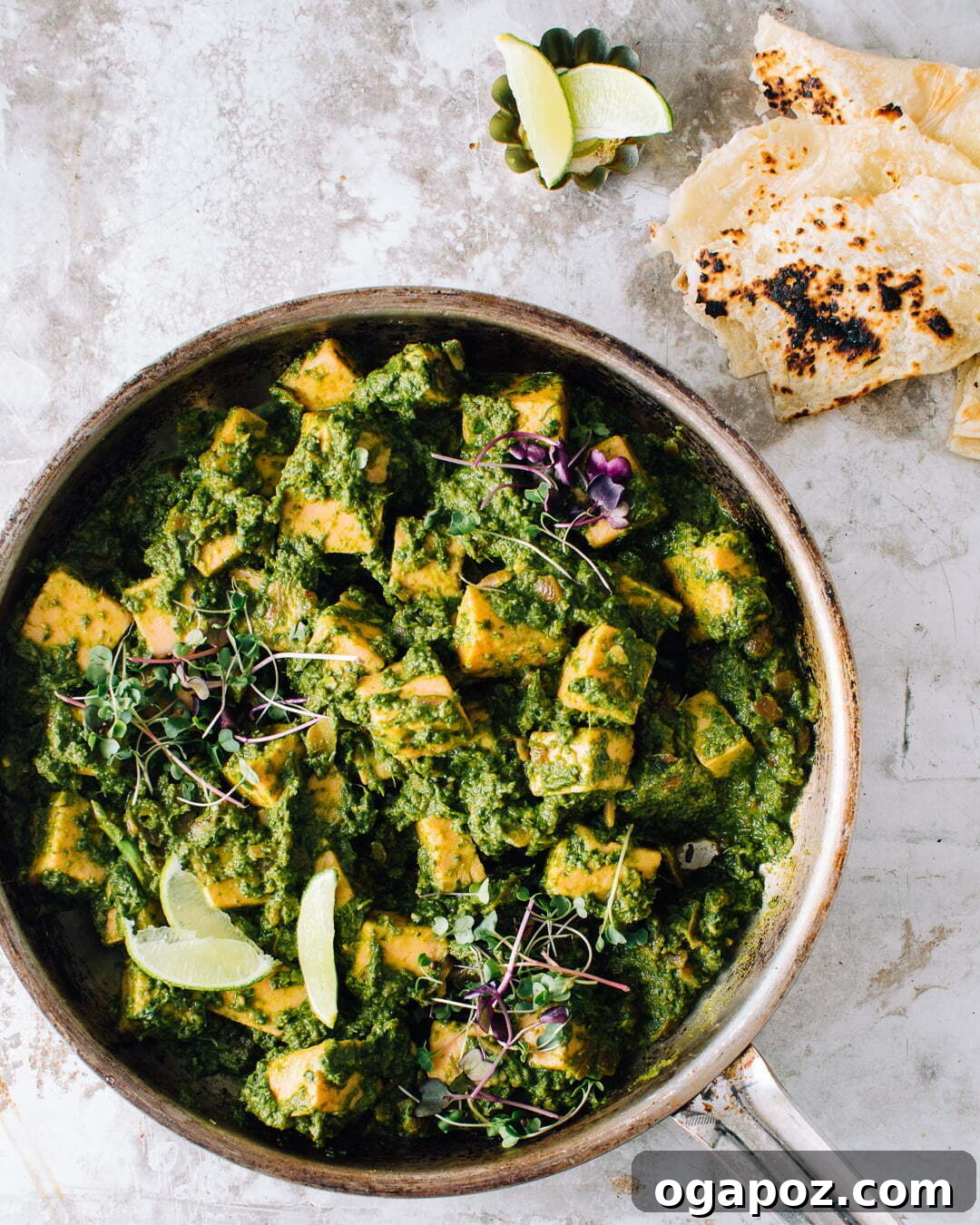
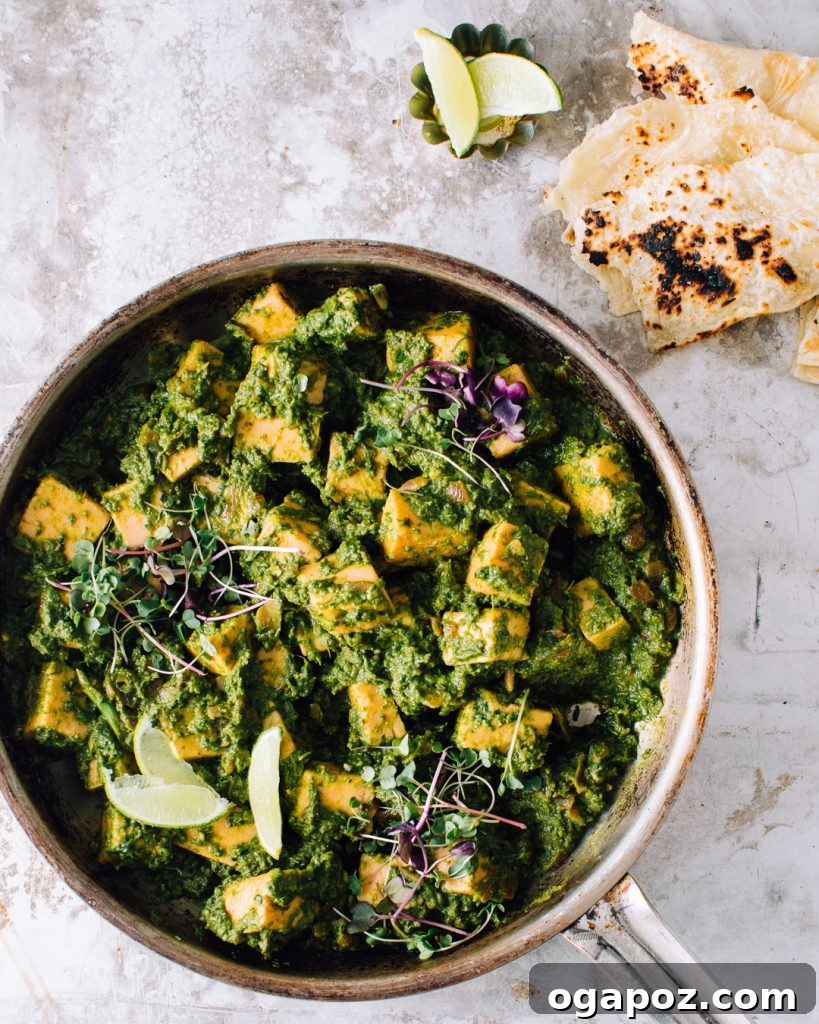
Saag Paneer is a celebrated Indian curry, renowned for its rich flavors, creamy texture, and vibrant green hue. This wholesome dish features tender cubes of paneer, a fresh Indian cheese, simmered in a luscious puree of spinach and often other leafy greens, infused with a medley of aromatic spices. Our authentic and easy-to-follow recipe promises a restaurant-quality experience right in your kitchen, proving that healthy, flavorful Indian cuisine is accessible to everyone. Get ready to transform simple ingredients into a truly unforgettable vegetarian delight, perfect for any meal.
What is Saag Paneer?
Saag Paneer is a healthy, protein-rich vegetarian curry originating from the northern regions of India, particularly popular in Punjabi cuisine. The name itself is beautifully descriptive: “Saag” (साग) broadly translates to ‘greens’ (referring to any leafy vegetables like spinach, mustard greens, or kale), and “Paneer” (पनीर) denotes the traditional Indian cheese used in the dish. It’s a culinary masterpiece that marries the earthy goodness of nutritious greens with the mild, milky flavor and pleasant chewiness of paneer, creating a harmonious blend that tantalizes the taste buds.
Unlike many Indian curries that require hours of slow simmering, Saag Paneer is a relatively quick-cooking recipe, making it an ideal choice for weeknight dinners while still delivering profound depth of flavor. The dish typically involves sautéing finely chopped onions and a fragrant blend of fresh ginger and garlic, alongside essential Indian spices like cumin, coriander, and a touch of turmeric. These aromatics and spices are then puréed with blanched spinach and other chosen greens, creating a thick, vibrant green gravy. The cubed paneer is then gently folded into this flavorful sauce, where it absorbs all the wonderful spices and becomes exquisitely tender and creamy. Its appealing color and delicious taste make it a surprising hit, even with children, who often find themselves eagerly consuming spinach in this delightful form.
Beyond its incredible taste, Saag Paneer is a nutritional powerhouse. Rich in essential vitamins (especially A and K), minerals (like iron and calcium), and protein from the paneer, it offers a balanced and wholesome meal. When paired with traditional Indian flatbreads like naan or fluffy basmati rice, it becomes a complete and satisfying culinary experience. Its widespread popularity extends far beyond India, making it a staple on menus of Indian restaurants worldwide and a cherished dish in countless home kitchens.
Gather Your Ingredients for a Perfect Saag Paneer
Crafting a memorable Saag Paneer begins with selecting the right, fresh ingredients. Each component plays a vital role in building the dish’s complex and layered flavor profile. Before you put on your apron, ensure you have these key items ready to go for a truly authentic taste!
- Leafy Greens: The soul of “saag” lies in its greens. While fresh spinach is the most common base, the beauty of Saag Paneer is its versatility. You can use 100% fresh spinach leaves, or for convenience, frozen spinach works well (simply pour boiling water over it to thaw and wilt before blending). For a richer flavor and a boost in nutrients, consider a vibrant mix with other robust greens such as kale, Swiss chard, the tender tops from a bunch of beets, or traditional mustard greens (also known as sarson, often found in Indian grocery stores). Each adds a unique depth and a delightful, subtle bitterness that complements the creamy paneer beautifully.
- Ghee: Ghee, or clarified butter, is an indispensable fat in authentic Indian cooking. It’s made by simmering butter to separate the water and milk solids, resulting in a rich, nutty, and aromatic golden oil with a high smoke point. Ghee imparts an unparalleled depth of flavor and a silky texture to the curry that regular butter or oil simply cannot replicate. You can find it at Indian grocery stores or many mainstream supermarkets. If true ghee is unavailable, high-quality unsalted butter or your favorite neutral cooking oil can be substituted, though note the flavor profile will differ slightly.
- Onions: As with the foundation of many Indian curries, onions are crucial. They are not merely softened but cooked down slowly and patiently until deeply golden brown and incredibly soft, almost melting into the sauce. This caramelization process unlocks their natural sweetness, providing a perfect counterpoint to the dish’s spices and forming the essential, rich base of the gravy. Patience during this step is absolutely key for a truly flavorful curry.
- Fenugreek (Methi): This distinctive seed, also called methi, is perhaps the most unique spice in this recipe. It boasts a complex flavor profile that is slightly bitter, sweet, and nutty, with an aroma reminiscent of maple syrup when cooked. Fenugreek is a big component of many British and North American “curry powders” (which are distinct from garam masala). If fenugreek powder or seeds are challenging to find, a good quality curry powder can serve as a substitute. Alternatively, a handful of fresh fenugreek leaves (kasuri methi, often dried) can be added with the greens for an authentic, aromatic touch.
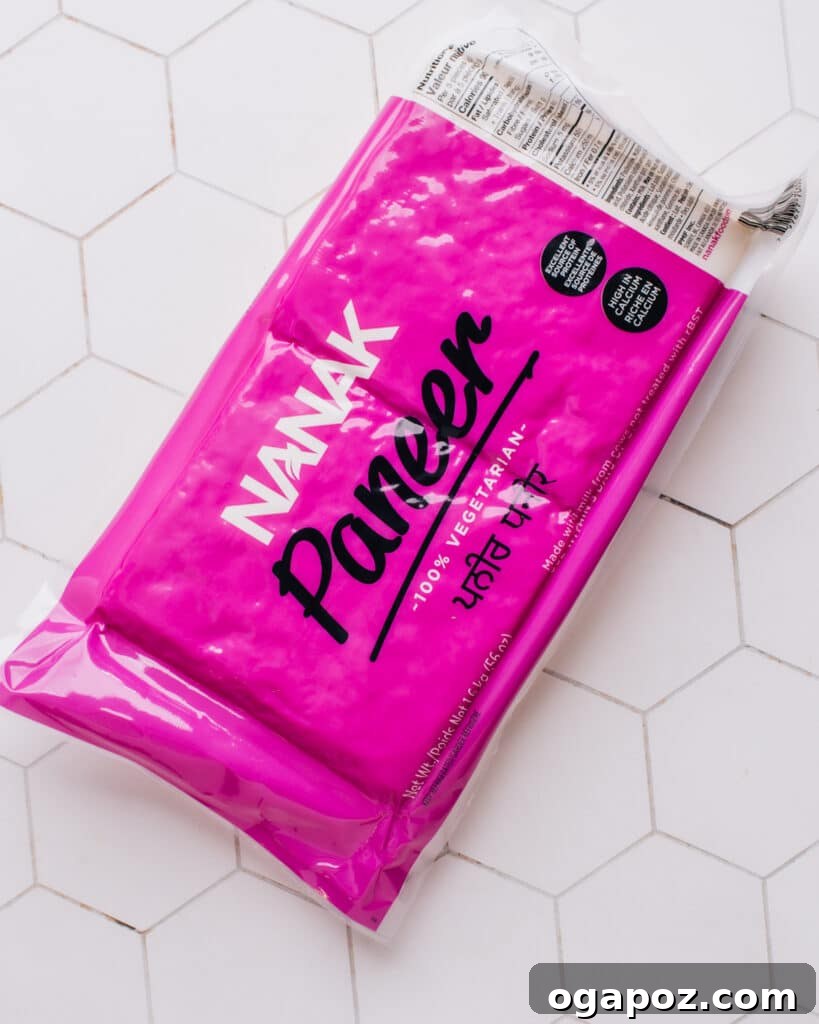
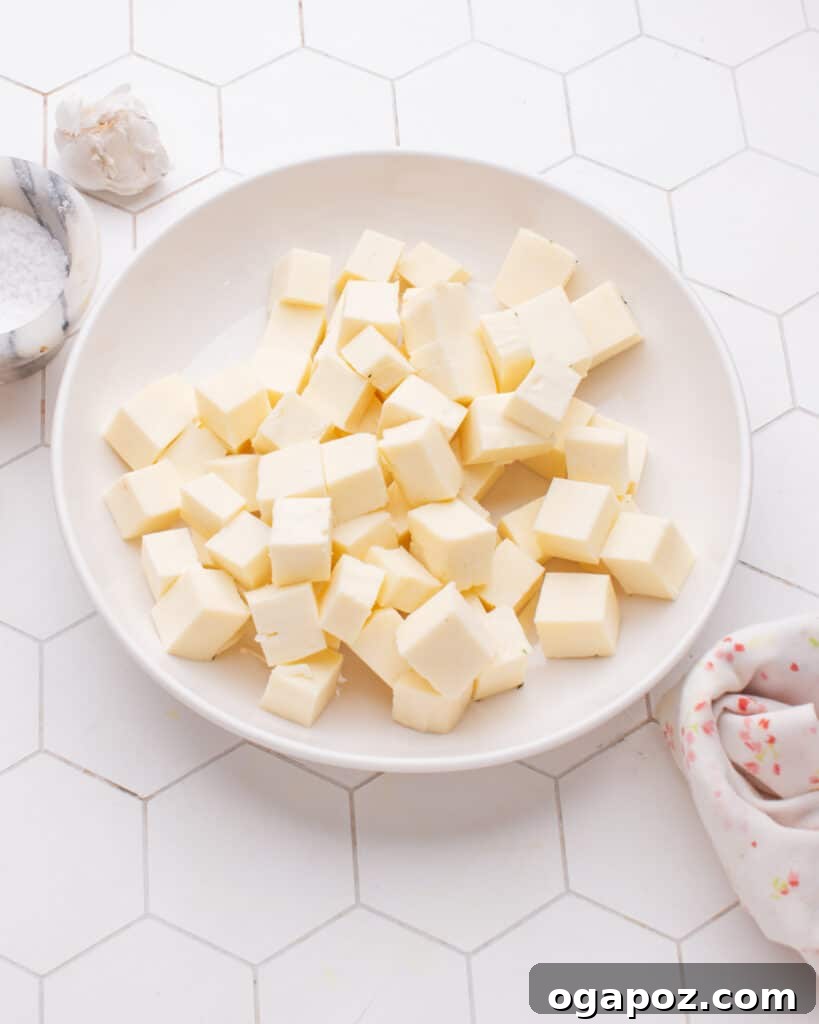
- Cubed Paneer: Paneer is fresh Indian cottage cheese, a firm, non-melting cheese that has gained popularity worldwide and is now readily available in the specialty cheese section of most grocery stores. Its mild, milky flavor and unique texture make it an excellent vehicle for absorbing the surrounding flavors of the curry, becoming tender and creamy within the vibrant sauce. If fresh paneer is unavailable, be sure to check our dedicated section below for excellent, accessible substitutes.
- Cream or Yogurt: A judicious addition of full-fat heavy cream or thick, plain full-fat yogurt (such as Greek yogurt) is crucial for providing a subtle richness and a luxurious, creamy texture to the Saag Paneer. It helps balance the vibrant, sometimes slightly pungent or bitter notes of the greens, rounding out the flavors and contributing to the dish’s decadent mouthfeel. For a lighter touch, you can use less, or for a vegan option, substitute with coconut milk or cashew cream.
- Lemon Juice: A final squeeze of fresh lemon juice is not just a garnish; it’s a vital flavor enhancer. Added at the very end, it brightens the entire dish, providing a tangy zest that perfectly balances the spicy, sweet, and savory elements, making the Saag Paneer utterly irresistible and lifting all the other flavors.
- Essential Aromatics and Spices: Beyond the main ingredients, a classic Indian spice blend brings this dish to life, building layers of complex flavor:
- Ginger: Freshly minced or grated ginger adds a pungent, warm, and slightly sweet aroma that is fundamental to Indian cooking.
- Garlic: Minced garlic provides a foundational savory depth and robustness that is indispensable in almost every Indian curry.
- Cumin: Whether as whole seeds or ground powder, cumin contributes an earthy, warm, and slightly pungent flavor that is characteristic of North Indian cuisine.
- Turmeric: Known for its vibrant golden color and earthy, slightly bitter notes, turmeric also offers numerous anti-inflammatory and antioxidant health benefits.
- Garam Masala: A finishing spice blend, often added towards the end of cooking, garam masala is a mix of roasted and ground aromatic spices (like cumin, coriander, cardamom, cloves, cinnamon, black pepper). It imparts warmth, a complex aroma, and a final flourish to the curry.
Pro Tip for Convenience: Keep fresh ginger and minced garlic on hand by freezing them in small portions. This way, you’ll always have these essential aromatics ready to go, significantly cutting down on prep time for future meals!
Vegan Variation for Saag Curry:
Adapting this delicious Saag recipe for a vegan diet is straightforward with a few simple, yet effective, ingredient swaps:
- Tofu: Replace paneer with an equal amount of firm or extra-firm tofu. For the best texture and flavor absorption, press the tofu to remove excess water, then cube and pan-fry until golden brown and slightly crispy before adding it to the curry.
- Oil: Use a plant-based oil such as coconut oil, vegetable oil, or olive oil in place of ghee or butter. Ensure the oil complements the Indian flavors.
- Coconut Milk or Cashew Cream: Instead of dairy cream or yogurt, use full-fat coconut milk for richness and creaminess, or blend soaked cashews with a little water to create a smooth, luxurious cashew cream.
Can’t Find Paneer? Here are the Best Substitutes
While paneer is becoming increasingly accessible in global markets, if you find yourself without it or simply wish to explore alternatives, several excellent substitutes can work wonderfully in your Saag Paneer. You even have the option to make your own fresh paneer at home with a simple recipe, which often yields the freshest taste and ideal texture!
- Homemade Paneer / Ricotta: Interestingly, paneer is made very similarly to ricotta cheese, but it’s pressed for much longer to remove more liquid until it becomes firm. You can easily create a paneer-like texture from fresh ricotta by straining it thoroughly in cheesecloth or a clean kitchen towel for several hours to remove excess moisture. This will yield a firmer block that can then be cubed and used in your curry, offering a very similar mild, milky flavor.
- Halloumi: This semi-hard, unripened brined cheese has a remarkably high melting point, making it an excellent non-melting substitute for paneer. Halloumi typically has a saltier flavor and a slightly rubbery texture. When substituting, start with about half the quantity of what you would use for paneer to ensure a balanced greens-to-cheese ratio. For the best results, pan-fry or grill halloumi cubes until golden brown before adding them to the curry to develop a delicious crust and soften slightly.
- Feta Cheese: Feta is another suitable option, though it’s considerably saltier and has a distinct crumbly texture. As with halloumi, use a smaller quantity to avoid overpowering the dish with its briny flavor. To incorporate feta, simply nestle the crumbled or cubed feta on top of the finished saag dish and cover the pan for a few minutes to allow the cheese to warm through and soften slightly. Its tangy, salty notes can add an interesting, sharp dimension to the curry.
- Extra-Firm Tofu: For a dairy-free or completely vegan option, extra-firm tofu is an ideal substitute. It readily absorbs flavors and holds its shape well. To prepare, press the tofu to remove as much excess water as possible, then cube it. For added texture and flavor, pan-fry the tofu cubes until golden brown and slightly crispy before gently folding them into the curry.
How to Make Saag Paneer: Step-by-Step Instructions
Follow these detailed steps to prepare a rich, vibrant, and incredibly flavorful Saag Paneer that will impress your family and friends. The key to a truly delicious Indian curry lies in patient cooking and the careful layering of flavors at each stage.
- Prepare the Greens: Thoroughly wash all fresh greens. Place them in batches into a blender or food processor. As you add the greens, drizzle them with the boiling water gradually to help them wilt, allowing you to fit more into the blender. Process until the greens are very finely chopped, creating a coarse puree, but avoid blending until completely smooth or watery. A slightly textured consistency is generally desirable. Set the chopped greens aside.
- Sauté the Onions to Perfection: Heat the ghee or butter in a large, heavy-bottomed pot or Dutch oven over medium heat. Add the chopped onion and half of the salt. Cook, stirring frequently, for about 10-15 minutes, or until the onions are deeply softened, translucent, and caramelized to a rich golden-brown hue. This step is crucial for flavor; if the onions start to brown too quickly, reduce the heat to low. The goal is a low and slow caramelization, which develops a sweet, savory foundation for the curry.
- Infuse with Aromatics: Once the onions have achieved their perfect golden caramelization, add the finely minced ginger and garlic to the pot. Sauté for approximately 1 minute, stirring continuously, until they become fragrant and their aromatic oils release into the ghee. Be careful not to burn them, as this can impart a bitter taste.
- Toast the Spices: Stir in the ground turmeric, cumin, and fenugreek powder (or curry powder) into the onion-aromatic mixture. Cook for another 1 minute, stirring constantly. This critical step, often referred to as “bhuno,” allows the dry spices to gently toast in the hot oil, intensifying their flavors and aromas and integrating them into the curry base.
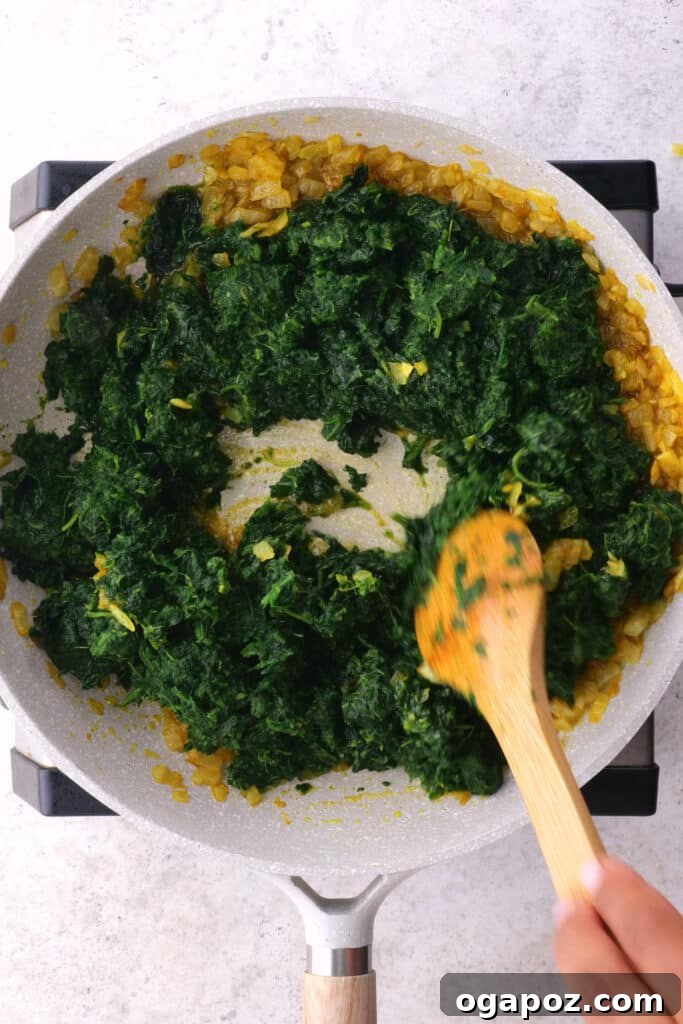
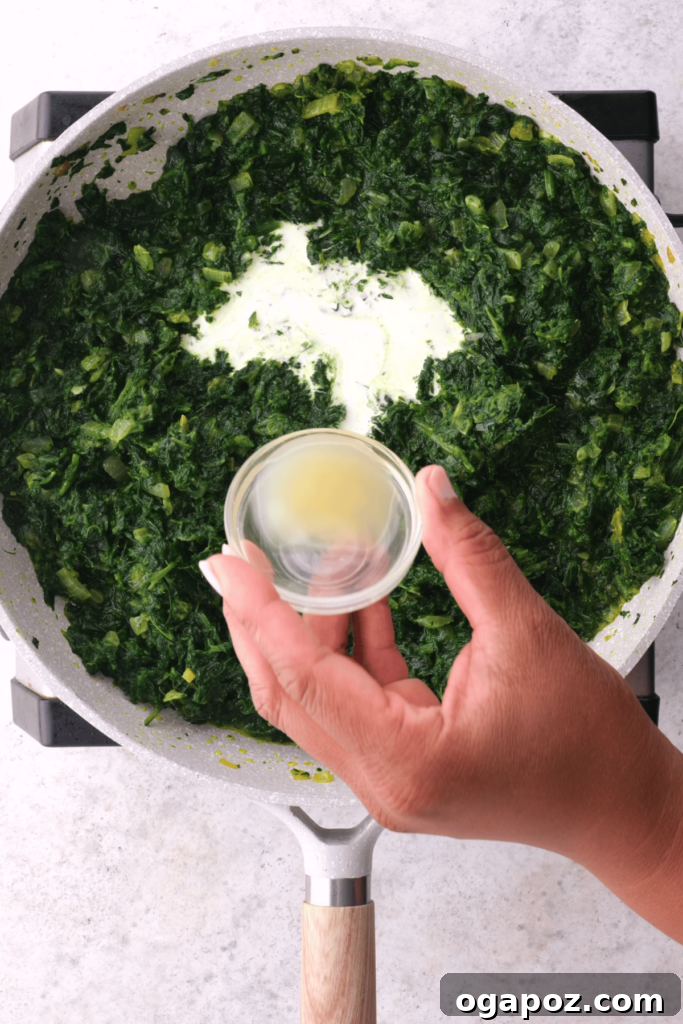
- Combine Greens and Cream: Add the prepared, finely chopped greens to the pot, stirring vigorously to combine them thoroughly with the spiced onion mixture. Bring the entire mixture to a gentle simmer. Once simmering, stir in the heavy cream or full-fat yogurt, the fresh lemon juice, and the remaining salt. Mix thoroughly until all ingredients are well incorporated and the curry achieves a smooth, creamy consistency.
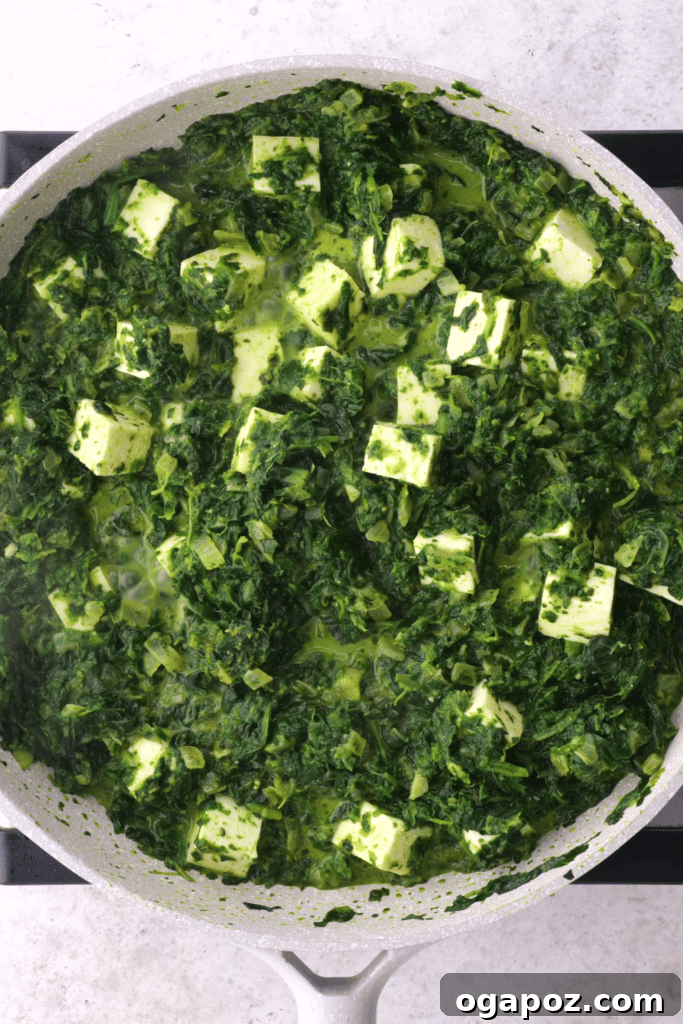
- Add Paneer and Heat Through: Finally, gently fold in the cubed paneer. Allow the curry to simmer for just another 2-3 minutes, which is sufficient time for the paneer to absorb the wonderful flavors and heat through without becoming tough. Avoid overcooking the paneer.
And there you have it! A comforting, flavorful, and incredibly healthy Saag Paneer is ready to be enjoyed. Garnish with fresh cilantro if desired and serve warm with your favorite Indian accompaniments.
Tips and Tricks for the Best Saag Paneer Ever
Achieving a truly exceptional Saag Paneer, one that rivals your favorite Indian restaurant, often comes down to mastering a few fundamental techniques and embracing the philosophy of patience in cooking. The biggest secret to authentic Indian cuisine lies in understanding and respecting the process of flavor development.
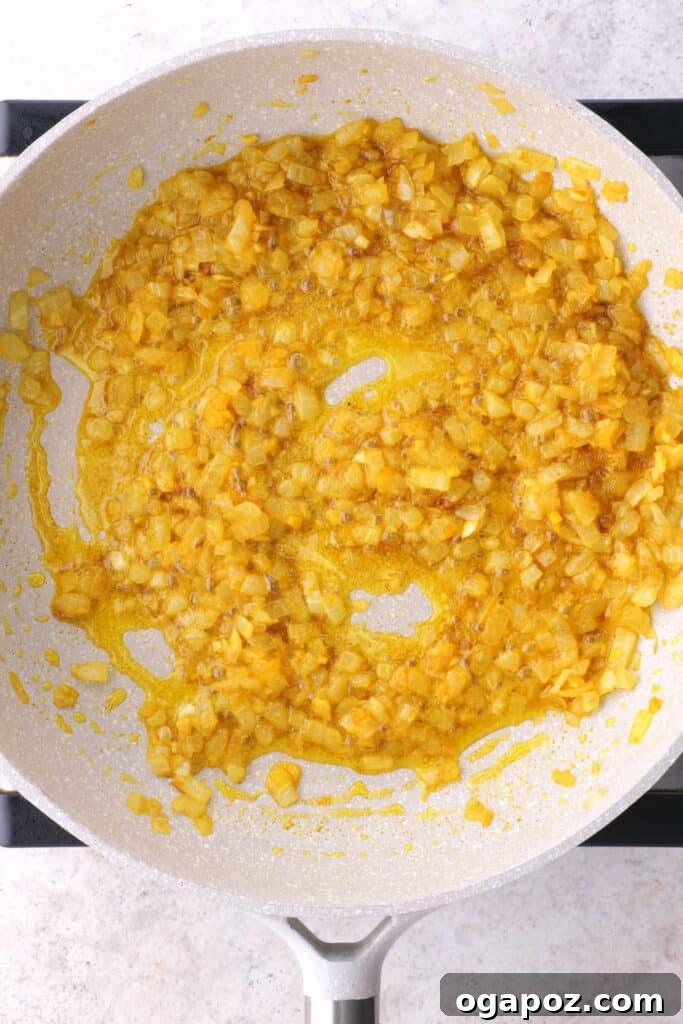
- Master the Onions – The Foundation of Flavor: This tip cannot be stressed enough. Dedicate ample time to cooking the onions. They should not just be softened or lightly browned; the ultimate goal is a deep, rich caramelization. This slow cooking process, which often takes anywhere from 10 to 15 minutes, gently coaxes out their natural sugars, transforming them into a sweet, profoundly rich, and complex base that provides unparalleled depth to the entire curry. If the onions are rushed, the curry will inevitably lack this crucial sweetness and savory complexity, resulting in a less vibrant dish.
- Layer the Aromatics and Spices with Care: Resist the common temptation to throw all the ingredients into the pot at once. Authentic Indian cooking is an art of layering flavors, allowing each component to shine before the next is introduced. First, achieve perfect caramelization with your onions. Next, introduce the fresh ginger and garlic, allowing their pungent and fragrant oils to bloom in the hot ghee. Finally, add the ground spices such as turmeric, cumin, and fenugreek. Each ingredient needs its dedicated moment in the hot oil (and a generous amount of fat, like ghee, is essential for optimal flavor extraction and overall richness) to release its full aromatic potential and integrate seamlessly into the curry.
- Season Thoughtfully and Taste As You Go: A common pitfall in home cooking, especially with complex dishes like curries, is under-seasoning. A curry, particularly one with a rich and layered base like Saag Paneer, requires careful and sufficient seasoning with salt. Salt is not just for flavor; it’s a critical enhancer that makes all other flavors pop. Taste your curry periodically throughout the cooking process, particularly after adding the greens and cream, and adjust the salt level as needed. Properly salted, the flavors will be vibrant and harmonious; undersalted, the dish will taste bland and uninspired.
- Don’t Overcook the Greens: While the greens need to be cooked through until tender, they should not be allowed to become mushy or lose their vibrant green color. A quick blanch (if using fresh spinach before blending) and then a brief simmer in the curry are typically sufficient to ensure they are perfectly cooked while retaining some of their fresh character and nutritional value.
- Embrace Freshness: Whenever possible, prioritize using fresh ginger, garlic, and leafy greens. The difference in flavor between fresh and pre-packaged, pre-minced, or older ingredients is significant and will undoubtedly elevate your Saag Paneer from simply good to truly extraordinary. Fresh ingredients provide a brightness and depth that processed alternatives cannot match.
How to Add Extra Flavor to Your Paneer
While paneer is wonderfully absorbent, it can sometimes be a little bland on its own, especially straight out of the package. Here are two fantastic ways to infuse your paneer with maximum flavor and enhance its texture before adding it to the Saag:
- Marinate It for Depth: For an ultimate flavor boost, cut your paneer into cubes and marinate it for at least 30 minutes, or ideally a few hours, in a simple mixture. A good marinade can include plain yogurt, a pinch of turmeric powder, a touch of red chili powder, and a little salt. This not only imbues the paneer with aromatic spices but also helps to tenderize it, resulting in a more flavorful and succulent cheese in your curry.
- Pan-Fry It for Texture and Taste: Giving the paneer cubes a quick sear is a game-changer. Heat a tablespoon or two of melted ghee or butter in a separate pan over medium-high heat. Add the paneer cubes in a single layer and pan-fry them on all sides until they develop a beautiful golden-brown crust. This process not only adds a delightful textural contrast and a slight chewiness but also enhances the paneer’s inherent nutty flavor. Sprinkle with a little salt as it cooks. Once golden, transfer the pan-fried paneer to a plate and set it aside. You can then continue preparing the curry in the same pan, adding the paneer back in during the final step to ensure it retains its wonderful texture.
How to Serve Saag Paneer for a Complete Meal
Saag Paneer is a wonderfully versatile dish that shines beautifully as a cozy, nutritious, and incredibly satisfying lunch or dinner. Its rich, comforting nature and vibrant flavors make it a perfect centerpiece for a delicious and complete Indian-inspired meal. Here’s how you can best serve it to round out the culinary experience:
Garnish Suggestions for Enhanced Flavor and Presentation: Elevate both the visual appeal and the fresh flavor of your Saag Paneer with thoughtfully chosen garnishes. A generous sprinkle of fresh, chopped cilantro (coriander leaves) adds a burst of herbal freshness. A squeeze of fresh lime juice or a few lime wedges served on the side offers a bright, acidic counterpoint that cuts through the richness of the curry. For those who enjoy a touch of heat, thinly sliced serrano chiles or a delicate drizzle of chili oil can provide a delightful spicy kick. Microgreens can also add an elegant touch and a whisper of peppery freshness.
Traditional Indian Flatbreads: No authentic Indian curry is truly complete without a warm, soft flatbread to perfectly scoop up every last bit of the delicious gravy. These are essential for the full experience:
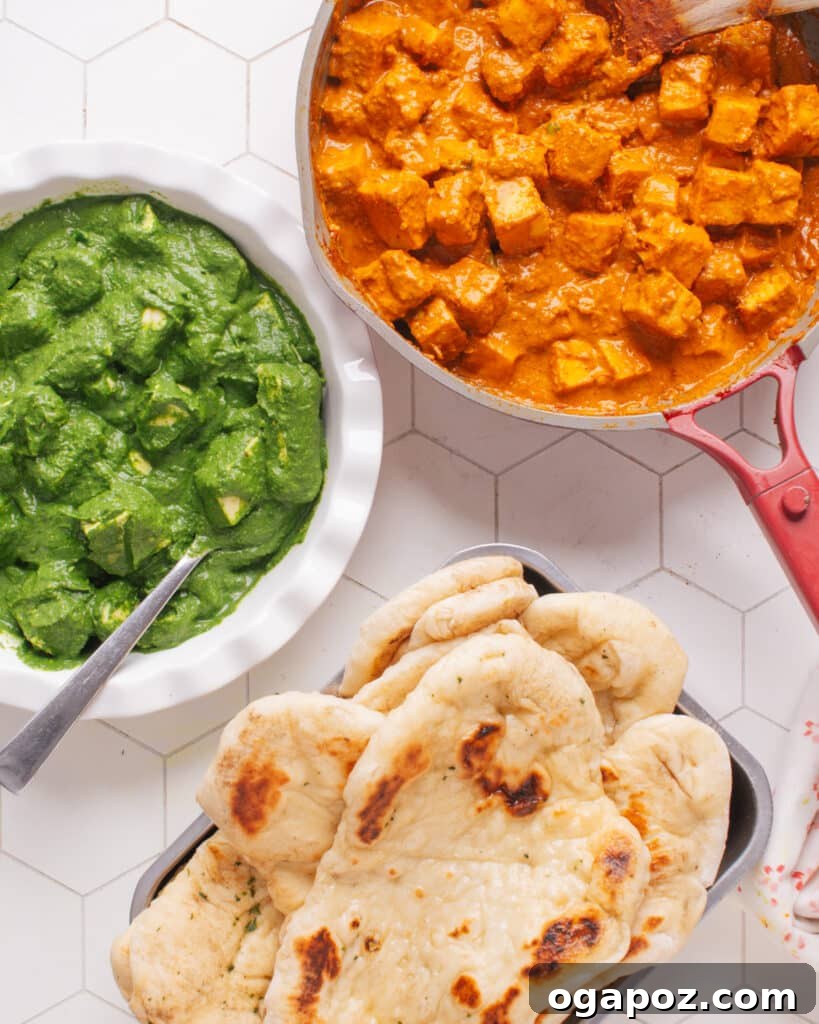
- Naan: This soft, fluffy, leavened flatbread, often brushed with melted butter, is ideal for soaking up the rich, creamy sauce of Saag Paneer. Its slightly chewy texture is a wonderful contrast.
- Paratha: A flaky, layered flatbread that offers a delightful textural contrast with its crispy exterior and soft interior, perfect for enriching the meal.
- Roti or Chapati: These simpler, unleavened whole wheat flatbreads are staples in Indian households and provide a lighter, healthier accompaniment, allowing the curry’s flavors to take center stage.
If you’re short on time and don’t wish to make homemade flatbreads, readily available store-bought regular, whole wheat, or gluten-free wraps can serve as a convenient and acceptable stand-in.
Perfectly Cooked Rice: Fragrant basmati rice is the quintessential pairing for Saag Paneer. Its long, slender grains remain separate and fluffy, absorbing the curry’s complex flavors beautifully without becoming sticky. I highly recommend trying this foolproof basmati rice recipe from my Indian Mother-in-Law; it yields perfectly fluffy, separated grains every single time without the need for precise measurements, making it incredibly easy and reliable.
Refreshing Side Salad: To add freshness, a crunchy texture, and to aid in digestion, consider a simple side salad. A refreshing salad of thinly sliced cucumbers, tomatoes, and red onions, lightly dressed with fresh lemon juice and a hint of olive oil, is a wonderful choice. The natural Vitamin C in the tomatoes and citrus is known to enhance the body’s absorption of iron from the naturally iron-rich greens in the Saag Paneer. For a more substantial and cooling side, an Indian Cucumber Yogurt Salad (Raita) offers a creamy, tangy, and soothing contrast to the robust flavors of the curry.
Frequently Asked Questions About Saag Paneer
Just skimming through? Here are some quick answers to the most commonly asked questions about Saag Paneer and related Indian cuisine topics, providing clarity and deeper insight into this beloved dish.
Saag Paneer and Palak Paneer are indeed very similar dishes, often used interchangeably, but there’s a subtle yet important distinction. “Palak” (पालक) specifically translates to ‘spinach’, so Palak Paneer is, by definition, a spinach-only curry with paneer. “Saag” (साग), on the other hand, is a broader, more inclusive term referring to any leafy green vegetables. This means a true Saag Paneer can utilize a mixture of various nutritious greens, such as spinach, mustard greens, kale, fenugreek leaves, or collard greens, offering a wider flavor spectrum. While many Saag Paneer recipes predominantly feature spinach, the “saag” allows for more culinary flexibility. For a full comparison of ingredients, method, and nutritional aspects, consult our detailed article on: Palak Paneer vs Saag Paneer.
Paneer is a wonderfully mild, milky fresh, and firm cheese. It’s distinctive because it’s a non-melting cheese, holding its shape beautifully when cooked. It’s made simply by boiling whole milk and curdling it with an acidic agent like lemon juice or vinegar. Once the curds separate from the whey, they are carefully strained and pressed into a solid block. The result is a creamy, yet not overly rich, cheese with a subtle tang and a delightful, bouncy texture. Often referred to as Indian cottage cheese, paneer acts as a magnificent, versatile canvas, readily absorbing the bold and aromatic flavors of Indian spices, making it incredibly adaptable in a wide variety of dishes.
Sarson Ka Saag is a very rustic, traditional Punjabi dish with a primary focus on mustard greens (“sarson”), often cooked down with other winter greens like bathua and chaulai, and typically tempered with simple aromatics such as ginger, garlic, and green chilies. It’s known for its heartier texture and a more pronounced bitter, pungent flavor from the mustard greens, often served with a dollop of white butter (makhan) and makki di roti (cornbread). Saag Paneer, while also featuring greens, is generally a creamier and more intricately spiced dish that commonly highlights spinach or a mix of milder greens, and notably includes cubes of paneer, offering a richer and milder profile than the robust Sarson Ka Saag.
The spice level of Saag Paneer is wonderfully adaptable to your personal preference. Traditionally, it tends to have a warm, aromatic, and savory spice profile rather than being intensely hot. Any noticeable heat often comes from the inclusion of fresh green chilies or a touch of red chili powder in the spice blend. You have full control over this – you can easily adjust the quantity of chilies, or omit them entirely for a milder version suitable for all palates, or add more for an extra, invigorating kick. The overall balance of earthy greens, creamy paneer, and fragrant spices typically creates a comforting and satisfying warmth, not an overwhelming burn.
Paneer is widely considered one of the healthier cheese options, particularly within Indian cuisine. It stands out as an excellent source of protein, which is essential for muscle building, repair, and promoting a feeling of satiety. It also provides a significant amount of calcium, vital for maintaining strong bones and teeth. Compared to many aged or processed cheeses, paneer typically has a lower sodium content and is often made with fewer additives. Its fresh, unripened nature and simple preparation contribute to its high nutritional value, making it a wholesome and beneficial addition to a balanced and healthy diet.
In the USA, paneer is most commonly and widely referred to by its authentic Indian name, “paneer.” It has gained significant popularity in recent decades and is readily recognized and available in most large supermarkets, specialty grocery stores, and certainly in all Indian markets under this very name. Occasionally, it might also be encountered under alternative labels such as “Indian cottage cheese” or “fresh Indian cheese,” but “paneer” remains its primary and most widely accepted designation across the country.
Explore More Delicious Vegetarian Indian Recipes from Adarsh:
If you’ve loved preparing and savoring this Saag Paneer, be sure to delve into our extensive collection of more delicious Indian vegetarian dishes. From rich and creamy paneer curries to comforting lentil dals, there’s a world of vibrant flavors and authentic recipes waiting to be discovered in your kitchen!
- Don’t miss our exquisite restaurant-style Palak Paneer recipe for a classic and beloved spinach-only paneer experience that’s a true crowd-pleaser.
- For more creamy and indulgent paneer creations, explore our recipes for Butter Paneer, offering a rich tomato-based gravy, and the luxurious Malai Kofta, a dish featuring delectable paneer and potato dumplings in a rich sauce.
- Dive into the comforting and nourishing world of Indian dals with our recipes for Madras Lentils, a hearty and flavorful stew, Curried Lentils with Coconut Milk for a tropical twist, and the wholesome, easy-to-make Masoor Dal.
- Our family’s personal favorite, the robust and aromatic Indian Chickpea Curry Recipe (Chana Masala), is an absolute must-try for any chickpea lover.
- Discover delightful and versatile potato dishes with our recipes for Aloo Gobi (potatoes and cauliflower stir-fry) and the comforting Potato Curry, perfect as a side or main.
Beyond our vegetarian treasures, if you appreciate classic Indian recipes, you might also enjoy expanding your culinary repertoire with our almost-famous Chai Tea, the universally popular Butter Chicken, savory and crispy Potato Samosas, and the rich, creamy Chicken Korma recipes, all designed to bring authentic Indian flavors to your table.
For an even more extensive exploration of paneer, make sure to check out My ultimate paneer recipe collection, featuring over 52 of the most delicious and diverse paneer recipes available on the internet.

Saag Paneer (Indian Greens and Cheese)
Video Tutorial
Watch our video tutorial for a visual guide on preparing this delicious Saag Paneer.
Ingredients
- 1 lb spinach (Or a mix of spinach with other greens like kale, Swiss chard, mustard greens)
- 1 cup boiling water
- 4 tbsp ghee or butter (for a vegan option, use cooking oil)
- 1 medium onion chopped
- 1 inch piece of ginger finely minced or grated
- 2 cloves garlic minced
- ¼ tsp turmeric powder
- ½ tsp ground cumin
- 1 tsp fenugreek powder or curry powder (ensure it’s not garam masala)
- 3 tbsp heavy cream or full-fat yogurt (use full-fat coconut milk or cashew cream for vegan)
- 2 tsp fresh lemon juice
- 1 tsp salt or more, to taste
- 12 oz paneer cut into 1/2 inch cubes (or extra-firm tofu for vegan)
Instructions
-
1. Place greens in a blender or food processor a little at a time, drizzling it with the boiling water as you go so it wilts and you can fit it all in. Process until very finely chopped, but not puréed. Set aside.
-
2. Heat ghee or butter in a large pot or Dutch oven over medium heat. Add chopped onion and half the salt; cook, stirring often, until very soft and golden. Reduce the heat if onions are browning too quickly – low and slow is the goal for caramelization.
-
3. Add the minced ginger and garlic and cook until fragrant, about 1 minute.
-
4. Stir in the turmeric, ground cumin, and fenugreek powder (or curry powder) and cook for 1 minute more, allowing the spices to bloom in the hot fat.
-
5. Stir in the chopped greens, bring to a gentle simmer, then add cream or yogurt, fresh lemon juice, and the remaining salt. Mix thoroughly to combine all the flavors.
-
6. Gently stir in the cubed paneer and heat through for 2-3 minutes, just until the paneer is warmed and has absorbed the curry’s flavors. Avoid overcooking the paneer. Serve warm.
Notes
A trick to make store-bought paneer tastier: Commercial paneer can sometimes vary in salt and flavor content, often tasting bland. To significantly boost its flavor and improve its texture, cube the paneer and sauté it first in a tablespoon or two of melted butter or ghee over medium-high heat until all sides are beautifully golden. Sprinkle with a little salt as it cooks to enhance its natural taste. Once done, transfer it to a plate and set aside, adding it back to the curry only in the final step of the recipe. This method creates a delicious crust and a more flavorful paneer.
Nutrition Information (Approximate per serving)
|
Carbohydrates: 11g
|
Protein: 17g
|
Fat: 41g
|
Saturated Fat: 25g
|
Polyunsaturated Fat: 1g
|
Monounsaturated Fat: 5g
|
Cholesterol: 107mg
|
Sodium: 692mg
|
Potassium: 462mg
|
Fiber: 4g
|
Sugar: 2g
|
Vitamin A: 13467IU
|
Vitamin C: 9mg
|
Calcium: 575mg
|
Iron: 3mg
Nutrition information is automatically calculated and should only be used as an approximation. Individual results may vary based on exact ingredients and preparation methods.