
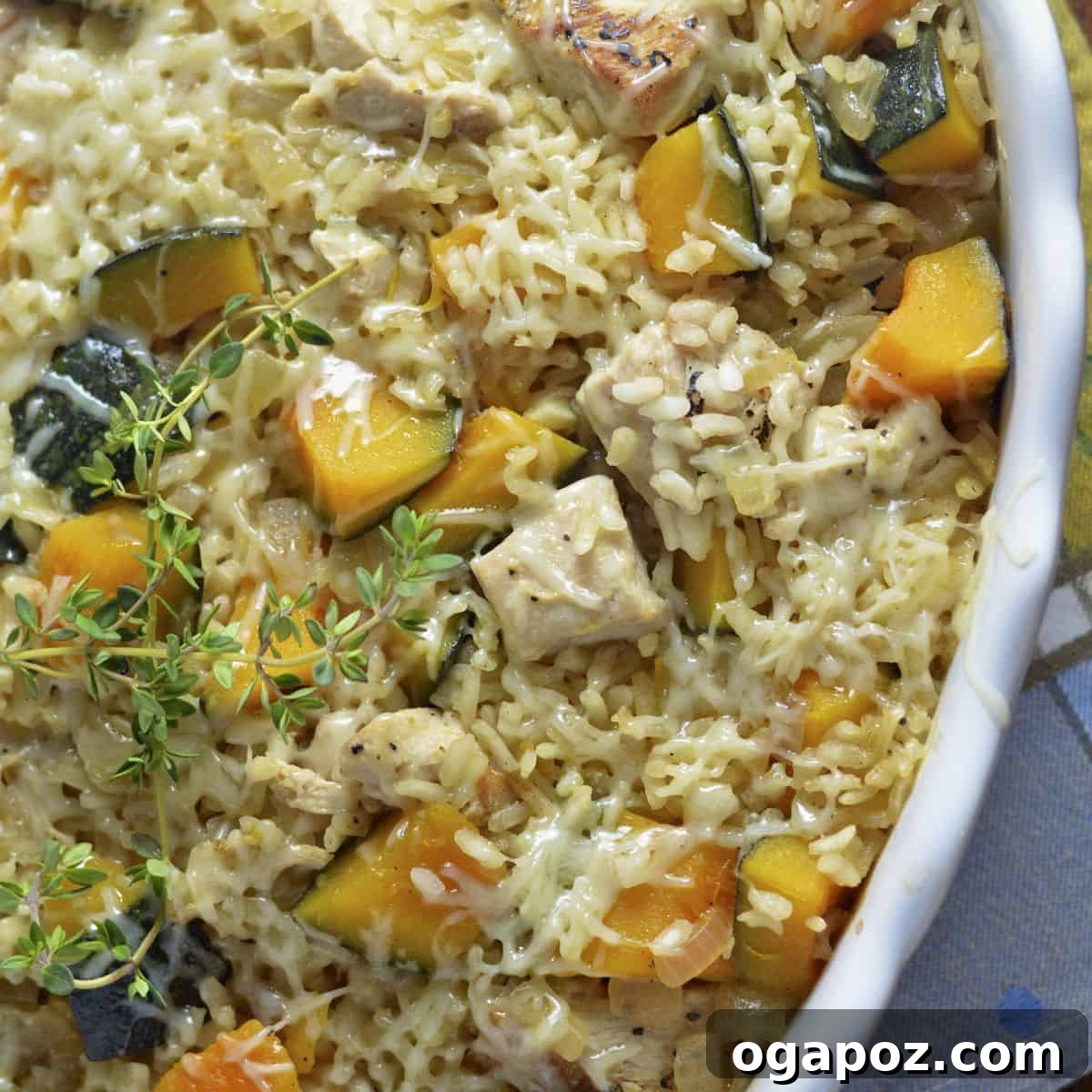
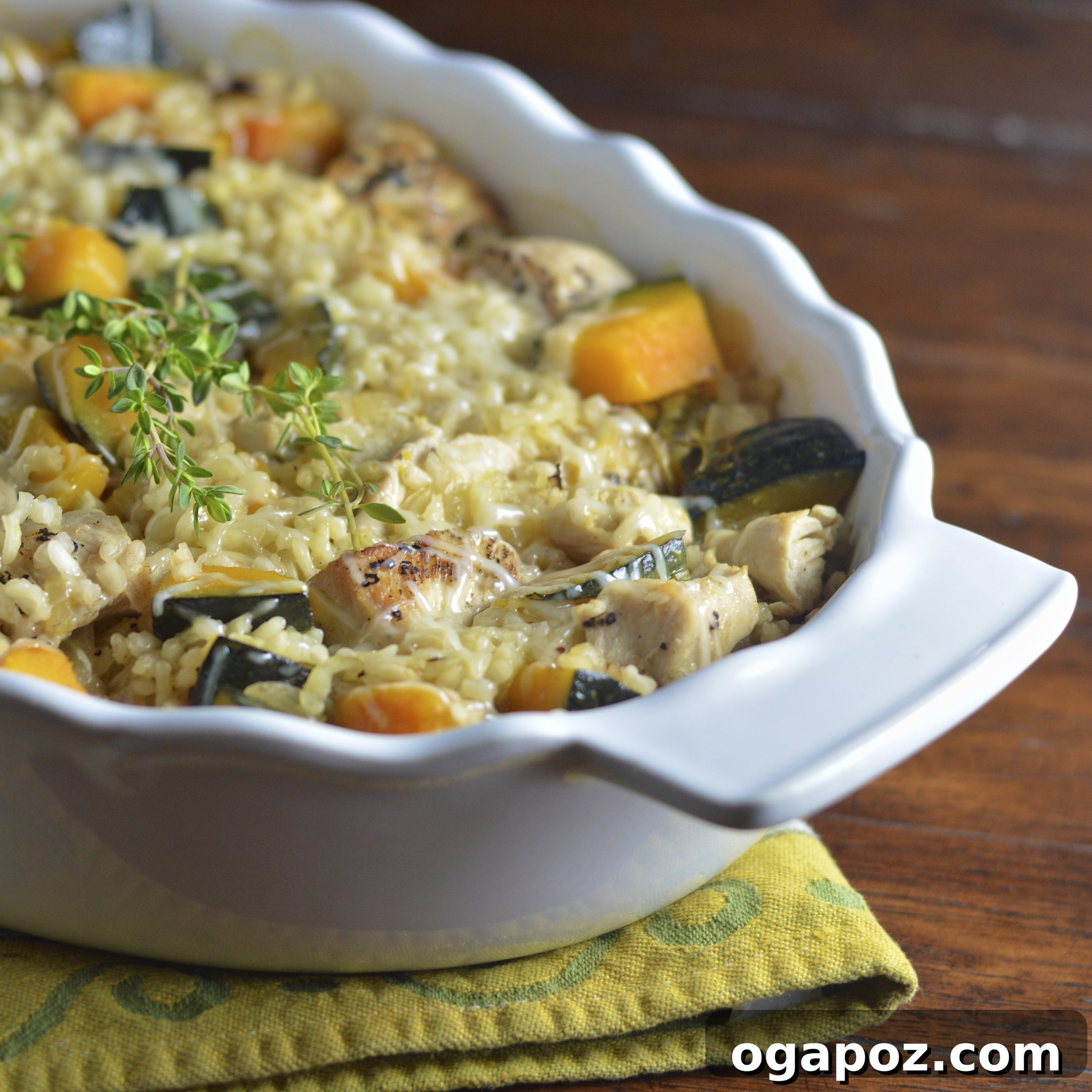
Baked Chicken Kabocha Squash Risotto is a truly delicious and effortlessly easy recipe, perfect for a cozy fall meal. This dish beautifully blends creamy Arborio rice with tender chicken, the unique sweetness of kabocha squash (or your preferred winter squash), a hint of dry white wine, and rich chicken broth to create a flavorful, hearty, and satisfying autumn delight. It’s a complete meal in one dish that’s not only a joy to prepare but also offers fantastic leftovers for quick lunches or another simple dinner.
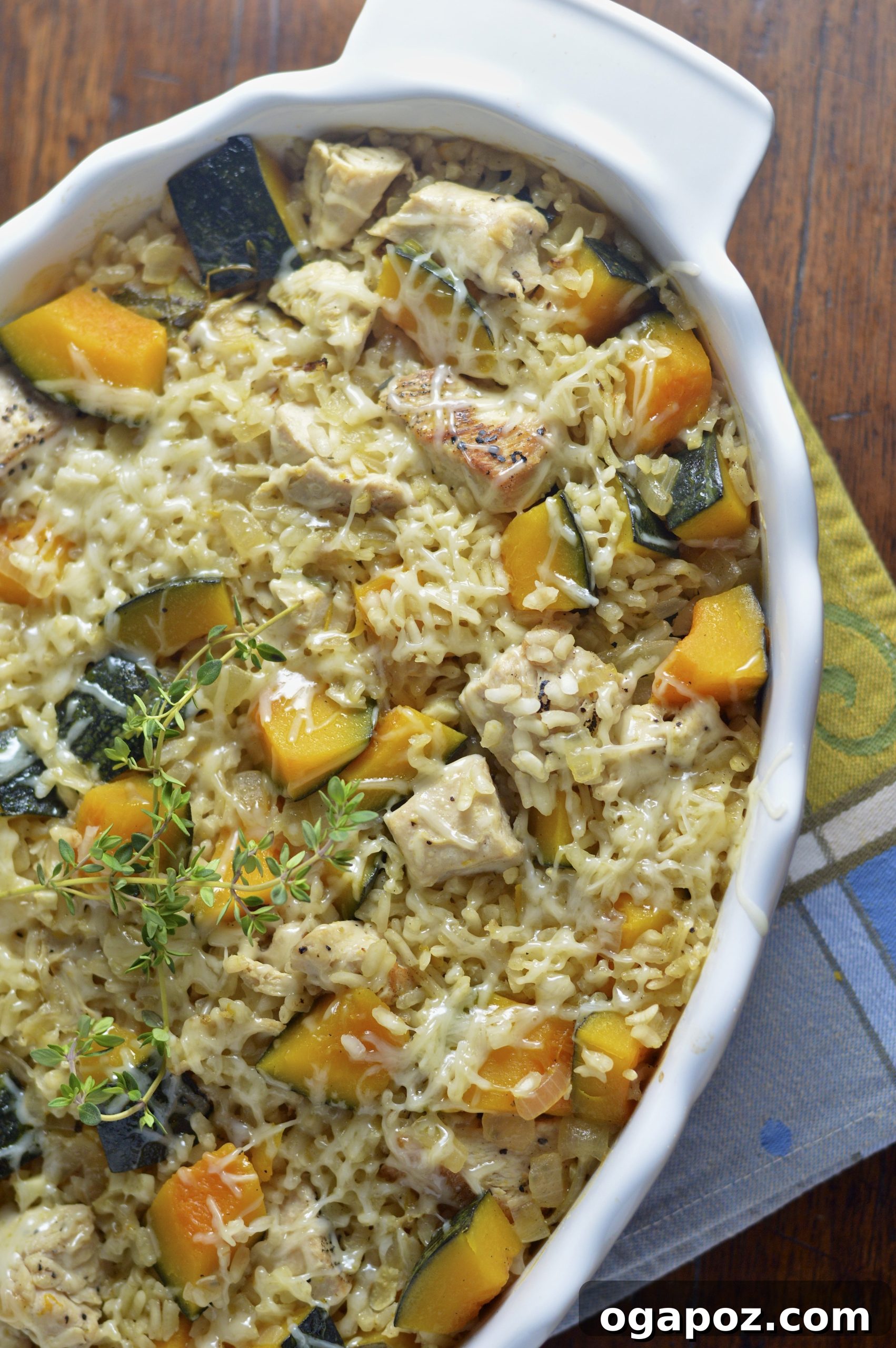
Baked Chicken Kabocha Squash Risotto: Your Essential Fall Comfort Recipe
As the crisp air of autumn settles in and leaves begin their vibrant transformation, our culinary cravings naturally shift towards warming, hearty dishes that nourish the soul. This Baked Chicken Kabocha Squash Risotto Recipe is precisely that – a symphony of seasonal flavors, incredibly comforting, and surprisingly simple to prepare. It’s a complete meal in one dish, perfect for a cozy weeknight dinner, a special Sunday supper, or even an impressive gathering with friends and family. The enduring appeal of this recipe lies in its harmonious combination of tender, savory chicken, the unique sweetness of kabocha squash, and the signature creamy texture of Arborio rice, all enriched with a luxurious dry white wine and savory chicken broth. Furthermore, the magic of this dish extends to its versatility and the ease of reheating – ensuring that any leftovers are just as delightful the next day!
Embracing the Season: The Allure of Kabocha Squash in Risotto
Fall truly is a treasure trove for home cooks, offering an abundance of root vegetables and, most notably, a spectacular variety of squashes. While many recipes confidently lean on the familiar butternut or acorn squash, today we’re shining a well-deserved spotlight on the often-underestimated Kabocha squash. Also known interchangeably as Japanese pumpkin or kabocha pumpkin, this culinary gem is a staple in various Asian cuisines, particularly Japanese cooking, and is increasingly available at farmers’ markets and well-stocked grocery stores during the cooler months.
Visually, kabocha squash typically presents with a dull, subtly bumpy, dark green skin, sometimes with gray-blue patches, and is often round or squat in shape, similar to a small pumpkin. Don’t be fooled by its rugged exterior; inside lies a vibrant, dense, sweet, and distinctly nutty orange flesh. Many describe its exquisite flavor as a delightful cross between a sweet potato and a pumpkin, characterized by its natural sweetness and subtle earthy undertones, with a texture that becomes wonderfully tender and creamy when cooked. This unique taste profile makes it an ideal ingredient for both simple roasted side dishes and more intricate culinary creations like our baked risotto. In this particular recipe, its inherent sweetness beautifully complements the savory notes of the chicken, the starchy richness of Arborio rice, the subtle acidity of dry white wine, the profound depth of the chicken broth, and the aromatic freshness of thyme. Beyond its flavor, kabocha squash is also packed with nutrients, including vitamins A and C, iron, and fiber, making this dish not just delicious but also wholesome.
No Kabocha? No Problem! Easy Squash Substitutions
While kabocha squash adds a distinctive touch to this recipe, we understand it might not always be readily available depending on your location, local market, or the specific time of year. Fret not, for this recipe is wonderfully adaptable! You can easily substitute kabocha with other popular winter squashes that offer similar textures and flavor profiles, ensuring your risotto remains equally delicious and comforting. Excellent alternatives include:
- Butternut Squash: Arguably the most common and versatile winter squash, butternut offers a sweet, creamy flesh that is widely available and a fantastic all-rounder for any squash recipe.
- Acorn Squash: Known for its slightly nutty flavor and tender, moist texture, acorn squash works beautifully when cubed and incorporated into a risotto.
- Delicata Squash: With its delicate skin (which you can often eat, saving you peeling time!), sweet flavor, and creamy texture, delicata squash is another superb and easy-to-prepare choice.
- Sugar Pumpkin: A smaller, sweeter pumpkin variety, specifically bred for cooking, makes a wonderful and festive substitute for savory applications like this risotto.
- Red Kuri Squash: Similar to kabocha, this squash has a slightly sweet, nutty flavor and a smooth texture.
No matter which squash you choose from this list, ensure it’s peeled (if necessary, like butternut), seeded, and cut into uniform 1-inch cubes for even cooking and optimal texture in your risotto. The comforting essence of this dish – a warm, satisfying fall meal – remains perfectly intact with these versatile and delicious substitutions.
More Heartwarming Fall Favorites from Our Kitchen
The autumn months are a constant source of inspiration, compelling us to create an array of warming, flavorful dishes that celebrate the season’s abundant harvest. If you’re as passionate about incorporating seasonal squashes into your cooking as we are, you’ll love exploring some of our other cherished recipes. These dishes not only highlight the versatility of winter squashes but also offer a diverse range of comforting culinary experiences, from creamy soups to savory bakes:
- Butternut Squash Sweet Potato Soup: A velvety, rich, and incredibly comforting soup that’s perfect for a chilly evening.
- Butternut Squash Apple Bake: A delightful combination of sweet and savory notes, creating a unique and satisfying side dish that pairs well with almost any main course.
- Butternut Squash Chickpea Coconut Curry: An aromatic, flavorful, and wonderfully satisfying vegetarian main course that’s bursting with exotic spices.
- Crockpot Butternut Squash Apple Soup: An effortlessly delicious and hands-off recipe, allowing your slow cooker to create a deeply flavored and smooth soup with minimal effort.
Essential Ingredients for Your Creamy Baked Risotto
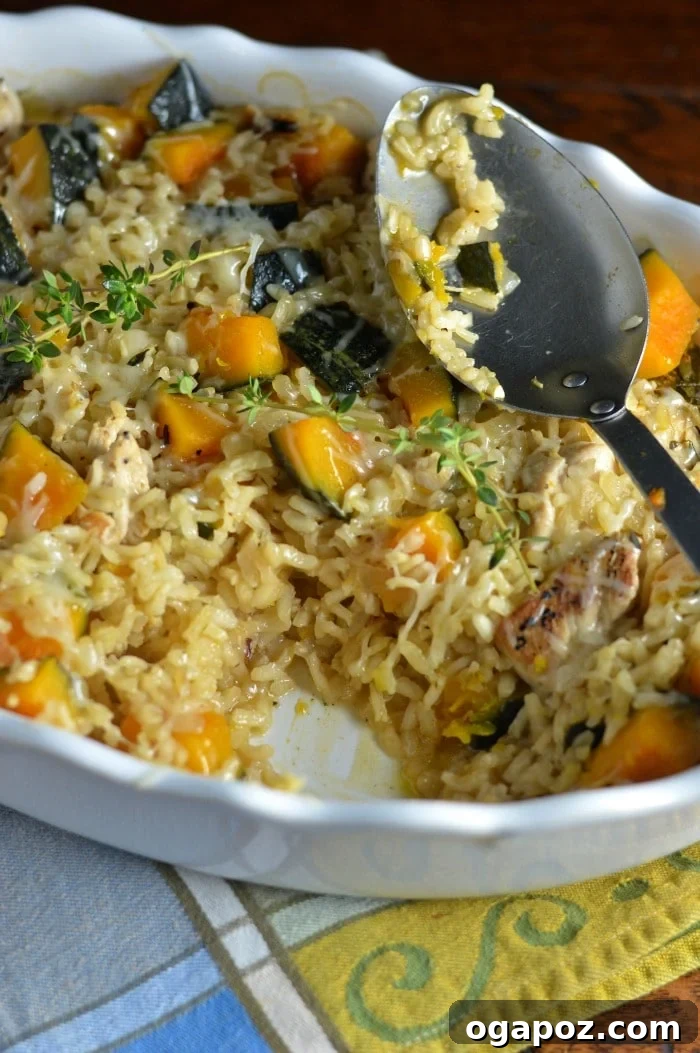
This Baked Chicken Kabocha Squash Risotto shines not only for its incredible depth of flavor but also for its foundation of straightforward, high-quality ingredients. You’ll find most of these staples readily available in your pantry or local grocery store, making this a convenient and satisfying meal to whip up any day of the week. Here’s a detailed breakdown of what you’ll need to create this amazing baked chicken and kabocha squash risotto:
- Chicken Breasts: We recommend boneless, skinless chicken breasts, cut into uniform 1 1/2-inch cubes. This ensures quick cooking and even distribution throughout the risotto, creating tender bites in every spoonful. You can also use chicken thighs for added richness.
- Extra Virgin Olive Oil: Essential for sautéing the chicken and building the aromatic base of your vegetables. Its fruity notes complement the other ingredients beautifully.
- Yellow Onion: One medium yellow onion, finely chopped, provides a foundational aromatic base, adding sweetness and depth as it caramelizes slightly.
- Kabocha Squash: One medium kabocha squash, carefully peeled, seeded, and cubed into 1-inch pieces. Remember the excellent substitutes mentioned earlier if kabocha is unavailable. Uniform sizing is key for even cooking.
- Garlic: Three cloves of freshly minced garlic are absolutely essential for adding pungent warmth and aromatic complexity to the dish. Do not underestimate the power of fresh garlic!
- Fresh Thyme: Approximately four sprigs of fresh thyme are used – some for infusing flavor during cooking and extra for garnish, adding a fragrant, herbaceous note that perfectly complements the squash and chicken.
- Arborio Rice: The undisputed star of any risotto, Arborio rice is a short-grain Italian rice known for its high starch content. This is what releases during cooking, creating that signature creamy, luscious texture that defines a perfect risotto.
- Dry White Wine: A crucial ingredient for deglazing the pan and adding a layer of sophisticated flavor and acidity. Choose a dry white wine you’d genuinely enjoy drinking, such as a Sauvignon Blanc, Pinot Grigio, or an unoaked Chardonnay. Avoid anything too sweet.
- Chicken Broth: Approximately 3 1/2 cups of chicken broth, preferably warm. Using warm broth is a traditional risotto trick that helps maintain the cooking temperature of the rice, encouraging more even absorption and a creamier result. Low-sodium is often a good choice to control seasoning.
- Parmesan Cheese: Half a cup of freshly grated Parmesan cheese adds a salty, umami-rich finish and contributes significantly to the risotto’s creamy consistency and overall savory profile. Freshly grated makes a big difference!
- Kosher Salt and Freshly Ground Black Pepper: To season the chicken initially and to taste for the entire dish, ensuring every component is perfectly balanced.
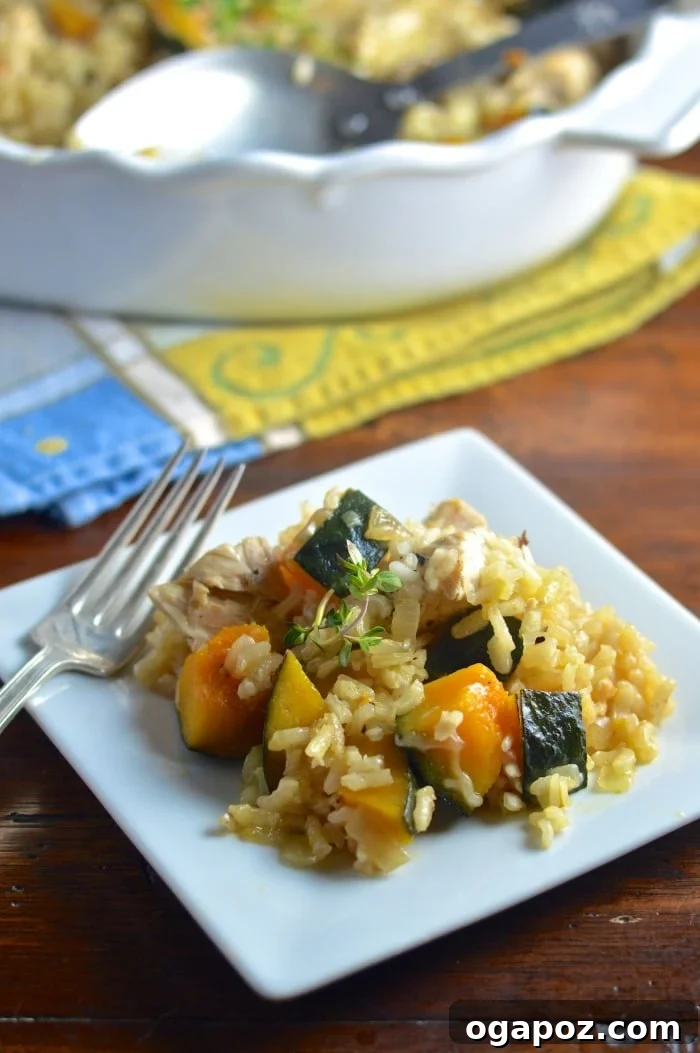
Step-by-Step Guide: Crafting Your Creamy Baked Chicken Kabocha Risotto
Creating this baked risotto is a remarkably straightforward process, making it accessible and enjoyable even for those new to the art of risotto making. The key to its success lies in thoughtfully preparing each component to build layers of complex flavor before baking it to creamy perfection. Unlike traditional stovetop risotto that demands constant stirring, this baked method offers a more hands-off approach without sacrificing any of the comforting richness. Follow these simple steps for a truly memorable and impressive meal:
- Preheat Your Oven: Begin by preheating your oven to a precise 375 degrees F (190 degrees C). This ensures your oven is perfectly heated and ready when your risotto mixture is prepared for baking, allowing for even and efficient cooking.
- Sear the Chicken to Golden Perfection: In a large, heavy-bottomed, oven-safe skillet or a Dutch oven (choose one that can comfortably hold all ingredients), heat 1 tablespoon of extra virgin olive oil over high heat. While the oil is heating, generously season your cubed chicken breasts with kosher salt and freshly ground black pepper. Add the seasoned chicken to the hot skillet and cook until beautifully golden brown on all sides, stirring occasionally to ensure even browning, for approximately 5 minutes. Browning the chicken is a crucial step that not only cooks it but also develops a rich depth of flavor and creates savory fond at the bottom of the pan, which will infuse the entire dish. Once browned, transfer the cooked chicken to a clean plate and set it aside.
- Sauté Aromatics and Tenderize Squash: Using the same skillet (don’t clean it, those browned bits are flavor!), reduce the heat to medium-high and add the remaining 1 tablespoon of olive oil. Add the chopped yellow onion and the uniformly cubed kabocha squash. Cook, stirring occasionally, until the onion becomes softened and translucent, and the squash begins to tenderize and release its natural sweetness, typically requiring about 5 to 6 minutes. This step is foundational for building the aromatic and sweet base of your risotto.
- Infuse with Garlic and Thyme, then Toast the Rice: Add the minced garlic and fresh thyme sprigs to the skillet with the sautéed vegetables. Cook for just 30 seconds until the garlic becomes wonderfully fragrant – be very careful not to let it burn, as burnt garlic can taste bitter. Immediately add the Arborio rice to the skillet. Stir constantly for about 2 minutes, allowing the rice grains to toast slightly and become opaque around the edges. This process, known as “tostatura,” is essential as it helps the rice absorb liquid more evenly, preventing stickiness and contributing significantly to the risotto’s final creamy yet al dente texture.
- Deglaze with Wine and Harmonize Flavors: Pour the dry white wine into the hot skillet. Stir vigorously and continuously, allowing the wine to bubble and evaporate completely. This crucial step deglazes the pan, lifting all the flavorful browned bits (fond) from the chicken and vegetables into the liquid, adding immense depth to the risotto. Once the liquid is fully absorbed, return the reserved browned chicken pieces back into the skillet. Season the entire mixture with 1/2 teaspoon of kosher salt and 1/4 teaspoon of freshly ground black pepper, or adjust to your personal taste.
- Prepare for Oven Baking: If your large skillet is not oven-safe (many skillets have plastic handles that aren’t suitable for high oven temperatures), carefully transfer the chicken, rice, and vegetable mixture to a medium, oven-safe casserole dish. Ensure the dish is large enough to comfortably hold all the ingredients, allowing a little room for expansion.
- Add Broth and Cover: Pour the warm chicken broth evenly over the chicken and rice mixture in the casserole dish. It’s important that the broth is warm, as adding cold liquid can significantly drop the temperature of the risotto, affecting the cooking time and the starch release. Cover the casserole dish tightly with a lid or a double layer of aluminum foil to trap the steam and ensure even cooking.
- Bake to Creamy Perfection: Place the covered casserole dish in your preheated oven. Bake for approximately 30 minutes, or until all the liquid has been absorbed by the rice and the risotto is beautifully creamy and tender with a slight bite (al dente). The baking method truly provides a fuss-free approach to achieving perfectly cooked risotto without constant attention.
- Finish and Serve with Flair: Once baked, carefully remove the casserole from the oven. Immediately sprinkle the freshly grated Parmesan cheese evenly over the top of this savory dish. Re-cover the dish and let it sit undisturbed for another 5 minutes. This allows the residual heat to melt the cheese into a luscious topping and encourages the flavors to meld even further. Garnish generously with additional fresh thyme sprigs or chopped parsley for an aromatic and visually appealing finish. Serve warm as a delightful and complete main course.
Storage and Reheating Tips for Delicious Leftovers
One of the many benefits of this baked risotto is that it makes absolutely excellent leftovers! To store, allow the risotto to cool completely before transferring any remaining portions to an airtight container. It can be safely refrigerated for up to 3-4 days. To reheat, gently warm individual portions in a skillet on the stovetop over medium-low heat, adding a splash of chicken broth or water if needed to restore its creamy consistency. Stir occasionally until heated through. Alternatively, you can microwave individual servings in a microwave-safe dish until warm, adding a little liquid to prevent dryness.
Creative Variations: Customize Your Baked Chicken Kabocha Risotto
One of the greatest joys of home cooking is the freedom to adapt a recipe to your personal taste preferences, dietary needs, or simply to utilize whatever fresh ingredients you have on hand. This Baked Chicken Kabocha Squash Risotto is incredibly versatile, offering endless possibilities for creative modifications. Don’t hesitate to experiment with these suggestions to make this delightful dish uniquely yours, exploring new flavor combinations and textures.
- Explore Diverse Cheese Varieties: While Parmesan cheese offers a classic, salty, and savory finish that perfectly complements risotto, feel free to explore other cheeses to introduce different dimensions of flavor and creaminess. Consider stirring in sharp cheddar cheese for a bolder, tangier profile, mozzarella cheese for an extra gooey and melt-in-your-mouth texture, creamy goat cheese for a subtle tartness and earthy undertone, or crumbled feta cheese for a salty, briny kick that brightens the dish. A thoughtfully chosen blend of cheeses can also create a wonderfully complex and rich flavor experience.
- Boost with Additional Vegetables: This risotto is already packed with nutrients and flavor from the squash and onion, but you can easily elevate it further by adding more vegetables to enhance both its taste and nutritional value. Try incorporating finely diced sweet potatoes for an extra layer of natural sweetness and vibrant color, colorful diced bell peppers (red, yellow, or orange) for a fresh crunch and mild sweetness, finely diced carrots for added sweetness and a tender bite, small florets of broccoli for a touch of green and earthy flavor, or thinly sliced mushrooms (cremini or shiitake) for an earthy, umami depth. Add these during the initial sautéing stage with the onion and squash for optimal tenderness.
- Experiment with Spices and Herbs: Beyond the fresh thyme, a variety of spices can significantly elevate this dish. A pinch of Italian seasoning can bring a warm, herbaceous, and traditional blend of flavors. For a touch of warmth, a beautiful reddish hue, and a mild, sweet flavor, try paprika (smoked paprika can add a delicious depth). If you’re feeling adventurous and want to lean into the autumnal squash profile, a tiny dash of warming spices like ground cloves, allspice, or even a hint of cinnamon can beautifully complement the sweetness of the kabocha.
- Alternative Winter Squashes: As discussed earlier, if kabocha squash isn’t readily available, or you simply wish to try another variety, this risotto welcomes other winter squashes with open arms. Butternut squash will lend a familiar sweetness and a wonderfully creamy texture. Acorn squash offers a slightly nuttier, less sweet profile that is equally delicious and satisfying. Delicata squash, with its thin, often edible skin and mild, sweet flavor, is another excellent and incredibly easy-to-prepare choice that adds a subtle elegance.
- Explore Different Grains: While Arborio rice is the traditional choice for its unique starch content and creamy texture, you can certainly adapt this recipe by using other grains for a different consistency and nutritional profile. Quinoa or farro can offer a chewier, heartier texture and a significant boost in fiber and protein. For a lighter touch, long-grain white rice or even wholesome brown rice can also be used. Remember, each grain has a different liquid absorption rate and cooking time, so you’ll need to adjust the amount of broth and baking duration accordingly. For instance, brown rice will typically require more liquid and a longer baking time than Arborio rice to achieve tenderness.
- Protein Swap for Customization: If chicken isn’t your preference, this recipe is flexible enough to accommodate other protein sources. Consider using diced turkey breast for a similar lean poultry option, or small cubes of pork loin for a slightly richer flavor. For a vegetarian option, you can omit the chicken entirely and add hearty plant-based proteins like sautéed chickpeas, cannellini beans, or even crumbled plant-based sausage during the sautéing stage. Ensure to adjust seasoning accordingly.
These diverse modifications empower you to tailor the Baked Chicken Kabocha Squash Risotto to perfectly suit any dietary considerations, capitalize on seasonal ingredient availability, or simply indulge your culinary whims. Enjoy the creative process and savor every personalized bite!
Explore More Delicious Squash Recipes and Fall Inspiration
Vegetarian
Butternut Squash Apple Bake
Mediterranean
Mediterranean Stuffed Acorn Squash
Slow Cooker
Slow Cooker Butternut Squash Apple Soup
Vegetarian
Za’atar Roasted Delicata Squash
Tried this delicious recipe? We’d love to hear your thoughts! Leave a comment and a star rating below to share your experience. For more culinary inspiration and weekly new recipes, don’t forget to subscribe to our newsletter or follow us on
Facebook,
Instagram, or
Pinterest.
Average Recipe Rating: 5 out of 5 stars (based on 2 votes)
Baked Chicken Kabocha Squash Risotto Recipe
Julia Jolliff
This Baked Chicken Kabocha Squash Risotto is a truly delicious and effortlessly easy recipe, perfect for a cozy fall meal. It blends the creamy texture of Arborio rice with tender chicken, sweet kabocha squash (or your preferred winter squash), a hint of white wine, and rich chicken broth. It’s a complete and satisfying dish that also offers fantastic leftovers!
Print Recipe
30 mins
30 mins
1 hr
6 servings
Ingredients
- 1 pound boneless, skinless chicken breast, cut into 1 1/2 inch cubes
- 2 tablespoons extra virgin olive oil, divided
- 1 medium yellow onion, chopped
- 1 medium Kabocha squash, peeled, seeded, and cut into 1 inch cubes (approx. 2 to 3 pounds with peel on)
- 3 cloves garlic, minced
- 4 sprigs fresh thyme
- 1 1/2 cups Arborio rice
- 1/4 cup dry white wine
- 3 1/2 cups chicken broth, warm
- 1/2 cup grated Parmesan cheese, plus more for serving
- Kosher salt and freshly ground black pepper, to taste
Instructions
- Preheat oven to 375°F (190°C). In a large, oven-safe skillet, heat 1 tablespoon of olive oil over high heat. Season chicken cubes generously with salt and pepper.
- Add chicken to the hot skillet and cook until golden brown on all sides, stirring occasionally, about 5 minutes. Transfer the browned chicken to a clean plate and set aside.
- In the same skillet, add the remaining 1 tablespoon of olive oil and heat over medium-high. Add the chopped onion and cubed squash. Cook, stirring, until the onion is lightly browned and the squash begins to soften, about 5 to 6 minutes.
- Add minced garlic and fresh thyme sprigs. Cook for 30 seconds until fragrant. Then, add the Arborio rice and cook, stirring until the grains become opaque, about 2 minutes.
- Pour in the dry white wine and stir until the liquid is completely absorbed, deglazing the pan. Return the cooked chicken to the skillet. Season with 1/2 teaspoon kosher salt and 1/4 teaspoon ground pepper, or to taste. If your skillet is not oven-safe, transfer the mixture to a medium casserole dish.
- Pour the warm chicken broth evenly over the chicken and rice mixture. Cover the casserole tightly with a lid or aluminum foil.
- Bake for about 30 minutes, or until all the liquid is absorbed and the rice is tender and creamy. Remove from oven, sprinkle the grated Parmesan cheese on top, and let it sit (covered) for 5 minutes. Garnish with additional fresh thyme before serving warm.
Nutrition Information (per serving)
Calories: 378kcal,
Carbohydrates: 55g,
Protein: 22g,
Fat: 7g,
Saturated Fat: 1g,
Polyunsaturated Fat: 1g,
Monounsaturated Fat: 4g,
Trans Fat: 0.01g,
Cholesterol: 51mg,
Sodium: 606mg,
Potassium: 908mg,
Fiber: 4g,
Sugar: 5g,
Vitamin A: 2109IU,
Vitamin C: 22mg,
Calcium: 64mg,
Iron: 4mg
Nutrition information is automatically calculated and should only be used as an approximation. Individual results may vary based on specific ingredients and preparation methods.
Tried this recipe? Share your culinary creation!
Mention @acedarspoon or tag #acedarspoon on Instagram! We love seeing your delicious dishes.