
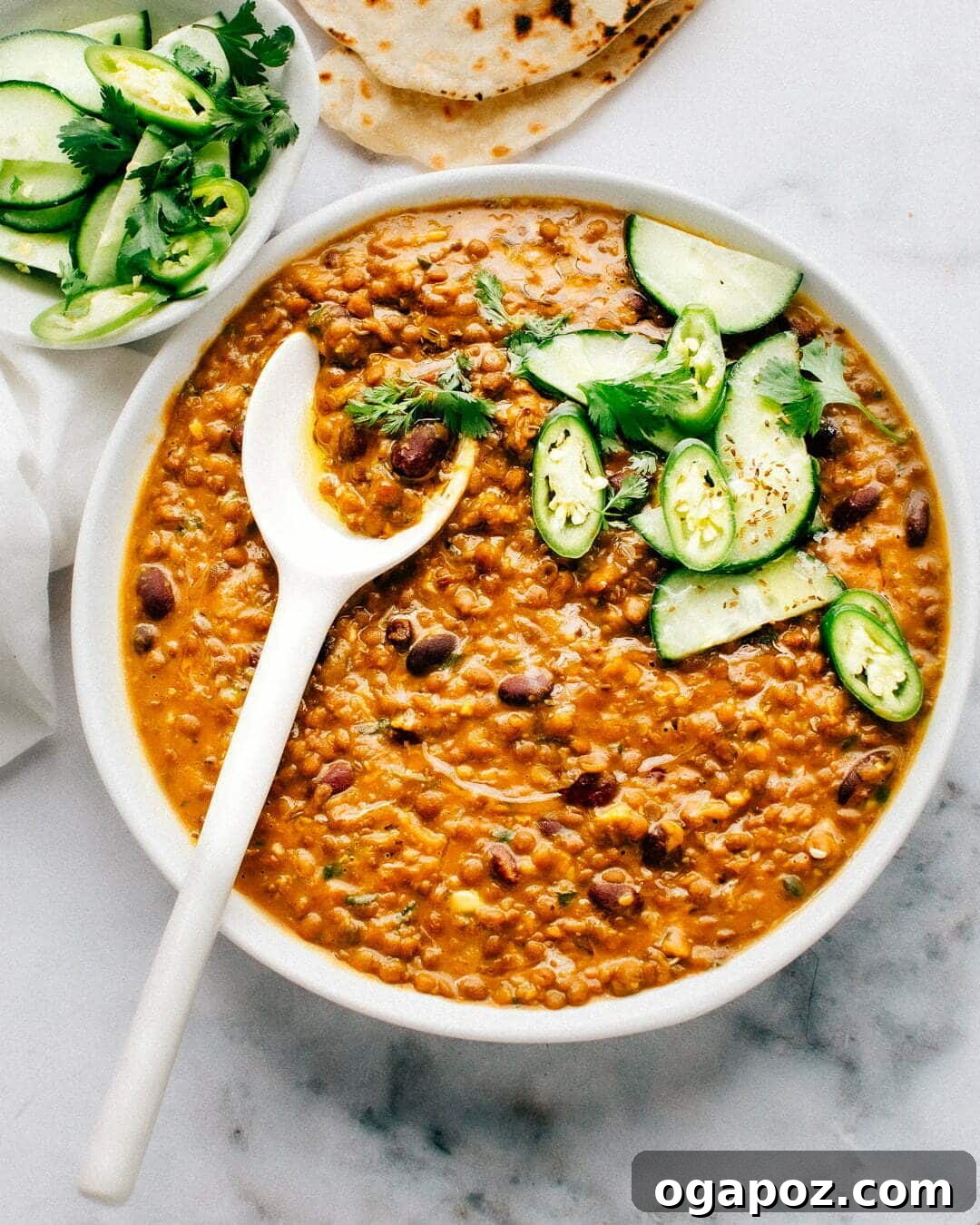
Embark on a culinary journey with this exceptional recipe for Madras Lentils – a wonderfully easy, profoundly satisfying, and utterly delicious vegetarian curry. This dish masterfully combines hearty lentils and robust kidney beans, bathed in a crazy-delicious tomato cream sauce that promises to delight your taste buds and become a cherished staple in your home.
What Exactly Are Madras Lentils? A Culinary Deep Dive
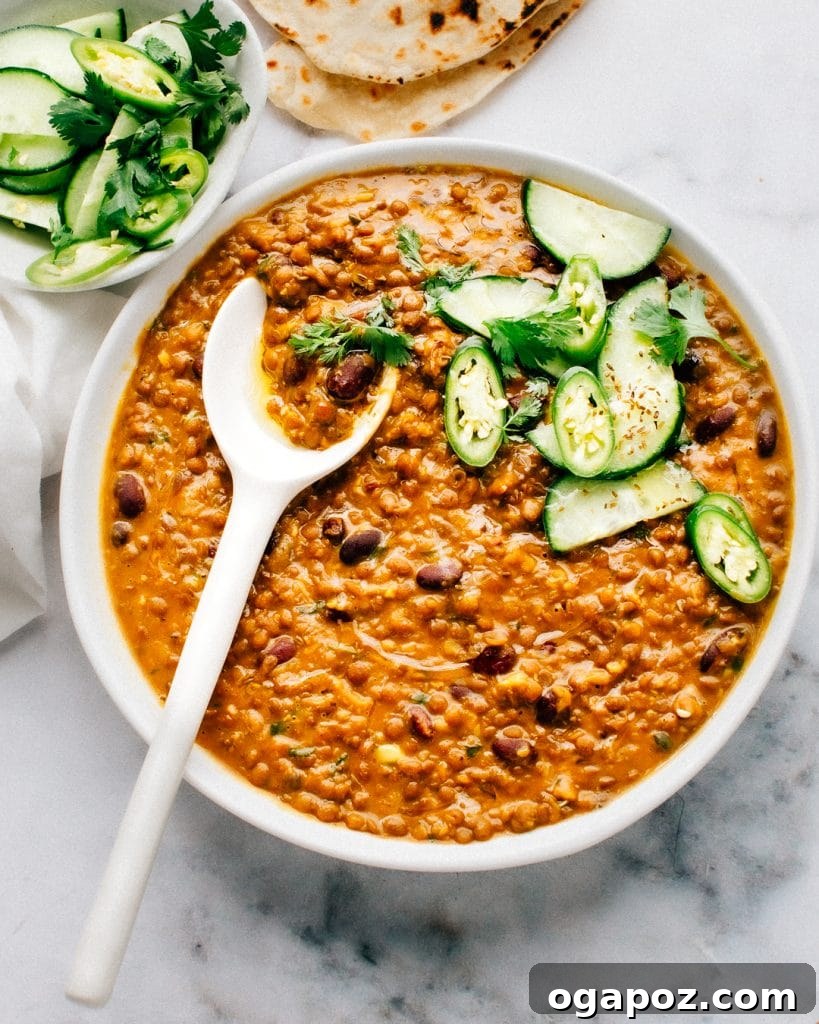
Often hailed as the “Butter Chicken of bean curries,” Madras Lentils captivate with their rich, velvety texture and deeply savory tomato-based sauce, enriched with butter and cream. This indulgent combination of simmered lentils and kidney beans, infused with fragrant aromatics, creates a culinary experience that’s both comforting and exotic.
Despite its popular name in North America, the term “Madras Lentils” might be a delightful misnomer. My South Indian husband suggests that this creamy, butter-laden curry isn’t entirely reflective of traditional cuisine from Madras (now Chennai), the capital of the South Indian state of Tamil Nadu. Authentic dishes from this region typically feature chillies, curry leaves, mustard seeds, and coconut oil, often prioritizing lighter, brighter flavor profiles over the richness of butter and cream.
Instead, this beloved dish bears a striking resemblance to the hearty and comforting Punjabi lentil dals found in North Indian restaurants. It evokes the warmth and depth of dishes like Dal Makhani, characterized by its slow-cooked black lentils and kidney beans in a luscious creamy base. This intriguing blend of possible regional influences adds to the allure of Madras Lentils, making its true provenance a topic of fascinating culinary debate. If you have insights into its history or nomenclature, please share in the comments – we’d love to hear from you!
Regardless of its precise origins, this simple yet incredibly satisfying lentil curry has earned a permanent spot in our family’s meal rotation. Its soft texture and gently spiced flavors make it a consistent hit, especially with children, proving that wholesome, plant-based meals can be utterly irresistible for everyone at the table.
Essential Ingredients for Your Madras Lentils
To ensure this wholesome and incredibly satisfying vegetarian recipe is as accessible and weeknight-friendly as possible, we primarily utilize readily available canned lentils and kidney beans. This convenience significantly cuts down on preparation time without compromising on flavor or nutrition. Here are some key notes on the ingredients:
- While canned options offer convenience, feel free to cook your own lentils and kidney beans from scratch. Remember that lentils cook much faster than kidney beans, so it’s best to prepare them separately to achieve optimal texture for both.
- We recommend using brown lentils because they maintain their distinct shape and a pleasant bite even after simmering in the rich sauce. Should you opt for another type of lentil, such as red lentils, they may break down more readily, creating an even creamier, more homogenous sauce – which is by no means a bad thing and offers a lovely alternative texture!
- Employing tomato paste instead of a thinner tomato sauce is a deliberate choice for building more concentrated, profound flavors. Tomato paste undergoes a natural caramelization process during cooking, deepening its sweetness and complexity, contributing significantly to the curry’s rich base.
- For a final flourish, fresh garnishes are key. A generous sprinkle of fresh cilantro adds a burst of freshness, while a dollop of cooling yogurt or an extra splash of cream can elevate the dish with a touch of luxury and balance the spices beautifully.
Are Madras Lentils Healthy? Unpacking the Nutritional Value
Madras Lentils are unequivocally a healthy choice, particularly for a vegetarian meal. They are inherently packed with plant-based protein and dietary fiber, two vital components for sustained energy, satiety, and digestive health. Lentils and kidney beans are also excellent sources of essential minerals like iron, folate, and magnesium, contributing to overall well-being.
As a vegetarian dish, it naturally supports a plant-forward diet. While the inclusion of butter and cream makes it incredibly delicious and satisfying, it means it’s not a distinctly light-on-calories dish, nor is it primarily a nutrition-focused meal if you are counting macros strictly. However, you can effortlessly round out the meal and enhance its nutritional profile by serving it alongside a vibrant sauté of fresh greens, a crisp raw vegetable salad, or wholesome brown rice. With these accompaniments, you can confidently feel good about enjoying this richly flavorful and nourishing curry.
Mastering the Art of Madras Lentils: Key Steps for Success
Crafting the perfect Madras Lentils curry involves a few critical steps that elevate it from good to truly exceptional. These techniques focus on building deep layers of flavor, ensuring every spoonful is rich and complex. Follow these tips to achieve a restaurant-quality dish in your own kitchen:
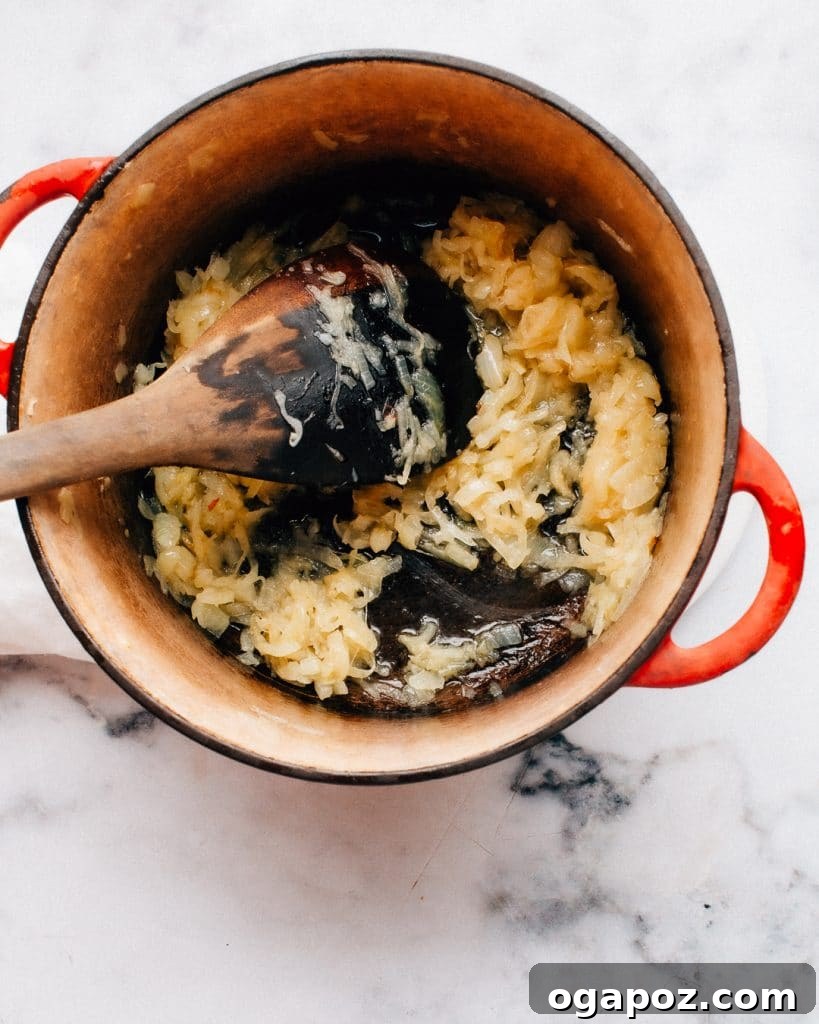
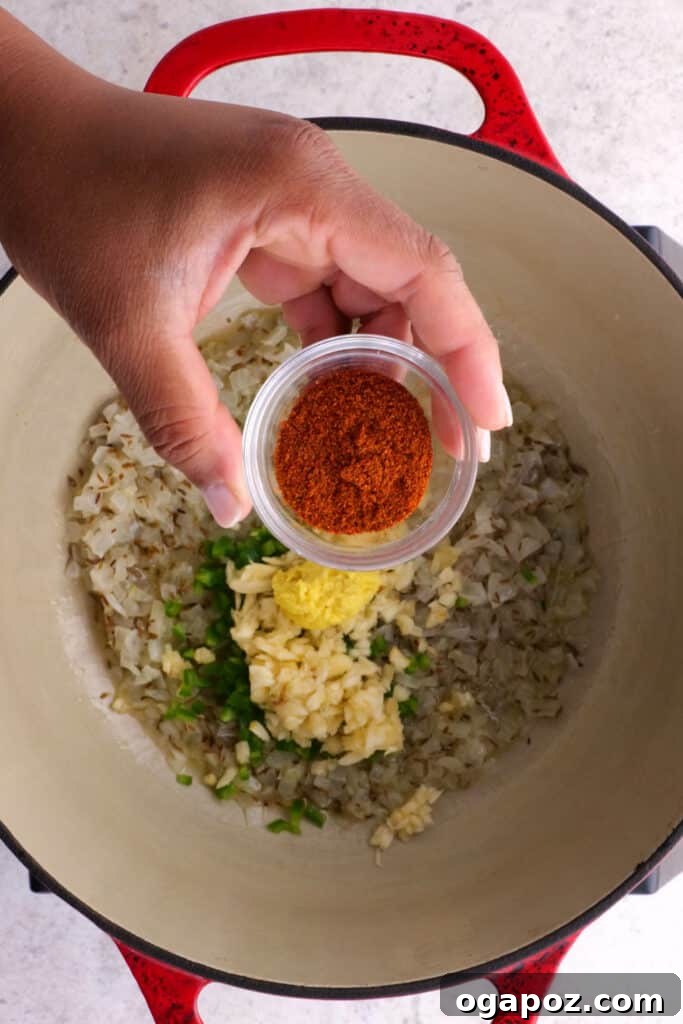
- Cook the Onions Sufficiently – This First Step is Paramount: The foundation of an incredible curry often lies in perfectly cooked onions. They must be completely soft, translucent, and ideally, caramelized to a beautiful golden-brown. This process typically takes about 10 minutes for very thinly sliced, room-temperature onions. If your onions are thicker or cold from the fridge, this step could easily take double the time. The goal is for them to be entirely cooked down, as this sweetens the sauce gorgeously and allows them to melt seamlessly into the final curry. In many Indian curries, the onions literally form the bulk of the sauce, providing both body and an essential sweet depth.
- Choose the Right Cookware: For optimal onion softening without burning, invest in an enameled cast iron Dutch oven (an affordable option can be found here) or another very heavy, thick-bottomed cooking vessel. Using a thin-bottomed pot can lead to uneven cooking, resulting in burnt edges and undercooked raw onions in the middle, which will negatively impact the flavor and texture of your curry.
- Don’t Be Shy with the Garlic and Ginger: It might seem like a lot, and indeed, it is a substantial amount of garlic and ginger. However, without a vast array of complex spices, these powerful aromatics, alongside the onions and cumin, really shoulder the primary flavor load. They infuse the dish with an incredible depth, yielding a mild yet uber-flavorful finished curry.
- GARLIC PREP TIP: To save valuable time, buy pre-peeled garlic cloves from your grocery store. Once home, toss them into your food processor and mince them very finely. Transfer the minced garlic to a zippered freezer bag, press it flat, and freeze. You can then easily break off and measure the exact amount you need for any recipe, making weeknight cooking a breeze.
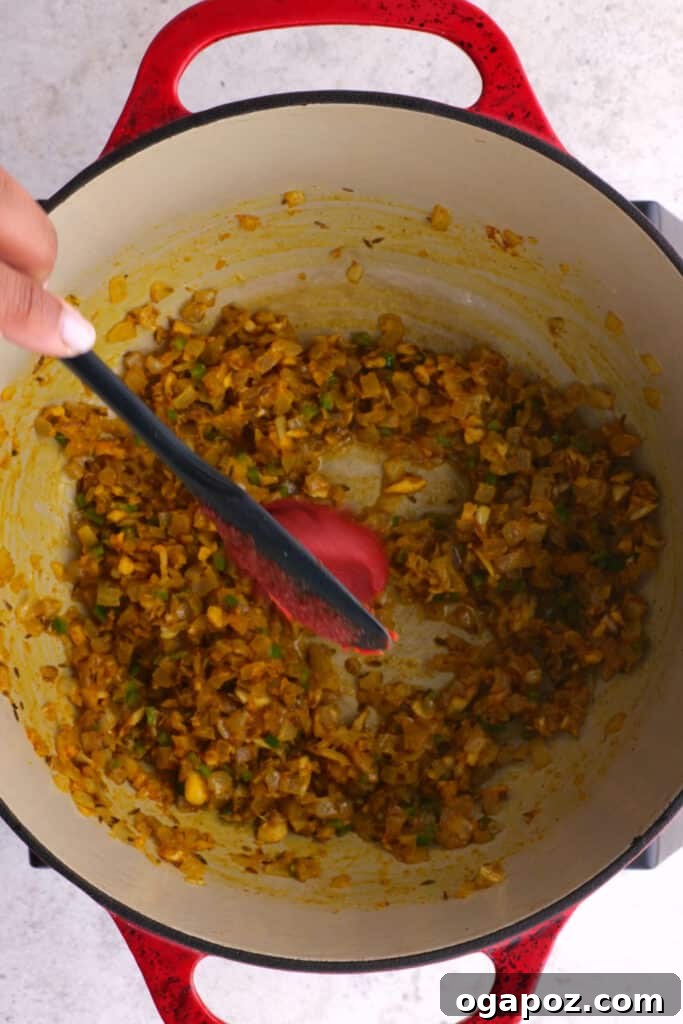
- Toast the Tomato Paste for Unrivaled Flavor: This step is absolutely crucial for profound flavor building. Indian dishes achieve their incredible complexity through meticulous layering of ingredients and cooking processes. Allowing the tomato paste to cook for a few minutes until it darkens slightly and the oil shimmers produces an amazing roasty, sweet tomato flavor, completely transforming it from the sharp acidity and slight metallic taste of tomato paste straight from the can. This caramelization develops rich umami notes that are indispensable for a truly flavorful curry.
- Simmer for Enhanced Depth (Optional, but Recommended): This recipe is designed with weeknight convenience in mind, so a long simmer isn’t strictly necessary. However, if your schedule allows, the flavors will only improve dramatically with time. Include an extra half-cup of water (totaling 1 cup of water) and let the curry simmer gently on low heat with the lid mostly covering the pot for up to an hour, stirring occasionally to prevent sticking. This extended simmering time allows all the ingredients to meld beautifully, creating a more cohesive, deeply flavored sauce that truly shines.
Perfect Pairings: What to Serve with Madras Lentils
Madras Lentils, with its rich and creamy texture, is a versatile curry that pairs wonderfully with a variety of accompaniments, transforming a simple meal into a delightful feast. The right side dish not only complements the flavors but also enhances the overall dining experience.
My absolute favorite way to enjoy Madras Lentils is with soft, warm, and freshly made homemade naan. The chewy texture of naan is perfect for scooping up every last drop of the luscious curry. Alternatively, flaky paratha or wholesome homemade chapati also make excellent choices, each offering a unique textural contrast that elevates the meal.
For a quicker and equally satisfying option, fragrant rice is always a winner. My no-fail basmati rice recipe yields perfectly fluffy grains that absorb the curry’s flavors beautifully. For a more filling and health-conscious choice, brown rice provides additional fiber and a nutty undertone that complements the earthy lentils.
Embrace the traditional Indian dining experience by enjoying your lentil and bean curries with fresh flatbread, skipping the utensils altogether. Simply tear off a piece of the warm flatbread and use it as a delicious, edible scoop to savor the rich curry. It’s an immersive and enjoyable way to connect with your food.
To complete your comforting meal, serve your Madras Lentils with a steaming cup of my authentic Indian Chai tea. The warm, spiced tea provides a perfect balance to the rich curry, creating a truly memorable culinary moment.
Can Madras Lentils Be Made Vegan? Absolutely!
While traditional Madras Lentils recipes often call for dairy butter and heavy cream, making this dish vegan is incredibly simple and yields equally delicious results. You don’t have to compromise on flavor or creamy texture to enjoy a plant-based version.
To transform this vegetarian delight into a wholesome vegan meal, simply swap out the dairy butter for your favorite plant-based butter alternative. There are many excellent vegan butters available today that melt and brown beautifully, imparting a rich, buttery flavor without any dairy. For the cream, full-fat coconut milk is an outstanding substitute. It not only provides the desired creaminess but also introduces a subtle, aromatic hint of coconut that beautifully complements the Indian spices, adding another layer of complexity to the curry. I’ve personally tried this vegan adaptation, and can attest that it is absolutely delicious and satisfying!
Explore More Favourite Vegetarian Indian Recipes
If you’ve fallen in love with the rich flavors of Madras Lentils, you’ll be thrilled to discover a world of other incredible vegetarian Indian dishes. Indian cuisine is a treasure trove of plant-based culinary masterpieces, each offering unique spices, textures, and aromas. Here are some of our top picks that promise to bring vibrant and comforting flavors to your table:
- Creamy Madras Lentils (the ultimate vegetarian comfort food, and a fantastic place to start your journey!)
- Amma’s special Masoor Dal (a quick-cooking red lentil dal that’s light yet incredibly flavorful).
- Coconut Curried Lentils (a tropical twist on lentils, rich with the warmth of coconut).
- Indian Chickpea Salad (a refreshing and zesty salad, perfect for a lighter meal or side).
- Malai Kofta (soft paneer and vegetable dumplings in a rich, creamy sauce – a luxurious treat).
- Saag Paneer + Palak Paneer (two classic spinach and cheese curries, vibrant and wholesome).
- Indian Chickpea Curry Recipe (Chana Masala) (a beloved, aromatic, and hearty chickpea dish).
Don’t miss out on exploring all my other delightful Indian Vegetarian Dinner Recipes, where you’ll find endless inspiration for flavorful and satisfying plant-based meals.
Video Guide for Madras Lentils
Watch our step-by-step video to visually guide you through the process of making the perfect Madras Lentils. From sautéing onions to achieving that rich, creamy texture, our video makes cooking this dish even easier.

Madras Lentils
Ingredients
- 2 tbsp oil
- 4 tbsp butter or ghee
- 1 large onion finely chopped (340 g/12 oz)
- 2 tsp kosher salt divided use
- 1 tbsp cumin seeds (or 1 tsp ground)
- 1 minced jalapeno
- 3 tbsp minced garlic (9 large cloves garlic)
- 1 tbsp finely grated ginger
- 1 tsp cayenne powder
- 1 tsp turmeric
- 2 tbsp tomato paste
- ½ cup water
- 1 18 oz can brown lentils drained
- 1 18 oz can red kidney beans drained
- ½ cup heavy whipping cream
- ½ cup finely chopped fresh cilantro
Instructions
- Heat oil and butter in a large Dutch oven over medium-high heat. Add onion and 1 tsp of the salt. Cook until onion is completely soft and golden, about 10 minutes (it may take longer if onions were cold or not super-finely chopped). Stir frequently and reduce heat if they begin to char. The onions should be translucent and almost caramelized for optimal flavor.
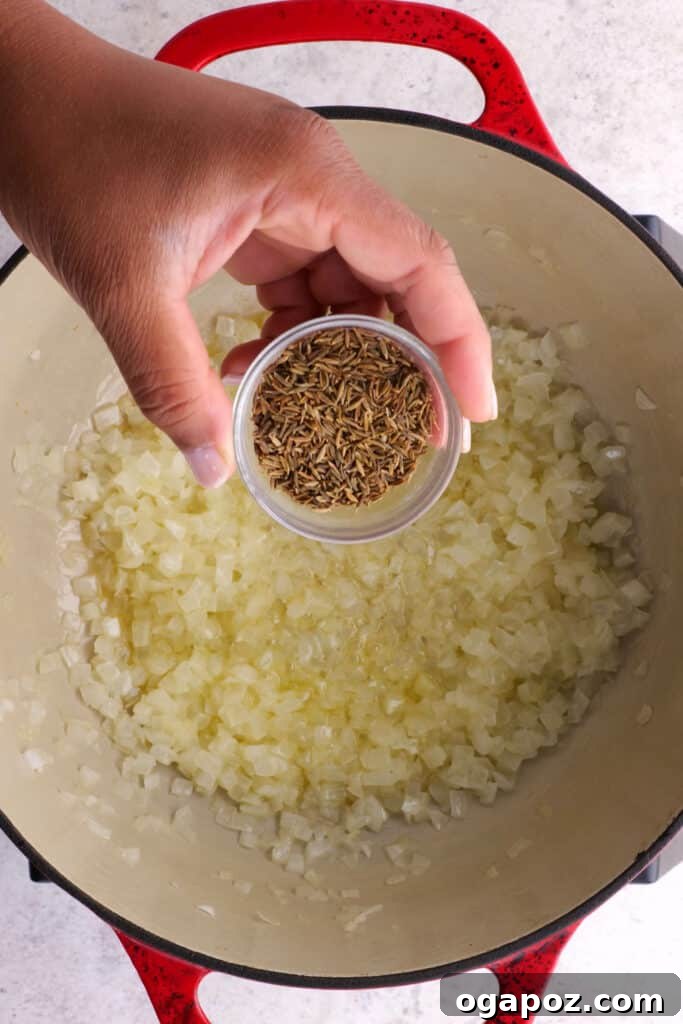
- Reduce heat to medium and stir in cumin seeds, cooking until they become fragrant, which typically takes about a minute.
- Add minced jalapeno, garlic, grated ginger, cayenne powder, and turmeric. Cook for another minute, stirring continuously, allowing the spices to become aromatic.
- Add the tomato paste and cook for a few minutes, stirring occasionally, until it turns a shade darker and the oil begins to shimmer on top. This step caramelizes the tomato paste and deepens its flavor.
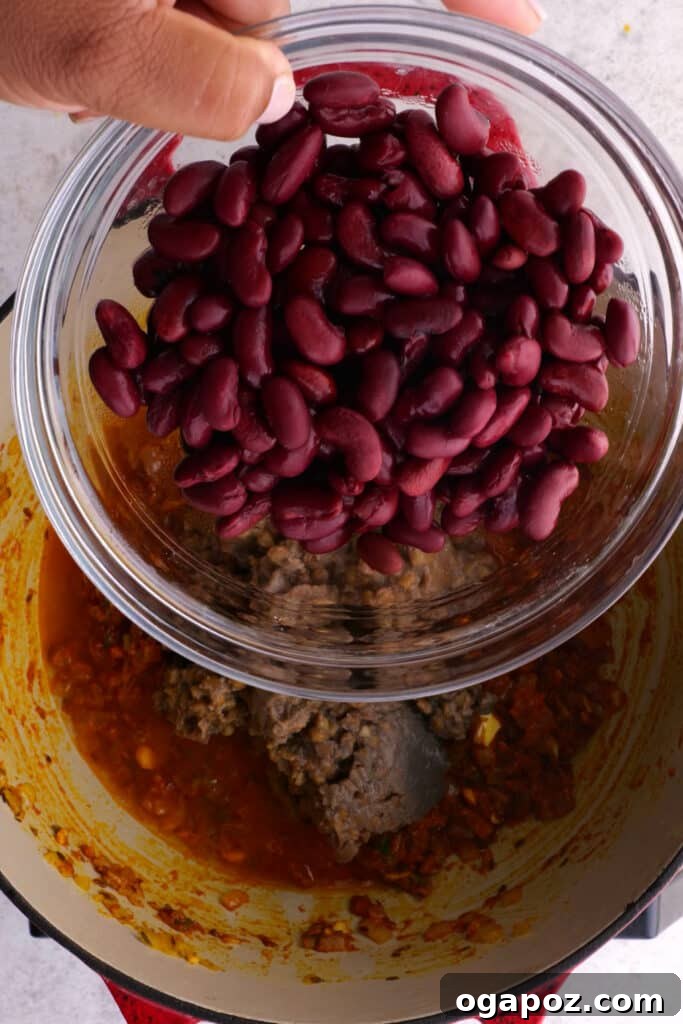
- Stir in the water, drained brown lentils, drained red kidney beans, heavy whipping cream, and the remaining 1 tsp of salt. Mix thoroughly to combine all ingredients.
- Reduce the heat to a low simmer, cover the pot, and let it cook for at least 10 minutes to allow the flavors to meld. If you have more time, the flavor will intensify beautifully with a longer simmer. In this case, use 1 cup of water instead of ½ cup (as the curry will thicken) and simmer for up to 1 hour, stirring occasionally to prevent sticking.
- Finally, stir in the fresh cilantro just before serving. Taste and adjust seasoning as needed.
Nutrition
Nutrition information is automatically calculated and should only be used as an approximation.
If you’ve tried this delicious recipe, we’d love to hear your thoughts! Please leave a comment below and let us know how it turned out.