
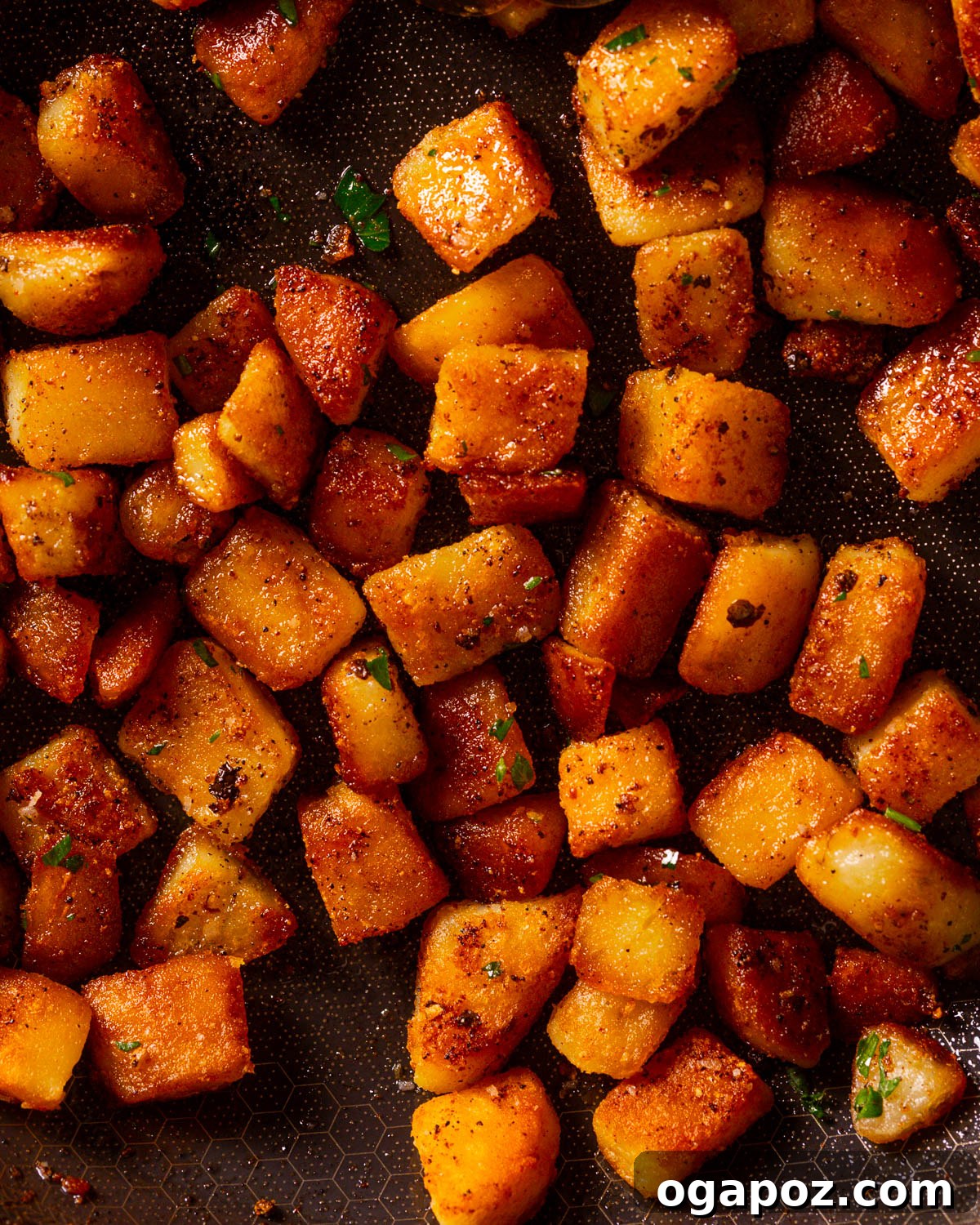
Craving the ultimate fried potatoes? Imagine perfectly golden and crunchy on the outside, yet wonderfully soft and fluffy on the inside. As a food science expert, I’m thrilled to share the meticulously tested and proven techniques that will make your homemade fried potatoes absolutely irresistible, every single time. Get ready to impress yourself and everyone at your table!
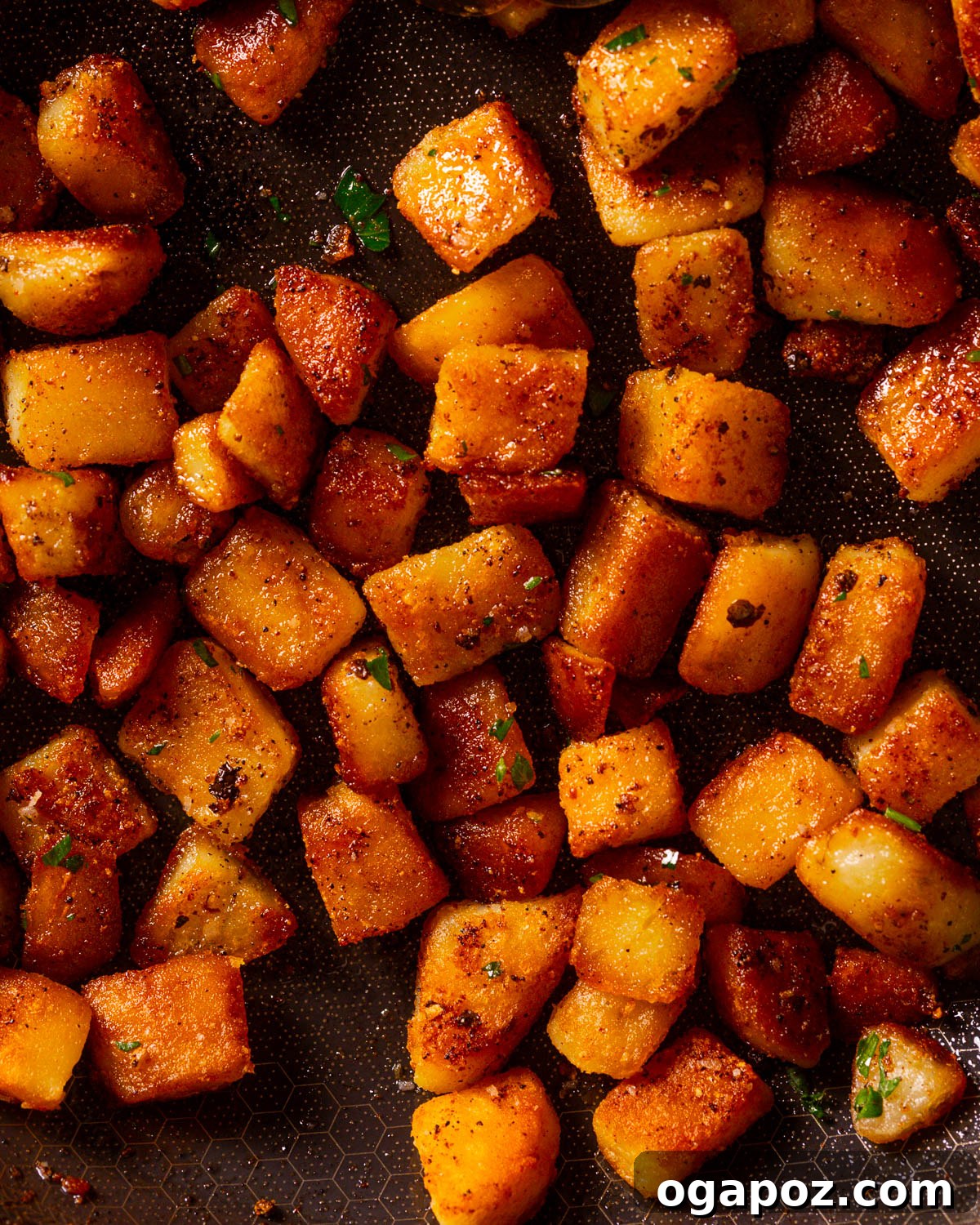
Prepare for these delectable fried potatoes to vanish almost as soon as they leave the pan! We’re about to delve into the fascinating, science-backed details that elevate a simple potato dish into a culinary masterpiece. Whether you’re making breakfast potatoes for a leisurely brunch or a savory side for dinner, this recipe is your new go-to for truly amazing results.
Science-Backed Secrets for Unbelievably Crispy Fried Potatoes
Achieving restaurant-quality crispy fried potatoes isn’t just about throwing spuds into hot oil. It’s an art, backed by a little food science! As a food science expert, I’ve perfected a method that guarantees a super fluffy interior and a shatteringly crisp exterior. Here are the crucial secrets:
- The Power of Par-boiling: This initial boiling step is a game-changer. It ensures the potato’s interior becomes wonderfully tender and creamy, eliminating any risk of undercooked centers. Simultaneously, it prevents the exterior from overcooking or burning during the frying process. The result? A perfectly balanced potato – crispy outside, fluffy inside – just like the best diner-style hash browns or home fries you’ve ever had.
- Baking Soda: The Ultimate Browning Booster: This is my secret weapon! Adding baking soda to the boiling water creates an alkaline environment, which works wonders in two key ways:
- Breaks Down the Potato’s Surface: The alkalinity gently degrades the pectin on the potato’s surface, creating a rougher, more starchy layer. This increased surface area and starchy texture are absolutely essential for developing that signature, ultra-crispy crust when fried.
- Enhances Maillard Reactions: Baking soda significantly boosts the Maillard reaction – the complex chemical process responsible for browning and developing deep, savory flavors. This means your potatoes will achieve that desirable golden-brown color and incredible flavor faster and more efficiently, without overcooking the inside. It’s pure culinary magic!
- Roughening the Surface with a Shake: After par-boiling, don’t just drain your potatoes. Gently shake them in the colander (or even in the pot they were boiled in) to further roughen their softened surfaces. This creates even more craggy edges, amplifying the starchy coating that will crisp up into an unbelievably golden and crunchy crust. Think of it as creating more “nooks and crannies” for maximum crispness.
- Pat Dry, Always: Moisture is the enemy of crispiness! After shaking, immediately transfer the potatoes onto a clean kitchen towel and pat them thoroughly dry. Any residual water on the surface will not only prevent proper browning but also cause dangerous hot oil splatters. A dry surface is paramount for achieving that perfect, non-soggy crunch.
- Season After the First Flip: Resist the urge to season your potatoes before they hit the hot oil. Salt draws moisture out, and if applied too early, it can make the potato surface damp again, hindering crispiness. Furthermore, seasonings like garlic powder can burn quickly in hot oil, leading to a bitter taste. Instead, wait until you’ve achieved that beautiful golden crust on the first side, then flip and season generously. This ensures the salt enhances the flavor without compromising the texture, and other seasonings can toast gently without burning.
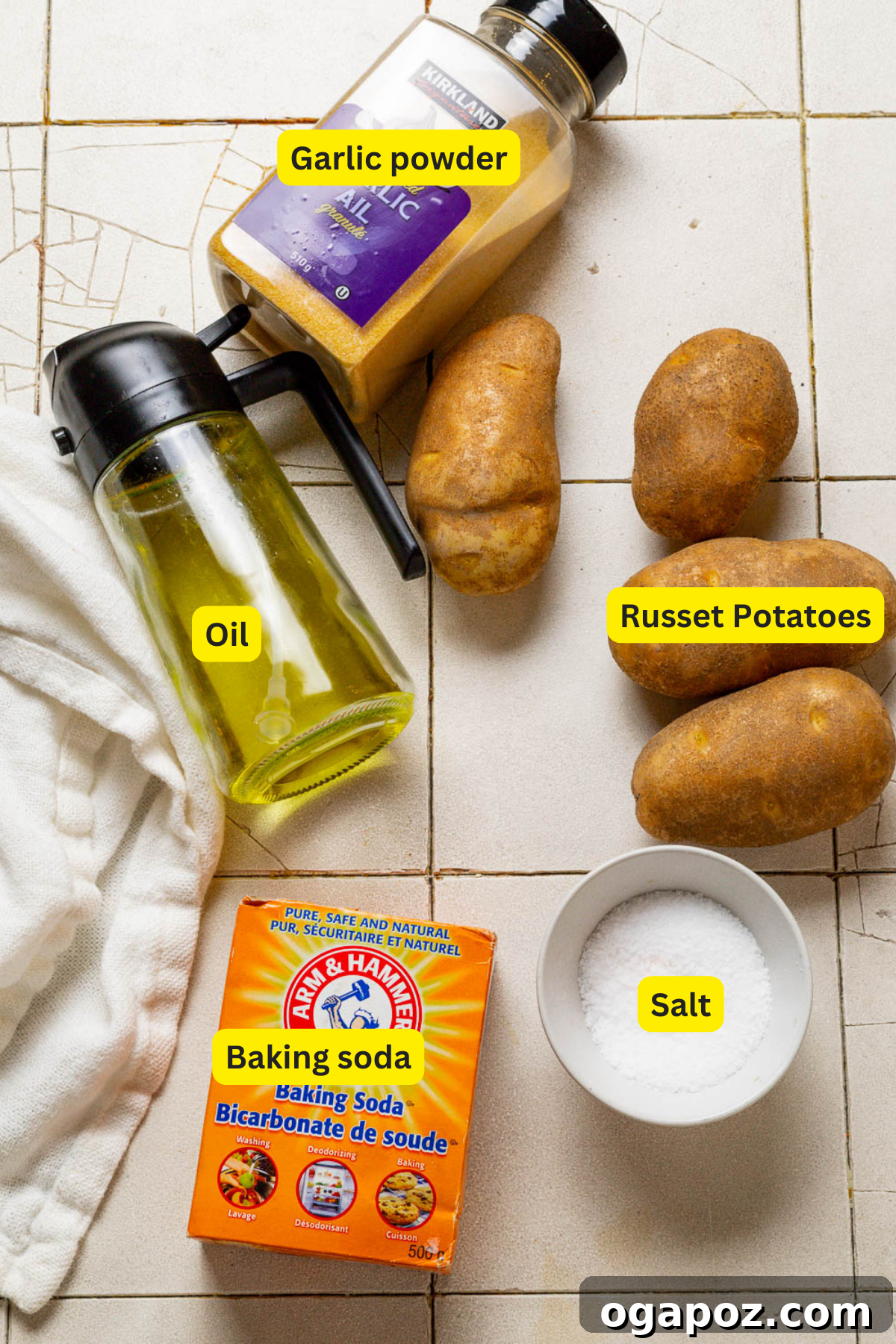
Key Ingredients for Making the Best Fried Potatoes
Selecting the right ingredients is just as important as the technique. Here are my expert recommendations on what to choose and what to avoid for truly spectacular fried potatoes:
- Russet Potatoes: The Champion Choice: These are hands down my top recommendation for crispy fried potatoes. Their high starch content is crucial because it breaks down during par-boiling and roughening, creating that perfect starchy coating that crisps up beautifully in the oil. Furthermore, Russets have a lower moisture content compared to other varieties, which helps them fry up golden and crunchy without becoming soggy or greasy. You can peel them for a classic look or leave the skin on for extra texture and rustic charm – both work wonderfully with this method.
- Alternative Potato Varieties:
- Red Potatoes or Yukon Gold Potatoes: If Russets aren’t available, these can be used. They typically yield a creamier texture and a slightly buttery flavor. However, their higher moisture content means they won’t get quite as crisp as Russets, but they’ll still be delicious.
- Sweet Potatoes: For a sweeter and slightly softer option, sweet potatoes are fantastic. They offer a different flavor profile and are a great way to vary this recipe. Be aware that their sugar content might cause them to brown faster, so keep a close eye on them during frying.
- Best Oil for Frying: The oil you choose significantly impacts the final taste and texture of your fried potatoes. Always opt for a cooking oil with a high smoke point.
- Recommended: Avocado oil (my personal favorite for its neutral flavor and very high smoke point), canola oil, vegetable oil, or light olive oil. These oils can withstand the high heat required for proper frying without breaking down or imparting undesirable flavors.
- Avoid: Butter or extra virgin olive oil. Butter contains milk solids that will burn quickly at high temperatures, creating a bitter taste and black specks. Extra virgin olive oil has a low smoke point and will also burn and smoke, leading to unpleasant flavors and potential health concerns.
- Baking Soda: The Crisping Catalyst: As highlighted in our science secrets, a small amount of baking soda in the boiling water is vital. It initiates the breakdown of the potato surface, forming that crucial starchy layer that will transform into an ultra-crispy crust during frying. Do not skip this!
- Fresh Herbs (Optional, but Recommended): A sprinkle of fresh parsley or chives at the end adds a burst of vibrant color and fresh flavor, elevating the dish from simple to sensational. They provide a lovely aromatic contrast to the rich, savory potatoes.
You’ll find the full, detailed ingredient list with precise quantities in the comprehensive recipe card below.
Customizing Your Fried Potatoes: Substitutions and Variations
While my core recipe guarantees amazing fried potatoes, don’t hesitate to personalize them to your taste! Here are some fantastic alternative ingredients and creative variations to inspire you:
- Spices and Seasonings Galore: Beyond basic salt and pepper, the possibilities are endless!
- For Color and Mild Heat: Try a dash of paprika (sweet or smoked) or a pinch of chili powder.
- For a Spicy Kick: Add cayenne pepper for a noticeable heat.
- Herbal Notes: Italian seasoning brings a warm, savory depth. Fresh dill offers a bright, herbaceous lift, especially lovely with lemon zest for a zesty twist.
- Other Favorites: Onion powder, rosemary, or even a touch of cumin can add unique dimensions.
- Gourmet Garnishes: Elevate your fried potatoes with a touch of sophistication.
- Fresh cilantro offers a bright, citrusy note.
- Finely chopped fresh rosemary or thyme can lend an earthy, aromatic gourmet touch.
- A sprinkle of grated Parmesan cheese right after frying for a salty, umami kick.
- Healthier Cooking Alternatives: If you’re looking to reduce oil, you can still achieve wonderfully crispy results.
- Air Fryer Potatoes: This is a fantastic lower-oil alternative. After par-boiling and thoroughly drying your potatoes, spray or brush them generously with a high-smoke-point oil. Air fry in batches to avoid overcrowding the basket, which can lead to steaming instead of crisping. Flip them halfway through for even browning and consistent crispiness.
- Oven-Baked Potatoes: For a more hands-off, healthier option, bake your par-boiled and dried potatoes. Toss them with a generous drizzle of oil and your desired seasonings, then spread them in a single layer on a baking sheet. Bake at 425°F (220°C) and toss them halfway through until golden brown and crispy.
Why Russet Potatoes Reign Supreme for Frying
When it comes to crafting the absolute best fried potatoes, the choice of potato variety is paramount. While many types can be fried, Russet potatoes consistently deliver that coveted perfect contrast of a crispy exterior and a wonderfully fluffy interior, making them the superior choice.
- Their **high starch content** is the secret weapon. When Russets are par-boiled and then roughened (as described in our method), their abundant starch is released onto the surface. This creates a highly absorbent, craggy coating that becomes incredibly crispy and golden during the frying process. This starch layer is what gives you that satisfying crunch.
- Coupled with their **relatively low moisture content**, Russets prevent the potatoes from becoming soggy or greasy. Less water means the potatoes can fry more efficiently, achieving a deep golden hue and exceptional crispness without steaming themselves in the pan. This combination of high starch and low moisture makes Russets uniquely suited for phenomenal fried potatoes every time.
How to Make Amazing Fried Potatoes: A Step-by-Step Guide
Ready to create the most incredible homemade fried potatoes you’ve ever tasted? Follow these easy, science-backed steps for guaranteed success. This simple guide will walk you through the process, ensuring every bite is a perfect blend of crispy and fluffy.
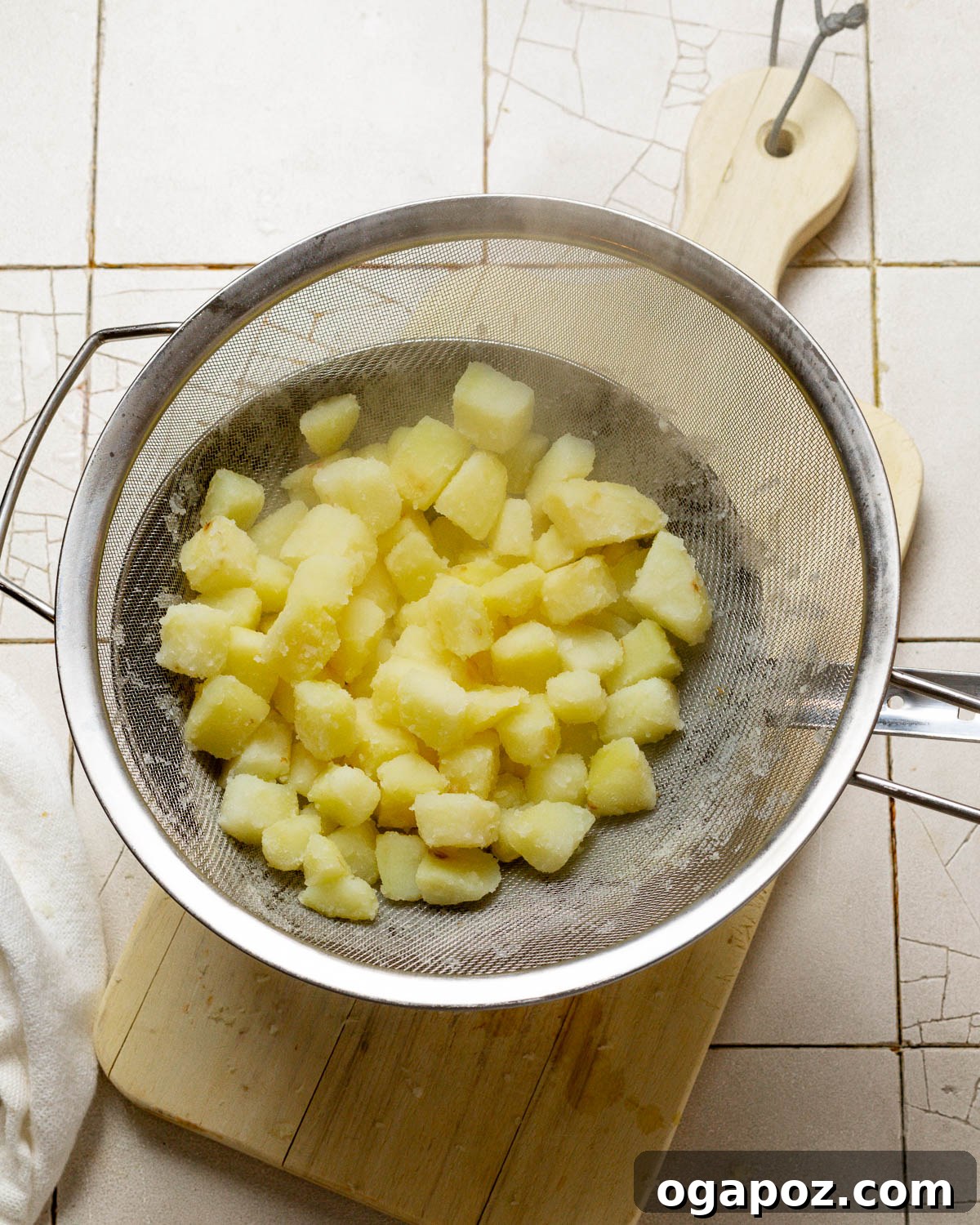
Step 1: Prep and Par-boil for Optimal Texture
This critical first step lays the foundation for perfectly fluffy interiors and crispy exteriors.
- Prepare Potatoes: Start by peeling your Russet potatoes if desired, or leave the skin on for a rustic finish. Cut the potatoes into uniform ½-inch cubes or wedges. Consistency in size is important for even cooking.
- Boil with Baking Soda: In a large pot, bring 2 quarts of water to a rolling boil. Add ½ teaspoon of baking soda and 1 tablespoon of salt to the boiling water. The baking soda will create an alkaline environment crucial for crisping.
- Par-boil Until Tender: Carefully add the cut potatoes to the boiling water. Reduce the heat to a simmer and cook for exactly 5 minutes. The potatoes should be fork-tender but still firm enough to hold their shape and not fall apart. This ensures a creamy interior without overcooking.
- Drain and Roughen: Immediately drain the potatoes in a colander. Once drained, give the colander a gentle but firm shake. This action further roughens the par-boiled potato surfaces, creating more starchy crags that will become beautifully crispy when fried.
- Thoroughly Pat Dry: Transfer the roughened potatoes onto a clean kitchen towel or several layers of paper towels. Pat them completely dry. This step is non-negotiable for achieving maximum crispness and preventing oil splatters.
Step 2: Fry to Golden Perfection
Proper frying technique ensures even browning and a satisfying crunch.
- Heat Your Skillet: Place a large, heavy-bottomed skillet (cast iron or stainless steel works best) over medium-high heat. Allow it to heat for 3-5 minutes until it’s very hot. A properly preheated pan is essential for preventing sticking and achieving immediate browning.
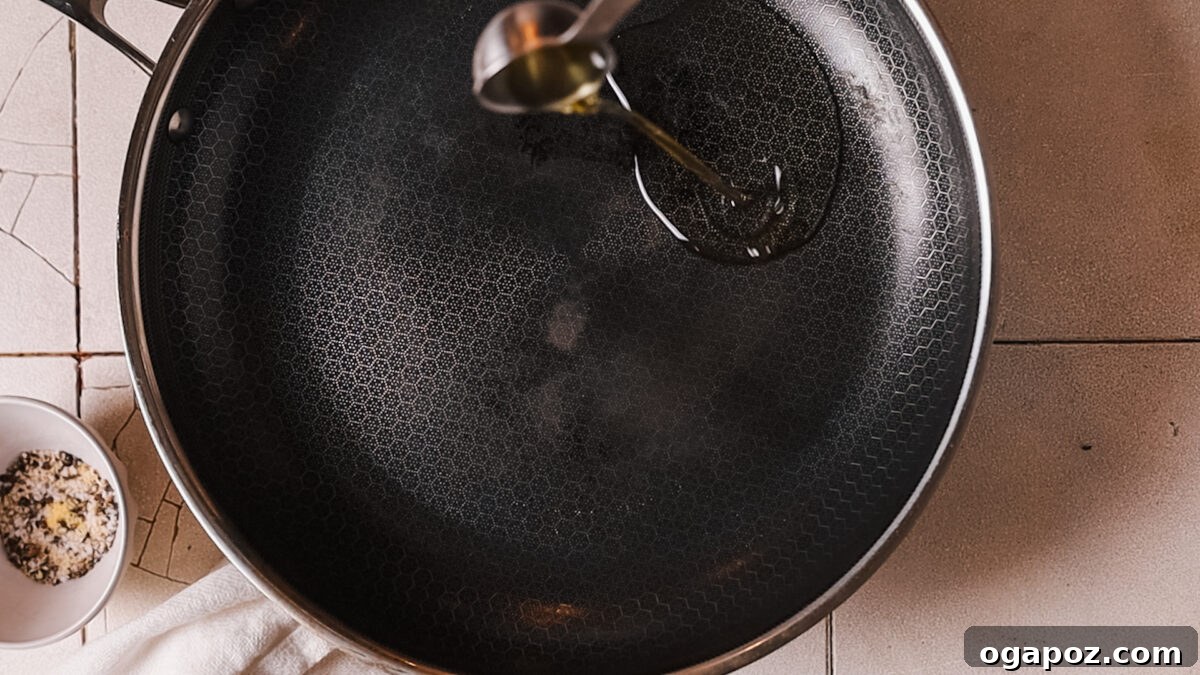
- Add and Heat Oil: Pour 3 tablespoons of a neutral, high-smoke-point oil (like avocado, canola, or vegetable oil) into the hot skillet. Let the oil heat for about 30 seconds until it’s shimmering and just barely starting to smoke. This indicates it’s at the ideal temperature for frying.
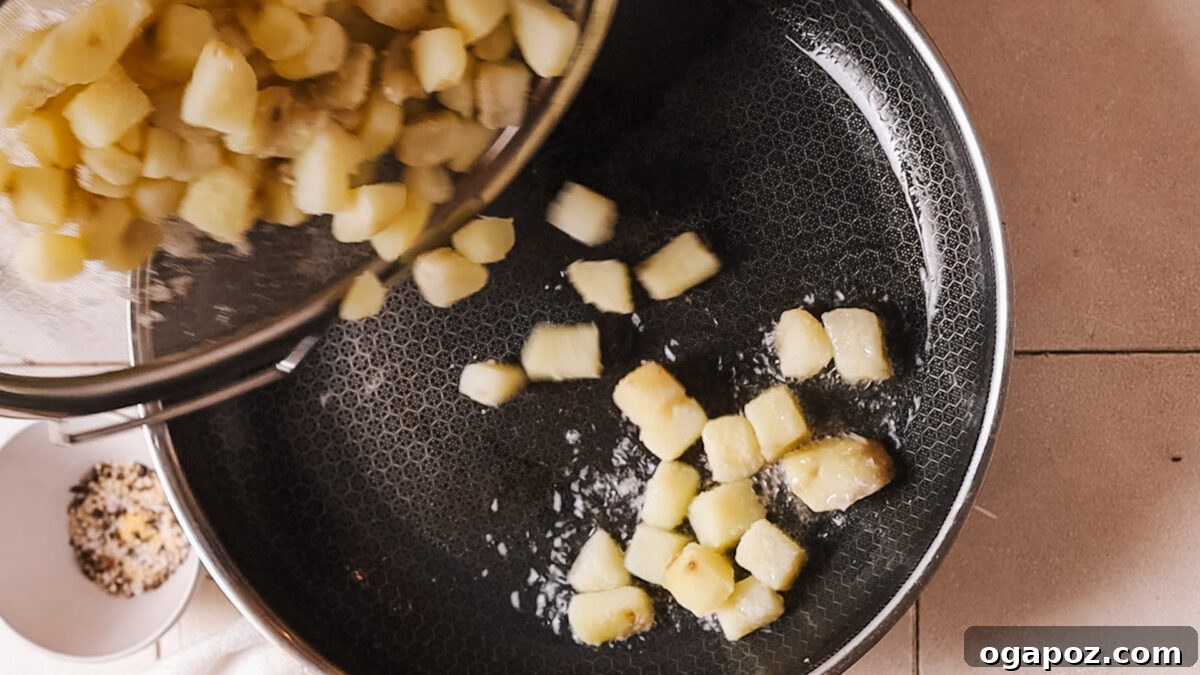
- Add Potatoes in a Single Layer: Carefully add the thoroughly dried potatoes to the hot oil. Ensure they are arranged in a single layer without overcrowding the pan. Overcrowding will lower the oil temperature and cause the potatoes to steam instead of fry, resulting in soggy rather than crispy results. Cook in batches if necessary.
- Cook Undisturbed: This is a crucial step for developing a deep golden crust. Cook the potatoes for 5 minutes without touching or flipping them. Resist the urge to peek or stir! This allows a beautiful, crispy crust to form on the bottom.
Step 3: Flip, Season, and Finish
The final steps for flavor and ultimate crispness.
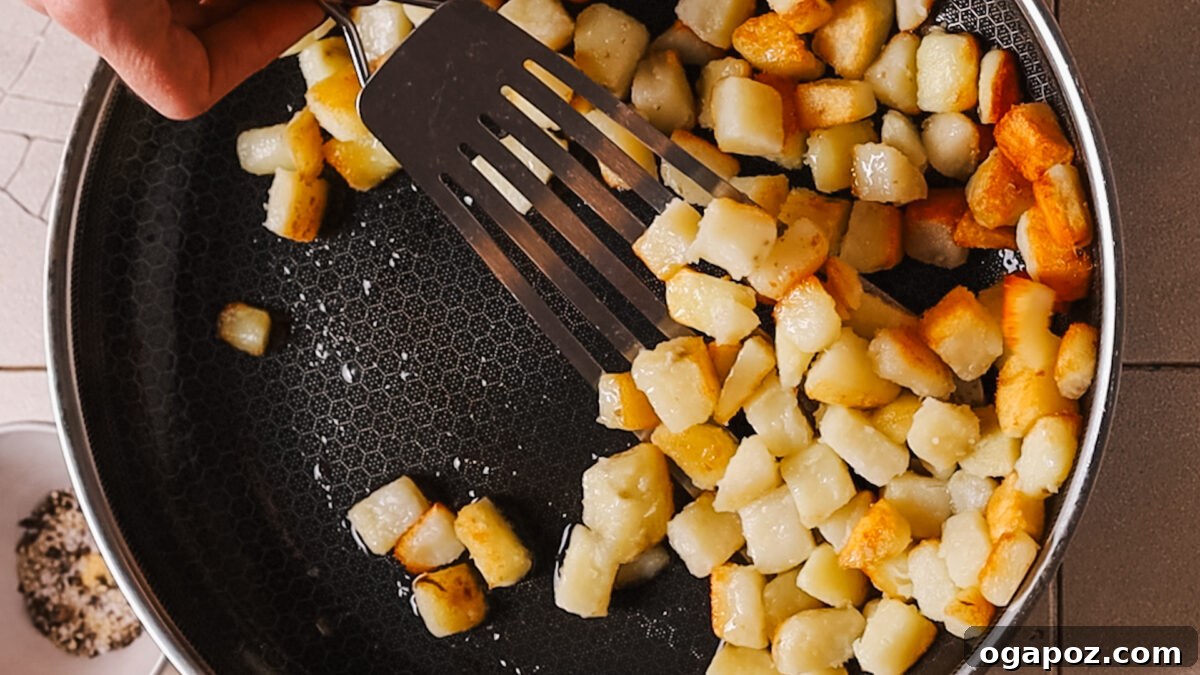
- Flip and Season: After 5 minutes, gently flip the potatoes using a spatula. You should see a lovely golden-brown crust. Now is the time to season! Sprinkle generously with ½ teaspoon of salt, ¼ teaspoon of black pepper, and ¼ teaspoon of garlic powder (if using).
- Continue Frying: Continue to cook the potatoes for another 5-7 minutes, flipping them occasionally every 1-2 minutes, until all sides are golden brown and wonderfully crispy.
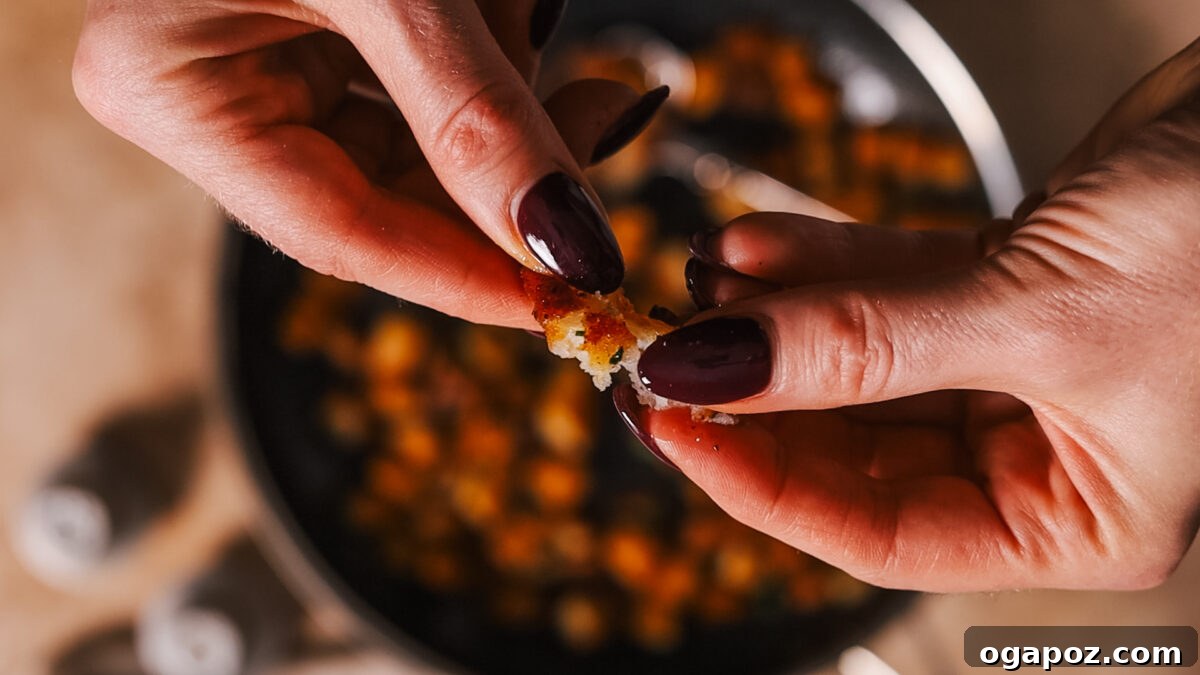
- Taste and Adjust: Once the potatoes are uniformly golden and crisp, remove them from the heat. Taste a piece and adjust the seasoning if needed. A little extra salt often brings out their best flavor.
- Serve Immediately: Garnish with fresh parsley or chives for a pop of color and freshness, then serve your perfect fried potatoes hot and enjoy!
Avoid These 5 Common Mistakes for Perfect Fried Potatoes
While this recipe for crispy fried potatoes is designed for simplicity and success, it’s easy to fall into a few common traps. Being aware of these typical missteps will ensure your potatoes turn out perfectly every time.
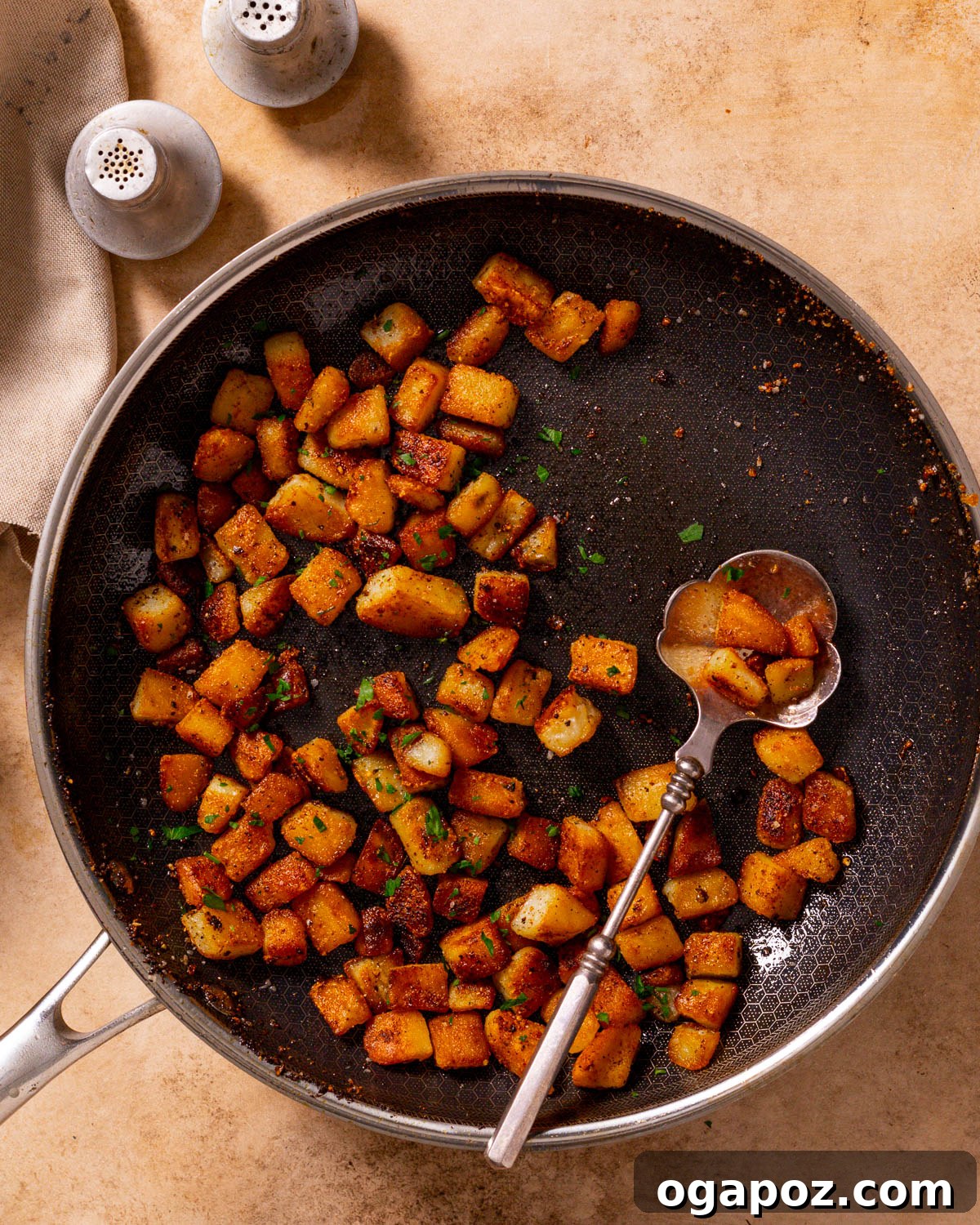
1. Skipping the Par-boiling Step: This is perhaps the most critical mistake. Par-boiling isn’t just about softening the potatoes; it’s about initiating the starch breakdown and creating a unique surface texture that’s essential for crisping. Skipping this step often results in potatoes that are either undercooked in the center, mushy, or fail to develop that coveted crispy crust on the outside. They might end up unevenly cooked, with some parts hard and others burnt. Always par-boil!
2. Overcrowding the Pan: This is a major culprit for soggy potatoes. When you add too many potatoes to the pan at once, two things happen: the temperature of the oil drops significantly, and the potatoes release steam. Instead of frying in hot oil, they end up steaming in their own moisture, leading to a limp, unappetizing texture. Always cook your potatoes in a single layer, in batches if necessary, to maintain high oil temperature and ensure proper browning and crisping.
3. Using the Wrong Type of Potato: Not all potatoes are created equal for frying. Waxy varieties like red potatoes or new potatoes have a lower starch content and higher moisture, meaning they won’t develop the same kind of crispy exterior as a Russet. While they can be fried, they’ll typically result in a creamier, softer texture rather than that desired shatteringly crisp outer layer. For optimal crispiness and fluffiness, stick with high-starch Russets.
4. Frying in Oil That Isn’t Hot Enough: Adding potatoes to oil that hasn’t reached the correct temperature is a recipe for greasy, undercooked results. Cold or lukewarm oil will be absorbed by the potatoes, making them heavy, oily, and soft instead of crisp. Always preheat your oil until it’s shimmering and almost smoking before adding the potatoes. This ensures the surface immediately seals and begins to crisp, preventing excessive oil absorption.
5. Flipping Too Often: Patience is a virtue when frying potatoes! Constantly moving or flipping the potatoes prevents a solid, golden crust from forming. Each time you disturb them, you disrupt the browning process. Allow the potatoes to cook undisturbed for the recommended initial 5 minutes on one side to develop a robust, golden-brown crust. After that, flip occasionally to ensure even browning, but avoid excessive stirring.
Make Ahead and Storage Tips for Fried Potatoes
Life can be busy, but that doesn’t mean you can’t enjoy fresh, hot fried potatoes! This recipe offers excellent make-ahead options, and I’ll also guide you on how to store and reheat leftovers for the best possible experience.
Make-Ahead Preparation
You can significantly reduce prep time on the day of cooking by par-boiling the potatoes in advance. This step can be done up to 24 hours ahead:
- After draining and giving the potatoes their crucial “roughening shake,” allow them to cool completely to room temperature.
- Once cooled, transfer the par-boiled potatoes to an airtight container. Store them in the refrigerator for up to 24 hours.
- When you’re ready to fry, simply take the potatoes out of the fridge and proceed directly to the frying steps (Step 2 in the guide above). This preparation ensures you’re just minutes away from perfectly crispy potatoes whenever the craving strikes!
Storing Leftover Fried Potatoes
If you happen to have any leftovers (which is rare with these!), proper storage is key to maintaining their quality:
- Allow the cooked fried potatoes to cool completely before storing.
- Transfer them to an airtight container and store them in the refrigerator for up to 3 days.
Reheating Leftovers for Best Results
The goal when reheating is to bring back as much of that original crispiness as possible. Avoid the microwave at all costs!
- Skillet Reheating: Heat a skillet over medium heat with a tiny touch of oil. Add the leftover potatoes in a single layer and cook, flipping occasionally, until heated through and re-crisped to your liking. This is my preferred method for stovetop reheating.
- Air Fryer Reheating: An air fryer is another fantastic option for reheating. Preheat your air fryer to 375°F (190°C). Place the leftover potatoes in a single layer in the air fryer basket (don’t overcrowd!). Cook for 5-8 minutes, shaking the basket halfway through, until they are hot and crispy again. You can even check out my dedicated guide for how to reheat french fries in an air fryer for more detailed tips.
- Avoid the Microwave: While convenient, the microwave will steam your potatoes, turning them into a sad, soggy mess. It’s the enemy of crispiness, so skip it for this recipe.
Delicious Ways to Serve Your Crispy Fried Potatoes
These incredible fried potatoes are incredibly versatile! Their perfect balance of crispy and fluffy makes them an ideal accompaniment for almost any meal. Here are some of my favorite ways to enjoy them:
- The Ultimate Breakfast or Brunch Staple: Transform your morning meal into a restaurant-quality experience! These potatoes are the perfect partner for all your favorite breakfast classics:
- Pair them with perfectly cooked eggs. Whether you prefer easy microwave boiled eggs, glorious eggs over medium, or light and fluffy microwave poached eggs, the savory potatoes will complete the plate.
- Add a side of savory proteins like perfectly air fryer bacon, sizzling breakfast sausage, or a hearty ham slice.
- Don’t forget classic additions like toast, pancakes, or a fresh fruit salad to round out the meal.
- An Easy & Flavorful Side Dish: These potatoes are hearty enough to stand on their own as a snack, or they can elevate any main course.
- Serve them alongside grilled chicken, steak, or fish for a satisfying dinner.
- They make a fantastic alternative to mashed potatoes or baked potatoes for a weeknight meal.
- A dollop of sour cream, a sprinkle of fresh chives, or a dash of hot sauce can add extra flair.
- Perfect for Dipping: Who doesn’t love a good dipping sauce? These crispy potato bites are fantastic with:
- Your favorite ketchup, of course!
- A creamy aioli or homemade ranch dressing.
- For something truly special, try them with my famous Big Mac Sauce – it’s an absolutely delicious combination!
- A spicy sriracha mayo for a kick.
RELATED RECIPES YOU’LL LOVE: For more breakfast inspiration, explore our Tater Tot Breakfast Casserole and a collection of 23+ Breakfast Recipes with Sausage and Eggs.
Frequently Asked Questions About Fried Potatoes
Just zipping through this recipe post? Make sure you don’t skip past these key queries and expert answers that address common concerns about making perfect fried potatoes:
Why aren’t my fried potatoes crispy?
Several factors can lead to soggy potatoes. The most common reasons include overcrowding the pan, which lowers the oil temperature and causes the potatoes to steam instead of fry. Insufficiently hot oil also leads to oil absorption rather than crisping. Lastly, flipping the potatoes too frequently prevents a solid crust from forming. Ensure a single layer, very hot oil, and undisturbed cooking for the initial few minutes to achieve maximum crispness.
Can I make fried potatoes without par-boiling?
Yes, you can fry raw potatoes, but par-boiling is highly recommended for the best results. Par-boiling softens the interior and creates a starchy, roughened surface that crisps up beautifully. Skipping this step may result in potatoes that are either still hard in the center, or become overly dry and hard on the outside before the inside is cooked through. If you must skip par-boiling, soak raw, cut potatoes in cold water for 10-15 minutes to remove excess surface starch, then dry them absolutely thoroughly before frying.
What’s the best oil for frying potatoes?
The best oils for frying potatoes are those with a high smoke point and neutral flavor. Good choices include avocado oil, canola oil, vegetable oil, or light olive oil. These oils can withstand the high temperatures required for frying without burning or imparting undesirable tastes. Avoid butter or extra virgin olive oil, as they have lower smoke points and will burn quickly.
How do I prevent fried potatoes from sticking to the pan?
To prevent sticking, use a well-seasoned cast-iron skillet or a good quality nonstick pan. The most important tip, however, is to ensure the pan and oil are thoroughly preheated before adding the potatoes. A hot pan immediately creates a crust, preventing sticking. Also, allow the potatoes to cook undisturbed for several minutes on each side before attempting to flip them; this allows the crust to fully develop and release from the pan.
Can I use sweet potatoes instead of Russet potatoes?
Absolutely! Sweet potatoes are a delicious alternative. They will yield a softer texture and a distinctly sweeter flavor profile. Keep in mind that sweet potatoes tend to brown faster due to their higher sugar content, so you might need to adjust the frying time slightly and monitor them closely to prevent burning. They may not achieve the same crispiness as Russets, but they will still be incredibly tasty.
More Irresistible Potato Recipes You’ll Adore
If you’re a potato lover, you’re in the right place! Beyond these perfect fried potatoes, my recipe bank is full of other tested-till-perfect potato delights:
- Discover my best potato salad, a creamy classic perfect for picnics and potlucks.
- Master the art of fluffy, melt-in-your-mouth sides with my tested-till-perfect mashed potato recipe – it’s guaranteed to be a crowd-pleaser every time!
- Indulge in the rich, cheesy goodness of my gluten-free au gratin potatoes, a creamy and delicious dish that’s perfect for any occasion.
Fried Potatoes: The CRISPIEST, Fluffiest You’ve Ever Had!
By: Jennifer Pallian BSc, RD
Want to make fried potatoes that rival those from your favorite brunch spot? I’ve got you – here is the only recipe you’ll ever need to make the crunchiest little fried potatoes with fluffy interiors. Let’s go!
Prep Time: 5 minutes
Cook Time: 30 minutes
Total Time: 35 minutes
Servings: 4
Ingredients
Main Ingredients:
- 1 ½ lbs Russet potatoes (2 large or 4 small)
For Par-boiling:
- 8 cups water
- ½ tsp baking soda
- 1 tbsp salt
For Frying:
- 3 tbsp neutral oil (like canola or avocado oil)
- ½ tsp salt
- ¼ tsp black pepper
- ¼ tsp garlic powder (optional)
- Fresh herbs for garnish (like parsley or chives)
Instructions
Prep and Par-boil:
- Peel (if you want) and cut potatoes into ½-inch cubes or thick wedges.
- Bring 2 quarts of water to a boil with ½ tsp baking soda and 1 tbsp salt.
- Add potatoes and simmer for 5 minutes, until fork-tender but not falling apart.
- Drain in a colander and shake it gently to roughen the surface.
Fry the Potatoes:
- Heat a large skillet for 3-5 minutes over medium-high heat. It should be very hot.
- Add the oil and heat it until shimmering hot and almost smoking, about 30 seconds.
- Add potatoes in a single layer and cook undisturbed for 5 minutes until the bottoms are golden brown.
Flip, Season, and Finish:
- Flip the potatoes and season with salt, pepper, and garlic powder if using. Fry for another 5 minutes, flipping occasionally, until crispy on all sides.
Serve:
- Garnish with fresh parsley and serve hot.
Notes
If you don’t want to par-boil, you can skip straight to frying—but the potatoes may not get quite as crispy on the outside or as creamy inside.
Instead, soak the raw potatoes in cold water for 10-15 minutes to remove excess starch, then dry them thoroughly before frying.
Don’t season the potatoes before frying—wait until after the first flip to sprinkle with the salt, pepper, and garlic powder. This lets them develop a golden, crispy crust without drawing moisture out prematurely.
Nutrition
Nutrition information is automatically calculated, so should only be used as an approximation.
- Calories: 228kcal
- Carbohydrates: 31g
- Protein: 4g
- Fat: 11g
- Saturated Fat: 1g
- Polyunsaturated Fat: 3g
- Monounsaturated Fat: 7g
- Trans Fat: 0.04g
- Sodium: 2204mg
- Potassium: 714mg
- Fiber: 2g
- Sugar: 1g
- Vitamin A: 2IU
- Vitamin C: 10mg
- Calcium: 38mg
- Iron: 2mg
Tried this recipe? Share your thoughts in the comments below! We’d love to hear how your crispy fried potatoes turned out.