
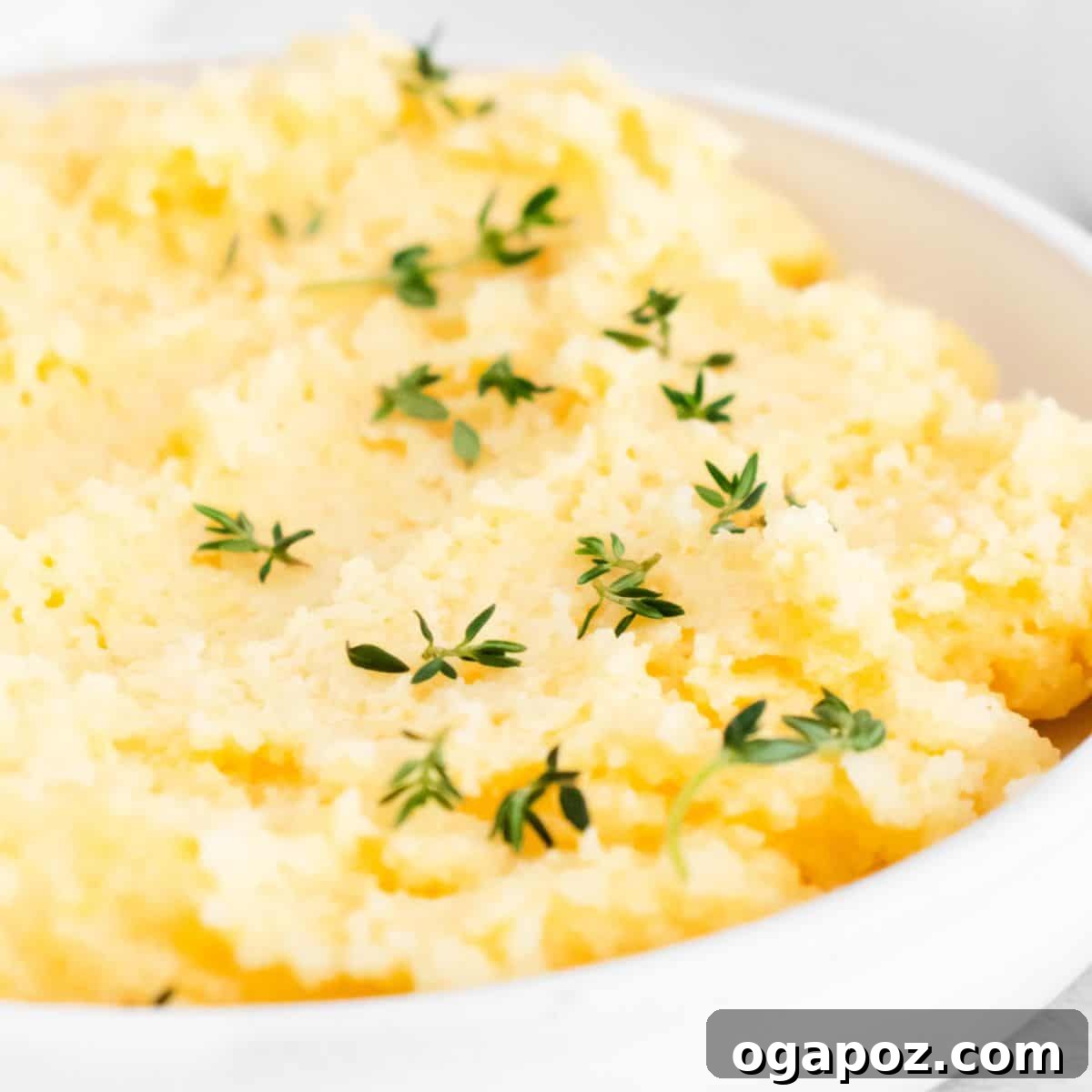
The Ultimate Creamy Parmesan Polenta: A Simple 4-Ingredient Delight
Prepare to be enchanted by this incredibly easy and utterly delicious Creamy Polenta Recipe. Crafted with just four essential ingredients, this dish transforms humble cornmeal into a rich, velvety, and irresistibly cheesy experience, thanks to the magic of Parmesan. Whether you’re seeking a comforting base for succulent slow-roasted meats like short ribs or a delightful companion to vibrant roasted vegetables, this versatile side dish is guaranteed to impress with minimal effort.
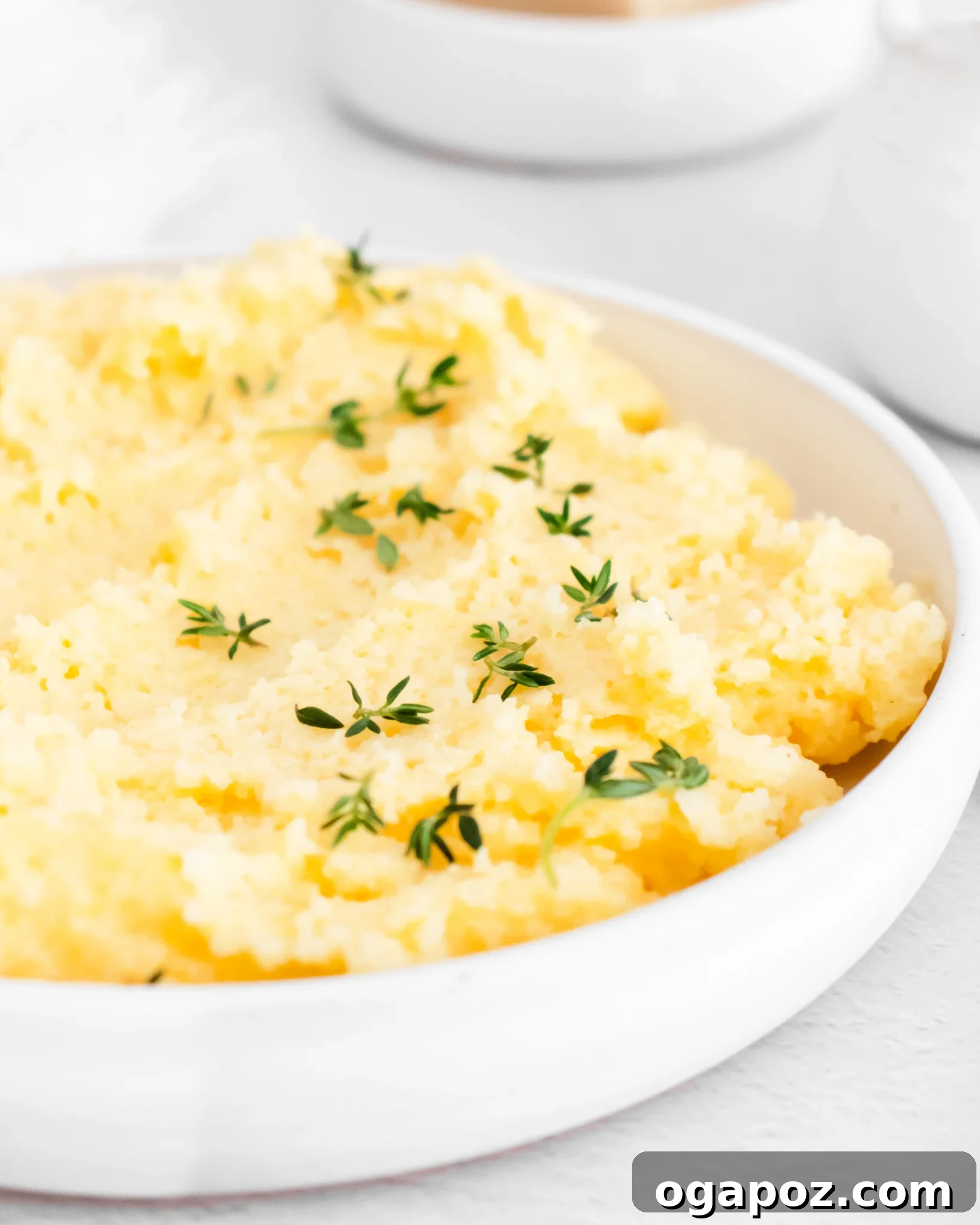
This creamy Parmesan polenta has become a staple in my kitchen, a go-to for pairing with an array of dishes, from fall-apart tender short ribs to robust Italian meat sauces and balsamic-glazed roasted vegetables. If you’ve never experienced the simple pleasure of polenta, you’re in for a treat! My own love affair with polenta began years ago during a trip to Italy with my husband, Mike. I was introduced to its comforting warmth and deeply satisfying creaminess, and I’ve been hooked ever since.
Polenta is more than just a side; it’s a soul-warming dish that fills you up and provides true comfort. What makes this particular recipe stand out is its astonishing simplicity. It relies on just four core ingredients: good quality polenta, rich butter, water (or flavorful broth), and sharp Parmesan cheese. This minimalist approach proves that extraordinary flavor doesn’t require a long list of complex components.
You’ll adore how this creamy side dish effortlessly complements so many meals, offering a smooth, luxurious texture that elevates even the simplest plate. For those who cherish comforting side dishes, you might also enjoy exploring our Cheesy Butternut Squash Orzo, Lemon Orzo Recipe, or these bright Lemon Pearl Couscous Recipes for more delightful culinary inspirations.
What is Polenta? Understanding This Italian Staple
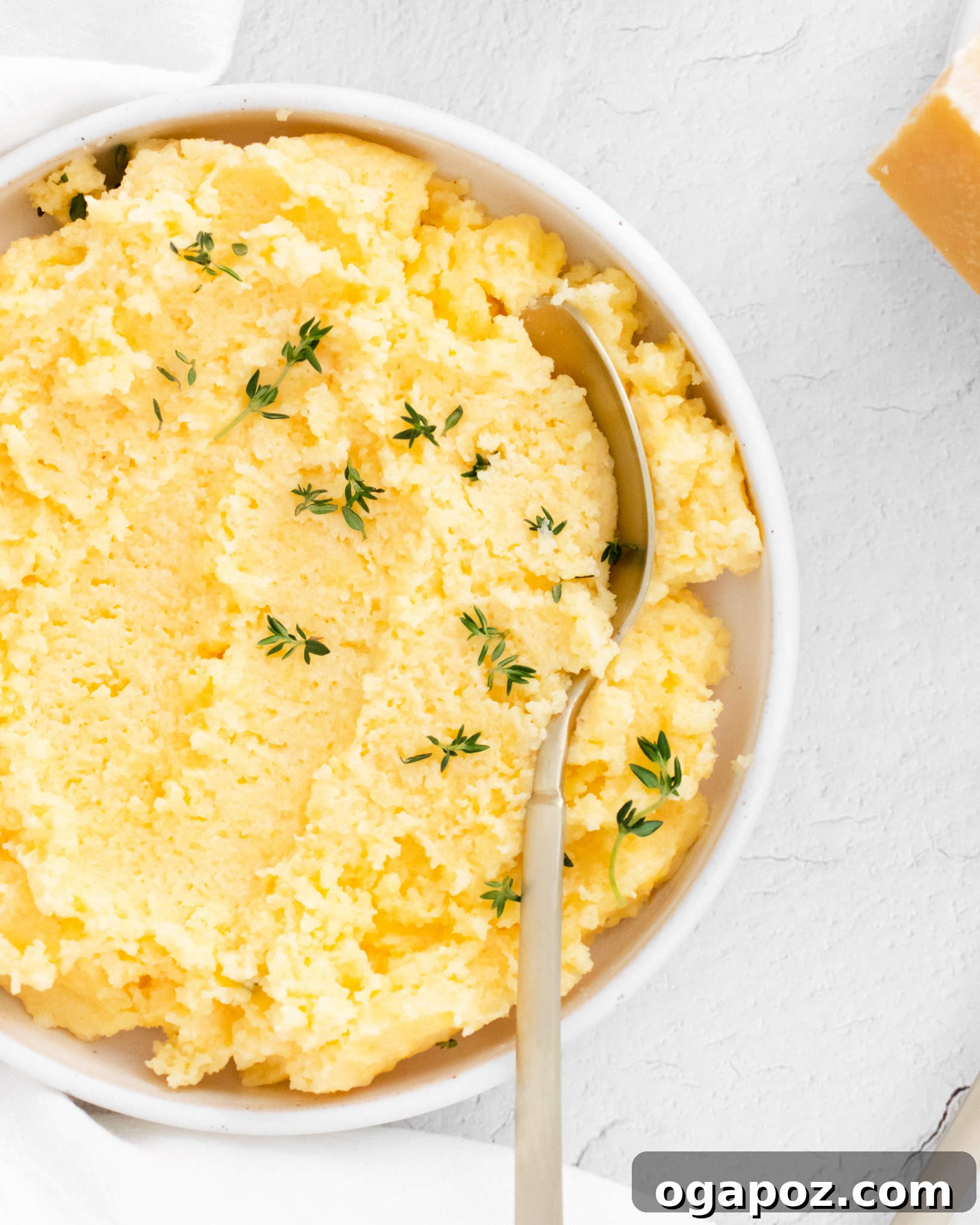
At its heart, polenta is a humble dish made from boiled cornmeal. It can be prepared with various grinds of cornmeal—coarse, medium, or fine—each yielding a slightly different texture. The quality of the cornmeal you choose directly impacts the flavor and consistency of your final polenta. Opting for stone-ground cornmeal often results in a more robust flavor and pleasing texture.
Originating from Northern Italy, polenta was historically a staple for peasant and working-class families, valued for its affordability and nutritional value. It’s often affectionately referred to as “Italian grits” due to its similar preparation and hearty porridge-like consistency. While grits are typically made from white corn and have a milder flavor, polenta is traditionally made from yellow corn, offering a slightly sweeter, more pronounced corn flavor.
My personal experience with authentic Italian polenta cemented its place as a true comfort food. The simplicity of its ingredients belies the depth of satisfaction it provides, making it a beloved dish across Italy and increasingly around the world.
What Does Polenta Taste Like? A Flavor Profile
When properly cooked, polenta offers a unique and delightful taste. It has a hearty, slightly sweet corn flavor, reminiscent of a rich corn porridge. The natural sweetness of the corn should be evident, without any bitter or raw undertones. The quality of your cornmeal plays a significant role here; superior cornmeal will naturally lead to superior flavor.
In this particular recipe, the addition of Parmesan cheese introduces a wonderful savory, umami-rich, and slightly salty dimension. This creates a beautifully balanced flavor profile that is both comforting and sophisticated. The butter further enhances the richness, contributing to the dish’s overall creamy and luxurious mouthfeel.
Key Ingredients for Your Creamy Polenta
This recipe prides itself on its simplicity, relying on a few high-quality ingredients to achieve maximum flavor and creaminess. Here’s a closer look at what you’ll need and why each component is vital:
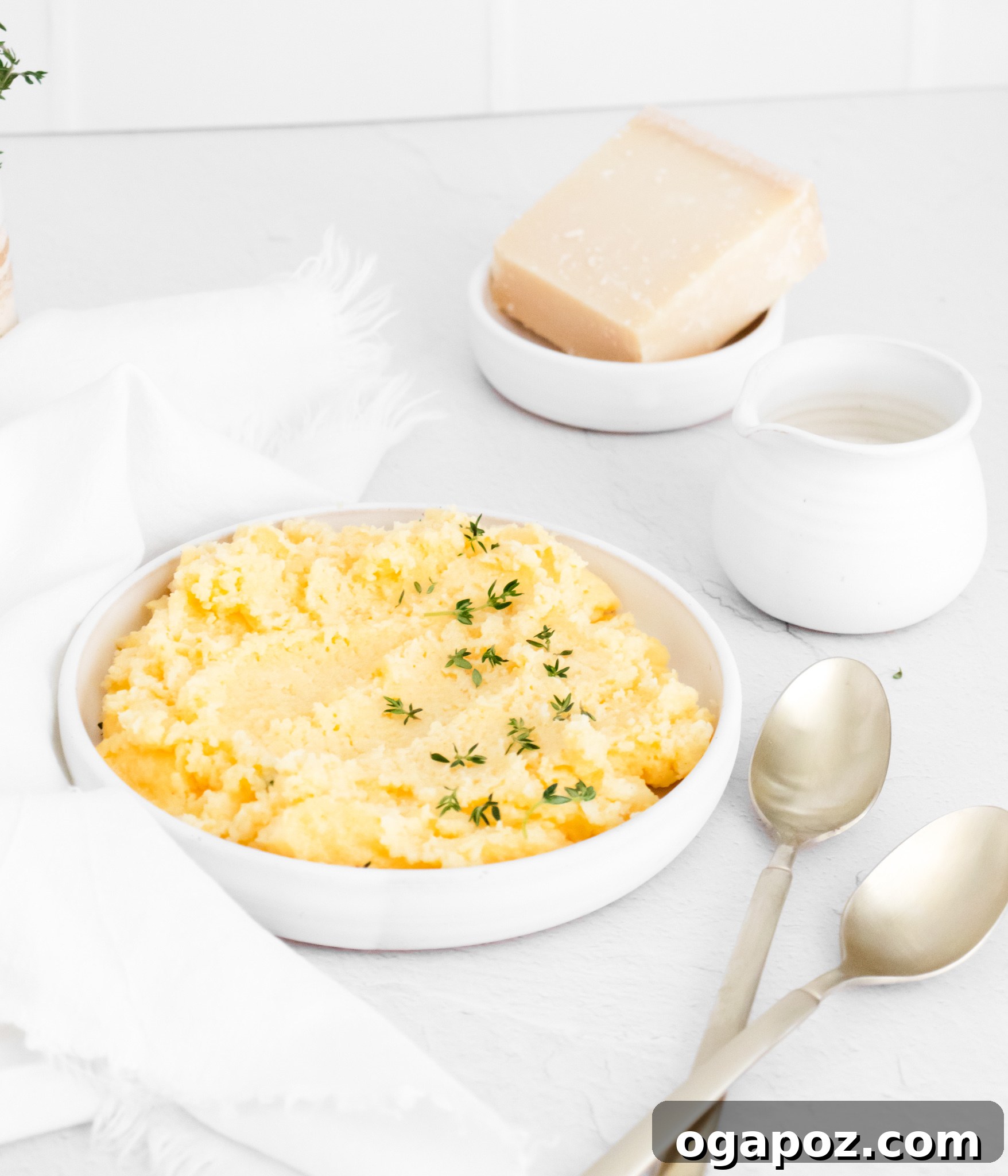
- Polenta (Yellow Cornmeal): For this recipe, I recommend using yellow polenta, which is essentially coarsely or medium-ground cornmeal. While instant polenta is an option for quicker cooking, I generally prefer the traditional slow-cooking kind. It develops a deeper flavor and a more desirable texture. Look for stone-ground polenta for the best results.
- Parmesan Cheese: The Parmesan cheese is truly a star here, elevating the dish with its salty, nutty, and savory notes, contributing significantly to that beloved cheesy, creamy texture. For the best flavor, I always recommend grating fresh Parmigiano Reggiano off the block just before adding it. This delivers a much stronger, more authentic taste than pre-grated varieties. If you’re feeling adventurous, other cheeses like goat cheese, cream cheese, or even ricotta can be used for different flavor profiles.
- Unsalted Butter: Butter adds richness and contributes to the overall creamy consistency. I opt for unsalted butter to have better control over the final seasoning. If you use salted butter, remember to adjust or omit any additional salt until you’ve tasted the finished polenta.
- Water (or Broth): The liquid component is crucial for cooking the polenta grains. While water works perfectly fine, substituting chicken or vegetable broth can add an extra layer of savory depth and complexity to your polenta, enhancing its overall flavor.
Crafting Your Creamy Polenta: A Step-by-Step Guide
Making creamy polenta is surprisingly straightforward, requiring a little patience and continuous whisking to achieve that perfect, lump-free consistency. Follow these steps for a flawless result:
Step 1: Bring Liquid to a Boil
In a large, heavy-bottomed pot, combine the water (or broth) and salt. Bring this mixture to a rolling boil over medium-high heat. A heavy pot helps distribute heat evenly and prevents sticking.
Step 2: Slowly Add Polenta and Whisk
Once the liquid is vigorously boiling, begin to slowly pour in the polenta in a thin, steady stream. As you add the polenta, continuously whisk the mixture to prevent any lumps from forming. This initial whisking is crucial for a smooth polenta.
Step 3: Simmer and Thicken
Reduce the heat to low, bringing the polenta down to a gentle simmer. You want to see small bubbles, not a vigorous boil. Continue to whisk for a few minutes until the mixture begins to thicken slightly.
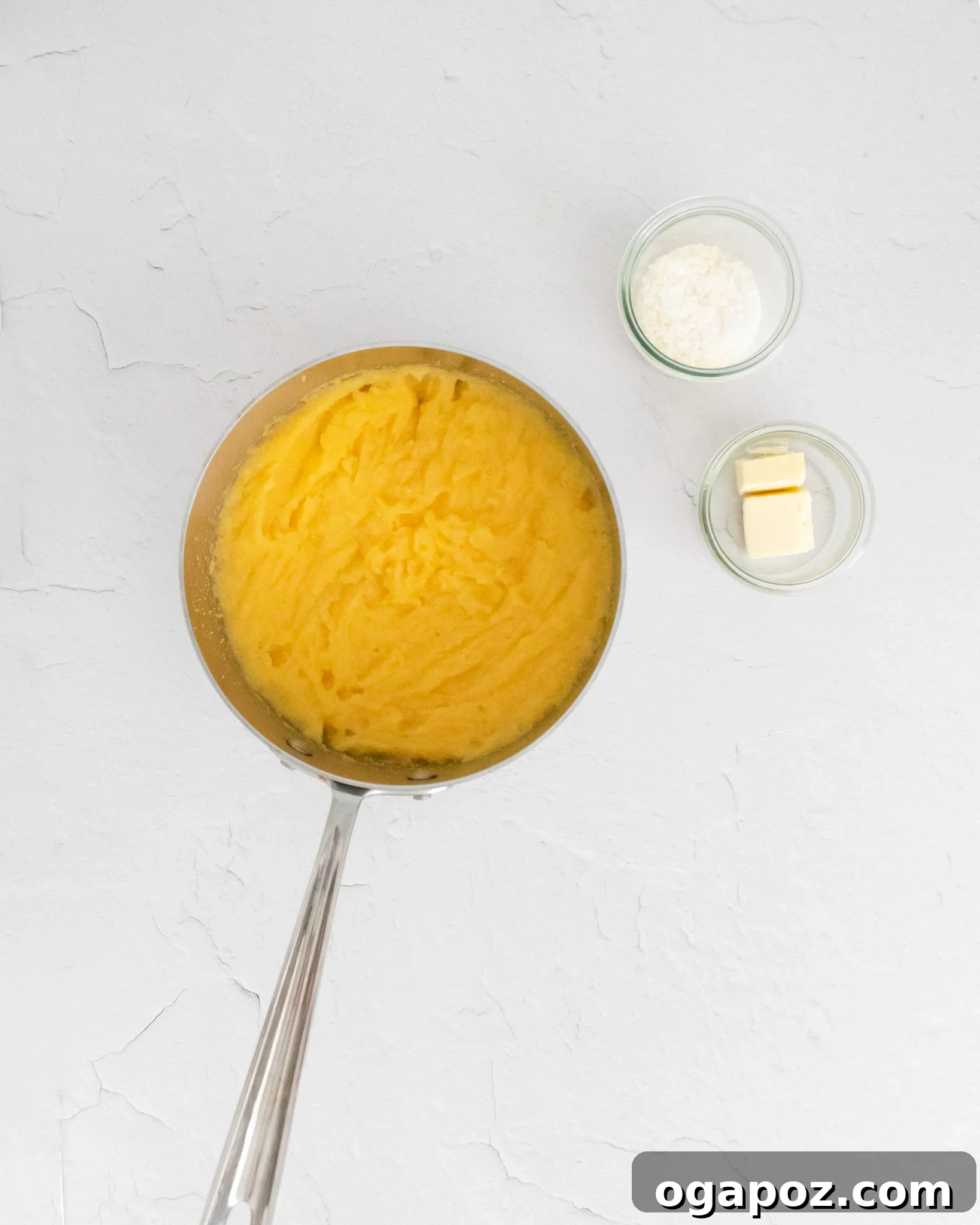
Step 4: Incorporate Butter
Add the unsalted butter to the simmering polenta. Continue to whisk gently until the butter is fully melted and incorporated, and the polenta starts to noticeably thicken further.
Step 5: Cover and Cook
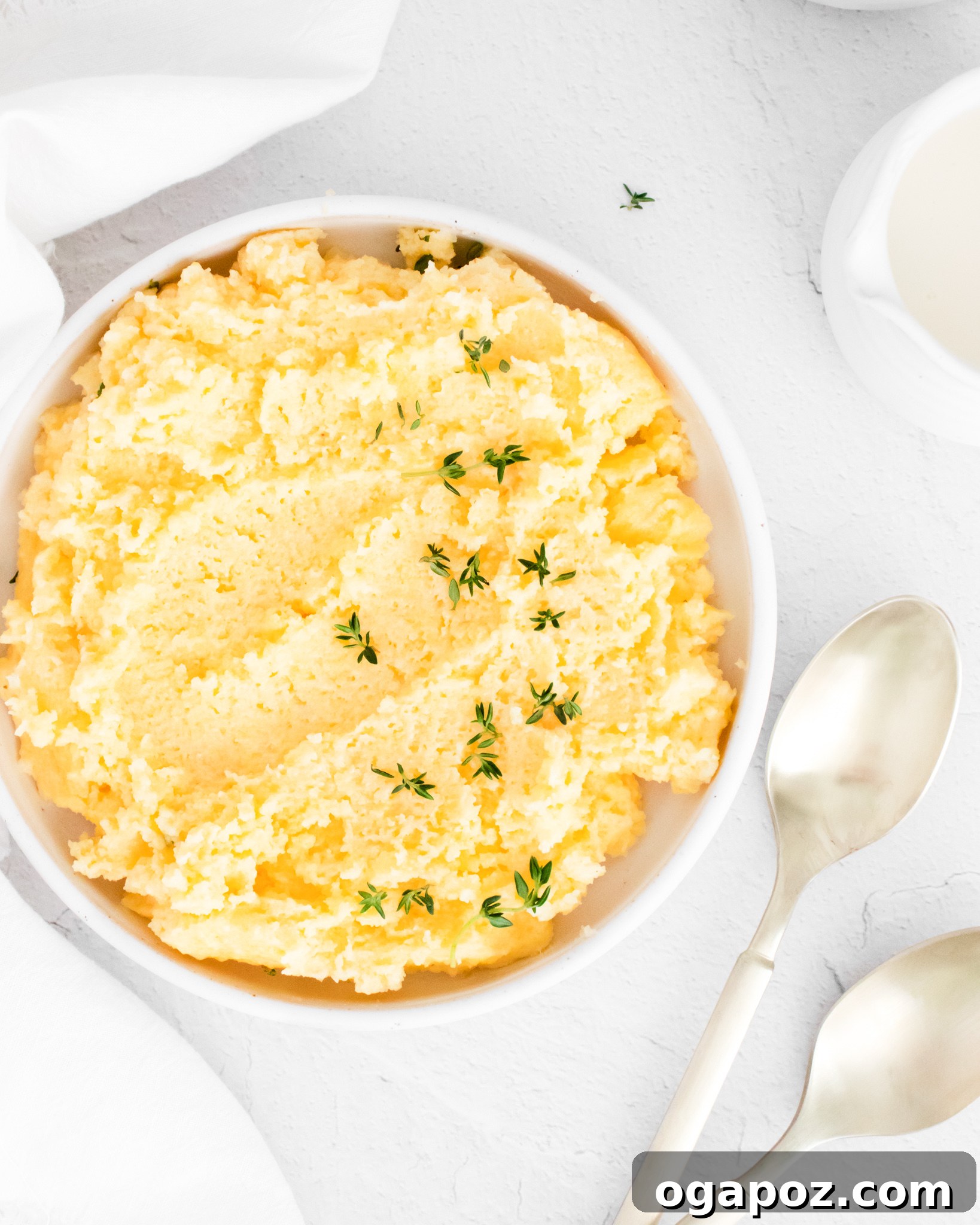
Cover the pot and allow the polenta to simmer for approximately 20-25 minutes. During this time, stir occasionally (every 5-7 minutes) to prevent the polenta from sticking to the bottom and ensure even cooking. The polenta is ready when the individual grains are tender, soft, and the mixture has achieved a thick, creamy consistency. Continue cooking until it reaches your desired texture.
Step 6: Stir in Cheese and Season
Remove the pot from the heat. Stir in the freshly grated Parmesan cheese until it’s fully melted and creates a luscious, cheesy polenta. Taste the polenta and add additional salt or freshly ground black pepper as needed. Serve immediately.
Expert Tips for Perfect Polenta Every Time
- Choosing Your Polenta: The type of polenta you use significantly impacts cooking time. Coarsely ground yellow cornmeal typically takes 20-30 minutes. Instant polenta, on the other hand, can be ready in just 3-5 minutes, making it a good choice for busy weeknights, though it might lack some depth of flavor. Always check package instructions as a guide.
- Achieving the Perfect Consistency: You’ll know your polenta is done when the individual cornmeal grains are tender and the overall texture is smooth and creamy. It should be pourable, but not watery. If your polenta is too runny, continue cooking, stirring frequently, until it thickens. If it becomes too thick or stiff, simply whisk in an additional 1/4 to 1/2 cup of hot water, milk, or broth until it reaches your desired consistency.
- Boosting Flavor: For a richer, more complex flavor, always consider replacing water with chicken or vegetable broth. You can also infuse the liquid with aromatics like a bay leaf, a crushed garlic clove, or a sprig of fresh rosemary before adding the polenta, then remove them before serving.
- Enhancing Creaminess: To achieve an even more luxurious texture, substitute some or all of the water with milk (whole milk for maximum creaminess) or even a splash of heavy cream. Stirring in a tablespoon of mascarpone cheese or cream cheese at the very end can also create an incredibly smooth and decadent finish.
- The Cheese Factor: As mentioned, fresh Parmigiano Reggiano is best. Grate it just before adding for superior flavor. Don’t limit yourself to Parmesan, though! Experiment with other cheeses like sharp Pecorino Romano, creamy goat cheese, nutty Gruyere, or even a dollop of fresh ricotta for different flavor profiles.
- Preventing Lumps: The key to lump-free polenta is twofold: a steady, slow stream of polenta into boiling liquid, combined with continuous, vigorous whisking during the initial stages. Don’t rush this part!
- Seasoning to Taste: Polenta needs proper seasoning. Taste as you go and adjust salt and pepper. A pinch of freshly grated nutmeg can also add a subtle warmth and depth.
Delicious Ways to Serve Your Creamy Polenta
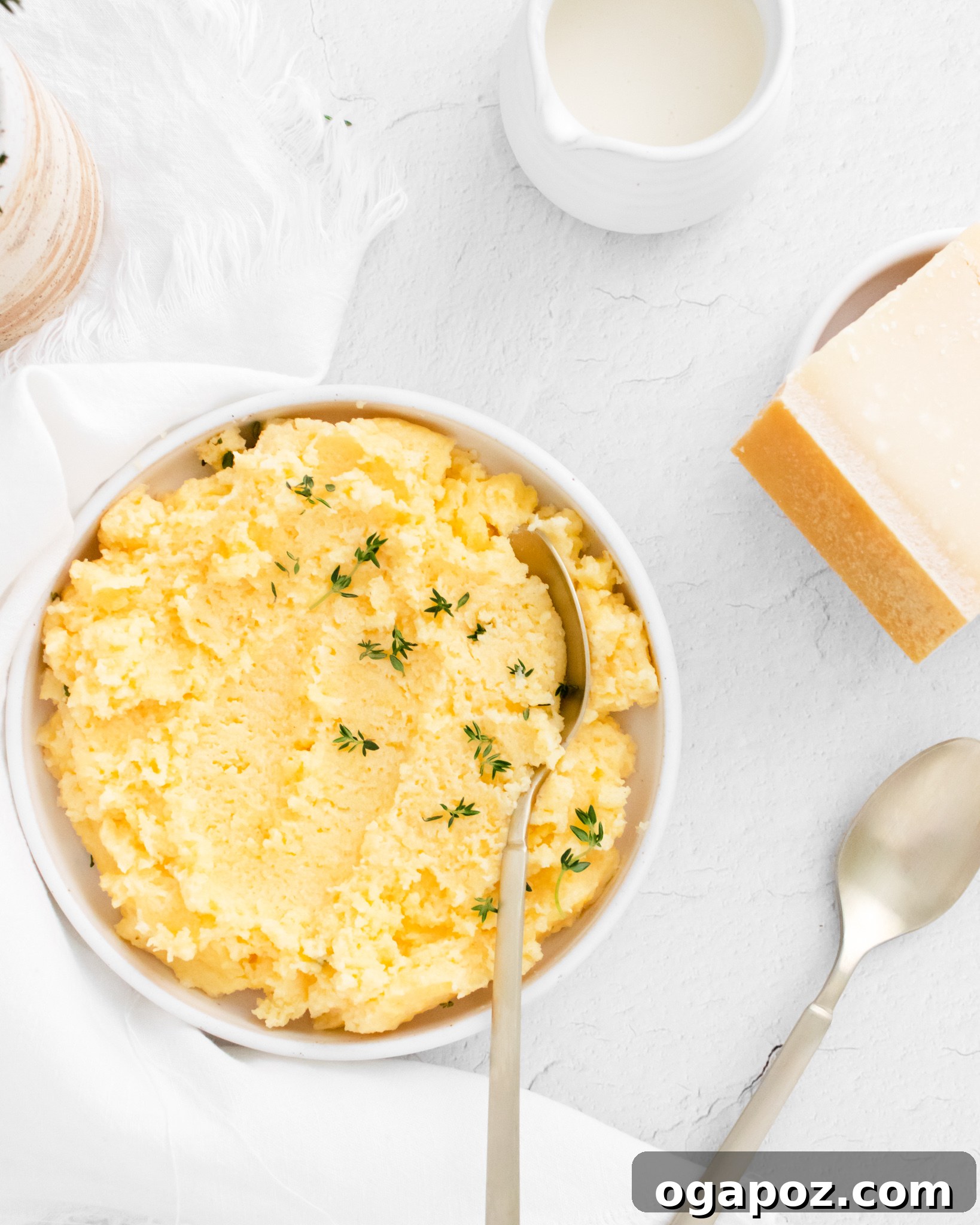
The beauty of creamy polenta lies in its versatility. It’s truly a blank canvas for countless meal pairings:
- With Meats: It’s the perfect accompaniment to slow-cooked dishes like braised short ribs, osso buco, lamb shanks, or rich ragù. The polenta soaks up all the delicious sauces, creating a truly decadent bite.
- Vegetarian Mains: Serve it as a base for balsamic-glazed roasted vegetables, sautéed mushrooms, grilled asparagus, or a vibrant ratatouille.
- Breakfast & Brunch: Believe it or not, polenta can be a fantastic savory breakfast! Top it with a fried egg, sautéed greens, and perhaps some crispy bacon or sausage.
- Seafood: Pair with grilled shrimp, seared scallops, or a rustic fish stew.
- Garnishes: A drizzle of high-quality olive oil, a sprinkle of fresh herbs (parsley, chives, thyme), a dash of red pepper flakes for a kick, or extra grated Parmesan can elevate the dish further.
Storage & Reheating Tips
Creamy polenta is best enjoyed fresh, but leftovers are still delicious and can be easily stored and reheated:
- Storage: Store any leftover polenta in an airtight container in the refrigerator for up to 3-4 days. It will firm up considerably as it cools.
- Reheating: To reheat, transfer the desired amount of polenta to a saucepan over low to medium-low heat. Add a splash of water, milk, or broth (about 1/4 to 1/2 cup per serving) and stir continuously until it loosens up and becomes creamy again. You may need to add more liquid until it reaches your desired consistency. Avoid high heat, which can cause it to stick and scorch.
- Pan-fried Polenta: For a different texture, you can spread cooled, firm polenta into a baking dish, chill it until solid, then cut it into squares or rounds. Pan-fry these pieces in a little olive oil or butter until golden brown and crispy for a delicious variation.
Explore More Delicious Side Dish Recipes
Mediterranean
Zesty Lemon Pearl Couscous
Vegetarian
Simple 4-Ingredient Cheesy Orzo
Chicken
Bright Lemon Chicken Orzo
Salad
Refreshing Tomato Feta Orzo Salad
Tried this recipe? Share your experience below! For more recipes and updates, follow us on
Facebook,
Instagram, or
Pinterest.
Creamy Polenta Recipe
Print Recipe
Ingredients
- 4 cups water (or chicken/vegetable broth for added flavor)
- 1/2 teaspoon salt
- 1 cup yellow polenta, or coarsely ground or medium cornmeal
- 1/2 cup Parmesan cheese, freshly grated
- 2 Tablespoons unsalted butter
Instructions
- In a large, heavy-bottomed pot, bring the water (or broth) and salt to a boil over medium-high heat.
- Once boiling, slowly add the polenta in a thin, steady stream while continuously whisking to prevent lumps.
- Lower the heat to low to maintain a gentle simmer (you want it bubbling, but not vigorously boiling).
- Add the butter and continue to whisk until it starts to thicken and the butter is fully melted and incorporated.
- Cover the pot and let the polenta simmer for about 20-25 minutes, stirring occasionally (every 5-7 minutes) to prevent sticking and ensure even cooking.
- The polenta is done when the grains are tender and soft, and the mixture has thickened to a creamy consistency. Continue cooking if needed to reach your desired texture.
- Remove from heat. Stir in the freshly grated Parmesan cheese until it’s fully melted and smooth. Taste and add additional salt or freshly ground black pepper as needed.
- Serve immediately alongside an Italian meal, slow-roasted vegetables, or your favorite meat dishes.
Notes
- Leftover polenta can be kept in an airtight container in the refrigerator for up to 3-4 days.
- To reheat, place polenta in a saucepan over low heat with a splash of water, milk, or broth. Stir until creamy again.
Nutrition Information (per serving, approximate)
Carbohydrates: 21g
Protein: 5g
Fat: 6g
Saturated Fat: 4g
Polyunsaturated Fat: 0.3g
Monounsaturated Fat: 2g
Trans Fat: 0.2g
Cholesterol: 16mg
Sodium: 365mg
Potassium: 45mg
Fiber: 0.4g
Sugar: 0.2g
Vitamin A: 238IU
Calcium: 105mg
Iron: 0.3mg
Nutrition information is automatically calculated and should be used as an approximation only.