
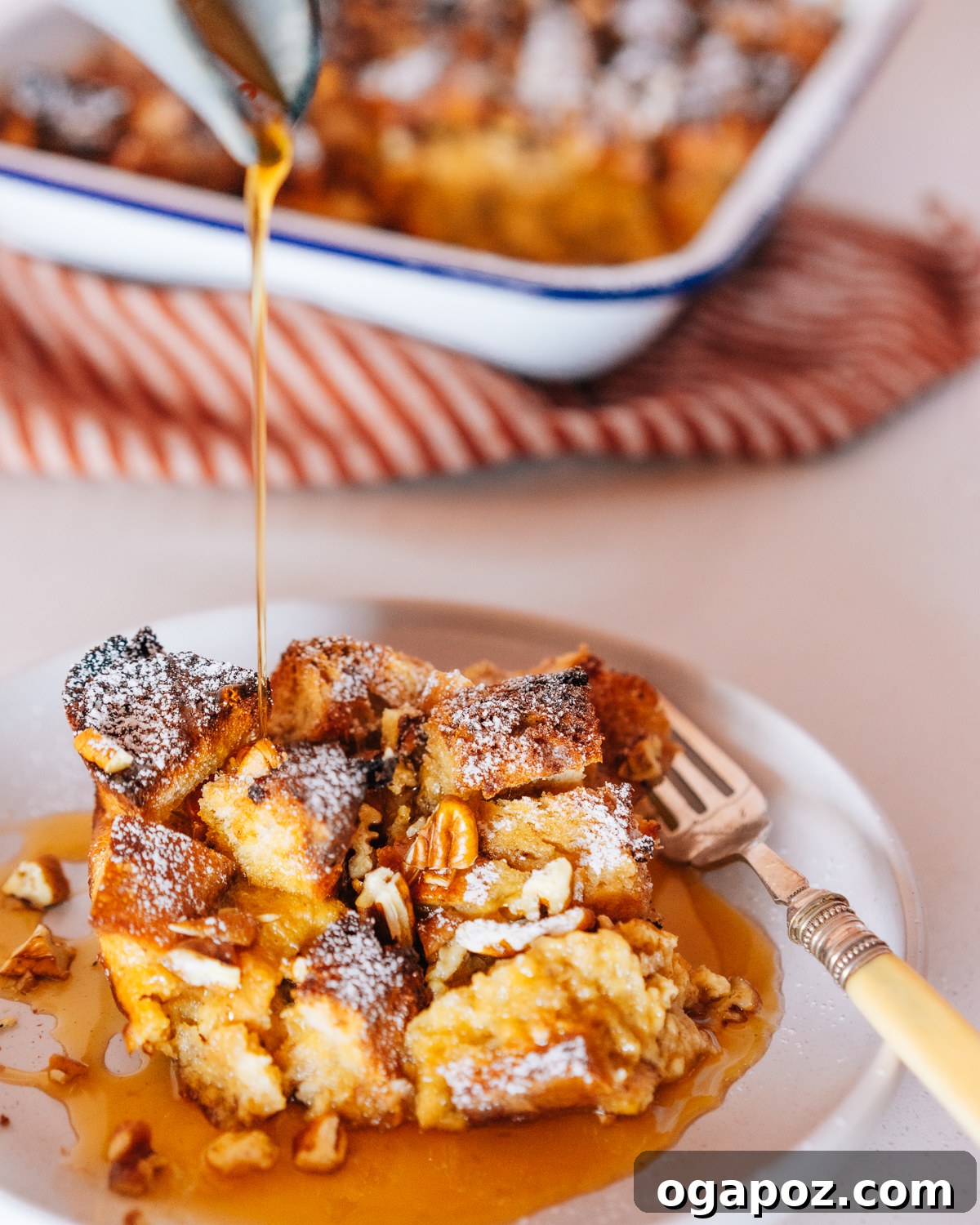
French Toast Casserole is the quintessential make-ahead brunch dish, offering a blend of convenience and gourmet flavor. With just a handful of staple ingredients and minimal prep time, you can have a show-stopping breakfast ready to bake while you’re still enjoying your morning coffee. This recipe transforms ordinary bread into a custardy, golden-brown delight, perfect for feeding a crowd or simply indulging on a lazy weekend morning. It’s the ultimate solution for stress-free entertaining, especially during holidays like Christmas, where every minute counts.
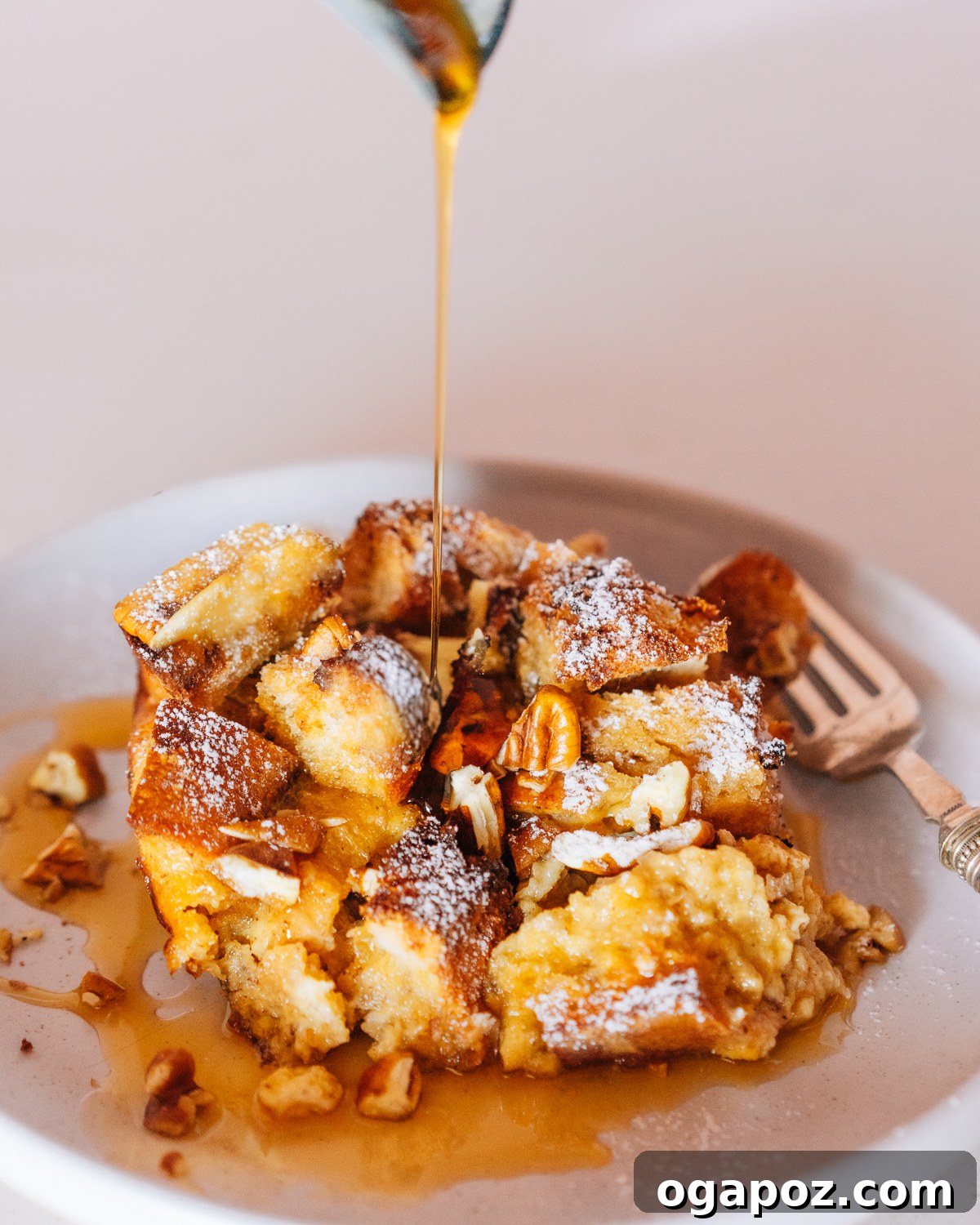
Imagine waking up to the irresistible aroma of freshly baked French toast, without any morning rush. This French Toast Casserole, with its irresistibly custardy interior and perfectly golden, slightly crisp top, delivers all the rich, comforting flavors of classic French toast in a convenient baked form. It’s my absolute favorite for Christmas breakfast, bringing warmth and cheer to the table with minimal effort.
Essential Ingredients for Your Overnight French Toast Casserole
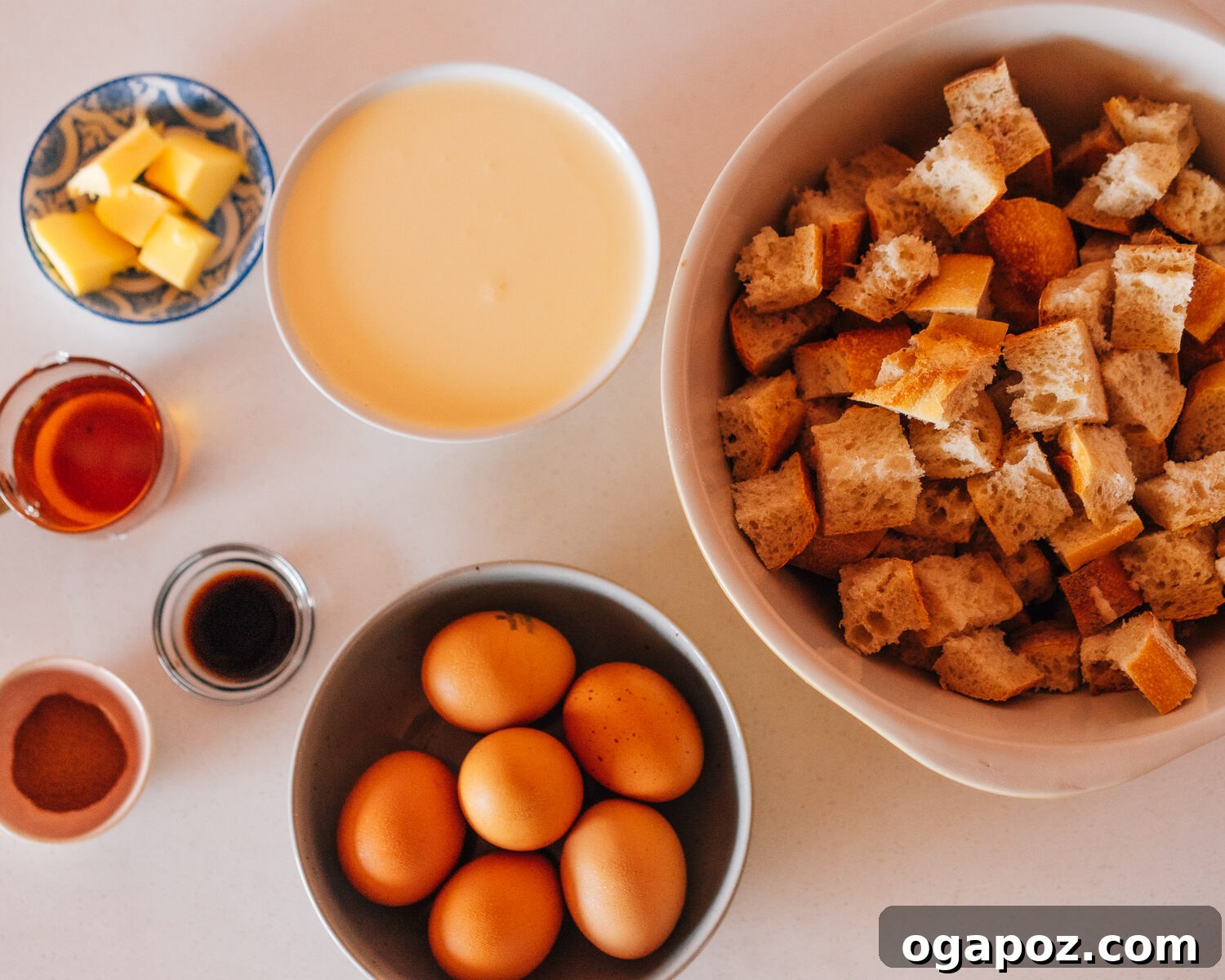
Crafting the perfect French Toast Casserole begins with simple, readily available pantry ingredients. The beauty of this recipe lies in its straightforward components that combine to create something truly magical. Here’s what you’ll need:
- Day-Old Brioche or Challah Bread, Cubed: The foundation of our casserole. Day-old bread is crucial as it’s drier and absorbs the custard mixture more effectively than fresh bread, preventing a soggy texture. Brioche offers a rich, buttery flavor and a tender crumb, while challah provides a slightly denser, eggy texture. Both are excellent choices for their ability to hold up during soaking and baking. Aim for about 1 pound, cut into 1-inch cubes (approximately 9-10 cups).
- Large Eggs: The binding agent for the custard, giving it structure and richness. Six large eggs ensure a wonderfully custardy texture.
- Whole Milk: Contributes to the creamy base of the custard. Whole milk provides the best richness, but you can use a non-dairy alternative like almond or oat milk for a lighter version or dietary restrictions.
- Heavy Cream: Elevates the custard to an incredibly luxurious and decadent level. If you prefer a lighter casserole, you can substitute with more whole milk or half-and-half.
- Granulated Sugar: Sweetens the custard. For a deeper, more caramel-like flavor, consider using half granulated sugar and half light brown sugar. This adds an extra layer of complexity that complements the bread beautifully.
- Pure Vanilla Extract: A crucial flavor enhancer that brings warmth and depth to the entire dish. Don’t skimp on good quality vanilla!
- Ground Cinnamon: Adds that classic, comforting French toast spice. You can adjust the amount to your preference or even add a pinch of nutmeg or cardamom for a different aromatic profile.
- Kosher Salt: A small amount of salt balances the sweetness and enhances all the other flavors.
- Unsalted Butter (for the pan and drizzling): Essential for greasing the baking dish to prevent sticking and for drizzling over the top before baking to achieve that irresistible golden crust.
Optional Finishing Touches for a Spectacular Presentation:
While delicious on its own, a few extra touches can transform your French Toast Casserole into a truly unforgettable brunch centerpiece:
- A light dusting of powdered sugar (confectioners’ sugar) immediately before serving adds a beautiful, elegant finish.
- Toasted walnuts or pecans sprinkled over the top provide a delightful crunch and nutty flavor.
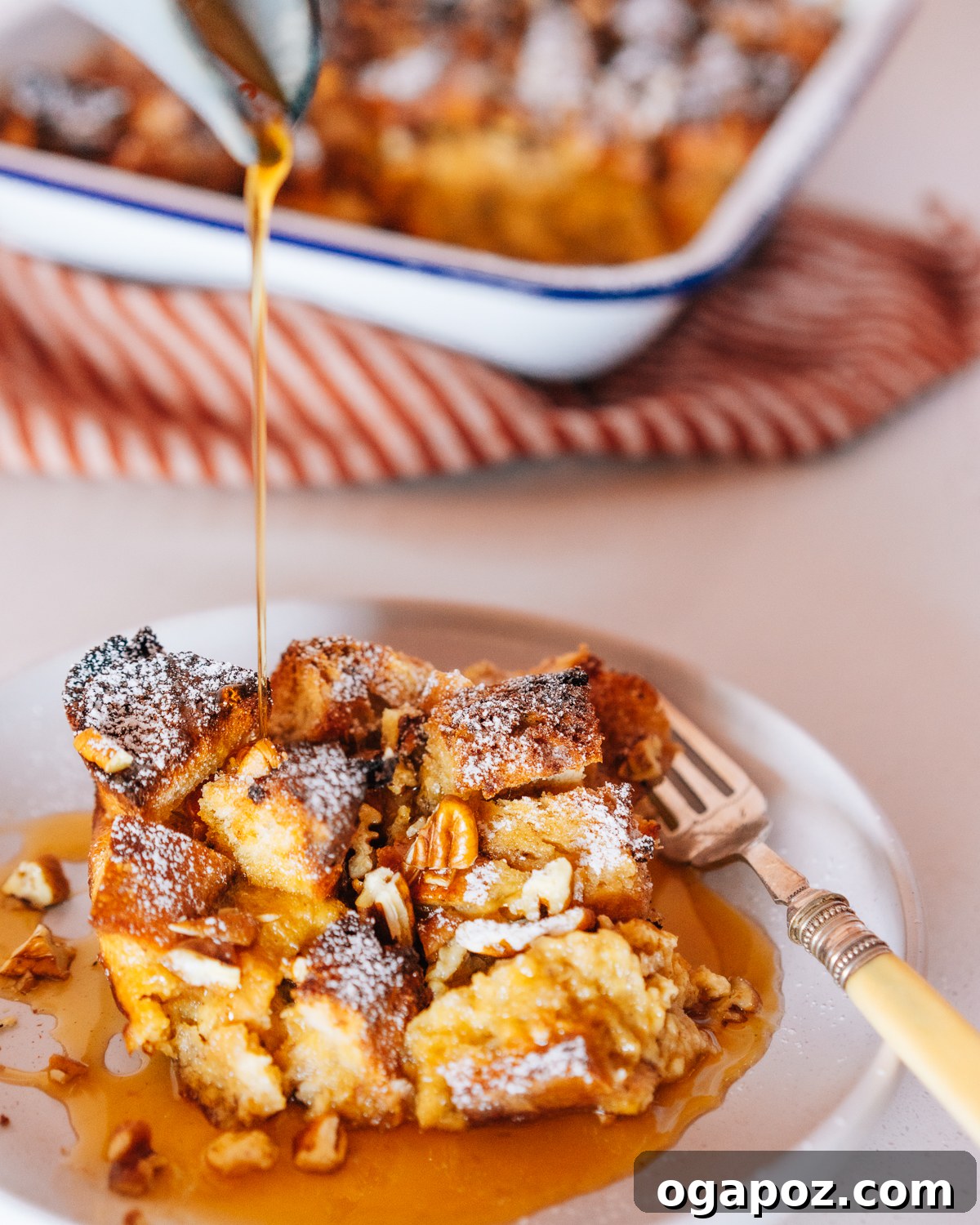
- Warm pure maple syrup is a must-have at the table for drizzling generously over each serving.
- Fresh berries (strawberries, blueberries, raspberries) add a burst of color and a fresh, tart counterpoint to the richness.
- A dollop of Greek yogurt or whipped cream can add an extra layer of indulgence.
Necessary Tools for Success
Gathering your tools beforehand makes the preparation process smooth and efficient:
- 9×13 Baking Dish: The ideal size for this recipe, ensuring even cooking and a generous serving.
- Large Bowl and Whisk: For easily combining the custard ingredients.
- Instant-Read Thermometer: Your best friend for ensuring the custard is perfectly set without being overcooked or curdled.
- Aluminum Foil: For tenting the casserole during part of the baking process to prevent the top from browning too quickly.
Crafting Your Delicious Overnight French Toast Casserole: Step-by-Step Guide
Creating this magnificent French toast casserole is surprisingly simple, designed for ease, especially when you leverage its overnight preparation option. Follow these steps to achieve a perfectly custardy and golden brunch masterpiece.
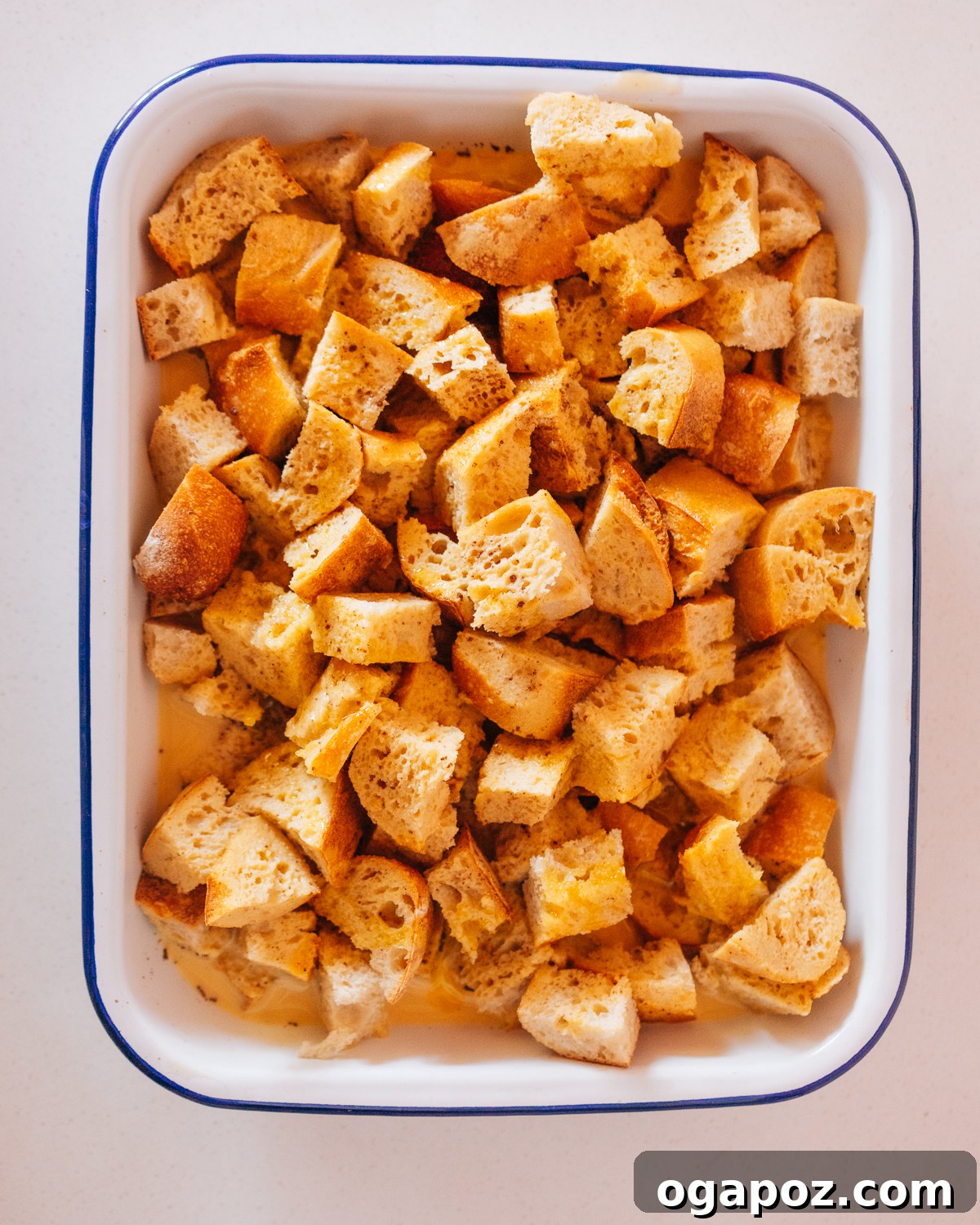
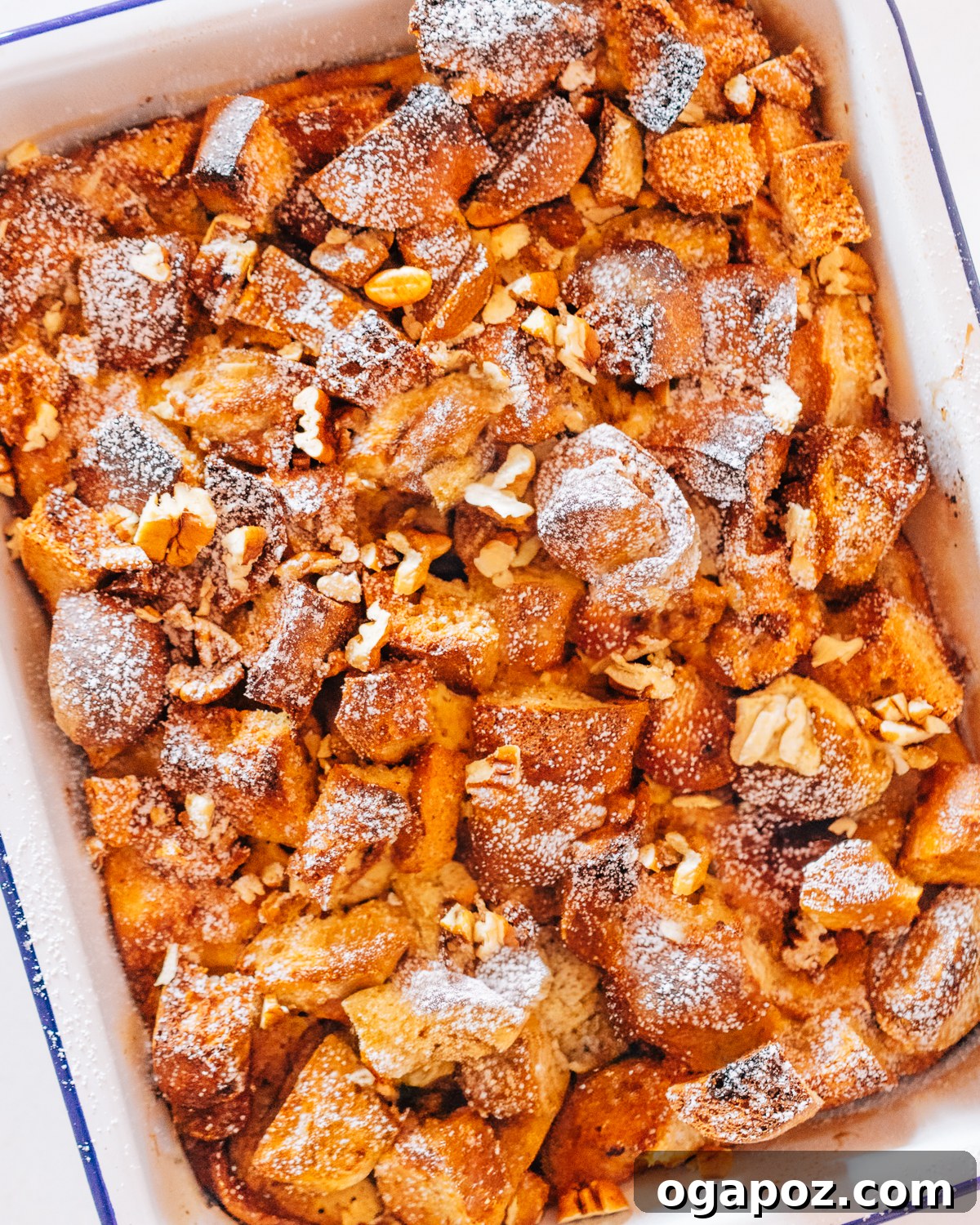
1. Prepare the Baking Dish and Bread
First, generously grease a 9×13-inch baking dish with butter. This prevents the casserole from sticking and helps create a lovely, slightly crispy edge. Evenly spread your cubed day-old brioche, challah, or French bread into the prepared dish. Distributing the bread uniformly ensures that every piece gets properly saturated with the custard.
2. Whisk the Rich Custard Mixture
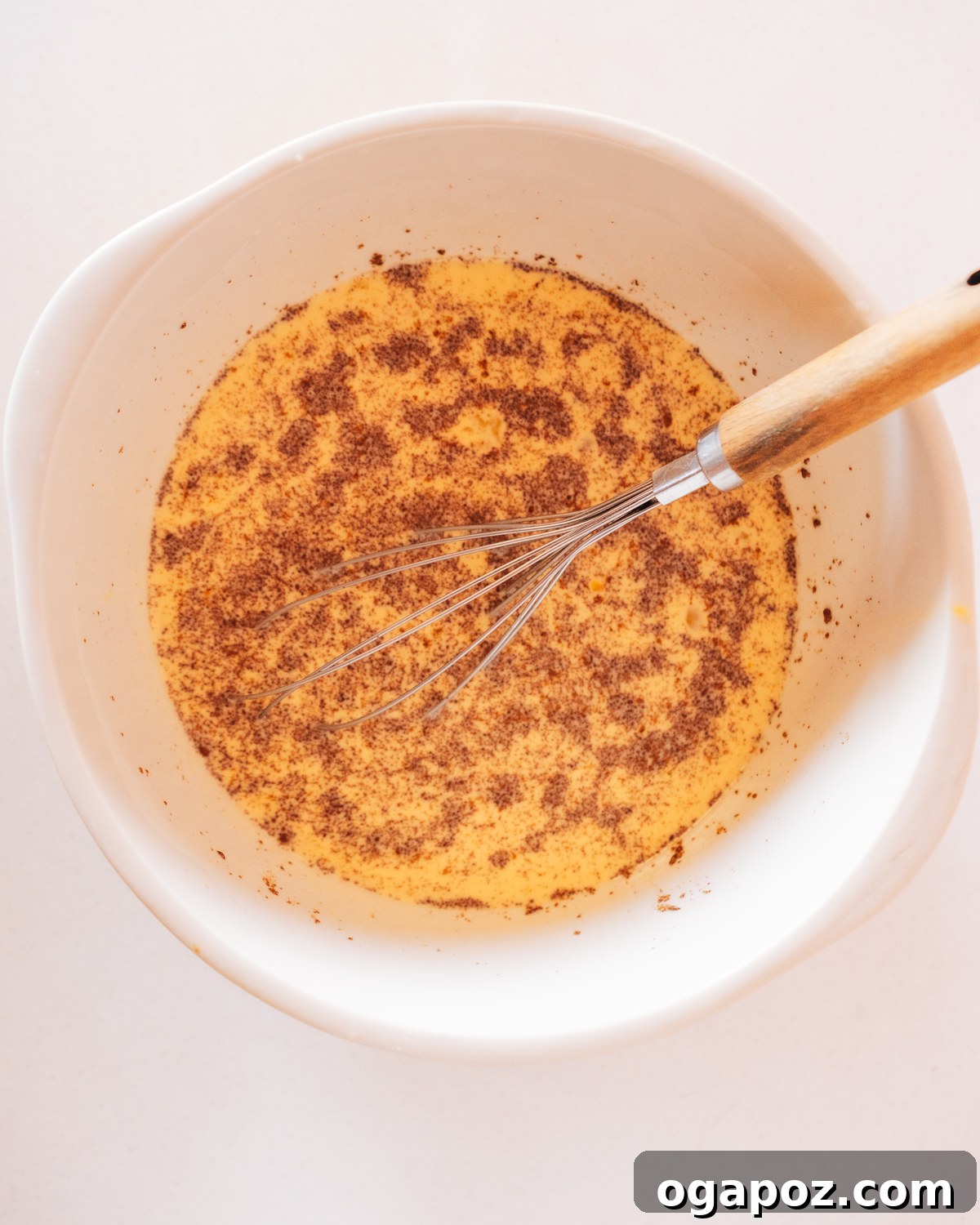
In a large mixing bowl, combine the eggs, whole milk, heavy cream, maple syrup (or sugar), pure vanilla extract, ground cinnamon, and kosher salt. Whisk vigorously until the mixture is completely smooth and well combined, with no streaks of egg white remaining. This ensures a consistent, creamy custard that will properly soak into the bread.
3. Assemble the Casserole and Allow to Soak
Carefully pour the whisked egg mixture evenly over the bread cubes in the baking dish. Gently press down on the bread with the back of a spoon or your hands to ensure that every single cube is fully submerged and has a chance to hydrate. This step is critical for achieving that desired custardy texture throughout. Drizzle the melted butter over the top of the bread cubes. Cover the baking dish tightly with plastic wrap and refrigerate for at least 1 hour, or ideally, overnight (8-12 hours). The longer soaking time allows the bread to fully absorb the custard, resulting in a more tender and flavorful casserole.
4. Bake Until Perfectly Set and Golden
When ready to bake, preheat your oven to 350°F (175°C). If you refrigerated the casserole overnight in a glass dish, allow it to sit at room temperature for 20-30 minutes before baking to prevent thermal shock, or place it directly into a cold oven and let it preheat with the oven. Bake the casserole, covered with aluminum foil, for approximately 20-25 minutes. Covering helps the custard set evenly without drying out the top. After this initial covered baking, remove the foil and continue baking for another 20-30 minutes, or until the casserole is beautifully puffed, golden brown on top, and the center registers 175–185°F (79-85°C) on an instant-read thermometer. This internal temperature guarantees a perfectly set custard. Once baked, remove from the oven and let it rest for 5–10 minutes before slicing and serving. This resting period allows the casserole to firm up slightly, making for cleaner cuts.
Elevate Your Brunch: How to Serve French Toast Casserole
Serving this French Toast Casserole is a joyous occasion in itself. While utterly delicious plain, a few thoughtful accompaniments can elevate it into a truly memorable feast. The beauty of a casserole is that it’s designed to be a centerpiece, allowing you to get creative with your side dishes and toppings.
The simplest and most classic pairing is with plenty of warm pure maple syrup. For a well-balanced meal, consider adding savory elements on the side:
- Crispy breakfast sausages or a flavorful breakfast sausage patties.
- Strips of perfectly cooked, smoky bacon.
- A fresh fruit salad with seasonal berries and melon for a lighter counterpoint.
Pretty Finishing Touches for an Impressive Look:
Presentation matters, especially for a brunch spread. These simple additions can make your casserole Instagram-worthy:
- Dusting with Confectioners’ Sugar: A light sift of powdered sugar creates a beautiful, snowy effect.
- Toasted Nuts: Sprinkle toasted chopped walnuts or pecans over the top just before serving for added texture and a nutty aroma.
- Festive Flair: For holiday brunches, pomegranate arils (seeds) and fresh mint leaves add vibrant color and a touch of elegance.
- Seasonal Berries & Cream: In spring or summer, a generous helping of fresh berries (strawberries, blueberries, raspberries) paired with a dollop of Greek yogurt or freshly whipped cream is a refreshing and delicious combination.
- Maple Syrup at the Table: Always have extra warm maple syrup available for guests to add to their liking.
Delicious Variations to Try
This recipe is incredibly versatile. Once you master the basic French Toast Casserole, feel free to experiment with these exciting variations to suit different tastes or occasions:
- Baked French Toast Slices: If you prefer individual slices rather than a casserole, consider adapting a traditional French toast recipe for the oven, sometimes called a “French Toast Bake.”
- Citrus Burst: Infuse your casserole with a bright, zesty flavor. Add orange or lemon zest to the custard mixture, or try an Orange Cream French Toast Casserole for a delightful twist.
- Fruity Additions: Layer fresh or frozen berries (blueberries, raspberries), sliced peaches, or thinly sliced apples between the bread cubes before pouring the custard. They will cook down and create delicious pockets of fruit flavor.
- Chocolate Decadence: Sprinkle chocolate chips or chunks throughout the casserole layers for a rich, dessert-like breakfast. White chocolate or dark chocolate both work wonderfully.
- Nutty Crunch: In addition to topping, you can mix chopped nuts like pecans or walnuts into the bread layers before soaking for a consistent crunch.
- Savory French Toast: While this recipe is sweet, French toast can also go savory. Consider a Tater Tot Breakfast Casserole for a completely different savory morning meal, or experiment with herbs, cheese, and perhaps some cooked ham or sausage in a non-sweet French toast bake.
- Spiced Caramel: Instead of just granulated sugar, use brown sugar for a richer, more caramel-like flavor in the custard. A pinch of nutmeg or allspice can also enhance the spice profile.
Make-Ahead Marvel: Prep and Storage Tips
One of the greatest advantages of this French Toast Casserole is its incredible make-ahead potential. This feature makes it an absolute lifesaver for busy mornings, holiday breakfasts, or when entertaining guests.
Preparing Ahead of Time:
The casserole can be fully assembled the night before. Simply prepare the bread and custard mixture as instructed, pour the custard over the bread, drizzle with butter, cover the dish tightly with plastic wrap, and refrigerate for 8-12 hours. This extended soaking time allows the bread to fully absorb the custard, resulting in a deeper flavor and incredibly tender texture. When morning arrives, simply remove it from the fridge and bake. No fuss, no stress, just pure breakfast bliss.
Storing Leftovers:
Should you be lucky enough to have leftovers, they store beautifully, allowing you to enjoy this delightful breakfast for days to come:
- Refrigeration: Store any extra portions in an airtight container in the refrigerator for up to 3 days.
- Reheating: To reheat, place individual slices or larger portions in an oven-safe dish. Cover with aluminum foil to prevent drying and bake at 300–325°F (150-160°C) until thoroughly heated through. For a crispier top, uncover briefly for the last few minutes of reheating. A microwave can be used for quicker reheating, but the texture might be softer.
- Freezing: This casserole freezes exceptionally well. Once baked and completely cooled, cut the casserole into individual serving sizes. Wrap each portion tightly in plastic wrap, then again in aluminum foil, or place them in freezer-safe bags or containers. Freeze for up to 2 months.
- Thawing and Reheating Frozen Portions: Thaw frozen slices overnight in the refrigerator. Reheat as described above for refrigerated leftovers. You can also reheat directly from frozen, though it will take longer; bake covered at 325°F (160°C) until hot in the center, then uncover to crisp.
Pro Tips and the Science Behind a Perfect Casserole
Achieving a truly exceptional French Toast Casserole goes beyond just mixing ingredients. Understanding the “why” behind certain techniques can elevate your results from good to absolutely fantastic. Here are some professional tips and the science that supports them:
- Day-Old Bread Absorbs Better: This is arguably the most crucial tip. Fresh bread contains a lot of moisture, which can make your casserole soggy and dense once soaked in the custard. Day-old (or even two-day-old) bread has dried out slightly, creating more porous surfaces that readily absorb the custard mixture. This ensures a uniform, custardy texture throughout the casserole, preventing mushy spots and providing structural integrity.
- Press, Don’t Mash the Cubes: When you pour the custard over the bread, it’s important to gently press the bread cubes down. This action ensures that all surfaces of the bread come into contact with the liquid, allowing for even hydration. However, avoid mashing the cubes aggressively, as this can compress the bread, reduce its ability to absorb, and lead to a denser, less appealing texture. A gentle press is all that’s needed to encourage absorption without compromising the bread’s structure.
- Target 175–185°F (79-85°C) in the Center for Set Custard: Using an instant-read thermometer is key to perfect custard. Eggs begin to set around 160°F (71°C), but for a fully set, yet tender, custardy texture in a casserole, an internal temperature between 175–185°F (79-85°C) is ideal. Baking below this range risks an undercooked, runny center, while baking too far above can lead to an overcooked, rubbery, or even curdled custard. The thermometer takes the guesswork out of baking, ensuring consistent results every time.
- Rest 5–10 Minutes So Slices Cut Cleanly: It might be tempting to slice into that warm, aromatic casserole immediately, but patience is a virtue here. Allowing the French Toast Casserole to rest for 5–10 minutes after coming out of the oven allows the custard to further set and cool slightly. This brief rest period helps the casserole firm up, making it much easier to cut neat, clean slices without them falling apart. It also allows the internal heat to redistribute, ensuring an even temperature throughout.
Frequently Asked Questions (FAQs) About Overnight French Toast Casserole
Here are answers to some common questions to help you master this delicious make-ahead breakfast:
While it’s technically possible, for the best texture and flavor, we recommend assembling the casserole up to 24 hours ahead. Beyond that, the bread can begin to break down too much, potentially resulting in a denser or mushier crumb after baking. An overnight soak (8-12 hours) is truly optimal.
A thermometer is highly recommended for custards because it takes the guesswork out of baking. Custard sets reliably between 175–185°F (79-85°C). Measuring the internal temperature ensures that your casserole is cooked through and perfectly set, preventing an underbaked, runny center, while also avoiding overcooking which can lead to a dry or curdled texture. It’s a foolproof method for consistent results.
Several factors contribute to preventing a soggy center: 1) Always use day-old bread, as it absorbs the custard more efficiently. 2) Ensure the bread cubes are evenly distributed and gently pressed into the custard for thorough, even hydration. 3) Bake the casserole covered initially to promote even cooking, then uncover to allow the top to brown and crisp. 4) Most importantly, rely on an instant-read thermometer to confirm the center reaches the optimal temperature range of 175–185°F (79-85°C) before removing it from the oven.
Yes, absolutely! French Toast Casserole freezes beautifully. After baking and allowing it to cool completely, slice the casserole into individual portions. Wrap each slice tightly in plastic wrap, then in aluminum foil, or store in freezer-safe airtight containers. It can be frozen for up to 2 months. To reheat, thaw overnight in the refrigerator, then warm covered at 300–325°F (150-160°C) until hot. Uncover for the last few minutes to re-crisp the top.
No, it is generally not recommended to place a cold glass baking dish directly into a hot oven, as the sudden temperature change can cause thermal shock and potentially shatter the dish. To prevent this, either let the assembled casserole in its glass dish sit at room temperature for 20–30 minutes before baking, or place the cold dish into a cold oven and allow both to preheat together.
Easy French Toast Casserole (with Overnight Option!)
Jennifer Pallian BSc, RD
10 minutes
40 minutes
8
Ingredients
- 1 lb day-old brioche challah, or French bread (about 9–10 cups, cut into 1-inch cubes)
- 6 large eggs
- 1 cup whole milk
- 1 cup heavy whipping cream or half-and-half
- ¼ cup pure maple syrup
- 2 tsp pure vanilla extract
- 1 tsp ground cinnamon
- ½ tsp kosher salt
- 4 tbsp unsalted butter melted
Instructions
-
Grease a 9×13-inch baking dish. Spread bread cubes evenly in the dish.
-
In a large bowl, whisk eggs, milk, cream, maple syrup, vanilla, cinnamon, and salt until smooth. Pour evenly over bread cubes, pressing gently so they soak.
-
Drizzle melted butter over top. Cover with plastic wrap and refrigerate at least 1 hour or overnight.
-
Bake at 350°F (175°C) until puffed and the center reads 175–185°F (79-85°C) on an instant-read thermometer. Start covered for about 20 minutes, then uncover to brown. Rest 5–10 minutes before slicing.
Notes
If you prefer a sweeter casserole that can stand alone without additional toppings, feel free to increase the maple syrup in the custard to ½ cup.
Nutrition
Carbohydrates: 36g |
Protein: 13g |
Fat: 24g |
Saturated Fat: 13g |
Polyunsaturated Fat: 1g |
Monounsaturated Fat: 3g |
Trans Fat: 0.2g |
Cholesterol: 242mg |
Sodium: 477mg |
Potassium: 166mg |
Fiber: 0.1g |
Sugar: 9g |
Vitamin A: 940IU |
Vitamin C: 0.01mg |
Calcium: 142mg |
Iron: 1mg
Nutrition information is automatically calculated and should only be used as an approximation.
Tried this recipe? Share your experience!
Leave a comment below to let us know how your Easy Overnight French Toast Casserole turned out. We love hearing from you!
This Easy Overnight French Toast Casserole is more than just a recipe; it’s an invitation to a stress-free, delicious morning. Its make-ahead convenience, simple ingredients, and irresistible flavor make it an absolute winner for any occasion, from casual family brunches to festive holiday gatherings. With its perfectly custardy interior, golden crust, and endless customization options, it promises to become a cherished staple in your breakfast repertoire. So, go ahead, prepare it tonight, and wake up to the delicious magic of this baked French toast masterpiece!