
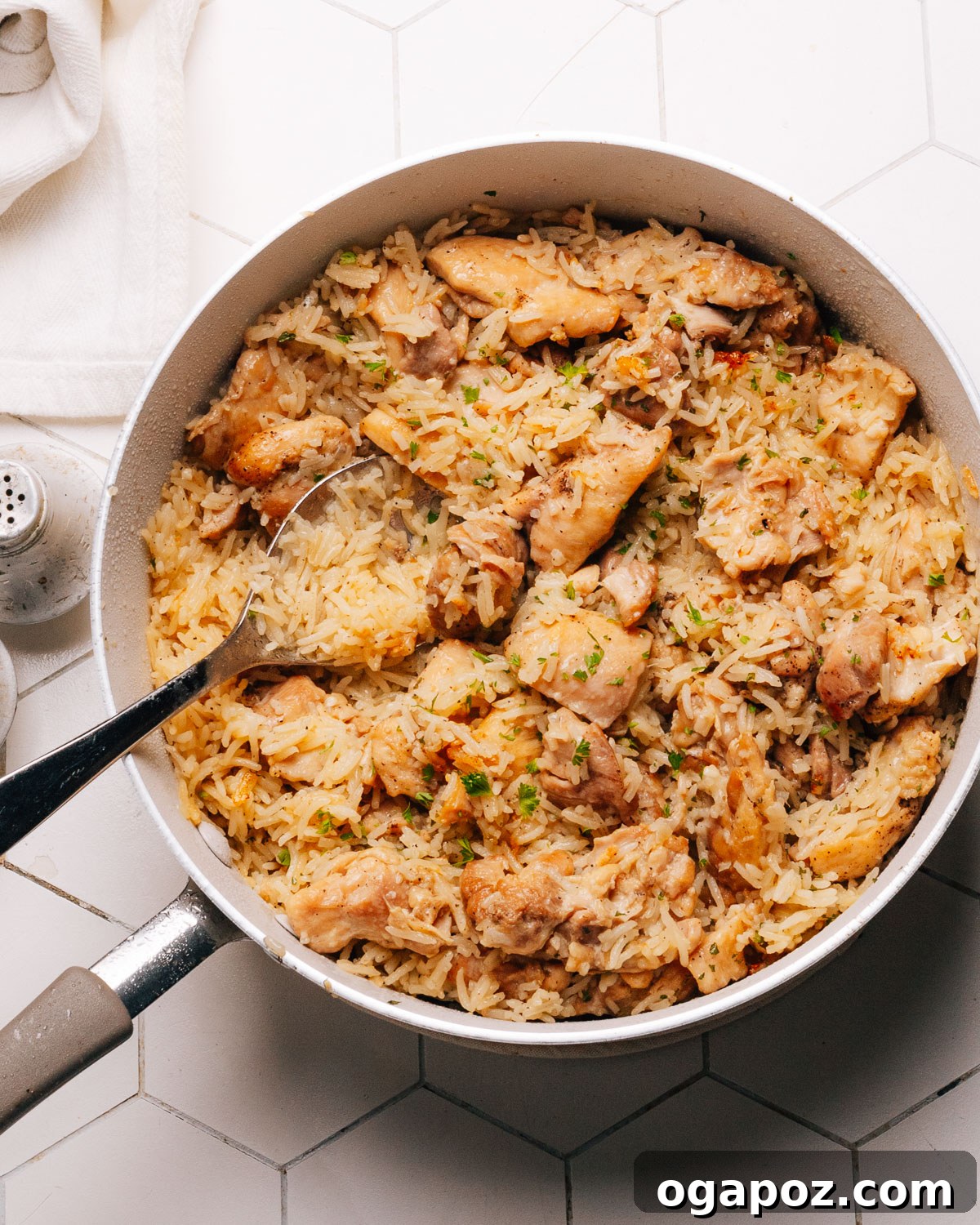
Welcome to your new favorite go-to dinner! This incredibly easy and satisfying Chicken and Rice recipe brings the ultimate comfort food experience right to your kitchen. Imagine succulent, tender chicken thighs perfectly cooked alongside fluffy, savory rice, all mingling in a rich chicken broth. It’s a simple weeknight dinner that doesn’t skimp on flavor and is guaranteed to be a hit with the entire family.
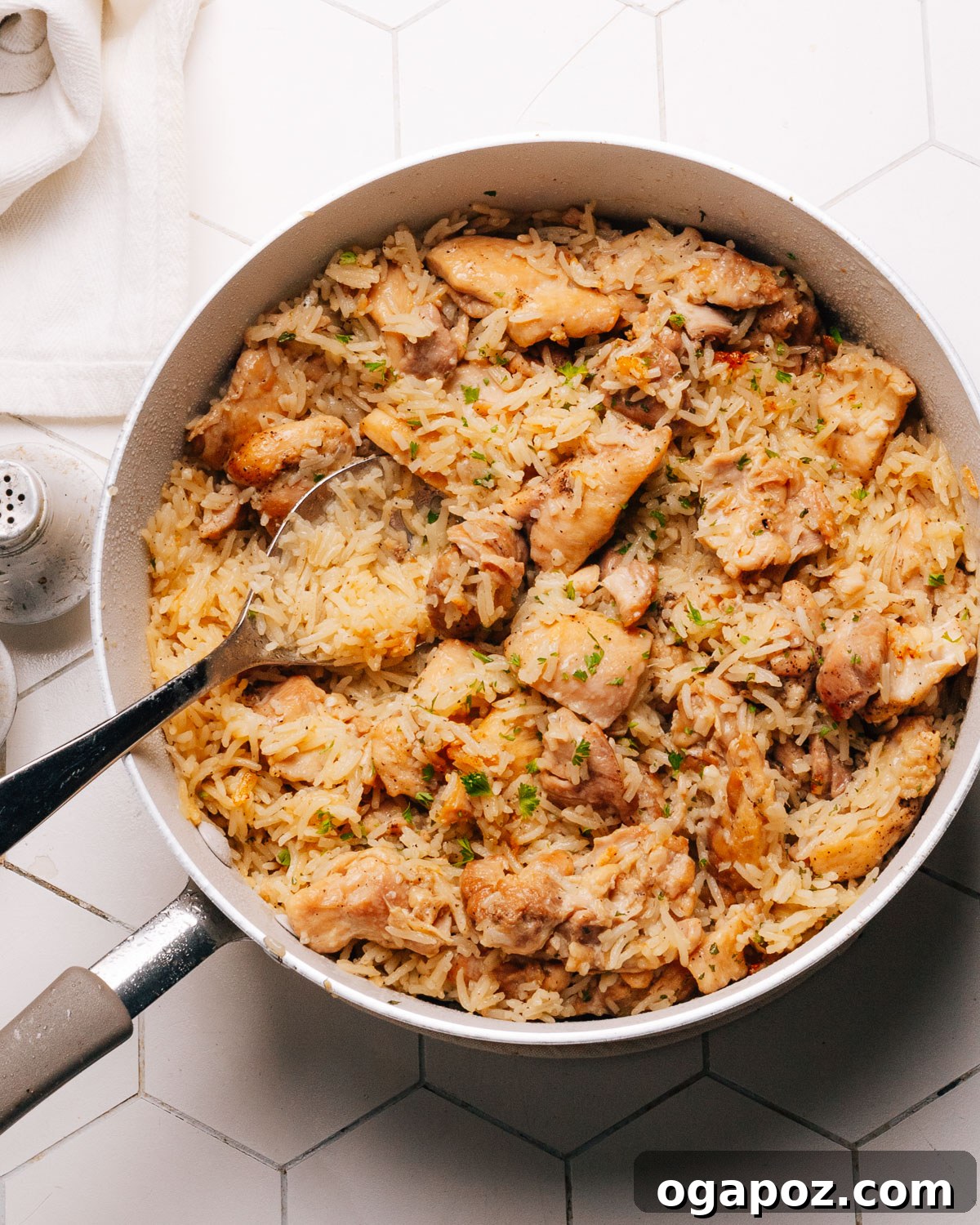
This classic, old-fashioned chicken and rice dish stands out for its straightforward preparation and deeply comforting flavor profile. Despite its simplicity, it delivers a robust taste that evokes a sense of home and warmth. It’s a foundational recipe that every cook should have in their repertoire, offering both ease and delicious results.
If you’re a fan of versatile chicken and rice recipes, you might also enjoy exploring my Baked Chicken and Rice with Lemon and Mushrooms for a zesty twist, or the aromatic delight of my Easy Chicken Biryani for something more exotic!
Essential Chicken and Rice Ingredients
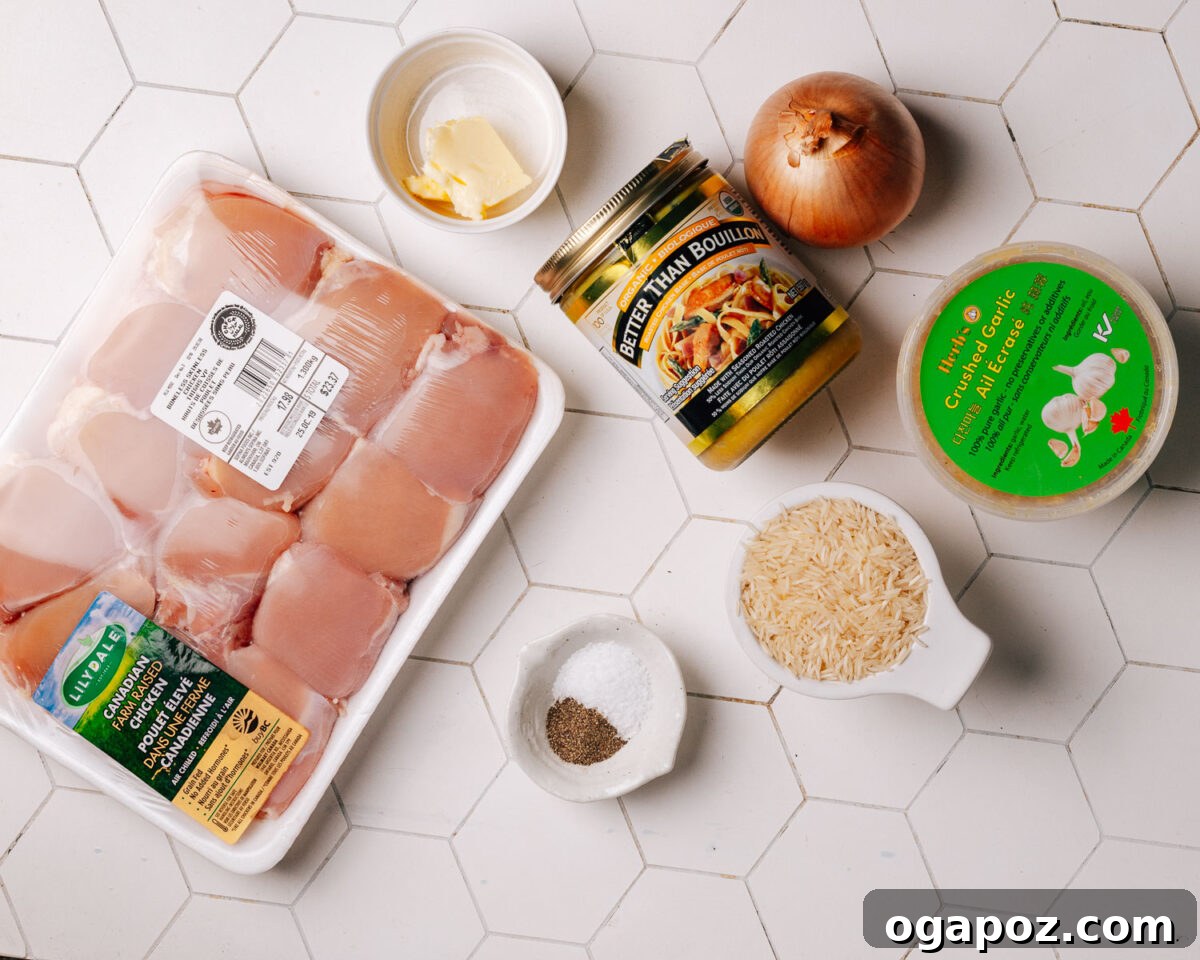
Crafting this easy one-pan dinner requires just a few basic, readily available ingredients. The key to its rich flavor lies in quality components and how they are layered into the dish. Here’s a closer look at what you’ll need:
For Searing the Chicken (The Foundation of Flavor)
- Olive oil: A good quality olive oil is essential for searing the chicken, contributing a subtle richness and ensuring a beautiful golden-brown crust.
- Boneless, skinless chicken thighs (or breasts): Chicken thighs are recommended for their tenderness and flavor, resisting drying out during cooking. Cut them into uniform bite-size pieces to ensure even cooking. If using chicken breasts, cut them slightly smaller and be mindful of cooking times to prevent them from becoming dry.
- Kosher salt: Crucial for seasoning the chicken before searing, it helps to draw out moisture and promote browning, creating a flavorful exterior.
- Black pepper: Freshly ground black pepper adds a pungent, aromatic kick that complements the chicken beautifully.
For Finishing the Chicken and Rice (Building the Core Dish)
- Onion: Finely chopped onion creates the aromatic base of the dish, mellowing and sweetening as it cooks. It’s a fundamental flavor builder.
- Garlic: Minced fresh garlic offers an unparalleled depth of flavor. While garlic powder can be used in a pinch, fresh garlic truly elevates the dish.
- Unsalted butter: Used to toast the rice and add a creamy, rich undertone to the finished dish. Unsalted butter allows you to control the overall sodium content precisely.
- Long-grain white rice (uncooked) or basmati rice: The star of the show! Long-grain varieties like basmati or regular white rice are perfect as they cook up fluffy and separate. Avoid instant rice, which can become mushy.
- Chicken broth: This is the primary cooking liquid for the rice, infusing it with savory chicken flavor. Opt for low-sodium broth if you prefer to control the saltiness.
- Kosher salt: Added to the broth to season the rice, ensuring every grain is flavorful.
- Frozen peas and carrots or mixed vegetables (optional): These add a pop of color, texture, and a boost of nutrients. They’re added at the end to keep them tender-crisp.
You’ll find precise quantities for each ingredient detailed in the recipe card located at the bottom of this article.
Customizing Your Chicken and Rice: Delicious Variations and Simple Substitutions
One of the best aspects of this chicken and rice recipe is its adaptability. Feel free to make it your own with these simple swaps and additions:
- Brown rice: For a heartier, nuttier, and more fiber-rich option, substitute long-grain white rice with brown rice. You’ll need to adjust the liquid and cooking time, typically using 2 1/2 cups of broth and simmering for approximately 45 minutes until tender.
- Chicken breasts: If using boneless, skinless chicken breasts, cut them into slightly smaller pieces than you would thighs to ensure they cook evenly and quickly. Keep a close eye on them and check for doneness around 18 minutes to prevent them from drying out, as breast meat is leaner.
- More vegetables: Amp up the nutritional value and texture by incorporating more vegetables. Great options include fresh or frozen green beans, corn kernels, diced bell peppers, or even a handful of spinach stirred in at the very end. For a creamy, cheesy vegetable combo, consider trying my skillet Chicken and Rice Broccoli Casserole.
- Spice it up: Transform the flavor profile with spices! Add 1 teaspoon of paprika for warmth, cumin for an earthy depth, curry powder for an Indian-inspired twist, or Italian seasoning for a Mediterranean feel. Stir these into the rice along with the butter for a quick infusion of flavor.
- Creamy version: For an indulgently rich and creamy dish, stir in 1/2 cup of heavy cream or sour cream (or a non-dairy alternative) just before serving. This adds a luxurious texture and mellow flavor.
- Add a cheesy touch: Sprinkle in some shredded cheddar, mozzarella, or Parmesan cheese during the last few minutes of simmering, or just before serving, for a delightful, gooey finish.
Looking for more chicken inspiration? Don’t miss my popular Butter Chicken, the incredibly simple Easy Teriyaki Bowl, and the irresistible Honey Mustard Chicken recipes!
Essential Tools for Your One-Pan Chicken and Rice
You don’t need a professional kitchen setup to master this recipe. Just a few basic tools will ensure your success:
- Large skillet with a tight-fitting lid: A 12-inch, heavy-bottomed skillet is ideal as it provides ample surface area for searing the chicken without crowding. The lid is absolutely essential for trapping steam, which is critical for cooking the rice evenly and achieving that perfect fluffy texture.
- Sharp knife: A well-sharpened knife makes quick work of cutting the chicken into even, bite-size pieces, ensuring consistent cooking.
- Cutting board: Always use a separate cutting board for raw poultry to prevent cross-contamination. Make sure it can be easily sanitized afterward.
- Wooden spoon or spatula: Essential for stirring ingredients without scratching the non-stick surface of your skillet.
- Measuring cups and spoons: Accurate measurements are vital for the perfect chicken-to-rice-to-liquid ratio, leading to consistent, delicious results every time.
How to Make Chicken and Rice: A Simple Step-by-Step Guide
This recipe truly lives up to its “one-pan wonder” title. The magic happens as you build layers of flavor directly in the same skillet, from perfectly seared chicken to fragrant aromatics, culminating in a harmonious simmer. Follow these straightforward steps for a delicious meal:
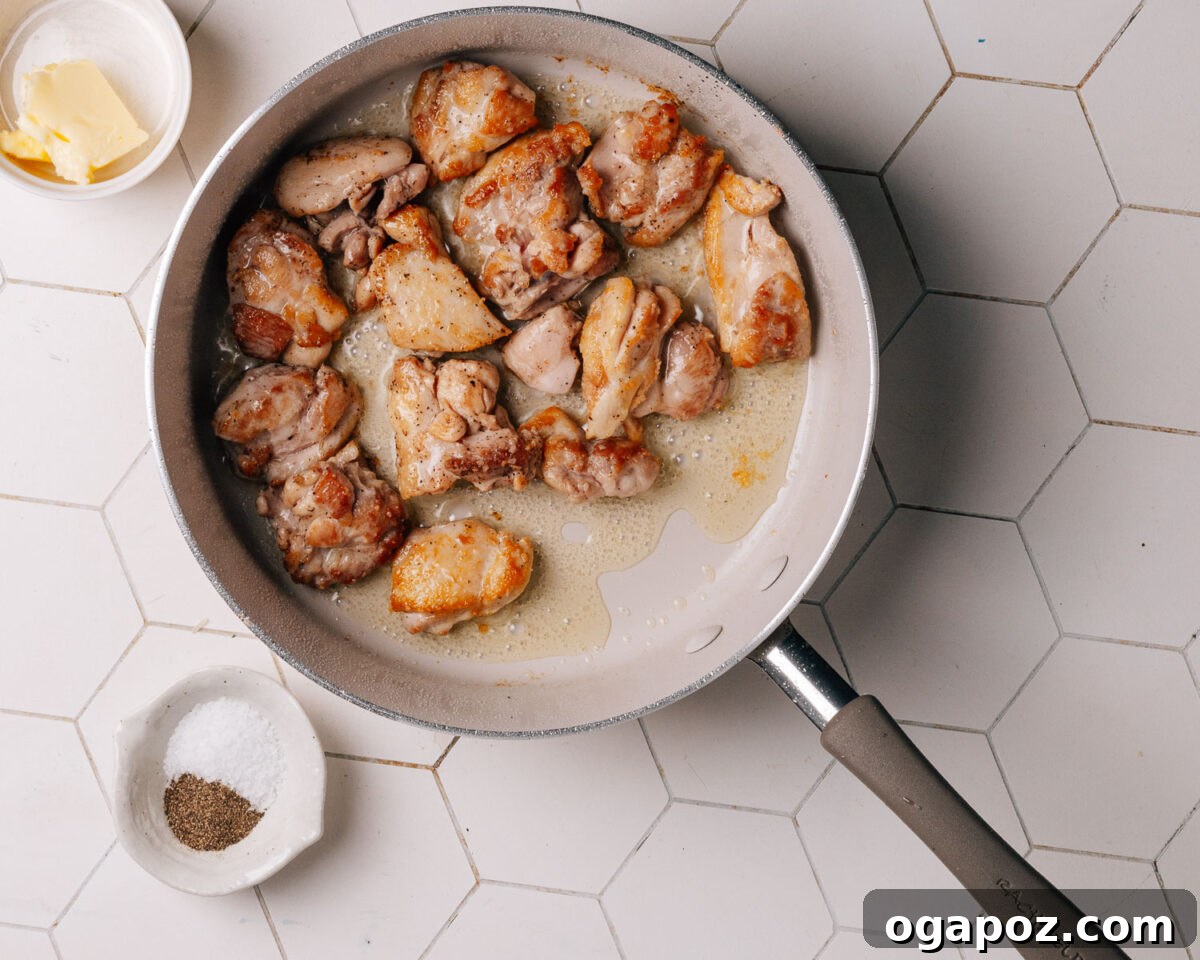
Step 1: Sear the Chicken for Maximum Flavor
Begin by heating olive oil in your large skillet over high heat until it shimmers. While the pan heats, season your bite-size chicken pieces generously with 2 teaspoons of kosher salt and the black pepper. Once the pan is hot, add the chicken in a single layer. Sear both sides for about 5 minutes total, aiming for a beautiful golden-brown crust. This critical step, known as the Maillard reaction, develops deep, savory flavors that form the foundation of your dish. The chicken won’t be fully cooked yet, and that’s perfectly fine – you’re primarily focused on building flavor here. If your pan is not large enough to accommodate all the chicken in a single layer, work in two batches to avoid crowding, which would steam the chicken instead of searing it. Once seared, remove the chicken to a clean plate and set aside.
Step 2: Build the Flavor Base with Aromatics
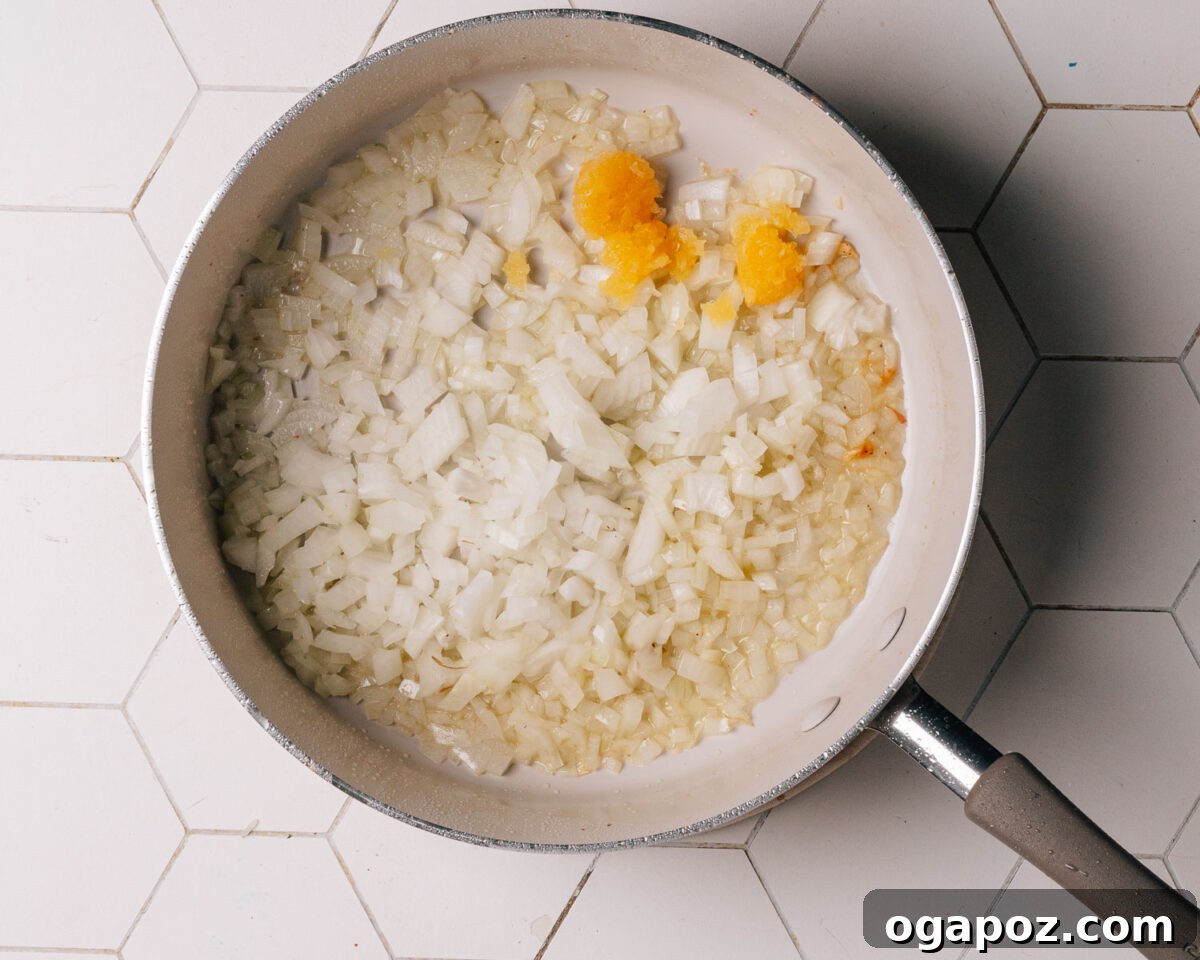
Reduce the heat to medium-high. Resist the urge to drain the pan! All those delicious brown bits stuck to the bottom of the skillet are packed with flavor. Add the finely chopped onion and minced garlic to the same skillet. Cook for about 2 minutes, stirring frequently, until the onion softens and turns translucent, and the garlic becomes fragrant. This step extracts the sweet, aromatic essences from these vegetables, enhancing the overall taste.
Step 3: Toast the Rice for Depth
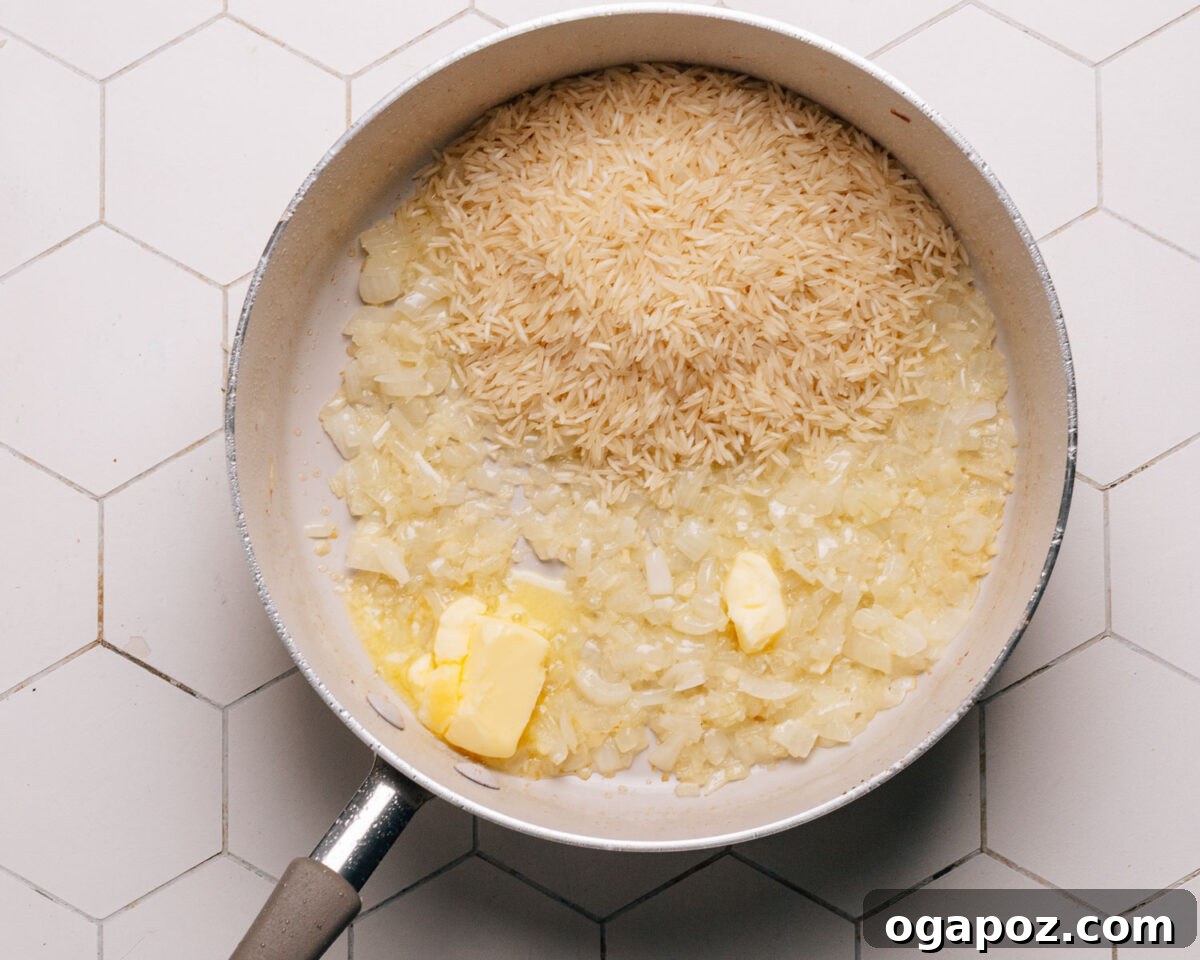
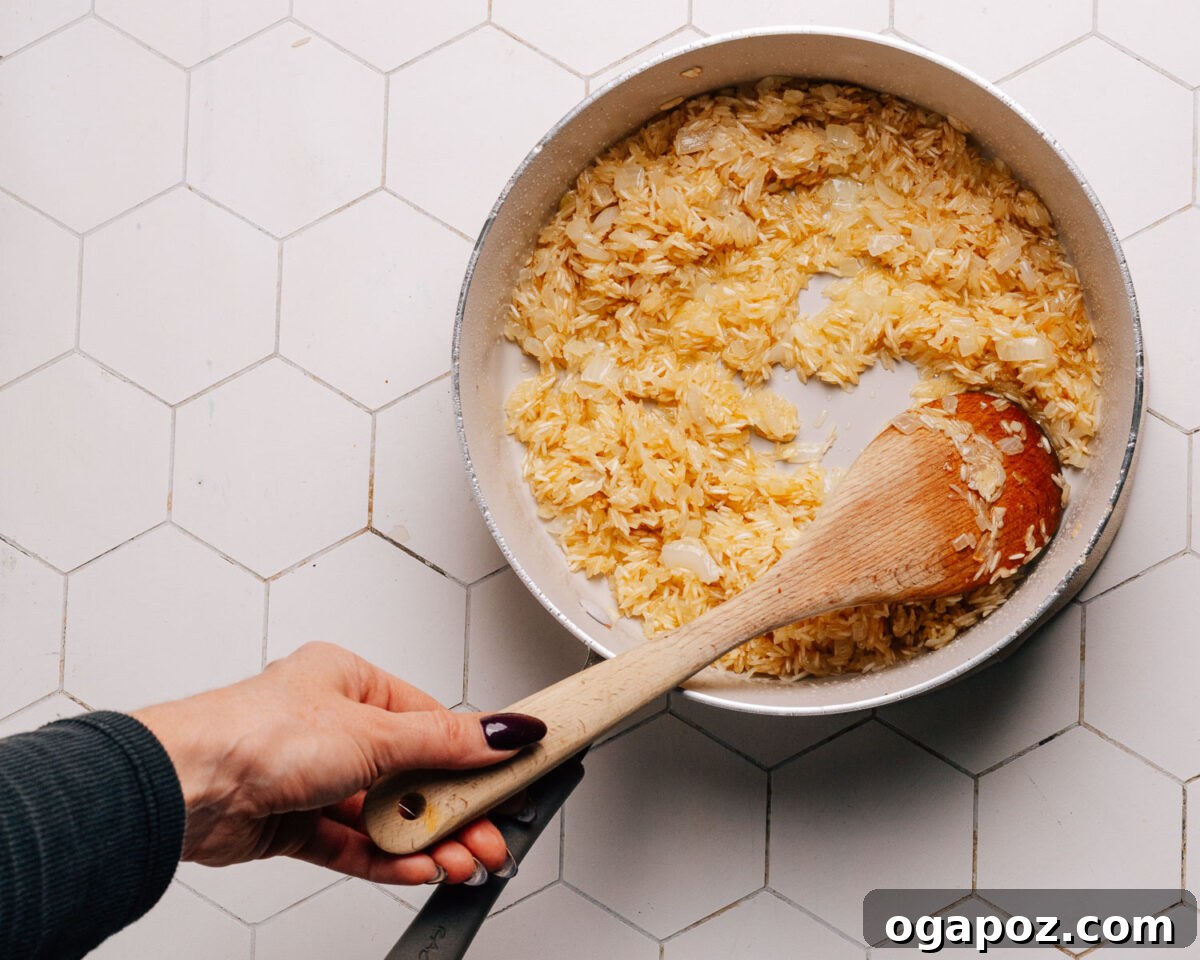
Stir in the unsalted butter until it melts and coats the aromatics. Then, add the uncooked long-grain white rice. Stir constantly for about 1 minute, allowing the rice grains to lightly toast in the butter and pan drippings. This simple toasting step gives the rice a subtle nutty flavor and helps it maintain its individual grain structure, preventing it from becoming sticky. You’ll notice the edges of the rice grains start to look slightly translucent when it’s ready.
Step 4: Simmer Everything Together to Perfection
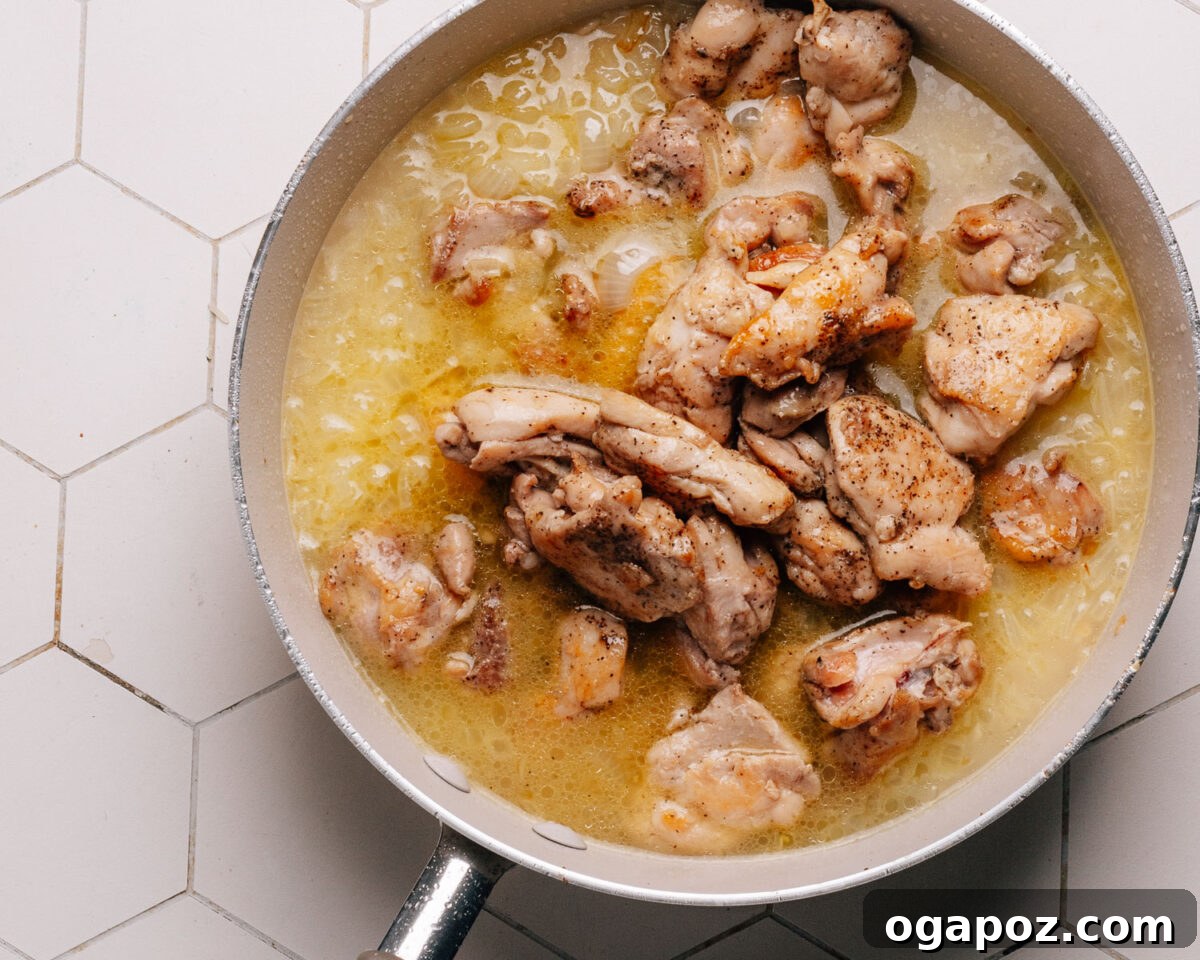
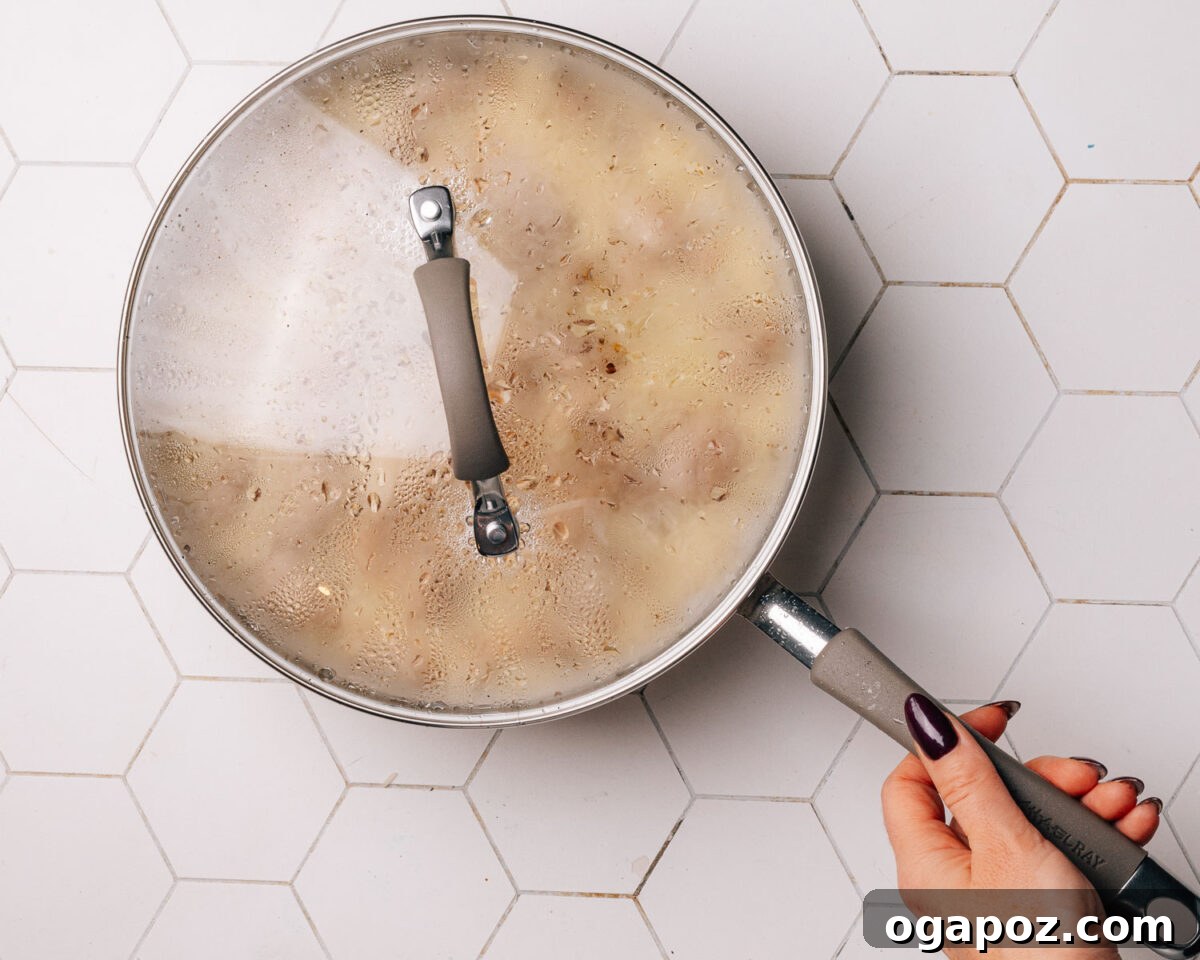
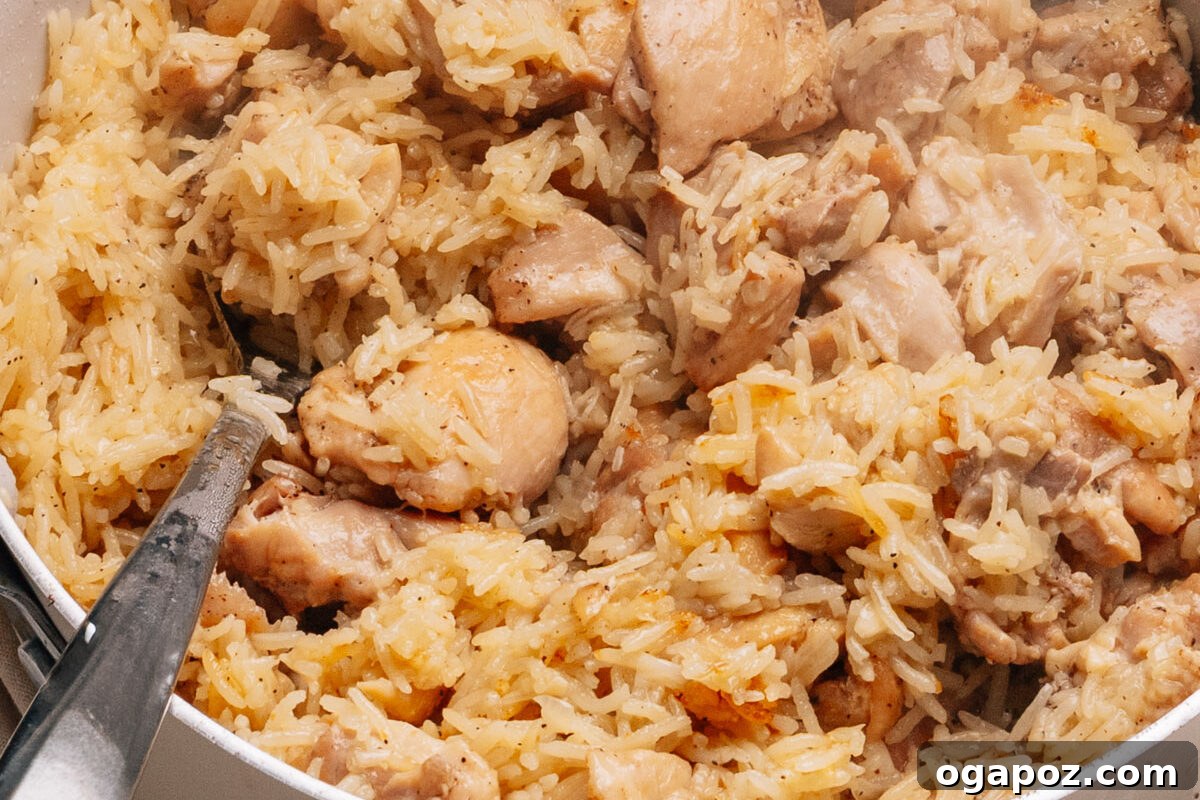
Pour in the chicken broth and add 1 teaspoon of kosher salt, stirring well to combine all the ingredients. Bring the mixture to a rolling boil. Once boiling, carefully return the seared chicken pieces to the skillet, along with any juices that may have accumulated on the plate – these juices contribute extra moisture and flavor. Cover the pan tightly with its lid, reduce the heat to low, and let everything simmer gently for 20 minutes. During this time, the rice will absorb the liquid and cook through, and the chicken will finish cooking to an internal temperature of 165°F (74°C). It’s tempting to peek, but try to avoid lifting the lid too often, as this releases the steam that the rice needs to cook evenly and become perfectly fluffy.
Step 5: Incorporate Vegetables (Optional)
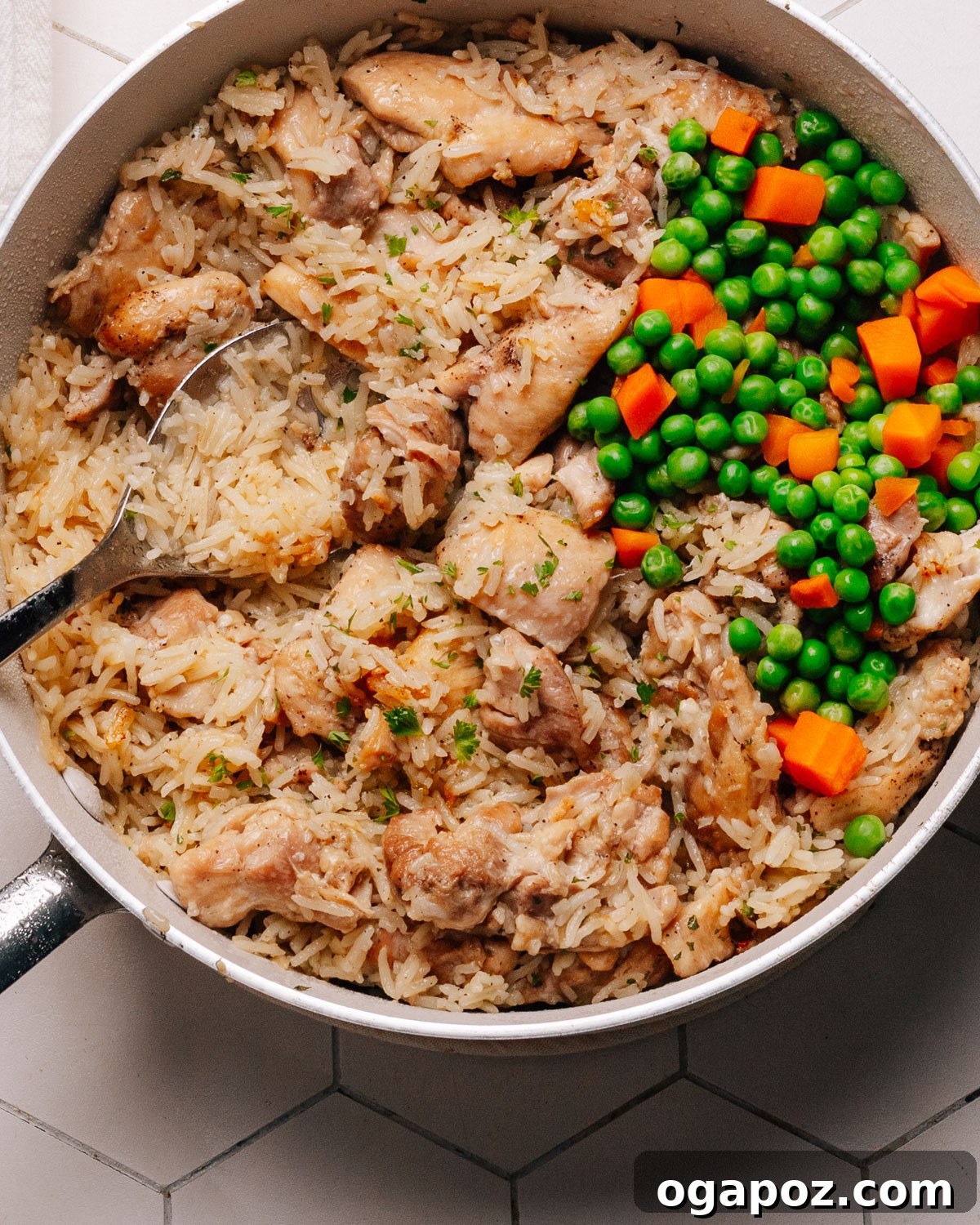
If you’re opting to add frozen peas and carrots or other mixed vegetables, now is the time. Stir them into the hot chicken and rice mixture. Cover the pan again and let it sit for another 5 minutes. The residual heat from the dish will gently warm the vegetables through without overcooking them, ensuring they remain tender-crisp and vibrant.
5 Common Mistakes to Avoid for Perfect Chicken and Rice
Even simple recipes can have pitfalls. Being aware of these common missteps will help you achieve perfectly cooked chicken and fluffy rice every time:
- Not searing the chicken properly: One of the biggest mistakes is not getting a good sear on the chicken. High heat and ensuring the chicken pieces are in a single, uncrowded layer are paramount. If you overcrowd the pan, the chicken will steam rather than sear, resulting in bland, pale chicken and a significant loss of flavor for the overall dish. The golden-brown crust adds incredible depth.
- Using instant rice: Instant rice is designed for quick cooking and simply won’t yield the same results in this recipe. Its texture breaks down easily, turning into a mushy consistency when cooked using this simmer method. Stick with regular long-grain white rice or basmati for consistently fluffy, separate grains.
- Lifting the lid too much: Patience is key during the simmering stage. Every time you peek under the lid, you release valuable steam that the rice needs to cook evenly and fully absorb the liquid. Resisting the urge to peek ensures a consistent cooking environment, leading to perfectly tender and fluffy rice.
- Skipping the toasting step for rice: While it might seem like a minor step, toasting the uncooked rice in butter for just a minute adds a subtle yet significant nutty depth of flavor. This quick process also helps to strengthen the rice grains, contributing to a better, fluffier texture in the final dish.
- Not letting it rest: After the cooking time is up, it’s crucial to let the chicken and rice sit, still covered, off the heat for at least 5 minutes before serving. This resting period allows the rice to finish absorbing any remaining liquid and steam, resulting in a perfectly tender, separate, and fluffy texture, rather than sticky or clumpy.
Make Ahead and Storage Solutions
This chicken and rice recipe is fantastic for meal prep! It reheats beautifully, making it an ideal choice for easy lunches or dinners throughout the week.
Storing Leftovers Safely
- Refrigerate promptly: Allow the dish to cool completely before transferring it to an airtight container. Store it in the refrigerator for up to 3-4 days.
- Keep it moist: As rice sits, it tends to absorb more liquid. When reheating, you might find it beneficial to add a splash (1-2 tablespoons) of chicken broth or water to help bring back some of the moisture and prevent it from drying out.
Freezing for Future Meals
- Freeze in individual portions: For ultimate convenience, divide the cooled chicken and rice into single-serving, freezer-safe containers. This makes it easy to thaw and reheat just what you need.
- Label and date: Always label your containers with the dish name and the date it was prepared. Properly stored, it can be frozen for up to 3 months.
- Thaw safely: For best results and even heating, thaw frozen portions overnight in the refrigerator before reheating.
Reheating Chicken and Rice
- Microwave method: Place a single serving in a microwave-safe dish. Add 1-2 tablespoons of chicken broth or water, cover loosely, and microwave on high for 2-3 minutes, stirring halfway through, until heated thoroughly.
- Stovetop method: For larger quantities or a richer texture, transfer the leftovers to a skillet with a splash of broth. Cover and heat over medium-low heat, stirring occasionally, until hot and steaming.
- From frozen: While possible, reheating directly from frozen can lead to uneven heating and potentially dry spots. Thawing in the fridge first is always recommended.
How to Serve This Delicious Chicken and Rice Recipe
This easy chicken and rice dish is a complete meal on its own, offering protein, carbohydrates, and vegetables. However, you can elevate it further with simple toppings or complementary side dishes to create a more elaborate dining experience.
Flavorful Toppings and Savory Add-Ins
- Fresh parsley or cilantro: A sprinkle of fresh, chopped herbs adds brightness, color, and a fragrant finish.
- A squeeze of lemon juice: A little acidity can truly lift and balance the flavors of the dish, adding a refreshing zest.
- Grated Parmesan cheese: For a salty, umami boost and a creamy texture, a generous sprinkle of Parmesan is always welcome.
- Hot sauce or red pepper flakes: If you enjoy a little heat, a dash of your favorite hot sauce or a pinch of red pepper flakes can add a delightful kick.
- Sliced green onions (scallions): These provide a mild oniony bite and a fresh, crisp texture.
- A dollop of sour cream or Greek yogurt: For an extra layer of creaminess and a slight tang that beautifully complements the savory chicken and rice.
Perfect Side Dishes to Pair with Chicken and Rice
- Glazed carrots: The sweetness of glazed carrots offers a wonderful contrast to the savory main dish.
- Air Fryer Broccoli: Quick, easy, and provides a lovely crisp-tender green vegetable option.
- Simple green salad: A light, fresh green salad with a vibrant vinaigrette, like a store-bought homemade Italian dressing, provides a refreshing counterpoint.
- Homemade bread or garlic bread: Perfect for soaking up any leftover delicious juices from the skillet.
- Steamed asparagus or green beans: Simply steamed and lightly seasoned, these offer a healthy, quick side.
How to Make the Best Chicken and Rice: Expert Tips for Success
Achieving truly perfect chicken and rice involves a few clever tricks and considerations. Here are my top secrets and final notes to ensure your dish is outstanding every single time:
- Pat chicken dry: Before seasoning and searing, always pat your chicken pieces thoroughly dry with paper towels. Excess moisture on the surface will create steam in the hot pan, preventing the chicken from achieving that desirable golden-brown crust and deep, savory flavor. Dry chicken sears, wet chicken steams.
- Use a heavy-bottomed pan: Invest in a good quality, heavy-bottomed skillet or Dutch oven. Thin pans can develop hot spots, which can lead to unevenly cooked rice or even burning on the bottom before the top is done. A heavy-bottomed pan distributes heat much more evenly, ensuring consistent cooking and preventing scorching.
- Season in layers: Building flavor is a cumulative process. Don’t just rely on adding salt at the end. Salting the chicken before searing and adding salt to the rice along with the broth ensures that every component of your dish is properly seasoned from the inside out, leading to a much more balanced and flavorful result.
- Low and slow for the simmer: Once you’ve added the liquid and covered the pan, it’s crucial to reduce the heat to a low setting. High heat can cause the liquid to evaporate too quickly, leading to burnt rice at the bottom while the top remains undercooked. A gentle, low simmer allows the rice to absorb the liquid gradually and cook evenly with the trapped steam.
- Fluff with a fork: After the resting period (and before serving), gently fluff the cooked rice with a fork. This simple action separates the grains, releases any trapped steam, and prevents clumping, ensuring a light and airy texture. Avoid using a spoon, which can mash the grains.
- Rest before serving: This might be the most overlooked tip! After the 20-minute simmer, remove the pan from the heat and let it sit, still covered, for 5-10 minutes. This crucial resting period allows the rice to fully absorb any remaining moisture, steam to redistribute, and the grains to firm up slightly, resulting in a perfectly tender, fluffy, and never mushy texture.
Frequently Asked Questions About Chicken and Rice
For those who prefer quick answers or have specific questions, here are some of the most commonly asked questions about making this easy chicken and rice recipe:
How do I know when the chicken is done?
The chicken is fully cooked when its internal temperature reaches 165°F (74°C). You can check this with an instant-read meat thermometer inserted into the thickest part of a piece. Visually, the meat should be opaque white throughout, with absolutely no pink remaining, and the juices should run clear. After 20 minutes of simmering in the covered skillet, your chicken should typically be perfectly cooked.
Is chicken and rice a healthy meal?
Yes, chicken and rice can absolutely be a very healthy and balanced meal! It provides an excellent source of lean protein from the chicken, essential for muscle maintenance and satiety. The rice offers complex carbohydrates for sustained energy. By adding vegetables like peas and carrots, you further boost the fiber, vitamin, and mineral content. This balanced combination helps keep you full and satisfied for hours, supporting a healthy diet.
Can raw chicken and rice be cooked together?
Yes, raw chicken and rice can be cooked together safely in a one-pot meal, provided the chicken reaches a safe internal temperature of 165°F (74°C). In this recipe, we sear the chicken first to enhance its flavor and texture before simmering it with the rice. If you prefer to skip the searing step, you can add raw chicken pieces to the skillet when you add the broth. Just ensure that the chicken is fully cooked through before serving.
What are common mistakes when making chicken and rice?
Common mistakes often include using instant rice (which leads to a mushy texture), frequently lifting the lid during simmering (which allows crucial steam to escape), overcrowding the pan when searing the chicken (resulting in steamed rather than browned meat), using an incorrect liquid-to-rice ratio (leading to dry or soggy rice), skipping the important rice-toasting step (missing out on a nutty flavor), and not allowing the dish to rest after cooking (which prevents the rice from fully setting and becoming fluffy).
How do you add more flavor to chicken and rice?
To infuse more flavor into your chicken and rice, you can season the chicken generously before searing, toast the rice in butter with aromatics, and use good quality chicken broth. After cooking, consider adding a squeeze of fresh lemon juice, a dash of soy sauce for umami, a sprinkle of fresh or dried herbs like parsley, dill, or chives, or a pinch of spices such as onion powder, garlic powder, or even a touch of curry powder. For a creamy boost, stir in a dollop of sour cream or Greek yogurt. Always taste and adjust seasonings as needed!
What kind of rice is best for this recipe?
Long-grain white rice, such as regular white rice or basmati rice, is best for this recipe. These varieties cook up fluffy and with separate grains, which is ideal for a dish where the rice is simmered directly with other ingredients. Avoid short-grain or medium-grain rice as they tend to be starchier and can become sticky or gummy.
Can I make this dairy-free?
Yes, this recipe can easily be made dairy-free. Simply substitute the unsalted butter with an equal amount of olive oil or a dairy-free butter alternative. If you’re adding cream or cheese as a variation, use dairy-free versions or omit them entirely. The core recipe is naturally dairy-free with this simple swap.
Why is my rice mushy or dry?
Mushy rice usually results from too much liquid or lifting the lid too often during simmering, which disrupts the steaming process. Dry or undercooked rice typically means not enough liquid was used, the heat was too high, or the pan wasn’t covered tightly enough, causing liquid to evaporate too quickly. Precise measurements and consistent low heat are key for perfect rice.
Perfectly Fluffy Chicken and Rice (Quick + Easy Recipe!)
Ingredients
To Sear the Chicken
- 2 tbsp olive oil
- 2 lbs boneless skinless chicken thighs or breasts, cut into bite-size pieces
- 2 tsp kosher salt
- ½ tsp black pepper
To Finish the Chicken and Rice
- 1 medium onion finely chopped
- 2 tsp minced garlic (2 large cloves)
- 2 tbsp unsalted butter
- 1 cup long-grain white rice (uncooked)
- 2 cups chicken broth
- 1 tsp kosher salt
- 1 cup frozen peas and carrots or mixed vegetables (optional)
Instructions
-
Heat olive oil in a large skillet over high heat. Season chicken with 2 tsp salt and the pepper. Add chicken to the pan in a single layer and sear on both sides, about 5 minutes total, until golden brown. Work in 2 batches if your pan isn’t big enough to avoid crowding. Remove seared chicken to a plate.
-
Reduce heat to medium-high. In the same skillet (without draining the flavorful drippings), add the chopped onion and minced garlic. Cook for 2 minutes, stirring often, until the onion is soft and translucent.
-
Stir in the unsalted butter until it melts, then add the uncooked long-grain white rice. Stir constantly for 1 minute to toast the rice, enhancing its flavor.
-
Pour in the chicken broth and add 1 tsp salt, stirring to combine. Bring the mixture to a boil. Return the seared chicken to the skillet along with any accumulated juices from the plate. Cover the pan tightly, reduce the heat to low, and simmer for 20 minutes, or until the rice is tender and the chicken is cooked through (internal temperature of 165°F / 74°C). Avoid lifting the lid during this time to retain steam.
-
If using frozen peas and carrots (or other mixed vegetables), stir them into the hot dish now. Cover the pan again and let it sit for another 5 minutes to allow the residual heat to warm the vegetables through. Let the dish rest, covered, for 5 minutes off the heat before serving for perfectly fluffy rice.
Notes
Nutrition
| Carbohydrates: 32g
| Protein: 33g
| Fat: 15g
| Saturated Fat: 5g
| Polyunsaturated Fat: 2g
| Monounsaturated Fat: 7g
| Trans Fat: 0.2g
| Cholesterol: 155mg
| Sodium: 1610mg
| Potassium: 520mg
| Fiber: 2g
| Sugar: 1g
| Vitamin A: 1718IU
| Vitamin C: 5mg
| Calcium: 42mg
| Iron: 2mg
Nutrition information provided is an estimate and may vary based on specific ingredients and preparation methods.