
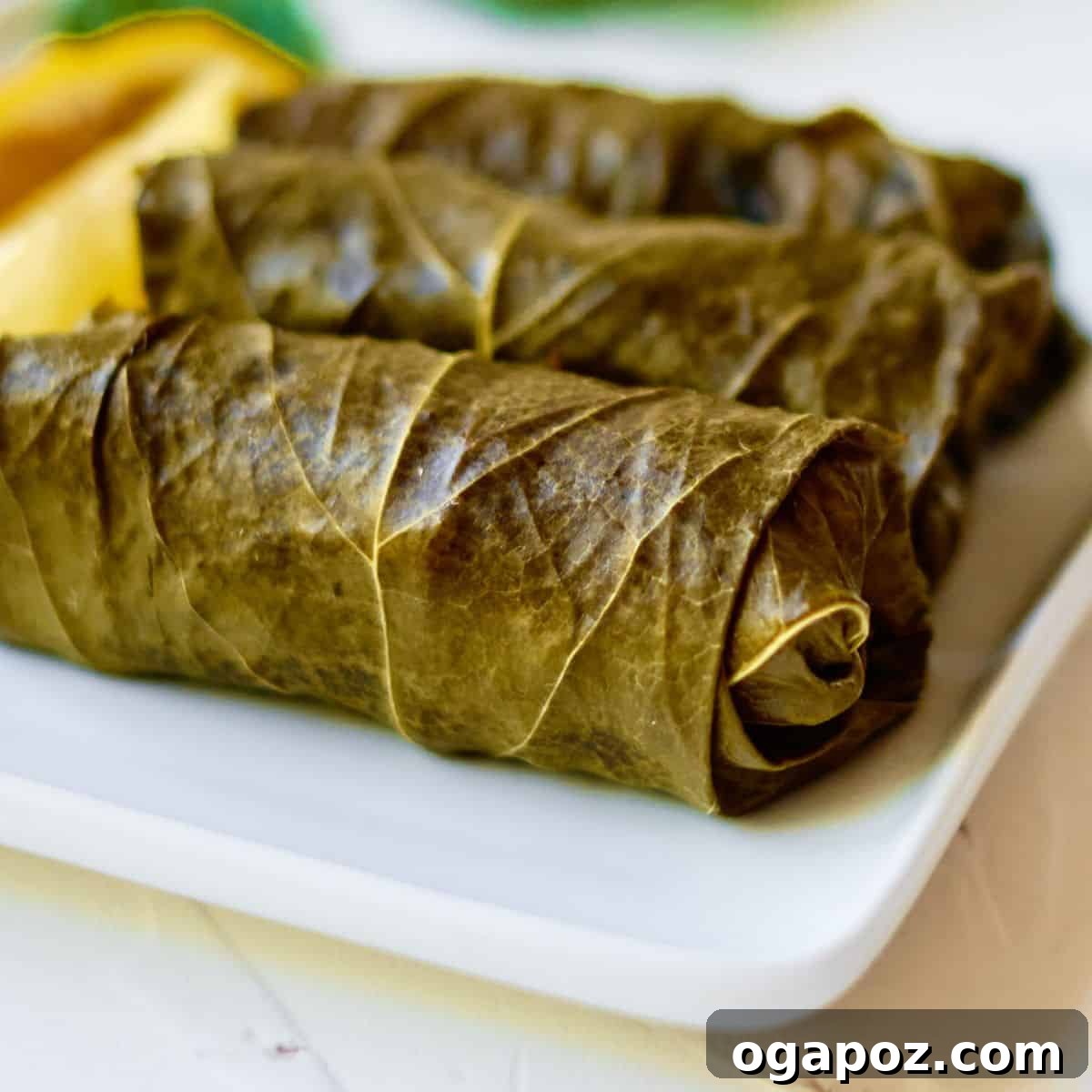
Embark on a delightful culinary journey to the heart of the Mediterranean with this exquisite recipe for stuffed grape leaves. Known by many cherished names across the region—from dolmas in Greece, to dolmades throughout the Balkans, and warak enab in the Levant—these savory parcels are a timeless testament to ancient culinary traditions. If you’ve ever dreamt of crafting these intricate yet utterly rewarding rolls in your own kitchen, you’ve arrived at the perfect guide.
This particular rendition captures the essence of a light and vibrant dish, featuring a fragrant filling of fluffy rice, buttery pine nuts, and a generous medley of fresh herbs, all meticulously simmered to perfection in a bright, zesty lemony broth. Each tender, tangy bite transports me back to cherished family gatherings and the comforting aromas that filled my grandmother’s Lebanese kitchen. This recipe offers an approachable yet authentic way to bring a piece of Mediterranean heritage, rich with flavor and history, directly to your dining table.
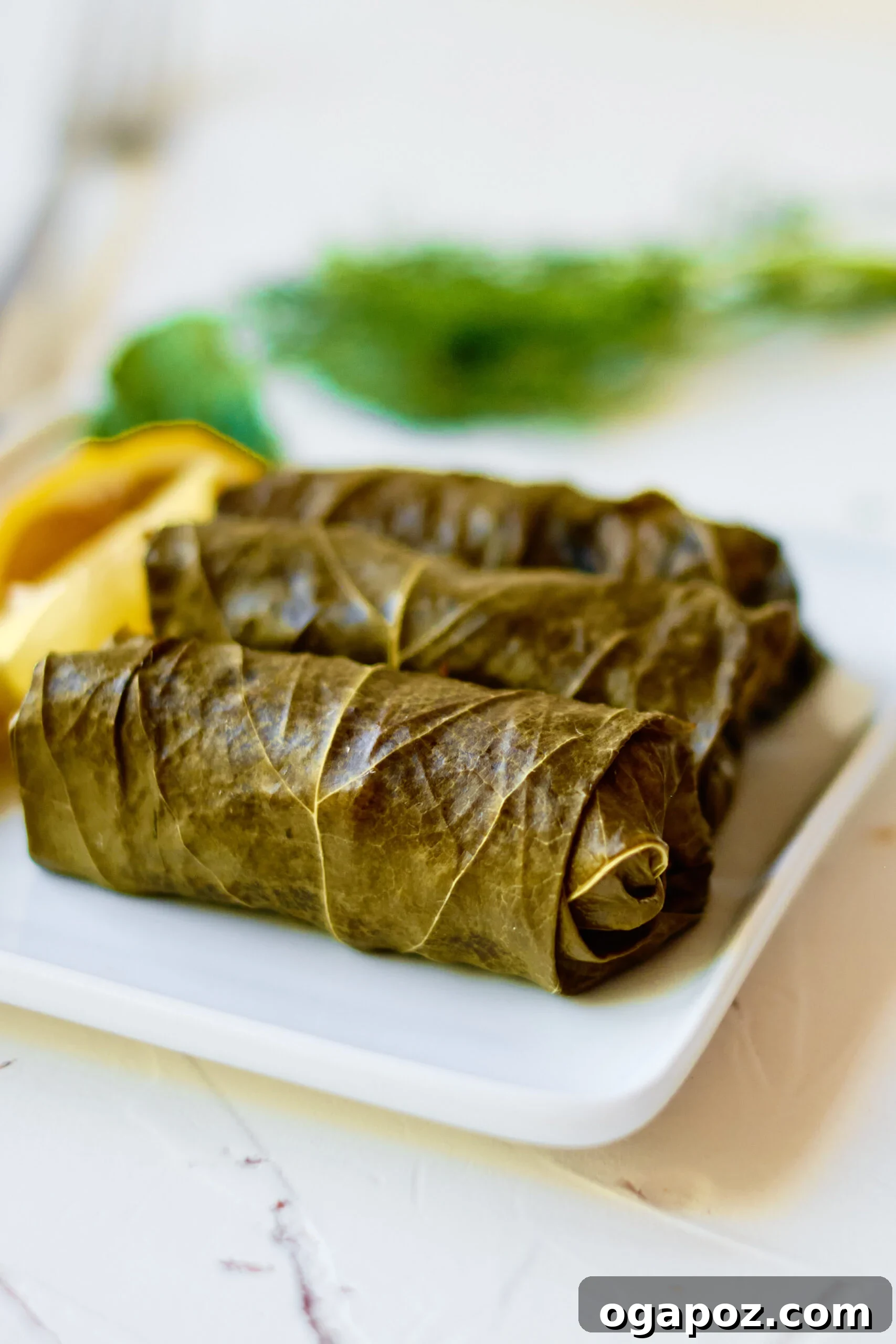
Why This Stuffed Grape Leaves Recipe Will Become Your New Favorite
For many, myself included, stuffed grape leaves are far more than just a dish; they are a direct link to cherished family traditions and a profound taste of cultural heritage. Growing up, the comforting aroma of my grandma’s Lebanese warak enab, slowly simmering in a rich tomato sauce, was an unmistakable scent that filled her kitchen and signaled warmth and togetherness. Those memories are deeply etched in my heart, inspiring my own culinary journey.
When I ventured into making them myself, I experimented tirelessly to find a version that appealed to my family’s diverse preferences. The revelation came when I decided to simmer the rice-filled rolls in a vibrant, aromatic broth instead of the traditional tomato sauce. This subtle shift transformed the dish, making it significantly lighter, brighter, and incredibly versatile. It was a culinary breakthrough that made this classic a regular feature at our table, equally perfect as a light lunch, a satisfying vegetarian dinner, or an elegant appetizer to kick off any meal.
My appreciation for dolmas also deepened during travels through Greece with my husband, where we savored countless regional variations. Each country, and often each family, imbues its stuffed grape leaves with unique flavors and stories. This particular recipe, while honoring my Lebanese roots, is designed to be highly approachable and user-friendly, especially for those new to the art of rolling grape leaves. You’ll discover that once you master the simple technique, the process itself becomes quite meditative and enjoyable, turning cooking into a relaxing and rewarding experience.
This recipe doesn’t just offer delicious food; it offers an experience, a connection to history, and a satisfying sense of accomplishment. Whether you’re a seasoned cook or a beginner, the simplicity and exquisite flavor of these homemade stuffed grape leaves will undoubtedly win you over. They’re also wonderfully adaptable for various dietary needs, making them a fantastic vegetarian and often vegan option for gatherings.
To truly complete your Mediterranean feast, consider pairing these delightful dolmas with other traditional dishes. They are exquisite alongside Easy Spinach Fatayer (Lebanese Spinach Pies), the refreshing zest of Lebanese Tabbouleh, or the creamy richness of Lebanese Hummus. Together, these dishes create a beautiful and authentic mezze spread that will impress and delight your guests.
Essential Ingredients for Perfect Homemade Stuffed Grape Leaves
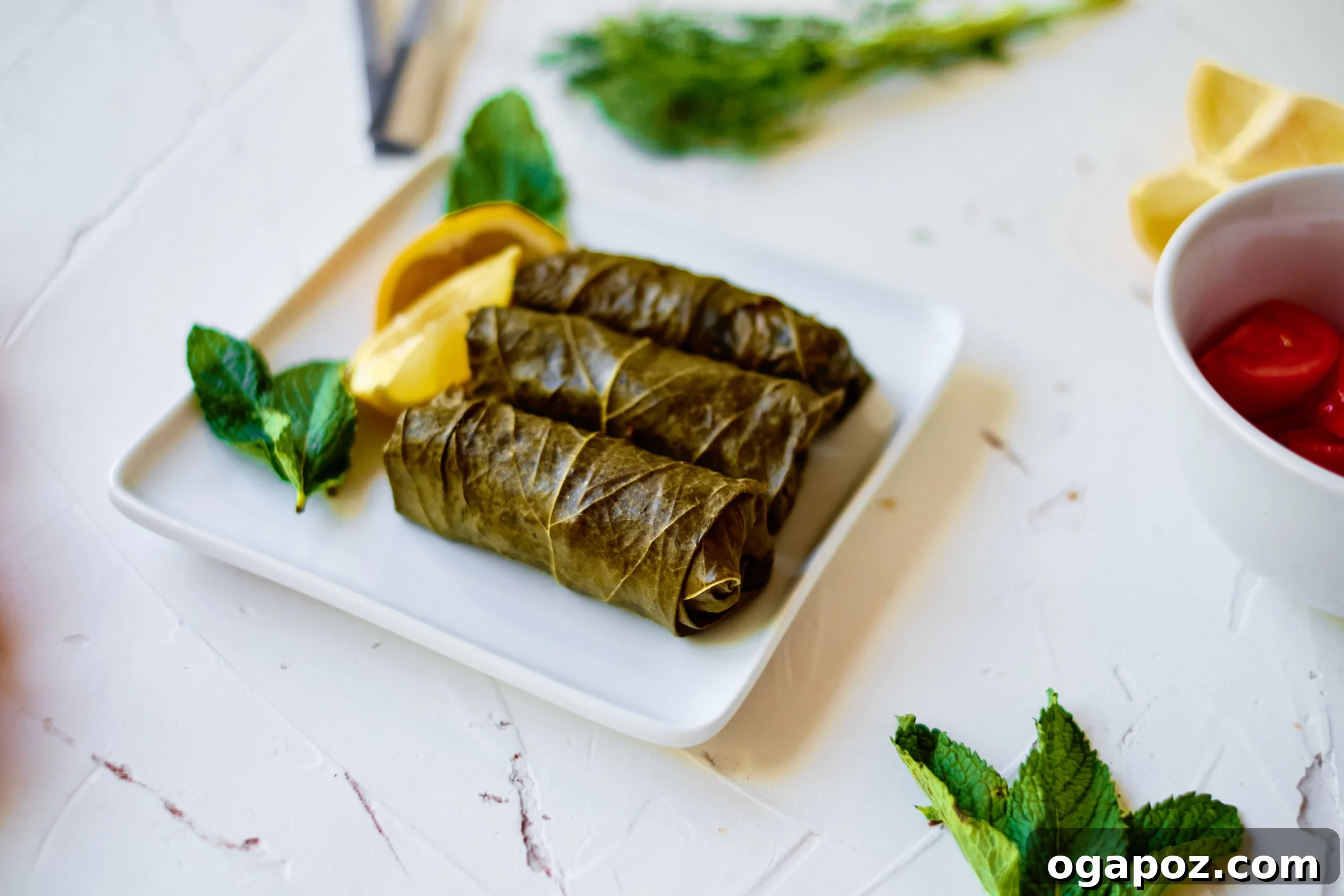
This stuffed grape leaves recipe celebrates the simplicity of fresh, high-quality ingredients, transforming them into a dish bursting with vibrant Mediterranean flavors. You’ll be amazed at how a few core components can deliver such a profound and satisfying culinary experience. Here’s a closer look at what you’ll need to create these delectable parcels:
- Grape Leaves: The true star of our dish! You have the choice between fresh grape leaves, which need to be blanched briefly in boiling water to soften them and reduce any potential bitterness, or convenient jarred (brined) grape leaves. Jarred leaves are typically packed in brine and only require a thorough rinse under cold water before use. Both options yield delicious results, so opt for whichever is most readily accessible to you. Quality grape leaves are essential for that characteristic tangy flavor and tender texture.
- Rice: This forms the hearty, wholesome foundation of our flavorful filling. Short-grain or medium-grain rice varieties, such as Arborio or a good quality sushi rice, are ideal. They become wonderfully tender and slightly sticky when cooked, which is crucial for ensuring the filling holds together perfectly within the delicate leaves. Avoid long-grain rice, as it can result in a drier, more crumbly filling that might not bind as well.
- Pine Nuts: These small, elongated, buttery nuts are a game-changer for the filling, imparting a delightful nutty depth and a subtle, delicate crunch. For an enhanced aroma and flavor, I highly recommend lightly toasting your pine nuts in a dry pan over medium heat for a few minutes until they achieve a golden-brown hue before mixing them into the rice. This step truly elevates their natural sweetness and brings out their best characteristics.
- Fresh Mint and Dill: These vibrant fresh herbs are the very soul of this vegetarian filling. Fresh mint provides an invigorating, cooling freshness that beautifully cuts through the richness of the rice, while fresh dill adds an unparalleled savory, herbaceous depth that is quintessential to authentic Mediterranean cuisine. Using fresh herbs is non-negotiable for the best flavor profile; dried alternatives simply won’t offer the same bright, aromatic impact. Finely chopping them ensures their essence is evenly distributed throughout the rice mixture.
- Extra Virgin Olive Oil: More than just a binder, a high-quality extra virgin olive oil contributes significantly to the overall richness, silkiness, and authentic taste of the filling. It also plays a vital role in keeping the grape leaves moist during cooking and adds a luscious mouthfeel. Choose a good quality extra virgin olive oil for its fruity notes and genuine Mediterranean character.
- Fresh Lemon Juice: This is the secret ingredient that truly makes this recipe shine! Freshly squeezed lemon juice is absolutely crucial for balancing all the flavors, adding a bright, zesty tang to both the rice filling and the simmering broth. The acidity from the lemon not only tenderizes the grape leaves but also infuses the entire dish with a characteristic Mediterranean brightness and irresistible zest.
- Vegetable Broth (or Chicken Broth): This liquid gold is the medium in which our stuffed grape leaves will gently simmer to perfection. Using a good quality broth (vegetable for a strictly vegetarian or vegan dish, or chicken broth for added richness if preferred) infuses every single roll with profound flavor and ensures they cook to a perfectly tender, succulent consistency. It’s far more flavorful than plain water and acts as a wonderful conduit for all the herbs and lemon to meld beautifully.
- Salt and Black Pepper: Simple seasonings, yet absolutely vital for enhancing and bringing out all the other incredible flavors in the dish. Adjust to your personal preference, but don’t shy away from seasoning generously to ensure the filling is perfectly balanced and flavorful.
With these wholesome and thoughtfully selected ingredients at your fingertips, you’re well on your way to creating a batch of stuffed grape leaves that will rival any traditional Mediterranean eatery. The harmonious blend of textures and tastes promises an unforgettable culinary experience that’s both comforting and exquisitely fresh.
Step-by-Step Guide: Crafting Delicious Vegetarian Stuffed Grape Leaves
Creating homemade stuffed grape leaves might initially seem like an intricate or time-consuming process, but with this clear, detailed, step-by-step guide, you’ll find it incredibly rewarding and surprisingly manageable. The key lies in careful preparation and a gentle, consistent rolling technique. Follow these instructions closely to master these delightful Mediterranean parcels, bringing a piece of authentic tradition to your table.
Step 1: Prepare Your Grape Leaves
Begin by meticulously preparing your grape leaves. If you’re working with **fresh grape leaves**, bring a large pot of water to a vigorous rolling boil. Carefully immerse the leaves in the boiling water for approximately 60 to 90 seconds. This brief blanching is just enough to soften them, making them pliable and reducing any potential bitterness. Immediately transfer them to an ice bath to swiftly halt the cooking process and help preserve their vibrant green color. Once cooled, drain them thoroughly. If you’ve opted for the convenience of **jarred (brined) grape leaves**, simply rinse them thoroughly under cold running water to remove any excess brine and salt, then gently pat them dry with paper towels. Lay them flat on a clean surface, ready for the stuffing process.
Step 2: Create the Flavorful Rice Filling
Next, it’s time to assemble your aromatic and robust filling. Begin by finely chopping your fresh mint and dill; the fresher the herbs, the more vibrant the final taste. In a spacious mixing bowl, combine the uncooked short or medium-grain rice, your lightly toasted pine nuts (if using), the freshly chopped mint, and dill. Add a generous glug of high-quality extra virgin olive oil, a teaspoon of salt, and a quarter teaspoon of freshly ground black pepper. Mix all these ingredients thoroughly with your clean hands or a sturdy spoon until everything is evenly combined and the rice is coated. The raw rice will brilliantly absorb the rich flavors of the herbs and oil as it cooks inside the grape leaves.
Step 3: Position the Leaf and Add Filling
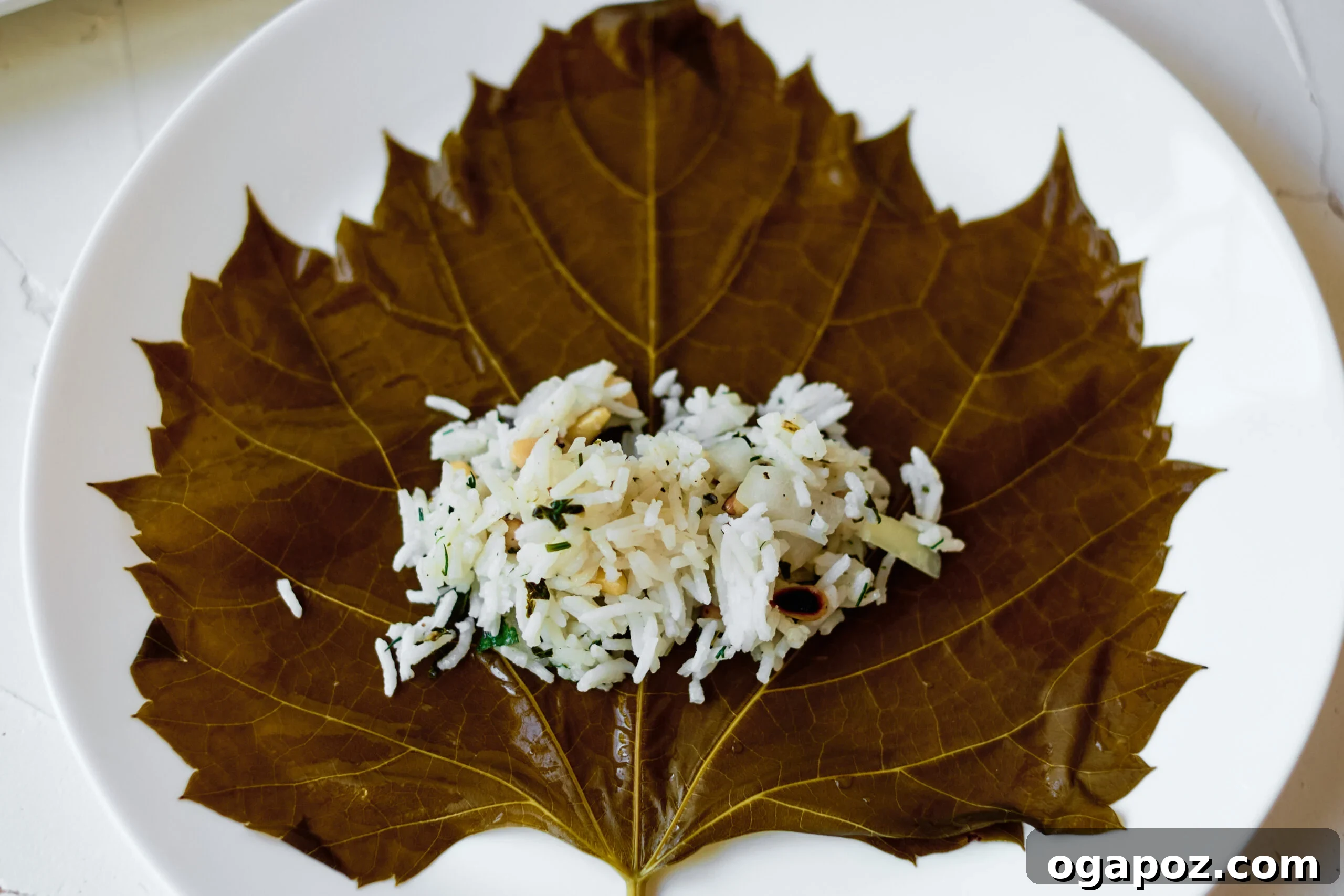
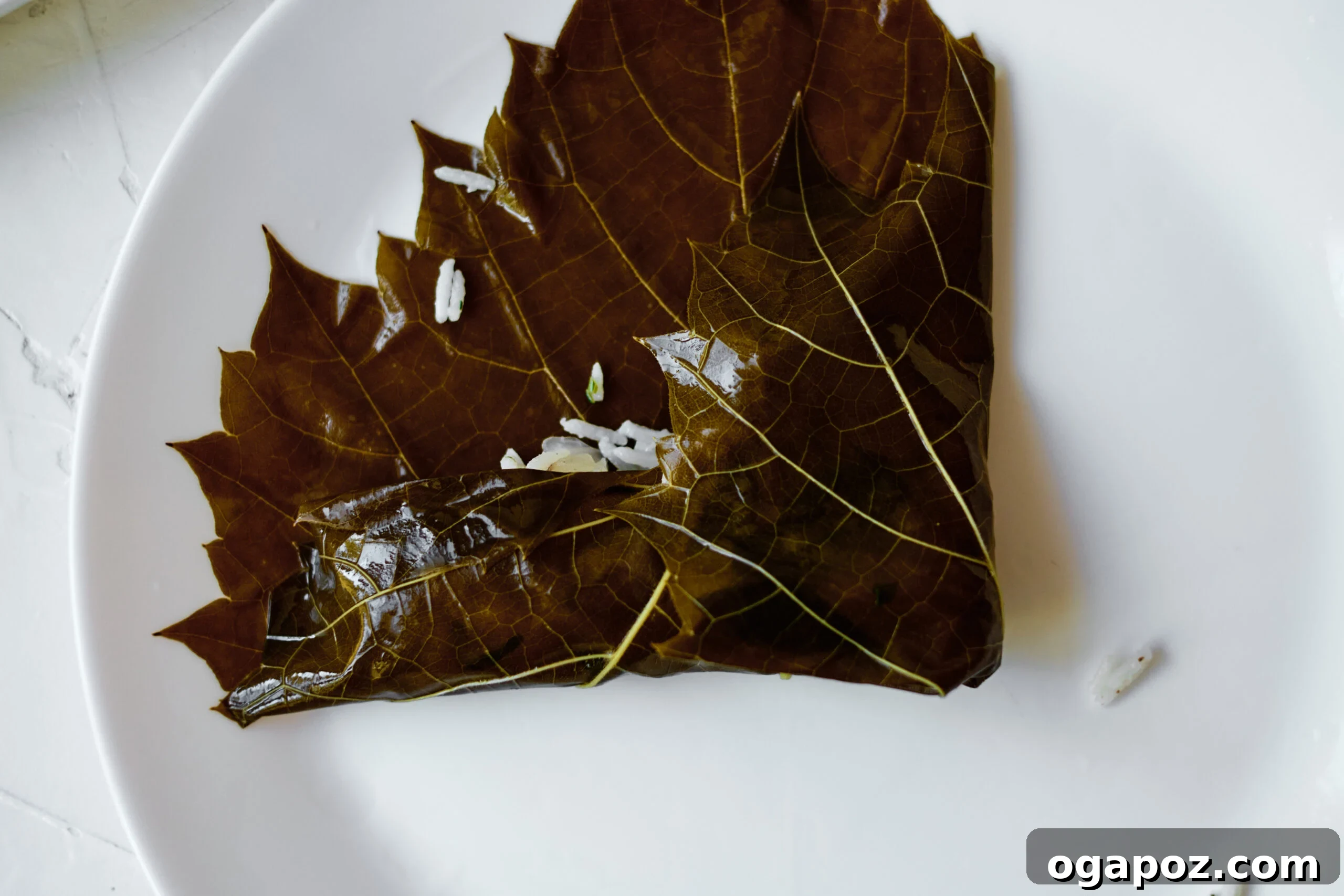
On a clean, flat work surface (a large cutting board or a clean countertop works perfectly), carefully lay out one grape leaf. Ensure the shiny side of the leaf is facing down and the rough, veined side is facing up. Position the stem end of the leaf towards yourself. Place about one generous tablespoon of the prepared rice filling mixture in the center of the leaf, slightly closer to the bottom (stem end). The precise amount of filling can vary slightly depending on the individual size of your grape leaf; aim for an amount that will allow for a neat, compact cylinder once rolled, with enough space for the rice to expand.
Step 4: Master the Rolling Technique
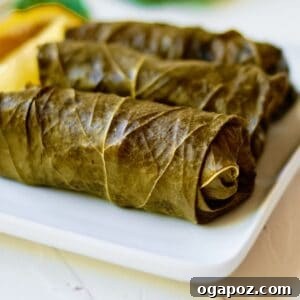
This is where the magic of crafting homemade dolmas truly comes to life! First, gently fold the bottom part of the grape leaf up and over the rice filling, tucking it in snugly to secure the base. Next, carefully fold in the left and right sides of the leaf towards the center, creating a neat envelope. Finally, starting from the bottom, begin to roll the leaf upwards, moving towards the tip. Roll it firmly but with a gentle hand. The goal is to create a tight roll that will hold its shape beautifully during cooking, but crucially, not so tightly that the raw rice inside won’t have sufficient room to expand and cook properly. A perfectly rolled grape leaf should resemble a small, neat cigar.
Step 5: Arrange and Prepare for Simmering
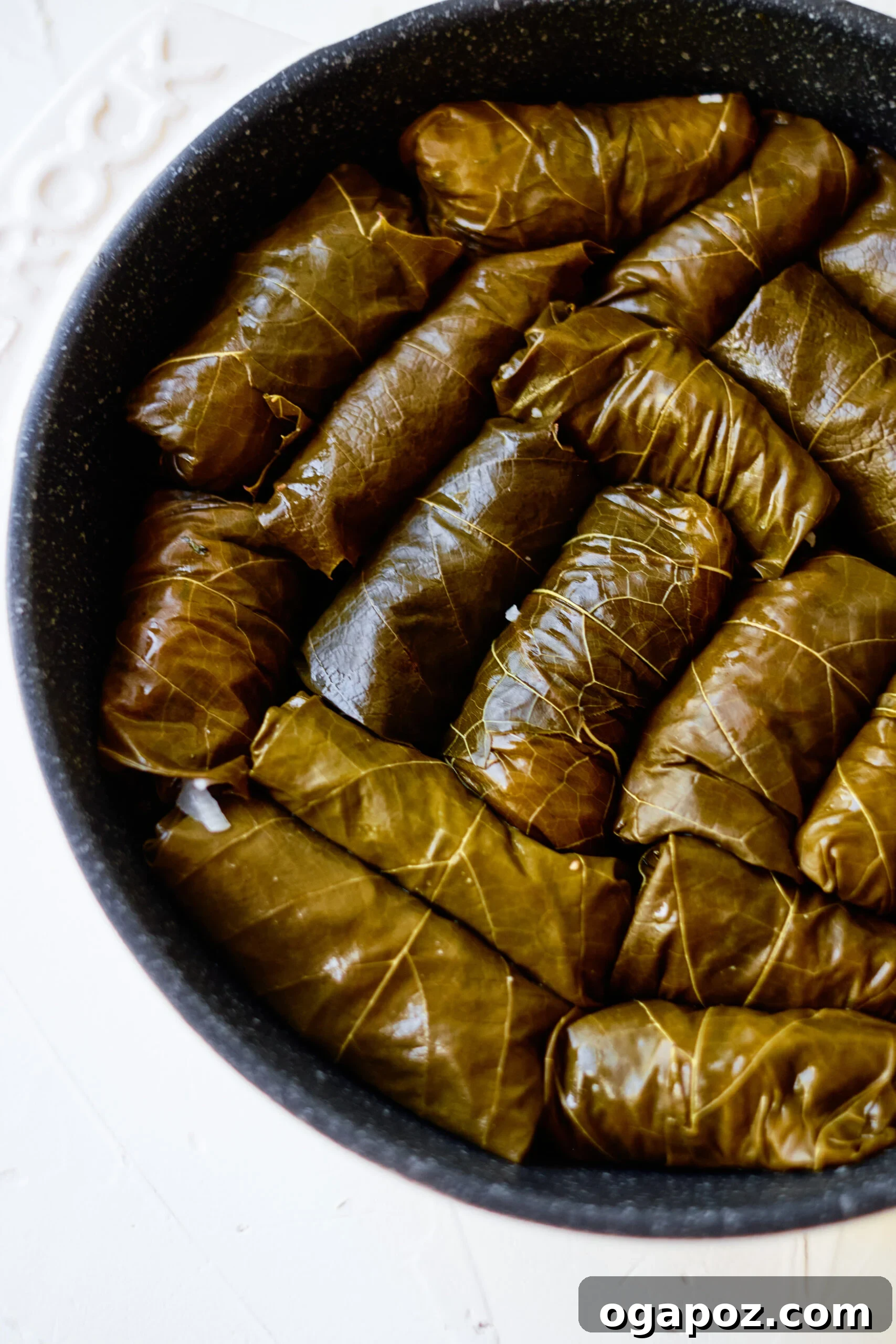
As you meticulously finish rolling each grape leaf, carefully place it seam-side down in a sturdy, heavy-bottomed pot or a deep, oven-safe baking dish. Arrange the rolls snugly next to each other, preferably in concentric circles or tight, organized rows. This tight arrangement is important as it helps to prevent them from unraveling or moving too much during the cooking process. Continue this process until all your filling is used, or all your grape leaves are rolled. Once all rolls are arranged, place a small, heat-proof inverted plate directly on top of the stacked grape leaves. This plate acts as a gentle weight, keeping the rolls securely submerged in the cooking liquid and preventing them from floating up or coming apart during simmering. Bring your chosen vegetable or chicken broth to a boil in a separate saucepan, then carefully pour the hot broth over the grape leaves until they are just covered. The liquid should cover the inverted plate, but not drown the rolls excessively.
Step 6: Cook to Tender Perfection
Now, it’s time for the slow simmer that transforms these simple ingredients into a deeply flavorful dish. Cover the pot tightly with its lid and bring the liquid back to a gentle simmer over medium heat. Allow the stuffed grape leaves to cook for approximately 30 minutes during this initial phase. This allows the rice to begin absorbing the aromatic broth and the grape leaves to soften. After this initial cooking time, carefully remove the inverted plate. Now, for the signature bright lemon punch: generously pour the freshly squeezed juice of two large lemons evenly over the rolls. Re-cover the pot with the lid and reduce the heat to low. Continue to simmer for an additional 30 to 45 minutes, or until the grape leaves are beautifully tender throughout, and the rice inside is fully cooked, fluffy, and has absorbed nearly all the liquid. You can gently test a small piece to ensure doneness.
Step 7: Rest and Serve with Garnishes
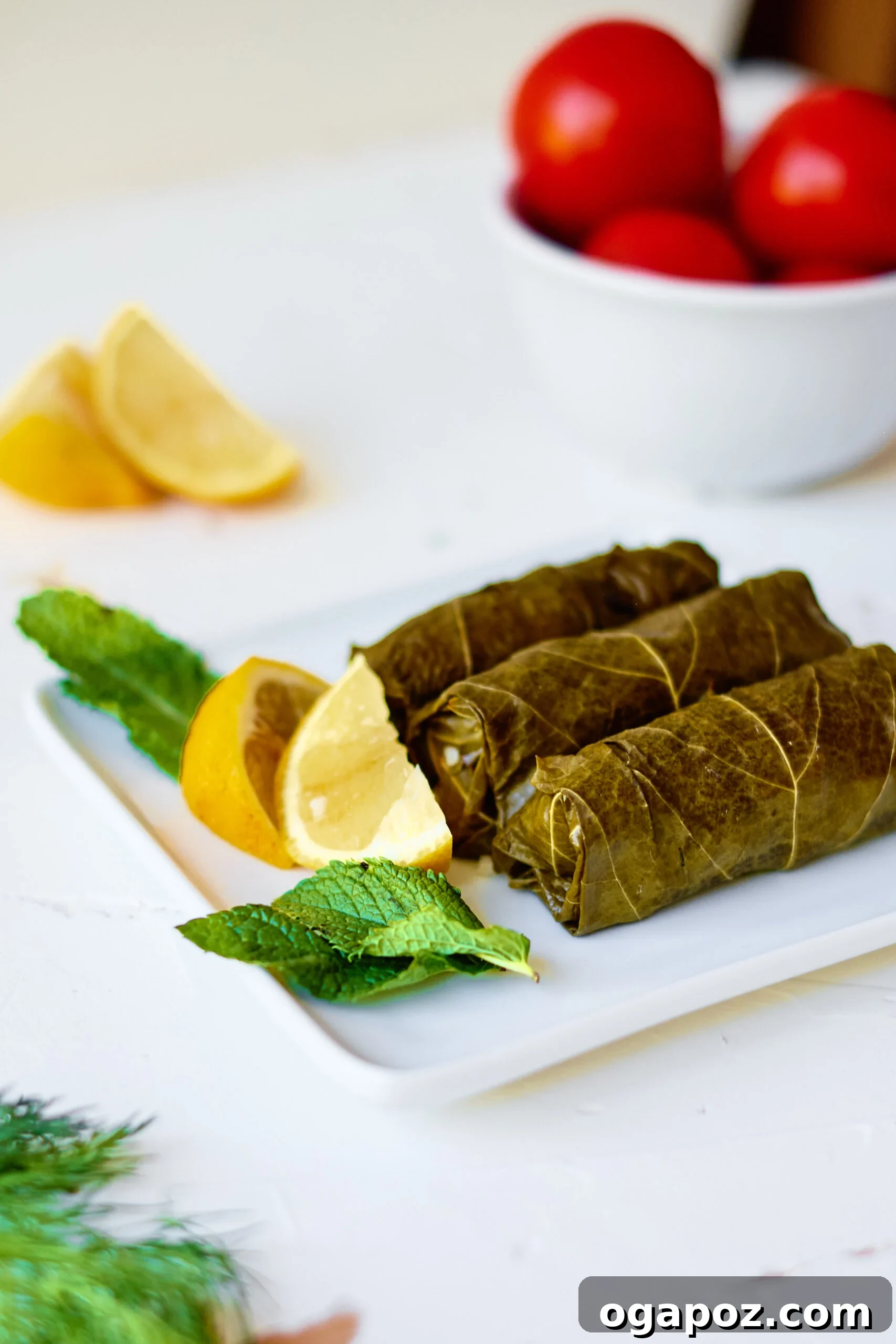
Once your stuffed grape leaves are perfectly cooked, turn off the heat but keep the pot covered tightly with its lid. This crucial resting period is essential. Allow the rolls to rest undisturbed for at least 30 minutes, or even longer if time permits. This period allows the internal temperature to equalize, the rice to fully settle and absorb any remaining liquid, and most importantly, the complex flavors of the herbs, lemon, and broth to deepen and meld together beautifully. Serve them warm or at room temperature, according to your preference. For an extra touch of elegance and flavor, garnish generously with crumbled feta cheese and a sprinkle of fresh chopped parsley. A final squeeze of fresh lemon juice just before serving is always a welcome addition, brightening every bite.
Expert Tips for Mastering Your Stuffed Grape Leaves
Achieving perfectly tender and flavorful stuffed grape leaves is easier than you think, especially with these helpful tips designed to ensure your success and avoid common pitfalls. Follow these insights to elevate your homemade dolmas to professional levels:
- Mastering the Rolling Technique: The balance here is absolutely key. You want to roll each grape leaf firmly enough so that the filling is secure and the roll maintains its compact shape throughout the simmering process. However, avoid rolling them excessively tight, as the rice needs a little room to expand during cooking. Overly tight rolls can lead to split leaves, or worse, mushy rice that bursts out. Aim for a snug yet gentle wrap, allowing a tiny bit of breathing room for the rice.
- Always Place Seam Side Down: This seemingly small detail makes a significant difference in the final presentation and integrity of your stuffed grape leaves. When arranging your rolled dolmas in the pot, always place them with the seam facing downwards. This natural pressure from the layers above helps to seal the roll and firmly prevents the leaves from unraveling during the gentle boiling and simmering process.
- The Importance of Resting: Patience is a virtue in cooking, and it truly pays off here. After the stuffed grape leaves have finished cooking, resist the urge to serve them immediately. Allowing them to rest, covered, for at least 30 minutes, or even longer, is crucial. This resting period allows the internal temperature to equalize, the rice to fully absorb any remaining liquid, and most importantly, the complex flavors of the herbs, lemon, and broth to meld beautifully and intensify, resulting in a richer, more cohesive taste and texture.
- Broth vs. Tomato Sauce – A Culinary Choice: While my family’s traditional Lebanese warak enab often features a rich tomato sauce during simmering, this recipe champions a lighter, more vibrant broth-based approach. The broth allows the fresh herbs and bright lemon notes to truly shine through. Both methods are delicious and yield different but equally satisfying flavor profiles. Don’t hesitate to explore both if you’re feeling adventurous and want to try a new dimension of flavor.
- Choosing Your Grape Leaves: Fresh or Jarred: Both fresh and jarred grape leaves have their distinct merits. Fresh leaves, when properly blanched, offer a uniquely tender texture and a subtly different, often more delicate flavor. Jarred leaves, typically brined, are incredibly convenient and readily available year-round. Remember to blanch fresh leaves as instructed and thoroughly rinse jarred ones to remove excess saltiness and acidity before using them.
- Preventing Mushy Rice: The texture of the rice is paramount to a perfect dolma. To avoid a mushy outcome, use a short or medium-grain rice, which cooks evenly and retains a pleasant bite. Crucially, avoid overfilling your grape leaves; leave a tiny bit of space for the rice to swell and expand. Also, ensure you don’t overcook the rolls or use an excessive amount of liquid during simmering, as these are common culprits for soft, unpleasant rice.
- Balancing the Lemon Flavor: Lemon is a dominant and essential flavor in this dish, providing its signature brightness and tang. Start with the juice of two average-sized lemons as suggested. However, always taste the broth towards the end of cooking and adjust the lemon juice to your personal preference. Too much lemon can easily overpower the delicate balance of herbs and rice, while too little might leave the dish feeling flat and lacking its characteristic zing.
- Tips for Avoiding Tears: Grape leaves can be delicate to work with. When handling fresh leaves, blanching them briefly as instructed is absolutely key to making them pliable and significantly less prone to tearing. For jarred leaves, a good rinse not only removes brine but also softens them slightly. Always handle them gently and with care. If a leaf does tear slightly, don’t despair; you can often patch it with a smaller piece of another leaf before rolling, or simply use two smaller leaves layered to form one robust roll.
- Make Ahead and Storage: These stuffed grape leaves are fantastic for meal prep, making your cooking process more efficient! You can meticulously roll them ahead of time and store the uncooked rolls in an airtight container or covered pot in the refrigerator for up to 24 hours before cooking. Once cooked, they keep beautifully in an airtight container in the fridge for up to 5 days, and their flavors often deepen and become even more harmonious overnight.
By keeping these expert tips in mind, you’ll be rolling and simmering dolmas like a seasoned pro in no time, ready to impress friends and family with this timeless and incredibly delicious Mediterranean delicacy.
Delightful Ways to Serve Your Homemade Stuffed Grape Leaves
Stuffed grape leaves are incredibly versatile and can be enjoyed in numerous delightful ways, reflecting their widespread popularity and adaptability across the Mediterranean region. Whether you’re planning an elaborate feast, a casual gathering, or a simple weeknight meal, these flavorful rolls fit right in. Here are some delightful serving suggestions to inspire you:
- As Part of an Authentic Mezze Platter: This is perhaps the most classic and cherished way to enjoy dolmas. Arrange them beautifully on a large platter alongside an array of other Mediterranean favorites. Think creamy dips like Baba Ghanoush (Smoky Eggplant Dip), vibrant and smooth Hummus, crisp and refreshing salads such as Fattoush, marinated olives, and an assortment of fresh vegetables like cucumber and bell peppers. Don’t forget a cooling yogurt-cucumber sauce (like homemade tzatziki or a simple labneh dip) for dipping, which beautifully complements the tangy grape leaves.
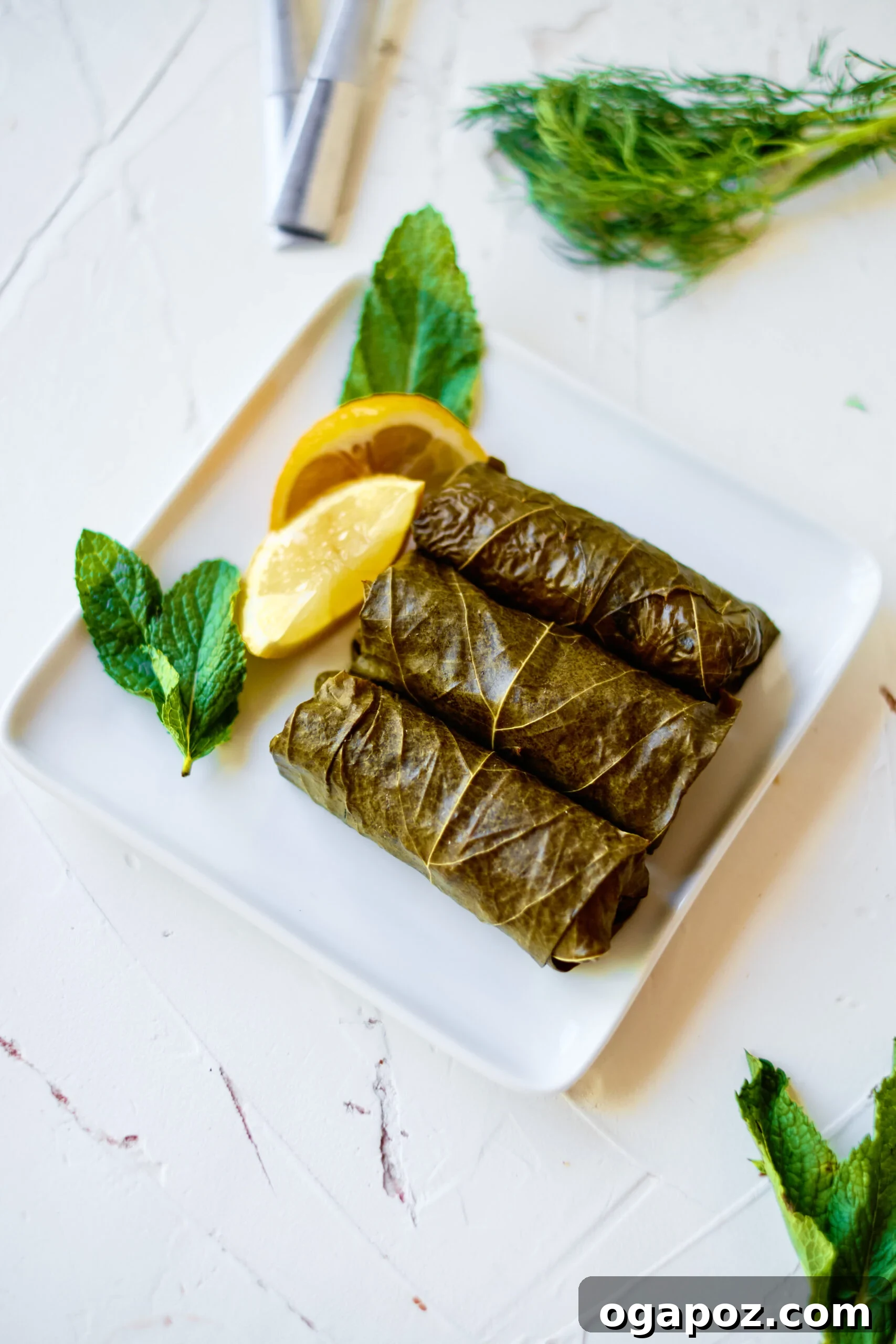
- An Elegant Appetizer or Starter: Serve them simply on their own as a sophisticated and impressive appetizer for any occasion. Garnish generously with a vibrant sprinkle of fresh chopped parsley, crumbled feta cheese (if not strictly vegan), and plenty of lemon wedges for guests to squeeze over each roll. The visual appeal, combined with their refreshing and savory flavors, makes them an instant crowd-pleaser for any gathering.
- A Wholesome Light Lunch or Dinner: Paired with a simple, crisp green salad or a refreshing cucumber and tomato salad, these vegetarian stuffed grape leaves make for a surprisingly wholesome and satisfying light lunch or dinner. Their substantial rice and pine nut filling, combined with rich flavors, makes them remarkably filling without being overly heavy, making them a perfect option for a balanced meal.
- A Perfect Accompaniment to Main Courses: While often enjoyed as a starter, stuffed grape leaves can also serve as an excellent side dish or accompaniment to larger meals. They pair exceptionally well with grilled meats (if not adhering to strict vegetarianism for the entire meal), roasted chicken, or even heartier vegetarian stews. The bright, tangy notes of the grape leaves beautifully cut through and balance richer main dishes, adding a fresh dimension to your plate.
- Temperature Versatility: One of the truly great characteristics about these rolls is their versatility in serving temperature – they are absolutely delicious both warm and at room temperature, or even slightly chilled. Many Mediterranean traditions, particularly Greek, serve vegetarian dolmades cold, highlighting their refreshing and tangy qualities, while meat-filled versions are often preferred warm. Experiment to discover your personal favorite way to enjoy them!
- Ideal Pairings for a Full Spread: To build a truly authentic and unforgettable Mediterranean spread, consider serving your warak enab alongside other iconic dishes like Spicy Lebanese Potatoes (Batata Harra) for a flavorful kick, or a refreshing bowl of Lebanese Tabbouleh. The delightful combination of textures, temperatures, and vibrant flavors will transport you and your guests directly to the sun-drenched shores of the Mediterranean with every bite.
From the traditional Lebanese warak enab to Greek dolmades and Turkish dolma, these meticulously rolled parcels are celebrated and savored throughout the Mediterranean basin. No matter how you choose to serve them, they are sure to bring joy, authentic flavors, and a sense of culinary heritage to your table.
Frequently Asked Questions About Stuffed Grape Leaves
Can I freeze stuffed grape leaves?
Absolutely, stuffed grape leaves freeze remarkably well, making them an excellent make-ahead option! After they are fully cooked and have cooled completely to room temperature, you can prepare them for freezing. Drizzle them lightly with a little extra olive oil to help maintain moisture and flavor, then carefully place them in an airtight freezer-safe bag or container. They can be stored in the freezer for up to 3 months without compromising their quality. When you’re ready to enjoy them, simply thaw them overnight in the refrigerator and gently reheat, or allow them to come to room temperature before serving.
Should stuffed grape leaves be served hot or cold?
This is a wonderful and versatile aspect of stuffed grape leaves—they are delicious both warm and cold! In many Mediterranean cultures, particularly within Greek traditions, vegetarian dolmades are very commonly served chilled, which truly highlights their refreshing, tangy, and bright qualities. Meat-filled versions, however, are typically preferred warm to bring out their savory richness. This specific recipe, with its vibrant lemony broth and fresh herbs, is fantastic at room temperature or even slightly chilled, making them perfect for picnics, potlucks, or as an integral part of a refreshing cold mezze spread.
How do I keep grape leaves from tearing during rolling or cooking?
Tearing can be a common concern, but it’s easily avoided with a few strategic techniques. If you are using **fresh grape leaves**, blanching them for just 60-90 seconds in boiling water helps to soften them and significantly increase their pliability, making them much less prone to tearing during the rolling process. For **jarred grape leaves**, a thorough rinse under cold water not only removes excess brine but also helps to soften them slightly. Always handle the leaves gently and with care. Most importantly, roll them with a firm but not overly tight grip; remember to leave a tiny bit of space for the rice to expand as it cooks. If you do encounter a small tear, don’t fret—you can often patch it effectively with a smaller piece of another leaf before rolling, or even use two smaller leaves layered to form one robust roll.
What’s the primary difference between Greek dolmades and Lebanese warak enab?
While both are delicious and popular forms of stuffed grape leaves, there are common distinctions in their preparation and serving. Greek dolmades are frequently vegetarian, typically filled with a fragrant mixture of rice, fresh herbs (often dill and mint), and sometimes pine nuts, and are characterized by a pronounced lemony flavor, usually served cold or at room temperature. Lebanese warak enab, on the other hand, can also be vegetarian but very often include a ground meat (most commonly lamb or beef) filling. They might be simmered in a rich tomato-based sauce or a simple broth, and are traditionally served warm. This recipe thoughtfully draws inspiration from both traditions, offering a vegetarian, broth-simmered, lemony version that is perfect for any preference. If you’re looking to explore the savory meat-filled variety, you might enjoy these meat stuffed grape leaves.
Can I prepare these stuffed grape leaves in advance?
Absolutely, stuffed grape leaves are an excellent make-ahead dish, which is perfect for entertaining or meal prepping! You can prepare the filling and roll all the grape leaves up to 24 hours in advance. Simply arrange the uncooked rolls neatly in your cooking pot or baking dish, cover them tightly with plastic wrap to prevent drying, and store them in the refrigerator until you’re ready to cook them. Cooked stuffed grape leaves can also be prepared a day in advance; store them in an airtight container in the refrigerator and gently reheat them on the stovetop, or simply serve them at room temperature for a delicious, convenient meal.
While the process of making stuffed grape leaves might initially appear intricate or time-consuming, I assure you that with just a little practice, rolling these delightful parcels will become intuitive and even enjoyable. The rhythmic motion and the vibrant aroma of fresh herbs will quickly become part of a rewarding culinary ritual in your kitchen.
Ultimately, whether you choose to serve these homemade dolmas warm as a comforting main course, or chilled as a refreshing and elegant appetizer, they consistently deliver an authentic taste of Mediterranean tradition. They’re more than just food; they’re an experience, a story, and a connection to centuries of culinary heritage that you can recreate in your own home.
I wholeheartedly encourage you to try this recipe for vegetarian stuffed grape leaves in your own kitchen. It’s a dish that embodies the warmth of my Lebanese family traditions and has been perfected over years of personal testing. I sincerely hope it brings as much joy and deliciousness to your family meals as it has to mine. Don’t forget to share your experience and how your loved ones enjoyed them in the comments below!
More Delicious Mediterranean Recipes to Explore
Beef
Mediterranean Zucchini Boats
Mediterranean
Mediterranean Flatbread
Vegetarian
Mediterranean Hummus Toast with Za’atar
Beef
Lebanese Meat Pie Recipe
Stuffed Grape Leaves (Vegetarian Dolmas)
Recipe by Julia Jolliff
These homemade Stuffed Grape Leaves, also known as Dolmas or Warak Enab, are a delicious vegetarian Mediterranean appetizer or light meal. Tender grape leaves are meticulously rolled with a flavorful filling of rice, aromatic pine nuts, fresh mint, and dill, then simmered in a zesty lemon broth until perfectly cooked.
Print Recipe
30 mins
60-75 mins
1 hr 30 mins – 1 hr 45 mins
30-50 Grape Leaves
Ingredients
- 2 cups uncooked short or medium-grain rice (e.g., Arborio or sushi rice)
- 1 cup pine nuts, lightly toasted (optional, for enhanced flavor)
- ½ cup fresh mint, finely chopped
- ¼ cup fresh dill, finely chopped
- 2 tablespoons extra virgin olive oil, plus more for drizzling
- 1 teaspoon salt, or to taste
- ¼ teaspoon black pepper, freshly ground, or to taste
- Approximately 4 cups vegetable or chicken broth
- Juice of 2 large lemons, freshly squeezed
- For Garnish (optional): Crumbled feta cheese and fresh parsley, chopped
Instructions
- Prepare Grape Leaves: If using fresh grape leaves, blanch them in boiling water for 60-90 seconds until pliable, then immediately transfer to an ice bath. Drain well. If using jarred grape leaves, rinse them thoroughly under cold water to remove excess brine and pat dry.
- Prepare Filling: In a large mixing bowl, combine the uncooked rice, pine nuts (if using), finely chopped fresh mint, finely chopped fresh dill, olive oil, salt, and black pepper. Mix all ingredients thoroughly to ensure the rice is evenly coated and the flavors are well distributed.
- Roll the Grape Leaves: Lay one grape leaf on a clean, flat surface, shiny side down, with the stem end facing you. Place about 1 tablespoon of the rice mixture in the center near the bottom. Fold the bottom part of the leaf up and over the filling, then fold in the left and right sides. Finally, roll tightly but gently upwards towards the tip, forming a neat cylinder. Ensure the roll is firm enough to hold its shape, but not so tight that the rice cannot expand.
- Arrange in Pot: Place the rolled grape leaves seam-side down in a heavy-bottomed pot or a deep baking dish. Arrange them snugly next to each other, preferably in concentric circles or tight rows, to prevent them from unraveling during cooking.
- Add Liquid and Weight: Once all leaves are rolled and arranged, place a small, heat-proof inverted plate directly on top of the grape leaves. This will keep them submerged. Bring the broth to a boil in a separate saucepan, then carefully pour the hot broth over the grape leaves until they are just covered (the liquid should cover the plate).
- First Simmer: Cover the pot with a tight-fitting lid. Cook over medium heat for approximately 30 minutes, or until about half of the liquid has been absorbed by the rice.
- Second Simmer with Lemon: Carefully remove the inverted plate. Pour the freshly squeezed juice of 2 lemons evenly over the grape leaves. Re-cover the pot with the lid and reduce the heat to low. Continue to simmer for an additional 30 to 45 minutes, or until the grape leaves are very tender and the rice is fully cooked and fluffy.
- Rest and Serve: Turn off the heat and let the pot remain covered for at least 30 minutes. This crucial resting period allows the flavors to meld and the rice to settle perfectly. Serve warm or at room temperature, garnished with crumbled feta cheese and fresh parsley, if desired.
Notes
- Storage: Cooked stuffed grape leaves can be stored in an airtight container in the refrigerator for up to 5 days. Drizzle a little extra olive oil on top before storing. Allow them to come to room temperature or gently reheat before serving for best results.
- Freezing: For longer storage, freeze cooled, cooked dolmas in a freezer-safe bag or container for up to 3 months. Thaw them in the refrigerator before gently reheating or serving at room temperature.
Nutrition Information (Approximate)
| Nutrient | Amount per serving (based on 50 rolls) |
|---|---|
| Calories | 53 kcal |
| Carbohydrates | 4 g |
| Protein | 1 g |
| Fat | 4 g |
| Saturated Fat | 0.4 g |
| Polyunsaturated Fat | 2 g |
| Monounsaturated Fat | 2 g |
| Sodium | 78 mg |
| Potassium | 38 mg |
| Fiber | 0.3 g |
| Sugar | 0.2 g |
| Vitamin A | 63 IU |
| Vitamin C | 1 mg |
| Calcium | 5 mg |
| Iron | 0.3 mg |
Nutrition information is automatically calculated and should be used as an approximation. Actual values may vary based on ingredients and preparation methods.
Tried this recipe? Share your experience!
We’d absolutely love to see your culinary creations! Mention @acedarspoon or tag #acedarspoon on Instagram when you share your delicious stuffed grape leaves. Don’t forget to leave a star rating and comment below with your feedback!
For more mouth-watering recipes, culinary inspiration, and the latest updates, follow us on
Facebook,
Instagram, or
Pinterest, and be sure to subscribe to our newsletter for weekly delights delivered straight to your inbox.