
This samosa filling recipe unlocks the secrets to an authentic, restaurant-quality spiced potato samosa stuffing. Get ready to transform humble potatoes into a flavorful, aromatic core for your crispy, golden samosas, perfect for any occasion.
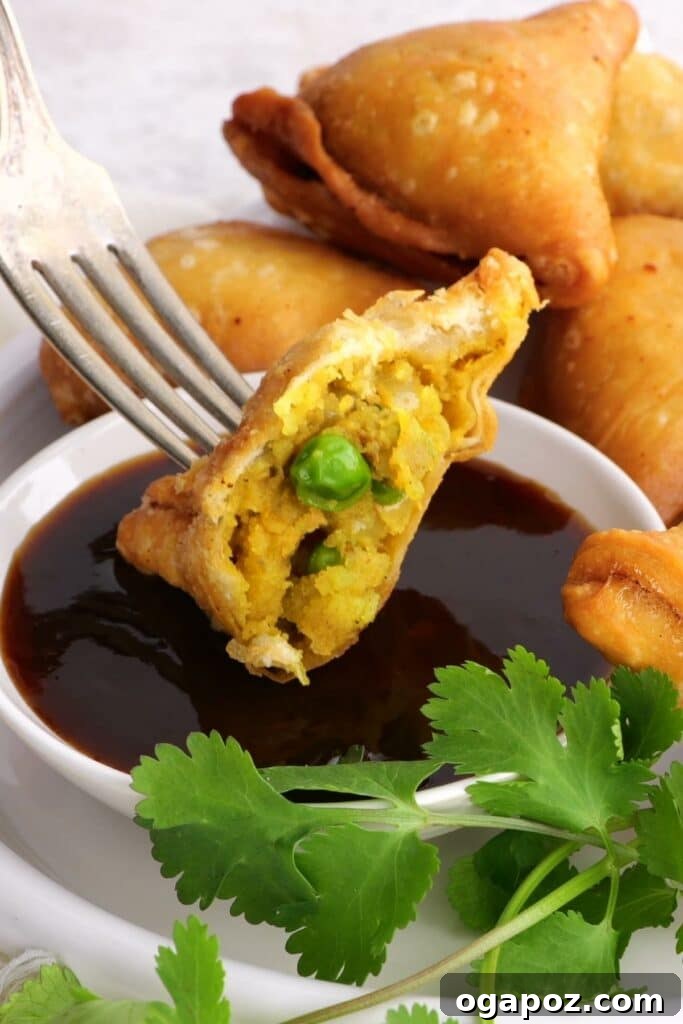
At the heart of every great samosa lies a truly irresistible filling. Our recipe champions humble potatoes, expertly combined with fresh ginger, a symphony of warm, earthy spices, vibrant jalapeños, and delightful pops of green peas. These hero ingredients come together to create a filling that is not only robust in flavor but also wonderfully comforting and deeply satisfying. The aromatic blend of spices promises a hearty taste experience that will transport your palate straight to the bustling streets of India.
As a passionate home cook and the wife to an Indian man with discerning tastes, I’ve had the pleasure of perfecting this recipe over countless batches. I can confidently say that this potato samosa filling meets the highest standards of authenticity and deliciousness, earning rave reviews every single time. It’s truly a testament to traditional Indian flavors, made accessible for your kitchen.
Essential Ingredients for Your Samosa Filling
Crafting this exquisite samosa filling doesn’t require a trip to a specialty store for exotic items. In fact, it relies on simple, wholesome ingredients you likely already have in your pantry or can easily find at any local grocery store. The magic truly happens when these basic components are combined and spiced just right.
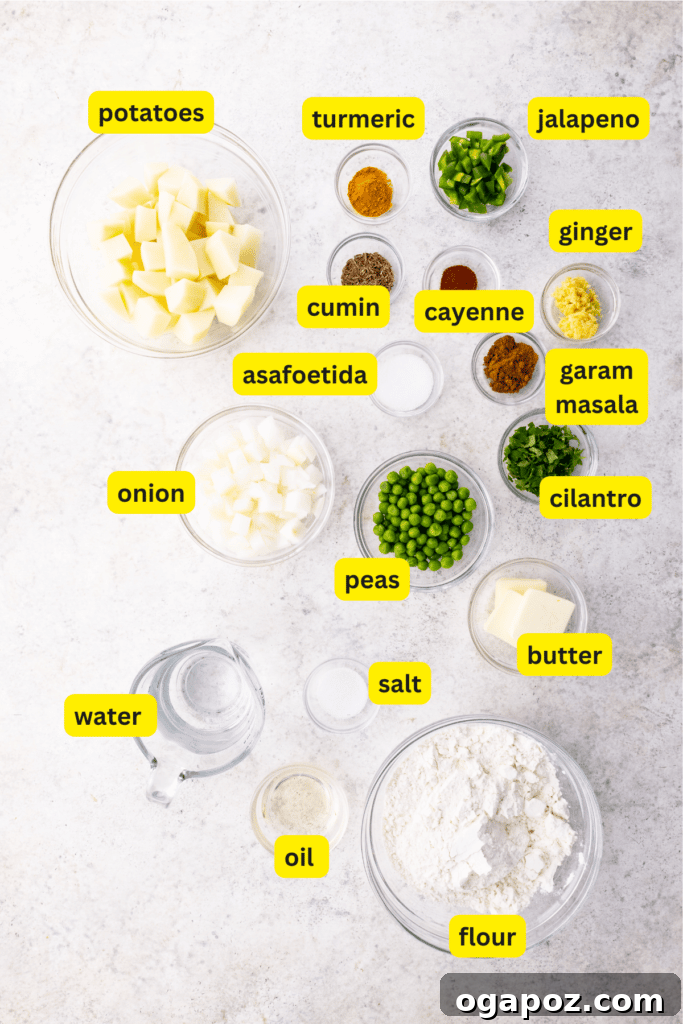
Key Samosa Filling Ingredients and Their Role
Gather these pantry staples to create a truly delicious potato samosa filling:
- Potatoes: The foundation of our filling. Opt for starchy varieties like Russet or Yukon Gold potatoes. They break down beautifully when cooked, creating a creamy texture while still holding enough structure for a satisfying bite. Peel them and chop them into uniform pieces for even cooking. Approximately 1 pound will yield a generous filling.
- Butter: Essential for sautéing the aromatics and adding a rich, decadent depth to the filling. If you prefer a vegan version, a plant-based butter or neutral oil like canola or sunflower oil works perfectly.
- Medium Onion: Finely chopped, the onion provides a sweet and savory base, caramelizing slightly to enhance the overall flavor profile. Its delicate sweetness balances the spices beautifully.
- Jalapeño: Adds a pleasant kick of heat that is traditional in Indian cuisine. You can adjust the amount based on your spice preference – use more for extra fire, or deseed it for a milder warmth. Green chili can be used as a substitute for a different heat profile.
- Fresh Ginger: Finely grated and packed, fresh ginger is a non-negotiable ingredient. It imparts a robust, zesty, and highly aromatic flavor that is characteristic of authentic Indian dishes. Do not skip this for the best results!
- Green Peas: These small, sweet spheres are a classic partner to potato in samosa fillings. They add a burst of color, a hint of sweetness, and a delightful textural contrast. Frozen peas are convenient and work wonderfully.
- Ground Coriander: Not to be confused with fresh cilantro leaves, ground coriander is derived from the dried seeds of the cilantro plant. It provides a warm, citrusy, and slightly sweet flavor that is absolutely crucial for that specific, yummy samosa taste. Its earthy notes tie all the spices together.
- Cumin Seeds: Whole cumin seeds, when toasted in hot butter, release an incredibly warm, earthy, and slightly nutty aroma. They add a fundamental layer of traditional Indian flavor that makes the filling truly shine.
- Garam Masala: This iconic Indian spice blend translates to “warm spice mixture.” It’s a complex blend of several ground spices (often including cinnamon, cardamom, cloves, black pepper, and nutmeg) that adds incredible depth, warmth, and a sophisticated aroma to the filling. It’s typically added towards the end of cooking to preserve its delicate notes.
- Turmeric Powder: Beyond its beautiful golden hue, turmeric offers a mild, earthy flavor and numerous health benefits. It’s a staple in Indian cooking, contributing to both the visual appeal and the subtle taste of the filling.
- Cayenne Pepper: For controllable heat, cayenne pepper allows you to fine-tune the spiciness of your samosa filling to your exact liking. Start with a small amount and add more gradually until you reach your desired level of spice.
- Salt: Essential for seasoning, salt brings out and enhances all the other flavors. Always taste and adjust as needed. Kosher salt or sea salt are ideal choices for their clean flavor.
Creative Substitutions and Flavorful Variations
While our classic recipe is tried and true, you can easily customize your samosa filling to suit your preferences or what you have on hand. Experiment with these ideas to create your unique twist:
- Onion Alternatives: For a milder, more delicate flavor, try replacing the medium onion with finely diced shallots. If you’re looking for an unexpected yet delicious twist, thinly sliced and sautéed leeks can add a subtle oniony sweetness.
- Heat Level Adjustments: If you crave more heat than jalapeños provide, consider using finely minced green chilies. For a significantly milder version, bell peppers (any color, finely diced) can be incorporated, adding sweetness without the spice.
- Add More Vegetables: Boost the nutritional value and texture by incorporating other finely diced vegetables. Carrots, bell peppers, or even a handful of fresh spinach (wilted down) can add extra flavor and nutrients. Just make sure they are cooked until tender-crisp.
- Protein Power-Up: Transform your samosas into a more substantial snack or meal by adding cooked protein. Cooked brown or green lentils, or hearty chickpeas, can be mashed slightly and mixed into the potato filling for a protein-rich option that’s still vegetarian.
- Aromatic Herbs and Spices: Deepen the flavor profile with additional aromatic elements. Mix in a pinch of ground fenugreek for a slightly bitter, nutty aroma, or a touch of mustard seeds (sautéed until they pop) for a pungent kick. Fresh mint, finely chopped, can also lend a refreshing lift to the filling.
- Cheese and Garlic Fusion: For a delightful fusion, try mixing in crumbled paneer (Indian cottage cheese) or even a bit of feta cheese for a salty, tangy dimension. Pair this with several finely chopped cloves of garlic sautéed with the onions for an extra layer of savory goodness.
Essential Tools for Samosa Filling Success
Preparing this delicious samosa filling is straightforward and doesn’t require specialized equipment. Here are the basic tools you’ll need:
- Large Pot: A sturdy large pot is essential for boiling the potatoes until they are perfectly tender. Ensure it’s big enough to comfortably hold the potatoes covered with water.
- Colander: A colander is indispensable for efficiently draining the cooked potatoes, ensuring they are free of excess water before mashing. This prevents a watery filling.
- Potato Masher or Fork: While a dedicated potato masher works wonders for achieving the desired consistency, a simple fork can also do the job effectively. You want a rustic mash, not a completely smooth puree.
- Large Skillet or Dutch Oven: For sautéing the onions, ginger, jalapeños, and spices, a large, heavy-bottomed skillet or Dutch oven is ideal. Its wide surface allows for even cooking and proper fragrance development of the spices.
- Wooden Spoon or Spatula: For stirring and combining the ingredients, a sturdy wooden spoon or heat-resistant spatula will be your best friend.
How to Make This Samosa Filling Recipe: An Easy Step-by-Step Guide
Creating this flavorful samosa filling is simpler than you might think. Follow these easy steps for a perfect batch every time:
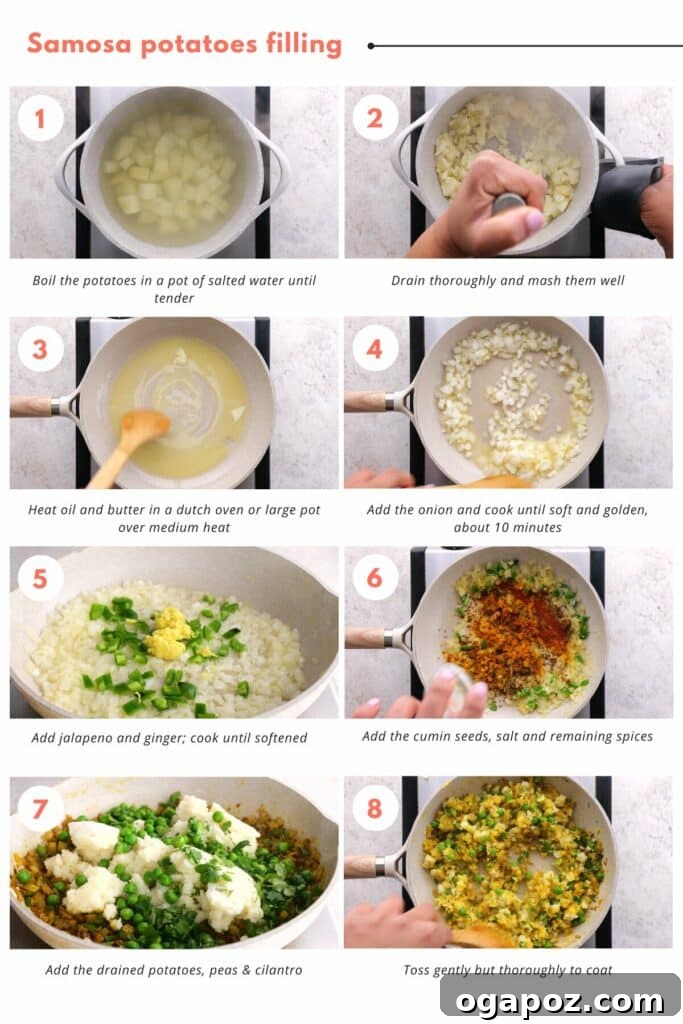
Step 1: Perfectly Cook the Potatoes
Begin by placing your peeled and chopped potatoes in a medium-sized pot. Cover them with cold water, ensuring there’s about 1 inch of water above the potatoes. Add a generous pinch of salt to the water – this seasons the potatoes from the inside out, a crucial step for flavor. Bring the water to a boil, then reduce the heat to a simmer and cook until the potatoes are fork-tender. This typically takes about 15-20 minutes, depending on the size of your potato pieces. Be careful not to overcook them, as mushy, waterlogged potatoes can lead to a less desirable filling texture. Once tender, drain the potatoes thoroughly using a colander and gently mash them with a fork. Aim for a rustic mash with a few small chunks for texture, rather than a smooth puree. Set the mashed potatoes aside.
Step 2: Infuse the Flavors
Return the same pot (or a large skillet) to medium heat. Add the butter and allow it to melt completely. Once the butter is shimmering, add the finely chopped onion along with ½ teaspoon of salt. Cook the onion for about 6-8 minutes, stirring occasionally, until it softens, becomes translucent, and just begins to turn golden brown at the edges. This caramelization process adds a wonderful sweetness. Next, add the finely chopped jalapeño and grated fresh ginger. Sauté for another minute until fragrant – you’ll notice the kitchen filling with a wonderful aroma.
Now, it’s time for the spices! Stir in the cumin seeds, garam masala, turmeric, and cayenne pepper. Cook these spices for just about 30 seconds over medium-high heat, stirring constantly. This brief sautéing (called “bhunao” in Hindi) toasts the spices, awakening their aromatic oils and intensifying their flavors without burning them. They should smell incredibly fragrant, but do not let them burn, as this will make your filling bitter.
Step 3: Combine and Cool the Filling
Once the spices are fragrant, remove the pot from the heat. Add the mashed potatoes back into the pot with the spiced onion mixture. Incorporate the remaining salt, the frozen peas, and the finely chopped fresh cilantro. Using a wooden spoon or spatula, stir everything together thoroughly until all the ingredients are well combined and the spices are evenly distributed throughout the potato mixture. Ensure the peas are integrated and the cilantro is mixed in for freshness.
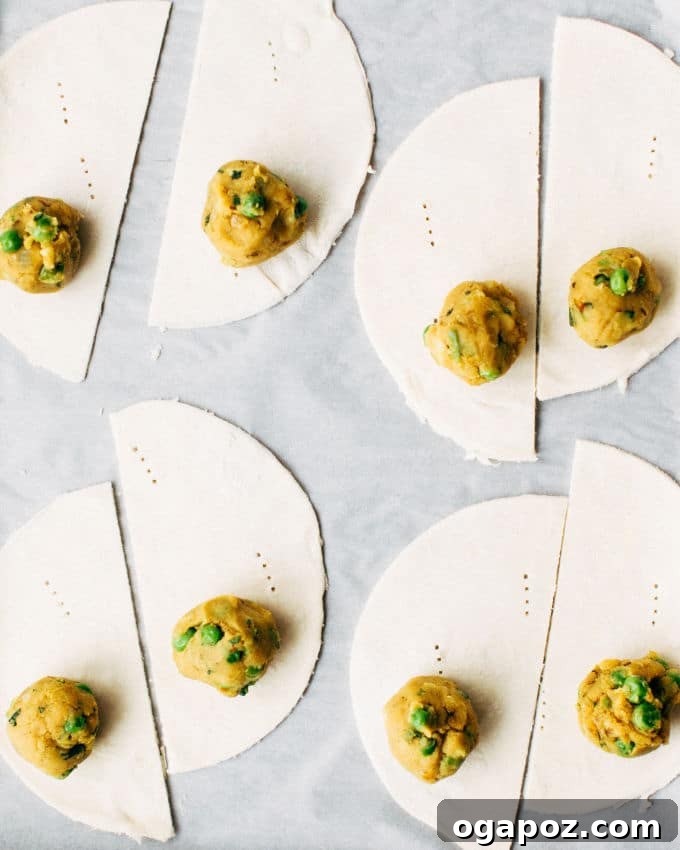
For best results when shaping samosas, it’s crucial that the filling is completely cool. Transfer the mixed filling to a bowl or shallow dish and refrigerate it for at least 1-2 hours, or until thoroughly chilled. This cooling step helps the filling firm up, making it much easier to handle and preventing the samosa dough from becoming soggy during frying or baking.
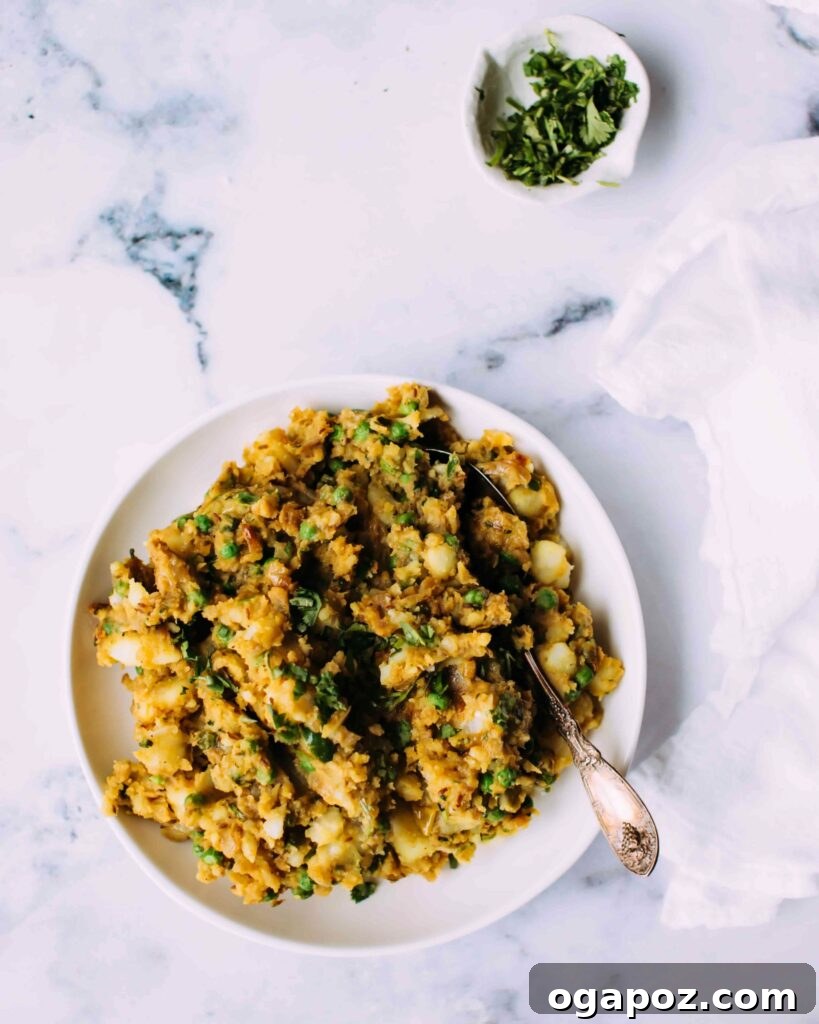
Make Ahead and Storage Tips
One of the best features of this samosa filling is its versatility when it comes to preparation and storage. You can easily make it ahead of time, saving you valuable minutes on busy days.
- Refrigeration: Once cooled completely, leftover samosa filling can be stored in an airtight container in the refrigerator for up to 3-4 days. This makes it perfect for meal prepping or preparing components for a party in advance.
- Freezing for Longer Storage: For extended storage, the filling freezes beautifully. Place the completely cooled filling in a freezer-safe container or a heavy-duty freezer bag, ensuring to remove as much air as possible to prevent freezer burn. It will maintain its quality for up to 3 months.
- Thawing Instructions: When you’re ready to use frozen filling, simply transfer it from the freezer to the refrigerator and allow it to thaw overnight. You can also gently reheat it on the stovetop over low heat, stirring frequently, or use the defrost setting in your microwave. Ensure it’s thoroughly thawed and chilled again before using it to fill samosas, especially if you plan to deep-fry them.
Creative Ways to Serve This Samosa Filling
This incredibly flavorful potato samosa filling is wonderfully versatile, offering more than just traditional samosas. Here are a few ways to enjoy this delicious Indian classic:
- Classic Samosas: The most popular application! Use this recipe as a savory stuffing for classic samosa dough. If you’re looking for a homemade experience from scratch, try my easy 4-ingredient samosa dough recipe. It’s surprisingly simple and yields perfectly crispy, deep-fried samosas.
- Baked Puff Pastry Samosas (Shortcut): For a quicker and often healthier alternative, use store-bought puff pastry. Cut the pastry into squares, spoon in the filling, fold into triangles, seal the edges, and bake them in the oven until golden and flaky. This “shortcut samosa” method is highlighted in my easy samosa recipe using puff pastry.
- Full Potato Samosa Recipe: For the complete guide to making utterly delicious, light, and crispy potato samosas from start to finish, be sure to explore my comprehensive potato samosa recipe. This detailed guide walks you through every step, including how to expertly form the dough into cones, seal them perfectly, and achieve that ideal golden crispness by pan-frying them on the stovetop.
- Beyond Samosas: Don’t limit this filling to just samosa dough!
- Stuffed Parathas: Use it as a filling for stuffed parathas (Indian flatbreads).
- Patties/Cutlets: Form the filling into small patties, bread them lightly, and pan-fry until golden for a delicious snack.
- Sandwich Filler: Spread it inside toasted bread for a quick and flavorful vegetarian sandwich.
- Chaat Base: Crumble warm samosas (or the filling itself) and top with yogurt, chutneys, chopped onions, and spices for a delightful samosa chaat.
- Serving Accompaniments: No samosa is complete without the right dipping sauce! Serve your samosas with classic Indian condiments like sweet and tangy tamarind chutney, spicy green cilantro-mint chutney, or a cooling raita (yogurt dip). These accompaniments perfectly complement the warm, spiced flavors of the filling.
5 Common Mistakes When Making Samosa Filling (and How to Avoid Them)
Even the most experienced cooks can sometimes stumble. Here’s a rundown of common pitfalls when making samosa filling and how to ensure your batch is absolutely perfect:
- Underseasoning the Filling: This is perhaps the most frequent mistake. A bland filling results in a bland samosa. It’s crucial to taste the filling before finalizing it and adjust the seasoning. The spices need to be prominent to stand up to the dough and frying. Don’t be shy with the salt; potatoes absorb a lot of it.
- Burning the Spices: While you want to toast the spices to release their aromatic oils, burning them will lead to a bitter, unpleasant flavor. Spices cook very quickly, especially ground ones. Keep the heat medium and stir constantly for only 30-60 seconds until fragrant, then immediately add other ingredients or remove from heat.
- Overcooking the Potatoes: Boiling the potatoes for too long results in a mushy, waterlogged filling that can make your samosas soggy and difficult to handle. Cook the potatoes until they are just tender enough to mash easily but still hold some shape. They should be firm, not falling apart. Test with a fork – it should pierce easily but not disintegrate.
- Skipping the Cooling Step: This is a critical step, especially if you’re making samosas to be fried. If you try to fill samosas with warm or hot filling, it will make the dough sticky, tear easily, and lead to a greasy samosa that absorbs too much oil. Always cool the filling completely in the refrigerator before rolling it into your samosa batches.
- Ignoring Texture Balance: A good samosa filling isn’t uniformly smooth or overly chunky. Aim for a mix of creamy mashed potatoes with some delightful small chunks remaining. The added green peas and sautéed onions also contribute to a varied and satisfying texture. Don’t mash the potatoes too finely; a rustic texture is best.
Final Notes, Pro Tips & Science-Based Secrets for the Best Samosa Filling
As a food scientist, I understand the nuances that elevate a good recipe to a truly great one. Here are my top tips and scientific insights for achieving an utterly delicious samosa filling:
- The Ultimate Final Taste Check: Before you begin assembling your samosas, always perform one last taste test of your filling. This is your final opportunity to adjust seasoning, add a little more salt, a pinch more cayenne, or a squeeze of fresh lemon juice if needed. The flavors should be bold and well-balanced.
- Toast Whole Spices with Purpose: Toasting whole spices like cumin seeds in hot oil or butter is a technique known as “tempering” or “tadka.” This process causes the spices to bloom, releasing their fat-soluble aromatic compounds (e.g., cuminaldehyde in cumin). This intensifies their flavor and aroma significantly, creating a deeper, more complex base for your filling compared to simply adding ground spices.
- Texture Matters for Mouthfeel: The ideal samosa filling offers a delightful contrast in textures. You want a creamy base from the mashed potatoes, but with discernible small chunks that provide a satisfying bite. The pops of green peas and the softened onions further contribute to this varied and interesting mouthfeel, making each bite more enjoyable. Avoid over-mashing for the best texture.
- The Science Behind Spice Infusion (and Why Timing is Key): Heating spices in oil not only extracts their fat-soluble compounds but also helps them dissolve and distribute evenly throughout the fat. This means the flavor is carried efficiently through the entire filling. However, prolonged exposure to high heat can cause these delicate aromatic compounds to break down, leading to a burnt or bitter taste. This is why you only sauté spices for a short duration until fragrant, usually less than a minute, before adding other ingredients to stop the cooking process.
- The Power of Fresh Ginger: Freshly grated ginger contains complex volatile compounds like gingerol. These compounds provide a pungent, spicy, and incredibly fresh aroma that processed ginger cannot replicate. The heat from cooking helps to mellow some of the raw pungency while enhancing the overall aromatic profile of the filling.
- Cooling for Stability: The cooling step isn’t just for ease of handling. When the potato mixture chills, the starches in the potatoes undergo retrogradation, making the filling firmer and less prone to moisture release. This firmness is crucial for maintaining the integrity of the samosa shape during frying or baking and prevents the dough from becoming soggy.
FAQs About Samosa Filling Recipe
Have quick questions? Here are the most frequently asked questions about making this delicious samosa filling:
Absolutely! While Russet or Yukon Gold potatoes are recommended for their ideal starchy texture, you can experiment with different varieties. For instance, red potatoes can work, though they might yield a slightly waxier texture. Sweet potatoes offer a unique, sweeter flavor profile that pairs well with savory spices for a creative twist. Just keep in mind that the texture and flavor may vary slightly depending on your choice.
The spiciness of the filling is entirely customizable based on the quantity of jalapeños you add. Two tablespoons of finely chopped jalapeños provide a moderate, pleasant heat. If you prefer a milder filling, you can reduce the amount or remove the seeds and white membrane (where most of the capsaicin resides). For a spicier kick, feel free to add more or even include a touch of a hotter green chili.
Yes, absolutely! Making the filling ahead of time is a great way to streamline your samosa preparation. You can prepare the filling up to 2-3 days in advance and store it in an airtight container in the refrigerator. For longer storage, it freezes wonderfully for up to 3 months. Just ensure the filling is cooled completely before storing.
Yes, this potato samosa filling is naturally vegetarian by default. To easily make it vegan, simply swap the butter for a plant-based alternative. Vegan butter, coconut oil, or any neutral cooking oil (like canola or sunflower oil) can be used in the same quantity, maintaining the richness and flavor profile.
For samosa filling, you want a rustic mash with some small chunks, not a completely smooth puree. A fork or a traditional potato masher works best. Avoid using a food processor, as it can make the potatoes gluey and over-processed, which isn’t ideal for the desired texture of the filling.
My Indian Husband’s Favorite Recipes
Inspired by authentic Indian flavors, these recipes are tried-and-true favorites in my household, earning the highest praise from my Indian husband, Adarsh. Add some of his top picks to your culinary adventure list!
- The Chicken Korma that he enthusiastically declares will change your life with its rich, creamy texture and aromatic spices.
- Best-Ever Creamy Butter Chicken – consistently one of the most popular recipes on the Foodess website, loved for its tender chicken in a luscious tomato-cream sauce.
- Easy Homemade Butter Paneer, a delightful vegetarian version of the classic butter chicken, featuring soft paneer cubes in a similar rich sauce.
- Saag Paneer, arguably the tastiest and most vibrant way to enjoy a pound of healthy spinach, combined with soft paneer.
- A collection of flaky homemade favorites: Potato Samosas, savory Chicken Samosas, and the comforting Samosa Pie – it’s clear we have a deep affection for samosas in all their forms!
- The Butter Naan Recipe that went totally viral, renowned for its soft, fluffy texture and buttery finish.
- Creamy Madras Lentils, the ultimate vegetarian comfort food, packed with flavor and nourishing goodness.
- Amma’s special Masoor Dal and the hearty Indian Chickpea Curry Recipe, perfect for a wholesome and satisfying meal.
- Malai Kofta, a personal favorite dish to order in Indian restaurants, featuring delicate paneer and potato balls in a creamy tomato sauce – even better when made at home!
- Authentic Indian Chai, prepared the traditional Indian way for a truly invigorating and aromatic tea experience.
Explore More Samosa Recipes
If you’re a true samosa enthusiast, there’s always more to explore! After mastering this potato filling, branch out and discover other incredible samosa variations and essential components.
- Classic Potato Samosas: The beloved vegetarian staple, perfect for any occasion.
- Spicy Chicken Samosas: A savory, meat-filled version that’s equally satisfying.
- Easy 3-Ingredient Samosa Dough Recipe: Your essential guide to homemade, flaky samosa wrappers.
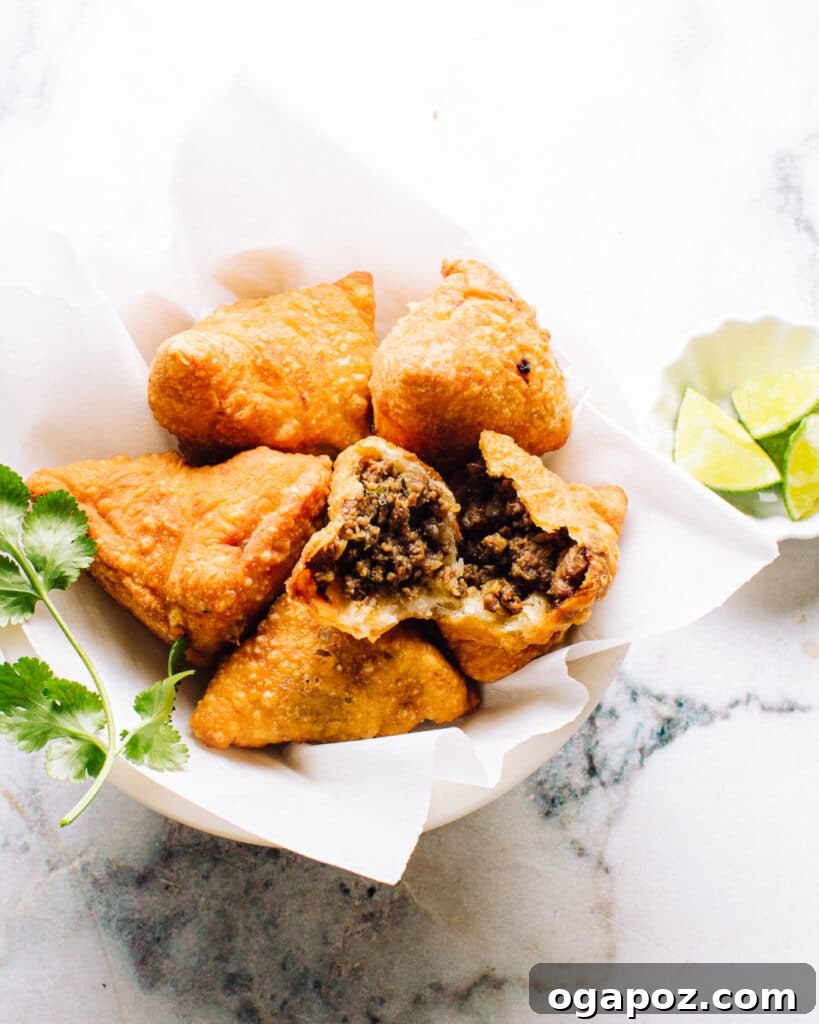
- Hearty Beef Samosas: A rich and flavorful option for meat lovers.
- Unique Samosa Pie: A creative, deconstructed take on samosas, perfect for family dinners.
- Shortcut Samosas with Puff Pastry: A simple way to enjoy samosas using readily available puff pastry.

Samosa Filling Recipe
Jennifer Pallian BSc, RD
10 minutes
30 minutes
40 minutes
12
Ingredients
- 1 lb potato, peeled and chopped
- 3 tbsp butter
- 1 finely chopped medium onion
- 2 tbsp finely chopped jalapeño
- 2 tsp finely grated ginger, packed
- 1 tsp cumin seeds
- 1 tsp garam masala
- ½ tsp turmeric
- ¼ tsp cayenne
- 1 ¼ tsp salt
- ⅓ cup frozen peas
- 2 tbsp finely chopped fresh cilantro
Instructions
- Put the potato in a medium pot and cover it with 1 inch of water. Cook until the potato is soft, then drain the water using a colander. Mash the potato with a fork and set it aside.
- Put the pot back on medium heat and melt the butter. Add the onion and ½ teaspoon of salt, cooking for about 6 minutes until the onion is soft and just starting to brown.
- Add the jalapeño and ginger, cooking for one more minute. Then, add the spices and stir for about 30 seconds until they smell fragrant.
- Mix in the mashed potato, remaining salt, frozen peas, and cilantro. Stir everything together until well combined, then put it in the fridge to cool.
Notes
Always taste the filling and adjust seasoning before completing to ensure it isn’t bland.
Adjust the number of jalapeños to control the heat level to your preference.
Nutrition
Carbohydrates: 8g |
Protein: 1g |
Fat: 3g |
Saturated Fat: 2g |
Polyunsaturated Fat: 0.1g |
Monounsaturated Fat: 1g |
Trans Fat: 0.1g |
Cholesterol: 8mg |
Sodium: 268mg |
Potassium: 195mg |
Fiber: 1g |
Sugar: 1g |
Vitamin A: 171IU |
Vitamin C: 13mg |
Calcium: 11mg |
Iron: 0.5mg
Nutrition information is automatically calculated and should only be used as an approximation.
Tried this recipe? Leave a comment!
Share your experience and thoughts on making this authentic samosa filling. Your feedback helps others!