
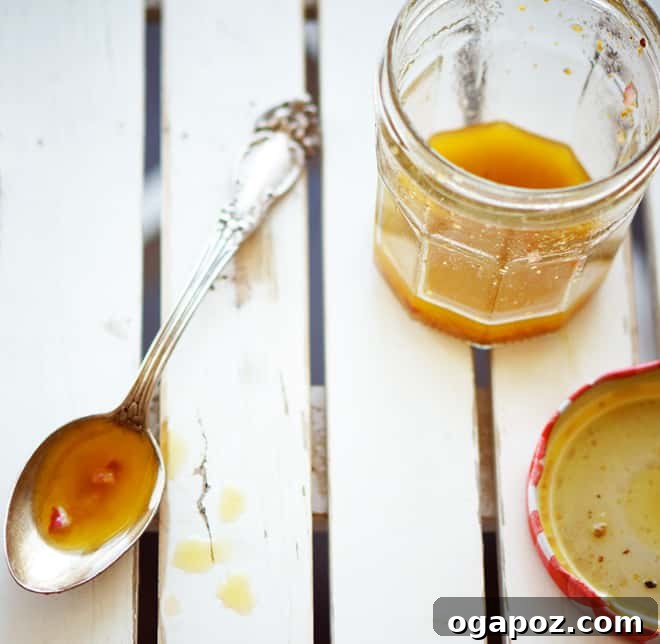
Mastering the Classic Vinaigrette: Your Essential Guide to Homemade Salad Dressing
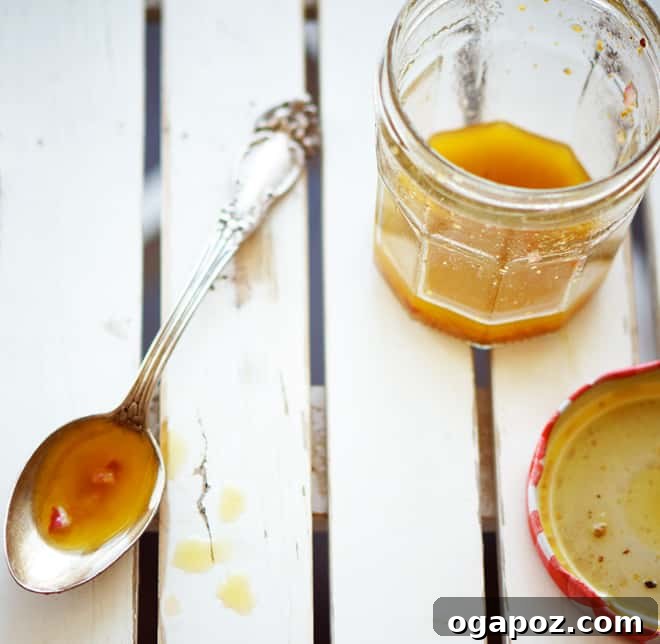
Every home cook needs a reliable, classic vinaigrette recipe in their culinary arsenal. Far more than just a simple salad dressing, a well-made vinaigrette is a versatile condiment that elevates countless dishes, transforming everyday ingredients into something extraordinary. Its effortless preparation, combined with the ability to customize it to your exact taste, makes it an indispensable tool for anyone looking to add fresh, vibrant flavors to their meals without relying on store-bought alternatives laden with preservatives and artificial ingredients.
From crisp mixed greens to steamed or grilled vegetables, and even as a bright counterpoint to simply prepared proteins like fish, chicken, or meat, the potential applications for a homemade vinaigrette are truly endless. This comprehensive guide will walk you through the foundational principles of crafting the perfect vinaigrette, empowering you to create delicious, healthy, and endlessly adaptable dressings that will enhance your cooking repertoire.
The Foundation: Understanding the Golden Ratio of Vinaigrette
At its heart, a vinaigrette is a temporary emulsion of oil and acid, typically flavored with salt, pepper, and various aromatics. The key to its success lies in understanding the foundational “golden ratio”: three parts oil to one part acid. This 3:1 ratio provides the ideal balance of richness from the oil and the bright tang from the acid, ensuring a harmonious flavor profile that isn’t too heavy or too sharp for most palates.
While this ratio serves as a perfect starting point, it’s also a guideline, not a strict rule set in stone. Your personal preference, the intensity of your chosen oil and acid, and the specific ingredients you’re dressing might call for slight adjustments. For instance, a very robust vinegar might benefit from a slightly higher oil ratio, while a milder lemon juice could handle a touch more acidity. The beauty of homemade vinaigrette lies in the freedom to experiment and fine-tune it to your exact palate, making it truly yours.
Crafting Your Signature Vinaigrette: A Deep Dive into Ingredients
Once you understand the basic oil-to-acid ratio, the real fun begins: customizing your vinaigrette with an array of oils, acids, and flavor enhancers. The possibilities are truly limitless, allowing you to create a dressing perfectly suited for any dish or occasion, from a light summer salad to a hearty roasted vegetable medley.
Choosing Your Oil: The Smooth Operator
- Extra Virgin Olive Oil: This is the quintessential choice for a classic vinaigrette, and for good reason. Its fruity, sometimes peppery, notes are a hallmark of Mediterranean cuisine. Opt for a good quality extra virgin olive oil, but reserve your most expensive “finishing” oils for drizzling, as their delicate flavors can be lost in an emulsion.
- Light Olive Oil: If you prefer a less intense olive flavor, a light olive oil provides the necessary richness without overpowering other ingredients. It’s a great neutral option.
- Neutral Oils (Grapeseed, Canola, Sunflower, Avocado): These oils have very little flavor of their own, making them excellent choices when you want the other ingredients in your vinaigrette to shine through. Avocado oil, in particular, offers a healthy fat profile and a smooth, buttery texture.
- Nut Oils (Walnut, Hazelnut, Almond): For a more gourmet touch, nut oils add a distinctive, delicate flavor. They are often best used in smaller quantities or blended with a neutral oil, and are particularly good for fall or winter salads, adding a rich, earthy note.
- Specialty Oils (Toasted Sesame, Argan, Pumpkin Seed): These oils are potent and best used sparingly, often as a flavorful accent in specific ethnic-inspired vinaigrettes, where a little goes a long way.
Selecting Your Acid: The Tangy Heart
- Wine Vinegars (Red Wine, White Wine, Champagne, Sherry): These are traditional choices that offer a spectrum of flavors from robust and bold (red wine vinegar) to delicate and nuanced (champagne, sherry vinegars). They are fantastic all-purpose options that complement a wide range of dishes.
- Balsamic Vinegar: Known for its complex, sweet, and tangy profile. Aged balsamic vinegars offer even greater depth and viscosity. It pairs wonderfully with richer flavors, roasted vegetables, and salads featuring cheese.
- Apple Cider Vinegar: A popular choice for its mild, fruity tang and often lauded health benefits. It works particularly well with lighter salads, cabbage slaw, and vegetable dishes, providing a refreshing brightness.
- Citrus Juices (Lemon, Lime, Orange): Freshly squeezed citrus juices provide a bright, zesty acidity that is incomparable. Lemon juice is arguably the most versatile, adding a sunny freshness to almost any vinaigrette. Lime juice is excellent for Asian or Mexican-inspired dressings, while orange juice can add a subtle sweetness and depth. Always use fresh juice for the best flavor.
Aromatics and Flavor Enhancers: The Personal Touch
- Shallots or Garlic: Finely minced shallots add a delicate, mild oniony flavor without the harshness often associated with raw onion. Minced fresh garlic offers a pungent kick. For a milder flavor, try roasting the garlic first before mincing.
- Mustards (Dijon, Grainy, Stone-ground): Beyond their flavor contribution, mustards are excellent emulsifiers. The compounds in mustard help to bind the oil and acid together, creating a stable emulsion and preventing rapid separation. Dijon offers a sharp, tangy bite, while grainy mustards add texture and a rustic appeal.
- Fresh Herbs: Finely minced fresh herbs like parsley, chives, dill, tarragon, basil, or oregano infuse your vinaigrette with incredible freshness and aroma. Choose herbs that complement the other flavors in your dish – for example, dill with fish, or basil with tomatoes.
- Citrus Zest: A tiny bit of grated lemon, lime, or orange zest can dramatically brighten the flavor of your vinaigrette, adding an extra layer of aromatic complexity and making the citrus notes pop.
- Sweeteners (Honey, Maple Syrup, Agave): A touch of sweetness can balance the acidity and add depth, especially with sharper vinegars. Start with a small amount (e.g., 1/2 teaspoon) and adjust to taste, as too much can make the dressing cloying.
- Salt and Freshly Ground Black Pepper: Essential for seasoning. Kosher salt is often preferred for its larger crystals and clean taste. Always taste and adjust seasoning just before serving, as the perception of saltiness can change once combined with food.
The Art of Dressing Greens: Avoiding the Soggy Salad Syndrome
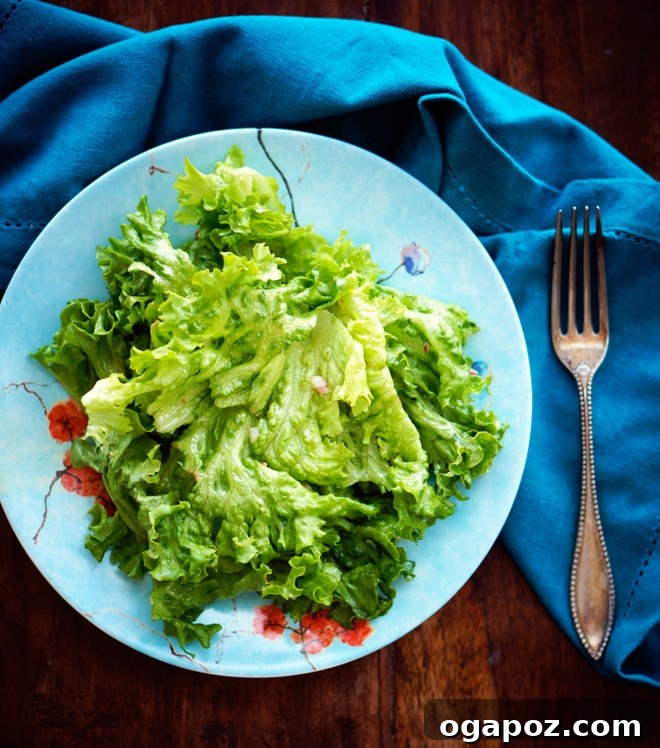
There is a definite art to dressing delicate greens, and mastering it is crucial for a truly enjoyable salad experience. Nothing is less appealing than a soggy, oversaturated salad, where the vibrant crispness of the leaves has been drowned. Tender baby leaves, with their light and fluffy quality, can easily trick you into thinking they need a generous glug of dressing to be adequately coated. This is where restraint and proper technique become your best friends.
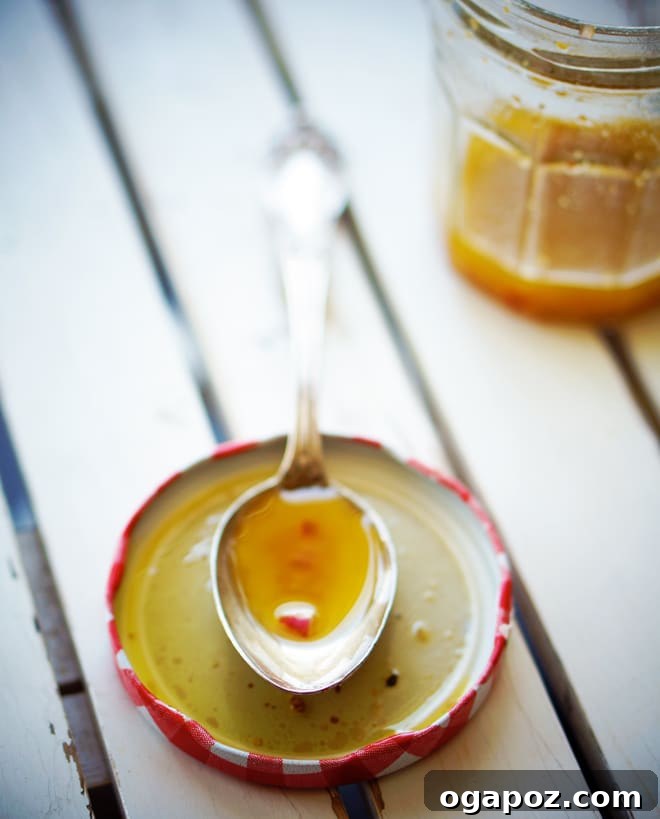
Always start conservatively. Add just a tablespoon or two of vinaigrette to your bowl of greens, then gently toss. Using your clean hands is often the best method, as it allows for gentle, thorough coating without bruising the leaves and helps you feel how much dressing is distributed. Continue to add more dressing, a little at a time, tossing gently until the salad is just lightly coated and gleaming, not drenched. Taste a leaf to check the seasoning. If needed, sprinkle with a pinch of salt and toss again to ensure every bite is perfectly balanced. For the sake of crispness and vibrant flavor, dressing your salad should always be the very last step before it hits the table, ensuring maximum freshness.
Classic Vinaigrette Recipe: Your Go-To Basic
This recipe provides a perfectly balanced classic vinaigrette that you can use as a template for endless variations. It’s simple, quick, and yields a dressing that will consistently outshine any store-bought option, giving you superior flavor and control over ingredients.
Ingredients
- 3 Tbsp high-quality extra virgin olive oil
- 1 Tbsp your favorite vinegar (sherry, champagne, red wine, or white wine vinegar are excellent, versatile choices)
- 1/2 tbsp finely minced shallot (or 1/4 tsp garlic powder for a milder, quicker alternative)
- 1/2 tsp Dijon or grainy mustard (essential for emulsification and adding a sharp, tangy flavor)
- 1/4 tsp kosher salt, or to taste
- 1/8 tsp freshly ground black pepper, or to taste
Preparation
- Measure all ingredients precisely into a glass jar with a tight-fitting lid. Alternatively, you can whisk them vigorously in a small bowl until fully combined and emulsified. Using a jar allows for easy shaking and storage.
- Secure the lid tightly and shake, shake, shake vigorously for about 30 seconds to fully emulsify the oil and acid. The mixture should become slightly creamy and uniform, indicating a successful emulsion.
- Taste and adjust seasoning as needed. This is crucial for a perfectly balanced vinaigrette. You might find it needs a touch more salt, pepper, or a tiny bit of sweetener (like honey or maple syrup) if your chosen vinegar is particularly sharp.
- Scaling Up: This recipe can be scaled up infinitely (doubled, tripled, quadrupled, etc.) to make larger batches for meal prep, entertaining, or to ensure you always have fresh dressing on hand.
- Storage: Store your homemade vinaigrette in the refrigerator for up to two weeks. It’s natural for the oil and acid to separate over time; simply give it a good shake or whisk before each use to re-emulsify and restore its creamy texture.
Beyond the Basic: Creative Vinaigrette Variations
Once you’ve mastered the classic, don’t hesitate to venture into the exciting world of variations. A few simple tweaks to the basic formula can create entirely new flavor profiles, perfect for pairing with different cuisines or seasonal ingredients:
- Lemon-Herb Vinaigrette: Substitute red wine vinegar with fresh lemon juice and add 1 tablespoon of finely chopped fresh parsley and chives. A pinch of lemon zest enhances the bright citrus notes beautifully.
- Balsamic Vinaigrette: Use a good quality balsamic vinegar as your acid. You might want to increase the oil slightly (e.g., a 3.5:1 ratio) or add a tiny bit of honey or maple syrup to balance the balsamic’s inherent intensity. Minced garlic works wonderfully here.
- Asian-Inspired Vinaigrette: Swap olive oil for a neutral oil like grapeseed or avocado oil. Use rice vinegar as the acid, and add a teaspoon of soy sauce (or tamari for gluten-free), a dash of toasted sesame oil, minced fresh ginger, and a pinch of red pepper flakes for heat.
- Honey-Mustard Vinaigrette: Increase the mustard to 1 tablespoon and add 1-2 teaspoons of honey or maple syrup. Apple cider vinegar often pairs exceptionally well with this sweet and tangy profile, perfect for chicken salads or hearty greens.
- Creamy Vinaigrette: For a luscious, velvety texture, whisk in a tablespoon of mayonnaise, Greek yogurt, or even a spoonful of tahini. This adds richness and helps stabilize the emulsion, creating a thicker dressing ideal for robust salads or as a dip.
Conclusion: The Power of Homemade
Embracing homemade vinaigrette is a simple yet profound step towards healthier, more flavorful eating. It gives you complete control over the quality of your ingredients, allowing you to avoid unwanted additives, excessive sodium, and artificial flavors found in many store-bought options. With just a few basic components and the foundational 3:1 ratio, you can unlock a world of culinary creativity, customizing your dressings to perfectly complement any dish.
So, ditch the bottled dressings and make a fresh batch today. Your salads, roasted vegetables, grilled proteins, and even simple grain bowls will thank you for the vibrant, wholesome difference that a homemade classic vinaigrette brings to the table. Start experimenting, trust your taste buds, and enjoy the delicious journey of creating dressings that are truly your own!