
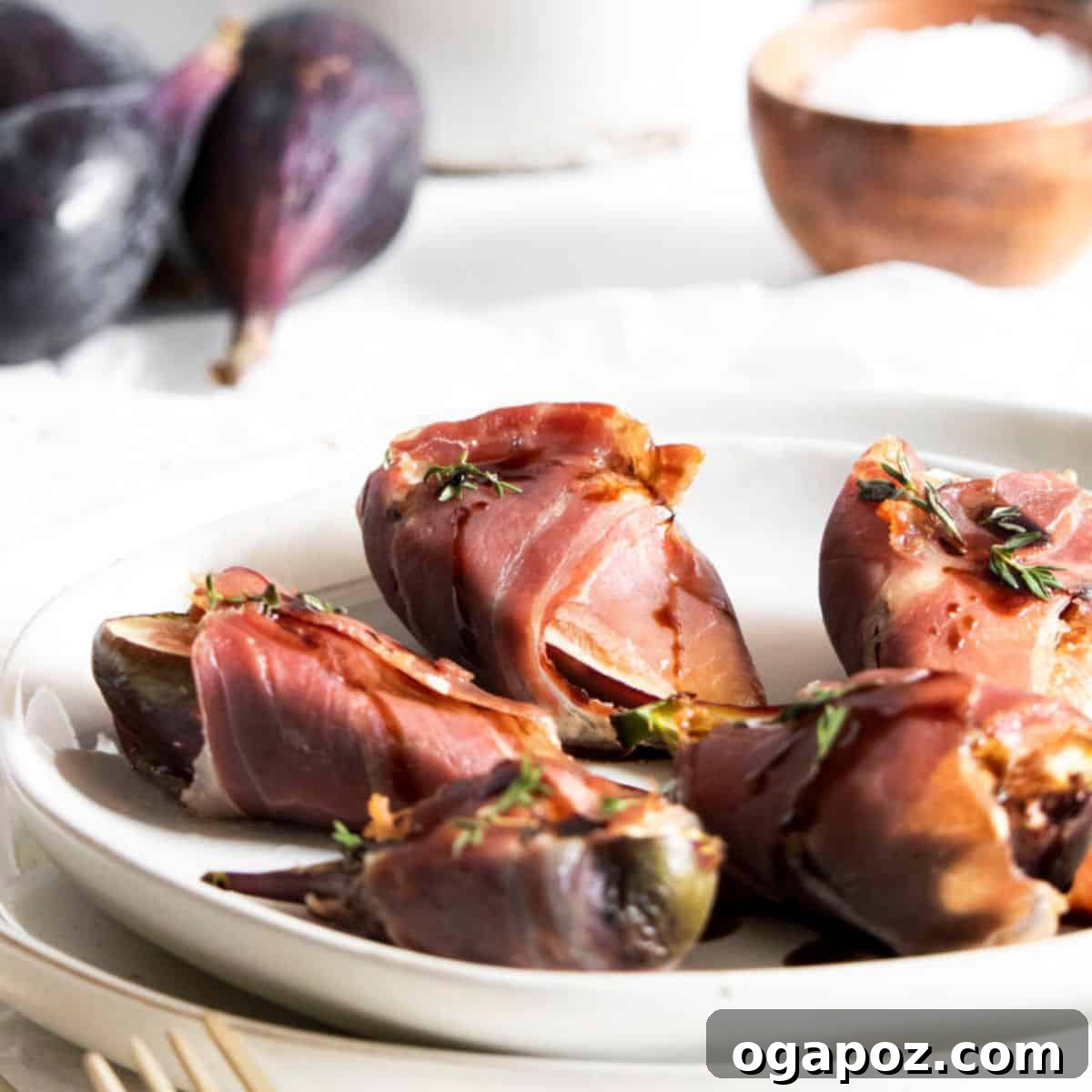
Goat Cheese Figs Wrapped in Prosciutto offer a truly unforgettable culinary experience, transforming simple ingredients into a sophisticated and incredibly flavorful appetizer. Perfect for everything from casual get-togethers to elegant holiday feasts, these bite-sized delights are renowned for their irresistible combination of sweet, savory, and creamy textures. Fresh figs, bursting with natural sweetness, are delicately stuffed with tangy goat cheese, embraced by thin slices of savory prosciutto, then broiled to perfection. A final drizzle of rich balsamic glaze and a touch of honey elevates them to a truly gourmet treat that will impress every guest.
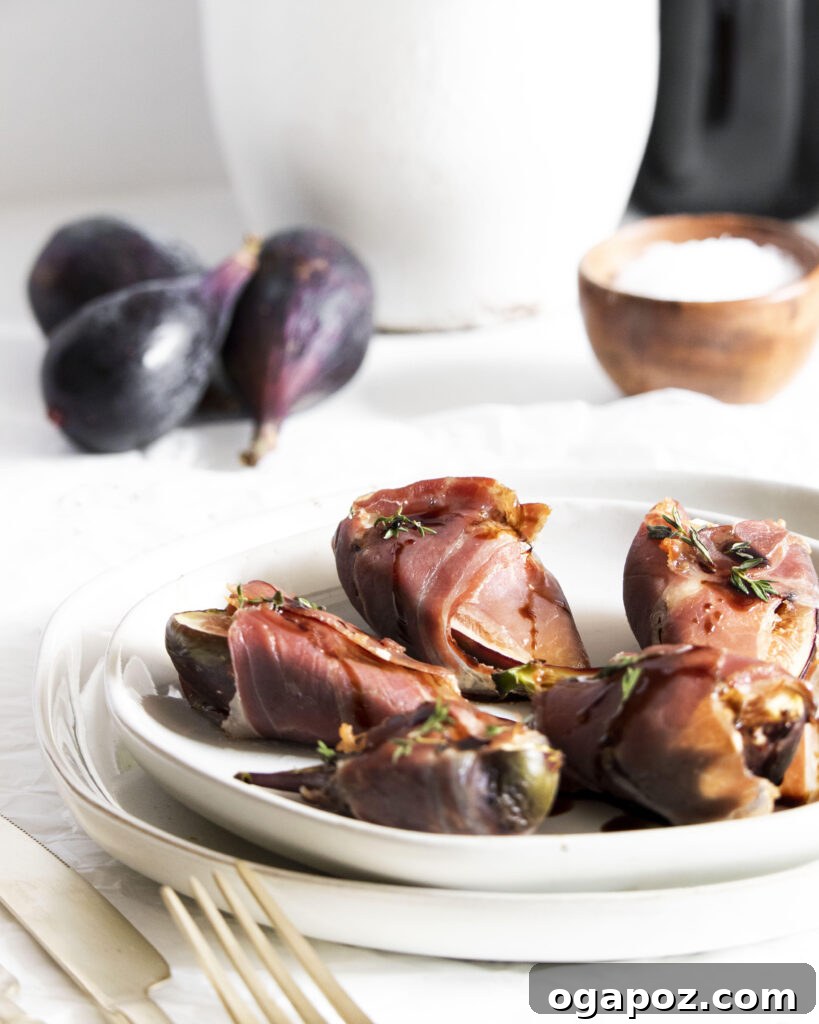
As the cooler months approach, ushering in the cozy embrace of fall and the festive spirit of winter holidays, my thoughts often turn to delightful appetizers that capture the essence of the season. These Goat Cheese Figs Wrapped in Prosciutto consistently rank among my absolute favorites. The magical interplay between the rich, earthy sweetness of fresh figs and the bright, creamy tang of goat cheese is simply divine. It’s a flavor profile that tantalizes the palate, perfectly balanced by the salty crispness of the prosciutto. The final flourish of a balsamic reduction and a hint of honey drizzled generously over the warm, broiled bites adds a layer of complex sweetness and acidity that truly completes the dish.
Preparing for the holiday season doesn’t have to be stressful, especially when you have an appetizer like this in your repertoire. It’s a dish that exudes elegance and sophistication, making it seem far more elaborate than it truly is. Your guests will undoubtedly be captivated by its presentation and flavor, yet you’ll find the preparation remarkably straightforward and quick. It’s the ideal choice for hosts who wish to offer something special without spending hours in the kitchen.
You might recall my Moroccan Chicken Thigh recipe, where figs play a starring role, lending their unique sweetness to a savory main course, much like they would in a traditional tagine. This appreciation for the savory-sweet combination that figs bring to dishes is precisely why they shine so brilliantly in this appetizer. Figs, whether fresh or dried, are incredibly versatile, enhancing both sweet and savory applications with their distinctive texture and flavor.
Beyond their culinary appeal, figs also offer notable health benefits. Dried figs, in particular, are a fantastic source of dietary fiber, promoting digestive health, and they naturally contribute to your potassium intake, an essential mineral for maintaining fluid balance and muscle function. Their natural sweetness makes them a wholesome addition to various meals and snacks. In many cultures, especially Moroccan, dried fruits like figs are staples, frequently found in hearty tagines and other traditional dishes, showcasing their long-standing cultural significance and delicious versatility. They are also famously paired with soft cheeses and sweet honey, a classic combination that inspired this very recipe.
If you’re a fan of the delightful combination of goat cheese, sweet notes, and creative appetizers, you’ll also love exploring some of my other recipes. Be sure to try my Beef Crostini with Caramelized Onions and Goat Cheese for another savory bite, the refreshing Smoked Salmon Cucumber Appetizer Bites, a comforting Goat Cheese and Roasted Tomato Dip, the charming Honey Goat Cheese Balls, or even this unique Goat Cheese Apricot Pizza. Each offers a different way to enjoy the wonderful flavors of goat cheese.
Why This Appetizer Shines
This recipe for Goat Cheese Figs Wrapped in Prosciutto isn’t just another appetizer; it’s a testament to how simple ingredients can create extraordinary flavor. Here’s why this dish truly stands out:
- Unforgettable Flavor Combination: The harmony of sweet figs, creamy and tangy goat cheese, and salty, crispy prosciutto is a flavor powerhouse. Each bite delivers a complex profile that is both comforting and exciting.
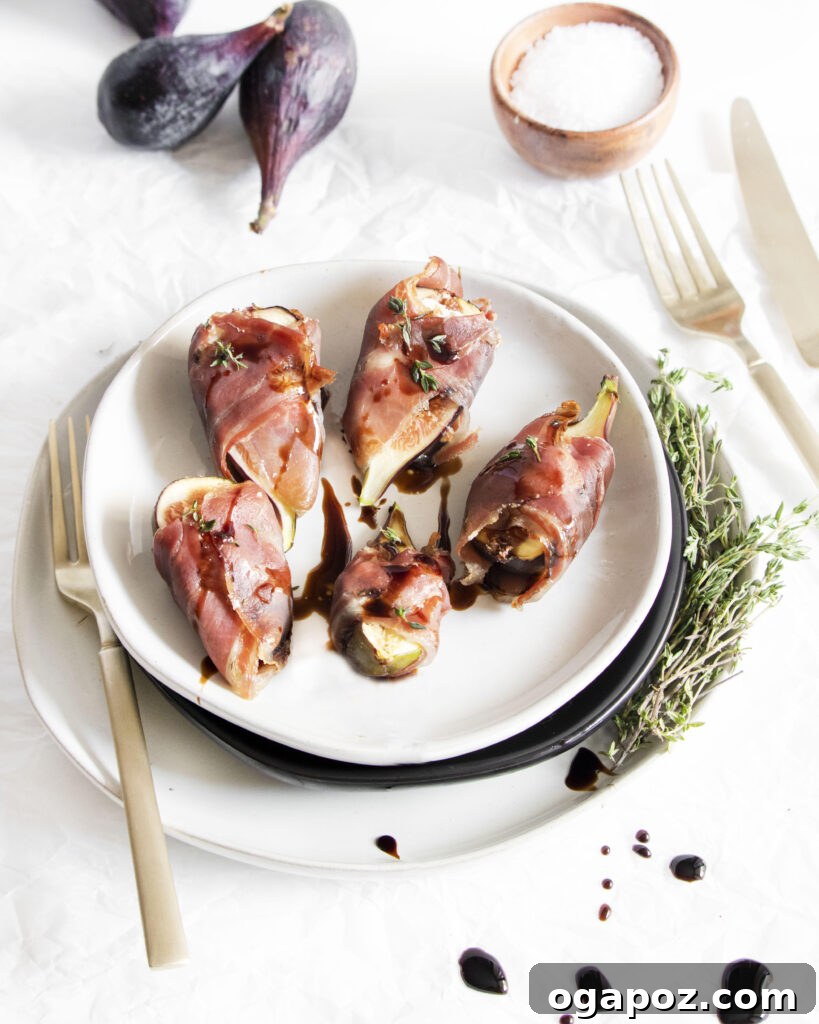
- Elegant Presentation: These figs are naturally beautiful. Their vibrant color, combined with the golden-brown prosciutto and a glossy balsamic drizzle, makes for an eye-catching dish that looks sophisticated on any platter.
- Effortlessly Impressive: Despite their gourmet appearance and taste, these appetizers are surprisingly easy and quick to prepare. With minimal cooking time, you can create a show-stopping dish without stress.
- Versatile for Any Occasion: Whether you’re hosting a casual brunch, a formal dinner party, a holiday celebration, or simply enjoying a quiet evening, these figs fit right in. They are delicious served warm or at room temperature.
- Seasonal Delight: Fresh figs are a gift of late summer and fall, making this a perfect seasonal recipe to celebrate the bounty of harvest. It transitions beautifully into winter holiday menus.
- Customizable: Easily adaptable to dietary preferences or available ingredients, with options for different cheeses, meats, and herbs.
Understanding the Star Ingredients
The magic of this appetizer lies in the quality and balance of its core components. Let’s delve into what makes each ingredient essential:
Fresh Figs: Nature’s Candy
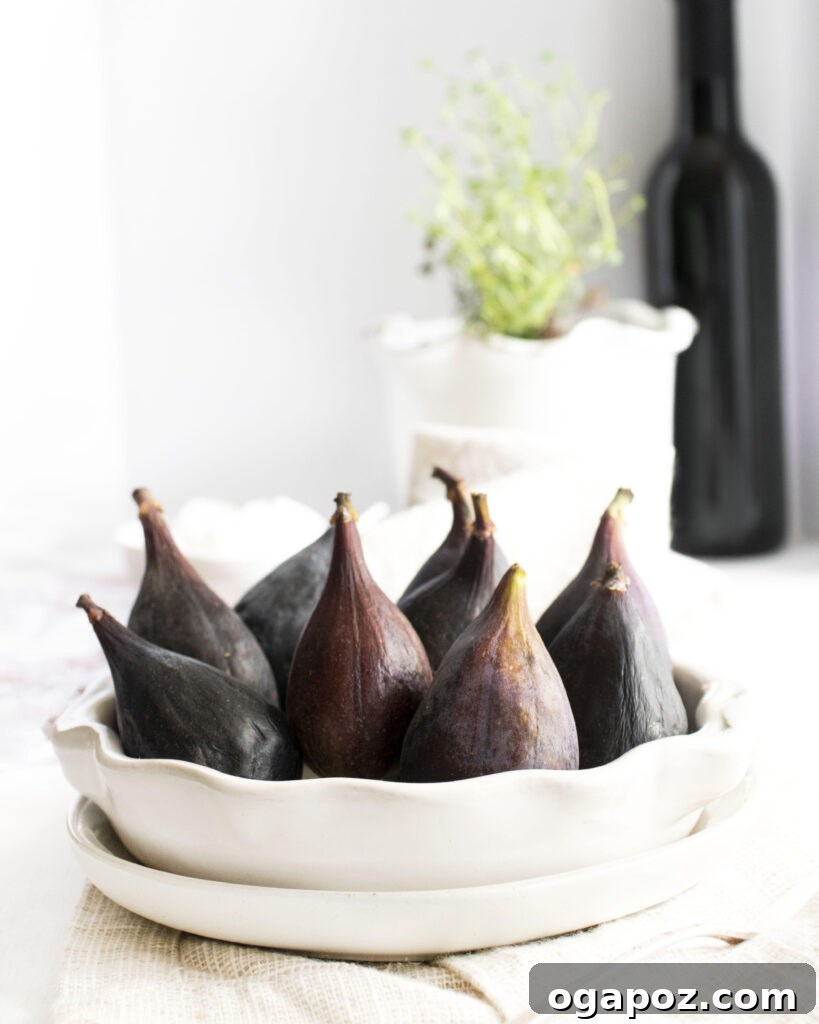
Figs are the foundation of this dish, providing natural sweetness and a unique texture. For this recipe, fresh figs are preferred for their plumpness and delicate skin. Varieties like Black Mission, Brown Turkey, or Kadota figs work wonderfully. When selecting figs, look for ones that are soft to the touch but not mushy, with smooth, unbroken skin. The stem can be left on to act as a convenient handle for guests. Figs offer a slightly chewy texture that contrasts beautifully with the creamy cheese and crispy prosciutto.
Creamy Goat Cheese: The Tangy Heart
Goat cheese, or chèvre, is chosen for its distinctive tangy, earthy, and slightly tart flavor, which perfectly cuts through the sweetness of the fig and richness of the prosciutto. Its creamy texture becomes wonderfully warm and spreadable when broiled. To make it easier to work with, always bring your goat cheese to room temperature before stuffing the figs. While goat cheese is the star, you can experiment with other soft, creamy cheeses like salty feta, pungent blue cheese for a bolder flavor, or rich Brie for a milder, buttery alternative.
Savory Prosciutto: The Salty Embrace
Prosciutto, a dry-cured Italian ham, contributes a crucial salty, savory element and a delightful crisp texture once broiled. Its paper-thin slices beautifully wrap around the figs, creating a striking visual and textural contrast. When buying prosciutto, opt for thinly sliced varieties for the best crisping. For a different flavor profile, you could substitute thinly sliced bacon, which would offer a smokier taste and a chewier texture. If you’re looking for a vegetarian option, you can easily omit the prosciutto entirely, focusing on the fig and goat cheese combination, perhaps adding a sprinkle of toasted nuts for crunch.
The Finishing Touches: Balsamic & Honey
The drizzle of balsamic vinegar or balsamic glaze, along with a touch of honey, acts as the crowning glory for these figs. Balsamic glaze, a reduction of balsamic vinegar, offers a concentrated sweet and tangy flavor with a beautiful glossy sheen. It adds a sophisticated layer of acidity that brightens the entire dish. Honey provides an extra touch of natural sweetness, enhancing the fig’s inherent flavors. Together, they create a luxurious finish that is both visually appealing and incredibly delicious.
Step-by-Step: Crafting Your Goat Cheese Figs
Creating these elegant appetizers is surprisingly simple. Follow these steps for perfect Goat Cheese Figs Wrapped in Prosciutto every time:
Step 1: Prepare Your Workspace and Ingredients
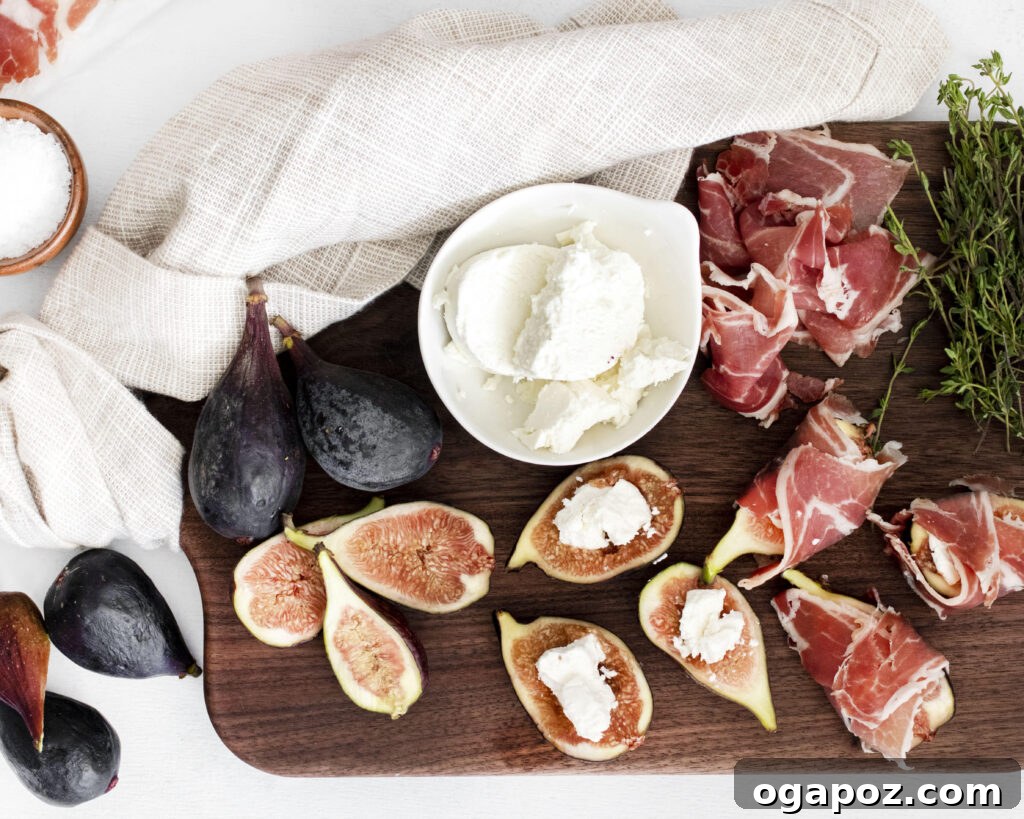
Begin by preheating your broiler to high. This ensures the figs cook quickly and the prosciutto gets wonderfully crisp. Line a sturdy baking sheet with parchment paper to prevent sticking and make cleanup a breeze. Next, prepare your fresh figs: gently wash and pat them dry, then carefully cut each fig in half lengthwise. You can opt to leave the natural stem attached, which makes for a convenient little handle when guests pick up these delicious bites. If you prefer a cleaner look, feel free to trim the stems off. Finally, take each slice of prosciutto and cut it in half lengthwise. This will give you the perfect size for wrapping around each fig half.
Step 2: Stuff with Creamy Goat Cheese
Now it’s time for the creamy heart of the appetizer. Using a small spoon or your fingers, place about 1/2 to 1 teaspoon of room-temperature goat cheese into the center of each fig half. The exact amount will depend on the size of your figs – you want enough cheese to fill the cavity without overflowing too much. Gently press the cheese so it nestles securely into the fig.
Step 3: Wrap with Savory Prosciutto
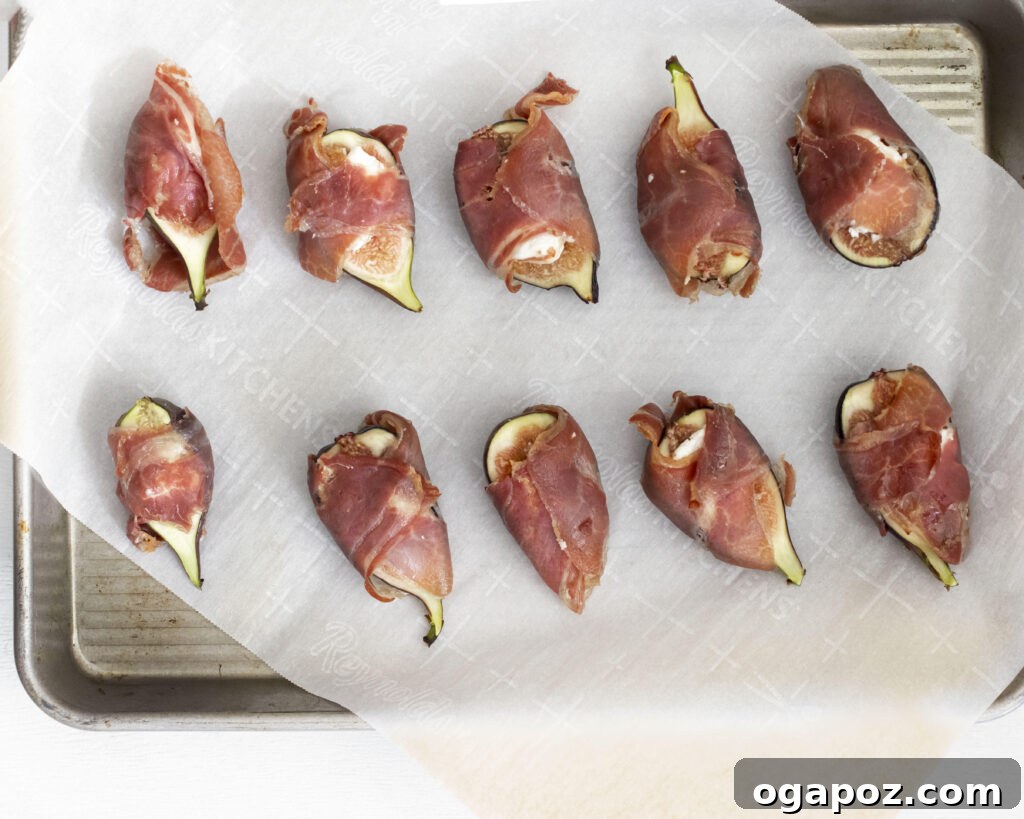
Carefully take one of your halved prosciutto slices and wrap it around the stuffed fig. Aim to cover the goat cheese and secure the prosciutto around the fig, ensuring it’s snug but not too tight. Place the wrapped fig onto your prepared baking sheet, cut-side up. This orientation helps the goat cheese warm evenly and prevents the prosciutto from unraveling. Repeat this process with all the remaining figs until your baking sheet is full of these delicious bundles.
Step 4: Broil to Golden Perfection
Before placing them under the broiler, lightly drizzle the olive oil over all the wrapped figs. This helps with crisping and adds a hint of richness. Then, sprinkle generously with fresh thyme leaves; the aromatic herbs will infuse a wonderful fragrance and flavor. Transfer the baking sheet to the preheated broiler. Broil the figs just until they are warm through, the goat cheese is slightly softened and bubbly, and the prosciutto is beautifully crisp and golden, which typically takes about 3 minutes. **A crucial note: broilers are incredibly powerful and can burn food very quickly. Do not step away from the oven; watch the figs carefully throughout the entire broiling process to prevent them from overcooking or burning.**
Step 5: Garnish and Serve Immediately
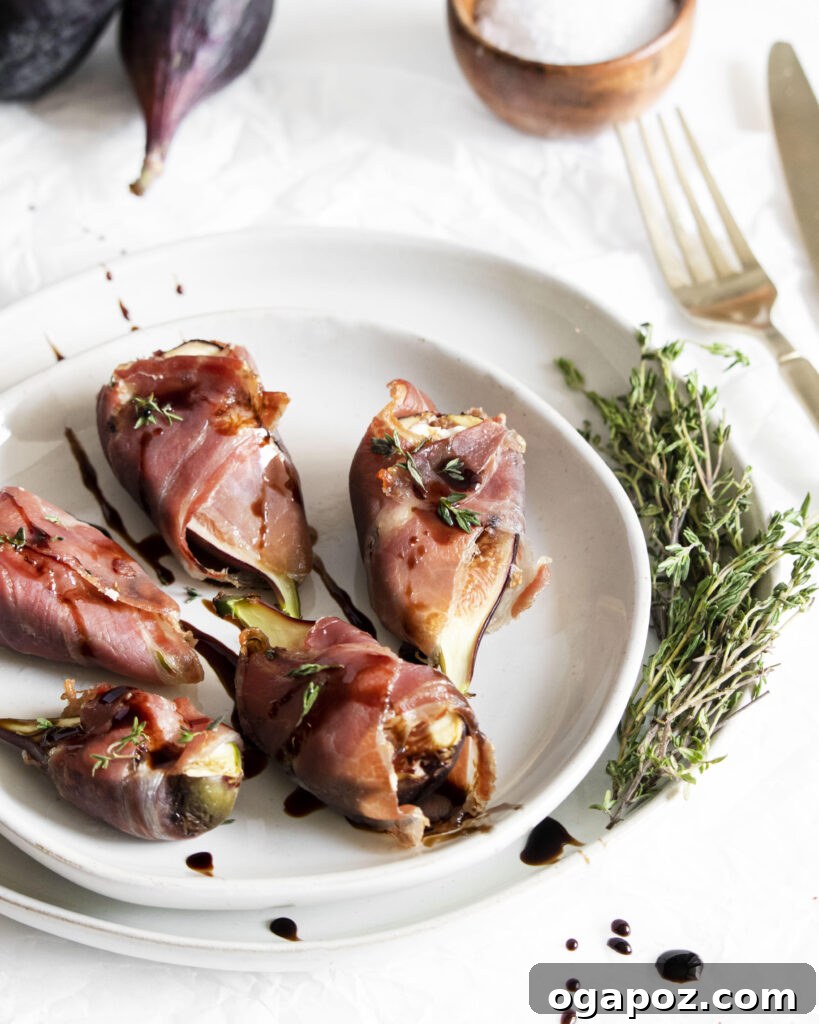
Once removed from the broiler, arrange your warm Goat Cheese Figs Wrapped in Prosciutto on a serving platter. Drizzle them generously with balsamic vinegar or a thicker balsamic glaze, and a touch of sweet honey. For an extra touch of gourmet flair and a delightful textural contrast, sprinkle with a few flakes of sea salt, if desired. Serve these exquisite appetizers warm or at room temperature, and watch them disappear!
Expert Tips for Success
- Choose Ripe Figs: The success of this recipe heavily relies on the quality of your figs. Opt for fresh figs that are plump, soft to the touch (but not mushy), and have a rich, sweet aroma. Overly hard or unripe figs will lack flavor, while overly ripe ones might be too delicate to handle.
- Room Temperature Goat Cheese: Allowing your goat cheese to come to room temperature makes it much softer and easier to work with, ensuring a smooth and even filling for each fig.
- Thinly Sliced Prosciutto: The thinner the prosciutto, the crispier it will become under the broiler, providing that perfect textural contrast. Ask your deli counter for very thinly sliced prosciutto.
- Watch the Broiler Closely: Broilers can be unpredictable and cook very quickly. Stay by the oven and keep a keen eye on the figs to prevent them from burning. They can go from perfectly golden to burnt in a matter of seconds.
- Don’t Overstuff: While it’s tempting to load up on goat cheese, overstuffing can cause the cheese to ooze out excessively during broiling. A moderate amount ensures the perfect cheese-to-fig ratio.
- Presentation Matters: Arrange the finished figs artfully on a platter. A sprinkle of fresh thyme or basil leaves and a final artful drizzle of balsamic glaze and honey will elevate the visual appeal.
Delightful Variations & Customizations
While the classic recipe is sublime, these goat cheese figs are incredibly versatile. Feel free to get creative with these delicious variations:
- Cheese Alternatives: Experiment with different soft cheeses. As mentioned, blue cheese offers a sharper bite, brie adds a buttery richness, and even a soft cream cheese with a pinch of herbs can work.
- Meat Options: If prosciutto isn’t available or preferred, thinly sliced pancetta or even regular bacon (par-cooked slightly to ensure crisping) can be used. For a vegetarian option, simply omit the meat and enjoy the fig and goat cheese combination, perhaps adding a sprinkle of toasted nuts.
- Nutty Crunch: Before wrapping or after broiling, sprinkle some finely chopped toasted pistachios, walnuts, or pecans over the goat cheese for an added layer of texture and flavor.
- Herb Swaps: Fresh thyme is wonderful, but fresh rosemary, oregano, or a hint of mint could also complement the flavors beautifully.
- Spicy Kick: For those who enjoy a little heat, a tiny pinch of red pepper flakes added to the goat cheese or sprinkled over the top before broiling can add an exciting dimension.
- Fruit & Jam Additions: A tiny dollop of fig jam or orange marmalade on top of the goat cheese before wrapping can intensify the sweetness and add a citrusy note.
- Maple Glaze: Instead of honey, try a drizzle of high-quality maple syrup for a different kind of sweetness, especially delightful in fall.
Serving Suggestions & Perfect Pairings
These Goat Cheese Figs Wrapped in Prosciutto are versatile appetizers that pair well with a variety of beverages and other dishes:
- Wine Pairings: For white wines, a crisp Sauvignon Blanc, a slightly sweet Riesling, or a dry Rosé would beautifully complement the sweet and savory notes. For red wines, a light-bodied Pinot Noir or a fruity Beaujolais are excellent choices.
- Cocktails: Consider serving them alongside a classic Aperol Spritz, a sophisticated Gin & Tonic, or a sparkling Prosecco.
- Cheese Boards: They make a stunning addition to any charcuterie or cheese board, offering a warm, cooked element among an array of cold cuts and cheeses.
- Salad Toppers: Once cooled, these figs can be sliced and added to a fresh green salad with a light vinaigrette for a gourmet touch.
- Brunch Item: Serve them as part of an elegant brunch spread alongside quiches, fresh fruit, and pastries.
Make-Ahead & Storage Solutions
Ease of preparation is one of the many appeals of this appetizer. Here’s how you can make them in advance and store any leftovers:
- Prepare in Advance: You can assemble the figs (halving, stuffing with goat cheese, and wrapping with prosciutto) up to 4 hours before you plan to broil them. Arrange them on a parchment-lined baking sheet, cover loosely with plastic wrap, and refrigerate. When ready to serve, simply pull them out of the fridge, drizzle with olive oil and thyme, and broil as directed. This makes them an ideal party appetizer, allowing you to do most of the work beforehand.
- Serving Temperature: These figs are equally delicious served warm, fresh out of the broiler, or at room temperature. This flexibility is another reason they are perfect for entertaining.
- Storage: While best enjoyed fresh, any leftover goat cheese figs can be stored in an airtight container in the refrigerator for up to 2-3 days.
- Reheating: To reheat, place them on a baking sheet and warm gently in a preheated oven at 300°F (150°C) for about 5-7 minutes, or until just heated through. Be careful not to overcook, as the figs can dry out. You can also re-broil for a minute or two if you want to re-crisp the prosciutto, watching carefully.
Frequently Asked Questions About Figs & Appetizers
Figs and cheese are a match made in culinary heaven! The sweet fruit pairs beautifully with a variety of soft, creamy, and tangy cheeses. My top recommendation is definitely goat cheese for its delightful tang and creaminess. However, other fantastic options include rich and buttery Brie, a pungent blue cheese for those who love a bold flavor, or even a soft, fresh mascarpone or cream cheese for a milder profile. The key is a cheese that provides a textural and flavor contrast to the fig’s sweetness.
Selecting fresh figs requires a gentle touch and keen eye. Figs are quite fragile and delicate, and they don’t have a long shelf life, so it’s best to buy them close to when you plan to use or eat them. Look for figs that are clean and dry, with smooth, unbroken skin. The fruit should feel soft and yield slightly to gentle pressure, but it should never be mushy or bruised. Avoid figs that are hard (underripe) or have visible mold or sour smells. A perfectly ripe fig will often show a slight tear at the stem end, indicating it’s bursting with sweetness.
While fresh figs are highly recommended for their juiciness and tender texture in this particular recipe, you can adapt it for dried figs if fresh ones are out of season or unavailable. If using dried figs, rehydrate them first by simmering gently in a small amount of water or wine for about 10-15 minutes until plump, then pat them completely dry. You might also need to adjust the amount of goat cheese, as dried figs tend to be smaller. The flavor will be more concentrated, offering a different but still delicious result.
The key to crispy prosciutto lies in a few factors: thinness, preheating, and watchful broiling. Ensure your prosciutto is sliced paper-thin. Preheat your broiler thoroughly so it’s very hot before the figs go in. Place the figs on parchment paper to help with even cooking and prevent sticking. Most importantly, keep a close eye on them! Broilers cook rapidly, and prosciutto can go from flexible to crispy to burnt in moments. If your broiler is uneven, you may need to rotate the baking sheet halfway through.
Absolutely! This recipe is easily adaptable for vegetarians. Simply omit the prosciutto and focus on the delightful combination of figs and goat cheese. To add a textural element that prosciutto would normally provide, you can sprinkle the goat cheese-stuffed figs with finely chopped, toasted nuts (like walnuts, pecans, or pistachios) before broiling. A drizzle of high-quality olive oil and a sprinkle of sea salt will ensure they are still incredibly flavorful and satisfying.
Explore More Goat Cheese Recipes
Breakfast
Sun-Dried Tomato Goat Cheese Frittata
Salads
Brussels Sprout Apple Goat Cheese Salad
Beef
Pan-Seared Ribeye Steaks with Goat Cheese and Sun-Dried Tomatoes
Chicken
Sun-dried Tomato Goat Cheese Stuffed Chicken Breasts
Tried this recipe? Leave a star rating and comment below! Subscribe to my newsletter or follow me on
Facebook,
Instagram, or
Pinterest for the latest.
Goat Cheese Figs Wrapped in Prosciutto
Julia Jolliff
15 minutes
5 minutes
20 minutes
12
Gather Your Simple Ingredients
Ingredients
-
12 fresh figs -
4 ounces goat cheese, at room temperature -
4 ounces prosciutto, sliced paper thin -
2 teaspoons fresh thyme leaves, chopped -
2 teaspoons olive oil -
2 tablespoons balsamic vinegar or balsamic glaze -
1 teaspoon Sea Salt Flakes, optional -
Optional: Honey for drizzling
Instructions
-
Preheat your broiler on high. Line a baking sheet with parchment paper for easy cleanup and to prevent sticking.
-
Wash and pat dry each fig, then cut them in half lengthwise. Note: You can leave the stem on as a convenient handle, or trim it off if preferred.
-
Cut each slice of prosciutto in half lengthwise. This provides the perfect size for wrapping each fig half. Place 1/2-1 teaspoon of soft, room-temperature goat cheese into the center of each fig half, depending on its size.
-
Carefully wrap each stuffed fig half with one of the prosciutto strips. Place the wrapped fig cut-side up on the prepared baking sheet. Repeat this process until all figs are assembled.
-
Drizzle the olive oil evenly over the wrapped figs on the baking sheet and sprinkle them generously with fresh thyme.
-
Broil the figs for approximately 3 minutes, or until they are warm through, the goat cheese is slightly bubbly, and the prosciutto is crisp and golden. Important Note: Broilers can cook very quickly! Watch them continuously to prevent burning; do not leave unattended.
-
Once removed from the broiler, top the figs with a generous drizzle of balsamic vinegar or balsamic glaze, and honey. If using, sprinkle with sea salt flakes for an added gourmet touch.
-
These delightful figs can be served warm, straight from the oven, or at room temperature. They can also be prepared up to 4 hours in advance and stored in the fridge until you’re ready to broil and serve.
Notes
- For optimal party planning, you can assemble these goat cheese figs in advance (up to 4 hours) and store them in the refrigerator. This allows for quick broiling just before serving. Their versatility in being served warm or at room temperature makes them an ideal appetizer for any gathering.
Nutrition
Calories:
112
kcal
,
Carbohydrates:
11
g
,
Protein:
3
g
,
Fat:
7
g
,
Saturated Fat:
3
g
,
Polyunsaturated Fat:
1
g
,
Monounsaturated Fat:
3
g
,
Trans Fat:
0.01
g
,
Cholesterol:
11
mg
,
Sodium:
292
mg
,
Potassium:
139
mg
,
Fiber:
1
g
,
Sugar:
9
g
,
Vitamin A:
188
IU
,
Vitamin C:
2
mg
,
Calcium:
33
mg
,
Iron:
0.5
mg
Nutrition information is automatically calculated, so should only be used as an approximation.
Tried this recipe?
Mention @acedarspoon or tag #acedarspoon!