
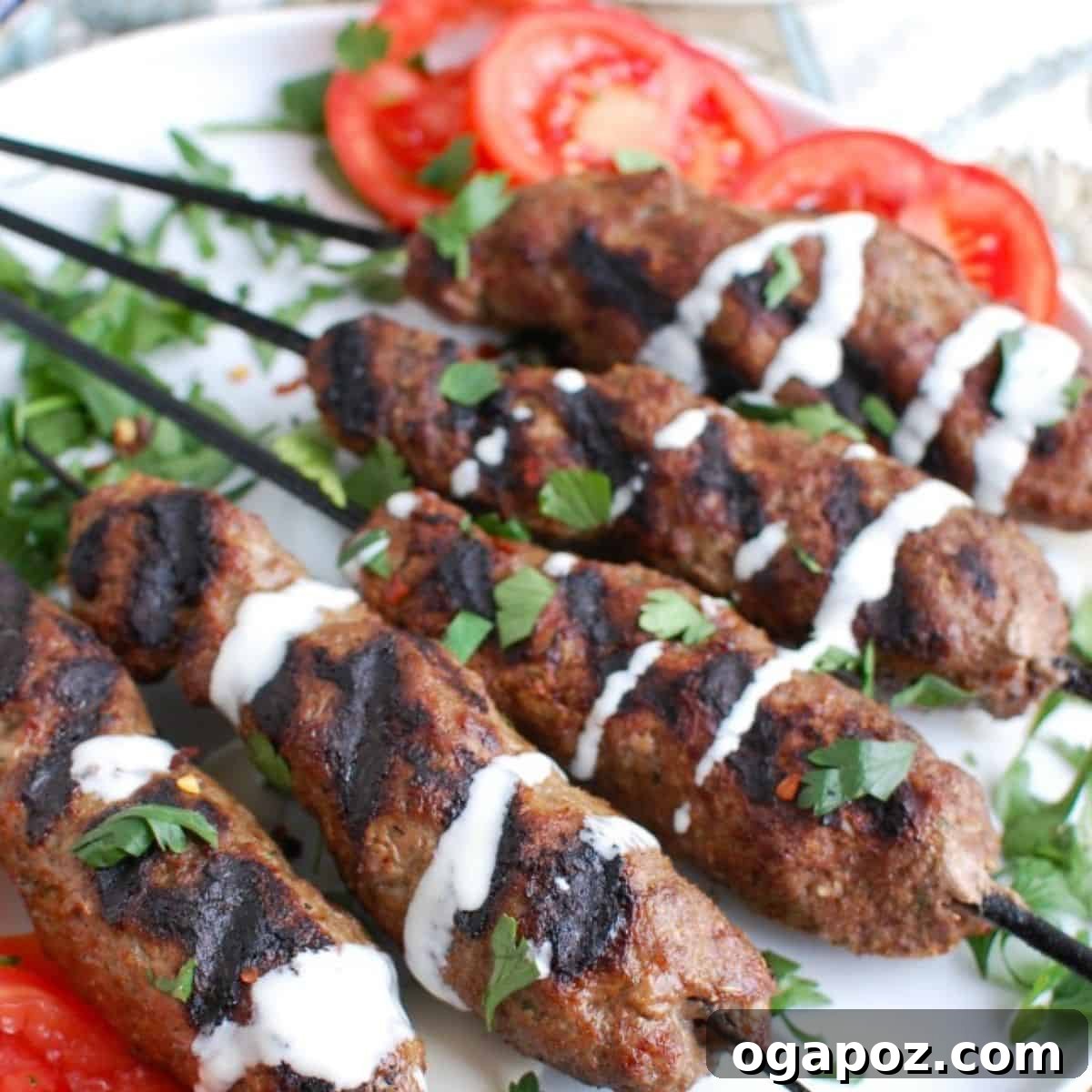
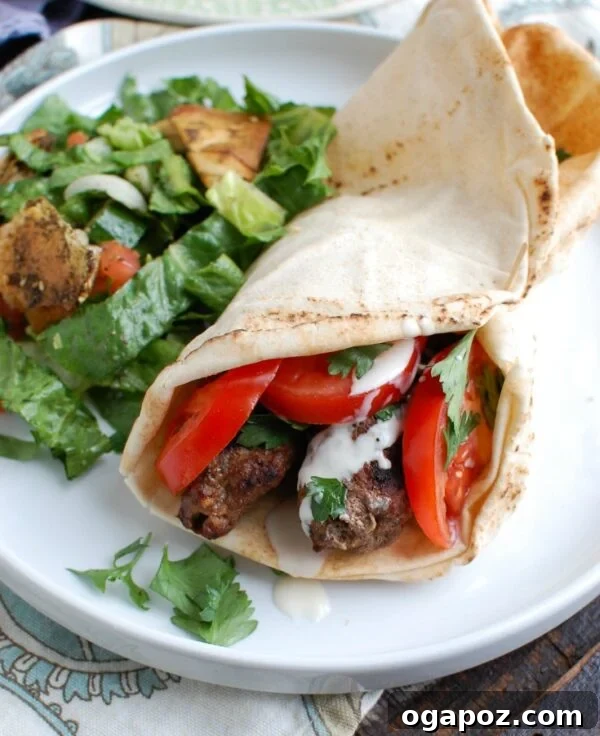
Prepare to elevate your summer grilling with this incredibly flavorful Beef Kafta Kebab Recipe. This dish is not only remarkably easy to prepare but also features a captivating blend of warm, rich Middle Eastern spices that will transport your taste buds straight to the heart of the Levant. Whether you prefer to enjoy these juicy beef kebabs tucked into a soft pita sandwich or as a vibrant centerpiece on a plate of creamy hummus with pita bread on the side, they are guaranteed to be a crowd-pleaser. While grilling offers an unbeatable smoky char, this versatile recipe also adapts beautifully to air frying or baking, making it perfect for any season or kitchen setup.
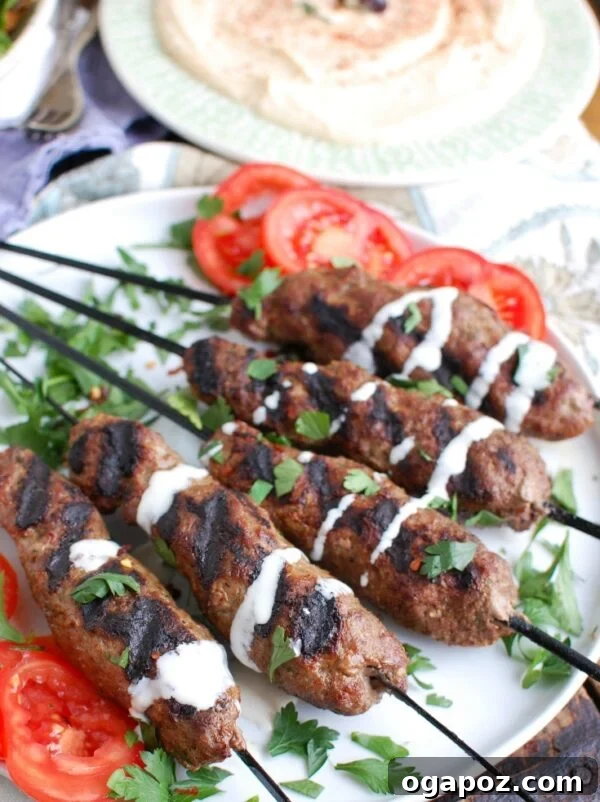
This Beef Kafta Kebab recipe is destined to become a summer staple in your home. If you enjoy the savory flavors of kofta, be sure to explore our other fantastic variations, including Lamb Kafta, Turkey Kofta Kebabs, Chicken Kofta, or our popular Beef Kafta Meatballs. Each offers a unique twist on this beloved Middle Eastern classic, ensuring there’s a kofta for every preference.
Kafta is a cornerstone of Middle Eastern cuisine, a popular dish you’ve likely encountered if you’ve dined at an authentic Middle Eastern restaurant. The fragrant, warm spices infused into beef kofta are what truly make this dish unforgettable. In Lebanese cooking, kafta skewers are a frequent and cherished meal. They’re often my top choice when ordering from my favorite local Middle Eastern spot, Aladdins.
While I thoroughly enjoy the occasional takeout indulgence, I also find immense satisfaction in cooking at home. It’s not just about saving money; it’s about having complete control over the ingredients, ensuring my family enjoys wholesome, freshly prepared meals. This Kafta recipe is particularly appealing due to its minimal prep time, making it a perfect solution for busy weeknights or relaxed weekend gatherings.
I am thrilled to share these kafta kebabs with you, as they represent my absolute favorite way to enjoy beef, bursting with vibrant Middle Eastern flavors. These kebabs pair beautifully with a variety of traditional accompaniments such as refreshing Tabbouleh, creamy Hummus, and savory Lebanese Green Beans, creating a complete and satisfying meal.
If you’re already a fan of my Beef Kafta Meatballs, then these Beef Kofta Kebabs will undoubtedly resonate with you. The primary distinction lies in their cooking method – these are destined for the grill! I particularly love how grilling simplifies meal preparation, especially when working with beef. Beef requires minimal time to cook on the grill, and that’s one of my favorite aspects of these kebabs; they cook to perfection in under 10 minutes. For those who enjoy variety, you can also try our Lamb Kofta and Chicken Kofta recipes.
Beyond kafta, our household enjoys a range of beef recipes, including the popular Beef Shawarma, a convenient One Skillet Beef Taco Pasta, and vibrant Mediterranean Beef Kabobs. Each offers a unique and delicious way to incorporate beef into your weekly menu, reflecting our love for diverse and flavorful meals.
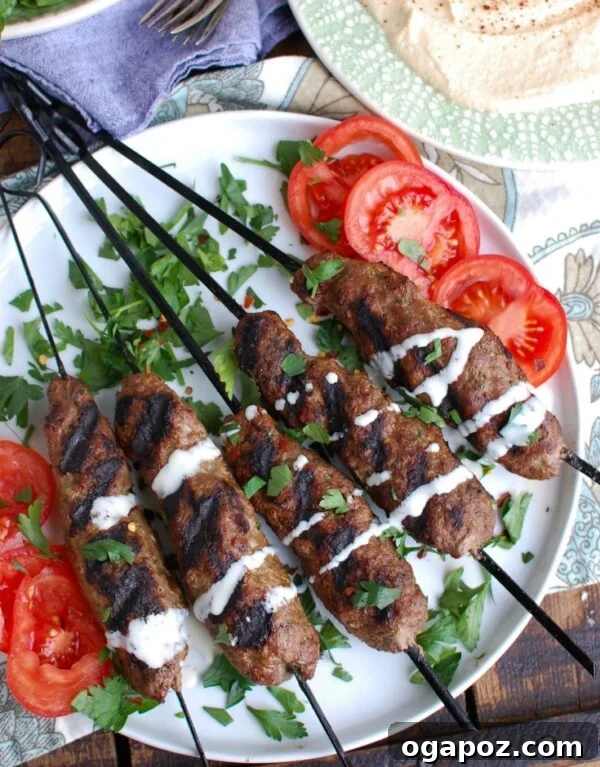
Key Ingredients for Perfect Lebanese Kafta Kebabs
Crafting exceptional Lebanese Beef Kafta Kebabs begins with selecting the right ingredients. Here’s a closer look at what makes this recipe truly shine:
- Ground Beef: The cornerstone of this delightful dish. I highly recommend using an 80/20 lean-to-fat ratio for ground beef. The fat content is crucial for ensuring the kafta remains incredibly juicy, tender, and packed with flavor, while also helping the mixture bind together effectively on the skewers. For a different flavor profile, you can also use a mixture of 1/2 ground lamb and 1/2 ground beef, or opt for a leaner ground beef if preferred, though adjusting the cooking time may be necessary to prevent dryness.
- Onion and Garlic: These aromatic staples form the foundational flavor base of the kafta. When finely minced, they meld seamlessly into the beef mixture, imparting a savory depth that is essential to Middle Eastern cuisine.
- Spices and Herbs: This is where the magic truly happens! The carefully balanced blend of spices and fresh herbs creates the signature warm and rich Middle Eastern aroma and taste. It features fresh parsley and fresh mint, which add a vibrant freshness, alongside a symphony of ground cumin, coriander, cinnamon, allspice, cloves, and dried oregano. For those who enjoy a little kick, optional red pepper flakes and cayenne pepper can be added to personal preference. Each spice plays a vital role in creating a complex and authentic flavor profile.
- Breadcrumbs: Integral for achieving the perfect texture and ensuring the kafta holds its shape around the skewers. Plain, regular breadcrumbs work best, absorbing moisture and acting as a gentle binder without overpowering the meat’s flavor.
- Egg: Acts as an additional binding agent, further reinforcing the structure of the kebabs. This helps prevent the kafta from crumbling or falling apart during handling and cooking, ensuring beautifully formed skewers every time.
For precise ingredient quantities and detailed instructions, please refer to the comprehensive recipe card located below.
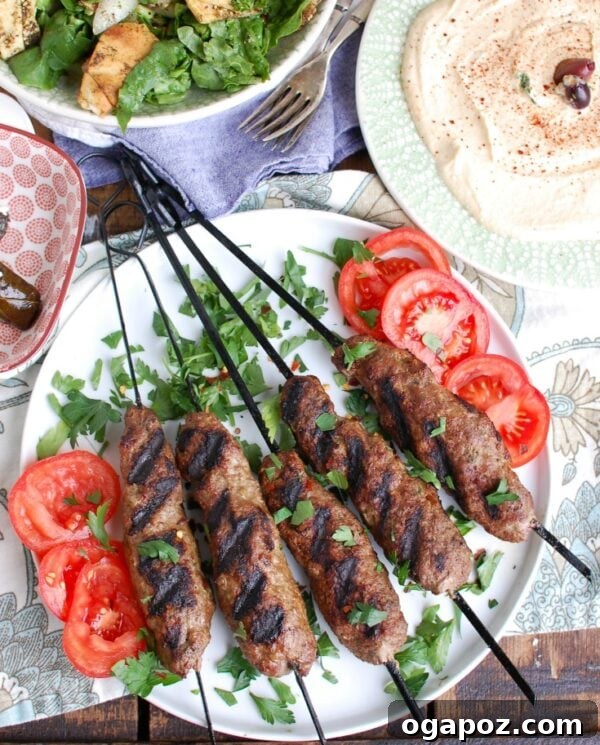
How to Make Authentic Lebanese Beef Kafta Kebabs: Step-by-Step Guide
Creating these delectable Beef Kafta Kebabs is a straightforward process. Follow these simple steps for perfectly spiced and tender skewers:
Step 1: Prepare Your Skewers and Grill
If you opt for wooden skewers, it’s crucial to soak them in water for at least an hour prior to grilling. This prevents them from burning on the grill. If using flat metal skewers, prepare about 6-8, depending on your desired kebab size. Before placing any meat on the grill, preheat it to medium-high heat for 10-15 minutes. This ensures an even cooking surface and those coveted grill marks.
Step 2: Blend the Flavorful Kafta Mixture
Begin by finely chopping the onion and garlic in a food processor. The key here is a very fine chop to ensure they integrate smoothly into the meat mixture without large chunks. Next, add the ground beef, fresh parsley, fresh mint, salt, black pepper, cumin, coriander, cinnamon, allspice, cloves, along with optional red pepper flakes and cayenne pepper, and oregano. Pulse the mixture a few times until everything is roughly combined. Then, add the egg and continue to process until the beef mixture becomes thick and well-blended, almost paste-like. Finally, incorporate the breadcrumbs and process until thoroughly combined. Transfer the ground meat mixture from the food processor into a large mixing bowl.
Pro Tip: For best results and easier handling, consider refrigerating the beef mixture for at least 30 minutes. This allows the flavors to meld and the mixture to firm up, making it easier to shape onto the skewers and preventing it from falling apart during grilling.
Step 3: Form the Kafta Kebabs
Using your hands, carefully form 1 to 1 1/2 inch thick, oblong-shaped kebabs directly around each skewer. Aim for uniform size and thickness to ensure even cooking. Continue this process until all the beef mixture has been used and you have a full set of delicious kafta kebabs ready for cooking.
Step 4: Grill to Perfection
Lightly rub your preheated grill grates with olive oil using a brush to prevent sticking. Carefully place the formed kafta skewers on the grill over medium-high heat. Grill them for approximately 4-5 minutes on one side until nicely browned with distinct grill marks. Flip the kebabs and grill for another 4-5 minutes on the other side, or until cooked through and internal temperature reaches 160°F (71°C) for ground beef.
Step 5: Alternative Cooking Methods
No grill? No problem! These kafta kebabs are incredibly versatile and can be cooked using other methods:
- Air Fryer: Preheat your air fryer to 375°F (190°C). Arrange the kafta in a single layer, ensuring not to overcrowd the basket. Air fry for 10-15 minutes, flipping halfway through, until cooked through and golden brown.
- Oven Baking: Preheat your oven to 400°F (200°C). Place the kafta kebabs on a baking sheet lined with parchment paper. Bake for 15-20 minutes, flipping once, until they are beautifully browned and thoroughly cooked.
- Skillet Cooking: Heat a large skillet over medium-high heat with a drizzle of olive oil. Sear the kafta kebabs for about 3-4 minutes per side until they are nicely browned and cooked through.
Step 6: Serve and Savor
Once cooked, immediately serve your Beef Kafta Kebabs. They are exquisite with a side of creamy hummus or smoky baba ganoush, accompanied by warm pita bread or tucked into a pita wrap. Don’t forget a drizzle of homemade toum (garlic sauce) or tahini sauce for an extra layer of authentic flavor. These kebabs also make a fantastic addition to a fresh salad with crisp cucumber and ripe tomatoes. Leftovers can be stored in an airtight container in the refrigerator for up to 4 days, making them perfect for meal prepping.
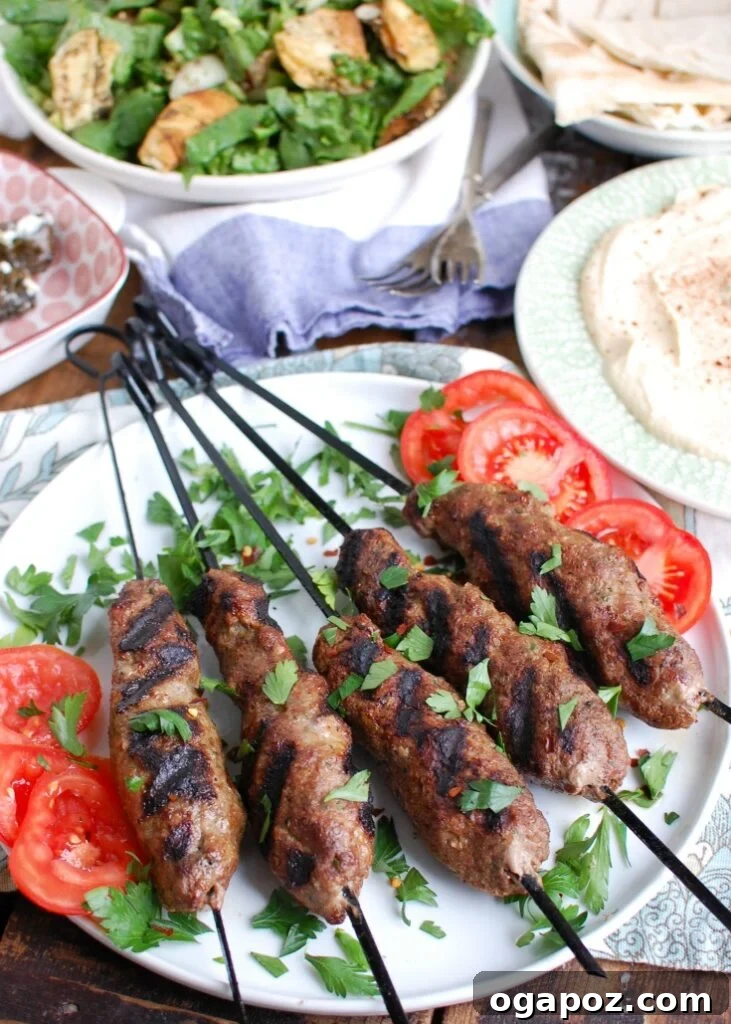
Elevate Your Meal: What to Serve with Beef Kafta Kebabs
Beef Kafta Kebabs are incredibly versatile and pair wonderfully with a wide array of side dishes, transforming a simple meal into a full Middle Eastern feast. Here are some of my top recommendations:
Classic Dips & Spreads:
- Creamy Hummus: A must-have pairing, the rich and savory chickpea dip perfectly complements the spiced beef.
- Smoky Baba Ghanoush: The roasted eggplant dip offers a delightful contrast in flavor and texture.
- Tangy Tahini Sauce: A drizzle of homemade tahini garlic sauce adds a zesty, creamy finish that brightens the entire dish.
- Garlicky Toum: For garlic lovers, this Lebanese garlic whip is an intense and irresistible condiment.
Fresh Salads:
- Refreshing Tabbouleh: The vibrant parsley and bulgur salad provides a fresh, herbaceous counterpoint.
- Crisp Fattoush: A classic bread salad with crunchy pita pieces and a tangy sumac dressing.
- Mediterranean Bean Salad: A hearty and nutritious salad featuring various beans, fresh vegetables, and a light vinaigrette, like this Mediterranean Bean Salad.
- Easy Lebanese Salad: A simple yet flavorful mix of chopped cucumbers, tomatoes, and lettuce, dressed lightly, similar to this Easy Lebanese Salad or a Mediterranean Chopped Salad.
Hearty Side Dishes:
- Mediterranean Roasted Vegetables: A colorful assortment of seasonal vegetables roasted to perfection, such as these Mediterranean Roasted Vegetables.
- Za’atar Roasted Carrots: Sweet carrots infused with earthy Za’atar spice, like these Za’atar Carrots.
- Roasted Cauliflower: Simple yet satisfying, this Mediterranean Roasted Cauliflower offers a tender, slightly charred texture.
- Spicy Lebanese Potatoes: Bold and flavorful potatoes with a kick, try these Spicy Lebanese Potatoes.
- Lemon Cilantro Roasted Potatoes: Bright and zesty, a perfect complement to the rich kafta, similar to these Lemon Cilantro Roasted Potatoes or Garlic Roasted Potatoes with Paprika.
Breads & Grains:
- Warm Pita Bread: Essential for scooping up kafta, dips, and salads.
- Crispy Pita Chips: A fantastic textural addition, especially when paired with hummus. You can even make homemade baked pita chips.
- Vermicelli Rice: A classic Middle Eastern rice dish, lightly toasted vermicelli pasta mixed with fluffy white rice, offering a comforting and delicious base.
Frequently Asked Questions (FAQ) About Beef Kafta
Here are answers to some common questions about making delicious Beef Kafta Kebabs:
For the juiciest and most flavorful kafta, an 80/20 blend (80% lean, 20% fat) of ground beef is highly recommended. The fat renders during cooking, keeping the kebabs moist and tender. While you can use leaner ground beef, you might find the kafta a bit drier.
How can I keep the kafta from falling apart on the grill?
Several factors contribute to well-bound kafta. Firstly, ensure that your onions, garlic, and herbs are very finely chopped, ideally in a food processor, so they don’t create large pockets that weaken the structure. Secondly, mixing the kafta ingredients thoroughly until the beef starts to become a thick, cohesive mixture is key. Finally, refrigerating the mixture for at least 30 minutes before shaping helps it firm up and bind better, significantly reducing the chances of it falling apart on the skewers or grill.
Can I prepare beef kafta ahead of time?
Absolutely! Kafta is excellent for meal prep. You can prepare the mixture and shape the kebabs up to 24 hours in advance, storing them covered in the refrigerator. For longer storage, you can freeze the shaped, uncooked kafta kebabs for up to 3 months. Thaw them in the refrigerator overnight before cooking.
Are there alternative cooking methods besides grilling?
Yes, kafta kebabs are very versatile! Besides grilling, you can bake them in the oven (at 400°F/200°C for 15-20 minutes, flipping halfway), cook them in a skillet on the stovetop (medium-high heat, 3-4 minutes per side), or even use an air fryer (at 375°F/190°C for 10-15 minutes, flipping halfway). Each method yields delicious results, allowing you to enjoy kafta no matter your kitchen setup.
Can I make this recipe gluten-free?
Yes, you can easily adapt this recipe to be gluten-free. Simply substitute the regular breadcrumbs with an equal amount of gluten-free breadcrumbs. Alternatively, you can omit the breadcrumbs entirely; the egg and thorough mixing will still provide some binding, though the texture might be slightly different.
Tried this recipe? Leave a star rating and comment below! Subscribe to my newsletter or follow me on Facebook, Instagram, or Pinterest for the latest.
Beef Kafta Kebab Recipe
Video
Ingredients
For the Beef Kafta:
- 1 1/2 pounds ground beef
- 4 garlic cloves, minced
- 1/2 of a medium sweet onion, finely chopped
- 2 tablespoons fresh parsley, finely chopped
- 2 tablespoons fresh mint, finely chopped
- 3/4 teaspoon salt
- 1/8 teaspoon black pepper
- 1 teaspoon cumin
- 1 teaspoon coriander
- 1 teaspoon cinnamon
- 1/2 teaspoon allspice
- 1/2 teaspoon cloves
- 1/4 teaspoon red pepper flakes {optional}
- 1/4 teaspoon cayenne pepper {optional}
- 1/2 teaspoon oregano
- 1 egg
- 1/4 cup breadcrumbs
For the Tahini Garlic Sauce:
- 1 cup tahini
- 3/4 cup warm water {you might need more depending on the consistency you like}
- 4 cloves garlic
- 1/4 cup fresh lemon juice, or more to taste {1 lemon usually does the trick}
- 1/4 tsp salt, or more to taste
Instructions
For the Beef Kafta:
-
If you are using wooden skewers you will want to soak them for an hour before you grill. If you are using metal skewers set about 6-8 aside depending on how big you want to make your kebabs.
-
Preheat the grill on medium-high heat for 10- 15 minutes before you start grilling.
-
In a food processor chop the onion and garlic until finely chopped.
-
Add the ground beef, parsley, mint, salt, pepper, cumin, coriander, cinnamon, allspice, cloves, red pepper flakes, cayenne pepper, oregano and give it a few pulses.
-
Add the egg and process until the beef starts to become a thick mixture and everything is pretty well mixed together.
-
Add the breadcrumbs and process until everything is combined. Remove the beef mixture from the food processor and put it into a large mixing bowl.
-
Optional: Refrigerate the beef mixture for 30 minutes before shaping to help the mixture hold and bind better.
-
Use your hands to form 1 to 1 1/2 inch thick kebabs around the skewers making them as long as you want. Do this using each of the skewers until your beef is done.
-
Put the kebabs on the grill and grill them over the medium-high heat for about 4-5 minutes on one side, flip and grill another 4 to 5 minutes.
-
Serve the kebabs with your favorite pita, hummus, tabbouleh and a drizzle of the tahini garlic sauce.
For the Tahini Garlic Sauce:
-
Put all the ingredients for the Tahini Garlic Sauce in a food processor and process until everything is combined and the sauce is smooth. Add more water to reach the consistency you like.
Notes
- These Grilled Beef Kafta Kebabs work great in many meals. Try adding them on top of Fattoush or alongside Tabbouleh. Make a pita sandwich out of the beef along with tomato, a scoop of tabbouleh, hummus and the tahini garlic sauce.
- Traditional beef kafta doesn’t always use breadcrumbs but I like to add that in to help with the consistency of the meat and make it easier to form into kebabs on the skewers.
Nutrition
Nutrition information is automatically calculated, so should only be used as an approximation.