
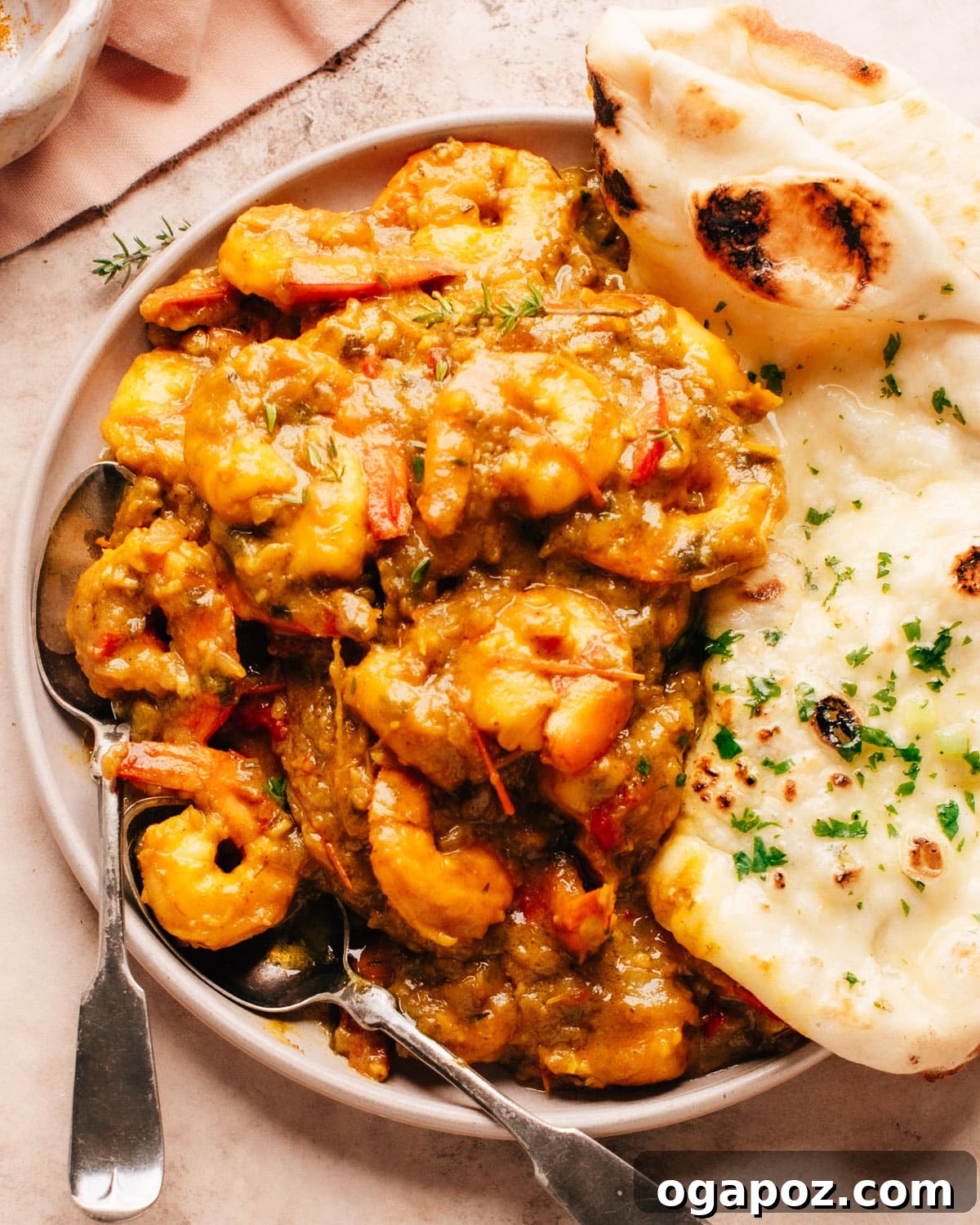
Jamaican Curry Shrimp is more than just a meal; it’s a vibrant journey to the heart of the Caribbean, delivered right to your dinner table in just 30 minutes. This incredibly easy recipe promises an explosion of bold, authentic island flavors, featuring succulent shrimp enveloped in a rich, spicy, and utterly delicious coconut sauce. If you’re craving a taste of the tropics without spending hours in the kitchen, this fuss-free dish is your new go-to.
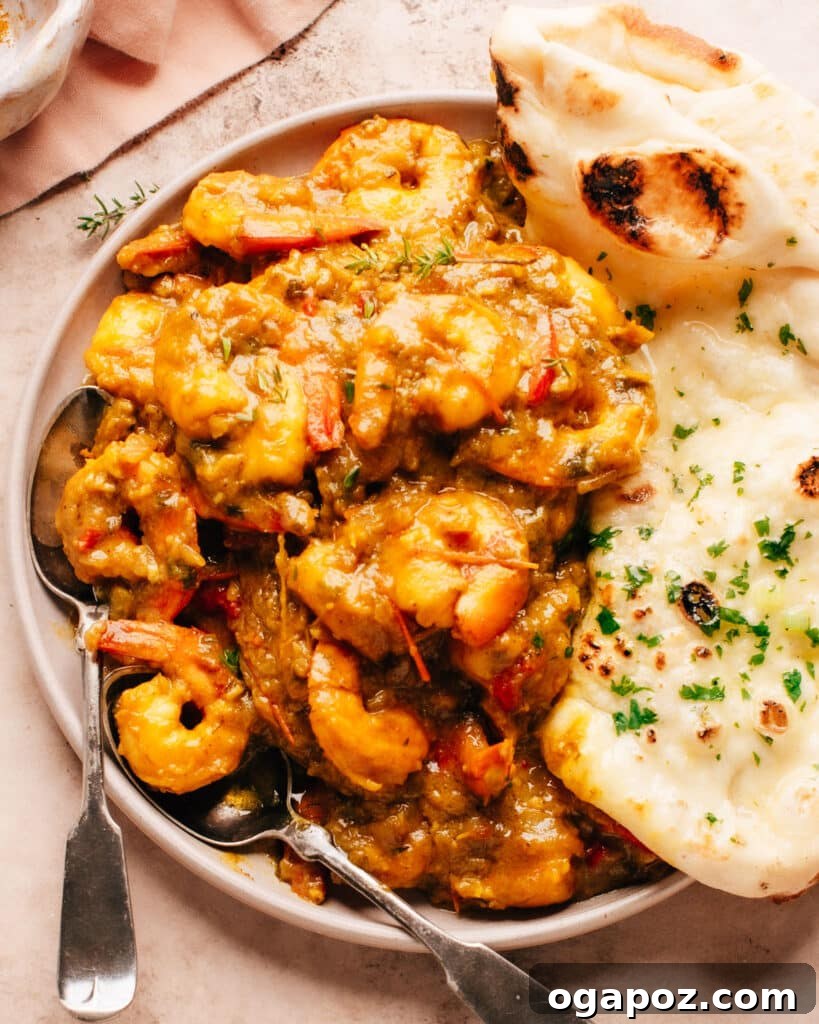
Why You’ll Absolutely Love This Jamaican Curry Shrimp
There are countless reasons to fall in love with this incredible Jamaican Curry Shrimp recipe. It masterfully balances simplicity with profoundly complex flavors, making it a standout dish that’s both accessible for home cooks and deeply satisfying for seasoned palates.
- Unforgettable Flavor Profile: The foundation of this dish is a beautifully crafted blend of robust curry powder and luscious coconut milk. However, it’s the strategic layering of slow-cooked onions and bell peppers, combined with a generous hit of fresh garlic, that truly elevates this curry. Each ingredient plays a crucial role, building a sauce that’s rich, aromatic, and explodes with authentic Caribbean taste. You’ll be amazed at how such simple components can create such a dynamic and unforgettable flavor.
- Effortless & Speedy Weeknight Winner: In today’s busy world, finding a recipe that delivers big on flavor without demanding hours of your time is a true treasure. This Jamaican Curry Shrimp comes together in approximately 30 minutes, from start to finish. This makes it an ideal solution for a mid-week dinner when you need something quick, fuss-free, yet utterly delicious. Say goodbye to boring weeknight meals and hello to a vibrant, satisfying dish ready in a flash!
- Versatile & Customizable: While the recipe provides a classic foundation, it’s also incredibly adaptable. You can easily adjust the spice level to your preference, experiment with different types of peppers, or even add other vegetables. Its versatility ensures that it can be tailored to suit various tastes and dietary needs, making it a favorite for everyone at the table.
- A Taste of the Islands: For those who dream of Caribbean getaways, this curry shrimp brings the warmth and spice of the islands directly to your kitchen. It’s a perfect dish for entertaining guests or simply treating yourself to an exotic culinary escape.
Essential Ingredients for Jamaican Curry Shrimp
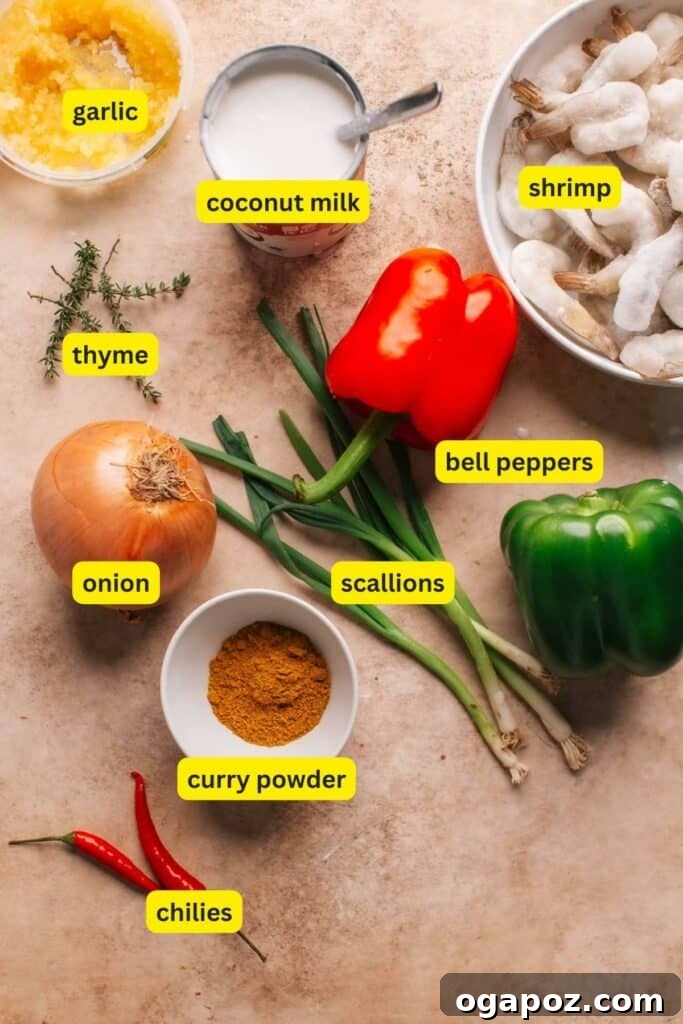
Crafting this flavor-packed Jamaican Curry Shrimp starts with selecting the right ingredients. Each component contributes to the distinctive character and depth of this beloved Caribbean dish. Here’s a closer look at what you’ll need to create this culinary masterpiece:
- Oil: The cooking oil sets the stage for sautéing your aromatics. While any favorite vegetable oil works, consider options like coconut oil for an added layer of tropical flavor that complements the dish beautifully, or avocado oil for its high smoke point and neutral taste.
- Onion: Yellow onion is a cornerstone of most curries, providing a sweet and savory base. When slow-cooked, it caramelizes and melds into the sauce, creating a rich foundation without any harshness.
- Scallions (Green Onions): These slender, flavorful greens add a crucial element of freshness and a mild, peppery bite to the sauce. They’re often used as a garnish too, but integrating them early in the cooking process imparts a subtle, vibrant onion flavor throughout the curry.
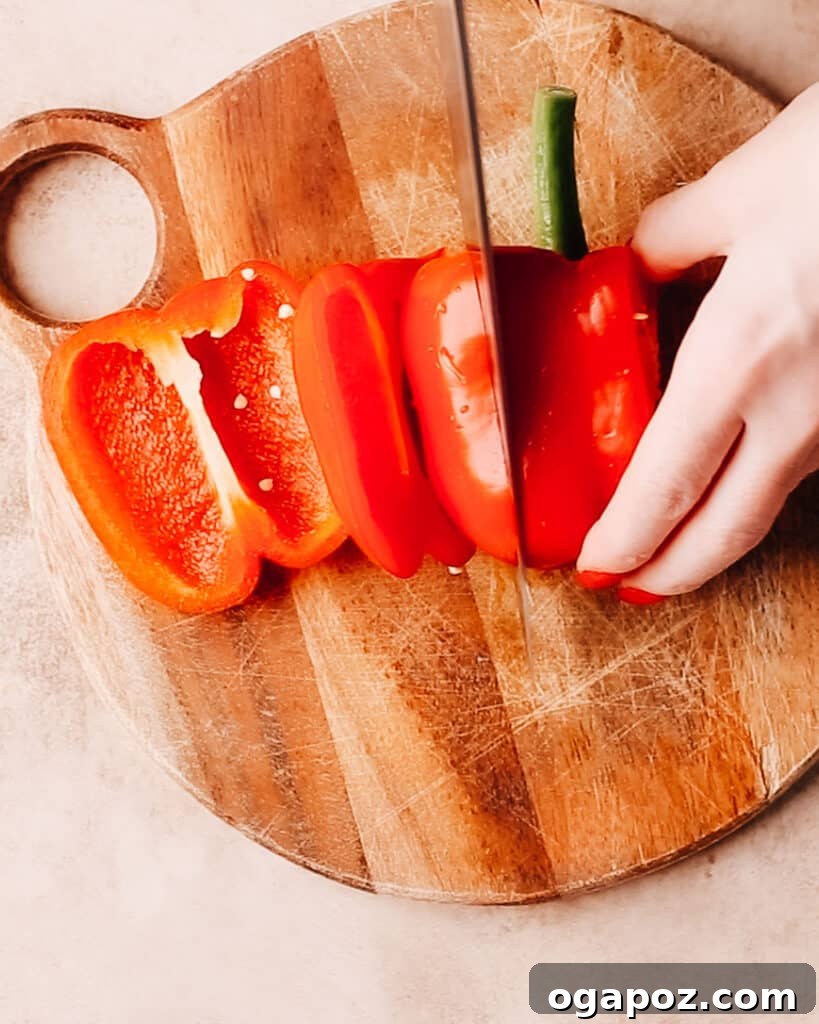
- Bell Peppers (Green and Red): Don’t be deterred if you’re not typically a fan of bell peppers! In this recipe, green and red bell peppers are cooked down until they are incredibly soft, practically melting into the sauce. They caramelize alongside the onions, lending a delicate sweetness and a complex vegetal depth that you won’t distinctly identify as “pepper-y,” but rather as an integral part of the curry’s robust flavor. They certainly don’t retain the firm texture of peppers in a stir-fry; they truly disappear into the luscious sauce. If you absolutely prefer not to use them, you can omit them, though they contribute significantly to the overall taste.
- Scotch Bonnet Pepper: This is where the Caribbean heat comes in! Scotch bonnet peppers are renowned for their intense fruity flavor and potent spice level, making them a staple in Jamaican cuisine. They can be quite fiery, so handle with care. If scotch bonnets are hard to find in your area, a habanero pepper is the closest substitute in terms of heat and flavor profile. For a milder curry, you can opt for two Thai red chilies or two green chilies, but be aware the dish will have less heat. Remember to adjust to your personal spice preference.
- Salt: Essential for enhancing all the other flavors. I often reach for Kosher salt for its clean taste and coarser texture, which makes it easy to measure. Pink Himalayan salt is another excellent option, offering a subtle minerality.
- Garlic: Freshly minced garlic is non-negotiable for its pungent, aromatic contribution. It’s crucial to use fresh garlic for the best flavor, and to monitor it carefully during cooking to prevent burning, which can turn the entire sauce bitter.
- Curry Powder: The heart of any curry! For Jamaican curry, the blend typically includes warming spices like coriander, cumin, turmeric, allspice, and sometimes fenugreek. You can choose a mild, medium, or hot curry powder based on your heat preference. The unique combination of these spices gives Jamaican curry its distinctive warm, earthy, and slightly sweet undertones, setting it apart from other curry styles. Don’t worry about finding a specific “Jamaican” brand; a good quality North American curry powder works wonderfully here.
- Coconut Milk: The key to a wonderfully creamy and rich sauce. Full-fat canned coconut milk is highly recommended for achieving that silky texture and decadent mouthfeel. If you’re feeling adventurous, homemade coconut milk can elevate the freshness even further.
- Thyme: This aromatic herb adds a distinctly fragrant and earthy note that is characteristic of Jamaican cooking. Just a couple of sprigs infuse the curry with a unique, herbaceous aroma that truly brings out the authentic island flavor. It’s a small addition that makes a huge difference.
- Shrimp: The star protein! Choose plump, juicy uncooked shrimp, preferably on the larger side (e.g., large or jumbo). Both fresh and frozen shrimp work well, as long as they are peeled and deveined. If using frozen, ensure they are properly thawed before cooking to prevent overcooking and rubbery texture. You can often buy them pre-peeled and deveined for convenience, or easily do it yourself.
Mastering the Art of Jamaican Curry Shrimp: A Step-by-Step Guide
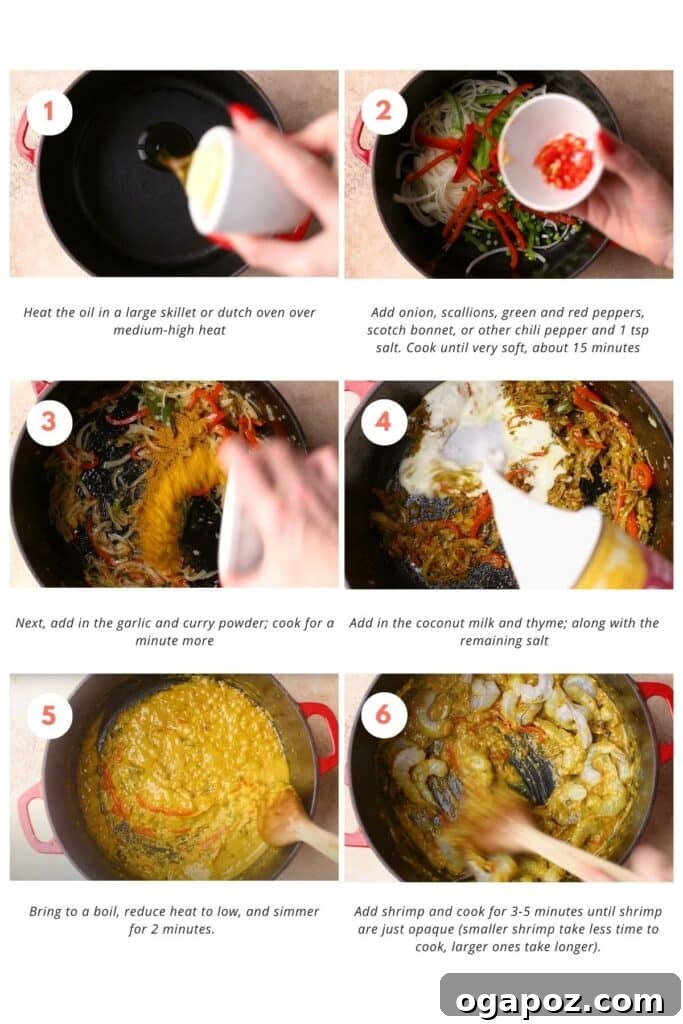
Creating this flavorful Jamaican Curry Shrimp is surprisingly straightforward, involving a series of simple steps that build layers of incredible taste. The process focuses on carefully cooking the aromatics and spices before introducing the creamy coconut milk and finally, the tender shrimp. Here’s how to whip up this speedy and spectacular meal:
- Sauté the Aromatics: Begin by heating your chosen oil (such as coconut or avocado oil) in a large skillet or a sturdy Dutch oven over medium-high heat. Once the oil is shimmering, add the finely chopped yellow onion, scallions, sliced green and red bell peppers, minced Scotch bonnet (or your chosen chili pepper), and 1 teaspoon of salt. This initial sautéing phase is crucial for developing the deep flavor base of your curry. Cook these ingredients patiently, stirring occasionally, until they become very soft and translucent, which typically takes about 15 minutes. Don’t rush this step; allowing the vegetables to fully soften and caramelize coaxes out their natural sugars, adding an essential sweetness and depth to the sauce.
- Bloom the Garlic and Curry Powder: Once your vegetables are perfectly tender, it’s time to introduce the aromatic powerhouses. Add the minced garlic and curry powder to the skillet. Continue to cook for just 1 minute more, stirring constantly. This brief cooking period, often referred to as “blooming” the spices, allows their essential oils to release, intensifying their fragrance and flavor without burning. Be mindful of the garlic here, as fresh garlic can burn quickly, which can impart a bitter taste to your sauce.
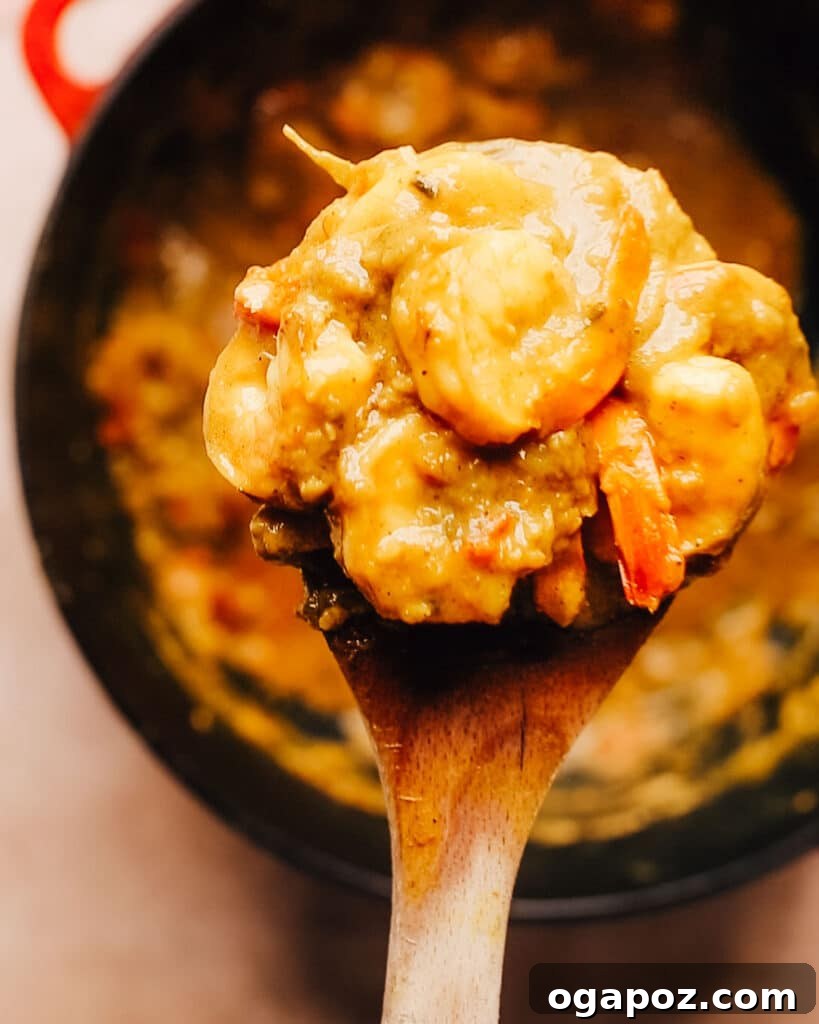
- Simmer the Coconut Curry Sauce: Pour in the full-fat coconut milk and add the fresh thyme sprigs along with the remaining salt. Bring the mixture to a gentle boil, then immediately reduce the heat to low. Allow the sauce to simmer for just 2 minutes. This short simmer allows the flavors to meld together beautifully and the sauce to thicken slightly, creating that rich, creamy base for your shrimp.
- Add and Cook the Shrimp: Finally, add your peeled and deveined shrimp to the simmering sauce. Stir gently to ensure all the shrimp are coated. Cook for 3-5 minutes, or until the shrimp are just opaque and pink. The cooking time will vary depending on the size of your shrimp – smaller shrimp will cook faster, while larger ones will require a bit more time. It’s crucial not to overcook the shrimp, as they can become rubbery and lose their tender texture. As soon as they turn opaque, they are ready. Remove the pan from the heat immediately.
Perfect Pairings: What to Serve with Jamaican Curry Shrimp
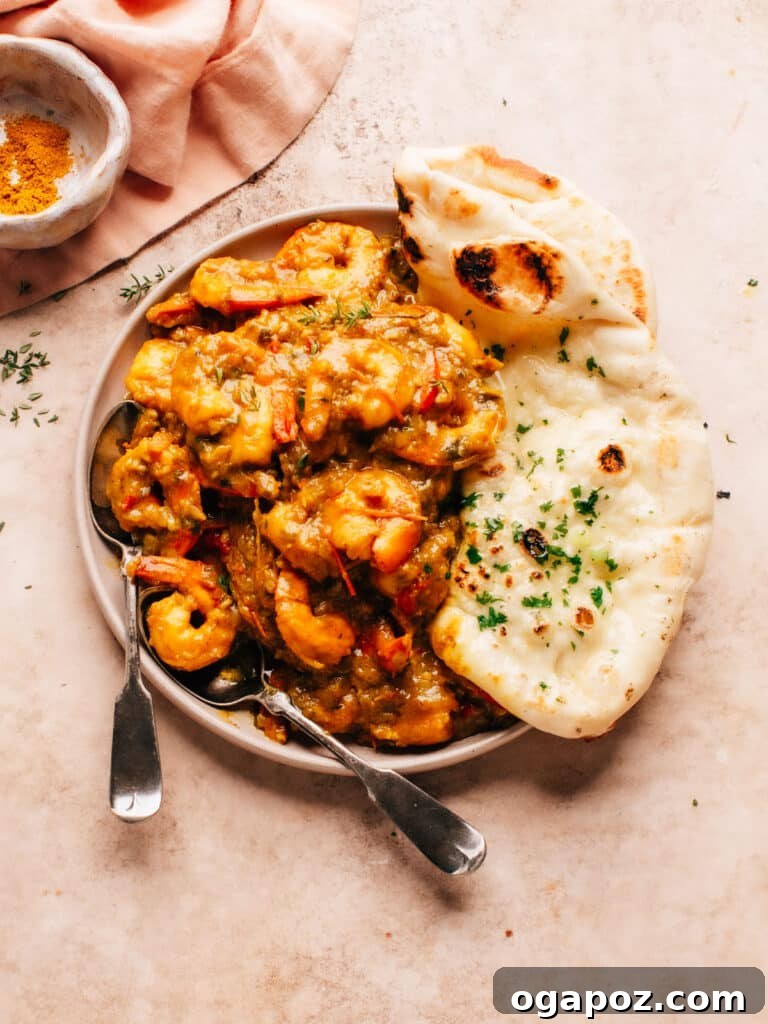
Jamaican Curry Shrimp is a star dish that deserves equally delightful accompaniments. Its rich, spicy, and creamy profile pairs wonderfully with a variety of sides that can either soak up the delicious sauce or provide a refreshing contrast. Here are some ideal serving suggestions to complete your Caribbean feast:
- Fluffy White Rice: A classic and arguably the best accompaniment. A simple pot of freshly boiled fluffy white rice is perfect for soaking up every drop of that irresistible spicy coconut curry sauce. Basmati or jasmine rice are excellent choices.
- Warm Naan Bread or Roti: For those who love to scoop and savor, a fresh batch of warm, pillowy Butter Naan or traditional Caribbean roti (such as paratha roti or dhalpuri) is an absolute must. The soft bread is fantastic for mopping up the flavorsome sauce.
- Cucumber Mango Salad with Mint Chili Vinaigrette: To balance the richness and spice of the curry, a bright and refreshing side salad is ideal. A crisp Cucumber Mango Salad with Mint Chili Vinaigrette would add a wonderful tropical vibrance and cooling effect, cutting through the creaminess with its fresh, tangy notes.
- Steamed Vegetables: Simple steamed greens like callaloo (a traditional Caribbean leafy green), spinach, or green beans can offer a healthy and light contrast.
- Plantains: Fried sweet plantains (maduros) or savory green plantains (tostones) are another authentic Caribbean side that would perfectly complement the curry. Their unique texture and flavor provide a delicious counterpoint.
- A Sweet Finish: To conclude your tropical meal, a light and refreshing dessert would be fantastic. Consider homemade Mango Ice Cream or a fresh fruit salad to cleanse the palate.
Make Ahead Instructions for Convenience
While Jamaican Curry Shrimp is best enjoyed fresh from the pan to ensure perfectly tender shrimp, you can certainly prepare some components in advance to make dinner time even quicker. This is particularly helpful for busy weeknights.
- Vegetable Prep: All the vegetables – onions, scallions, bell peppers, and chili – can be chopped and ready to go hours, or even a day, before cooking. Store them in airtight containers in the refrigerator.
- Spice Blend: Measure out your curry powder and other spices in advance. This saves precious time during the cooking process.
- Garlic & Thyme: Mince the garlic and wash/strip the thyme leaves ahead of time.
- Shrimp Prep: If using frozen shrimp, thaw them completely (see Pro Tips below) and ensure they are peeled and deveined just before you’re ready to cook.
Remember, the shrimp cooks very quickly, and reheating cooked shrimp can easily lead to an overcooked, rubbery texture. For the absolute best results, cook the shrimp into the sauce just before serving. However, having your mise en place ready means the actual cooking time will be reduced to mere minutes!
Storing Leftover Jamaican Curry Shrimp
If you happen to have any leftovers of this delicious curry (which is rare!), proper storage is key to maintaining its quality. Store your leftover Jamaican Curry Shrimp in an airtight container in the refrigerator. It will keep well for about 2 days. Be aware that the texture of shrimp can change slightly upon reheating, sometimes becoming a bit firmer. To reheat, do so gently on the stovetop over low heat, or in the microwave, just until warmed through, trying not to overcook the shrimp further. Adding a splash of water or coconut milk can help restore the sauce’s consistency if it has thickened too much.
Jamaican Curry vs. Indian Curry: Understanding the Differences
While Jamaican curry is deeply flavorful and carries the undeniable influence of Indian curry (brought to the island by indentured laborers in the 19th century), it has evolved into a distinct culinary tradition. Both styles are incredibly delicious, but they possess key differences in taste, ingredients, and cooking methods that set them apart.
- Flavor Profile: Jamaican curry tends to be more aromatic and slightly less complex in its spice blend compared to many regional Indian curries. It often features a brighter, more herbal note due to the prominent use of Scotch bonnet peppers, allspice, and fresh thyme. Indian curries, on the other hand, can range from rich and creamy to tangy and spicy, often incorporating a wider array of spices, sometimes toasted whole and ground fresh, creating deeper, more layered flavors.
- Common Spices: The Jamaican curry powder blend typically includes turmeric (for color and earthy notes), coriander, cumin, allspice, fenugreek, and sometimes ginger and garlic powder. The inclusion of allspice is particularly distinctive to Jamaican cuisine, lending a unique warm, woody, and slightly sweet flavor. Indian curry powders (or masalas) are incredibly diverse, varying by region and household, but commonly feature turmeric, cumin, coriander, ginger, garlic, cardamom, cloves, cinnamon, and various chili powders.
- Base Ingredients: Coconut milk is a very common base in Jamaican curries, contributing to their signature creamy texture and tropical sweetness, especially in coastal areas. While coconut milk is used in South Indian curries, many North Indian curries rely on a base of yogurt, tomatoes, or cream. Additionally, Jamaican curries often feature ingredients readily available on the island, such as fresh thyme, scallions, and a heavy reliance on the fiery Scotch bonnet pepper for heat.
- Cooking Methods: Jamaican curries are often simmered for a relatively shorter period, especially when seafood like shrimp is involved, to prevent toughness. The focus is on quick flavor development. Many Indian curries, particularly meat-based ones, can involve longer simmering times to tenderize the meat and allow flavors to deepen over hours.
In essence, while they share a common ancestor, Jamaican curry has blossomed into its own unique and cherished culinary expression, reflecting the vibrant culture and bounty of the island.
Frequently Asked Questions About Jamaican Curry Shrimp
Caribbean curry, including Jamaican curry, is typically made with a distinctive blend of spices that often includes coriander, cumin, turmeric, and crucially, allspice, which gives it a unique warmth and depth. Sometimes fenugreek is also included. These spices are cooked with a variety of vegetables (like onions, scallions, bell peppers) and often feature coconut milk as a creamy base. It’s commonly prepared with meats such as chicken, goat, or fish, and in this delicious recipe, with tender shrimp.
The presence and popularity of curry in Caribbean cooking are a rich legacy of the cultural exchange that occurred during the British Empire. Indian indentured laborers, who were brought to various island nations like Jamaica, Trinidad, and Guyana after the abolition of slavery, brought with them their culinary traditions and spices. Over time, these Indian cuisines adapted to the local ingredients and preferences of the Caribbean, evolving into the unique and vibrant curry styles we know and love today.
Yes, Jamaican curry powder typically differs from most Indian curry powders, though both share common base spices. Jamaican curry powder usually features a blend that emphasizes coriander, cumin, turmeric, and most distinctively, allspice, sometimes with fenugreek. Allspice provides a warm, slightly sweet, and woody note that is a hallmark of Jamaican flavors. In contrast, Indian curry powders (or Garam Masalas) are incredibly diverse, varying widely by region and family recipe, but generally contain a broader array of spices such as turmeric, cumin, coriander, ginger, cardamom, cloves, and various chili types. For this particular recipe, you don’t necessarily need to seek out a specialty Jamaican curry powder; the basic curry powder commonly stocked in North American grocery stores will work perfectly and deliver fantastic flavor.
The spice level of Jamaican Curry Shrimp can be easily customized to your preference. Traditionally, it gets a significant kick from Scotch bonnet peppers. If you use a whole Scotch bonnet, expect a fiery and vibrant heat. However, you can control the spice by using less chili, choosing a milder substitute like a habanero (which is still quite hot), or opting for two Thai red chilies or even green chilies for a more moderate warmth. You can also remove the seeds and membranes from the chili before mincing to reduce its heat significantly while retaining some of its fruity flavor. Always adjust to your comfort level!
Pro Tips and Tricks for the Best Jamaican Curry Shrimp
To ensure your Jamaican Curry Shrimp is nothing short of spectacular, keep these expert tips in mind:
- Enhance with Jamaican All-Purpose Seasoning: For an even more authentic taste, reminiscent of what you’d experience on the island, consider adding 1-2 teaspoons of Jamaican “all-purpose seasoning”. This potent blend typically contains a mix of salt, pepper, garlic, onion, and various herbs, providing an extra layer of savory depth and genuine island flavor to your curry. Add it along with the curry powder for maximum impact.
- Proper Shrimp Thawing Technique: If you’re using frozen shrimp, the best way to thaw them is slowly and gently in a large bowl filled with cold water. Place the shrimp in a colander in the bowl, or directly in the bowl, ensuring they are submerged. Never use warm or hot water, as this can start to cook the shrimp prematurely and compromise their texture. Refresh the cold water every 10-15 minutes until the shrimp are fully thawed. This method ensures the shrimp remain tender and juicy when cooked.
- Don’t Rush the Sautéing of Onions and Peppers: The initial step of softening the onions and bell peppers is absolutely critical and should not be hurried. Cooking them down fully for about 15 minutes coaxes out their natural sugars, leading to a beautiful caramelization that adds essential sweetness and depth to your curry sauce. This slow process also ensures that the onions melt right into the sauce, becoming imperceptible in texture, rather than having crisp-tender pieces in your final dish. Patience here pays off immensely in the richness of your curry.
- Monitor Your Garlic: While blooming the curry powder and garlic adds tremendous flavor, fresh garlic burns quickly. Keep a close eye on it during step 2 of the instructions, stirring constantly for just one minute. Burnt garlic will introduce a harsh, bitter note that can significantly detract from the overall taste of your curry.
- Avoid Overcooking Shrimp: Shrimp cook very rapidly, typically turning opaque in just 3-5 minutes. Overcooked shrimp become tough and rubbery. Keep a keen eye on them and remove the pan from heat as soon as they are fully pink and opaque. The residual heat will continue to cook them slightly even after removal.
Other Irresistible Shrimp Recipes You Don’t Want to Miss
If you’ve loved this Jamaican Curry Shrimp, you’re in for a treat with these other fantastic shrimp dishes that showcase the versatility and deliciousness of this popular seafood:
- Creamy Shrimp Korma: Indulge in this rich, nutty, and exquisitely creamy Indian shrimp korma, a truly satisfying dish bursting with delicate spices.
- Chorizo Paella with Shrimp and Chicken: Experience the vibrant flavors of Spain with this hearty paella, combining smoky chorizo, tender chicken, and succulent shrimp in a fragrant saffron rice.
- Refreshing Shrimp, Corn, and Avocado Ceviche: A bright and zesty dish, perfect for warm weather, featuring fresh shrimp “cooked” in citrus, mixed with sweet corn and creamy avocado.
- Chard and Zucchini Shrimp Alfredo: A lighter twist on a classic, this creamy Alfredo pasta is loaded with healthy chard and zucchini, complemented by tender shrimp.
Rated 5 out of 5 stars by 12 readers.
Jamaican Curry Shrimp
Ingredients
- 4 tbsp oil
- 1 medium yellow onion finely chopped
- 4 scallions (green onions) finely chopped
- ½ medium green pepper sliced
- ½ medium red pepper sliced
- 1 scotch bonnet pepper minced (or 1 habanero, 2 Thai red chilies, or 2 green chilies – see notes for heat adjustment)
- 2 tsp kosher salt divided use
- 1 ½ tbsp minced garlic
- 2 tbsp curry powder
- 1 (14 oz) can full-fat coconut milk
- 2 sprigs fresh thyme
- 1 lb peeled deveined shrimp
Instructions
-
Heat oil in a large skillet or Dutch oven over medium-high heat. Add onion, scallions, green and red peppers, scotch bonnet (or other chili pepper), and 1 tsp salt. Cook until very soft, about 15 minutes.
-
Add minced garlic and curry powder; cook for 1 minute more, stirring constantly.
-
Add coconut milk and fresh thyme along with the remaining salt. Bring to a boil, then reduce heat to low and simmer for 2 minutes.
-
Add shrimp and cook for 3-5 minutes until the shrimp are just opaque and pink (smaller shrimp take less time to cook, larger ones take longer). Remove from heat immediately to prevent overcooking.
Notes
Keep in mind the size of your shrimp when you’re cooking them; a key goal with this recipe is to avoid overcooking, which leads to rubbery texture.
Always keep a close eye on your garlic during cooking to prevent it from burning, which can turn the sauce bitter.
Nutrition
Carbohydrates: 13g |
Protein: 2g |
Fat: 15g |
Saturated Fat: 1g |
Polyunsaturated Fat: 4g |
Monounsaturated Fat: 9g |
Trans Fat: 0.1g |
Sodium: 1331mg |
Potassium: 411mg |
Fiber: 4g |
Sugar: 5g |
Vitamin A: 827IU |
Vitamin C: 51mg |
Calcium: 74mg |
Iron: 2mg
Nutrition information is automatically calculated, so should only be used as an approximation.
Tried this recipe? Leave a comment!