
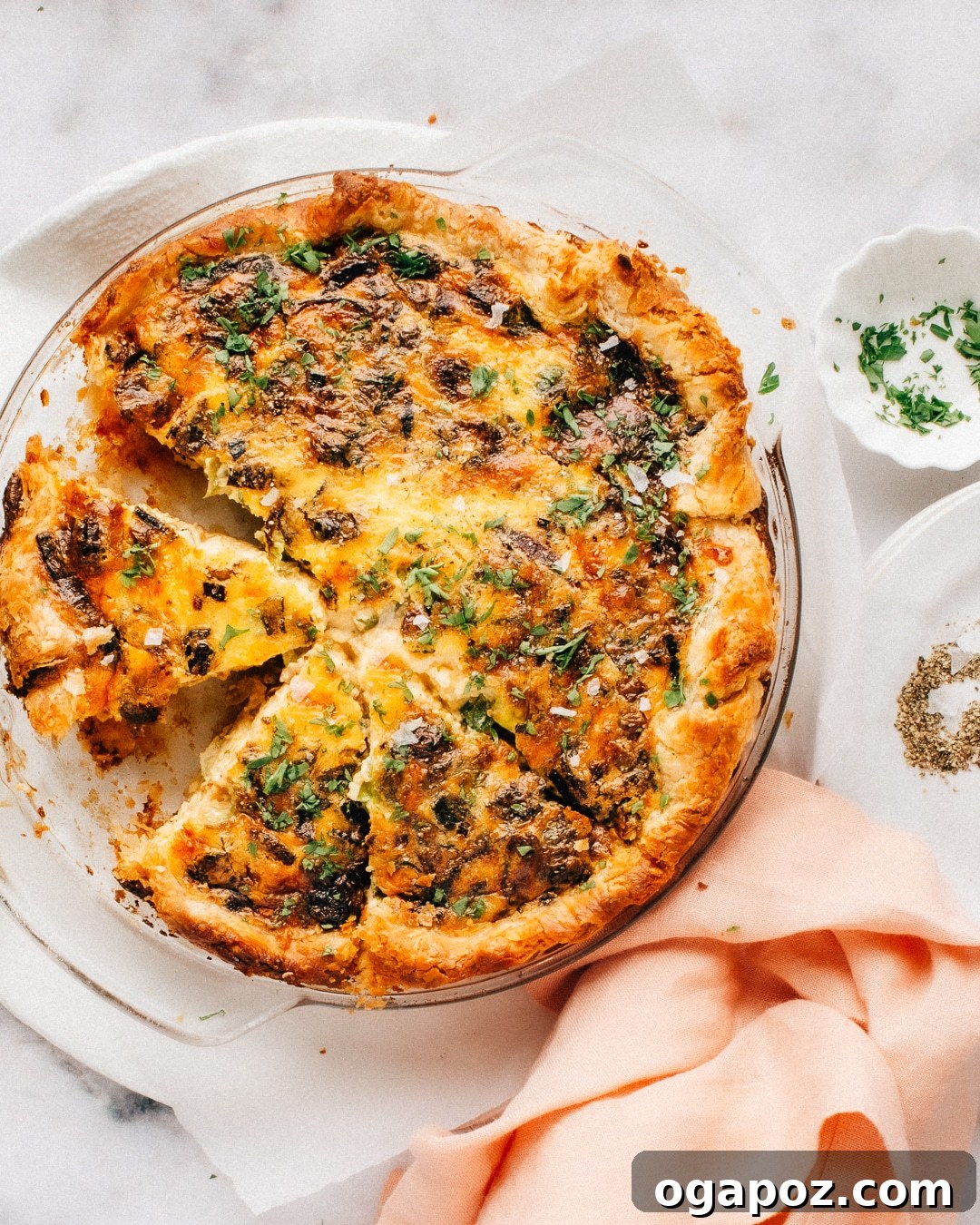
As a seasoned Food Scientist, I’ve spent countless hours in the kitchen perfecting the art of quiche. And now, I’m thrilled to share my tried-and-true secrets for crafting the BEST Spinach Mushroom Quiche you’ll ever taste. This recipe promises a remarkably flaky crust and a perfectly seasoned, irresistibly creamy filling every single time. Prepare to transform quiche skeptics into devoted quiche enthusiasts with this foolproof guide!
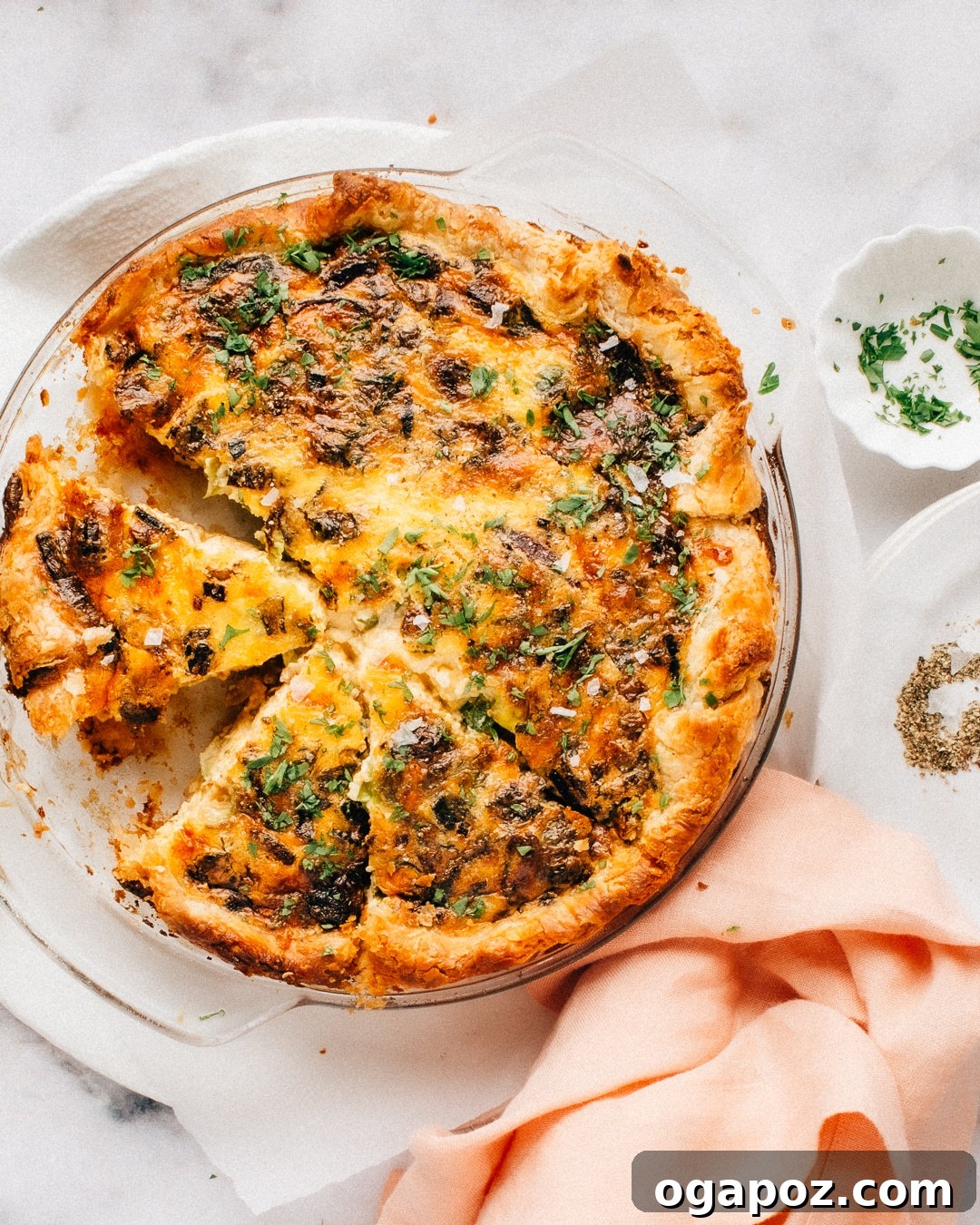
Mastering the Perfect Spinach Mushroom Quiche: A Food Scientist’s Guide
Creating a truly exceptional quiche might seem daunting, but with a few science-backed principles, you can achieve professional-level results at home. My expertise as a food science expert allows me to break down complex culinary processes into simple, actionable tips that guarantee success. Below are my top secrets designed to elevate your spinach mushroom quiche from good to absolutely amazing. These insights are key to understanding the ‘why’ behind each step, ensuring a perfect outcome.
Science-Based Secrets for an Unforgettable Spinach Mushroom Quiche
- Kickstart Baking at High Temperature (425°F): The initial blast of high heat is crucial for the crust. It rapidly sets the proteins and fats in the pie dough, creating a barrier that prevents the bottom crust from absorbing moisture from the filling and becoming soggy. This quick setting also contributes to a wonderfully crisp and flaky texture. Furthermore, high heat provides an initial “lift” to the filling, encouraging a lighter, airier custard before the temperature is reduced for gentle, even cooking. This two-stage baking process is a cornerstone of achieving quiche perfection, ensuring a golden, structurally sound crust and a delicate, creamy interior.
- Utilize a Preheated Baking Sheet: This simple step makes a significant difference. Placing your pie dish directly onto a preheated baking sheet ensures that the bottom of the crust receives immediate and consistent heat. This promotes thorough cooking and crispiness, preventing the dreaded “soggy bottom” that can plague homemade quiches. The thermal mass of the hot baking sheet acts as a radiant heat source, evenly distributing warmth across the entire base of the pie dish. As an added bonus, it provides a safety net, catching any potential spills from an overflowing filling or butter drips from the crust, keeping your oven clean.
- The Thermometer is Your Best Friend: Guessing when your quiche is done is a recipe for disaster, often leading to either an undercooked, runny center or an overbaked, rubbery texture. A reliable instant-read thermometer is indispensable. Quiche is perfectly cooked when its internal temperature reaches between 165°F and 185°F in the center. Aiming for the lower end of this range (165-170°F) will yield a luxuriously pillowy-soft, custardy texture – my personal favorite. If you prefer a firmer slice, akin to a frittata, baking it closer to 180-185°F will achieve that denser consistency. Consistent temperature measurement ensures perfect doneness every time, taking the guesswork out of baking.
- Prioritize Pre-cooking Vegetables: This is arguably one of the most critical steps for a creamy, not watery, quiche. Vegetables like mushrooms and spinach contain a considerable amount of moisture. If added raw to the quiche filling, they will release this water during baking, diluting the egg custard and leading to a soggy, undesirable result. Pre-cooking them (sautéing or roasting) evaporates excess water, concentrating their flavors and improving their texture. This process ensures your custard remains rich, thick, and perfectly creamy, with each bite bursting with intensified vegetable goodness.
- Achieve the Perfect Custard Texture (Without Over-mixing): The secret to a light and fluffy quiche filling lies in how you prepare your eggs and dairy. Whisking them until they are slightly frothy incorporates just enough air to create a delicate, airy structure that sets beautifully. However, it’s a fine balance – over-mixing can incorporate too much air, leading to a spongy, dry, or even “bubbly” consistency. The goal is a smooth, homogenous mixture with a slight frothy head, not a vigorous foam. Remember, when it comes to whisking quiche filling, more isn’t always better; gentle incorporation is key.
- Room Temperature Eggs and Dairy: For the most homogenous and smooth custard, ensure your eggs and dairy are at room temperature. Cold ingredients can cause the fats to seize or create lumps in the mixture, hindering a truly creamy texture. Room temperature ingredients blend more easily and evenly, contributing to a consistently smooth and tender custard.
This Spinach Mushroom Quiche recipe is designed for maximum flavor and ease, leaving you wanting just “MORE” with every bite. It’s the ideal hearty breakfast, a satisfying light lunch, or an elegant addition to any brunch spread. Go ahead, “steal” my perfected recipe, but be sure to pay close attention to the common mistakes to avoid, detailed further below, for truly flawless results!👇
Essential Ingredients for Your Perfect Quiche
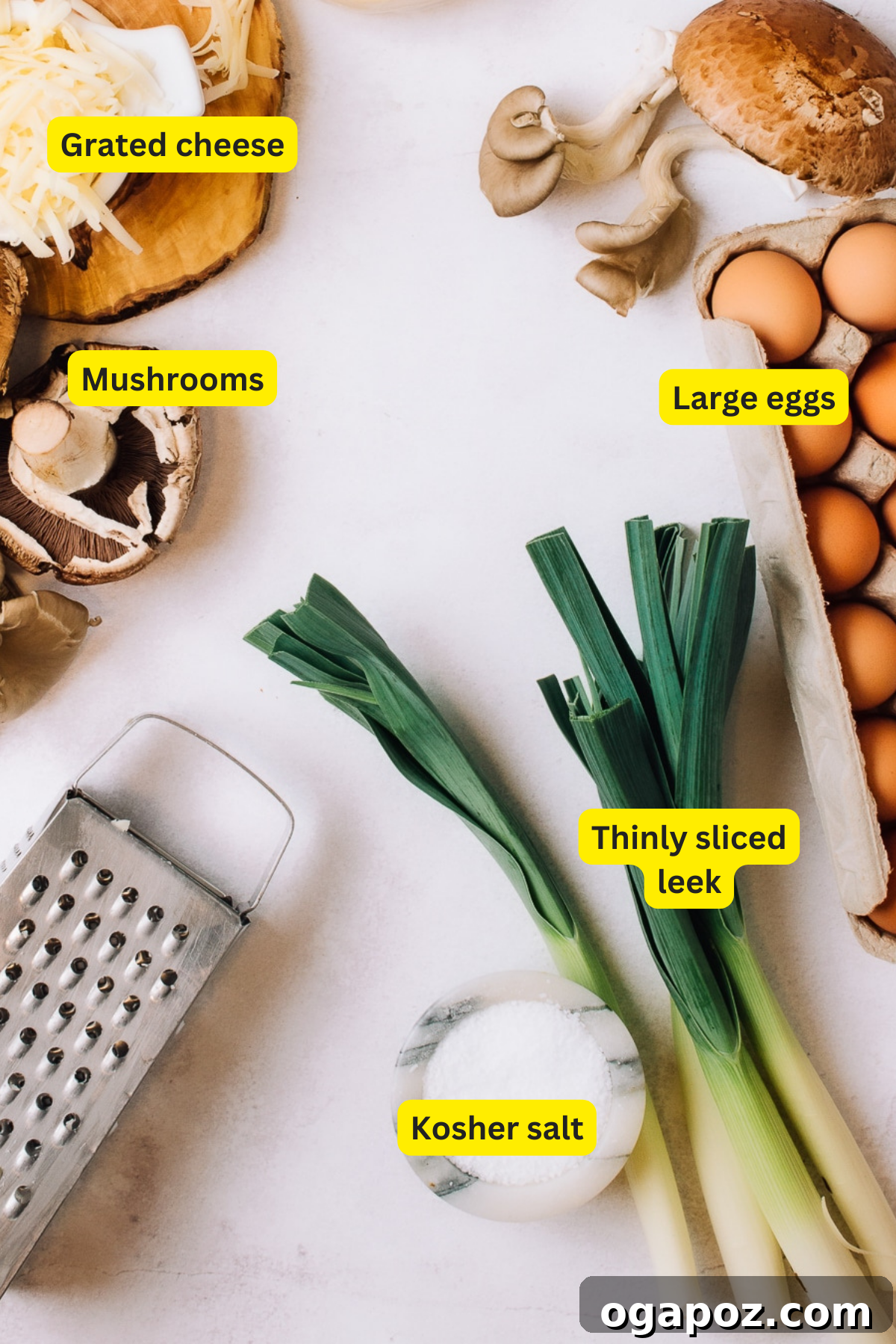
Gathering your ingredients is the first step towards a fantastic quiche. Thanks to the convenience of a ready-made or pre-prepared crust, the shopping list remains straightforward, focusing on fresh, high-quality components that deliver exceptional flavor and texture.
Spinach and Mushroom Quiche Ingredients
This recipe is particularly wonderful for utilizing those fresh mushrooms and spinach that might be lingering in your refrigerator, transforming them into a delightful meal:
- Chopped Mushrooms: The star of our quiche! You can use any variety you prefer, from humble button mushrooms to more robust cremini or even exotic porcini. Mushrooms are fantastic flavor sponges, absorbing all the savory notes of the dish. Ensure they are sliced or chopped to a consistent size for even cooking.
- Fresh Spinach, chopped: Whether you opt for fresh or frozen, spinach adds vibrant color and earthy flavor. If using frozen spinach, it’s absolutely crucial to thoroughly drain and squeeze out all excess water. This prevents it from releasing moisture into the filling and diluting the creamy egg mixture, which could lead to a watery quiche.
- Olive Oil: A good quality olive oil is essential for sautéing our vegetables. It not only prevents sticking but also imparts a wonderful depth and richness, enhancing the overall flavor profile of the quiche.
- Kosher Salt: Proper seasoning is key. Dividing the salt between the vegetable prep and the custard mixture ensures a balanced flavor throughout the quiche, preventing bland spots and highlighting the natural tastes of the ingredients.
- Thinly Sliced Leek (or Onion): Leeks offer a delicate, mild onion flavor with a subtle sweetness that I adore in quiche. They caramelize beautifully, adding a layer of sophisticated taste. If leeks are unavailable, white or yellow onions can be substituted, though their flavor will be stronger. Feel free to use what you have on hand.
- Large Eggs: The foundation of any quiche, eggs bind all the ingredients into a luscious custard. Using large eggs at room temperature is ideal, as they blend more smoothly and contribute to a more consistent texture.
- Cream or Milk: This dairy component is what gives quiche its characteristic creamy, custard-like consistency. Heavy cream will result in a supremely rich and indulgent texture, perfect for a decadent treat. Whole milk or even a lighter milk can be used for a slightly less caloric but still wonderfully set quiche. The choice depends on your preference for richness.
- Grated Cheese (Gruyère, Swiss, or Mild Cheddar): Cheese adds a crucial layer of flavor and helps the filling set. Gruyère and Swiss cheeses offer a nutty, slightly sharp complexity that is classic in quiche. For a creamier, more universally appealing taste, a good quality mild cheddar works beautifully. Experiment to find your favorite, based on your desired sharpness and meltability.
- Single-Crust Pie Dough: A buttery, flaky pie crust is non-negotiable for a truly outstanding quiche. It provides a delightful crisp base that perfectly complements the creamy filling. While store-bought crusts offer convenience, I highly recommend trying my no-fail easy pie crust recipe. For a single quiche, you’ll typically only need half a batch, allowing you to freeze the other half for future baking adventures.
Quiche Customization: Substitutions and Variations
One of the joys of quiche is its versatility. This recipe is a fantastic canvas for culinary creativity, allowing you to adapt it to your preferences, dietary needs, or whatever ingredients you have on hand. Here are some inspiring swaps and additions to make this quiche truly your own:
- Vegetable Swaps: Instead of mushrooms, consider diced zucchini, finely chopped bell peppers (red, yellow, or orange for color), or even rehydrated sun-dried tomatoes for a concentrated burst of flavor.
- Leafy Greens Alternatives: While spinach is wonderful, kale or Swiss chard are excellent substitutes. These heartier greens hold up well during cooking and add a slightly different texture and nutritional profile. Ensure they are finely chopped and pre-cooked to remove excess moisture.
- Aromatics: If leeks aren’t available or you prefer a different flavor, shallots offer a milder, sweeter onion taste, while green onions provide a fresher, lighter note. For garlic lovers, don’t hesitate to add a minced clove or two along with your chosen aromatic for an extra layer of savory depth.
- Dairy-Free Options: For those avoiding dairy, unsweetened coconut milk can be used in place of cream for a rich, albeit slightly different, flavor profile. Unsweetened almond milk offers a lighter, more neutral alternative. Be sure to use full-fat versions for best texture.
- Cheese Adventures: Explore different cheeses to dramatically change the quiche’s character. Tangy goat cheese or salty feta can add a wonderful sharp contrast to the creamy filling. For a dairy-free quiche, many plant-based shredded cheeses now melt quite well and can be a suitable alternative.
- Crust Innovations: For gluten-sensitive diets, a pre-made gluten-free pie crust is an easy swap. If you’re seeking an even lighter or flakier texture, consider using layers of phyllo dough. For a lower-carb option, a crust made from almond flour or cauliflower can work. Or, for the ultimate low-carb and gluten-free solution, simply SKIP THE CRUST ALTOGETHER and bake the filling directly in a well-greased pie dish or ramekins for a delicious mushroom crustless quiche!
- Flavor Enhancers: Elevate your quiche with additional herbs and spices. Fresh parsley, chives, or thyme can be finely chopped and mixed into the filling for a burst of freshness. A pinch of nutmeg (a classic quiche addition), a dash of black pepper, or a touch of smoked paprika can also add complexity. For extra savoriness, crumbled cooked bacon or ham can be folded in.
Essential Tools to Grab
You won’t need an arsenal of specialized equipment to make this quiche. Here’s a list of the basic tools that will make your cooking process smooth and efficient:
- Baking Sheet or Roasting Tray: Essential for pre-roasting your vegetables to concentrate their flavors and remove excess moisture. A large skillet can also be used for sautéing over medium heat.
- Large Mixing Bowl: For combining all your delicious filling ingredients until perfectly whisked.
- 9-inch Pie Dish: The ideal vessel for baking your quiche. Glass or ceramic pie dishes work well for even heat distribution.
- Whisk: To ensure your eggs and dairy are thoroughly combined and slightly frothy, creating that desirable creamy custard.
- Measuring Cups and Spoons: For accurate ingredient proportions, crucial for consistent results.
- Cutting Board and Knife: For preparing your vegetables with ease.
- Instant-Read Thermometer: Your secret weapon for knowing exactly when your quiche is perfectly cooked.
How to Make Spinach Mushroom Quiche: An Easy Step-by-Step Guide
Follow these straightforward steps, informed by food science principles, to effortlessly get your delectable quiche from preparation to your table in no time. Precision in these steps ensures a truly satisfying result.
Step 1: Prep and Roast the Vegetables. Preheat your oven to a robust 425°F (220°C). On a large baking sheet, spread out your chopped mushrooms, fresh spinach, and thinly sliced leeks. Drizzle generously with olive oil and sprinkle with ½ teaspoon of kosher salt. Toss everything together until the vegetables are evenly coated. Roast for 12-15 minutes, making sure to flip them halfway through the cooking time. The goal is beautifully browned and slightly tender vegetables, with most of their moisture evaporated. Once roasted, transfer the vegetables to a large bowl to begin cooling. Immediately wipe down the baking sheet and place it back into the preheated oven on the lower third rack; this ensures it will be hot and ready for your quiche. This crucial step prevents a watery quiche filling.
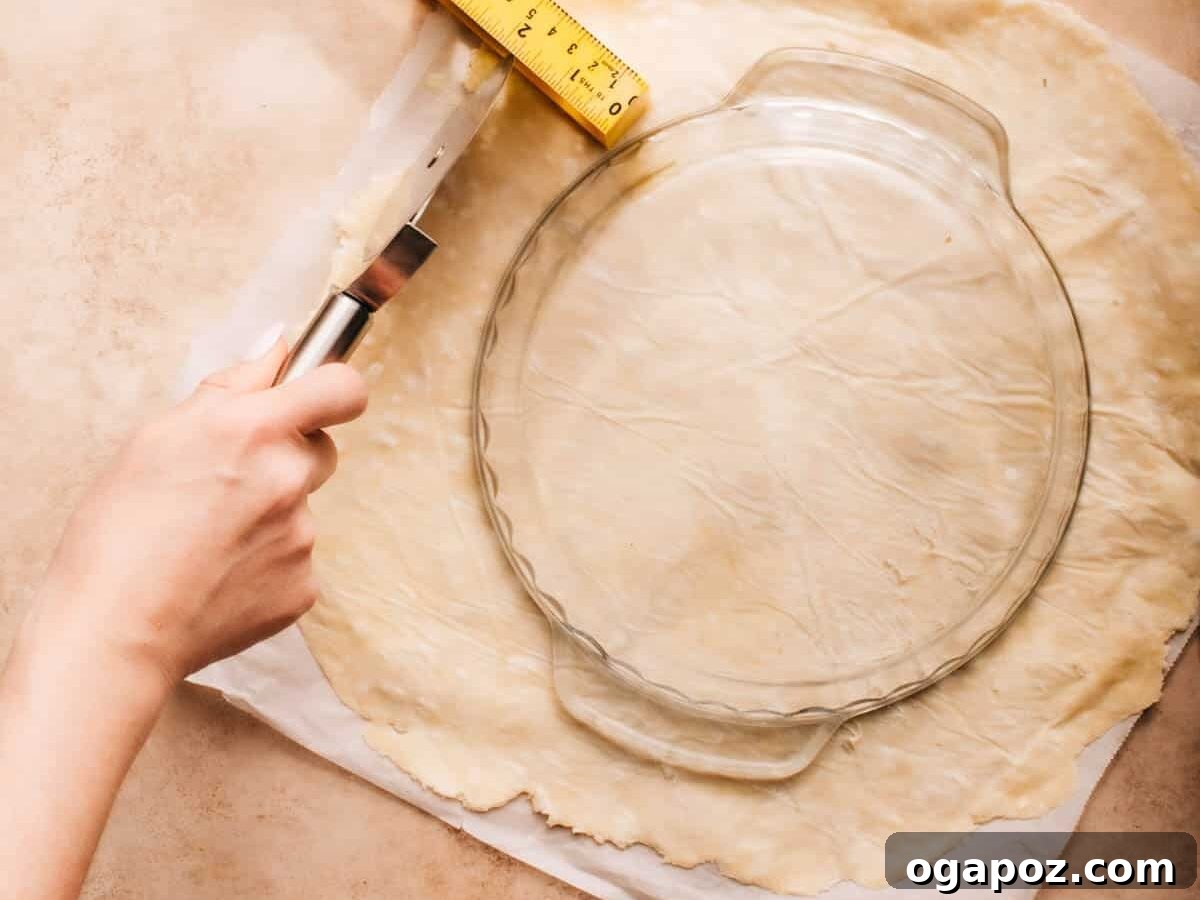
Step 2: Prepare the Pie Crust. Gently unroll or place your single-crust pie dough into a 9-inch pie dish. Carefully crimp the edges to create a decorative finish or simply press them down for a rustic look. Once the crust is settled, pop the entire pie dish into the freezer for 10-15 minutes. This firming up period is essential for preventing the crust from shrinking during baking and helps maintain its flaky integrity against the hot filling.
Step 3: Make the Creamy Filling. Return to the bowl containing your cooled roasted vegetables. Add the large eggs, your choice of milk or cream, the grated cheese, and the remaining kosher salt. Using a whisk, gently combine all ingredients. Whisk just enough until the mixture is light and slightly frothy. Avoid over-whisking, as too much air can lead to a spongy, rather than creamy, texture. The goal is a uniform, well-integrated custard base.
Step 4: Bake the Quiche to Perfection. Carefully retrieve the preheated baking sheet from the oven. Place your chilled pie crust onto this hot baking sheet. Pour the prepared filling evenly into the pie crust. Immediately transfer it back to the oven and bake at the initial high temperature of 425°F (220°C) for 15 minutes. This high heat sets the crust and begins to lift the filling. After 15 minutes, reduce the oven temperature to 350°F (175°C) and continue baking for another 30-40 minutes. The quiche is done when the center is mostly set with a slight wobble, and an instant-read thermometer inserted into the center registers between 165°F (74°C) and 185°F (85°C), depending on your preferred firmness.
Step 5: Cool and Serve. The final, often overlooked, step is allowing the quiche to rest. Remove the quiche from the oven and let it cool at room temperature for at least 20 minutes before slicing. This resting period allows the custard to fully set and firm up, ensuring clean, beautiful slices and a perfectly creamy texture. Cutting into a hot quiche too soon can result in a runny, messy outcome. This quiche is wonderfully versatile, equally delicious served warm or at room temperature, making it a perfect dish for any meal or occasion!
Avoid These 5 Common Mistakes for Flawless Spinach Mushroom Quiche
Even with a great recipe, small missteps can derail your quiche. Being aware of these common pitfalls will help you avoid them and ensure your quiche turns out perfectly every time. These are the aspects where even experienced home cooks sometimes stumble:
1. Skipping or Insufficiently Pre-cooking Vegetables: This is the number one culprit for a soggy quiche. Mushrooms, spinach, and leeks are packed with water. If you add them raw or only lightly cooked, they will release all that moisture into your delicate egg custard during baking. This dilutes the filling, prevents it from setting properly, and results in a watery, unappealing texture. Always take the time to thoroughly roast or sauté your vegetables until they are nicely browned and have shed their excess liquid. This concentrates their flavor and ensures a rich, creamy custard.
2. Not Freezing the Pie Crust: A quick chill in the freezer is a simple yet powerful technique to guarantee a flaky, well-structured crust. Without it, the butter in the dough can melt too quickly in the oven, causing the crust to shrink significantly from the sides of the pie dish. Freezing solidifies the butter, helping the crust maintain its shape, preventing shrinkage, and contributing to that desirable flaky texture when it bakes.
3. Overbaking the Quiche: An overbaked quiche transitions from a silky, creamy custard to a dry, rubbery, and often cracked mess. The eggs continue to cook even after removal from the oven (carryover cooking), so baking until the center is *just* set with a slight wobble is ideal. The most foolproof way to avoid overbaking is to use an instant-read thermometer. Aim for an internal temperature of 165-175°F (74-79°C) for a tender, creamy texture. Anything higher risks dryness.
4. Forgetting to Pre-heat the Baking Sheet: While not a disaster, neglecting to place your pie dish on a preheated baking sheet means the bottom crust doesn’t get the immediate, intense heat it needs. This can lead to a less crisp, slightly pale bottom crust that might not be as thoroughly cooked as the top. A hot baking sheet ensures even heat distribution, guaranteeing a beautifully golden and crisp base that supports your creamy filling.
5. Slicing the Quiche Too Soon: It’s incredibly tempting to cut into a warm, aromatic quiche straight out of the oven. However, patience is a virtue here. Allowing the quiche to rest at room temperature for at least 20 minutes is crucial. During this time, the internal temperature of the quiche will stabilize, and the custard will continue to set and firm up completely. Cutting too early will result in a runny, uncooperative filling and uneven, messy slices. A proper cool-down ensures clean, elegant slices and that coveted creamy texture throughout.
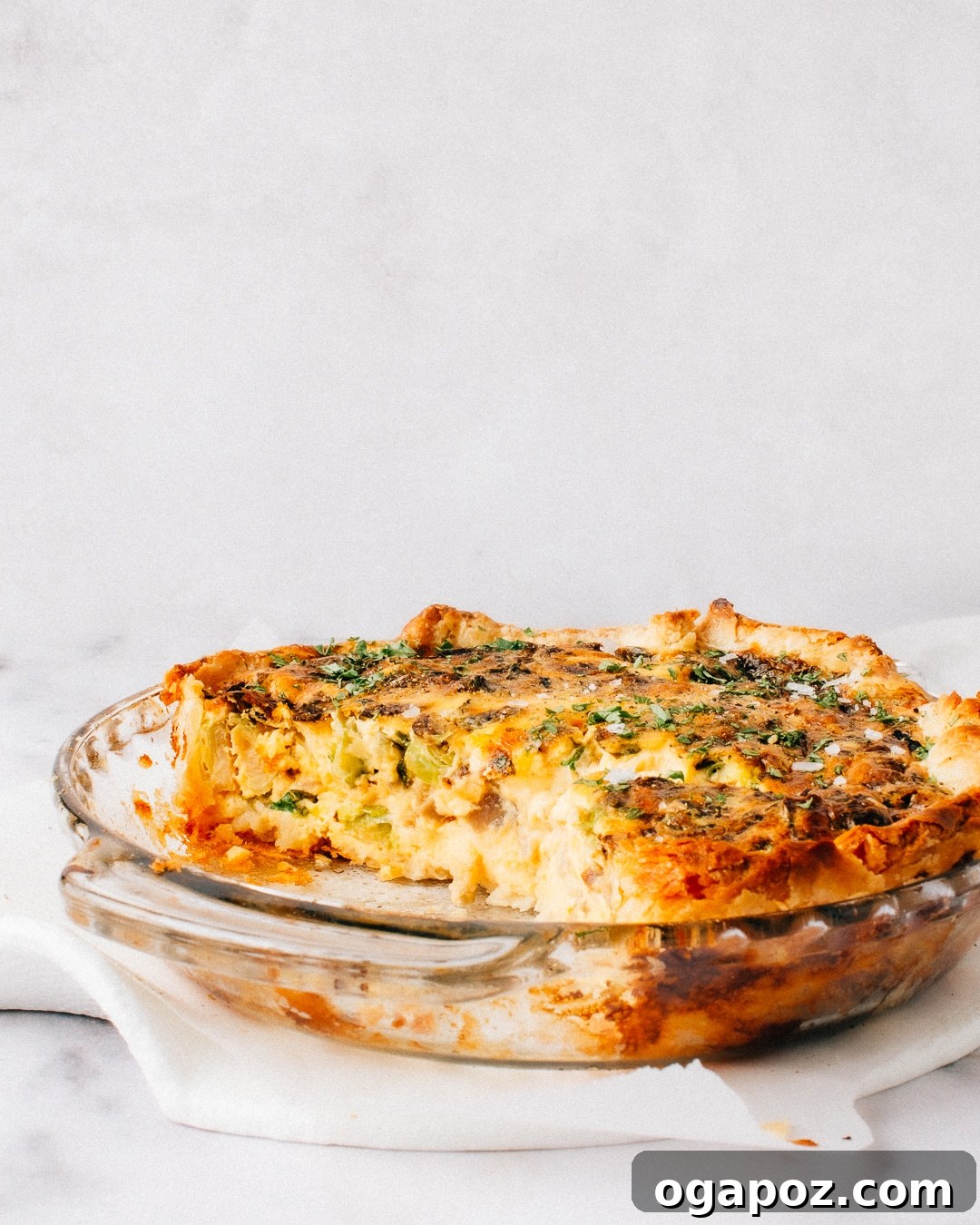
Make Ahead and Storage Tips for Quiche
One of the many benefits of quiche is its excellent versatility for meal prepping and storage. Whether you’re planning a busy week or preparing for a gathering, understanding how to properly store and reheat your quiche will ensure its deliciousness endures.
Storing Leftovers
- Once cooled completely, any leftover quiche should be stored in an airtight container or tightly wrapped with plastic wrap and then foil.
- It will keep beautifully in the refrigerator for up to 3 days.
Reheating Individual Slices
- To reheat a single slice, place it in a preheated 350°F (175°C) oven for about 10-15 minutes, or until warmed through. This method helps the crust regain some crispness.
- Alternatively, you can microwave individual slices in 30-second intervals until warm, though the crust may be softer.
Can This Quiche Be Made Ahead?
- Absolutely! Quiche is an ideal make-ahead dish. You can prepare and bake the entire quiche a day in advance. Once it has cooled completely, cover it tightly and store it in the refrigerator.
- To reheat a whole quiche, cover it loosely with aluminum foil to prevent the crust from over-browning. Warm it in a 300°F (150°C) oven for 20-25 minutes, or until it’s heated through to the center.
Alternatively, for maximum freshness, you can prepare the filling and the crust separately up to 1 day ahead. Cover and refrigerate the prepared filling mixture, and keep the crust (either unbaked in its dish or par-baked) in the freezer or refrigerator. Assemble and bake fresh just before you’re ready to serve, minimizing prep time on the day of your meal.
Can This Quiche Be Frozen?
- Yes, this quiche freezes exceptionally well! Once baked and cooled completely to room temperature, wrap the entire quiche tightly in several layers of plastic wrap, followed by a layer of aluminum foil. For individual slices, wrap each slice separately.
- Store in an airtight freezer-safe container or a heavy-duty freezer bag. It can be frozen for up to 3 months without compromising flavor or texture.
Reheating Frozen Quiche:
- To reheat a whole frozen quiche, place it (still wrapped in foil, or transferred to a pie dish if wrapped differently) in a preheated 350°F (175°C) oven. Bake for approximately 45-60 minutes, or until heated through to the center.
- If reheating individual frozen slices, it should take about 20-30 minutes at the same temperature. Loosely cover with foil if you notice the crust or top browning too quickly.
Delightful Serving Suggestions for Your Spinach Mushroom Quiche
A beautifully baked quiche is a meal in itself, but it truly shines when paired with complementary side dishes. Serve your spinach mushroom quiche either warm or at room temperature, perhaps on an elegant plate or a rustic wooden board, and surround it with fresh, vibrant accompaniments to create a complete and satisfying meal. Here are some fantastic ideas to elevate your quiche experience:
- Fresh Green Salads: The creamy richness of quiche is wonderfully balanced by the crispness and acidity of a fresh salad. Consider my kale Caesar salad for a classic, robust pairing. For something lighter and brighter, my strawberry and spinach salad with almonds and goat cheese offers a delightful sweet and tangy contrast. A refreshing watermelon and goat’s cheese salad with mint is perfect for warmer weather.
- Roasted or Sautéed Vegetables: Enhance the vegetable theme with additional prepared veggies. Try crispy air-fried eggplant for a satisfying crunch, or a simple side of asparagus, green beans, or broccoli roasted with olive oil and garlic.
- Fruity and Light Sides: A fresh peach Caprese salad offers a sweet and savory delight, while wilted endive lettuce with orange dates and almonds provides an intriguing blend of textures and flavors. These fruity sides add a refreshing counterpoint to the savory quiche.
- Simple Bread or Scones: A slice of crusty bread, a warm croissant, or a savory scone can be perfect for soaking up any lingering flavors.
- Light Soup: For a more substantial meal, especially on cooler days, a light, clear vegetable broth or a creamy tomato soup makes an excellent companion.
Whether for a casual brunch, an elegant lunch, or a light dinner, these pairings will ensure your Spinach Mushroom Quiche is the star of a memorable meal.
Frequently Asked Questions About Spinach Mushroom Quiche
To further assist you in your quiche-making journey, here are answers to some commonly asked questions that often arise when preparing this delightful dish:
Heavy cream undoubtedly delivers a richer, more luxurious, and incredibly creamy texture, making your quiche wonderfully indulgent. Milk, on the other hand, results in a lighter, less dense custard. For a perfect balance that combines richness with a slightly lighter feel, many recipes (including this one) suggest using a mix of both, or choosing based on your personal preference for decadence.
The ultimate secret lies in a combination of carefully considered techniques: always start with fresh, high-quality ingredients, ensure your pie crust is prepped (and ideally frozen briefly) to prevent shrinkage and sogginess, and crucially, bake your quiche until the custard reaches the ideal internal temperature of 165-175°F (74-79°C) for that signature perfect, creamy, and tender texture. Pre-cooking your vegetables to remove excess moisture is also a critical, often overlooked, step for preventing a watery filling.
While both frittatas and quiches are egg-based dishes, they are not exactly the same. Frittatas typically contain less dairy, leading to a denser, firmer, and more egg-forward texture. They are also usually cooked on the stovetop and finished in the oven, and always served crustless. Quiches, conversely, contain a higher proportion of dairy, resulting in a significantly creamier and more delicate custard, and are traditionally baked in a pastry crust. So, while you can make a “crustless quiche,” it will still retain the creamier texture characteristic of quiche, distinct from a frittata.
Absolutely! While this recipe focuses on a delicious vegetarian option, cooked and crumbled bacon, diced ham, or even cooked sausage would make excellent additions. Ensure any meat added is fully cooked and drained of excess fat before incorporating it into the filling to maintain the quiche’s creamy texture and prevent it from becoming greasy. Adjust seasonings as needed to complement your chosen meat.
Other Delicious Egg Recipes You’ll Love
If you’ve enjoyed mastering this quiche, you’ll surely appreciate these other rich and savory egg-based recipes, perfect for breakfast, brunch, or a light meal:
- Potato Sausage Quiche: A hearty and flavorful quiche featuring a unique potato crust, caramelized onions, and Gruyère cheese.
- Kid-Friendly Mini Quiches: Perfect bite-sized quiches ideal for quick breakfasts, lunchboxes, or appetizers, easily customizable with various fillings.
- Tater Tot Egg Casserole: A comforting and satisfying casserole with a crispy tater tot base, eggs, sausage, and cheese, perfect for feeding a crowd.
See also: Explore more delightful morning meals with our collection of 23+ Breakfast Recipes with Sausage and Eggs.

Spinach and Mushroom Quiche Recipe
Jennifer Pallian BSc, RD
10 minutes
1 hour
45 minutes
1 hour
55 minutes
6
Ingredients
-
1 ¾
cups
chopped mushrooms -
⅔
cup
fresh spinach
chopped -
2
tbsp
olive oil -
1
tsp
kosher salt
divided -
⅔
cup
thinly-sliced leek
or onion -
4
large eggs -
1 ⅓
cups
cream or milk
cream is richer; milk is lighter -
⅔
cup
packed grated cheese
Gruyère, Swiss, or a mild cheddar -
Single-crust pie dough
Instructions
-
Prep the Vegetables: Preheat the oven to 425°F (220°C). Toss the mushrooms, spinach, and leeks with olive oil and 1/2 tsp salt on a baking sheet. Roast for 12-15 minutes, flipping once, until browned. Transfer to a large bowl and allow to cool. Wipe the baking sheet clean and return it to the oven on the lower third rack.
-
Prepare the Crust: Place the pie dough in a 9-inch pie dish, crimping the edges as desired. Freeze for 10-15 minutes until firm.
-
Make the Filling: Add the eggs, milk (or cream), cheese, and remaining salt to the bowl with the roasted vegetables. Whisk until the mixture is frothy.
-
Bake the Quiche: Place the pie crust on the preheated baking sheet. Pour the filling into the crust and bake for 15 minutes at 425ºF (220°C). Reduce the oven temperature to 350°F (175°C) and continue baking for about 30-40 minutes, until the center is mostly set (just slightly wobbly) and registers 165-175°F (74-79°C) on a thermometer (or up to 185°F/85°C if you prefer a firmer texture).
-
Cool and Serve: Let the quiche rest for 20 minutes at room temperature to set before slicing.
Notes
Notes:
- Pie Dish Size: This recipe is scaled to fit a standard 9-inch pie dish with approximately 4 cups of filling. To use this recipe for a deep-dish 9-inch pie crust, increase the filling quantities to match the larger volume. Here are the adjusted amounts:
- Mushrooms: 2 2/3 cups (8 oz)
- Spinach: 1 cup, chopped
- Olive Oil: 3 tbsp
- Kosher Salt: 1 ½ tsp, divided
- Leek or Onion: 1 cup, thinly sliced
- Eggs: 6 large
- Cream or Milk: 2 cups
- Cheese: 1 cup, packed and grated (Gruyère, Swiss, or mild cheddar)
Bake for an additional 10 minutes or so.
- Baking at High Temperature: Starting the quiche at 425°F helps set the crust quickly and prevents it from becoming soggy once the filling is added. The high heat also gives the filling a nice lift before lowering the temperature for gentle cooking.
- Why Use a Baking Sheet: Placing the pie dish on a preheated baking sheet ensures even heat distribution to the bottom crust, helping it cook through and stay crisp. It also catches any potential spills from the filling as the quiche bakes.
- Extra Filling: If you have a bit of filling left over, pour it into a greased ramekin and bake alongside the quiche for a bonus mini-frittata. You can even freeze it for a weekday morning.
Nutrition
Calories:
591
kcal
|
Carbohydrates:
12
g
|
Protein:
17
g
|
Fat:
54
g
|
Saturated Fat:
28
g
|
Polyunsaturated Fat:
4
g
|
Monounsaturated Fat:
18
g
|
Trans Fat:
0.02
g
|
Cholesterol:
323
mg
|
Sodium:
1166
mg
|
Potassium:
407
mg
|
Fiber:
2
g
|
Sugar:
5
g
|
Vitamin A:
2752
IU
|
Vitamin C:
4
mg
|
Calcium:
291
mg
|
Iron:
2
mg
Nutrition information is automatically calculated, so should only be used as an approximation.
Tried this recipe? Leave a comment!