
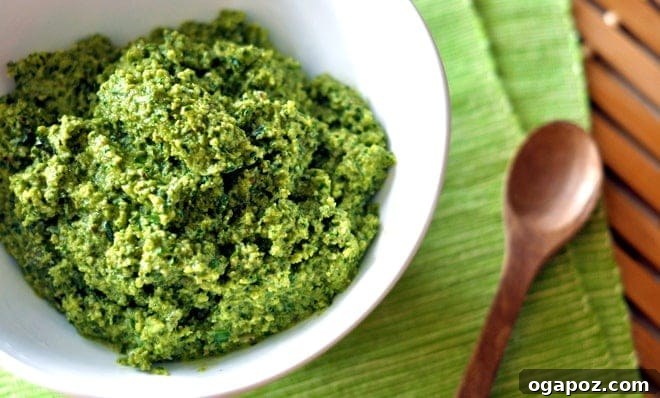
Master the Art of Homemade Basil Pesto: A Guide to Fresh, Flavorful Creations
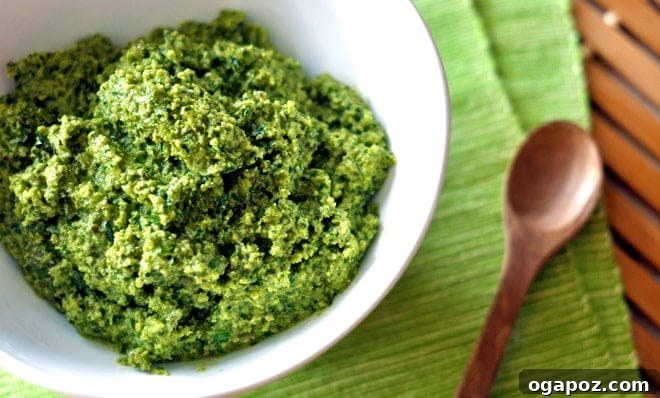
There’s an undeniable joy in nurturing something from the earth, and my basil plant has been a testament to that. It sits proudly in its pot, a lush, verdant spectacle that brings a touch of nature’s beauty into my home. I confess, I lavish it with attention – never missing a watering, and even whispering words of encouragement as I gently caress its fragrant leaves. Before you raise an eyebrow, take a look! The dedication clearly pays off, as this plant thrives, bursting with aromatic goodness.
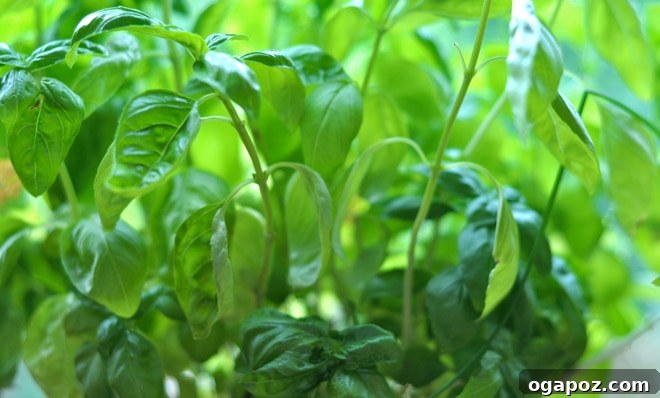
However, the life of a home gardener often presents its unique challenges. Recently, my beloved basil friend decided it was time to sprout flowers. For any seasoned herb grower, this moment often triggers a mild sense of panic. Flowering, while a natural part of the plant’s life cycle, typically signals that the plant is putting its energy into seed production rather than leaf growth. This can lead to the leaves becoming tough, bitter, and losing their signature vibrant flavor – a fate I’d previously witnessed with my cilantro and dill. An urgent harvest was immediately in order, to preserve as much of that precious basil essence as possible.
Why Homemade Pesto is a Culinary Game Changer
This “culinary emergency” paved the way for the perfect solution: pesto. Few recipes offer such a delightful blend of simplicity and exquisite flavor. Homemade pesto isn’t just a sauce; it’s a celebration of fresh ingredients, a vibrant green elixir that elevates countless dishes. Unlike its store-bought counterparts, homemade pesto boasts an unparalleled freshness, devoid of artificial preservatives and packed with the pure, intense taste of basil, garlic, and cheese. It’s one of those magical “toss-it-all-in-the-food-processor” recipes that yields incredibly impressive results with minimal effort, making it a staple for anyone looking to add gourmet flair to their meals without spending hours in the kitchen.
The Essential Ingredients for Perfect Pesto
While the concept of pesto is straightforward, the magic lies in selecting and combining high-quality ingredients. Each component plays a crucial role in creating that harmonious balance of savory, aromatic, and slightly piquant flavors. Here’s a deeper dive into what makes a truly exceptional homemade basil pesto.
Fresh Basil: The Heart of Your Pesto
The star of the show, fresh basil, is non-negotiable. For classic pesto, traditional Genovese basil is ideal, offering a sweet, slightly peppery, and intensely aromatic profile. When harvesting from your garden, aim for healthy, unblemished leaves. If buying, look for vibrant green leaves without wilting or dark spots. To ensure your basil plant continues to produce, always pinch off the top sets of leaves or any developing flower buds. This encourages bushier growth and delays flowering, prolonging your harvest season. Don’t be shy with the basil; its fresh, herbaceous notes are what define this iconic sauce.
Nuts: Beyond Pine Nuts
Traditionally, pesto calls for pine nuts, which contribute a delicate, buttery richness. However, as was the case during my “pesto emergency,” sometimes you have to work with what’s available. Walnuts were what I had on hand, and they proved to be a fantastic substitute, lending a slightly more robust, earthy flavor profile. This flexibility is one of pesto’s greatest strengths! Feel free to experiment with other nuts like cashews (for a creamier texture), almonds (for a subtle sweetness), or even pistachios (for a unique, vibrant twist). A crucial tip: lightly toasting your nuts before adding them to the food processor enhances their flavor significantly, bringing out their natural oils and aroma. Just a few minutes in a dry pan over medium heat until fragrant will make all the difference.
Garlic: The Aromatic Kick
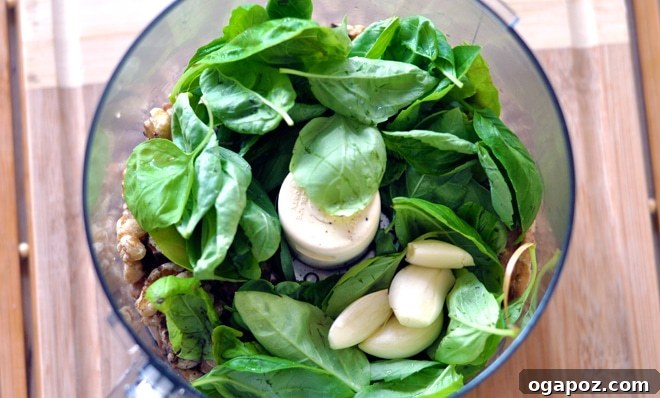
Garlic provides that essential pungent kick that gives pesto its characteristic depth. The amount of garlic is entirely up to your personal preference. I often start with a “rule of threes” – roughly three cloves for three cups of basil – and then adjust. As my photo attests, sometimes the situation calls for four! Always use fresh garlic cloves for the best flavor; pre-minced or powdered garlic simply won’t achieve the same vibrant taste. Remember, raw garlic can be quite potent, so if you’re sensitive, start with less and add more to taste.
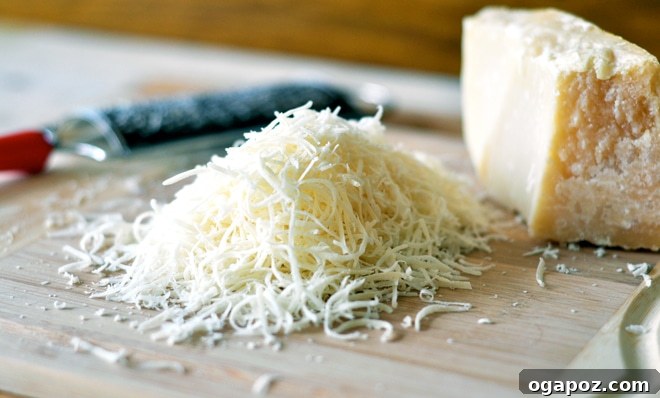
Parmigiano Reggiano: The Uncompromised Cheese
Here’s where I might sound a bit like a food snob, but hear me out: there is truly no substitute for authentic Parmigiano Reggiano. The dry, snowy “parmesan” found in green shakers simply doesn’t compare. Real Parmigiano Reggiano, aged for at least 12 months, offers a complex, nutty, salty, and umami-rich flavor that is utterly essential to the depth of classic pesto. Yes, it can be a bit pricier, but a little goes a long way in terms of flavor impact, meaning a good chunk will last you a surprisingly long time. Its low moisture content also makes it naturally resistant to mold, adding to its longevity. And when you’ve grated every last bit? Don’t discard the rind! Toss it into a simmering pot of soup, stew, or pasta sauce – it will slowly melt, infusing your dish with incredible depth and savory notes. Truly, not a speck of this precious commodity goes to waste.
While Parmigiano Reggiano is king, if absolutely necessary, high-quality Pecorino Romano (for a saltier, sharper bite) or Grana Padano (a slightly milder alternative) can be considered, but be prepared for a different flavor profile. However, for that authentic, rich, and balanced pesto, stick with Parmigiano Reggiano.
Extra Virgin Olive Oil: The Silky Binder
The quality of your olive oil matters immensely. Opt for a good quality extra virgin olive oil. It not only binds all the ingredients together into a smooth, emulsified sauce but also contributes its own fruity, sometimes peppery, notes to the overall flavor. Drizzle it in slowly to achieve the perfect consistency and prevent the pesto from becoming greasy. The rich, golden hue of good olive oil will also enhance the visual appeal of your vibrant green pesto.
A Pinch of Salt
Salt is vital for seasoning and bringing out all the other flavors. Start with a small amount and adjust to taste at the very end. Remember that Parmigiano Reggiano is already quite salty, so taste before adding too much.
Crafting Your Basil Pesto: A Step-by-Step Guide
Making pesto is surprisingly simple, especially with a food processor. Here’s how to achieve that perfect, vibrant green sauce.
- Prepare Your Ingredients: Ensure your basil leaves are clean and dry. Peel your garlic cloves. If using walnuts or other nuts, lightly toast them in a dry pan for 3-5 minutes until fragrant, then let them cool slightly. Grate your Parmigiano Reggiano cheese.
- Combine Solids: Place the basil, garlic, grated Parmigiano Reggiano, and toasted nuts into the bowl of your food processor.
- Pulse to Combine: Pulse the food processor several times, scraping down the sides occasionally, until all the basil leaves are finely minced and the mixture is well combined. You’re looking for a coarse, textured paste at this stage, not a smooth puree yet.
- Slowly Drizzle in Olive Oil: With the food processor running on low, slowly drizzle in the extra virgin olive oil through the feed tube. This gradual addition is key to emulsifying the pesto, creating a smooth, creamy texture without over-processing the ingredients, which can sometimes lead to a bitter taste. Continue processing until the pesto reaches your desired consistency – some prefer it chunkier, while others prefer a smoother sauce.
- Season to Taste: Stop the food processor and taste the pesto. Add salt as needed, keeping in mind the saltiness of the cheese. If you desire a bit more tang, a squeeze of fresh lemon juice can brighten the flavors. You can also add a pinch of black pepper or red pepper flakes for a subtle kick.
- Final Check: Give it one last pulse if necessary to fully incorporate any added seasonings. Your vibrant, fragrant homemade basil pesto is now ready to enjoy!
Unleash Your Creativity: Pesto Variations
While classic basil pesto is a timeless favorite, the beauty of this sauce lies in its adaptability. Once you master the basic technique, you can easily create exciting variations by swapping out ingredients:
- Herb & Green Swaps:
- Arugula Pesto: Adds a peppery, slightly bitter note.
- Spinach Pesto: For a milder, earthy flavor, often popular with kids.
- Parsley Pesto: Bright and fresh, fantastic with fish or lamb.
- Cilantro Pesto: A zesty, Mexican-inspired twist, perfect for tacos or grilled chicken.
- Mint Pesto: Refreshing and unexpected, pairs well with spring vegetables or lamb.
- Kale Pesto: A nutrient-dense option, blanch the kale first for a milder taste.
- Nut Alternatives: Besides walnuts, consider pecans, sunflower seeds, or even pumpkin seeds for a nut-free version.
- Citrus Boost: A squeeze of fresh lemon or lime juice can add a bright, zesty counterpoint to the richness of the oil and cheese.
- Spicy Kick: A pinch of red pepper flakes can introduce a subtle warmth.
- Sun-Dried Tomato Pesto: Add a few oil-packed sun-dried tomatoes for a sweet and tangy twist.
- Roasted Red Pepper Pesto: Incorporate roasted bell peppers for a smoky, sweeter flavor.
Don’t be afraid to play with the recipe – any flavorful green leaf with a bit of bite can make a gorgeous pesto!
Preserving Pesto Perfection: Freezing for Later
One of the most satisfying aspects of making a large batch of homemade pesto is knowing you can preserve its fresh flavors for months. Freezing pesto is incredibly simple and ensures you always have a taste of summer on hand. Aren’t frozen hunks of pesto pretty?
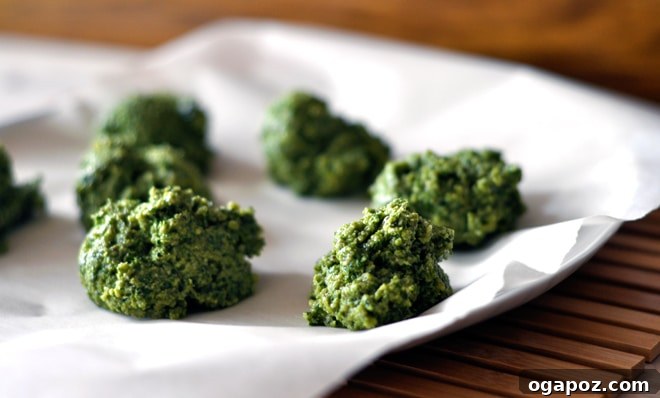
How to Freeze Pesto:
- Portioning is Key: The easiest way to freeze pesto is in individual portions. You can use parchment-lined baking sheets for larger “dollops” or, even better, ice cube trays for smaller, more manageable portions.
- Freeze Solid: Dollop or spoon the pesto into your chosen containers. Place the baking sheet or ice cube trays in the freezer and allow the pesto to freeze completely solid, which usually takes a few hours.
- Transfer to Storage: Once frozen, pop the pesto cubes or dollops off the parchment paper or out of the trays. Transfer them to an airtight freezer bag or container. Squeeze out as much air as possible from the bag to prevent freezer burn.
- Label and Store: Label the bag or container with the date. Frozen pesto can typically last for 6-9 months without significant loss of flavor.
Thawing and Using Frozen Pesto:
When you’re ready to use your frozen pesto, simply take out the desired number of portions. You can thaw them in a few ways:
- Microwave: Thaw in the microwave in 30-second increments, stirring between each, until softened.
- Room Temperature: Let them sit at room temperature for an hour or two.
- Refrigeration: Transfer to the refrigerator overnight.
- Directly in Hot Dishes: For pasta or hot vegetables, you can often add the frozen pesto directly to the warm dish, and it will melt and incorporate as it heats.
Having a stash of frozen pesto means you’re always just moments away from adding vibrant, fresh flavor to any meal, even when fresh basil isn’t in season.
Endless Culinary Adventures: Ways to Enjoy Your Pesto
The versatility of pesto is truly astounding. Once you have a batch of this green gold, the culinary possibilities are endless!
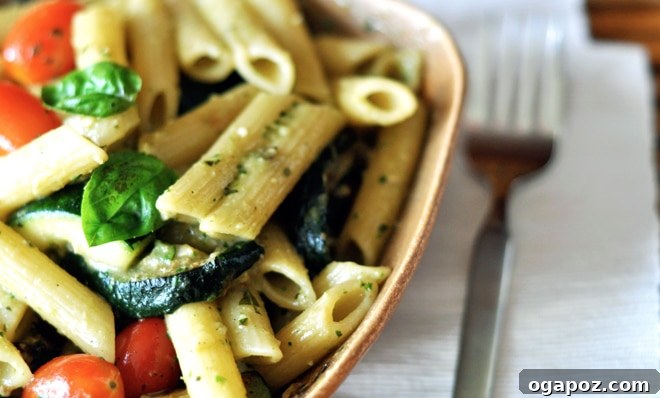
- Classic Pasta Companion: The most popular use! Stir it into freshly cooked pasta for a simple yet incredibly satisfying meal.
- Sandwiches & Wraps: Spread it generously on bread, wraps, or focaccia for an instant flavor upgrade. It’s fantastic with turkey, chicken, mozzarella, or roasted vegetables.
- Roasted Vegetables: Toss it with roasted potatoes, carrots, zucchini, or asparagus for a burst of fresh flavor.
- Eggs: Stir a spoonful into scrambled eggs, omelets, or frittatas.
- Pizza Base: Use it as a vibrant alternative to tomato sauce on pizza.
- Bruschetta & Crostini: Spread on toasted bread slices, perhaps topped with fresh tomatoes or mozzarella.
- Salad Dressing: Whisk it with a little extra olive oil, vinegar, or lemon juice to create a delightful salad dressing.
- Marinade: Use it as a marinade for chicken, fish, or pork.
- Soup & Stew Enhancer: Stir a dollop into vegetable soups, minestrone, or even creamy tomato soup just before serving.
- Dips & Spreads: Mix it with cream cheese, ricotta, or hummus for a savory dip.
- Grains: Stir into cooked rice, couscous, quinoa, or farro for added flavor and color.
- Popcorn: A surprising but delicious twist – drizzle melted butter and pesto over freshly popped popcorn for a gourmet snack.
From simple weekday dinners to elegant entertaining, a jar of homemade basil pesto is your secret weapon for infusing dishes with incredible taste and aroma.
The Ultimate Homemade Basil Pesto Recipe
Ready to create your own batch of this vibrant green magic? Here’s the simple, adaptable recipe that will become your go-to.
Ingredients
- 3 cups fresh basil leaves, packed
- 3-4 cloves fresh garlic, peeled (adjust to your taste)
- 1/3 cup freshly grated Parmigiano Reggiano cheese
- 1/3 cup toasted walnuts (or pine nuts, cashews, almonds)
- 1/3 cup extra virgin olive oil (may need a little more or less)
- Salt to taste
Instructions
- Combine basil leaves, garlic, Parmigiano Reggiano, and toasted walnuts in a food processor.
- Pulse several times, scraping down the sides as needed, until all basil leaves are finely minced and the mixture forms a coarse paste.
- With the food processor running on low, slowly drizzle in the olive oil through the feed tube until the pesto reaches your desired consistency – smooth but still slightly textured.
- Stop the food processor and taste the pesto. Season with salt as needed, keeping in mind the cheese is already salty.
- Transfer the pesto to an airtight container. If not using immediately, pour a thin layer of olive oil over the surface to help prevent browning. Store in the refrigerator for up to a week, or freeze using the methods described above for longer storage.
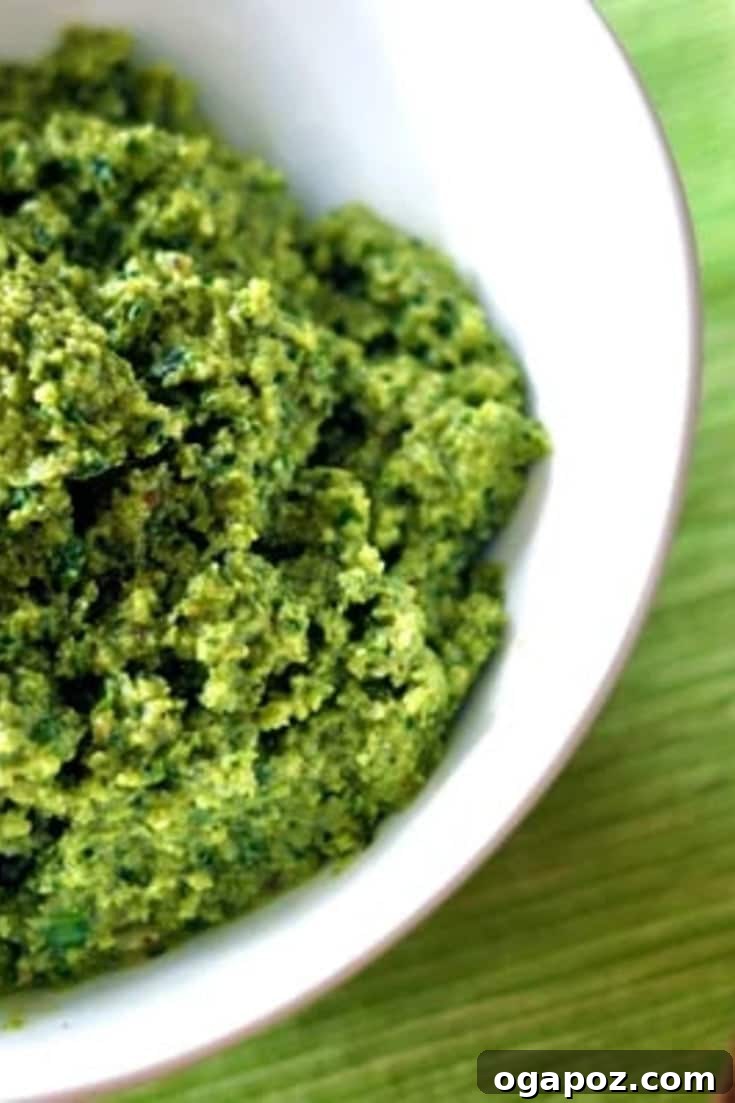
Conclusion: Savor the Flavor of Your Homemade Pesto
There’s immense satisfaction in creating something delicious from scratch, especially when it transforms fresh garden produce into a versatile culinary delight. Homemade basil pesto is more than just a recipe; it’s an experience – from nurturing your basil plant to blending those vibrant ingredients into a fragrant, flavorful sauce. Whether you stir it into a simple pasta dish, spread it on a sandwich, or use it to elevate your favorite proteins, the rich, aromatic taste of fresh pesto is guaranteed to brighten any meal. So, go ahead, embrace the joy of making your own pesto, and prepare to delight your taste buds with this easy, irresistible creation!