
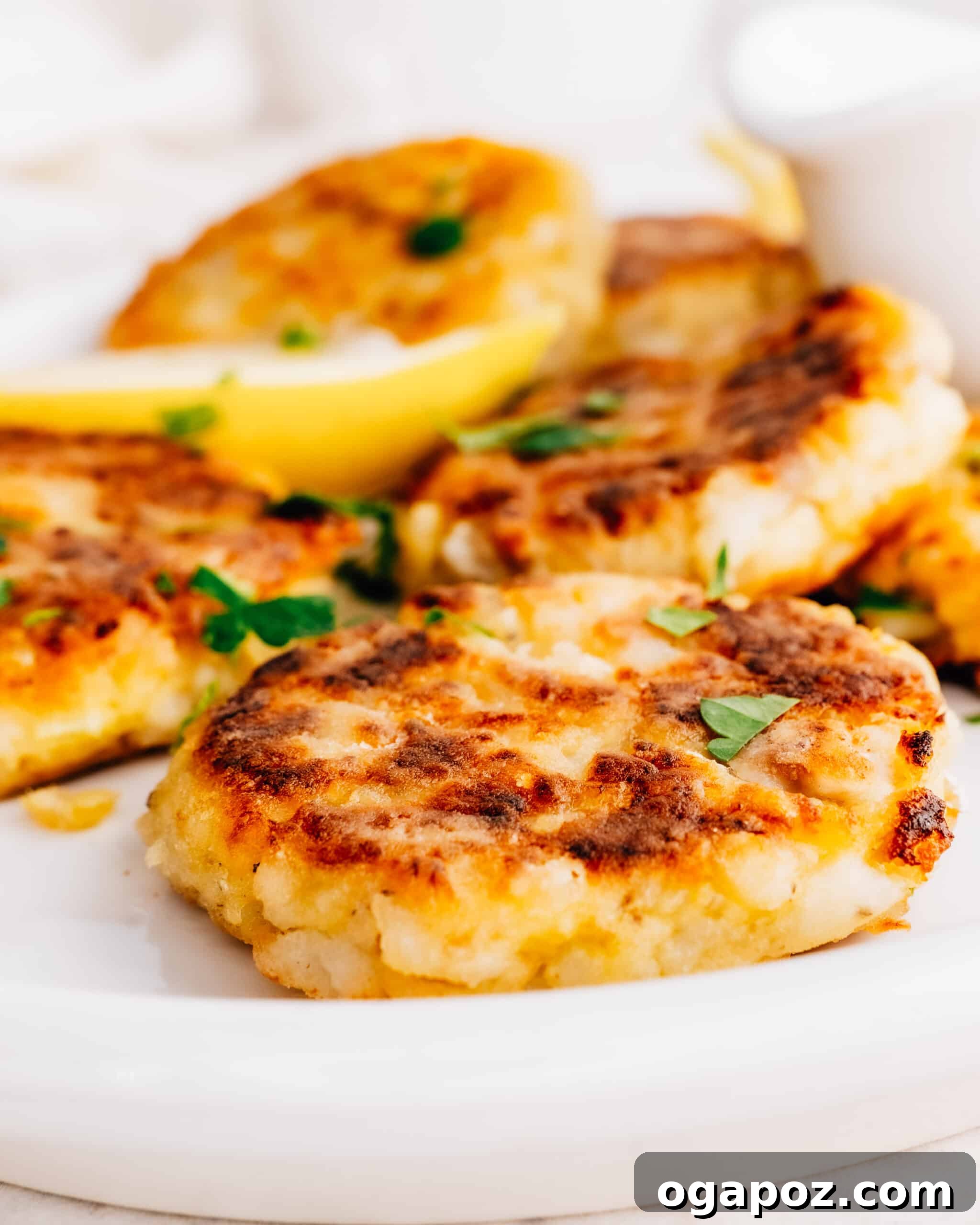
Welcome to my absolute favorite fish cake recipe – a cherished culinary tradition deeply rooted in Atlantic Canada, where I hail from! These traditional fish cakes boast a delightfully crispy exterior, a perfectly seasoned interior, and evoke the comforting flavors of home. They are the epitome of comfort food at its finest. In this comprehensive guide, you’ll discover how to create the most delicious cod fish cakes using a classic combination of cod and potato. We’ll also explore common reasons why fish cakes might fall apart and, crucially, how to prevent this with my foolproof homemade recipe, ensuring perfectly formed, golden-brown patties every time. Get ready to impress your family and friends with a dish that’s both simple to make and incredibly satisfying.
The Versatility of Your Fish Choice: From Fresh to Canned
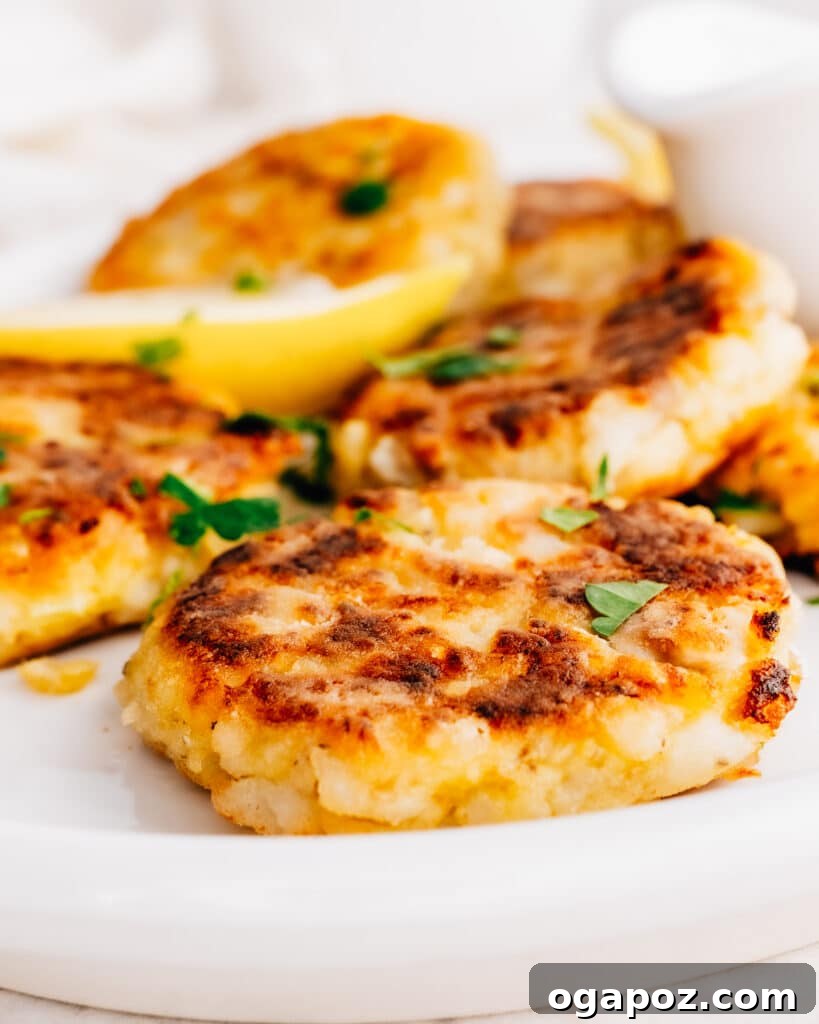
One of the many beauties of this Potato Fish Cakes recipe lies in its remarkable versatility. While traditionally made with salt cod, it adapts beautifully to various types of fish. You can use fresh cod, fresh salmon, or virtually any white fish readily available in your local market, such as haddock, pollock, or hake. The possibilities truly are endless, allowing you to tailor the recipe to your preferences and what’s on hand. For a budget-friendly and quick weeknight meal, you can even swap in two cans of tuna or salmon. In fact, many of the fish cakes I enjoyed as a child were made from tinned fish, proving that deliciousness doesn’t always require expensive ingredients. Prepared this way, they transform into an inexpensive, last-minute meal crafted from simple pantry staples, perfect for busy evenings.
Should you desire a potato-free alternative, I highly recommend exploring my super-easy crispy Tuna Patties recipe, which offers a different take on savory patties. However, for those craving the classic comfort of a potato-based fish cake, look no further. This guide will walk you through every step to make easy potato fish cakes, complete with a delightful homemade tartar sauce from scratch.
A Nod to Tradition: The Enduring Legacy of Salt Cod
In the maritime provinces of Atlantic Canada, fish cakes hold a special place in culinary history, traditionally made with salt cod. This practice stems from a time when salt cod was a vital dietary staple for our grandparents’ generation and those who came before. Before the advent of modern refrigeration and flash-freezing technologies, salting fish at sea was a common and essential method of preservation. This ingenious technique allowed fishermen to store their catches for extended periods, providing a crucial source of protein year-round, especially in regions where fresh fish wasn’t always accessible or spoilage was a concern.
While I appreciate the unique flavor profile of salt cod and its historical significance, it can sometimes be challenging to source everywhere. Personally, I often lean towards using fresh fish for its delicate texture and vibrant taste. However, if you have access to salt cod and wish to embrace the authentic tradition, ensure you properly desalinate it before use by soaking and changing the water multiple times. This step is crucial for balancing the flavor of your fish cakes.
As mentioned, you have the flexibility to substitute fresh salmon if that’s your preference, or any other white fish commonly found in your area. For ultimate convenience, don’t hesitate to use canned tuna or salmon. This not only makes the dish incredibly accessible but also transforms it into an economical and quick-to-prepare meal, perfect for those moments when time is short but you still crave a homemade, satisfying dish. The charm of these fish cakes lies in their adaptability, allowing you to create a delicious meal no matter your ingredient availability.
Crafting the Perfect Potato Base and Flavorful Fillings
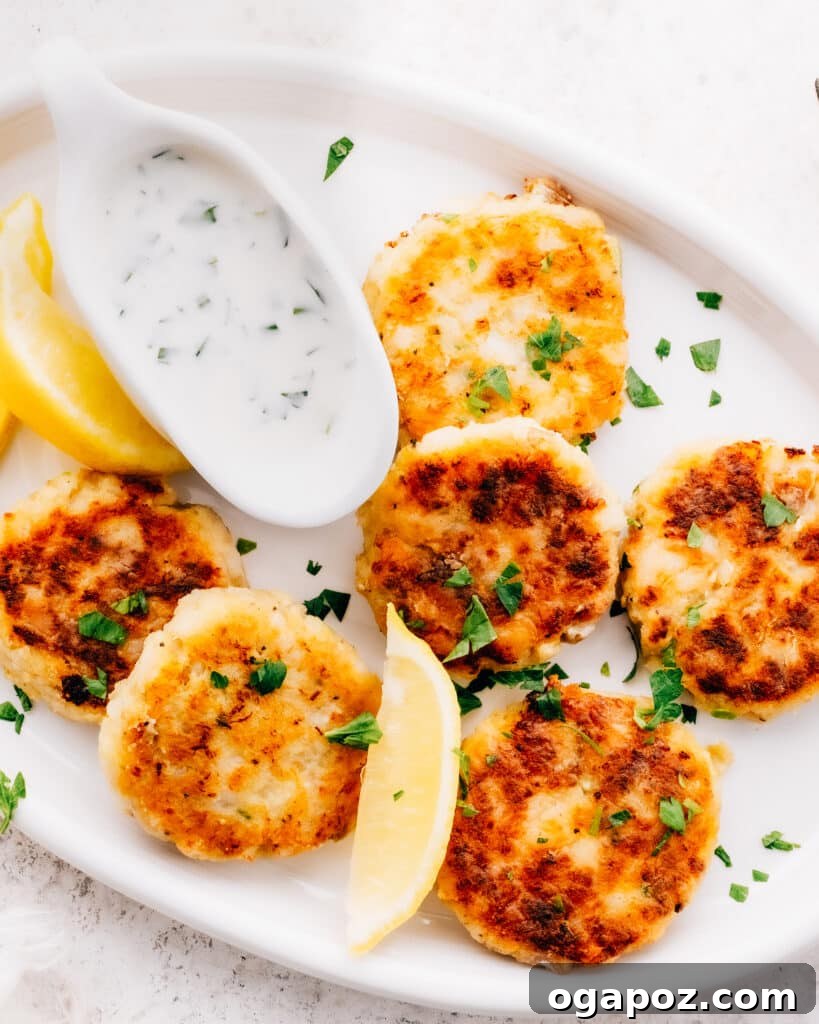
The foundation of a truly exceptional fish cake is the potato. A crisp, golden exterior is the hallmark of a well-fried fish cake, beautifully contrasting with a soft, fluffy mashed-potato center. Within this comforting core, you’ll find tender, buttery flakes of cod, punctuated by bright, sharp bursts of minced green onion. For the best results, start with potatoes that are starchy, like Russets (Idaho potatoes), as they mash up light and fluffy. Avoid waxy potatoes which can become gummy.
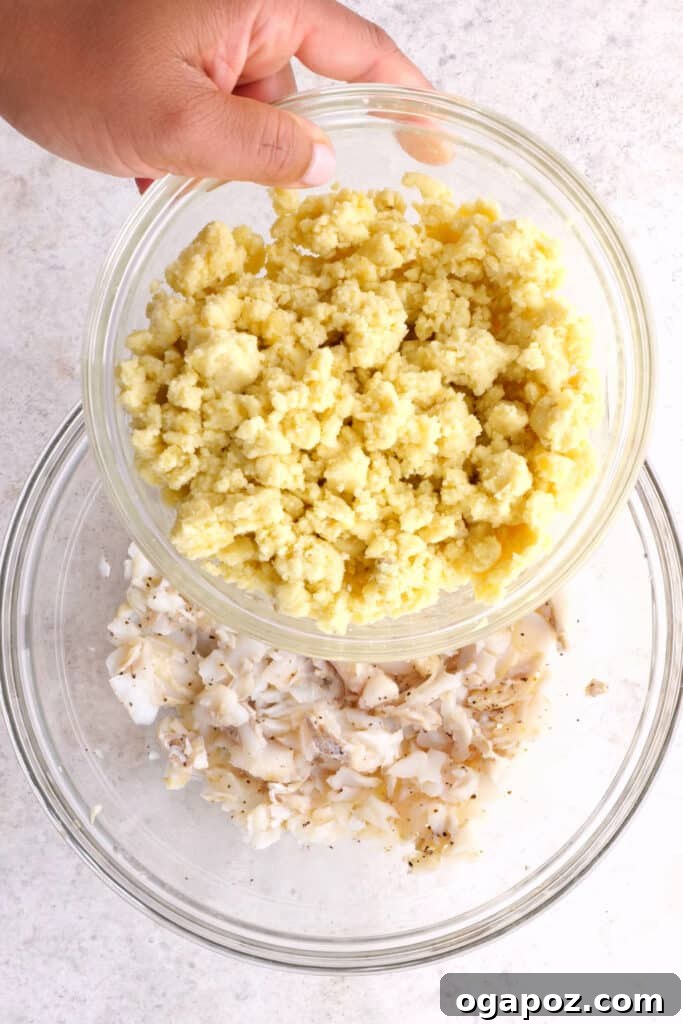
If you’re making mashed potatoes specifically for this recipe, aim for a slightly drier mash than you might typically serve as a side dish. Excess moisture can make the fish cakes difficult to form and more prone to falling apart during frying. If you’re looking for my go-to method, here’s my favorite recipe for Mashed Potatoes. You can also efficiently prepare your potatoes using alternative methods such as my Crock Pot Potatoes or quick and easy Microwave Baked Potatoes. The key is to have about two cups of well-mashed potato, cooled slightly, ready to be combined with the fish.
Key Ingredients for Flavor, Binding, and Crispy Texture
Beyond the primary fish and potato components, a few essential ingredients bring these fish cakes to life and ensure their structural integrity. A large egg acts as a crucial binder, helping to hold the mixture together. Minced green onion (using both white and green parts) provides a fresh, subtle oniony bite that complements the fish beautifully without overpowering it.
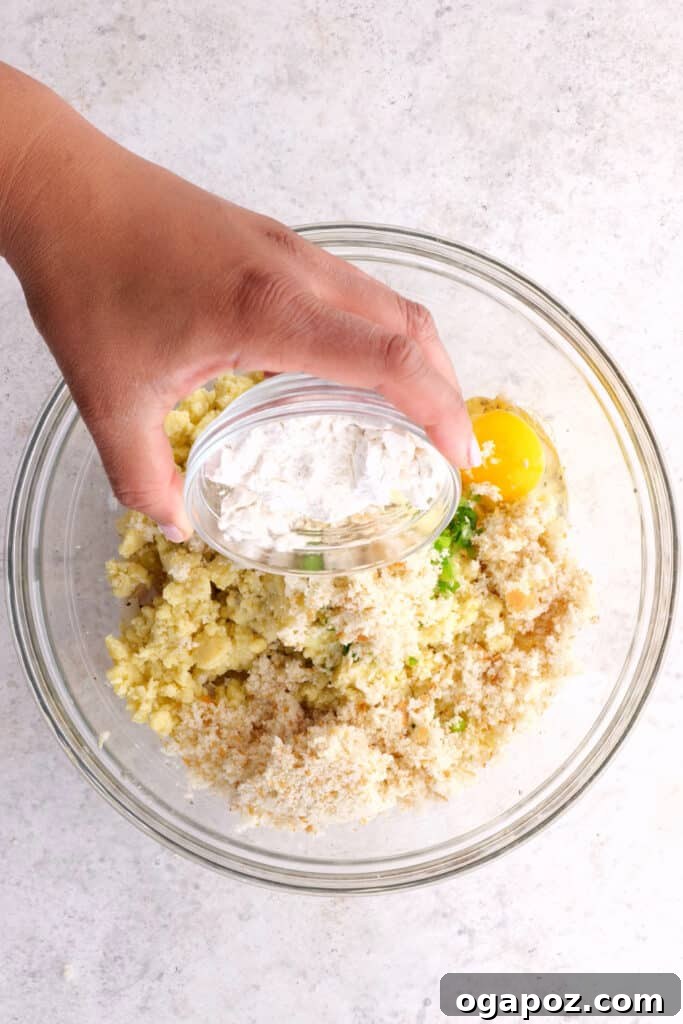
The Role of Breadcrumbs: Breadcrumbs are indispensable for achieving the right consistency and a superb crispy crust. They absorb any excess moisture from the potatoes and fish, making the patties easier to handle and less likely to disintegrate in the hot oil. I highly recommend using fresh breadcrumbs, which you can easily make by grating a slightly stale or even frozen bun on a box grater. This yields a finer, more tender crumb than dried breadcrumbs. You might need up to a full cup, especially if you’re using leftover mashed potatoes that already have milk, cream, or butter incorporated. The goal is a mixture that is pliable yet firm enough to hold its shape when formed into patties.
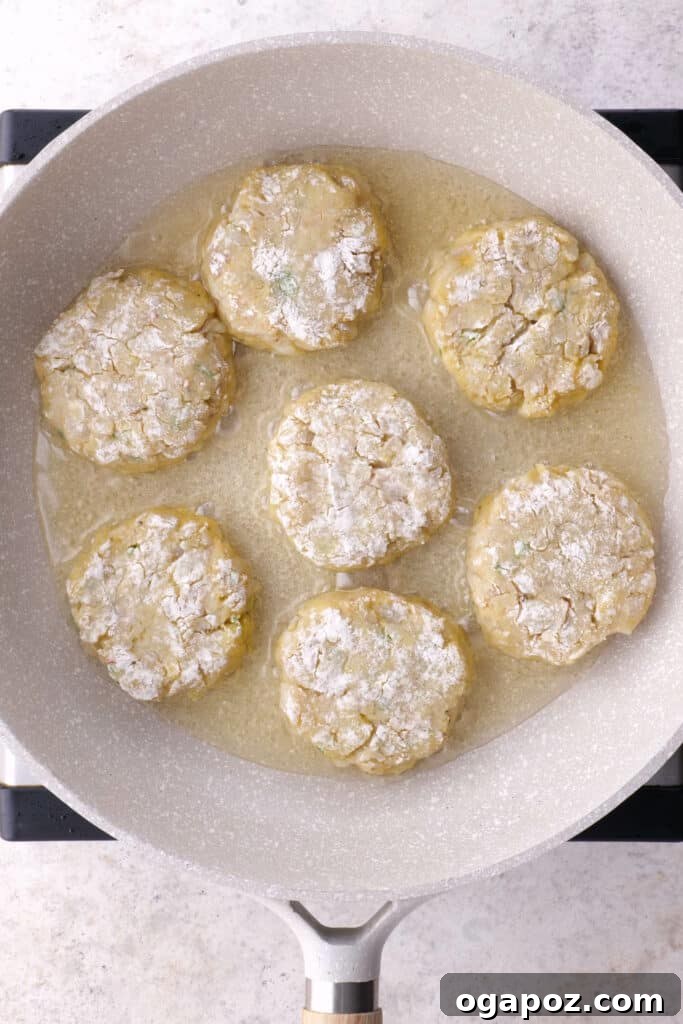
Flour for the Perfect Coating: Before frying, each fish cake is lightly dredged in all-purpose flour. This thin coating creates a barrier that helps the fish cakes achieve that coveted golden-brown, crispy exterior, preventing them from sticking and adding an extra layer of texture. It also helps to further seal the ingredients within, contributing to a more cohesive and delicious final product.
Preventing Your Homemade Fish Cakes from Falling Apart
One of the most common concerns when making fish cakes is the dread of them disintegrating in the pan. Fear not! With a few simple techniques, you can ensure your fish cakes stay perfectly intact and beautifully crisp.
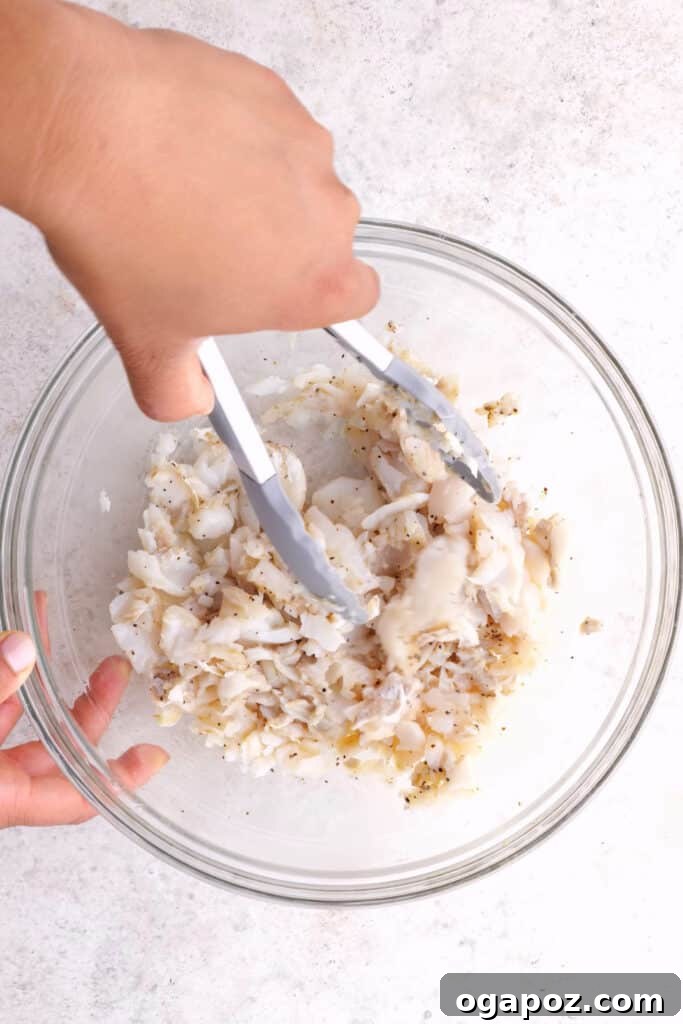
- Proper Fish Preparation: When cooking the cod initially, aim for just barely opaque and flaky. Overcooking will dry out the fish, making it crumbly and less cohesive in the mixture. Gently flake it by hand to ensure a good texture.
- Dry Mashed Potatoes: As mentioned, moisture is the enemy of firm fish cakes. If using freshly made mash, ensure it’s not overly wet. If using leftover mashed potatoes, especially those enriched with milk or cream, be prepared to add more breadcrumbs to absorb the extra liquid. The mixture should feel firm enough to hold its shape when squeezed.
- The Right Amount of Binder: The egg is crucial. Don’t skimp on it. It acts as the glue that binds everything together.
- Sufficient Breadcrumbs: Don’t be shy with the breadcrumbs. They are key for both binding and achieving that desirable crispy texture. Add them gradually until the mixture feels manageable and can be easily formed into patties without crumbling.
- Chilling is Critical: This is a non-negotiable step for sturdy fish cakes. Refrigerating the formed patties for at least 20 minutes (or even longer, up to an hour) allows the ingredients to firm up and meld together. This significantly reduces the chances of them breaking apart during frying.
- Gentle Handling: When forming and transferring the patties, be gentle. And when frying, resist the urge to move them too much before they’ve had a chance to develop a crust.
Frying for Golden Perfection: Tips for the Crispiest Finish
Achieving that irresistible golden-brown, crispy crust is the final step to fish cake perfection. The right frying technique makes all the difference.
- Pan and Oil: Use a large, heavy-bottomed skillet that conducts heat evenly. Vegetable oil is a good choice for frying due to its high smoke point. Ensure you have enough oil to generously coat the bottom of the pan, about 5 tablespoons for the frying stage.
- Medium Heat is Key: Heat the oil over medium heat. You want it shimmering hot, but not smoking. Too low heat will result in greasy, soggy fish cakes, while too high heat will burn the exterior before the interior is heated through.
- Don’t Crowd the Pan: This is crucial. Frying in batches is essential. Overcrowding the pan will drop the oil temperature, leading to less crispy fish cakes and making them harder to flip. Give each cake enough space to cook evenly.
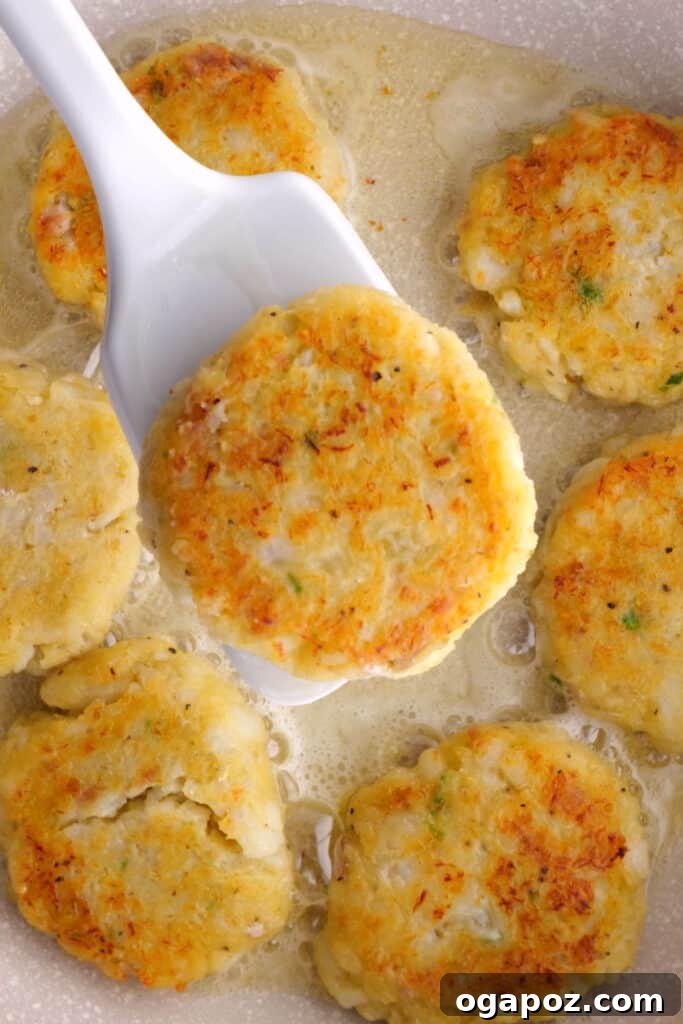
- Cook Until Golden: Cook each side for 3-5 minutes. Resist the urge to flip them too early. Let a beautiful golden-brown crust develop before turning. This crust is what holds the fish cake together and provides that satisfying crunch. Adjust the heat as needed to prevent burning while ensuring thorough cooking.
Serving Suggestions and Complementary Sauces
These crispy potato fish cakes are incredibly versatile and can be served in a multitude of ways. My personal favorite pairing is on a fresh bed of lemon- and olive oil-dressed greens, providing a light, tangy contrast to the rich fish cakes. And, of course, they are absolutely divine with a generous dollop of quick, tangy homemade tartar sauce.
Making your own tartar sauce from scratch is surprisingly easy and truly elevates the dish. The fresh lemon juice, brined capers, minced parsley, and green onion combine to create a vibrant, zesty condiment that cuts through the richness of the fried fish. It’s a game-changer compared to store-bought versions. Alternatively, for those who appreciate simplicity, a squeeze of fresh lemon and a generous dollop of good old ketchup is also a perfectly acceptable and beloved pairing!
Consider these other delicious serving ideas:
- Brunch Delight: Serve with a perfectly poached or fried egg for a hearty breakfast or brunch.
- Sandwich/Slider: Tuck them into soft buns or slider rolls with lettuce, tomato, and extra tartar sauce.
- Sides: A fresh coleslaw, roasted asparagus, or a simple side of steamed green beans would complement these beautifully.
- Dip Variety: Experiment with other dipping sauces like a spicy sriracha mayo, a refreshing dill aioli, or a classic remoulade.
Beyond the Plate: Leftovers, Make-Ahead, and Creative Uses
Fish cakes are an excellent way to utilize leftover mashed potatoes, especially after a holiday meal. If your potatoes already have cream or milk added, you might simply need to adjust the amount of breadcrumbs in the mixture until it reaches a consistency that’s easy to handle and shape into patties. This makes them a fantastic zero-waste meal.
If you find yourself with any fish cakes remaining, they make for a fantastic next-day lunch. Simply tuck them into pita bread pockets or on a sandwich with crisp lettuce and a smear of mayonnaise for a delightful and convenient meal on the go. They also reheat beautifully in an oven or air fryer, maintaining their crispiness.
For make-ahead convenience, you can form the fish cakes and refrigerate them, covered, for up to 24 hours before frying. This is perfect for entertaining or preparing components for a busy week. You can also freeze unfried patties by arranging them on a baking sheet until solid, then transferring them to an airtight container or freezer bag. When ready to cook, thaw them in the refrigerator before frying as usual. This recipe truly offers flexibility for both immediate enjoyment and future planning.
Crispy Potato Fish Cakes with Cod
Jennifer Pallian BSc, RD
15 minutes
20 minutes
35 minutes
4
Video
A video guide for this recipe would typically be embedded here.
Ingredients
- 2 tbsp + 5 tbsp vegetable oil divided
- 1 lb boneless cod filet
- salt and pepper
- 2 cups mashed potato leftover, or just microwave 2 potatoes skin-on
- 1 large egg
- 1 green onion white and green parts, minced
- up to 1 cup fresh bread crumbs I grate a frozen bun on a box grater
- ¼ cup all purpose flour
For tartar sauce:
- ½ cup mayonnaise
- 2 tbsp fresh lemon juice
- 1 ½ tbsp brined capers
- 2 tbsp minced fresh parsley
- 1 green onion white and green parts, minced
- Salt to taste
Instructions
-
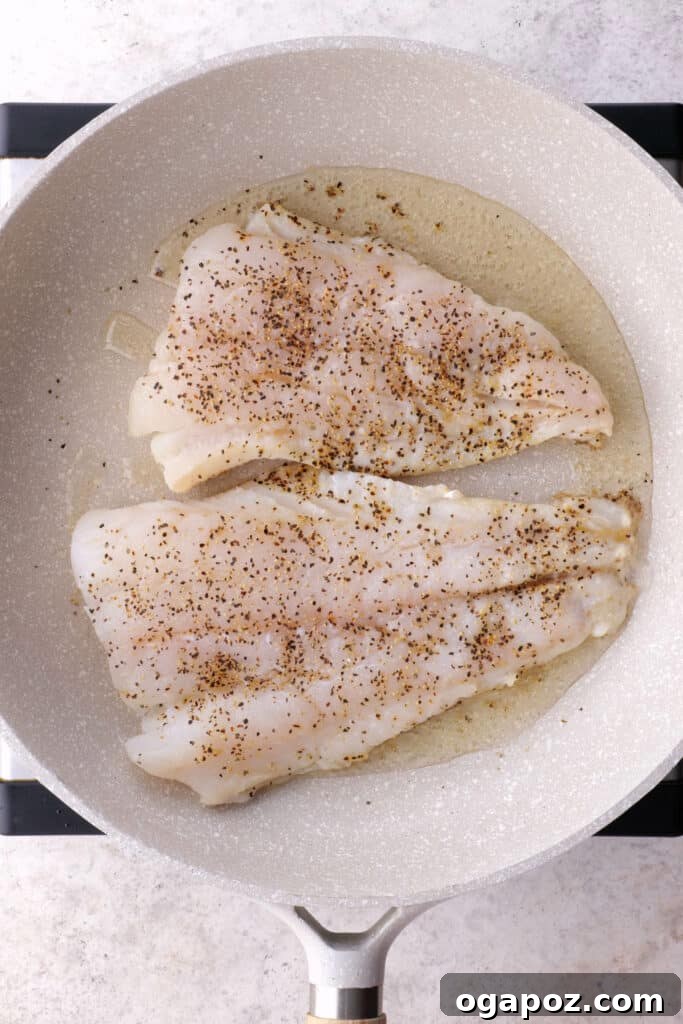
Heat 2 tbsp oil in a large skillet over medium heat. Add cod, season with salt and pepper. Cook until just barely opaque and flaky. It’s better to ever-so-slightly undercook the fish than overcook it at this stage, as you’ll be cooking it again in the cakes.
-
Transfer fish to a bowl and break into large flakes with your hands. Add mashed potato, egg, green onion and enough bread crumbs so that the mixture holds a patty shape (if using leftover mash with milk or other liquid added, you’ll definitely need the whole cup of crumbs). Use your hands or a big spoon to work everything together until well-combined.
-
Place flour on a shallow plate. Form potato mixture into 16 equal patties between the palms of your hands, dredging both sides in the flour and transferring to a baking sheet as you go. Refrigerate fish cakes 20 minutes to firm up.
-
Wipe out the fish skillet and return to medium heat; add remaining oil. When shimmering hot, add several fish cakes – you’ll need to cook them in a few batches to avoid over-crowding the pan. Cook each side for 3-5 minutes, or until golden brown and crisp. Adjust the heat as needed to prevent burning.
To make tartar sauce:
-
Combine all ingredients in a medium bowl, whisking together with a fork. Season with salt to taste. Serve fish cakes with the tartar sauce.
Nutrition
Nutrition information is automatically calculated, so should only be used as an approximation.
Tried this recipe? We’d love to hear from you! Leave a comment below and share your experience.