
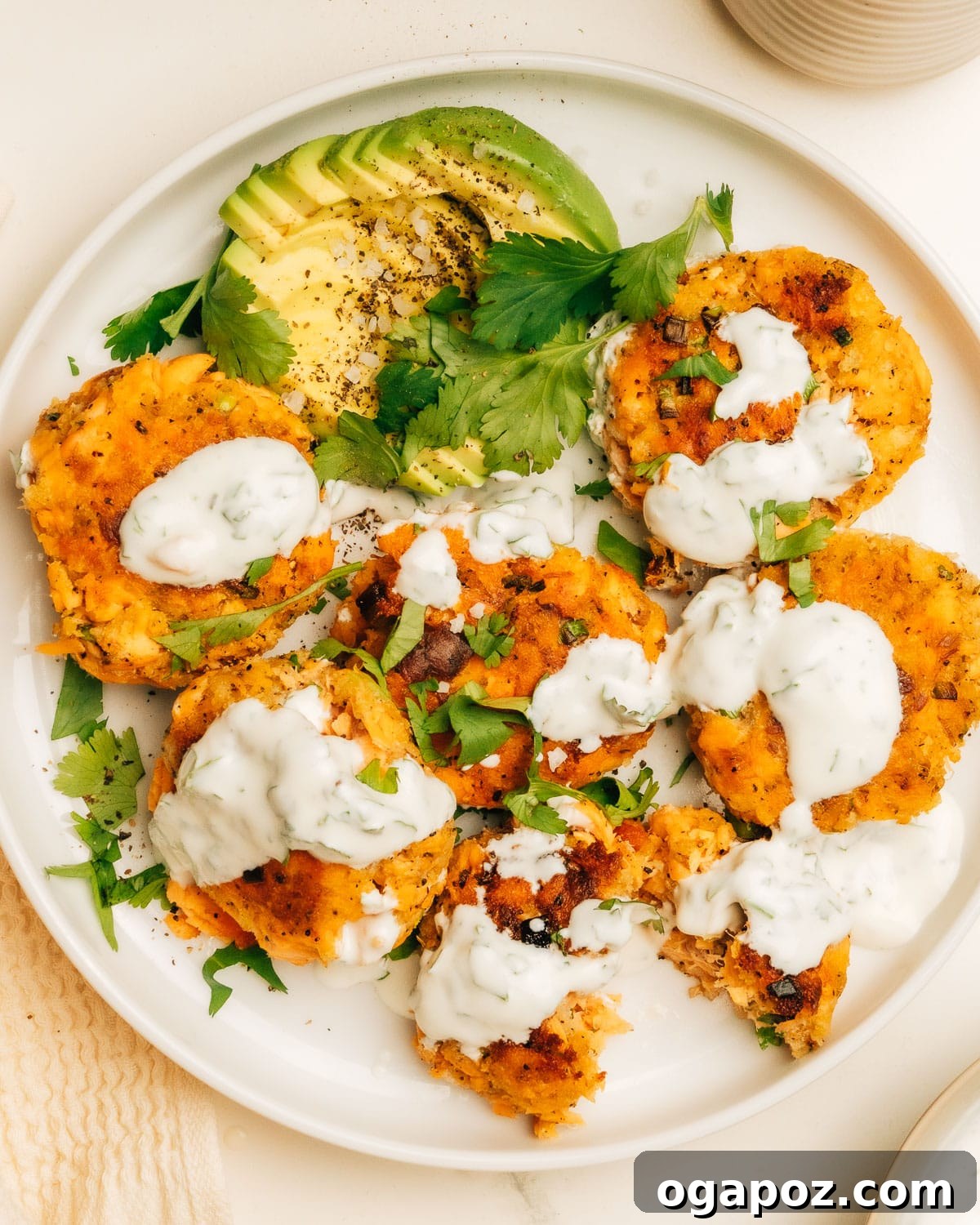
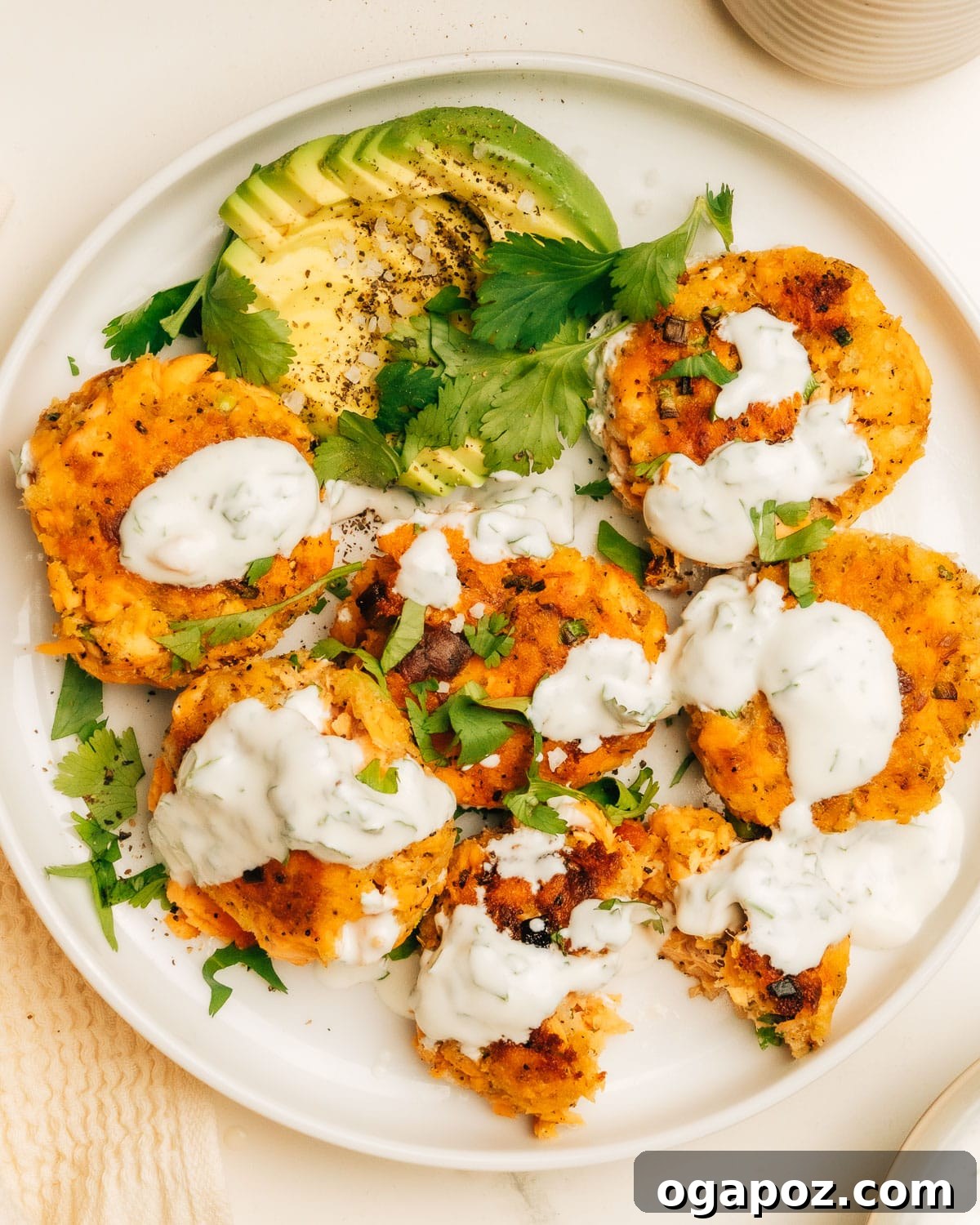
Craving a delicious, healthy, and incredibly easy meal that comes together in a flash? Look no further than these amazing Salmon Patties! Our recipe, boasting just 5 core ingredients, is designed for ultimate simplicity without sacrificing flavor or texture. You’ll achieve perfectly crispy exteriors that give way to a tender, moist inside, thanks to a unique secret ingredient. Ideal for busy weeknights, meal prep, or a light lunch, these homemade salmon cakes are guaranteed to become a family favorite.

Essential Ingredients for Perfect Salmon Patties
Prepare to be amazed by how quickly and effortlessly these delightful salmon patties come together. Made primarily from staple pantry items, this recipe allows you to whip up a delicious meal in under 20 minutes, with only about 10 minutes of active preparation. It’s an excellent choice for a speedy dinner or for preparing healthy meals in advance.
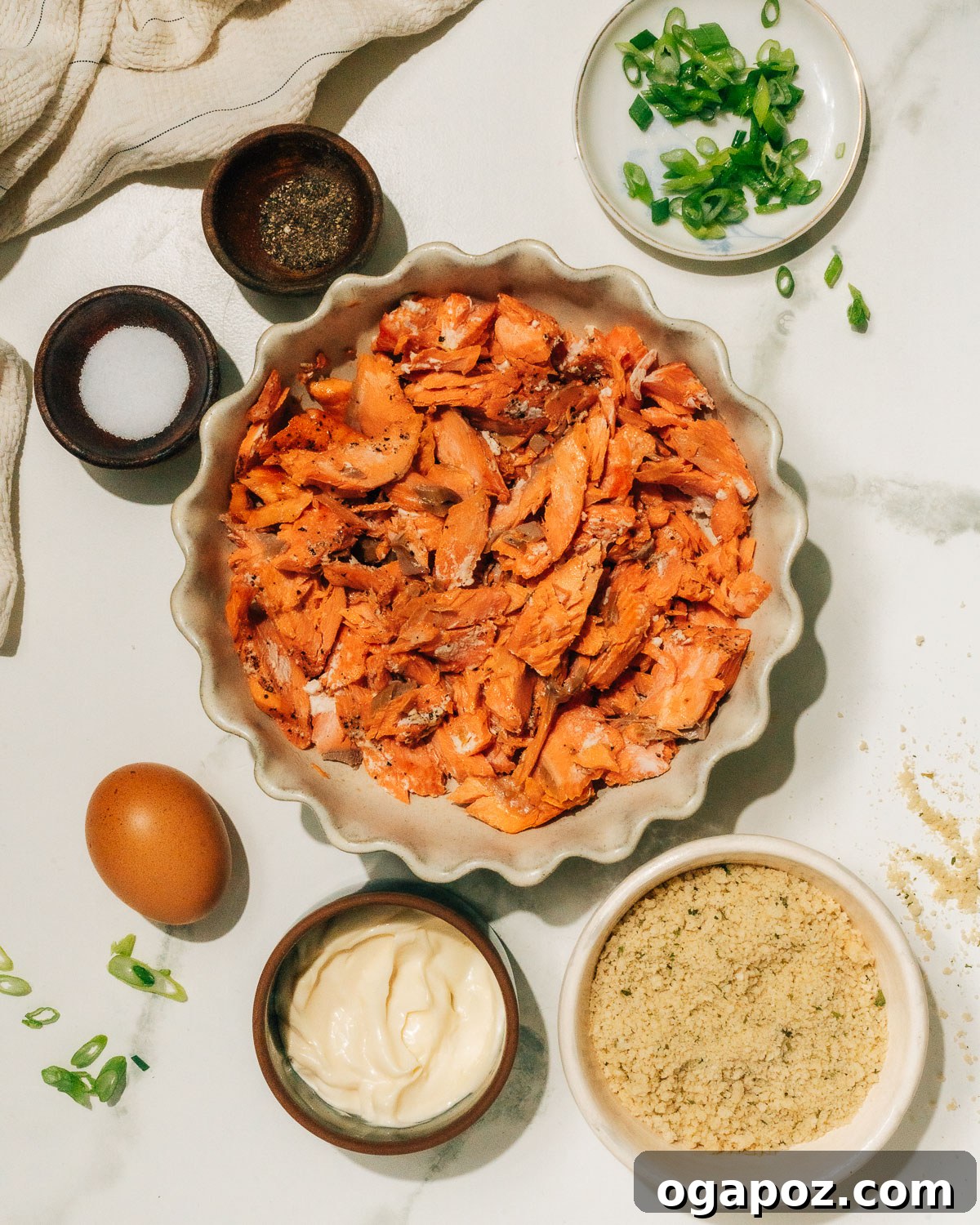
Here’s a detailed look at what you’ll need to create these fantastic salmon patties. For an extra burst of flavor, I highly recommend serving them alongside my Creamy Dill Sauce for Salmon or a simple dollop of sour cream or Greek yogurt.
- Canned Salmon: You’ll need two 6 oz cans. The key here is to drain them exceptionally well to prevent soggy patties. Alternatively, if you have leftover cooked salmon or prefer fresh fish, about 9 oz of flaked salmon works perfectly. Opting for canned salmon makes this recipe incredibly convenient and budget-friendly.
- Panko Breadcrumbs: These are crucial for achieving that desirable light, crispy texture and act as an excellent binder, holding the patties together without making them dense. Regular bread crumbs can be used as a substitute if panko isn’t available, but panko truly delivers superior crispiness.
- Large Egg: This acts as the primary “glue” in our mixture, ensuring the patties maintain their shape during cooking and don’t crumble apart. It provides essential moisture and structure.
- Mayonnaise (THE SECRET INGREDIENT!): This is where the magic happens! Mayonnaise is truly the secret to incredibly moist, rich, and flavorful salmon patties. Unlike just an egg yolk, mayo adds a profound depth of moisture and acts as a powerful emulsifier, binding all the ingredients beautifully while infusing a creamy texture and savory flavor. It’s also my secret for juicy chicken burgers!
- Salt and Freshly Ground Black Pepper: Simple yet essential seasonings that enhance the natural deliciousness of the salmon without overpowering it. Adjust to your taste, but don’t skip them!
- Green Onions (Scallions): Finely chopped green onions provide a vibrant burst of fresh, mild onion flavor and add lovely specks of color. They contribute a subtle sharpness that balances the richness of the salmon and mayonnaise.
- Olive Oil: Used for pan-frying, a good quality olive oil helps achieve that glorious golden-brown, crispy crust we’re aiming for. You can also use avocado oil or any other neutral oil with a medium-high smoke point.
Exact recipe quantities and detailed instructions are provided in the comprehensive recipe card located at the bottom of this article.
If you’re a fan of fish patties and looking for more quick and delicious seafood options, you absolutely must explore my popular recipe for Crispy Potato Fish Cakes with Cod or try these incredibly easy Tuna Patties!
Customizing Your Salmon Patties: Variations and Substitutions
One of the best aspects of this salmon patty recipe is its versatility. Feel free to experiment and customize it to suit your dietary needs or flavor preferences. Here are some effortless ways to make these salmon cakes uniquely yours:
- Low-Carb Swaps: For a gluten-free and low-carb alternative to panko, consider using almond flour, coconut flour, or finely crushed pork rinds. Start with a smaller quantity than the panko (e.g., half the amount) and add more gradually until the mixture holds together well, as these alternatives absorb moisture differently.
- Gluten-Free Options: Easily make this recipe gluten-free by using gluten-free panko breadcrumbs, or opt for finely crushed rice crackers for a unique texture and binding agent.
- Boost the Flavor Profile: Elevate the taste with additional seasonings. Try mixing in 1 teaspoon of Dijon mustard for a tangy kick, a squeeze of fresh lemon juice, some lemon zest for brightness, a pinch of chili flakes for a touch of heat, 1 tablespoon of fresh dill for classic seafood pairing, or a tablespoon of briny capers for a sophisticated twist.
- Alternative Fish Options: This recipe isn’t exclusive to salmon! Canned tuna works wonderfully as a substitute; just ensure it’s thoroughly drained, similar to the salmon, to prevent a mushy consistency.
- Using Fresh Salmon: While canned salmon offers unparalleled convenience, you can certainly use fresh salmon. Simply cook and flake about 9 ounces of fresh salmon (ensure skin and any pin bones are removed) for a lighter flavor and texture. This is a great way to use up leftovers!
- Old-Fashioned Twist: For a classic, nostalgic touch reminiscent of traditional recipes, swap the breadcrumbs for crushed crackers. Crushed saltines or Ritz crackers add a distinct savory flavor and texture that many grew up with.
If you enjoy simple and flavorful salmon dishes, you absolutely must try these other recipes: my fiery Cajun Honey Butter Salmon, the incredibly tender Baked Salmon with Mayonnaise, and the delightfully sweet and savory Honey Teriyaki Glazed Salmon!
Essential Tools for Effortless Salmon Patty Preparation
You’ll be pleased to know that you likely already own most, if not all, of the tools required to make these salmon patties. No specialized equipment needed!
- Large Mixing Bowl: A generously sized bowl is essential for comfortably combining all the ingredients, allowing for easy and thorough mixing without spills.
- Fork: This simple utensil is perfect for flaking the salmon, whether from a can or pre-cooked, and for gently incorporating the other ingredients to maintain some texture.
- Skillet (Nonstick or Cast Iron): A high-quality nonstick skillet or a well-seasoned cast iron pan is highly recommended. These surfaces ensure the patties don’t stick and make flipping them a breeze, contributing to a beautiful golden crust.
- Thin, Flexible Spatula: For delicate patties, a thin and flexible spatula is your best friend. It allows you to gently lift and flip the patties without breaking them, preserving their shape and crispiness.
- Paper Towels: Indispensable for draining excess liquid from canned salmon – a critical step for crispy patties – and for blotting any surplus oil from the cooked patties before serving.
- Air Fryer (Optional): While not essential for the initial cooking, an air fryer is a fantastic tool for reheating leftover salmon patties, restoring their crispy texture, or for making a slightly healthier “baked” version if you prefer to avoid pan-frying.
How to Make Salmon Patties: A Step-by-Step Guide
Get ready to create perfectly crispy and tender salmon patties in no time! This recipe is incredibly fast, allowing you to mix, shape, and fry your way to a delicious meal in under 20 minutes. Follow these straightforward steps to ensure your salmon patties turn out flawlessly every single time.

1. Thoroughly Drain the Salmon
Begin by opening your cans of salmon and draining all the liquid completely. This is perhaps the most crucial step for achieving perfectly crispy salmon patties that hold their shape. Use a fork or several layers of paper towels to gently press out any excess moisture from the canned salmon. This extra effort ensures your patties won’t be mushy and will crisp up beautifully.
2. Gently Mix the Ingredients
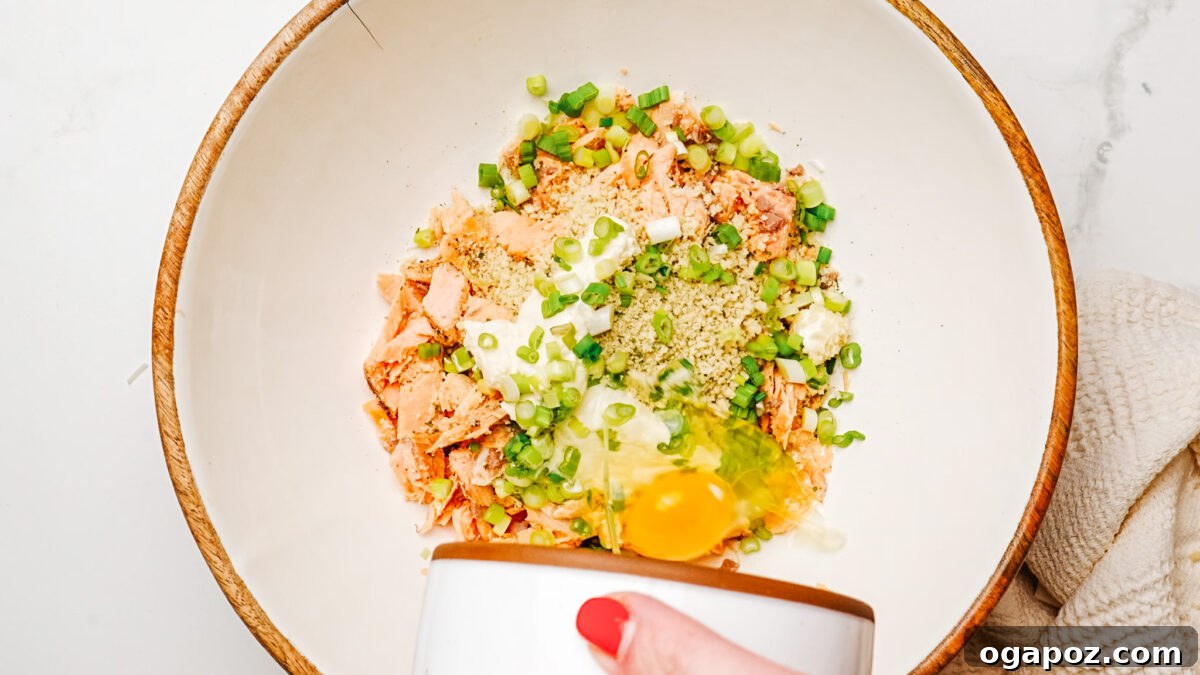
In a large mixing bowl, combine the well-drained salmon with the panko breadcrumbs, large egg, mayonnaise (our secret ingredient!), kosher salt, black pepper, and chopped green onions. Using a fork, gently mix all the ingredients until they are just combined. Be careful not to overmix; a light touch is key to maintaining some of the salmon’s natural texture, which contributes to the best overall patty experience.
3. Shape the Patties Evenly
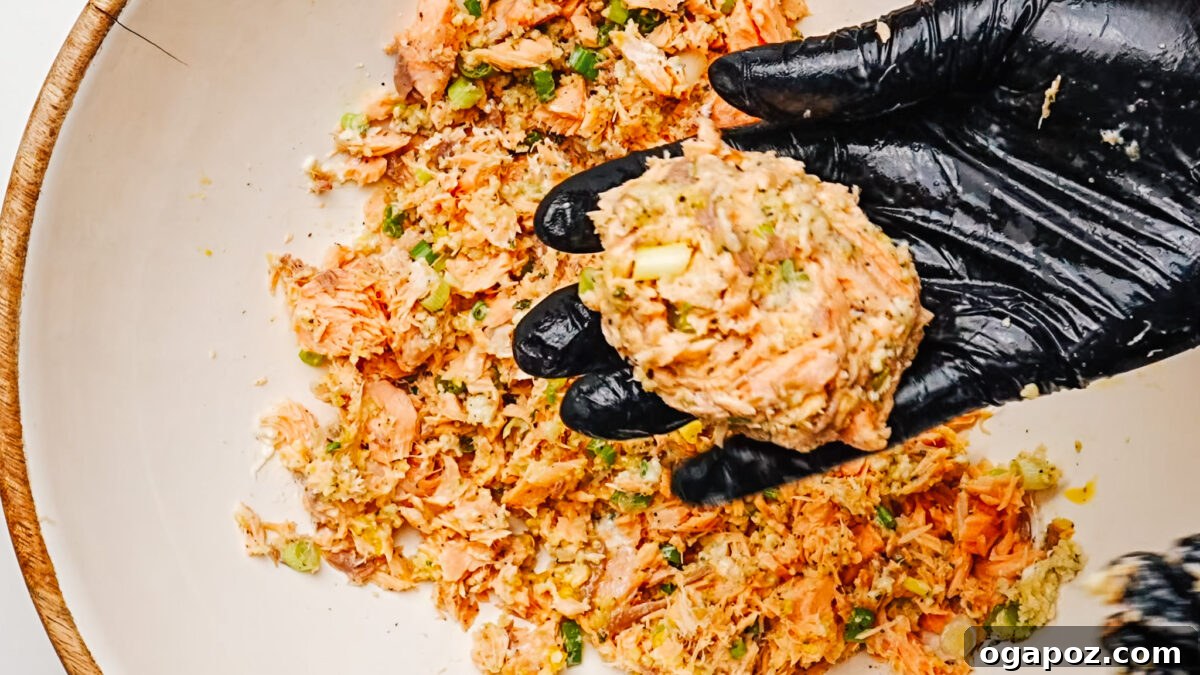
Divide the salmon mixture into 6 equal portions. Take each portion and gently shape it into a patty, aiming for a thickness of about 3/4 inch. Avoid packing the mixture too tightly, as this can lead to dense and heavy patties. A light hand will ensure they remain tender and cook through evenly.
4. Fry Until Golden Perfection
Heat about 2 tablespoons of olive oil in your skillet over medium heat. Once the oil is shimmering and hot, carefully place the shaped patties into the pan. Cook for approximately 3 to 4 minutes per side, until they achieve a beautiful golden brown color and a satisfying crispy crust. Resist the urge to move them around too much while they cook; allow them to form that delicious crust undisturbed.
5. Serve Warm and Enjoy
Once cooked to perfection, transfer the salmon patties to a plate lined with paper towels for a brief moment to absorb any excess oil. Serve them immediately while they are warm and at their crispiest. A squeeze of fresh lemon juice or a wedge of lemon on the side adds a bright, refreshing counterpoint. These patties are absolutely delicious served with classic mayo, cool sour cream, tangy tartar sauce, our recommended Salmon Dill Sauce, or a zesty Lemon Yogurt Sauce.

5 Common Mistakes to Avoid for Perfect Salmon Patties
Even though this is an easy salmon patties recipe, there are a few common pitfalls that can prevent your salmon cakes from reaching their full potential. Being aware of these frequent mix-ups will help you achieve perfect results every time:
- Not Draining the Salmon Thoroughly: This is, by far, the most common mistake. Excess liquid from canned salmon will make your patty mixture too wet, resulting in mushy patties that are difficult to handle and won’t crisp up properly. Always press the canned salmon firmly with a fork or blot it dry with paper towels to remove as much moisture as possible for the best, firmest patties.
- Overmixing the Patty Mixture: While you want all ingredients well combined, vigorous or prolonged mixing can lead to dense, rubbery salmon patties. This is especially true if you’re tempted to use a food processor (please don’t!). Gentle mixing, just until the ingredients come together, helps maintain a light texture and keeps some of the salmon’s flaky character.
- Incorrect Skillet Temperature (Too Hot or Too Cold): The cooking temperature is critical. If your skillet is too hot, the outside of the patties will burn before the inside has a chance to heat through and set. If the skillet is too cold, the patties will absorb too much oil, becoming greasy and pale rather than golden and crispy. Aim for medium heat – the “sweet spot” – for even cooking and a beautiful crust.
- Flipping the Patties Too Soon: Patience is a virtue when frying! Resist the urge to flip the patties prematurely. Allow the first side to cook undisturbed until it develops a deep golden-brown crust and releases easily from the pan. If it sticks, it’s not ready to be flipped. Flipping too early can cause them to break apart.
- Making Patties Too Thick: While a thick patty might seem more substantial, making them too thick can lead to uneven cooking. The exterior might burn before the center is heated through or fully set. Aim for a consistent thickness of about 3/4 inch. This ensures quick, even cooking and a balanced ratio of crispy crust to tender interior.
Make Ahead and Storage: Enjoy Salmon Patties Anytime
These easy salmon patties are not only quick to prepare but also incredibly convenient for meal prepping and busy weeknights. I often make a double batch specifically to freeze half for later, ensuring a delicious and healthy meal is always within reach.
Storing Cooked Leftovers
- Refrigeration: Once completely cooled, store your cooked salmon cakes in an airtight container in the refrigerator for up to 3 days. If stacking, place a sheet of parchment paper between each patty to prevent them from sticking together.
- Layer Wisely: To maintain their shape and prevent sticking, always separate layers of patties with parchment paper or wax paper, especially if storing multiple in one container.
Freezing Salmon Patties for Future Meals
- Freezing Uncooked Patties: This is a fantastic option for future meal planning. Shape the patty mixture as usual, then arrange the uncooked patties in a single layer on a baking sheet. Freeze until solid (this prevents them from sticking together in a bag). Once frozen, transfer them to a freezer-safe bag or airtight container, separated by parchment paper, for up to 3 months. Cook from frozen, adding an extra minute or two per side.
- Freezing Cooked Patties: If you have cooked leftovers you wish to save, allow them to cool completely. Freeze them in a single layer on a baking sheet until solid, then transfer to a freezer bag or container. You can thaw them in the refrigerator overnight before reheating in a skillet, or cook them directly from frozen in an air fryer or oven for best results.
Reheating Salmon Patties for Optimal Crispiness
The goal when reheating is to restore that wonderful crispy exterior. Here are the best methods:
- Oven Method: For deliciously baked salmon patties, preheat your oven to 375°F (190°C). Place the patties on a baking sheet and bake for 10 to 12 minutes, flipping halfway through, until they are heated through and regain their crispiness. This method is excellent for reheating larger batches.
- Air Fryer Method: My personal favorite for reheating! An air fryer works wonders for bringing back the crisp. Cook at 350°F (175°C) for 5 to 6 minutes, or a bit longer if reheating from frozen, until perfectly hot and crispy.
- Skillet Method: For a quick reheat, warm a lightly oiled pan over medium heat. Reheat the patties for 2 to 3 minutes per side until warmed through and crisp.
While you can certainly microwave them for convenience, be aware that this method won’t achieve the desired crispy outside, making them softer in texture.
How to Serve These Delicious Salmon Patties
These versatile salmon patties are incredibly satisfying served simply with fresh lemon wedges and a crisp green salad. However, if you’re looking to elevate your meal or need more inspiration, here are plenty of ideas to round out your plate and impress your taste buds.
Perfect Salmon Patties Toppings and Sauces
A great sauce or topping can transform your salmon patties:
- A Bright Squeeze of Fresh Lemon Juice: Always a winner! The acidity cuts through the richness of the salmon and enhances its natural flavor.
- Zesty Lemon Dill Aioli: A creamy, herbaceous sauce like the one featured in my salmon sandwiches recipe adds a gourmet touch.
- Cool & Creamy Sour Cream or Greek Yogurt: Offers a refreshing contrast and a lovely creamy texture.
- Classic Tartar Sauce or Remoulade: These traditional pairings are perfect, adding tang and savory notes.
- A Dash of Hot Sauce: For those who enjoy a little heat, a few drops of your favorite hot sauce can add an exciting kick.
Delicious Side Dishes for Salmon Patties
Pairing your salmon patties with the right sides can create a complete and balanced meal:
- Creamy Mashed Potatoes: A comforting and classic pairing that provides a smooth contrast to the crispy patties.
- Easy Coleslaw: Adds a delightful crunch and fresh, tangy flavor, perfect for balancing the richness of the fish.
- Pan-Fried Asparagus: An elegant and healthy green vegetable that cooks quickly and beautifully.
- Homemade Potato Salad with Eggs: A hearty and satisfying side, especially wonderful for warmer weather meals.
- Kale Caesar Salad: A robust and nutritious option that adds hearty greens and a flavorful dressing.
- Simple Steamed Rice or Roasted Vegetables: For a quick and wholesome accompaniment, a side of fluffy rice or a medley of seasonal roasted vegetables is always a great choice.
For even more inspiring ideas and pairings, be sure to check out my comprehensive roundup of best side dishes for salmon!
Final Notes, Pro Tips, and Science-Based Secrets for Success
Achieving consistently perfect salmon patties isn’t hard when you know a few key tricks. Here are my best tips and science-backed secrets to ensure your salmon cakes turn out crispy on the outside, tender on the inside, and absolutely delicious every single time:
- Drain, Drain, Drain!: This cannot be stressed enough. Wet salmon is the number one culprit behind patties that fall apart or turn out soggy instead of crispy. Whether you’re using canned or leftover cooked salmon, aggressively press out every last bit of liquid using a fork and plenty of paper towels. The drier the salmon, the better your patties will hold together and crisp.
- Chill Before Frying for Stability: If your salmon patty mixture feels a bit too soft or sticky to handle, don’t fret! Simply shape the patties and then refrigerate them for 15 to 30 minutes. Chilling helps the binders (like egg and mayo) set, making the patties firmer and less likely to break apart when they hit the hot oil.
- Utilize a Nonstick or Well-Seasoned Pan: A good cooking surface is invaluable. A reliable nonstick skillet or a perfectly seasoned cast iron pan will prevent the delicate patties from sticking, making them much easier to flip and ensuring they develop an intact, golden crust.
- Avoid Crowding the Pan: It’s tempting to cook all the patties at once, but overcrowding the pan is a common error. When too many patties are squeezed into the skillet, they lower the oil temperature and release moisture, causing them to steam rather than fry. This results in soft, pale patties instead of crispy ones. Cook in batches if necessary, leaving ample space between each patty.
- Check for Bones (Optional, but Recommended): Canned salmon, especially bone-in varieties, sometimes contains small, soft bones. While these bones are completely edible and a good source of calcium (softened during the canning process), some people prefer to remove them for a smoother texture. A quick check and removal during the flaking process can enhance the eating experience.
- Understand Canned Salmon Yield: Remember that the “6 oz” on a can of salmon includes the packing liquid. Once drained thoroughly, a 6 oz can typically yields about 4.5 oz of actual salmon. Keep this in mind for recipe adjustments or if you’re using fresh salmon.
- Add a Touch of Lemon Juice for Brightness: A squeeze of fresh lemon juice is a simple but powerful addition. Stirring a little into the mixture before shaping, or drizzling it over the finished patties, instantly brightens the flavor profile, adding a refreshing zest that beautifully complements the richness of the salmon.
FAQs About Salmon Patties
Just quickly scanning for answers? Here are some commonly asked questions about making and enjoying this delicious salmon patties recipe, providing quick and helpful insights.
Absolutely! While canned salmon offers convenience, you can certainly make delicious salmon patties with fresh salmon. You’ll need approximately 9 ounces of cooked, flaked fresh salmon. Be sure to remove any skin and pin bones before flaking. Using fresh salmon will result in a slightly different, often milder, flavor profile, but the preparation method remains similar.
Salmon patties typically fall apart for two main reasons: either the mixture is too wet, or the pan isn’t hot enough. It’s crucial to drain canned salmon exceptionally well, pressing out all excess moisture with paper towels. Additionally, ensure your skillet is preheated to medium heat and allow the patties to cook undisturbed until a golden, firm crust forms before attempting to flip them.
Yes, baked salmon patties are a great alternative to frying! For a healthier option, you can bake them in a preheated oven at 400°F (200°C) for about 12 to 15 minutes, flipping them halfway through. For a crispier exterior, lightly brush the patties with olive oil before baking. While they may not achieve the exact same level of crispiness as pan-fried versions, they are still incredibly delicious and a wonderful option.
Yes, the small, soft bones often present in canned salmon are completely safe and edible. They become very tender during the canning process and are an excellent natural source of calcium. You can easily mash them right into your salmon patty mixture, or if you prefer a smoother texture, you can pick them out before preparing the patties.
Salmon patties are done when they’ve developed a beautiful golden-brown and crispy crust on both sides, and feel firm to the touch when gently pressed. Since canned salmon is already cooked, the primary goal is to heat the patties through and achieve that desirable exterior crispness. This usually takes about 3 to 4 minutes of cooking time per side over medium heat.
Absolutely! If you’re looking to make gluten-free or low-carb salmon patties, you can substitute the panko breadcrumbs with alternatives like almond flour, coconut flour, finely crushed pork rinds, or even rolled oats. Start with a slightly smaller amount than the recommended breadcrumbs and adjust as needed, as these ingredients absorb moisture differently and may require slight tweaks to achieve the perfect consistency.
For frying salmon patties, olive oil, avocado oil, or a neutral vegetable oil (like canola or grapeseed oil) all work wonderfully. The key is to choose an oil with a medium-high smoke point that can withstand the heat required for frying without burning. About 2 tablespoons is usually sufficient for a standard skillet, providing enough oil for a crispy, golden finish.
Yes, freezing uncooked salmon patties is an excellent way to prepare meals in advance! Simply shape the patties as directed, then place them in a single layer on a baking sheet and freeze until they are solid. Once frozen, transfer them to a freezer-safe bag or airtight container, separated by parchment paper, and store for up to 3 months. When ready to cook, you can fry them directly from frozen, adding an extra minute or two per side.
Other Irresistible Salmon Recipes You’ll Love
If you’ve enjoyed these delicious salmon patties, be sure to explore more of our favorite salmon recipes:
- Cajun Honey Butter Salmon: A perfect blend of sweet, savory, and spicy.
- Baked Salmon with Mayonnaise: Incredibly moist and flavorful, a simple elegant dish.
- Honey Teriyaki Glazed Salmon: A crowd-pleasing, sticky-sweet, and savory salmon masterpiece.
- Air Fryer Frozen Salmon: Achieve moist, flaky salmon even from frozen, with minimal effort.
- Moist and Flaky Salmon Burgers: A delightful twist on classic burgers, packed with flavor.

Print Recipe
Crispy Salmon Patties (Quick + Easy)
5 minutes
10 minutes
15 minutes
6
Patties
Ingredients
For Salmon Patties
- 2 cans salmon, 6 oz each, drained very well (or 9 oz cooked or leftover salmon, flaked)
- ½ cup panko bread crumbs
- 1 large egg
- 2 tbsp mayonnaise
- 2 tbsp chopped green onions
- ½ tsp kosher salt
- ¼ tsp black pepper
For Frying
- 2 tbsp olive oil
For Serving (Optional)
- Lemon juice
- Creamy dill sauce
Instructions
-
Drain the canned salmon completely, pressing out excess moisture with a fork or paper towels until very dry.
-
In a bowl, add the drained salmon, panko breadcrumbs, egg, mayonnaise, chopped green onions, salt, and pepper.
-
Mix gently with a fork until just combined, being careful not to overmix to retain some salmon texture.
-
Divide the mixture into 6 equal portions and gently form each into a patty, about ¾ inch thick.
-
Heat olive oil in a skillet over medium heat until shimmering.
-
Carefully place the patties in the hot skillet and cook for 3 to 4 minutes per side, until golden brown and crispy.
-
Serve warm with a squeeze of fresh lemon juice and your favorite dipping sauce.
Notes
Onion Options: Finely minced red or white onion can be used in place of green onions for a slightly different flavor. Use what you have on hand.
Critical Draining: Always press canned salmon dry or blot cooked salmon to prevent soft, crumbly patties. This step is vital for crispy success.
Make Ahead & Freeze: Uncooked patties can be shaped and refrigerated for up to 24 hours. For longer storage, freeze shaped patties for up to 3 months. Cook from frozen or thawed.
Serving Suggestion: Best served with lemon wedges, a dollop of sour cream, or a side of creamy dill sauce or your preferred dipping sauce.
Nutrition
Nutrition information is automatically calculated and should be used as an approximation.
Tried this recipe? Leave a comment below! We love hearing from you!