
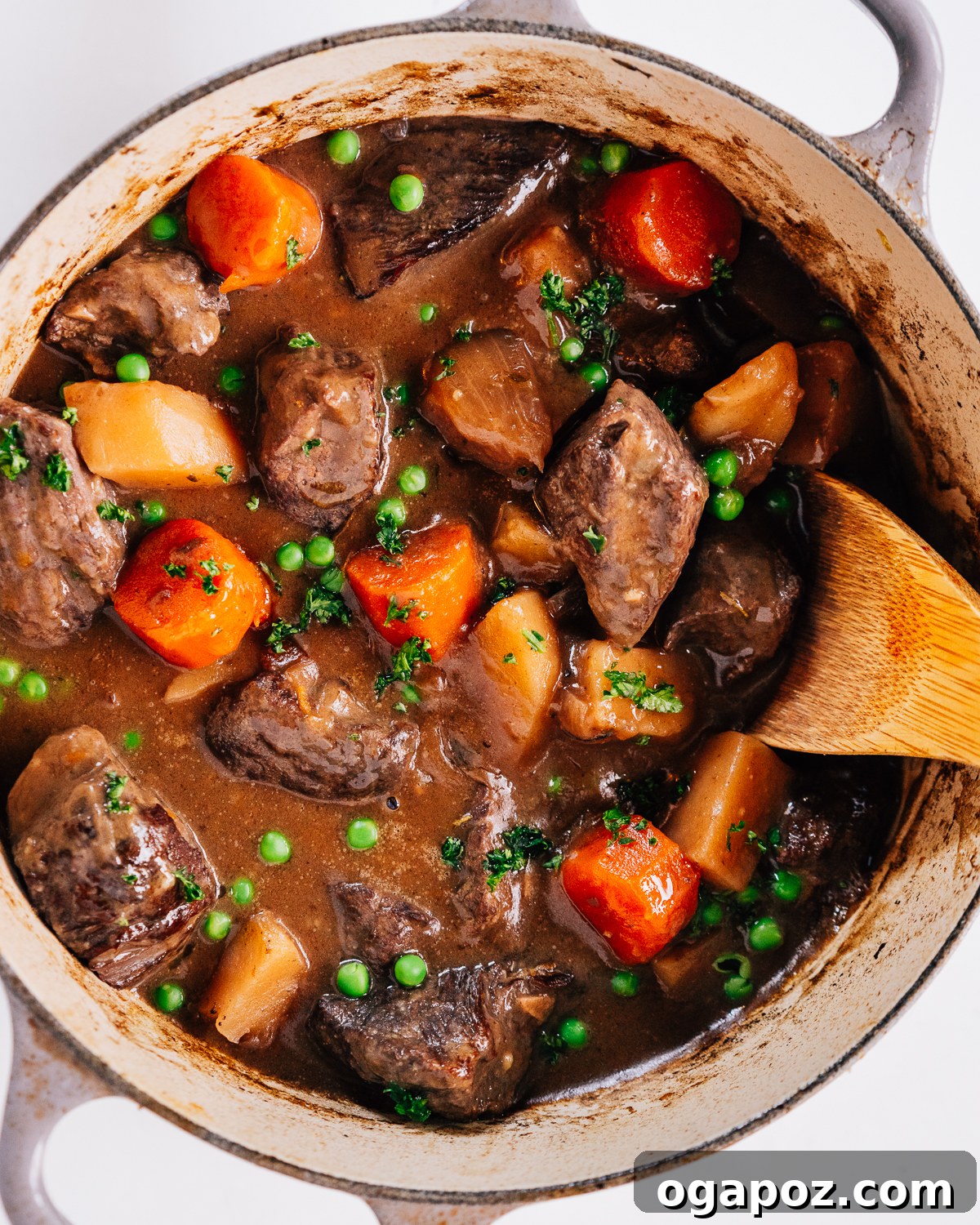
The Ultimate Dutch Oven Beef Stew: A Melt-in-Your-Mouth Comfort Food Recipe
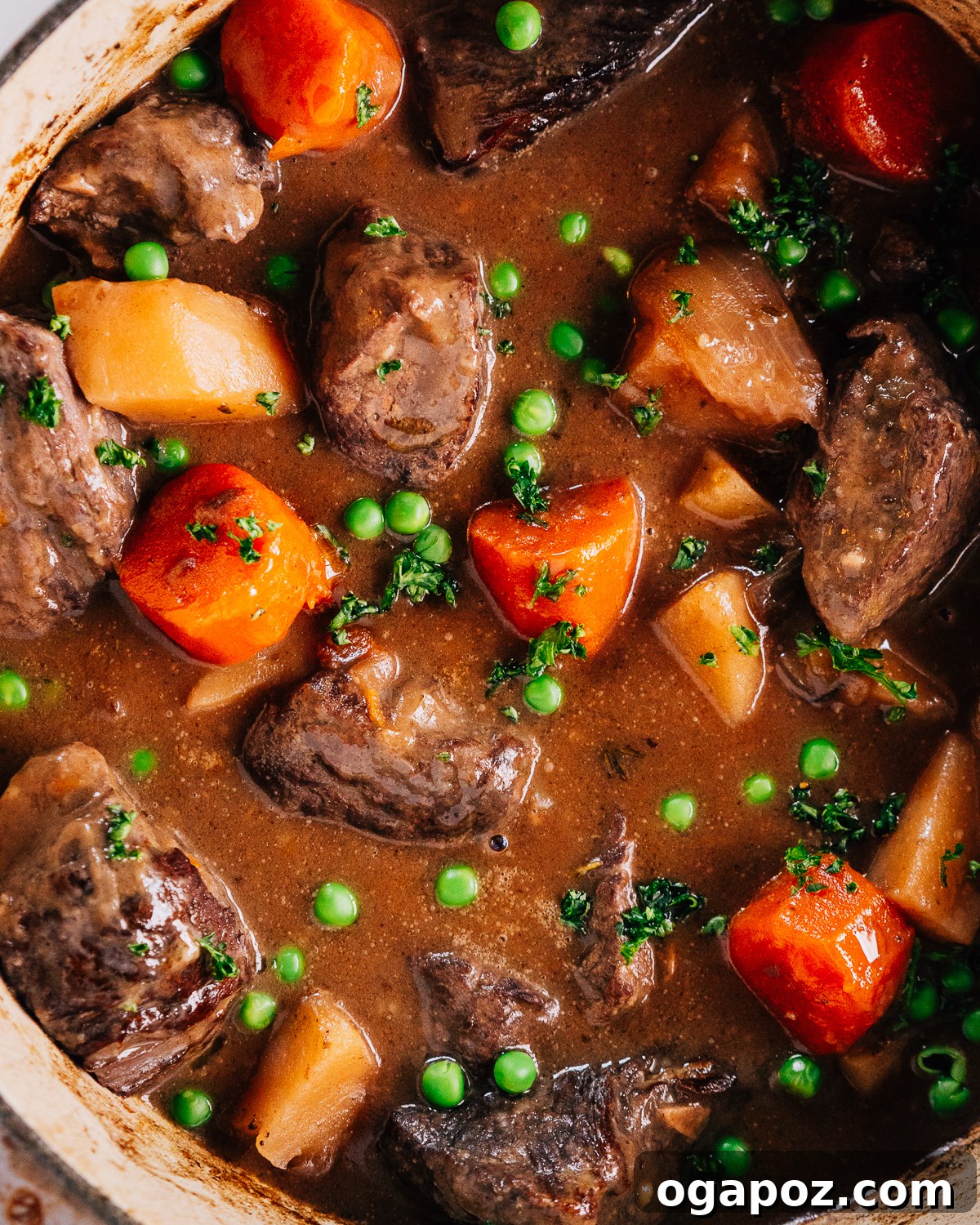
Prepare to create a truly unforgettable meal with this incredible Dutch Oven Beef Stew recipe. Imagine melt-in-your-mouth, buttery-soft beef, nestled among perfectly cooked, hearty vegetables, all bathed in a deeply rich and savory gravy. This easy-to-follow recipe is the quintessential comfort food, ideal for chilly evenings or any time you crave a warming, satisfying dish that brings everyone to the table with smiles.
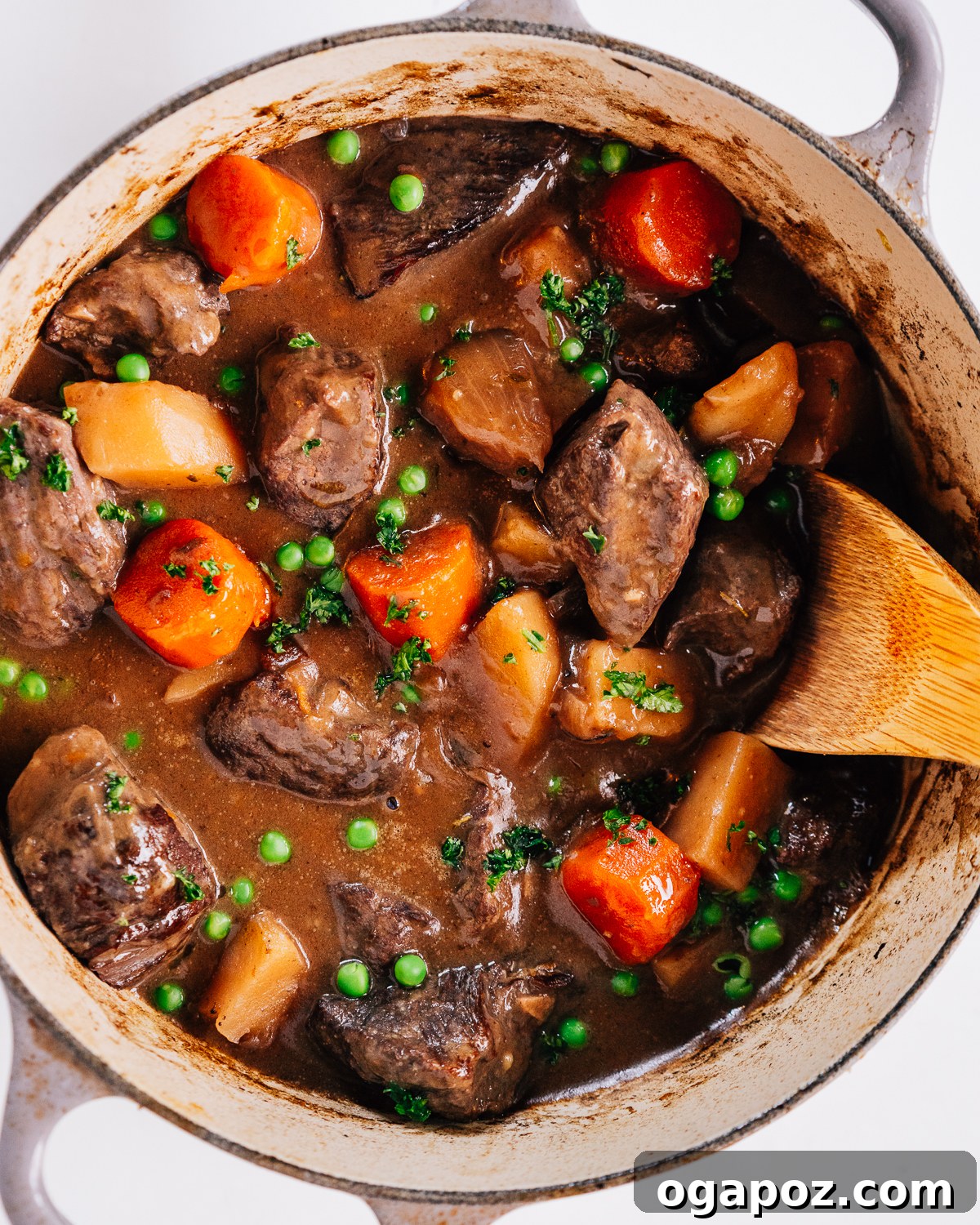
Mastering Dutch Oven Beef Stew
There’s something uniquely magical about a Dutch oven that transforms simple ingredients into an extraordinary meal. When this aromatic beef stew comes to the table, the excitement is palpable. It’s not just the incredible flavor that captivates; it’s the perfectly tender beef that truly stands out, making this a beloved family favorite.
The long, gentle cooking process in a heavy Dutch oven is the secret to achieving this unparalleled tenderness. It meticulously breaks down tougher cuts of beef, rendering them into succulent, melt-in-your-mouth morsels. This slow braising technique is similar to what makes my Dutch Oven Pot Roast so successful, allowing flavors to deepen and textures to soften beautifully. Plus, any delicious leftovers can be transformed into a delectable beef pot pie, offering a wonderful second meal.
Essential Ingredients for Your Hearty Beef Stew
Creating an outstanding traditional beef stew begins with selecting the right ingredients. Each component plays a vital role in building the layers of flavor and achieving that comforting, robust texture we all crave. Here’s a detailed look at what you’ll need to assemble this magnificent dish:
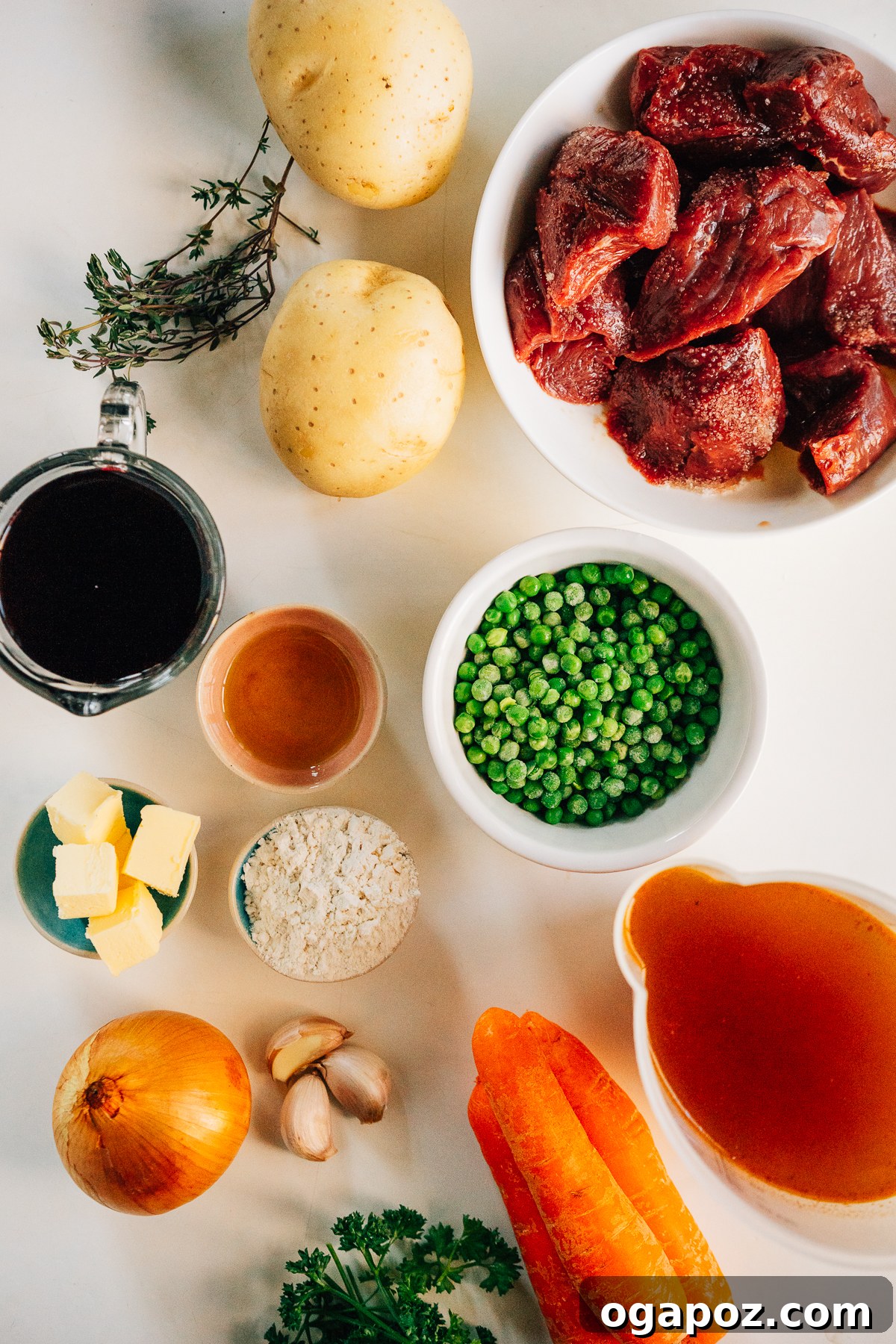
- Olive oil: A good quality extra virgin olive oil is essential. You’ll use it in two distinct stages: first, to sear the beef cubes to a beautiful golden-brown, locking in flavor, and then to gently sauté your aromatic vegetables. This dual use ensures a cohesive flavor base.
- Beef cubes: For the best results, opt for stewing beef, often labeled as “stew meat” at your butcher. This typically comes from cuts like chuck, which are inherently tough but become incredibly tender and flavorful with long, slow cooking. Alternatively, you can buy a beef chuck roast and cut it yourself into uniform 1 to 1 ½ inch chunks, ensuring even cooking. Look for well-marbled pieces for maximum juiciness.
- Onion: A large, finely chopped onion provides a foundational sweetness and aromatic depth to the stew. It slowly caramelizes, contributing to the rich flavor profile.
- Carrots: Whether you choose regular carrots, peeled and chopped into rustic chunks, or convenient baby carrots, they add natural sweetness and vibrant color. Carrots also hold their shape well during the long cooking time.
- Garlic: Freshly minced garlic is non-negotiable for its pungent aroma and depth of flavor. It beautifully complements the savory beef and sweet vegetables.
- Red wine: A dry red wine such as Cabernet Sauvignon, Pinot Noir, or Merlot is ideal. The wine adds a complex layer of flavor, helps deglaze the pot, and tenderizes the meat. Its acidity brightens the overall profile of the stew.
- Beef stock or broth: This forms the rich liquid base of your stew. I highly recommend a high-quality product like Better than Bouillon, which offers a superior flavor compared to many boxed broths and allows for precise quantity control. Ensure you have extra on hand for adjustments.
- Potatoes: Waxy varieties like Yukon Gold potatoes are excellent as they hold their shape wonderfully, preventing the stew from becoming overly mushy. For a slightly thicker, more rustic texture, Russet potatoes can be used, though they may break down a bit more. Cut them into roughly ½-inch cubes. Small red potatoes, halved and left unpeeled, also offer a delightful texture and appearance.
- Fresh Herbs: Fresh thyme and parsley are crucial for their aromatic qualities. Thyme infuses the stew with an earthy, slightly floral note during cooking, while fresh parsley added at the end brightens the dish with a burst of herbaceous flavor and color.
- Frozen peas: These are a simple addition, stirred in at the very end. They add a pop of color, a hint of sweetness, and tender texture without needing to be thawed beforehand.
- Butter and flour: These two ingredients are combined to create a quick roux. This classic thickening agent is added at the end of the cooking process, giving the stew its luscious, velvety texture and glossy finish. The roux ensures a perfectly rich and smooth gravy.
If fresh herbs are unavailable, dried herbs can certainly be used, but remember to use a smaller quantity as their flavor is more concentrated. Specific ingredient quantities are provided in the comprehensive recipe card at the conclusion of this article.
Customizing Your Dutch Oven Beef Stew: Substitutions and Variations
One of the joys of cooking is the ability to adapt a recipe to your preferences or what you have on hand. This Dutch Oven Beef Stew is wonderfully versatile. Feel free to swap out some of the ingredients to create your own unique version:
- Wine substitute: For a non-alcoholic version, simply replace the red wine with an equal amount of extra beef broth or unsweetened grape juice. These alternatives will still contribute depth to the stew.
- Vegetable additions: Enhance the vegetable medley by incorporating parsnips, turnips, or celery for added root vegetable sweetness and texture. Sautéed mushrooms can also introduce a deeper, umami-rich flavor. Sweet potatoes make an excellent, slightly sweeter alternative to regular potatoes.
- Protein alternatives: While beef chuck is classic, you can experiment with other cuts like beef brisket or even lamb stew meat for a different flavor profile. In our household, leftover roast beef (such as my extra tender and juicy eye of round roast or air fryer roast beef) was often repurposed into a delicious stew.
- Gluten-free option: To make the stew gluten-free, substitute the all-purpose flour in the roux with a gluten-free flour blend or cornstarch. Ensure your beef broth is also certified gluten-free.
- Herb variations: Beyond thyme, fresh rosemary or oregano can be used for a slightly different aromatic twist. For an even deeper, more complex flavor, consider adding one or two bay leaves to the pot during the simmering stage, removing them before serving.
- Pea alternatives: If peas aren’t your preference, fresh or frozen green beans make a great substitute, adding a similar texture and vibrant green color. You can also omit them entirely if you wish.
Beyond this classic stew, explore other beloved recipes like my Instant Pot Steak recipe for quick and tender results, or my comforting Chicken Stew with Biscuit Topping.
Essential Tools for Perfect Dutch Oven Beef Stew
Having the right kitchen tools makes the cooking process smoother and more enjoyable. For this Dutch Oven Beef Stew, you’ll primarily need:
- A large Dutch oven with a lid: This is the star of the show. Its heavy construction and even heat distribution are crucial for slow simmering and achieving tender meat. A 5-7 quart Dutch oven is ideal for this recipe.
- A sharp chef’s knife and cutting board: For efficient preparation of your beef and vegetables.
- A sturdy wooden spoon or heat-resistant spatula: Essential for stirring, scraping up fond, and ensuring nothing sticks to the bottom of the pot.
- A whisk: Indispensable for creating a smooth, lump-free roux for your rich gravy.
- A ladle: For serving up generous portions of your delicious stew!
How to Make Dutch Oven Beef Stew: A Step-by-Step Guide for Success
Crafting a truly spectacular, hearty beef stew in a Dutch oven is a rewarding culinary experience. While it requires a bit of time for slow simmering, the steps are straightforward and designed for ease, ensuring a flavorful result every time. Follow this easy guide to achieve a perfectly tender and rich beef stew:
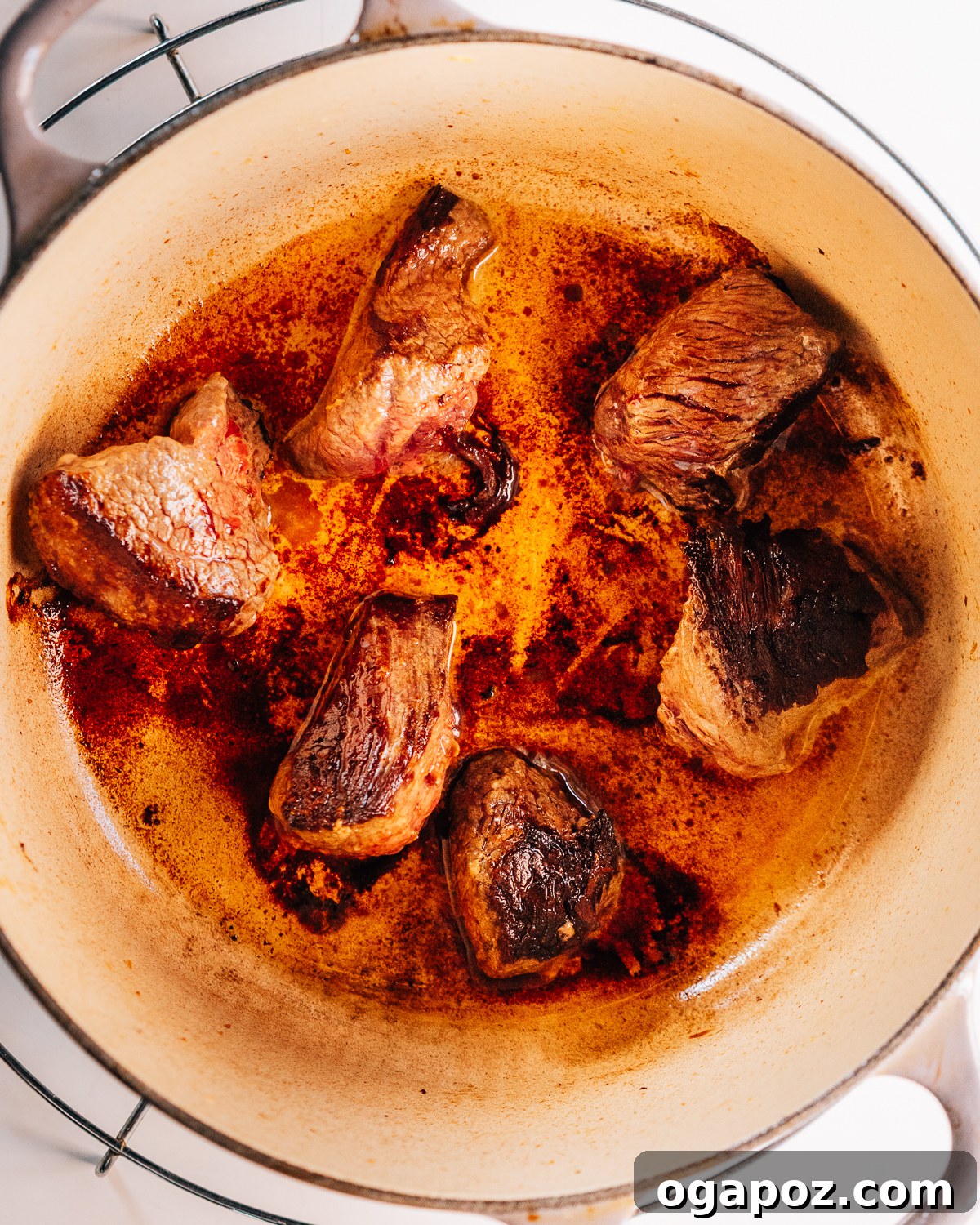
1. Brown the Beef to Perfection
This initial step is absolutely critical for building a deep, rich flavor foundation for your stew. Heat a tablespoon of olive oil in your large Dutch oven over medium-high heat until shimmering. Season your beef cubes generously with salt and pepper. Add the beef to the hot pot in small batches, ensuring you don’t overcrowd the pot. Overcrowding will steam the meat instead of searing it, preventing that beautiful golden crust from forming. Sear each batch until it’s deeply browned on all sides, adding a little more oil if necessary. Once browned, remove the beef from the pot and set it aside in a bowl, along with any juices that accumulate. These flavorful juices will return to the pot later, adding even more depth.
2. Sauté the Aromatic Vegetables
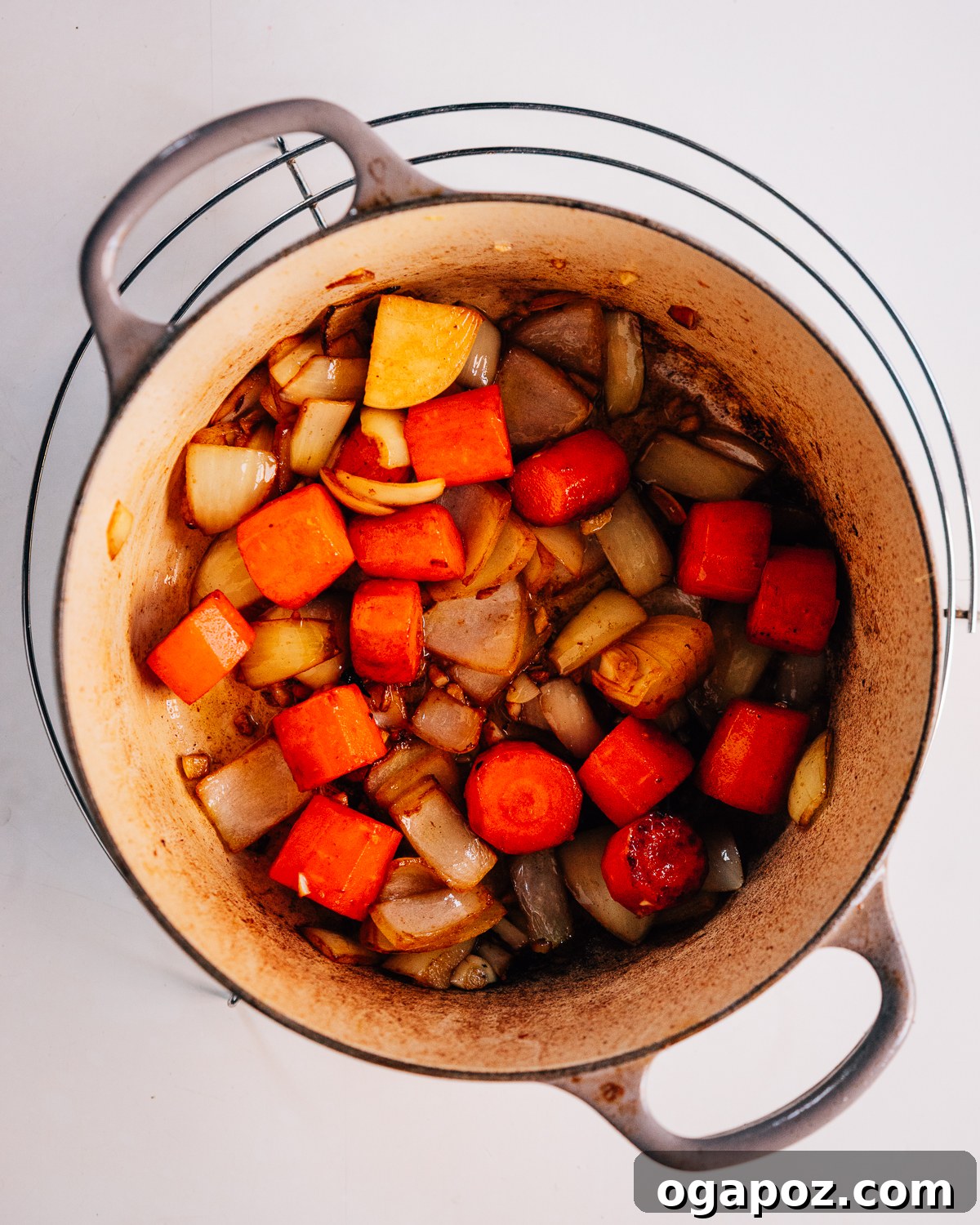
With the beef removed, add the remaining olive oil to the same Dutch oven. Reduce the heat to medium and add the chopped onion and carrots. Sauté them gently for about 7 minutes, stirring occasionally, until they begin to soften and become translucent. This process helps release their natural sugars and flavors. Then, stir in the minced garlic and cook for just one minute more until fragrant. Be careful not to burn the garlic, as this can impart a bitter taste.
3. Deglaze and Simmer for Flavor Infusion
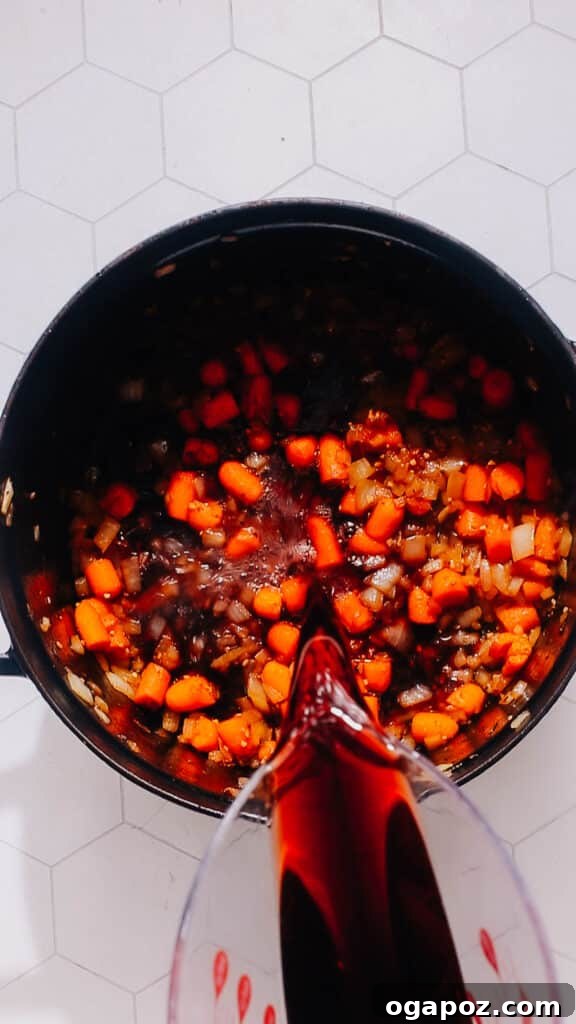
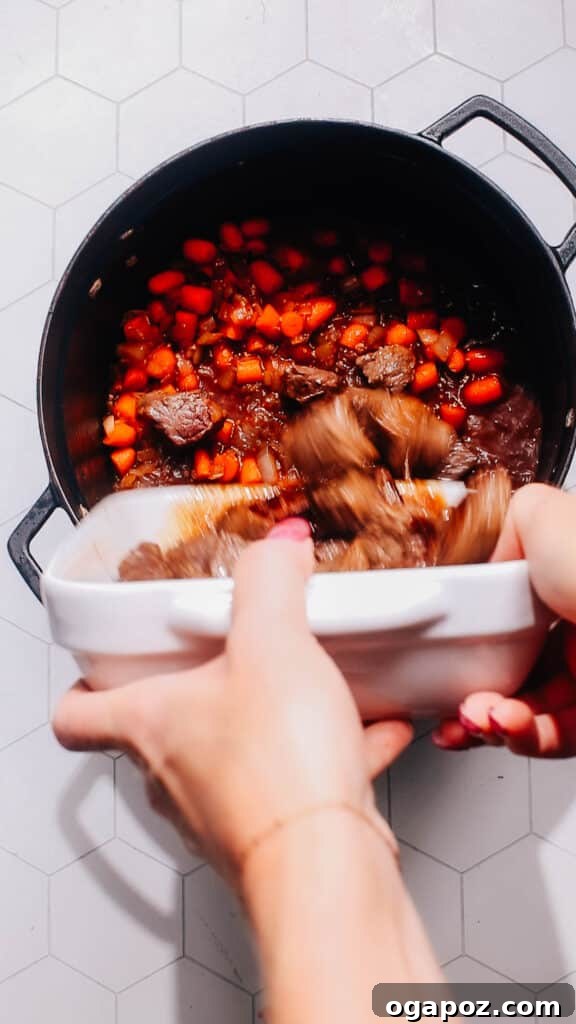
Now it’s time to capture all those delicious browned bits, known as “fond,” from the bottom of the pot. Pour in the red wine, and using your wooden spoon or spatula, scrape up every last bit of fond. This deglazing step adds an incredible layer of flavor to your stew. Once deglazed, return the browned beef and its accumulated juices to the pot. Pour in the beef broth and add the fresh thyme. Bring the mixture to a boil, then immediately reduce the heat to low, cover the Dutch oven tightly, and let it simmer gently for at least 1 hour. This long, slow simmer is key to tenderizing the beef and allowing the flavors to meld beautifully.
4. Incorporate the Potatoes
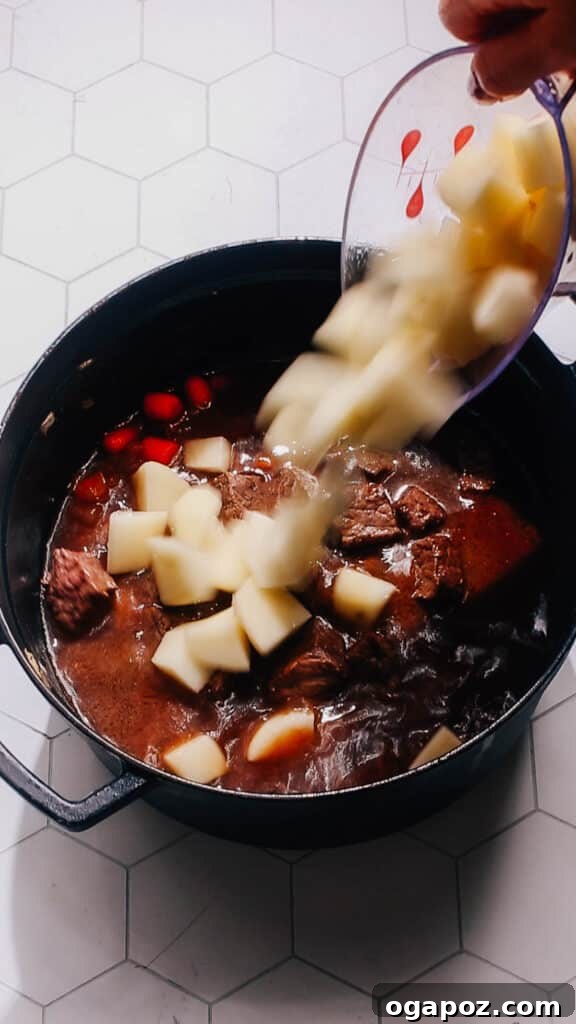
After the initial simmering period, the beef should be starting to soften. Stir in the cubed potatoes. Continue to simmer the stew, uncovered this time, for another 30-40 minutes, or until both the beef and the potatoes are fork-tender. Cooking without the lid during this stage allows some of the liquid to reduce slightly, concentrating the flavors while ensuring the potatoes cook through perfectly.
5. Thicken with a Roux and Finish
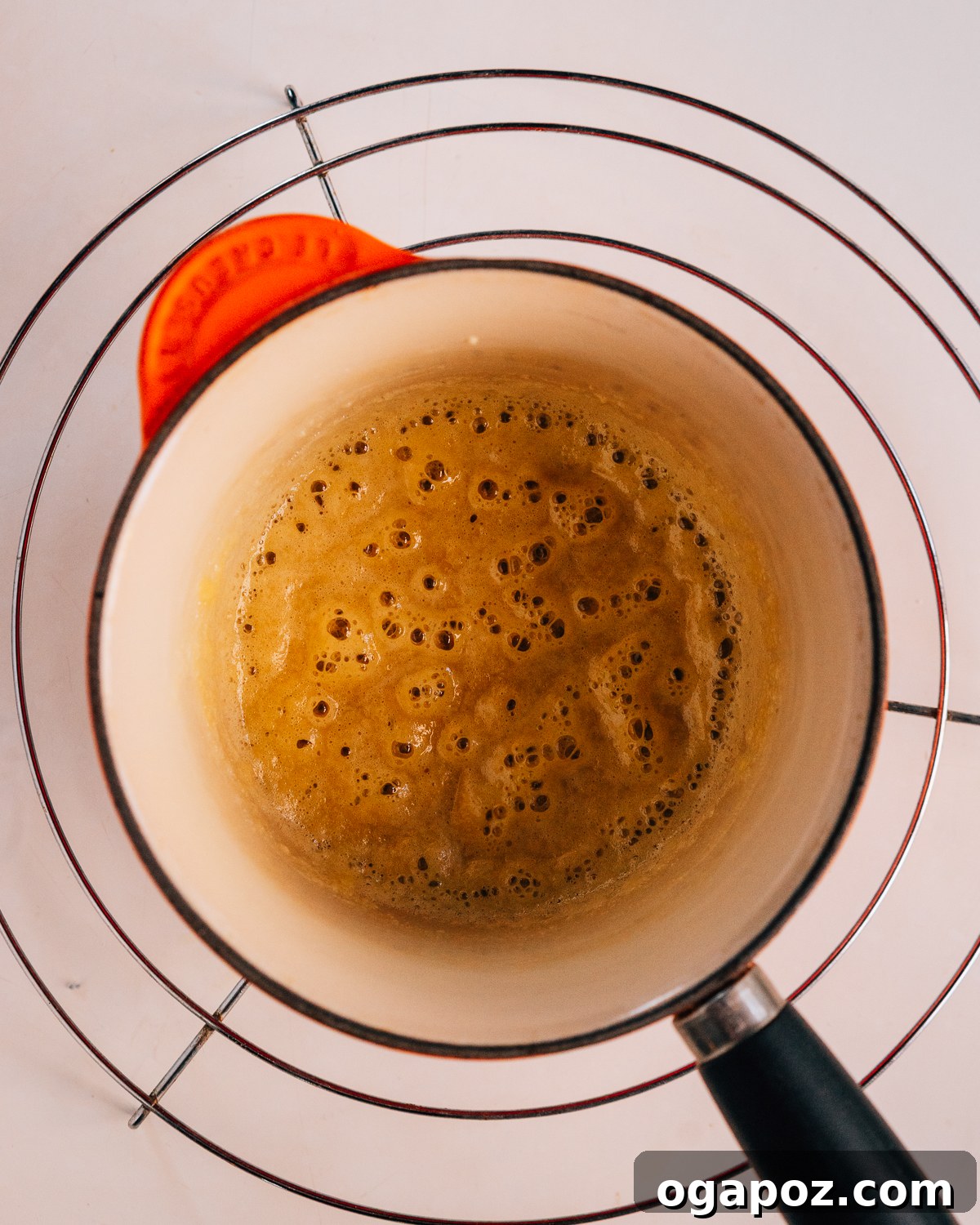
To achieve that luxurious, velvety texture for your gravy, we’ll make a separate roux. In a small saucepan, melt the butter over medium heat. Whisk in the all-purpose flour and cook for 2-3 minutes, stirring constantly, until the roux turns a light golden color and smells nutty. This cooks out the raw flour taste. Carefully ladle about 2 cups of the hot broth from your stew into the roux, whisking continuously to prevent lumps. Simmer this mixture until it’s smooth and visibly thickened. Pour this glossy gravy base back into the Dutch oven with the stew, stirring gently to combine. Finally, add the frozen peas, fresh parsley, and the remaining ½ teaspoon of salt. Simmer for just 5 more minutes, then taste and adjust the seasoning as needed. Your rich, comforting Dutch Oven Beef Stew is now ready to enjoy!
Avoid These 5 Common Mistakes for a Flawless Dutch Oven Beef Stew
Even seasoned home cooks can encounter pitfalls when preparing beef stew. As a food scientist, I’ve identified key areas where small changes can make a huge difference in the final outcome. Here are the common mistakes to avoid, ensuring your Dutch Oven Beef Stew is consistently exceptional:
1. Not browning the meat properly: This is arguably the most crucial step for flavor development. Simply warming the beef in the pot won’t cut it. You need to achieve a deep, dark brown crust on all sides of the beef. This caramelization (Maillard reaction) creates hundreds of flavor compounds that are essential for a rich, savory stew. Browning in batches prevents overcrowding and allows for proper searing.
2. Skipping the deglazing step: After browning the beef and sautéing the vegetables, you’ll notice browned bits sticking to the bottom of the pot. These are not burnt leftovers; they are concentrated flavor powerhouses called “fond.” Deglazing with red wine or broth, and scraping these bits up, incorporates them back into the liquid, adding incredible depth and complexity to your gravy.
3. Adding all vegetables at once: Different vegetables have different cooking times. If you add delicate vegetables like peas or quick-cooking potatoes at the very beginning, they will become overcooked, mushy, and lose their texture and vibrancy. Staggering their addition ensures each component is cooked to perfection; for example, potatoes need much less time than the beef.
4. Trying to rush the cooking process: Beef stew is the epitome of “low and slow.” The magic happens during hours of gentle simmering. The collagen in tough cuts of stew meat slowly breaks down into gelatin, which not only tenderizes the meat but also gives the stew its luxurious, rich body and mouthfeel. Rushing it results in tough meat and a less flavorful broth.
5. Cheating with the gravy (stirring raw flour directly into the pot): It might be tempting to sprinkle flour directly into the simmering stew to thicken it quickly. However, this often results in lumpy gravy and a raw, starchy taste. Making a separate roux with butter and flour ensures that the flour is cooked out, developing a nutty flavor, and creating a smooth, luscious, and beautifully glossy gravy that perfectly coats every ingredient in your stew.
Make Ahead and Storage Tips for Your Beef Stew
One of the best qualities of beef stew is that it often tastes even better the next day! The flavors have more time to meld and deepen. If you plan to make it ahead, allow it to cool completely before refrigerating.
Storing
Once cooled, transfer your Dutch Oven Beef Stew to an airtight container. It will keep beautifully in the refrigerator for up to 4 days. Ensuring it cools fully before sealing prevents condensation, which can affect texture and quality.
Freezing
Beef stew is freezer-friendly, making it an excellent option for meal prep. Divide the stew into individual or family-sized portions and freeze in airtight, freezer-safe containers for up to 3 months. A small note: the potatoes may become a little grainy or slightly softer in texture after thawing and reheating. This is a common characteristic of frozen cooked potatoes.
Reheating
To reheat, gently warm the stew on the stovetop over medium-low heat, stirring occasionally. If the stew has thickened too much in the fridge, add a splash of extra beef broth or water to achieve your desired consistency. Alternatively, you can reheat individual portions in the microwave in intervals, stirring between each to ensure even heating.
Perfect Pairings: How to Serve This Dutch Oven Beef Stew
This hearty Dutch Oven Beef Stew is a meal in itself, but it truly shines when served alongside simple accompaniments that can soak up every last drop of that incredible gravy. Serve your stew piping hot with:
- Easy Dutch Oven bread or classic Homemade Garlic Bread for scooping up the rich sauce.
- A generous dish of creamy mashed potatoes (yes, potatoes on potatoes for ultimate comfort!).
- Warm, fluffy buttermilk drop biscuits, perfect for dipping and savoring.
- A simple green salad with a light vinaigrette for a fresh contrast.
Frequently Asked Questions About Dutch Oven Beef Stew
Whizzing through this recipe post? Here are quick answers to common questions about making the perfect Dutch Oven Beef Stew:
Absolutely! You can easily replace the red wine with an equal amount of beef broth or unsweetened grape juice. The stew will still be incredibly flavorful.
Beef chuck is consistently the ideal choice for stew. It contains connective tissue that breaks down beautifully during long, slow cooking, resulting in exceptionally tender and flavorful meat.
Yes, you can! For the best flavor, brown the beef and sauté the vegetables on the stovetop first. Then, transfer all ingredients to your slow cooker and cook on low for 6–8 hours, or on high for 3–4 hours, until the beef is tender. Prepare and stir in the roux at the very end to thicken the stew.
Making a separate roux with butter and flour ensures a smoother, creamier gravy without any lumps. It also allows the flour to cook out its raw, starchy taste and develop a pleasant, nutty flavor, leading to a much richer and more luscious consistency for your stew’s gravy.
Absolutely! Stews are notorious for tasting even better on day two, as the flavors have more time to meld and deepen. It’s excellent for meal prep and is freezer-friendly, though be aware that the potatoes might become slightly grainy in texture after thawing.
More Irresistible Beef Recipes to Explore
If you’ve enjoyed this Dutch Oven Beef Stew, you’re sure to love these other delicious beef-centric recipes that are perfect for any occasion:
- Tender and Juicy Eye of Round Roast
- Heartwarming Old Fashioned Vegetable Beef Soup
- Versatile Shredded Beef (Crockpot or Oven!)
- Easy and Melt-in-Your-Mouth Tender Instant Pot Pot Roast
- Extra Juicy Air Fryer Roast Beef
- Flavorful Beef Teriyaki
Dutch Oven Beef Stew (Easy, Melt-in-the-Mouth Recipe!)
By: Jennifer Pallian BSc, RD
Dutch Oven Beef Stew with buttery-soft meat, hearty vegetables, and rich, tasty gravy. This EASY recipe is the ultimate comfort food for any season.
Prep Time: 30 minutes
Cook Time: 2 hours 30 minutes
Servings: 8
Ingredients
- 3 tbsp olive oil, divided
- 1 ½ lbs beef stew meat, cut into bite-size pieces
- 2 ½ tsp kosher salt, divided
- ½ tsp black pepper
- 1 large onion, finely chopped
- 1 ½ cups chopped carrots (from about 3 carrots or 18 baby carrots)
- 2 tsp minced garlic
- 1 cup red wine (or use more broth)
- 3 cups beef broth, plus more as needed
- 2 ½ cups cubed potatoes (about 2 medium potatoes)
- 1 tbsp minced fresh thyme (or 1 tsp dried)
- 1 cup frozen peas
- 1 tbsp minced fresh parsley (or 1 tsp dried)
- 3 tbsp butter
- 3 tbsp all-purpose flour
Instructions
Brown the Beef
- Heat 1 tbsp olive oil in a large Dutch oven over medium-high heat. Season the beef with 1 tsp salt and the pepper. Sear in batches until browned on all sides, adding more oil as needed. Transfer to a bowl and set aside.
Sauté the Vegetables
- Add remaining oil to the pot. Cook onion, carrots, and 1 tsp salt over medium heat until softened, about 7 minutes. Stir in the garlic and cook 1 minute more.
Deglaze and Simmer
- Pour in the red wine and scrape up the browned bits from the bottom of the pot. Return the beef and any juices to the pot. Add the broth and thyme. Bring to a boil, then reduce heat to low, cover, and simmer for 1 hour.
Add Potatoes
- Stir in the potatoes. Simmer uncovered for another 30–40 minutes, until the beef and potatoes are very tender.
Make the Gravy Base
- In a separate saucepan, melt the butter over medium heat. Whisk in the flour and cook for 2–3 minutes, until golden and nutty-smelling. Ladle about 2 cups of broth from the stew (avoid scooping solids), and slowly whisk it into the roux. Simmer until smooth and thickened.
Combine and Finish
- Pour the gravy mixture back into the Dutch oven and stir to combine. Add the peas, parsley, and remaining ½ tsp salt. Simmer for 5 more minutes, then taste and adjust seasoning if needed.
Notes
For best flavor, brown the beef in batches without overcrowding the pot.
If you don’t have red wine, extra beef broth works well as a substitute.
Leftovers taste even better the next day. Store covered in the fridge for up to 4 days.
Stew can be frozen, but the potatoes may lose their texture a little bit when thawed.
Nutrition
Nutrition information is automatically calculated, so should only be used as an approximation (per serving):
- Calories: 307 kcal
- Carbohydrates: 20g
- Protein: 23g
- Fat: 14g
- Saturated Fat: 5g
- Polyunsaturated Fat: 1g
- Monounsaturated Fat: 7g
- Trans Fat: 0.2g
- Cholesterol: 64mg
- Sodium: 1173mg
- Potassium: 783mg
- Fiber: 4g
- Sugar: 3g
- Vitamin A: 4384 IU
- Vitamin C: 24mg
- Calcium: 53mg
- Iron: 3mg
Tried this recipe? Share your experience and leave a comment below!