
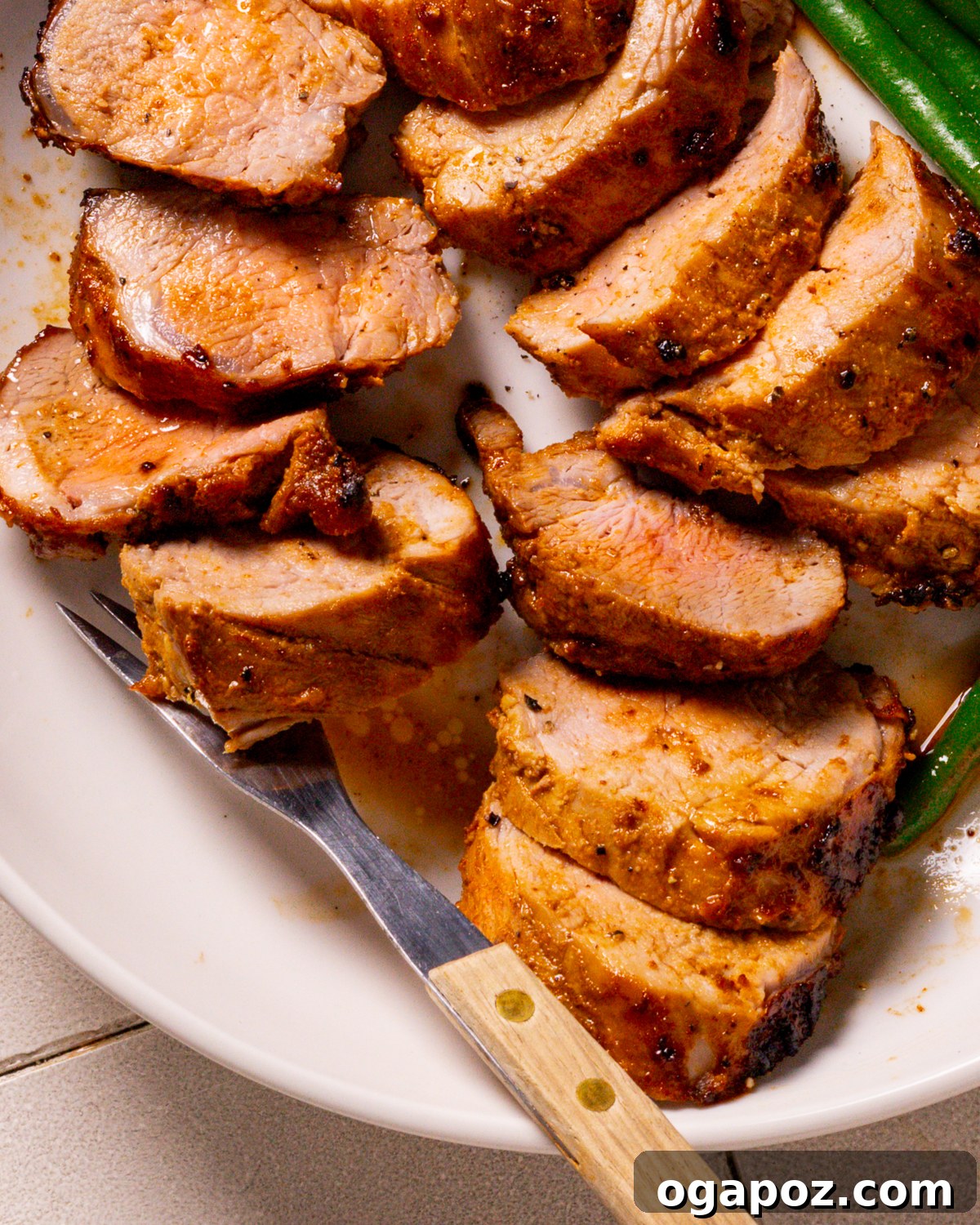
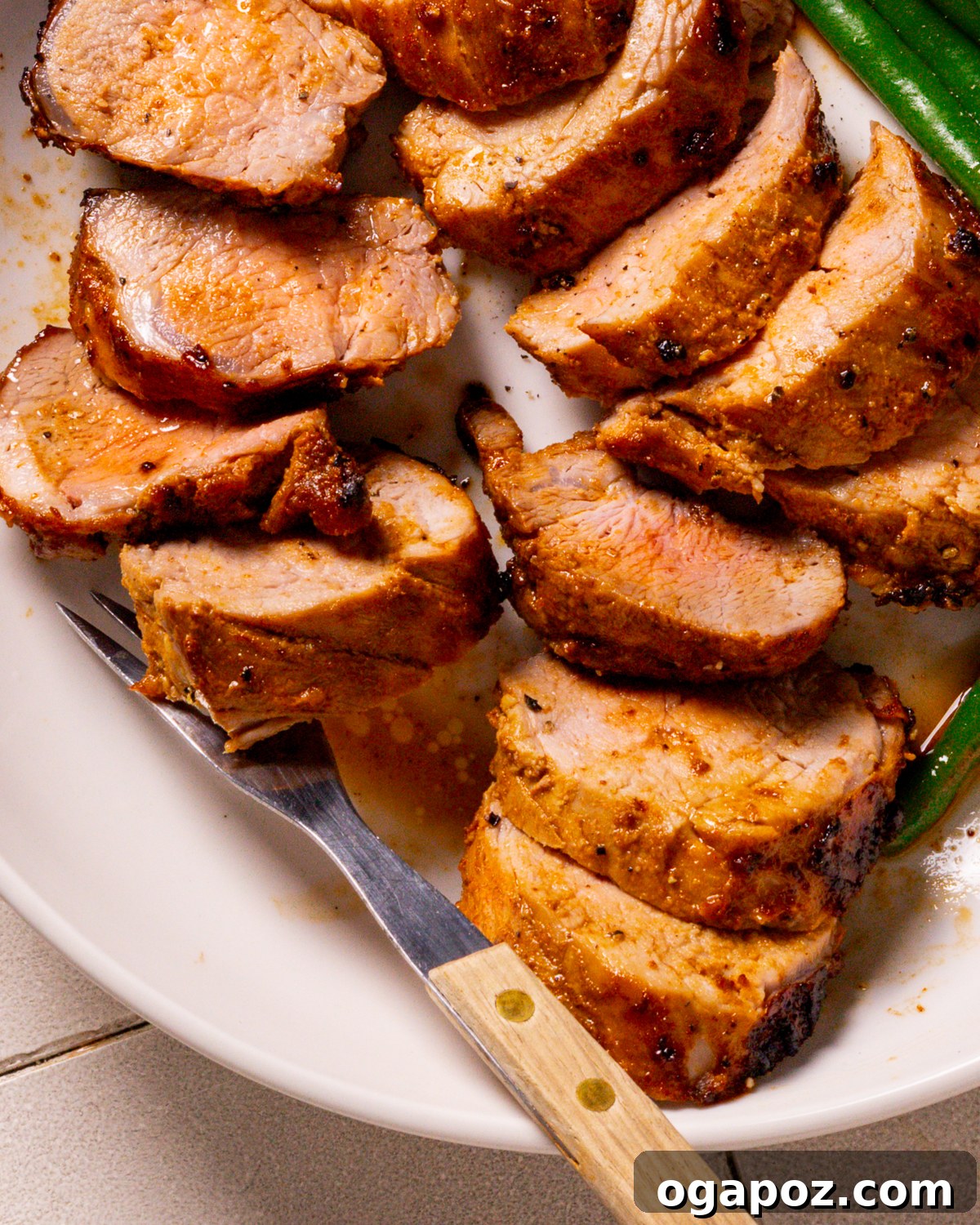
Unlock the secret to consistently juicy, profoundly flavorful, and incredibly tender pork tenderloin with this exceptional marinade recipe. Designed for both the oven and the grill, this marinade not only infuses the meat with a rich blend of savory and tangy notes but also aids in developing a beautifully caramelized crust. As a bonus, any reserved marinade can be effortlessly transformed into a luscious, savory glaze while your pork rests, ensuring every bite is bursting with taste and moisture.
Crafting the Perfect Pork Tenderloin Marinade: Essential Ingredients
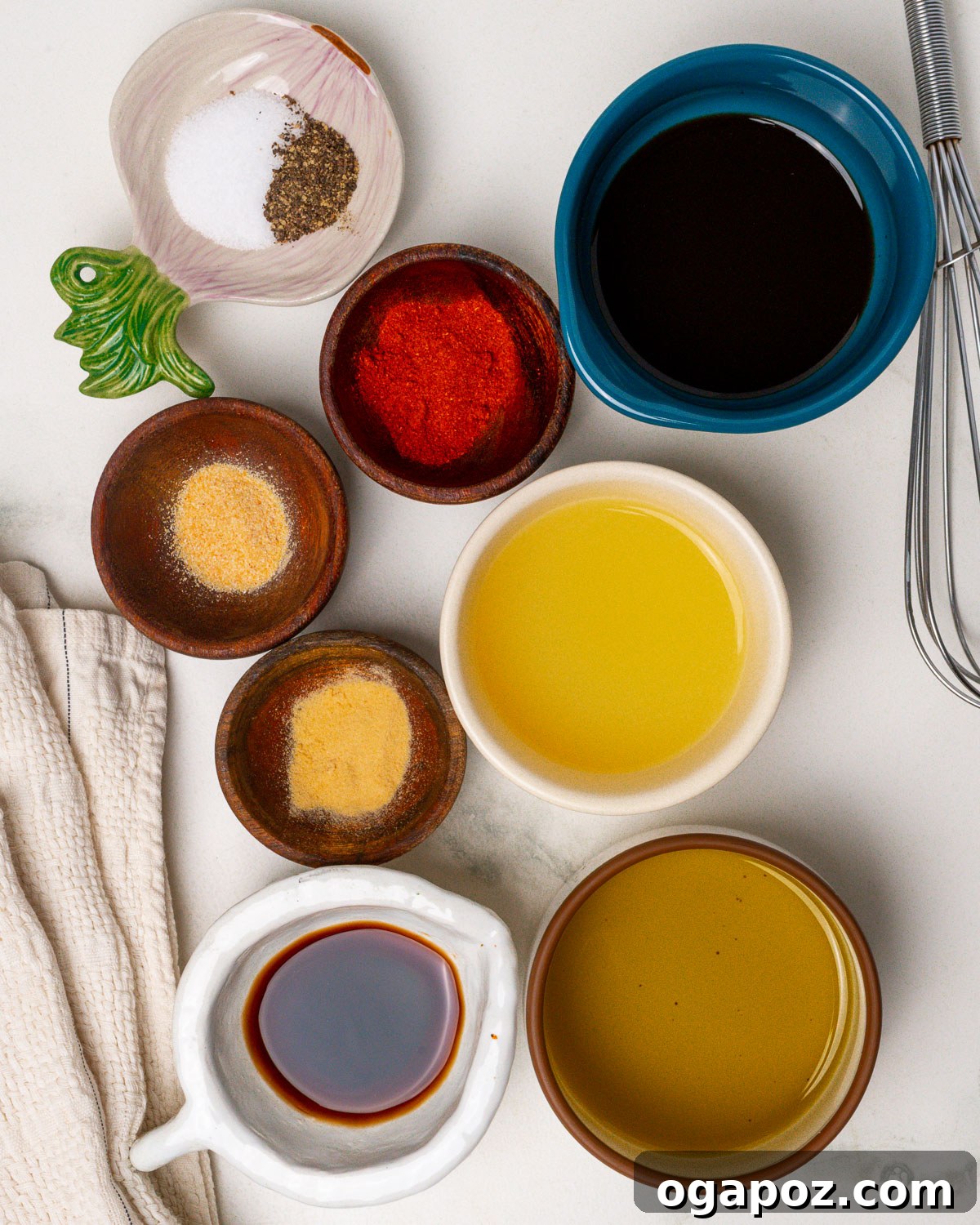
A truly effective pork tenderloin marinade serves a dual purpose: it deeply seasons the meat from within and promotes a magnificent caramelization when it encounters a hot cooking surface. This particular blend excels at both, creating an unforgettable culinary experience. Here’s a breakdown of the key components:
- Olive Oil: Forming the essential fat base of our marinade, olive oil not only helps all the aromatic spices adhere uniformly to the pork but also significantly aids in achieving that desirable golden-brown crust during searing. Its rich, fruity notes subtly enhance the overall flavor profile.
- Lemon Juice: This is our crucial acidic component. Beyond adding a bright, zesty tang, lemon juice gently works to tenderize the pork’s muscle fibers, ensuring a remarkably tender final texture. It also lifts the heavier flavors, providing a refreshing finish.
- Soy Sauce: A powerhouse of umami, soy sauce introduces a profound savory depth that permeates the pork. Its natural sugars contribute to a beautiful, complex caramelized crust during the high-heat searing process, adding an irresistible layer of flavor and texture.
- Worcestershire Sauce: This fermented condiment brings a unique, slightly sweet, tangy, and subtly spicy complexity. It’s that secret ingredient that you can’t quite identify but would instantly miss if it were absent, adding a mysterious depth that elevates the marinade.
- Brown Sugar: A touch of brown sugar is vital for balancing the savory and acidic elements. More importantly, its molasses content facilitates rapid and intense caramelization during searing, resulting in a more attractive and flavorful exterior on your pork.
- Kosher Salt: Essential for seasoning, kosher salt is larger-grained and dissolves evenly, drawing out moisture and allowing the pork to absorb flavor more effectively. It’s critical for enhancing the meat’s natural taste.
- Black Pepper: Freshly ground black pepper adds a warm, pungent kick, providing a subtle heat and aromatic complexity that complements the other marinade ingredients perfectly.
- Garlic (Fresh or Powder): Whether you opt for minced fresh garlic or convenient garlic powder, this ingredient is non-negotiable for its aromatic, pungent flavor that forms the backbone of many great marinades. It infuses the pork with a classic, irresistible aroma.
- Onion Powder: Providing a concentrated, sweet onion flavor without the moisture of fresh onions, onion powder contributes to a well-rounded savory profile that pairs wonderfully with pork.
- Dried Parsley: This herb introduces a warm, earthy, and slightly fresh flavor to the marinade. It’s a classic pairing for pork, adding a touch of herbaceous brightness that ties all the components together.
For precise quantities, please refer to the detailed recipe card conveniently located at the conclusion of this article.
Versatile Pork Tenderloin Marinade: Variations and Substitutions
This marinade recipe is incredibly adaptable, allowing you to easily customize it to your taste or work with ingredients you have on hand. Explore these simple ways to switch it up:
- Balsamic Vinegar Infusion: For a richer, deeper, and slightly sweeter marinade, consider swapping the lemon juice for an equal amount of balsamic vinegar. This variation is particularly exquisite when you plan to oven roast your pork tenderloin, yielding a more profound, almost jammy flavor.
- Dijon Pork Tenderloin Marinade: Introduce a delightful tangy kick and an even more robust crust by adding 1 tablespoon of Dijon mustard to the base marinade. The mustard emulsifies beautifully, helping to create a magnificent sear and a distinctive flavor.
- Marinades and Rubs Combined: For an unparalleled double layer of flavor, marinate your pork tenderloin for at least 2 hours. Before searing, pat the meat thoroughly dry, then press a simple dry spice rub onto its surface. This technique builds incredible complexity and texture.
- Gluten-Free Alternative: If you’re looking for a gluten-free option, easily substitute tamari or coconut aminos for the soy sauce and ensure your Worcestershire sauce is gluten-free. This ensures all the savory depth without the gluten.
- Italian Herb Twist: Elevate the herbaceous notes by incorporating 1 teaspoon of Italian seasoning into the marinade. This blend of oregano, basil, thyme, and rosemary provides an aromatic, herb-forward twist that complements pork beautifully.
- Works Wonders on Chicken Too: This versatile marinade isn’t just for pork! It’s one of my favorite all-purpose marinades and performs exceptionally well on chicken thighs or breasts. Remember that cooking times will vary; for guidance on marinating poultry, check out our Teriyaki Chicken Marinade recipe.
- Pork Loin Adaptation: While designed for tenderloin, this marinade is also fantastic for pork loin. Simply extend the marinating time to 8 to 12 hours, or even up to 24 hours, as pork loin is a larger, thicker cut that benefits from longer flavor infusion.
Seeking further inspiration for your next pork tenderloin recipe? My air fryer pork tenderloin and savory chipotle pulled pork tenderloin are two absolute favorites that consistently deliver incredible results.
Essential Tools for Marinated Pork Tenderloin Success
Having the right equipment on hand will streamline your cooking process and help you achieve perfectly cooked, flavorful marinated pork tenderloin from start to finish. Here’s what you’ll need:
- Gallon-Sized Resealable Bag or Shallow Dish: This is your vessel for marinating. A resealable bag is often preferred as it allows the pork to be fully submerged and coated with less marinade, ensuring maximum flavor penetration. A shallow dish works well too, just remember to flip the pork periodically.
- Whisk and Medium Bowl: For effortlessly combining all the marinade ingredients until they are thoroughly blended. A medium bowl provides ample space for whisking without spills.
- Oven-Safe Skillet (Cast Iron Recommended): A high-quality oven-safe skillet, ideally cast iron, is indispensable. It allows you to achieve a magnificent sear on the stovetop before seamlessly transferring the pork to the oven to finish cooking in the same pan, minimizing cleanup and maximizing flavor.
- Instant-Read Thermometer: The single most crucial tool for cooking pork tenderloin to perfection. An instant-read thermometer ensures you can accurately gauge the internal temperature, allowing you to pull the pork at precisely 145°F (63°C) to guarantee juiciness and prevent overcooking.
- Cutting Board: Not just for slicing, but also an essential surface for resting the pork after it comes out of the oven. Resting is critical for juice redistribution.
- Small Saucepan: For transforming the reserved, unused marinade into a delectable, safe-to-eat glaze. This small pan is perfect for reducing the liquid without burning.
- Tongs: Ideal for safely handling and turning the pork tenderloin during the searing process, ensuring an even crust on all sides.
Mastering the Marinated Pork Tenderloin: A Step-by-Step Guide
Crafting this flavorful pork tenderloin marinade is incredibly straightforward, taking mere minutes to prepare in a single bowl. Follow this easy guide from mixing to serving, and prepare to impress with a truly tender and juicy meal.
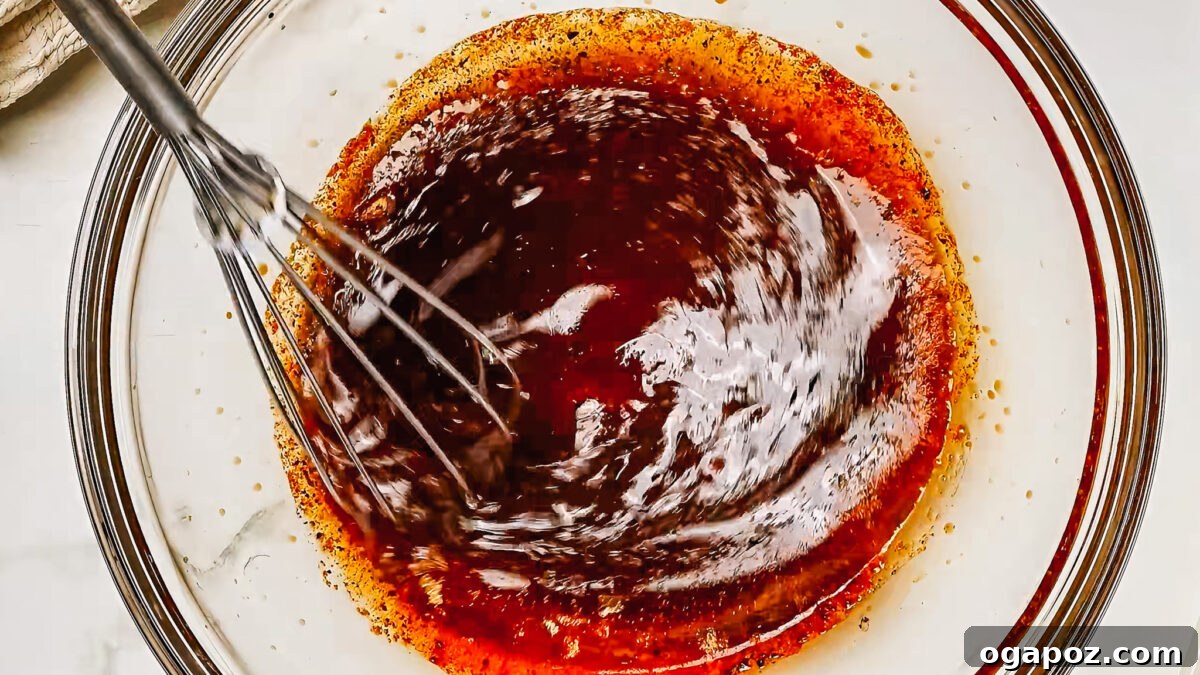
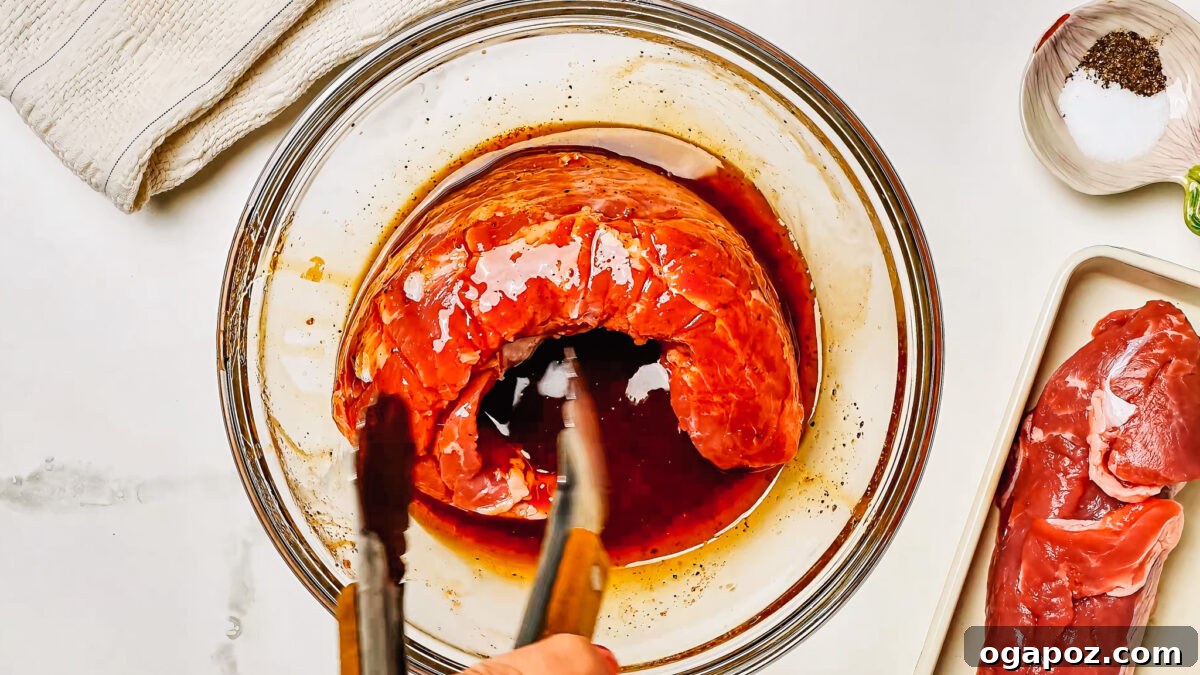
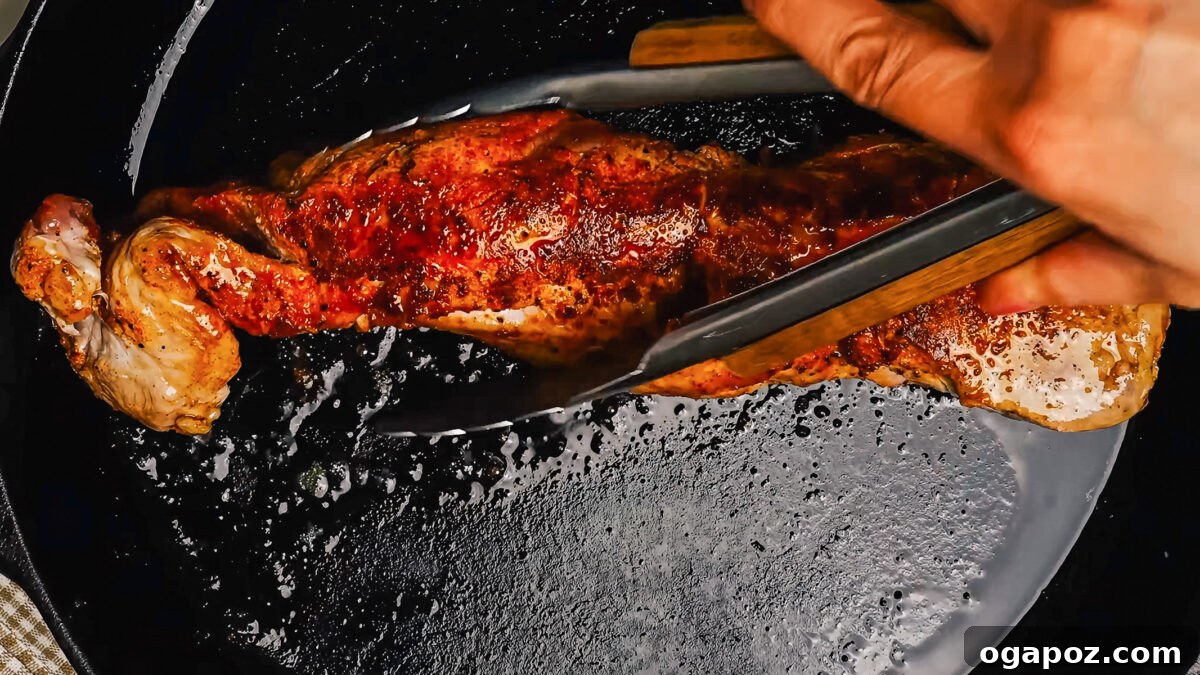
Step 1: Whisk the Marinade to Perfection
In a medium-sized bowl or a large measuring jug, combine the olive oil, lemon juice, soy sauce, Worcestershire sauce, brown sugar, kosher salt, black pepper, minced garlic (or garlic powder), onion powder, and dried parsley. Whisk vigorously until all ingredients are thoroughly incorporated and the brown sugar has completely dissolved. This ensures an even distribution of flavors throughout the marinade before the pork is added.
Step 2: Marinate the Pork for Deep Flavor
Carefully place your pork tenderloin into a gallon-sized resealable bag or a shallow, non-reactive dish. Pour the freshly whisked marinade over the pork, ensuring it is fully coated. If using a bag, press out any excess air before sealing. If using a dish, turn the pork a few times to evenly coat. Refrigerate for a minimum of 2 hours. For the absolute best and most profound flavor, aim for 8 to 12 hours of marinating time. You can safely marinate for up to 24 hours if you’re planning ahead, but avoid exceeding this to prevent the acid from affecting the meat’s texture.
Step 3: Achieve the Perfect Sear
Once marinated, remove the pork tenderloin from the bag or dish. Pat it exceptionally dry with paper towels; this crucial step ensures you achieve a crust rather than steaming the meat. Discard the used marinade, or if you plan to make a glaze, set aside a portion of the *unused* marinade before adding the raw pork. Heat an oven-safe skillet (cast iron is excellent) over medium-high heat, adding a splash of neutral oil. Once shimmering, carefully place the tenderloin in the hot pan and sear for approximately 2 minutes per side, rotating until a dark, rich caramelized crust forms all over. This step locks in juices and builds incredible flavor.
Step 4: Roast to the Ideal Internal Temperature
Preheat your oven to 400°F (200°C). Transfer the skillet with the seared pork directly into the preheated oven. Roast for 15 to 25 minutes, depending on the thickness of your tenderloin. A thinner cut will be ready closer to the 15-minute mark, while a thicker one may require up to 25 minutes. Begin checking the internal temperature with an instant-read thermometer at the 15-minute mark. The goal is to remove the pork from the oven at precisely 145°F (63°C) in the thickest part of the meat. It will look slightly pink in the center, which is perfectly safe and indicates optimal juiciness.
Step 5: The Non-Negotiable Rest
Immediately transfer the cooked pork tenderloin from the skillet to a clean cutting board. Tent it loosely with aluminum foil and allow it to rest for a full 10 minutes before slicing. This resting period is absolutely critical. It allows the meat fibers to relax and reabsorb the juices that have migrated to the center during cooking, ensuring a succulent, moist result. Slicing too soon will cause all those precious juices to run out onto the cutting board, leaving you with dry pork.
Step 6: Crafting the Quick Glaze (Optional but Recommended)
While your pork tenderloin is resting, take the reserved, *unused* portion of the marinade (or if you discarded it, deglaze the skillet with a splash of broth or water). Pour it into a small saucepan. Bring the liquid to a rolling boil over medium-high heat, then reduce the heat and simmer for about 5 minutes, or until it has slightly thickened and reduced by half. The boiling and simmering process ensures any potential raw pork bacteria are eliminated, making the marinade perfectly safe to use as a delicious sauce. Finish by whisking in 1 tablespoon of cold butter for richness and shine. Taste and adjust seasoning with additional salt and pepper if needed. This rich, clingy glaze eliminates the need for a separate pork gravy.
Step 7: Slice and Serve Your Masterpiece
After the resting period, slice the pork tenderloin into beautiful 1/2-inch medallions. Arrange them artfully on a serving platter and spoon the warm, reduced glaze generously over the top. A final pinch of flaky sea salt can enhance the flavors even further, if desired. Serve immediately and enjoy the tender, flavor-infused results of your culinary efforts.
Avoid These 5 Common Mistakes for Perfect Marinated Pork Tenderloin
Even with the best marinade, small errors can compromise your results. Be sure to steer clear of these frequent mix-ups to ensure your marinated pork tenderloin is always succulent and delicious:
- Failing to Pat the Pork Dry Before Searing: This is perhaps the most critical oversight. If the surface of your marinated pork tenderloin is wet when it hits the hot pan, it will steam rather than sear. Steaming prevents the formation of that beautiful, dark, caramelized crust we’re aiming for. Always pat the meat thoroughly dry with paper towels, even after marinating, to ensure direct contact with the heat and perfect browning.
- Marinating for an Excessive Period: While marinating is key for flavor, more isn’t always better, especially with tender cuts like pork tenderloin. Marinating for more than 24 hours, particularly with an acidic component like lemon juice, can cause the surface texture of the meat to break down excessively. This results in a mushy rather than tender texture, which is undesirable. Stick to the recommended 8 to 12 hours for optimal flavor and texture.
- Overcooking the Pork Tenderloin: This is the number one mistake made with pork tenderloin, regardless of whether it’s marinated or not. Pork tenderloin is a lean cut and prone to drying out quickly. The safe and recommended internal temperature for pork is 145°F (63°C). Always use an instant-read thermometer and remove the pork from the heat at this exact temperature. It will appear slightly pink in the center, which is perfectly safe and ensures maximum juiciness.
- Skipping the Essential Resting Period: After cooking, it’s tempting to slice into that delicious-looking pork immediately. However, skipping the 10-minute rest on the cutting board (tenting loosely with foil) is a grave error. This resting period allows the muscle fibers to relax and redistribute the juices evenly throughout the meat. If you cut into it too soon, all those precious flavorful juices will simply run out onto your board, leaving you with less flavorful and drier pork.
- Using Leftover Marinade as a Sauce Without Proper Boiling: Never, under any circumstances, use marinade that has come into contact with raw pork as a sauce without thoroughly cooking it first. Raw meat can introduce bacteria into the marinade. To safely transform it into a glaze, always bring the reserved marinade to a full, rolling boil and simmer for at least 5 minutes. This high heat effectively kills any bacteria, making it safe and delicious to drizzle over your cooked pork.
Meal Prep and Storage Tips for Marinated Pork Tenderloin
This marinated pork tenderloin recipe is a fantastic choice for meal preparation, allowing you to enjoy delicious, homemade meals throughout the week with minimal effort. Here’s how to handle make-ahead and storage:
Storing Cooked Leftovers
- Refrigeration: Once cooked and sliced, store any leftover pork tenderloin in an airtight container in the refrigerator for up to 3 days. If you made the glaze, store it in a separate airtight container to maintain its consistency and freshness.
- Marinade Only: If you’ve simply mixed the marinade ahead of time without adding the pork, you can store it in a sealed jar in the fridge for up to 5 days, ready to use whenever you are.
- Creative Meal Prep: Leftover sliced marinated pork tenderloin is incredibly versatile. It makes an excellent addition to grain bowls, wraps, sandwiches, or can be tossed with pasta and roasted vegetables for a quick and satisfying lunch or light dinner.
Freezing for Future Meals
- Freeze Raw in the Marinade: This is a brilliant meal prep hack! Place your uncooked pork tenderloin directly into a freezer-safe bag with the marinade. Ensure as much air as possible is removed, then freeze flat for up to 3 months. The magic here is that the pork will marinate as it slowly thaws in the refrigerator overnight, meaning zero extra effort for maximum flavor.
- Freeze Cooked Pork: To freeze cooked pork tenderloin, wrap the sliced meat tightly in plastic wrap, then an additional layer of aluminum foil, or place in a freezer-safe container. It can be frozen for up to 3 months. Thaw in the refrigerator overnight before reheating.
Reheating Pork Tenderloin Gently
- Oven Method: For the best results and to maintain moisture, place your sliced pork tenderloin in an oven-safe dish, cover it tightly with foil, and reheat at a low temperature of 300°F (150°C) for 10 to 15 minutes, or until just warmed through.
- Microwave Method: If time is of the essence, reheat in the microwave in short bursts at medium power. To prevent drying out, add a splash of chicken broth or water to the container before covering and reheating.
- Key Principle: Low and Slow: Remember that pork tenderloin is a very lean cut of meat. Reheating it at high temperatures will quickly dry it out and make it tough. Always opt for a low and slow reheating method to preserve its tenderness and juiciness.
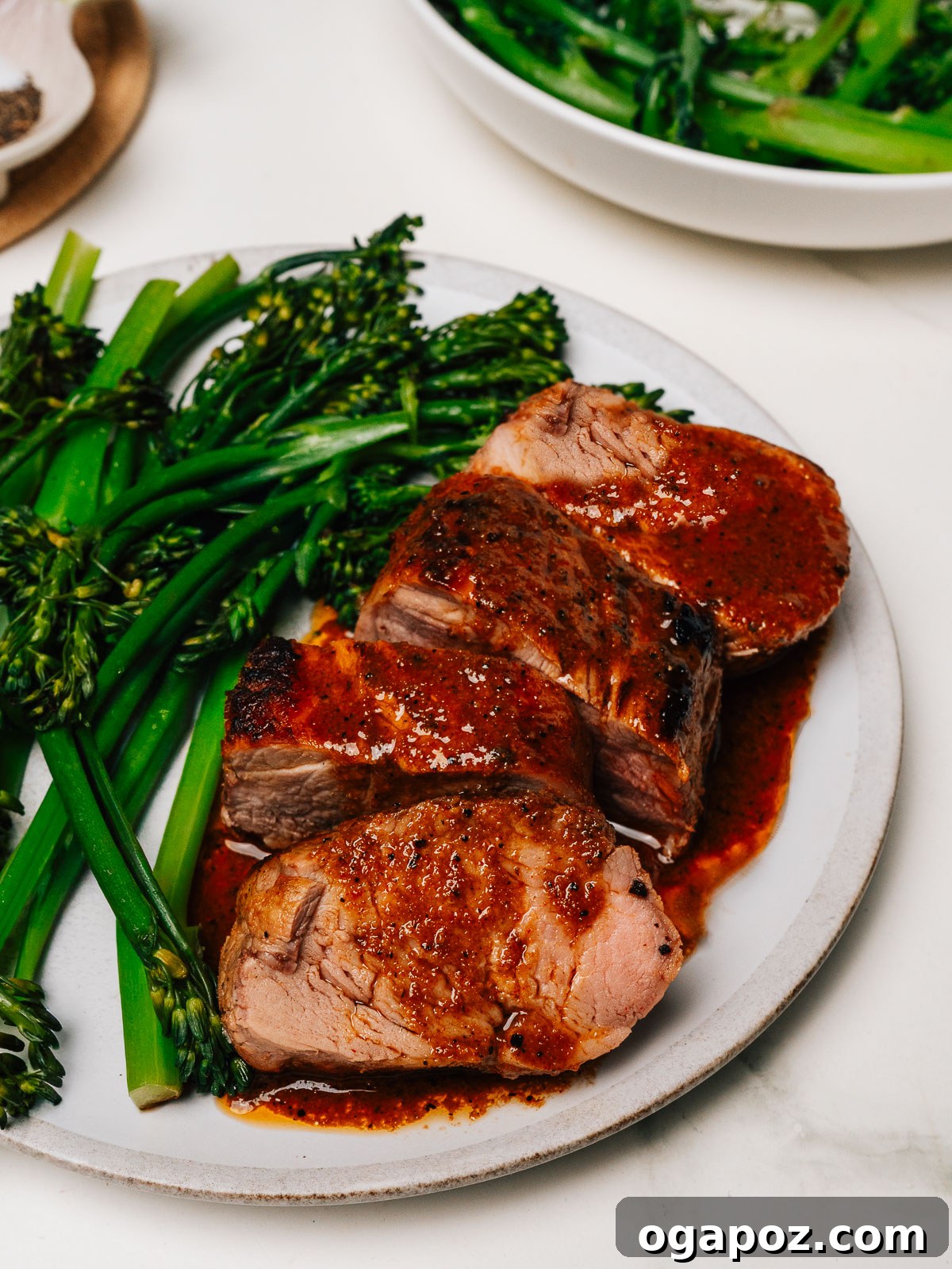
Elevate Your Meal: Serving Suggestions for Marinated Pork Tenderloin
This incredibly versatile marinade is my absolute go-to for pork tenderloin in the oven, but it transitions equally well to a flavorful grilled pork tenderloin during warmer months. If you’re looking to explore different pork preparations altogether, consider trying it on my delicious roast pork loin recipe. Here are some ideas for sauces, toppings, and perfect side dishes:
Sauce and Topping Options to Enhance Flavor
- The Reduced Marinade Glaze: This is a must-try! Always remember to set aside a portion of the marinade *before* adding the raw pork. The boiled-down, thickened version creates a truly savory, intensely flavorful, and clingy sauce that is exceptionally hard to beat and perfectly complements the pork.
- Fresh Herbs: A sprinkle of freshly chopped flat-leaf parsley or delicate fresh thyme scattered over the top of the sliced pork just before serving adds a beautiful pop of color, a burst of fresh aroma, and a vibrant, bright finish that truly elevates the dish.
Classic and Complementary Side Dishes for Marinated Pork Tenderloin
This easy marinated pork tenderloin recipe pairs harmoniously with an extensive array of side dishes, making it a flexible choice for any occasion. Here are some of my top recommendations:
- Creamy Mashed Potatoes: A timeless pairing for a reason! The rich, velvety texture of mashed potatoes provides a comforting base, and the savory reduced marinade glaze doubles perfectly as a luxurious gravy.
- Fluffy Instant Pot Rice: Ready in a mere 15 minutes, perfectly cooked rice is an excellent accompaniment, ideal for soaking up every last drop of the delectable reduced marinade glaze, ensuring no flavor goes to waste.
- Crisp Pan-Fried Asparagus or Green Beans: For a fast, simple, and elegant side, these vibrant green vegetables cook quickly and allow the flavorful pork tenderloin to remain the star of the plate without overpowering it.
- A Fresh Green Salad: To keep the meal light, refreshing, and balanced, especially on busy weeknights, a simple green salad with a light vinaigrette offers a wonderful contrast to the rich flavors of the pork.
- Rustic Crusty No-Knead Bread: Don’t let a single drop of that incredible glaze go to waste! A warm, crusty loaf of bread is perfect for mopping up every last bit of savory goodness from your plate.
Expert Insights: Pro Tips and Science-Backed Secrets for Success
Achieving truly exceptional results with your pork tenderloin marinade goes beyond just following the recipe. These professional tips and culinary science insights will make the biggest difference, transforming your dish from good to extraordinary:
- The 8 to 12 Hour Marinating Sweet Spot: While a 2-hour marinade will yield decent flavor, the true magic happens between 8 and 12 hours. This extended period allows the intricate blend of flavors to deeply penetrate the meat, resulting in a significantly more flavorful and tender final product. I often prepare the marinade and pork the night before to let it work its wonders overnight.
- Never Skip the Pat-Dry Step: This seemingly minor step is monumental for texture. Any moisture on the surface of the meat will immediately convert to steam when it hits the hot pan, preventing proper searing and caramelization. After removing the pork from the marinade, diligently pat it very dry with paper towels to ensure you achieve that coveted, delicious crust.
- An Instant-Read Thermometer is Your Best Friend: For consistently tender and juicy pork tenderloin, eliminating guesswork is key. Always use an instant-read thermometer and pull the pork from the heat at exactly 145°F (63°C). This is the only reliable method to avoid overcooking, which is the primary cause of dry pork. Trust the thermometer, even if the center looks slightly pink – it’s safe and perfect.
- Always Reserve Marinade Before Adding Raw Pork: To create a safe and delicious glaze, it’s crucial to set aside a portion of the marinade *before* any raw meat has touched it. This untouched marinade can then be reduced into your flavorful glaze. Never use marinade that has been in contact with raw pork as a sauce unless it has been brought to a full, rolling boil and simmered thoroughly to eliminate any potential bacteria.
- The Acid’s Unsung Hero Role: Lemon juice (or other acidic components) in your marinade isn’t solely for flavor. The acidity gently works to denature and break down the muscle fibers on the surface of the pork. This chemical tenderization, alongside the cooking process, contributes significantly to a remarkably tender and pleasant final texture, far beyond what flavor alone could achieve.
- Master the Freeze-in-Marinade Meal Prep Trick: This is one of my most cherished meal prep strategies. Combine your raw pork tenderloin and the prepared marinade in a freezer-safe bag, then freeze it flat. This allows the pork to marinate slowly and deeply as it thaws in your refrigerator overnight, providing 8 to 12 hours of effortless flavor infusion. It’s perfect for busy weeknights! You can also try this brilliant hack with my Teriyaki Chicken Marinade for equally fantastic results.
Frequently Asked Questions About Pork Tenderloin Marinade
For those quickly seeking answers, here are some common questions about marinating pork tenderloin:
Pork tenderloin should marinate for a minimum of 2 hours to absorb some flavor, but for the most flavorful and tender results, 8 to 12 hours is ideal. You can safely marinate it for up to 24 hours in the refrigerator. Marinating beyond 24 hours can cause the acid in the marinade to break down the meat’s surface texture too much, potentially making it mushy.
The best marinade for pork tenderloin strikes a perfect balance between fat, acid, salt, and aromatic flavors. This recipe uses olive oil, lemon juice, soy sauce, Worcestershire sauce, fresh or powdered garlic, onion powder, and dried parsley. This combination works exceptionally well for both oven-roasted and grilled pork tenderloin, ensuring juiciness and a great crust. For a sweeter profile, a touch of honey or brown sugar can be added.
Absolutely, marinating pork tenderloin overnight is not only possible but highly recommended. An 8 to 12-hour overnight soak is within the ideal window for this marinade to infuse deep flavor into the meat without compromising its texture. Simply place the tenderloin and marinade in a sealed bag or covered container in the refrigerator, and it will be perfectly ready to cook the next day.
Yes, you can, but only after proper preparation. It is crucial to never use marinade that has touched raw pork directly as a sauce. To make it safe, pour the reserved, *unused* marinade into a small saucepan, bring it to a vigorous rolling boil, and then simmer for at least 5 minutes. This high heat effectively kills any bacteria from the raw meat and also reduces the liquid into a thicker, intensely flavorful glaze that can be drizzled over your sliced pork.
Marinated pork tenderloin should reach an internal temperature of 145°F (63°C). At this temperature, the center of the meat will appear slightly pink, which is considered perfectly safe and indicates optimal juiciness. Always use an instant-read thermometer inserted into the thickest part of the meat to ensure accuracy. After cooking, allow the pork to rest for 10 minutes before slicing into medallions.
Yes, freezing raw pork tenderloin directly in its marinade is an excellent meal prep strategy. Place the pork and marinade together in a freezer-safe bag, press out the air, and freeze flat for up to 3 months. As the pork thaws in the refrigerator overnight, it will simultaneously marinate, providing 8 to 12 hours of effortless flavor absorption, ready to cook when fully thawed.
Absolutely! This marinade is wonderfully suited for grilling pork tenderloin. Grill the marinated tenderloin over medium-high heat, turning it every 2 to 3 minutes, until it reaches an internal temperature of 145°F (63°C). The soy sauce and Worcestershire sauce in the marinade particularly help in developing a beautiful, charred exterior on the grill, adding fantastic smoky flavor.
While the marinade ingredients themselves can often be the same for both cuts, pork loin requires a longer marinating time due to its thicker, denser nature. For pork loin, marinate for 8 to 24 hours to ensure deep flavor penetration. Additionally, the cooking time for pork loin will significantly increase; expect at least 45 minutes in a 375°F (190°C) oven, compared to the 15 to 25 minutes typically needed for a leaner pork tenderloin.
Discover More Delicious Pork Recipes
If you loved this marinated pork tenderloin, you’re sure to enjoy these other fantastic pork recipes from our collection:
- Slow Cooker Pork Shoulder: Effortlessly tender, fall-apart pork perfect for shredding.
- Slow Cooker Pork Loin: A simple, hands-off method for a juicy and flavorful pork loin.
- Pulled Pork Tenderloin with Chipotle BBQ Sauce: A quicker take on pulled pork, packed with smoky, spicy flavor.
- Air Fryer Pork Loin: Achieve a perfectly cooked pork loin with a crispy exterior in your air fryer.
- Juicy Stuffed Pork Chops: Impressive and flavorful pork chops filled with a savory stuffing.

Juicy Pork Tenderloin Marinade (5-Minute Prep!)
Jennifer Pallian BSc, RD
5 minutes
25 minutes
1 day
1 day
30 minutes
4
Video Overview
For a visual guide, please refer to the video embedded earlier in the article.
Ingredients
Marinade:
- 3 tbsp olive oil
- 2 tbsp lemon juice
- 1 tbsp soy sauce
- 1 tbsp Worcestershire sauce
- 1 tbsp minced fresh garlic (or 1 tsp garlic powder)
- 1 tbsp brown sugar
- 1 tsp kosher salt
- ½ tsp black pepper
- 1 tsp onion powder
- 1 tsp dried parsley
For Cooking:
- 1 pork tenderloin (1 to 1 ½ lb), silver skin removed
- 2 tbsp neutral oil for searing
For Glaze (optional):
- ½ cup chicken broth or water
- 1 tbsp cold butter
Instructions
-
Whisk the marinade. Combine all marinade ingredients in a medium bowl or measuring jug. Whisk until fully combined and the brown sugar is dissolved.
-
Marinate the pork. Place the tenderloin in a gallon-sized resealable bag or shallow dish. Pour in the marinade, seal, and turn to coat. Refrigerate for at least 2 hours, or up to 24 hours. Eight to 12 hours yields the best flavor.
Quick Oven Method:
-
Sear. Remove the pork from the bag and pat it very dry with paper towels. Set aside the unused marinade if making a glaze.
-
Heat an oven-safe skillet over medium-high heat with a splash of neutral oil. Sear the tenderloin for 2 minutes per side until a dark, caramelized crust forms all over.
-
Roast. Transfer the skillet to a preheated 400°F (200°C) oven. Roast for 15 to 25 minutes. Begin checking with an instant-read thermometer at 15 minutes. Pull the pork when it reaches 145°F (63°C) in the thickest part.
-
Rest. Transfer the pork to a cutting board and tent loosely with foil. Allow it to rest for 10 minutes before slicing.
Make a Glaze (Optional):
-
While the cooked pork rests, pour the reserved, *unused* marinade into the same pork skillet, scraping up any browned bits (or use a separate small saucepan if the bits are burnt or you used a different cooking method). Add the ½ cup broth or water.
Bring to a rolling boil, then reduce heat and simmer for 5 minutes until reduced by half and slightly thickened. Whisk in the cold butter. Taste and add more salt and pepper as desired. Drizzle over the sliced pork to serve.
Notes
- Silver Skin: Always remove the tough, silvery membrane (silver skin) from the tenderloin before marinating. Slip a paring knife underneath one end and carefully slide it along the meat to peel it away. This membrane will not soften during cooking and can make the pork tough.
- Marinating Time: Two hours is the absolute minimum marinating time. For the most intense and best flavor, aim for 8 to 12 hours. Do not exceed 24 hours, as the acidity in the marinade can begin to break down the surface texture of the meat, leading to a mushy consistency.
- Using Leftover Marinade Safely: Never use marinade that has come into contact with raw pork as a sauce without first boiling it thoroughly. Always bring it to a full, rolling boil and simmer for at least 5 minutes to eliminate any potential bacteria.
- Freeze in Marinade: This is a fantastic meal prep hack! Combine raw pork and the marinade in a freezer-safe bag and freeze it flat for up to 3 months. The pork will marinate as it thaws in the refrigerator overnight, making it ready to cook with maximum flavor absorption.
- PRO TIP for the Best Crust: If you have extra time, after marinating and patting the meat dry, let the pork sit uncovered in the refrigerator for 30-60 minutes before cooking. The circulating air in the fridge acts as a mini-dehydrator for the surface of the meat, leading to an incredibly crisp, world-class caramelized crust when seared.
Nutrition
Calories: 249kcal | Carbohydrates: 6g | Protein: 94g | Fat: 36g | Saturated Fat: 9g | Polyunsaturated Fat: 6g | Monounsaturated Fat: 19g | Trans Fat: 0.3g | Cholesterol: 302mg | Sodium: 1149mg | Potassium: 1867mg | Fiber: 0.4g | Sugar: 4g | Vitamin A: 348IU | Vitamin C: 4mg | Calcium: 42mg | Iron: 5mg
Nutrition information is automatically calculated and should only be used as an approximation.
Tried this recipe? Leave a comment!