
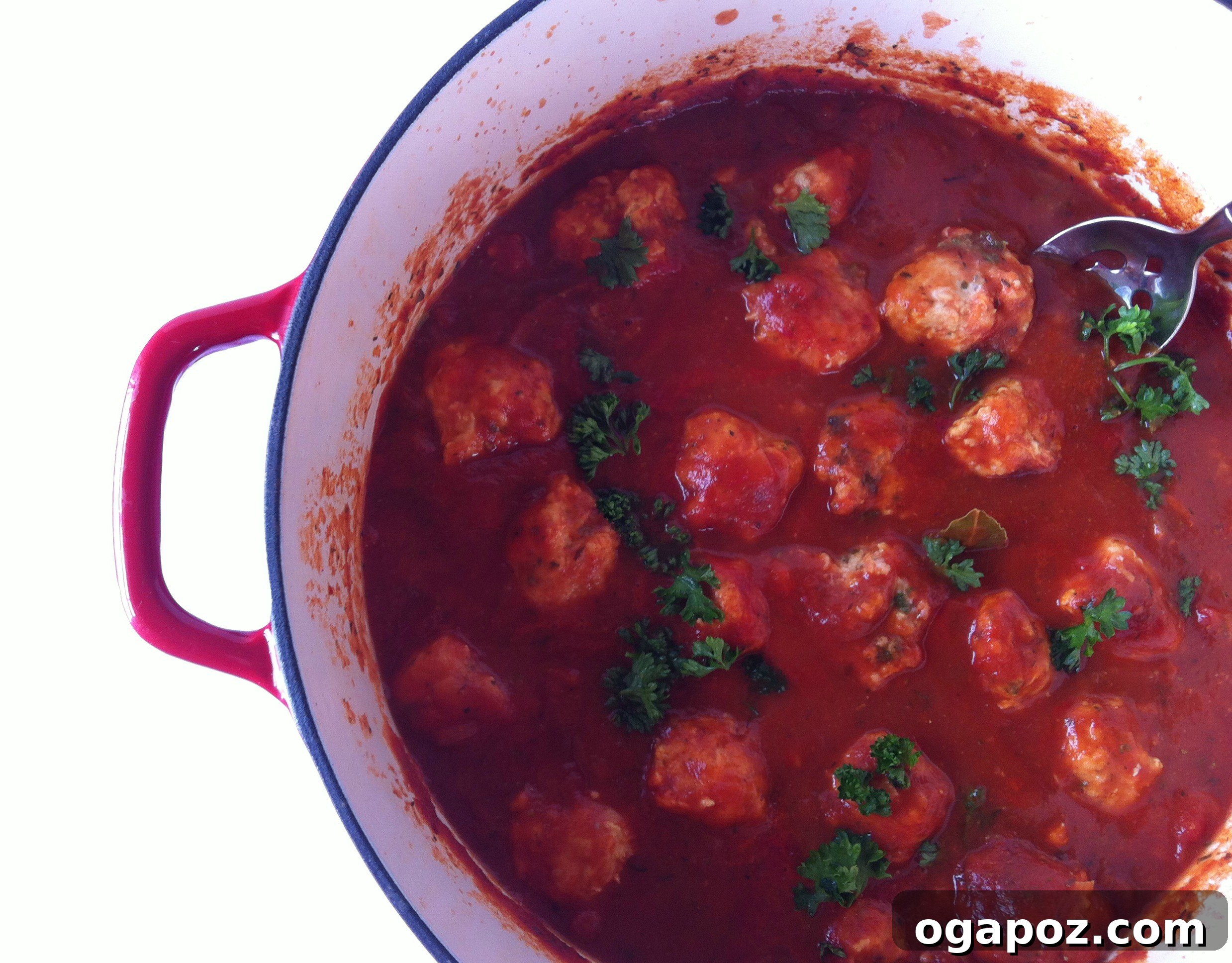
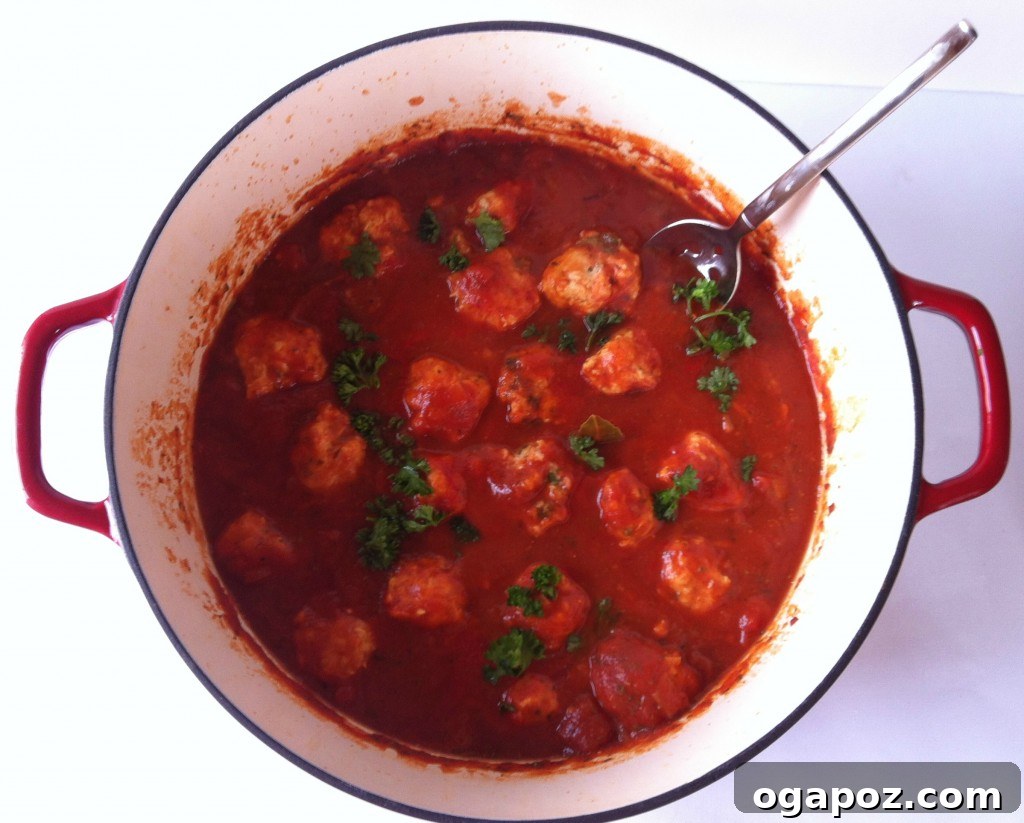
Hidden Veggie Turkey & Carrot Meatballs: A Parent’s Secret Weapon for Picky Eaters
Every parent knows the struggle: you lovingly prepare a nutritious meal, only to have your little one turn up their nose at the sight of a vegetable. It’s a common challenge, especially with toddlers, who often go through phases of selective eating. As parents, we constantly search for creative ways to ensure our children get the essential nutrients they need for healthy development and growth. And that’s precisely where our secret weapon comes in: delicious, family-friendly meatballs, packed with hidden vegetables.
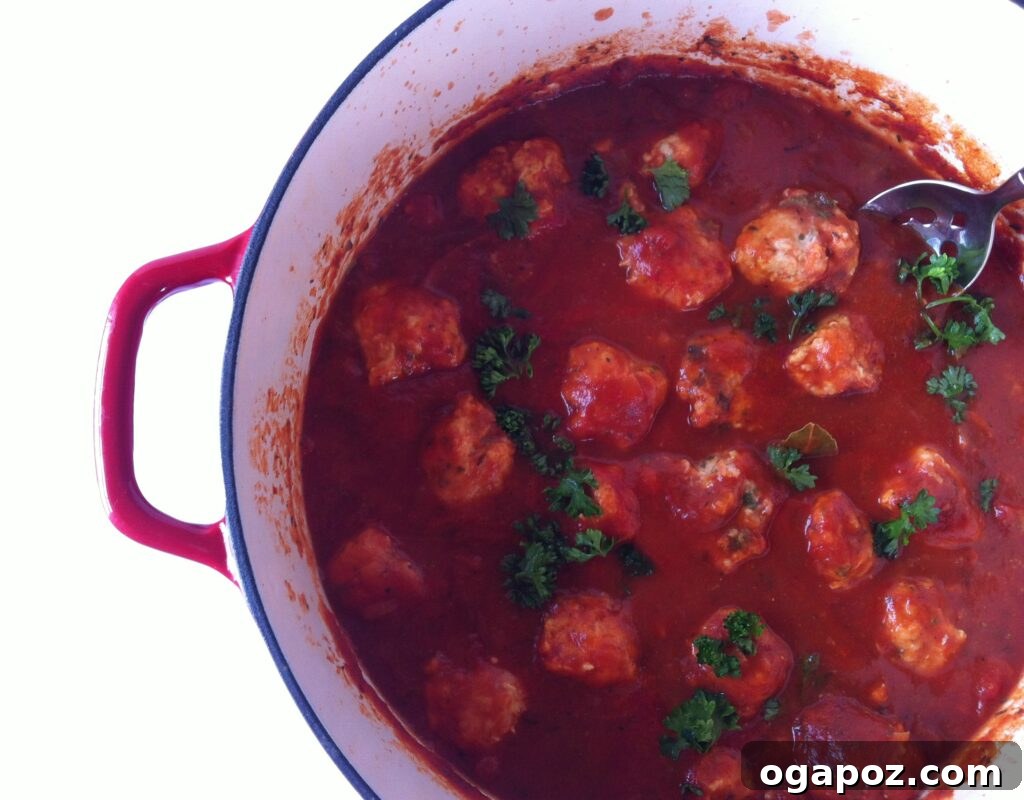
Why Meatballs Are a Parent’s Best Friend in the Kitchen
Meatballs are more than just a tasty meal; they are incredibly versatile and practical for busy families. Their appeal lies in their simplicity and adaptability. They’re easy to prepare, can be made in large batches, and are perfect for freezing, making them an excellent choice for meal prep. But perhaps their greatest superpower is their ability to discreetly incorporate nutrient-rich vegetables into a meal without a fuss. When finely grated and mixed into the meat, vegetables blend seamlessly, making it nearly impossible for even the pickiest eater to detect them.
Our Turkey, Carrot, and Zucchini Meatballs recipe is a prime example of this culinary magic. It’s designed to be a delightful addition to your family’s meal rotation, offering both flavor and essential nutrition. By embracing meatballs, you gain a versatile foundation that can be adapted with various vegetables and served in countless ways, ensuring mealtime remains enjoyable and nourishing for everyone.
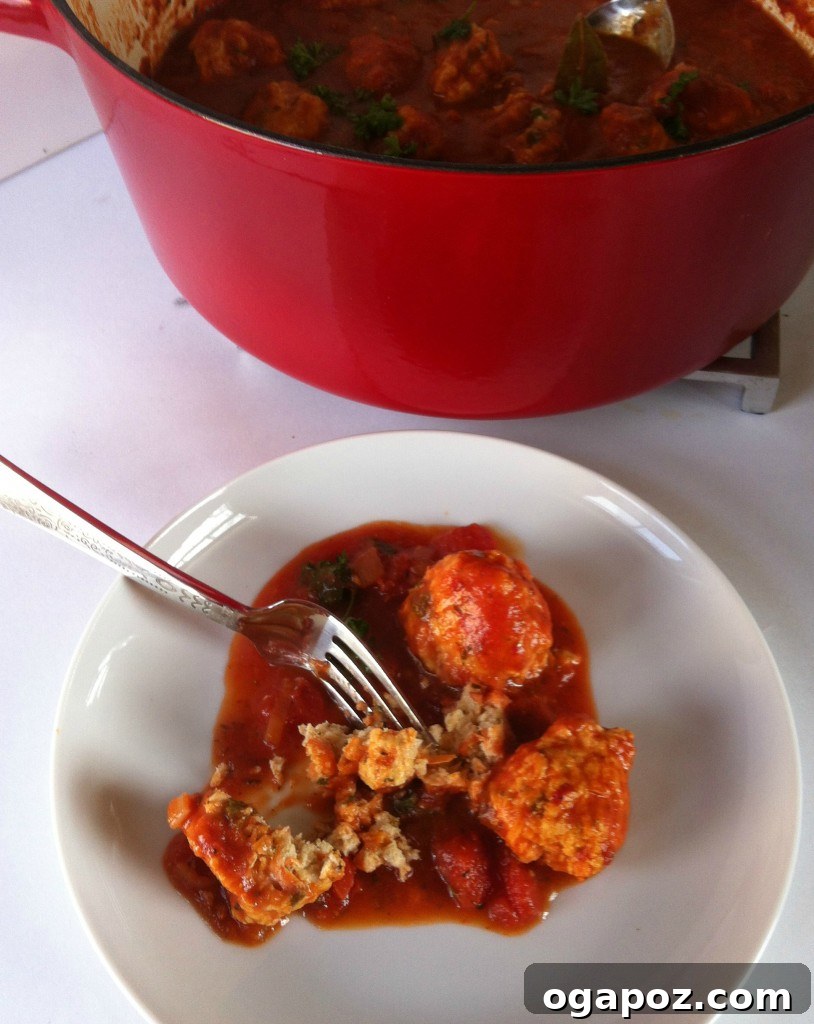
The Power of Hidden Vegetables: Nourishing Without the Fuss
Ensuring children consume enough vegetables is crucial for their overall health, cognitive development, and strong immune systems. Carrots, for instance, are packed with beta-carotene, which the body converts into Vitamin A, essential for good vision and immune function. Zucchini, a mild-flavored squash, provides fiber for digestive health, along with Vitamin C and B6. When combined with lean ground turkey, which offers a great source of protein for muscle growth and satiety, these meatballs become a nutritional powerhouse.
The beauty of “hiding” vegetables isn’t just about tricking kids; it’s about introducing them to the flavors and textures of a varied diet in a non-confrontational way. As their palates develop, they become more accustomed to the subtle notes these vegetables bring to a dish. This approach can reduce mealtime stress and foster a more positive relationship with food, laying the groundwork for healthier eating habits in the long run.
Beyond Carrots and Zucchini: Expanding Your Veggie Arsenal
While carrots and zucchini are fantastic choices due to their mild flavor and ease of grating, the possibilities for vegetable inclusion in meatballs are vast. Don’t be afraid to experiment with other nutrient-dense options to keep meals exciting and varied. The key is often to grate or finely dice them so they integrate smoothly into the meat mixture.
Here are some other excellent vegetables you can secretly add to your meatballs:
- Grated Mushroom: Mushrooms add a wonderful umami flavor and blend seamlessly when finely grated. They’re a good source of B vitamins and antioxidants.
- Grated Cauliflower: With its incredibly mild taste and soft texture when cooked, grated cauliflower is almost undetectable. It boosts fiber and Vitamin C content without altering the flavor profile significantly.
- Small Peas: While not “hidden” in the same way as grated veggies, small peas can be mixed in. Their sweetness often appeals to children, and they provide protein, fiber, and vitamins.
- Finely Diced Peppers (Red, Orange, Yellow, or Green): Bell peppers bring a pop of color and a wealth of Vitamin C. Dice them very small to ensure they cook down and don’t create an unwelcome texture.
- Finely Diced Tomatoes: Fresh tomatoes add moisture and a touch of acidity, along with lycopene and Vitamin C. Ensure they are finely diced to prevent the meatballs from becoming too wet.
- Finely Chopped Spinach or Kale: These leafy greens wilt down significantly when cooked. Finely chop them, or even purée them, and mix them into the meat for a boost of iron and vitamins.
- Grated Sweet Potato or Butternut Squash: These add natural sweetness and a vibrant color, along with an abundance of Vitamin A and fiber. Their texture integrates beautifully when grated.
Remember, the goal is to make the additions discreet. Using a food processor can be your best friend for finely grating or chopping vegetables quickly and efficiently.
Crafting the Perfect Meatball: Tips for Success
Achieving delicious and perfectly textured meatballs involves a few simple techniques:
- Quality Ingredients: Start with fresh, lean ground turkey and crisp vegetables. The better your ingredients, the better your meatballs will taste.
- Finely Prepare Veggies: As mentioned, grating or very finely dicing vegetables is crucial for hiding them effectively. A food processor makes this task quick and easy.
- Proper Mixing: Gently mix all ingredients until just combined. Overmixing can lead to tough meatballs. Use your hands for the best feel.
- Binding Agents: An egg and breadcrumbs (or a gluten-free alternative like almond flour or oat flour) are essential for binding the meatballs together, ensuring they hold their shape during cooking.
- Flavor Boosters: Don’t forget herbs and spices! A little garlic powder, onion powder, dried parsley, or oregano can elevate the flavor profile. A tablespoon of grated Parmesan cheese also adds a savory depth that kids often love.
- Uniform Size: Use a scoop or your hands to form uniformly sized meatballs. This ensures they cook evenly.
- Cooking Method:
- Baking: For a healthier, hands-off approach, bake the meatballs in a preheated oven at 375°F (190°C) for 18-25 minutes, or until cooked through and lightly browned.
- Pan-Frying: If you prefer a crispy exterior, lightly pan-fry them in a skillet with a little olive oil until golden brown on all sides, then finish them in the oven or simmer them in sauce.
Meal Prep and Freezing for Busy Families
One of the most appealing aspects of these hidden veggie meatballs is their freezer-friendly nature. Batch cooking is a game-changer for busy weeks, ensuring you always have a healthy, homemade meal option ready to go.
- To Freeze Cooked Meatballs: Allow cooked meatballs to cool completely. Arrange them in a single layer on a baking sheet and flash freeze for about 1-2 hours until solid. This prevents them from sticking together.
- Store: Transfer the frozen meatballs to a freezer-safe bag or airtight container. They can be stored for up to 3 months.
- To Reheat: Thaw frozen meatballs in the refrigerator overnight, then reheat gently in a skillet with a little sauce, in the oven, or in the microwave. You can also add them directly from frozen into simmering sauce, allowing a bit more time for them to heat through.
Having a stash of these healthy meatballs in the freezer means quick dinners are always within reach. Serve them with whole wheat pasta, brown rice, quinoa, or even nestled in a whole wheat pita with some fresh veggies for a quick and nutritious meal.
Encouraging Healthy Eating Habits Beyond Sneaking Vegetables
While these hidden veggie meatballs are a fantastic strategy, it’s also important to cultivate a broader approach to healthy eating. Over time, aim to introduce vegetables in their visible form, alongside the hidden ones. Here are a few additional tips to encourage healthy habits:
- Involve Kids in Cooking: Let them wash vegetables, mix ingredients, or even form the meatballs. Kids are often more willing to try foods they helped prepare.
- Make Food Fun: Arrange vegetables in fun shapes, use colorful plates, or give veggies silly names.
- Repeated Exposure: Don’t give up if a child rejects a vegetable the first time. It can take many exposures for a child to accept a new food. Keep offering small portions without pressure.
- Lead by Example: Children learn by observing. Let them see you enjoying a variety of healthy foods, including vegetables.
- Patience and Positive Reinforcement: Avoid making mealtime a battleground. Offer praise for trying new foods, even if they don’t finish them.
The Sauce Makes the Meal
A great sauce can truly bring your meatballs to life. While the original recipe was adapted for the meatballs, a delicious sauce is just as important. We specifically appreciate the insight provided by Julia // A Cedar Spoon for her excellent sauce recipe, which perfectly complements these turkey meatballs.
However, feel free to get creative with your sauce pairings. A simple homemade marinara sauce is always a winner, or you could opt for a creamy yogurt-based dip, a vibrant pesto, or even a light vegetable broth for simmering. The right sauce not only adds flavor but can also introduce even more nutrients and complexity to your meal, ensuring every bite is a delightful experience.
Meatball Recipe Adapted from Inspired Taste
Sauce recipe by Julia // A Cedar Spoon
Share Your Tips!
We hope these Turkey, Carrot, and Zucchini Meatballs become a staple in your household, simplifying mealtime and ensuring your family gets the nourishment they need. What are your favorite tricks for getting your kids to eat more vegetables? Do you have any go-to recipes for sneaking them into meals? Share your wisdom in the comments below!
Julia