
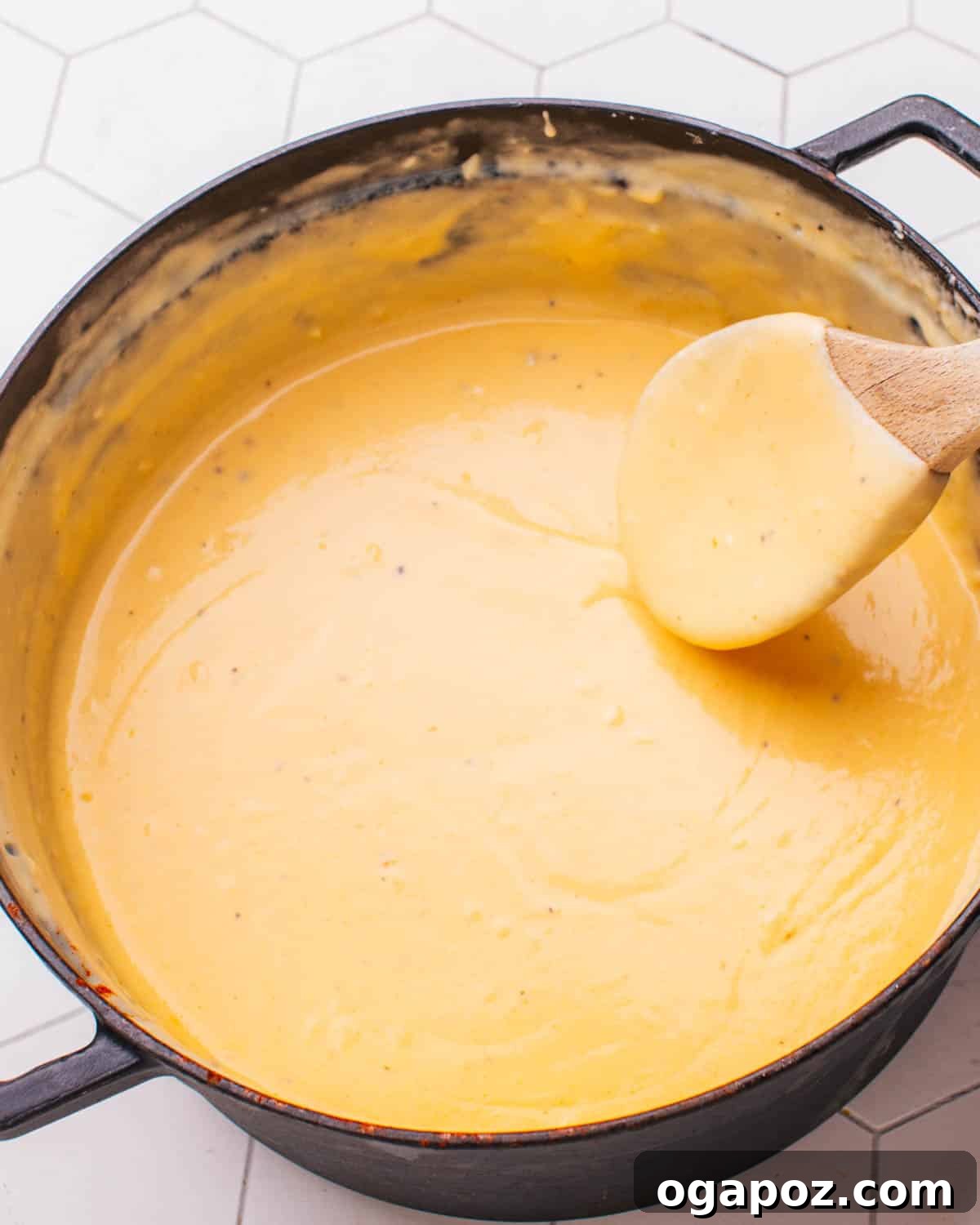
Unlock the secret to the most irresistible, rich, and impossibly creamy Cheese Sauce for Mac and Cheese using our simple melt-and-mix method. This foolproof recipe consistently delivers a velvety smooth texture, free from any graininess, making it a beloved staple in kitchens everywhere. Prepare to discover why this easy cheese sauce recipe earns rave reviews and becomes your go-to for elevating comfort food to gourmet levels.
Why This Creamy Cheese Sauce Recipe Stands Out
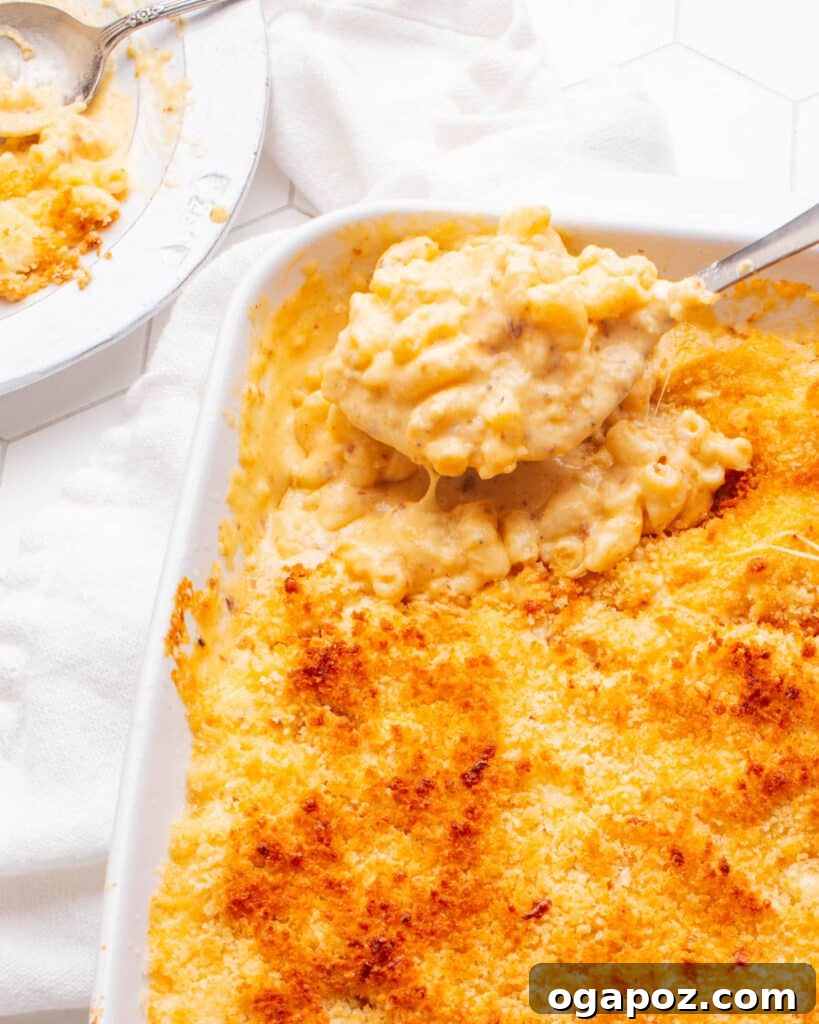
This isn’t just *a* cheese sauce recipe; it’s widely considered the best cheese sauce recipe for its unmatched creaminess, deep flavor, and incredible versatility. Developed initially as the quintessential base for mac and cheese, it has effortlessly transitioned into my ultimate homemade cheese sauce for a wide array of dishes, from generously coating fluffy baked potatoes to transforming humble steamed broccoli into a delectable side.
Whether your culinary adventure involves whipping up a quick stovetop mac and cheese or meticulously preparing a comforting old-fashioned baked macaroni and cheese, this luxurious creamy cheese sauce is guaranteed to elevate your elbow macaroni from good to extraordinary. Its rich, velvety texture also makes it an ideal drizzle over a medley of roasted vegetables or a fantastic companion for crispy tortilla chips, perfect for game day or a casual snack.
In this comprehensive guide, we’ll navigate the crucial steps to selecting the finest cheeses to ensure a flawless melt and an impeccable flavor profile. You’ll also learn straightforward yet highly effective tips for achieving that coveted perfect consistency every single time. Bid farewell to the frustration of grainy, separated cheese sauces. With a carefully curated list of simple ingredients and a few clever techniques, achieving a perfectly smooth, luscious, and velvety texture will become an effortless part of your cooking repertoire.
Essential Ingredients for the Ultimate Cheese Sauce
Crafting the perfect, rich cheese sauce for your homemade mac and cheese begins with understanding and selecting the right ingredients. Each component plays a vital role in achieving that desirable smooth texture and profound flavor that sets this recipe apart.
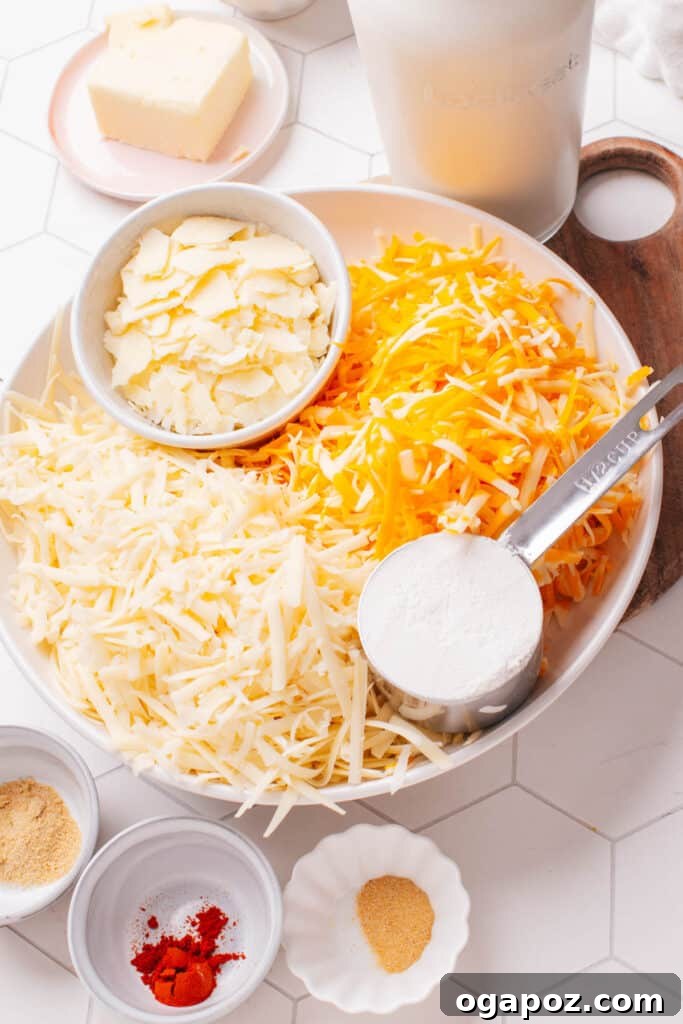
- Butter: This forms the crucial fat base of our roux, lending essential richness and a foundational depth of flavor to the sauce. Starting with salted butter seasons the sauce from the very beginning, but unsalted butter can be used by simply increasing the initial pinch of salt to taste.
- All-purpose Flour: The flour is integral for thickening the sauce, creating the smooth, creamy consistency we crave. It works in conjunction with the butter to form a roux, which prevents the sauce from becoming watery.
- Whole Milk: As the primary liquid base, whole milk is indispensable for achieving maximum creaminess and a balanced flavor. Its higher fat content contributes significantly to the sauce’s luxurious texture, contrasting sharply with lower-fat milk options.
- Sharp Cheddar Cheese: A cornerstone of any classic mac and cheese, sharp cheddar delivers a bold, tangy flavor that is absolutely essential. For the best melting and flavor, always opt for block cheddar and grate it yourself.
- Gruyère or Monterey Jack Cheese: These cheeses are selected for their superior melting properties and contribute a smooth texture alongside a mild, nutty, or buttery flavor that beautifully complements the sharpness of the cheddar. Gruyère offers sophisticated notes, while Monterey Jack provides a wonderfully gooey melt.
- Parmesan Cheese: Incorporating Parmesan cheese introduces a salty, complex umami depth that elevates the overall flavor profile, adding a gourmet touch. Freshly grated Parmesan is highly recommended for its superior melt and intense flavor.
- Salt: A fundamental seasoning, salt enhances and harmonizes all the flavors within the sauce. Adjusting the salt content throughout the cooking process is key to achieving perfect balance.
- Onion Powder: This subtle addition provides a gentle hint of savory onion flavor without introducing any unwanted texture from fresh onions.
- Black Pepper: Freshly ground black pepper adds a delicate warmth and a layer of nuanced complexity, rounding out the spice blend.
- Paprika: Paprika not only imparts a beautiful, inviting color to the cheese sauce but also adds a hint of mild smokiness, particularly if using smoked paprika, enhancing its savory depth.
- Garlic Powder: Infusing a mild yet distinctive savory undertone, garlic powder works wonders in enriching the sauce’s overall flavor without overpowering the cheese.
Flavorful Variations and Smart Substitutions
This easy cheese sauce recipe is remarkably adaptable, allowing for numerous tweaks and substitutions to perfectly align with your taste preferences or to utilize ingredients readily available in your pantry.
- Different Cheeses: The world of cheese offers endless possibilities! While sharp cheddar, Gruyère, and Parmesan create a stellar blend, feel free to experiment. Explore other excellent melting cheeses like Fontina for a nutty, earthy note, Havarti for its buttery smoothness, or smoked Gouda for a distinct smoky depth. For a spicier kick, pepper jack is an excellent choice. Swiss and Colby Jack also melt beautifully. You could even simplify it into a simple cheddar cheese sauce recipe by using only cheddar for a purist’s approach, adjusting the sharpness to your liking. The key is to balance good melting cheeses with flavorful, harder ones.
- Gluten-Free Alternative: To effortlessly make this rich sauce gluten-free, simply substitute the all-purpose flour with a high-quality gluten-free flour blend. Alternatively, you can create a cornstarch slurry (1 tablespoon cornstarch mixed with 2 tablespoons cold milk) and whisk it into the warmed milk before adding cheese, allowing it to thicken the sauce.
- For Extra Creaminess: For an even more luxurious and decadent sauce, consider substituting half of the whole milk with heavy cream or half-and-half. A dollop of cream cheese or a spoonful of sour cream stirred in at the end can also boost richness and tanginess, adding another layer of creamy texture.
- A Spicy Kick: If you enjoy a bit of heat, incorporating a half teaspoon of cayenne pepper, a dash of dry mustard powder, or a generous splash of your favorite hot sauce can add a delightful spicy dimension to the cheese sauce. Finely diced jalapeños (seeded for less heat) or a pinch of chipotle powder can also introduce a smoky-spicy element.
- Herbs and Additional Spices: Personalize your sauce with fresh or dried herbs. Finely chopped fresh parsley, thyme, or oregano can add bright, aromatic notes. A pinch of nutmeg, often found in classic béchamel-based sauces, can also enhance the cheese flavor, while a touch of white pepper offers a subtle warmth.
Essential Kitchen Tools for Sauce Perfection
Preparing this incredibly smooth and creamy cheese sauce requires only a few fundamental kitchen tools, making it accessible for any home cook.
- Large Saucepan: A generously sized saucepan is crucial for melting the butter and allowing all the ingredients to combine comfortably without overflowing. Its size also ensures even heat distribution, which is key for a smooth roux and sauce.
- Whisk: An indispensable tool, the whisk is vital for thoroughly combining the butter and flour for a lump-free roux and for continuously stirring the sauce as it thickens. This constant agitation prevents lumps and ensures an impeccably smooth consistency.
- Measuring Cups and Spoons: Accurate measurement of ingredients is paramount in sauce making to maintain the perfect ratio and ensure the desired thickness and flavor balance.
- Cheese Grater: If you’re using block cheese (highly recommended for superior results), a good quality cheese grater is essential. Freshly grated cheese melts more smoothly and incorporates better than pre-shredded varieties, which often contain anti-caking agents.
- Wooden Spoon or Heat-Proof Spatula: Useful for scraping down the sides of the saucepan and ensuring all ingredients are fully incorporated as the sauce thickens, preventing any sticking or scorching at the bottom.
Crafting the Best Cheese Sauce for Mac and Cheese: A Simple Step-by-Step Guide
Despite its rich and complex flavor profile, this simple cheese sauce recipe is surprisingly straightforward to prepare. Follow these easy steps to achieve a perfectly smooth, creamy, and flavorful sauce every time.
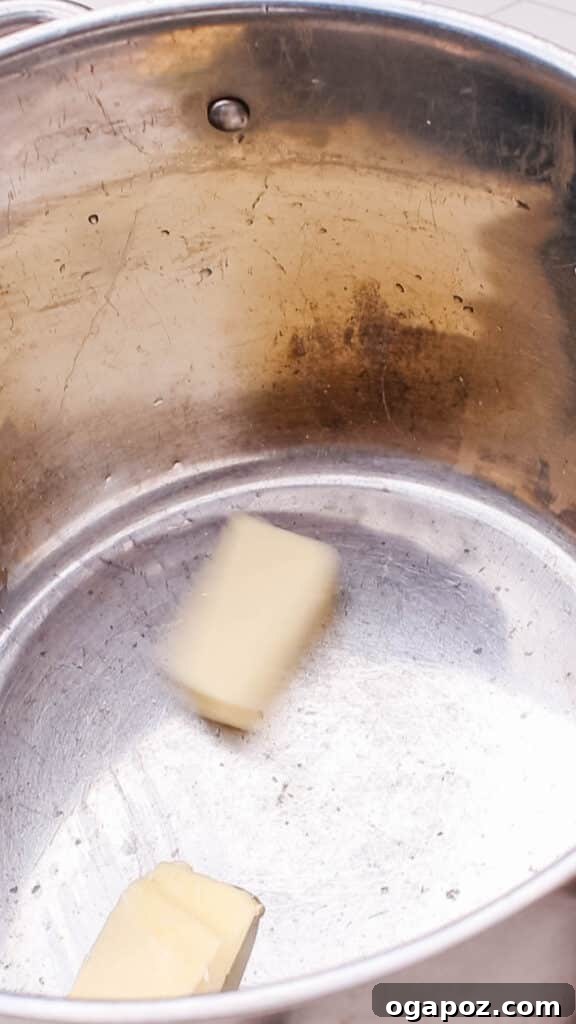
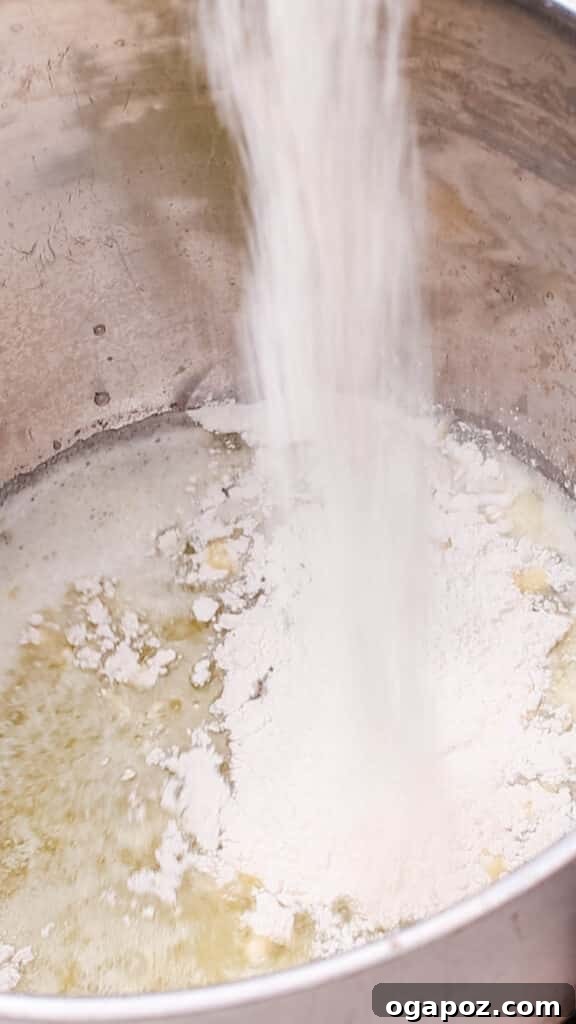
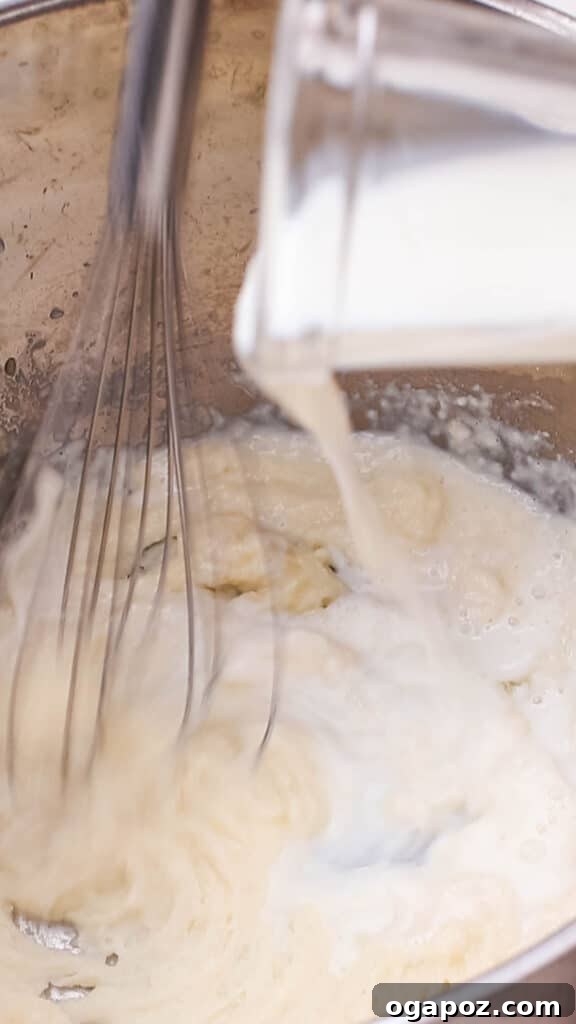

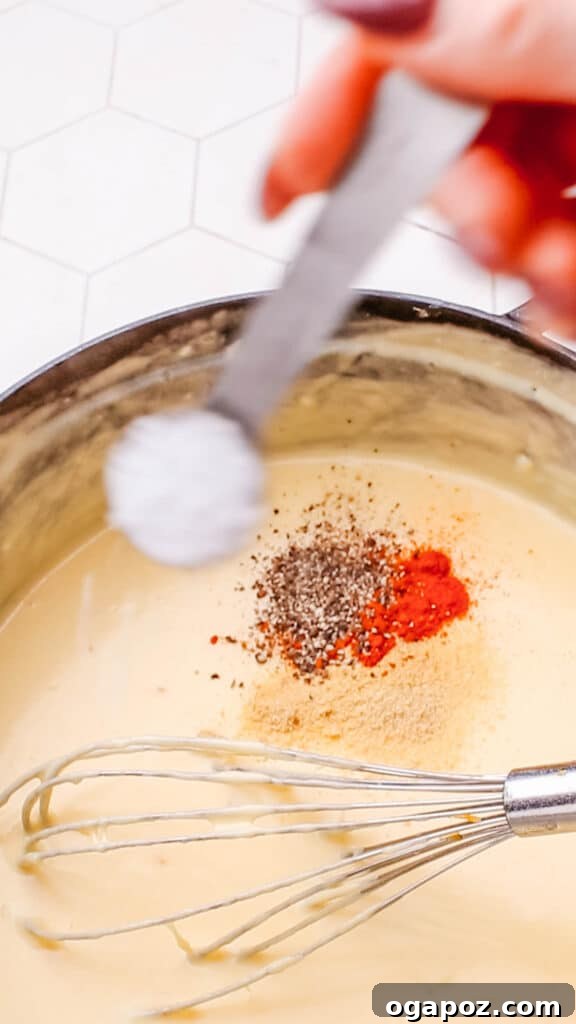
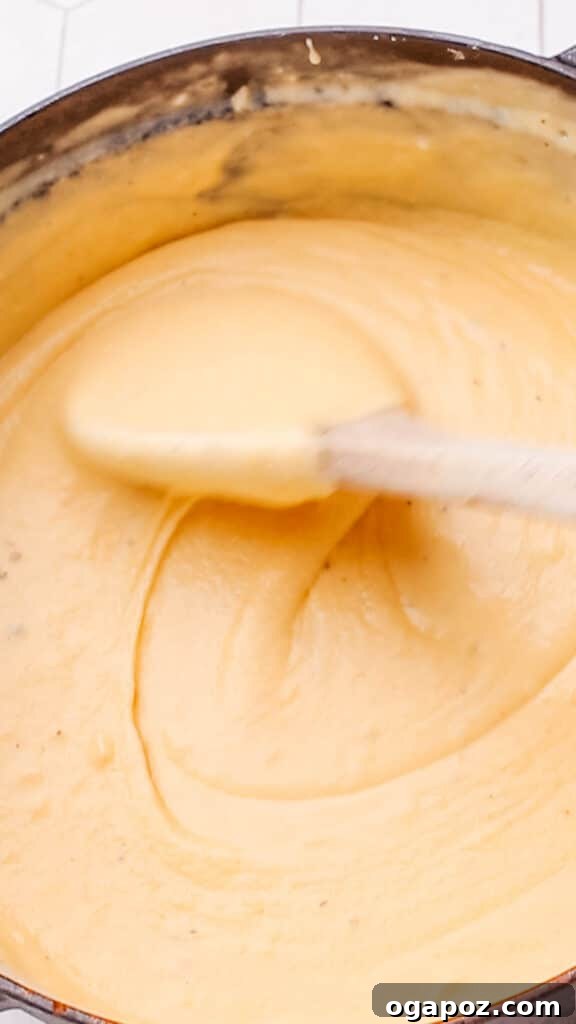
1. Crafting the Perfect Roux: Melting and Mixing
Begin by melting 4 tablespoons of good quality butter in a large saucepan over medium heat. Allow the butter to fully melt and become slightly foamy, but avoid browning it. Once melted, immediately whisk in the equal amount of all-purpose flour. This combination creates what is known as a roux, the fundamental thickening agent for your cheese sauce. Continue to cook the roux for 1-2 minutes, stirring constantly with your whisk to ensure it cooks evenly and doesn’t burn. Proper cooking of the roux is essential; it will transition from a raw flour smell to a distinct aroma reminiscent of shortbread cookies when it’s perfectly done, signaling that the raw flour taste has been cooked out.
2. Gradually Adding the Milk for a Smooth Base
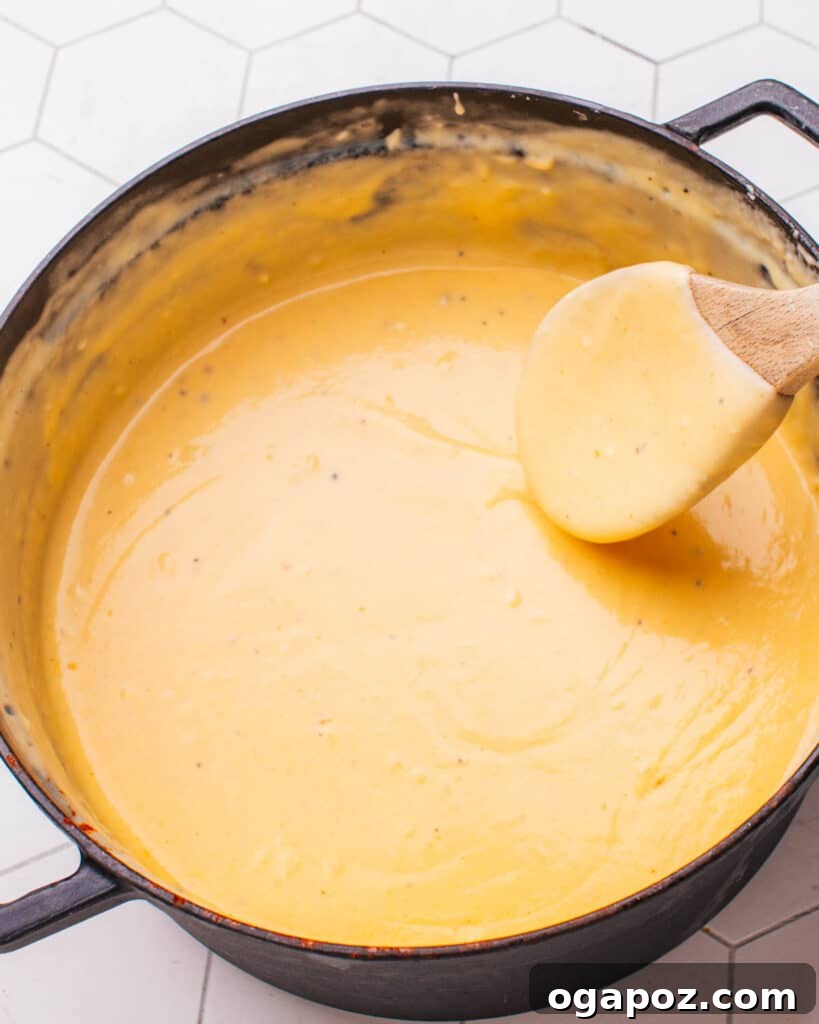
With the roux cooked to perfection, begin gradually pouring in the whole milk, whisking continuously and vigorously throughout the process. This step is critically important to prevent any lumps from forming in your sauce. If lumps do appear, continue whisking energetically; they should break down. For an even smoother start, you can slightly warm the milk before adding it to the roux, as cold milk can sometimes cause the roux to seize temporarily. Keep stirring over medium heat until the mixture gently comes to a simmer and visibly thickens to a beautifully smooth, creamy consistency, coating the back of a spoon. Do not let it boil rapidly.
3. Incorporating the Cheeses for Velvety Richness
Once your milk mixture has thickened, remove the saucepan from the heat entirely. This is a crucial step to prevent the cheese from overheating and becoming grainy. Now, begin adding your freshly shredded cheeses: the sharp cheddar, Gruyère or Monterey Jack, and Parmesan cheese. Add the cheese in small handfuls, stirring each addition thoroughly until it is completely melted and smoothly incorporated into the sauce before adding the next batch. If you find the sauce needs a little extra warmth to fully melt the last of the cheese, you can return the saucepan to very low heat for just a moment, but be extremely careful not to let the sauce simmer or boil, as high heat is the enemy of a smooth cheese sauce.
4. Expertly Seasoning the Sauce to Perfection
Finally, it’s time to perfect the flavor of your luxurious cheese sauce. Season generously with salt, freshly ground black pepper, paprika, and garlic powder. Taste the sauce and adjust the seasoning as needed, adding more salt or spices until you achieve a rich, balanced, and deeply flavorful profile. A secret tip for an extra layer of umami if the sauce feels a little flat is to add a tiny splash of soy sauce or Worcestershire sauce. This homemade cheese sauce recipe is now at its peak, ready to be lavishly combined with your favorite pasta for the ultimate macaroni and cheese or incorporated into a variety of other delicious dishes. Enjoy this creamy, cheesy goodness!
Make Ahead and Storage Tips for Convenience
Preparing your cheese sauce in advance and storing it correctly is an excellent way to save time and ensure you always have a fresh, flavorful base ready for your delicious meals. Here’s how you can properly manage your cheese sauce for future enjoyment:
- Advance Preparation: This creamy cheese sauce can be thoughtfully prepared up to 2-3 days ahead of time. In fact, making it in advance often allows the various flavors from the different cheeses and seasonings to meld and deepen, resulting in an even more harmonious and robust taste when you’re ready to use it.
- Refrigeration Guidelines: For short-term storage, transfer the cooled cheese sauce into an airtight container. Ensure the container is sealed tightly to prevent any air exposure, which can lead to a skin forming on top or absorption of refrigerator odors. Stored correctly in the refrigerator, the sauce will maintain its freshness and quality for up to 5 days.
- Freezing for Long-Term Storage: If you wish to extend the shelf life of your cheese sauce, it can be successfully frozen for up to 3 months. When freezing, it’s best to divide the sauce into smaller, individual portions to make thawing and reheating easier. Be aware that freezing may slightly alter the texture of the sauce upon thawing, potentially making it a bit less smooth or more prone to separation. However, a good whisk and perhaps a splash of milk during reheating can often restore it.
- Gentle Reheating Techniques: When you’re ready to use your stored cheese sauce, gentle reheating is absolutely key to preserving its creamy texture. Reheat the sauce slowly on the stovetop over very low heat. Stir constantly with a whisk or wooden spoon to ensure even heating and to prevent the sauce from sticking to the bottom or separating.
- Thinning Out Thickened Sauce: It’s quite common for cheese sauce to thicken considerably as it cools in the refrigerator. If your sauce is too thick upon reheating, simply thin it out to your desired consistency by gradually whisking in a small amount of milk, cream, or even a touch of chicken or vegetable broth until it reaches the perfect pourable texture.
- Crucial Tip for Avoiding Separation: The most important rule for successful reheating is to absolutely avoid boiling the sauce. High heat can cause the cheese proteins to seize and the fats to separate, leading to a grainy or oily texture. Gentle, gradual heating with continuous stirring is your best defense against separation, ensuring your cheese sauce remains perfectly smooth and luscious.
Versatile Ways to Serve This Incredible Cheese Sauce
While this cheese sauce recipe was meticulously crafted to create the ultimate mac and cheese, its rich flavor and velvety consistency make it incredibly versatile. Beyond the classic, there are countless delicious ways to incorporate this homemade goodness into your meals. Let’s explore some of my favorite applications:
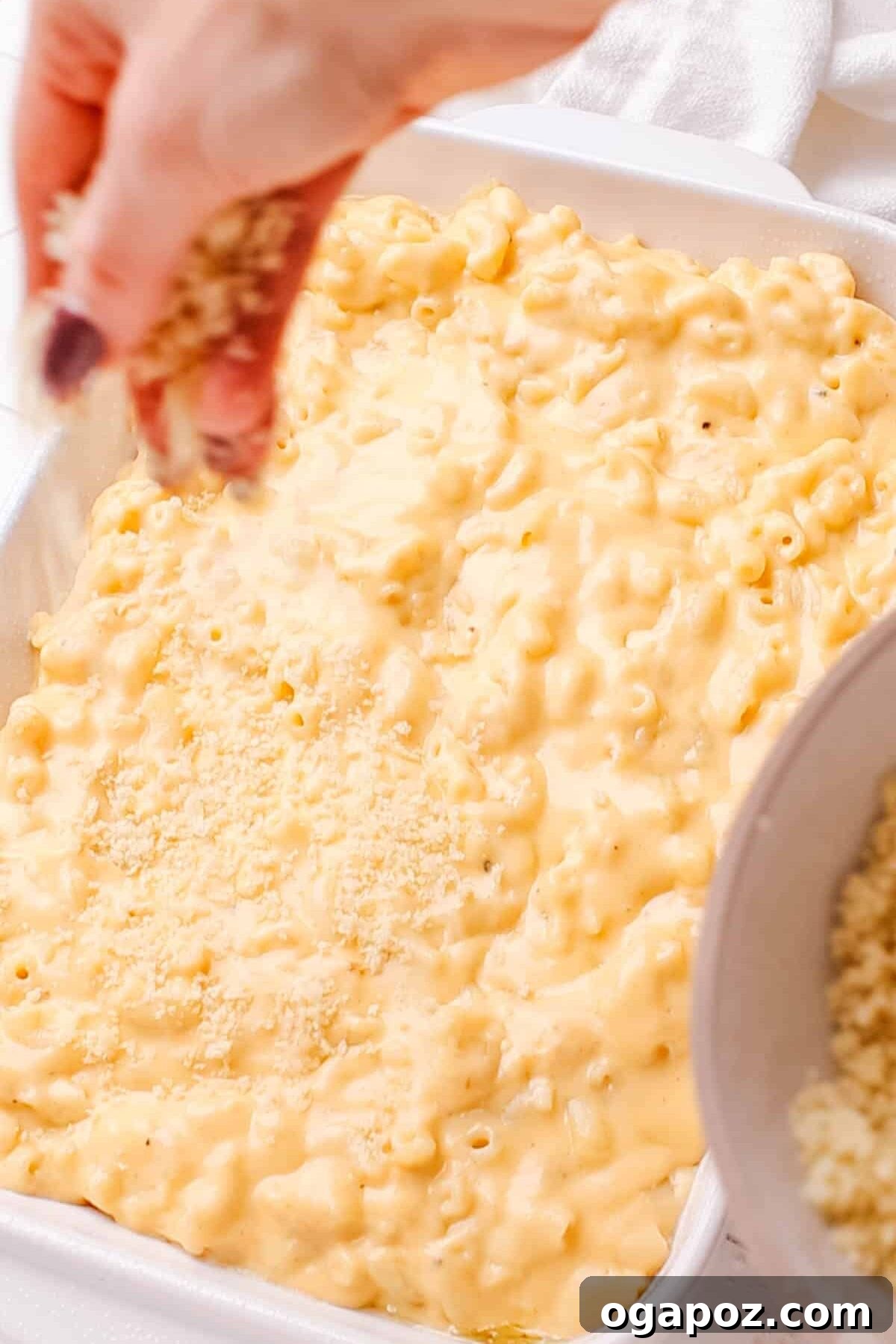
The Heart of Mac and Cheese
- Classic Stovetop Mac and Cheese: For an unbelievably quick and satisfying meal, simply combine this freshly made, warm cheese sauce with 1 pound of perfectly cooked elbow macaroni. Toss gently until every piece of pasta is coated in the luxurious sauce. Serve it piping hot, directly from the pot, for the ultimate comforting experience. This simple preparation highlights the sauce’s inherent creaminess and flavor.
- Baked Mac and Cheese Excellence: Elevate your pasta dish by using this sauce in a baked macaroni and cheese casserole. Layer the creamy sauce generously with your preferred pasta, perhaps a sprinkle of additional cheese between layers for extra gooeyness, and even your choice of protein (like cooked chicken or ham) or vegetables (such as blanched broccoli florets). Bake until it’s gloriously bubbly and achieves a golden-brown crust, offering a deeply comforting and satisfying meal that’s perfect for family dinners or potlucks.
Beyond Mac and Cheese: Unexpected Delights
- Irresistible Baked Potatoes: Transform a simple baked potato into a gourmet treat. Drizzle this cheese sauce generously over an oven-baked or perfectly cooked microwave baked potato. Top with classic fixings like crispy bacon bits, fresh chives, or a dollop of sour cream for an indulgent experience.
- Elevated Steamed Broccoli and Veggies: Make your vegetables truly irresistible! Pour this warm cheese sauce over steamed broccoli, tender cauliflower, roasted Brussels sprouts, or even blanched green beans. It’s an effortless way to add a cheesy, flavorful twist that encourages everyone, even the pickiest eaters, to enjoy their greens. I particularly adore using this rich cheese sauce as a luscious topping in my cauliflower casserole recipe.
- Ultimate Game Day Nachos: Take your nacho game to the next level. Serve this warm, gooey cheese sauce with a mountain of crunchy tortilla chips, seasoned ground beef, black beans, jalapeños, and salsa for an epic snack or party appetizer. It’s the secret ingredient for truly amazing game day nacho recipes.
- Savory Breakfast Burritos and More: Add a few spoonfuls of this delightful sauce to your morning eggs before wrapping them up in a warm tortilla for a surprisingly flavorful breakfast burrito. It can also be a fantastic addition to breakfast casseroles or even drizzled over scrambled eggs for an extra touch of richness.
- Versatile Dipping Sauce: Serve this cheese sauce as a warm, inviting dipping sauce. It pairs wonderfully with soft pretzels, crispy breadsticks, chicken tenders, crispy fries, or even a colorful platter of crudités for a fun and crowd-pleasing appetizer or snack.
And for those truly devoted to the world of mac and cheese, don’t miss my epic collection of ideas for what to serve with mac and cheese to complete your meal!
Understanding Grainy Mac and Cheese Sauce (and How to Master a Smooth One)
One of the most common frustrations in making cheese sauce is encountering a grainy or gritty texture instead of the desired silky smoothness. This unpleasant outcome typically stems from several key factors related to how cheese proteins behave under heat. Understanding these culprits is the first step towards consistently achieving a flawless, velvety sauce.
- Excessive High Heat: This is arguably the most frequent offender. Heating cheese too rapidly or at an excessively high temperature causes the delicate proteins within the cheese to coagulate, tighten, and forcefully squeeze out the fats and water. This process, known as protein denaturing, leads to the fats separating and the proteins clumping together, resulting in that distinctively grainy texture. A slow, gentle melt is paramount.
- Incompatible Cheese Choices: Not all cheeses are created equal when it comes to melting. Hard, aged cheeses, such as some extra-sharp cheddars, Parmesan, or Pecorino Romano, have a lower moisture content and a denser protein structure. When subjected to heat, these proteins are more prone to seizing and becoming grainy. For the smoothest sauces, it’s generally better to rely on young, high-moisture, and lower-acid cheeses like American, Colby, mild cheddar, Gouda, Fontina, or Monterey Jack, which contain emulsifying salts that help keep them smooth.
- Prolonged Overcooking: Similar to high heat, cooking cheese for too long can also lead to a grainy texture. The longer cheese is exposed to heat, the more the proteins will continue to denature and lose their ability to hold onto moisture and fat in an emulsified state. This prolonged exposure breaks down the delicate balance, making the sauce tough and gritty.
- Presence of Acidic Ingredients: Acidic components, such as lemon juice, wine, vinegar, or certain types of tomatoes, can be detrimental to cheese sauce if not handled carefully. Acids accelerate the coagulation of cheese proteins, causing them to clump and separate. If using acidic ingredients, add them sparingly and introduce them early in the sauce-making process (before the cheese) or temper them carefully.
- Improper Emulsification: A stable cheese sauce relies on a proper emulsion – a harmonious blend of fat, liquid, and cheese. If the roux (butter and flour) isn’t properly cooked, or if the milk is added too quickly without continuous whisking, the fat and liquid base won’t be adequately emulsified. This weak foundation makes the cheese more susceptible to separating when added, leading to a grainy result.
- Quality and Type of Ingredients: The quality of your cheese significantly impacts the final texture. Cheeses that contain additives or preservatives (often found in pre-shredded varieties, which also contain anti-caking agents like cellulose) may not melt as smoothly as fresh, block cheese. Similarly, using low-fat or non-dairy milk can affect the emulsification properties, potentially resulting in a less smooth and stable sauce due to reduced fat content.
If you find yourself with a slightly grainy cheese sauce, don’t despair! You can often rescue it. Immediately remove the sauce from the heat and allow it to cool slightly. Then, whisk it vigorously for a minute or two. Adding a small amount of cold milk or heavy cream, one tablespoon at a time, while continuously whisking, can often help re-emulsify the sauce and restore its smooth texture. For stubborn graininess, an immersion blender can sometimes work wonders to smooth it out, or, as a last resort, passing the sauce through a fine-mesh sieve.
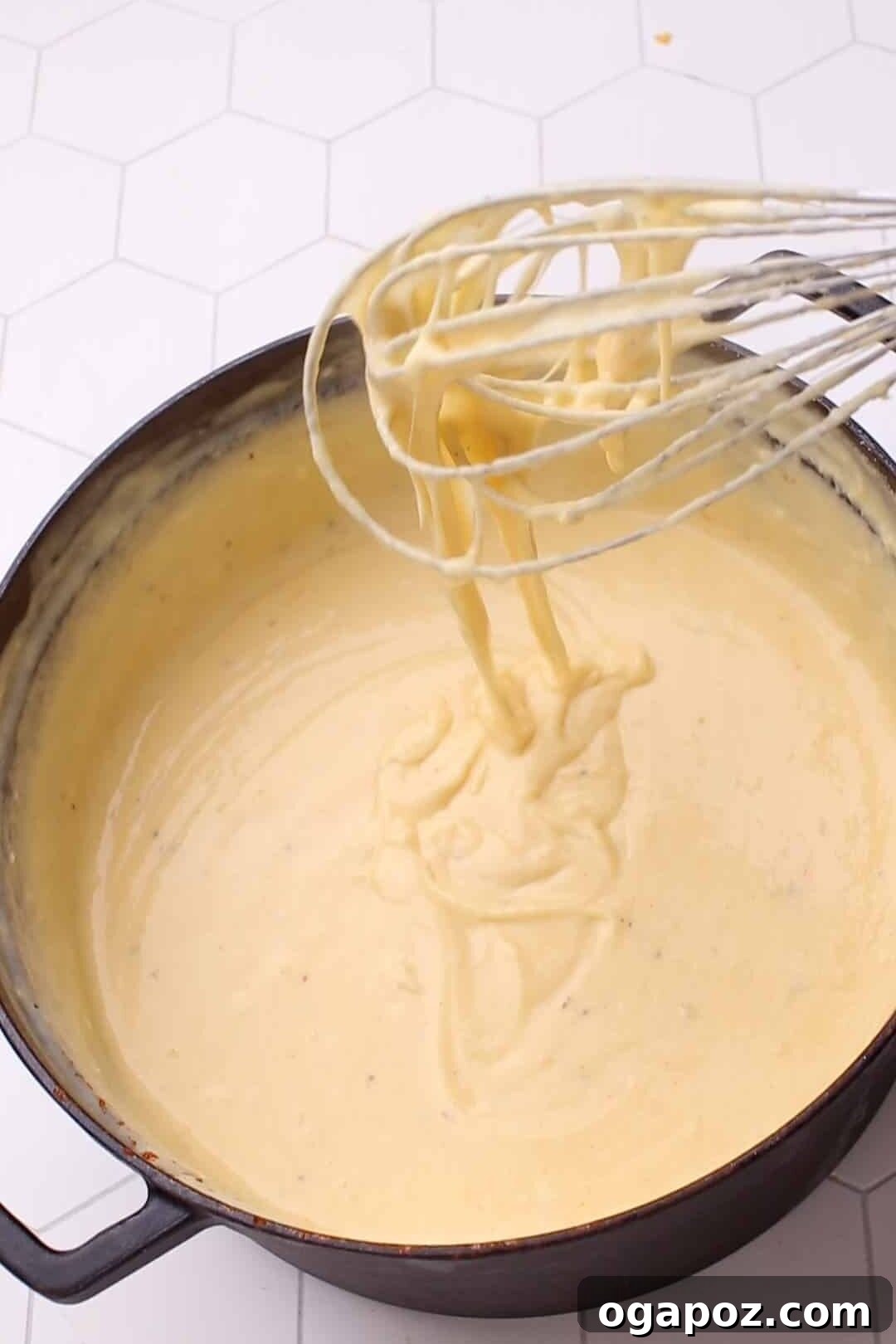
Avoid These 4 Common Mistakes for Perfect Cheese Sauce
Even with a stellar recipe, certain missteps can hinder your cheese sauce from reaching its full potential. Here are the most frequent pitfalls to actively avoid when preparing this creamy cheese sauce, ensuring a consistently delicious outcome:
- Overheating the Sauce: As discussed, excessive heat is the primary culprit behind grainy cheese sauce. When cheese is subjected to high temperatures, its proteins coagulate too quickly, causing the fat and moisture to separate, leading to a gritty texture. The golden rule: always take the sauce off the heat (or reduce it to the absolute lowest setting) *before* you begin sprinkling in the cheese. Remember this playful mantra: “Turn off the stove before you cheese, so you make sure it doesn’t seize!”
- Adding Cheese Too Quickly: Dumping all the cheese into the hot liquid at once is a recipe for lumps and uneven melting. The rapid drop in temperature can shock the sauce, making it difficult for the cheese to melt smoothly and integrate properly. Instead, add your freshly grated cheese gradually, a small handful at a time, stirring continuously after each addition until it’s fully melted and incorporated into the sauce. This patient approach ensures a uniform, lump-free consistency.
- Neglecting the Roux: The roux (the butter and flour mixture) is the foundational thickening agent of your sauce, and its proper preparation is crucial for both texture and flavor. Not cooking the roux long enough can leave a raw, floury taste in your finished sauce and may also affect its thickening power. Cook the roux for a full 1-2 minutes, stirring constantly, until it emits a pleasant, nutty aroma, similar to shortbread cookies. This indicates that the flour has been properly cooked out and is ready to receive the liquid.
- Overlooking Seasoning Details: Proper seasoning is essential for a vibrant, flavorful cheese sauce. A common mistake is not seasoning the sauce adequately, which can result in a bland, flat taste. Furthermore, it’s vital to season your pasta cooking water generously with salt. This ensures the pasta itself has flavor and doesn’t dilute the seasoning of your rich cheese sauce when combined. Additionally, make sure to drain the cooked macaroni noodles completely before adding them to the sauce. Any excess water sneaking into your sauce can dilute its flavor and thin out its perfect consistency.
If you’re delving into the world of baked mac and cheese, be particularly mindful not to leave it in the oven longer than necessary. Overbaking can also cause the sauce to overheat and become grainy. Discover all my expert tips for achieving the perfect baked dish and get my favorite baked mac and cheese recipe here.
Frequently Asked Questions About This Cheese Sauce Recipe
For those looking for quick answers or clarification, here’s a comprehensive rundown of the most commonly asked questions regarding this exceptional cheese sauce recipe.
What is the best cheese to melt for mac and cheese?
The finest cheeses for melting into a perfect mac and cheese sauce are those known for their creamy texture and robust flavor. Top choices include sharp cheddar for its classic tang, Gruyère for its nutty complexity and smooth melt, and Monterey Jack for its exceptional meltability and mild buttery notes. These varieties melt seamlessly, creating a luxurious and richly flavored sauce. For an ultimate guide to specific cheese selections and combinations, refer to my detailed article on the best cheese for baked macaroni and cheese.
How can I keep my mac and cheese creamy?
Maintaining the supreme creaminess of your mac and cheese involves several key strategies. Firstly, strictly avoid overcooking your cheese sauce, as excessive heat can cause the cheese to separate and become grainy. Secondly, always use a thoughtful combination of cheeses, prioritizing those renowned for their excellent melting properties. Thirdly, and critically, do not be tempted to add too much macaroni. An overwhelming amount of pasta will absorb the luscious sauce, leaving your dish dry and less creamy. A balanced pasta-to-sauce ratio is essential.
How do you melt block cheese for mac and cheese effectively?
To ensure block cheese melts flawlessly into your mac and cheese sauce, start by grating it yourself. Freshly grated cheese lacks the anti-caking agents found in pre-shredded varieties, which can hinder a smooth melt. Once grated, incorporate the cheese gradually into your sauce with the heat completely turned off or set to a very low setting. Stir constantly until each addition is fully melted and integrated before adding more, preventing any clumping or separation.
What is the secret to making mac and cheese sauce smoother?
Achieving a sumptuously smoother mac and cheese sauce hinges on precision and patience. Begin by melting the cheese slowly over low heat, ensuring continuous stirring to aid in even emulsification and prevent lumps. It’s also vital that your roux (the butter and flour base) is well-cooked and perfectly smooth before any milk or cheese is introduced. A properly prepared roux is the foundation for an impeccably smooth sauce.
Why does my mac and cheese sauce turn out grainy?
A grainy mac and cheese sauce is typically the result of a few common mistakes. The sauce can turn grainy if the cheese is added too rapidly, if the heat is too high during the melting process, or if you opt for pre-shredded cheese that contains anti-caking agents which interfere with a smooth melt. To prevent this, always melt your cheese slowly over low heat and prioritize using freshly grated cheese from a block.
What should I do if my mac and cheese sauce is lumpy?
If you find your cheese sauce has developed lumps, don’t fret! Your first course of action should be to whisk it vigorously off the heat for a minute or two; this often helps to break down smaller clumps. If the lumps persist and are more significant, a highly effective solution is to carefully pass the entire sauce through a fine-mesh sieve. This will separate out any stubborn lumps, leaving you with a wonderfully smooth sauce.
Which cheeses are best combined for mac and cheese for optimal flavor and texture?
For a truly exquisite mac and cheese, a thoughtfully balanced cheese blend is recommended. A fantastic combination often includes sharp cheddar for its iconic bold flavor, Gruyère or Monterey Jack for their superior creaminess and melting qualities, and a touch of freshly grated Parmesan for an added layer of salty, umami depth that truly rounds out the sauce’s profile.
What’s the ideal pairing for mac and cheese to create a complete meal?
Mac and cheese, while hearty on its own, pairs beautifully with a variety of sides to create a well-rounded and satisfying meal. Excellent companions include a crisp, fresh green salad with a vinaigrette dressing to cut through the richness, steamed or roasted vegetables for added nutrition, savory crispy bacon bits, or a slice of warm, garlicky bread for dipping and textural contrast.
What type of milk is best for crafting a superior mac and cheese sauce?
Whole milk is undeniably the best choice for making a truly creamy and flavorful mac and cheese sauce. Its higher fat content is crucial for achieving the desired rich texture and contributes significantly to the sauce’s body and mouthfeel. While skim or low-fat milk can be used, they will result in a thinner, less luxurious sauce, so whole milk is highly recommended for optimal results.
Can I use pre-shredded cheese for mac and cheese for convenience?
While pre-shredded cheese offers convenience, it is generally not recommended for the best mac and cheese sauce. These products often contain anti-caking agents, such as cellulose, which can significantly affect the sauce’s melting properties and texture, sometimes leading to a grainy or clumpy result. For the smoothest, most flavorful sauce, always opt for block cheese and grate it fresh yourself.
Is it acceptable to add various spices to mac and cheese sauce?
Absolutely! Adding a variety of spices to your mac and cheese sauce is not only acceptable but highly encouraged to enhance its flavor profile. Spices like a pinch of dry mustard powder, a dash of paprika, a hint of onion or garlic powder, or a touch of cayenne pepper can introduce wonderful depth, warmth, and complexity to your sauce, allowing for personalized taste adjustments.
What’s the best method to reheat mac and cheese without drying it out?
To reheat mac and cheese while preserving its creamy texture and preventing it from drying out, reheat it slowly on the stovetop over low heat. It’s crucial to add a splash of milk (or even cream or broth) as you reheat, stirring continuously. This replenishes any moisture absorbed by the pasta and helps re-emulsify the sauce, ensuring it remains wonderfully creamy and appetizing.
Is this cheese sauce versatile enough for use in other dishes beyond mac and cheese?
Yes, absolutely! This cheese sauce is incredibly versatile and can be utilized in a multitude of other delicious dishes. It makes an excellent topping for nachos, a rich accompaniment for baked potatoes, a binding agent for vegetable gratins or casseroles, and a flavorful dipping sauce for various appetizers like soft pretzels or breadsticks. Its rich, creamy profile lends itself well to many culinary applications.
How can I prepare a gluten-free version of this mac and cheese sauce?
Crafting a gluten-free mac and cheese sauce is simple. For a gluten-free version, the key is to substitute the all-purpose flour used in the roux with a high-quality, cup-for-cup gluten-free flour blend. Ensure the gluten-free flour is cooked thoroughly in the butter to eliminate any raw flour taste, just as you would with traditional flour, before adding the milk.
Explore More Mac and Cheese Delights
- What to Serve with Macaroni and Cheese
- Best Cheese for Baked Macaroni and Cheese (for Flavor and Melting!)
- Creamy Butternut Squash Mac and Cheese
- Umami-Rich Miso Carrot Mac and Cheese
- Classic Old Fashioned Baked Macaroni and Cheese
Other Creamy Sauces You’ll Absolutely Love
- Decadent Lobster Ravioli Sauce
- Effortless Seafood Pasta with Cream Sauce
- Irresistibly Creamy Tuscan Chicken
- Vibrant Beet Pasta Sauce
- My Favorite Homemade Gnocchi Sauce Recipe
- Asiago Tortelloni Alfredo with Grilled Chicken
- Timeless Old Fashioned Baked Macaroni and Cheese
★
★
★
★
Creamy Cheese Sauce for Mac and Cheese (Foolproof & Delicious!)
Jennifer Pallian BSc, RD
5 minutes
20 minutes
8
Ingredients
- ½ cup salted butter
- ½ cup all-purpose flour
- 5 cups whole milk
- 3 cups shredded sharp cheddar cheese
- 2 cups shredded Gruyère or Monterey Jack cheese (or more cheddar)
- 1 cup freshly grated Parmesan cheese
- 1 ½ tsp kosher salt plus more to taste
- 1 tsp onion powder
- ½ tsp black pepper
- ½ tsp paprika
- ½ tsp garlic powder
- 1 lb macaroni cooked al dente
Instructions
-
Melt the butter in a large saucepan over medium heat until foamy.
-
Whisk in the flour and cook for 1-2 minutes, stirring constantly, until it smells like shortbread cookies (to form a roux).
-
Gradually add the whole milk, whisking continuously to prevent lumps. Continue cooking over medium heat, stirring, until the mixture thickens to a smooth consistency.
-
Turn off the heat. Add the shredded sharp cheddar, Gruyère (or Monterey Jack), and Parmesan cheeses a small handful at a time. Stir well after each addition until the cheese is fully melted and incorporated. If necessary, briefly return to very low heat to finish melting, but avoid simmering or boiling.
-
Season the sauce with kosher salt, onion powder, black pepper, paprika, and garlic powder. Mix thoroughly and taste, adjusting seasoning as desired for a rich and balanced flavor.
-
Stir in your cooked macaroni until evenly coated. Serve immediately for optimal creaminess.
Notes
Always adjust the salt to your personal taste. If the sauce still tastes a bit bland, a tiny secret ingredient can be a splash of soy sauce, which adds a wonderful depth of umami flavor without imparting a distinct soy taste.
Nutrition
Carbohydrates: 16g |
Protein: 33g |
Fat: 51g |
Saturated Fat: 30g |
Polyunsaturated Fat: 2g |
Monounsaturated Fat: 13g |
Trans Fat: 0.5g |
Cholesterol: 155mg |
Sodium: 1569mg |
Potassium: 339mg |
Fiber: 1g |
Sugar: 8g |
Vitamin A: 1674IU |
Vitamin C: 0.1mg |
Calcium: 1057mg |
Iron: 1mg
Nutrition information is automatically calculated, so should only be used as an approximation.
Tried this recipe? Leave a comment!