
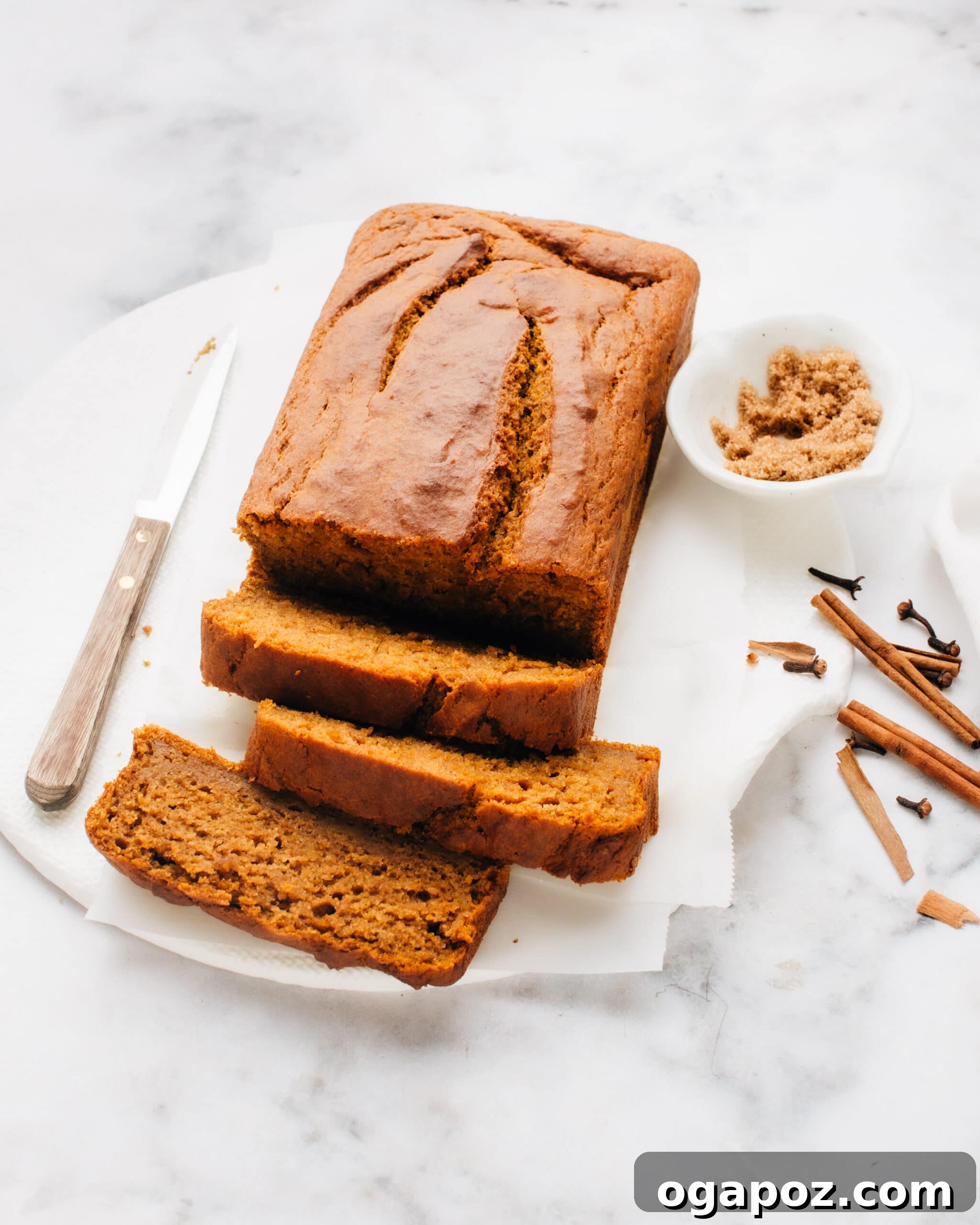
Step into the enchanting world of autumn baking with this unparalleled Pumpkin Bread recipe. Infused with a symphony of warm fall spices, this loaf promises an exquisitely soft texture and remarkable moisture that lasts for days. Prepare to delight your senses and unlock the secrets to truly irresistible pumpkin bread!
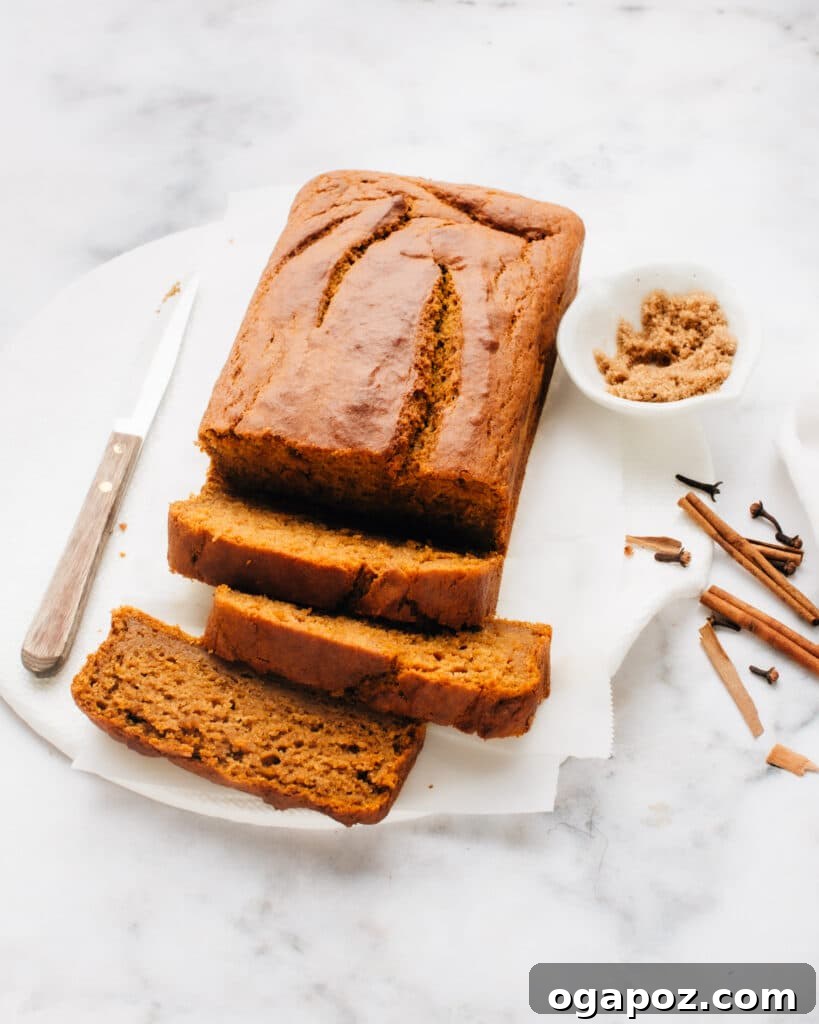
The Ultimate Moist Pumpkin Quick Bread Recipe: Your Fall Baking Essential
As the leaves begin to turn vibrant hues and a crisp coolness fills the air, there’s nothing quite as comforting and inviting as the aroma of freshly baked pumpkin bread wafting through your home. It’s the quintessential taste of autumn, a comforting embrace in every bite. And if you’ve been searching for that one perfect recipe – the one that consistently delivers a tender crumb, deep flavor, and incredible moisture – your quest ends here.
This isn’t just another pumpkin bread recipe; it’s *the* pumpkin bread recipe you’ll return to year after year. It boasts an incredibly soft, delicate texture that remains tender and remarkably moist, often improving in flavor and texture over time. Forget dry, crumbly loaves; this quick bread defies expectations, offering a truly magical baking experience that’s both simple to achieve and utterly satisfying.
What makes it so special? It’s all about simplicity and smart techniques, ensuring perfect results even for novice bakers. Our recipe utilizes the straightforward “muffin method” for mixing: combining all your dry ingredients in one bowl, whisking the wet ingredients in another, and then gently folding them together. This minimal mixing technique is a crucial secret to achieving a light, airy, and soft bread without overworking the gluten, preventing a dense texture.
Prepare to fill your home with the heartwarming scent of cinnamon, ginger, and cloves, wrapped around the rich sweetness of pumpkin. Whether you’re preparing it for a cozy breakfast, an afternoon snack, or a delightful dessert, this pumpkin bread will become a cherished part of your fall traditions. Get ready to bake a loaf that’s not just good, but truly unforgettable.
Essential Ingredients for Your Perfect Pumpkin Bread
Crafting the best pumpkin bread starts with gathering high-quality ingredients. Each component plays a vital role in achieving the desired flavor, texture, and moisture. Here’s a detailed look at what you’ll need and why:
Pumpkin Bread Key Ingredients:
- All-purpose flour: The structural foundation of our bread. It provides the necessary gluten development for a tender, yet sturdy crumb. When measured correctly (spooned and leveled), it ensures the perfect balance, contributing to the bread’s delightful rise and texture.
- Granulated sugar: Beyond just sweetness, granulated sugar contributes to the bread’s beautiful golden-brown crust and helps attract and retain moisture, keeping the loaf incredibly tender and preventing it from drying out.
- Baking soda & baking powder: These are our essential leavening agents, working in harmony to give the bread its characteristic light and fluffy texture. Baking soda reacts with acidic ingredients (like buttermilk and pumpkin puree) to create lift, while baking powder provides additional rise, ensuring a wonderfully airy crumb.
- Kosher salt: A critical flavor enhancer. Salt doesn’t just make things taste “salty”; it balances the sweetness of the sugars, making the vibrant pumpkin and warm spice flavors truly pop and preventing the bread from tasting flat. It also strengthens the gluten structure, aiding in an even rise.
- Warm Fall Spices: Cinnamon, Ground Ginger, and Ground Cloves: This aromatic trio is the heart of our pumpkin bread’s signature fall flavor.
- Cinnamon: Offers a sweet, woody, and intensely warm aroma, which is quintessential for autumnal baked goods.
- Ground Ginger: Adds a delightful peppery, slightly sweet, and pungent warmth, creating a beautiful depth of flavor that complements the pumpkin beautifully.
- Ground Cloves: Contributes an intensely sweet and aromatic, almost spicy note, enhancing the overall complexity of the spice profile and giving the bread its inviting, cozy character.
For convenience, you can also substitute these individual spices with an equal amount of your favorite pumpkin pie spice blend. The key is to ensure your spices are fresh for the most vibrant and impactful taste; old spices lose their potency.
- Canned pumpkin puree : The undisputed star of the show! Pumpkin puree delivers rich, earthy flavor and an incredible amount of moisture, making the bread exceptionally tender and giving it that signature orange hue. It’s crucial to use pure pumpkin puree, not pumpkin pie filling, which contains added sugars and spices that would alter the recipe. (If you happen to have any leftover puree, remember how to freeze canned pumpkin for future use, reducing waste!).
- Brown sugar: Adds a deeper, more complex caramelized sweetness compared to granulated sugar, thanks to its molasses content. This richness significantly enhances the overall flavor profile and contributes immensely to the bread’s remarkable moisture and exceptionally soft texture.
- Buttermilk or plain yogurt: These acidic dairy products are key to a truly tender crumb. The acidity reacts with baking soda to create beneficial air pockets for lift, while the fats and proteins contribute to a rich, moist texture and a subtle tang that enhances and brightens all the other flavors in the bread.
- Vegetable oil: The secret weapon for ultimate, long-lasting moisture! Unlike butter, which contains water and milk solids and can solidify upon cooling, making bread feel dense or crumbly, neutral-flavored vegetable oil (such as canola or grapeseed oil) remains liquid at room temperature. This ensures your pumpkin bread stays incredibly soft, consistently moist, and wonderfully tender for days, providing a delightfully consistent texture from the first slice to the last.
- Large egg: Acts as a crucial binder, holding all the ingredients together and preventing a crumbly loaf. It also adds essential richness, contributes to the bread’s overall moisture content, and plays a role in the structure and rise, creating a well-formed loaf.
Creative Variations and Smart Substitutions for Your Pumpkin Bread
This pumpkin bread recipe is wonderfully versatile, allowing for delicious customizations to suit different tastes and dietary needs. Don’t hesitate to experiment and make it uniquely your own!
- Gluten-free Adaptation: To effortlessly make this recipe gluten-free, simply substitute the all-purpose flour with a high-quality 1:1 gluten-free flour blend. Many commercial blends are specially formulated to mimic the properties of wheat flour, often containing ingredients like xanthan gum to aid in structure and elasticity. While the texture might be slightly different, the flavor will remain wonderfully robust and moist, making it an excellent option for those with gluten sensitivities.
- Vegan-Friendly Version: Transforming this recipe into a delightful vegan treat is straightforward. To replace the egg, use a “flax egg” (prepare by mixing 1 tablespoon of ground flaxseed meal with 3 tablespoons of water, then allow it to sit for about 5 minutes until it forms a gel-like consistency). For the buttermilk or yogurt, opt for a dairy-free plain yogurt (almond, soy, or oat-based varieties work exceptionally well) or create homemade vegan buttermilk by mixing a plant-based milk with a teaspoon of lemon juice or apple cider vinegar.
- Enhanced Spice Profile: If you adore bold, complex flavors, consider deepening the spice blend beyond the core three. Add a pinch of freshly grated nutmeg for an earthy, pungent warmth, a touch of allspice for a complex, clove-like and peppery note, or a dash of cardamom for an exotic, aromatic twist. You can also entirely swap the individual spices for a pre-made pumpkin pie spice blend; just ensure it’s fresh and hasn’t lost its potency for maximum flavor impact.
- Nutty or Chocolatey Additions: For an extra layer of texture and flavor, gently fold in a handful (approximately ½ to 1 cup) of your favorite mix-ins after combining the wet and dry ingredients. These additions elevate the bread’s character:
- Chopped Nuts: Toasted pecans or walnuts introduce a delightful crunch and rich, earthy flavor that pairs perfectly with pumpkin.
- Chocolate Chips: Semi-sweet, dark, milk, or even white chocolate chips melt into irresistible pockets of sweetness and richness throughout the loaf.
- Dried Fruit: Plump raisins or dried cranberries offer a chewy texture and a burst of tart sweetness that brightens the bread. For a festive and vibrant twist, a version with fresh cranberries would also be absolutely delicious, adding a wonderful zing!
- Transform into Pumpkin Muffins: This versatile batter is also perfect for baking into individual pumpkin muffins! Simply divide the batter evenly among a greased or lined standard 12-cup muffin tin, filling each cup about two-thirds full. Bake at 375ºF (190ºC) for approximately 20-25 minutes, or until a toothpick inserted into the center of a muffin comes out clean. Muffin variations are fantastic for convenient grab-and-go treats, lunchbox additions, or portion-controlled indulgences.
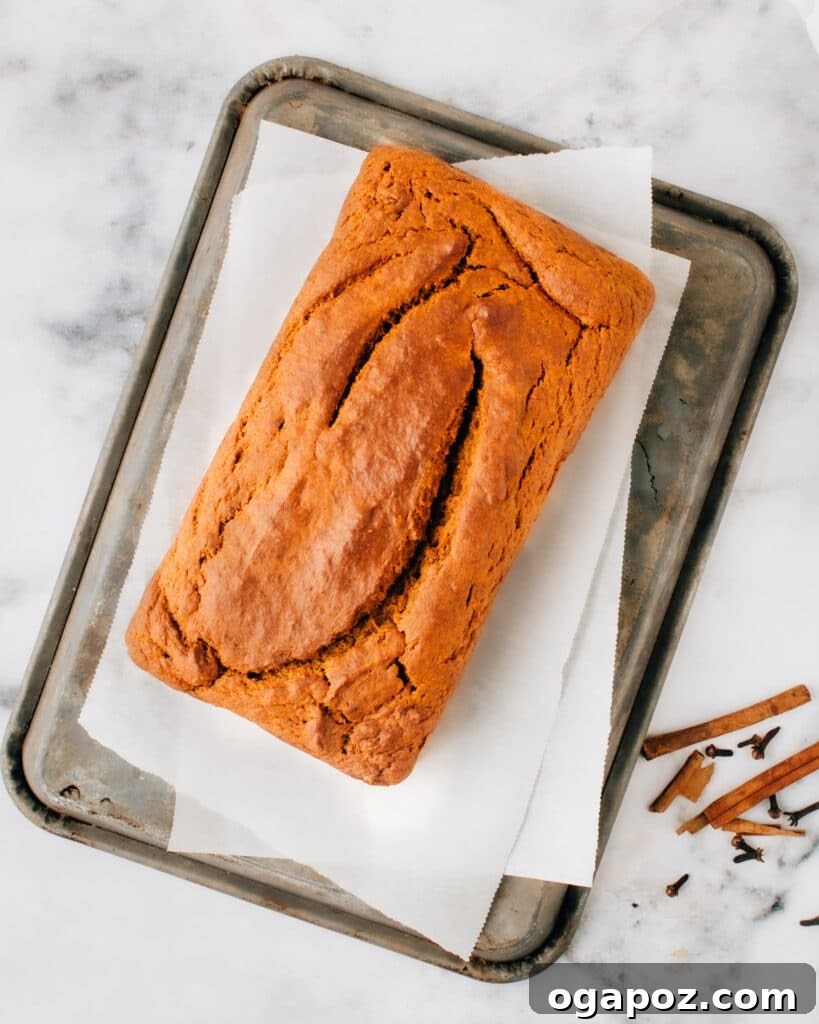
How to Make the Best Pumpkin Bread: Easy Step-by-Step Directions
Achieving a perfectly moist and flavorful pumpkin bread is easier than you think with these clear, simple steps. Follow along for baking success and a truly delicious result every time:
- Preheat Oven and Prepare Pan: Always begin by preheating your oven to 350ºF (175ºC). This crucial step ensures a consistent baking temperature from the moment your loaf enters the oven, promoting an even rise. Prepare a 9×5-inch metal loaf pan by generously greasing it with butter or non-stick baking spray, or by lining it with parchment paper, allowing an overhang on the longer sides. This overhang creates “handles” that make it incredibly easy to lift the finished loaf out of the pan once baked.
- Combine Dry Ingredients: In a very large mixing bowl, whisk together the all-purpose flour, granulated sugar, baking soda, baking powder, kosher salt, and all your aromatic spices (cinnamon, ground ginger, and ground cloves). Whisking thoroughly for about 30 seconds ensures that all leavening agents and spices are evenly distributed throughout the flour. This prevents pockets of unmixed ingredients, guaranteeing a uniform rise, consistent flavor, and proper texture in your finished bread.
- Combine Wet Ingredients Separately: In a separate, medium-sized bowl, whisk together the canned pumpkin puree, brown sugar, buttermilk (or your chosen plain yogurt substitute), neutral-flavored vegetable oil, and the large egg. Whisk until the mixture is completely smooth and well combined, ensuring there are no lumps of brown sugar. This step ensures all the liquid components are fully integrated before they meet the dry ingredients, leading to a more uniform batter.
- Gently Merge the Mixtures (The Golden Rule!): This is a critical step for a tender, soft loaf! Pour the wet pumpkin mixture into the large bowl containing the dry ingredients. Using your largest rubber spatula (a wide spatula allows for larger, fewer strokes, which is key), gently fold the wet mixture into the dry. Stir only until the ingredients are *just combined*. It is perfectly fine, and even desirable, if a few small streaks of flour remain in the batter; these will disappear during baking. The goal is to avoid overmixing, which develops too much gluten in the flour, leading to a tough, dense, and chewy bread. Remember, fewer strokes mean a significantly softer, more desirable loaf. Absolutely do not use an electric mixer or stand mixer once the wet and dry ingredients are together; hand-folding is essential here to preserve tenderness.
- Pour Batter and Bake to Perfection: Carefully scrape the batter into your prepared loaf pan, spreading it evenly and smoothing out the top with your spatula. Place the pan in the center of your preheated oven. Bake for approximately 55-65 minutes. The most accurate way to check for doneness, and a true pro tip, is by using an instant-read thermometer. The pumpkin bread is perfectly ready when its internal temperature reaches 190ºF (88ºC) when tested in several different spots in the center of the loaf. Alternatively, a wooden skewer or toothpick inserted into the center should come out clean, and the top of the loaf should spring back when gently pressed. Once baked, remove the pan from the oven and let the loaf cool in the pan on a wire rack for about 10-15 minutes. This allows the bread to set and prevents it from sticking. After this initial cooling, carefully lift the loaf out of the pan using the parchment paper overhang or invert it onto the wire rack to cool completely. Cooling on a wire rack allows air to circulate around all sides, preventing the bottom from becoming soggy.
Following these meticulously detailed steps will consistently reward you with a magnificent pumpkin bread that’s moist, flavorful, and perfectly baked every single time!
Make Ahead and Storage Tips for Your Delicious Pumpkin Bread
One of the many wonderful qualities of this pumpkin bread is how exceptionally well it stores. In fact, many find its flavors deepen and its moisture improves even further on the second day! Here are our best tips for making it ahead and ensuring its freshness for extended enjoyment:
- Freezing for Future Enjoyment: This pumpkin bread freezes beautifully, making it an excellent option for meal prepping, ensuring you always have a comforting treat on hand, or preparing for unexpected guests.
- Whole Loaf Storage: Once your loaf has completely cooled to room temperature (this is crucial to prevent ice crystals), wrap the entire loaf tightly in plastic wrap, then add an additional layer of heavy-duty aluminum foil. This double wrapping helps prevent freezer burn. Place it in a large freezer-safe bag. It can be frozen for up to 3 months. To thaw, simply unwrap the frozen loaf and let it sit at room temperature for several hours, or transfer it to the refrigerator overnight.
- Individual Slices for Convenience: For ultimate grab-and-go convenience, slice the completely cooled bread before freezing. Place individual slices on a baking sheet lined with parchment paper and freeze until solid (this typically takes about 1-2 hours). Once frozen, transfer the solid slices to a freezer-safe bag or an airtight container, separating layers with small pieces of parchment paper to prevent them from sticking together. This method allows you to easily grab and enjoy individual slices whenever a craving strikes. Thaw slices at room temperature for 30 minutes, or gently warm them in the microwave.
- Room Temperature Storage: For short-term enjoyment, store your pumpkin bread in an airtight container at room temperature. This method is ideal for maintaining its exquisite moistness and freshness for up to 4 days. Avoid storing fresh bread in the refrigerator, as the cold temperature can actually cause it to dry out and become stale faster.
- Reheating for That “Freshly Baked” Feel: To recapture the warm, comforting essence of fresh-from-the-oven pumpkin bread, a quick reheat works wonders, enhancing its aroma and softness.
- Microwave: Place an individual slice on a microwave-safe plate and heat for 10-20 seconds, or until just warm and soft to the touch. Be careful not to overheat, as this can make it tough.
- Oven or Toaster Oven: For a slightly crisper crust and an overall warmer loaf, wrap individual slices or a portion of the loaf in aluminum foil. Place in a preheated oven or toaster oven at 300°F (150°C) for 5-10 minutes, or until heated through.
With these comprehensive make-ahead and storage methods, you can savor your delicious homemade pumpkin bread long after it’s baked, ensuring you always have a comforting, spice-filled treat on hand to enjoy or share.
Pro Tips and Science-Based Secrets for the Softest Pumpkin Bread
While the recipe itself is straightforward, incorporating these professional tips and understanding the science behind them will elevate your pumpkin bread from good to truly exceptional, maximizing its softness, flavor, and overall appeal:
- The Golden Rule: Do Not Overmix!
This is arguably the most critical secret to achieving a tender, light quick bread. Overmixing the batter, especially after combining the wet and dry ingredients, develops gluten in the flour. Gluten is a protein network that provides structure, but too much development in quick breads leads to a tough, dense, and chewy texture, rather than a wonderfully light and fluffy one. To avoid this common pitfall:
- Use your largest mixing bowl for the dry ingredients. This gives you ample space to fold gently and prevents the batter from becoming cramped, which can lead to excessive stirring.
- Employ a large, sturdy rubber spatula for combining. Its broad surface allows for larger, fewer strokes, minimizing the overall stirring action.
- Mix only until the ingredients are *just combined*. It’s perfectly acceptable, even desirable, to have a few small streaks of flour remaining in the batter. These will hydrate and disappear during baking, leaving you with a wonderfully soft crumb.
- Absolutely do not use an electric mixer or stand mixer once the wet and dry ingredients are together; hand-folding is essential here to prevent over-developing the gluten.
- Trust the Thermometer: For Perfect Doneness Every Time
While a toothpick test is a common indicator, an instant-read thermometer is the most reliable tool for ensuring your pumpkin bread is perfectly baked without being undercooked or, worse, overbaked and dry. This precision is one of the key secrets to maintaining optimal moisture.
- Invest in a cheap, reliable instant-read thermometer. It’s a game-changer for all your baking (and cooking!) endeavors, offering unparalleled accuracy.
- When the pumpkin bread reaches an internal temperature of 190ºF (88ºC) in the center (be sure to check in a few different spots in the loaf to confirm), it is perfectly done. This is the sweet spot for maximum moisture retention and ideal tender texture.
- Unlike traditional cakes, which often aim for higher temperatures (around 200-210°F), quick breads like pumpkin bread benefit significantly from being pulled slightly earlier for peak moistness and tenderness.
This commitment to accurate temperature checking is one of the fundamental secrets to achieving truly moist results in recipes like my acclaimed Ultimate Moist and Fluffy Vanilla Cake Recipe.
- Harness the Power of Oil for Supreme Moisture
Many quick bread recipes often call for butter, but strategically using a neutral-flavored vegetable oil (such as canola or grapeseed oil) is a significant factor in this recipe’s enduring moistness and soft texture. Here’s the science behind why oil excels:
- Butter contains both water and milk solids, and more importantly, it solidifies when cooled to room temperature. This solidification can make baked goods feel denser, firmer, or even slightly drier as they cool.
- Oil, being 100% fat and remaining liquid at room temperature, creates a significantly more tender and consistently moist crumb that stays incredibly soft for days, even long after cooling. It effectively coats the flour proteins, inhibiting excessive gluten development, which further contributes to a delicate texture.
- Ensure Your Spices Are Fresh and Potent: Spices are the soul of pumpkin bread, and their freshness directly impacts the vibrancy and depth of flavor. Ground cinnamon, ginger, and cloves, like all ground spices, lose their potency and aromatic compounds over time, becoming dull and less flavorful. If your spices have been sitting in the pantry for years, they simply won’t deliver the vibrant, warm flavor profile you desire. Replace old spices for a noticeable and dramatic difference in the taste of your pumpkin bread. A simple sniff test can often tell you if they’re still aromatic; if they don’t have a strong, distinct scent, it’s definitely time for new ones.
- Measure Flour Correctly (Spoon & Level Method): Incorrect flour measurement is a shockingly common baking mistake that can drastically alter the texture of your bread. Too much flour leads to a dry, dense, and heavy loaf, while too little can result in a crumbly or overly moist texture.
- Do not scoop flour directly with your measuring cup, as this compacts the flour, meaning you’ll end up with significantly more than the recipe calls for.
- Instead, gently spoon flour into your measuring cup until it overflows, then use the straight edge of a knife or an offset spatula to level it off. This ensures you’re using the precise amount needed for the perfect crumb.
- Give it Time to Cool (and Mingle Flavors): It’s incredibly tempting to slice into a warm loaf immediately after it comes out of the oven, but allowing the pumpkin bread to cool completely on a wire rack is an essential step for optimal texture and flavor. As the bread cools, its internal structure fully sets, the steam redistributes moisture evenly throughout the loaf, and the complex flavors of pumpkin and spices meld and deepen. Slicing too early can cause the bread to compress, appear gummy, or even fall apart, and the texture won’t be as good. Plus, the full distribution of moisture during cooling results in an even softer, more cohesive bread.
By implementing these expert tips, you’re not just baking; you’re mastering the art of the perfect pumpkin bread, guaranteed to impress every single time with its incredible softness, moisture, and unforgettable fall flavor.
How to Serve This Irresistible Pumpkin Bread
This delectable pumpkin bread is wonderful on its own, showcasing its rich flavors and moist texture perfectly. However, a few simple additions can elevate it to an even more memorable and indulgent treat. Here are some delightful ways to serve it, suitable for any meal or occasion:
- Classic Comfort: Serve warm slices of pumpkin bread with a generous smear of softened cream cheese or a dollop of freshly whipped cream. The slight tanginess of the cream cheese or the airy sweetness of the whipped cream perfectly complements the sweet spices of the pumpkin, creating a harmonious balance of flavors.
- Breakfast Bliss: Make your mornings brighter and more comforting by enjoying a slice with your favorite morning beverage. It pairs beautifully with a steaming cup of coffee, a warm mug of black or herbal tea, or a refreshing glass of milk. It’s a hearty, satisfying, and flavor-packed start to any crisp fall day.
- Afternoon Treat: For a perfect pick-me-up, enjoy a slice during your afternoon break. Pair it with a spiced chai latte, a mug of hot apple cider, or even a glass of iced coffee for a cozy and satisfying snack that embodies the spirit of autumn.
- Dessert Delight: Transform your pumpkin bread into an indulgent dessert. Warm slices can be served à la mode with a scoop of premium vanilla bean ice cream, a drizzle of luscious caramel sauce, or a sprinkle of toasted nuts for an utterly decadent experience that’s sure to impress.
- Creative Toppings and Glazes:
- Maple Glaze: For an extra touch of sweetness and autumn flavor, whisk together powdered sugar, a splash of milk (or orange juice for brightness), and a teaspoon of pure maple extract or maple syrup for a simple, irresistible glaze to drizzle over the cooled loaf.
- Cinnamon Streusel: Before baking, sprinkle a delicious streusel topping over the batter. Combine flour, brown sugar, a touch of cinnamon, and cold butter crumbs until a coarse mixture forms. This adds a delightful crunchy texture and extra spice to the top of your loaf.
Trust us, with its incredible aroma, melt-in-your-mouth texture, and versatile serving options, you’ll find yourself reaching for a second slice (or even a third!) in no time. It’s truly a delight for any occasion during the fall season and well beyond, becoming a beloved staple in your home.
Frequently Asked Questions About Pumpkin Bread
Here are answers to some common questions about baking and enjoying this delicious pumpkin bread, ensuring your baking experience is as smooth as possible.
- Can I use homemade pumpkin puree instead of canned?
Absolutely, and many bakers prefer it for a fresher flavor! However, it’s crucial to ensure your homemade pumpkin puree is very well-drained. Homemade puree often contains significantly more water than commercial canned versions. Excess moisture in your batter can lead to a dense, gummy, or even undercooked bread. To prepare it, simply place your homemade puree in a fine-mesh sieve lined with cheesecloth or paper towels and let it drain for an hour or two (or even overnight in the refrigerator) to remove any extra liquid before measuring.
- What if I don’t have buttermilk? How can I substitute it?
No buttermilk on hand? No problem at all! You can easily create a simple and effective homemade buttermilk substitute. For every 1 cup of buttermilk needed in the recipe, simply measure 1 cup of regular milk (dairy or your preferred non-dairy alternative) and stir in 1 tablespoon of lemon juice or white vinegar. Let the mixture sit undisturbed for 5-10 minutes until it visibly curdles and thickens slightly. This acidity will mimic buttermilk’s tenderizing effect and its crucial reactivity with baking soda, ensuring your bread still rises beautifully and has a tender crumb. Learn more about various buttermilk substitutes here.
- Can I make muffins with this pumpkin bread recipe?
Yes, this versatile recipe adapts beautifully and effortlessly to making delicious pumpkin muffins! Prepare the batter exactly as directed in the recipe. Line a standard 12-cup muffin tin with paper liners or grease each cup thoroughly. Divide the batter evenly among the muffin cups, filling each approximately two-thirds full. Bake in a preheated oven at 375ºF (190ºC) for a shorter duration, typically around 20-25 minutes, or until a toothpick inserted into the center of a muffin comes out clean. Keep a close eye on them, as muffin baking times are significantly shorter than for a full loaf.
- What kind of vegetable oil is best for this recipe?
For this recipe, we highly recommend using a neutral-flavored vegetable oil. Canola oil, grapeseed oil, or sunflower oil are all excellent choices. These oils are preferred because they provide the necessary moisture and tenderizing qualities without imparting any strong or distinct flavors that would compete with or overshadow the delicate pumpkin and warm spice notes in your bread. Avoid using strong-flavored oils like olive oil, as they can significantly alter the intended taste of your pumpkin bread.
- How do I prevent my pumpkin bread from sinking in the middle?
A sinking center can be frustrating, but it’s usually due to one of a few common baking issues:
- Overmixing: As detailed in our pro tips, overmixing develops too much gluten, leading to a weak structure that cannot support the bread’s rise and eventually collapses.
- Too Much Leavening: While unlikely with this meticulously tested recipe, using an excessive amount of baking soda or baking powder can cause the bread to rise too rapidly and then fall as the structure can’t hold the quick expansion.
- Undercooking: If the center of the loaf isn’t fully cooked through, its internal structure won’t be firm enough to hold its shape once removed from the oven. This is where the instant-read thermometer is invaluable for accurate doneness.
- Opening the Oven Door Too Soon: Rapid temperature changes caused by opening the oven door too early during baking (especially during the first 30-40 minutes) can cause delicate batters to deflate and fall. Resist the urge to peek until late in the baking process!
There you have it—the ultimate comprehensive guide to making the perfect pumpkin bread. With these detailed instructions, invaluable pro tips, and versatile options, you’re more than ready to bake a masterpiece that will fill your home with warmth, tantalize your taste buds, and fill your heart with the simple joy of fall baking. Happy baking!
Psst. If you find yourself completely captivated by these comforting fall flavors and crave more delicious seasonal treats, be sure to try my other highly-rated recipes next:
- For an equally soft, moist, and unexpectedly delightful treat, explore my recipe for super-soft Pumpkin Zucchini Muffins.
- And don’t miss out on the incredible autumnal goodness of my Cinnamon Apple Muffins, packed with fresh fruit and warm spice!
Explore More Favorite Foodess Pumpkin Recipes
If you love pumpkin as much as we do, you’re in for a treat! Discover even more delightful and creative ways to incorporate this versatile and beloved seasonal ingredient into your cooking and baking repertoire. From sweet to savory, there’s a pumpkin recipe for every craving:
- You won’t be able to resist these incredibly soft and wonderfully chewy Pumpkin Cookies, perfect for a sweet bite with a hint of spice.
- Find total comfort and warmth in this hearty and nourishing Pumpkin and Rice Soup, an ideal meal for chilly evenings.
- Indulge in the lush, velvety, and creamy flavors of Pumpkin Pasta Sauce with Crispy Sage, offering a gourmet twist on your weeknight dinner.
- Experience a unique and flavorful twist on a beloved Mexican classic with these vibrant Spicy Pumpkin Black Bean Enchiladas.
- Savor the perfectly layered goodness of these decadent Pumpkin Cheesecake Bars, featuring an effortlessly delicious and perfectly spiced graham cracker base.
- Start your day with wholesome, comforting goodness from Slow-Cooker Pumpkin Spice Oatmeal, a fuss-free breakfast.
- Enjoy a crunchy, satisfying, and easy-to-make treat with Homemade Pumpkin Granola, perfect for snacking or topping yogurt.
Pumpkin Bread Recipe Card
A perfect, soft pumpkin loaf with warm fall spices, guaranteed to stay moist for days. This recipe yields a delightfully tender crumb and rich flavor, ideal for any autumn occasion.
By: Jennifer Pallian BSc, RD
Prep Time: 15 minutes
Cook Time: 50 minutes
Total Time: 1 hour 5 minutes
Yields: 1 loaf (approximately 12 servings)
Rating: 5 out of 5 stars (based on 4 enthusiastic reviews)
Ingredients
- 1 ¾ cups all-purpose flour
- ⅓ cup granulated sugar
- 1 tsp baking soda
- 1 tsp baking powder
- ½ tsp kosher salt
- 1 tbsp ground cinnamon
- 1 tsp ground ginger
- ⅛ tsp ground cloves
- 1 (14-oz) can pure pumpkin puree (approximately 1 ¾ cups)
- ½ cup packed light brown sugar
- ½ cup buttermilk or plain yogurt
- ½ cup neutral-flavored canola oil
- 1 large egg
Instructions
- Preheat oven to 350ºF (175ºC). Prepare an 9×5-inch metal loaf pan by greasing it thoroughly or lining it with parchment paper, allowing an overhang on the longer sides for easy removal.
- In a large bowl, thoroughly whisk together the all-purpose flour, granulated sugar, baking soda, baking powder, kosher salt, ground cinnamon, ground ginger, and ground cloves until well combined.
- In a separate medium-sized bowl, whisk together the pure pumpkin puree, packed brown sugar, buttermilk (or plain yogurt), canola oil, and large egg until the mixture is smooth and fully integrated.
- Pour the wet pumpkin mixture into the dry flour mixture. Using your largest rubber spatula, gently fold the ingredients together until they are just combined. It is crucial not to overmix; a few small streaks of flour are acceptable.
- Scrape the prepared batter into your loaf pan and smooth out the top with the spatula. Bake in the center of the preheated oven for 55-65 minutes, or until an instant-read thermometer inserted into the thickest part of the loaf registers 190ºF (88ºC).
- Remove the loaf from the oven and let it cool in the pan on a wire rack for 10-15 minutes. Then, carefully remove the loaf from the pan and transfer it to the wire rack to cool completely before slicing and serving.
Notes
Baking times can vary depending on your oven and the specific dimensions of your loaf pan. A longer, narrower loaf pan may require an additional 5-10 minutes of baking time, as the batter is deeper and less surface area is directly exposed to the heat. Always rely on an internal temperature check with a thermometer for the most accurate indication of doneness.
Nutrition Information (Approximate Per Serving)
Nutrition information is automatically calculated and should be used as an approximation only. Calculations are based on 1 of 12 servings from the recipe.
- Calories: 217 kcal
- Carbohydrates: 29g
- Protein: 3g
- Fat: 11g
- Saturated Fat: 1g
- Polyunsaturated Fat: 3g
- Monounsaturated Fat: 6g
- Trans Fat: 0.1g
- Cholesterol: 15mg
- Sodium: 251mg
- Potassium: 34mg
- Fiber: 2g
- Sugar: 16g
- Vitamin A: 50IU
- Vitamin C: 0.004mg
- Calcium: 53mg
- Iron: 1mg
Tried this recipe? Share your experience!
We’d absolutely love to hear how your pumpkin bread turned out. Your feedback is valuable! Please leave a comment or review below to share your baking success and any creative variations you tried.