
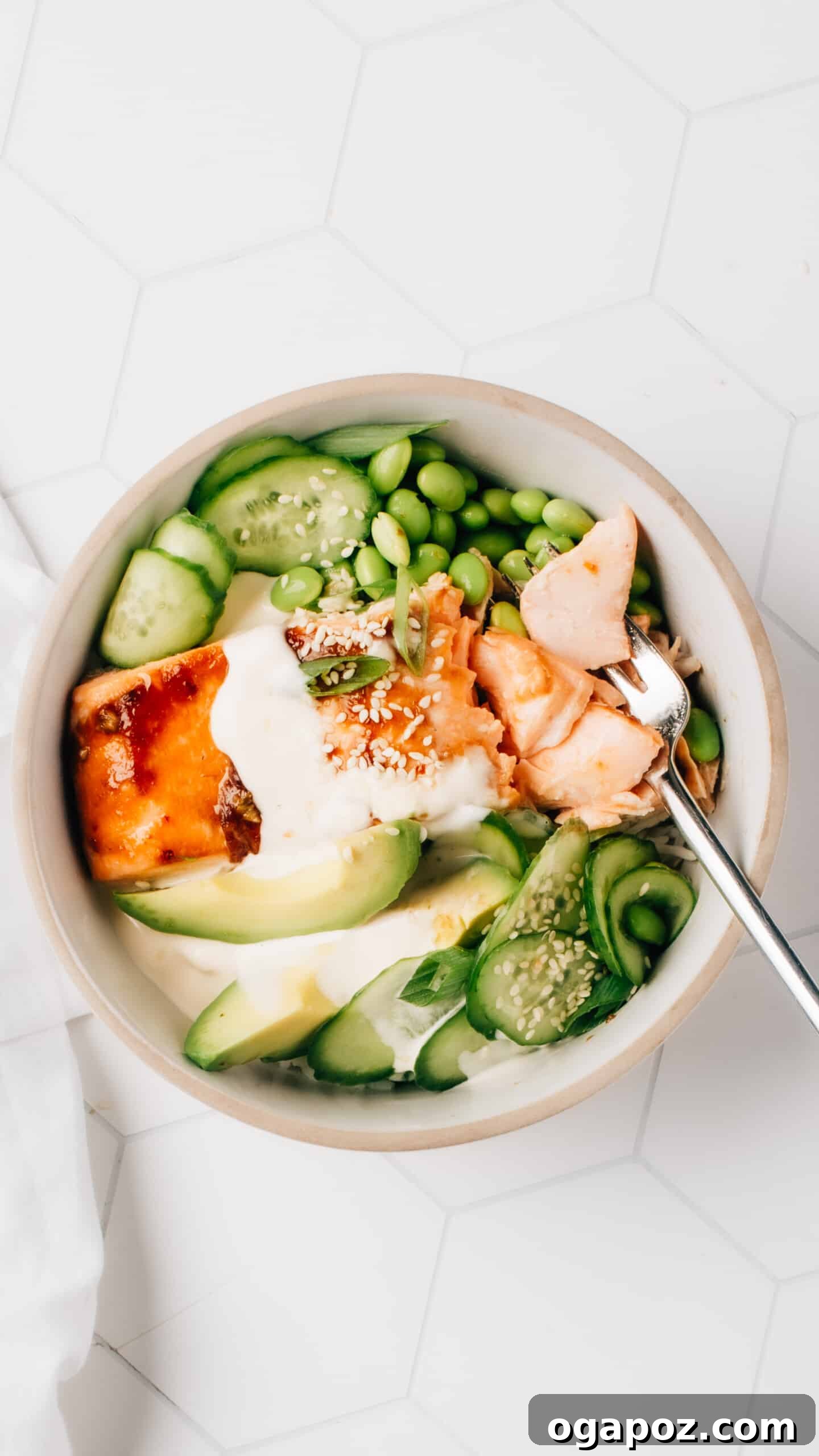
Unlock the culinary secrets to preparing incredibly delicious and consistently moist salmon recipes that will tantalize your taste buds. This comprehensive guide features over 8 fantastic salmon preparations, alongside a food science expert’s 7 PRO tips for achieving meltingly moist and tender salmon every single time you cook it. Say goodbye to dry, lackluster fish and hello to perfectly cooked salmon that flakes beautifully and bursts with flavor.
Mastering Moist Salmon: Your Ultimate Guide to Perfect Flaky Fish
Salmon is a nutritional powerhouse and a versatile ingredient that can be transformed into countless delightful meals. However, many home cooks struggle with achieving that ideal moist and flaky texture, often ending up with dry or tough results. Fear not! We’ve curated a collection of our most beloved salmon recipes, each designed to lock in moisture and maximize flavor. Beyond the recipes, we delve into the science of cooking salmon, providing actionable tips from a food expert to guarantee success in your kitchen. From quick weeknight dinners to impressive entertaining options, get ready to elevate your salmon game.
1. Irresistible Baked Salmon with Mayonnaise
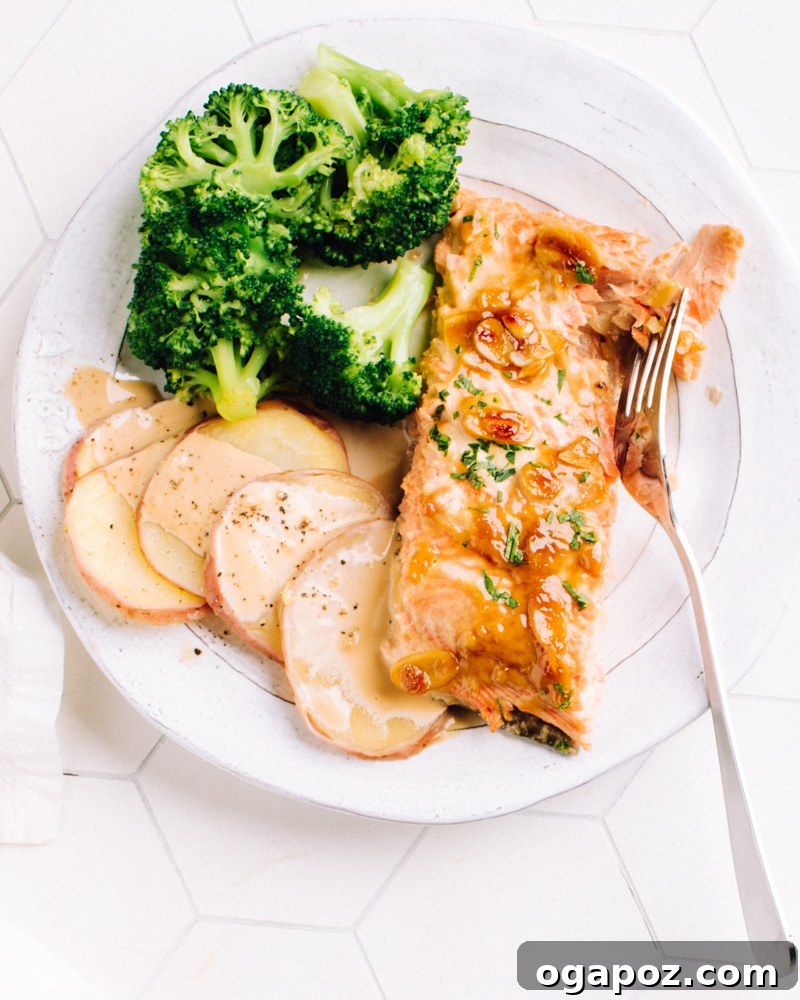
My signature baked salmon with mayonnaise recipe redefines simplicity and perfection. This method consistently delivers salmon that is wonderfully creamy, rich, and so tender it practically falls apart on your fork. It’s arguably the best recipe for achieving flawlessly cooked salmon without any fuss.
The secret lies in baking the salmon enveloped in a luscious mayonnaise-based sauce. This creamy coating acts as a protective barrier, effectively locking in the natural moisture and enhancing the salmon’s inherent flavor. The fat in the mayonnaise not only prevents the fish from drying out but also bastes it gently, ensuring a velvety texture throughout.
Imagine serving an ultra-delicious, flaky salmon dish on your table in under 20 minutes! This recipe is a game-changer for busy evenings when you crave something gourmet yet quick to prepare. Its subtle tang and rich finish make it a universal crowd-pleaser.
2. Gourmet Moist + Flaky Salmon Burgers
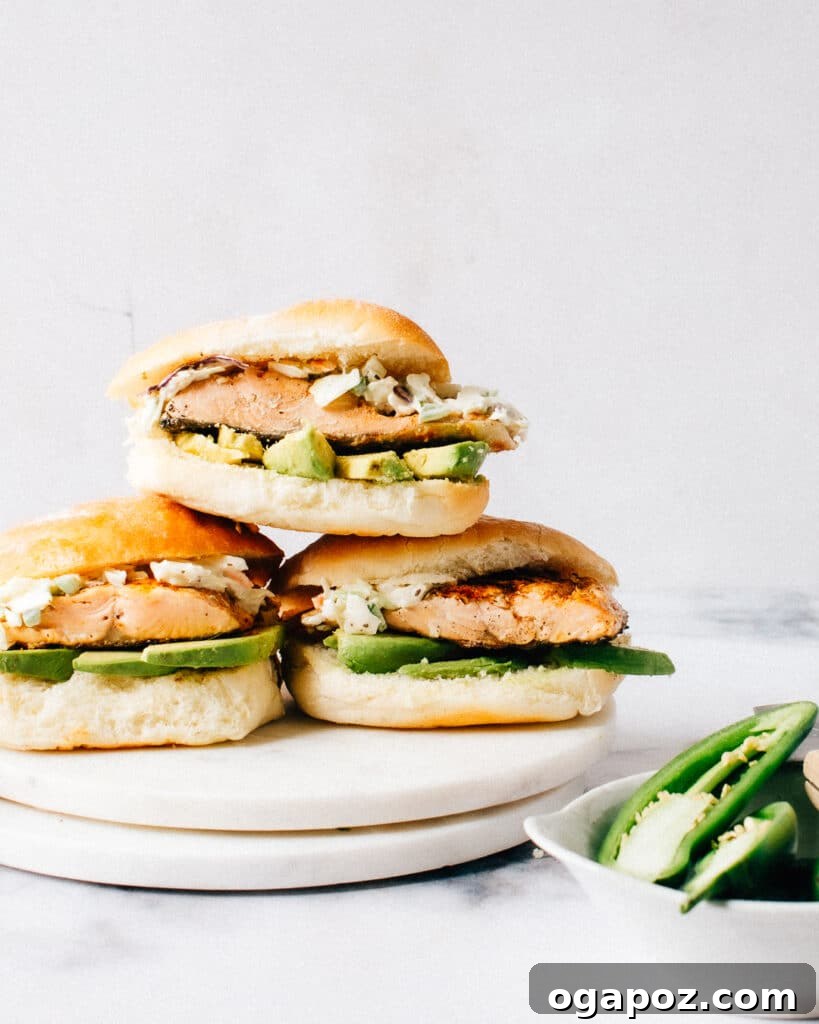
Prepare to experience the best salmon burgers you’ve ever tasted – a recipe so exceptional, you’ll never need another! These burgers stand out for their incredible moisture and delicate flakiness, proving that homemade salmon burgers can be far superior to store-bought varieties.
Crafted with just a handful of fresh ingredients, these delectable patties cook up in mere minutes. We pair these succulent salmon burgers with a refreshing light slaw and creamy avocado slices, adding layers of texture and a touch of luxurious comfort to every bite. This combination elevates a simple burger into a sophisticated, satisfying meal.
Preventing Dryness: Expert Tips for the Juiciest Salmon Burgers
The last thing anyone wants is a dry, crumbly salmon burger. Achieving a consistently juicy and flavorful patty is entirely possible with these professional tips:
- Room Temperature Start: Allow your salmon patties to sit at room temperature for at least 30 minutes before cooking. This helps them cook more evenly and reduces the risk of the exterior drying out while the interior remains undercooked.
- Precision Cooking with a Thermometer: The key to juicy salmon is knowing when to stop cooking. Remove the salmon burgers from the grill or pan once they reach an internal temperature of 125-130ºF (52-54ºC). This ensures they are perfectly cooked through without becoming dry.
- Essential Resting Time: After cooking, always rest your salmon burgers for a few minutes before serving. This crucial step allows the internal juices to redistribute throughout the patty, resulting in a more tender and moist texture.
3. Effortless Air Fryer Salmon (Surprisingly Moist + Flaky)
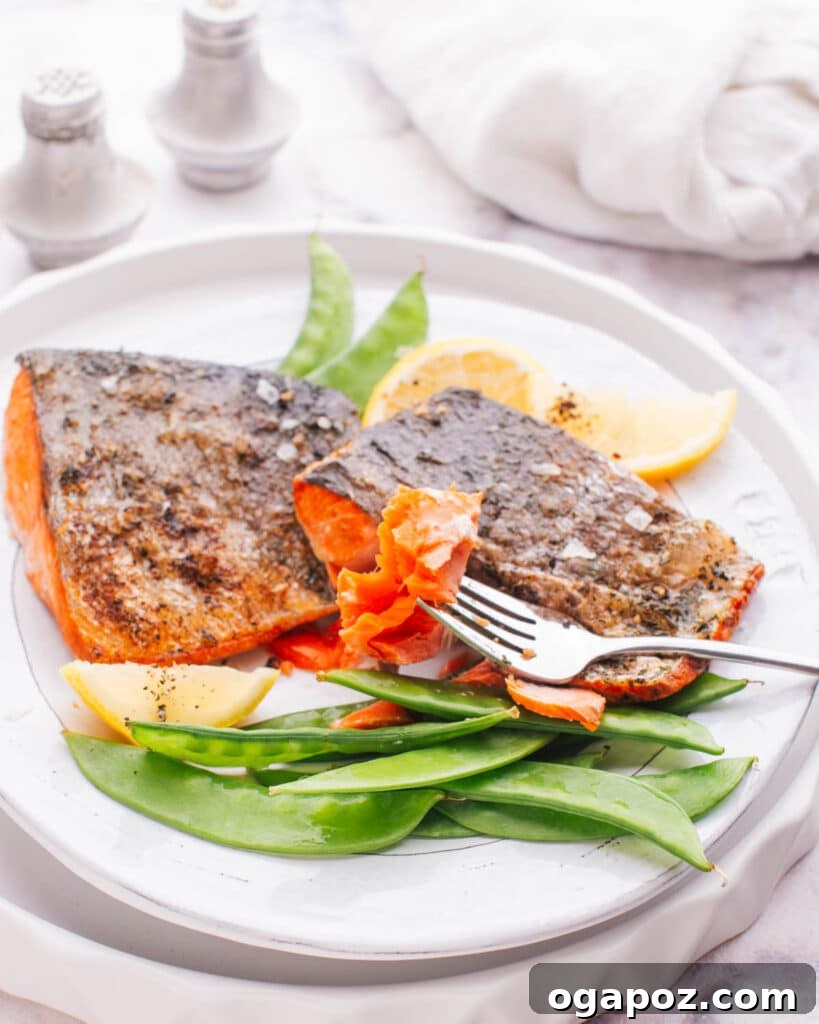
The versatile air fryer continues to prove its worth, especially when it comes to preparing seafood. Our air fryer salmon recipe delivers super juicy, incredibly flaky results with the added bonus of being wonderfully mess-free. This cooking method is a true revelation for busy home cooks.
Imagine perfectly flaky, fall-apart salmon that you DON’T even need to thaw! This 12-minute wonder is my go-to solution on those hectic nights when I’ve completely forgotten to take the salmon out of the freezer. It’s a lifesaver that consistently produces restaurant-quality fish.
What I particularly love about air frying is its ability to create perfectly cooked salmon – moist and tender in the middle, complemented by a delicate, subtly crisp outer layer. The circulating hot air cooks the fish quickly and evenly, sealing in juices and preventing dryness that can often occur with other high-heat methods.
4. Sweet & Savory Honey Teriyaki Salmon
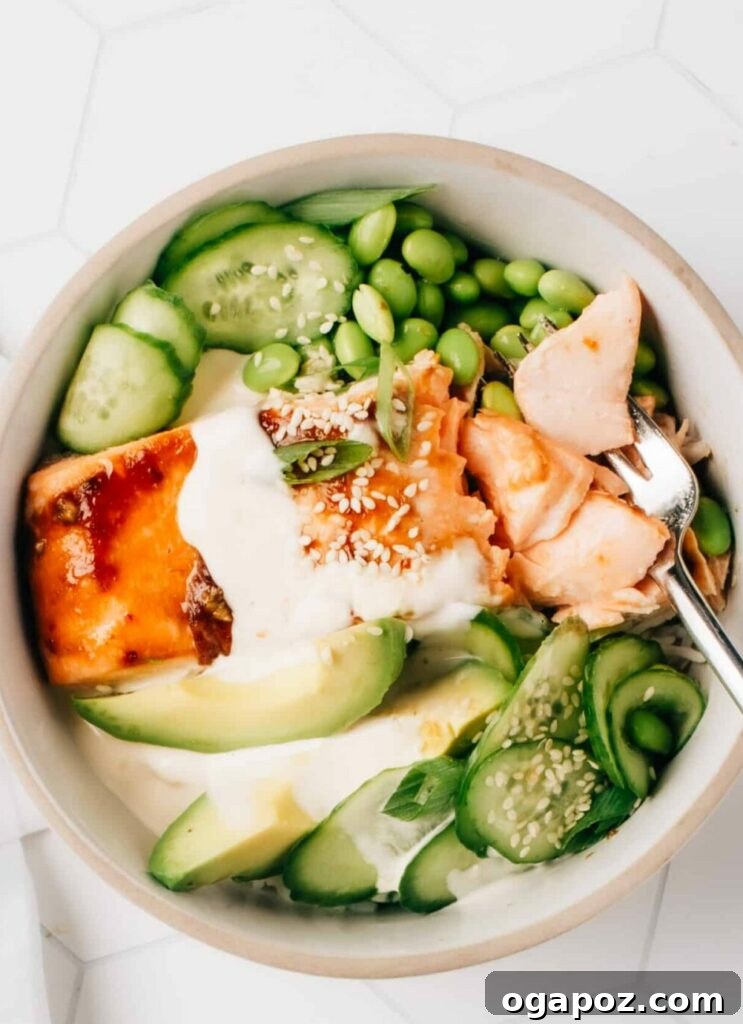
Introducing the ultimate honey teriyaki glazed salmon recipe, destined to become a staple in your kitchen. This dish boasts a uniquely sticky, umami-loaded, 3-ingredient honey teriyaki glaze that is so incredibly flavorful, you’ll want to drizzle it over everything! The rich combination of garlic and soy sauce bakes deep into the salmon, infusing every bite with savory sweetness.
If you’re looking to create a satisfying salmon teriyaki bowl, this is precisely the recipe you need. It pairs wonderfully with steamed rice and your favorite stir-fried vegetables. What’s more, this entire meal comes together in a flash, cooking quickly at 425F (218C), making it an ideal choice for a speedy yet impressive dinner.
5. Zesty Cajun Honey Butter Salmon
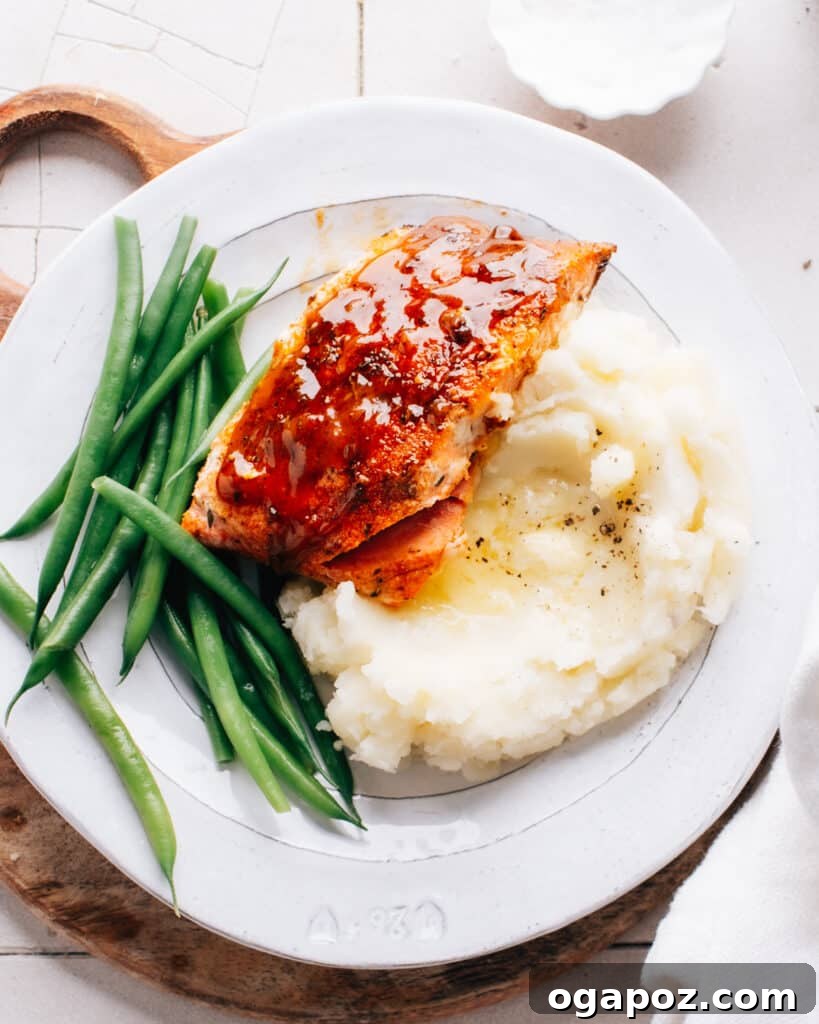
Prepare for a culinary revelation with my Cajun honey butter salmon recipe – it’s truly life-changing and an absolute must-add to your recipe rotation. This dish is bursting with vibrant Cajun flavors, thanks to its sassy spice rub and rich, decadent pan sauce.
This remarkable 10-minute meal delivers salmon that is not only packed with flavor but also boasts a beautiful glossy, glowing finish. The secret lies in the butter-basting method, which continuously coats the fish in a flavorful, molten sauce, ensuring it remains incredibly moist and tender while developing an exquisite crust. It’s a quick, easy, and undeniably impressive meal.
6. Tropical Grilled Coconut Salmon Skewers (with Peanut Sauce)
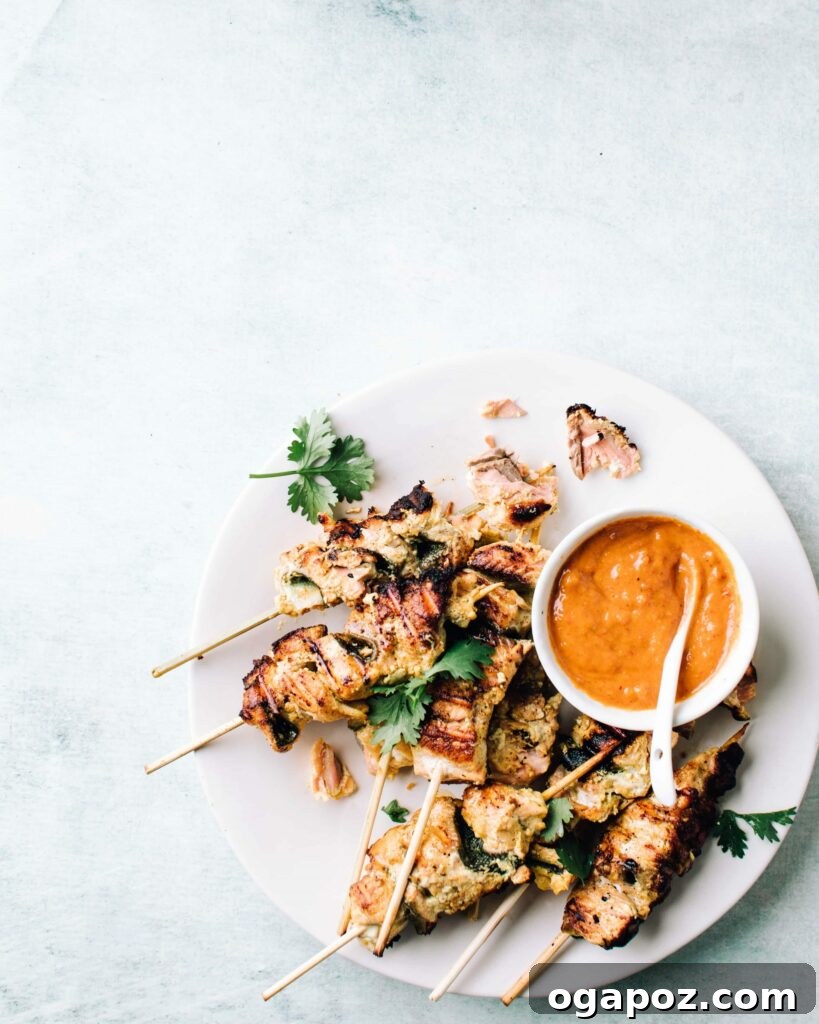
My grilled coconut salmon skewer recipe is a masterclass in how to cook salmon on skewers without the common pitfall of drying out the fish. While grilling fish on skewers often presents a risk of overcooking, this recipe employs clever techniques to ensure every piece remains juicy and moist.
The visual appeal of these skewers is undeniable; I absolutely adore the perfect charred grill lines they develop, making them look incredibly appetizing and impressive. The coconut marinade not only infuses the salmon with exotic flavors but also helps to tenderize it and lock in moisture during the grilling process.
Serve these fantastic skewers with simple basmati rice for a comforting base and a fresh, vibrant side salad. My strawberry spinach salad, with its sweet and tangy notes, provides a wonderful contrast and completes this delightful meal.
7. Fresh Grilled Salmon with Avocado, Melon, and Cucumber Salsa
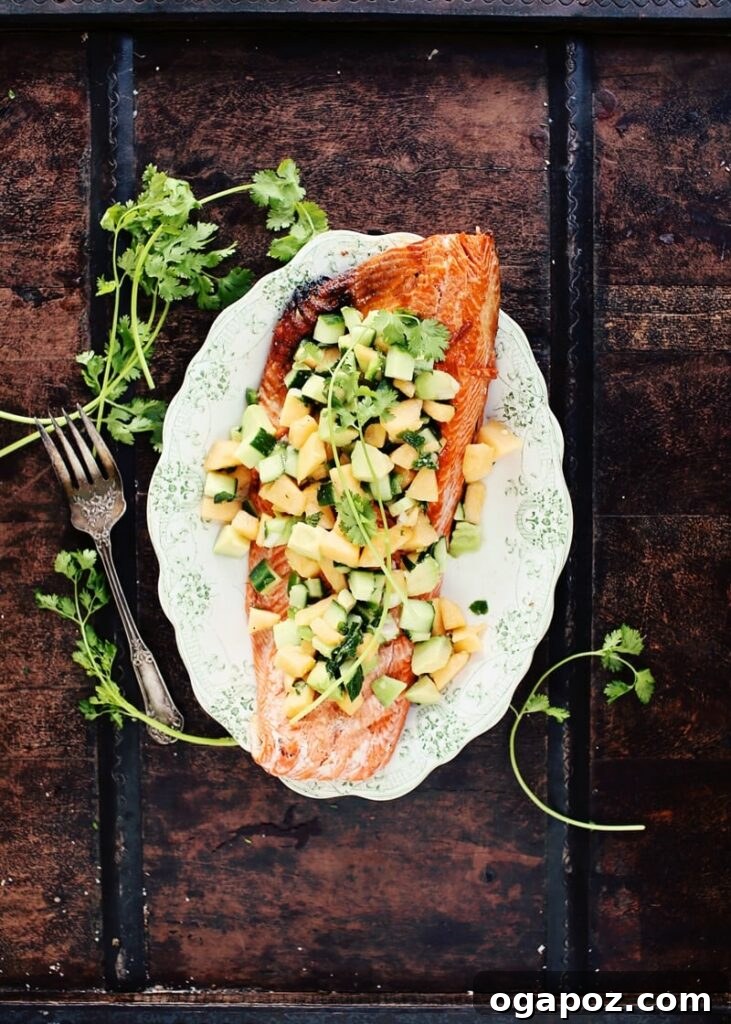
Here is a truly fresh and summery recipe for grilled Salmon With Avocado, Melon and Cucumber Salsa. This dish is a celebration of vibrant flavors and textures, perfect for warm weather dining or when you crave a light yet satisfying meal.
Beyond its undeniable deliciousness, one of the primary reasons I adore serving salmon for dinner is its incredibly quick cooking time. It allows for a gourmet meal to be on the table without hours of preparation.
The natural richness and fattiness of salmon are beautifully complemented by the bright, refreshing, and subtly sweet notes of this fruity salsa. The creamy avocado, crisp cucumber, and juicy melon create a harmonious balance that elevates the entire dish, ensuring every bite is exciting and fresh.
8. Elegant Salmon Sandwiches with Pea Sprouts & Lemon Dill Aioli
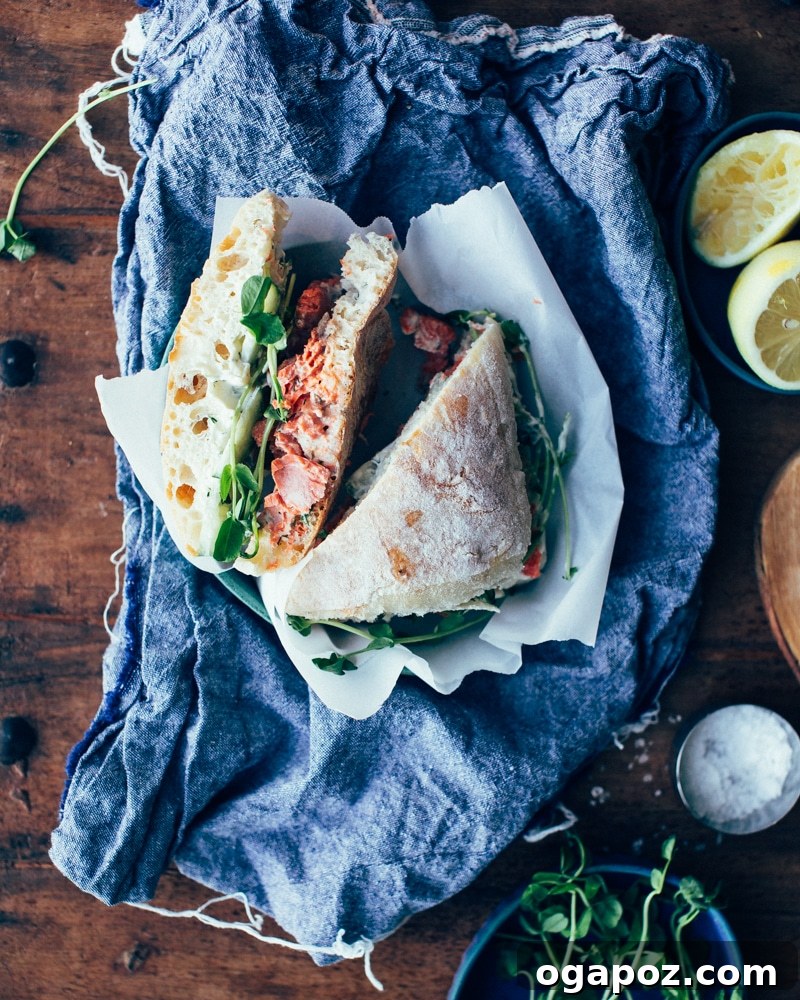
This particular moist salmon recipe is outrageously good and offers a sophisticated twist on a classic sandwich: my salmon sandwiches with pea sprouts and lemon dill aioli. These are not your average sandwiches; they are a delightful culinary experience.
Beautifully cooked, juicy salmon fillets are gently tucked inside soft white rolls, creating a perfect textural contrast. The addition of fresh, earthy pea sprouts provides a vibrant crunch and a hint of garden freshness. What truly ties everything together and adds an extra layer of flavor and luxurious creaminess is the irresistible lemon dill aioli.
I find these sandwiches absolutely perfect for a relaxed summer picnic, a convivial potluck gathering, or any easy get-together where you want to serve something special yet effortlessly elegant. They are visually appealing and incredibly satisfying.
7 Pro Tips for Perfectly Moist Salmon, Every Time
Achieving consistently delicious, fall-apart salmon might seem challenging, but it’s entirely within reach with a few expert insights. As someone with a science degree in food, I can tell you that understanding the principles behind cooking salmon is key to preventing dryness and maximizing flavor. Here are my top tips:
1. Start with the Right Salmon Selection
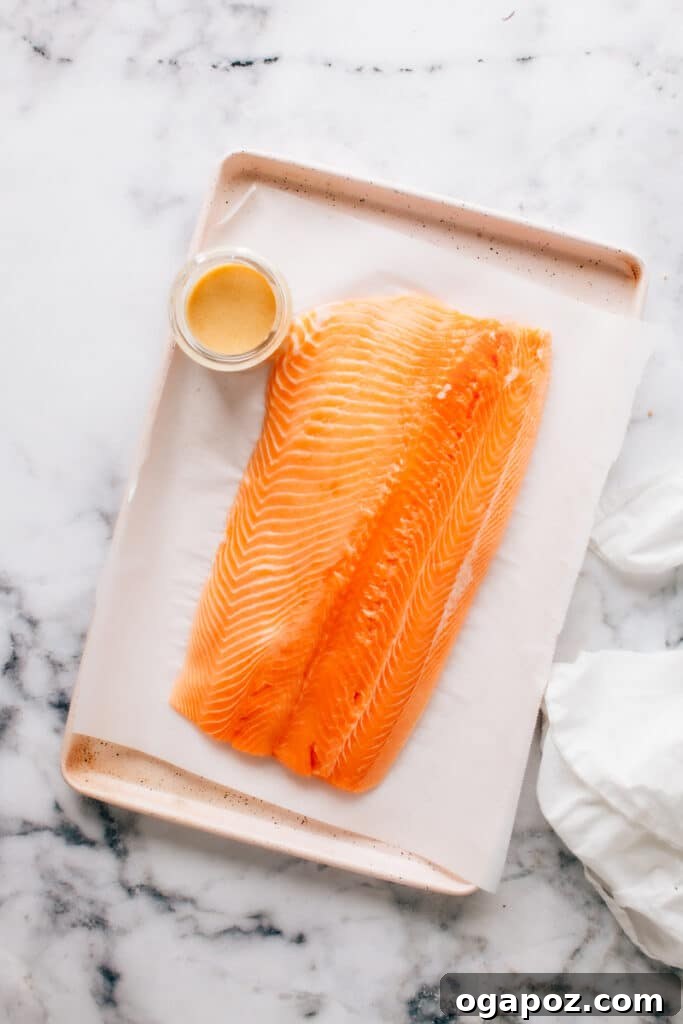
The foundation of any great salmon dish is the quality of the fish itself. Always begin with fresh, high-quality salmon fillets. Look for salmon that is firm to the touch, boasts a vibrant, rich color, and has only a mild, clean oceanic scent – not an overpowering “fishy” odor. The fat marbling should also be visible, as this contributes significantly to moisture and flavor.
Interestingly, most “fresh” fish sold at grocery store counters has often been previously frozen and then thawed. For true freshness and optimal quality, consider buying flash-frozen salmon and thawing it yourself. This ensures you control the thawing process and often results in a better texture and flavor profile compared to fish that may have been thawed days ago at the market.
2. Employ the Power of Brining Before Cooking
Brining is a game-changer for moisture retention in lean proteins like salmon. Submerging the salmon in a simple solution of water and salt helps to prepare the muscle fibers to hold onto moisture during the cooking process. This preventative step ensures a significantly juicier and more tender final product.
How to Brine Salmon for Maximum Moisture:
- Basic Brine Recipe: A ratio of 1/4 cup of kosher salt (or 2 tablespoons table salt) dissolved in 4 cups of cold water is a great starting point. For an added layer of flavor and to help with browning, you can also incorporate a tablespoon or two of sugar. Experiment with aromatics like fresh herbs (dill, parsley), sliced citrus (lemon, orange), or a few peppercorns for extra taste dimension.
- Brining Time: Submerge your salmon fillets completely in the brine. For typical 6-ounce (170g) fillets, 15-30 minutes is usually sufficient. Be cautious not to brine for too long, as this can cause the fish to become excessively salty or develop a slightly mushy texture. The goal is moisture, not pickling.
- Rinse and Thoroughly Dry: After the brining period, it is crucial to rinse the salmon thoroughly under cold running water to remove any excess salt from the surface. Then, pat the salmon completely dry with paper towels. A dry surface is essential for achieving a nice sear or crust during cooking.
The science behind brining involves osmosis. The salt solution helps break down some muscle proteins, allowing the cells to absorb more water and swell. This extra water then helps the fish stay moist even when some natural moisture is lost during cooking.
3. Utilize a Meat Thermometer for Precision Cooking
This is perhaps the single most important tip for preventing dry salmon. For perfectly flaky, succulent salmon, aim for an internal cooking temperature between 125ºF and 140ºF (52-60ºC). Within this precise range, the collagen in the salmon gradually converts to gelatin, resulting in that desirable moist and tender texture. Cooking salmon past this point causes excessive protein denaturation and moisture loss, inevitably leading to dry, tough, and crumbly fish.
While the USDA recommends cooking salmon to an internal temperature of 145ºF (63ºC) for food safety, many professional chefs and culinary experts agree that for optimal taste and moisture, cooking salmon to 125-130ºF (52-54ºC) is perfectly sufficient, provided you are using high-quality, fresh salmon from a reputable source that has been handled properly. At this temperature, the salmon is translucent in the center and just cooked through, yielding the best texture.
For those prioritizing the best possible texture while still being cautious about safety, it’s vital to use premium, fresh salmon, ideally “sushi-grade” or from a trusted fishmonger. However, for maximum food safety, especially for individuals with compromised immune systems, pregnant women, or young children, it is advisable to adhere strictly to the USDA recommendation of 145ºF.
Understanding Overcooking Consequences:
- Beyond 140ºF (60ºC): When salmon is cooked past this temperature, the muscle proteins contract too much and squeeze out moisture. This irreversible process leads to a significant loss of internal juices, rendering the fish dry, stringy, and ultimately less enjoyable.
4. Keep the Skin On While Cooking
Cooking salmon with its skin on acts as a natural, protective barrier against the heat. This simple technique significantly helps to keep moisture sealed inside the delicate flesh of the fish, preventing it from drying out. The skin also adds a rich, savory flavor to the salmon. If you prefer not to eat the skin, it can be very easily removed after cooking, often peeling right off with minimal effort, leaving you with perfectly moist fillets.
5. Allow the Salmon to Rest Before Serving
Just like with red meats, resting cooked salmon is a crucial step that is often overlooked. After removing the salmon from the heat, allow it to rest for a few minutes (typically 5-10 minutes for a fillet) before slicing or serving. This allows the internal juices, which have been pushed towards the center during cooking, to redistribute evenly throughout the entire fish. The result is a more uniformly moist and flavorful piece of salmon.
6. Embrace Foil or Parchment Paper Cooking Methods
Cooking salmon en papillote (in parchment paper) or wrapped securely in aluminum foil is an excellent method for locking in both moisture and flavor. This technique creates a steamy, enclosed environment that gently cooks the salmon. The steam helps to keep the fish incredibly moist while simultaneously infusing it deeply with the flavors of any added seasonings, herbs, or aromatics you place in the packet. It’s a foolproof way to achieve tender, flavorful salmon with minimal effort and cleanup.
7. Opt for Fattier Cuts of Salmon
When selecting your salmon, consider choosing fattier varieties. Cuts from species like King (Chinook) or Sockeye salmon naturally contain higher levels of healthy omega-3 fatty acids. This higher fat content provides a built-in “insurance policy” against dryness, as the fat helps to retain moisture during cooking. These fattier cuts tend to be inherently more moist, tender, and intensely flavorful compared to leaner varieties such as Coho or Pink salmon, offering a more luxurious eating experience.
Related: How Long Does Salmon Last in the Fridge?
Delicious Side Dishes to Complement Moist Salmon Recipes
Choosing the perfect accompaniments is one of my favorite aspects of preparing salmon for dinner. The versatility of salmon allows it to pair beautifully with a wide array of side dishes, enhancing the overall meal experience without overpowering the delicate flavor of the fish.
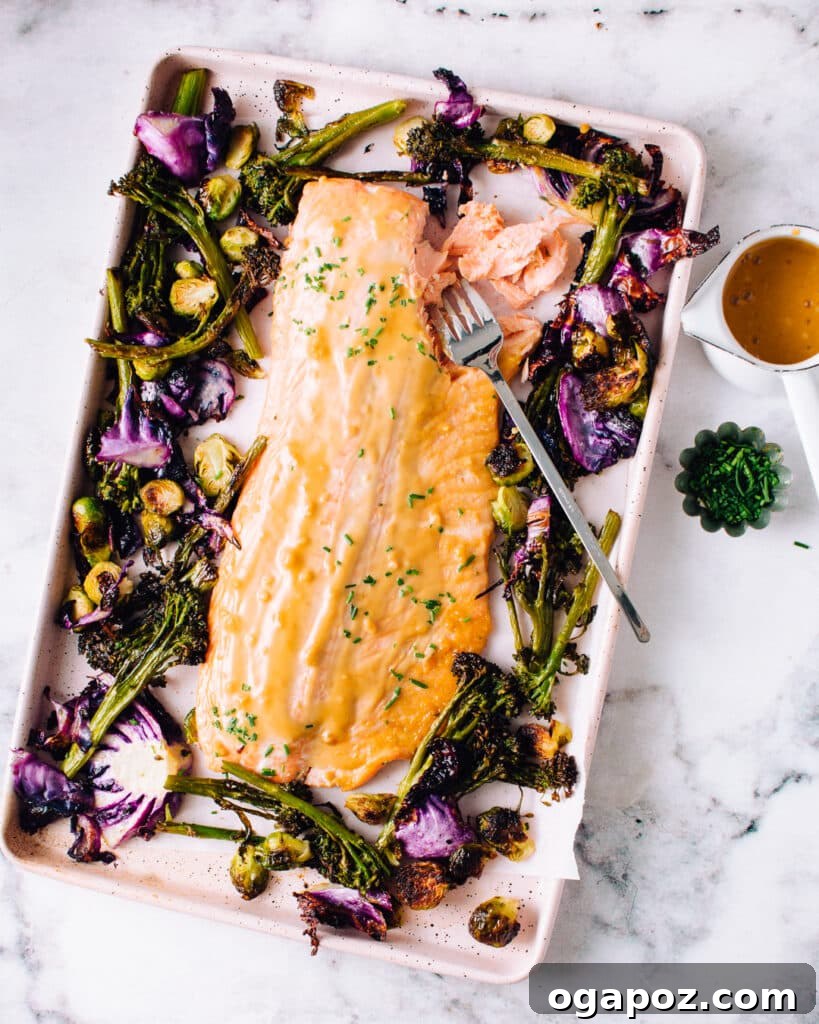
Classic partners to juicy salmon include simple preparations of vegetables like asparagus, whether steamed for a tender bite or pan-fried until perfectly crisp-tender. Similarly, a vibrant bowl of blanched green beans offers a refreshing crunch and a hint of sweetness. Generally, mild vegetables, prepared in straightforward ways, work harmoniously with salmon, allowing its natural flavor to shine.
For a truly indulgent pairing, I love to serve a perfectly grilled or baked salmon fillet with my creamy au gratin potatoes – a rich and satisfying treat that elevates any dinner. Other excellent choices include roasted root vegetables (like carrots or parsnips), a light quinoa salad, or a simple lemon-herb couscous.
No matter your preference, you’ll find inspiration in my full collection of favorite side dishes for salmon recipes, designed to perfectly complement every cooking style and flavor profile.
Frequently Asked Questions About Moist Salmon Recipes
Just skimming through? Here are the top takeaways and answers to common questions about achieving perfectly moist salmon:
To consistently achieve moist salmon, the most critical step is to avoid overcooking. Aim to cook until the internal temperature reaches 125-130°F (52-54°C) for optimal moistness and texture, though 145°F (63°C) is recommended for safety. Other effective tips include coating the salmon in a fat-based sauce (like mayonnaise or butter) before baking, which creates a protective seal. Additionally, cooking salmon with the skin on acts as a natural barrier, helping to lock in moisture. Brining the fish beforehand also significantly aids in moisture retention.
Marinating salmon primarily adds flavor and can contribute to tenderness, but its direct impact on *moisture retention* during cooking is often less significant than proper cooking techniques. However, marinades that include oils, acidic components like citrus juice or vinegar, or even yogurt can create a flavorful crust and help to tenderize the fish. The oil can also act as a buffer against direct heat, indirectly contributing to a moister result.
To prevent oven-baked salmon from drying out, consider baking it at a slightly lower temperature (around 275°F to 325°F or 135°C to 163°C) for a slightly longer duration. This gentle heat allows for more even cooking without aggressively dehydrating the fish. Crucially, covering the salmon with aluminum foil or parchment paper while baking creates a steamy environment that traps moisture, ensuring a tender and flaky outcome. You can remove the foil for the last few minutes if you desire a crispier exterior.
The most reliable way to determine doneness without overcooking is by using an instant-read meat thermometer inserted into the thickest part of the fillet. For perfectly moist salmon, aim for an internal temperature of 125-130°F (52-54°C). The flesh should appear opaque throughout and flake easily with a fork at this temperature, with perhaps a hint of translucency in the very center for the most tender bite. For maximum food safety, especially for vulnerable populations, the USDA recommends 145°F (63°C).
Unfortunately, once moisture has been lost from salmon due to overcooking, it cannot be truly “added back” to restore its original texture. The cellular structure changes permanently. However, you can significantly improve the *mouthfeel* and enjoyment of dry salmon by drizzling it generously with a rich, flavorful sauce (like a lemon-butter sauce, a creamy dill sauce, or a flavorful vinaigrette) just before serving. This adds external moisture and fat, making it more palatable.

Moist Salmon Recipes + Food Science Tips for Best EVER Results!
Jennifer Pallian BSc, RD
10 minutes
15 minutes
25 minutes
4
Ingredients
- Your favorite salmon fillets (as specified in individual recipes)
- Seasonings and accompanying ingredients as per chosen recipe
Instructions
-
1. Browse through the collection of delicious moist salmon recipes above.
-
2. Select your favorite recipe and follow the detailed instructions to prepare your perfect, flaky salmon.
-
3. Don’t forget to incorporate the 7 Pro Tips for Moist Salmon to ensure the best possible results every time!
-
4. Serve with your favorite side dishes and enjoy your culinary masterpiece!
Tried one of these recipes? We’d love to hear your thoughts! Leave a comment!