
Embark on a culinary journey to the sun-drenched shores of the Mediterranean, where ancient traditions meet vibrant flavors. The secret to the Mediterranean diet’s renowned taste and health benefits lies in its diverse array of aromatic spices. These unique regional treasures infuse dishes with warmth, richness, and an irresistible depth that elevates simple ingredients into unforgettable meals. From robust main courses to fresh salads and comforting soups, Mediterranean spices are the heart and soul of this beloved cuisine. Join me as we explore my top 10 favorite Mediterranean spices, versatile enough to complement chicken, beef, plant-based proteins, vegetables, and almost any dish you can imagine!
Unlock Authentic Flavors: Your Essential Guide to 10 Mediterranean Spices
For as long as I can remember, the captivating aromas and flavors of Mediterranean food have been an integral part of my life. Growing up with a Lebanese heritage, our kitchen was a vibrant hub of culinary exploration, constantly filled with the fragrant notes of spices unique to our region. These beloved spices and traditional recipes form the very foundation of my cooking philosophy and are featured prominently in many of my family’s cherished dishes. Today, I’m thrilled to share with you ten of my absolute favorite Mediterranean spices – the very staples that define the soul of my kitchen and bring authentic taste to every meal.
Beyond simply listing them, I’ll also share some of my family’s most loved recipes where these incredible spices truly shine. From savory main courses to refreshing salads, you’ll discover how easily these culinary gems can transform your everyday cooking. For those eager to delve deeper into the world of Mediterranean flavors, you’ll find that my all-time favorite Mediterranean spice blend, Za’atar, is a cornerstone in a multitude of delightful recipes available here. Get ready to infuse your meals with the warmth, zest, and rich history of the Mediterranean!
10 Mediterranean Spices to Elevate Your Home Cooking
Bringing the authentic taste of the Mediterranean into your home is simpler than you might think. With a well-stocked spice cabinet, you can unlock a world of vibrant flavors and healthy eating. These ten spices are not just ingredients; they are key players in creating the distinctive profiles of Mediterranean cuisine, known for its emphasis on fresh, wholesome foods seasoned to perfection. Let’s dive into each one and discover how they can transform your culinary creations.
SUMAC
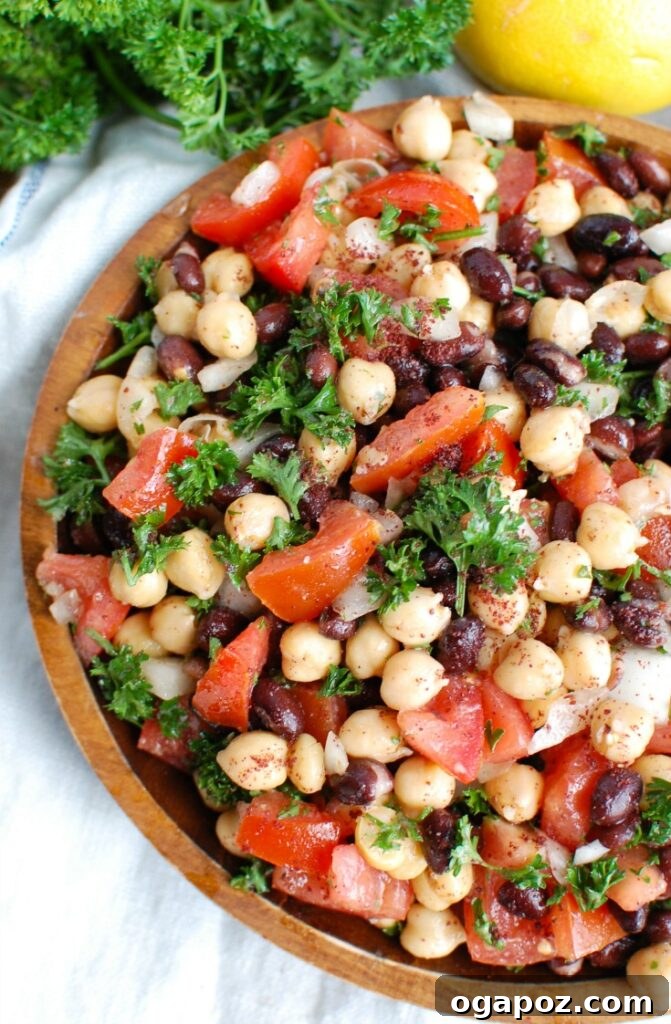
When I conjure images of Mediterranean cooking, especially within my family’s Lebanese traditions, sumac immediately comes to mind. This remarkable spice holds a special place in my heart, thanks to the delightful sweet, tart, and subtly astringent flavor it imparts to dishes. Sumac is derived from the dried and crushed fruits of the sumac bush, yielding a coarse, reddish-purple powder that is both beautiful and incredibly flavorful. Its lemony tang offers a brightness without the added moisture of citrus juice, making it a perfect finishing spice.
You can typically find high-quality sumac at local Middle Eastern or Lebanese specialty stores, and it’s increasingly available in the ethnic or spice aisles of larger grocery stores. I use sumac in an astonishing array of dishes. It’s essential in the vibrant dressing for my Mediterranean Bean Salad and the classic Fattoush Salad, where its tartness perfectly balances the fresh vegetables. A generous sprinkle over my creamy Lebanese Hummus Recipe adds a pop of color and flavor, and it creates a beautifully tangy rub for savory dishes like these Sumac Lemon Baked Chicken Wings. Sumac is not just a spice; it’s a signature touch of the Mediterranean.
ZA’ATAR
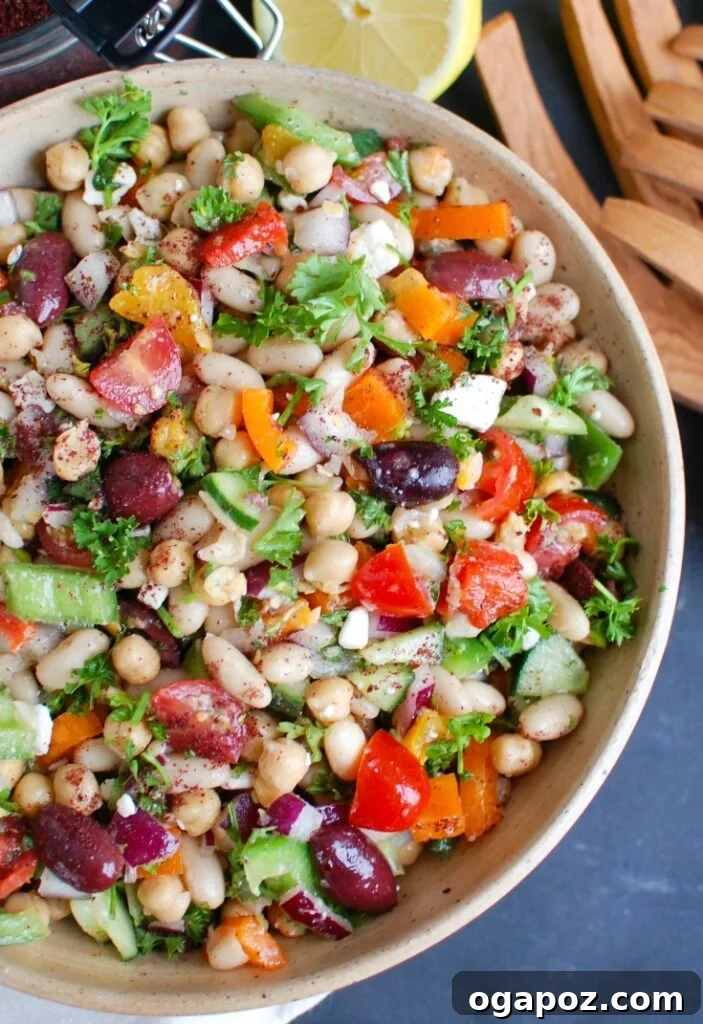
Without a doubt, Za’atar stands out as my ultimate favorite Mediterranean spice mix. It’s not just a single spice, but a carefully crafted blend that creates a harmonious symphony of flavors: earthy, tangy, and nutty all at once. The traditional blend typically features a combination of toasted sesame seeds, dried sumac (contributing its signature tartness), and a medley of dried herbs, often including thyme, oregano, and marjoram, sometimes with a touch of salt. This exquisite balance makes it, for me, the most captivating of all Mediterranean spice blends.
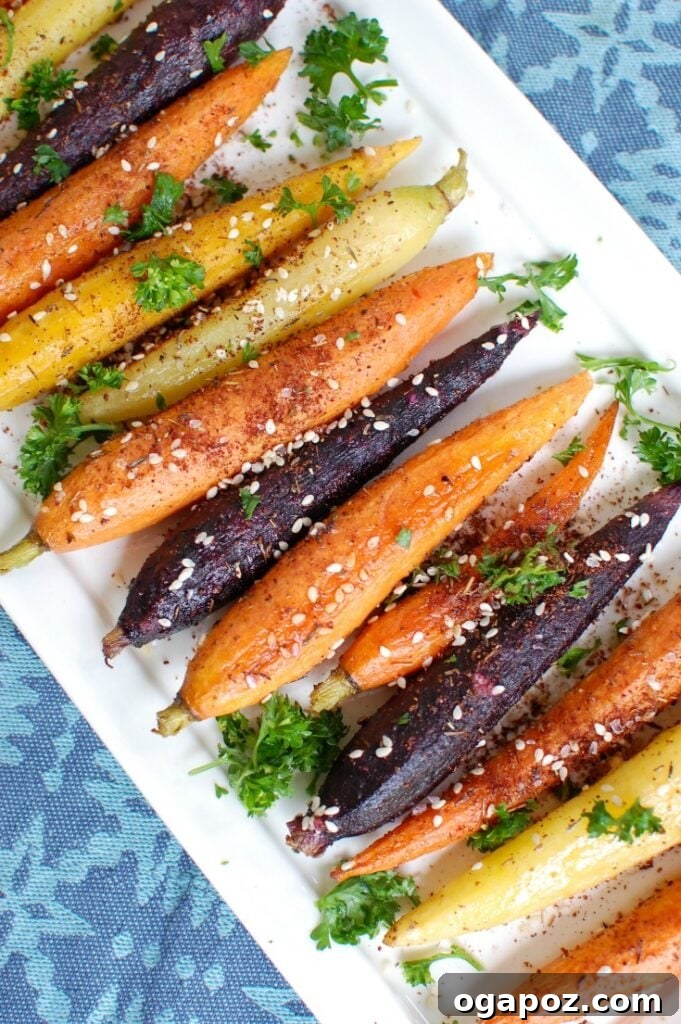
Za’atar is incredibly versatile, lending itself beautifully to a wide variety of recipes. It’s particularly exceptional when used for roasting vegetables or chicken, creating a crispy, flavorful crust. I absolutely adore it on these Za’atar Roasted Cauliflower florets, often served with a creamy tahini sauce, and these perfectly caramelized Za’atar Roasted Carrots, which are two of my staple vegetable preparations. Beyond roasting, Za’atar is traditionally mixed with olive oil and served as a dip for fresh bread, sprinkled over labneh (strained yogurt), eggs, or even used to season grilled fish. It’s a spice blend that instantly transports you to the heart of the Middle East.
CINNAMON
Cinnamon is a globally recognized spice, celebrated for its warm, fragrant aroma and subtly sweet taste. While often associated with sweet treats and desserts in Western cuisine, in Mediterranean and especially Lebanese cooking, cinnamon plays a crucial dual role in both savory and sweet dishes. It is a cornerstone for creating that signature warm, rich flavor profile that distinguishes so many traditional recipes. We utilize cinnamon extensively, particularly to enhance meat dishes and often in combination with other spices.
Its complex notes beautifully complement sweet ingredients like apples and apricots, making it a delicious addition to fruit-based desserts or even savory tagines featuring dried fruits. However, its true versatility shines in savory preparations. Cinnamon is indispensable in beef and lamb dishes, adding a comforting depth that is both earthy and aromatic. Classic examples include Kibbeh, Lebanon’s national dish, where it helps bind the nuanced flavors of spiced meat and bulgur, and in savory toppings like Hummus with Spiced Beef and Toasted Pine Nuts. From stews and rice dishes to lentil soups, cinnamon is a silent hero, weaving a thread of warmth and sophistication throughout the Mediterranean culinary tapestry.
CUMIN
Cumin is a distinctive spice derived from the dried seeds of the Cuminum Cyminum plant, a member of the parsley family. Known for its earthy, warm, slightly bitter, and pungent flavor, cumin is a powerhouse ingredient that crosses many culinary borders. While widely recognized in Mexican, Indian, and North African cuisines, its presence is equally fundamental to the vibrant flavors of the Mediterranean diet. It’s used both whole (for a more intense, aromatic burst) and ground (for a more integrated flavor profile) to infuse dishes with its unmistakable character.
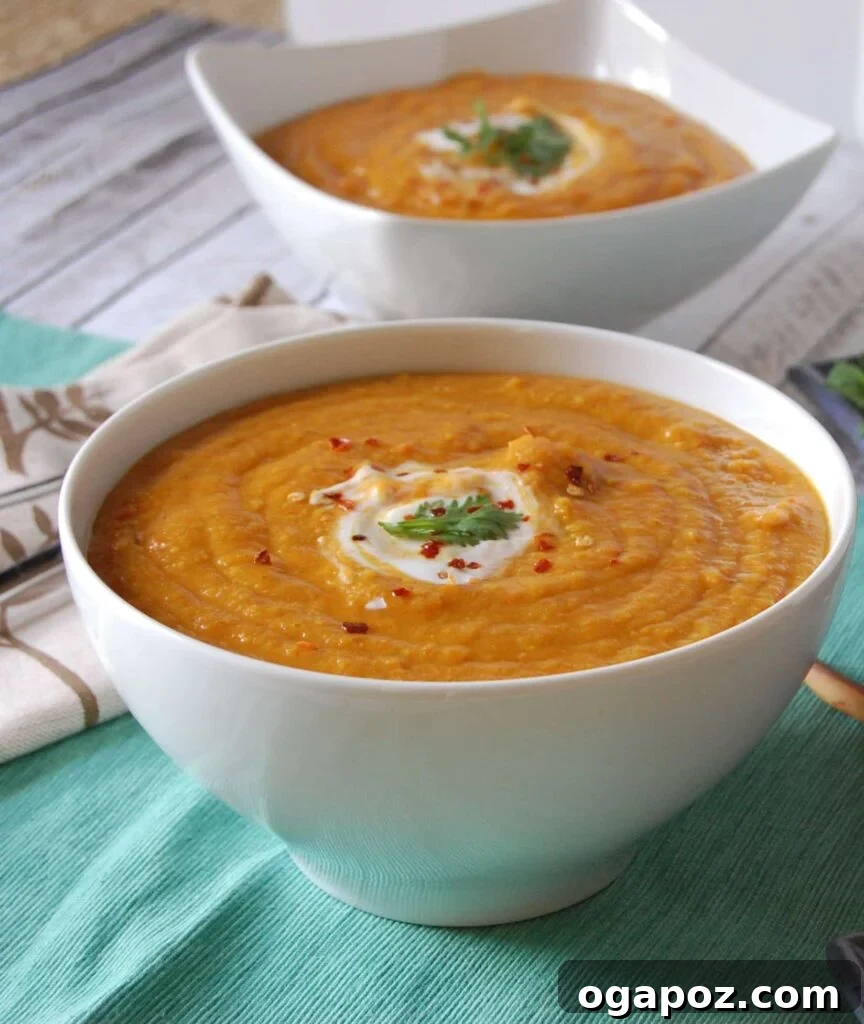
The warm and inviting flavor of cumin is absolutely essential in numerous Mediterranean recipes. It creates a beautiful depth in roasted vegetables, such as in this Air Fryer Cauliflower, where it enhances the cauliflower’s natural sweetness. Cumin is also a key ingredient in savory pastries like these Lebanese Meat Pies, contributing to their rich, hearty taste. Furthermore, it’s a vital component in many comforting soups, including the incredibly flavorful Moroccan Carrot Red Lentil Soup, where it harmonizes with other spices to create a creamy, filling, and utterly delicious meal. Its ability to add a smoky, robust foundation makes cumin a non-negotiable spice in any Mediterranean kitchen.
CORIANDER
Coriander, derived from the round, pale brown seeds of the cilantro plant, is a remarkably versatile spice that I frequently incorporate into my cooking, especially in soups and stews. Unlike its leafy counterpart, cilantro, which offers a fresh, herbaceous, and sometimes polarizing flavor, coriander seeds possess a warm, citrusy, and slightly sweet profile with subtle notes of sage and an earthy undertone. It’s a spice found in an astonishing array of global cuisines, from Asian and Latin American to Indian and, of course, the diverse recipes of the Mediterranean.
This fragrant spice pairs exceptionally well with other rich, earthy spices like cumin, creating a balanced and deeply aromatic foundation for many dishes. Its mild, slightly peppery kick enhances slow-cooked meals and vibrant vegetarian options alike. I prominently feature coriander in my Moroccan-style soups, where its warming essence truly shines. It is a star ingredient in my hearty Slow Cooker Lentil Soup and provides essential depth to the flavorful Slow Cooker Moroccan Chicken Chickpea Soup. Whether used whole or ground, coriander is an indispensable spice for adding complexity and authentic Mediterranean character to your meals.
CARDAMOM
Cardamom is an incredibly aromatic and prized spice, produced from the small, intricate seed pods of various plants belonging to the ginger family. It can be utilized in its whole pod form, offering a slow release of intense flavor, or as a ground spice, for a more immediate and integrated taste. The flavor of cardamom is complex and utterly unique: earthy yet bright, with distinctive hints of lemon, a subtle minty freshness, and a floral sweetness that lingers on the palate. This multifaceted profile makes it a highly sought-after ingredient in both sweet and savory applications.
Globally, cardamom is a main ingredient in the enchanting chai spice blend, which I adore using in my comforting Homemade Chai Tea Latte. In Mediterranean cooking, particularly in the Middle East, green cardamom is frequently used to flavor coffee, rice dishes, and stews. I love to incorporate it into unexpected sweet treats, like these incredibly tender Tenderest Cardamom Pancakes, where it adds a surprisingly sophisticated and unique flavor. Its aromatic punch also plays a significant role in savory marinades and rubs, such as in my flavorful Chicken Shawarma Recipe, contributing to the distinct, savory depth that makes shawarma so irresistible. Cardamom is a spice that truly awakens the senses and adds a touch of gourmet elegance to any dish.
ALLSPICE
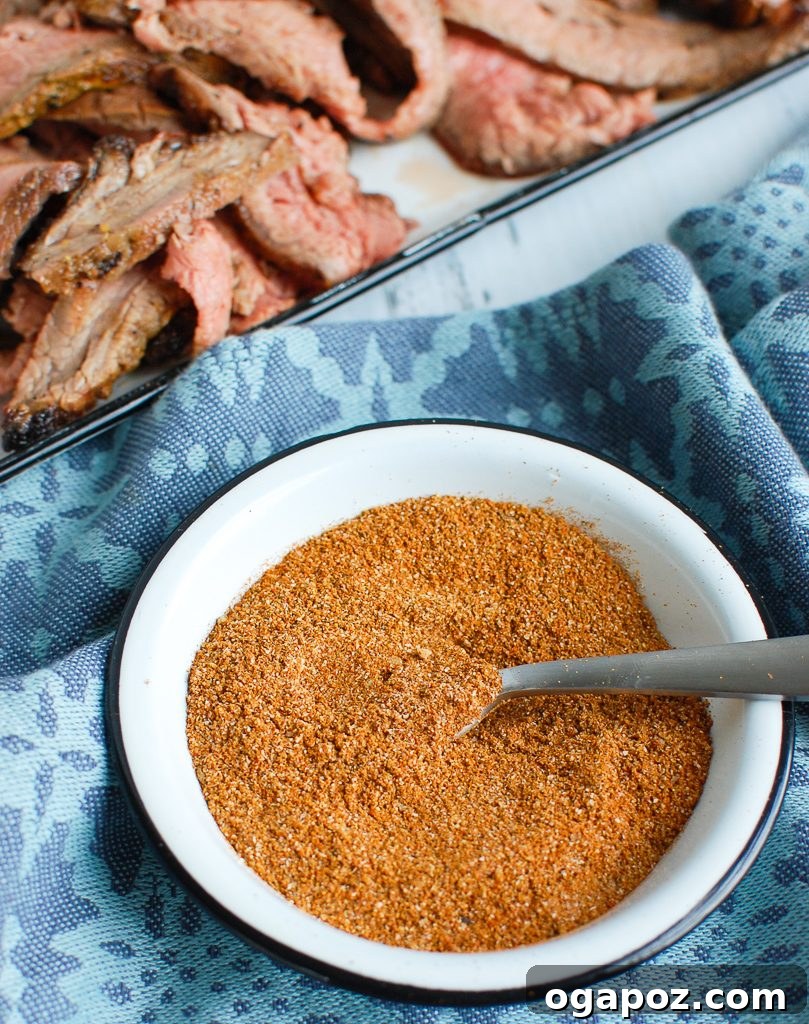
Allspice is a remarkable spice that, despite its name, is a single berry rather than a blend. It earned its moniker because its flavor profile remarkably encompasses notes reminiscent of several other warm spices: cinnamon, cloves, and nutmeg. This unique combination makes allspice exceptionally versatile, finding its way into both sweet and savory recipes across various global cuisines. While famously known for its prominence in Jamaican jerk seasoning, allspice has also been warmly embraced in Mediterranean and Middle Eastern cooking, adding a rich, warm, and slightly pungent dimension to dishes.
Originating from the dried berries of the Pimenta dioica plant, these small, dark reddish-brown berries contain two seeds, contributing to their concentrated flavor. In Lebanese cuisine, allspice is a heavily utilized ingredient, especially in our savory beef and lamb recipes. I particularly love using it to infuse robust flavor into dishes such as these savory Beef Kafta Meatballs, where it adds depth and warmth. It’s also an essential component in comforting stews, like these Slow Cooker Mediterranean Beef Meatballs, marrying beautifully with other spices to create a deeply satisfying meal. Allspice truly embodies the essence of warm, comforting Mediterranean flavors.
SMOKED PAPRIKA
Smoked paprika, a jewel in the crown of Mediterranean-inspired spices, is celebrated for its deep, rich, and unmistakable smoky flavor. This distinctive taste is achieved through a meticulous process where pimiento peppers are carefully dried and slowly smoked over oak fires, then ground into a vibrant powder. This smoking process differentiates it from its milder, often sweeter Hungarian or Spanish counterparts, infusing it with an earthy, slightly sweet, and intensely smoky aroma that is utterly captivating. It’s a flavor that instantly adds a gourmet touch to everyday dishes.
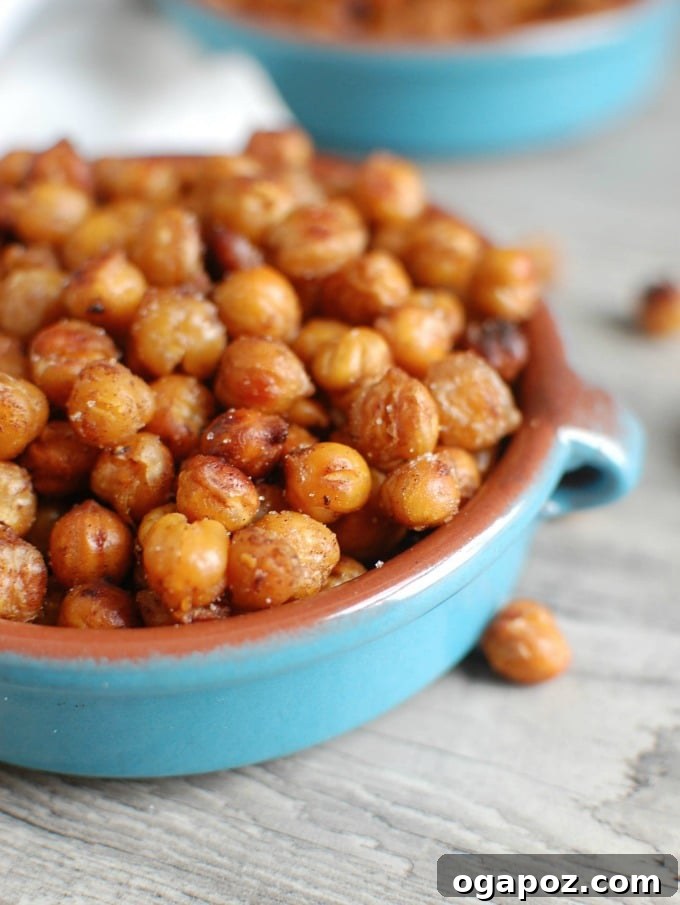
The robust smoky flavor of paprika lends itself beautifully to a diverse range of culinary applications. It is particularly excellent for enhancing egg dishes, grilled meats, and poultry, where it imparts a barbecue-like essence without needing a grill. It also works wonders with vegetables, creating a delicious char and depth. I find it to be a fantastic addition to roasted root vegetables, such as in these flavorful Paprika Roasted Potatoes with Greek Yogurt Dressing. Furthermore, a generous dusting of smoked paprika can transform simple snacks like Crispy Chickpeas into an addictively savory treat. Smoked paprika not only delivers incredible flavor but also adds a beautiful, appetizing color to your dishes, making it a must-have for anyone seeking to add depth and warmth to their cooking.
ROSEMARY
Rosemary is a highly fragrant and evergreen herb that proudly calls the Mediterranean region its native home. As a cherished member of the mint family, alongside oregano, thyme, basil, and lavender, rosemary possesses a truly distinctive and robust flavor profile. It’s often described as having a pronounced lemon-pine essence, yet it simultaneously embodies woodsy, resinous, and subtly peppery notes. Its strong character ensures that its flavor stands out, even after prolonged cooking, making it a favorite for slow-cooked dishes.
This potent herb can be effortlessly integrated into an extensive range of Mediterranean dishes. Its aromatic qualities are exceptional when paired with roasted meats, especially lamb, chicken, and pork, where it adds a classic, savory depth. Rosemary is also magnificent in hearty soups, such as this comforting Navy Bean and Greens Soup, contributing to a rich, herbaceous broth. It elevates simple appetizers like Lemon Marinated Olives and even finds its place in more unconventional pairings, like the delightful Warm Brie Cranberry Naan, where its herbaceous notes provide a beautiful contrast. Whether used fresh or dried, rosemary brings an authentic touch of the Mediterranean landscape directly to your plate.
TURMERIC
Turmeric is undoubtedly one of my absolute favorite spices and an essential inclusion in my list of 10 Mediterranean Spices to Add to Your Cooking. Beyond its culinary uses, I’m also a fan of its vibrant presence in modern health-focused beverages like Turmeric Lattes and invigorating juices. This golden spice, a relative of ginger, is characterized by its mildly aromatic fragrance, often carrying hints of orange or ginger, and its distinct pungent, earthy, and slightly bitter flavor. It’s the spice famously responsible for giving curry its iconic yellow hue, but its applications in Mediterranean cooking are far broader.
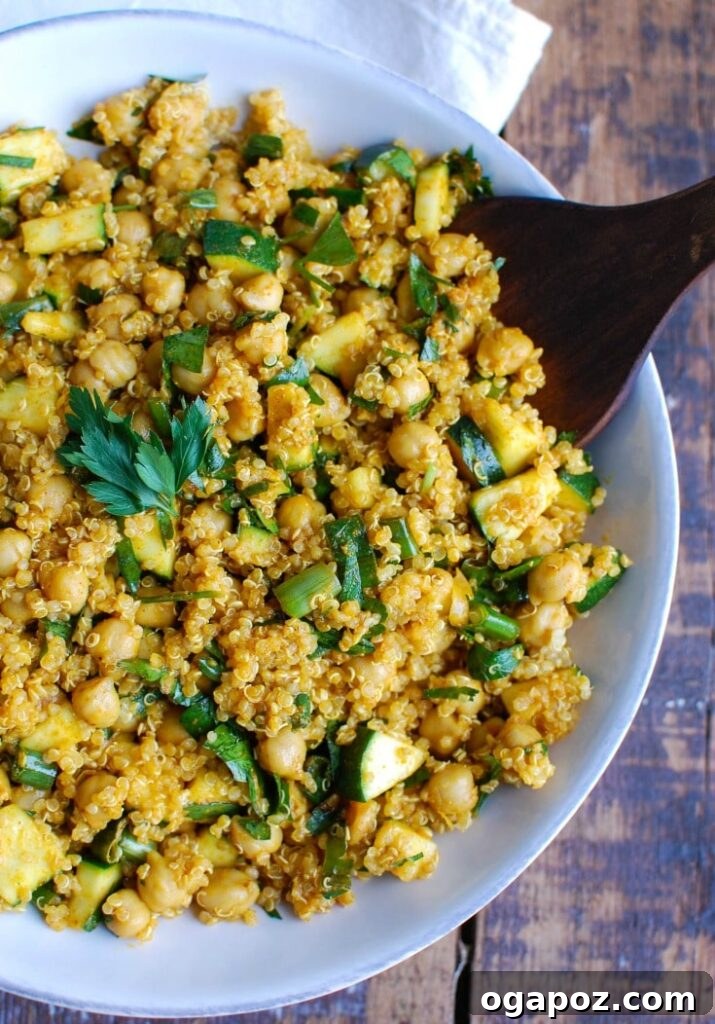
The true power of turmeric lies in curcumin, its main active ingredient. Curcumin is renowned for its powerful anti-inflammatory effects and strong antioxidant properties, which is why turmeric is widely celebrated for its numerous health benefits, linking delicious food with wellness. In the kitchen, turmeric brightens and deepens savory dishes. Some of my go-to recipes that showcase turmeric’s versatility include the beautifully colored and flavorful Turmeric Roasted Cauliflower, the vibrant and healthy Zucchini Chickpea Quinoa Salad, and rich, aromatic main courses like these Moroccan Chicken Thighs. Turmeric not only adds an incredible depth of flavor but also a stunning visual appeal to any Mediterranean-inspired meal.
Embrace the Flavors of the Mediterranean
Bringing the vibrant and healthy flavors of the Mediterranean diet into your kitchen is an enriching and delicious endeavor. These ten essential spices—sumac, za’atar, cinnamon, cumin, coriander, cardamom, allspice, smoked paprika, rosemary, and turmeric—are more than just ingredients; they are the key to unlocking authentic tastes and aromatic experiences. Each spice contributes a unique element, from the bright tang of sumac to the earthy warmth of cumin and the complex notes of cardamom, creating a symphony of flavors that define this beloved cuisine.
By incorporating these versatile Mediterranean spices into your cooking, you’re not just making a meal; you’re crafting a culinary masterpiece that is both incredibly flavorful and wonderfully healthy. Whether you’re roasting vegetables, grilling meats, preparing hearty stews, or tossing a fresh salad, these spices provide the perfect foundation. I encourage you to experiment with these staples, blend them in creative ways, and discover your own favorite combinations. Let these Mediterranean spices inspire your next meal, transform your cooking, and bring the warmth and zest of the Mediterranean right to your table. Happy cooking!