
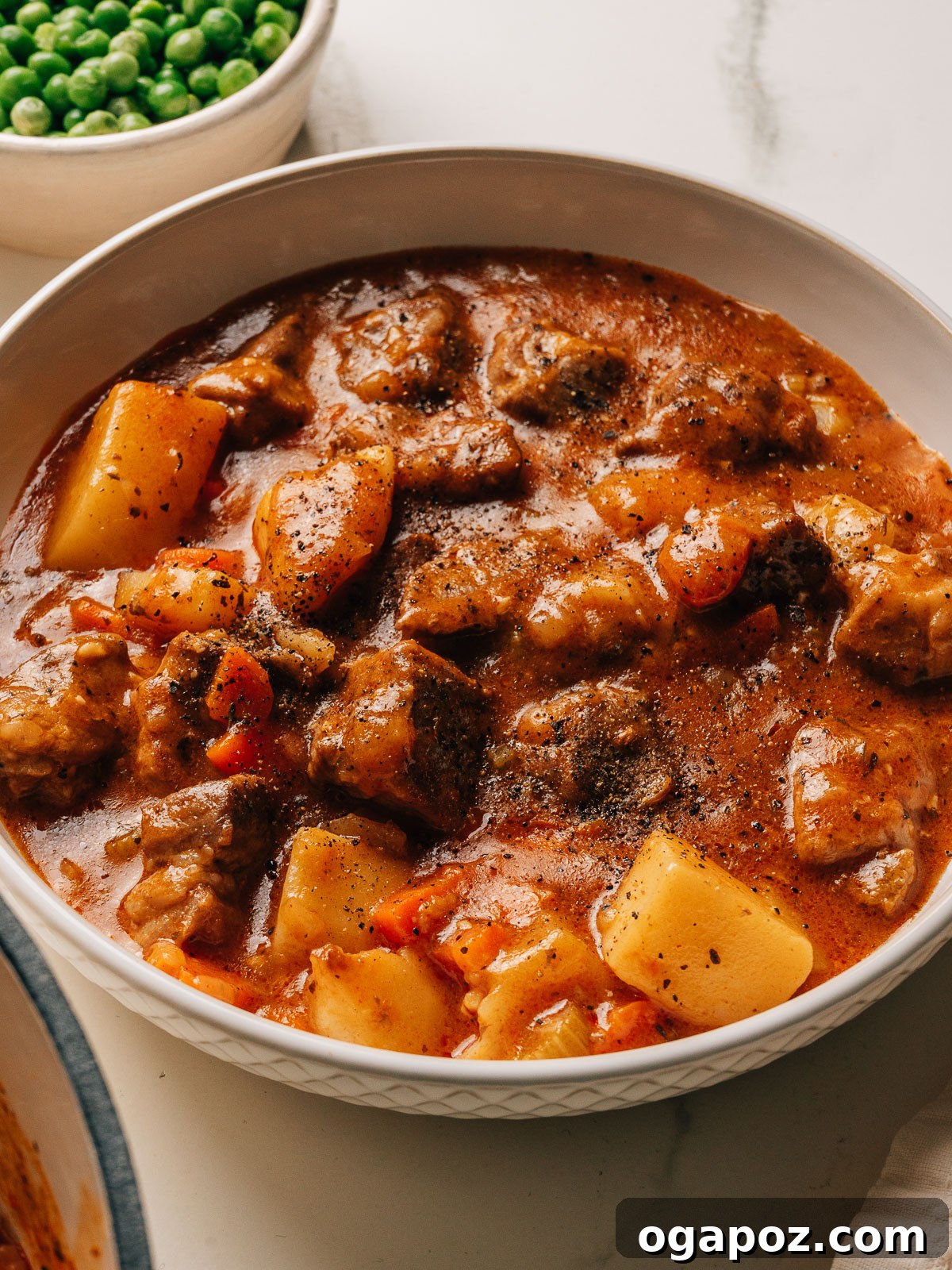
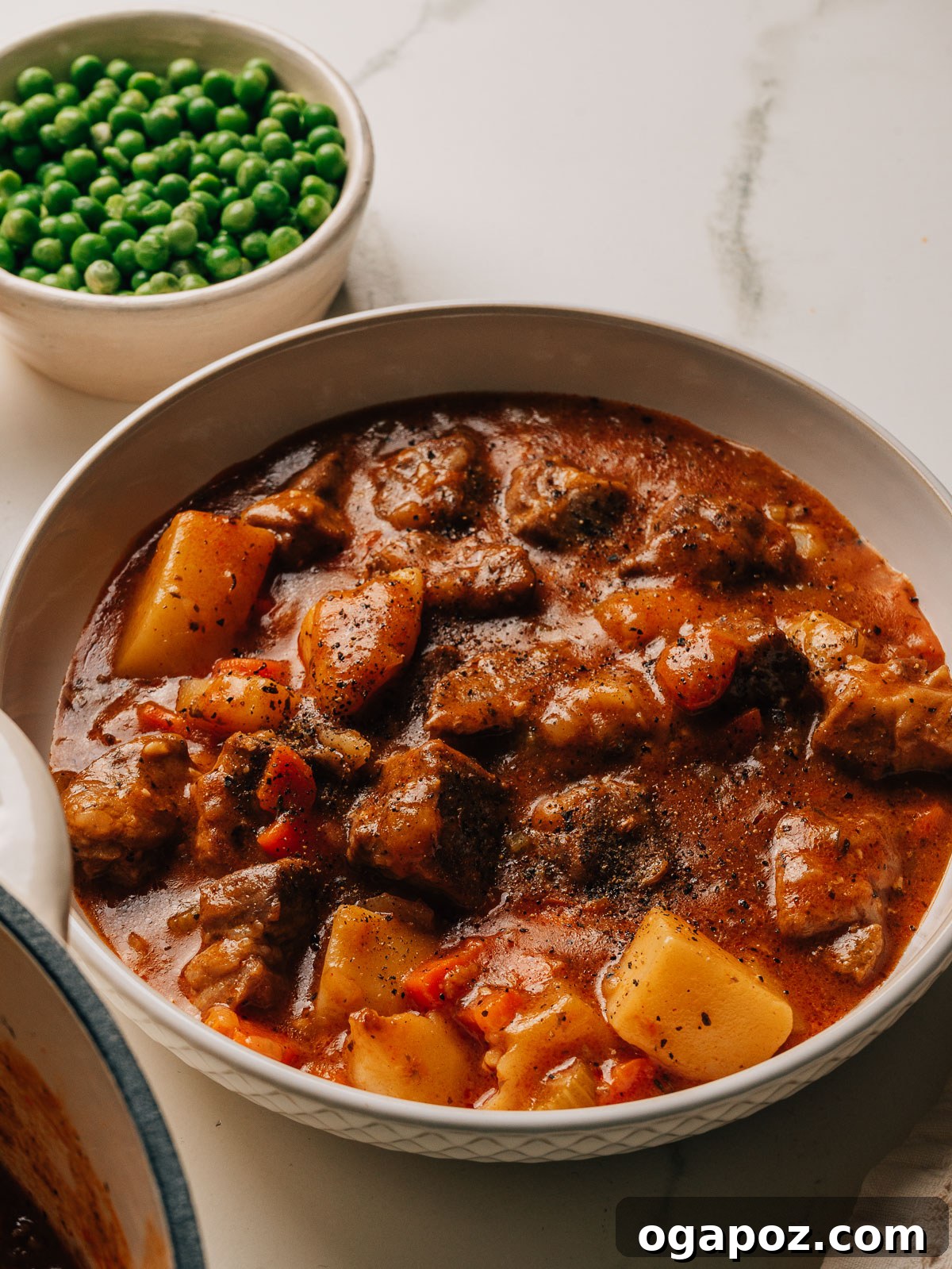
This easy Pork Stew recipe is my go-to comfort food for chilly evenings. As a food scientist, I care about the techniques that create deep flavor and tender meat. This recipe uses three often-missed tricks: building a proper fond, browning the tomato paste for umami, and finishing with cold butter for a glossy sauce.
Pork Stew Ingredients
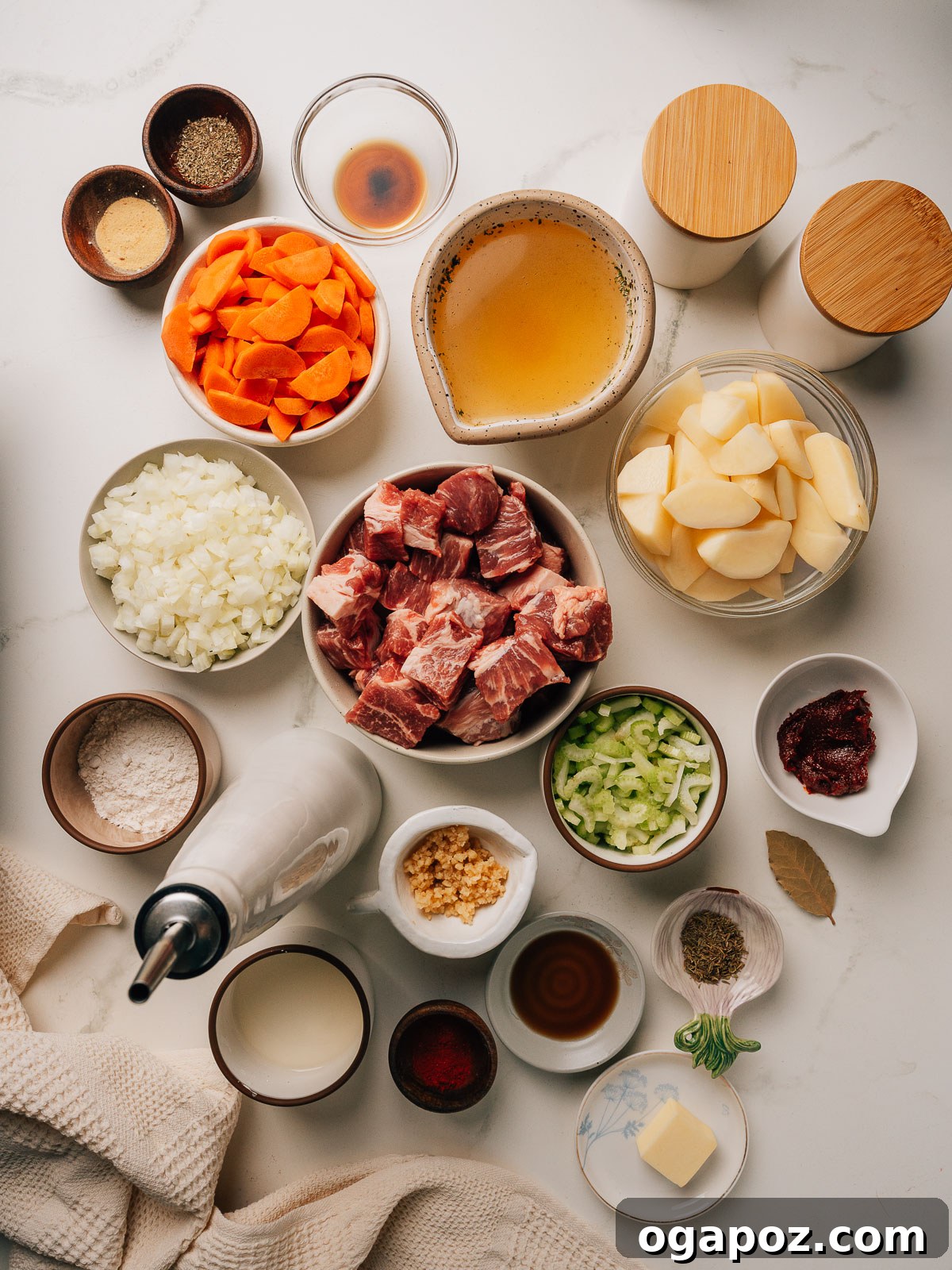
Notes on the main ingredients to make a richly flavored pork stew.
- Pork shoulder: also called pork butt. Cut into 1½-inch cubes so the meat braises evenly and you keep a good meat-to-sauce ratio.
- Onion and celery: classic aromatics for body and sweetness.
- Fresh garlic and tomato paste: cook the tomato paste until it darkens and sticks to the pot to develop serious savory depth.
- Seasonings: dried thyme, dried parsley, onion powder, and smoked paprika form the savory backbone.
- All-purpose flour: sprinkled over the cooked vegetables to build a roux in the pot and naturally thicken the gravy.
- Chicken broth: the simmering liquid for braising.
- Carrots and Yukon Gold potatoes: Yukon Golds hold their shape yet become creamy inside.
- Bay leaf: one leaf adds a subtle herbal layer.
- Worcestershire and soy sauce: two umami boosters that round out the sauce.
- Cornstarch slurry (optional): for extra thickening at the end.
- Cold unsalted butter: whisked in last to give the gravy a silky, glossy finish.
Full ingredient quantities are listed in the recipe card below.
If you enjoy slow-simmered, gravy-rich meals, try my Dutch Oven Classic Beef Stew as another cozy option.
Variations and Substitutions
Simple ways to adapt the stew:
- Red wine: deglaze with ½ cup dry red wine after cooking the tomato paste for added richness. A dry white works too.
- Bacon: render 4 chopped strips before browning the pork for a smoky note.
- Rosemary: replace thyme with 1 tsp dried rosemary or a small fresh sprig for a piney aroma.
- Mushrooms: brown 8 oz cremini with the vegetables for more umami.
- Potato swaps: parsnips, turnips, or rutabaga can replace some potatoes for a sweeter root flavor.
Tools
These simple tools make the process easier:
- Heavy Dutch oven: a 5–7 quart enameled cast-iron pot browns evenly and simmers gently.
- Sharp chef’s knife: for quick, even cubing of the pork shoulder.
- Wooden spoon: ideal for scraping up the fond when deglazing.
- Tongs: for turning pork pieces without losing the sear.
How to Make Pork Stew: An Easy Guide
This stew comes together entirely in one Dutch oven. Follow these steps to build deep flavor.
Heat the Pot and Sear the Pork
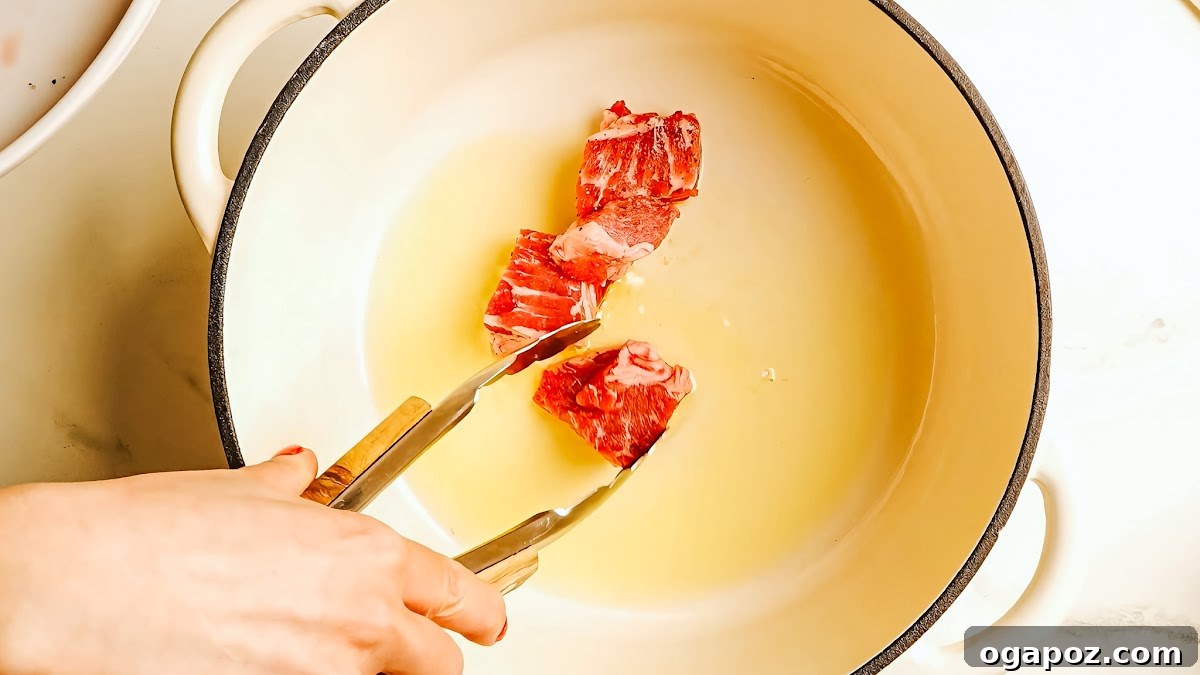
Preheat a large Dutch oven over medium-high for 3–4 minutes. Add 2 tbsp olive oil and let it shimmer about 30 seconds. Pat the pork dry and season with 1½ tsp kosher salt and black pepper. Brown the pork in batches so pieces don’t touch, about 3–4 minutes per side, then transfer to a plate.
Soften the Aromatics
Reduce heat to medium. Add chopped onion, sliced celery, and the remaining ½ tsp salt. Cook until softened and lightly golden, about 6 minutes.
Build the Flavor Base
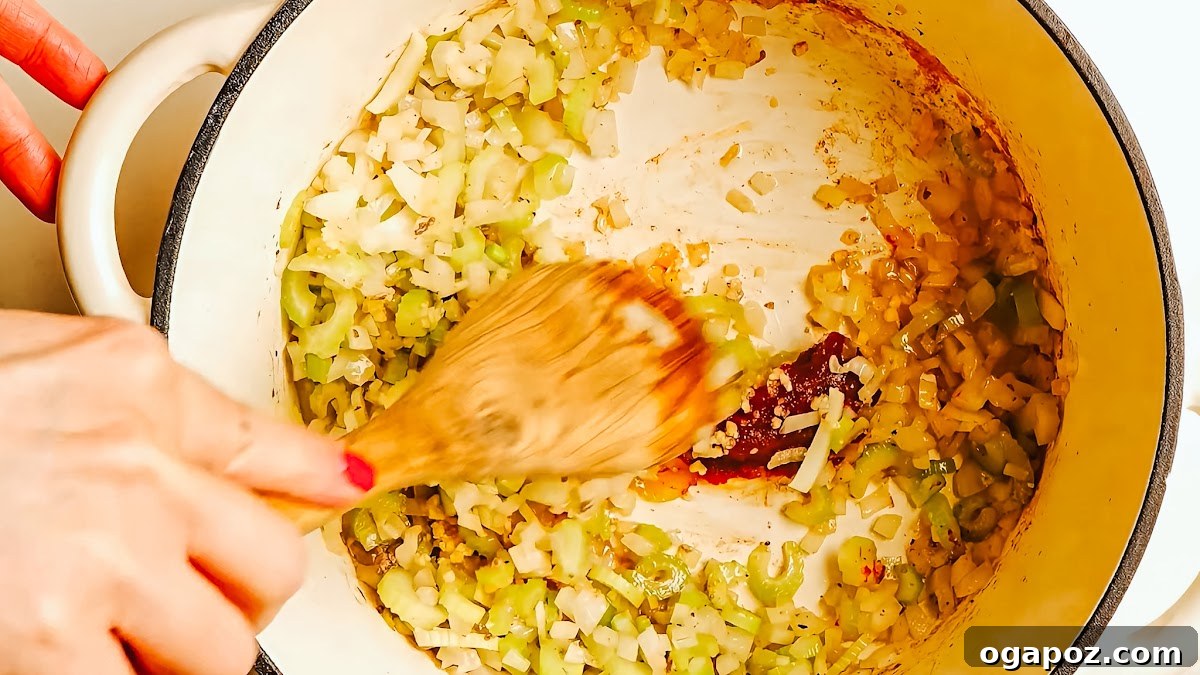
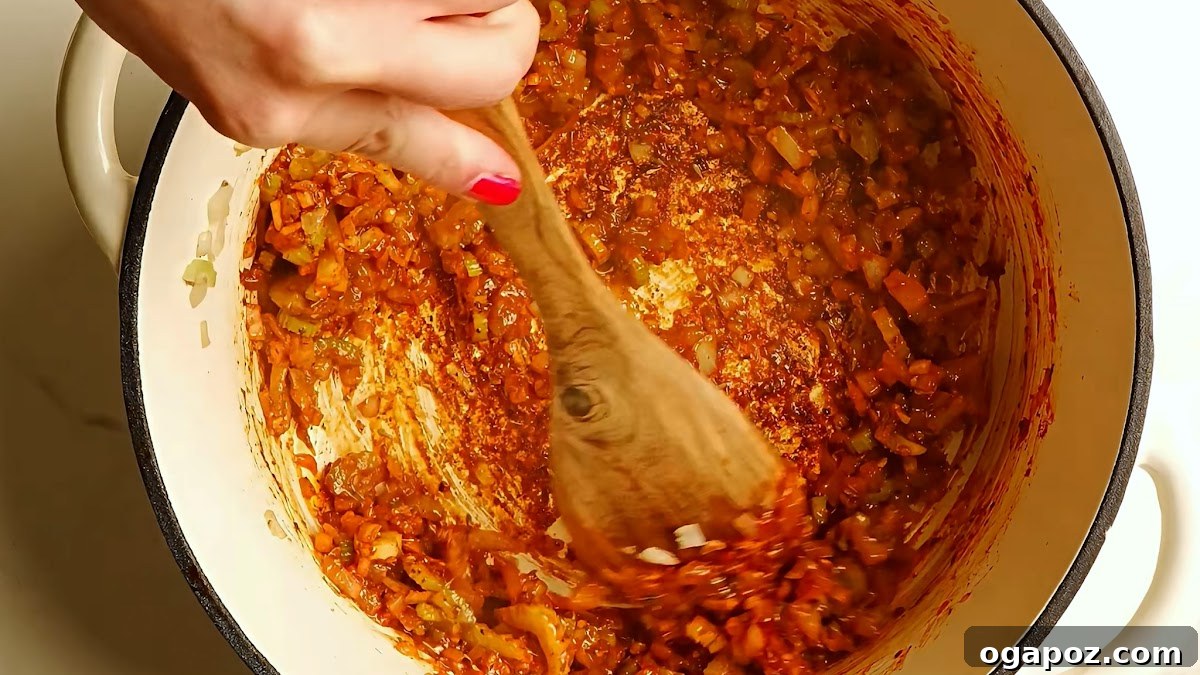
Stir in minced garlic, 2 tbsp tomato paste, dried thyme, and smoked paprika. Cook 3–4 minutes, stirring often, until the tomato paste darkens and begins to stick to the pot—this step adds deep savory character. Sprinkle 2 tbsp flour over the vegetables and cook 1 minute to remove the raw flour flavor.
Deglaze and Simmer
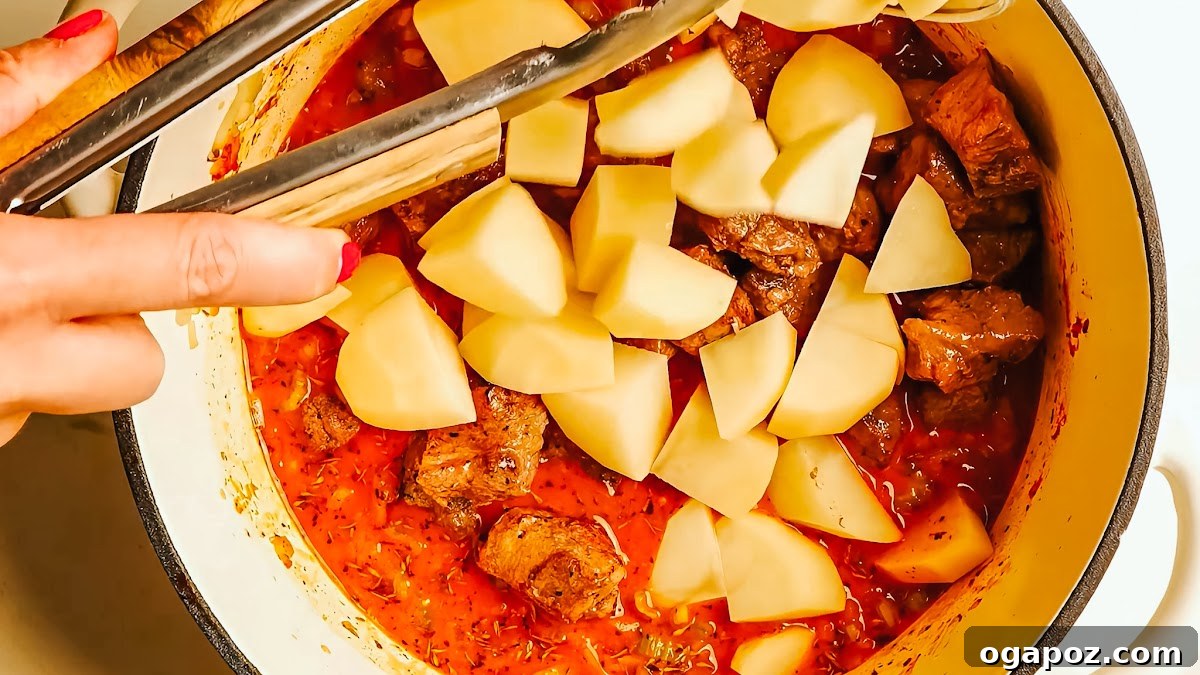
Pour in 4 cups chicken broth and 1 tsp more salt, scraping up browned bits from the bottom. Return the pork and any accumulated juices to the pot. Add sliced carrots, chunked Yukon Gold potatoes, 1 bay leaf, 1 tbsp Worcestershire sauce, and 1 tbsp soy sauce. Bring to a gentle simmer, cover, and cook on low for 75 minutes, stirring once or twice, until the pork is fork-tender.
Finish with Slurry and Butter
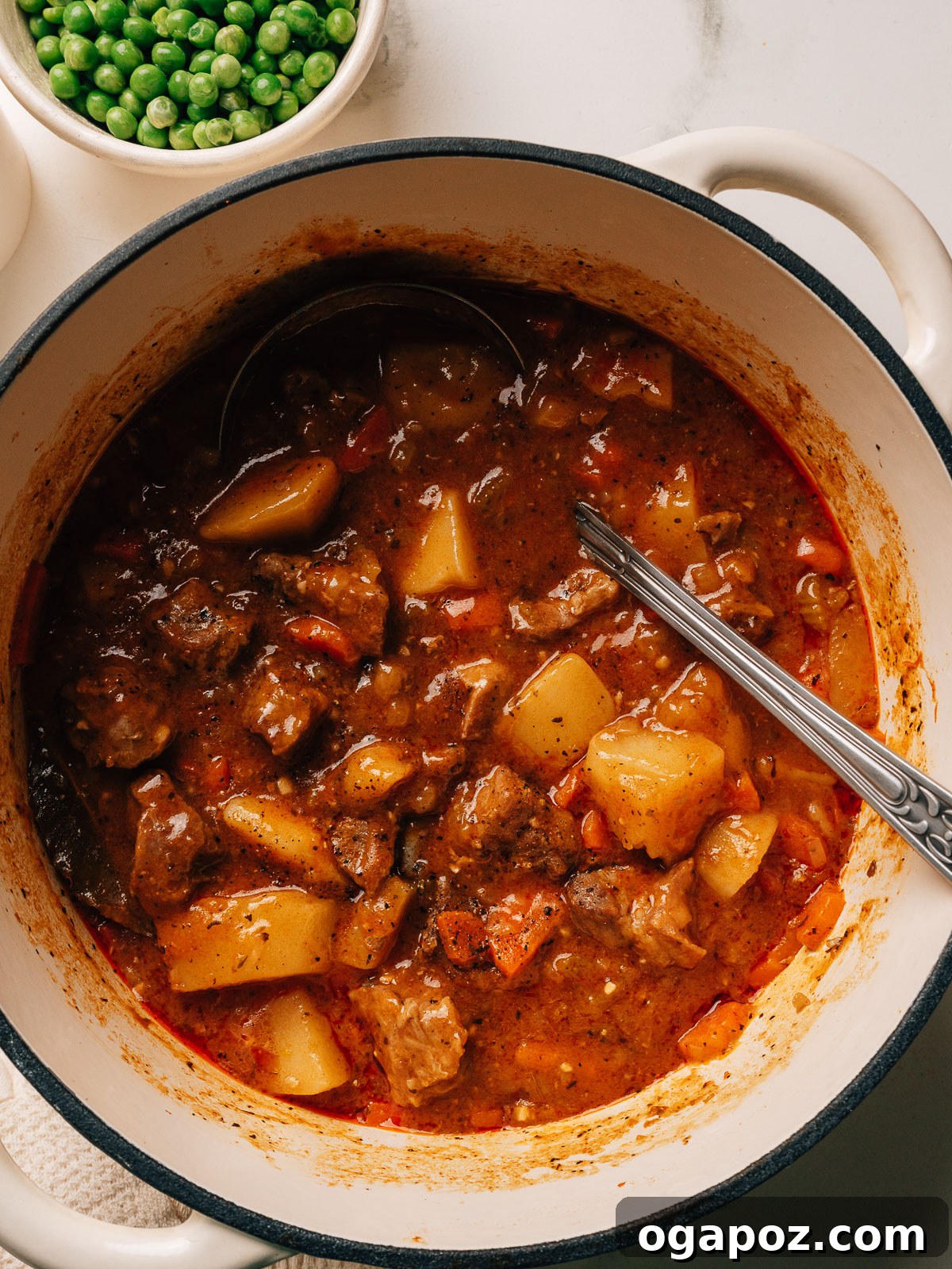
Remove the bay leaf. If you want a thicker gravy, whisk a cornstarch slurry (1 tbsp cornstarch mixed with 2 tbsp cold water) into the pot. Off heat, whisk in 1 tbsp cold unsalted butter until melted and the sauce becomes glossy. Simmer uncovered about 5 minutes to reach your desired consistency. Taste and adjust salt if needed, then let the stew rest 10 minutes before serving so the gravy settles and thickens slightly.
5 Common Mistakes When Making Pork Stew
Avoid these pitfalls for the best result:
- Skipping the sear: the fond from browning is the base of a flavorful gravy.
- Crowding the pan: work in batches so the pork browns instead of steaming.
- Adding liquid too soon: let tomato paste darken and stick before deglazing.
- Boiling instead of simmering: a hard boil can toughen pork shoulder—keep a gentle simmer.
- Not tasting at the end: flavors concentrate as the sauce reduces, so adjust seasoning before serving.
Make Ahead and Storage
Pork stew often tastes better the next day after flavors meld.
Storing Leftovers
- Cool first: let the stew sit at room temperature no more than an hour before refrigerating.
- Airtight container: keeps in the fridge for 3–4 days.
- Press the surface: cover the stew with plastic wrap directly on the surface to prevent a skin from forming.
Freezing
- Portion: freeze in meal-sized containers or family portions.
- Freeze up to 3 months: the gravy freezes well; potatoes may soften slightly.
- Label: date containers so you can track storage time.
Reheating
- Thaw overnight: move frozen stew to the fridge before reheating.
- Stovetop: rewarm gently over medium-low, stirring occasionally.
- Loosen if needed: add a splash of broth or water if the gravy has thickened too much.
How to Serve This Pork Stew Recipe
The sauce is the star—serve it with something to soak up the gravy.
Toppings
- Fresh herbs: chopped parsley or thyme brightens each bowl.
- Cracked black pepper: a final twist adds sharpness to the gravy.
Side Dishes
- Crusty bread: perfect for dunking in the sauce.
- Bright salad: a crisp lemony salad balances the richness.
- Buttered egg noodles: serve a smaller portion of stew over noodles to stretch the meal.
- Roasted greens: broccoli or green beans add color and texture.
How to Make the Best Pork Stew: Final Notes
- Use pork shoulder: its fat and collagen break down into a silky sauce—lean cuts dry out.
- Cook the tomato paste: browning it adds significant savory depth.
- Make the roux in the pot: sprinkling flour over the vegetables builds body without a pasty taste.
- Low and slow: a gentle 75-minute simmer yields tender pork; avoid vigorous boiling.
- Butter finish: a tablespoon of cold butter whisked in off heat gives a restaurant-quality gloss.
- Rest before serving: 10 minutes off heat lets the gravy thicken and settle.
FAQs About Pork Stew
Quick answers to common questions.
Pork shoulder (pork butt) is best because its fat and collagen break down into a tender, silky sauce during a long, gentle simmer.
Yes. Brown the pork and soften the vegetables on the stove, then transfer to a slow cooker on low for 6–8 hours. Add the slurry and butter at the end for the same finish.
Yes. Brown the pork on the sauté setting, add the ingredients, pressure cook on high for about 35 minutes with a 10-minute natural release, then stir in the slurry and butter on sauté to finish.
Yes—add ½ cup dry red wine after cooking the tomato paste and simmer for a couple minutes before adding broth to deepen the gravy.
Whisk 1 tbsp cornstarch with 2 tbsp cold water and stir into the simmering stew, or simmer uncovered for 10–15 minutes to reduce naturally.
They layer umami without dominating the flavor, but if you only have one, use 2 tsp of that sauce. Tamari works as a gluten-free soy substitute.
Freeze up to 3 months. Cool completely, portion into airtight containers, and thaw overnight in the fridge before reheating.
Yukon Golds hold up well, but cutting them too small or simmering at a hard boil will break them down. Cut into chunky pieces and keep the heat at a gentle simmer.
Warm gently on the stovetop over medium-low, stirring occasionally. Add a splash of broth if the gravy has tightened in the fridge.
Other Tender Pork Recipes You’ll Love
- Slow Cooker Pork Shoulder
- Instant Pot Pulled Pork
- Slow Cooker Pork Loin
- Instant Pot Pork Loin
- Fall-Off-The-Bone Oven-Baked Spare Ribs

Easy Tender Pork Stew
Ingredients
- 2 tbsp olive oil
- 2 lb pork shoulder, cut into 1½-inch cubes
- 3 tsp kosher salt, divided
- ½ tsp black pepper
- 2½ cups chopped onion (about 1 large)
- 1½ cups sliced celery (about 2 ribs)
- 4 tsp minced garlic (about 4 large cloves)
- 2 tbsp tomato paste
- 1 tsp dried thyme
- 1 tsp dried parsley
- 2 tsp onion powder
- ½ tsp smoked paprika
- ¾ tsp ground black pepper
- 2 tbsp all-purpose flour
- 4 cups chicken broth
- 2 cups sliced carrots (about 2 large)
- 3 medium Yukon Gold potatoes, peeled and cut into chunks
- 1 bay leaf
- 1 tbsp Worcestershire sauce
- 1 tbsp soy sauce
- 1 tbsp cornstarch mixed with 2 tbsp cold water (optional)
- 1 tbsp cold unsalted butter
Instructions
- Heat a large Dutch oven over medium-high for 3–4 minutes. Add oil and heat until shimmering.
- Pat pork dry and season with 1½ tsp kosher salt and black pepper.
- Brown pork in batches, leaving space between pieces, about 3–4 minutes per side. Transfer to a plate.
- Reduce heat to medium. Add onion, celery, and remaining ½ tsp salt; cook until softened, about 6 minutes.
- Stir in garlic, tomato paste, thyme, and smoked paprika. Cook 3–4 minutes until the paste darkens and sticks to the pot.
- Sprinkle flour over the vegetables and stir to coat; cook 1 minute to remove raw flour taste.
- Pour in chicken broth and 1 tsp salt, scraping up browned bits. Return pork and juices to the pot. Add carrots, potatoes, and bay leaf. Stir in Worcestershire and soy sauce.
- Bring to a gentle simmer, cover, and cook on low for 75 minutes until pork is fork-tender and sauce has thickened.
- Remove bay leaf. Whisk in cornstarch slurry (if using) and cold butter. Simmer uncovered about 5 minutes until glossy and thickened.
- Taste and adjust salt if needed. Let rest 10 minutes before serving so the gravy thickens slightly.
Notes
Pork shoulder: sold as pork butt; its fat and collagen create a silky gravy. Avoid lean cuts like loin.
Don’t skip the sear: the fond is essential. Work in batches so pieces brown rather than steam.
Cook the tomato paste: darken and let it stick for 3–4 minutes before adding broth for deeper flavor.
Low simmer: keep heat gentle to avoid toughening the pork.
Cold butter finish: whisking in cold butter off-heat gives a glossy finish—don’t skip it.
Make ahead: flavors deepen overnight. Refrigerate 3–4 days or freeze up to 3 months.
Nutrition
Nutrition information is an approximation.